
Kaiserliche Marine (Imperial German Navy) pre-dreadnaught battleships: Wittelsbach class (1900): SMS Wittelsbach, SMS Wettin, SMS Zähringen, SMS Schwaben, SMS Mecklenburg.
Pre-dreadnaught battleships: Wittelsbach class (1900):
SMS Wittelsbach
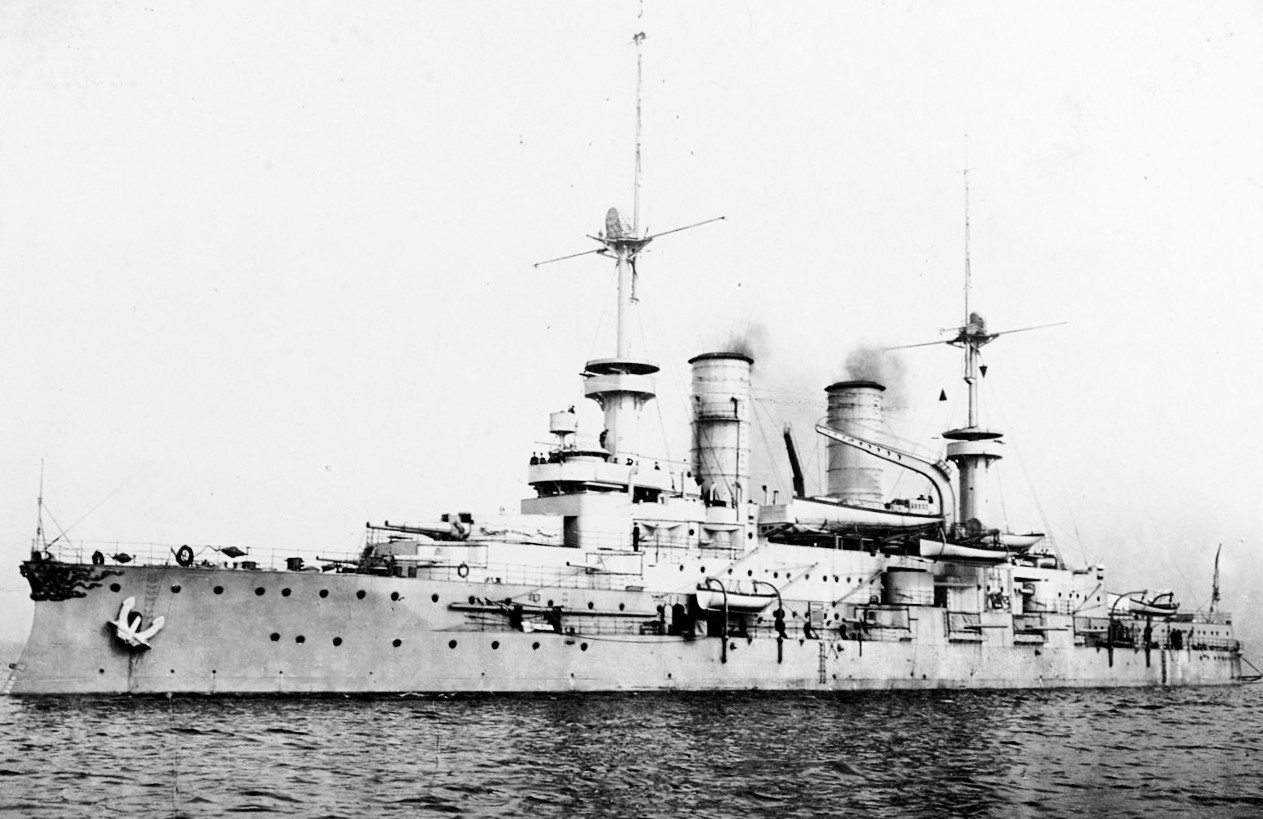
(Kaiserliche Marine Photo, c1910)
SMS Wittelsbach was the lead ship of the Wittelsbach class of pre-dreadnought battleships, built for the Imperial German Navy. She was the first capital ship built under the Navy Law of 1898, brought about by Admiral Alfred von Tirpitz. Wittelsbach was laid down in 1899 at the Wilhelmshaven Navy Dockyard and completed in October 1902. She was armed with a main battery of four 24 cm (9.4 in) guns and had a top speed of 18 knots (33 km/h; 21 mph).
The ship served in I Squadron of the German fleet for the majority of her peacetime career, which spanned from 1902 to 1910. During this period, she was occupied with extensive annual training and making good-will visits to foreign countries. The training exercises during this period provided the framework for the High Seas Fleet’s operations during the First World War. She was decommissioned in September 1910, but was reactivated in 1911 for training ship duties, which lasted through 1914.
After the start of the First World War in August 1914, Wittelsbach was brought back to active duty in IV Battle Squadron. The ship served in the Baltic Sea, including during the Battle of the Gulf of Riga in August 1915, but saw no combat with Russian forces. By late 1915, crew shortages and the threat from British submarines forced the Kaiserliche Marine to withdraw older battleships like Wittelsbach. The ship then saw service in auxiliary roles, first as a training ship and then as a ship’s tender. After the war, she was converted into a tender for minesweepers in 1919. In July 1921, the ship was sold and broken up for scrap metal. (Wikipedia)
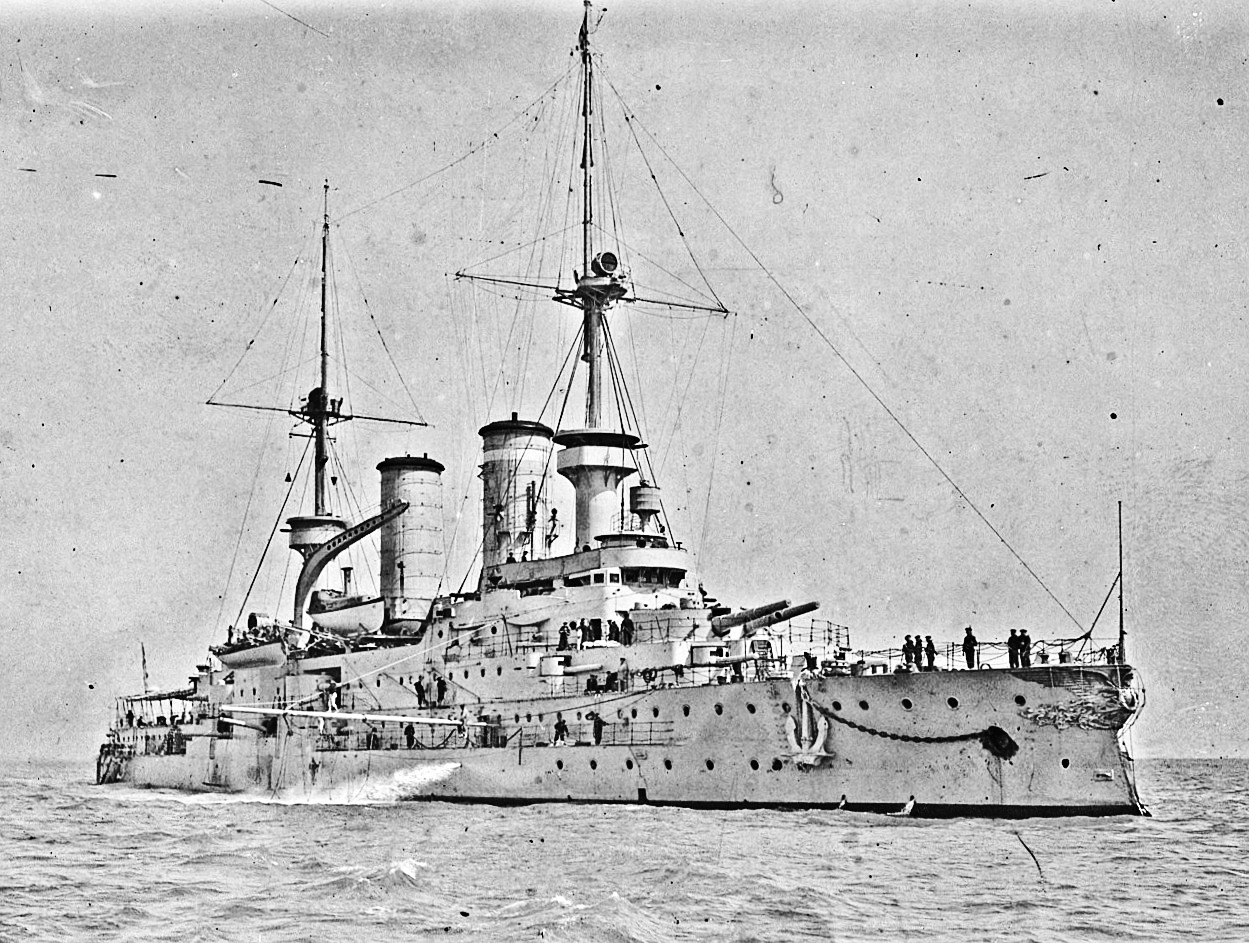
(Bibliothèque nationale de France Photo)
SMS Wittelsbach, c1904.
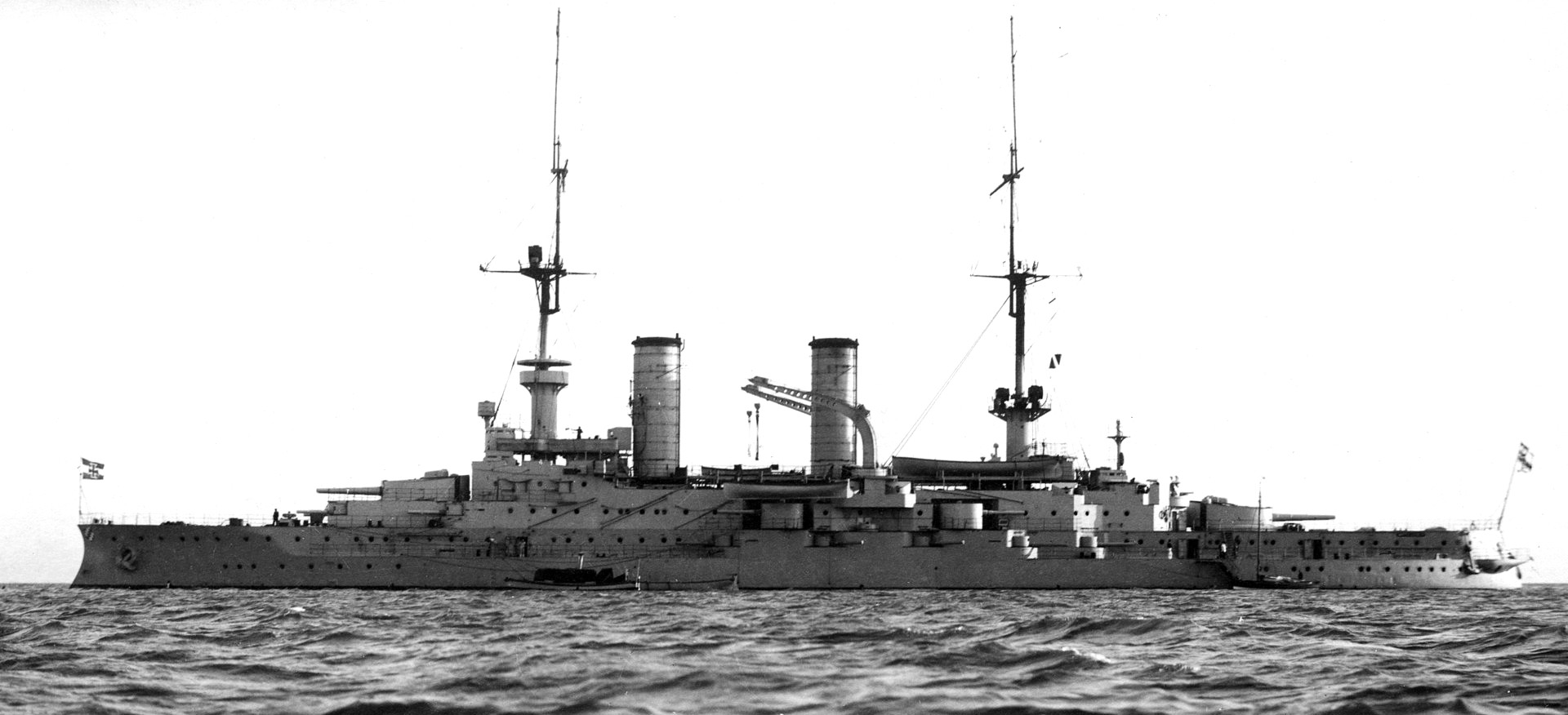
(Kaiserliche Marine Photo)
SMS Wittelsbach, c1915.
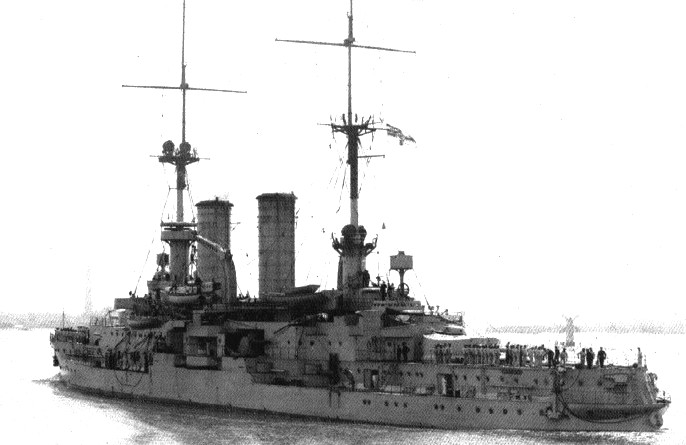
(Kaiserliche Marine Photo)
SMS Wittelsbach, c1910.
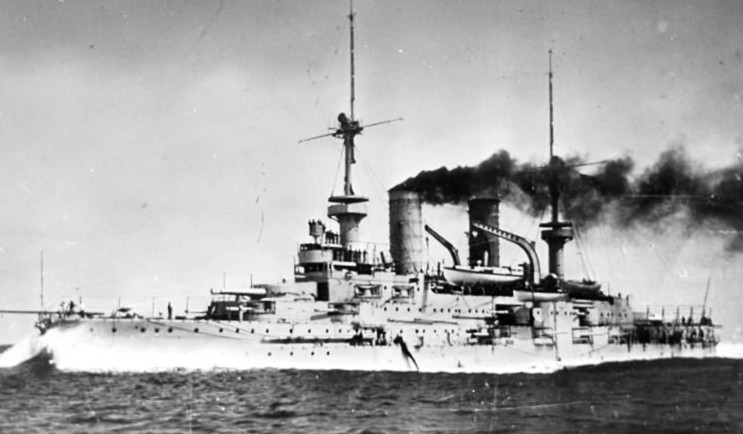
(Bundesarchiv, DVM 10 Bild-23-61-16 / CC-BY-SA 3.0)
SMS Wittelsbach.
SMS Wettin
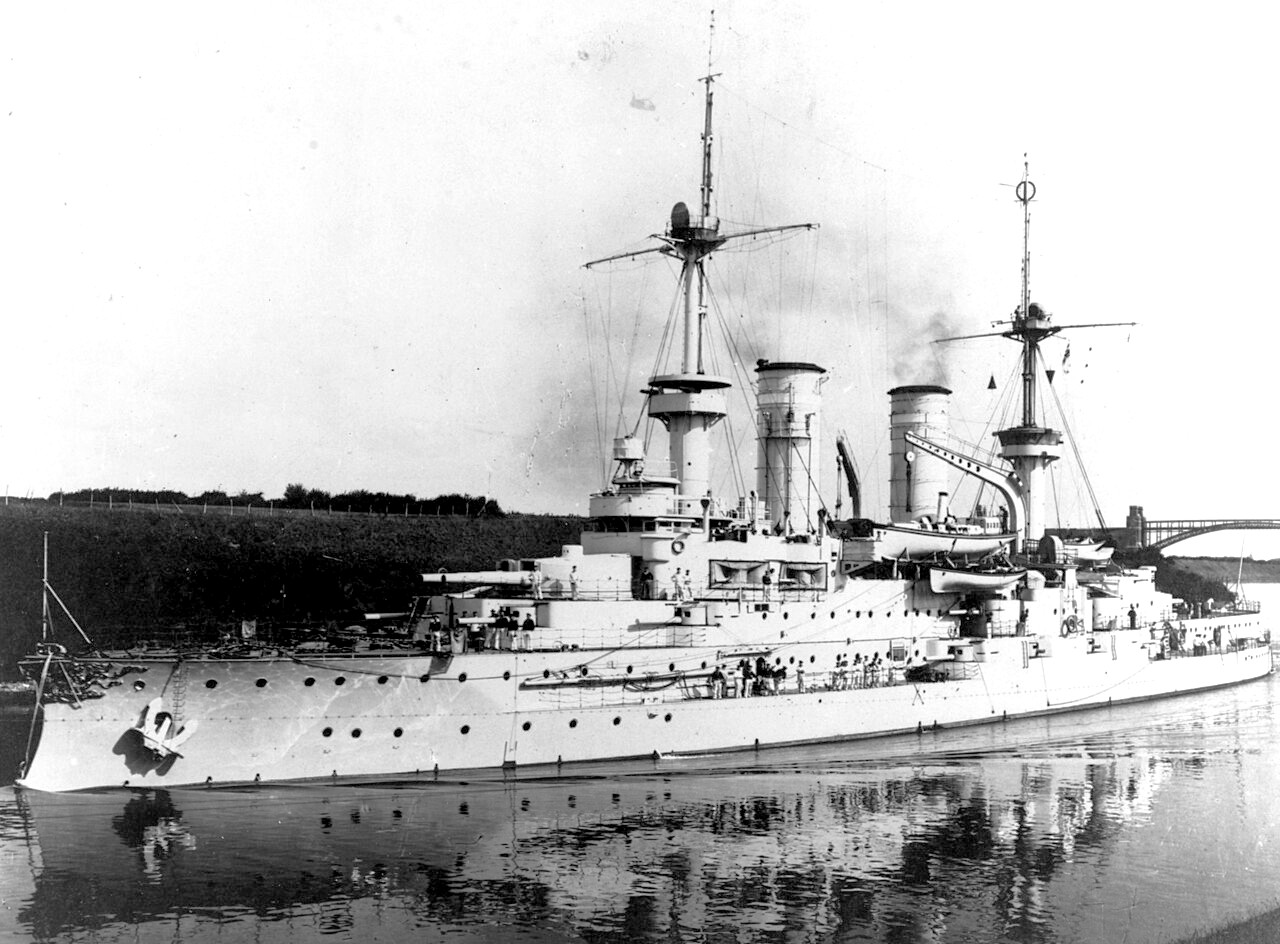
((Naval History and Heritage Command Photo, c1907)
SMS Wettin (“His Majesty’s Ship Wettin”)[a] was a pre-dreadnought battleship of the Wittelsbach class of the German Kaiserliche Marine (Imperial Navy). She was built by Schichau Seebeckwerft in Danzig. Wettin was laid down in October 1899, and was completed October 1902. She and her sister ships—Wittelsbach, Zähringen, Schwaben and Mecklenburg—were the first capital ships built under the Navy Law of 1898. Wettin was armed with a main battery of four 24 cm (9.4 in) guns and had a top speed of 18 knots (33 km/h; 21 mph).
Wettin saw service in I Squadron of the German fleet for most of her career, along with her sister ships. She was occupied with extensive annual training, as well as making good-will visits to foreign countries. The training exercises provided the framework for the High Seas Fleet’s operations during World War I. The ship was decommissioned in June 1911 as dreadnought battleships began to enter service but was reactivated for duty as a gunnery training ship between December 1911 and mid-1914.
After the start of the First World War in August 1914, the Wittelsbach-class ships were mobilized and designated IV Battle Squadron. She saw limited duty in the Baltic Sea, but the ship played a minor role in the Battle of the Gulf of Riga in August 1915, though Wettin saw no combat with Russian forces. By late 1915, crew shortages and the threat from British submarines forced the Kaiserliche Marine to withdraw older battleships like Wettin from active service. For the remainder of the war, Wettin served as a training ship for naval cadets and as a depot ship. The ship was stricken from the navy list after the war and sold for scrapping in 1921. Her bell is on display at the Militärhistorisches Museum der Bundeswehr in Dresden. (Wikipedia)
SMS Zähringen
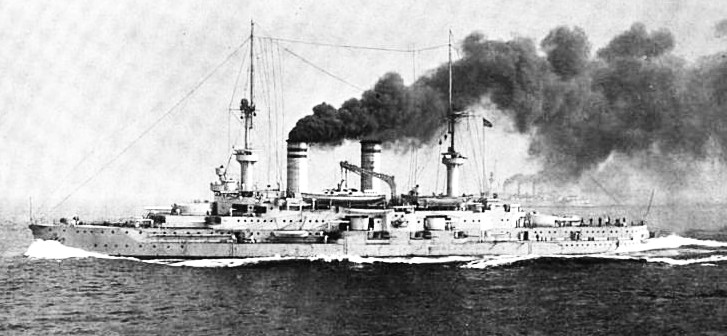
(Kaiserliche Marine Photo)
SMS Wittelsbach, c1903.
SMS Zähringen (German: Seiner Majestät Schiff Zähringen; English: His Majesty’s Ship Zähringen) was the third Wittelsbach-class pre-dreadnought battleship of the German Imperial Navy (Kaiserliche Marine). Laid down in 1899 at the Germaniawerft shipyard in Kiel, she was launched on 12 June 1901 and commissioned on 25 October 1902. Her sisters were Wittelsbach, Wettin, Schwaben and Mecklenburg; they were the first capital ships built under the Navy Law of 1898, brought about by Admiral Alfred von Tirpitz. The ship, named for the former royal House of Zähringen, was armed with a main battery of four 24 cm (9.4 in) guns and had a top speed of 18 knots (33 km/h; 21 mph).
Zähringen saw active duty in I Squadron of the German fleet for the majority of her career. During this period, she was occupied with extensive annual training and making good-will visits to foreign countries. The training exercises conducted during this period provided the framework for the High Seas Fleet’s operations during World War I. She was decommissioned in September 1910, but returned to service briefly for training in 1912, where she accidentally rammed and sank a torpedo boat. After the start of the First World War in August 1914, Zähringen was brought back to active duty in IV Battle Squadron. The ship saw limited duty in the Baltic Sea, including during the Battle of the Gulf of Riga in August 1915, but saw no combat with Russian forces. By late 1915, crew shortages and the threat of British submarines forced the Kaiserliche Marine to withdraw older battleships like Zähringen.
Instead, Zähringen was relegated to a target ship for torpedo training in 1917. In the mid-1920s, she was heavily reconstructed and equipped for use as a radio-controlled target ship. She served in this capacity until 1944, when she was sunk in Gotenhafen by British bombers during the Second World War. The retreating Germans raised the ship and moved her to the harbor mouth, where they scuttled her to block the port. Zähringen was broken up in situ in 1949–50. (Wikipedia)
SMS Schwaben
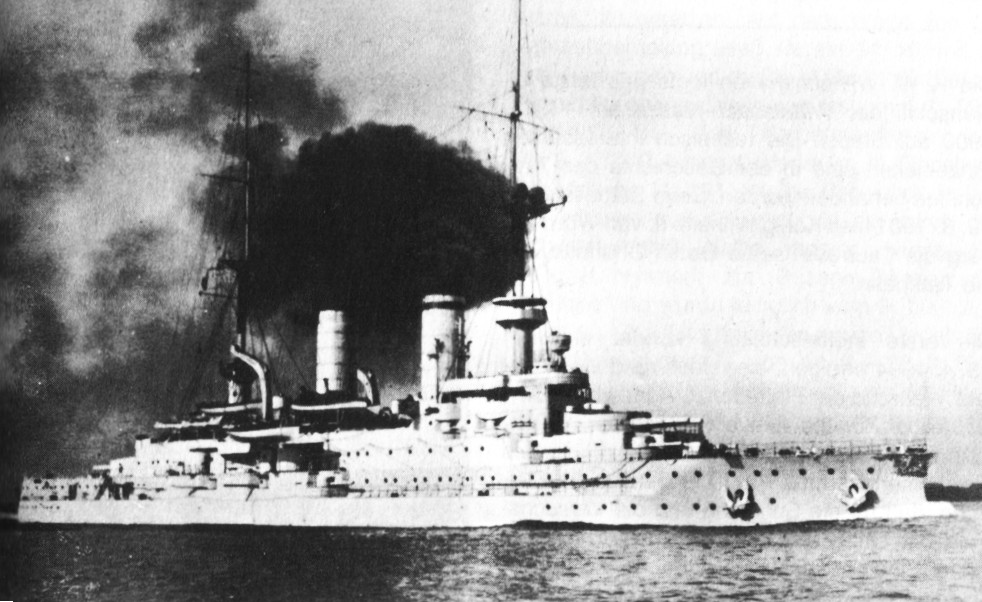
(Kaiserliche Marine Photo, c1912)
SMS Schwaben (“His Majesty’s Ship Swabia”) was the fourth ship of the Wittelsbach class of pre-dreadnought battleships of the German Imperial Navy. Schwaben was built at the Imperial Dockyard in Wilhelmshaven. She was laid down in 1900, and completed in April 1904. Her sister ships were Wittelsbach, Zähringen, Wettin and Mecklenburg; they were the first capital ships built under the Navy Law of 1898, championed by Admiral Alfred von Tirpitz. Schwaben was armed with a main battery of four 24-centimeter (9.4 in) guns and had a top speed of 18 knots (33 km/h; 21 mph).
Schwaben spent most of her career as a gunnery training ship from 1904 to 1914, though she frequently participated in the large scale fleet exercises during this period. After the start of the First World War in August 1914, the ship was mobilized with her sisters as IV Battle Squadron. She saw limited duty in the North Sea as a guard ship and in the Baltic Sea against Russian forces. The threat from British submarines forced the ship to withdraw from the Baltic in 1916. For the remainder of the war, Schwaben served as an engineering training ship for navy cadets. She was retained by the Reichsmarine after the war and reactivated from 1919 until June 1920, serving as a depot ship for F-type minesweepers in the Baltic. The ship was stricken from the navy list in March 1921 and sold for scrapping in that year. (Wikipedia)
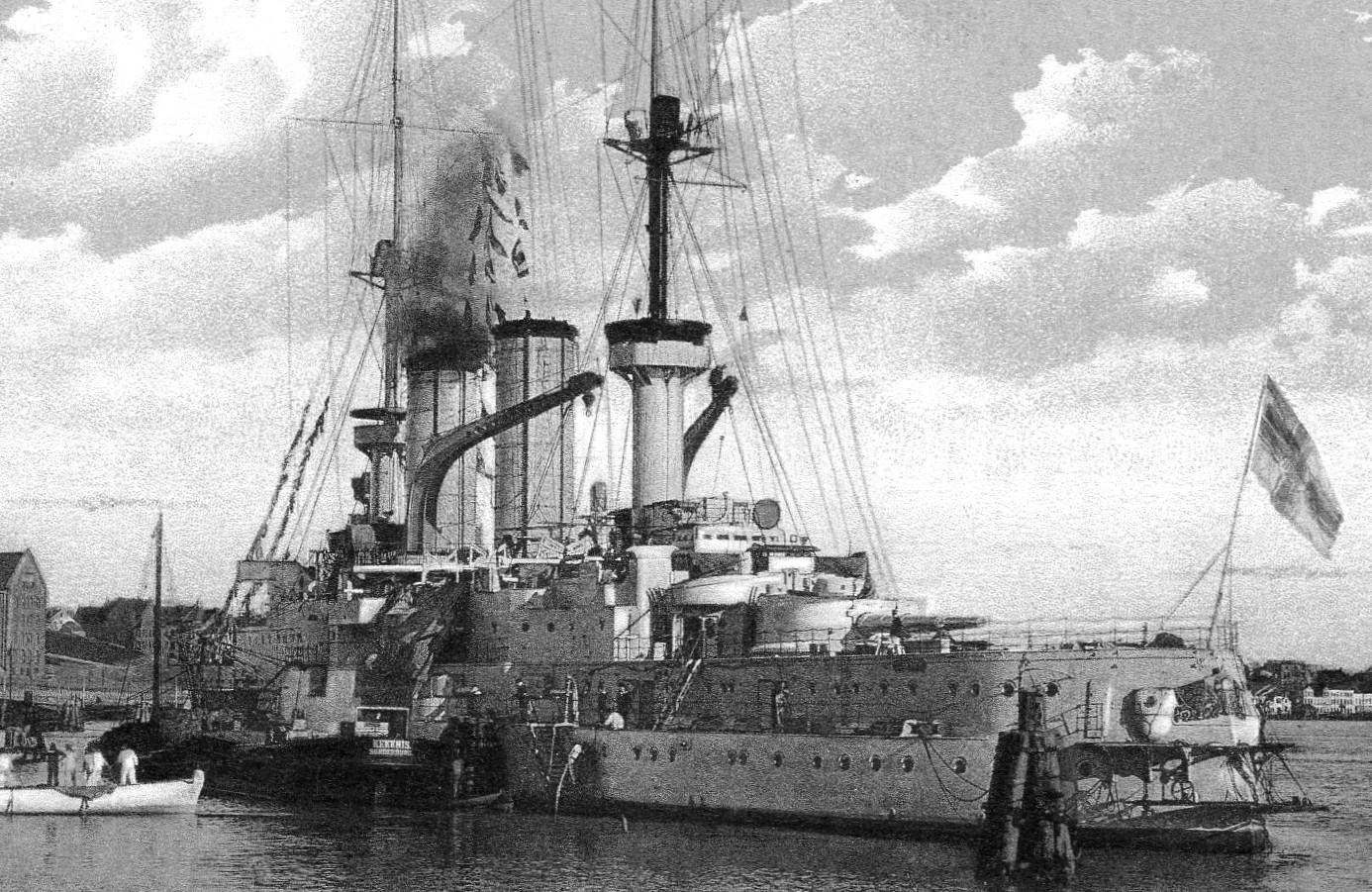
(Kaiserliche Marine Photo)
SMS Schwaben, Sonderborg, c1910.
SMS Mecklenburg
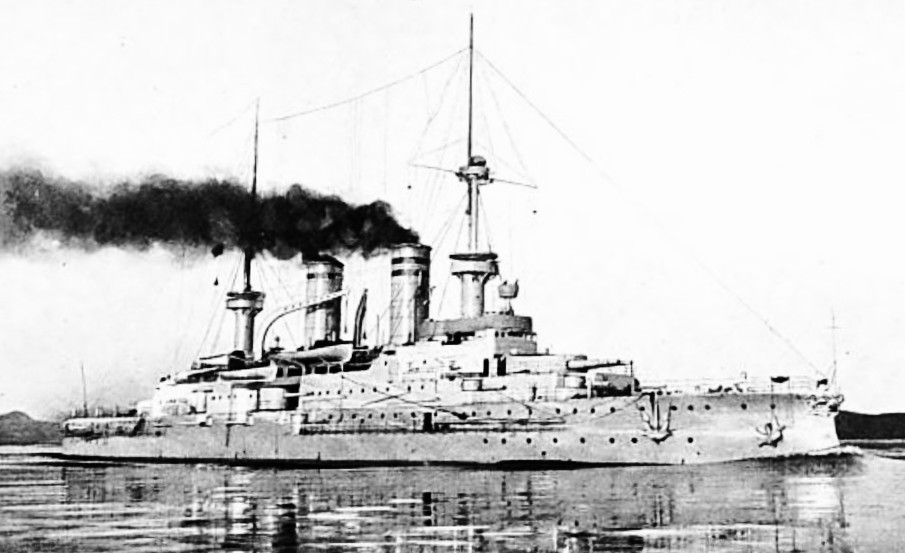
(Kaiserliche Marine Photo, c1915)
SMS Mecklenburg (“His Majesty’s Ship Mecklenburg”)[a] was the fifth ship of the Wittelsbach class of pre-dreadnought battleships of the German Imperial Navy. Laid down in May 1900 at the AG Vulcan shipyard in Stettin, Germany (now Szczecin, Poland), she was finished in May 1903. Her sister ships were Wittelsbach, Zähringen, Wettin, and Schwaben; they were the first capital ships built under the Navy Law of 1898, championed by Admiral Alfred von Tirpitz. Mecklenburg was armed with a main battery of four 24-centimeter (9.4 in) guns and had a top speed of 18 knots (33 km/h; 21 mph).
Mecklenburg spent the early period of her career in I Squadron of the German fleet, participating in the peacetime routine of training cruises and exercises. After World War I began in August 1914, the ship was mobilized with her sisters as IV Battle Squadron. She saw limited duty in the Baltic Sea against Russian naval forces, and as a guard ship in the North Sea. The German High Command withdrew the ship from active service in January 1916 due to a threat from submarines and naval mines, together with severe shortages in personnel. For the remainder of her career, Mecklenburg served as a prison ship and as a barracks ship based in Kiel. She was stricken from the navy list in January 1920 and sold for scrapping the following year. (Wikipedia)
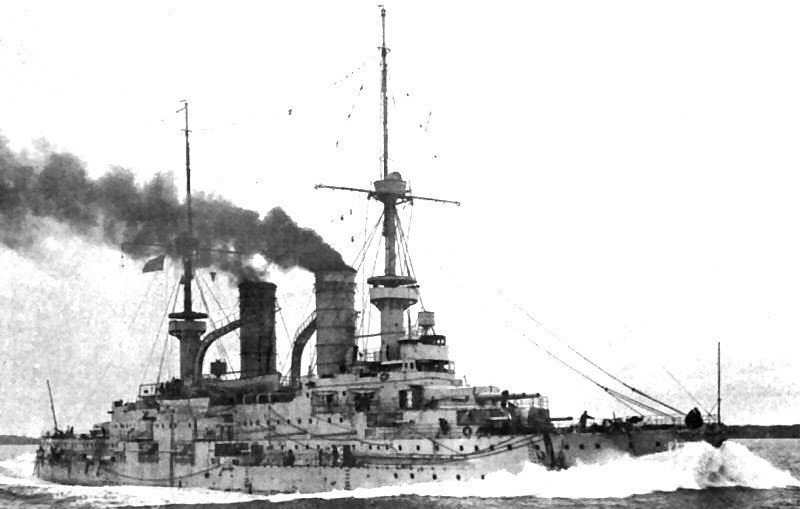
(Kaiserliche Marine Photo)
SMS Mecklenburg, c1904.
(Hugo Graf illustration)
SMS Mecklenburg.