Douglas C-47 Dakota and Skytrains preserved in the United Kingdom
The aim of this website is to locate, identify and document Warplanes from the Second World War preserved in the United Kingdom. Many contributors have assisted in the hunt for these aircraft to provide and update the data on this website. Photos are by the author unless otherwise credited. Any errors found here are by the author, and any additions, corrections or amendments to this list of Warplane Survivors of the Second World War in the United Kingdom would be most welcome and may be e-mailed to the author at hskaarup@rogers.com.
The Douglas C-47 Skytrain, or Dakota (RAF designation), is a military transport aircraft that was developed from the civilian Douglas DC-3 airliner. It was used extensively by the Allies during the Second World War. During the war the C-47 was used for troop transport, cargo, paratrooper drops, glider towing, and military cargo parachute drops. The C-47 remained in front-line service with various military operators for many years. It was produced in roughly triple the numbers of the larger, much heavier payload Curtiss C-46 Commando, which filled a similar role for the U.S. military.
In Europe, the C-47 and a specialized paratroop variant, the C-53 Skytrooper, were used in vast numbers in the later stages of the war, particularly to tow gliders and drop paratroops. During the invasion of Sicily in July 1943, C-47s dropped 4,381 Allied paratroops. More than 50,000 paratroops were dropped by C-47s during the first few days of the D-Day campaign also known as the invasion of Normandy, France, in June 1944. About 2,000 C-47s (received under Lend-Lease) in British and Commonwealth service took the name “Dakota”, possibly inspired by the acronym “DACoTA” for Douglas Aircraft Company Transport Aircraft.
About 100 countries’ armed forces have operated the C-47, with over 60 variants of the aircraft produced. As with the civilian DC-3, the C-47 remains in service, over 80 years after the type’s introduction. (Wikipedia)
(IWM Photo, K 7570)
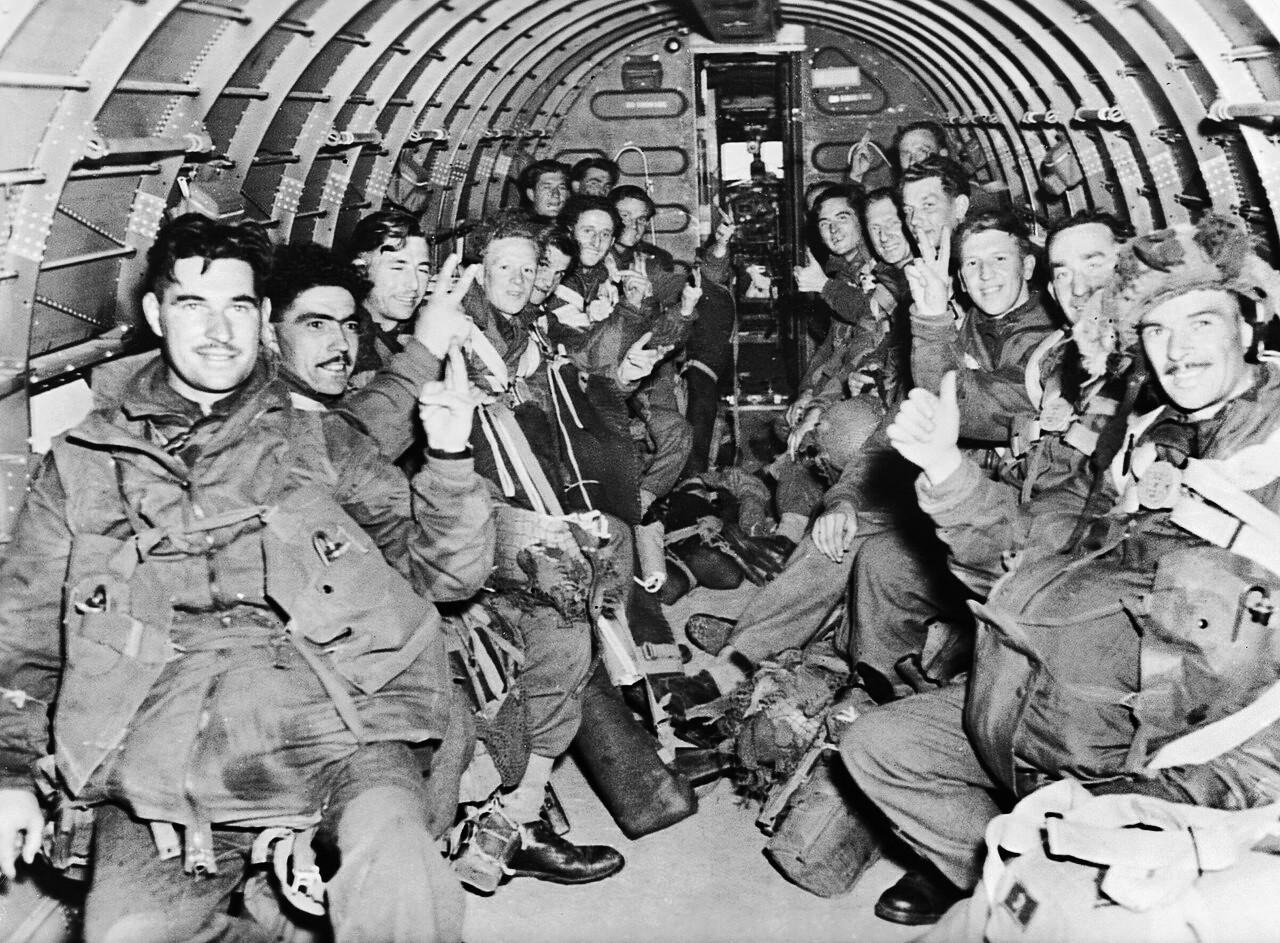
British Paratroops of 1st (British) Airborne Division give the ‘V’-sign and “thumbs up” inside one of the C-47 transport aircraft.
(IWM Photo, BU 918)
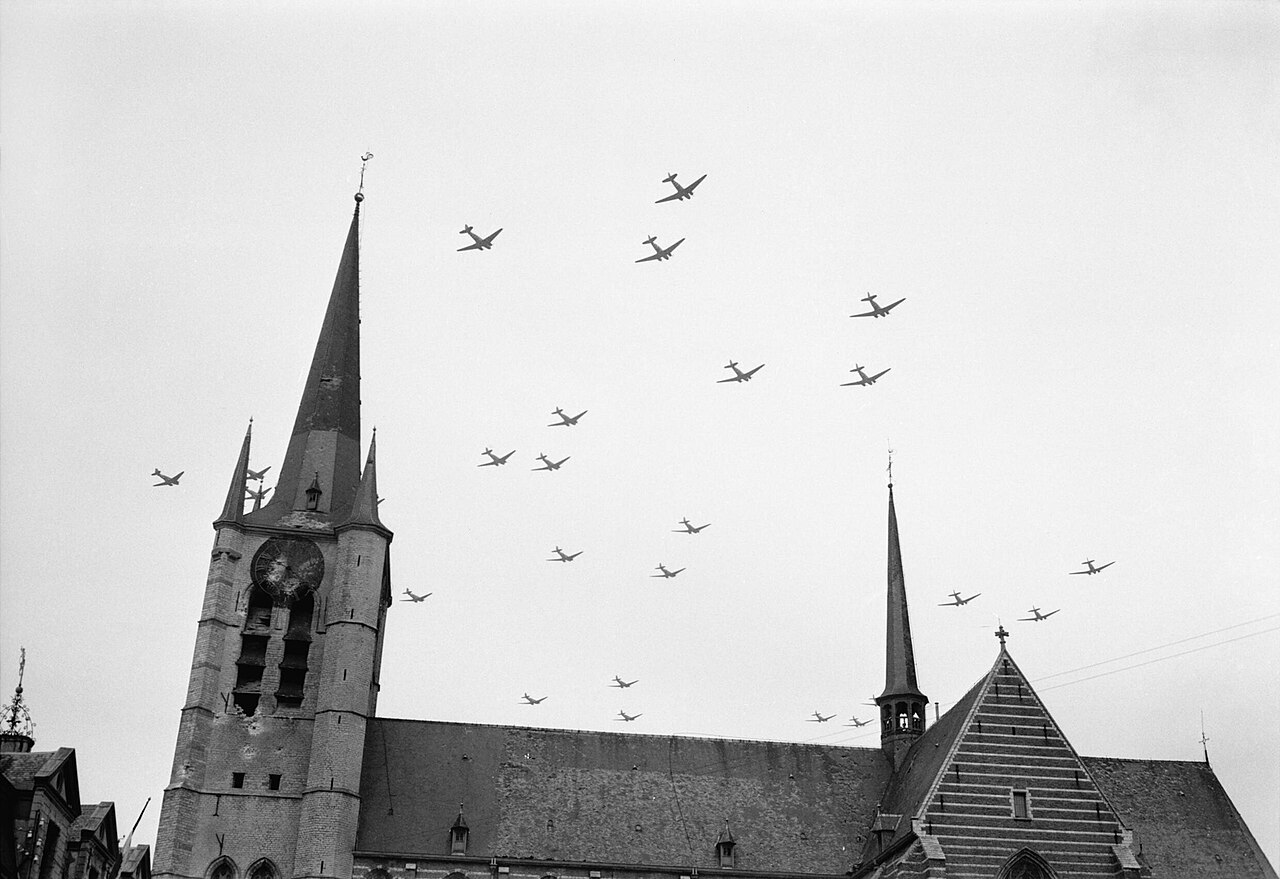
Douglas C-47 aircraft flying over Gheel in Belgium on their way to Holland for Operation ‘Market-Garden’ , 17 September 1944.
(IWM Photo, BU 1162)
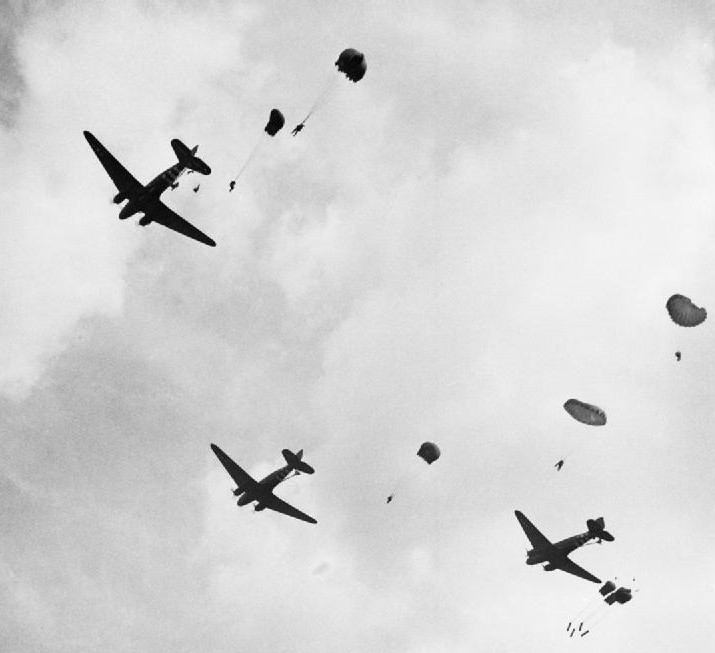
British paratroops drop from Douglas Dakota aircraft over Oosterbeek, just outside Arnhem, during Operation ‘Market Garden’, 17 September 1944.
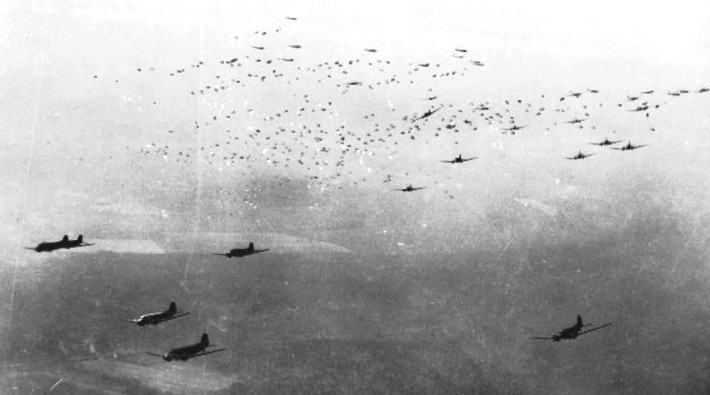
(IWM Photo, EA 59364A0
Crossing the Rhine 24 -31 March 1945: C-47 transport planes release hundreds of paratroops and their supplies over the Rees-Wesel area to the east of the Rhine. This was the greatest airborne operation of the war. Some 40,000 paratroops were dropped by 1,500 troop-carrying planes and gliders. This was Operation Varsity, part of Operation Plunder.
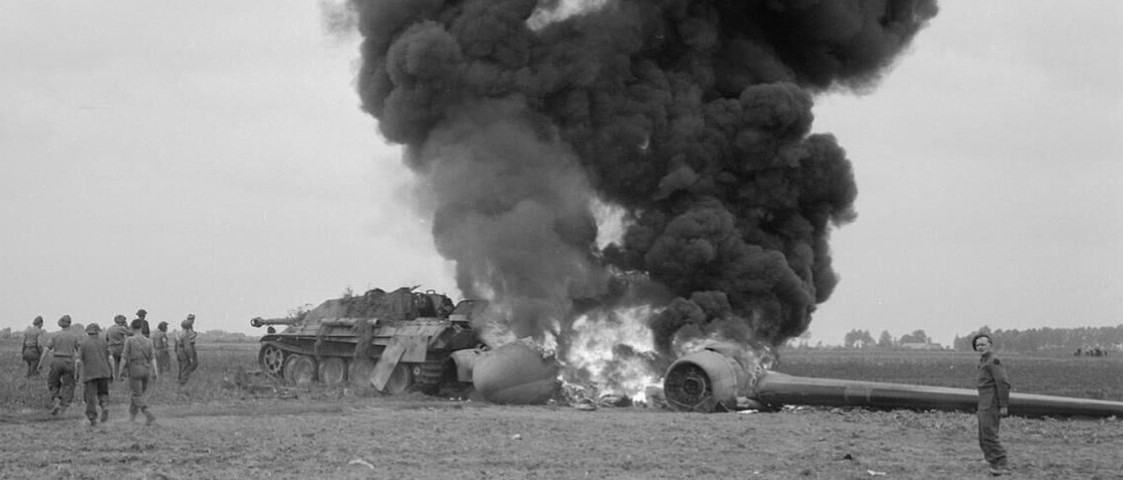
(IWM Photo, BU 921)
USAAF Douglas C-47 aircraft, hit by flak returning from the Market-Garden drop, burns after crash-landing into a knocked-out German Jagdpanther in a field near Gheel in Belgium.
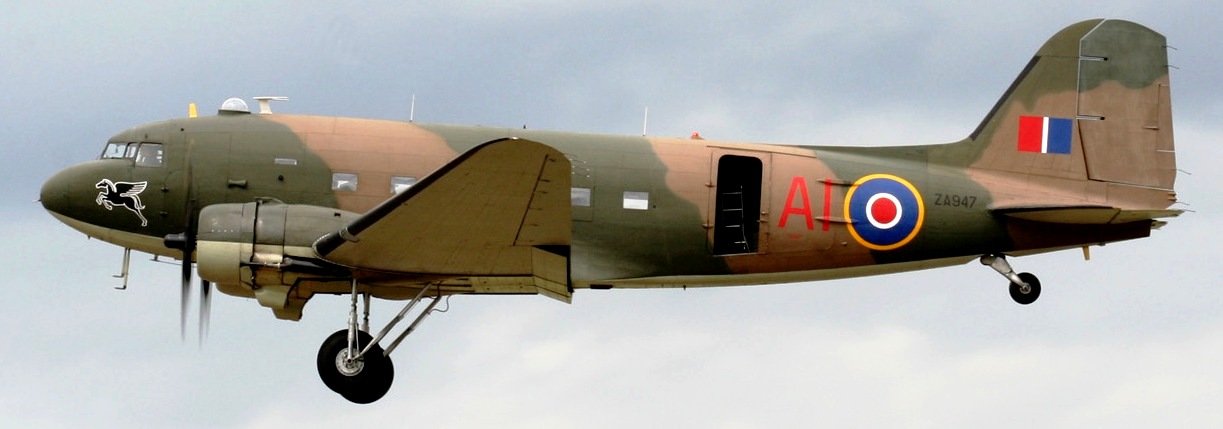
(Carlos Menendez San Juan Photo)
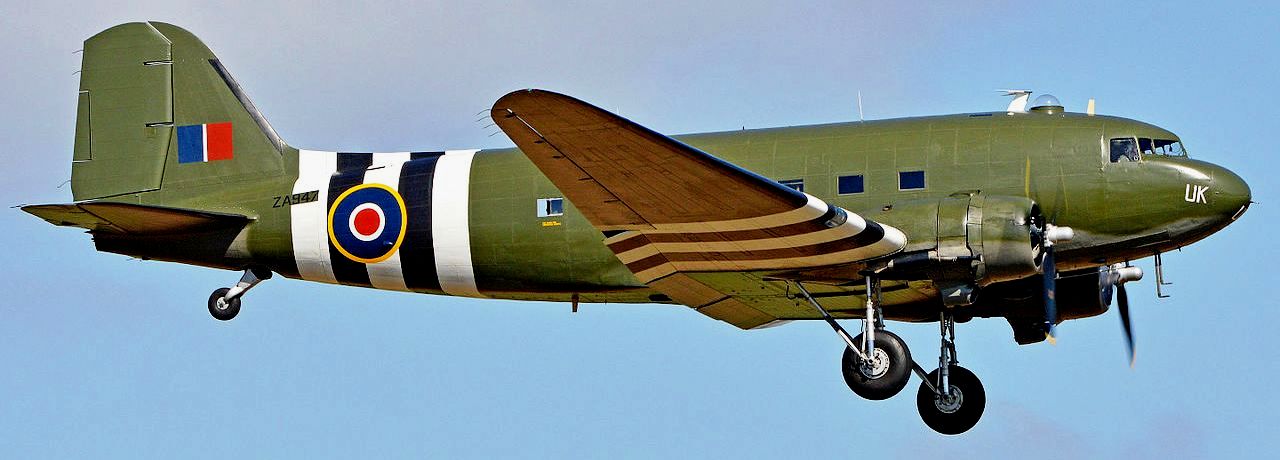
(Alan Wilson Photo)
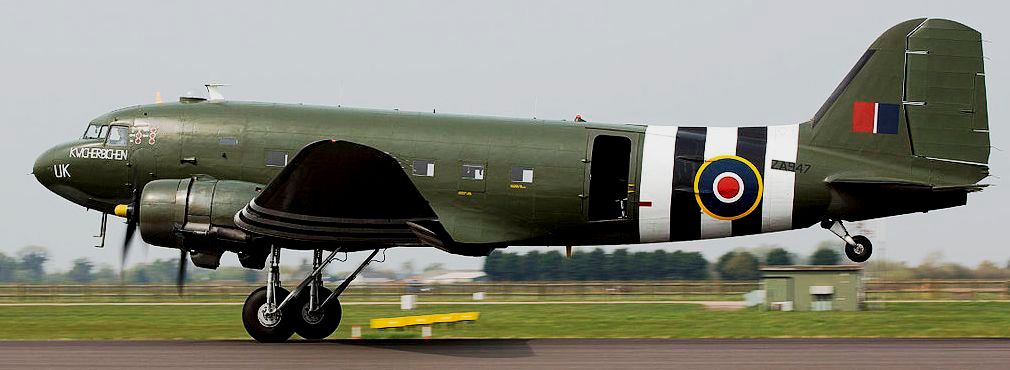
(Cpl Phil Major (RAF)/MOD Photo)
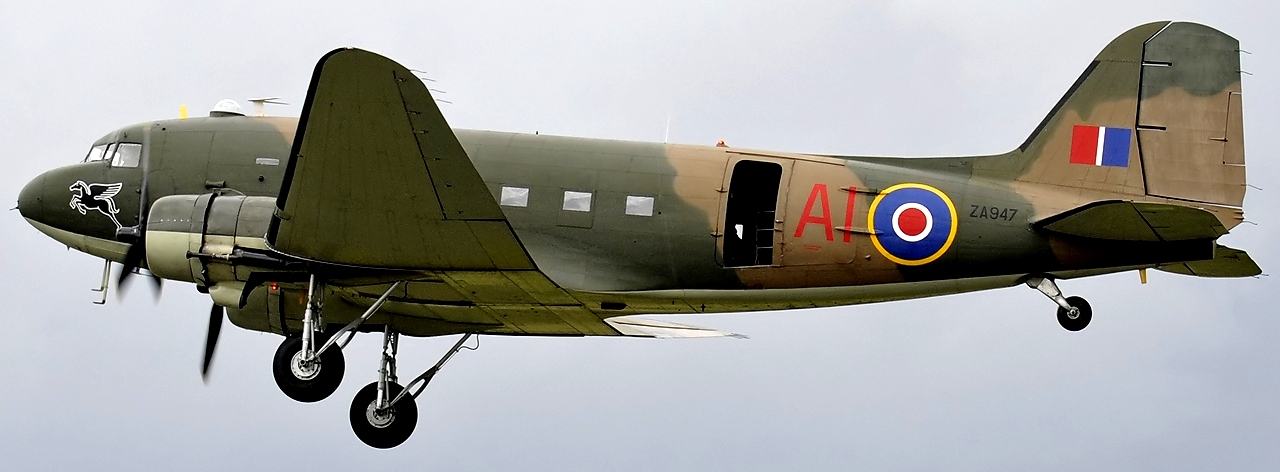
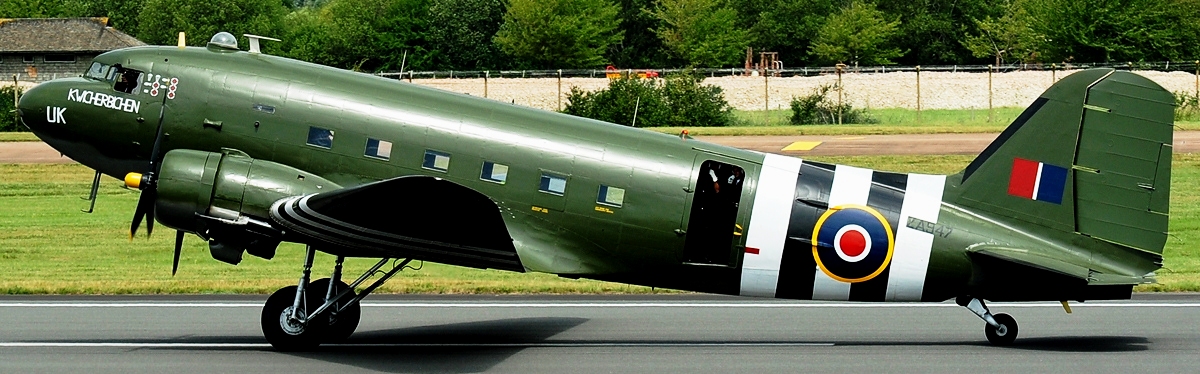
(Aldo Bidini Photos)
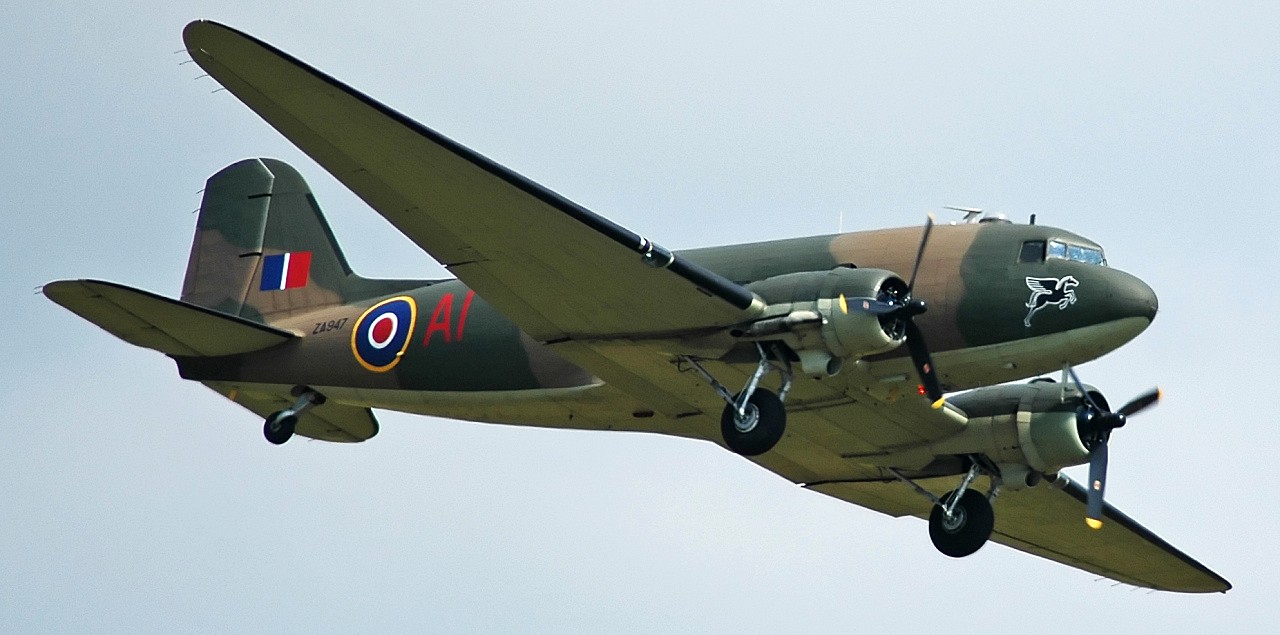
(Kogo Photo)
(Laurent Bouvier Photo)
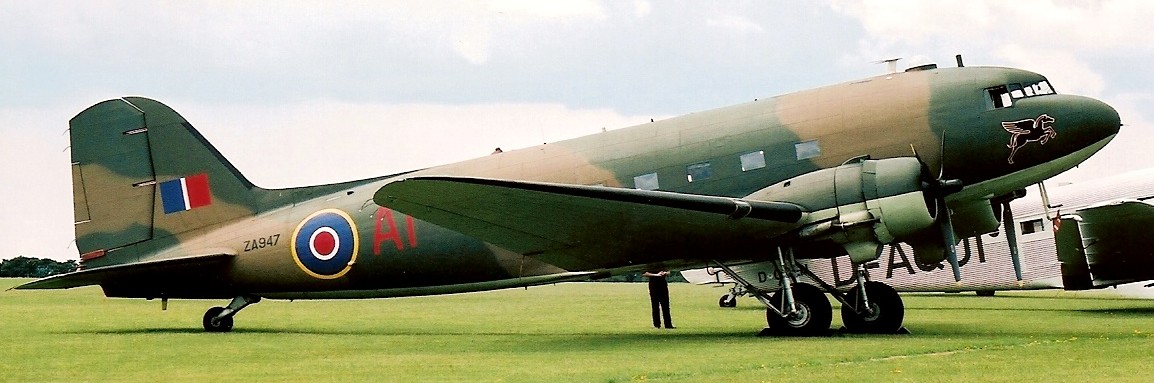
Douglas Dakota (Serial No. ZA947), built at Long Beach, California in March 1942, was issued to the US Army Air Forces and later transferred to the RCAF where she served until 1971. The aircraft was purchased by the Royal Aircraft Establishment before being issued to the Battle of Britain Memorial Flight, Coningsby, in March 1993. She is equipped with authentic period ‘para seats’ and is used in commemorative parachute drops.
Douglas Dakota Mk. IV (Serial No. KN645), Royal Air Force Museum Cosford, Shifnal, Shropshire.
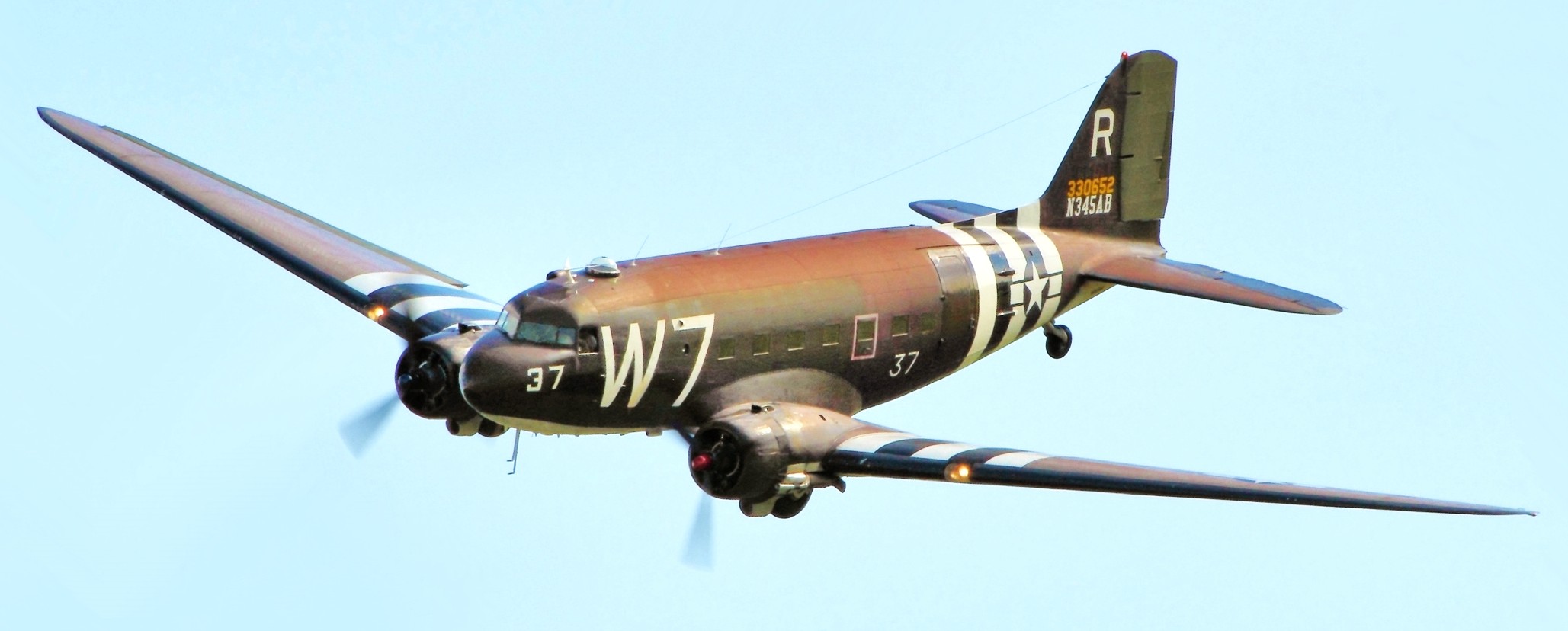
Douglas C-47 Skytrain USAAF (Serial No. 42-100521), formerly of the 79th Troop Carrier Squadron, 436th Troop Carrier Group that flew with the USAAF from Membury airfield (Station 466) during the Second World War. The aircraft, christened “Night Fright” took part in all the Airborne missions in Europe during the war, dropping paratroopers, towing gliders, evacuating wounded and flying tons of much needed supplies to the front line. Once completed, the aircraft will be a flying memorial to those men and women who served as part of Troop Carrier Command. Currently at Coventry in Warwickshire, it will be based at Membury.
(Alan Wilson Photos)
(Airwolfhound Photo)
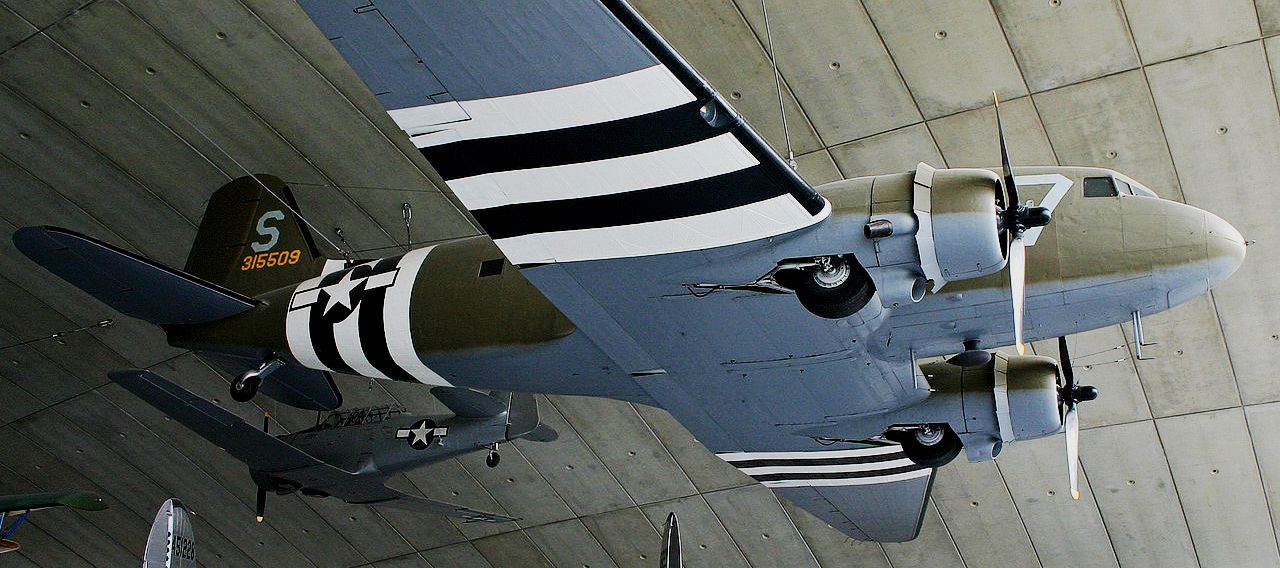
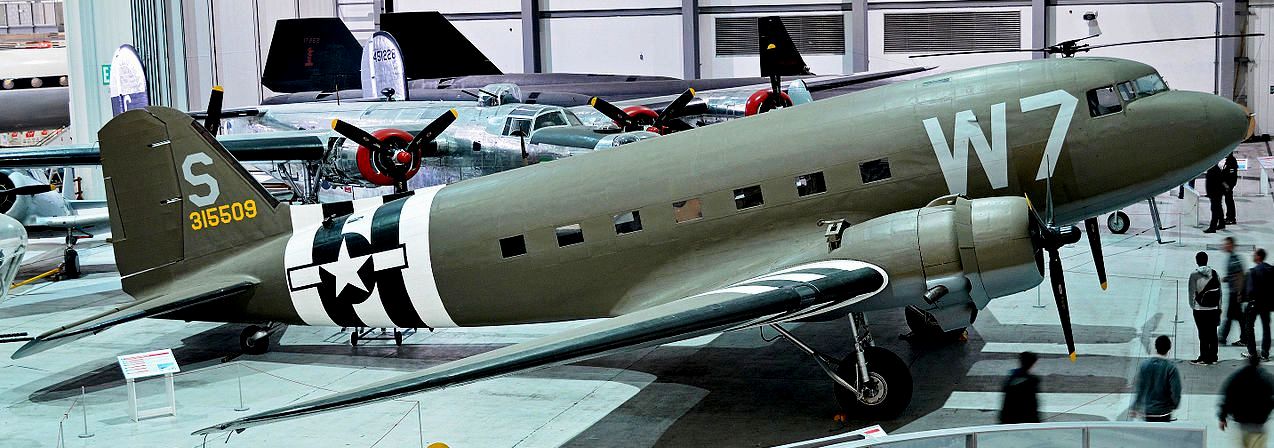
Douglas C-47 Skytrain (Serial No. 43-15509), “Whiskey 7“, ex-Spanish Air Force Serial No. T.3-29, Imperial War Museum, Duxford.
Douglas C-54Q Skymaster (Serial No. 56498), built in 1944 in Chicago, served with both the USN and USMC during the Second World War, in Korea and in Vietnam. C-54 Skymaster Society, North Weald, Essex. There are plans for this aircraft to be restored to airworthy status.
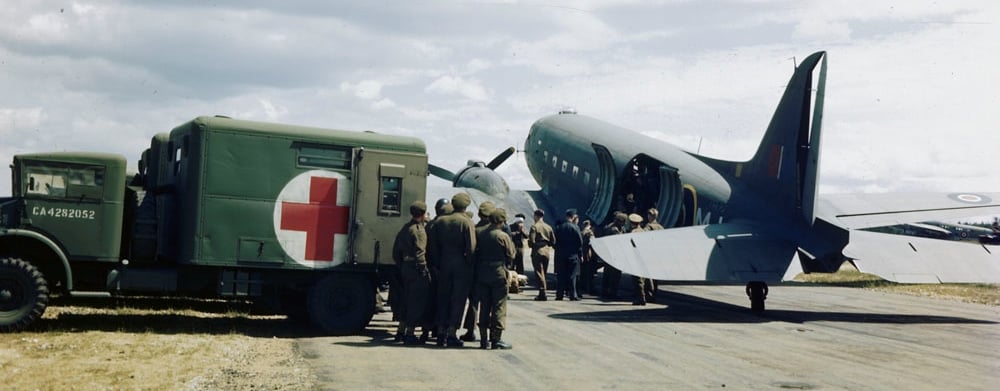
(Library and Archives Canada Photo, MIKAN No. 4233648)
Wounded being evacuated by Douglas Dakota, from the Royal Air Force’s No. 1680 Transport Flight, Normandy 1944.
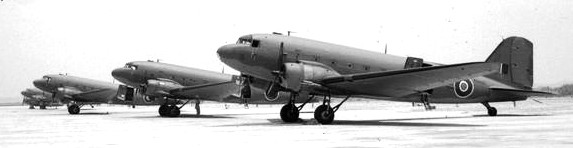
(IWM Photo, CI 1414)
Dakota Mk. IV Dakotas (Serial No. KN490), nearest, of No. 187 Squadron RAF based at Merryfield, Somerset, on the ground at Mauripur air terminal, Karachi, June 1945. Mauripur was the first Indian staging post on the trooping flights between the United Kingdom and Poona undertaken by the Squadron from April 1945 to March 1946.
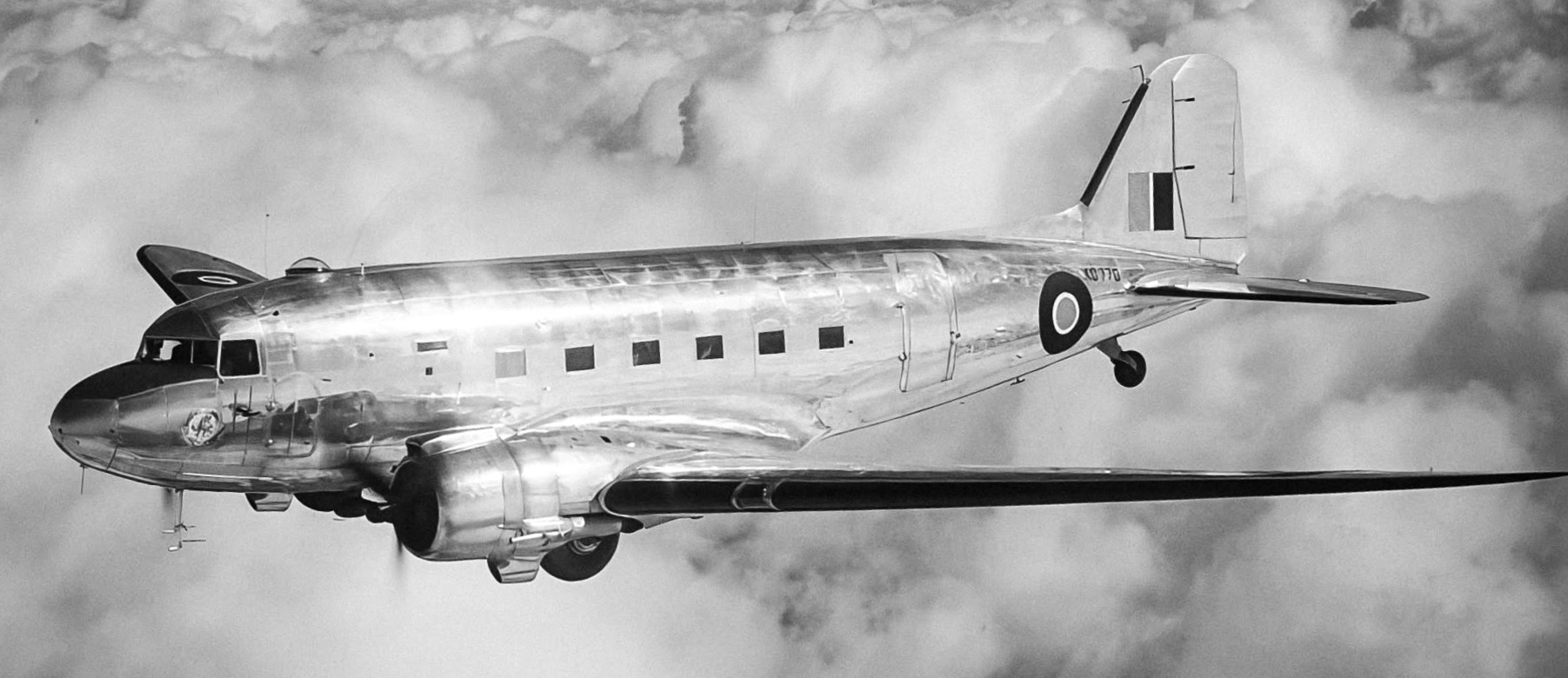
(IWM Photo, CH 15397)
Royal Air Force Douglas Dakota C.III VIP transport aircraft (Serial No. KG770) of No. 24 Squadron RAF based at Hendon, Middlesex (UK), in flight carrying King George VI and Queen Elizabeth on a visit to the Channel Islands in 1945.
All comments are subject to our Comment Policy. You must be at least 18 years old to comment.
See a comment that violates our guidelines? Report it here.