
Russian Battleships: Gangut (Oktyabrskaya Revolyutsiya), Petropavlovsk (Marat) (Volkov), Sevastopol (Parizhskaya Kommuna), Poltava (Frunze)
Russian Gangut-class battleships
The Gangut-class battleships were the first dreadnoughts built for the Imperial Russian Navy, begun before the First World War. Their role was to defend the mouth of the Gulf of Finland against the Germans, who never tried to enter, so the ships spent their time training and providing cover for minelaying operations. Their crews participated in the general mutiny of the Baltic Fleet after the February Revolution in 1917, and joined the Bolsheviks the following year. The Russians were forced to evacuate their naval base at Helsinki after Finland became independent in December 1917. The Gangut-class ships led the first contingent of ships to Kronstadt even though the Gulf of Finland was still frozen.
All of the dreadnoughts except for Petropavlovsk were laid up in October–November 1918 for lack of manpower. Poltava was severely damaged by a fire while laid up in 1919. Petropavlovsk was retained in commission to defend Kronstadt and Leningrad against the British forces supporting the White Russians although she also helped to suppress a mutiny by the garrison of Fort Krasnaya Gorka in 1919. Her crew, and that of Sevastopol, joined the Kronstadt rebellion of March 1921. After it was bloodily crushed, those ships were given proper ‘revolutionary’ names. Parizhskaya Kommuna, the former Sevastopol, was modified in 1928 to improve her sea-keeping abilities so that she could be transferred to the Black Sea Fleet which had nothing heavier than a light cruiser available. This proved to be the first of a series of modernizations where each ship of the class was progressively reconstructed and improved. A number of proposals were made in the 1930s to rebuild Frunze, ex-Poltava, to match her sisters or even as a battlecruiser by removing one turret, but these came to naught and she was hulked preparatory to scrapping.
The two ships of the Baltic Fleet did not play a prominent role in the Winter War, but did have their anti-aircraft guns significantly increased before Operation Barbarossa in 1941. However this did not help either ship as they attempted to provide fire support for the defenders of Leningrad. Marat had her bow blown off and Oktyabrskaya Revolyutsiya was badly damaged by multiple bomb hits in September. The former was sunk, but later raised and became a floating battery for the duration of the Siege of Leningrad while the latter spent over a year under repair, although this was lengthened by subsequent bomb hits while in the hands of the shipyard. Both ships bombarded German and Finnish troops so long as they remained within reach, but Oktyabrskaya Revolyutsiya did not venture away from Kronstadt for the duration of the war. Parizhskaya Kommuna remained in Sevastopol until forced to evacuate by advancing German troops. She made one trip to besieged Sevastopol in December 1941 and made a number of bombardments in support of the Kerch Offensive during January–March 1942. She was withdrawn from combat in April as German aerial supremacy had made it too risky to risk such a large target.
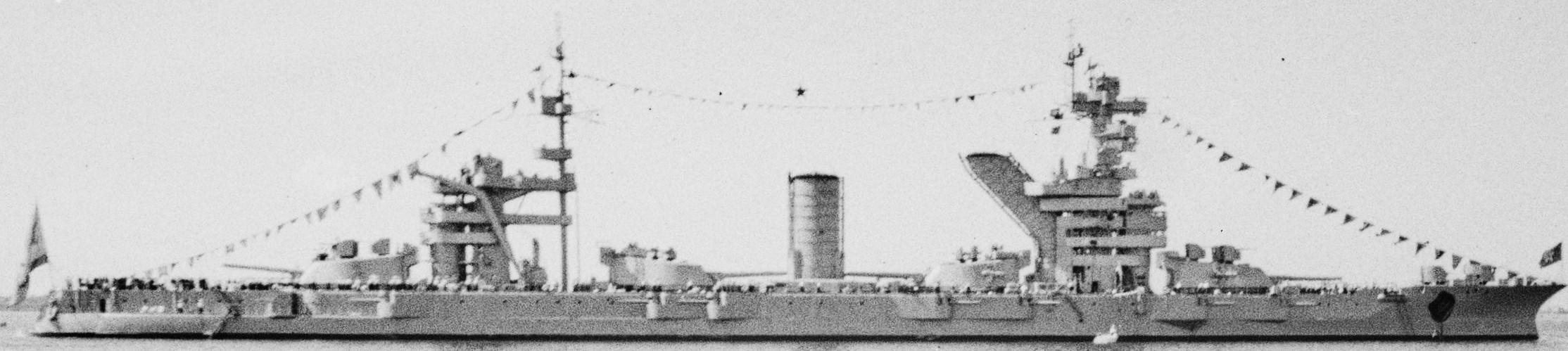
Sevastopol and Oktyabrskaya Revolyutsiya remained on the active list after the end of the war although little is known of their activities. Both were reclassified as ‘school battleships’ (uchebnyi lineinyi korabl) in 1954 and stricken in 1956 after which they were slowly scrapped. There were several plans (Project 27) to reconstruct Petropavlovsk using the bow of Frunze, but they were not accepted and were formally cancelled on 29 June 1948. She was renamed Volkhov in 1950 and served as a stationary training ship until stricken in 1953 and subsequently broken up. Frunze was finally scrapped beginning in 1949. (Wikipedia)
Gangut
(Russian Navy Photo)
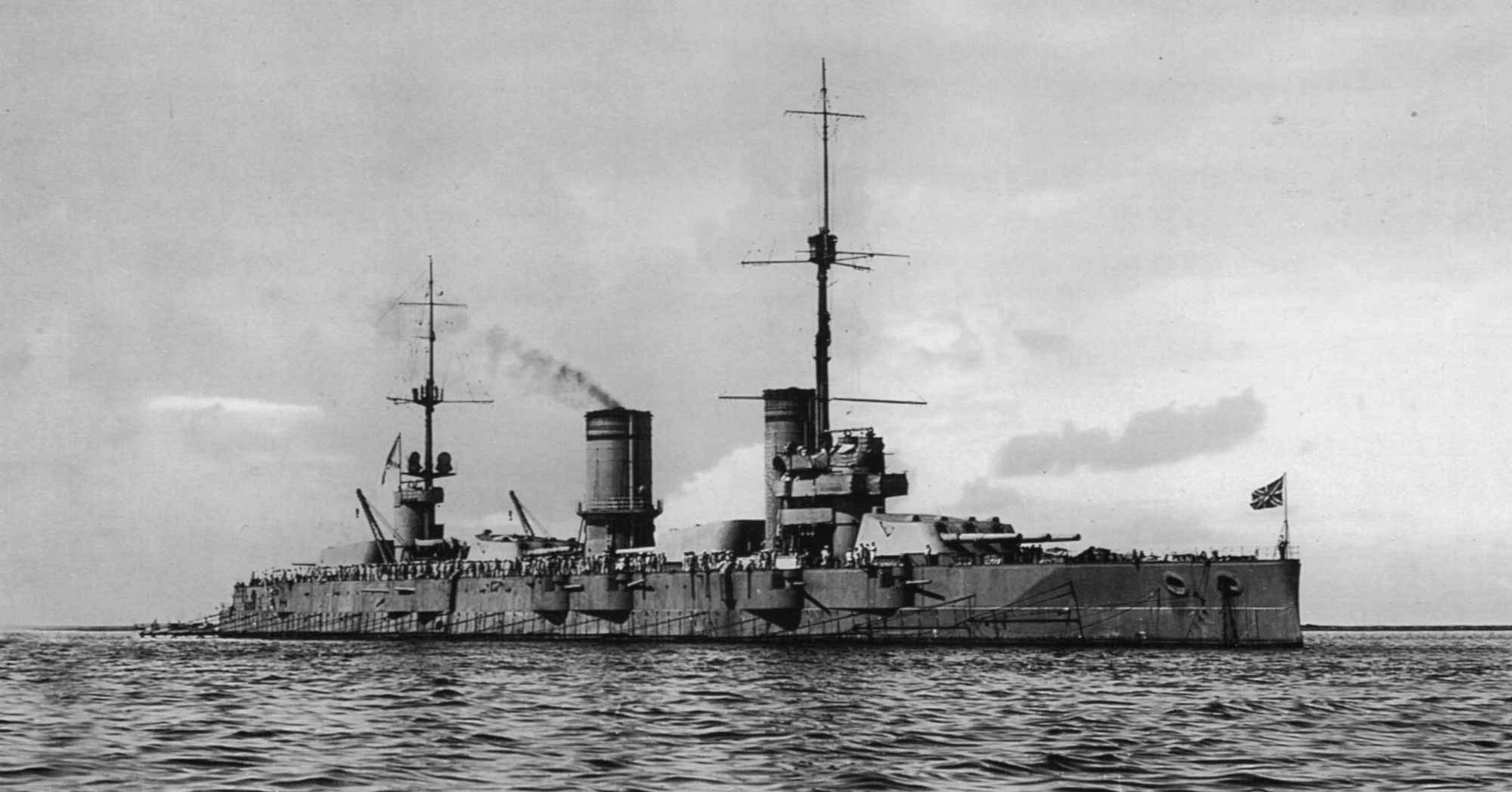
Imperial Russian battleship Gangut in Helsinki, 27 June 1915.
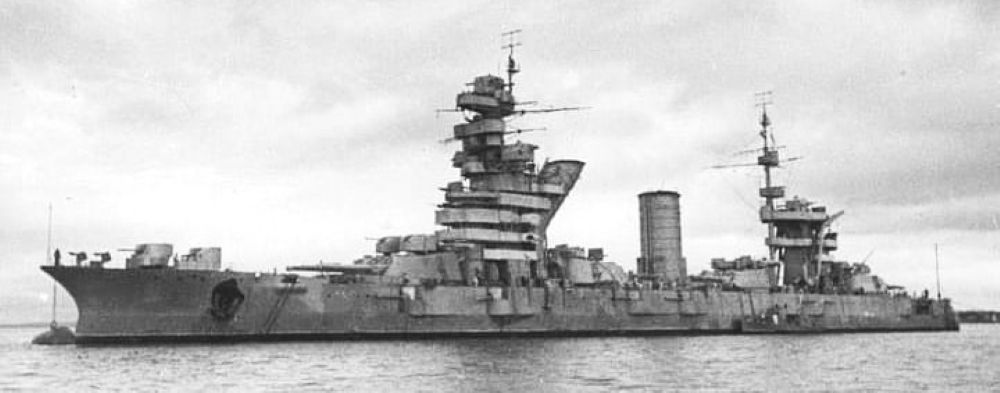
Gangut (Russian: Гангут) was both the lead ship of the Gangut-class dreadnoughts of the Imperial Russian Navy built before the First World War and the last of her class to be completed. She was named after the Russian victory over the Swedish Navy in the Battle of Gangut in 1714. She was completed during the winter of 1914–1915, but was not ready for combat until mid-1915. Her role was to defend the mouth of the Gulf of Finland against the Germans, who never tried to enter, so she spent her time training and providing cover for minelaying operations. Her crew joined the general mutiny of the Baltic Fleet after the February Revolution and joined the Bolsheviks in 1918. She was laid up in 1918 for lack of manpower and not recommissioned until 1925, by which time she had been renamed Oktyabrskaya Revolutsiya (Russian: Октябрьская революция: October Revolution).
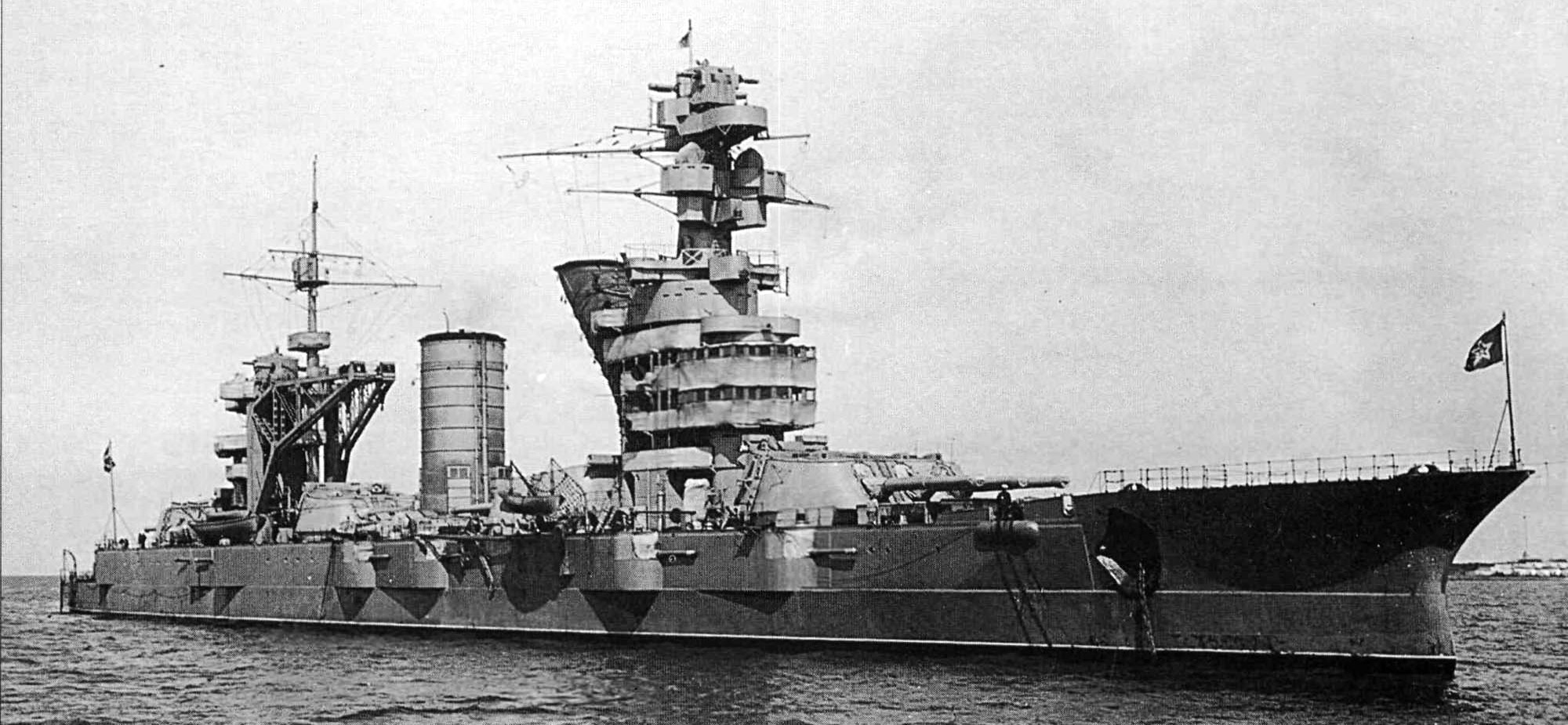
She was reconstructed between 1931 and 1934 with new boilers, fire-control systems and greatly enlarged superstructures. During the Winter War she bombarded Finnish coastal artillery positions once. Her anti-aircraft armament was greatly reinforced in early 1941, just before Operation Barbarossa. She provided gunfire support against the Germans during the Siege of Leningrad despite being bombed three times and under repair for a year. Retained on active duty after the war she became a training ship in 1954 before being struck off the Navy List in 1956 and slowly scrapped. (Wikipedia)
(Russian Navy Photo)
Oktyabrskaya Revolutsiya
(Russian Navy Photo)
Soviet battleship Oktyabr’skaya Revolyutsiya after modernization, 1934.
(Russian Navy Photo)
Oktyabrskaya Revolutsiya during a naval parade off Tallinn, 1946.
Petropavlovsk
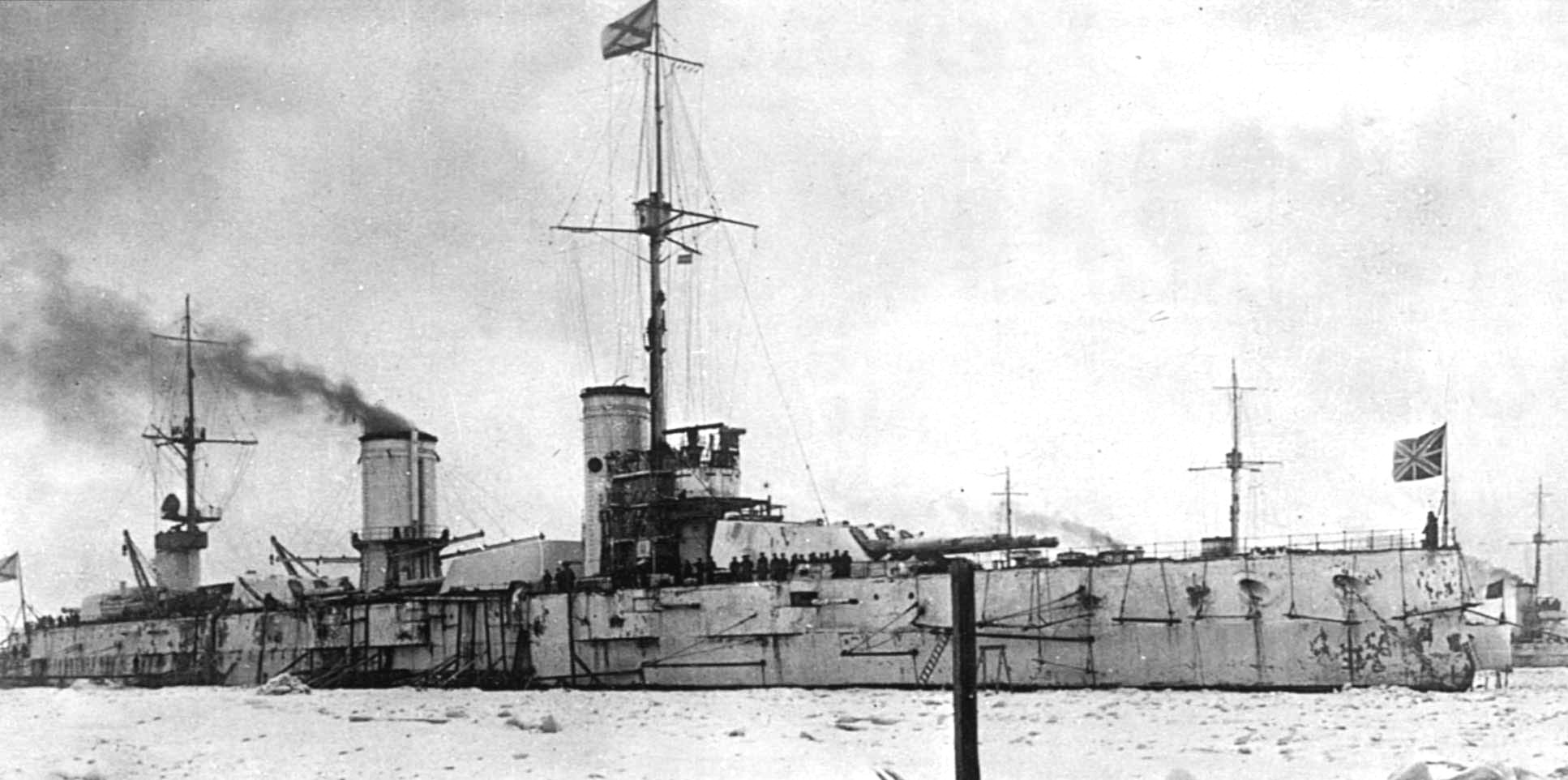
(Russian Navy Photo)
Imperial Russian battleship Petropavlovsk in Helsingfors.
Petropavlovsk (Russian: Петропавловск) (renamed Marat in 1921) was the third of the four Gangut-class dreadnoughts built before the First World War for the Imperial Russian Navy, the first Russian class of dreadnoughts. She was named after the Russian victory in the siege of Petropavlovsk during the Crimean War. The ship was completed during the winter of 1914–1915, but was not ready for combat until mid-1915. Her role was to defend the mouth of the Gulf of Finland against the Germans, who never tried to enter, so she spent her time training and providing cover for minelaying operations. Her crew joined the general mutiny of the Baltic Fleet after the February Revolution of 1917 and she was the only dreadnought available to the Bolsheviks for several years after the October Revolution of 1917. She bombarded the mutinous garrison of Fort Krasnaya Gorka and supported Bolshevik light forces operating against British ships supporting the White Russians in the Gulf of Finland in 1918–1919. Later, her crew joined the Kronstadt rebellion of 1921 and she was renamed Marat after the rebellion was crushed.
Marat was reconstructed from 1928 to 1931 and represented the Soviet Union at the Coronation Naval Review at Spithead in 1937. Two years later, she bombarded a Finnish coastal artillery position during the Winter War once before the Gulf of Finland iced up. Shortly afterwards, her anti-aircraft armament was upgraded. When the Germans invaded on 22 June 1941 she was in Kronstadt and provided gunfire support to Soviet troops in September as the Germans approached Leningrad. Later that month she had her bow blown off and sank in shallow water after two hits by 1,000-kilogram (2,200 lb) bombs (dropped by two Ju 87 Stukas, one of which was piloted by Hans-Ulrich Rudel) that detonated her forward magazine. The remaining rear section was refloated several months later and became a stationary artillery battery, providing gunfire support during the siege of Leningrad. Marat resumed her original name in 1943 and plans were made to reconstruct her after the war, using the bow of her sister Frunze, but they were not accepted and were formally cancelled in 1948. Petropavlovsk was renamed Volkhov in 1950, after the nearby Volkhov River, and served as a stationary training ship until stricken in 1953 and broken up afterwards. (Wikipedia)
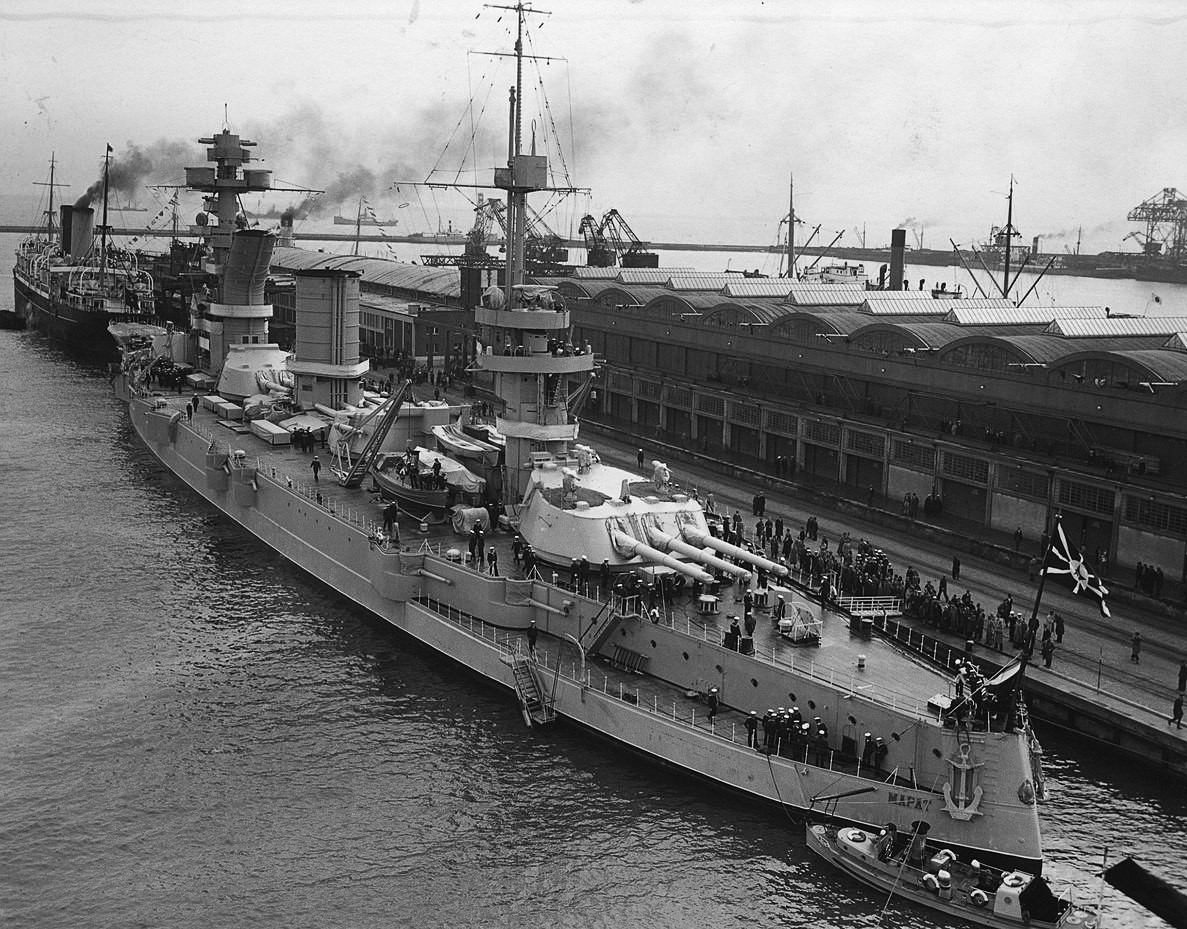
(Russian Navy Photo)
Marat visiting Gdynia in 1934.
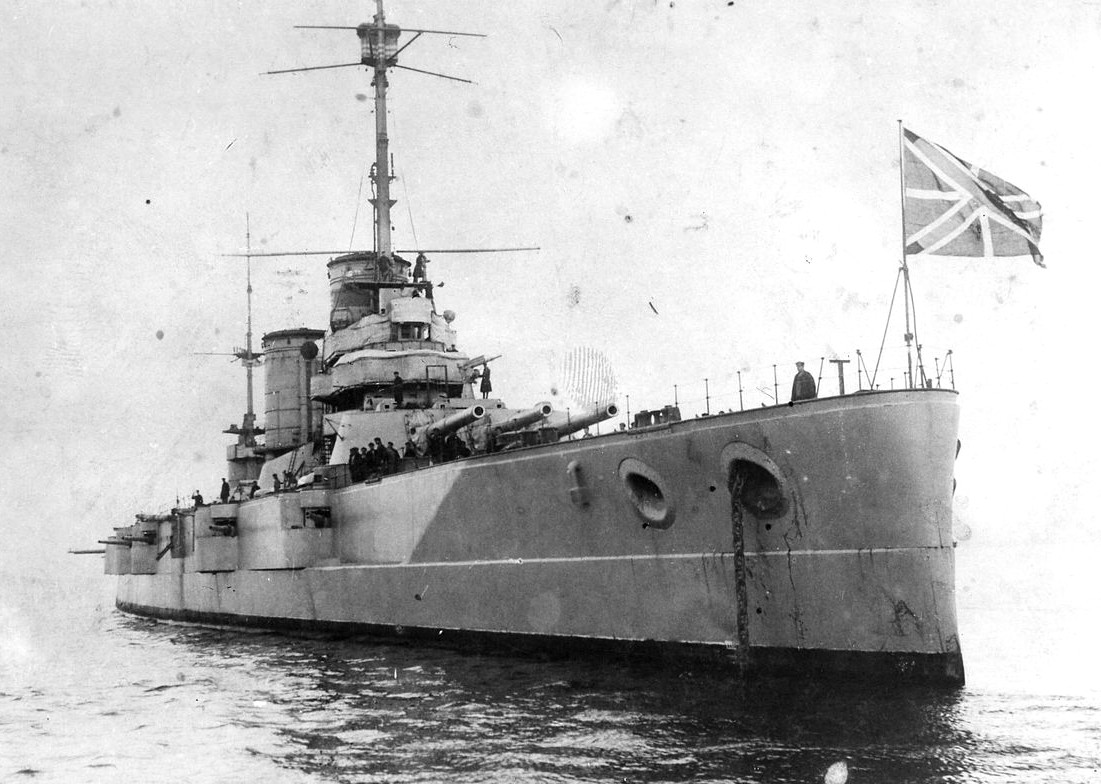
(Russian Navy Photo)
Imperial Russian battleship Petropavlovsk.
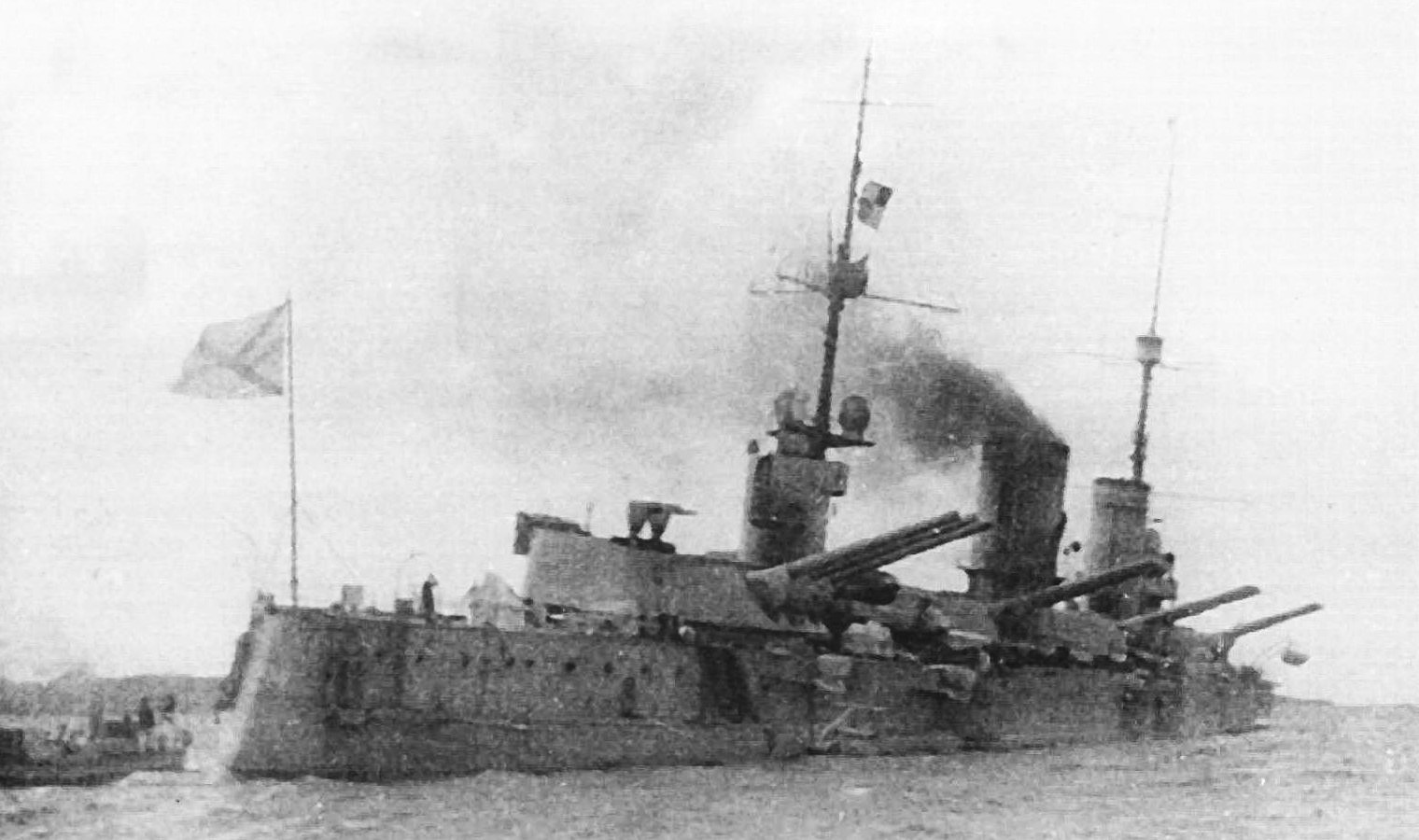
(Russian Navy Photo)
Imperial Russian battleship Petropavlovsk.
(Russian Navy Photo)
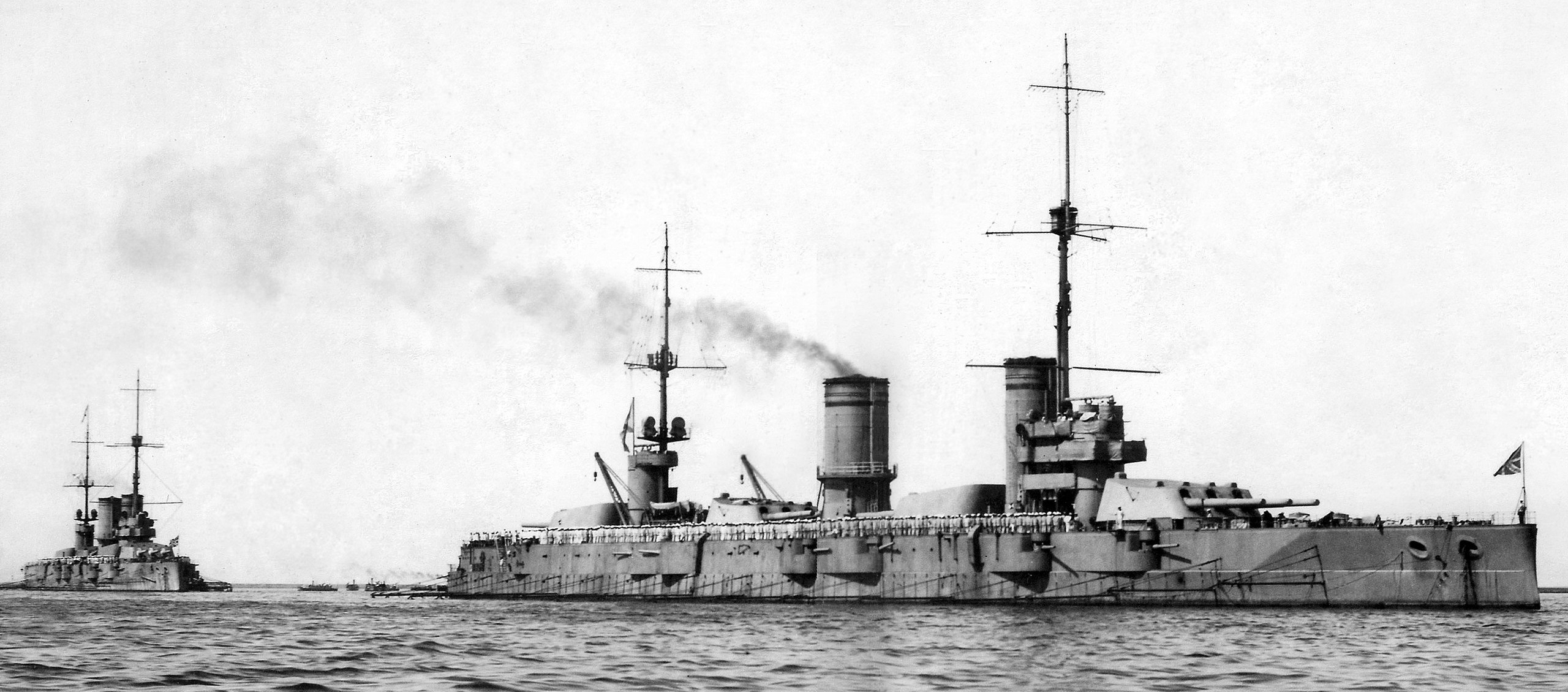
Dreadnoughts Gangut and Petropavlovsk, the first brigade of battleships of the squadron of battleships of the Baltic Fleet, under the flag of Vice-Admiral Kerber, 25 July 1915.
Sevastopol
(Russian Navy Photo)
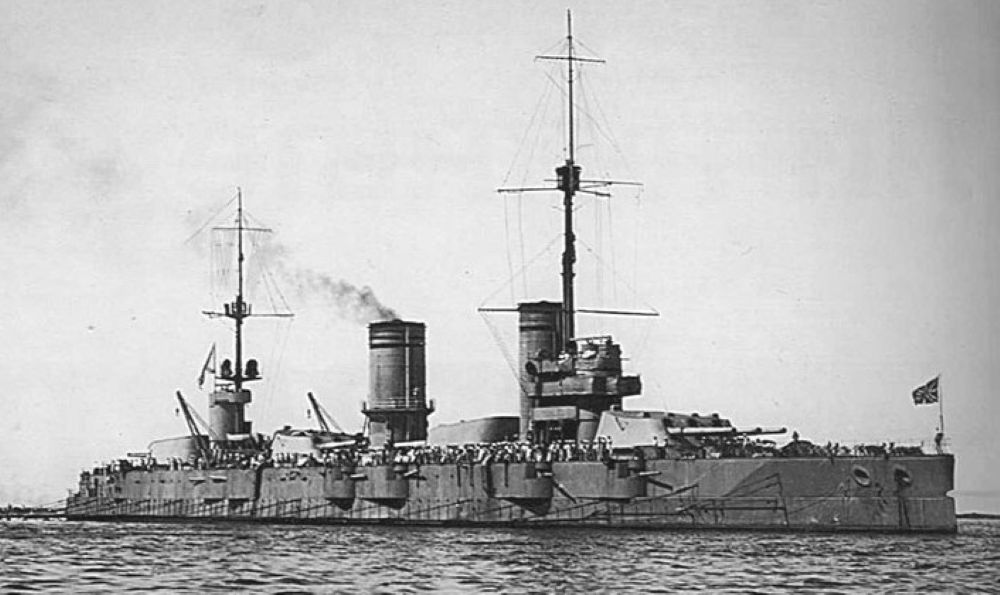
Sevastopol (Russian: Севастополь) was the first ship completed of the Gangut-class battleships of the Imperial Russian Navy, built before the First World War. The Ganguts were the first class of Russian dreadnoughts. She was named after the Siege of Sevastopol during the Crimean War. She was completed during the winter of 1914–1915, but was not ready for combat until mid-1915. Her role was to defend the mouth of the Gulf of Finland against the Germans, who never tried to enter, so she spent her time training and providing cover for minelaying operations. Her crew joined the general mutiny of the Baltic Fleet after the February Revolution and joined the Bolsheviks later that year. She was laid up in 1918 for lack of manpower, but her crew joined the Kronstadt rebellion of 1921. She was renamed Parizhskaya Kommuna after the rebellion was crushed to commemorate the Paris Commune and to erase the ship’s betrayal of the Communist Party.
She was recommissioned in 1925, and refitted in 1928 in preparation for her transfer to the Black Sea the following year. Parizhskaya Kommuna and the cruiser Profintern ran into a severe storm in the Bay of Biscay that severely damaged Parizhskaya Kommuna‘s false bow. They had to put into Brest for repairs, but reached Sevastopol in January 1930. Parizhskaya Kommuna was comprehensively reconstructed in two stages during the 1930s that replaced her boilers, upgraded her guns, augmented her anti-aircraft armament, modernized her fire-control systems and gave her anti-torpedo bulges. During World War II she provided gunfire support during the Siege of Sevastopol and related operations until she was withdrawn from combat in April 1942 when the risk from German aerial attack became too great. She was retained on active duty after the war until she became a training ship in 1954. She was broken up in 1956–1957. (Wikipedia)
(Russian Navy Photo)
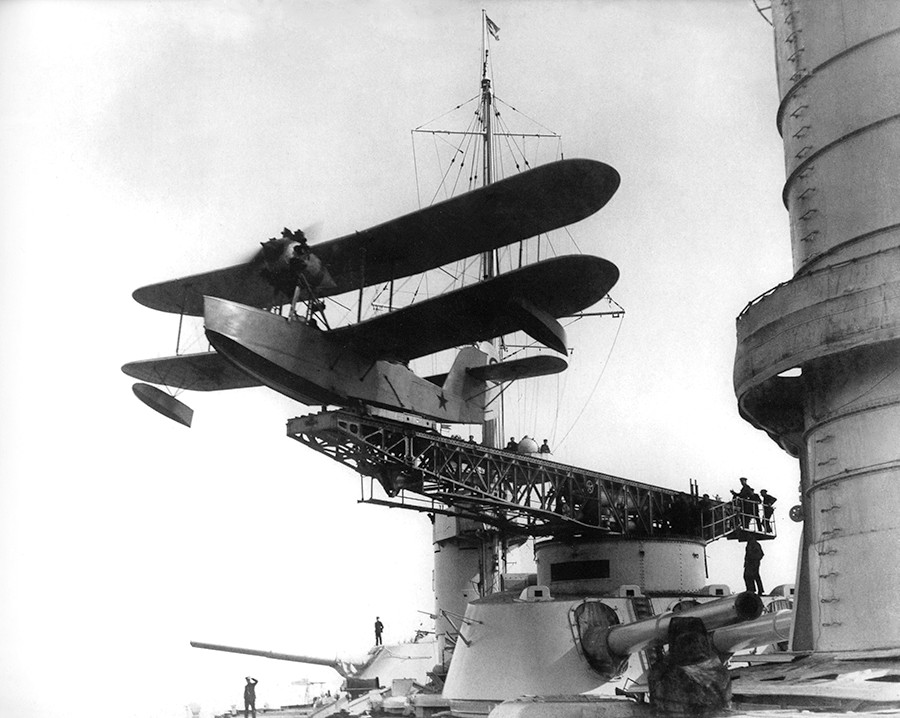
Sevastopol Heinkel HD 55 mounted on its catapult.
(Russian Navy Photo)
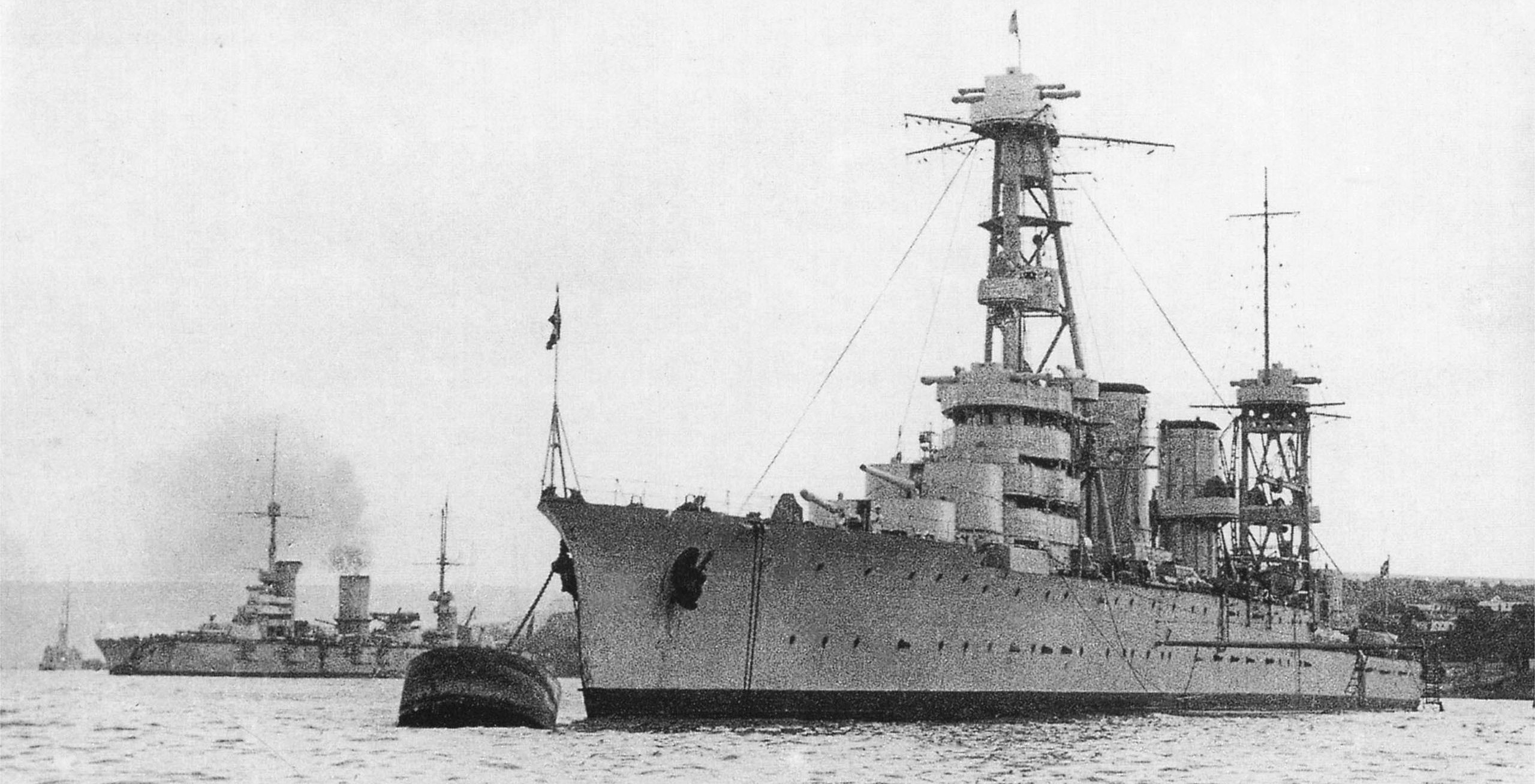
The Soviet cruiser Krasnyi Kavkaz and battleship Parizhskaya Kommuna’, 1930s.
(Russian Navy Photo)
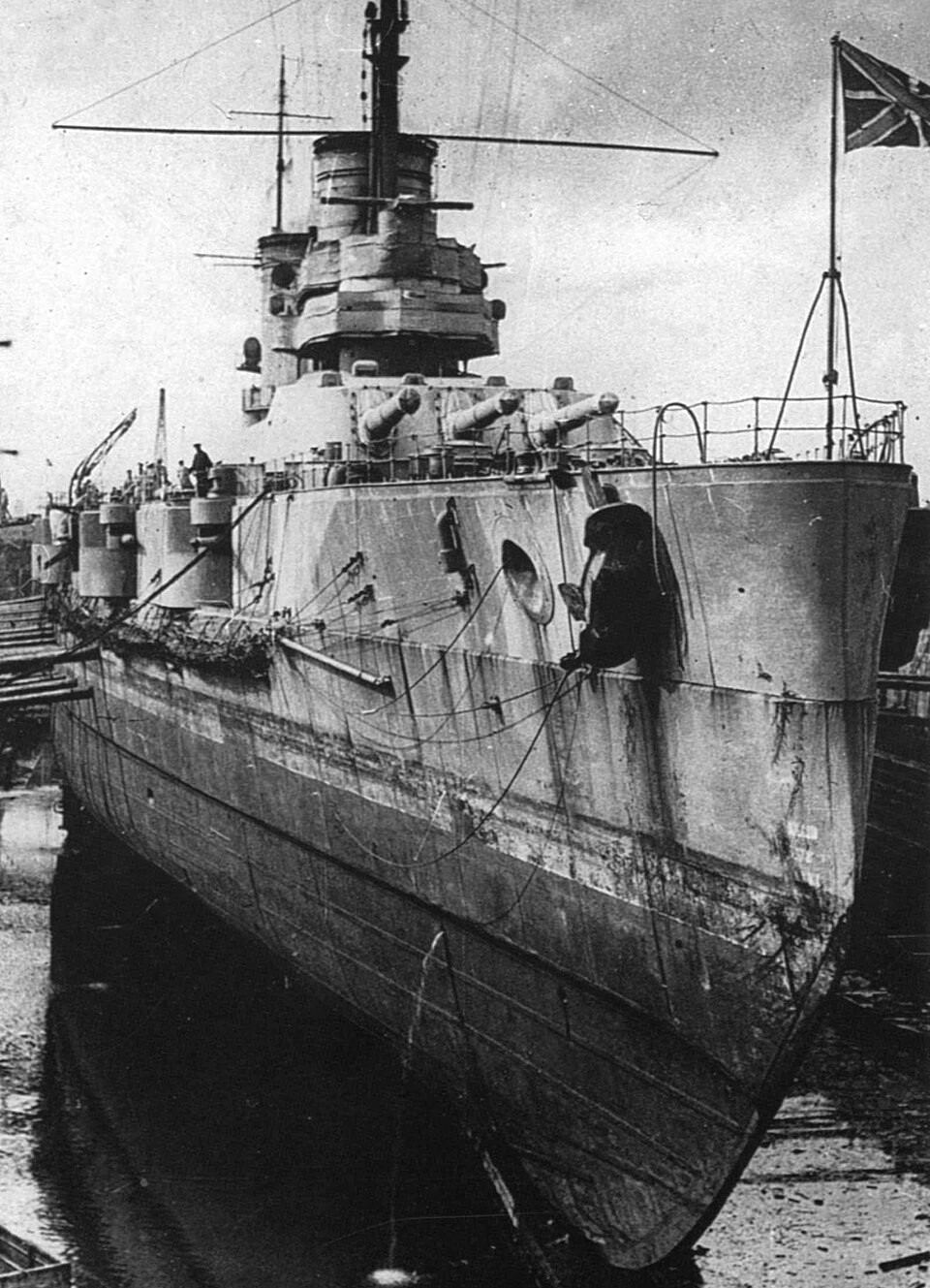
Imperial Russian battleship Sevastopol on the dock.
(Russian Navy Photo)
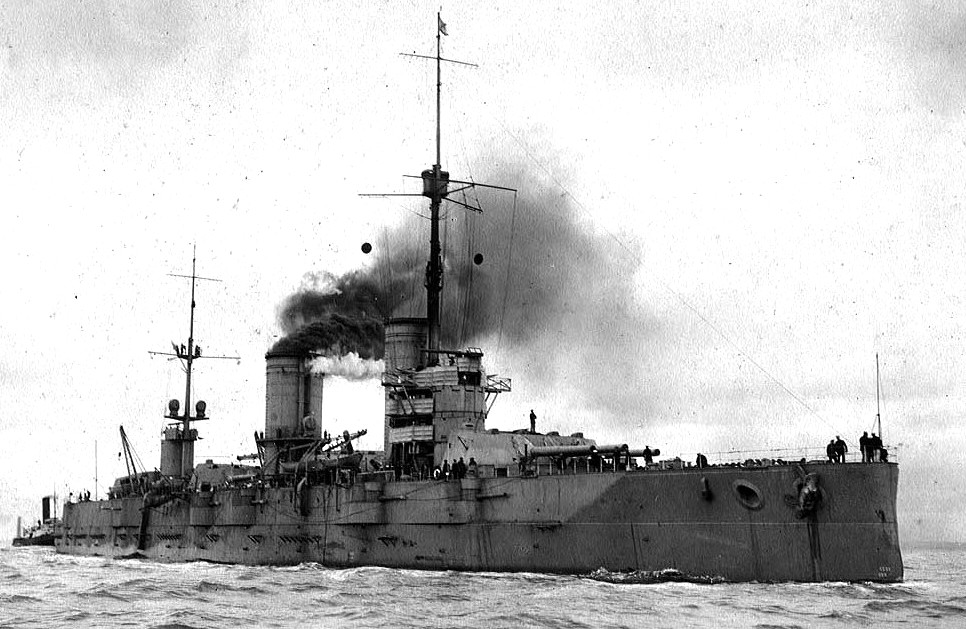
Imperial Russian battleship Sevastopol.
(Russian Navy Photo)
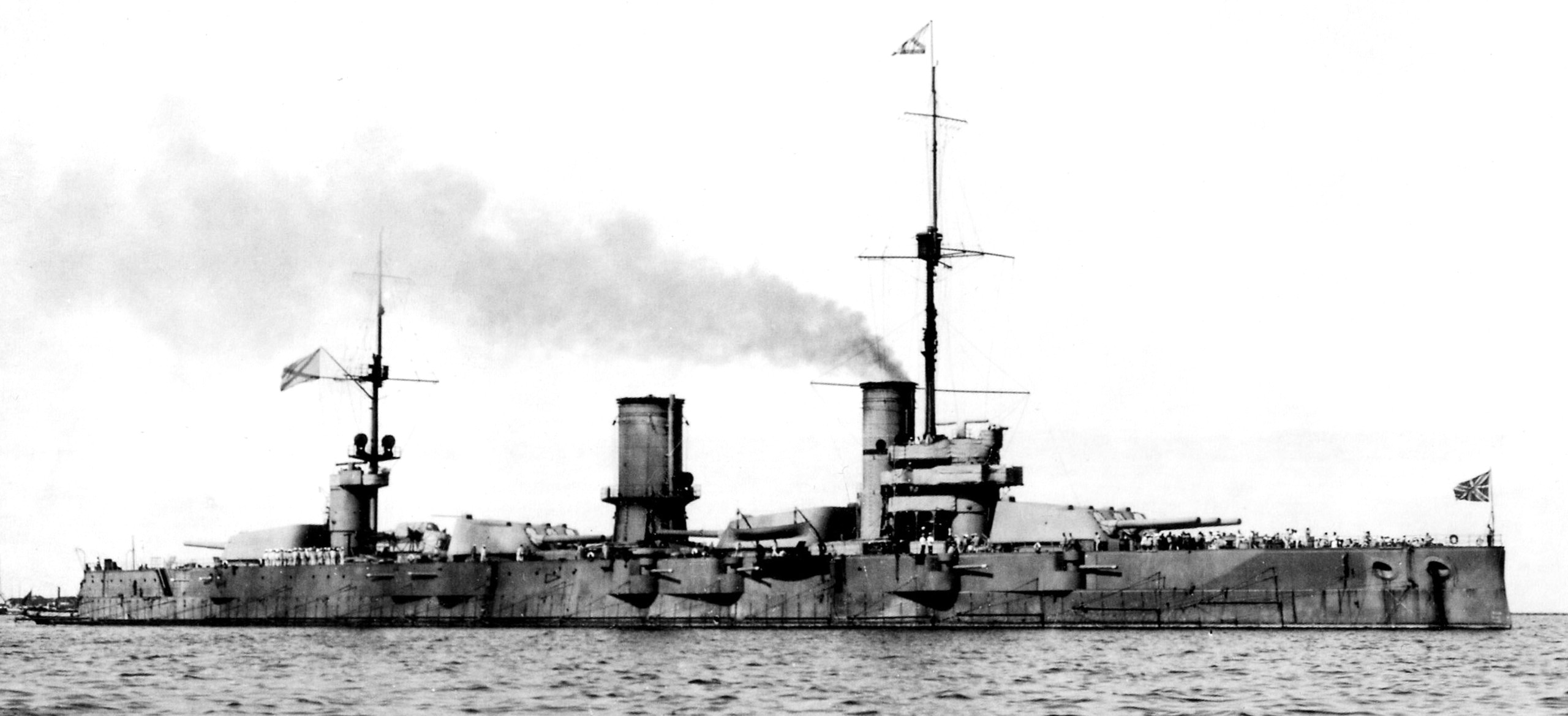
Imperial Russian battleship Sevastopol.
(Russian Navy Photo)
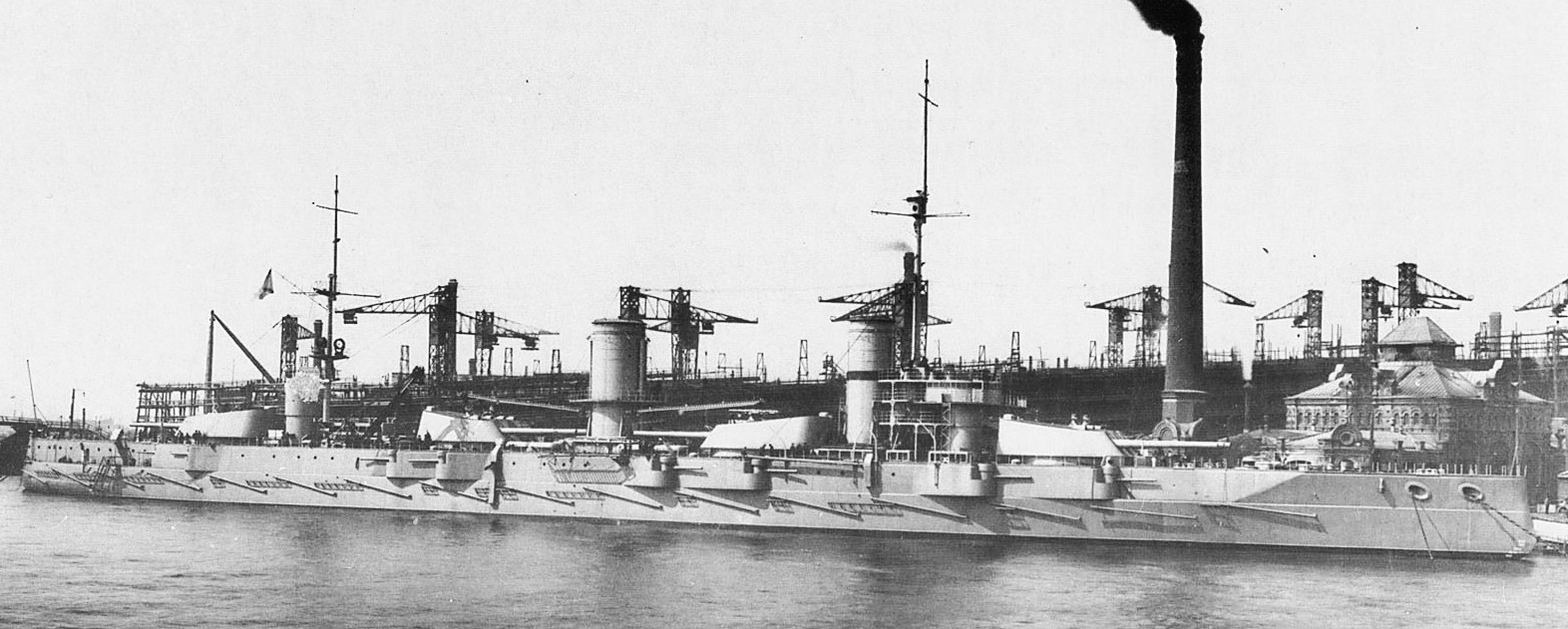
Imperial Russian battleship Sevastopol leaves Baltic Shipyard, 1914.
(Russian Navy Photo)
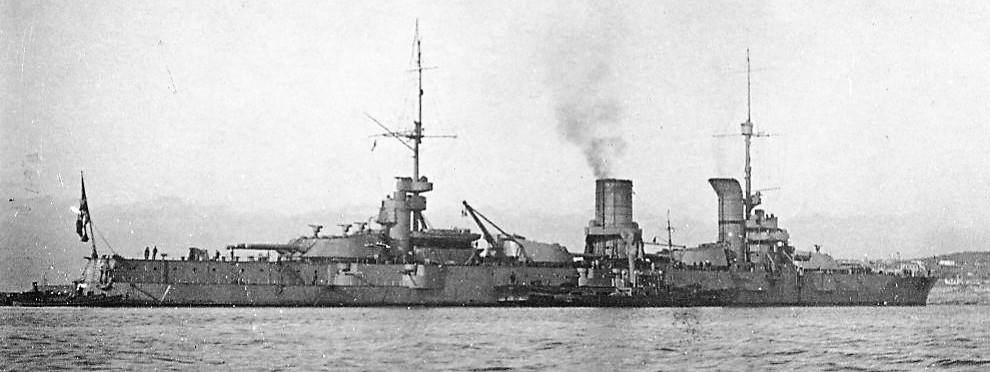
Parizhskaya Kommuna, 1931.
Poltava
(Russian Navy Photo)
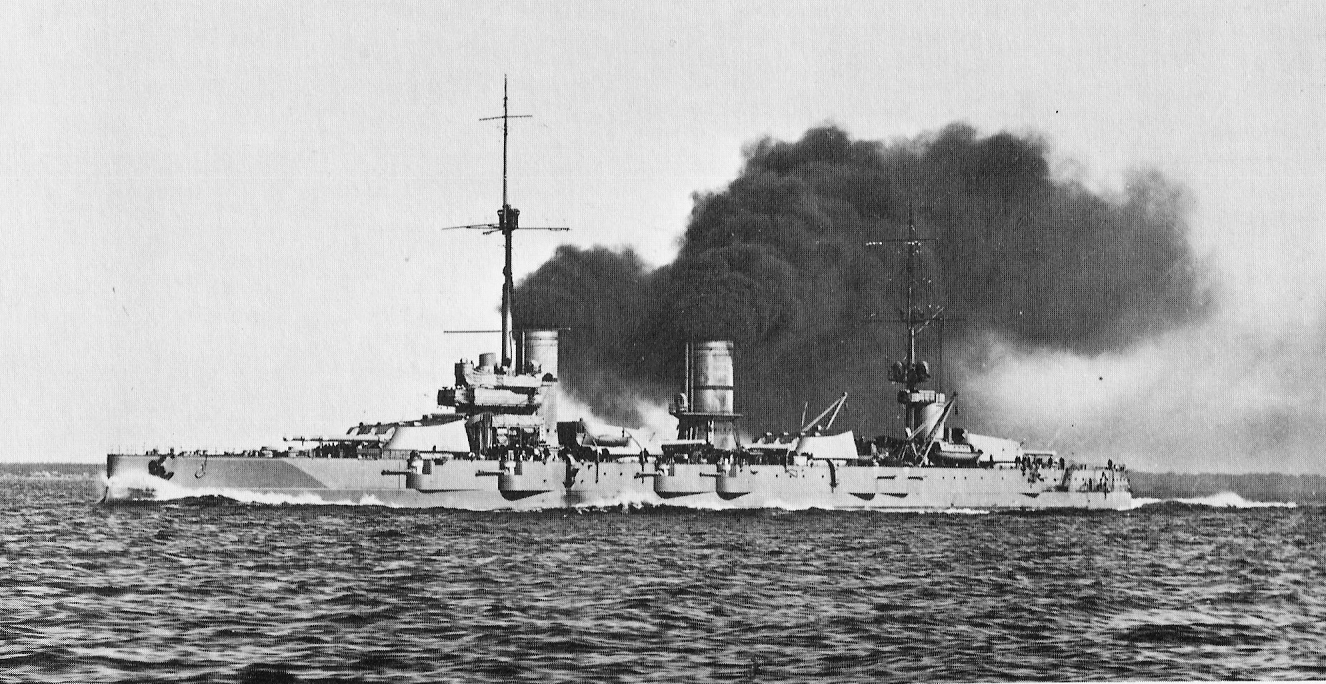
Imperial Russian dreadnought battleship Poltava at full steam in 1916.
Poltava (Полтава) was the second of the Gangut-class battleships of the Imperial Russian Navy built before World War I. The Ganguts were the first class of Russian dreadnoughts. She was named after the Russian victory over Charles XII of Sweden in the Battle of Poltava in 1709. She was completed during the winter of 1914–1915, but was not ready for combat until mid-1915. Her role was to defend the mouth of the Gulf of Finland against the Germans, who never tried to enter, so she spent her time training and providing cover for mine laying operations. She was laid up in 1918 for lack of trained crew and suffered a devastating fire the following year that almost gutted her.
Many proposals were made to reconstruct or modernize her in different ways for the next twenty years, but none were carried out. While all this was being discussed she served as a source of spare parts for her sister ships and was used as a barracks ship. She was finally struck from the Navy List in 1940 and scrapping began at a very leisurely rate. She was intentionally grounded in late 1941 to prevent her from being sunk in some inconvenient location by the Germans. She was refloated in 1944 and scrapped beginning in 1949. (Wikipedia)
(Russian Navy Photo)
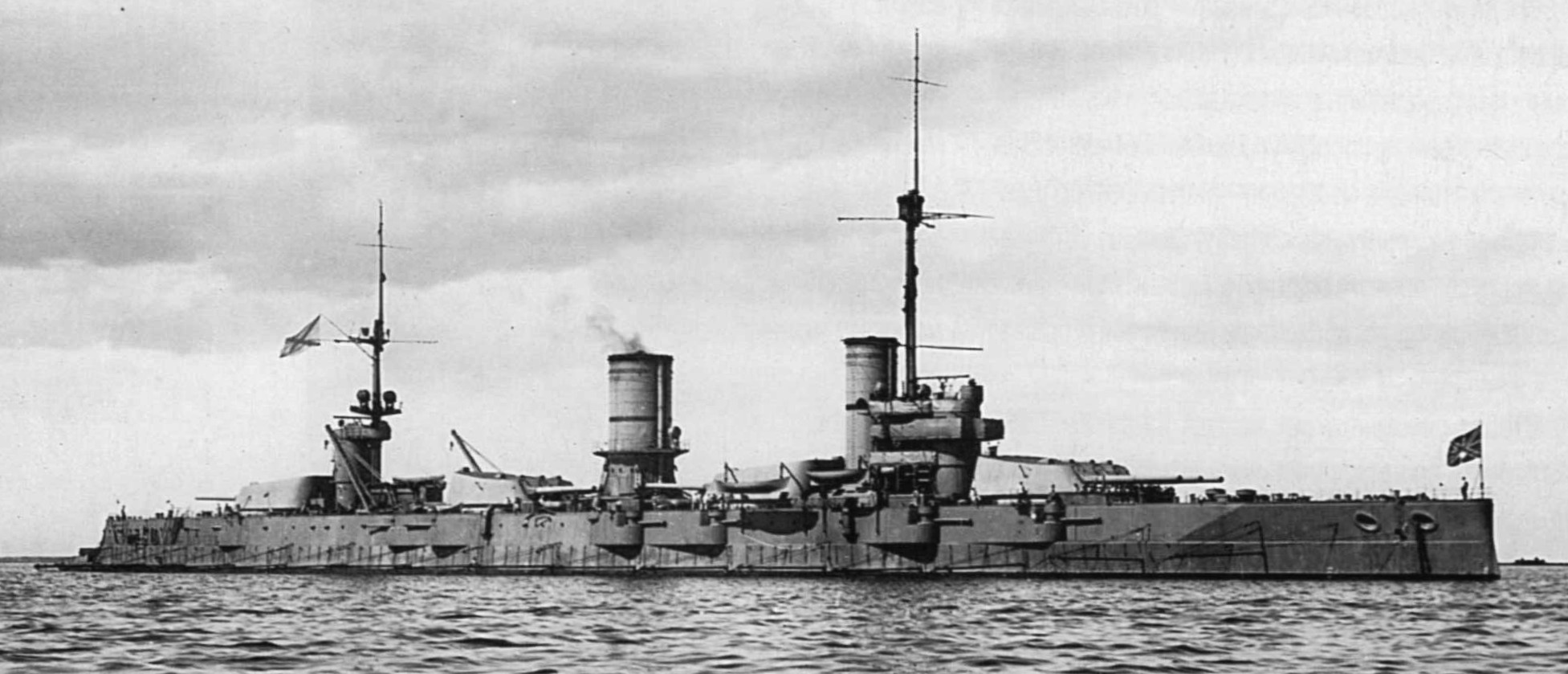
Imperial Russian dreadnought battleship Poltava.
(Russian Navy Photo)
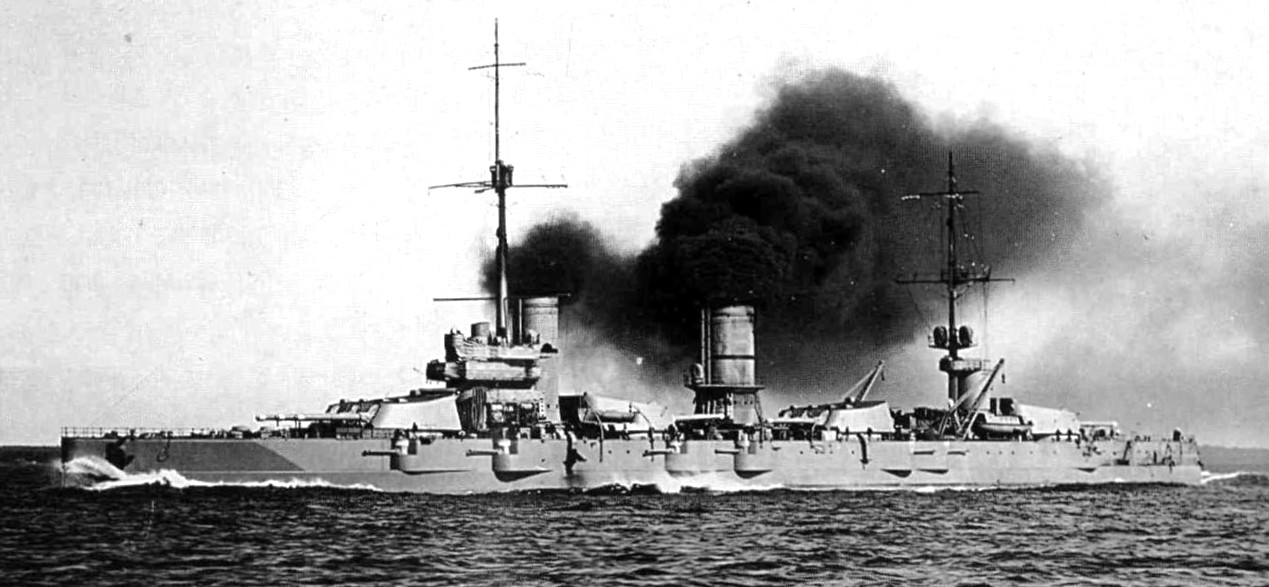
Imperial Russian dreadnought battleship Poltava.
All comments are subject to our Comment Policy. You must be at least 18 years old to comment.
See a comment that violates our guidelines? Report it here.