
Royal Navy dreadnought-class battleships: HMS Bellerophon, HMS Superb, HMS Temeraire
The Bellerophon-class battleships, HMS Bellerophon, HMS Superb, and HMS Temeraire, were the first Royal Navy dreadnoughts to be built after Dreadnought, from 1906–1909. The sisters retained much of HMS Dreadnought’s design, such as her 45-calibre Mk X 12-inch (304.8 mm) guns and their arrangement,[27] but had changes like the relocation of the foremast behind the forward funnel and an improved secondary armament.[28][29] The Bellerophon sisters were 526-foot (160 m) long and displaced 18,596 long tons (18,894 t) and retained Dreadnought’s means of propulsion, two steam turbines powering four shafts, and her speed of 21 knots (39 km/h; 24 mph). The thickness of the Bellerophon’s belt armour, 10 inches (254 mm) at its thickest, was an inch thinner than that of Dreadnought’s at her thickest.
Upon commissioning, all three ships were assigned to the 1st division of the Home Fleet, later the 1st Battle Squadron, and took part in the Coronation Review for King George V. From 17–20 July 1914, all three took part in the mobilisation and review of the Royal Navy during the July Crisis following the assassination of Archduke Ferdinand. Bellerophon and Superb joined the Home Fleet but Temeraire did not until 1915. All three ships participated in the Battle of Jutland, firing no more than 62 shells at the cruiser SMS Wiesbaden and the battle cruiser SMS Derfflinger, but without success.[32] Later, Bellerophon served as the junior flagship of the 4th Squadron from June to September 1917 while its usual flagship (HMS Colossus) was being refitted. Superb and Temeraire were transferred to the Mediterranean Fleet, where Superb served as fleet flagship until the armistice. After the war, the now obsolete ships were placed in reserve. Temeraire became a training vessel until decommissioned and scrapped in 1921,[35] Bellerophon was made a gunnery ship in March 1919 at The Nore and was sold for scrap 8 November 1921 and broken up 14 September 1922, and Superb relieved Bellerophon as a gunnery training vessel and then served briefly as a target ship before sold for scrapping in December 1923. (Wikipedia)
HMS Bellerophon

(Library of Congress Photo, 1909)
HMS Bellerophon was the lead ship of her class of three dreadnought battleships built for the Royal Navy in the first decade of the 20th century. She spent her whole career assigned to the Home and Grand Fleets. Aside from participating in the Battle of Jutland in May 1916 and the inconclusive action of 19 August, her service during the First World War generally consisted of routine patrols and training in the North Sea. The ship was deemed obsolete after the war and was used as a training ship before she was placed in reserve. Bellerophon was sold for scrap in 1921 and broken up beginning the following year. (Wikipedia)

(IWM Photo, Q 38260)
HMS Bellerophon, 1911.
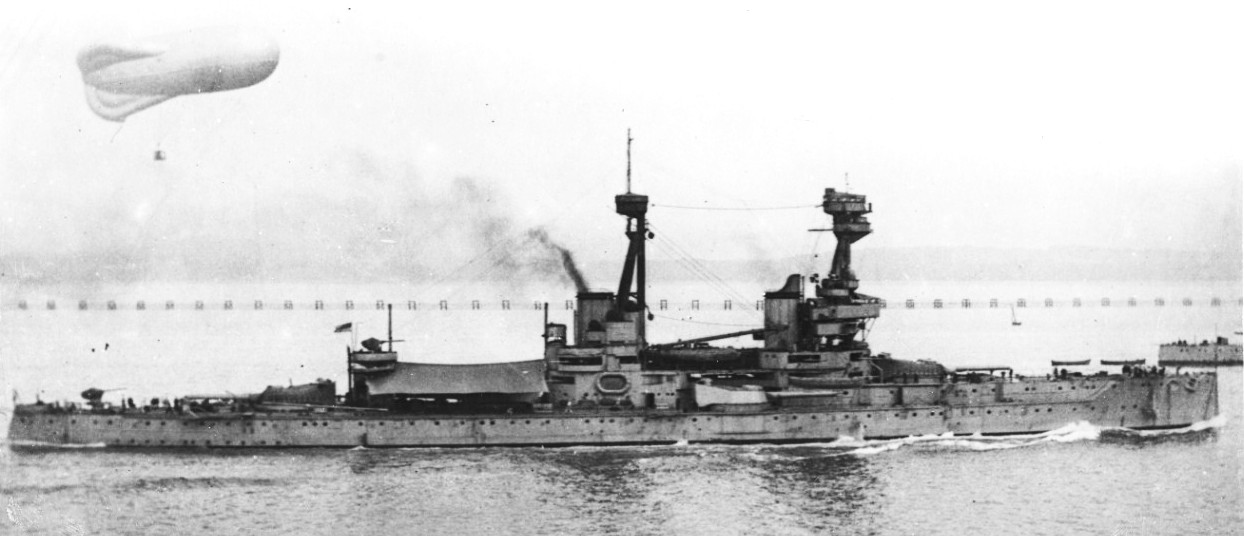
(IWM Photo, NH 110230)
HMS Bellerophon underway, 1918, with a kite balloon in the upper left background.
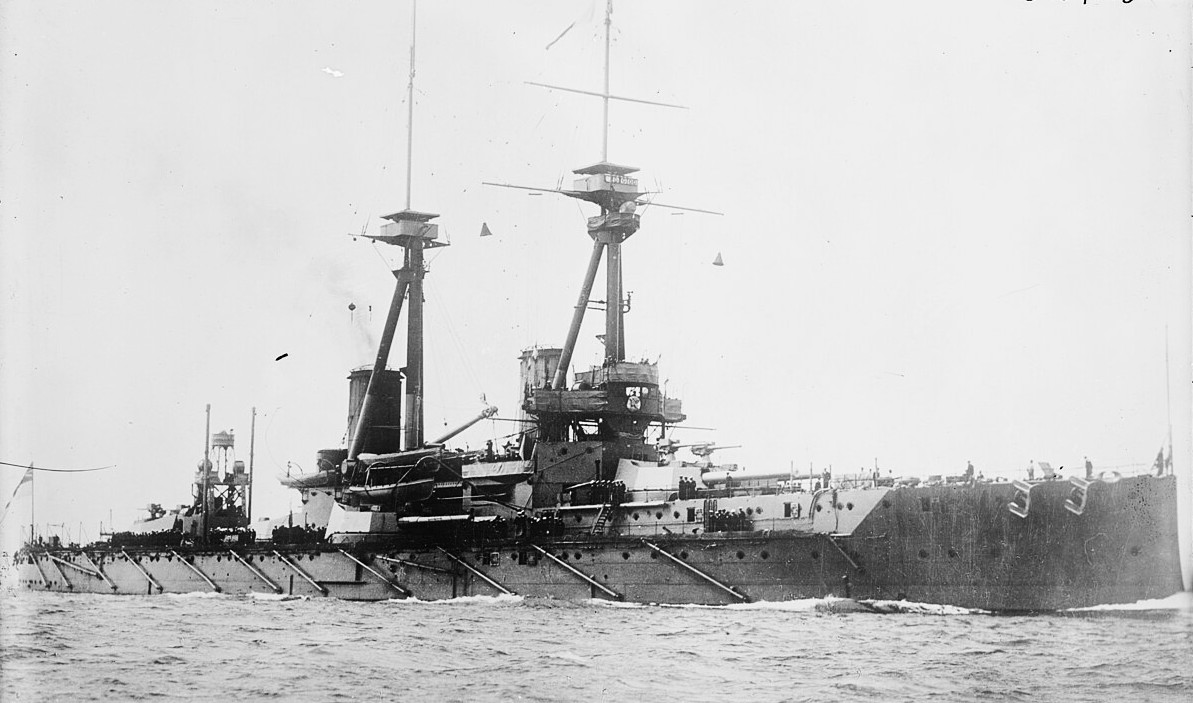
(Library of Congress Photo)
HMS Bellerophon, 1910.
HMS Superb
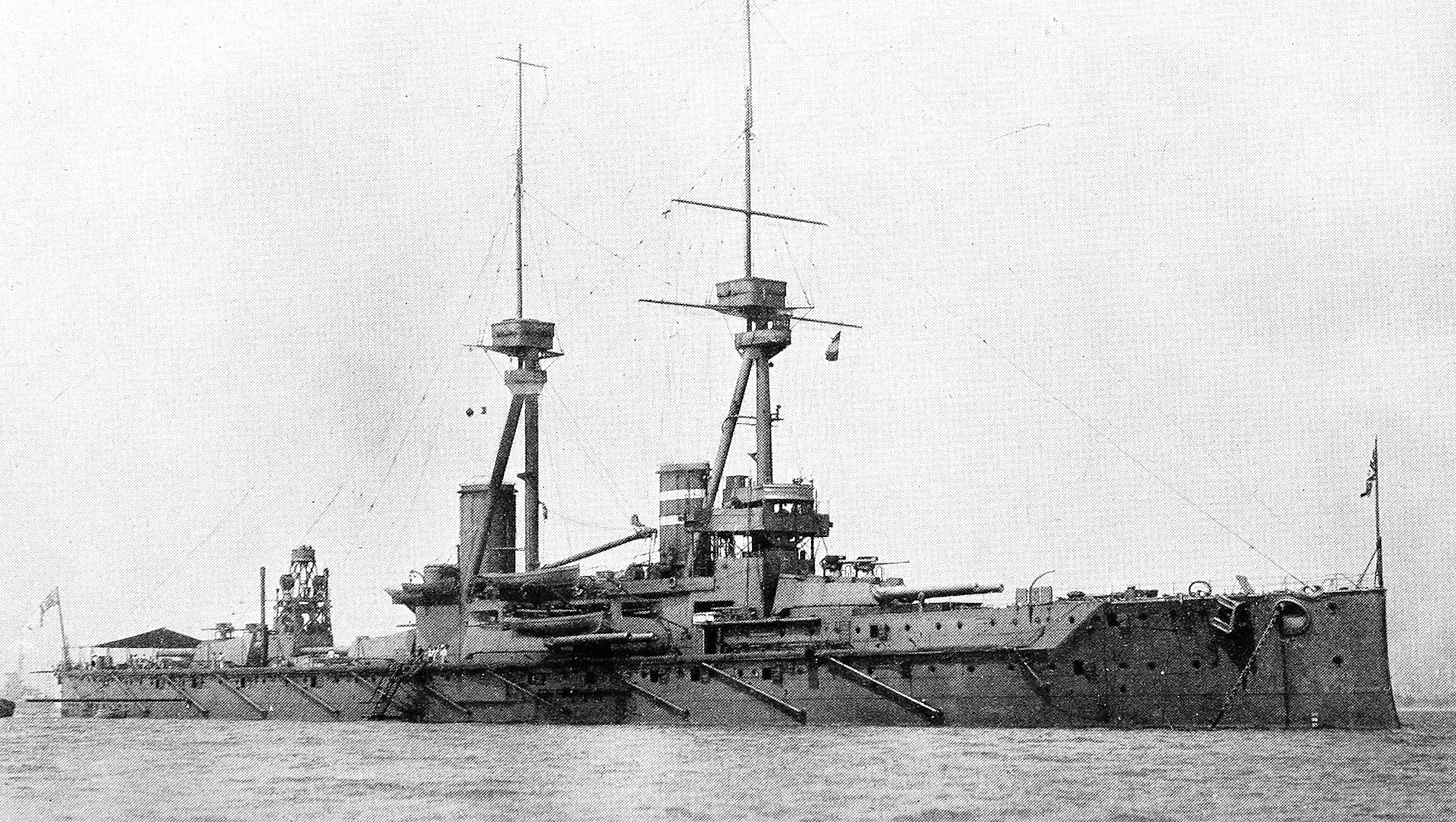
(Ernest Protheroe Photo)
HMS Superb was one of three Bellerophon-class dreadnought battleships built for the Royal Navy in the first decade of the 20th century. She spent almost her whole career assigned to the Home and Grand Fleets. Aside from participating in the Battle of Jutland in May 1916 and the inconclusive action of 19 August, her service during the First World War generally consisted of routine patrols and training in the North Sea.
Superb was transferred to the Mediterranean Fleet in October 1918 and became its flagship. She supported Allied forces in the Mediterranean and the Black Sea after the war ended in November. The ship was deemed obsolete and was reduced to reserve when she returned home in early 1919 and was then used as a training ship. Superb was used for gunnery experiments in 1920 and then became a target ship in 1922. The ship was sold for scrap late that year and broken up in 1923. (Wikipedia)
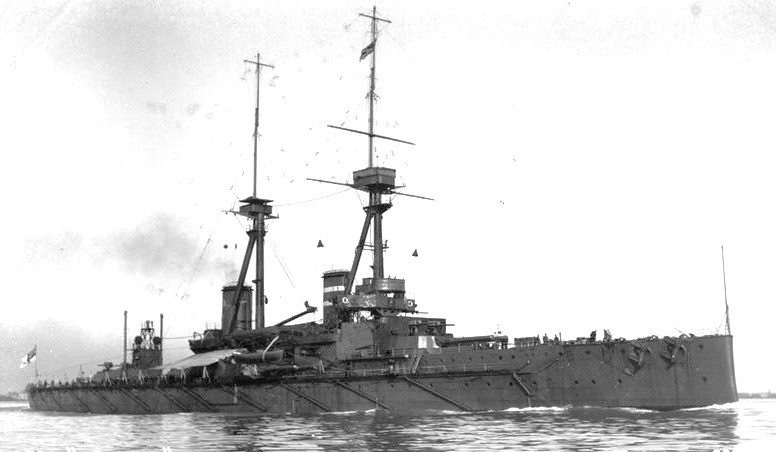
(IWM Photo, Q 75226)
HMS Superb, 1910.
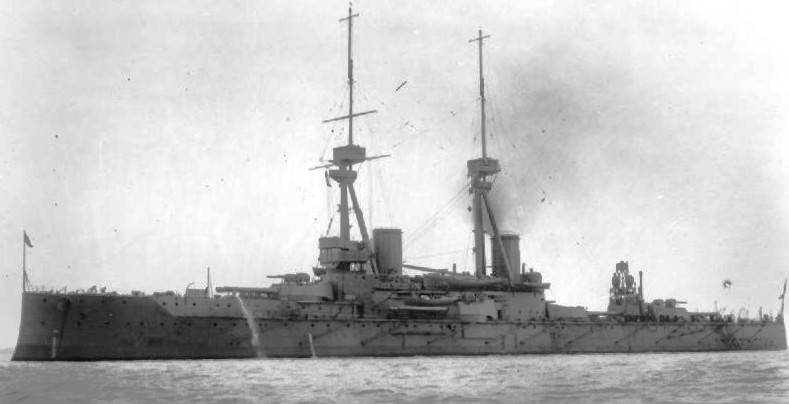
(IWM Photo, Q 40225)
HMS Superb, 1910.
HMS Temeraire
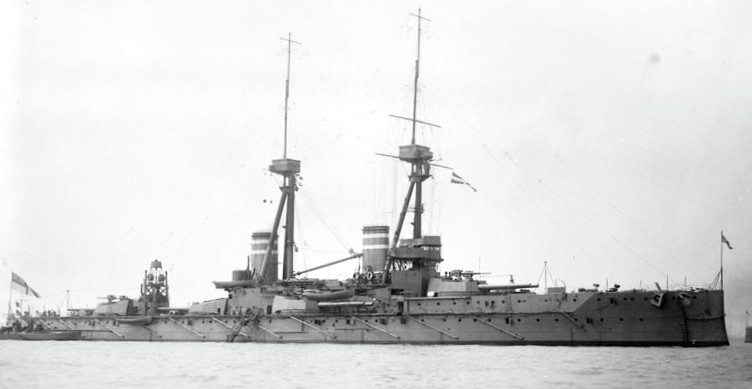
(IWM Photo, Q 40285, 1909)
HMS Temeraire spent almost her whole career assigned to the Home and Grand Fleets. Aside from participating in the Battle of Jutland in May 1916 and the inconclusive action of 19 August, her service during the First World War generally consisted of routine patrols and training in the North Sea. Temeraire was transferred to the Mediterranean Fleet in October 1918 and she supported Allied forces in the Mediterranean and the Black Sea after the war ended in November. The ship was deemed obsolete and was reduced to reserve when she returned home in early 1919 and was then used as a training ship. Temeraire was sold for scrap in 1921 and broken up the following year. (Wikipedia)
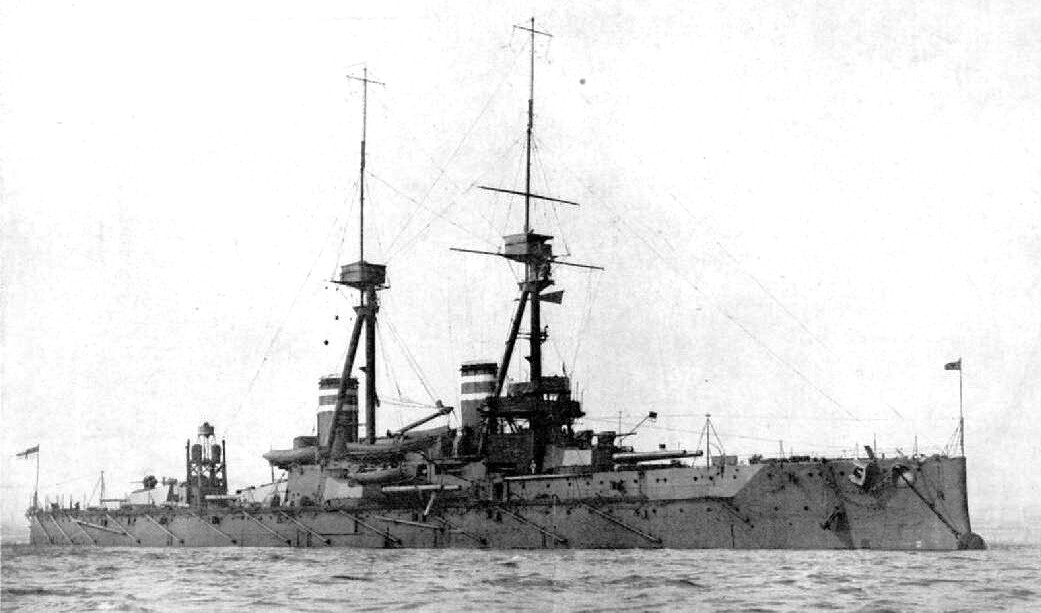
(Royal Navy Photo)
HMS Temeraire.
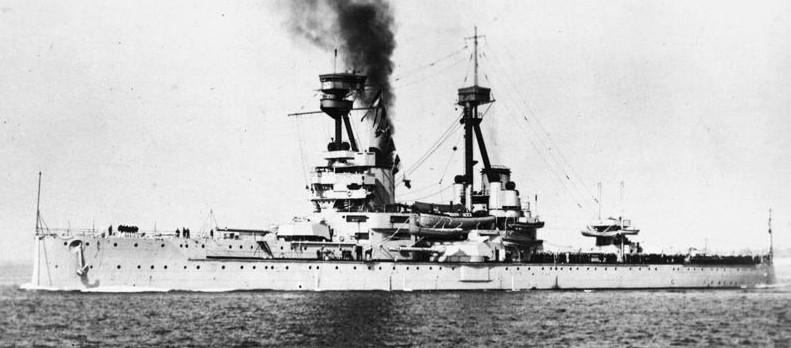
(IWM Photo, Q 75227)
HMS Temeraire, 1910.
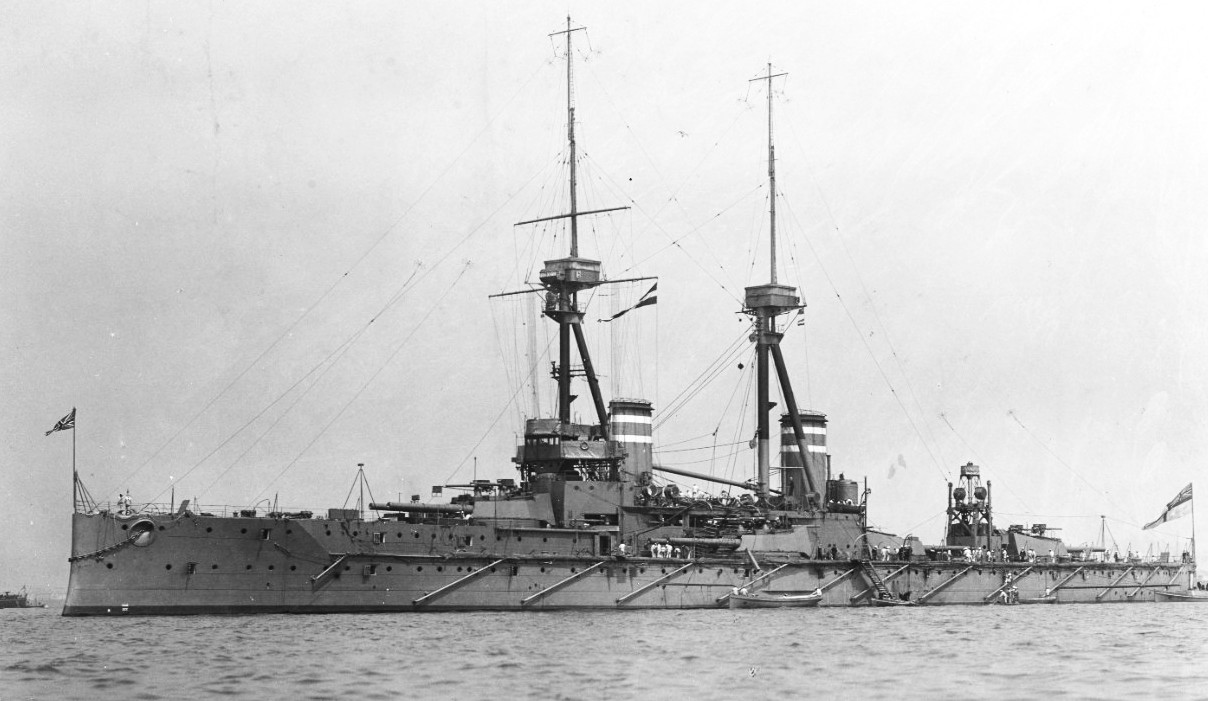
(Naval History and Heritage Command Photo, NH 54701)
HMS Temeraire.