
Royal Navy dreadnought battleships: HMS Orion, HMS Monarch, HMS Conqueror, HMS Thunderer
The four Orion-class dreadnought battleships, HMS Orion, HMS Monarch, HMS Conqueror, and HMS Thunderer, were the first British super-dreadnoughts. The Orion class was the first to use a larger caliber main battery, with ten 45-calibre Mk V 13.5-inch (340 mm) main guns on the centreline in superfiring gun turrets, an idea taken from the American South Carolina-class battleships. The sisters were larger and more powerful than the first generation of British dreadnoughts. In addition to their bigger guns, they had Krupp armour 8–12 inches (203–305 mm) thick on the belt, were longer at 581 feet (177 m), and were heavier at a displacement of 21,900 long tons (22,300 t). However, they retained the same means of propulsion, two Parsons steam turbines powering four shafts, their top speed of 21 knots (39 km/h; 24 mph), and the 50-calibre Mk VII 4-inch (102 mm) secondary guns of the previous battleships.
All four sister ships were assigned to the 2nd Battle Squadron of the Home Fleet upon commission and Orion was named its flagship. The sisters then participated in the Fleet review at Spithead on 9 July 1914 and in the mobilization of the Royal Navy during the July Crisis and following assembly at Scapa Flow.[81][c] The sisters were four of the six dreadnoughts assigned to intercept the German fleet responsible for the 16 December raid on the northeast English coast. On 27 December 1914, Conqueror rammed her sister ship Monarch as the Grand Fleet was returning to Scapa Flow, damaging both vessels. All four warships were present at the Battle of Jutland. Conqueror and Thunderer made no hits, while Monarch and Orion struck SMS König and SMS Markgraf once each and SMS Lützow five times between them; none of the four fired more than 57 of their primary shells during the entire battle. When on 21 November 1918 the German fleet surrendered at Rosyth, Scotland, the sisters were present. In February 1919, they were transferred to the 3rd Squadron and Orion retained her status as squadron flagship.[85] By the end of 1919 the sisters were all transferred into the Reserve Fleet, but Monarch was transferred to Portsmouth in early 1920. In the summer of that year, Thunderer and Monarch were recommissioned to ferry troops to and from the Mediterranean Sea, and Orion joined Monarch at Portsmouth later in the year and became the flagship of the Reserve Fleet before being relieved in this duty by Conqueror in mid-1921 to once again ferry troops. In 1921, Thunderer and Orion were transformed into training vessels and were sold for scrap the following year in accordance with the Washington Naval Treaty. Monarch was hulked and used for weapons testing until finally sunk in 1925. Thunderer, the last of the sisters, was sold for scrap in 1926. (Wikipedia)
HMS Orion
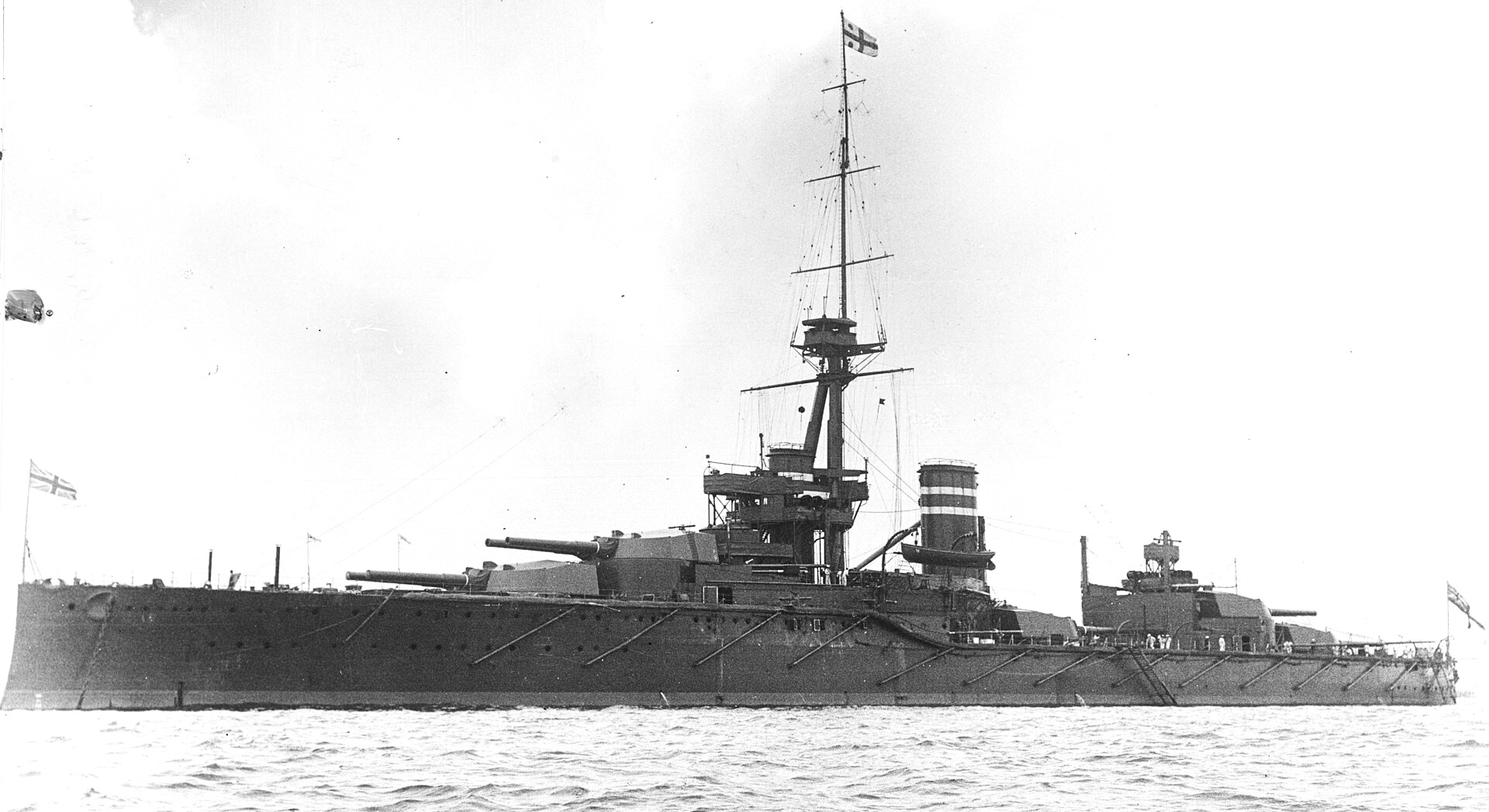
(National Archives Photo)
HMS Orion was the lead ship of her class of four dreadnought battleships built for the Royal Navy in the early 1910s. She spent the bulk of her career assigned to the Home and Grand Fleets, generally serving as a flagship. Aside from participating in the failed attempt to intercept the German ships that had bombarded Scarborough, Hartlepool and Whitby in late 1914, the Battle of Jutland in May 1916 and the inconclusive action of 19 August, her service during the First World War generally consisted of routine patrols and training in the North Sea.
After the Grand Fleet was dissolved in early 1919, Orion was transferred to back to the Home Fleet for a few months before she was assigned to the Reserve Fleet. She served as a gunnery training ship from mid-1921 until she was listed for disposal the following year. The ship was sold for scrap in late 1922 and subsequently broken up. (Wikipedia)
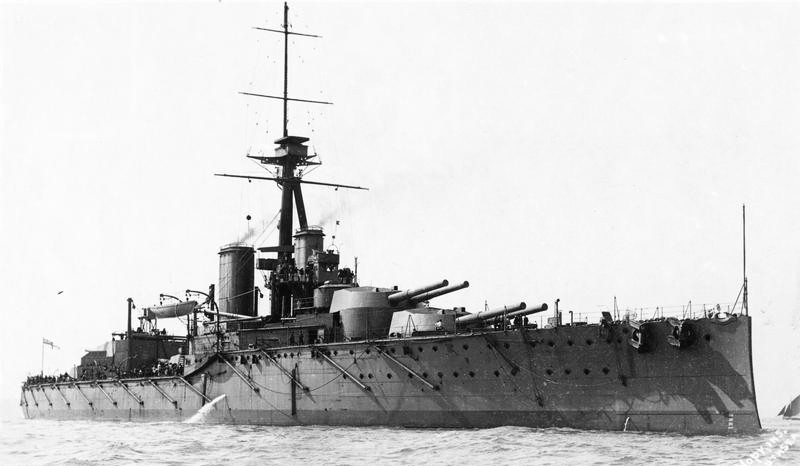
(IWM Photo, Q 75219)
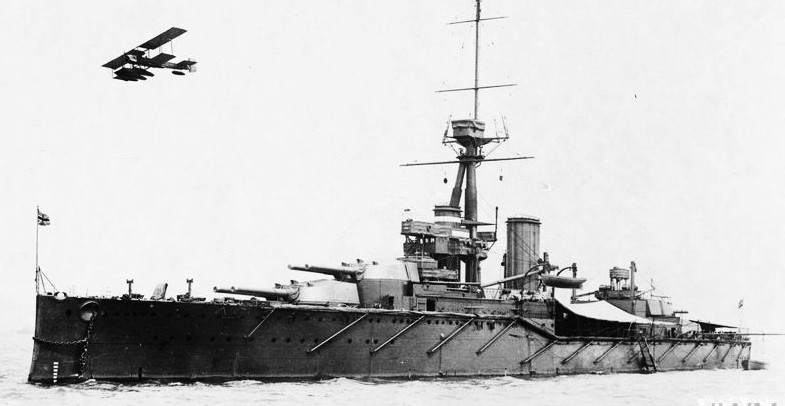
HMS Orion at anchor before 1915 at Spithead.
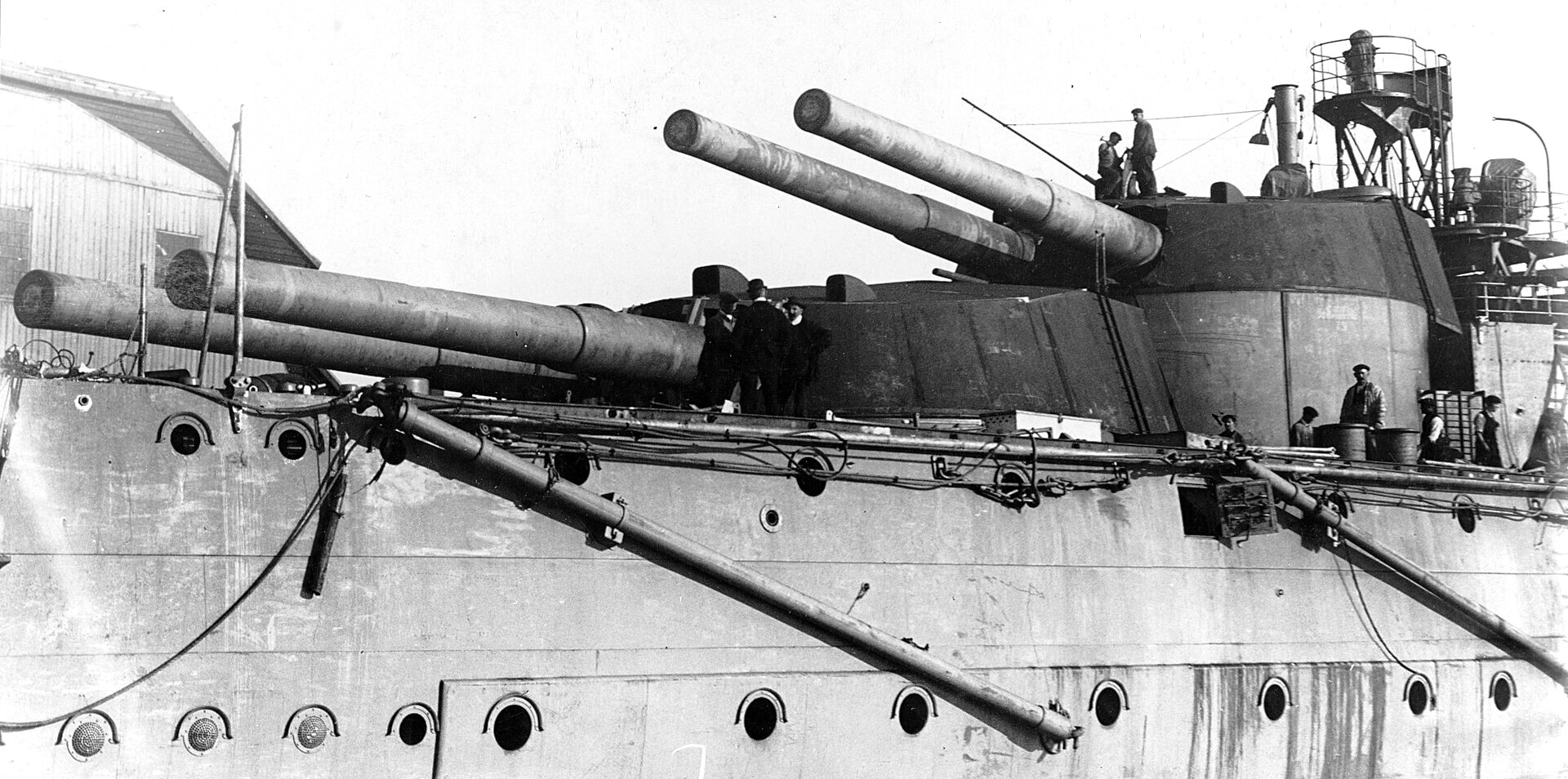
(National Archives Photo)
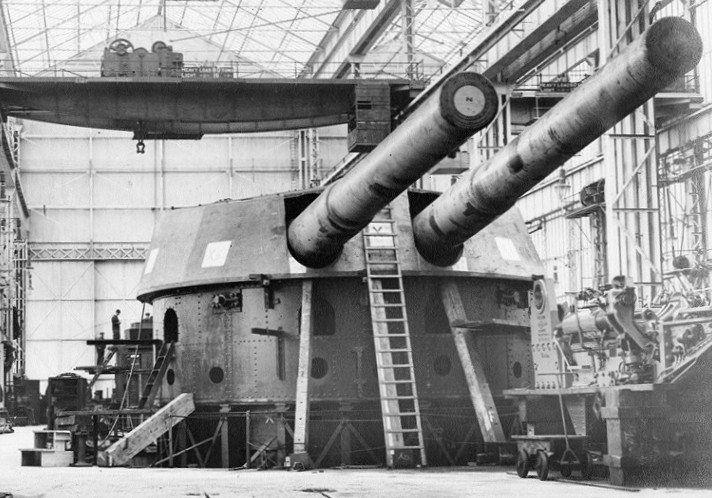
Aft main-gun turrets of HMS Orion, c1911.
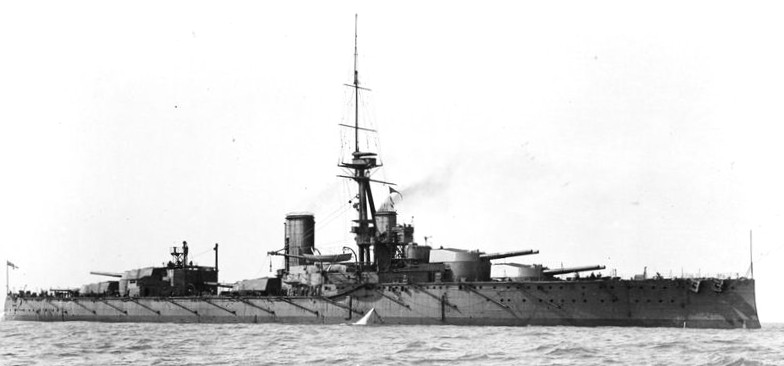
(IWM Photo, Q 74882)
HMS Orion at anchor, before 1915.
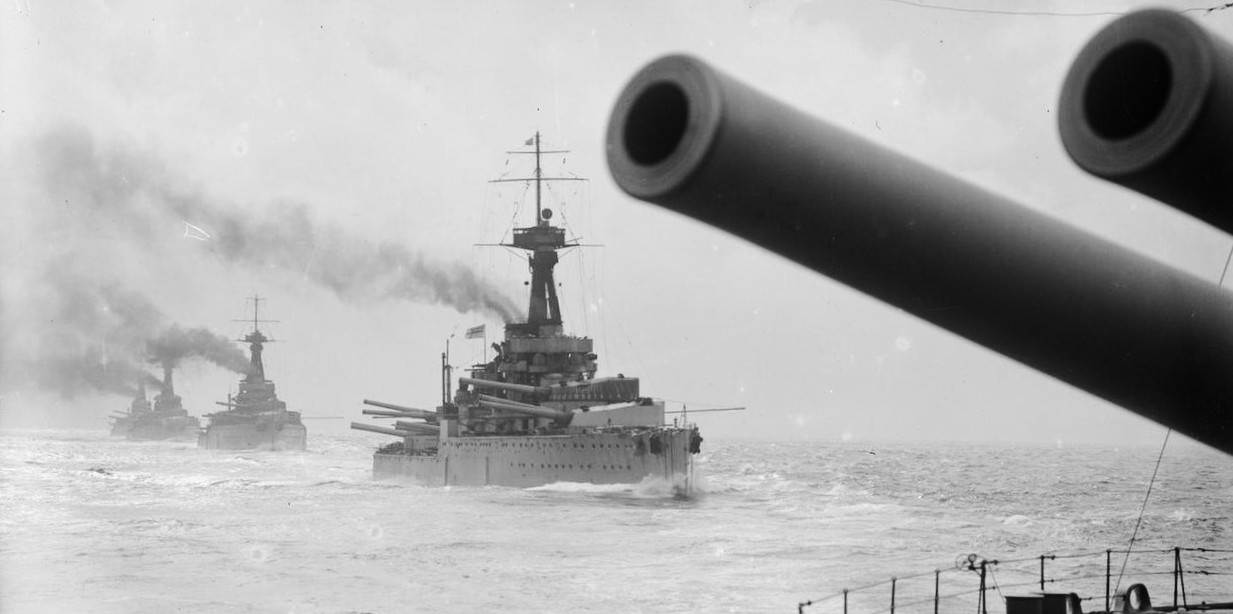
(IWM Photo, SP 1703)
The four Orion-class battleships in line ahead, after 1915. HMS Orion, HMS Monarch, HMS Conqueror, and HMS Thunderer taken from HMS Queen Elizabeth.
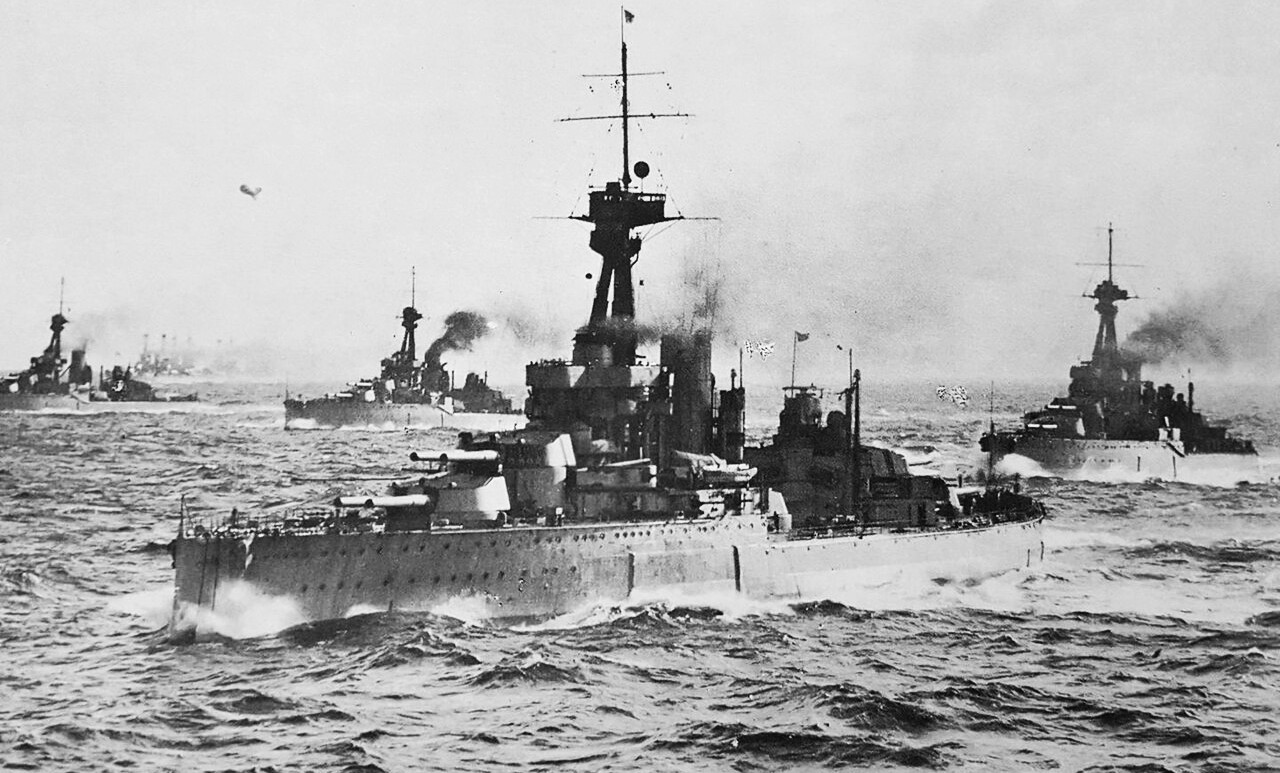
(Royal Navy Photo)
The four Orion-class battleships. The HMS Orion is likely the ship in the foreground.
HMS Monarch
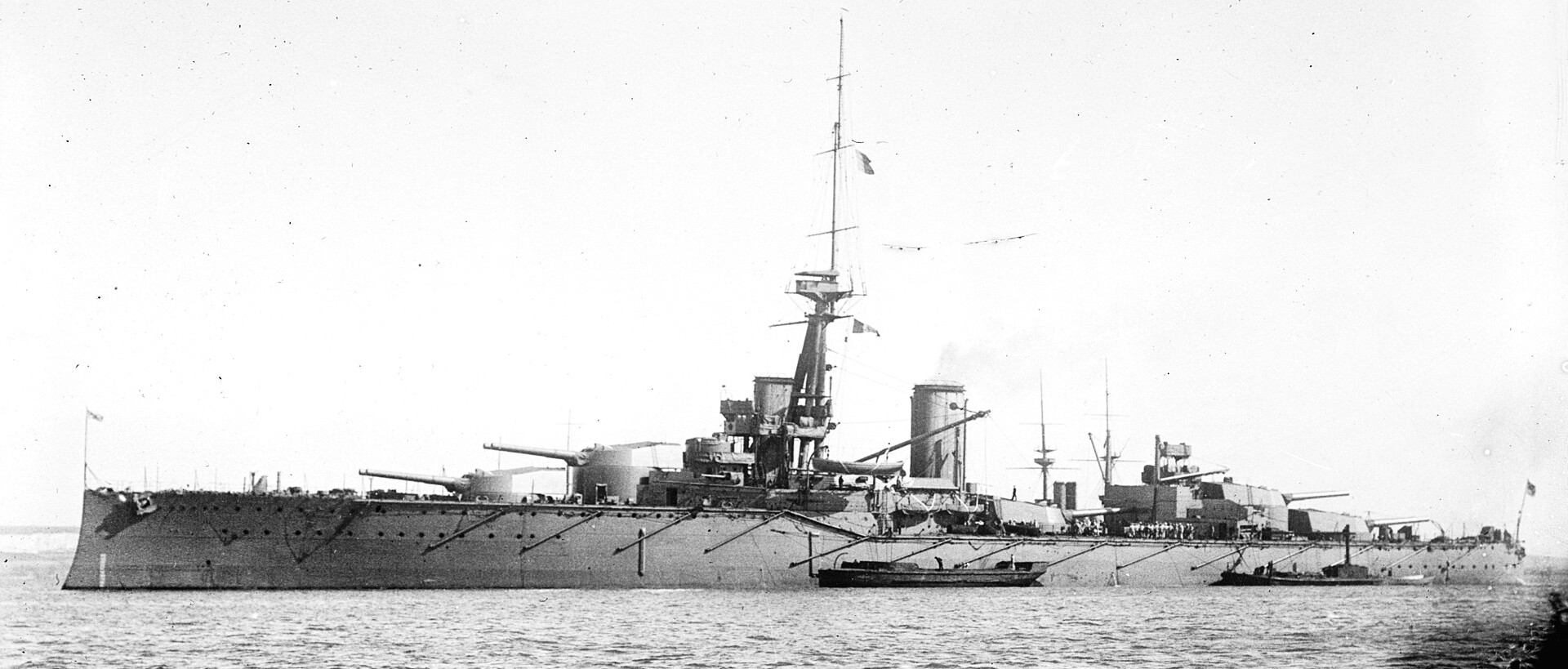
(Library of Congress Photo)
HMS Monarch was the second of four Orion-class dreadnought battleships built for the Royal Navy in the early 1910s. She spent the bulk of her career assigned to the Home and Grand Fleets. Aside from participating in the failed attempt to intercept the German ships that had bombarded Scarborough, Hartlepool and Whitby in late 1914, the Battle of Jutland in May 1916 and the inconclusive action of 19 August, her service during the First World War generally consisted of routine patrols and training in the North Sea.
After the Grand Fleet was dissolved in early 1919, Monarch was transferred back to the Home Fleet for a few months before she was assigned to the Reserve Fleet. The ship was listed for disposal in mid-1922, but was hulked for use as a stationary training ship. In late 1923 Monarch was converted into a target ship and sunk in early 1925. (Wikipedia)
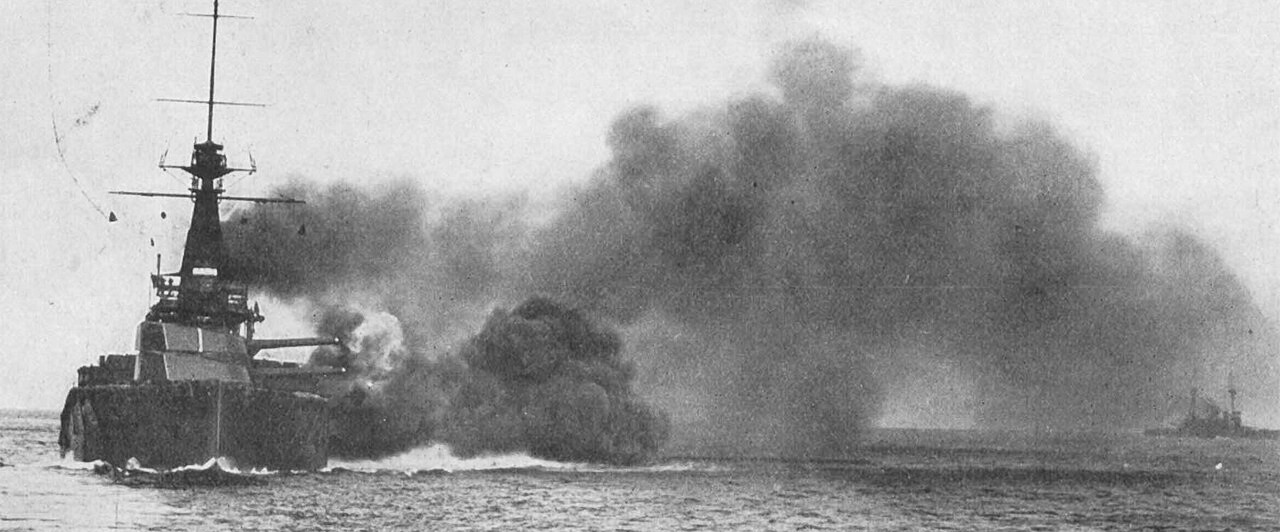
(Royal Navy Photo)
HMS Monarch firing her main battery of 13.5-inch guns, before 1915.
(Tyne and Wear Archives Photo)
HMS Conqueror
(IWM Photo, Q 38540)
HMS Conqueror was the third of four Orion-class dreadnought battleships built for the Royal Navy in the early 1910s. She spent the bulk of her career assigned to the Home and Grand Fleets. Aside from participating in the failed attempt to intercept the German ships that had bombarded Scarborough, Hartlepool and Whitby in late 1914, the Battle of Jutland in May 1916 and the inconclusive action of 19 August, her service during World War I generally consisted of routine patrols and training in the North Sea.
After the Grand Fleet was dissolved in early 1919, Conqueror was transferred back to the Home Fleet for a few months before she was assigned to the Reserve Fleet. The ship was sold for scrap in late 1922 and subsequently broken up. (Wikipedia)
(IWM Photo, SP 1759)
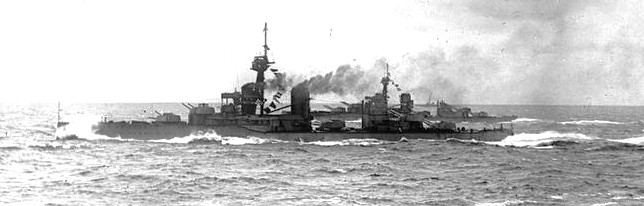
HMS Conqueror in line abreast, May 1917.
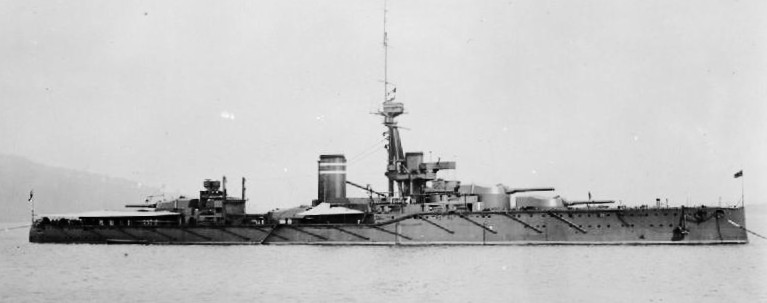
(IWM Photo, SP 3080)
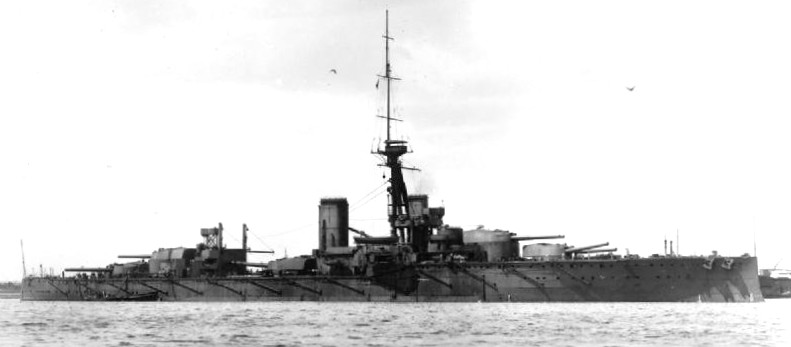
HMS Conqueror, 1910.
HMS Thunderer
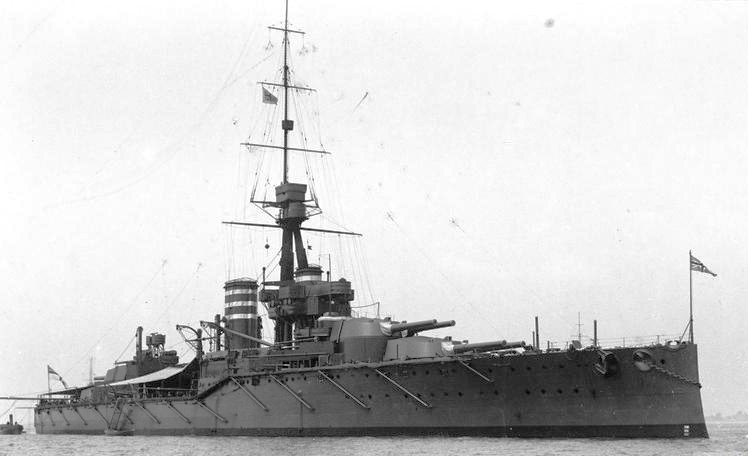
(IWM Photo, Q 75218)
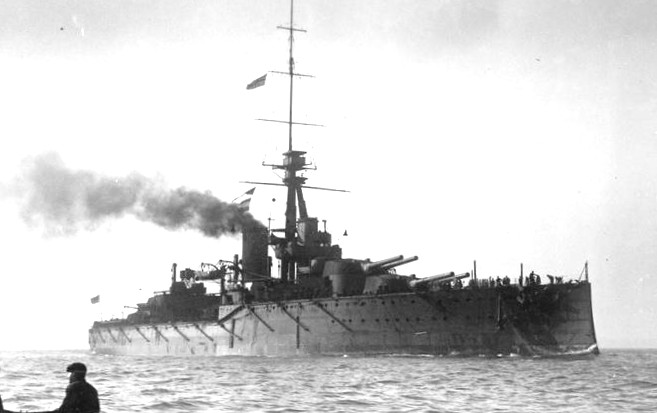
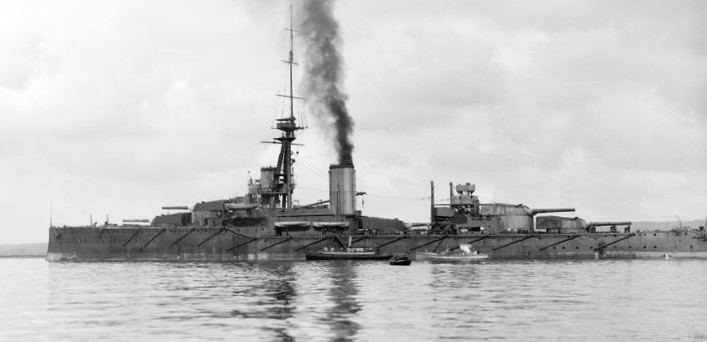
HMS Thunderer was the fourth and last Orion-class dreadnought battleship built for the Royal Navy in the early 1910s. She spent the bulk of her career assigned to the Home and Grand Fleets. Aside from participating in the Battle of Jutland in May 1916 and the inconclusive action of 19 August, her service during World War I generally consisted of routine patrols and training in the North Sea.
After the Grand Fleet was dissolved in early 1919, Thunderer was transferred back to the Home Fleet for a few months before she was assigned to the Reserve Fleet. The ship was converted into a training ship for naval cadets in 1921 and served in that role until she was sold for scrap in late 1926. While being towed to the scrapyard, Thunderer ran aground; the ship was refloated and subsequently broken up. (Wikipedia)
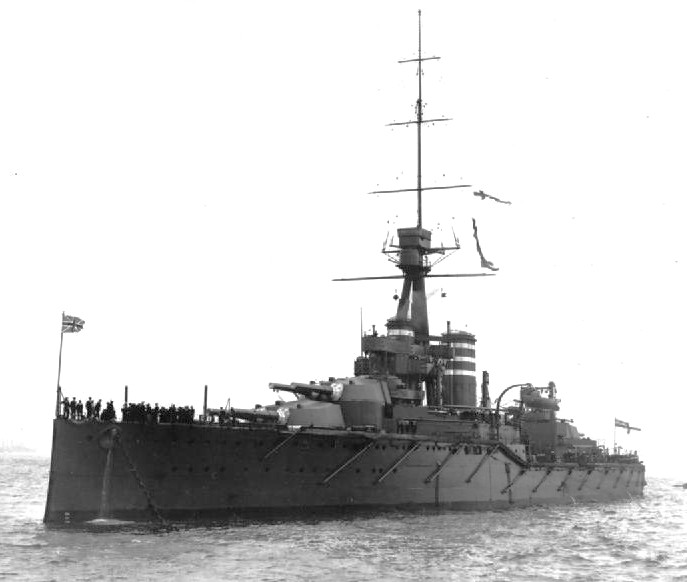
(IWM Photo, Q 21854)
HMS Thunderer, at anchor at Spithead on completion in 1912.
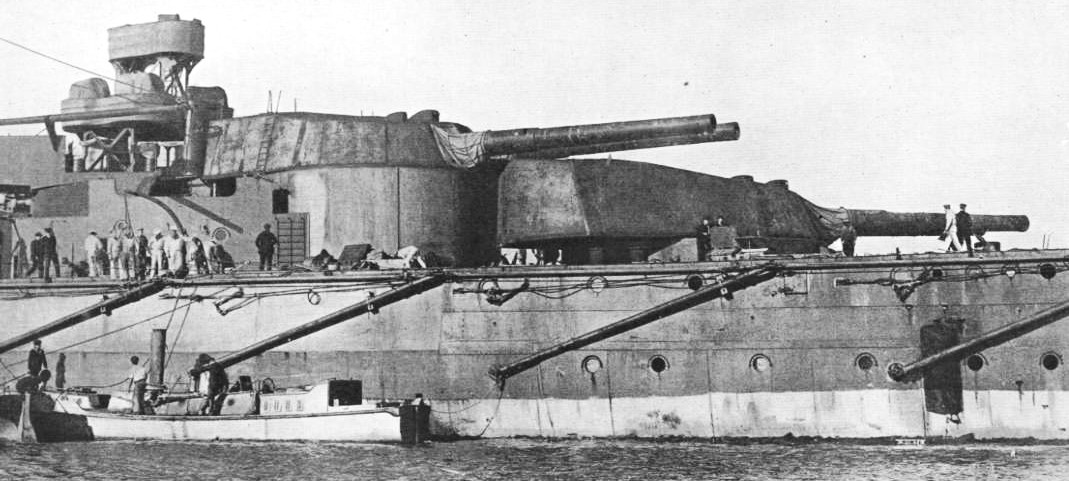
(Royal Navy Photo)
X and Y (aft) 13.5 inch gun turrets of British battleship HMS Thunderer.
(IWM Photo, Q 74883)
HMS Thunderer underway shortly after completion in 1912.
(IWM Photo, Q 40332, 1915)
HMS Thunderer.