
Military Orders (Ordo militaris)
A military order (Latin: ordo militaris) is a Latin Catholic religious order of knights. The original military orders were the Knights Templar, the Knights Hospitaller, the Order of the Holy Sepulchre, the Order of Saint James, the Order of Calatrava, and the Teutonic Knights. They arose in the Middle Ages in association with the Crusades – the Crusader states (mainly the Kingdom of Jerusalem in the Holy Land), the Baltics, and the Iberian peninsula; their members being initially dedicated to the protection of Christian pilgrims, and eventually to the defence of the Crusader states and the conquest of non-Christian or even non-Catholic lands. They are the predecessors of chivalric orders.
Most members of military orders were laymen who took religious vows, such as of poverty, chastity, and obedience, according to monastic ideals. The orders owned houses called commanderies all across Europe and had a hierarchical structure of leadership with the grand master at the top.
The Knights Templar, the largest and most influential of the military orders, was suppressed in the early fourteenth century; only a handful of orders were established and recognized afterwards. However, some persisted longer in their original functions, such as the Sovereign Military Order of Malta and the Order of Saint John, the respective Catholic and German Protestant successors of the Knights Hospitaller, alongside the Order of the Holy Sepulchre, which remains active under the Pope’s sovereignty. Those military orders that survive today have evolved into purely honorific or ceremonial orders or else into charitable foundations. (Wikipedia)
The Sovereign Military and Hospitaler Order of St John of Jerusalem of Rhodes and of Malta
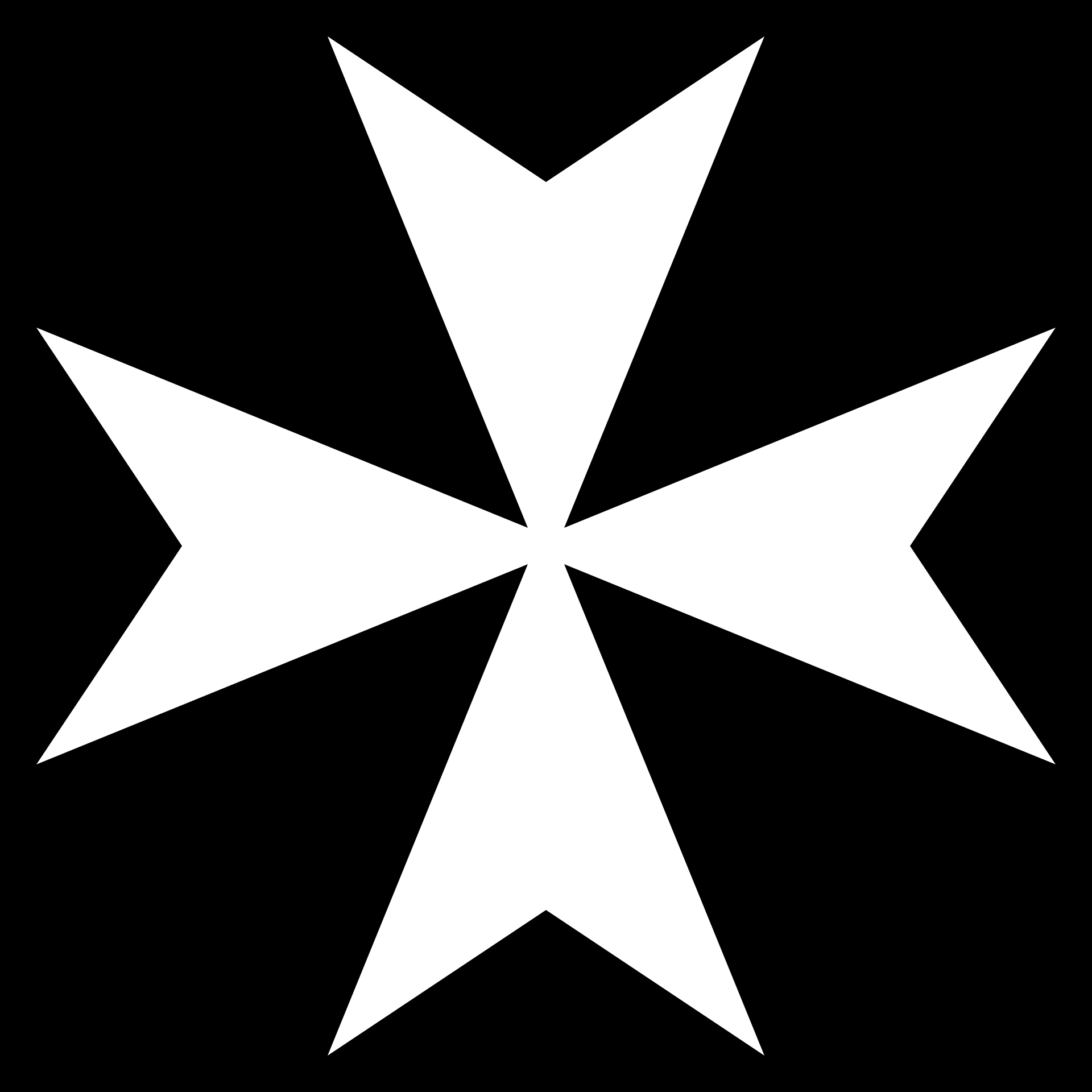
Cross of the Knights Hospitaller, c1099.
One of the oldest institutions of Western and Christian civilisation, founded in Jerusalem in the 11th century, with a long history of service to the vulnerable and the sick. Since 1834 the Order of Malta’s government seat has been in Rome, where it is guaranteed extraterritorial rights. A lay religious order of the Catholic Church since 1113 and a subject of international law, the Sovereign Order of Malta has diplomatic relations with over 100 states and the European Union, and permanent observer status at the United Nations. Recognizes a Protestant successor, the Order of Saint John. There are only five legitimate and mutually recognized Orders of St. John that continue to carry on the historic work of the Knights Hospitaller. These are the Sovereign Military and Hospitaller Order of St. John of Jerusalem of Rhodes and of Malta (The Order of Malta), Die Balley Brandenburg des Ritterlichen Ordens Sankt Johannis vom Spital zu Jerusalem, commonly known as the Johanniter Orden (Germany), Johanniter Orde in Nederland (Netherland), Johanniterorden I Sverige (Sweden), and the Most Venerable Order of the Hospital of St. John of Jerusalem (Order of St. John, sometimes referred to as the Most Venerable Order). In 1961, an alliance was formed between the Most Venerable Order, the Johanniter ORden, Johanniter Orde in Nederland, and Johanniterorden I Sverige; these four orders compromise the Alliance of the Orders of St. John.
The Sovereign Military and Hospitaler Order of St John of Jerusalem of Rhodes and of Malta
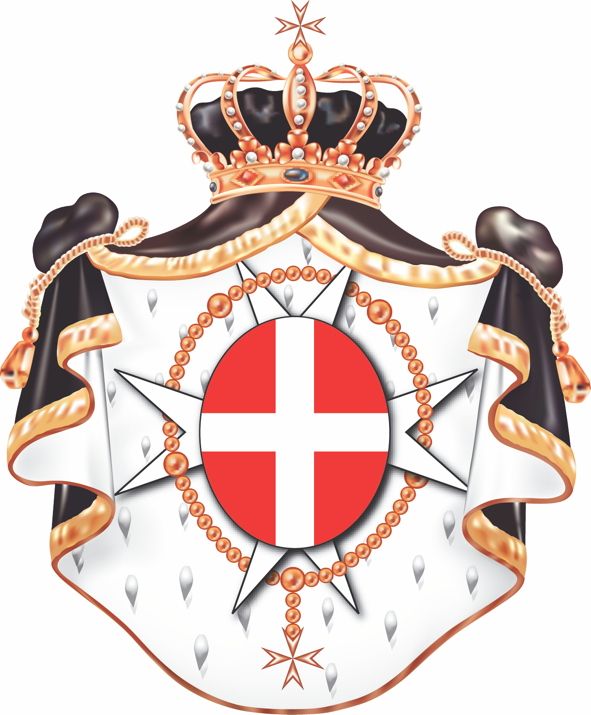
The Sovereign Military and Hospitaler Order of St John of Jerusalem of Rhodes and of Malta is one of the oldest institutions of Western and Christian civilization. The lay Catholic Order has 13,500 members who have committed to the exercise of Christian virtue and charity. The Order of Malta remains true to its founding principles, summarized in the motto “Tuitio Fidei et Obsequium Pauperum”: nurturing, witnessing, and protecting the faith; and serving the poor and the sick. The Dames and Knights bring these principles to life by engaging in voluntary work, humanitarian assistance and medical and social activities. Today, the Order carries out charitable and humanitarian activities in over 130 countries.
The Order is based in Rome and has full diplomatic relations with 114 countries, as well as to European and international organizations. It has permanent observer status at the United Nations. Thanks to this diplomatic network, the Order can react quickly and flexibly to crises and disasters. Its embassies also have the mission of supporting the medical and humanitarian activities of the national associations of the Order and Malteser International. As a neutral and non-political party, the Order is able to act as mediator in civil and armed conflicts and to intervene as a protective force.
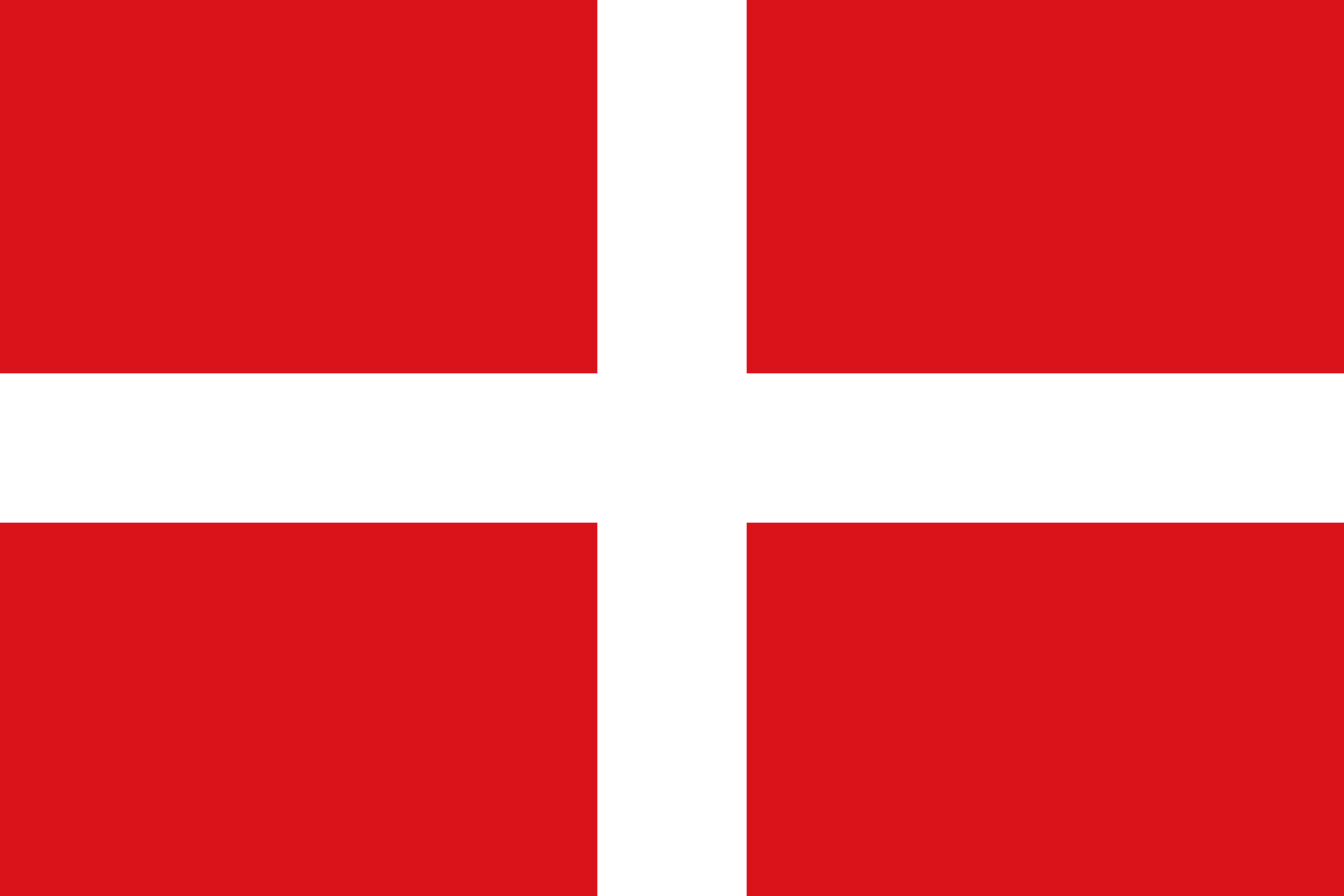
Flag. Supremus Militaris Ordo Hospitalarius Sancti Ioannis Hierosolymitani, Rhodiensis et Melitensis. Motto: Tuitio fidei et obsequium pauperum (Latin), “Defence of the faith and assistance to the poor”.
The Sovereign Military Order of Malta (SMOM), officially the Sovereign Military Hospitaller Order of Saint John of Jerusalem, of Rhodes and of Malta, and commonly known as the Order of Malta or the Knights of Malta, is a Catholic lay religious order, traditionally of a military, chivalric, and noble nature.[4] Though it possesses no national territory, the order is considered a sovereign entity under international law.
The Order traces its institutional continuity with the Knights Hospitaller, a chivalric order that was founded about 1099 by the Blessed Gerard in the Kingdom of Jerusalem.[5] The order is led by an elected prince and grand master.[6] Its motto is Tuitio fidei et obsequium pauperum (“Defence of the faith and assistance to the poor”).
The government of the Sovereign Order of Malta has a similar structure to national state governments. However, it also includes specific features associated with its nature as a lay religious order, as well as particular terminology evolved from nine centuries of history.
The Order’s membership includes about 13,500 Knights, Dames and Chaplains. Thirty-three of these are professed religious Knights of Justice. Until the 1990s, the highest classes of membership, including officers, required proof of noble lineage. More recently, a path was created for Knights and Dames of the lowest class (of whom proof of aristocratic lineage is not required) to be specially elevated to the highest class, making them eligible for office in the order.
The Order’s modern-day role is largely focused on providing humanitarian assistance and assisting with international humanitarian relations. The Order employs about 52,000 doctors, nurses, auxiliaries and paramedics assisted by 100,000 volunteers in more than 120 countries, assisting children, homeless, disabled, elderly, and terminally ill people, refugees, and people with leprosy around the world without distinction of ethnicity or religion.[b] Through its worldwide relief corps, Malteser International, the order aids victims of natural disasters, epidemics and war.[8]
The Order maintains diplomatic relations with 115 states,[9] enters into treaties, and issues its own passports, coins and postage stamps. Its two headquarters buildings in Rome enjoy extraterritoriality, and it maintains embassies in other countries. The three principal officers are counted as citizens. The Order has been a United Nations General Assembly observer since 1994, granted in view of its “long-standing dedication […] in providing humanitarian assistance and its special role in international humanitarian relations”; the same category is held by other non-state entities such as the International Olympic Committee and International Committee of the Red Cross. (Wikipedia)
Present day Orders of St. John
Canadian historian Christopher McCreery commented in 2008: “there are only five legitimate and mutually recognized Orders of St. John that continue to carry on the historic work of the Knights Hospitaller. These are the Sovereign Military and Hospitaller Order of St. John of Jerusalem of Rhodes and of Malta (The Order of Malta), Die Balley Brandenburg des Ritterlichen Ordens Sankt Johannis vom Spital zu Jerusalem, commonly known as the Johanniter Orden (Germany), Johanniter Orde in Nederland (Netherland), Johanniterorden i Sverige (Sweden), and the Most Venerable Order of the Hospital of St. John of Jerusalem (Order of St. John, sometimes referred to as the Most Venerable Order). In 1961 an alliance was formed between the Most Venerable Order, the Johanniter Orden, Johanniter Orde in Nederland, and Johanniterorden i Sverige; these four orders compromise the Alliance of the Orders of St. John”.