
Warplanes preserved in the USA: Michigan: Kalamazoo Aviation History Museum
The Kalamazoo Aviation History Museum was founded in 1977 by former Women Airforce Service Pilots (WASPs), Sue Parish and Second World War pilot Preston “Pete” Parish. The museum was dedicated to “preserving and displaying historical and military artifacts and to serving as a research and educational facility for this country and abroad.” The doors opened on November 18, 1979 and the museum quickly developed into one of the 10 largest nongovernmental aviation museums in the United States.
In early 1999, the name Air Zoo was adopted. The name comes from the fact that so many of the planes in its collection have animal nicknames like Warhawk, Gooney bird, Wildcat, Bearcat, and Hellcat.
Aircraft on display
Aeronca 65CA Chief
(André Gerwing Photo)
(Air Zoo Photo)
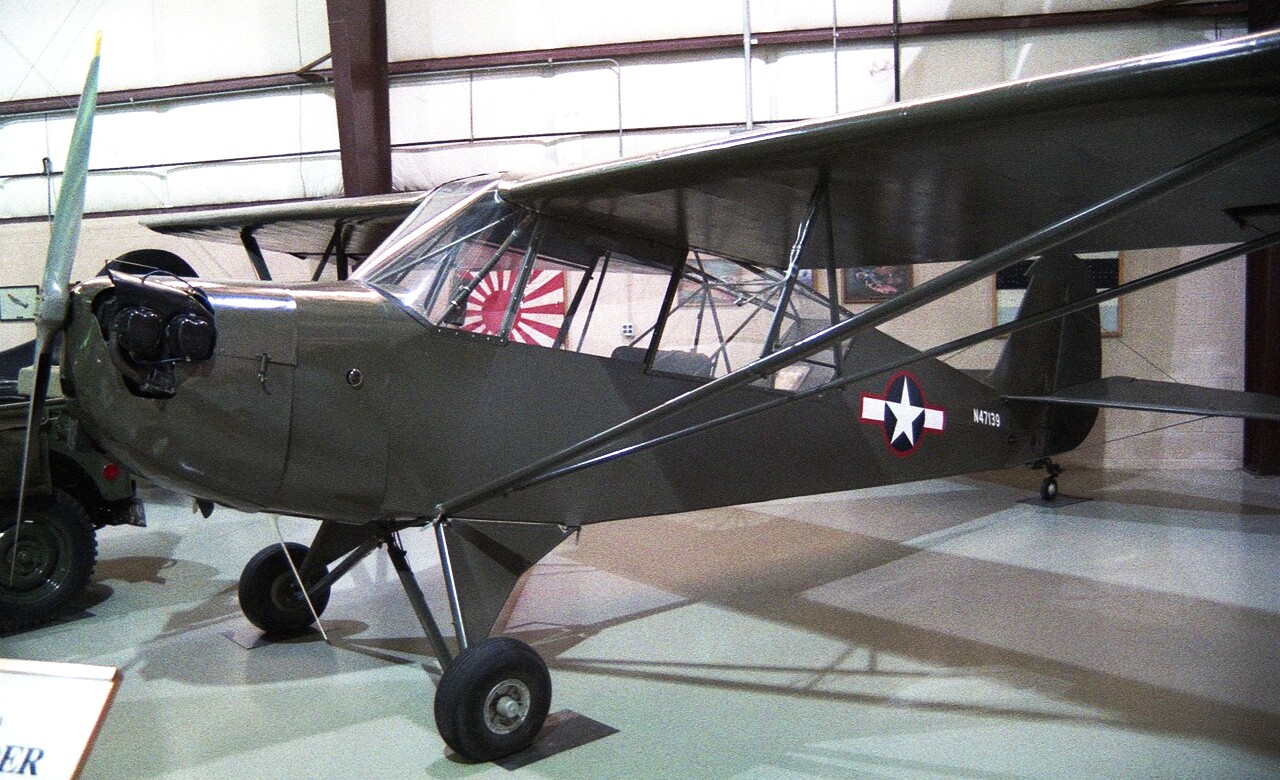
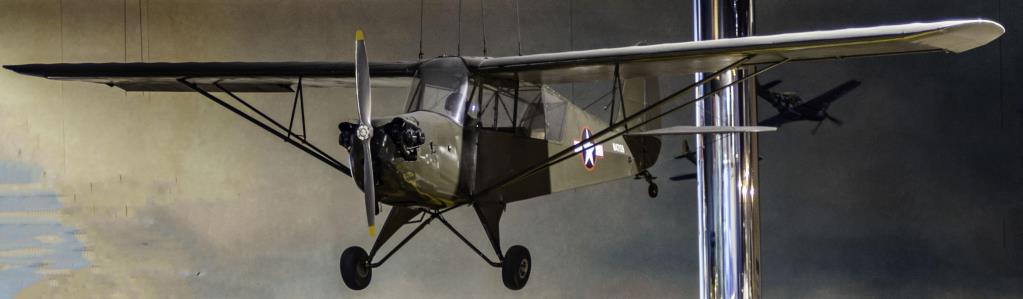
Aeronca L-3B (O-58B) Grasshopper single-engine, two-seat (tandem) high-wing monoplane USAAF (Serial No .43-26772). Reg. No. N47139.
(Air Zoo Photo)
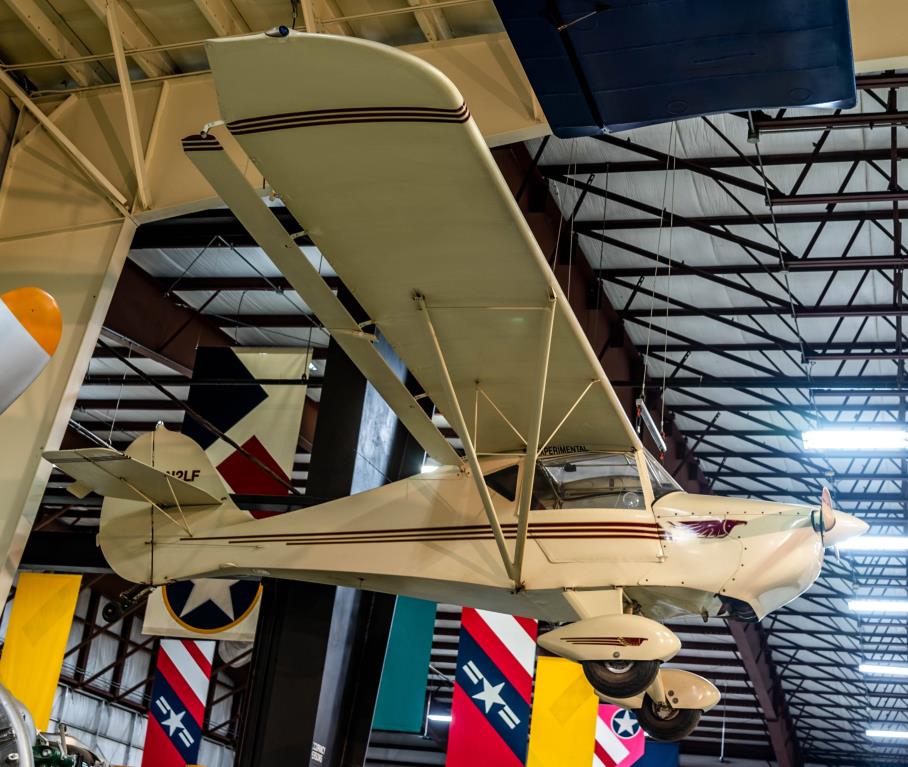
Avid Flyer. Single engine, two seat, high wing monoplane designed for homebuilt/amateur construction Civil registration: N2LF Manufacturer’s Serial No. 740.
(Michael Barera Photo)
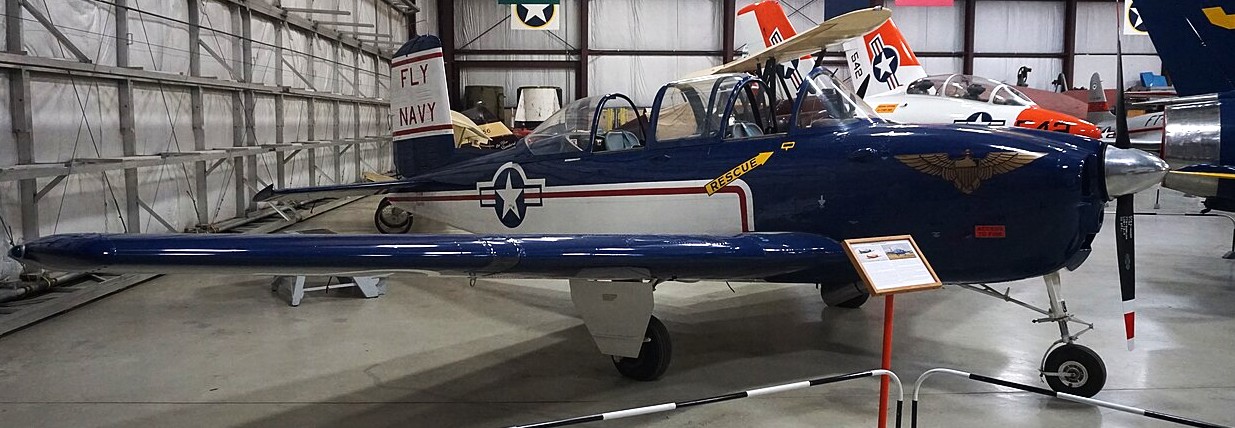
Beechcraft T-34 Mentor. Single-engine, two seat (tandem) all-metal training aircraft; derived from the Beechcraft Model 35 Bonanza; U.S. Navy (BuNo. 140768). On loan from the National Museum of the Marine Corps.
(Michael Barera Photos)
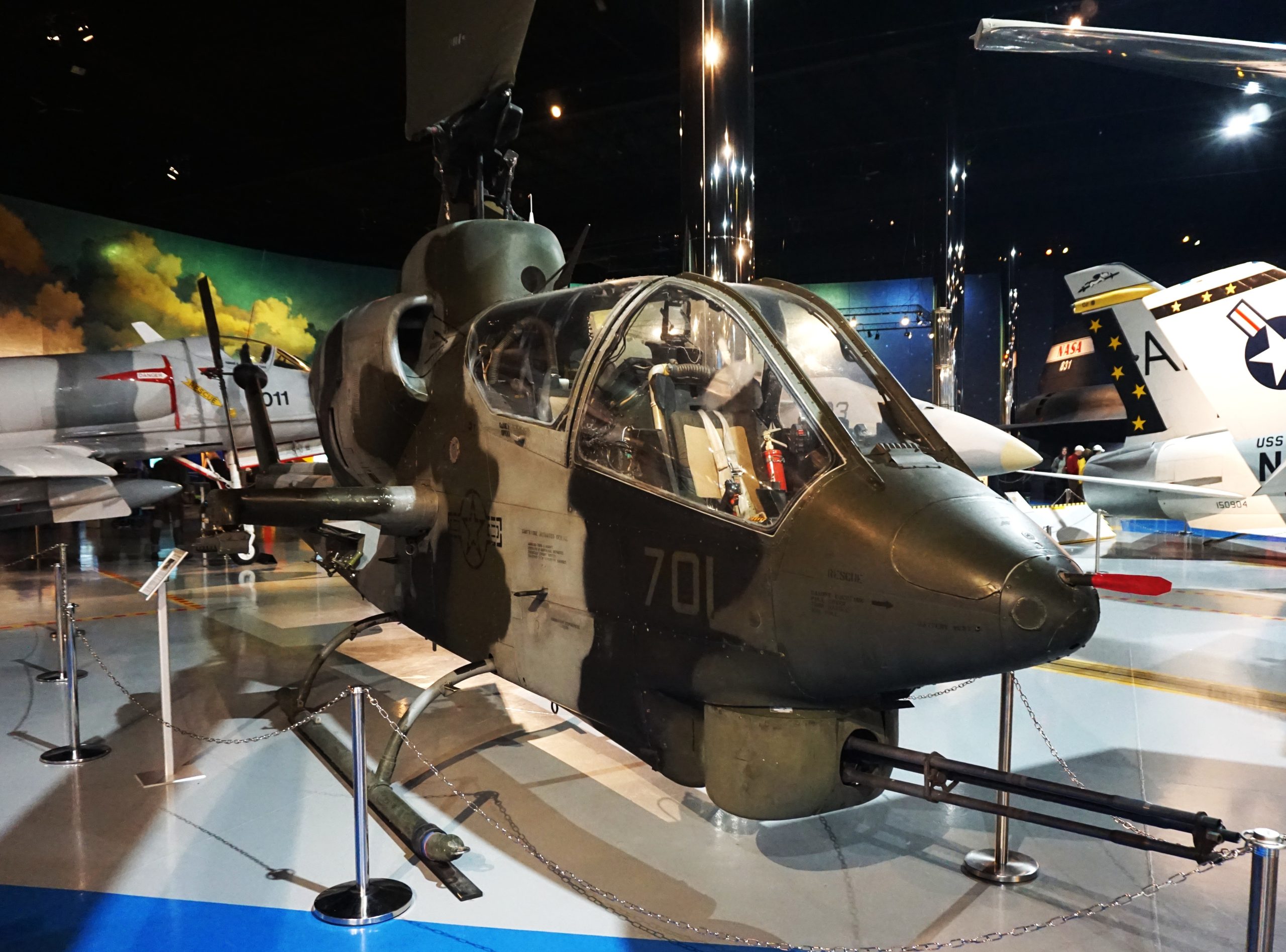
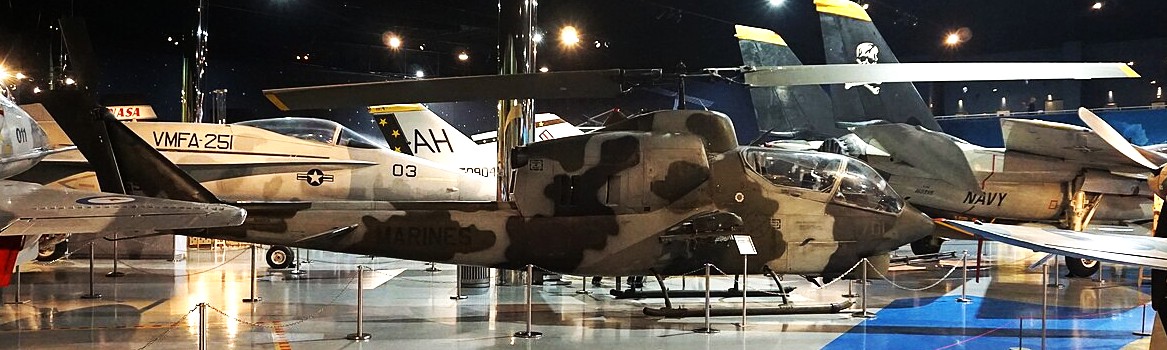
Bell AH-1J SeaCobra. Twin engine, two seat (tandem) single rotor attack helicopter; the AH-1J is a variant of the AH-1 design optimized for the United States Marine Corps; U.S. Navy (BuNo. 159211); Manufacturer’s Serial No. 26051. On loan from the National Museum of the Marine Corps.
(Michael Barera Photos)
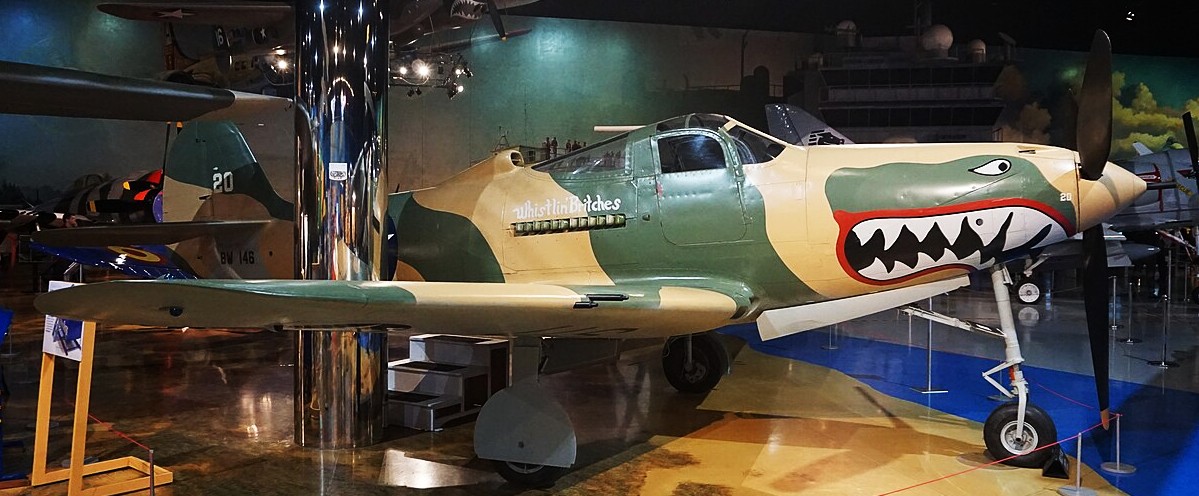
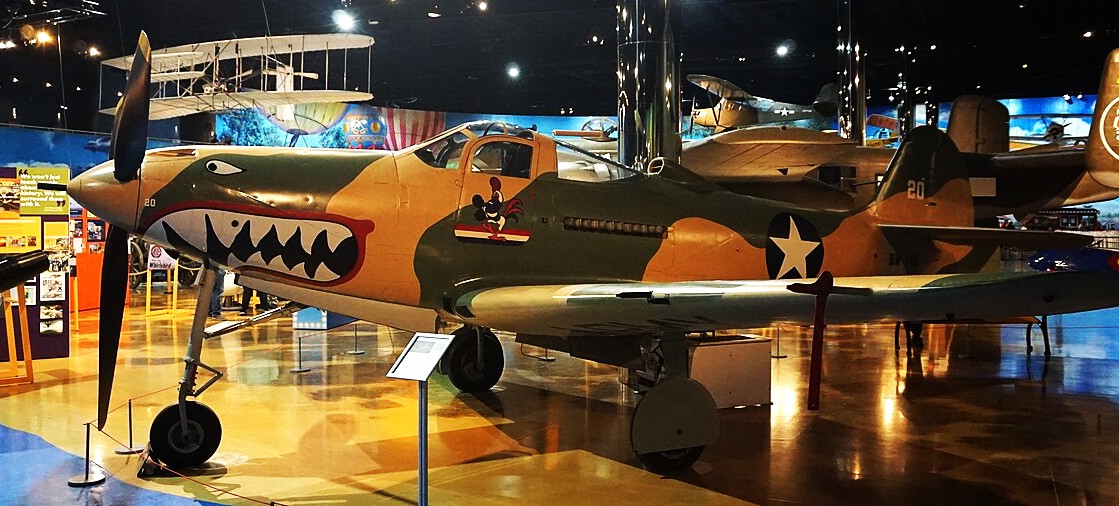
Bell TP-39Q Airacobra. Single engine, single seat monoplane fighter with its engine mounted in the middle of the fuselage; this example was converted into a two-seat training aircraft (TP-39Q) in 1944, but converted back to a single seat configuration in 1947-1950 with this rebuild incorporating parts from a P-63; later restored and painted to resemble P-400 (an export version of the P-39) BW 146 “Whistlin’ Britchs” assigned to the 347th FG, c. 1942/43; USAAF (Serial No. 44-3908); Last civil registration: N40A.
(Michael Barera Photos)
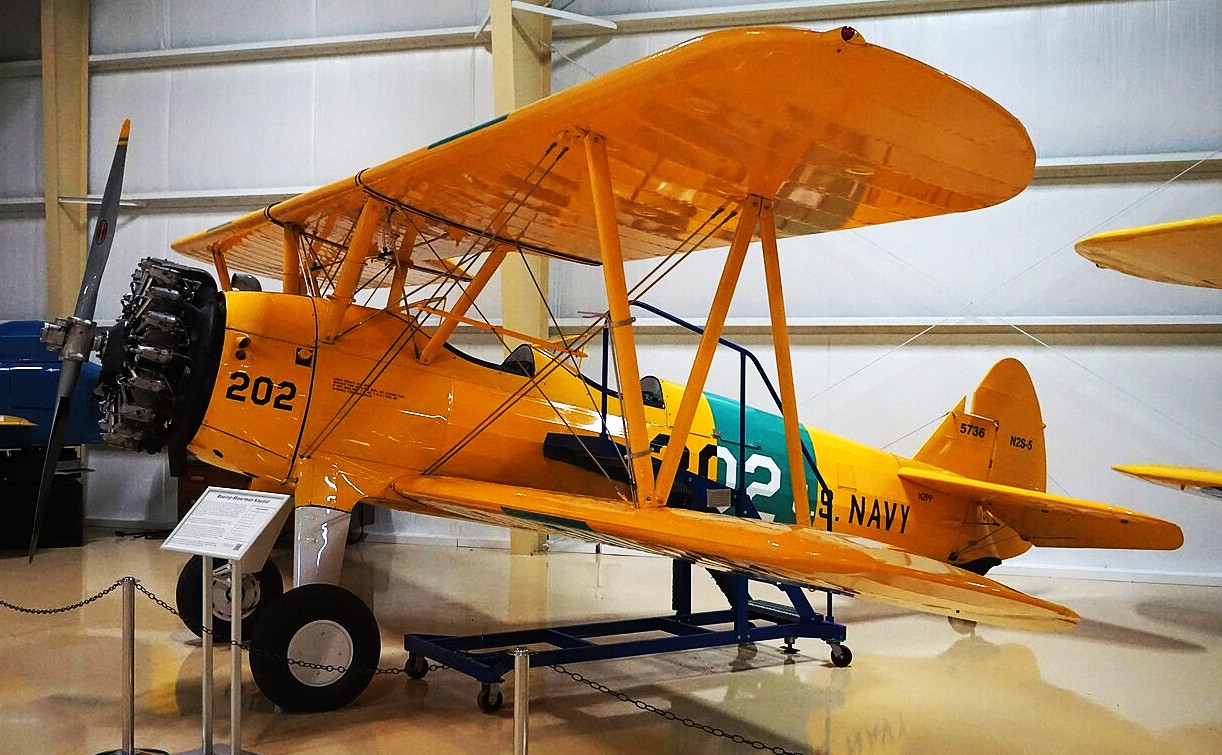
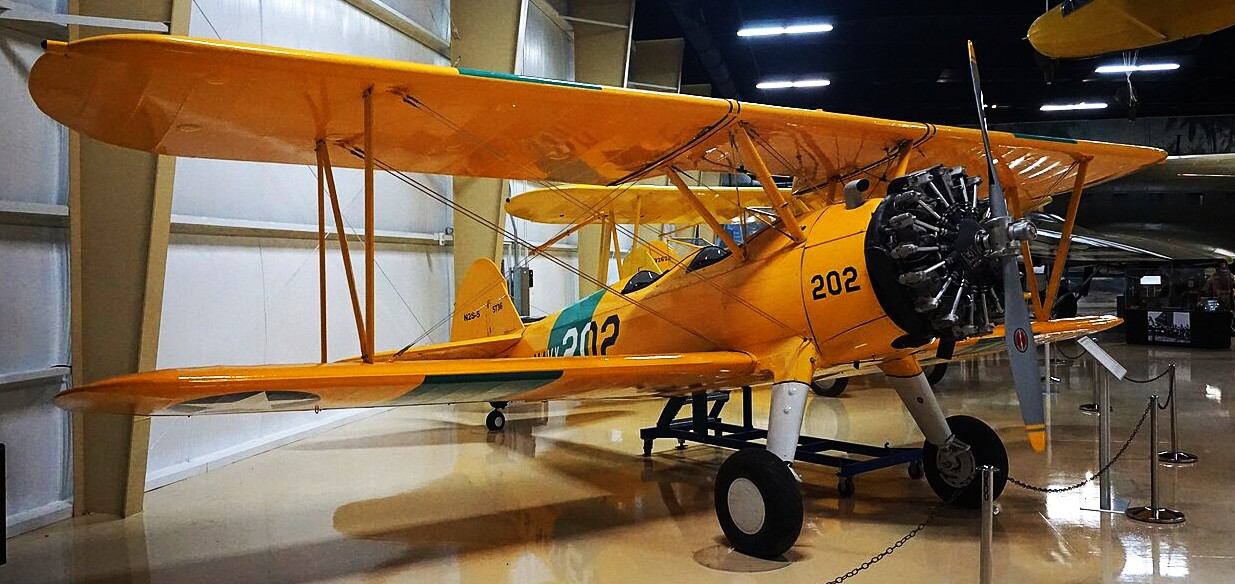
Boeing-Stearman N2S-5. Single-engine, two-seat (tandem) biplane training aircraft assigned U.S. Navy (BuNo. 61614) but delivered to the USAAF as (Serial No. 42-17573) first aircraft donated to the Air Zoo’s collection painted to represent a U.S. Navy aircraft.
Boilerplate Gemini Test Vehicle, Boilerplate Gemini reentry capsule, nicknamed “El Kabong”; conical with short cylinder at top; painted in a white and orange checkerboard scheme. Used for soft-landing drop tests as part of the Gemini Paraglider Landing System Program to allow the Gemini reentry capsule to make ground landings. The system was never man-rated or used for any Gemini flights. As a test article, El Kabong did not make any spaceflights. NASA designation: BP-206.
(André Gerwing Photo)
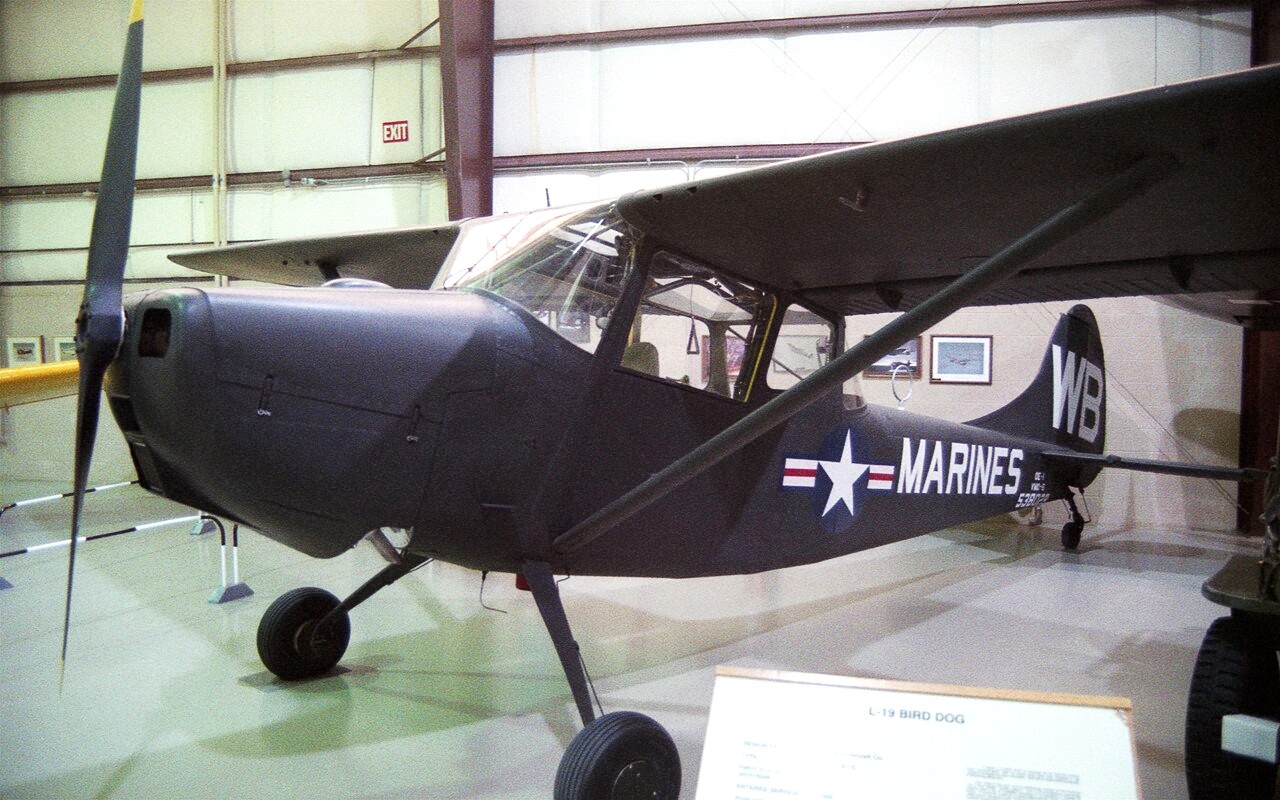
Cessna O-1A (L-19A) Bird Dog. Single-engine, two seat, all-metal high wing monoplane light reconnaissance and utility aircraft U.S. Army (Serial No. 53-8029). Manufacturer’s (Serial No. 23450). USMC, coded WB.
(Michael Barera Photos)
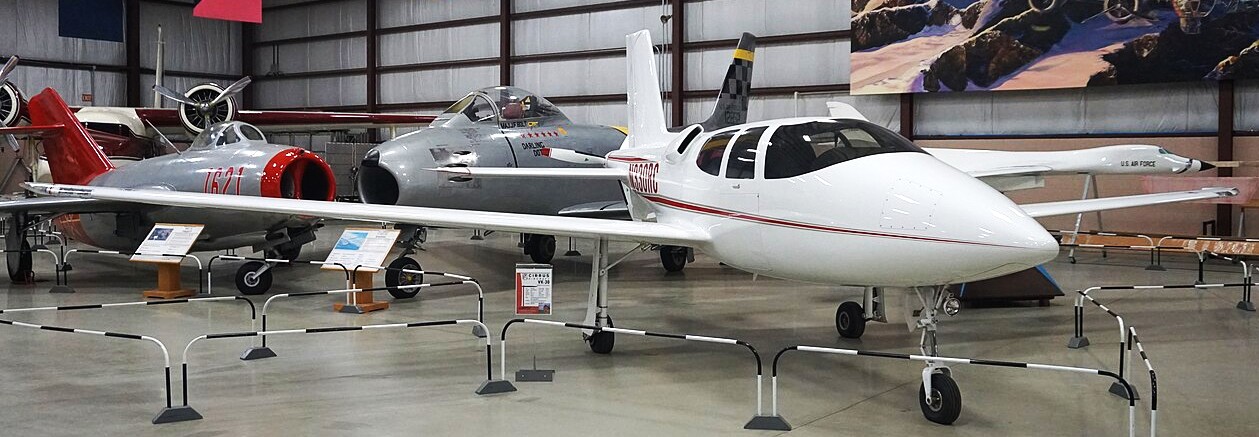
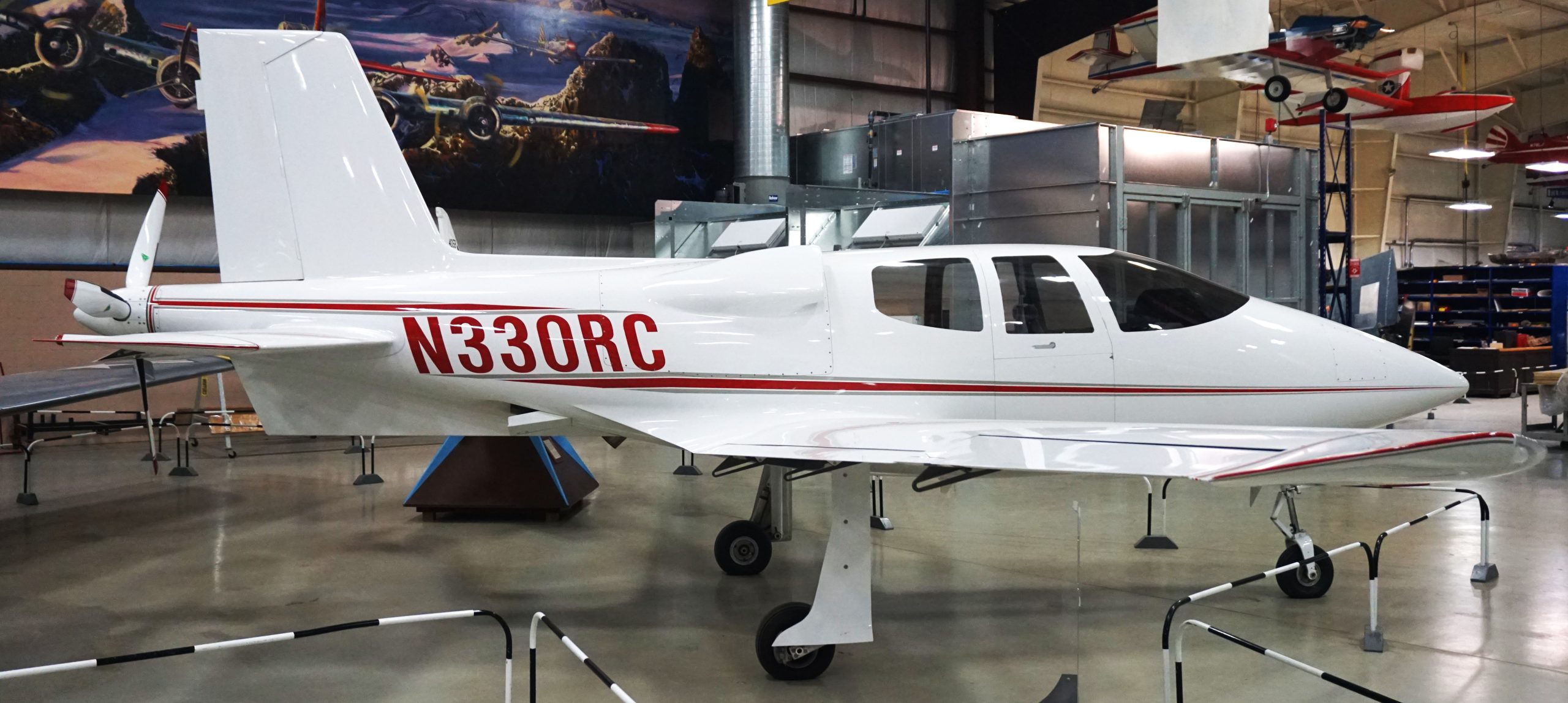
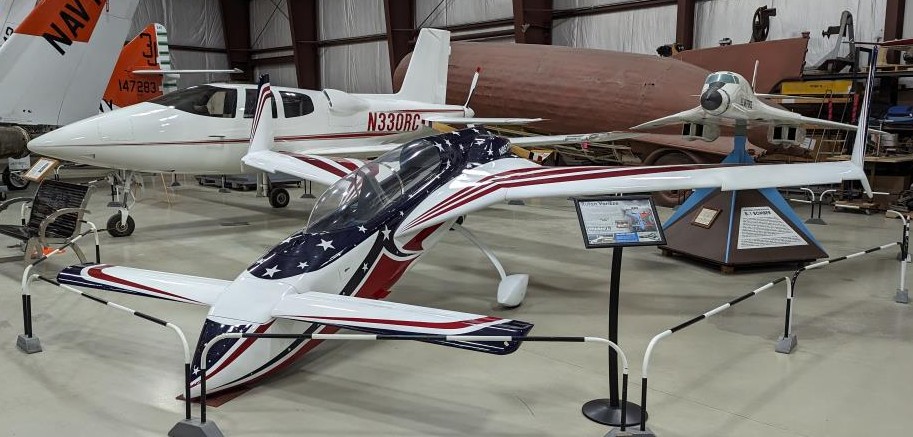
Cirrus VK-30. Single engine, four seat, composite low wing monoplane with the engine and propeller in a pusher configuration originally designed for experimental/amateur-built (E/AB) construction Civil registration: N330RC.
(Air Zoo Photo)
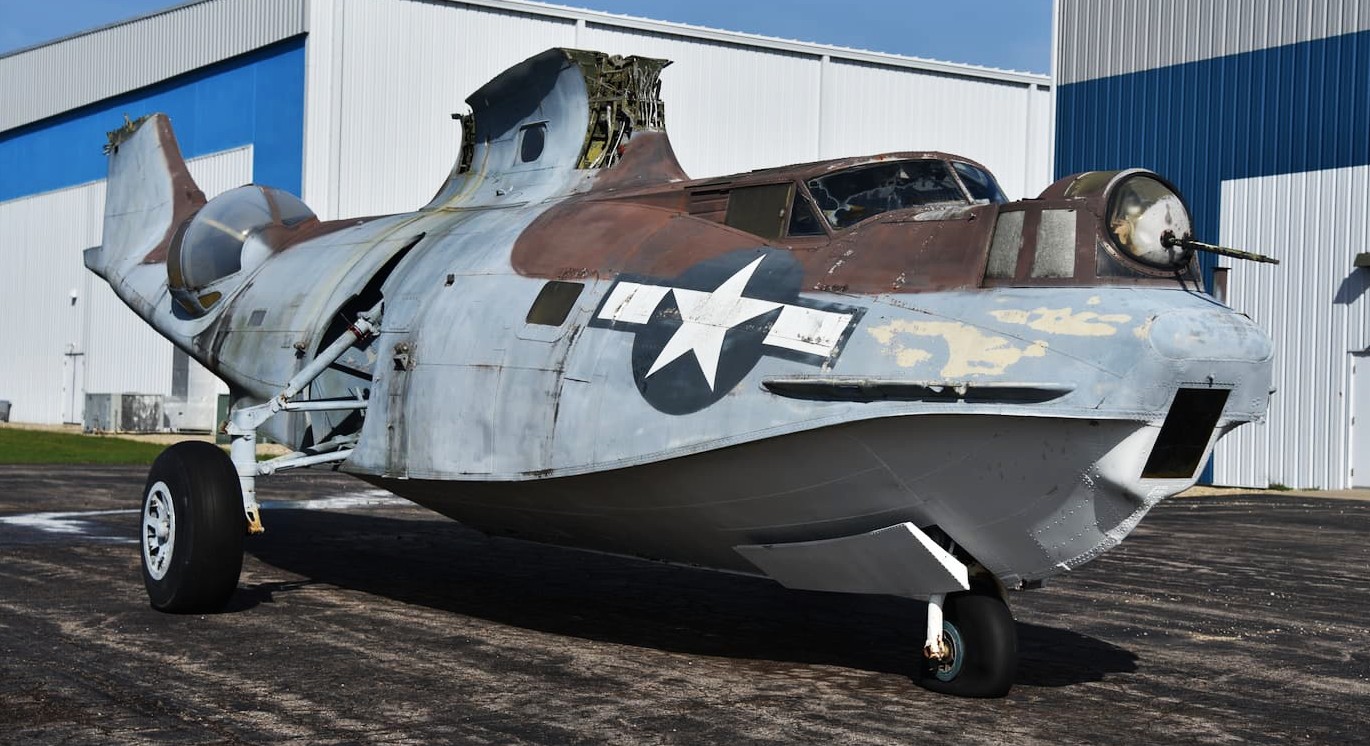
Consolidated PBY Catalina being restored. PBY-5A Catalina (BuNo. 46602) entered service in October 1944 and flew anti-submarine patrol and convoy escort missions in the South Atlantic. After the war, it continued service in the North Pacific before transitioning to civilian aerial firefighting in Canada. After decades on outdoor display, the aircraft has arrived at the Air Zoo for full restoration before its eventual return to Pearl Harbor Aviation Museum.
Curtiss Model D (Replica)
(Air Zoo Collection Photo)
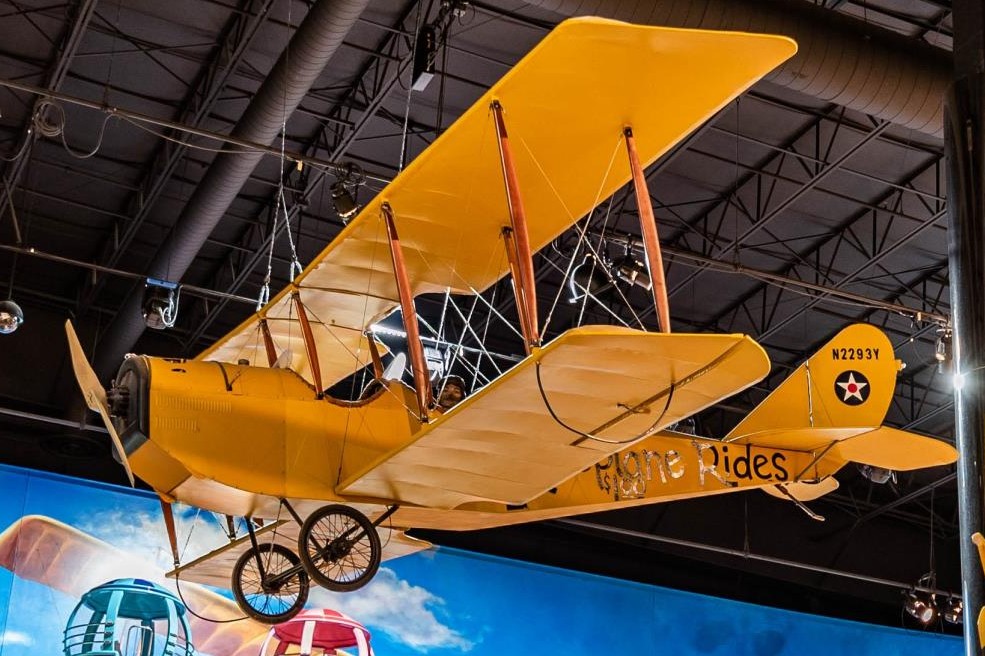
Curtiss JN-4 (Scale Model). Early Bird/Balkema Jenny. Single engine, two seat biplane; 2/3 scale replica of a Curtiss JN-4 Jenny; designed to be constructed as either an aircraft or ultralight under FAR Pt. 103; this example is fitted with a Rotax engine; built by John Balkema of Kalamazoo, Michigan. Civil Registration No. N2293Y.
(Michael Barera Photo)
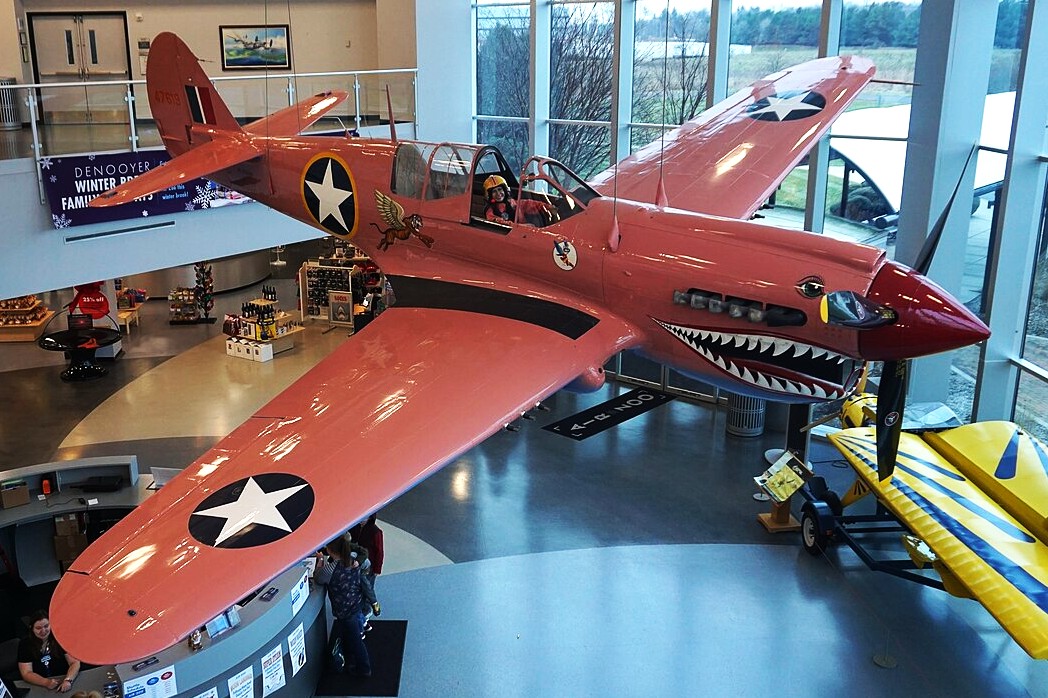
Curtiss P-40N Warhawk. Single engine, single seat, all-metal monoplane fighter aircraft; painted overall pink on upper fuselage and light blue on lower fuselage with shark teeth insignia with added “lipstick” and “eyeliner” details; one of the personal aircraft of Air Zoo co-founder Susanne Parish. USAAF (Serial No. 44-7619); Manufacturer’s Serial No. 33359; Civil registration: NL222SU.
(Michael Barera Photo)
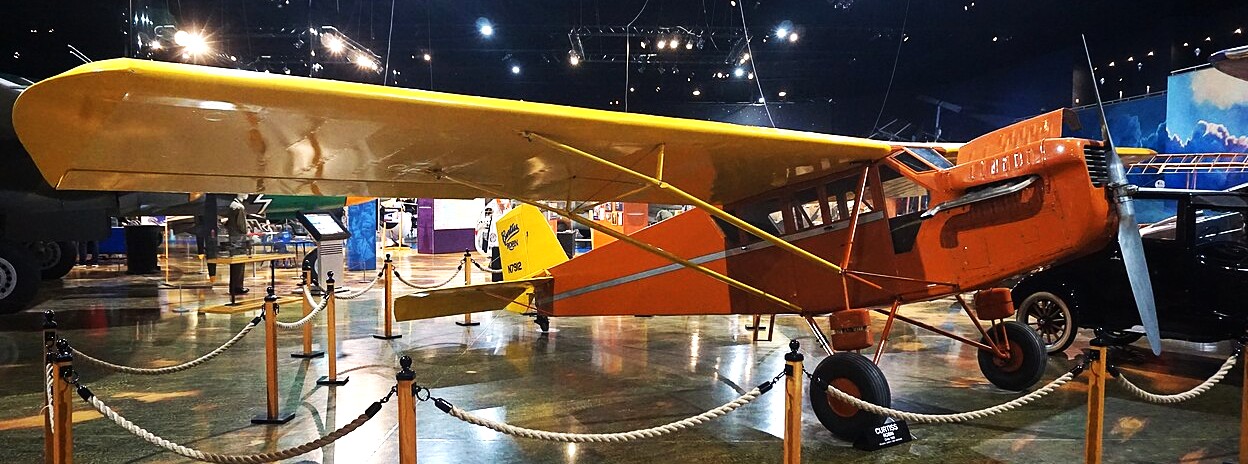
Curtiss Robin, single-engine, two-three seat cabin monoplane powered by a Curtiss OX-5 engine Last civil registration: N7912 Manufacturer’s Serial No. 38.
(Michael Barera Photo)
(Air Zoo Collection Photos)
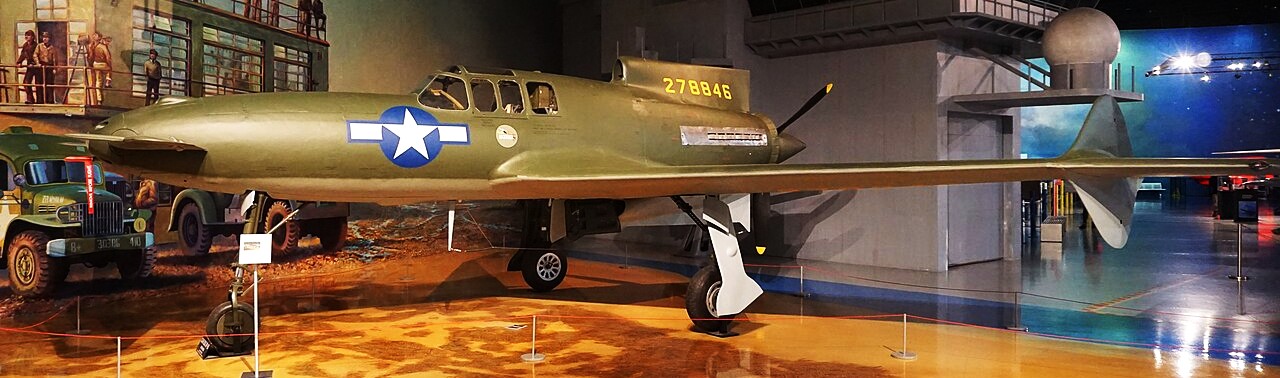
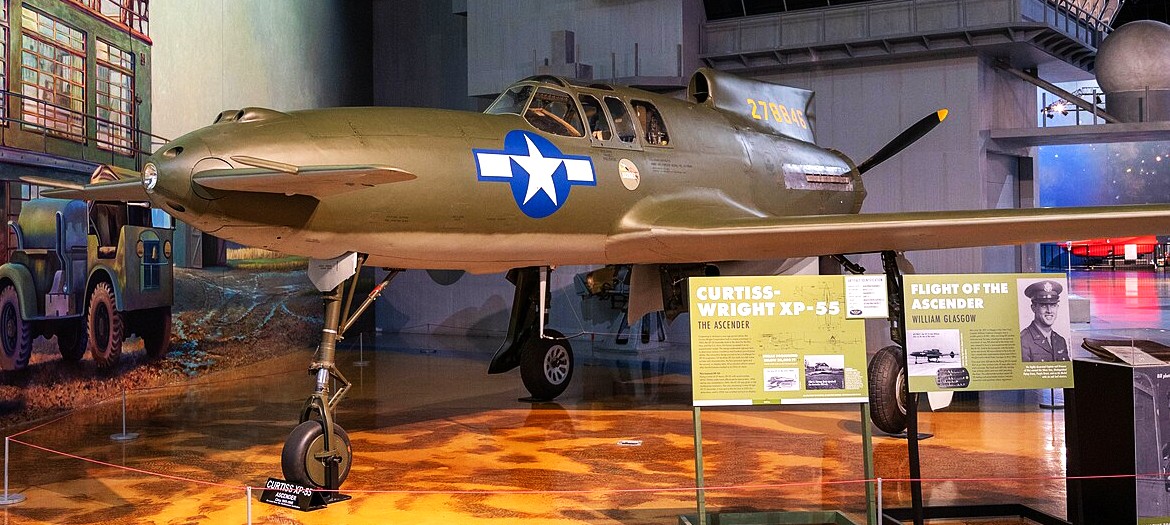
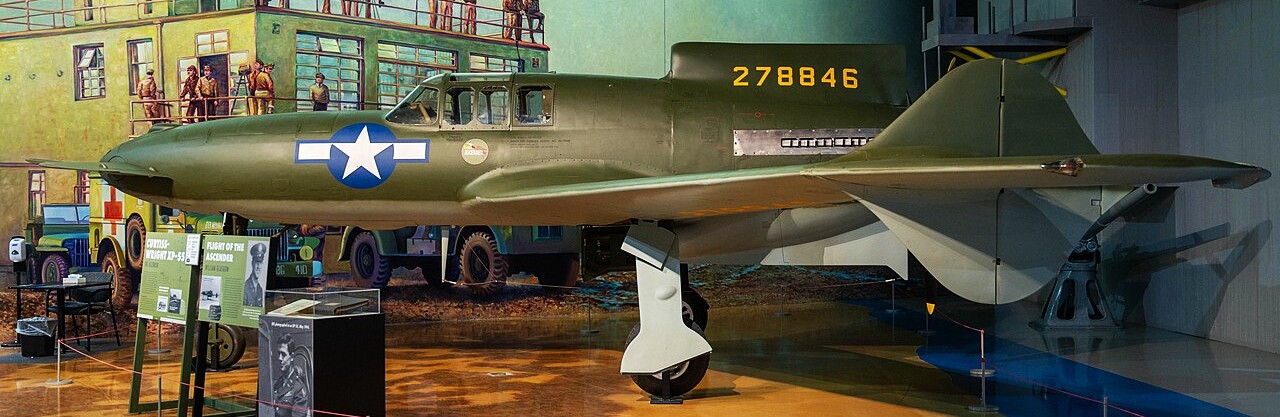
Curtiss XP-55 Ascender, USAAF (Serial No. 42-78846). Single-seat, experimental fighter; pusher engine with main wing located near the tail and canard elevator at the nose; only surviving example of three built; on loan from the Smithsonian National Air & Space Museum (NASM); restored by the Air Zoo Restoration Dept.
(Air Zoo Collection Photo)
(Michael Barera Photo)
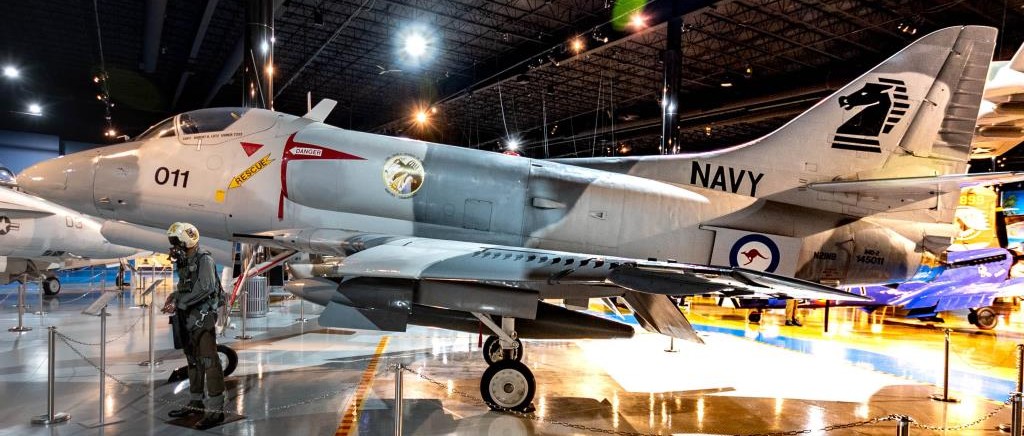
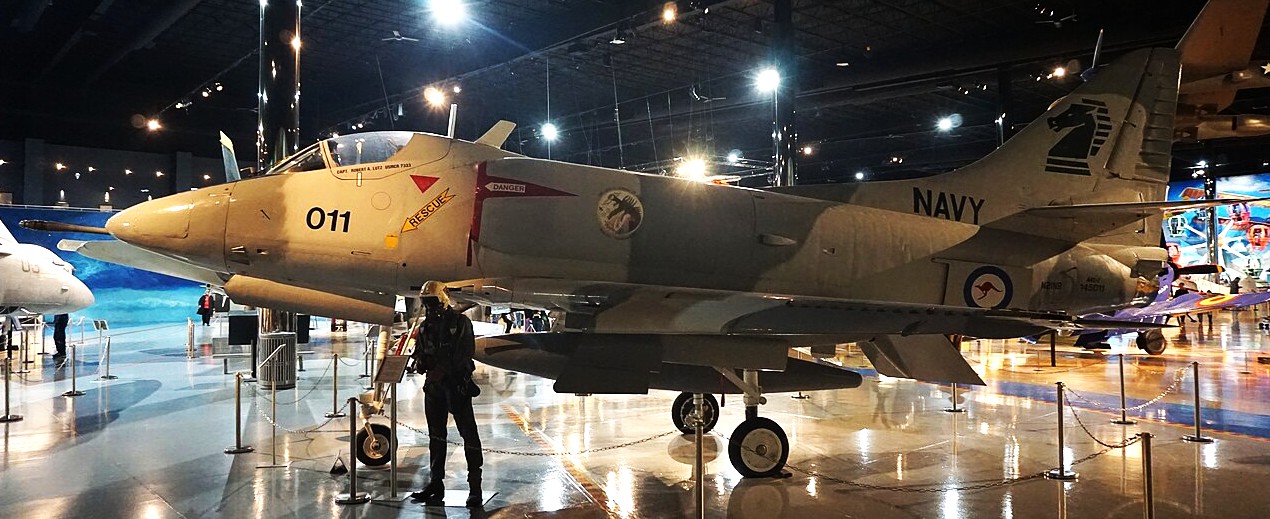
Douglas A4D Skyhawk. Single seat, single engine, delta wing carrier-based jet attack aircraft; restored in the markings of an aircraft in service with the Royal Australian Navy. U.S. Navy (BuNo. 145011). Manufacturer Serial No. 12257; Civil registration: N21NB. Assigned to VA-106 (Gladiators); 03 Jul 1959 – 01 Feb 1963 (as AK-303). Assigned to VA-210 (Black Hawks); 02 Feb 1963 – 01 Nov 1970. Retired from USN service, 18 Jan 1971.
(Michael Barera Photos)
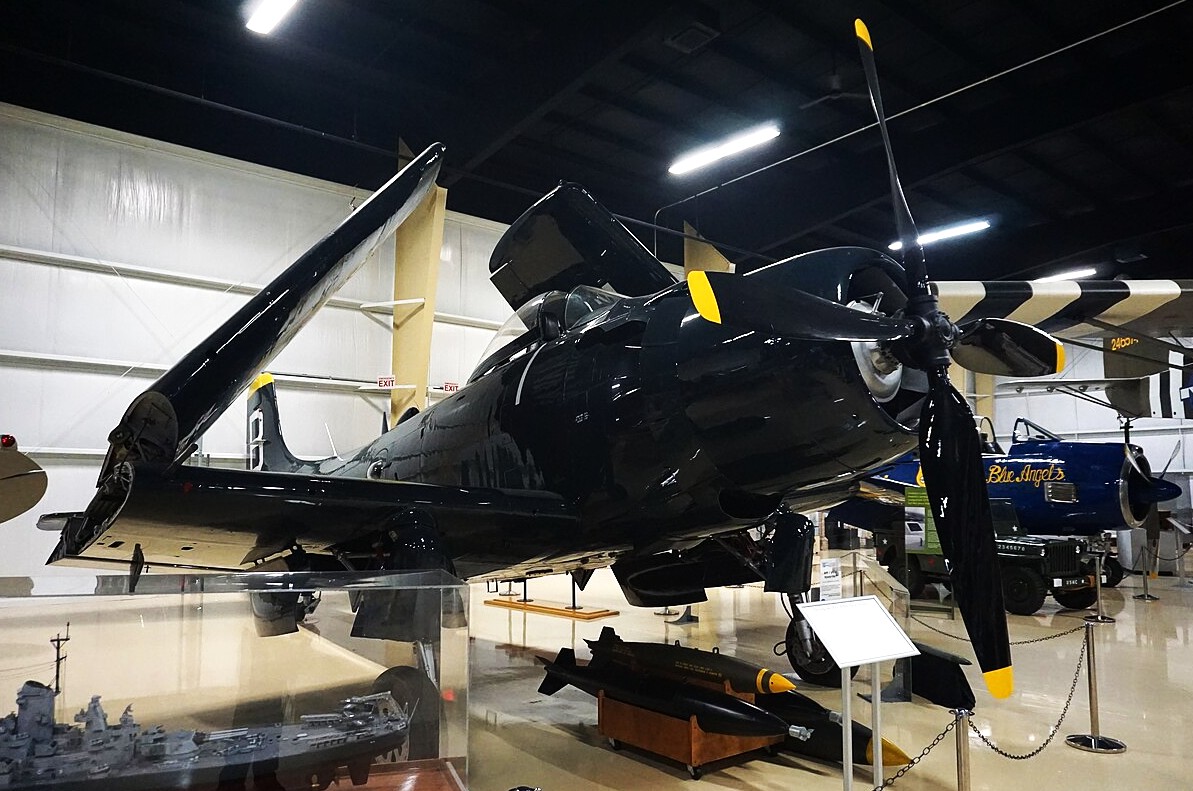
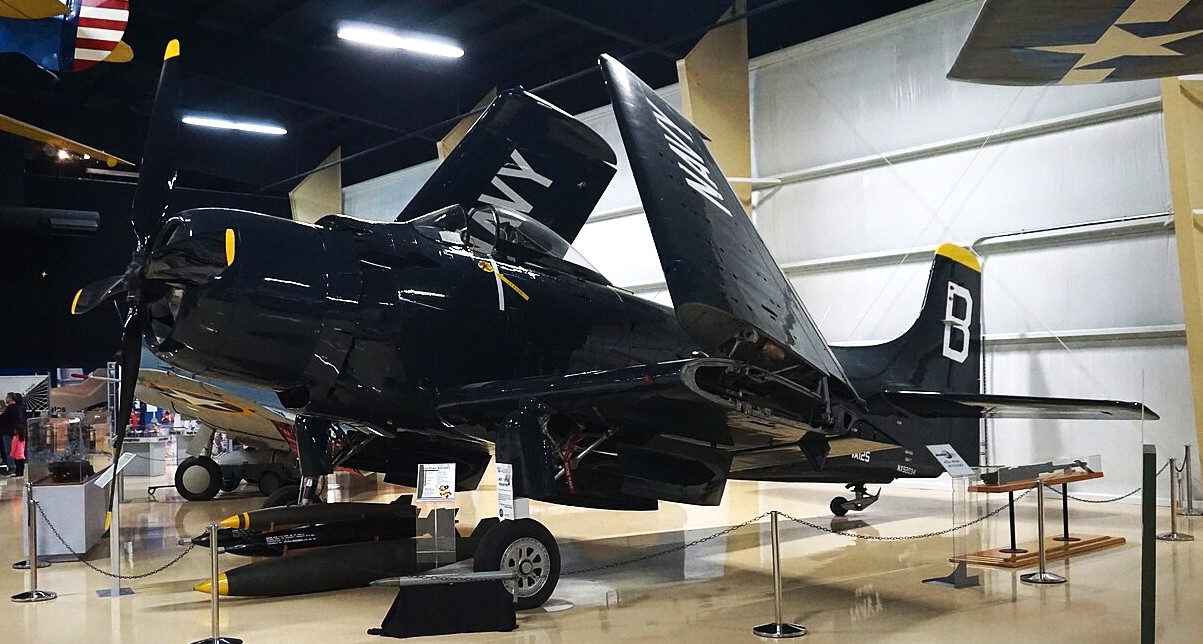
Douglas AD-4NA Skyraider. Single engine, low wing, carrier-based attack bomber converted to night fighter configuration. Civil Registration No. NL92034. USN (BuNo. 127888).
(Michael Barera Photos)
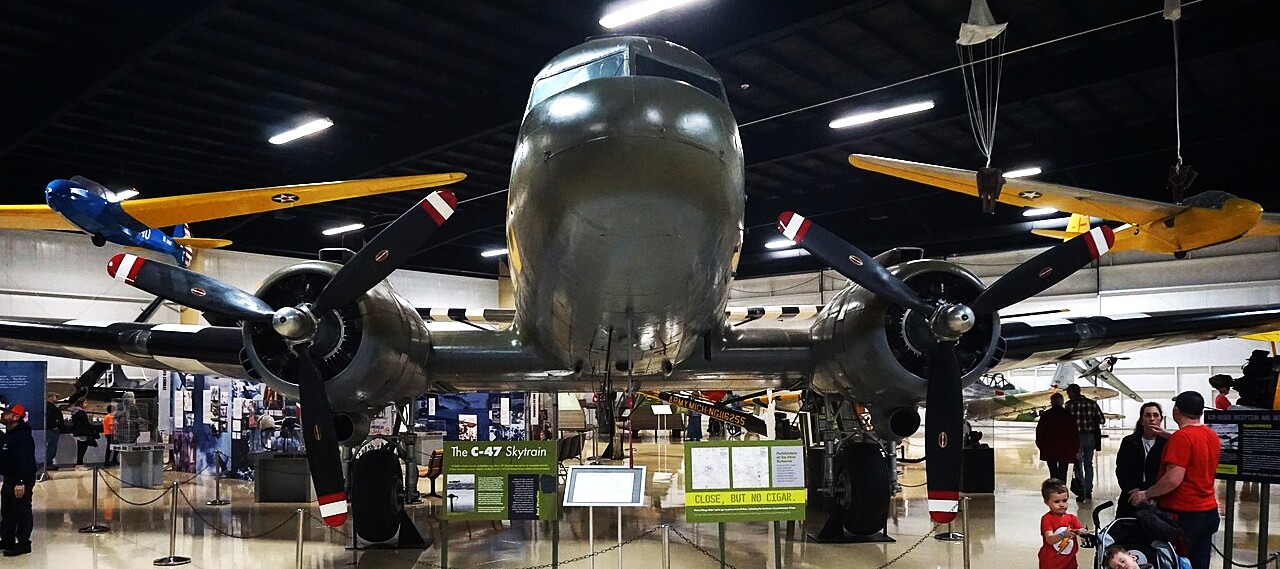
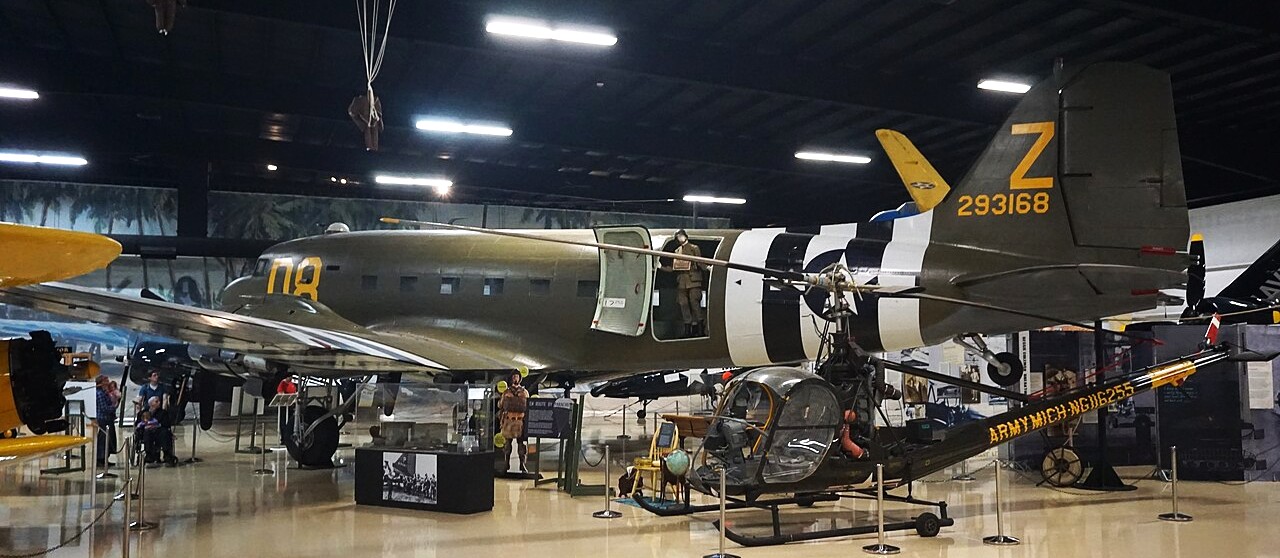
Douglas C-47 Skytrain. Twin-engine, all-metal monoplane military transport derived from a commercial airliner design USAAF (Serial No. 42-93168). Manufacturer’s Serial No. 13050. Last civil Registration No. N908303.
(André Gerwing Photo)
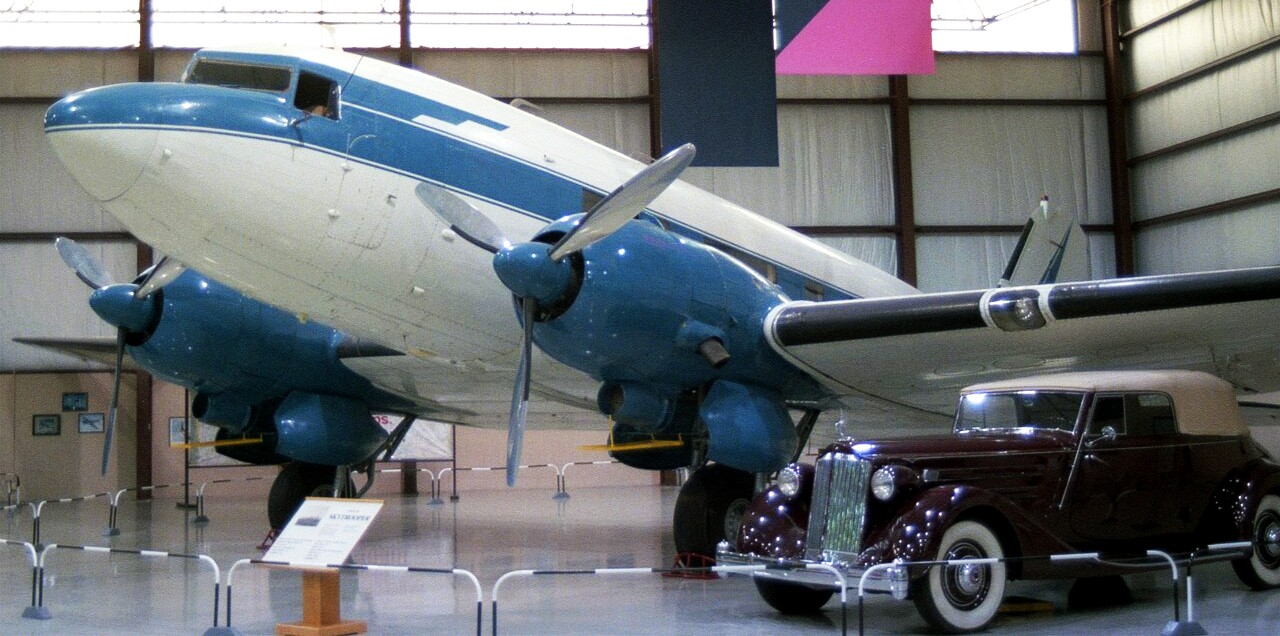
Douglas DC-3A (c/n 7313), Reg. No. N147M.
(Michael Barera Photos)
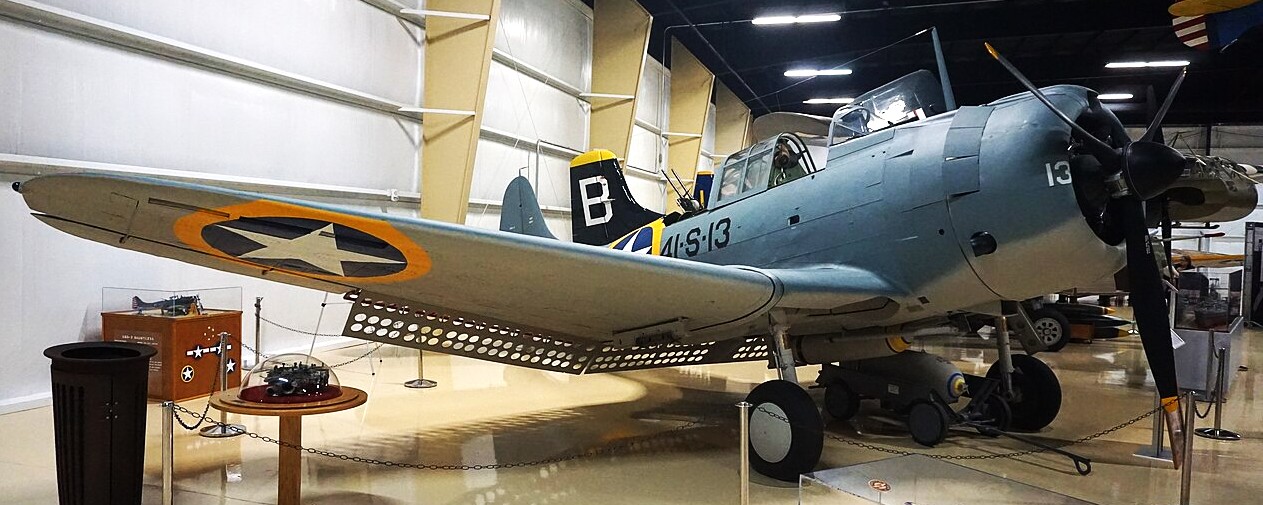
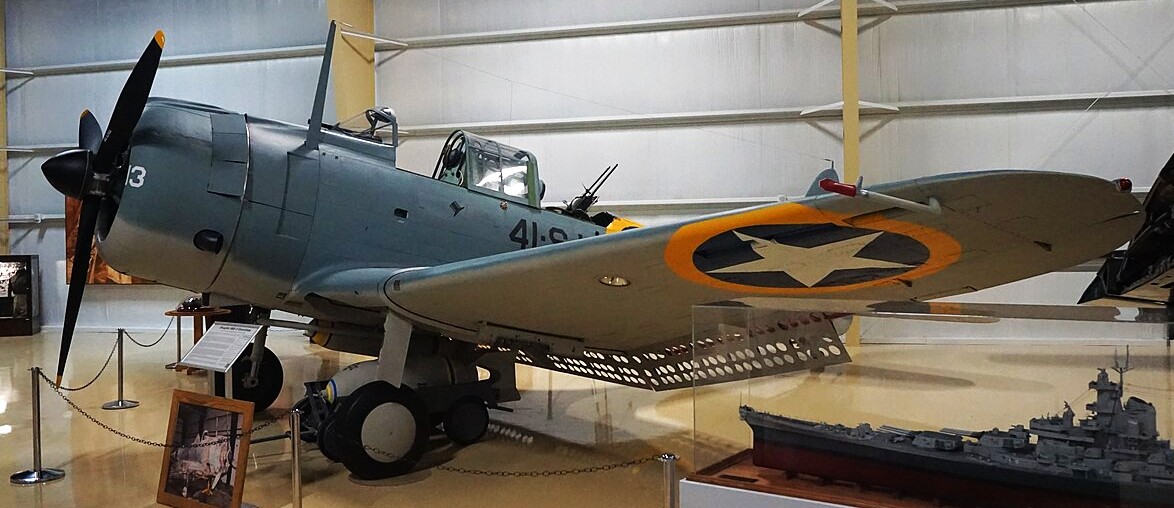
Douglas SBD-3 Dauntless. Single engine, low wing, carrier-based scout/dive bomber. Documented combat history while assigned to U.S. Navy squadron VS-41 aboard the aircraft carrier USS Ranger (CV-4) as part of Operation Torch. Ditched in a training accident in Lake Michigan, 9 Sep 1943. Recovered from Lake Michigan on 27 October 1993. Restored by the KAHM Restoration Center and on long-term loan from the National Naval Aviation Museum. U.S. Navy (BuNo. 06624). Manufacturer’s Serial No. 1439.
(Michael Barera Photo)
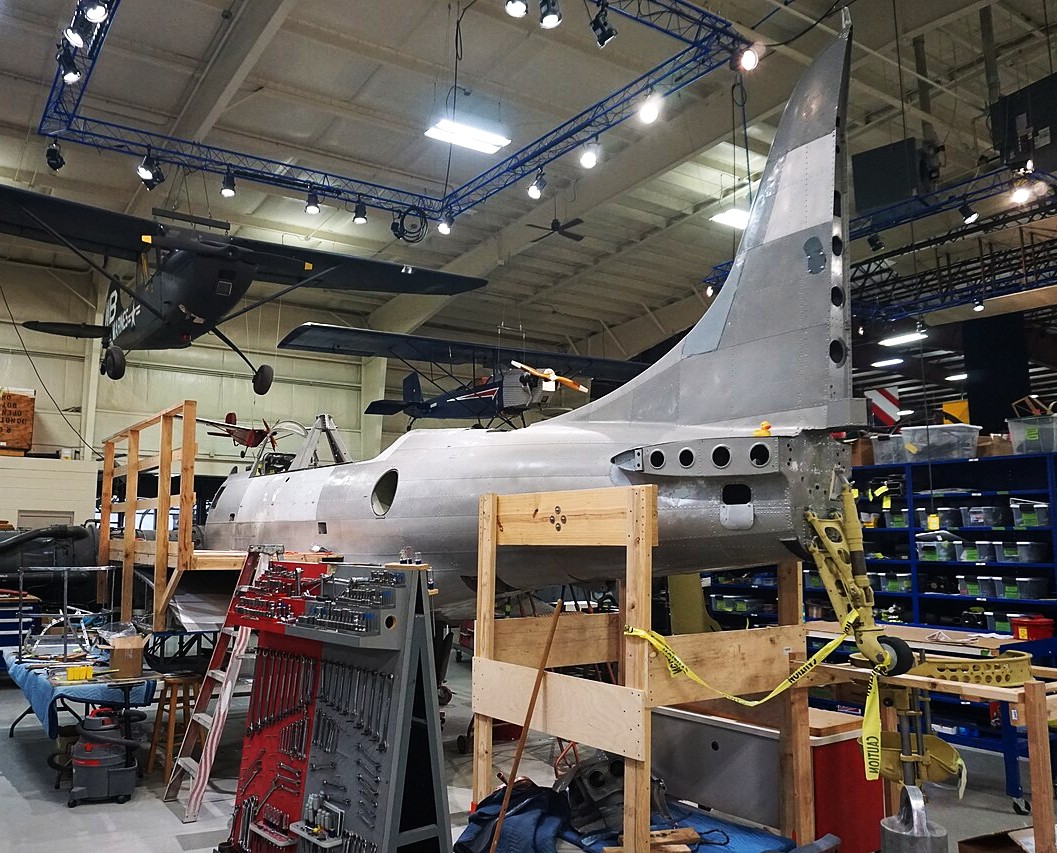
Douglas SBD-2P Dauntless undergoing restoration.
(Michael Barera Photos)
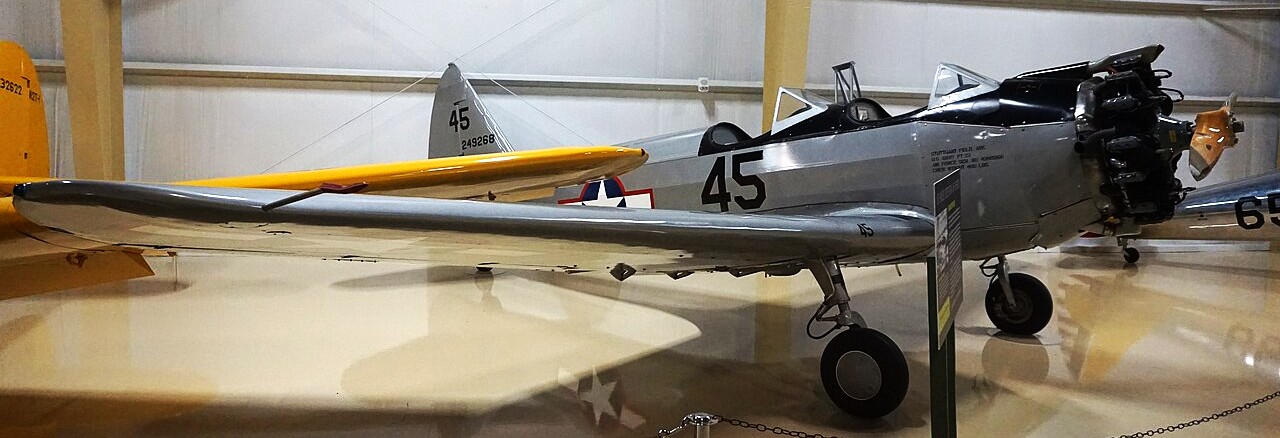
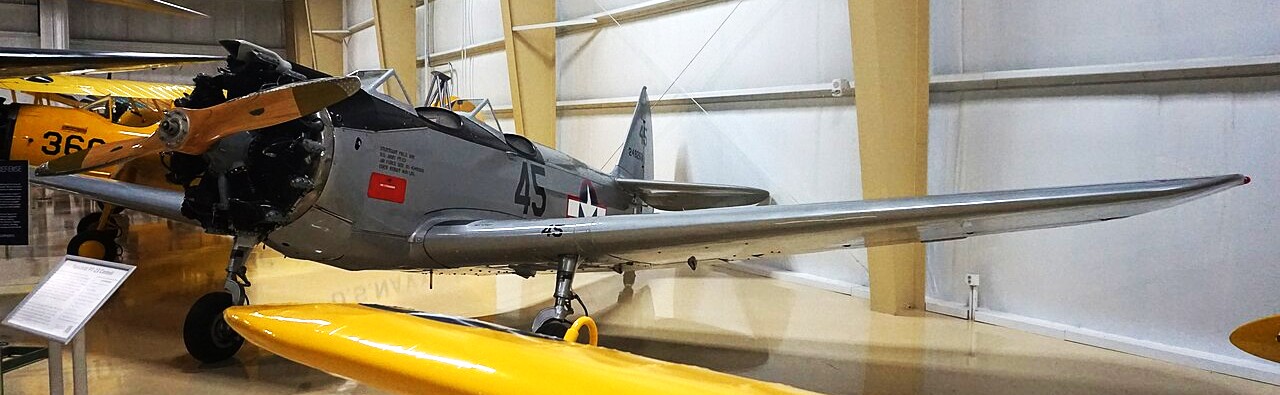
Fairchild PT-23 Cornell. Single-engine, two-seat (tandem), open cockpit, low-wing monoplane training aircrafts USAAF (Serial No. 42-49268). Civil Registration No. N52020.
(Michael Barera Photos)
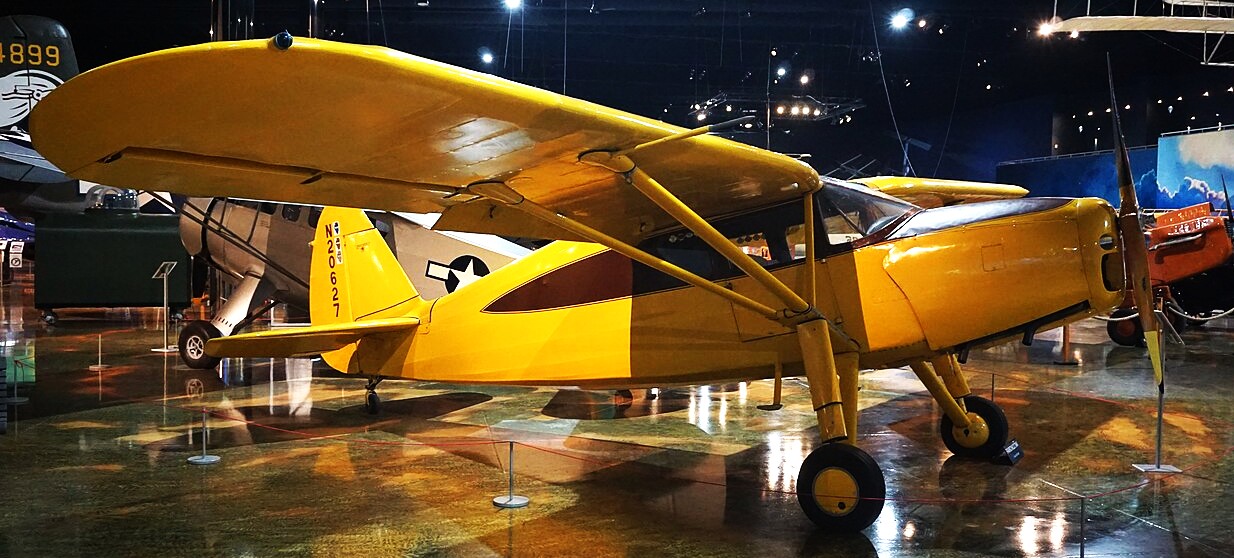
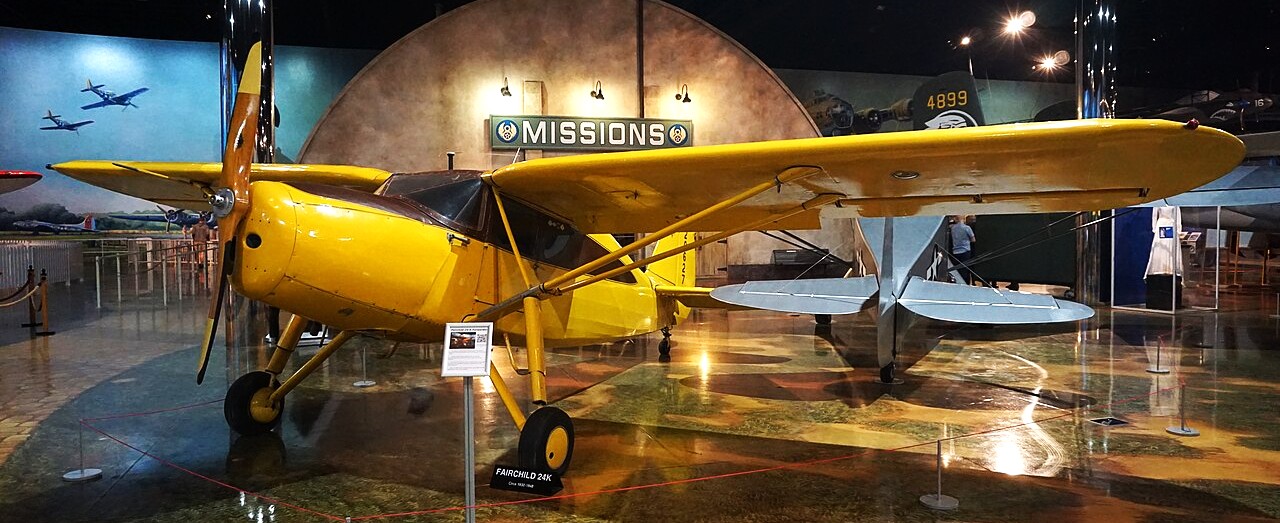
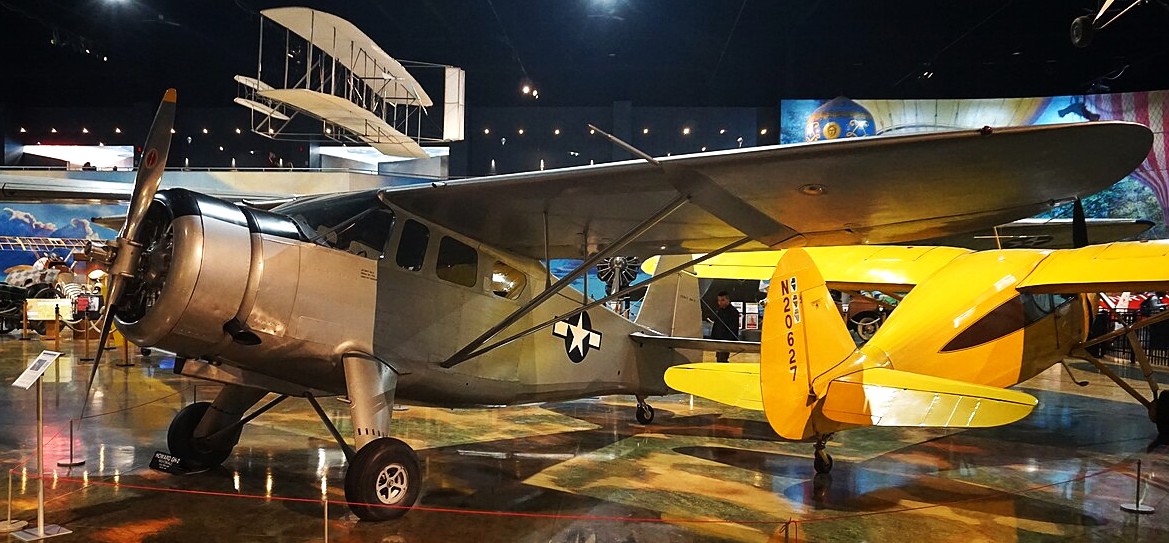
Fairchild 24K Forwarder, Reg. No. N20627. Single engine, four-seat high wing cabin monoplane. Engine is a Ranger 6-440C-2 (Serial No. 42-192096). Propeller is a wood Sensenich R60 (Serial No. 4164); received with airframe and engine logs and additional documentation; total airframe time is 3,003 hours. Manufacturer’s Serial No. 3309; last civil registration: N20627.
(Air Zoo Collection Photo)
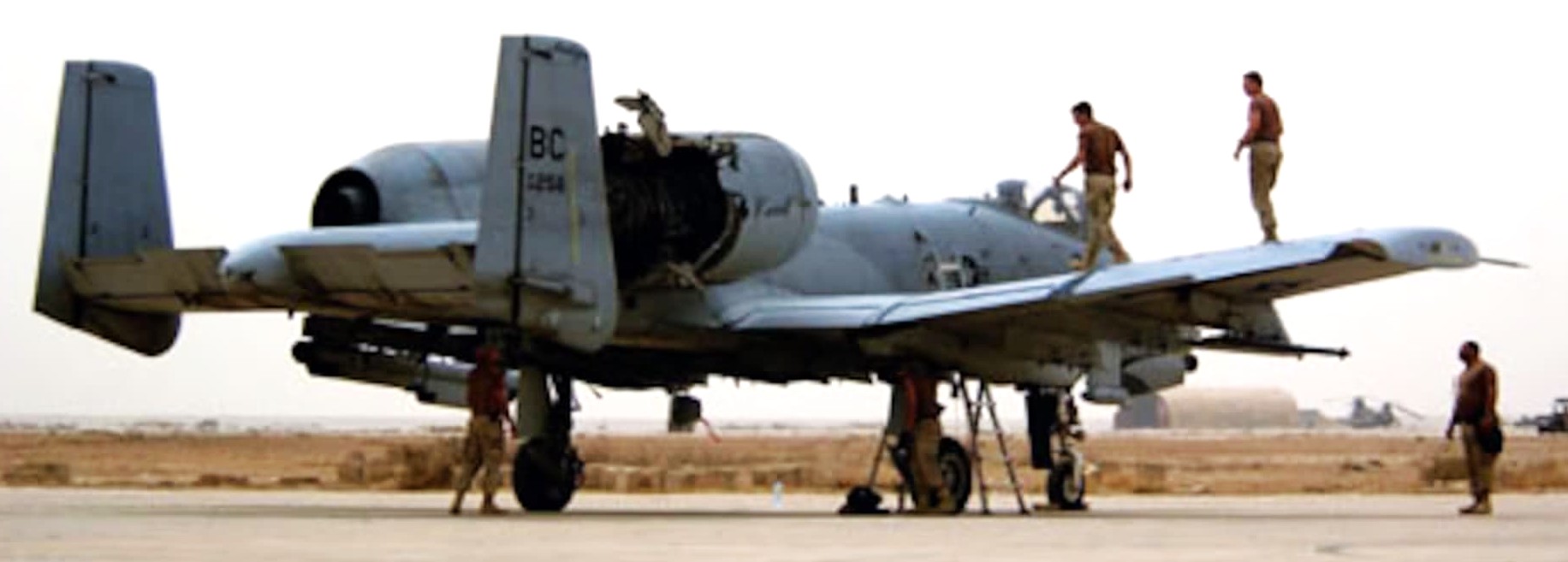
Fairchild Republic A-10 Thunderbolt II (Serial No. TBC).
(Michael Barera Photos)
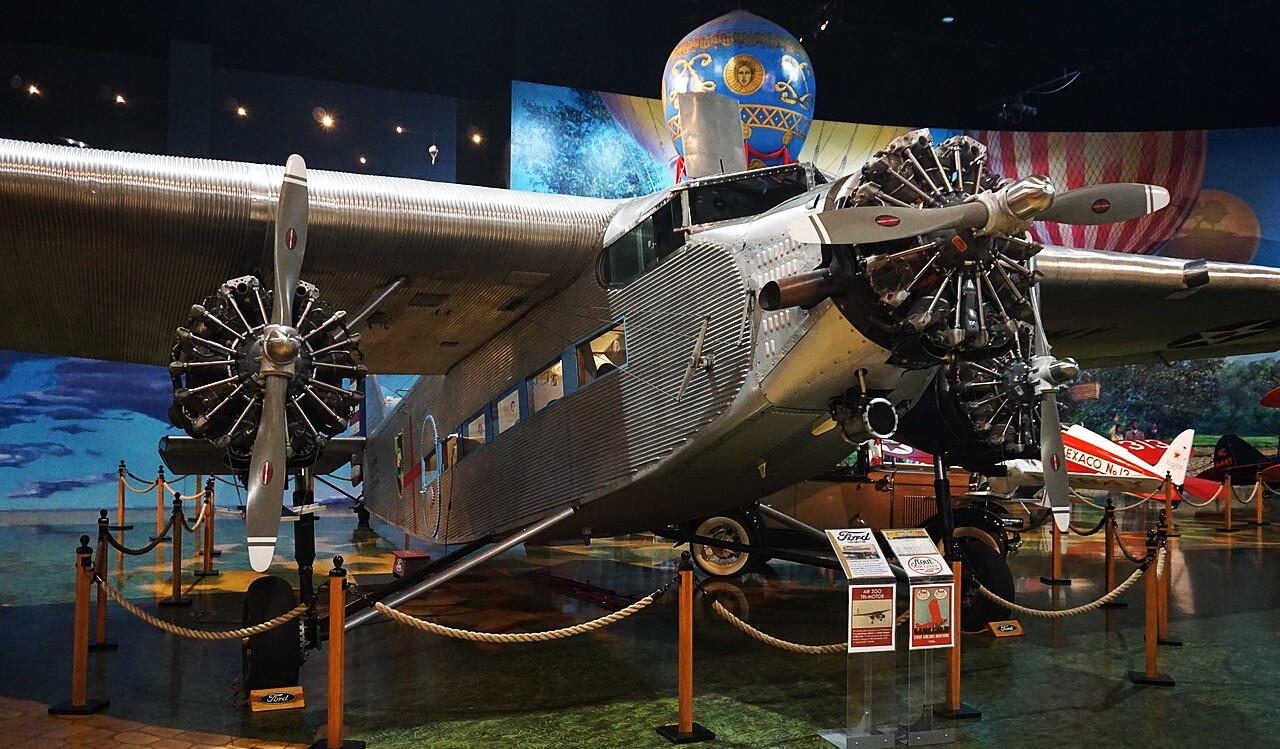
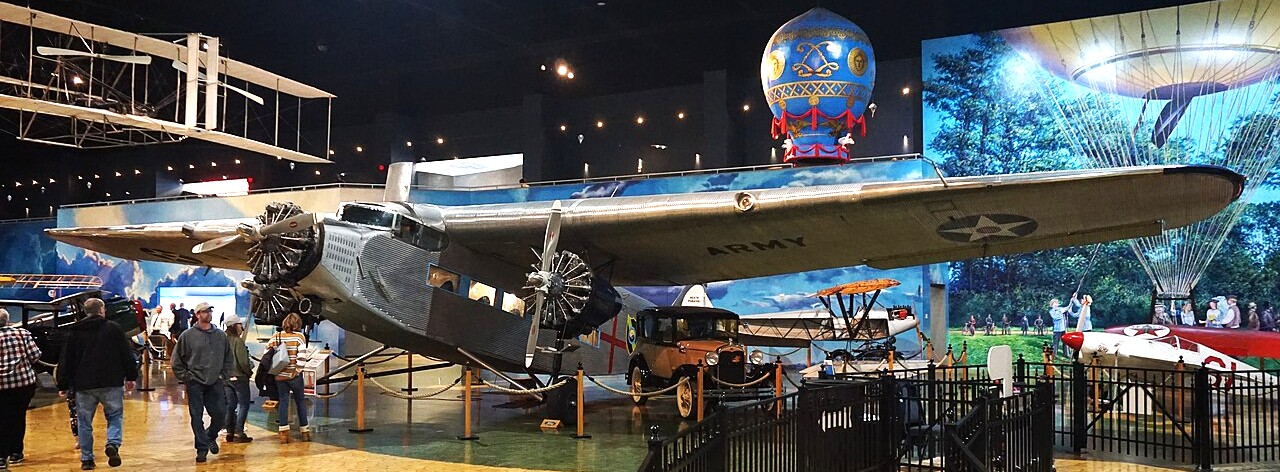
Ford 5-AT Tri-Motor. All-metal, three-engine air transport and early airliner; manufacturer’s Serial No. 5-AT-058). Flown by Northwest Airlines, Air Alaska, and Monroe Airlines. Sold to Johnson Flying Service, Missoula, Montana in 1951. Leased to Northwest Airlines for commemorative flight (1956). Badly damaged in a crash outside Nezperce National Forest in 1959. Last civil Registration No. N8419. Painted in markings of U.S. Army Air Service C-4A (Serial No. 29-058).
(Michael Barera Photos)
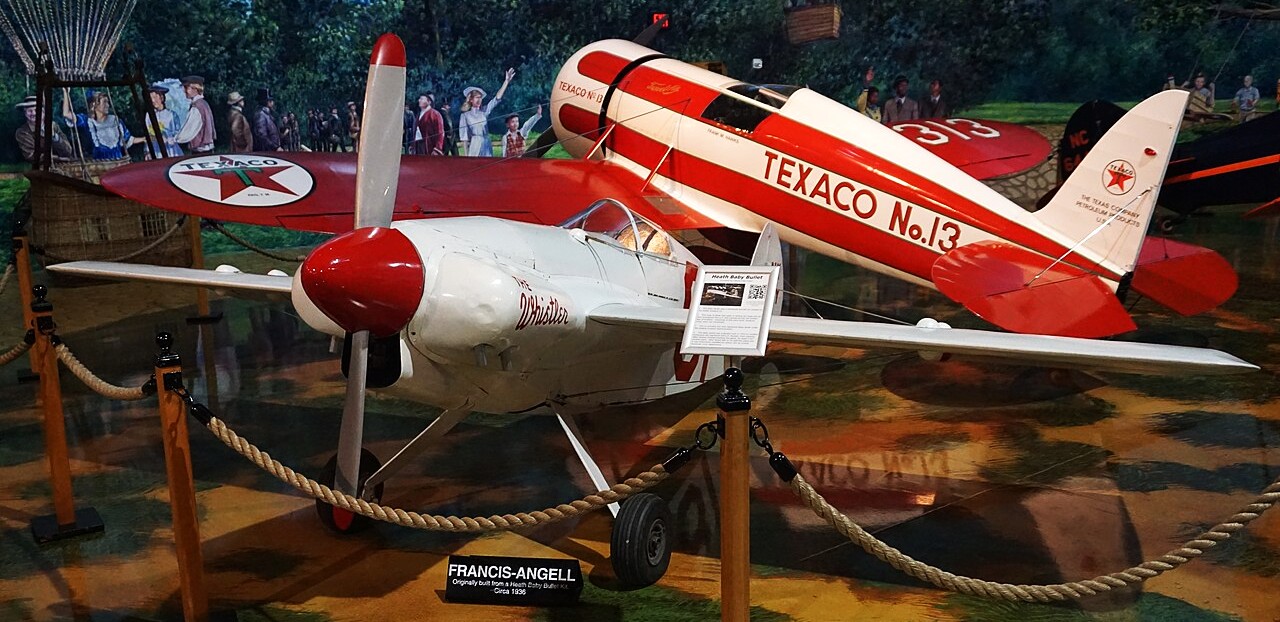
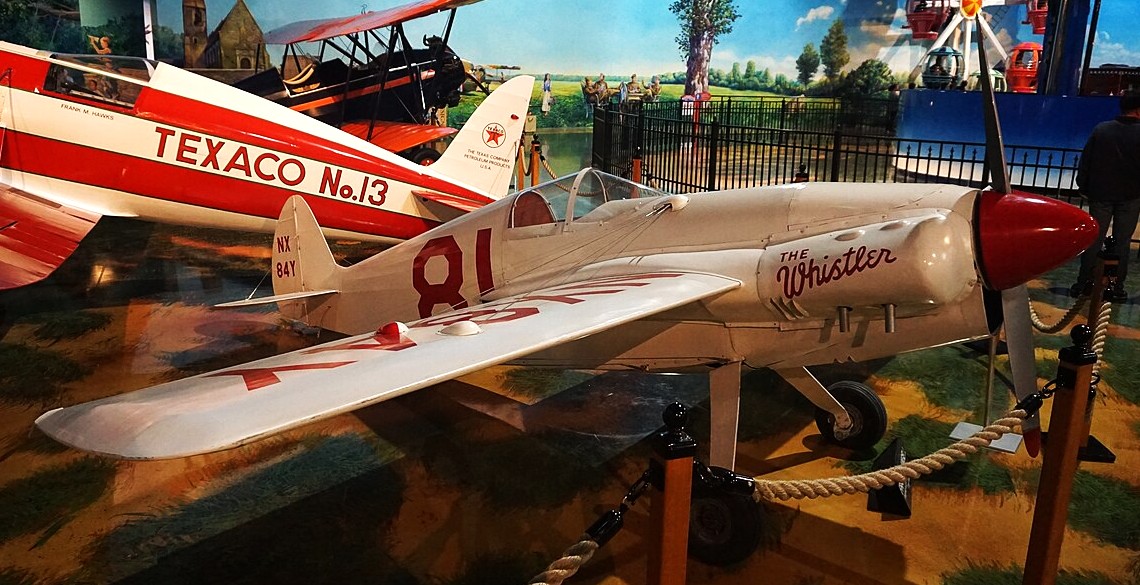
Francis-Angell Heath Baby Bullet, Single-engine, single-seat midwing racing monoplane; originally built as a Heath Baby Bullet in 1933 and later modified c1947 to compete in Formula One Air Racing as the Francis-Angell A-15 Special; nicknamed “The Whistler“.
Last civil Registration No. NX84Y.
(Michael Barera Photos)
(André Gerwing Photo)
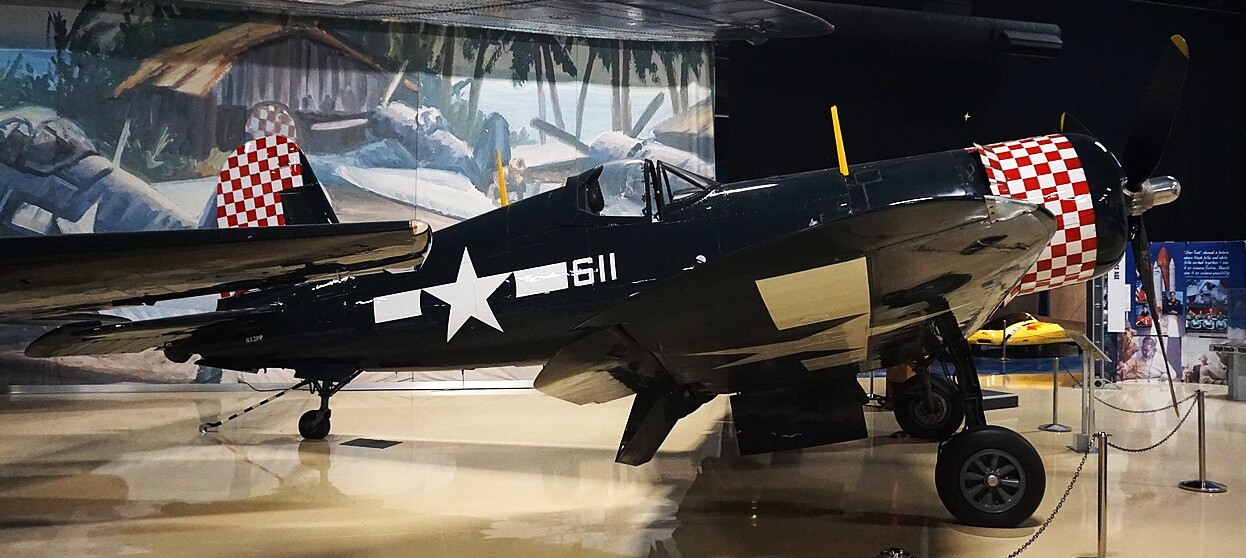
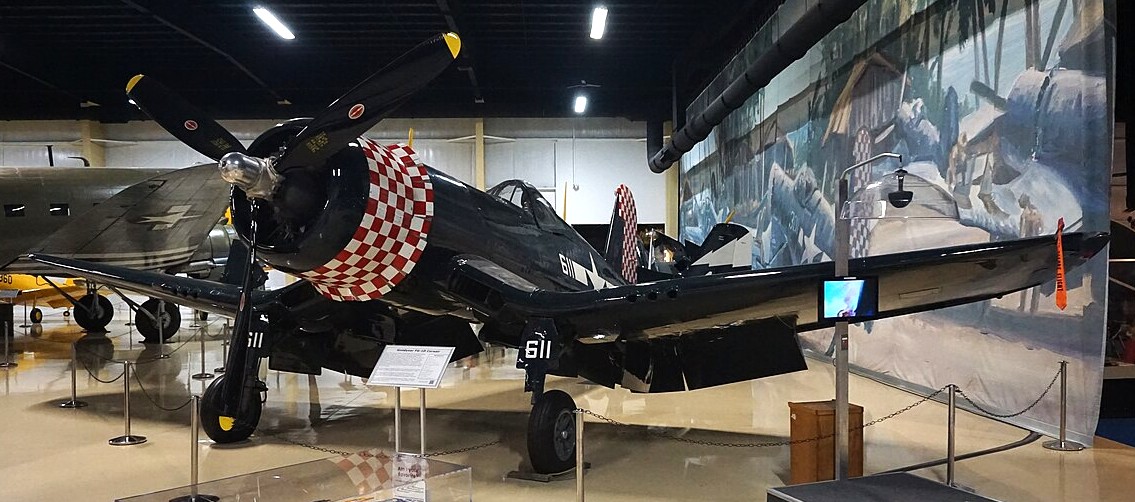
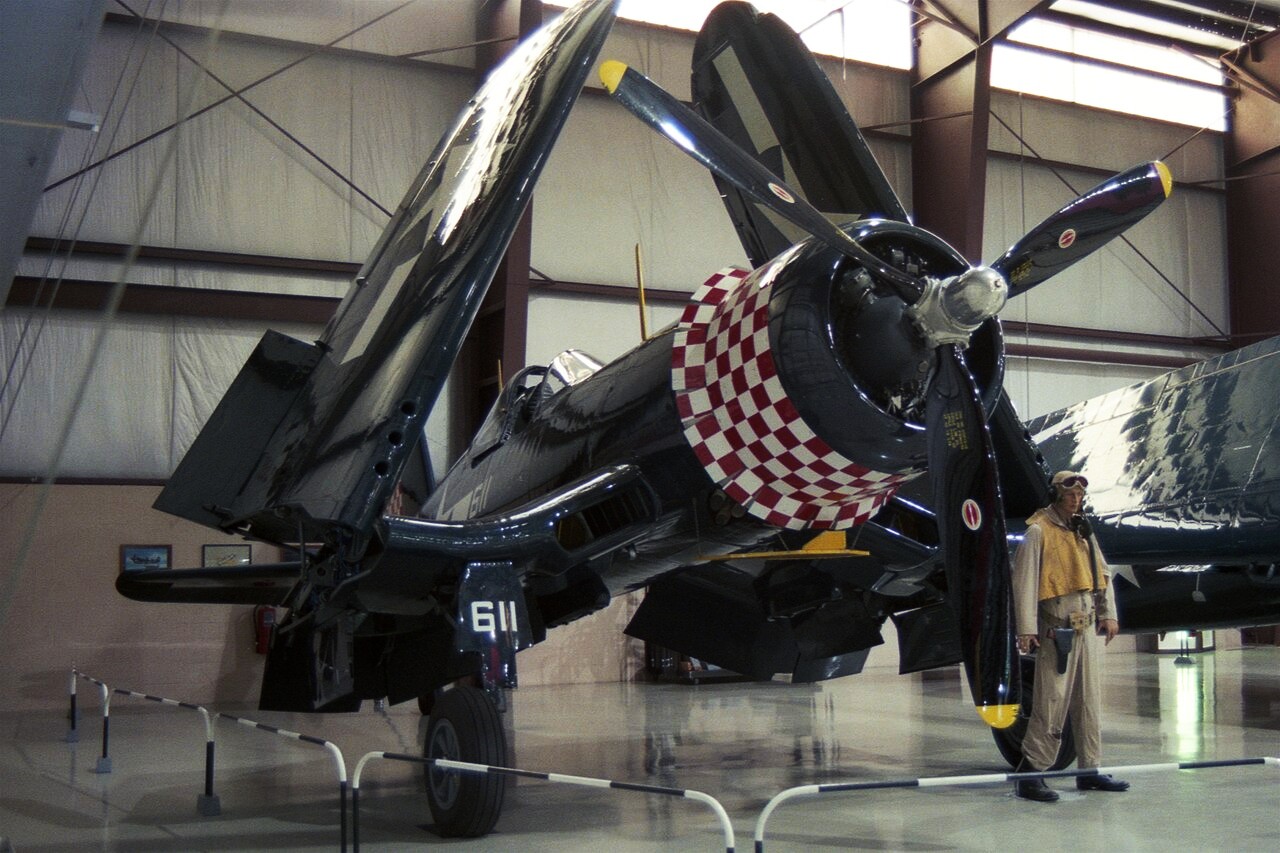
Goodyear FG-1D Corsair, (c/n 3770), USN (BuNo. 92509), Reg. No. NX3PP, coded 611. Single engine, single seat monoplane fighter designed for use on aircraft carriers; wing bent gull-shaped on both sides of the fuselage; aircraft is all-metal except for control surfaces and the wing covering behind main spar, which are fabric;
Designed by Vought Aircraft Co., this Corsair was license built by Goodyear Aircraft Co. as U.S. Navy Bureau of Aeronautics no. 92509 and delivered to the U.S. Navy in 1945. Little is known about its ten-year career with the Navy before it was assigned to NAS Litchfield in Arizona and placed in storage in 1955. In 1959 the aircraft was declared surplus and sold to the Alu-Met Smithing Company to be scrapped. Escaping the cutter’s torch, the aircraft was purchased by Malcolm Miller in 1962 and registered it as N9150Z. Miller sold the aircraft to David Slica in 1966 who in turn sold it to John Van Andel of Connecticut in 1971. Restored in an overall blue paint scheme, the aircraft competed at the 1971 Cape May National Air Races as #86, but dropped from the race after losing its left aileron. Air Zoo cofounder Preston (Pete) Parish acquired the Corsair in 1977 and transferred it to the Air Zoo in 1978. The aircraft wears the markings of a Corsair assigned to Marine squadron VMF-312 during the Battle of Okinawa in 1945.
(Michael Barera Photo)
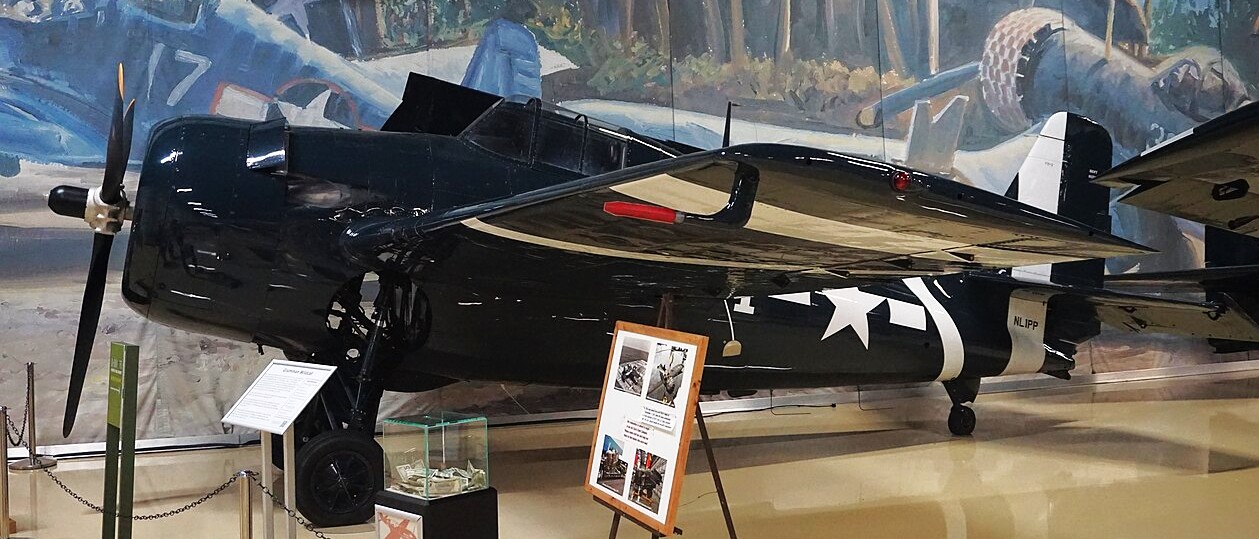
General Motors (Eastern Aircraft Division) FM-2 Wildcat. U.S. Navy (BuNo. 86581). Manufacturer’s Serial No. 5635. Civil registration: LN1PP. Single engine, all metal, mid-wing carrier-based fighter aircraft.
This General Motors-built Wildcat was delivered to the U.S. Navy as Bureau of Aeronautics no. 86581 in 1945. With the retirement of the Wildcat from service, this aircraft was discarded in 1946 and purchased by New Mexico Highlands University where it remained as an non-flying instructional airframe until 1968. Aerobatic pilot Robert L. Younkin purchased the aircraft and had the Wildcat restored in Fayetteville, AR whereupon it was sold to air racing pilot Gunther W. Balz of Kalamazoo, MI. During this time, the aircraft was painted in the markings of a Wildcat assigned to U.S. Navy Composite Squadron VC-90, c. 1945.
Air Zoo co-founder Preston (Pete) Parish purchased the Wildcat from Balz in 1971, registering it as N1PP. Parish donated the aircraft to the Air Zoo in 1974, becoming the first of the Grumman “Cats” collected by the museum. After damage from a hard landing in 1984, the aircraft was repainted in new markings. The aircraft continued to fly until retirement of the flying collection in 2011.
(Michael Barera Photo)
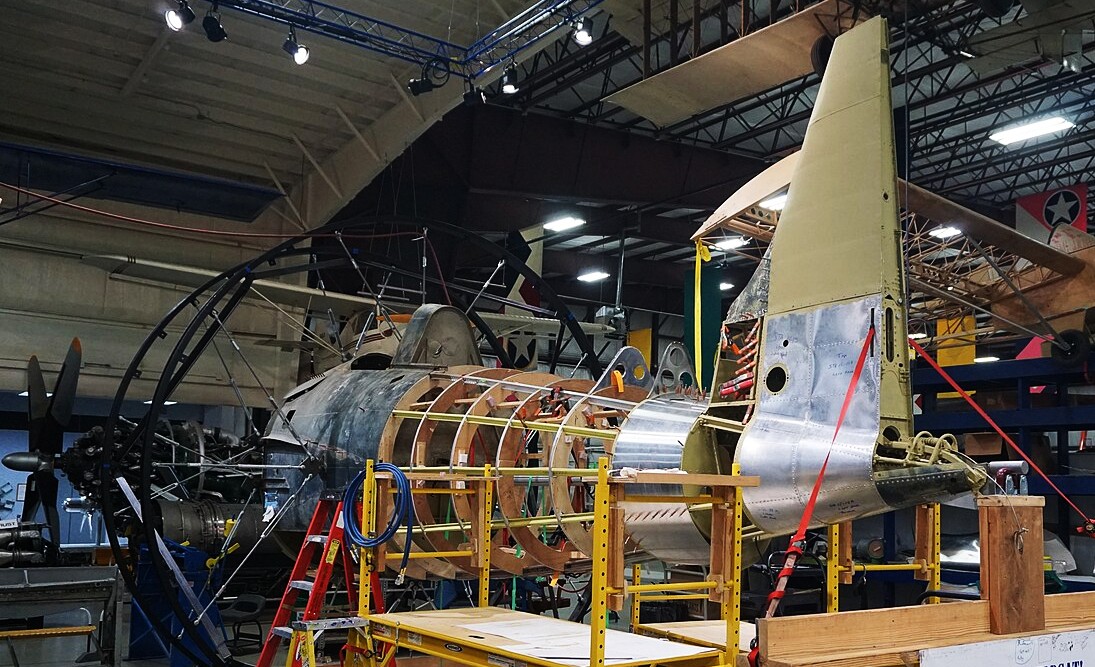
Grumman FM-2 Wildcat being restored.
(Michael Barera Photos)
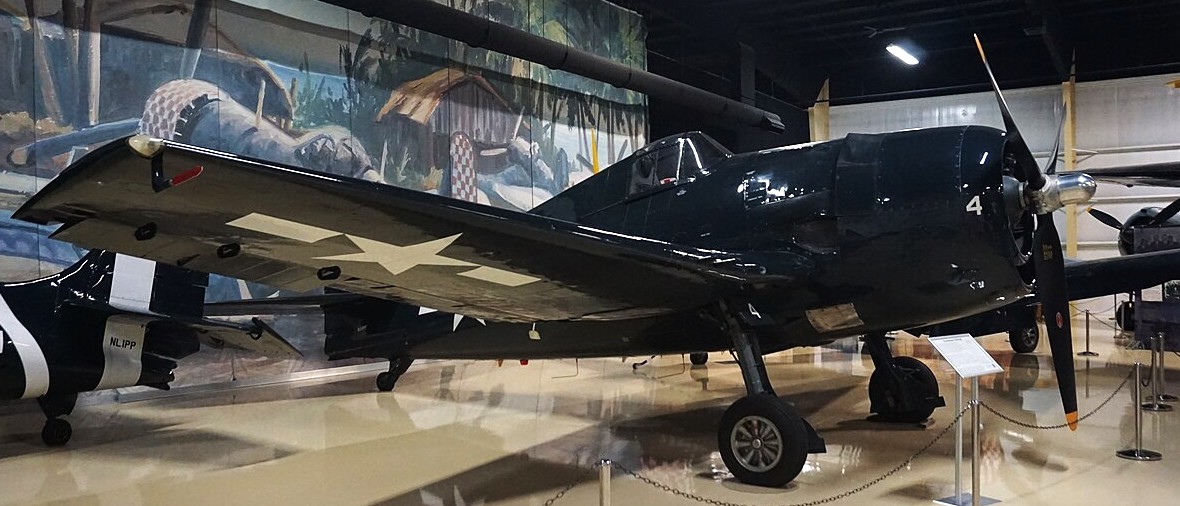
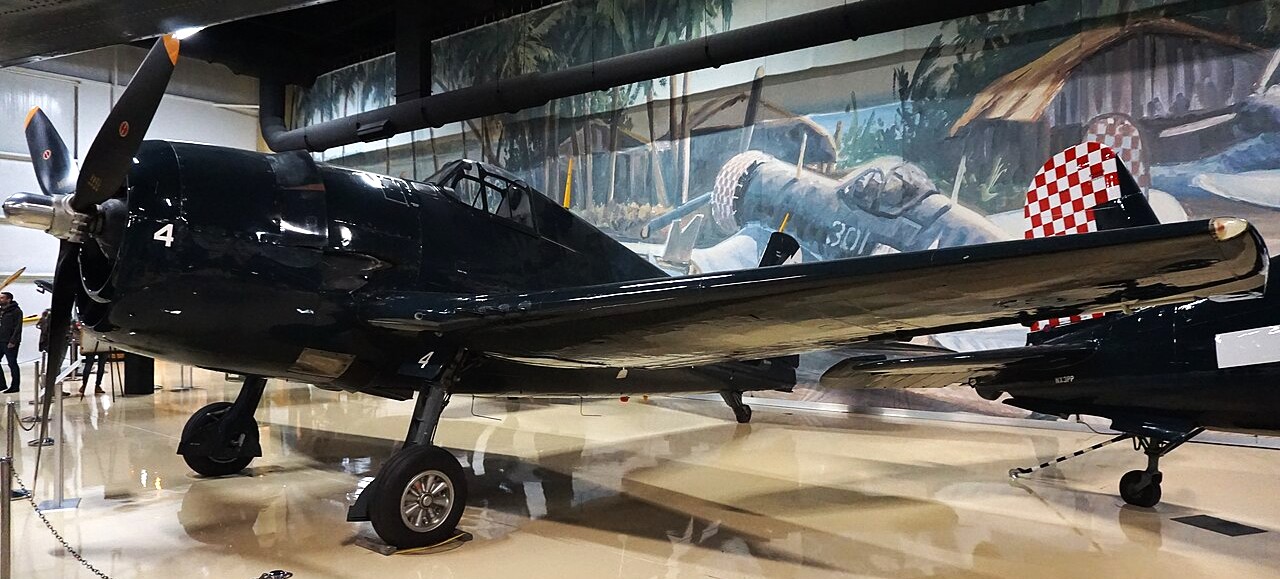
Grumman F6F-5 Hellcat (c/n A-10828), Manufacturer’s Serial No.: A-10828, USN (BuNo. 79683), Reg. No. NX4PP, coded 4. Single engine, single seat, all metal carrier-based fighter. Delivered to the U.S. Navy in 1945. The aircraft’s history is unknown until 1952 when it was assigned to Advanced Training Unit 102 (ATU-102, later designated as VT-21) at NAS Kingsville, Texas. The aircraft remained in US Navy service until it was sold in 1963 and registered as N7896C. The new owner flew the aircraft to Chicagoland Airport in Lake County, IL in 1966 where the aircraft sat vacant until 1979, when it was spotted and purchased by Air Zoo co-founders Preston (Pete) and Sue Parish. An intensive two-year restoration followed which was completed in the summer of 1981, during which time the aircraft was donated to the Air Zoo. It was maintained in airworthy condition and regularly flown in airshows until it was retired from flying with the rest of the airworthy collection in 2011.The aircraft is painted in the markings of a Hellcat assigned to Navy squadron VF-85 aboard the aircraft carrier USS Shangri-La (CV-38) c.1945.
(Michael Barera Photo)
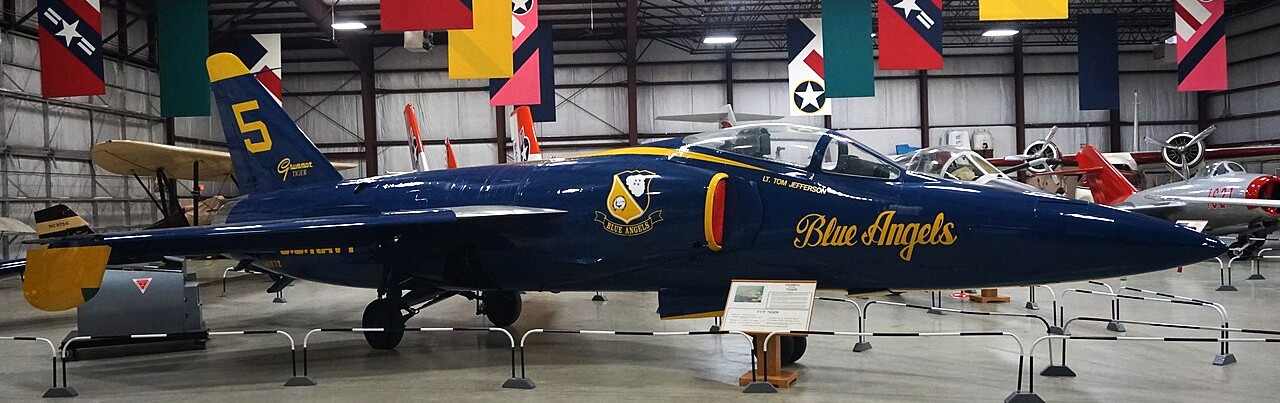
Grumman F11F Tiger. Single engine, single seat supersonic carrier-based fighter interceptor flew with the Blue Angels 1961-1965 U.S. Navy (BuNo. 141872). On loan from the National Museum of the Marine Corps.
(Michael Barera Photos)
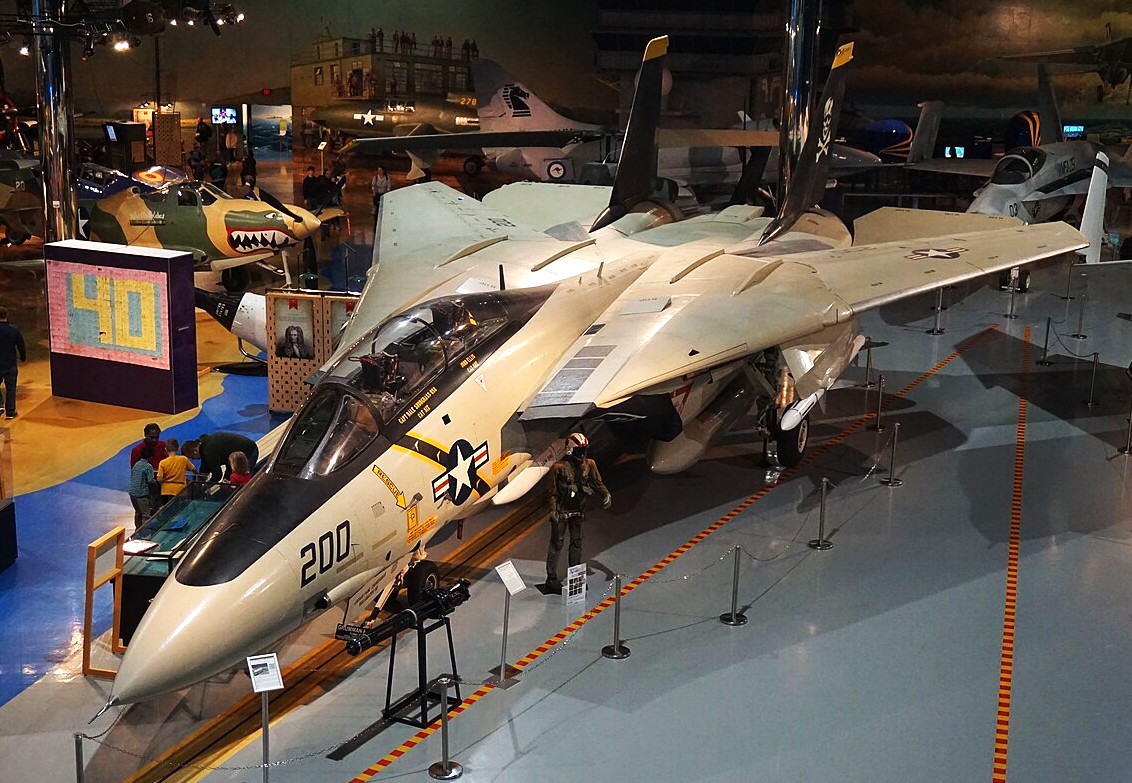
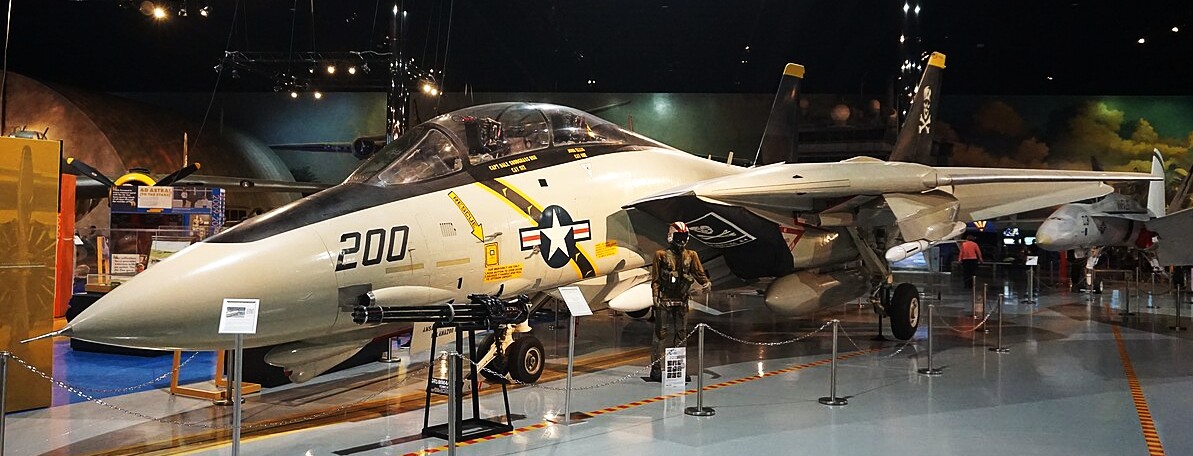
Grumman F-14A Tomcat, U.S. Navy (BuNo. 160395). Manufacturer Serial No. 251. Twin engine, two-seat (tandem) carrier-based fighter interceptor with variable sweep wings. 1977: Assigned to VF-32, NAS Oceana, VA. 1986: Assigned to VF-84, NAS Oceana, VA.
1990: Assigned to VF-33, USS America (CV-66); 12/28/90 to 4/18/91: Deployed to Middle East for Operation Desert Storm.
(Michael Barera Photo)
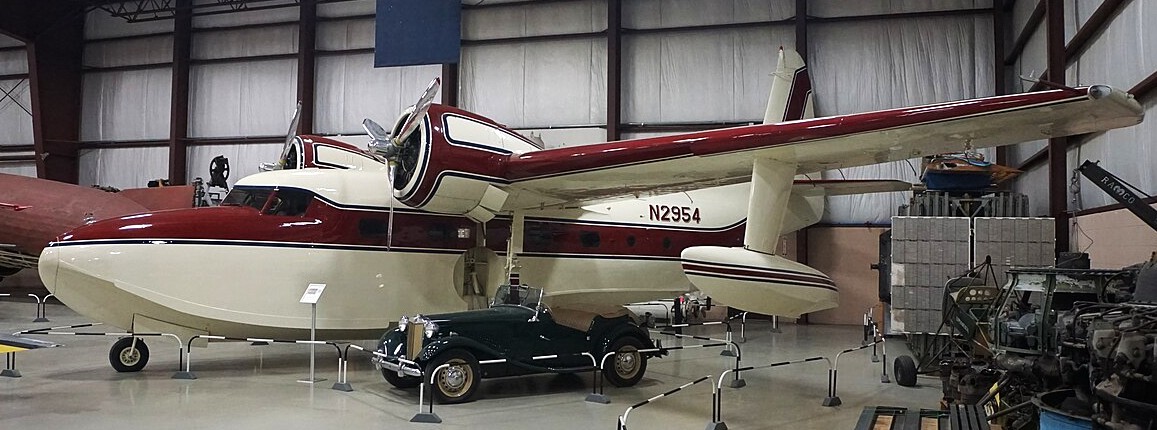
Grumman G-73 Mallard, Reg. No. N2954. Twin engine, high wing amphibious transport and utility aircraft. Acquired 2007.
(Air Zoo Collection Photo)
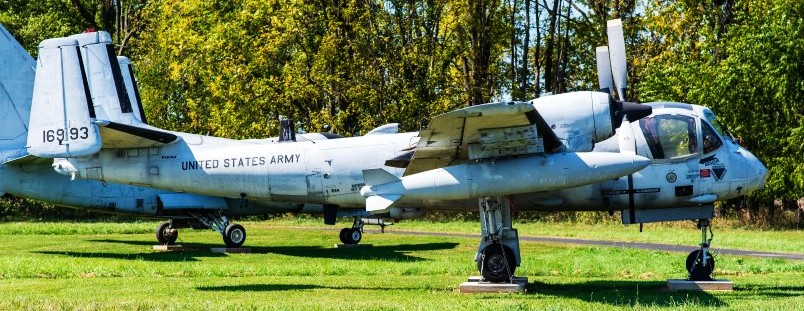
Grumman OV-1D Mohawk. win-turboprop engine, two seat observation and light attack aircraft U.S. Army serial no.: 68-16993 Last civil Registration No. N121AZ.
(Michael Barera Photos)
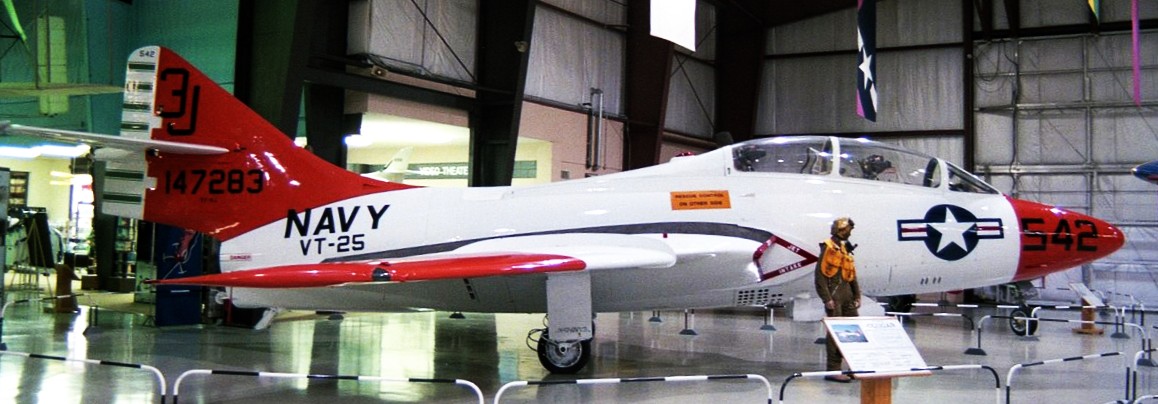
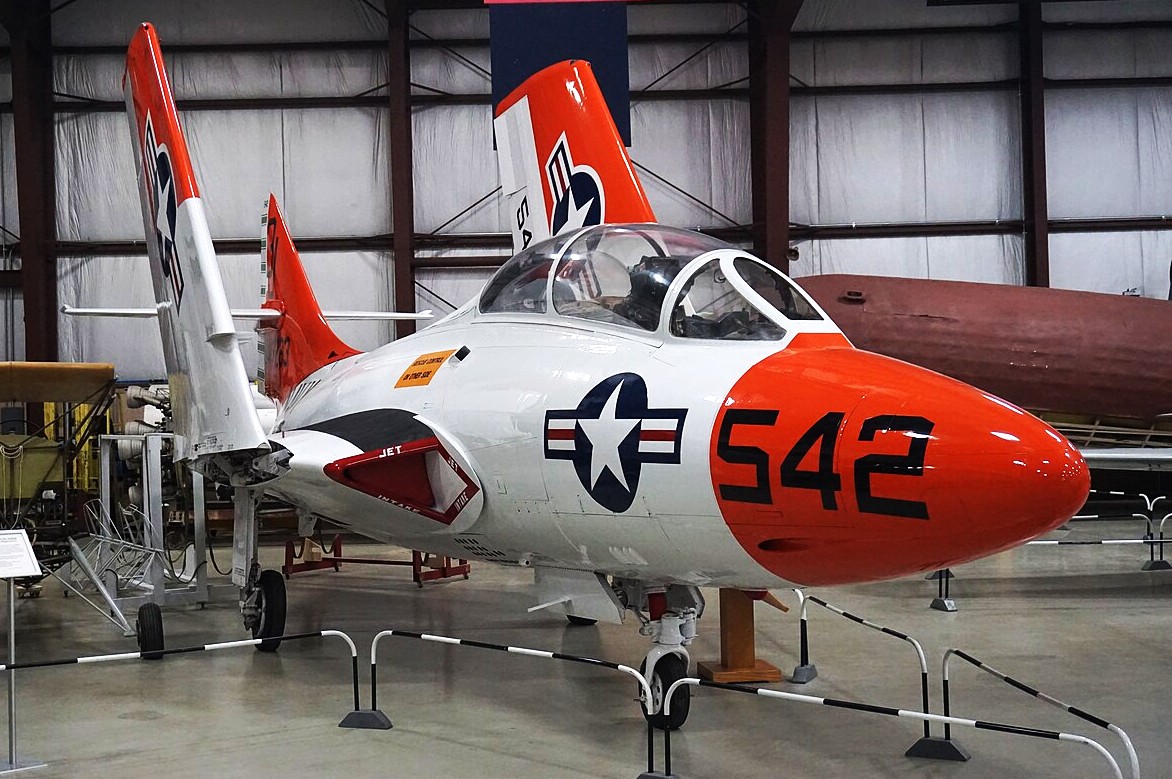
Grumman TF-9J Cougar. Single engine, twin seat (tandem), swept wing jet trainer based on carrier-based fighter interceptor U.S. Navy (BuNo. 147283). On loan from the National Museum of the Marine Corps.
(Air Zoo Collection Photo)
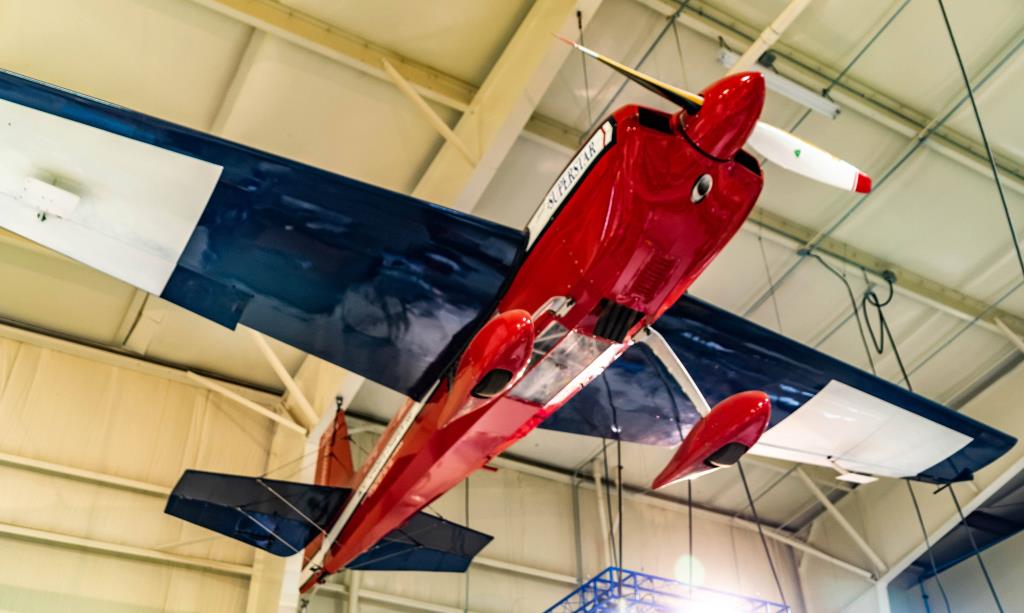
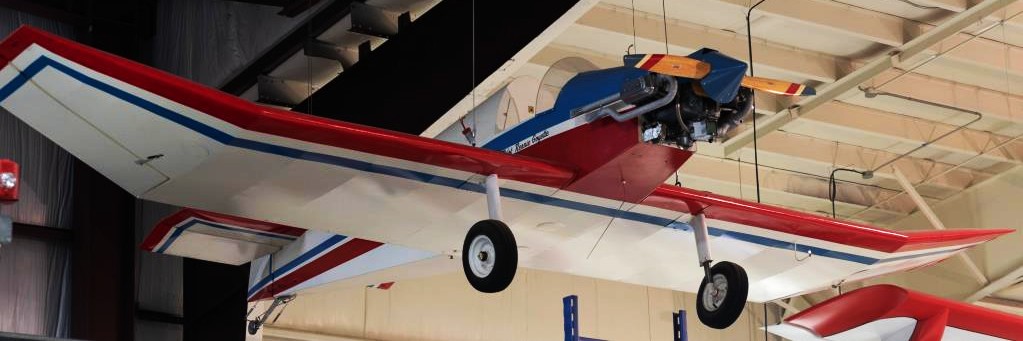
Haigh Stevens Superstar. Designed and built by Henry A. Haigh. Completed in 1977 with the FAA Registration No. N8HH, Serial No. 12. Model “Stevens’ with a Lycoming 10-360 series A & C Engine with full panel instrumentation with average avionics, but not IFR equipped.
Aircraft is red and blue with much letter and information on the fuselage and vertical stablizer. This aircraft was flown by the donor in many aerobatic competitions including five (5) World Championships which he won in 1988. The aircraft is airworthy but out of annual as of 11/05/2009. The wingspan is 24 feet and the length is roughly 16 feet.
Heath Baby Bullet
(Michael Barera Photo)
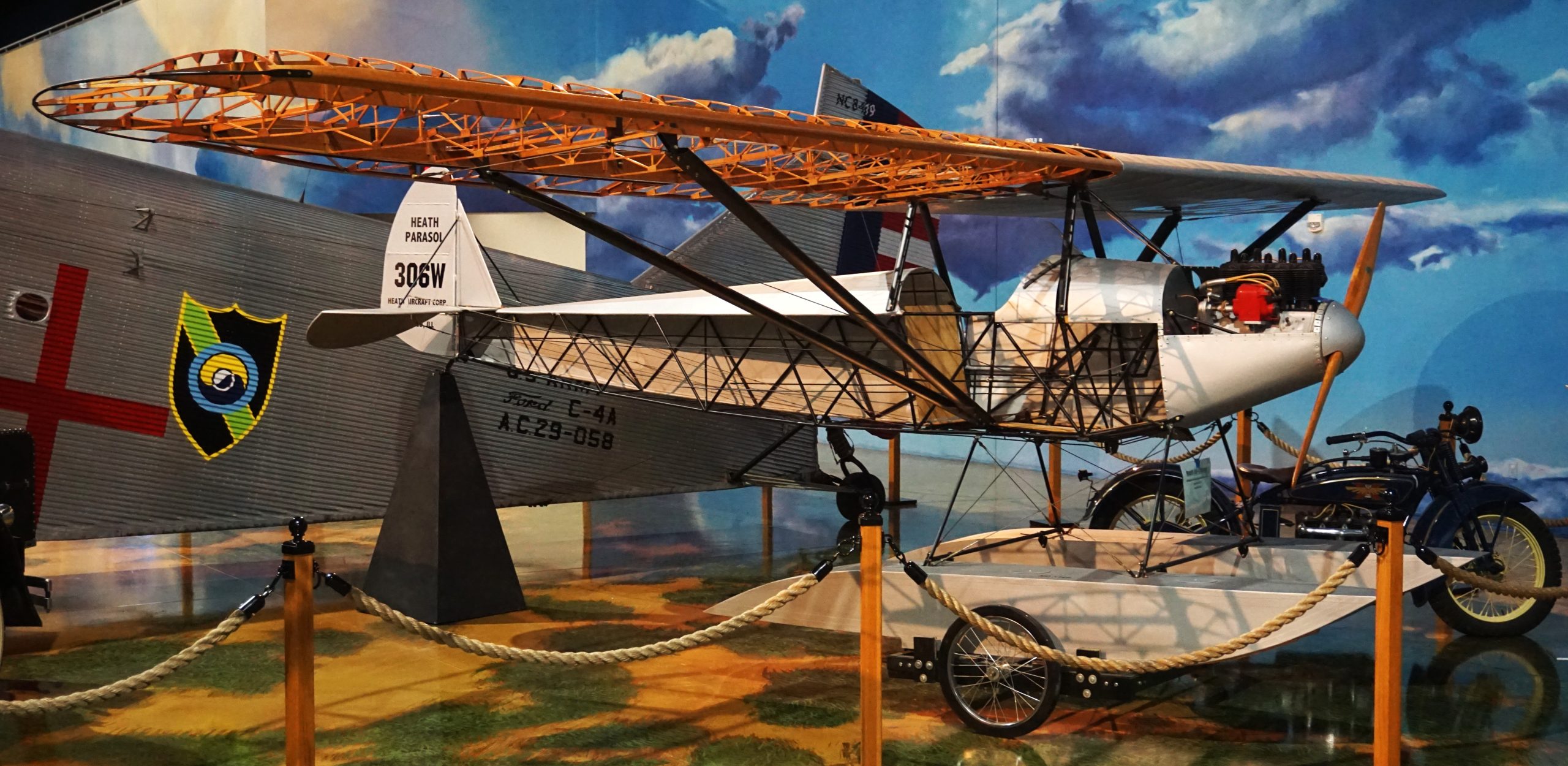
Heath LNB-4 Parasol, (Serial No. 306W). Single engine, single-seat parasol monoplane designed for amateur construction; powered by a modified motorcycle engine; partially uncovered to show internal structure on left fuselage, wing. This aircraft was originally donated as just a fuselage and its engine. The wing, empennage, and floats were built from plans and fragments by the Air Zoo Restoration Dept.
(Michael Barera Photo)
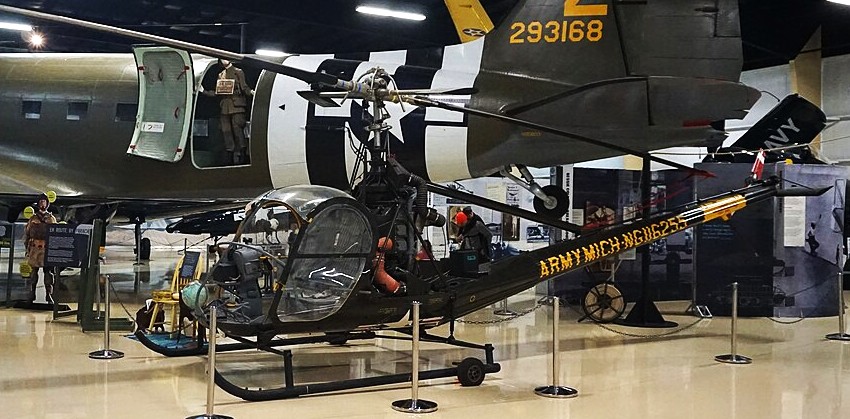
Hiller H-23B Raven. Single-engine, three-seat training and utility helicopter, Hiller H-23B; accepted by the U.S. Army on 24 Oct. 1952, Hiller Serial No. 447, U.S. Army (Serial No. 51-16255), powered by a Franklin 0-335-6; this aircraft has been restored to static display standards only. It is not air-worthy and is missing a number of parts including: sections of the canopy, seat cushions, instruments from the instrument panel and other items.
This helicopter was assigned to the Michigan National Guard in 1953 and served its entire service life in Michigan. It was used operationally until the 1970’s, then stored and later restored by a helicopter maintenance class through Lansing Community College under the direction of Mr. Bruce Cotter, the instructor who was a Chief Warrant Officer in the U.S. Army.
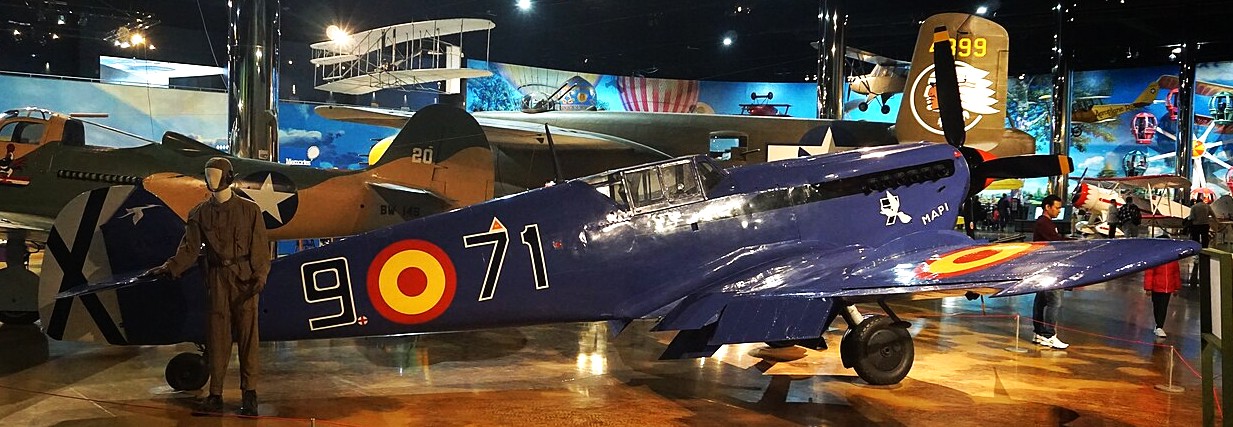
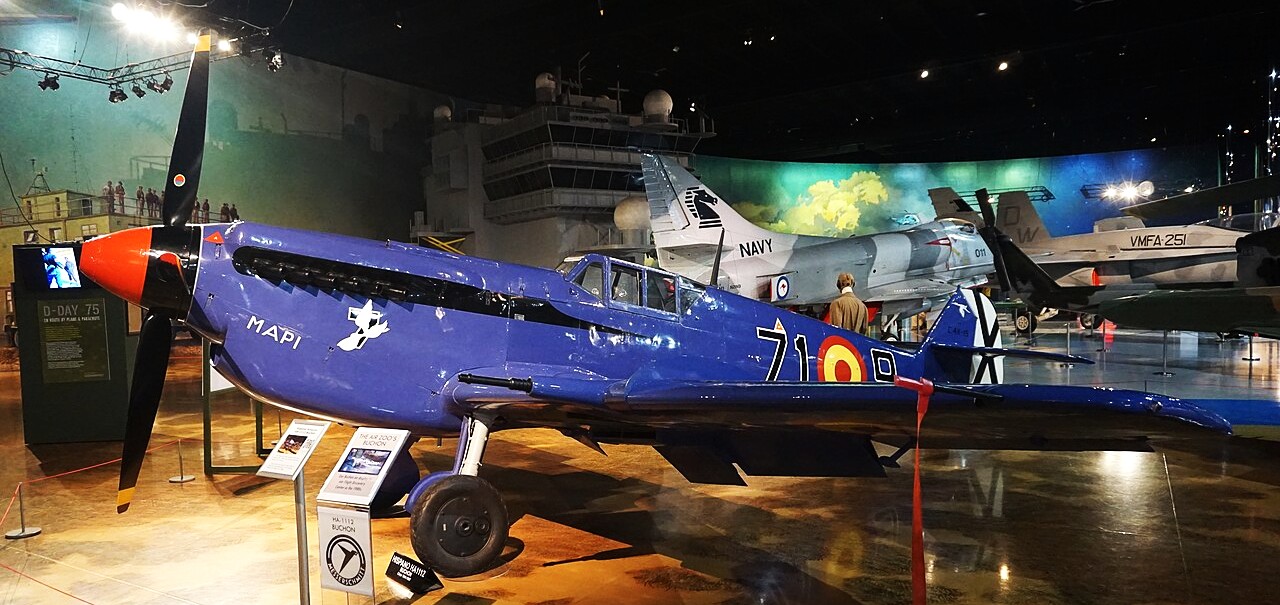
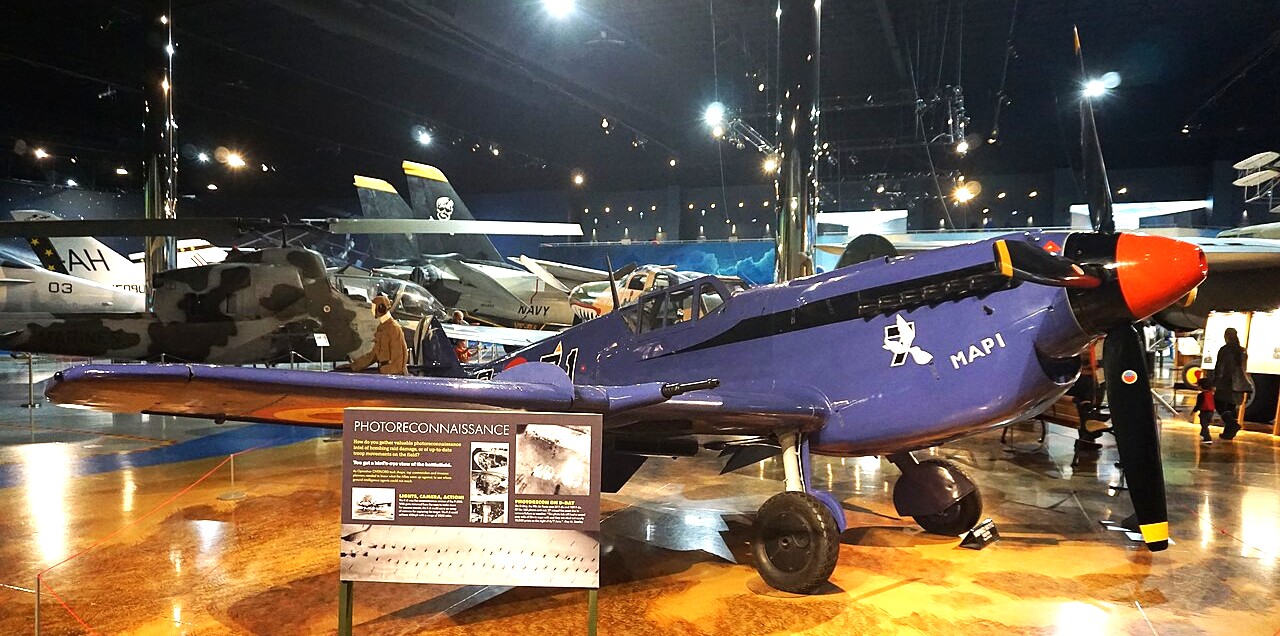
(Michael Barera Photos)
Hispano Aviación HA-1112-M1L Buchón. Single engine, single seat monoplane fighter aircraft;variant of a license-built Messerschmitt Bf 109G-2, but fitted with a British Rolls Royce Merlin 500-45;
As early as 1943, Spain built the German Bf 109G-2 under license and this was put into production as the HA-1109-J1L using the Hispano-Suiza 12Z-89 engine, the first Spanish-buit aircraft flying in March 1945. A later variant used the 12Z-17 engine and appeared as the HA-1109-K1L. However, the major improvement came in 1953 with the adoption of the Rolls Royce Merlin 500/45 and the creation of the HA-1112-M1L Buchon. This entered service in 1953 and served through to the late 1960s.
This aircraft was purchased by warbird collector Wilson Connie Edwards and featured in the 1969 film “The Battle of Britain” painted as a German Bf 109. Manufacturer’s Serial No. 171; Last civil Registration No. N76GE.
(Air Zoo Collection Photo)
Hovey Whiing Ding. Minimalist biplane ultralight aircraft; fuselage is plywood filled with foam and mounts a single engine in the pusher configuration; wings spars are wood and covered with fabric; tail boom is a 3 in. aluminum pipe filled with foam; tail surfaces are 1/2 in. styrofoam covered in paper.
(André Gerwing Photo)
(Michael Barera Photos)
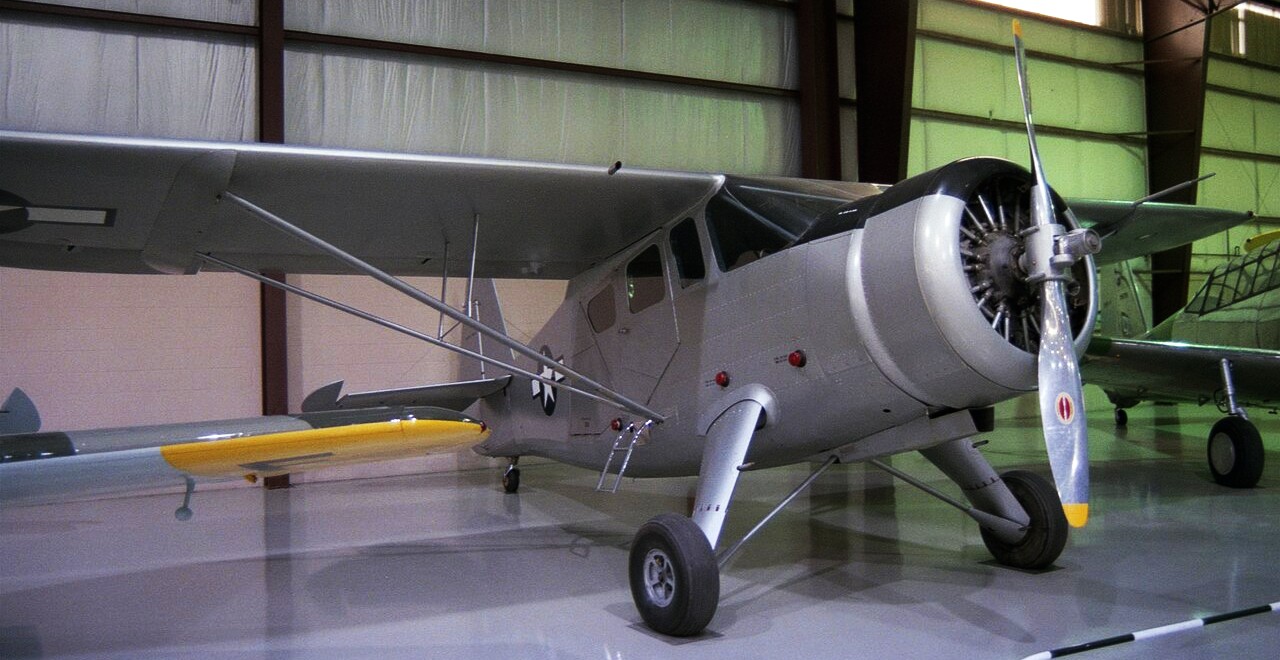
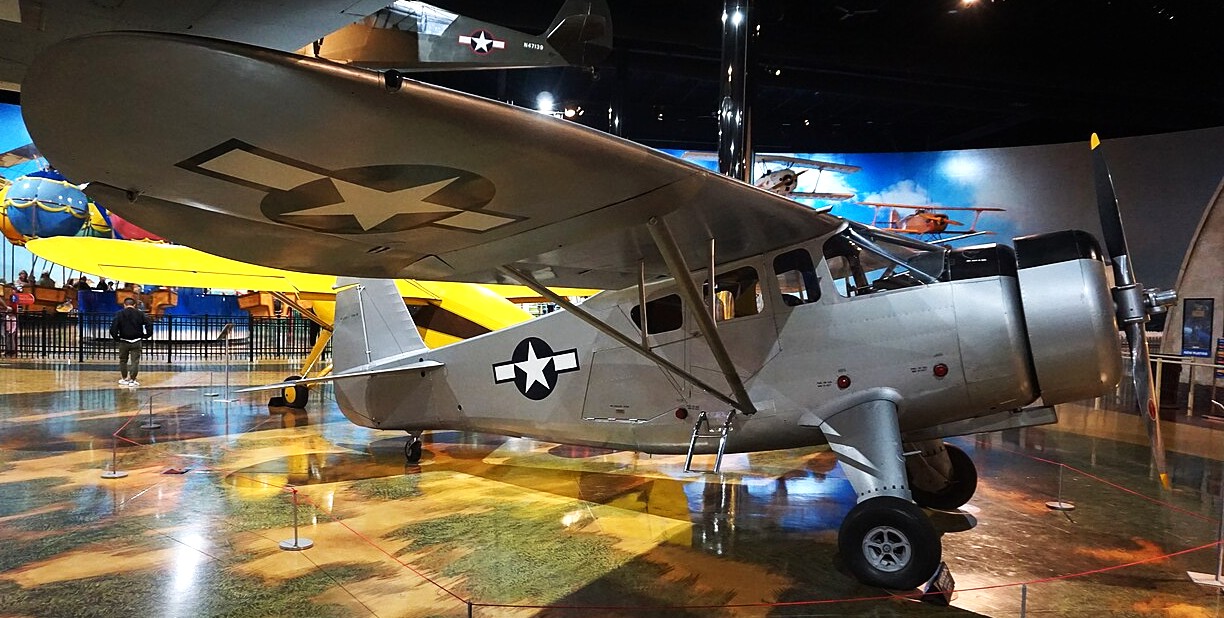
Howard GH-2 Nightingale (c/n 1713), USN (BuNo. 32347). Single engine, four-place high wing cabin monoplane; civil designation DGA-15; part of a batch of forty-nine (49) aircraft acquired by the U.S. Navy in 1941/42. On loan from the National Museum of the Marine Corps.
(Air Zoo Collection Photo)
Jodel D.92 Bébé. Single-engine, single seat all-wood open cockpit monoplane designed for amateur construction; powered by a modifed Volkswagen engine (Great Plains VW 1600 cc). Last civil Registration No. N257RJ. Manufacturer’s Serial No. 763-01.
(Air Zoo Collection Photo)
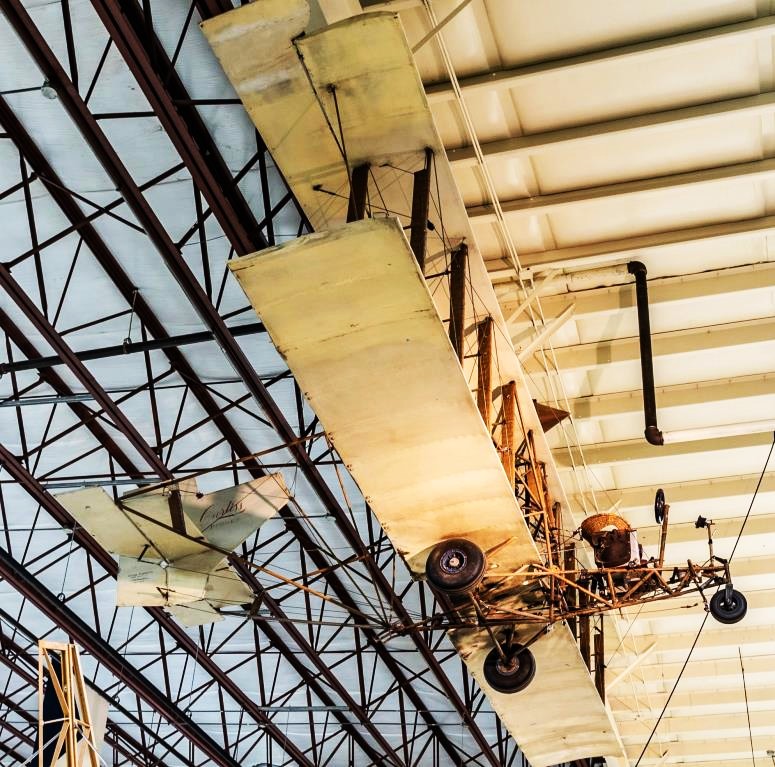
Karp/Abbott Pusher 107. Single-seat, single engine pusher biplane; 2/3 scale replica of a Curtiss Pusher aircraft. Built by EAA Chapter 3 in Long Island, NY as a non-flying aircraft. However it was modified by Abbott who accomplished 334 ten-minute flight. No logs or past paperwork. Powered by a Continental 0-200A Engine with a Hegy Propeller. Last civil Registration No. N37864. Serial No. LK495.
(Michael Barera Photo)
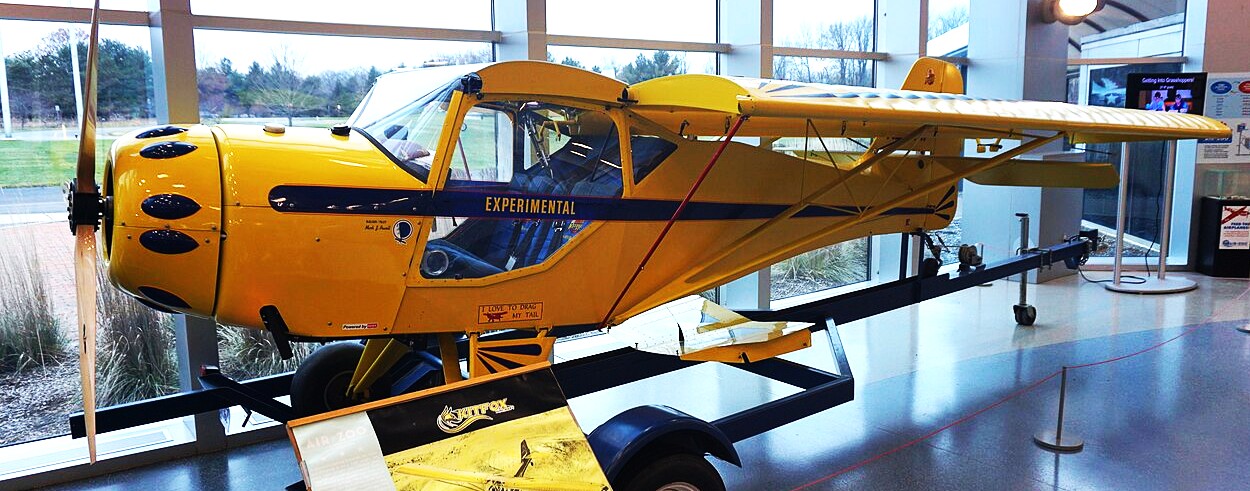
Kitfox.
(Air Zoo Collection Photo)
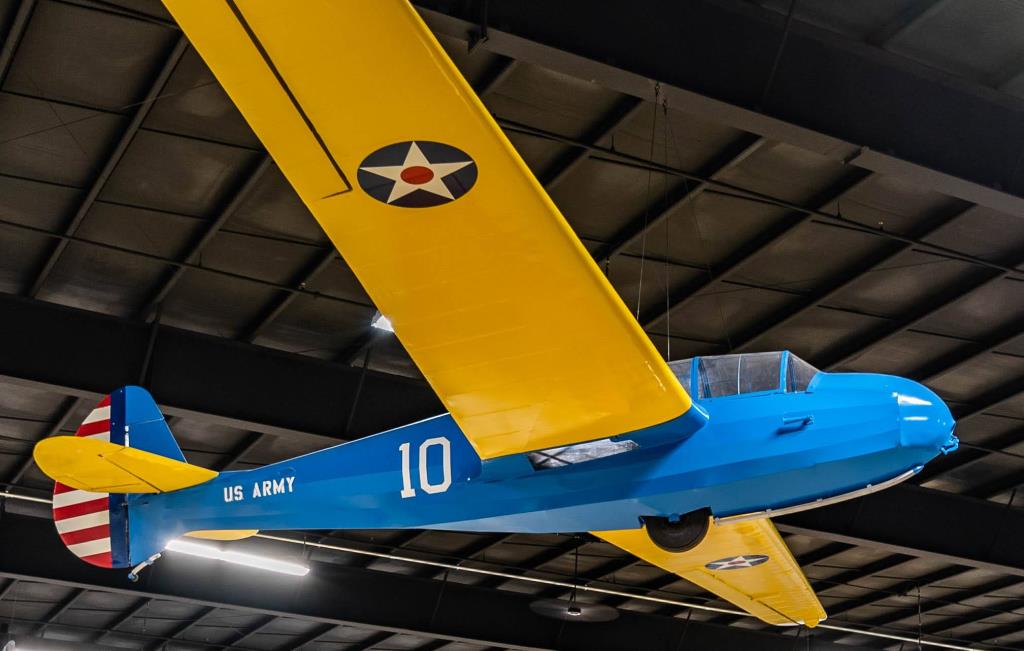
Laister-Kauffman TG-4A. Two-seat (tandem) training sailplane Civil Registration No. N58189. On loan from Marion Weyant “Ruth” Babe.
(Michael Barera Photos)
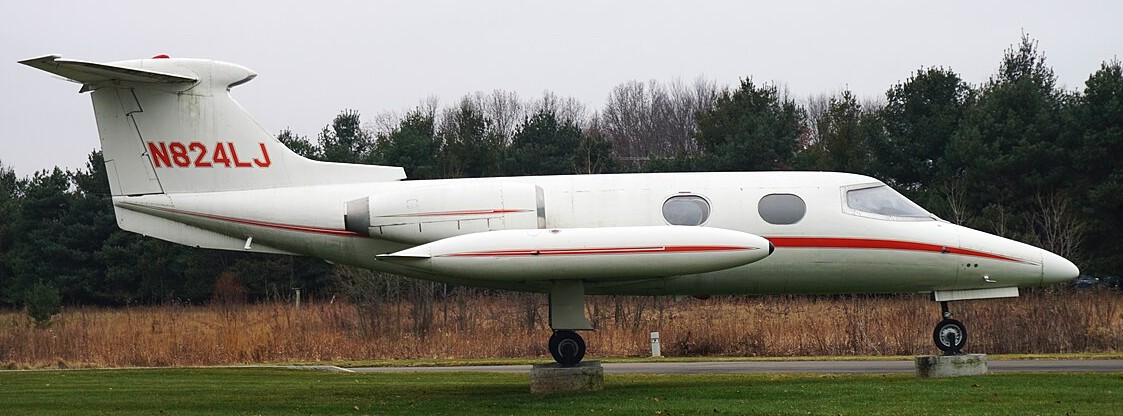
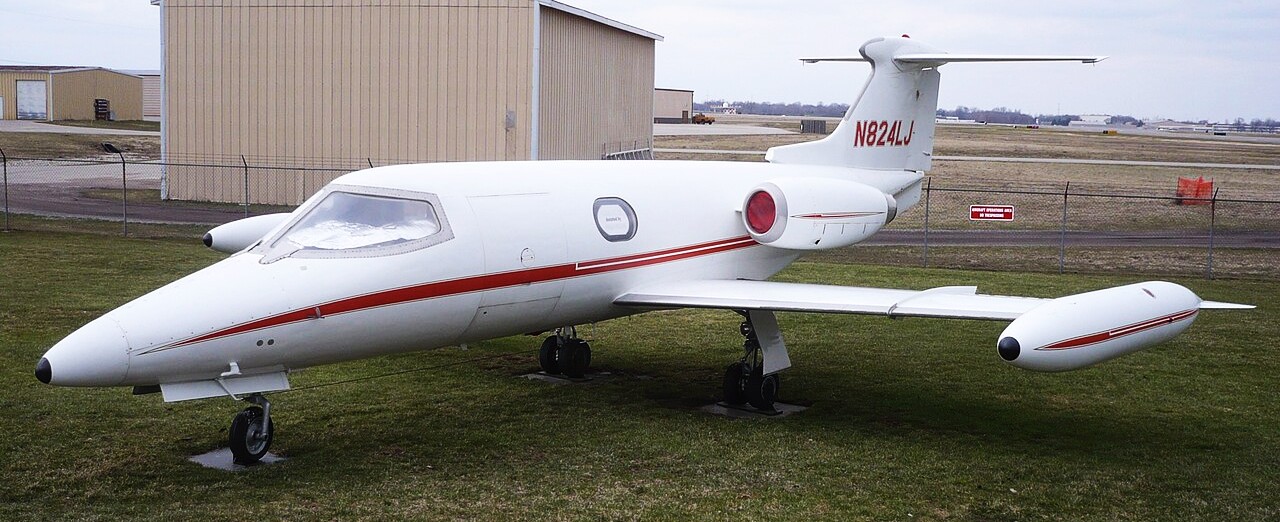
Learjet 23. Twin-engine business jet with low-wing, podded rear-mounted engines and wingtip fuel tanks Manufacturer’s Serial No. 23-083. Last civil Registration No. N824LJ.
(Michael Barera Photo)
Lockheed F-5 Lightning
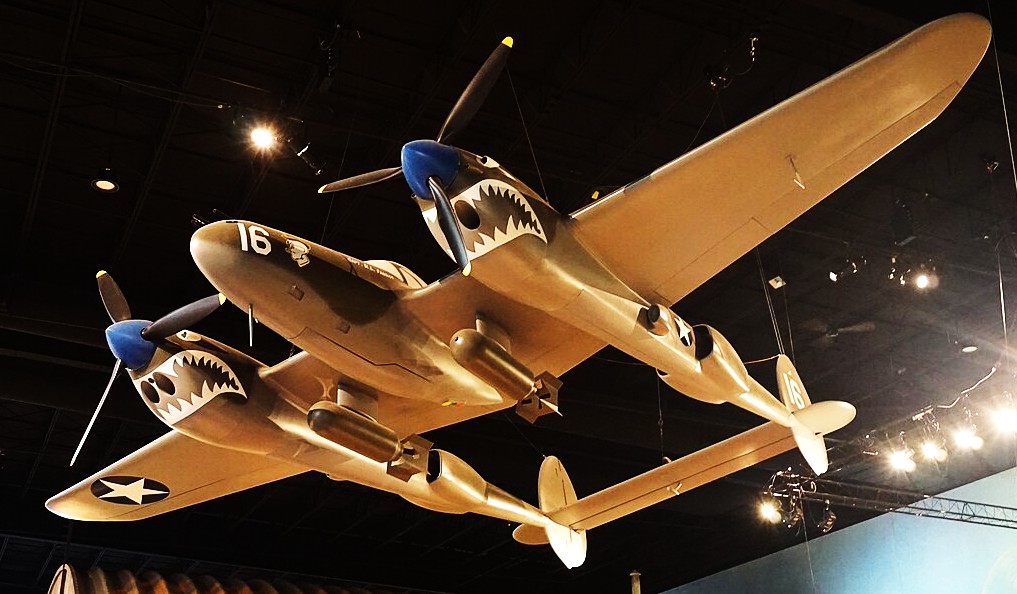
Lockheed P-38 Lightning
(Michael Barera Photo)
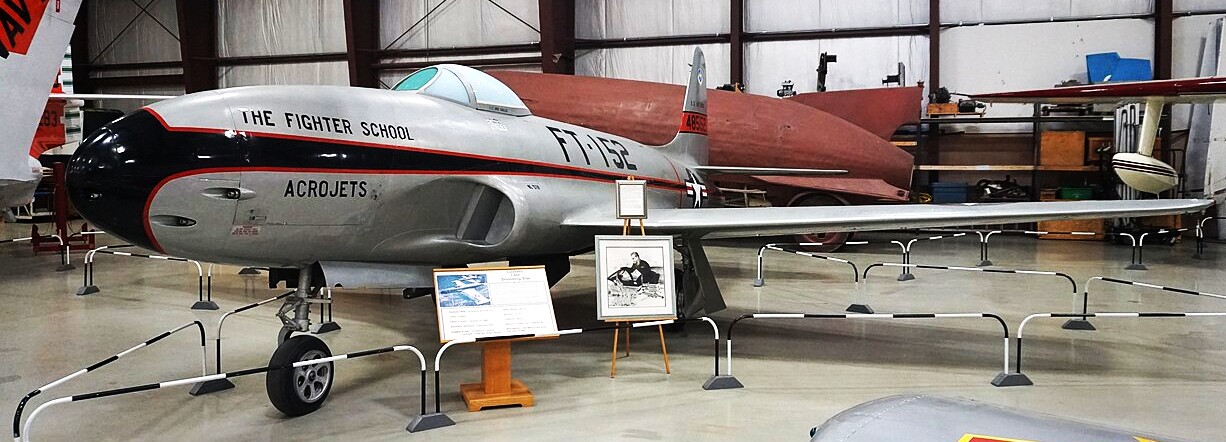
Lockheed F-80C Shooting Star, USAF (Serial No. 44-85152). Single-seat, single engine early jet fighter aircraft.
(Michael Barera Photos)
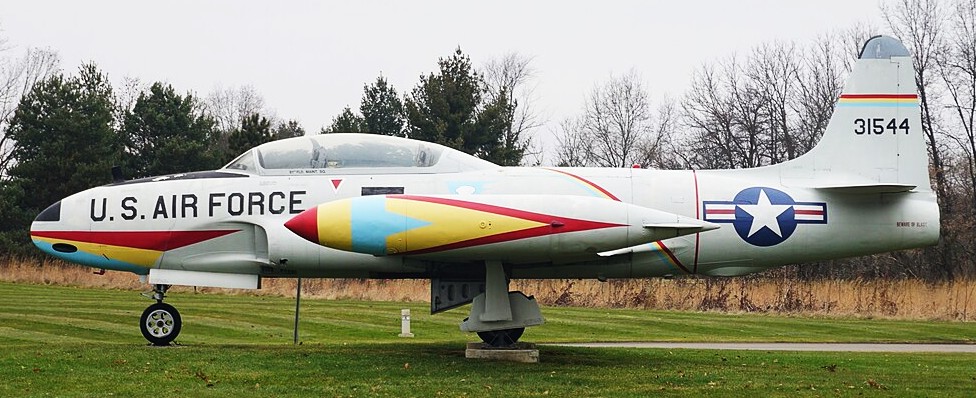
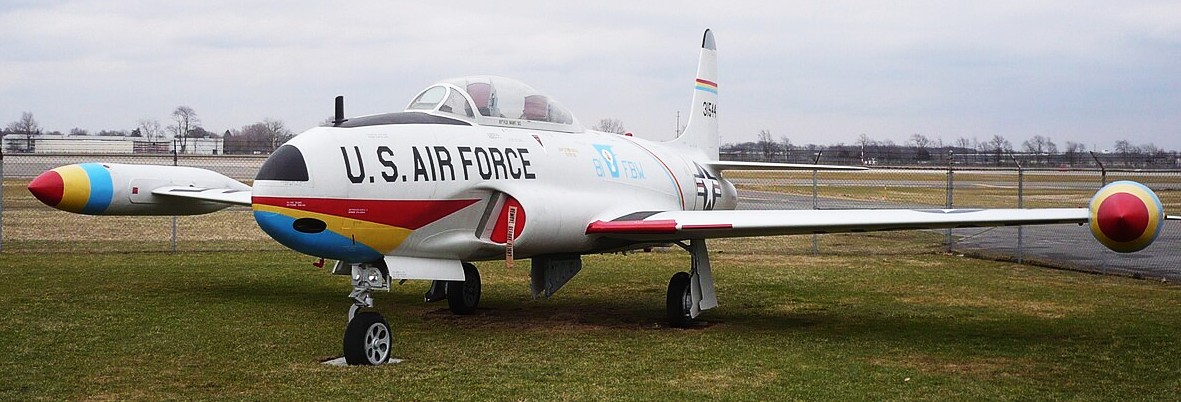
Lockheed T-33B-1-LO (TV-2), U.S. Navy (BuNo. 138090). Single-engine, two-seat (tandem) all-metal jet trainer; built as a land-based trainer for the U.S. Navy and designated TV-2 until 1962; painted as USAF (Serial No. 53-1544), in the markings of the 81st Fighter-Bomber Wing.
(Michael Barera Photo)
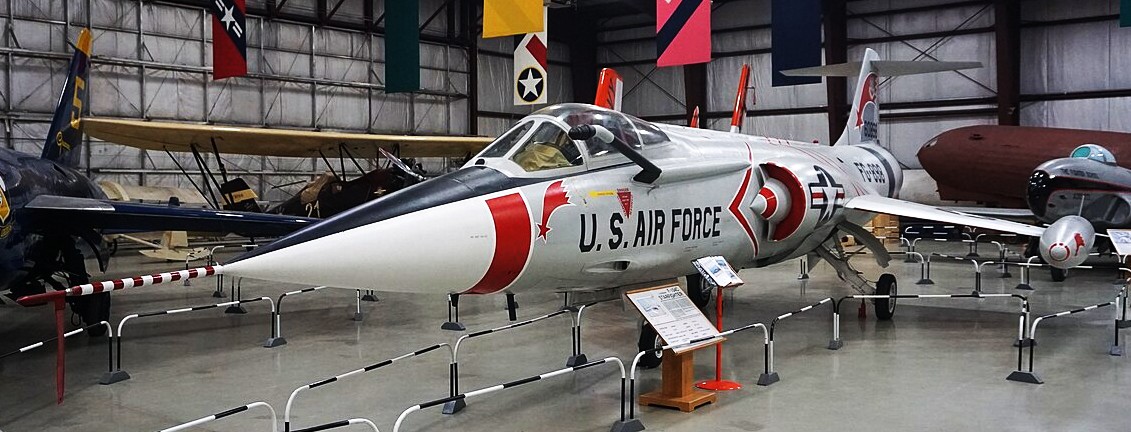
Lockheed F-104C Starfighter USAF (Serial No. 56-898). Single-seat, single engine supersonic fighter/interceptor.
(Air Zoo Collection Photo)
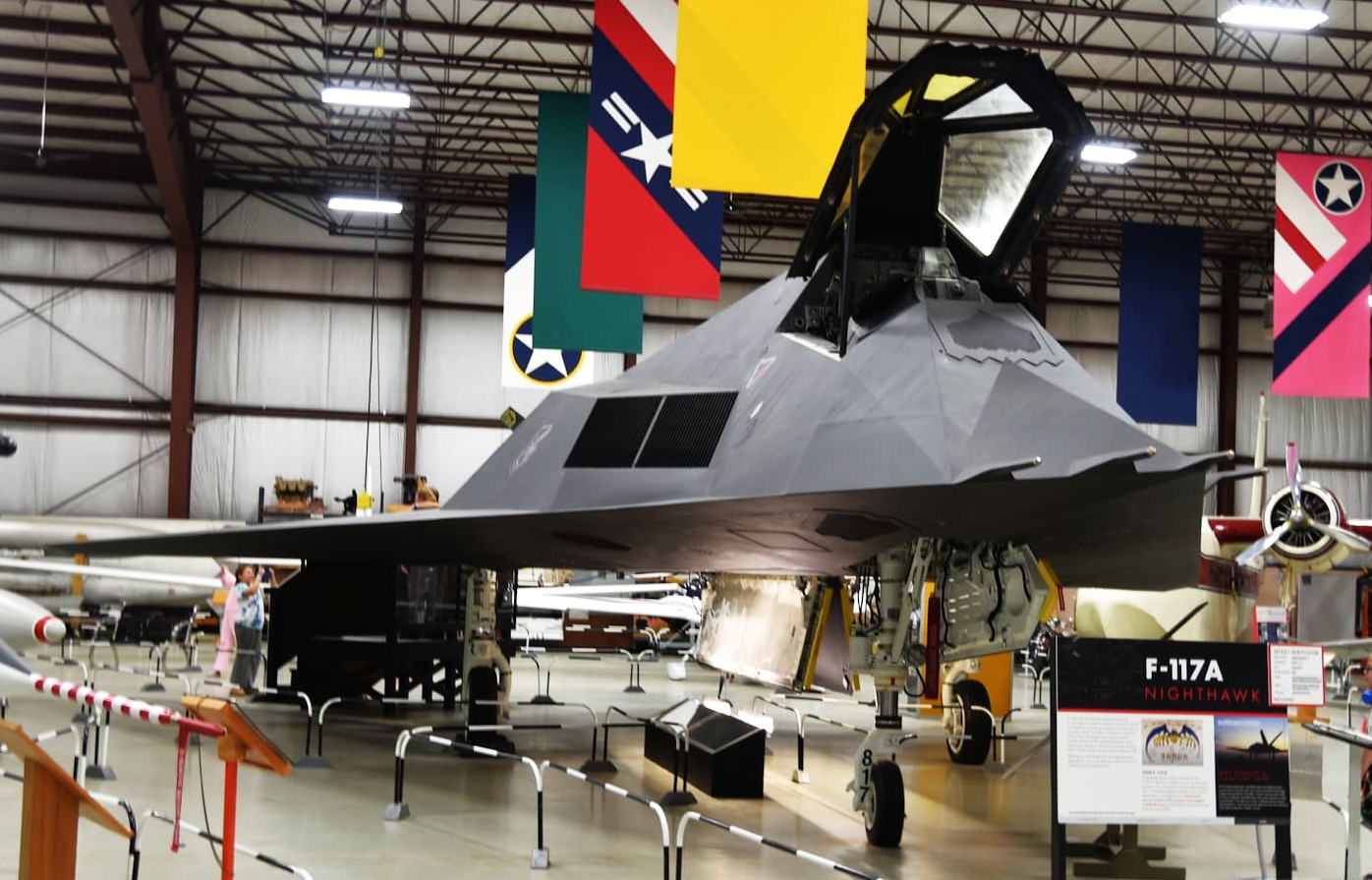
Lockheed F-117 Nighthawk (Serial No. 85-0817) “Shaba” under restoration at the Kalamazoo Air Zoo. The Lockheed F-117 Nighthawk was the world’s first operational stealth combat aircraft, designed to evade radar and strike high-value targets with precision. Introduced in the 1980s, its faceted shape and secretive development made it one of the most iconic aircraft of the modern era.
(Michael Barera Photos)
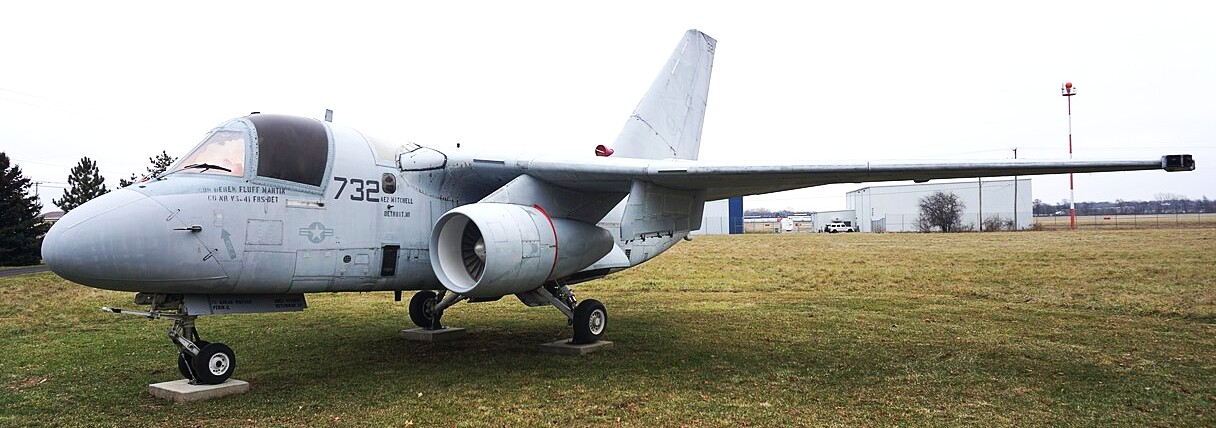
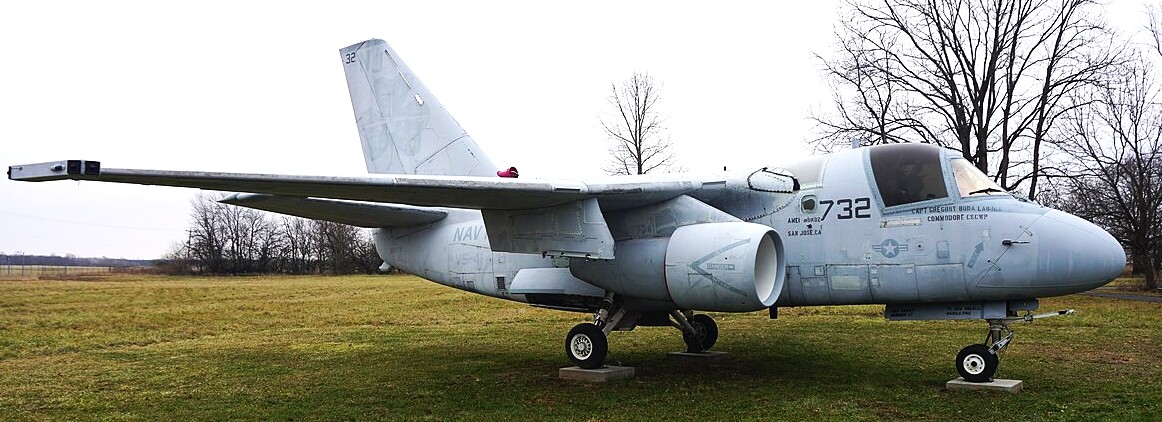
Lockheed S-3B Viking. Twin-engine, four-seat, carrier-based jet anti-submarine aircraft U.S. Navy (BuNo. 160123).
(Jason Zhang Photo)
(Michael Barera Photos)
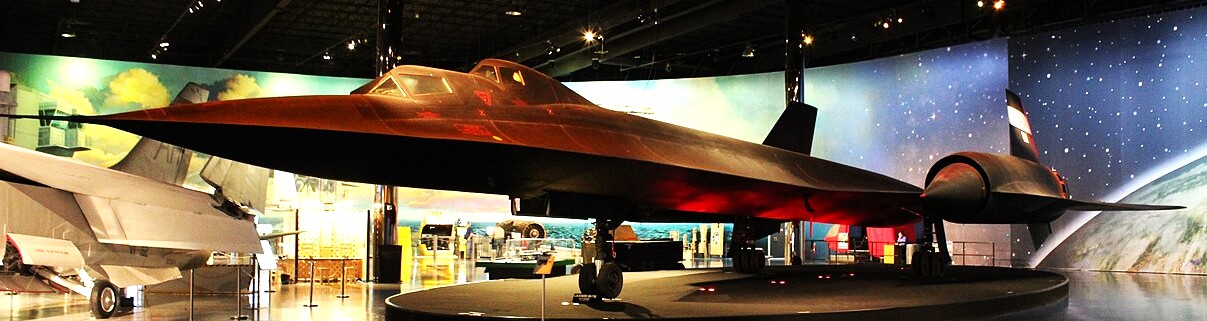
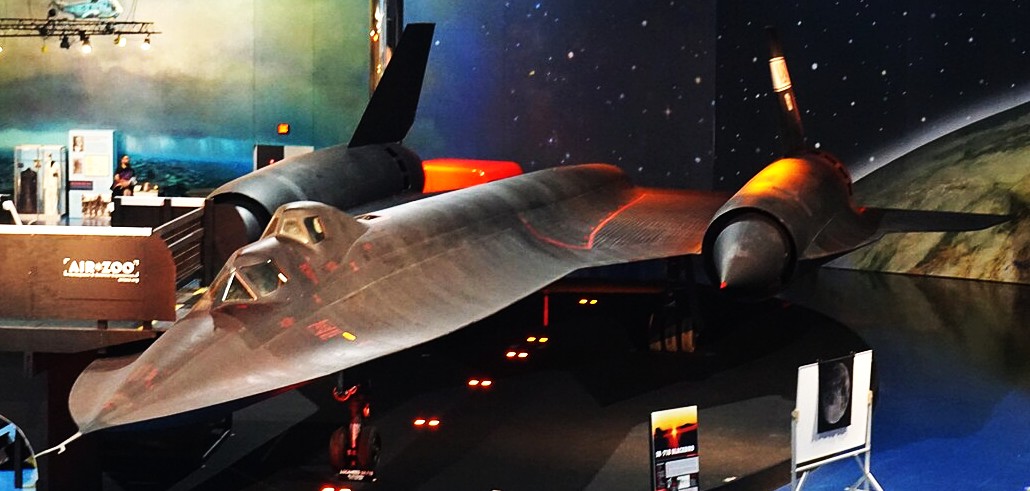
Lockheed SR-71B Blackbird USAF (Serial No. 61-7956). Twin-engine, two-seat, supersonic strategic reconnaissance aircraft; airframe constructed largely of titanium and its alloys; vertical tail fins are constructed of a composite (laminated plastic-type material) to reduce radar cross-section; turbojet engines feature large inlet shock cones. This example is a dedicated pilot training with two complete sets of flight controls with the rear cockpit raised above the forward cockpit.
Long Henderson HL-1 Longster
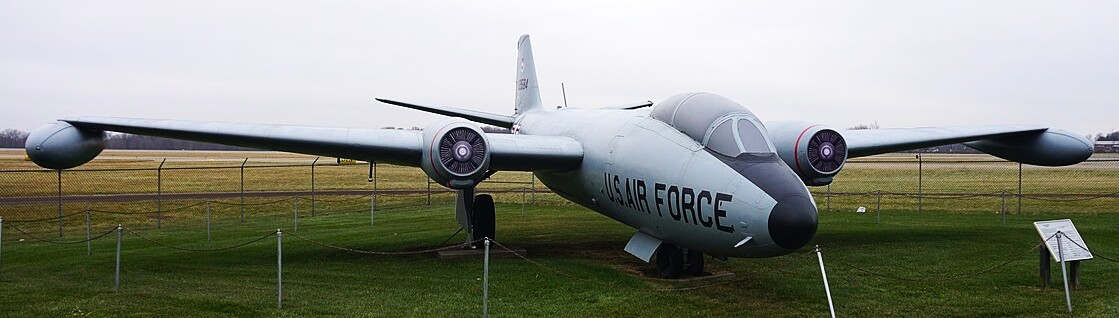
(Michael Barera Photos)
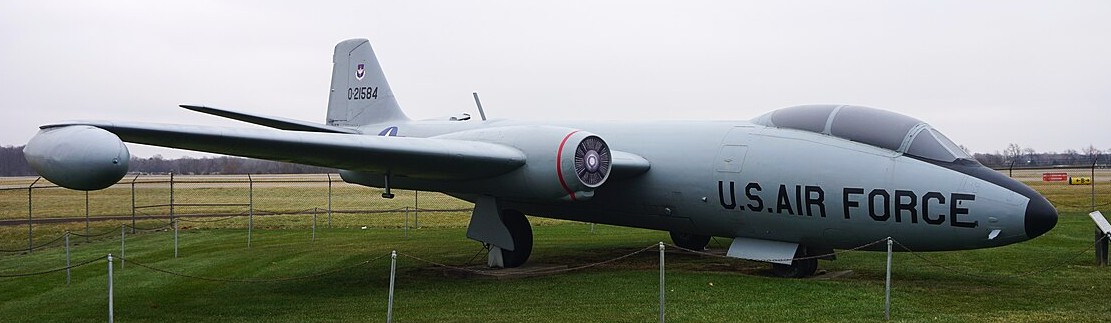
Martin B-57B Intruder (c/n 174), (Serial No. 52-1584). USAF twin engine, two seat (tandem) tactical bomber. The B-57 is a license-built version of the British English Electric Canberra. Painted in 2017 to represent a B-57B assigned to the 8th Bombardment Squadron.
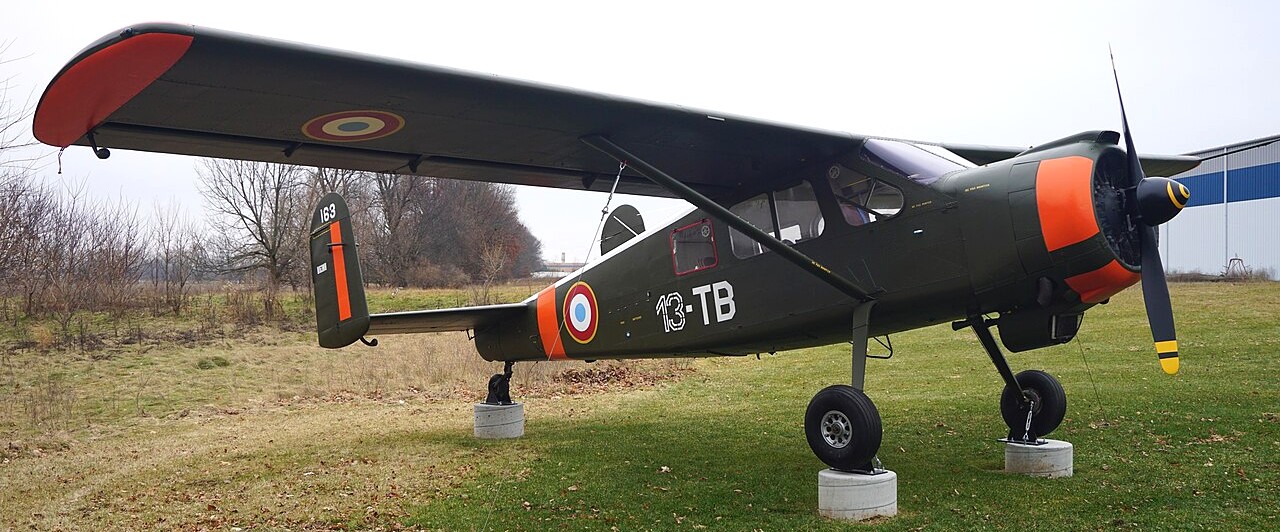
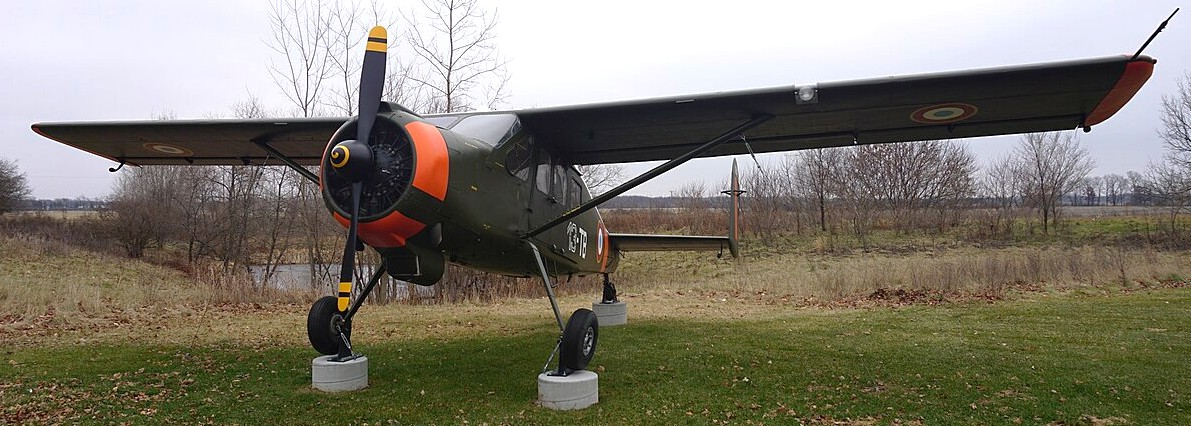
(Michael Barera Photos)
Max Holste MH.1521 Broussard. Single-engine, six-seat, high wing utility monoplane with twin vertical stabilizers Last civil Registration No. N163MH. Manufacturer’s Serial No. 163.
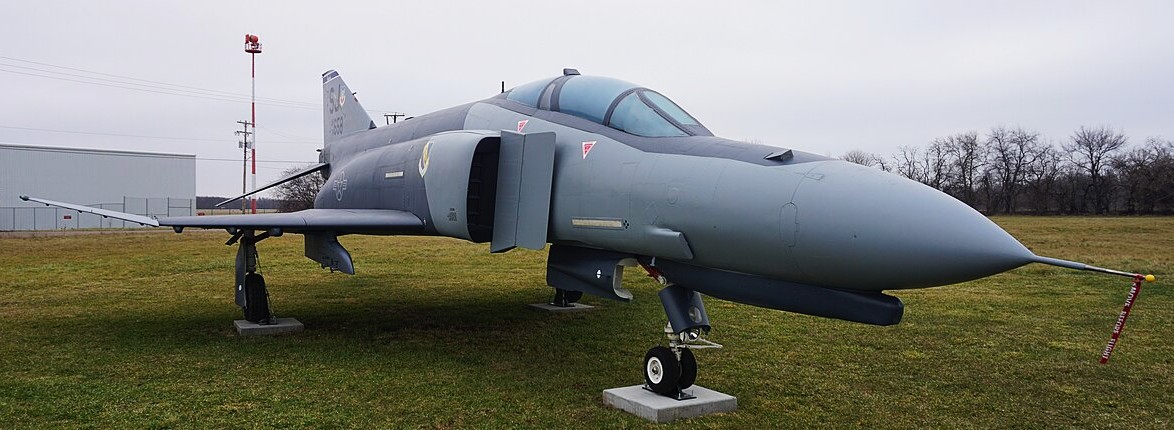
(Michael Barera Photos)
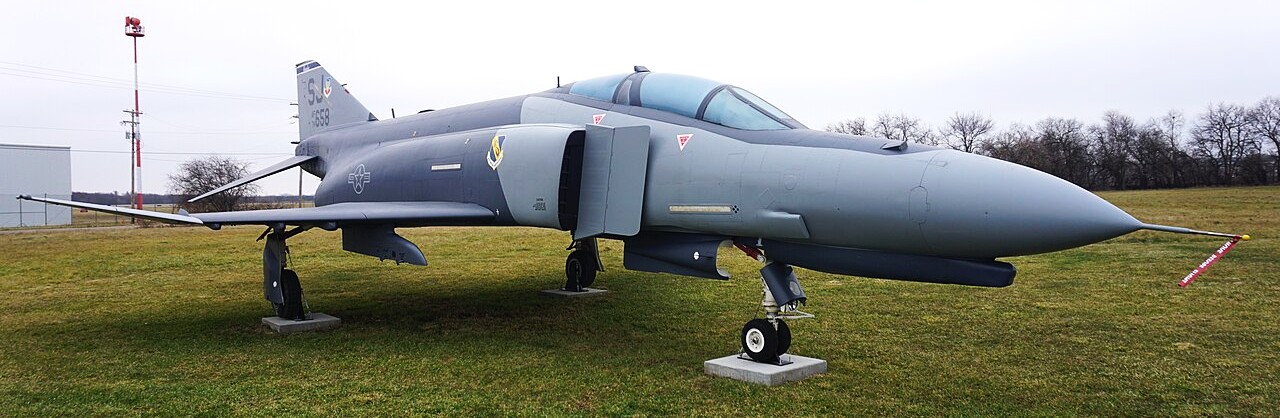
McDonnell Douglas F-4E Phantom II, USAF (Serial No. 74-0658), Manufacturer’s Serial No. 4809. Twin engine, two seat (tandem) supersonic jet fighter bomber.
(Michael Barera Photos)
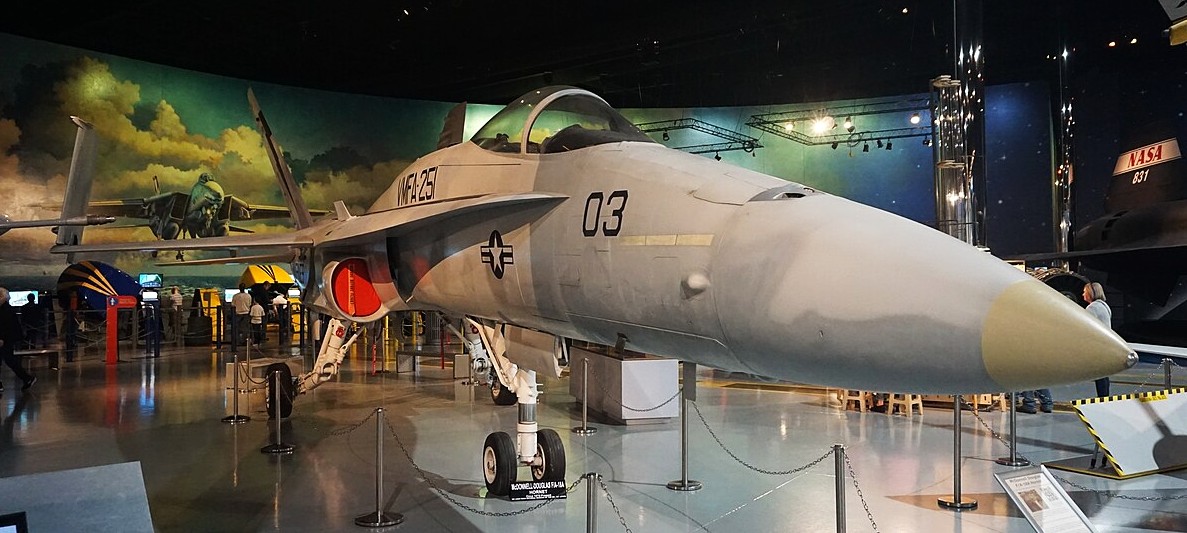
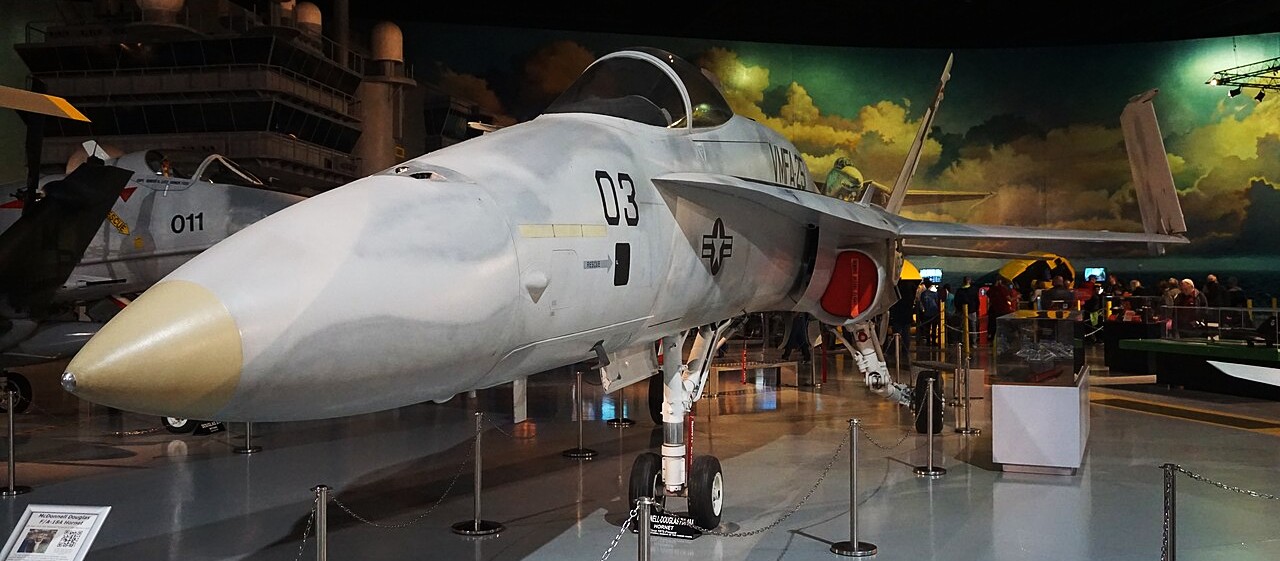
McDonnell Douglas F/A-18A Hornet, U.S. Navy (BuNo. 161984). Manufacturer Serial No. 207/A167. Twin engine, single seat, supersonic carrier-based fighter and attack aircraft; served with the U.S. Navy Blue Angels demonstration team 1995-1999; painted as an aircraft assigned to VMFA-251; no engines and afterburner housings installed. On loan from the National Museum of the Marine Corps.
(Michael Barera Photos)
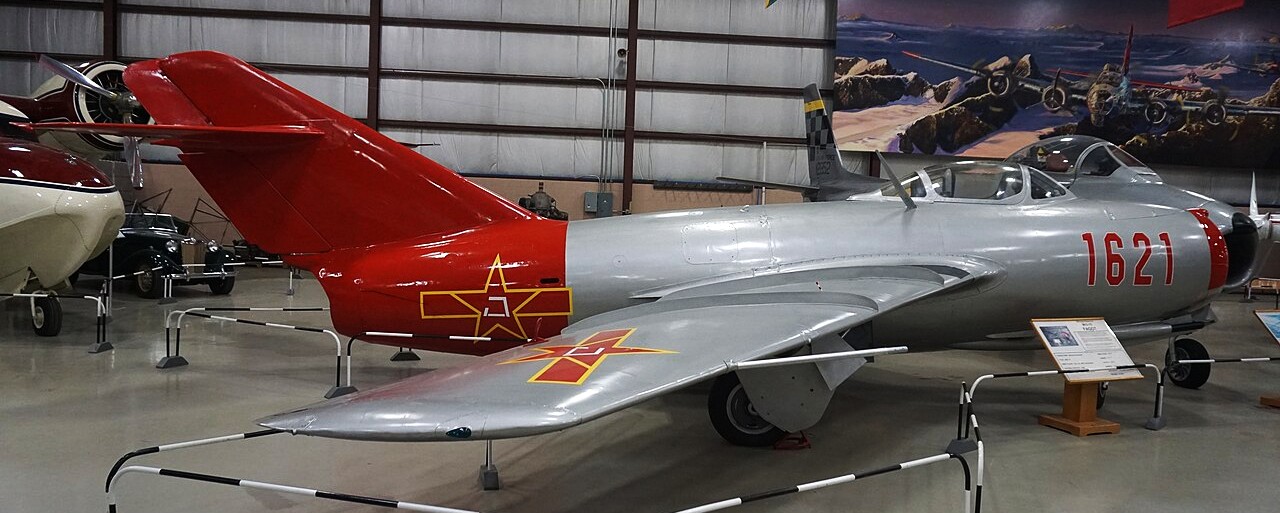
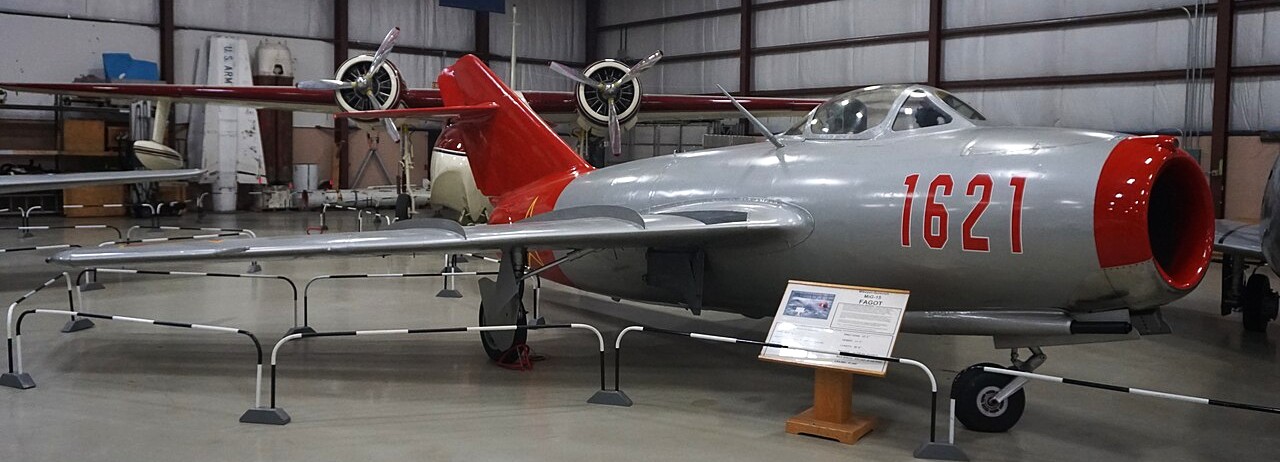
Mikoyan-Gurevich MiG-15 Fagot. Single-seat, single engine, swept wing jet fighter/interceptor; built as a Lim-2 by WSK-Mielec at Poland, construction Serial No. 1B 016-21. To John MacGuire of Santa Teresa, NM, Reg. No. N621BM.
(Michael Barera Photos)
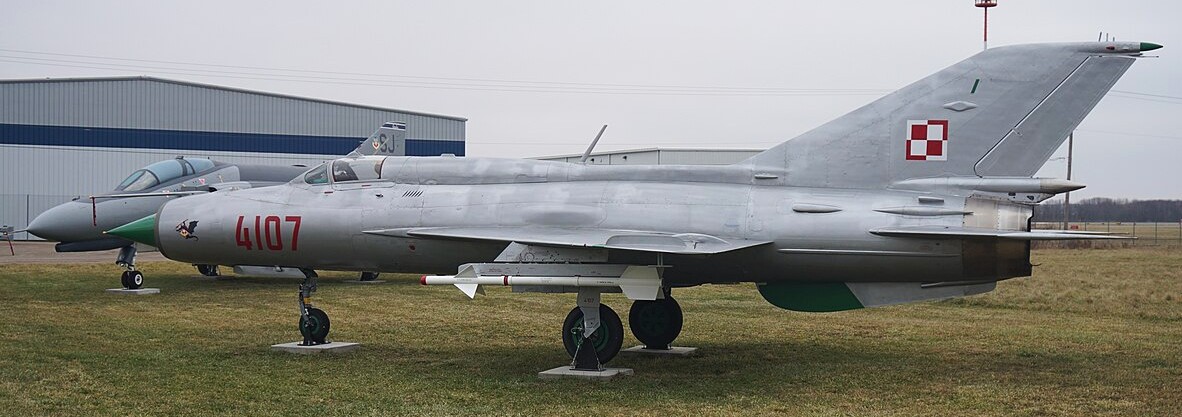
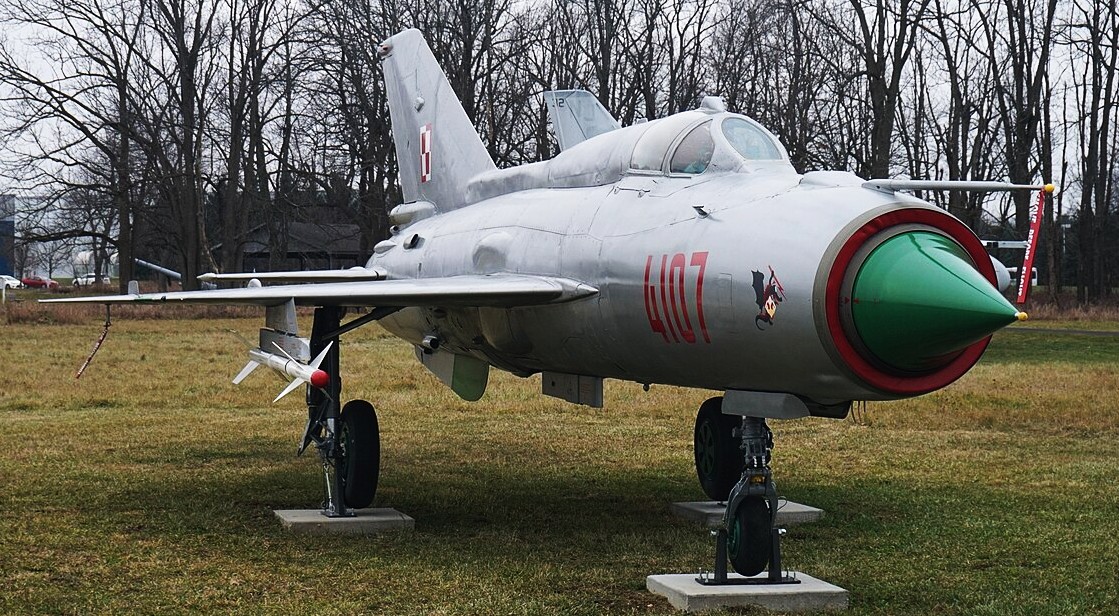
Mikoyan-Gurevich MiG-21PF Fishbed D. Single-seat, single engine supersonic fighter interceptor Manufacturer Serial No. 94A4107.
Mock up, Crew Station Gemini, Spacecraft Test Vehicle. NASM 1954 Cat No. 1968-0579-000 Mockup, Crew Station, Gemini; Used at the Manned Spacecraft Center (now Johnson Space Center) in Houston for crew training in the techniques for in-flight docking with the Agena target vehicle.
(Air Zoo Collection Photo)
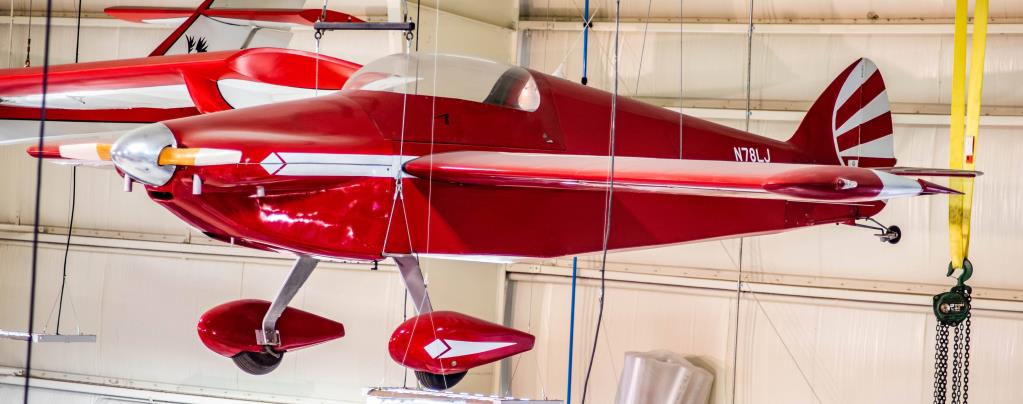
Monnett/Jacobsen Sonerai II. Single-engine, two-seat monoplane designed for amateur construction; Mfg by Leonard R. Jabcobsen with an aviation-modified Volkswagen engine. Red with White Trim. Reg. No. N78LJ; Manufacturer’s Serial No. 104.
(Air Zoo Collection Photo)
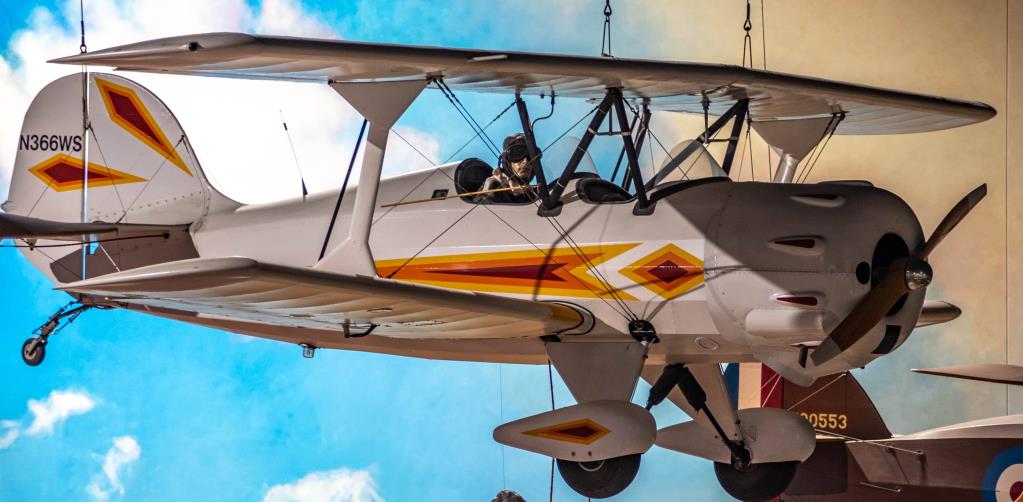
Murphy Renegade Spirit. Single engine, two-seat (tandem), open cockpit biplane designed for amateur construction Civil Registration No. N366WS. Acquired 1998.
(André Gerwing Photo)
(Michael Barera Photos)
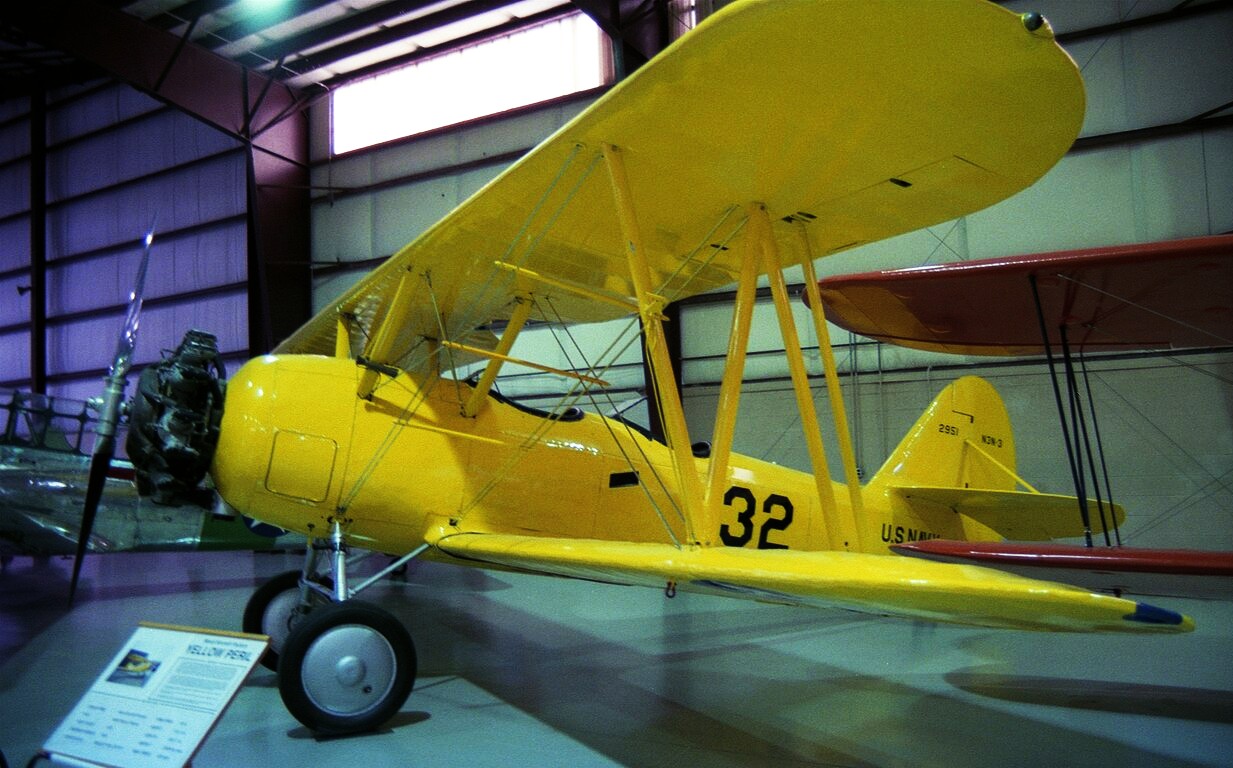
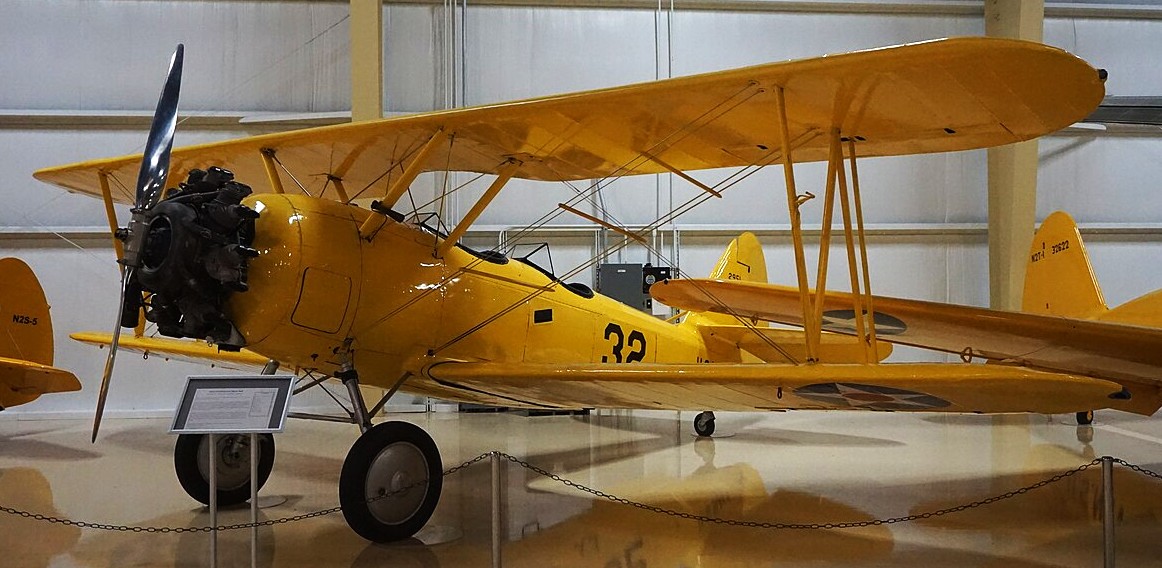
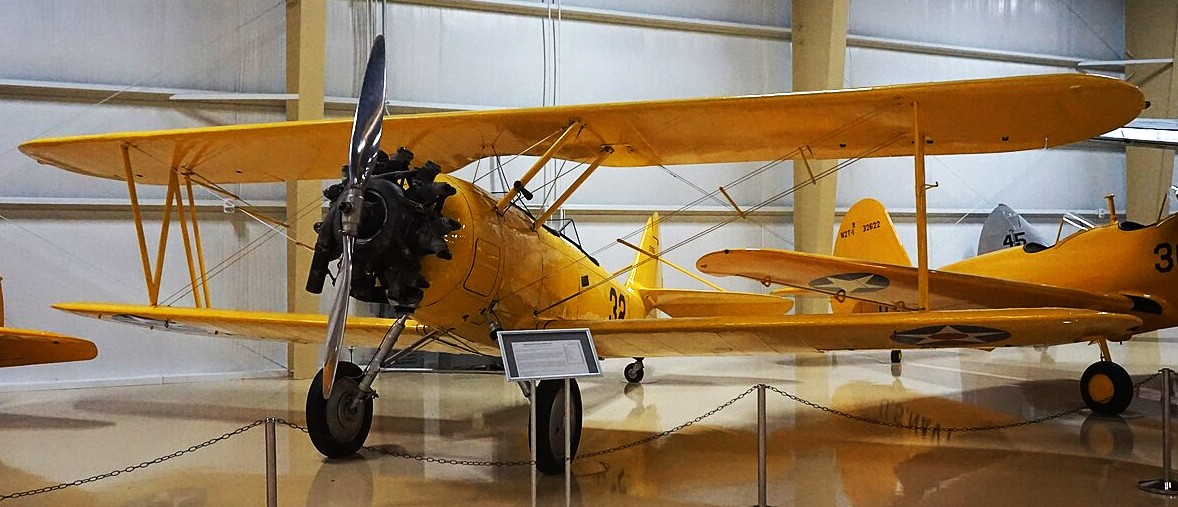
Naval Aircraft Factory N3N Canary. Single engine, two seat (tandem) open cockpit biplane trainer aircraft U.S. Navy (BuNo. 2951). On loan from the National Museum of the Marine Corps.
(Michael Barera Photo)
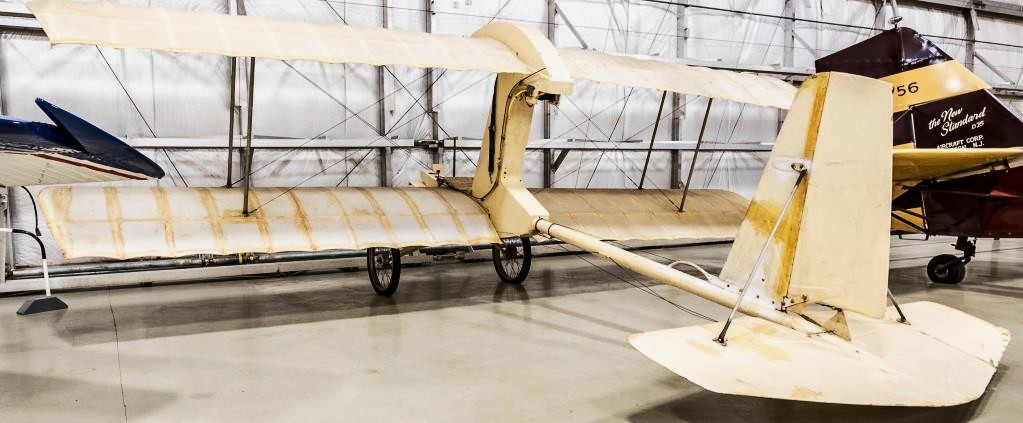
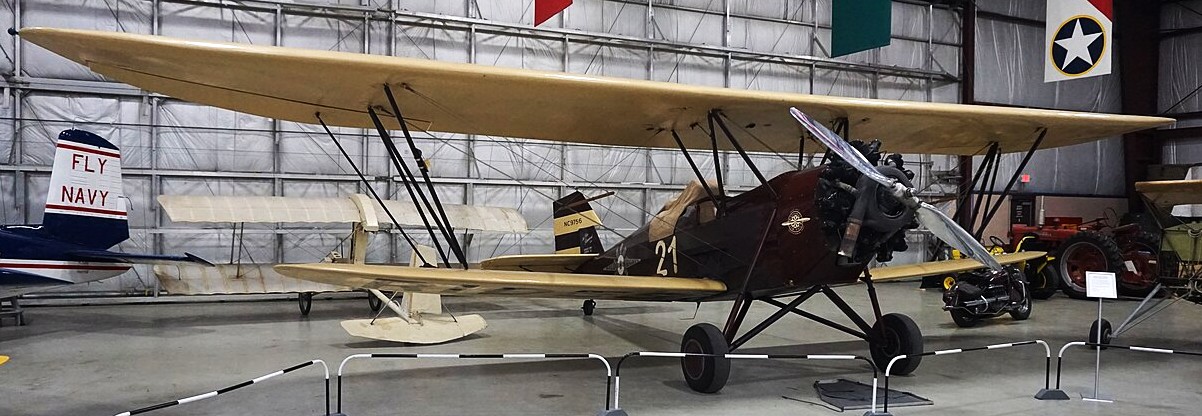
New Standard D-25A
(André Gerwing Photo)
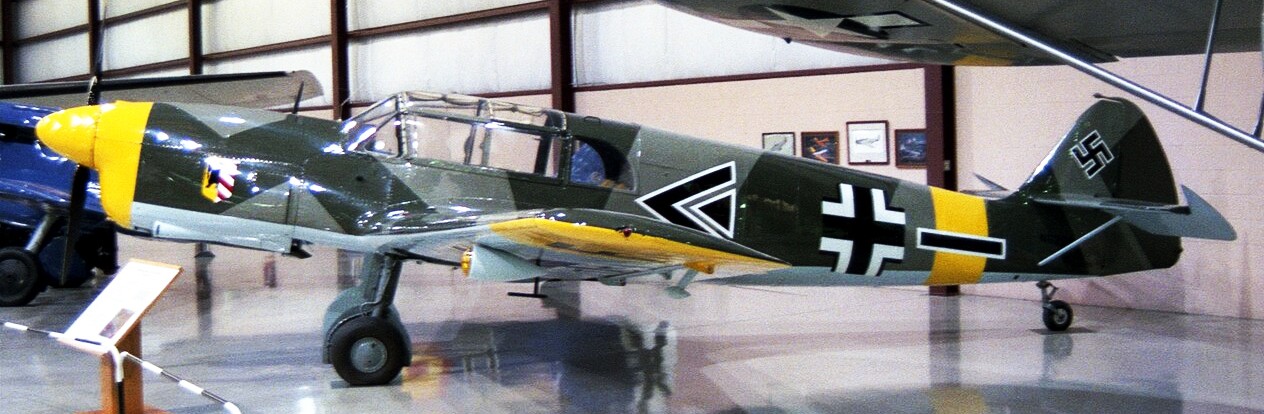
Nord 1002 (c/n 192), Reg. No. N525R, coded <<+-.
(André Gerwing Photo)
(Michael Barera Photo)
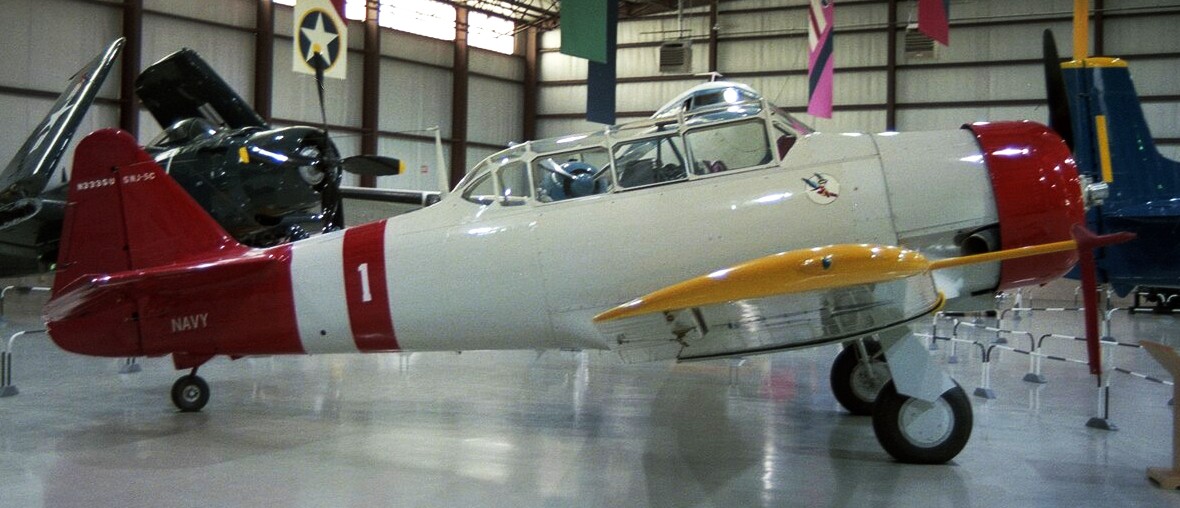
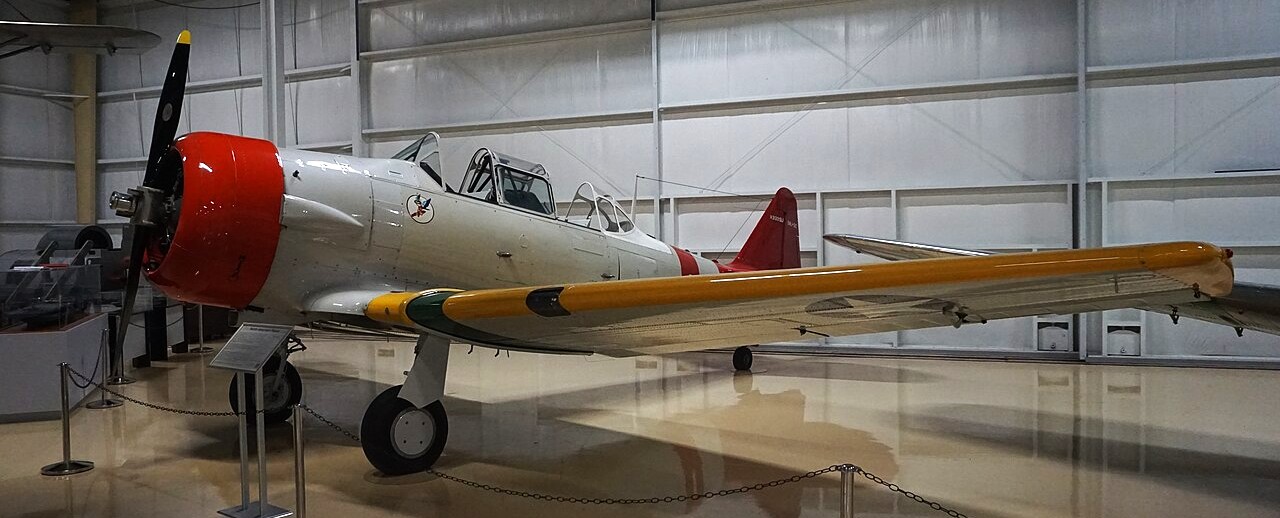
North American SNJ-5C Texan USAAF (Serial No. 44-81219); U.S. Navy (BuNo. 91005; Civil Reg. No. N333SU. Single engine, two seat (tandem) all-metal monoplane training aircraft; ordered by the USAAF but transferred to the U.S. Navy in 1944/45 and modified as a carrier landing trainer; purchased by Susanne Parish in 1976.
(Michael Barera Photos)
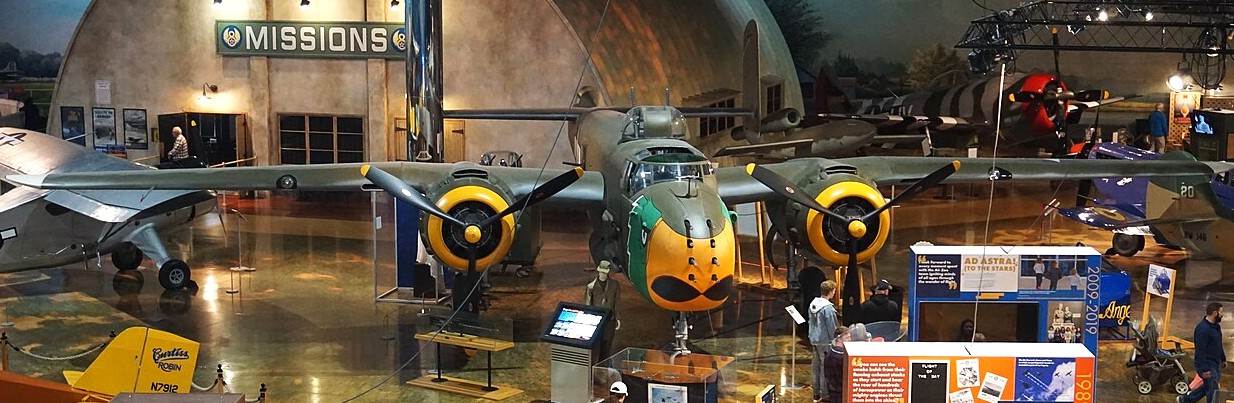
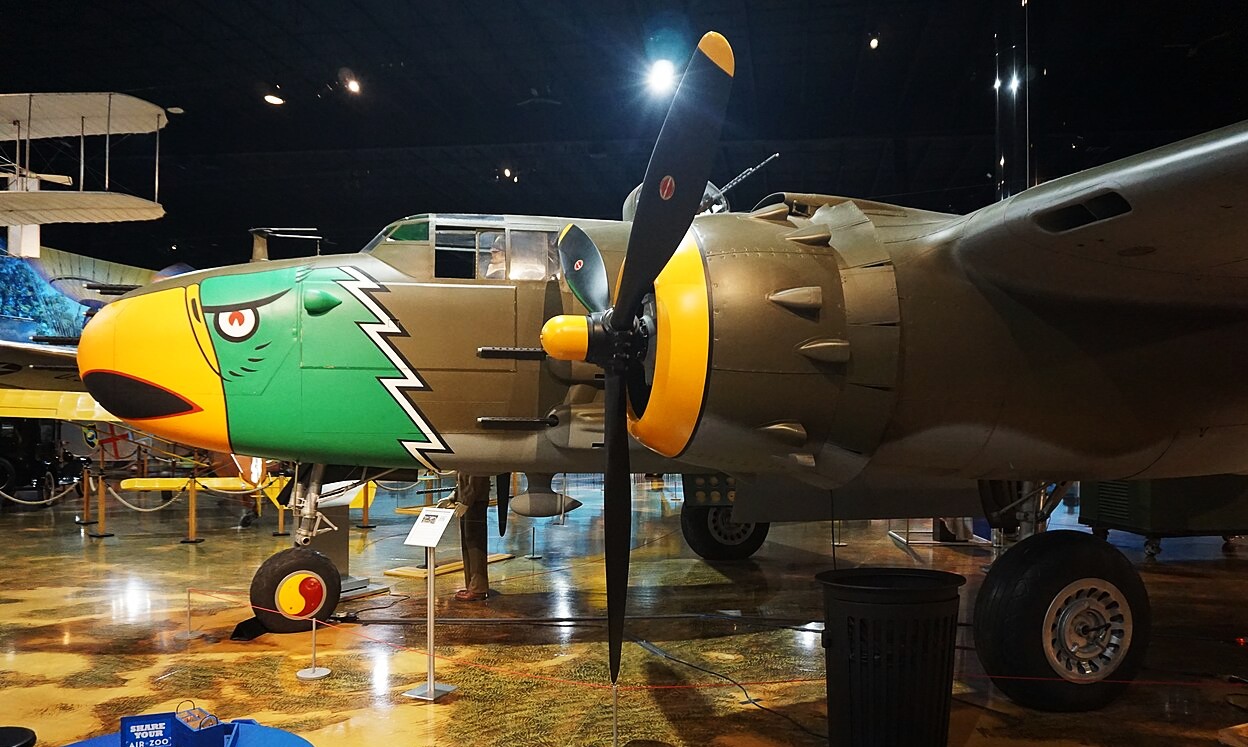
North American B-25H Mitchell. USAAF (Serial No. 43-4899). Last civil Reg. No. N37L. Twin-engine monoplane medium bomber and attack aircraft, North American B-25 Mitchell. This aircraft is restored in the markings of a B-25J assigned to the 498th Bombardment Squadron, 345th Bombardment Group circa 1944-45.
This aircraft was built as a B-25H-10 and delivered to the U.S. Army Air Force in May 1944 as USAAF serial no.43-4899. From there it was assigned to a replacement pool attached to the 42nd Bombardment Group (M), then based at Puerto Princesa Airfield, Palawan, in the Philippines. There is no record to indicate the aircraft saw combat.
The aircraft returned to the United States near the end of 1944 and assigned to the 1st Motion Picture Production Unit in Culver City, CA. It was reconfigured as a TB-25H training aircraft before being delisted and moved to the Reconstruction Finance Corporation (RFC) at Atlus Field, OK for sale. 43-4899 survived as an instructional airframe at various trade schools before being purchased by William L. Rausch of Teterboro, NJ with registration N1582V. The aircraft was converted into an executive civil transport in 1953 and operated by Le Franc Corp. of San Francisco, CA from 1955-1959 where it was registered as N37L.
(André Gerwing Photo)
(Michael Barera Photos)
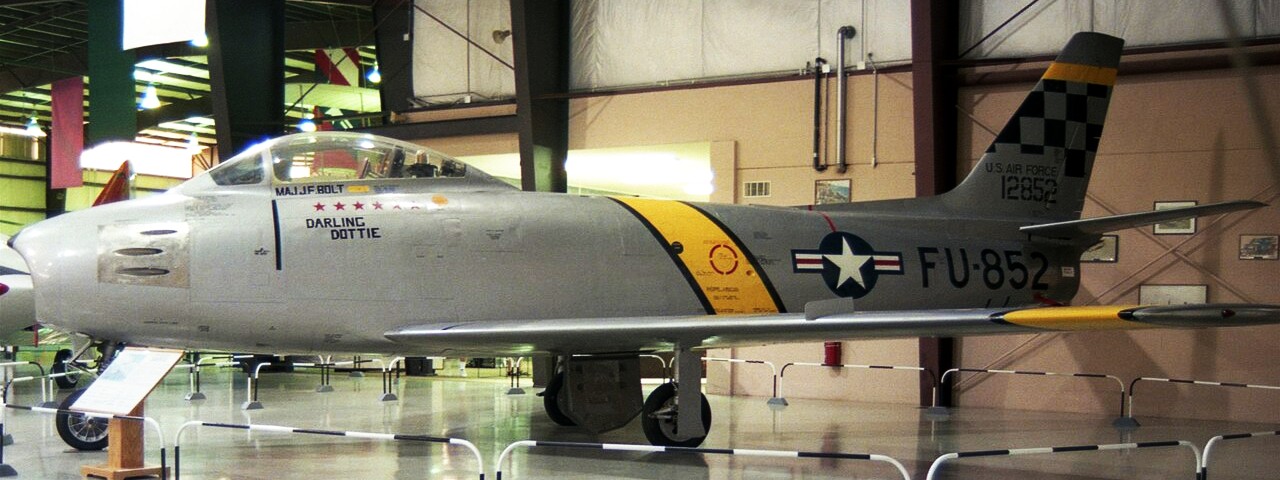
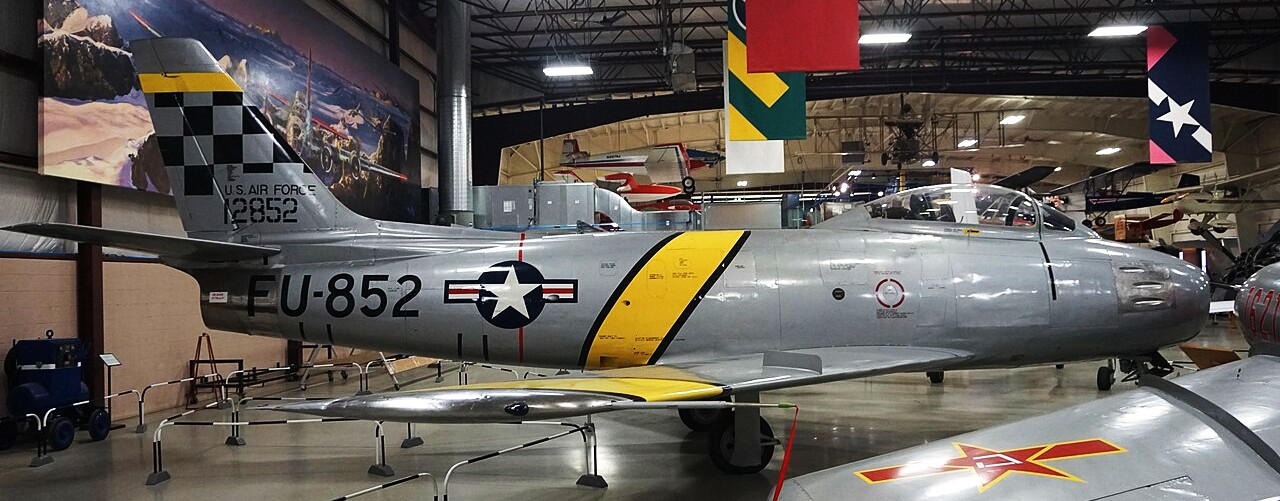
North American F-86F-30 Sabre, (c/n 191-839), USAF (Serial No. 52-5143), painted as (Serial No. 51-2852), Reg. No. N2514, “Darling Dottie“. Single engine, single seat, swept wing all-metal jet fighter aircraft. On loan from the National Museum of the Marine Corps.
(Michael Barera Photo)
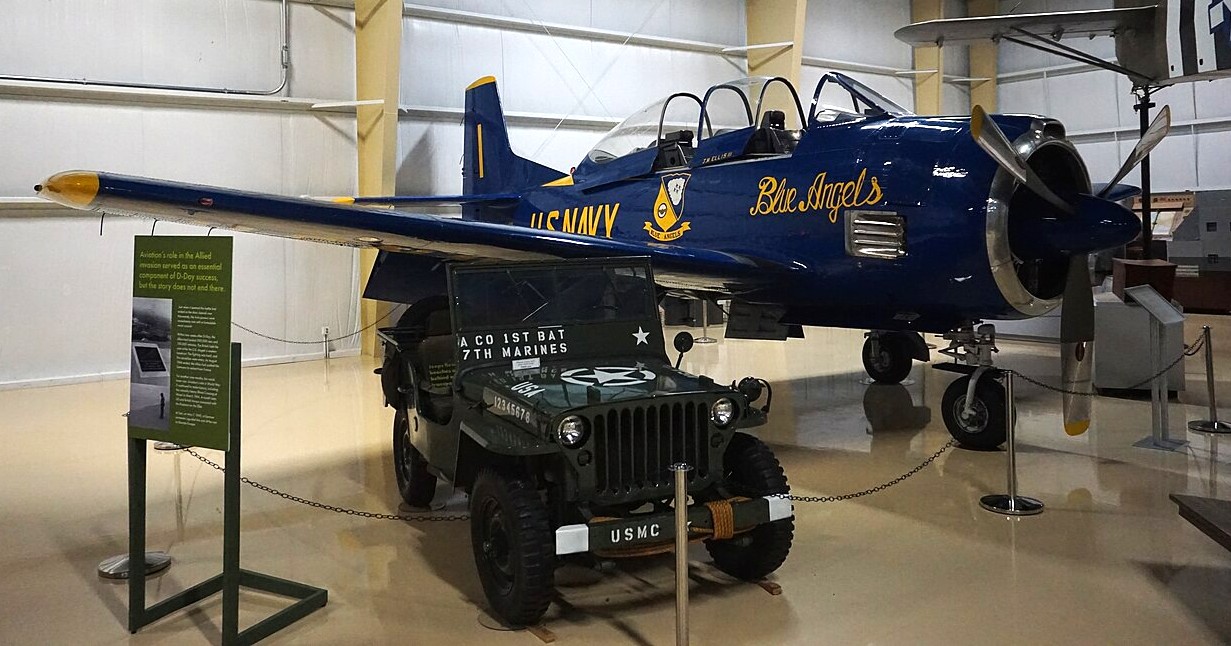
North American T-28 Trojan, USAF (Serial No. 51-7700). Last civil Reg. No. N100JE. Painted in Blue Angels colours. Single engine, two-seat (tandem) all metal training aircraft with tricycle landing gear USAF.
(Air Zoo Collection Photo)
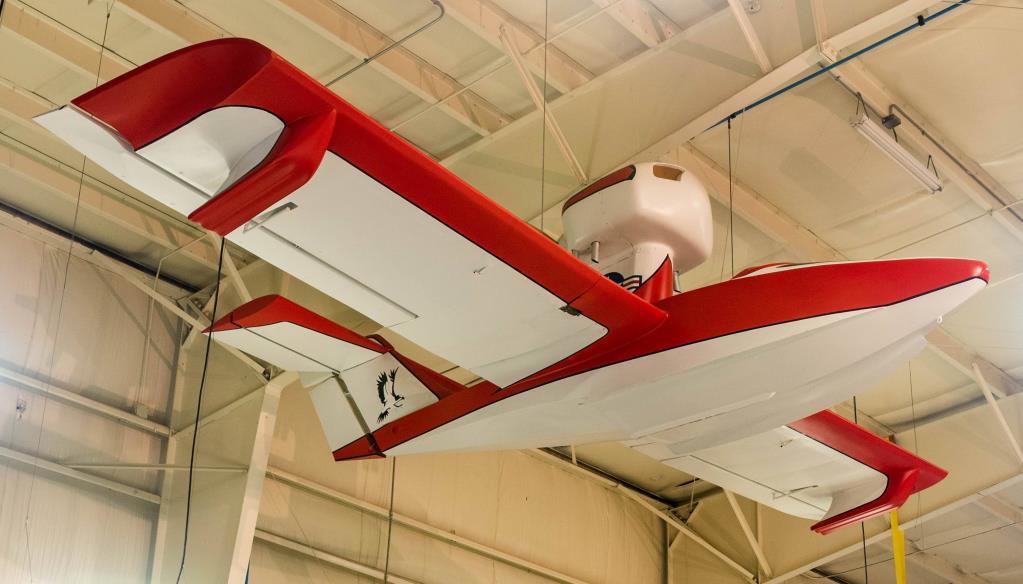
Osprey/Crawford Osprey 1. Single-engine, single-seat flying boat aircraft with high-mounted pod engine designed for amateur construction; destroyed in accident and restored by the Air Zoo Restoration Dept. to resemble the X-28A, an Osprey 1 tested by the U.S. Navy’s Naval Air Development Center in the early 1970s. Last civil Reg. No. N2RC.
(Air Zoo Collection Photo)
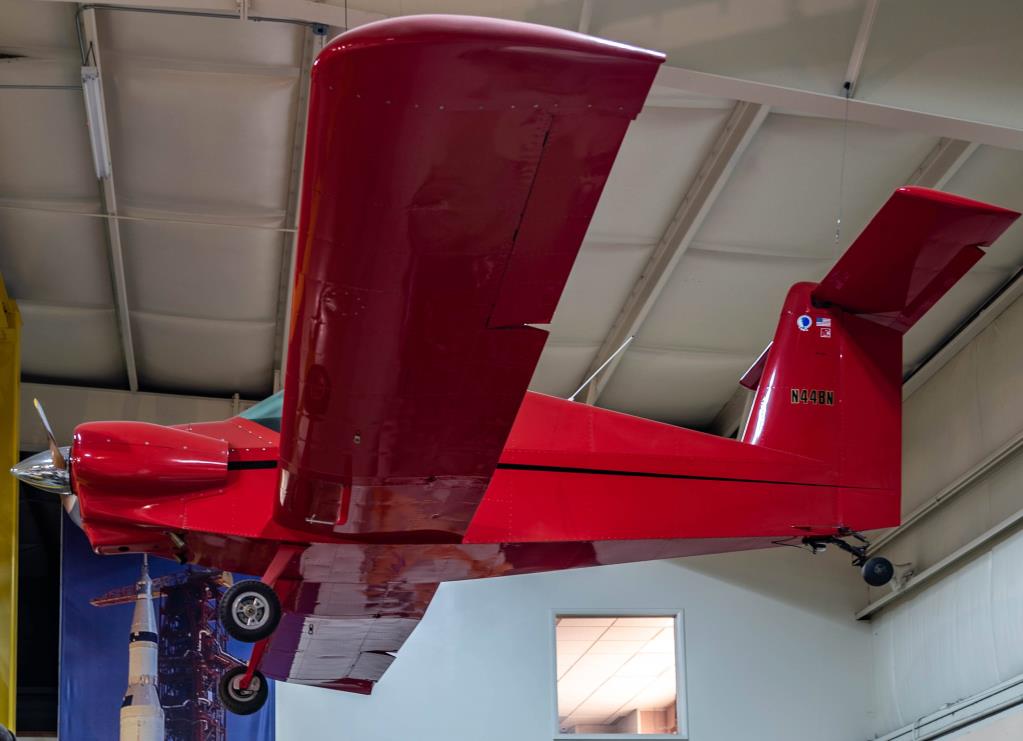
Pazmany PL-4A. Single engine, single seat sport airplane with a low-wing cantilever monoplane designed for amateur construction engine is a Continental C-65 Last civil Reg. No. N44BN. Manufacturer Serial No. 476.
(André Gerwing Photo)
(Michael Barera Photo)
(Air Zoo Collection Photo)
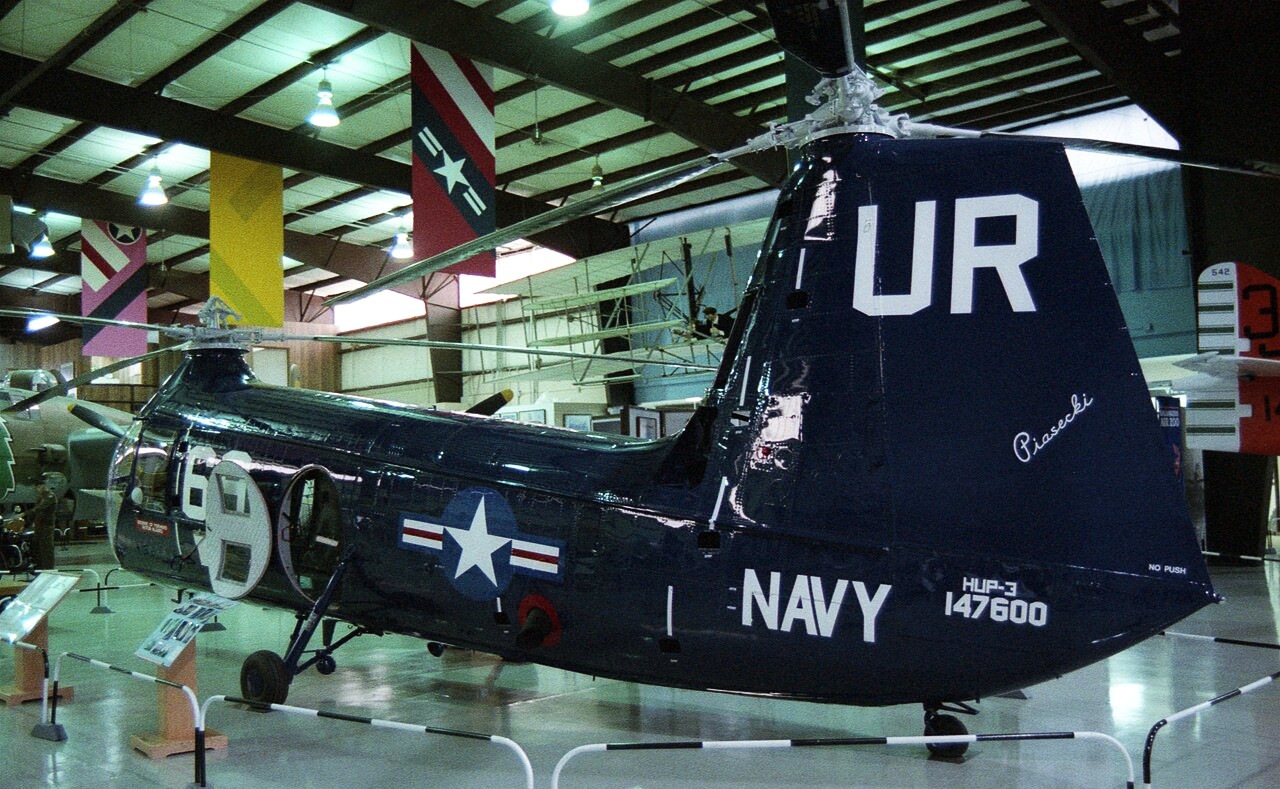
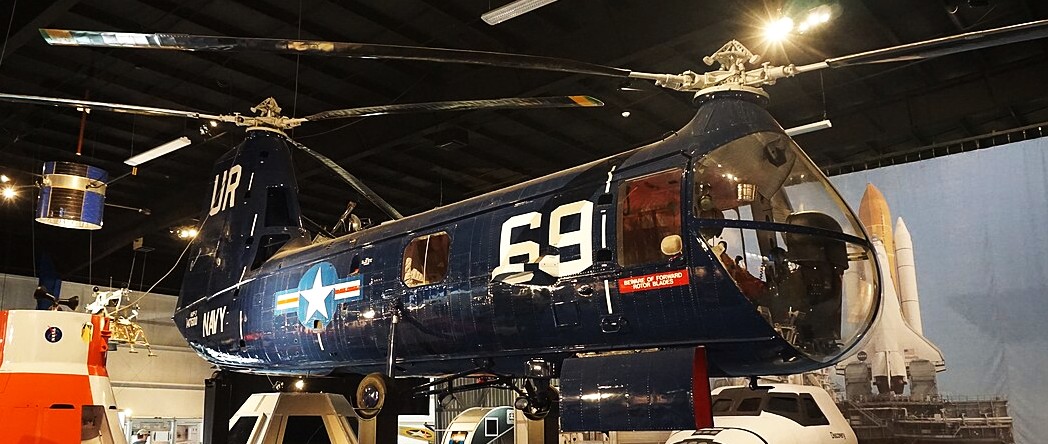
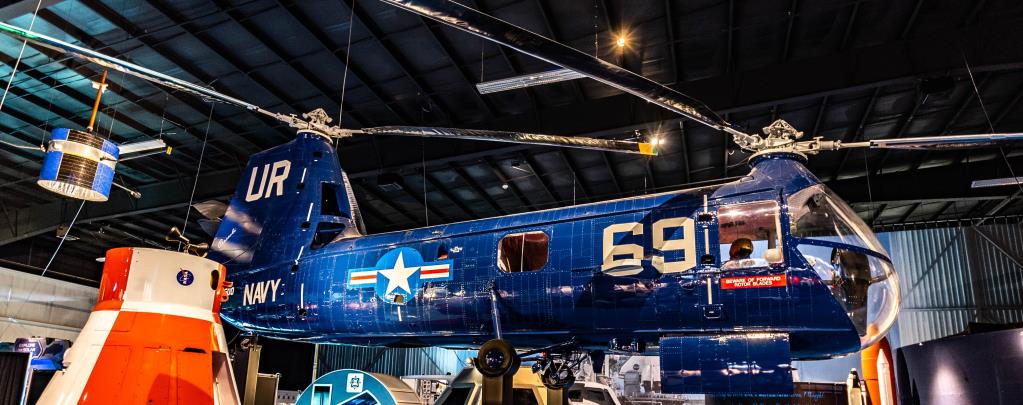
Piasecki HUP-3 Retriever (c/n 36), US Navy (BuNo. 147600), 68, coded UR. Single engine, tandem rotor utility helicopter; this example was ordered by the U.S. Air Force but was delivered to the U.S. Army in 1953 (Serial No. 51-16607). Transferred to the U.S. Navy in 1958.
(Air Zoo Collection Photo)
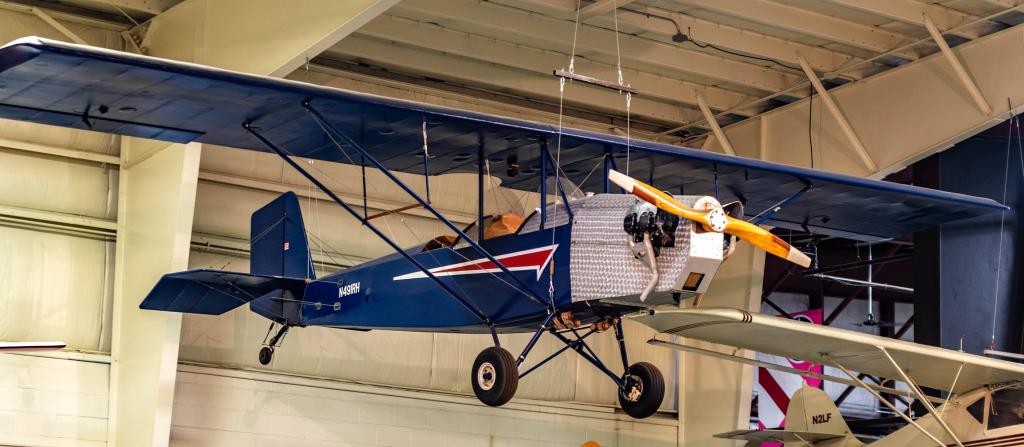
Pietenpol Air Camper. Single engine, single seat parasol monoplane designed for amateur construction this example was built from plans drafted in 1939. Last civil Reg. No. N491RH.
Primate Capsule, Mercury Spacecraft Test Vehicle. NASM 2879.
Piper L-4H Grasshopper
Piper J-3 Cub
(Michael Barera Photos)
(Air Zoo Collection Photo)
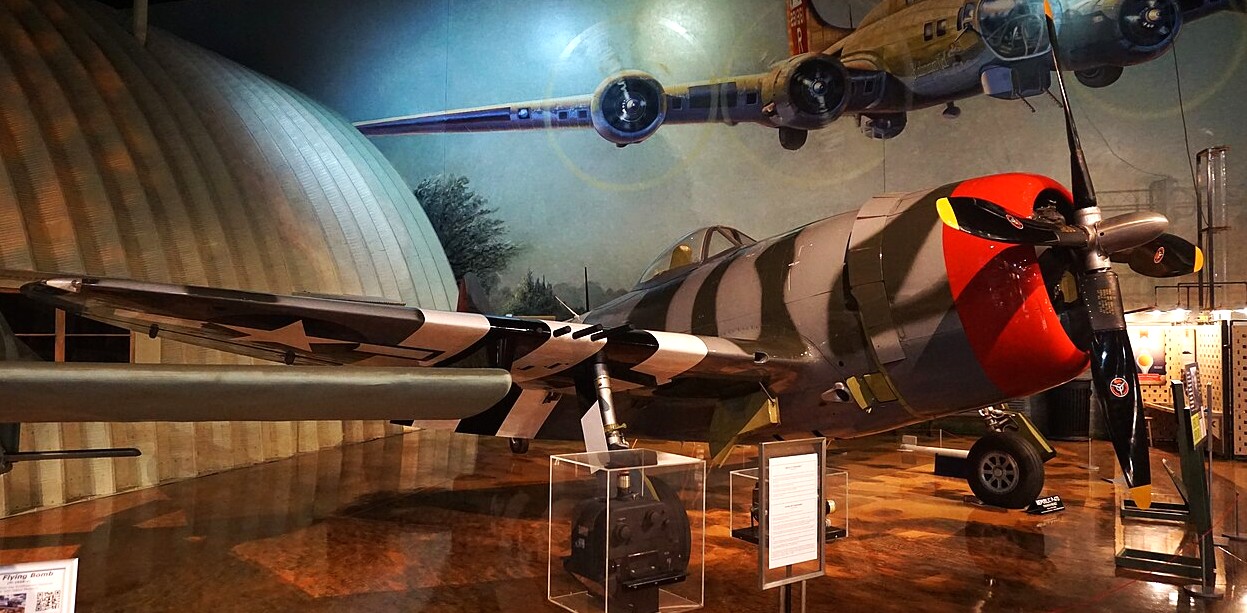
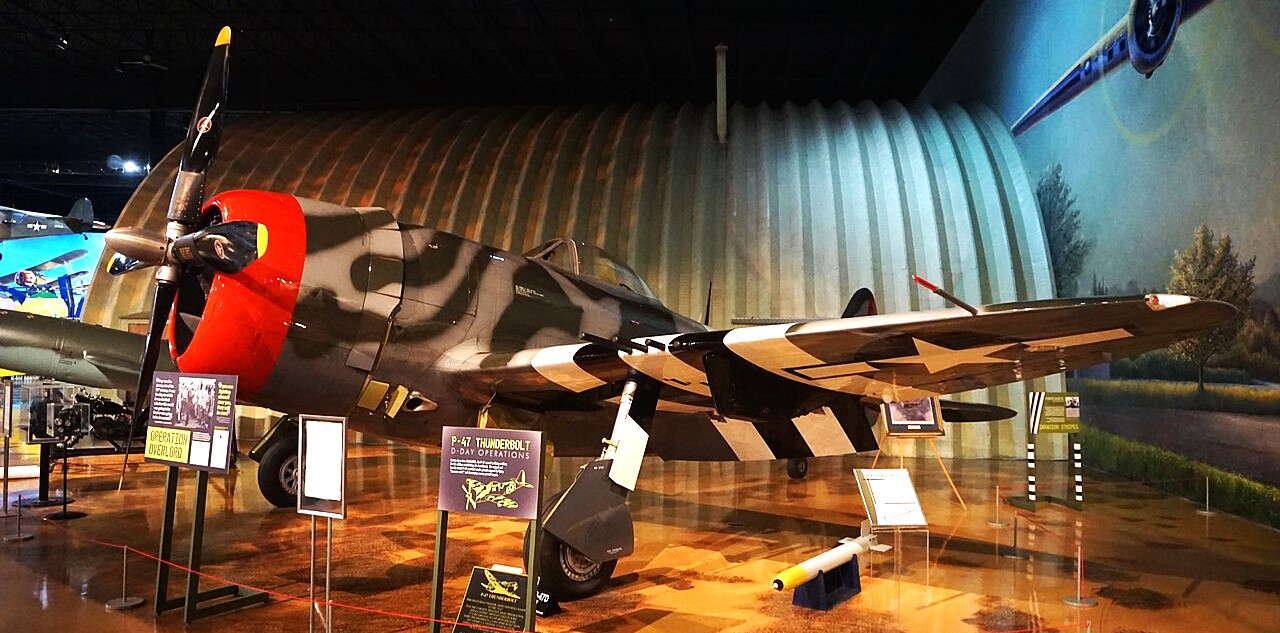
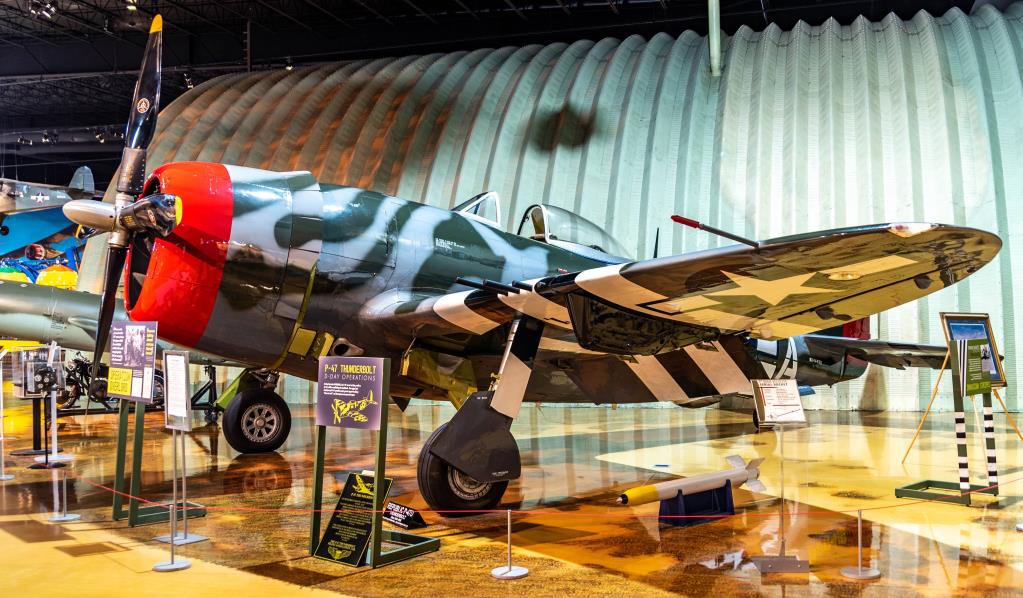
Republic P-47D-40-RA Thunderbolt, construction Serial No. 399-55720; USAAF/USAF (Serial No. 45-49181; last civil Reg. No. N444SU.Large single-engine, single seat low-wing fighter-bomber. This aircraft is restored in the markings of a P-47D flown by USAAF ace Francis S. Gabreski, c.1944.
This P-47 was completed in 1945 at Republic’s Republic at Evansville, IN plant and delivered to the U.S. Army Air Forces as serial no. 45-49181. Initially contracted to TEMCO Aircraft Corp, the aircraft was returned to the U.S. Air Force inventory as an F-47D under the post-Second World War designation system. Records indicate it spent much of its USAF service (1947-1953) at Albrook AFB, Panama. The aircraft was sold in 1953 to the Peruvian Air Force and assigned number 115 FAPe.
In 1969, it was purchased by Ed Jurist of Vintage Aircraft International and brought to Texas. An unknown wing of the Confederate Air Force (today the Commemorative Air Force) reassembled the aircraft and flew it in 1972 with the registration N47DC. The CAF sold to the aircraft to David C. Tallichet of Yesterday’s Air Force in Chino, CA in 1975 who in turn sold it to Lester Friend. During this time the aircraft was registered as NX159LF (1979). The aircraft was next purchased by Air Zoo co-founder Preston S. “Pete” Parish, registered one final time as N444SU, and then donated to the Air Zoo in 1979. A restoration concluded in 1984 which included the aircraft’s current paint scheme.
(Air Zoo Collection Photo)
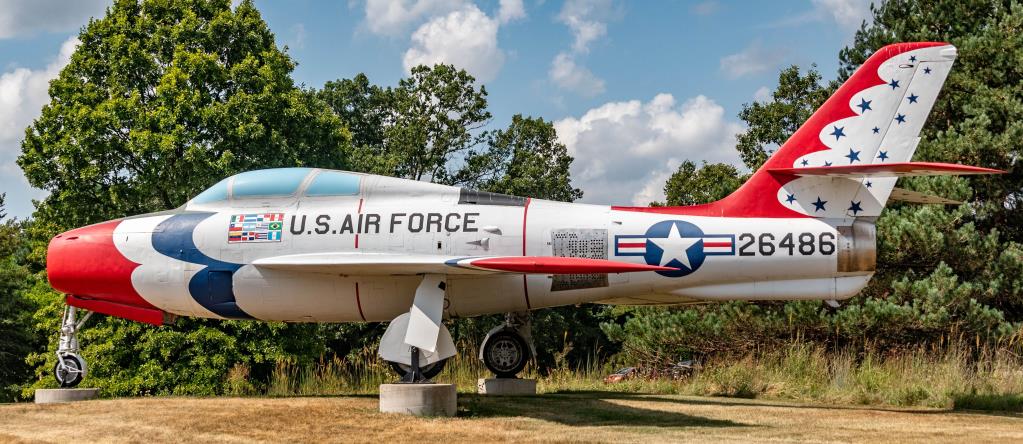
Republic F-84F-35-RE Thunderstreak (Serial No. 52-6486). Single-engine, single-seat swept wing jet fighter-bomber; currently painted in the markings of an aircraft flying the the U.S. Air Force Thunderbirds, c.1955-1956.
(Air Zoo Collection Photo)
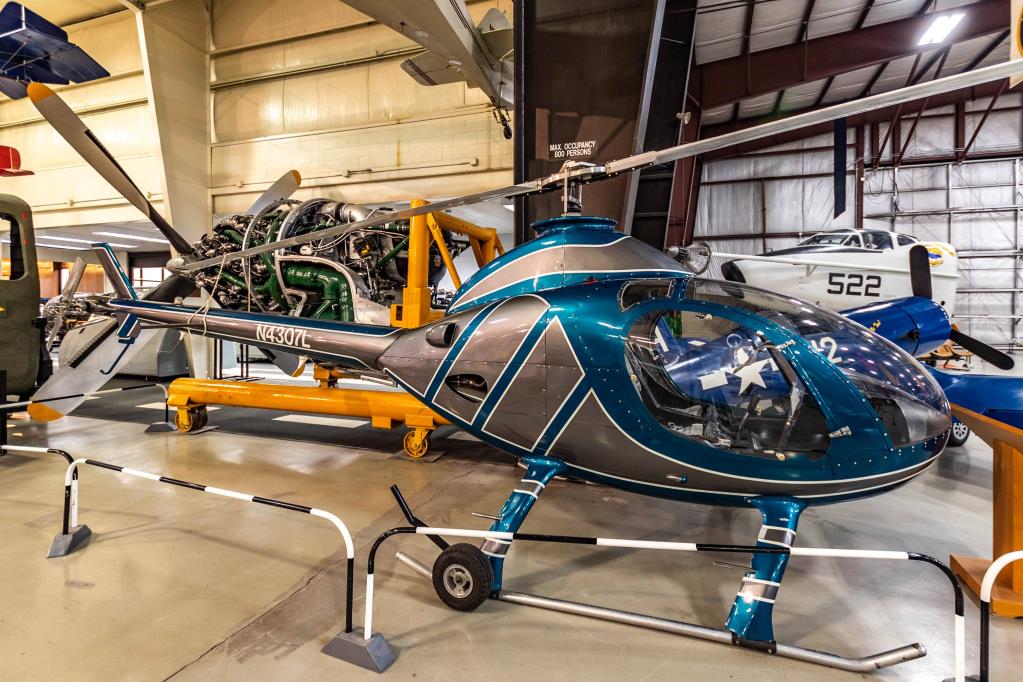
RotorWay Exec 90, Civil Reg. No. N4307L. Two-seat, single engine light helicopter designed for amateur construction as a kit. , Manufacturer Serial No. 81360, Powered by a RotorWay RI-162 engine. Built by the donor in 1990-91 from a kit purchased from RotorWay International.
(Air Zoo Collection Photo)
Rutan VariEze. Civil Reg. No. N8517X; Manufacturer Serial No. 1822. Two-seat (tandem) canard tail-less monoplane with rear-mounted engine designed for amateur/homebuilt construction; main structure is composed of a foam/fiberglass composite construction.
(Michael Barera Photos)
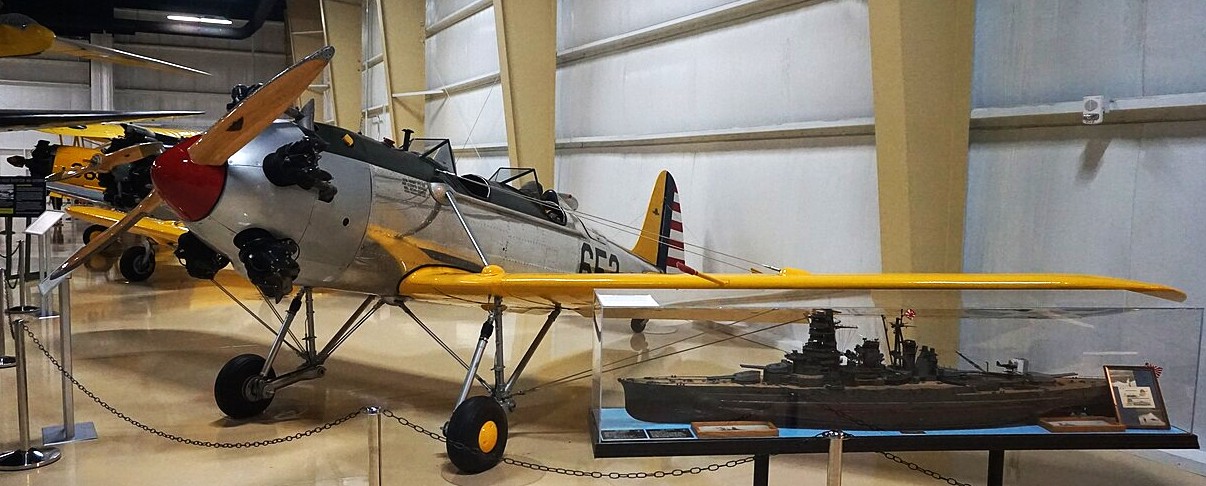
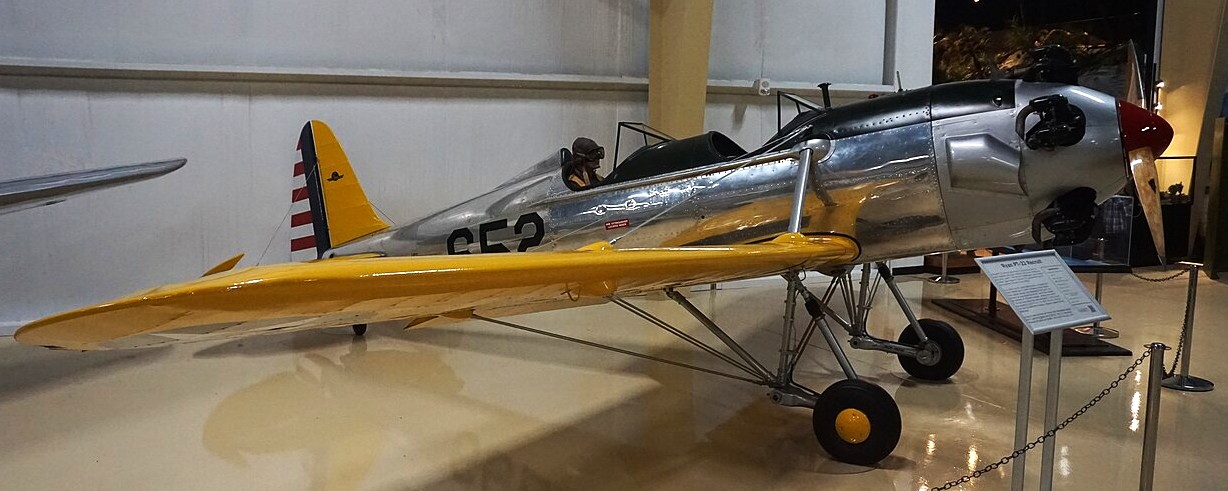
Ryan PT-22 Recruit, USAAF Serial No. 41-20652).Single engine, two seat (tandem), open cockpit monoplane primary flight trainer.
(Michael Barera Photo)
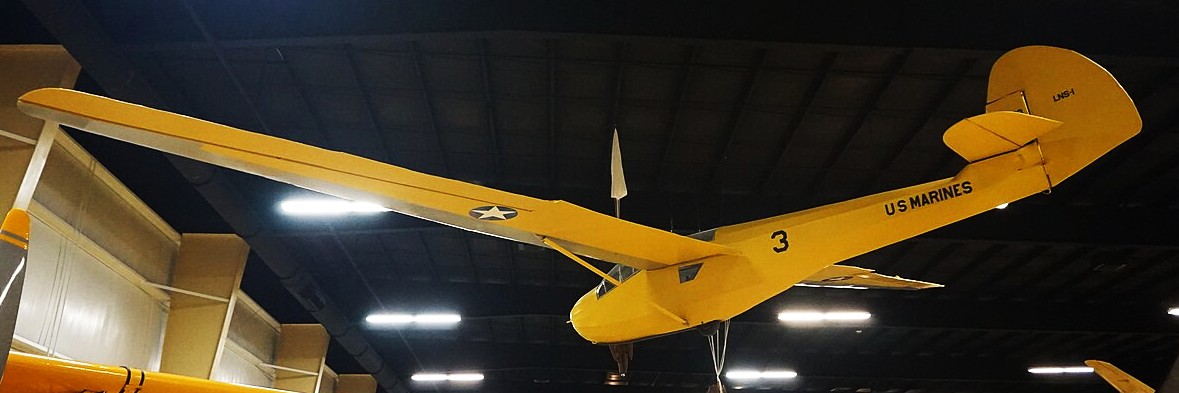
Schweizer LNS-1
(Michael Barera Photo)
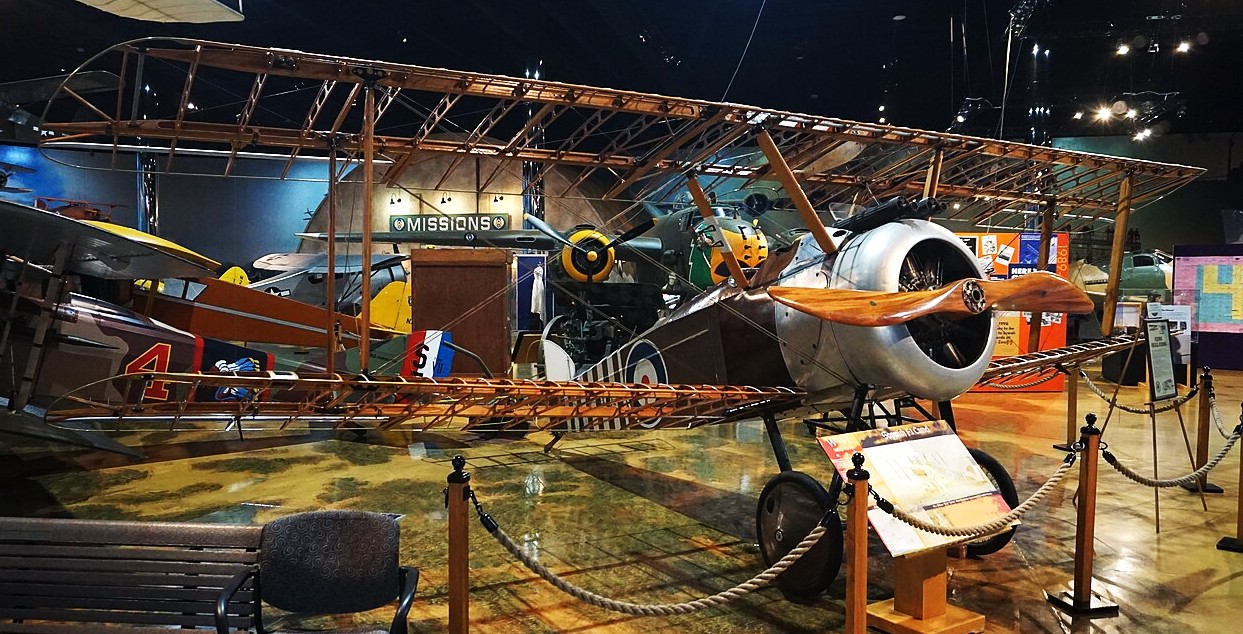
Sopwith F.1 Camel (Replica). Single engine, single-seat, replica of a First World War biplane fighter aircraft incorporating authentic components. Fitted with an authentic Clerget Model 9B rotary engine.
(Jason Zhang Photo)
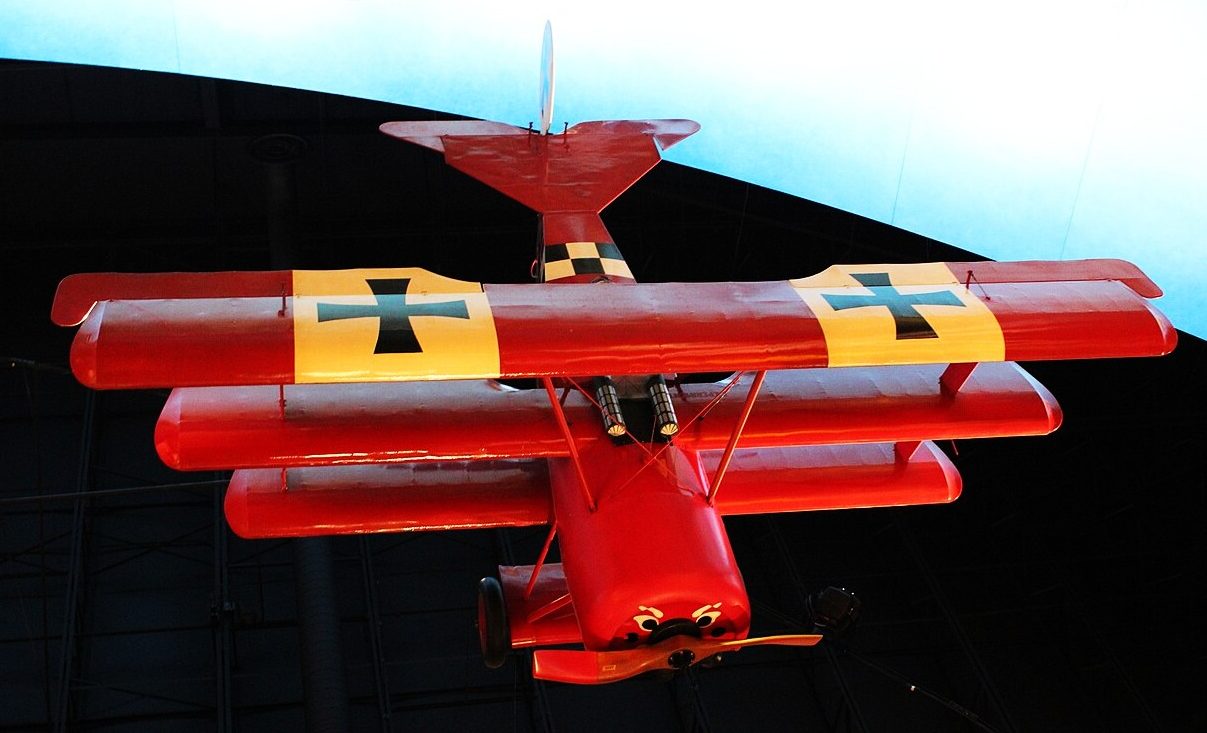
Sorell Dr.I (Replica). Single engine, single-seat 3/4 scale replica of a First World War triplane; modeled on the Fokker Dr.I; built by Hobart C. Sorrell and his sons John, Mark, and Tim in Rochester, WA; serial no. 1; Powered by a Continenal C85-12F engine. Civil Reg. No. N4435C.
(Michael Barera Photo)
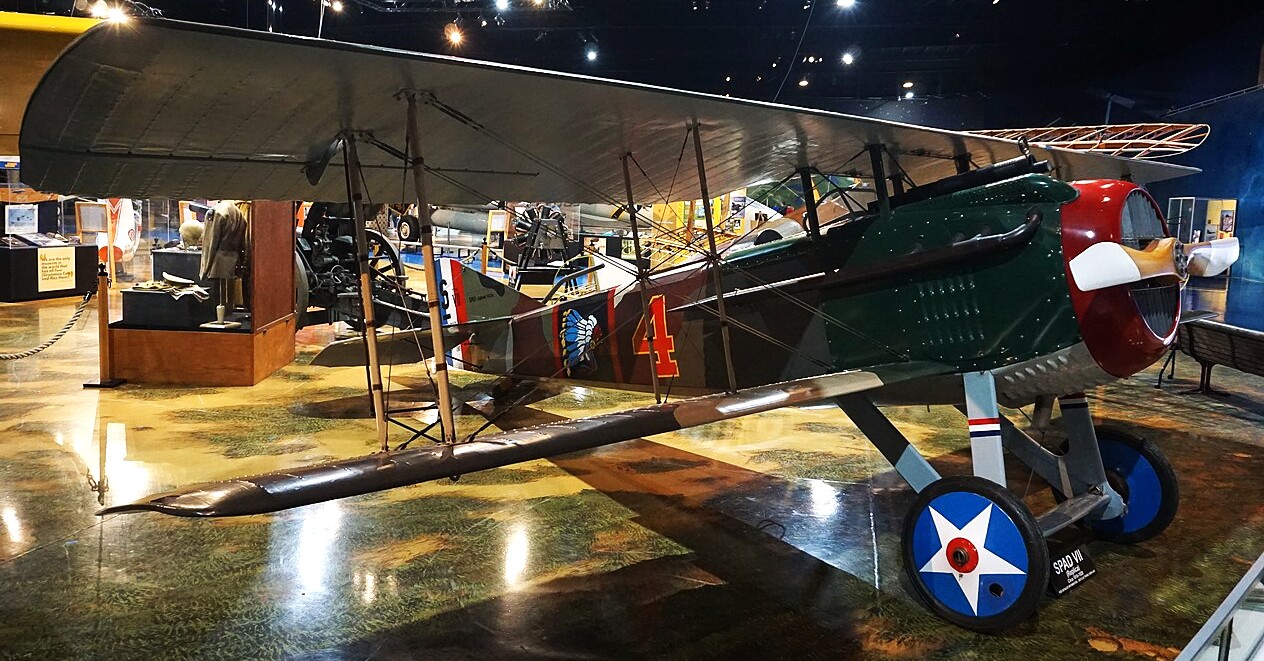
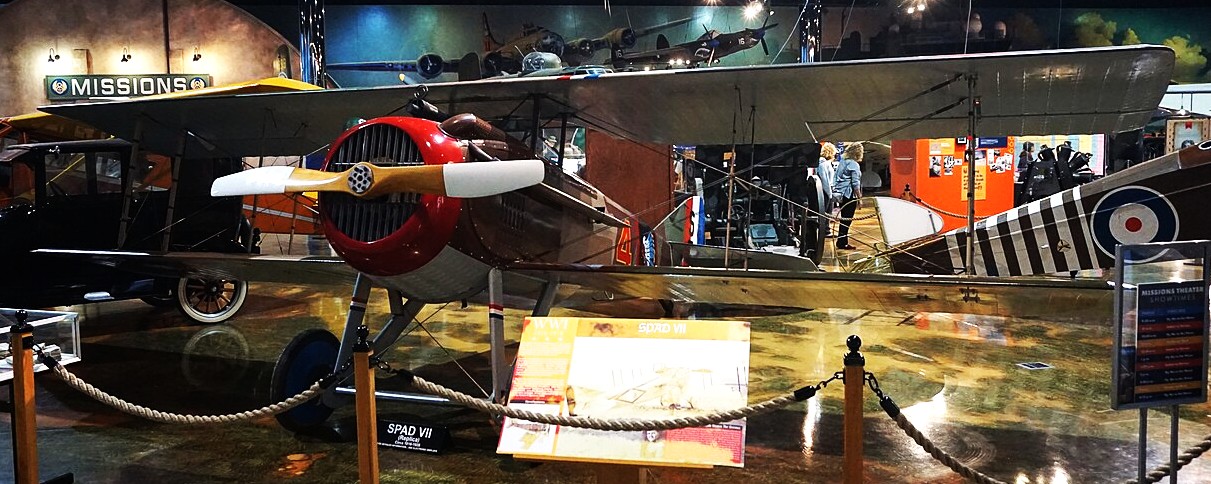
SPAD S.VII (Replica). Single-engine, single seat, open cockpit biplane, replica of a French-built World War I fighter aircraft; original design by Société Pour L’Aviation et ses Dérivés, reproduction by Carl Swanson; fitted with a Lycoming I0-360 SER. Civil Reg. No. N9104A.
Sun Standard G Ratio 4:1 hang glider.
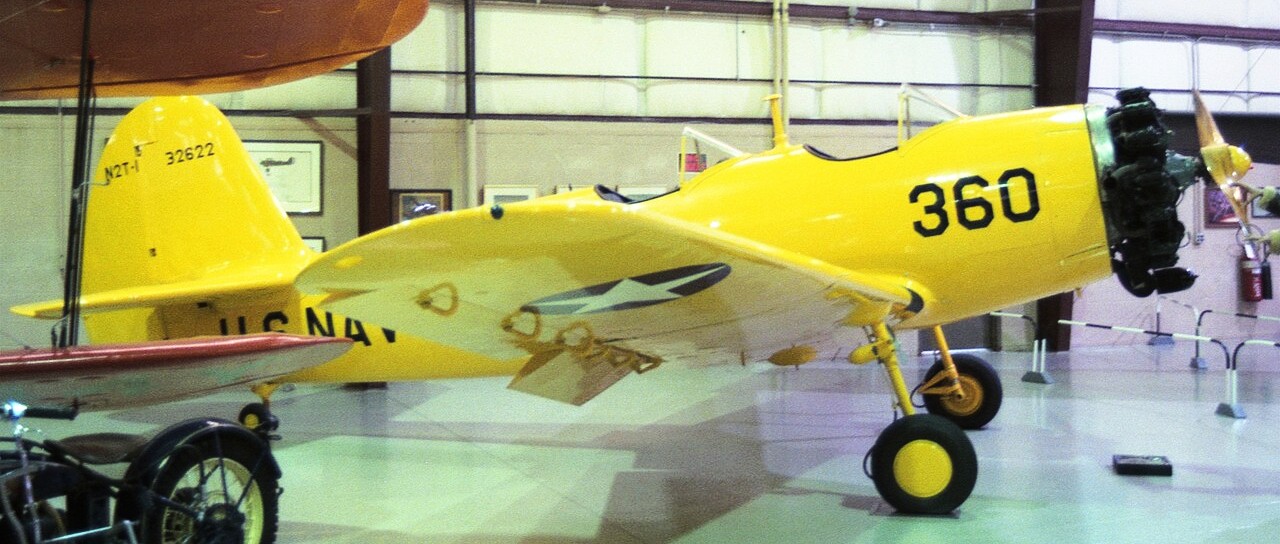
(André Gerwing Photo)
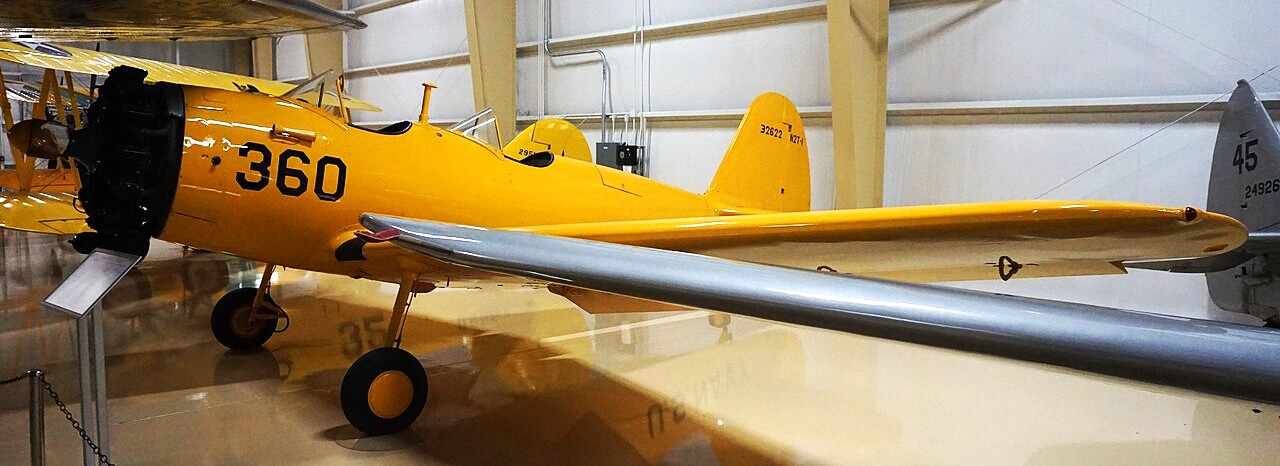
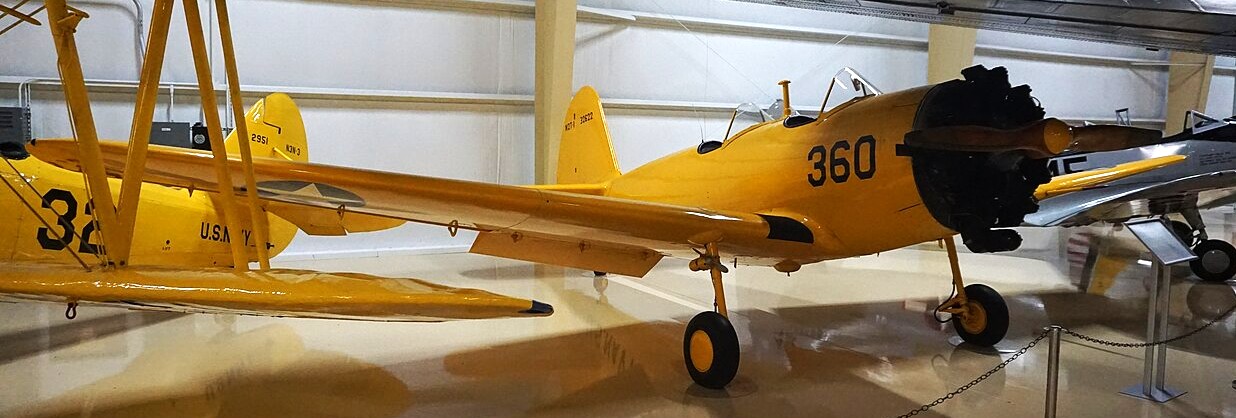
(Michael Barera Photos)
Timm N2T-1 Tutor, (c/n 360), U.S. Navy (BuNo. 32622), coded 360. Reg. No. N66650. Single engine, two seat (tandem) open cockpit monoplane trainer aircraft constructed from a wood/resin composite.
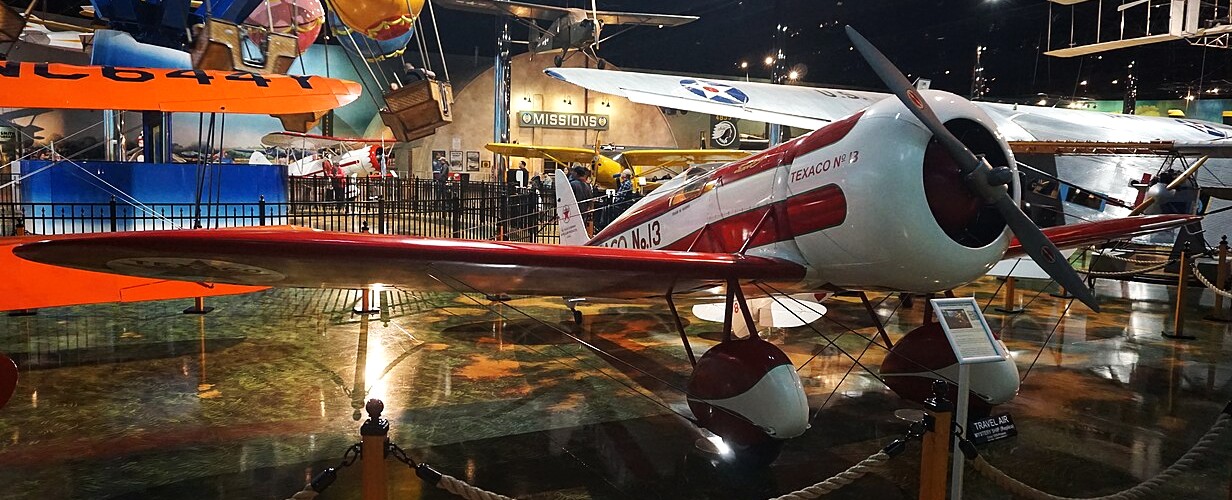
(Michael Barera Photos)
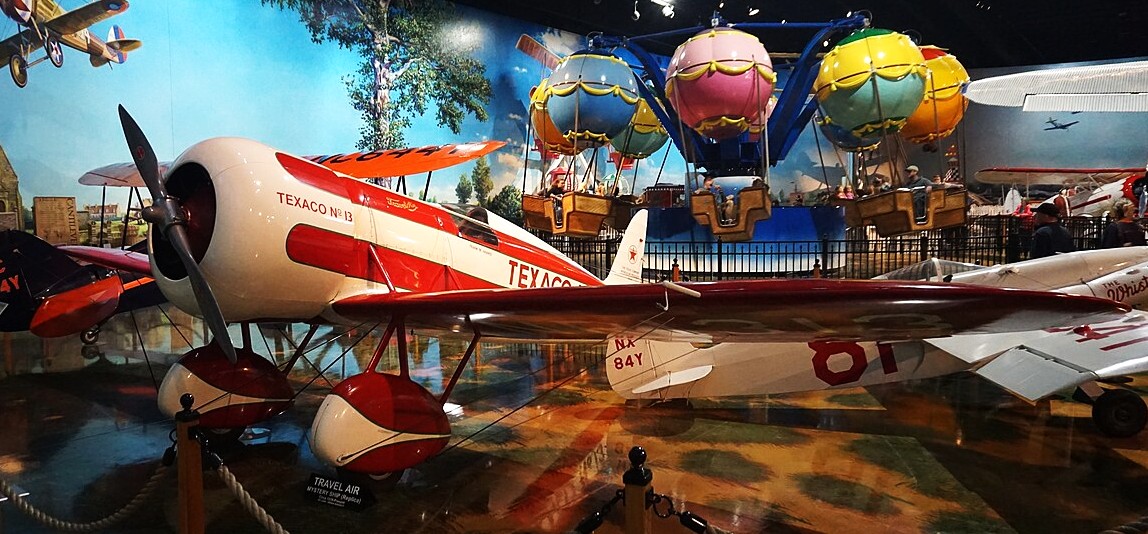
Travel Air Type R Mystery Ship. Full- Size replica of the Travel Air Type R “Mystery Ship” Reg. No. NR1313, as flown by Frank Haws in the 1930 Chicago National Air Races. This aircraft is not complete nor airworthy, but is equipped with a Wright R-975 radial engine and instruments in the panel.
(Michael Barera Photos)
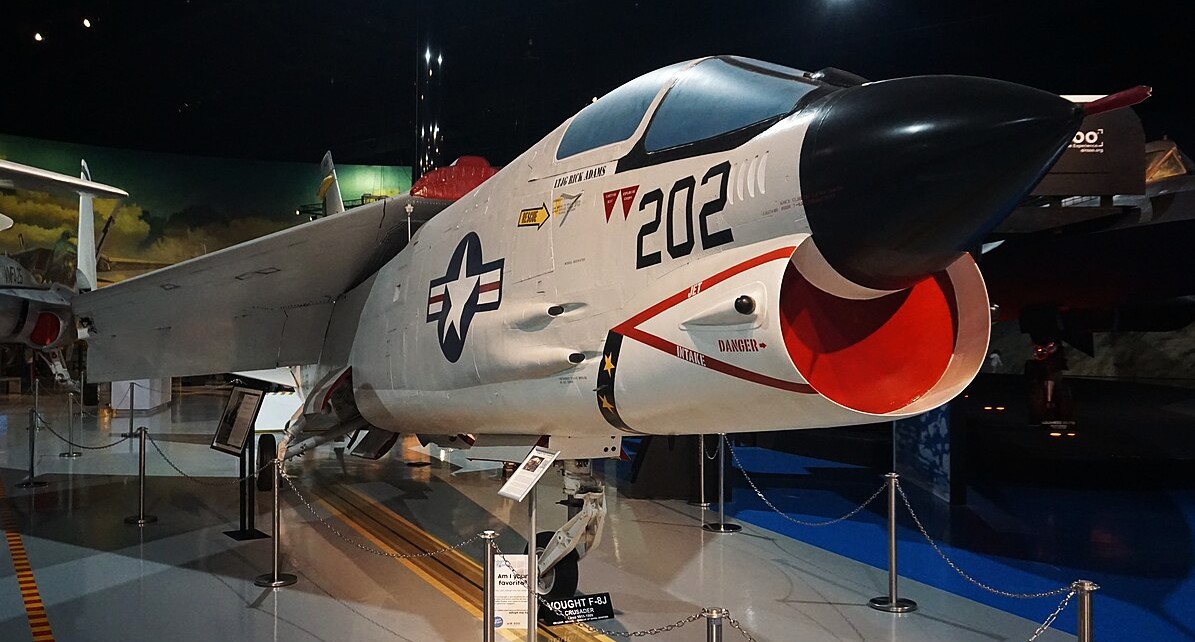
Vought F-8J Crusader, U.S. Navy (BuNo. 150904). Manufacturer’s Serial No. 254E. Painted in the markings of (BuNo. 150908202), coded AH, while assigned to VF-162, an aircraft lost to enemy action, 14 July 19. Single engine, single-seat supersonic carrier-based fighter/interceptor. The entire wing can pivot up or down to assist with low-speed handling at take off and landing; out wing panels fold up for carrier operations; former designation F8U.
(Michael Barera Photos)
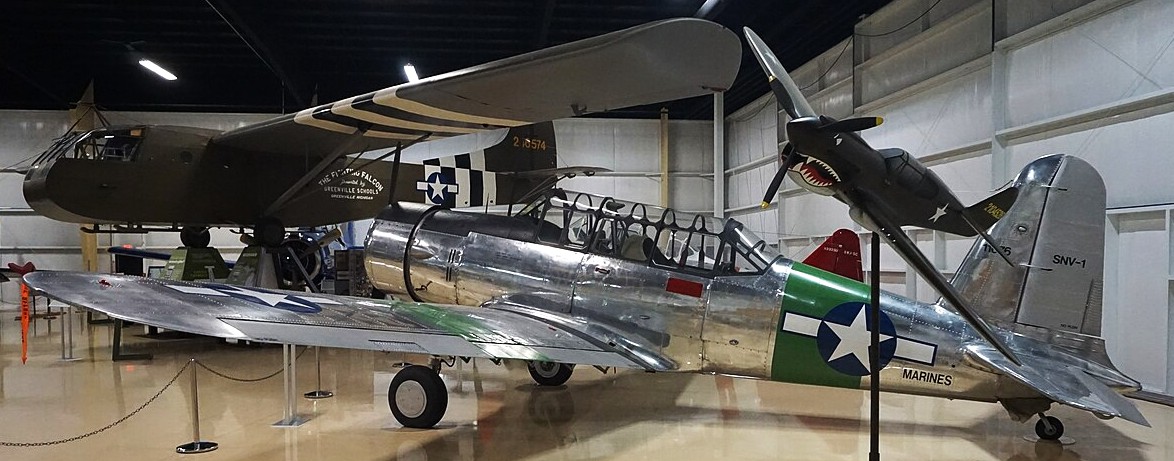
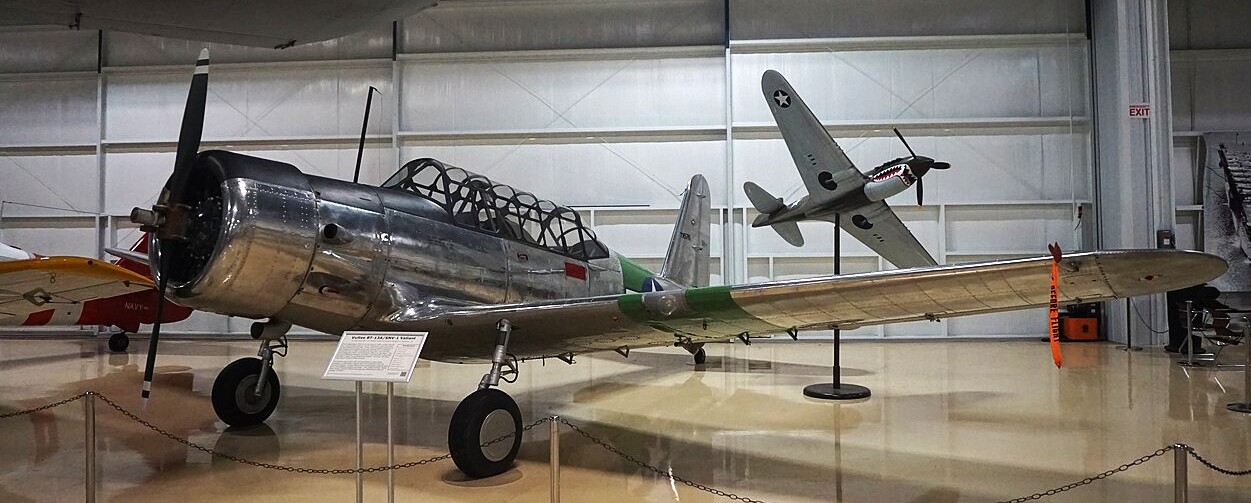
Vultee SNV-1 Valiant, USAAF (Serial No. 41-1676). Single-engine, two seat (tandem) all-metal monoplane primary trainer aircraft, built as a BT-13A. On loan from the National Museum of the Marine Corps.
(Michael Barera Photos)
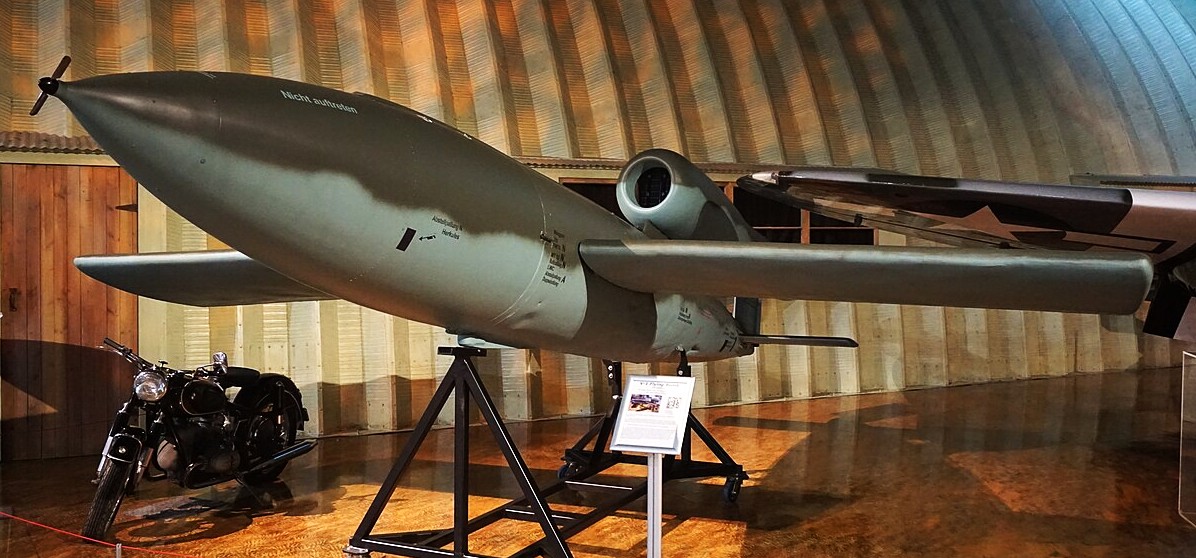
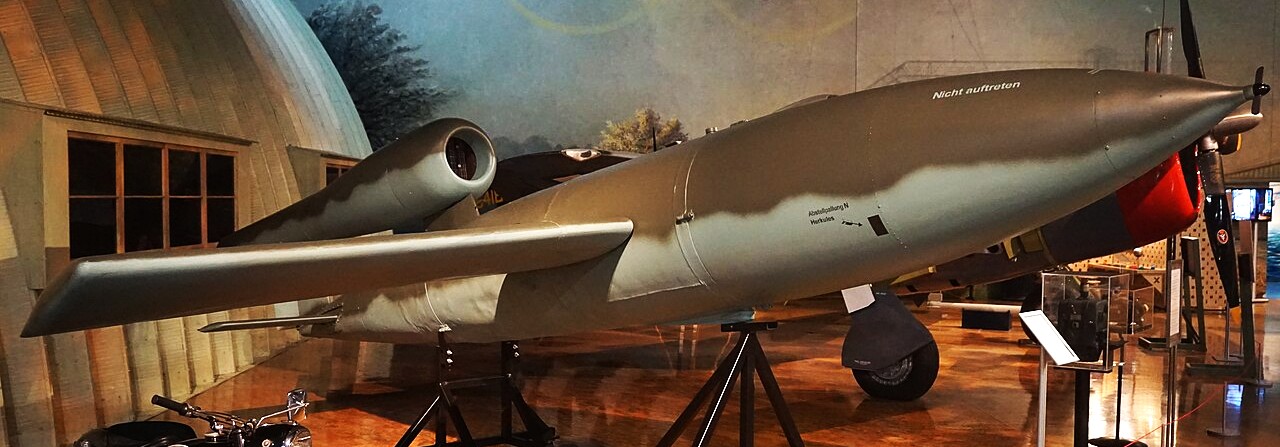
V-1 cruise missile.
V-2 rocket engine combustion chamber.
(Michael Barera Photos)
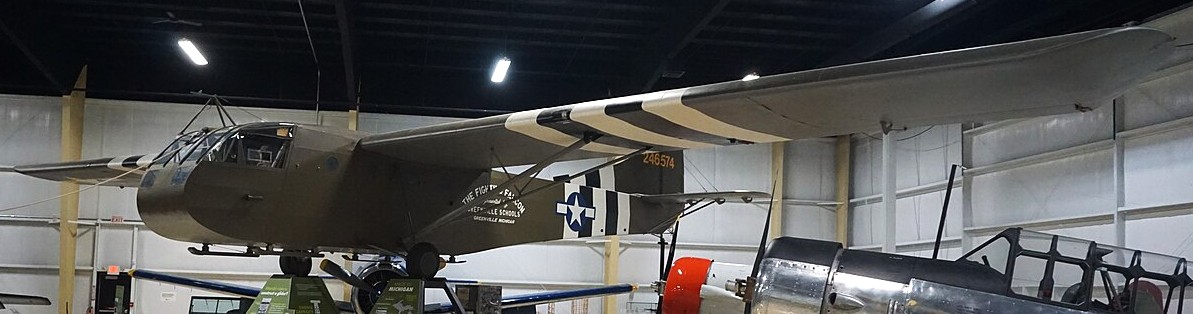
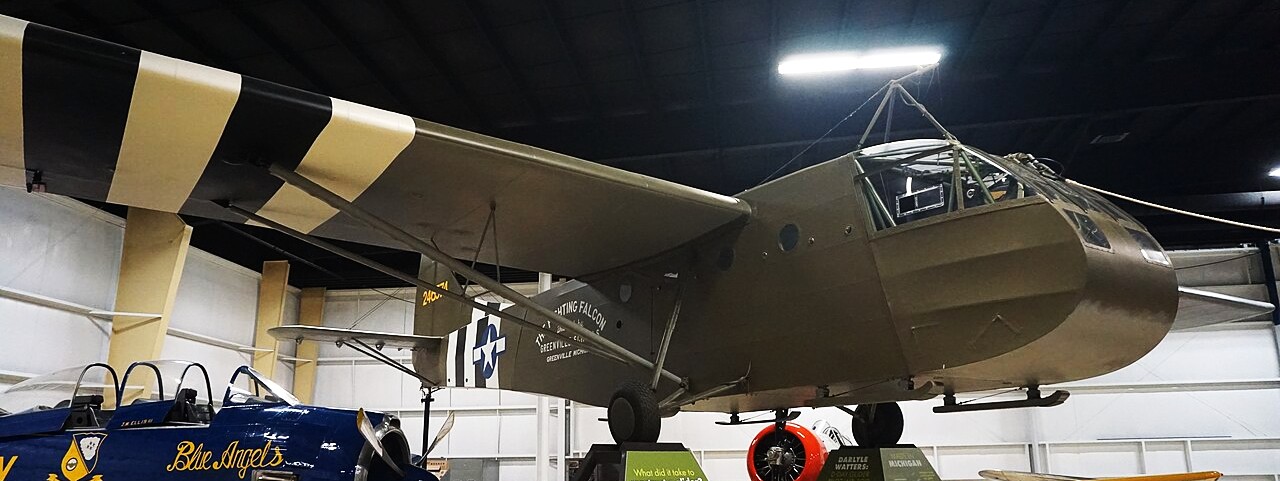
WACO CG-4A
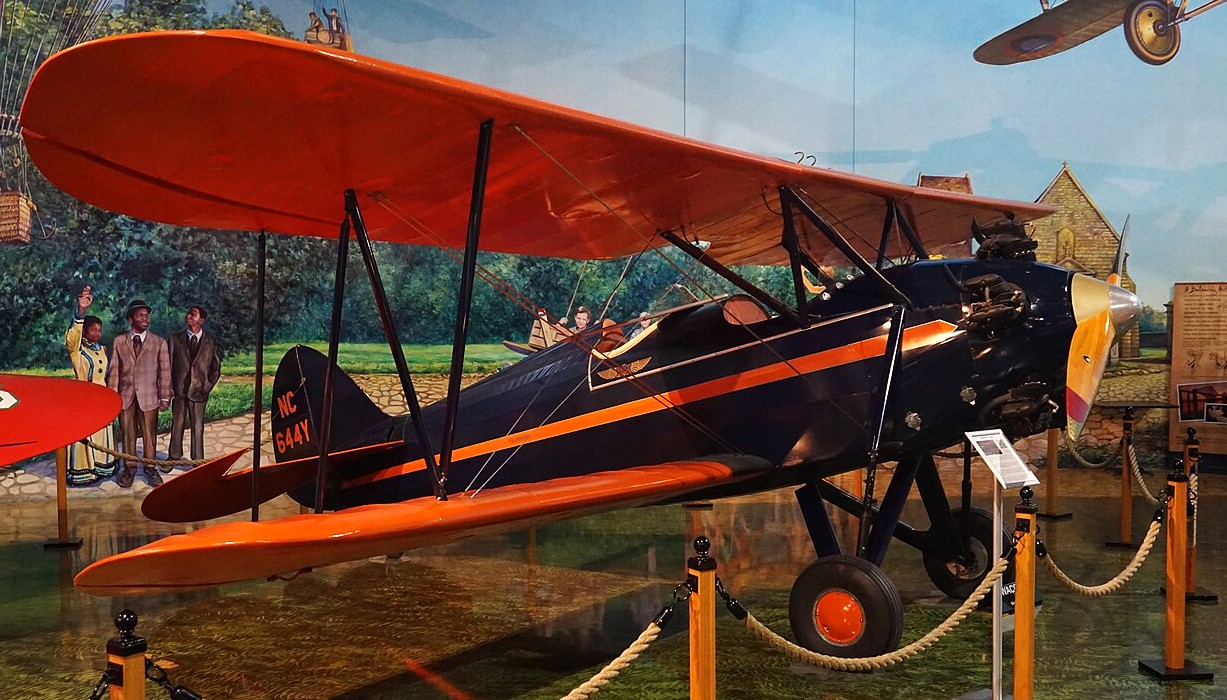
(Michael Barera Photos)
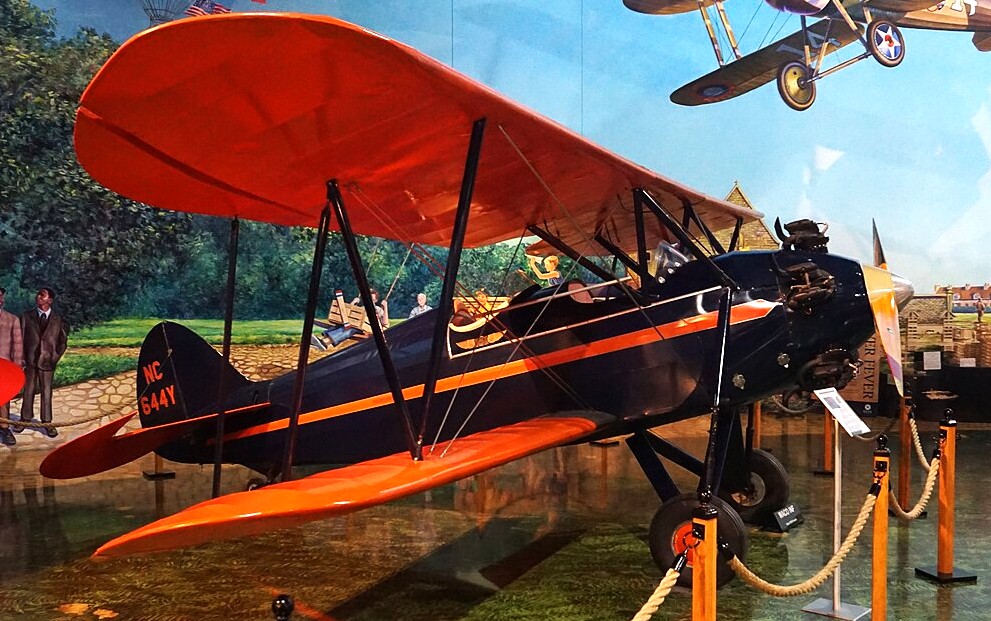
WACO INF. Single-engine, three seat open cockpit utility biplane Last civil registration: Reg. No. NC644Y. Manufacturer’s Serial No. 3382. Acquired 1990.
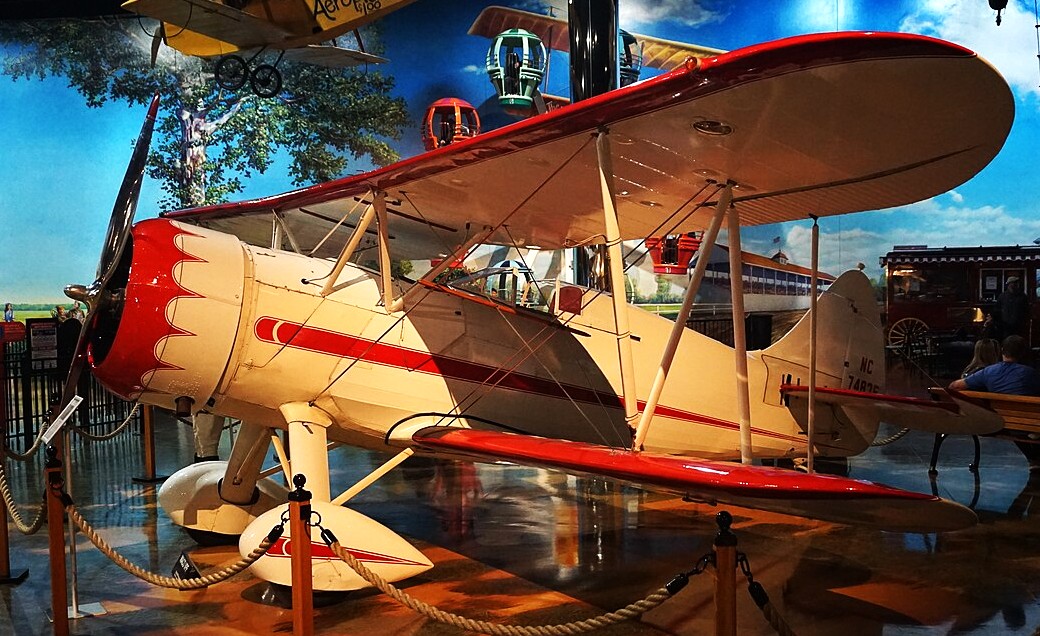
(Michael Barera Photos)
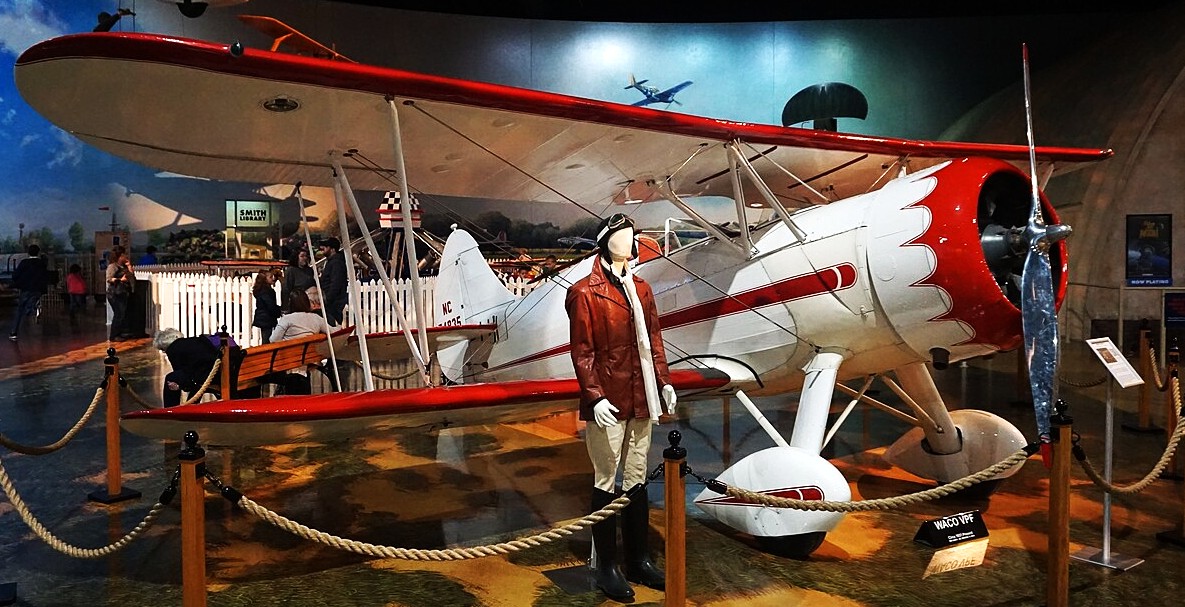
WACO VPF-7. Single-engine, three-seat utility civil biplane modified with an enclosed rear seat Last civil Reg. No. N74835. Manufacturer’s Serial No. 4655.
(Air Zoo Collection Photo)
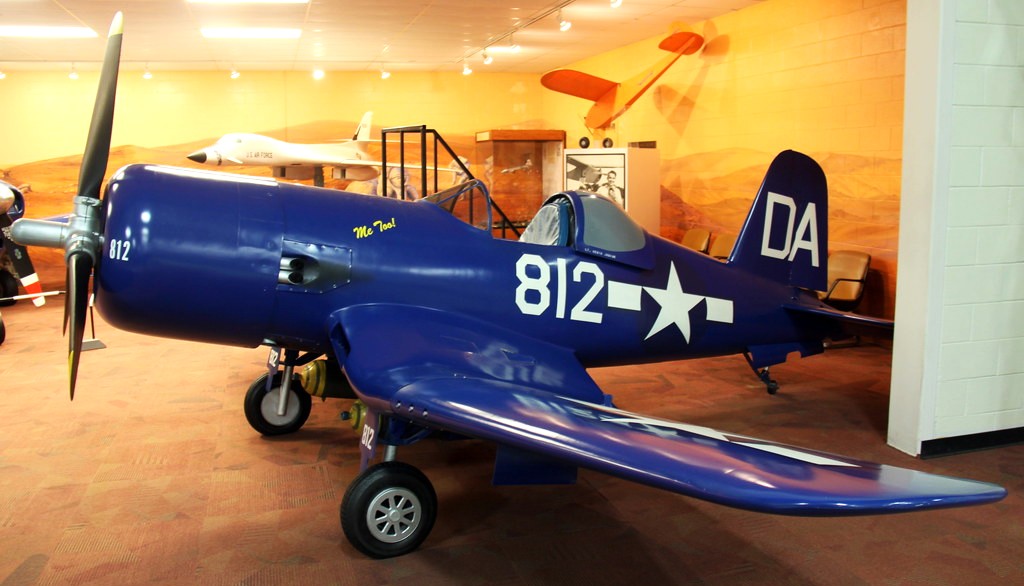
W.A.R. F4U Corsair. Single engine, single place homebuilt aircraft designed and built to resemble a Vought F4U Corsair at 50% scale. Wood and steel tube fuselage, wings with fiberglass and aluminum covering; retractable landing gear; no engine or propeller provided with aircraft; last civil Registration No. N228KA; Serial No. 228. This aircraft was built by the donor and registered in 1985. It was damaged in a landing accident and donated to the Air Zoo thereafter. The aircraft was given a cosmetic restoration and repairs and has since been used as a visitor interactive.
(Air Zoo Collection Photo)
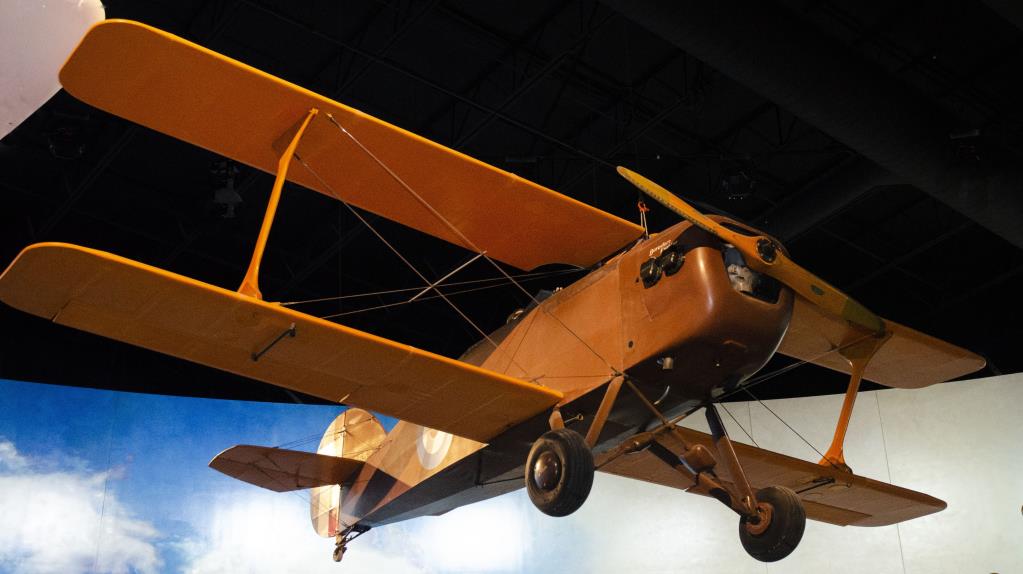
Wolf W-11 Boredom Fighter. Single-engine, single seat biplane designed for amateur construction this example is the prototype powered by a Continental A-65 Last civil Registration No. N90553.
WSK Mielec Lim-2
(Michael Barera Photos)
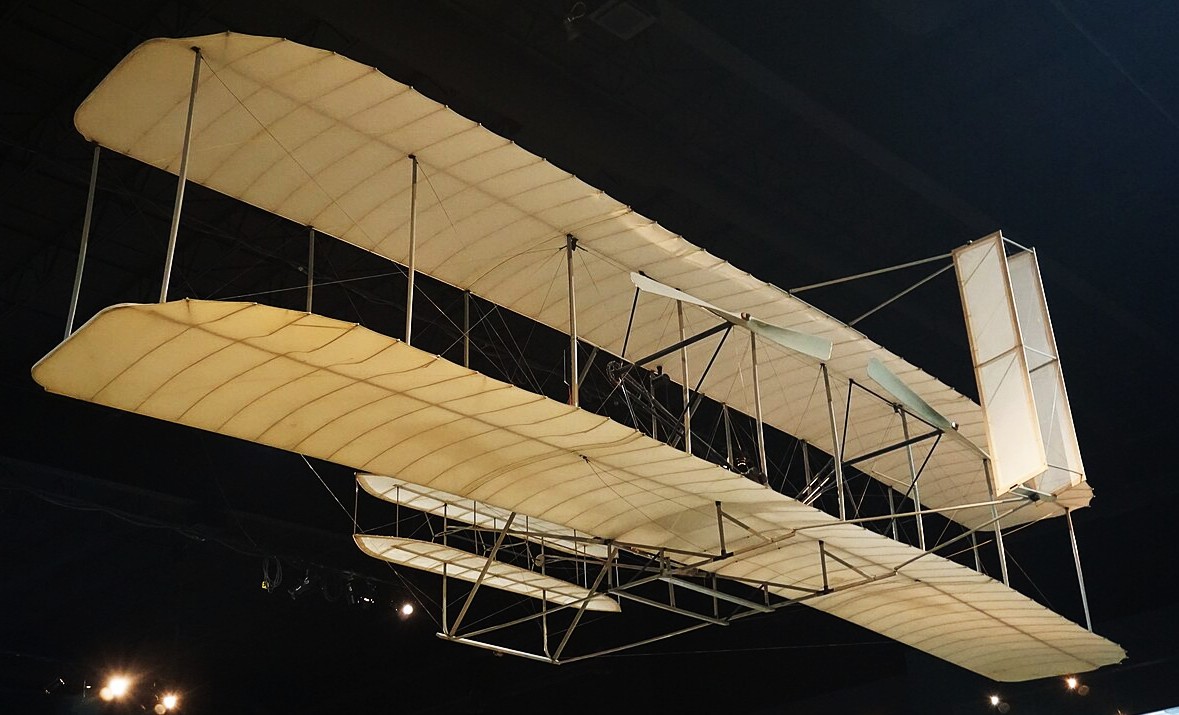
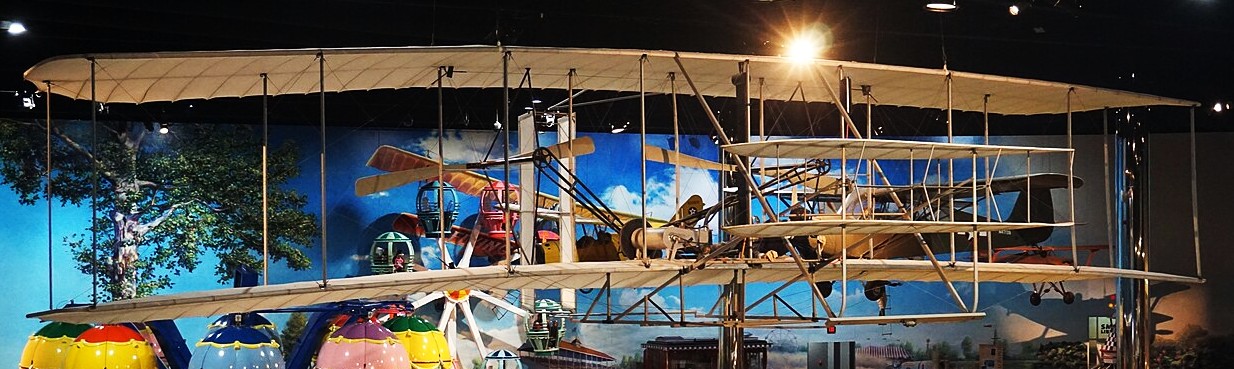
Wright Flyer replica.
Wright (Armstrong Siddely) Sapphire J65 Turbojet Engine.
Military Kit
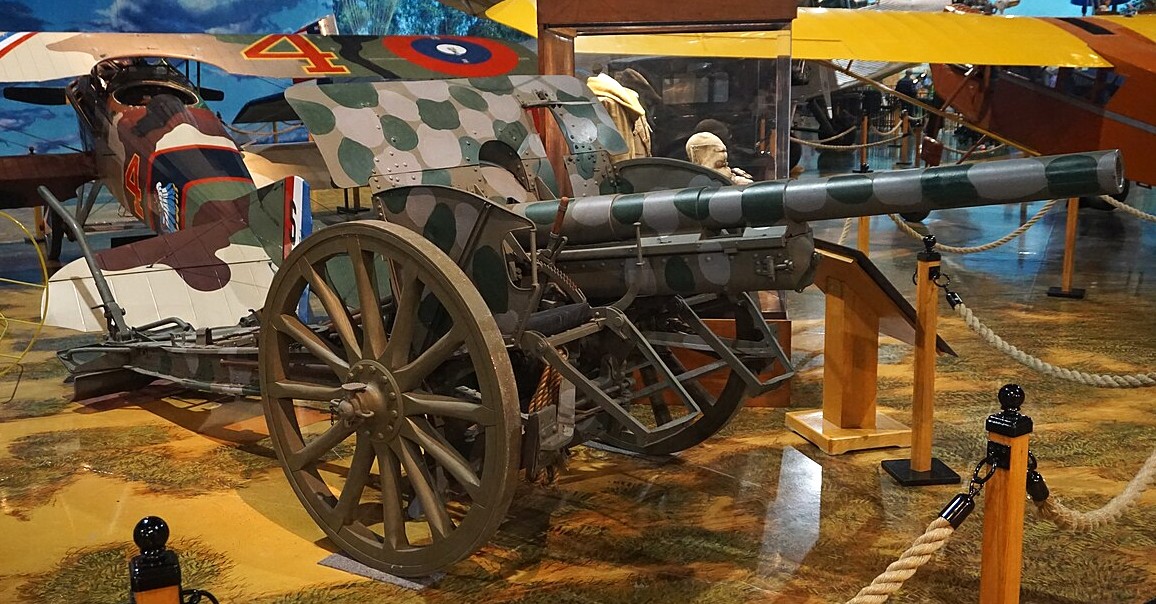
(Michael Barera Photo)
German First World War 7.7-cm Feldkanone 16