
Warplanes preserved in the USA: Ohio, Dayton, National Museum of the USAF: Boeing RB-47H Stratojet, Boeing B-52D Stratofortress, Boeing CIM-10 Bomarc Surface to Air Missile, Boeing NKC-135A Stratotanker, Boeing EC-135E, Boeing VC-137C SAM 26000, Boeing X-32A Joint Strike Fighter, Boeing X-40A Space Maneuver Vehicle, Boeing Bird of Prey UAV, Boeing YQM-94A Compass Cope B, Boeing C-17A Globemaster III, Boeing YCGM-121B Seek Spinner
(USAF Photo)
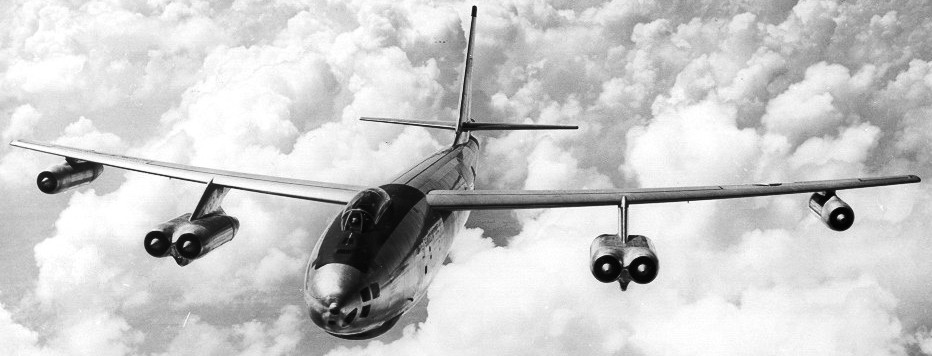
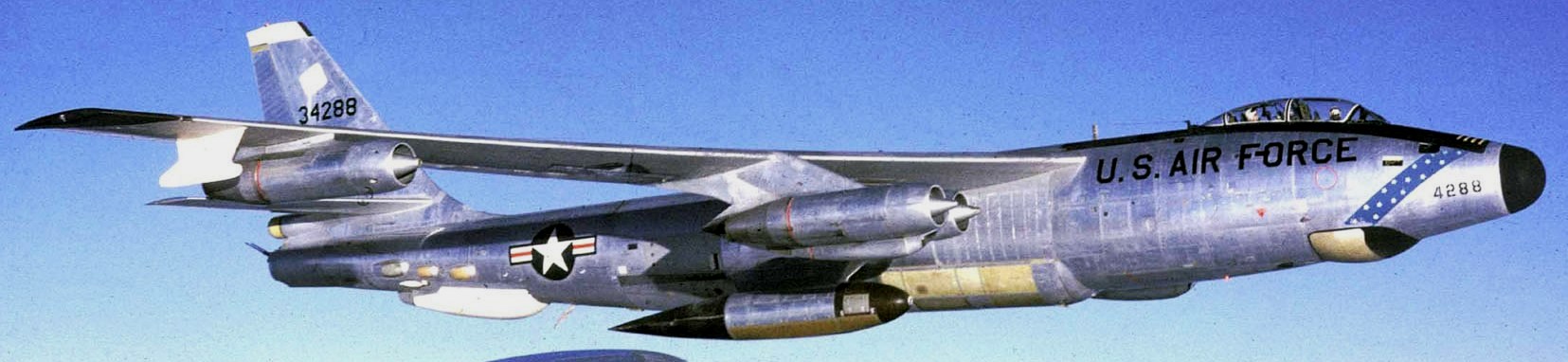
Boeing B-47E Stratojet (Serial No. 53-2280), c/n 450-1093. In 2013 this aircraft was transferred to the National Museum of Nuclear Science & History in Albuquerque, New Mexico for permanent display.
(USAF Photo)
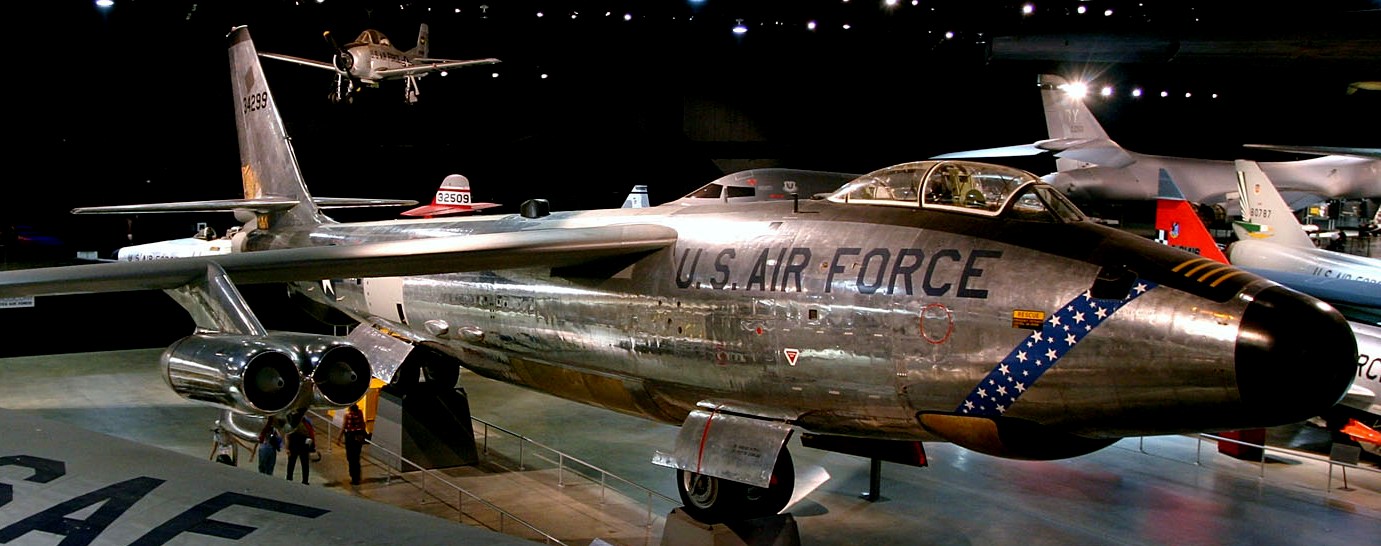
(NMUSAF Photos)
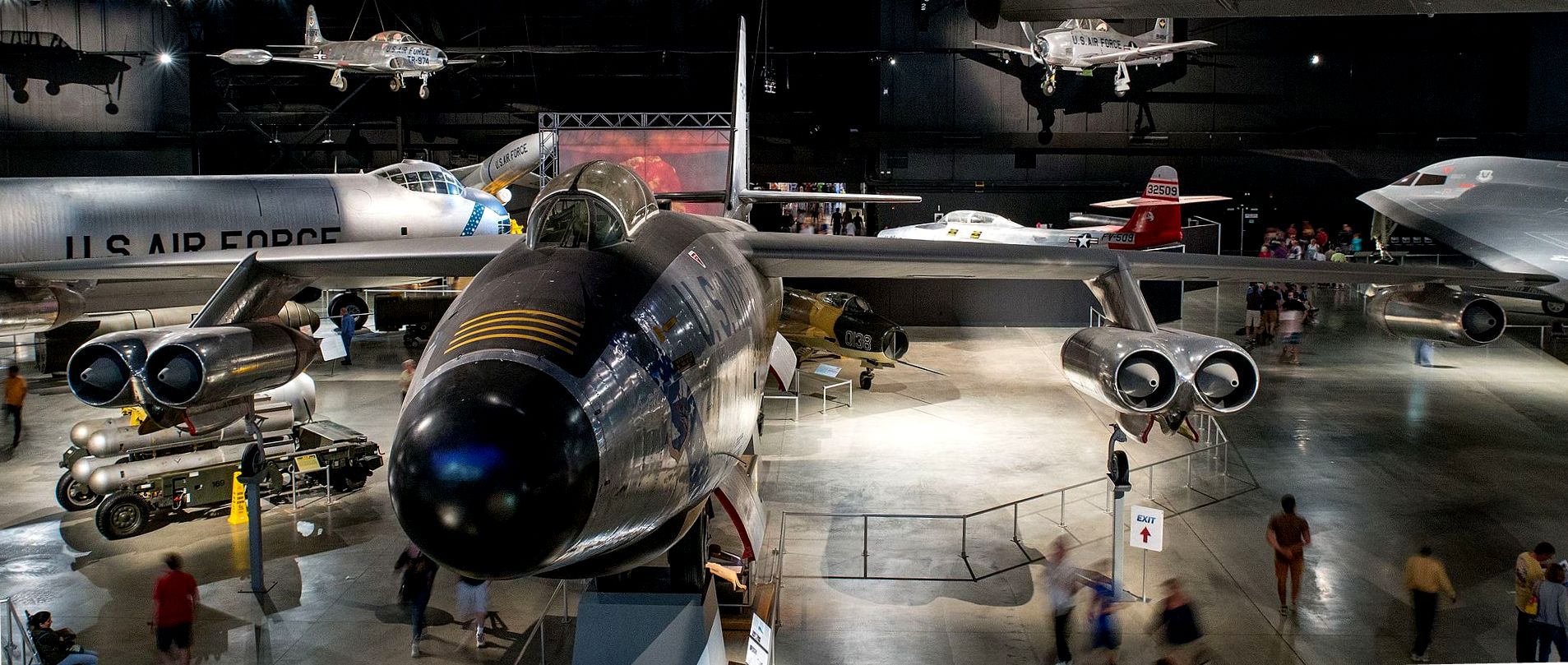
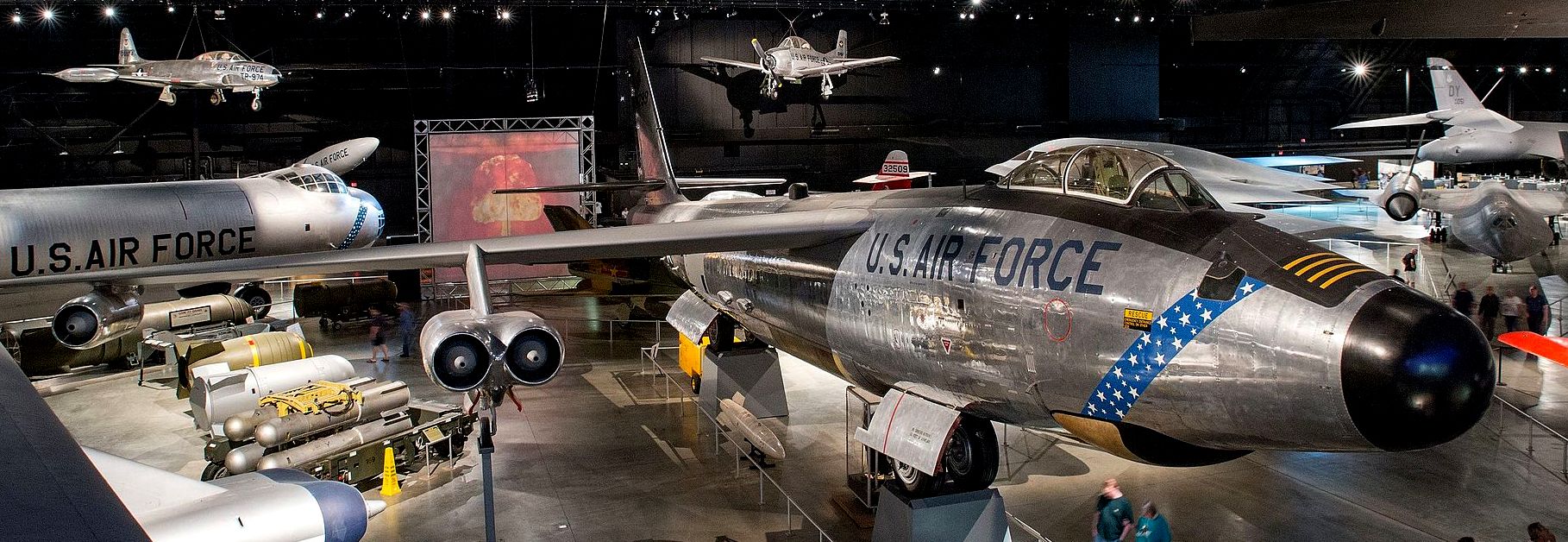
(Clemens Vasters Photos)
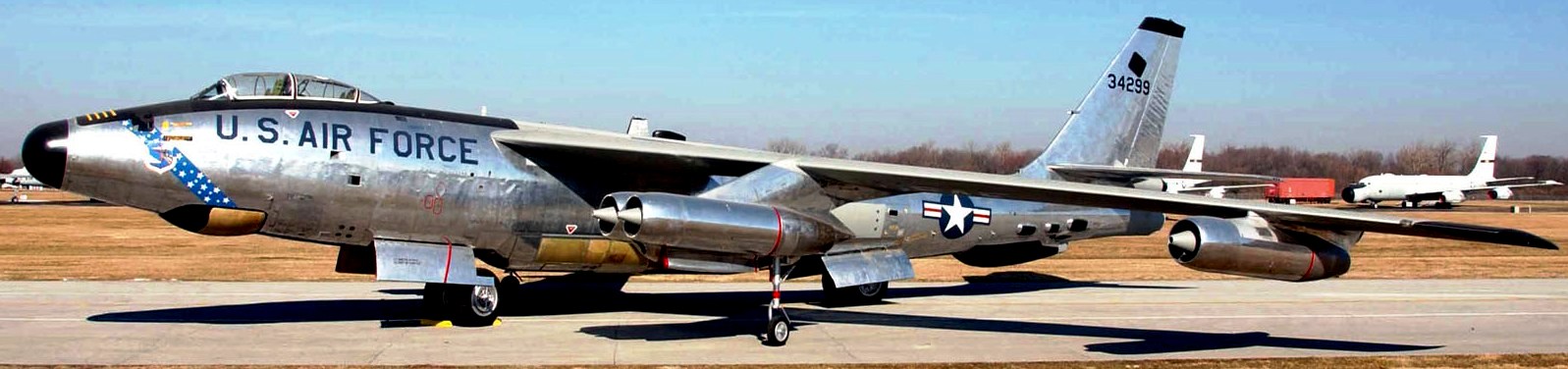
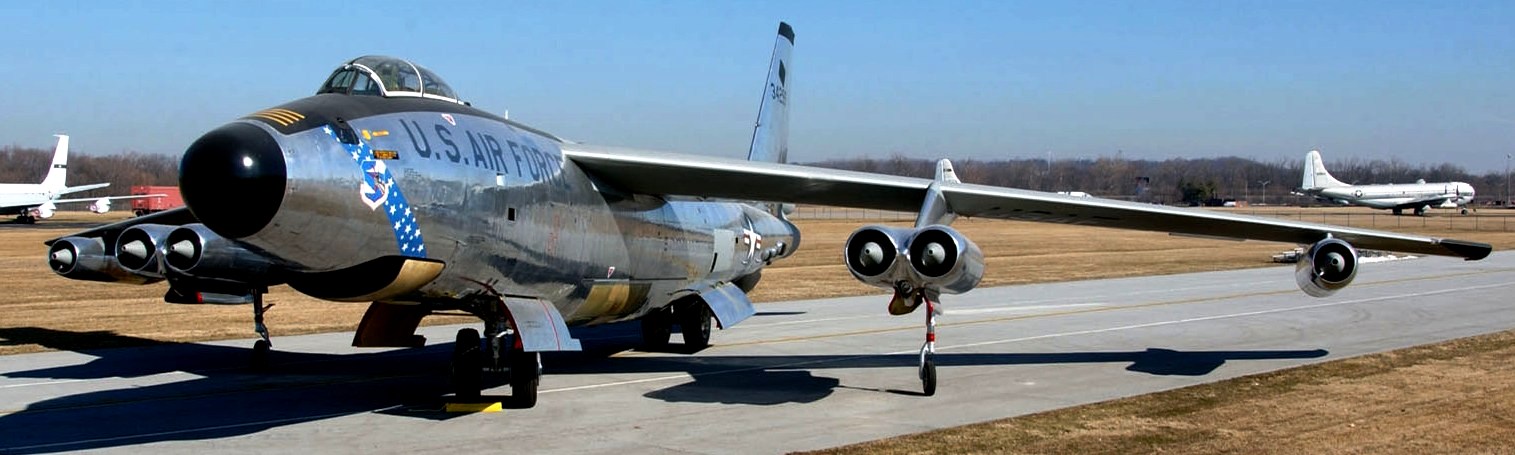
Boeing RB-47H Stratojet (Serial No. 53-4299), c/n 450-1323. During the early part of the Cold War, the U.S. Air Force needed an aircraft to gather information about Soviet air defense radar systems, including details like their location, range and coverage. The electronic reconnaissance RB-47H, developed from the B-47E, met this requirement, and Boeing completed the first RB-47H in 1955. Boeing produced 32 newly built RB-47Hs and converted three B-47Es into ERB-47Hs. The RB-47H first entered service in August 1955. Over the next decade, RB-47H crews of the 55th Strategic Reconnaissance Wing (SRW) flew thousands of dangerous “ferret” missions. Flying in radio silence at night along, and sometimes over, the border of the Soviet Union and other communist nations, RB-47Hs collected essential intelligence about the size and capability of Soviet air defense radar networks. The need for this information and the relatively small number of RB-47Hs forced crews to spend much of their time deployed to places around the world, away from their homes at Forbes AFB, Kansas. The RB-47H continued in service until the more capable RC-135 replaced it in the mid-1960s. The NMUSAF’s RB-47H was delivered to the USAF in October 1955. The aircraft served with the 55th SRW from 1955 until its retirement in 1966. During this time, it deployed to several locations, including Incirlik Air Base, Turkey, and Yokota Air Base, Japan, and flew missions over the Soviet Union. The aircraft was acquired by the museum in 1998 from the City of Salina, Kansas. After extensive restoration by museum personnel, the aircraft went on display in 2003, marked as it appeared in 1960.
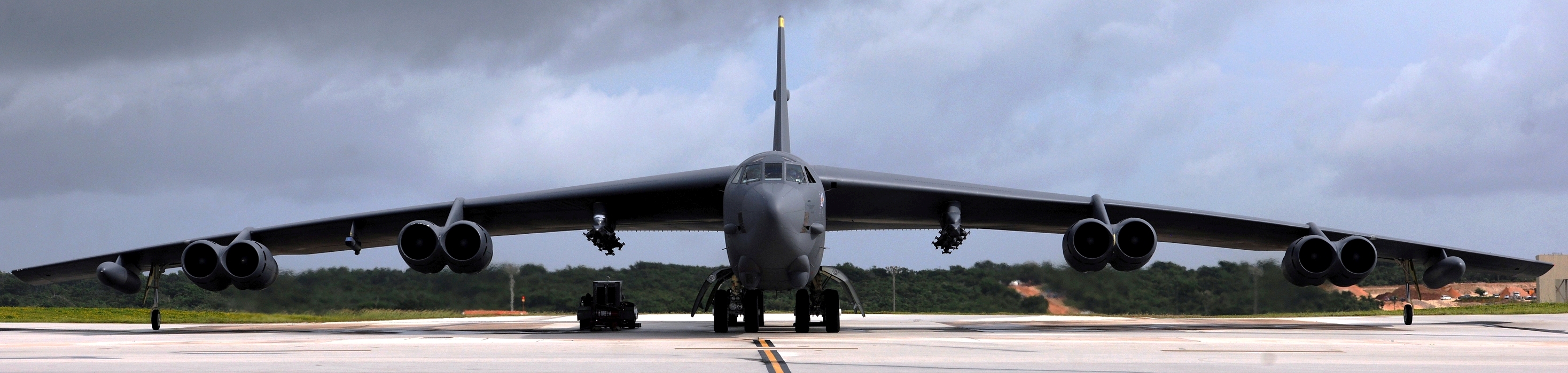
Boeing B-52 Stratofortress preparing to taxi on Andersen Air Force Base, Guam, 24 Aug 2016. The B-52s have served non-stop rotations since 2006, which have been shared between the bomber squadrons from Minot AFB, North Dakota, and Barksdale AFB, Louisiana. (Staff Sgt. Benjamin Gonsier, USAF Photo)
Boeing B-52 Stratofortress (Serial No. 53-0394).
(USAF Photo)
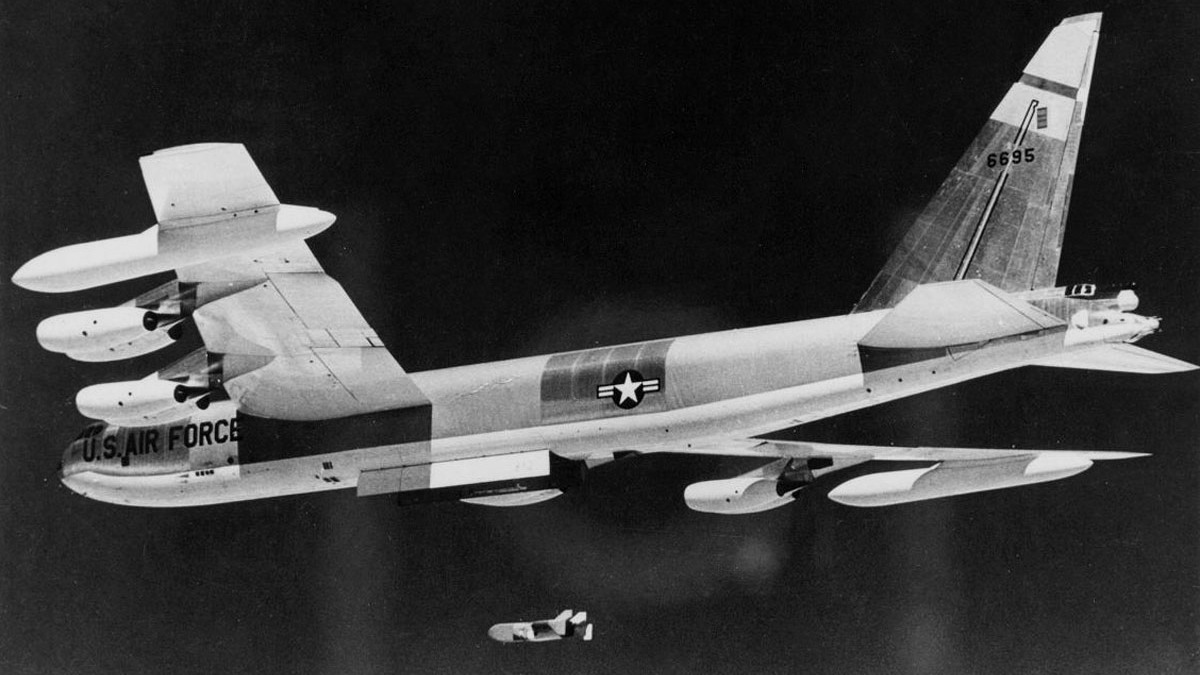
Boeing B-52D-40-BW Stratofortress (Serial No. 56-0695) in flight launching Quail decoy (Serial No. 061127)
(NMUSAF Photo)
(Martin McGuire Photo)
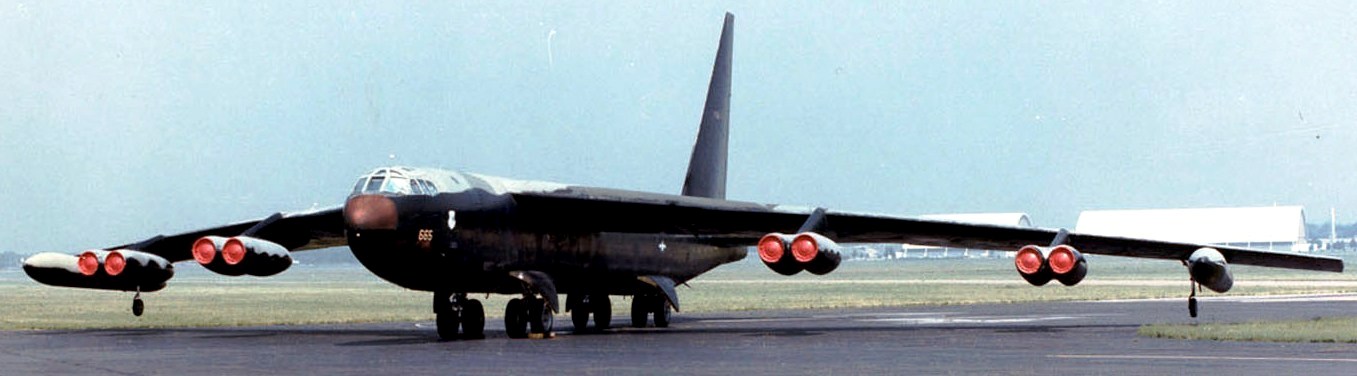
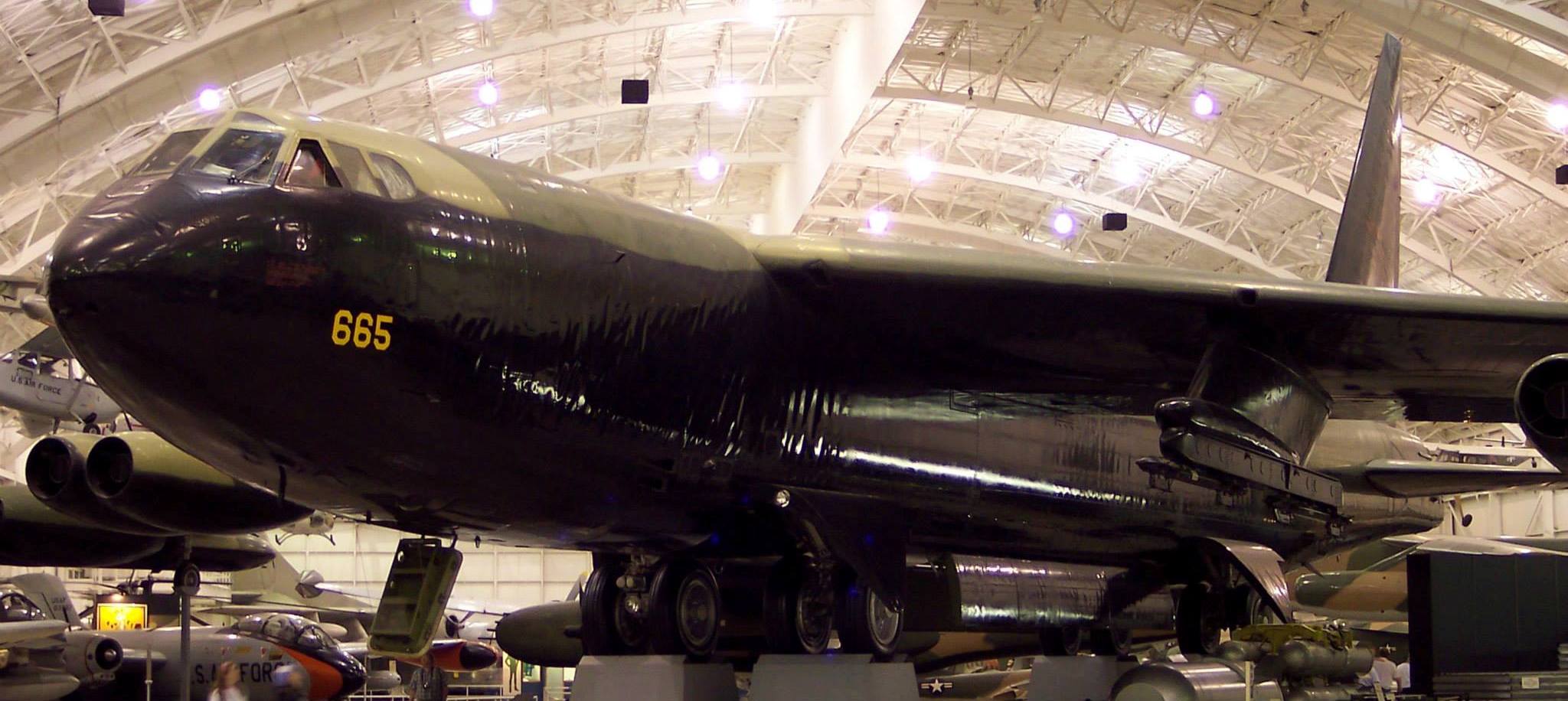
Boeing B-52D Stratofortress (Serial No. 56-0665), c/n 464036. In June 1965, B-52s entered combat in Southeast Asia. By August 1973, they had flown 126,615 combat sorties with seventeen B-52s lost to enemy action. The aircraft on display saw extensive service in Southeast Asia and was severely damaged by an enemy surface-to-air missile on 9 April 1972. In December 1972, after being repaired, it flew four additional missions over North Vietnam. Transferred from the 97th Bomb Wing at Blytheville Air Force Base, Arkansas, this aircraft was flown to the Museum in November 1978.
(Valder137 Photo)
Boeing CIM-10 Bomarc Surface to Air Missile.
(NMUSAF Photo)
(Clemens Vasters Photo)
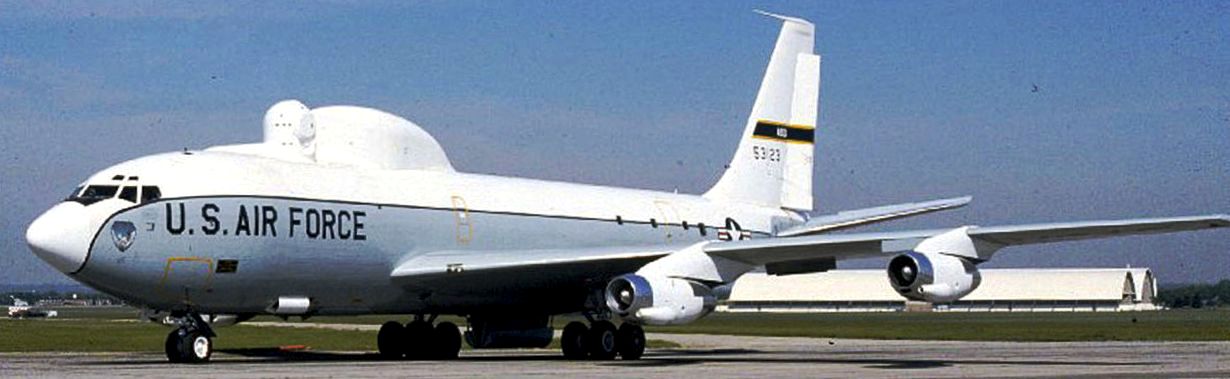
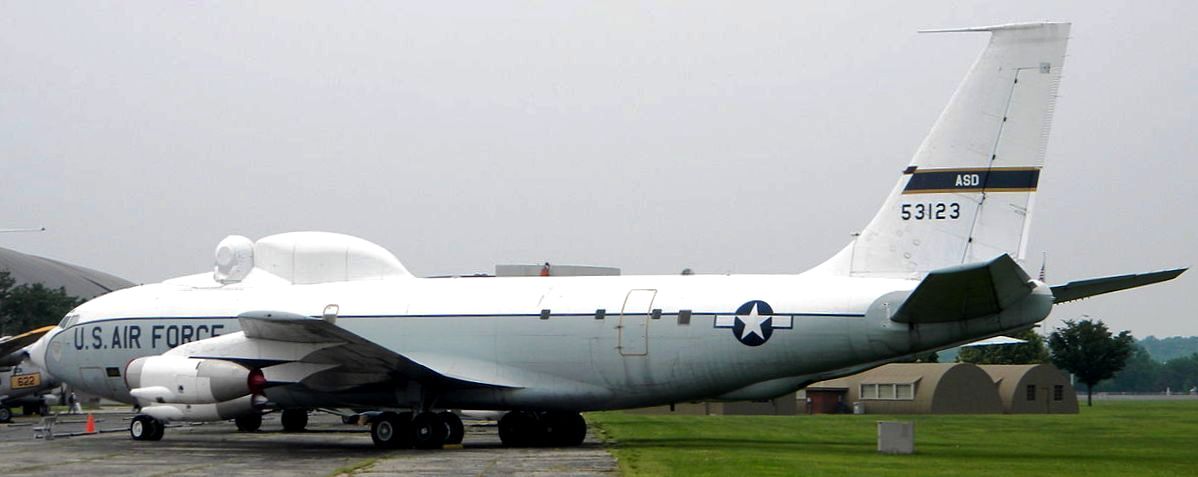
Boeing NKC-135A Stratotanker (Serial No. 55-3123), C/N 17239. Airborne Laser Laboratory (ALL).
(Greg Hume Photo)
(Clemens Vasters Photo)
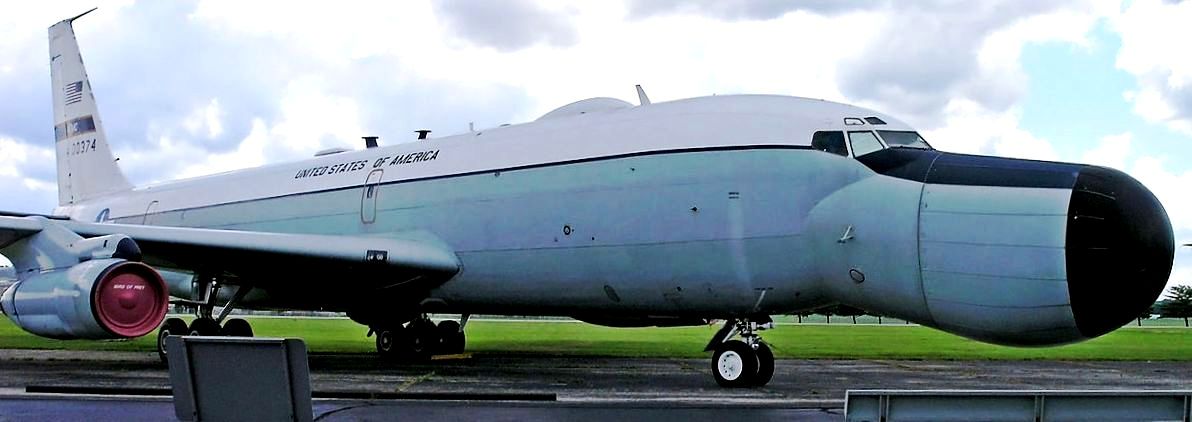
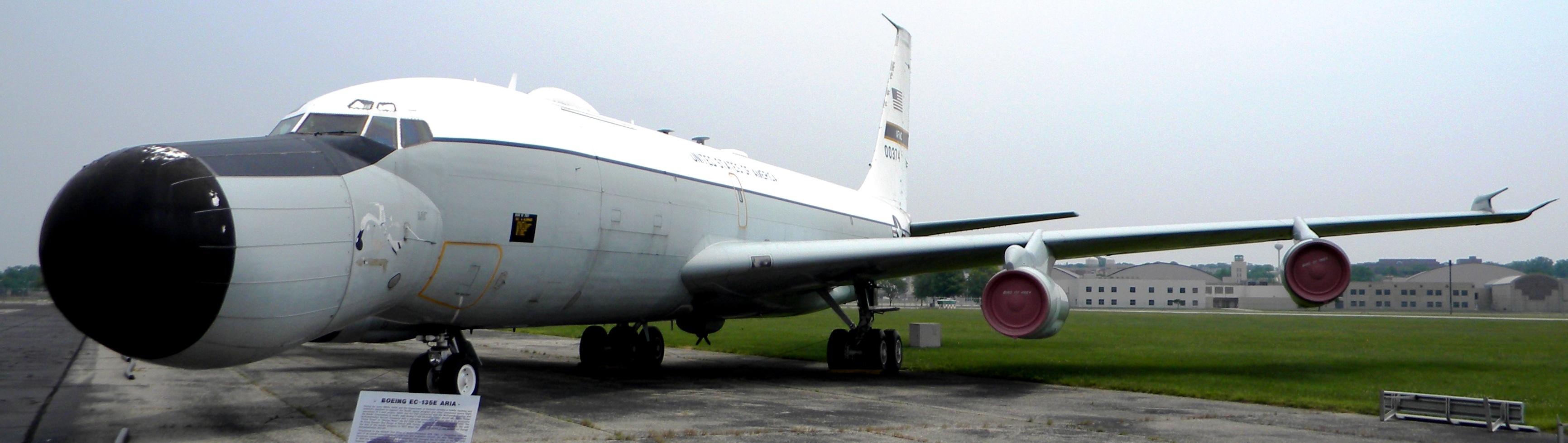
Boeing EC-135E (Serial No. 60-0374), C/N 18149.
(NMUSAF Photo)
(KLaRock Photo)
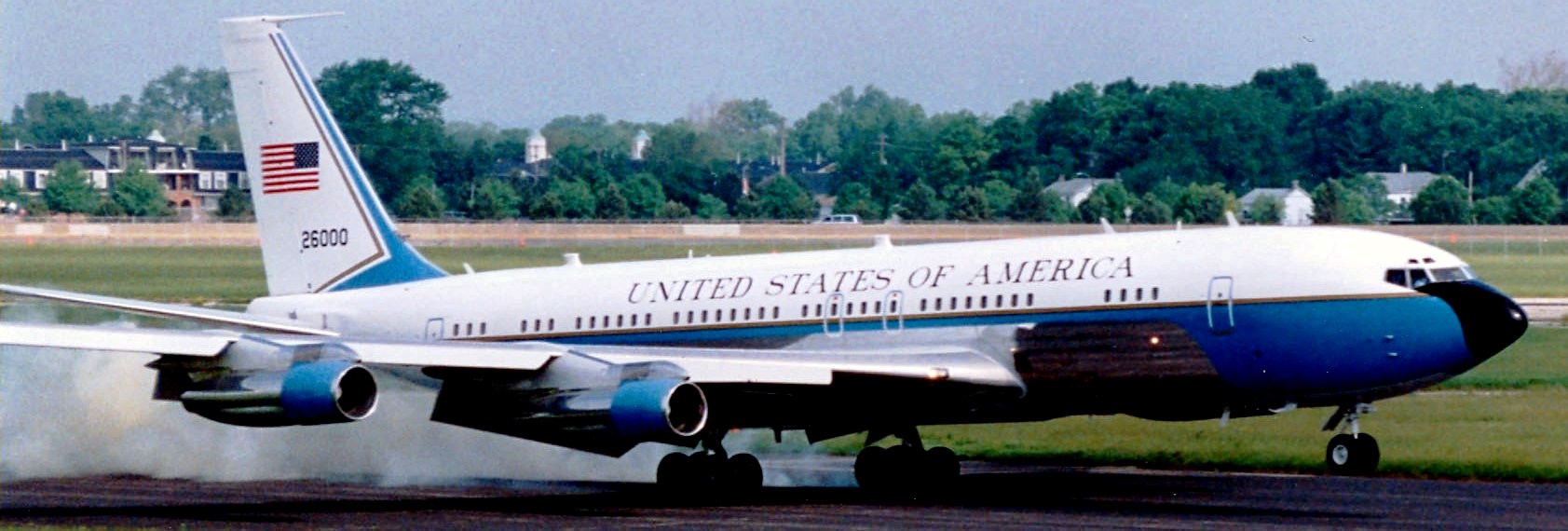
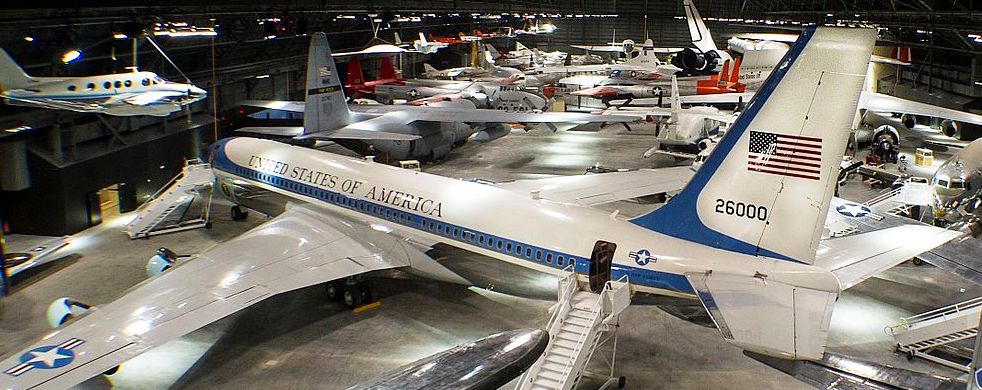
Boeing VC-137C SAM 26000 (Serial No. 62-6000), C/N 18461/303.
(USAF Photo)
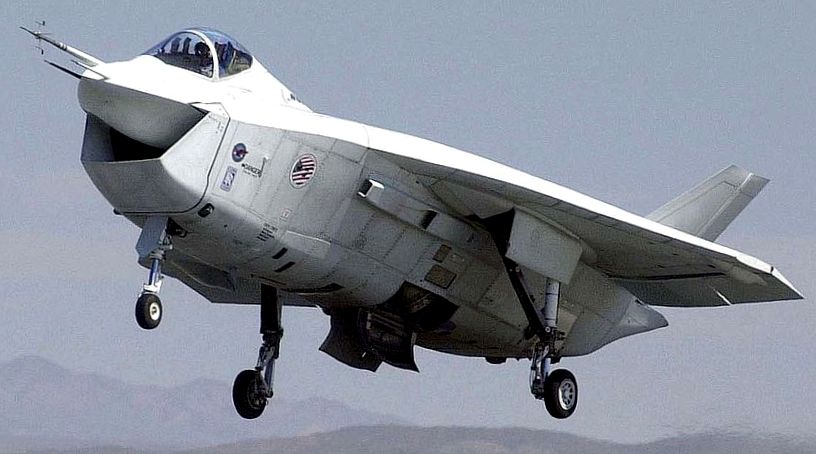
Boeing Joint Strike Fighter X-32B demonstrator lifts off on its maiden flight from the company’s facility in Palmdale, California, 18 Sep 2000.
 (Valder137 Photos)
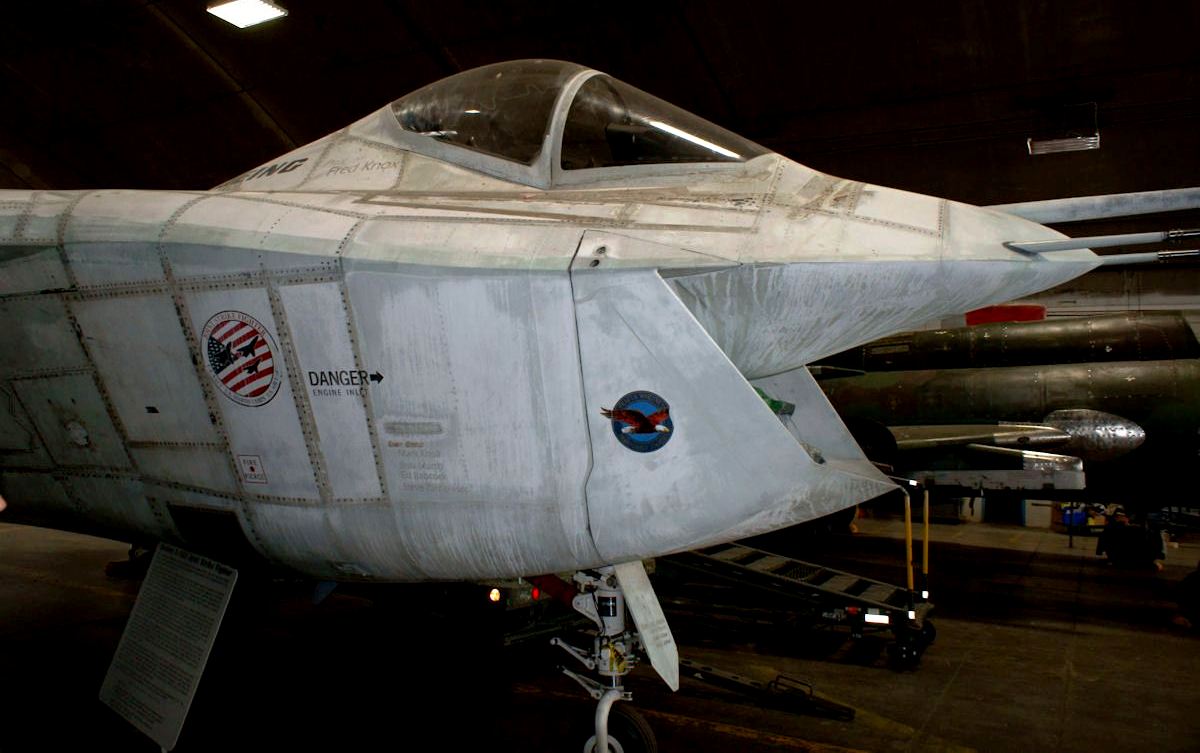
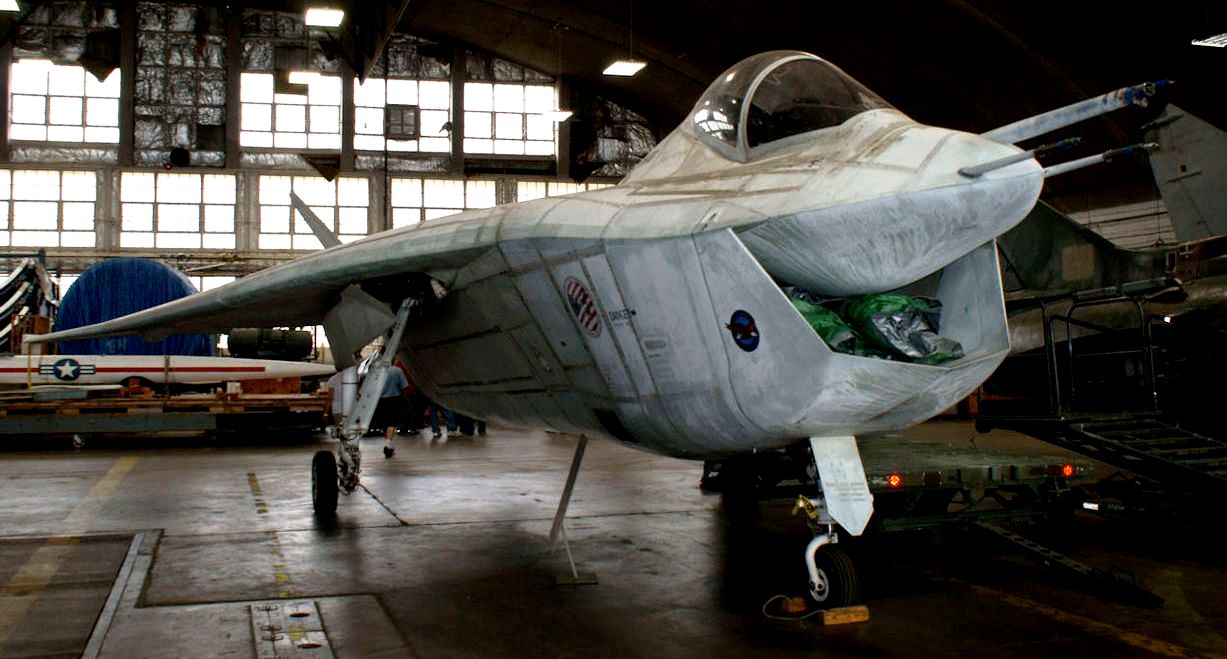
Boeing X-32A Joint Strike Fighter. CTOL version.
(NASA Photo)
(Sixflashphoto)
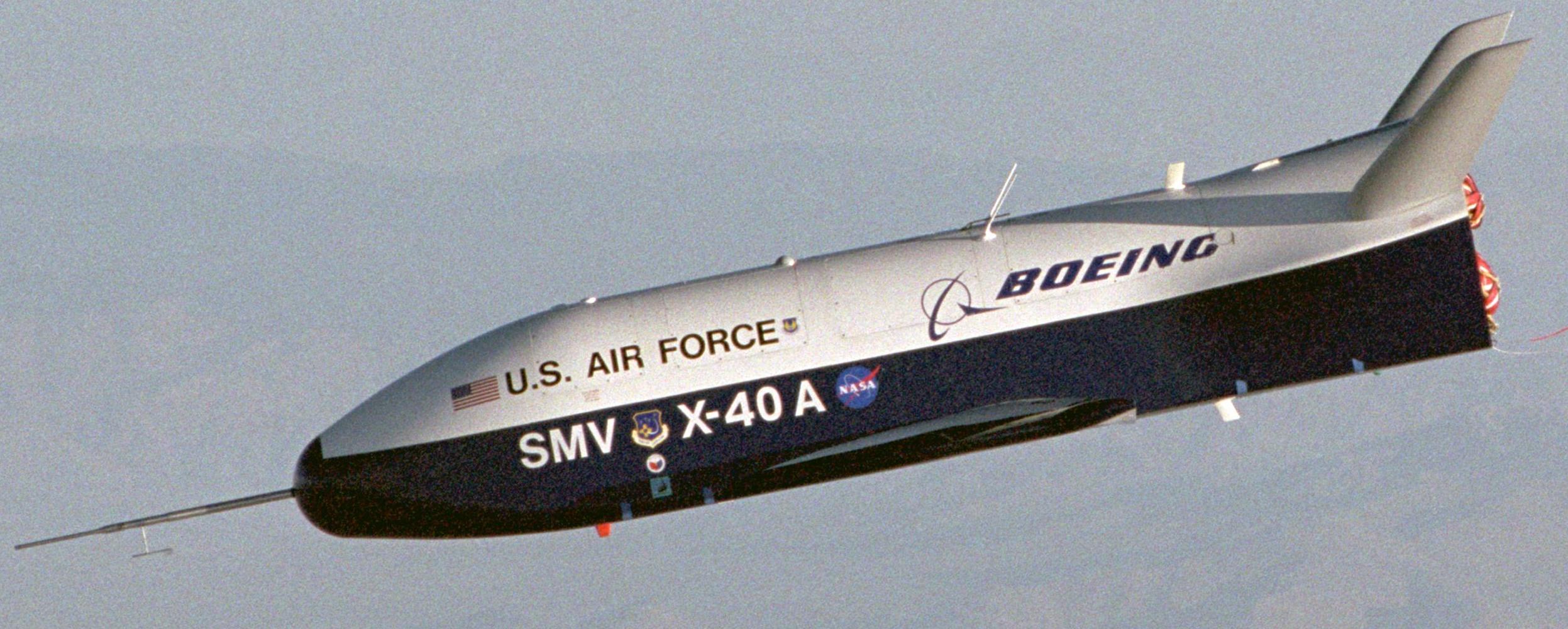
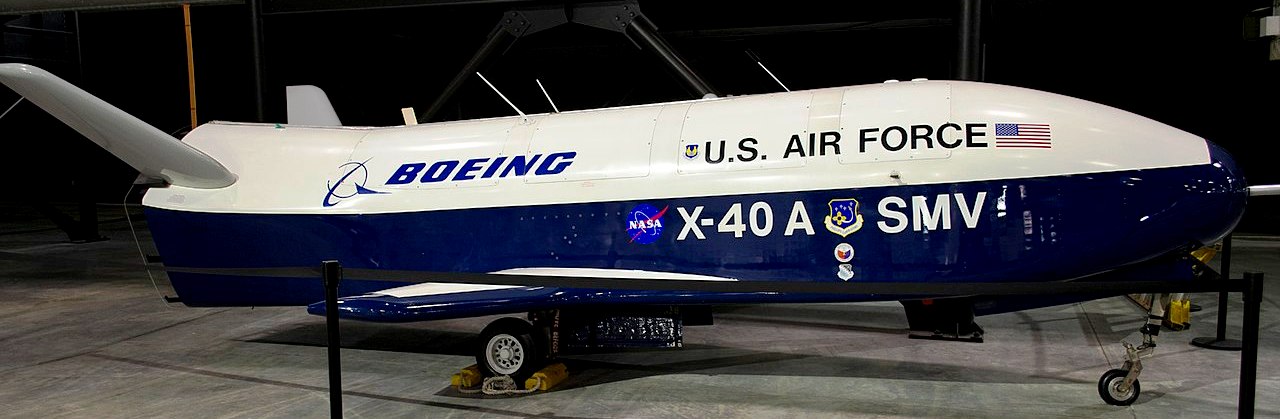
Boeing X-40A Space Maneuver Vehicle.
(NMUSAF Photo)
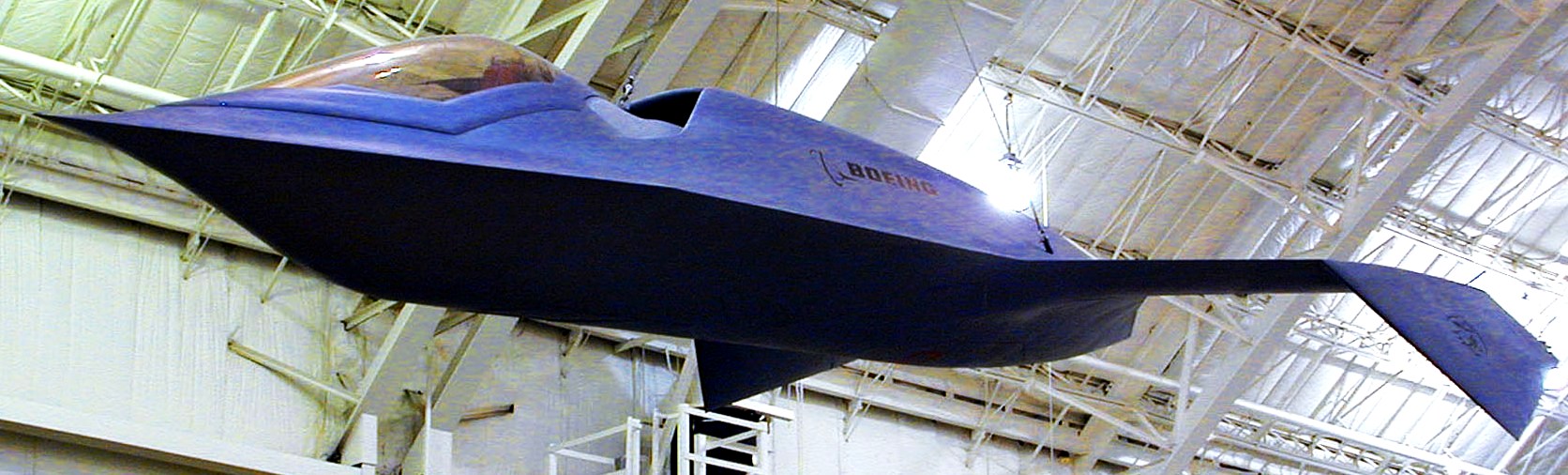
Boeing Bird of Prey UAV. The Bird of Prey is a single-seat stealth technology demonstrator used to test “low-observable” stealth techniques and new methods of aircraft design and construction. The secret Bird of Prey project ran from 1992 to 1999, and the aircraft first flew in the fall of 1996. The Bird of Prey was named for its resemblance to the Klingon spacecraft from the science fiction series Star Trek. Boeing donated the Bird of Prey to the NMUSAF in 2002.
(NMUSAF Photos)
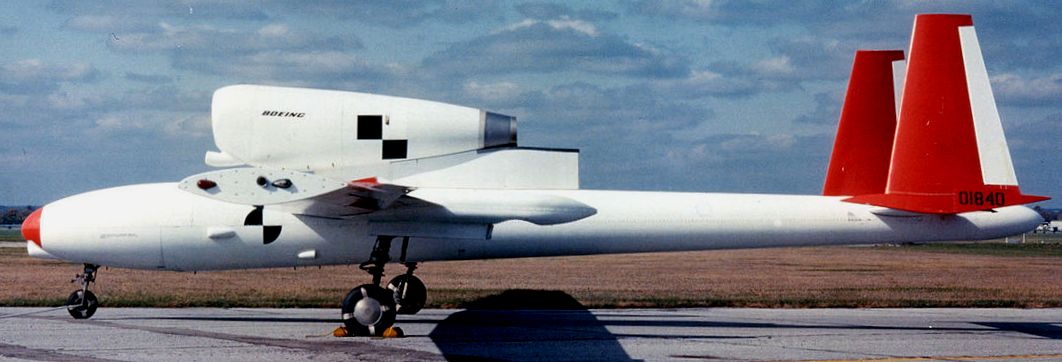
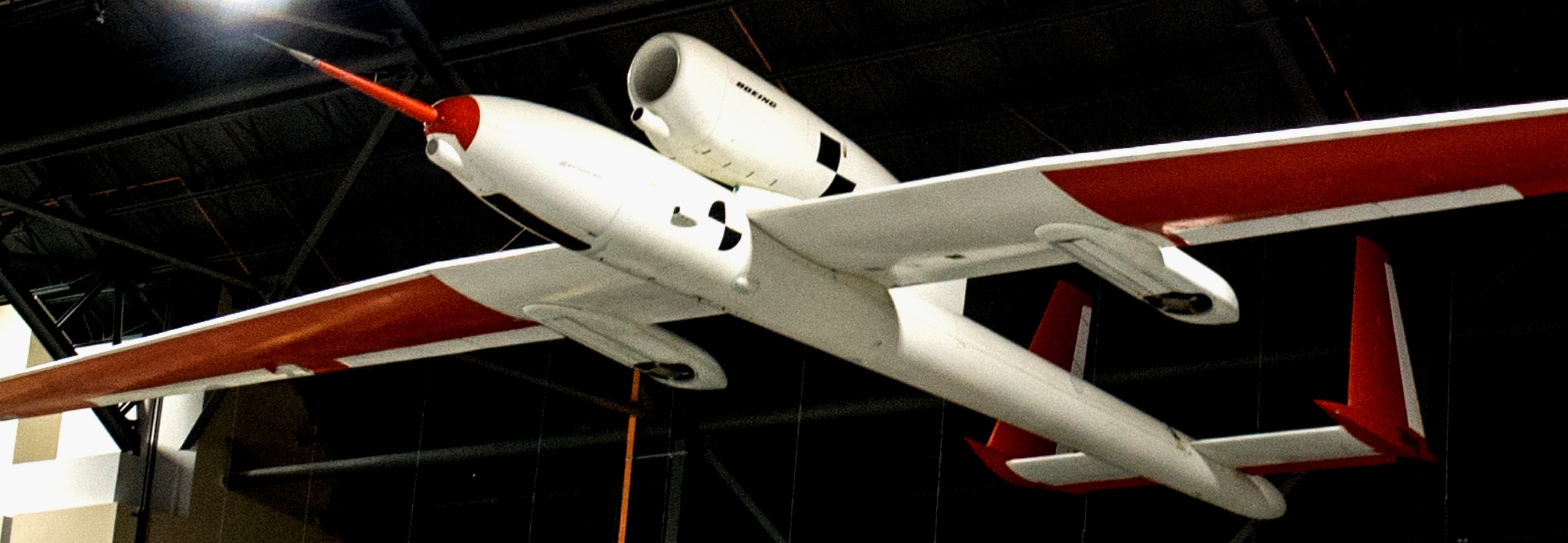
Boeing YQM-94A Compass Cope B (Serial No. 71-1840), UAV.
(Greg Davis Photo)
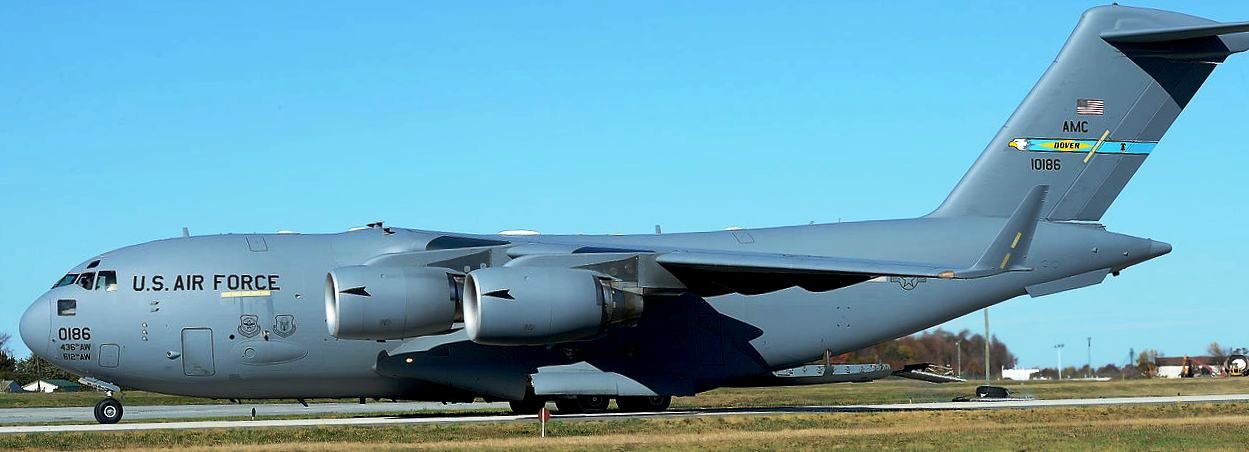
Boeing C-17A Globemaster III aircraft assigned to the 3rd Airlift Squadron, 436th Airlift Wing, unloading cargo pallets off the ramp during a combat offload training scenario 6 Nov 2013, at Dover Air Force Base, Delaware. Combat offloading is used to prevent an aircraft from remaining on the ground in hostile areas for extended periods.
Boeing YC-17A Globemaster III (Serial No. 87-0025), ED, C/N F-2/T-1.
(NMUSAF Photo)
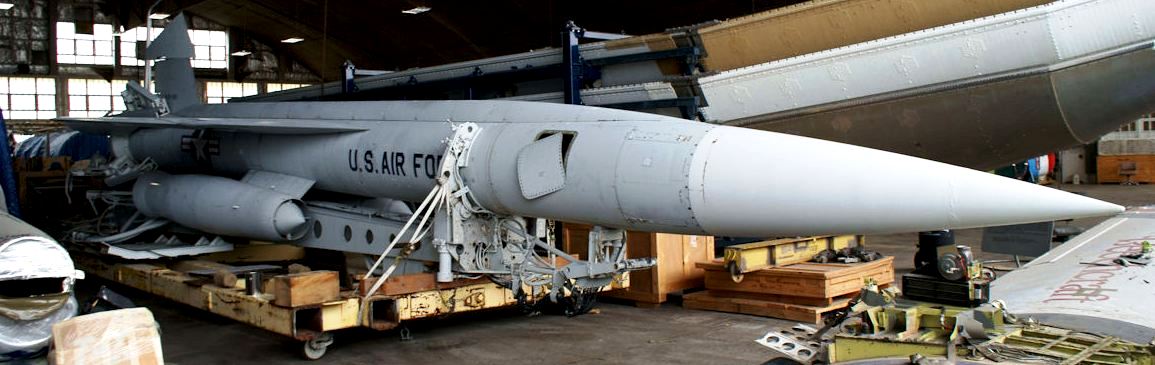
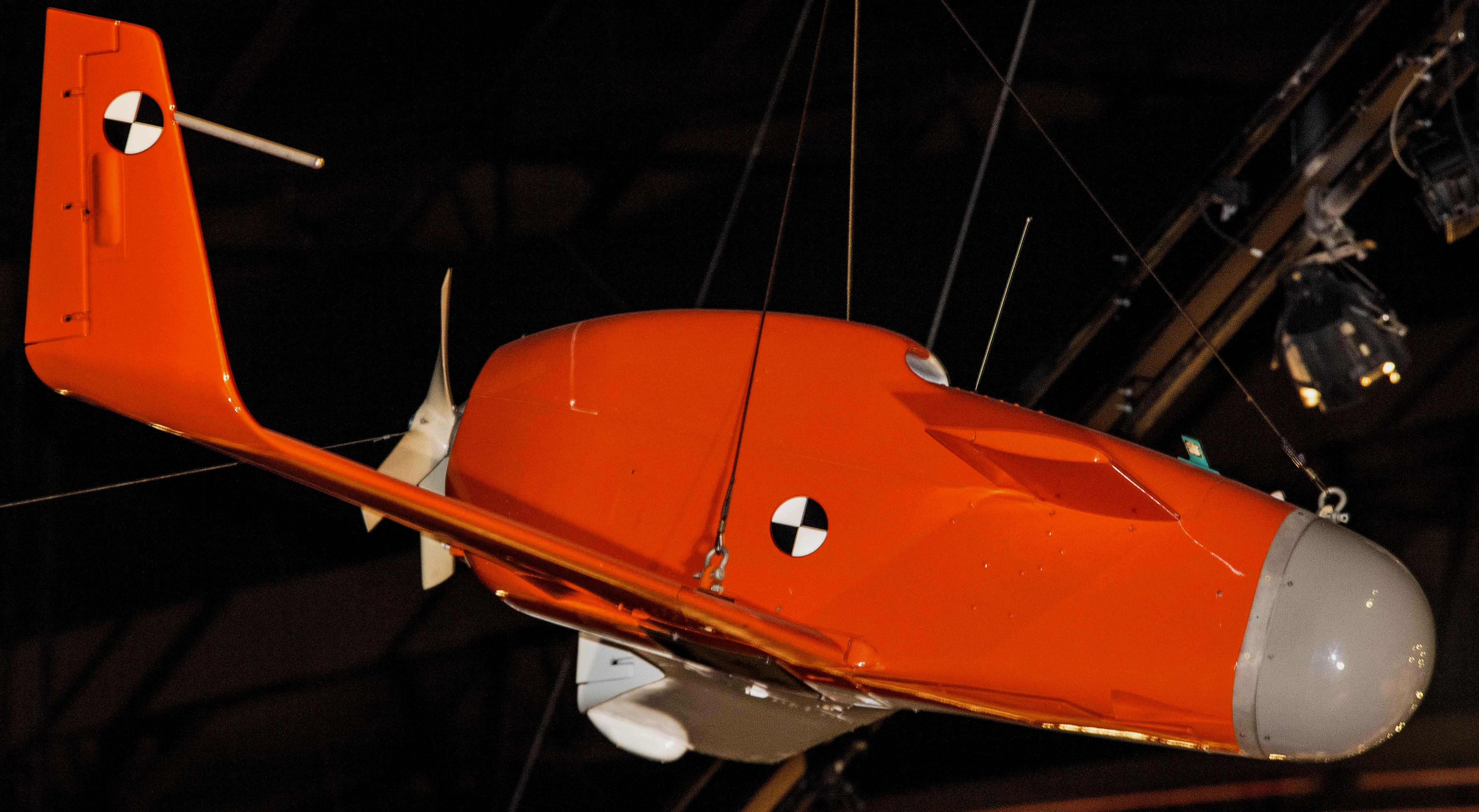
Boeing YCGM-121B Seek Spinner. The BRAVE 200 was designed and built by Boeing Military Airplane Co. in the early 1980s and received the military designation YCGM-121B. It is an unmanned aerial vehicle designed to seek out and attack the radars that control enemy anti-aircraft artillery or surface-to-air missile defenses. Some radar antennas rotate or spin, hence the name “Seek Spinner.” It is launched from the ground with rocket assistance. Using instructions programmed into its computer, the YCGM-121B flies to a designated target where it loiters or circles until its sensors detect the enemy radar signal. The vehicle then follows the radar beam to its source and detonates its warhead, damaging or destroying the radar site. The Seek Spinner underwent testing for a number of years with promising results. However, it never became operational. The last test flight took place in late 1989. The program was then cancelled due to cost and the availability of alternative systems. The museum received the Seek Spinner in late 1989.
All comments are subject to our Comment Policy. You must be at least 18 years old to comment.
See a comment that violates our guidelines? Report it here.