
Dayton, National Museum of the United States Air Force (NMUSAF), 1100 Spaatz St., Wright-Patterson AFB, 45433-7102.
Eberhart SE-5E, Excelsior Gondola, General Atomics YMQ-9A Reaper, General Atomics RQ-1K Predator, Hawker-Siddeley XV-6A Kestrel, Helio U-10D Super Courier, Interstate L-6A Cadet, Kaman HH-43B Huskie, Kellett K2/K3 Autogyro, Kettering Aerial Torpedo “Bug“, Laister-Kauffmann TG-4A glider
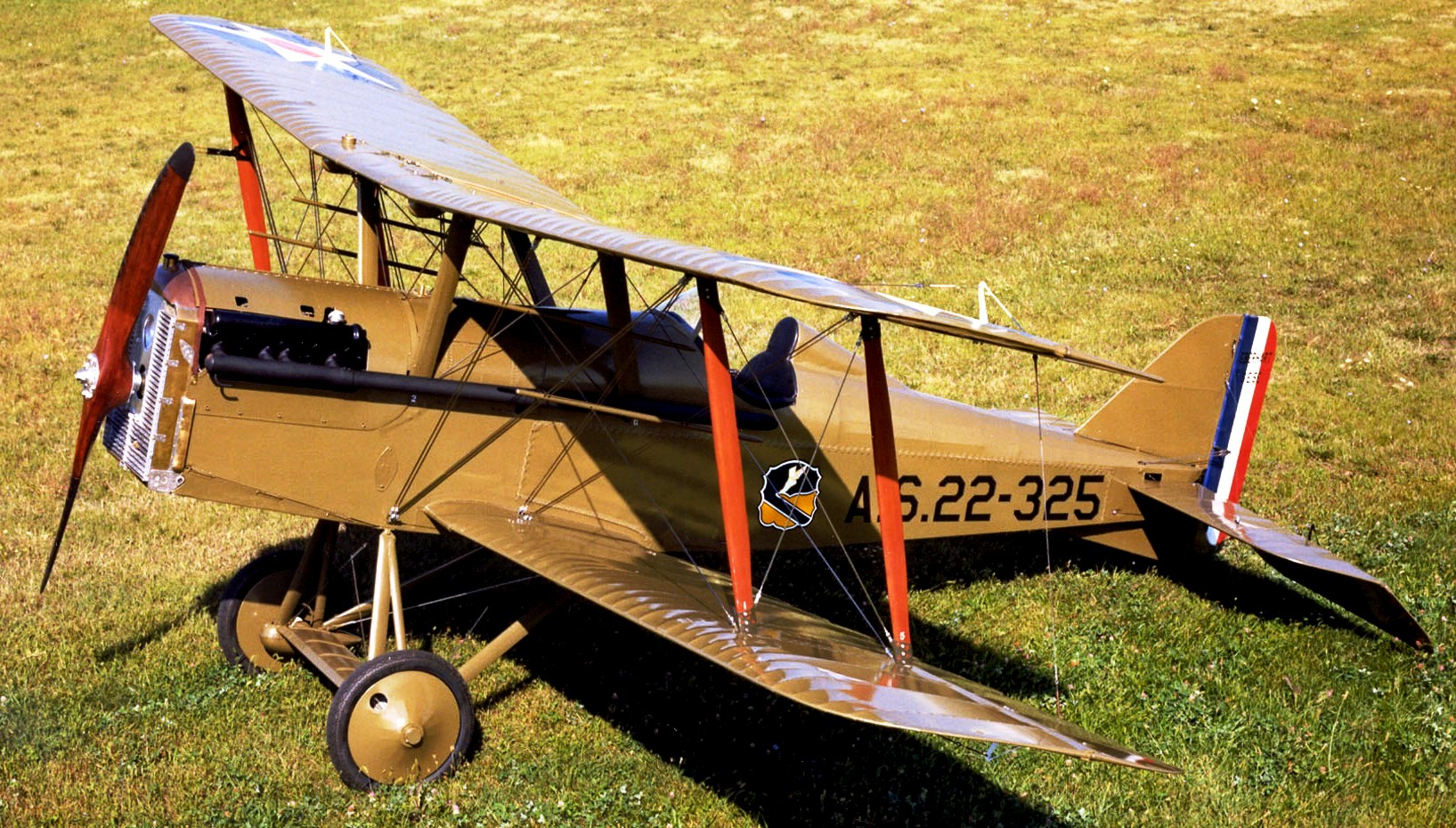
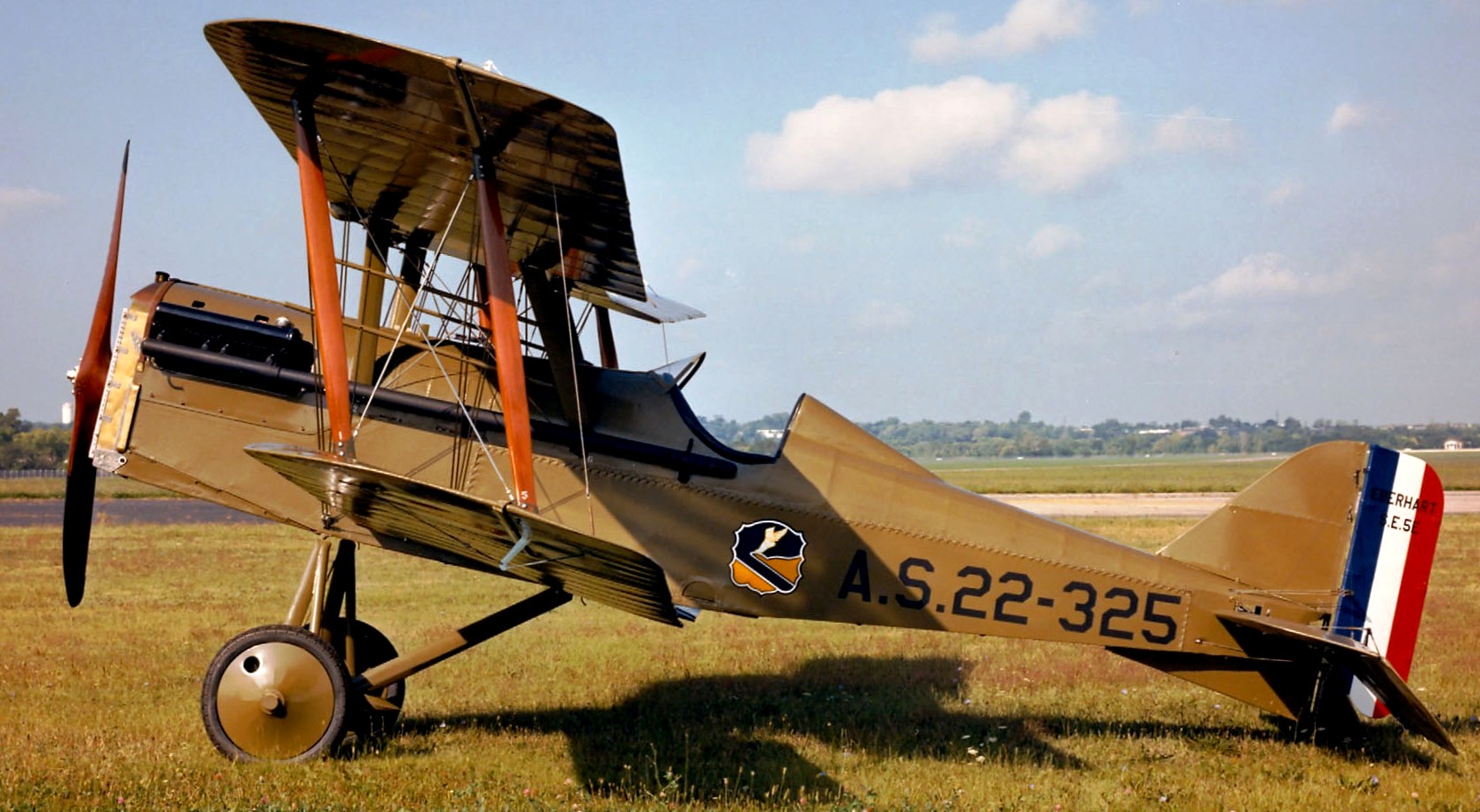
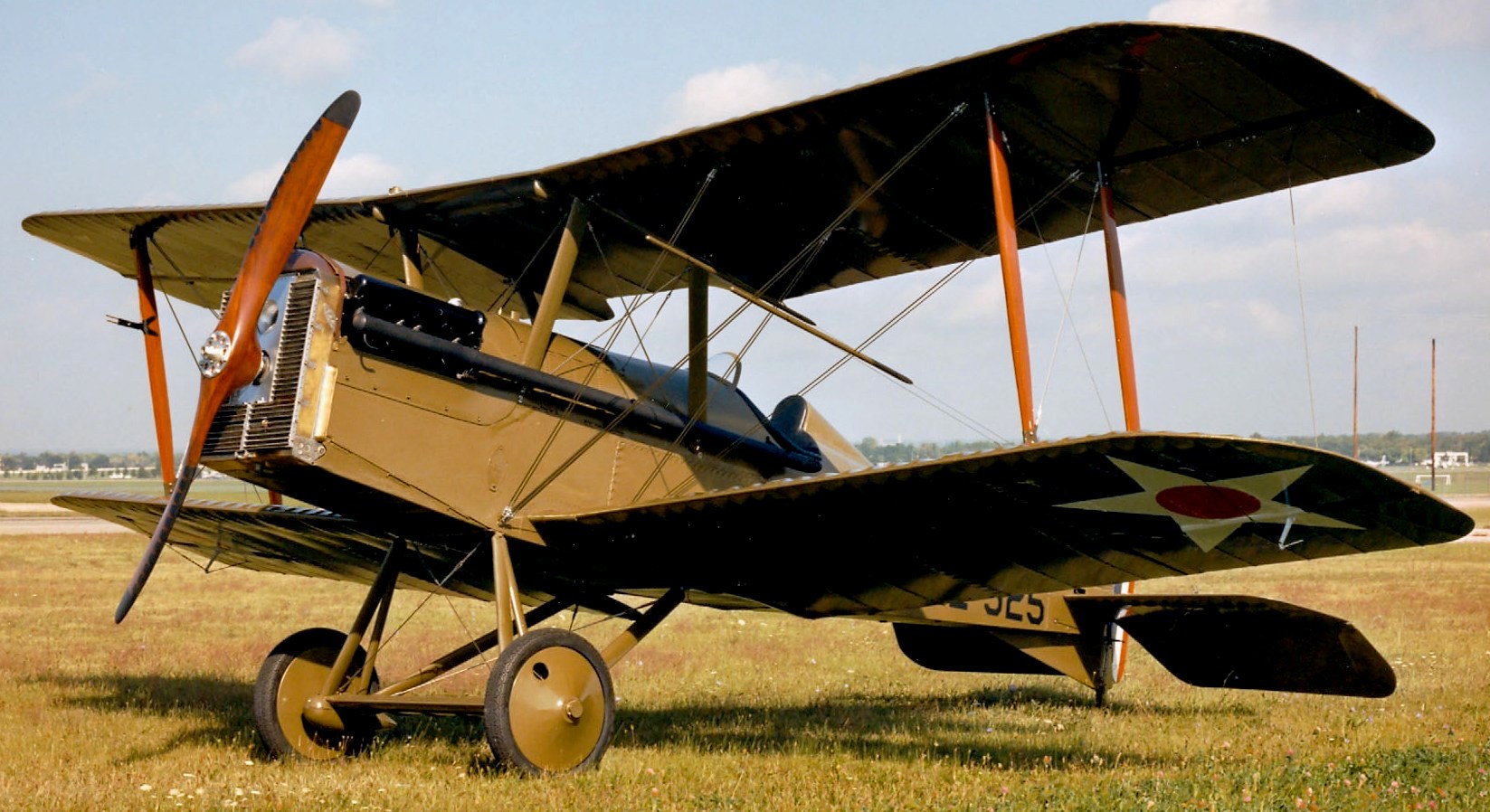
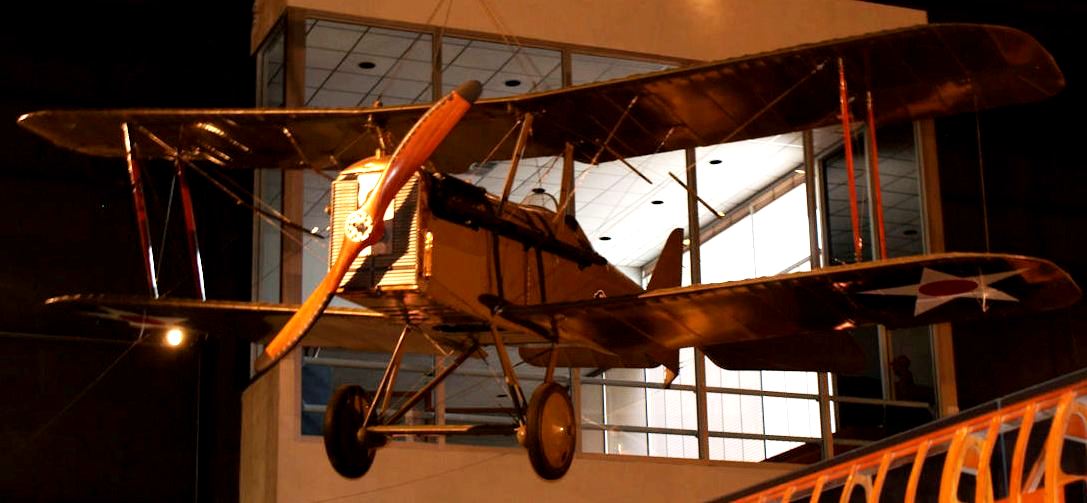
Eberhart SE-5E
(NMUSAF Photos)
(Valder137 Photo)
Eberhart SE-5E (Serial No. 22-325). American-built Royal Aircraft Factory SE-5. The NMUSAF acquired the SE-5E through a donation by the estate of Lt. Col. William C. Lambert, USAF Ret’d, a First World War ace with 21.5 victories. Lambert flew the S.E.5A as an American member of the Royal Flying Corps and the Royal Air Force. The Air Force Museum Foundation also helped to buy the aircraft. It is painted to represent an SE-5E of the 18th Headquarters Squadron, Bolling Field, Washington, D.C., in 1925.
(NMUSAF Photo)
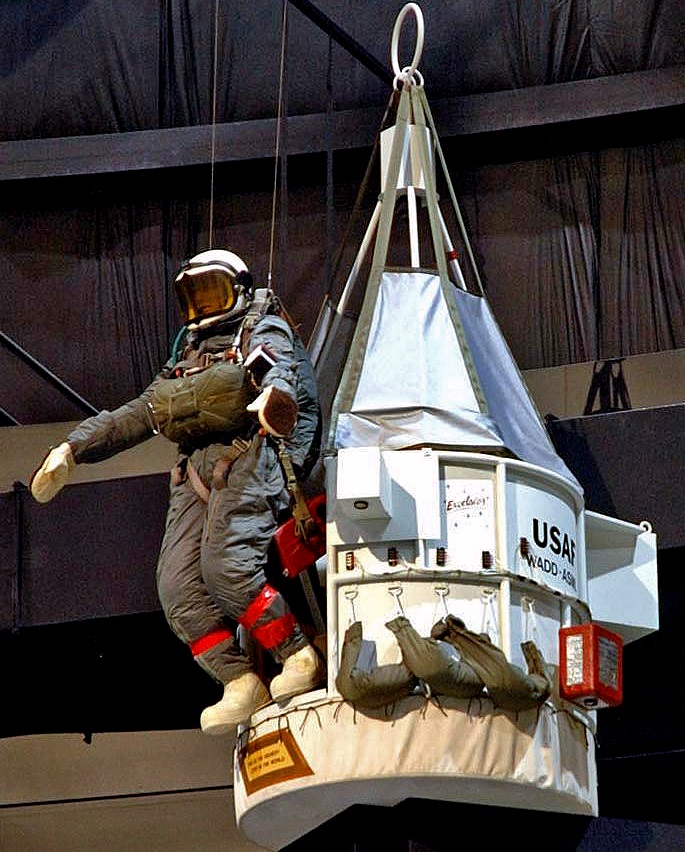
Excelsior Gondola.
(NMUSAF Photos)
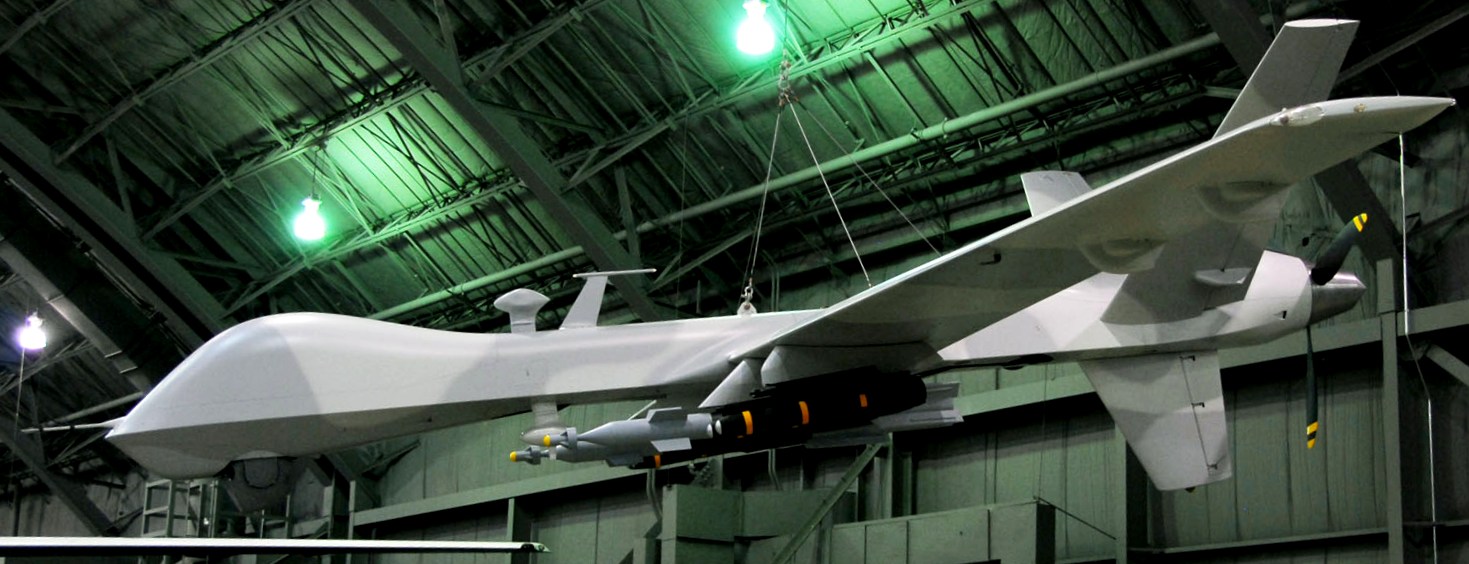
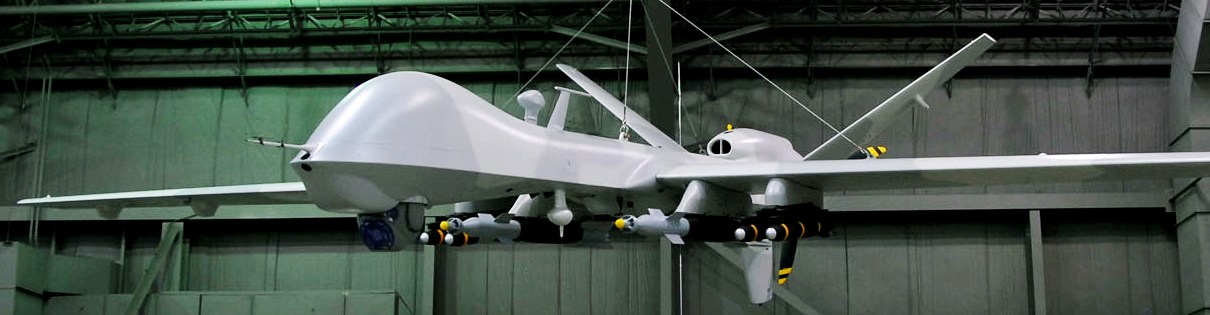
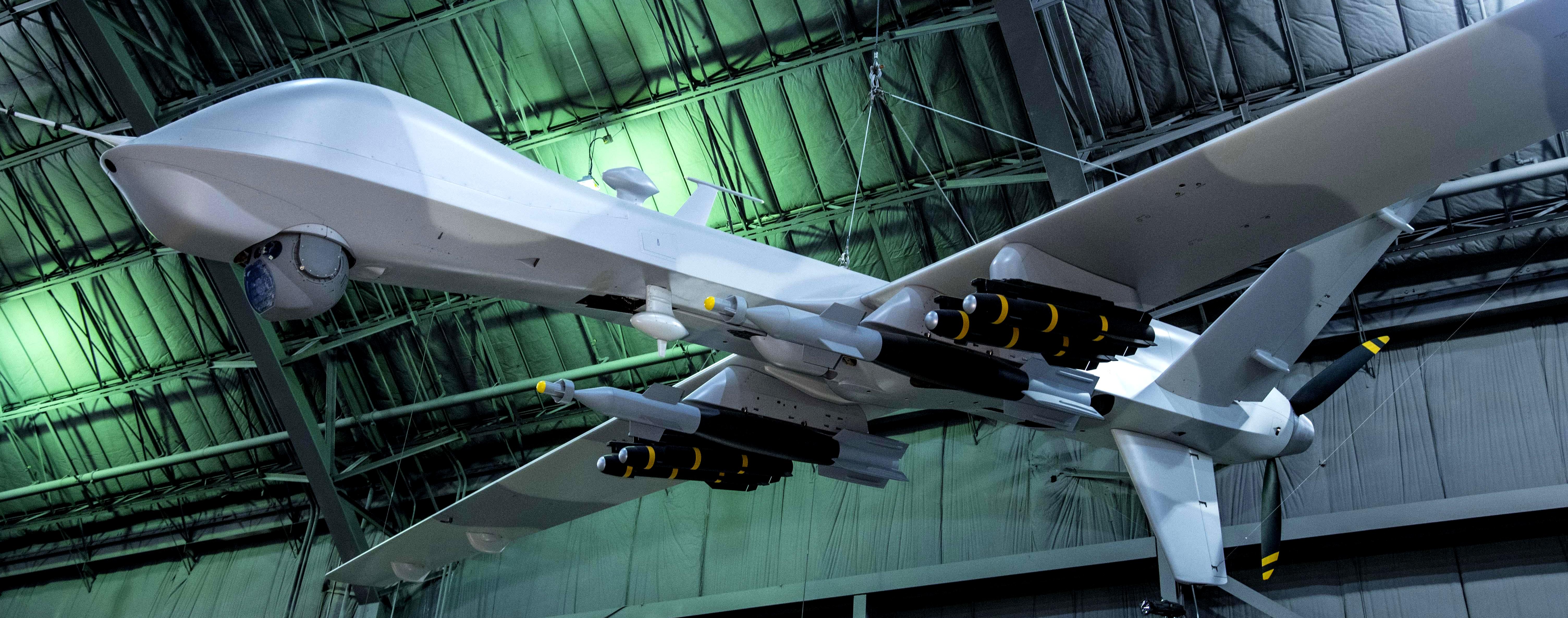
General Atomics YMQ-9A Reaper (Serial No. 02-4002), C/N PB-002. UAV. Suspended from the ceiling. The Reaper on display in the NMUSAF is one of the two pre-production YMQ-9s sent to Afghanistan. This aircraft was used for the initial weapons testing, flew 14 missions for the Department of Homeland Defense during October-November 2003, and it was the first Reaper to fly in Afghanistan . In four years, it flew 3,266 combat hours and 254 combat sorties. It came to the museum in May 2009.
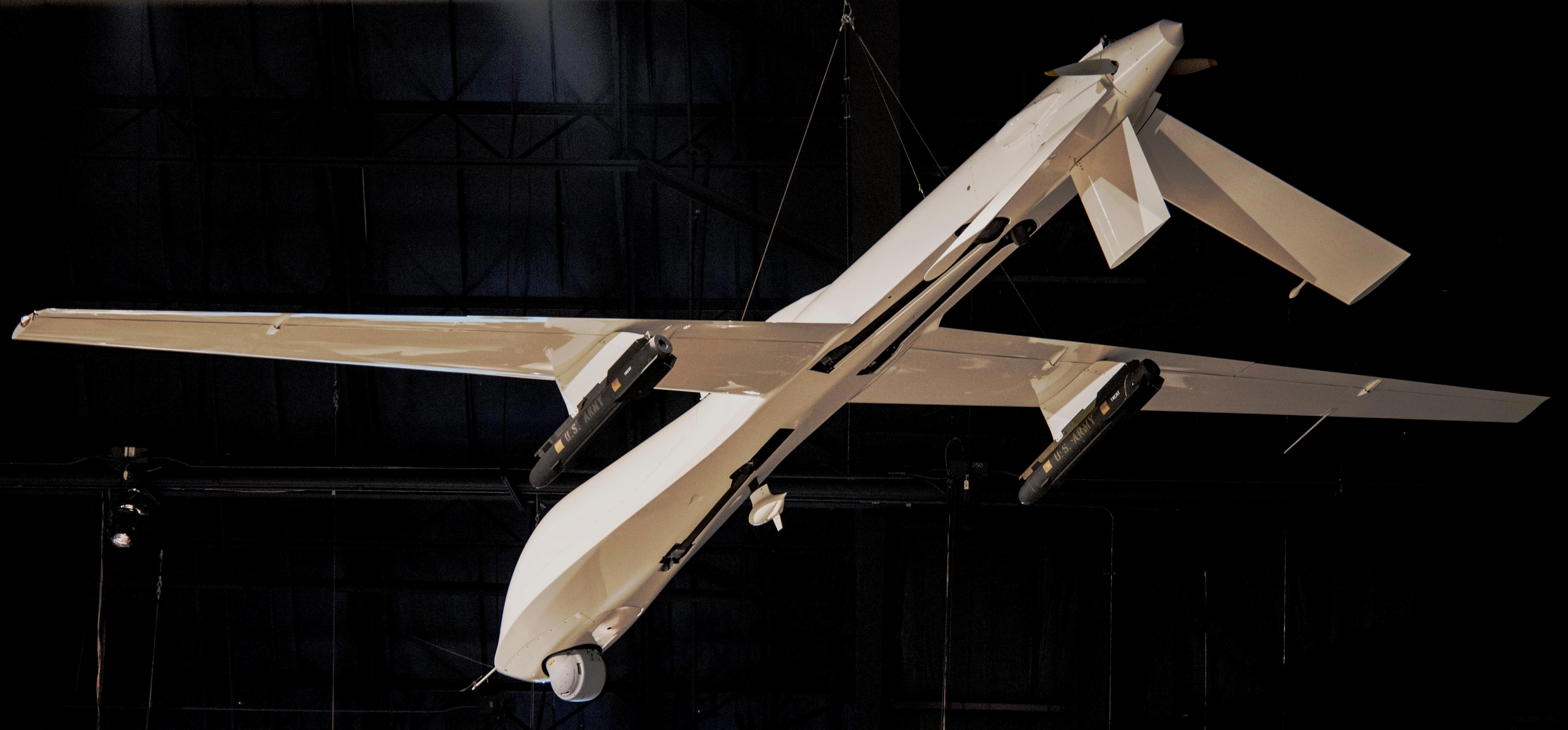
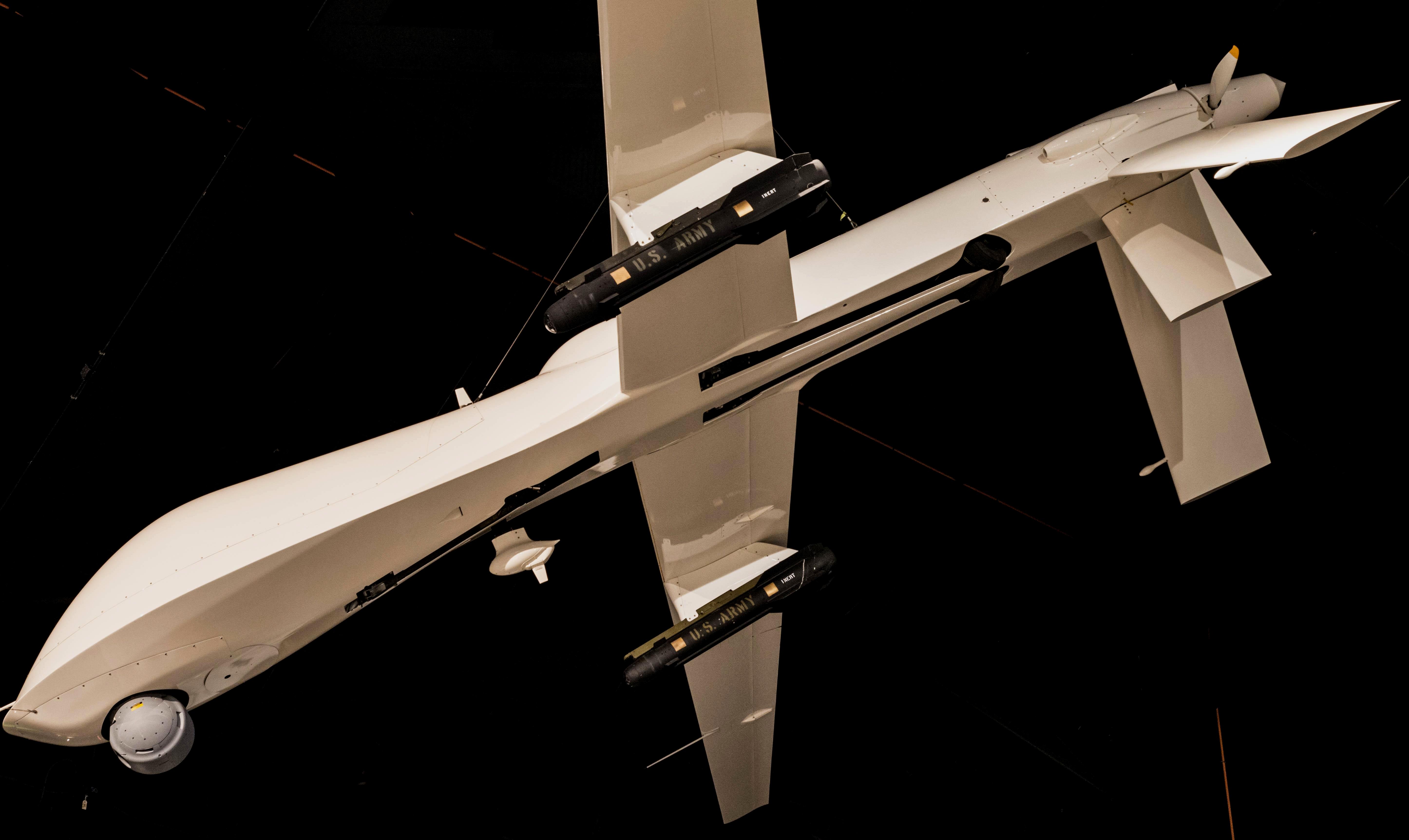
(NMUSAF Photos)
General Atomics RQ-1K Predator (Serial No. 94-3009), C/N P-009. This UAV provided military commanders with an Intelligence, Surveillance and Reconnaissance (ISR) platform capable of flying over dangerous areas for extended periods without risk to a human pilot. In flight, the UAV and its on-board sensors are controlled by the ground crew with a direct data link. However, when the aircraft is flown beyond the range of a direct link, the ground crew maintains control though a satellite data link. The equipment carried in the bottom turret can provide live video, still photographs, or radar imagery in all weather conditions, day or night. Using satellite data links, the information gathered by a Predator can be shared instantaneously with commanders around the world. In February 2001 the Predator successfully fired a laser-guided Lockheed Martin AGM-114 Hellfire anti-tank missile at a stationary target. In May 2001 General Atomics Aeronautical Systems, Inc., presented the RQ-1K Predator on display in the NMUSAF. It is painted to represent a Predator used in the early part of Operation Enduring Freedom in Afghanistan.
(NMUSAF Photos)
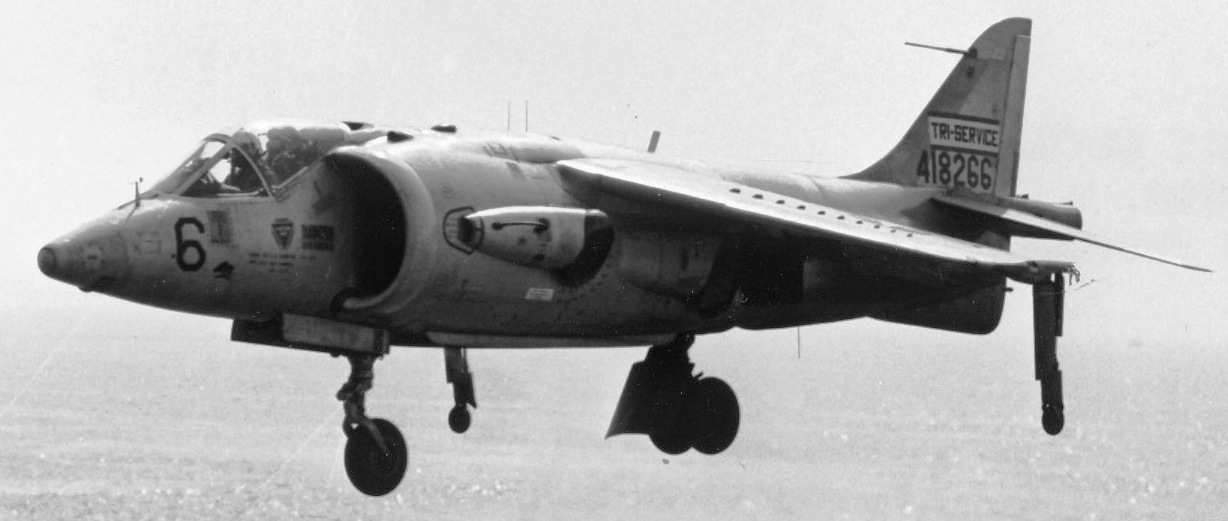
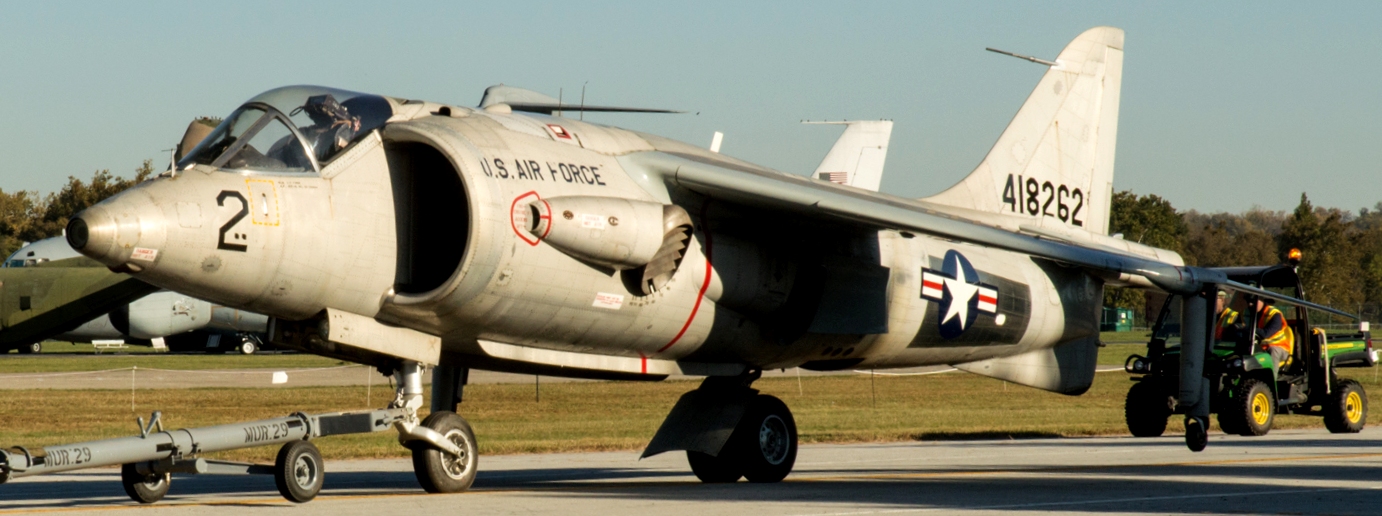
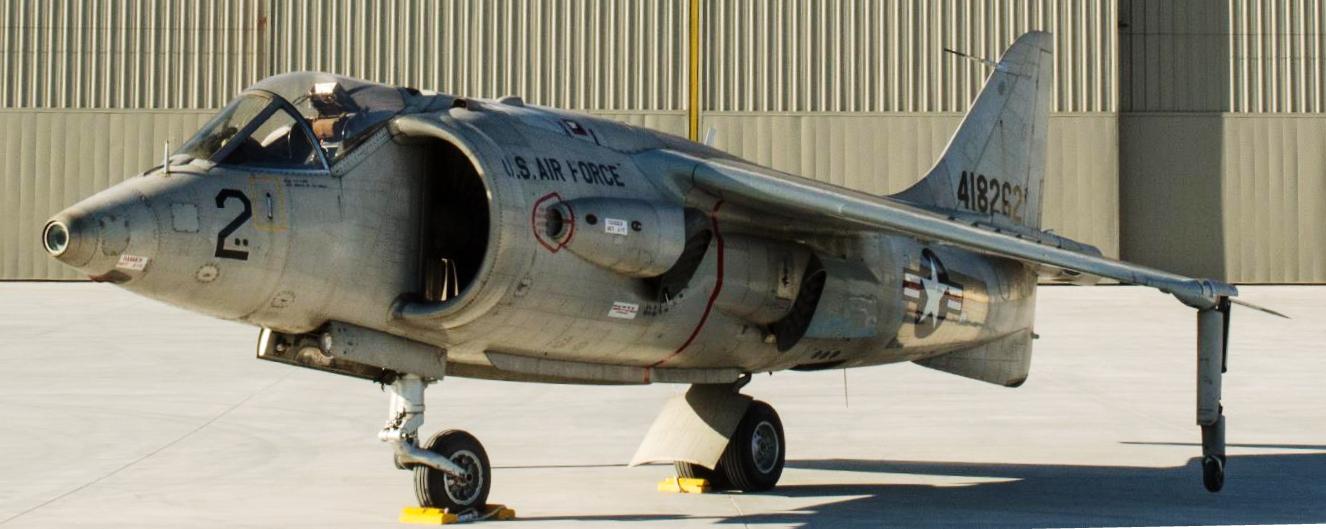
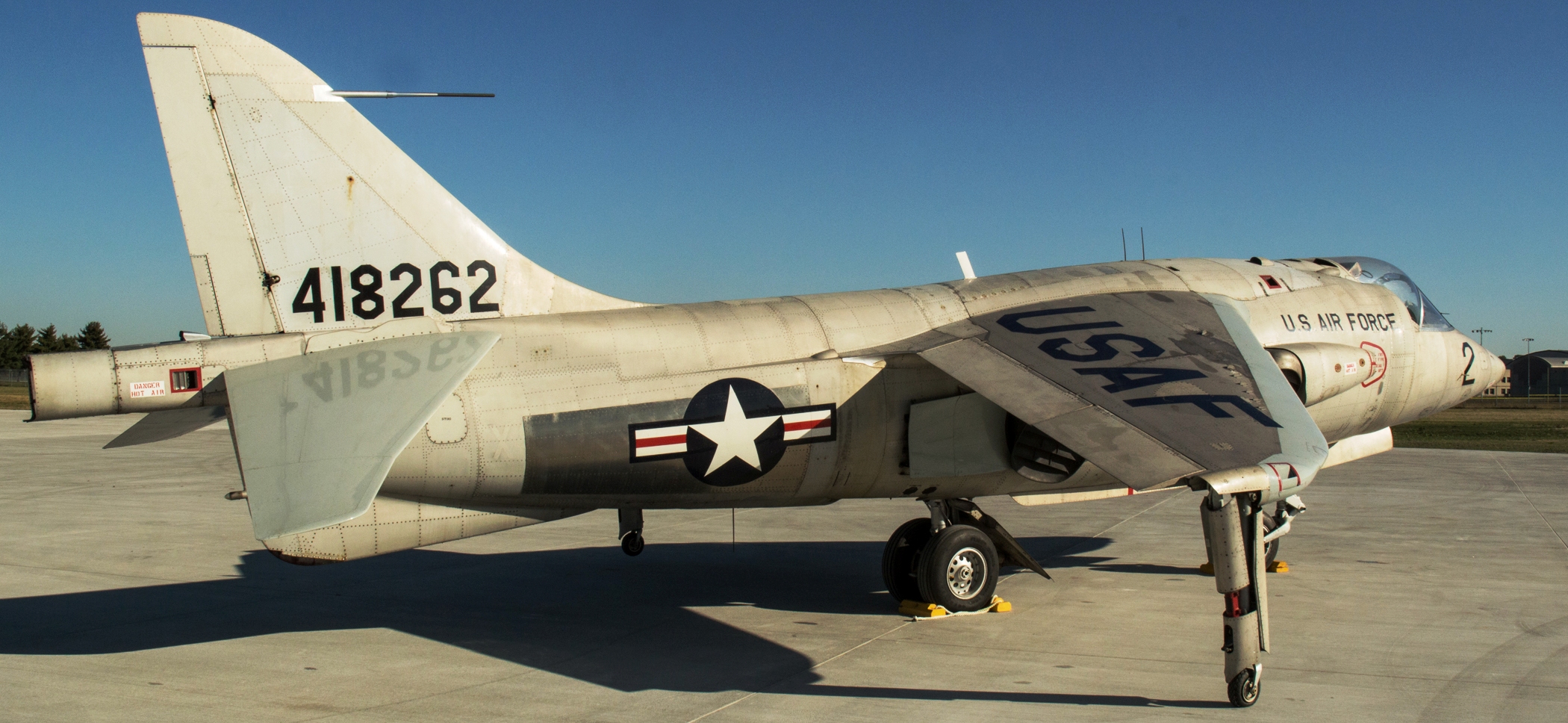
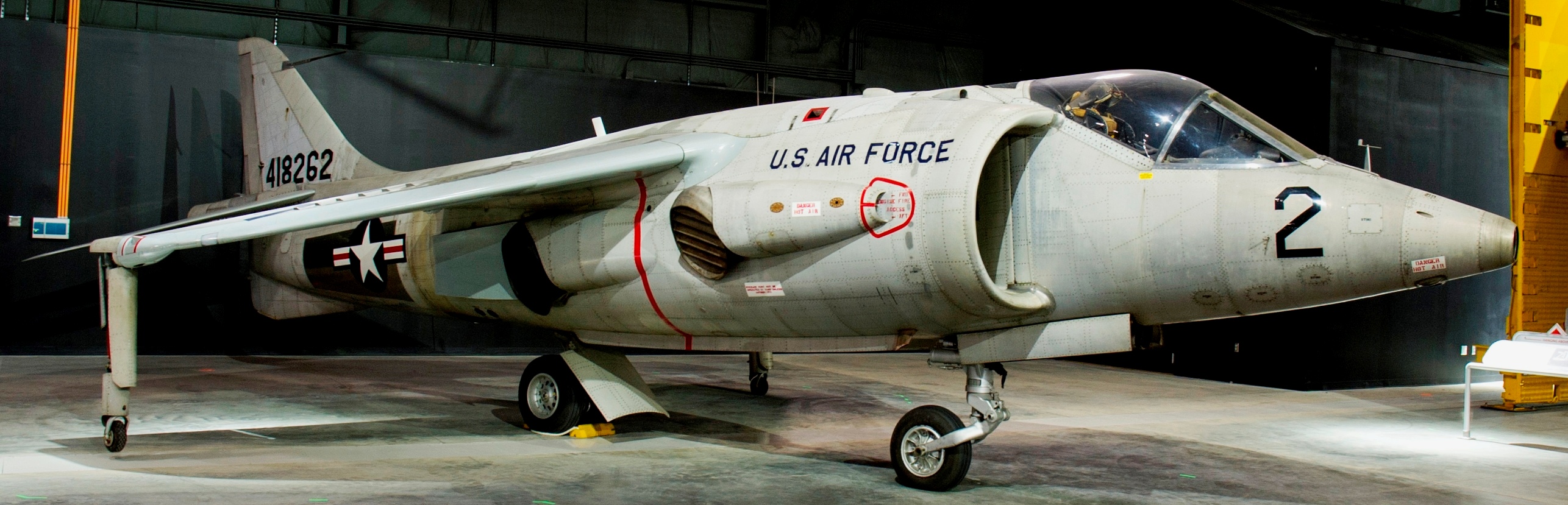
Hawker-Siddeley XV-6A Kestrel (Serial No. 64-18262). The British-built Kestrel was a prototype Vertical/Short Take Off and Landing (VSTOL) aircraft successfully tested in the 1960s. An improved version, known as the Harrier, became the world’s first operational VSTOL fighter when it entered Royal Air Force (RAF) service in 1969. The first Kestrel began flight trials in 1961 in Britain. The next year, the United Kingdom, US, and the Federal Republic of Germany ordered nine aircraft for combined testing by those countries’ representatives. A joint evaluation squadron, which included USAF pilots, conducted Kestrel trials in 1965. Six of these trial aircraft came to the United States where the US armed forces conducted additional testing. Although the USAF did not order it, the US Marine Corps and RAF operated the follow-on Harrier for several decades. The Kestrel on display was delivered to the NMUSAF from Edwards Air Force Base, California, in 1970.
(NMUSAF Photos)
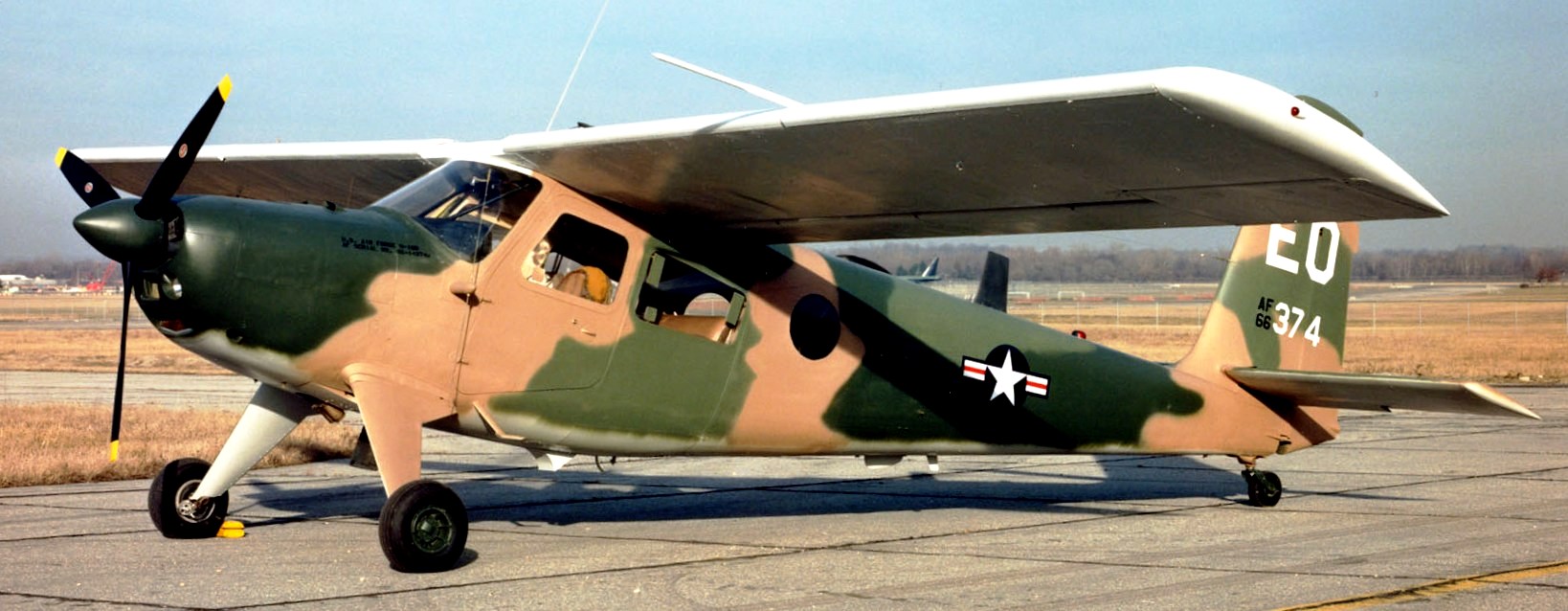
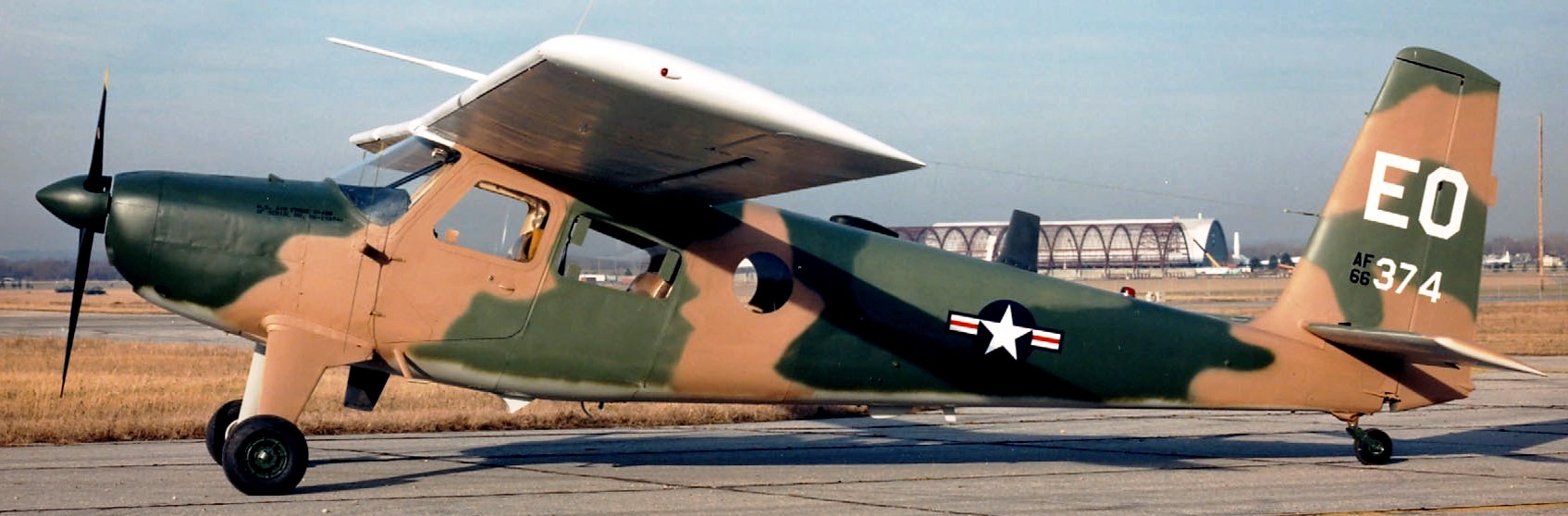
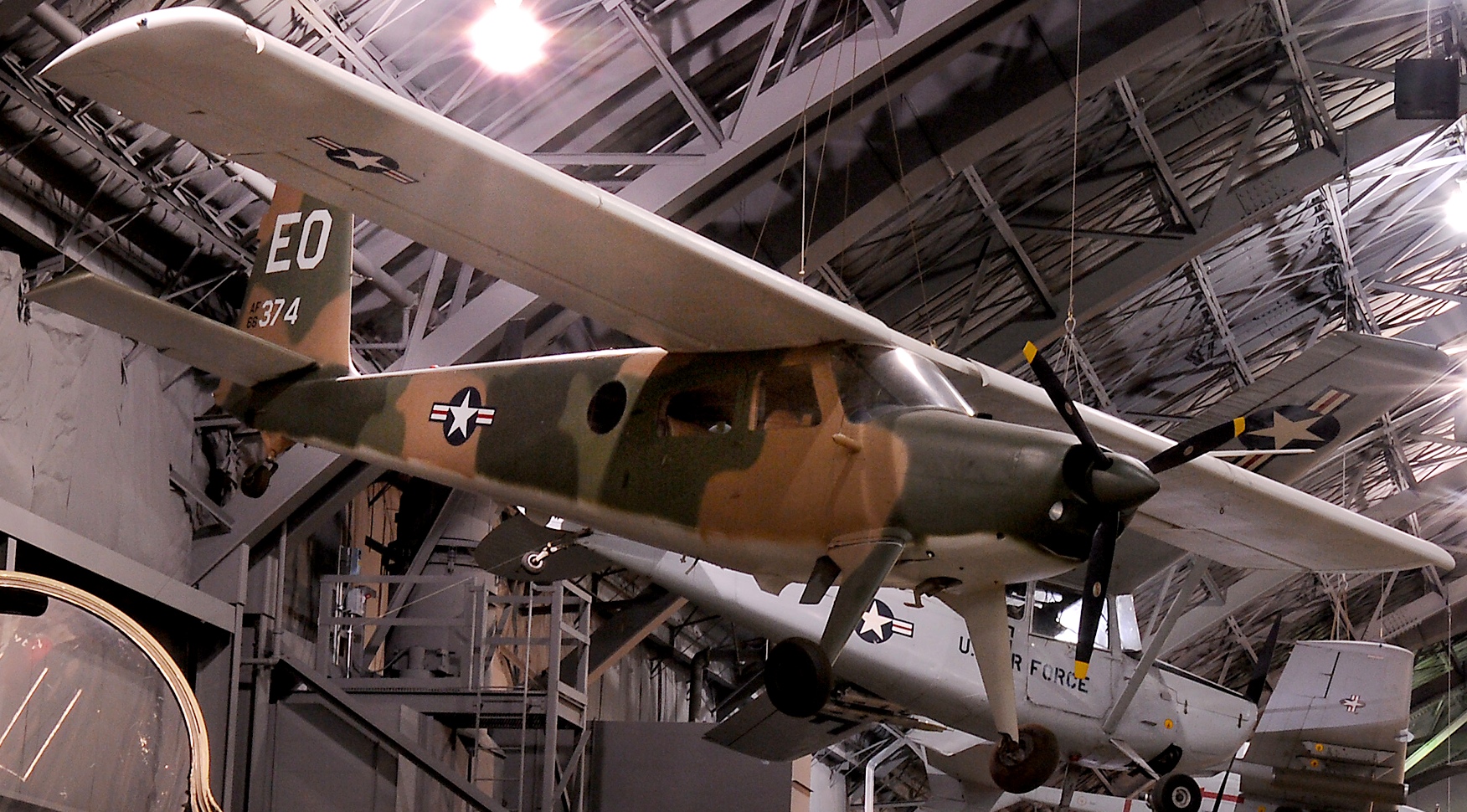
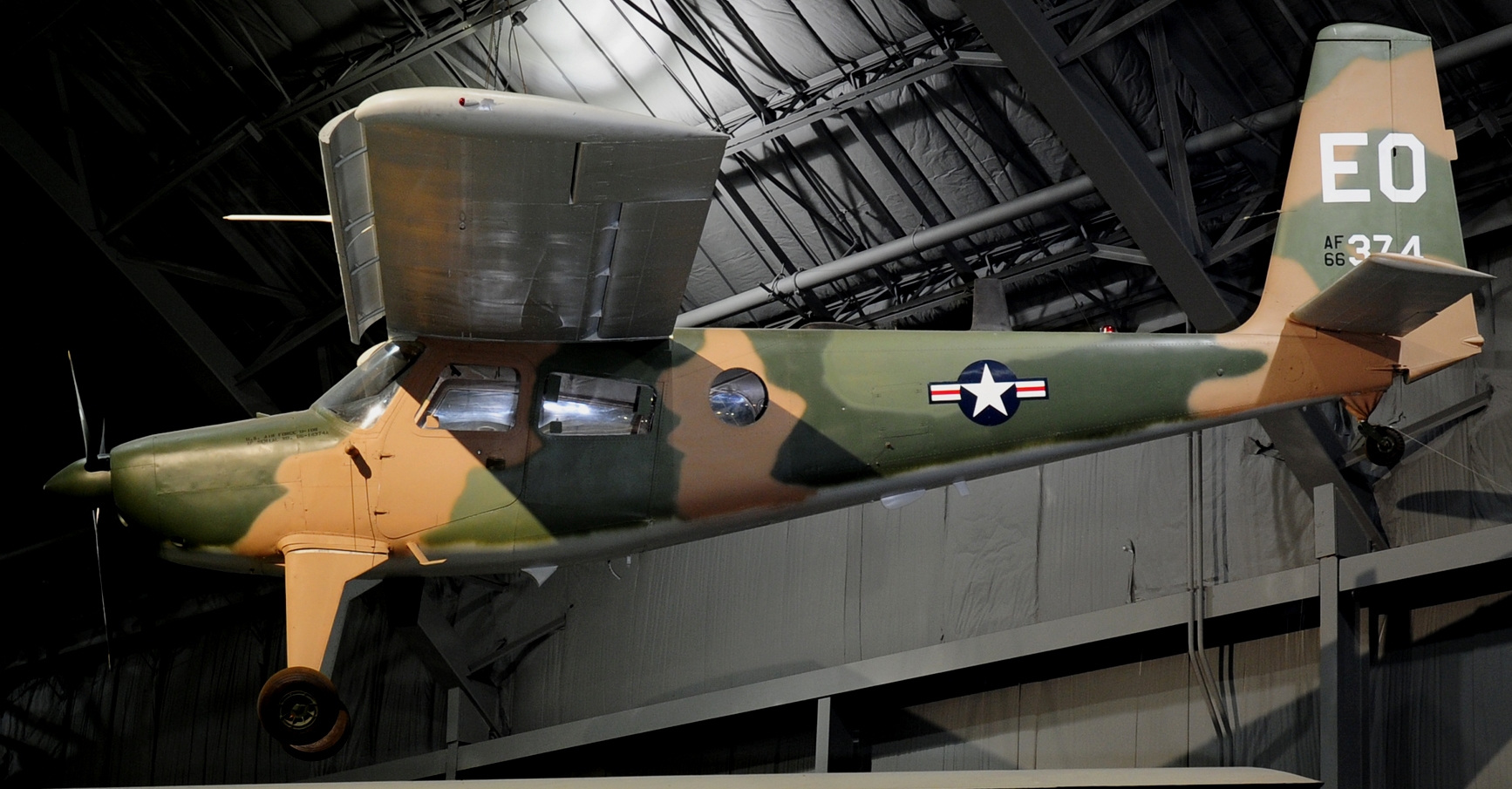
Helio U-10D Super Courier (Serial No. 66-14360). The U-10D on display in the NMUSAF is painted and marked as an aircraft assigned to the 5th Air Commando Squadron in Southeast Asia in 1968.
(NMUSAF Photos)
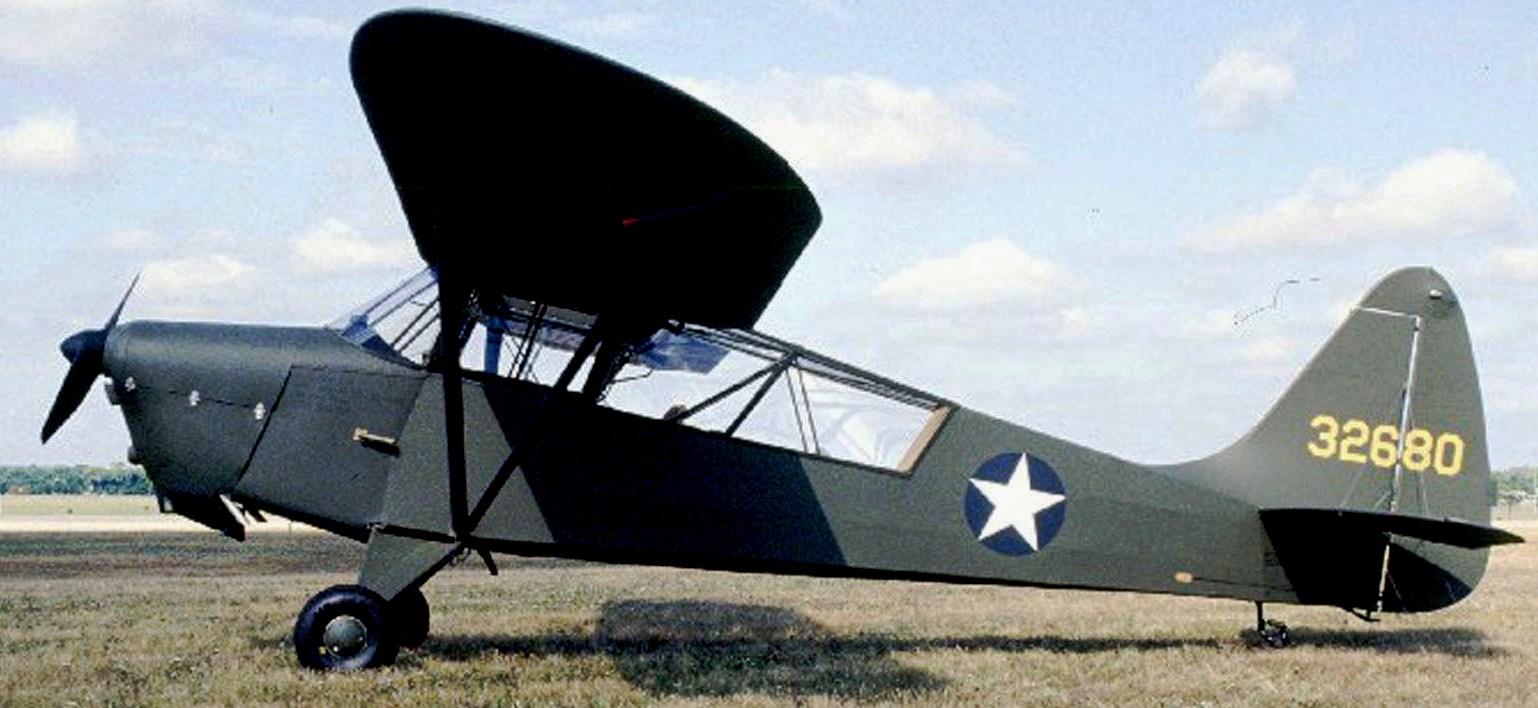
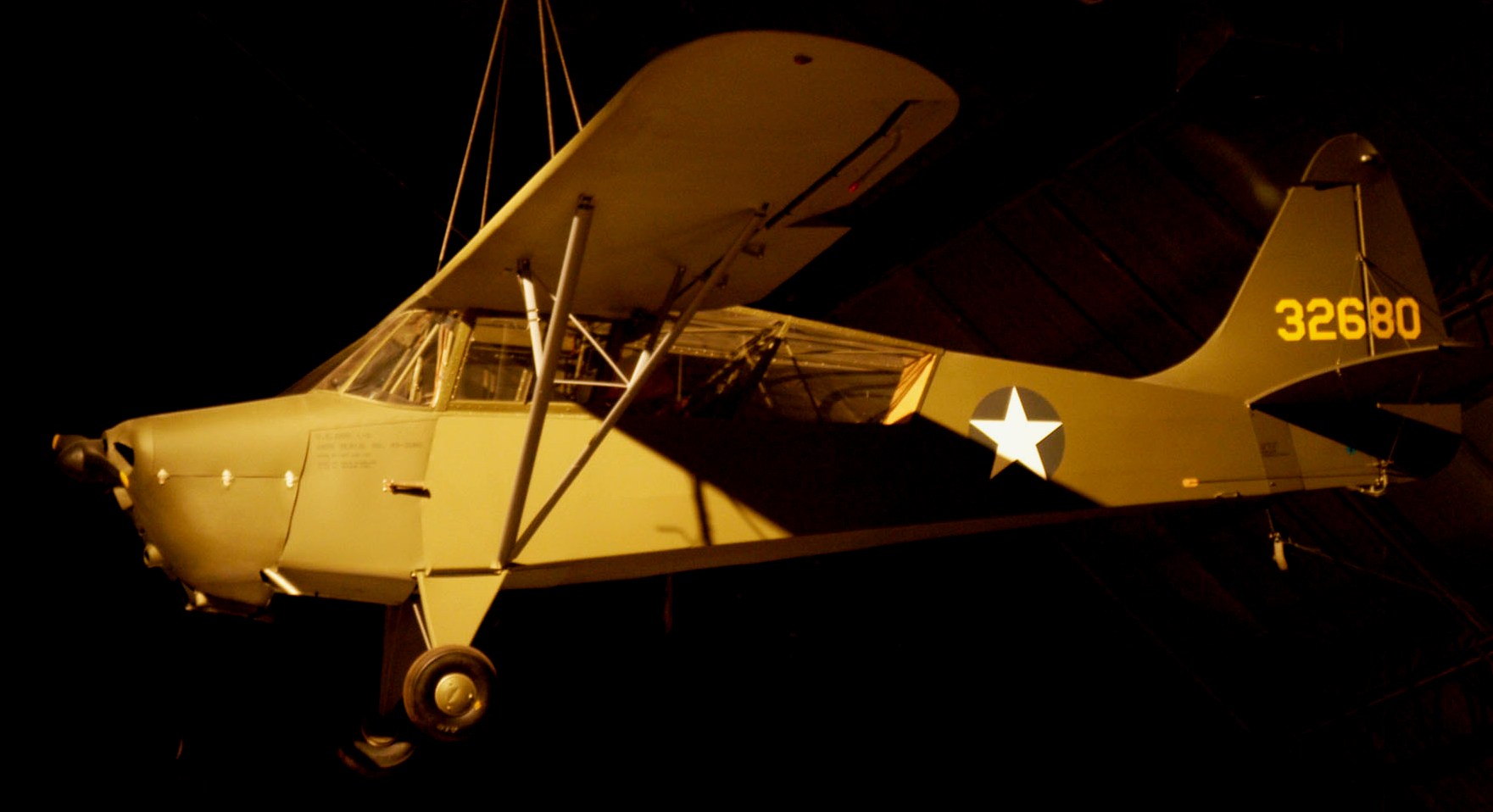
Interstate L-6A Cadet (Serial No. 43-2680).
(NMUSAF Photos)
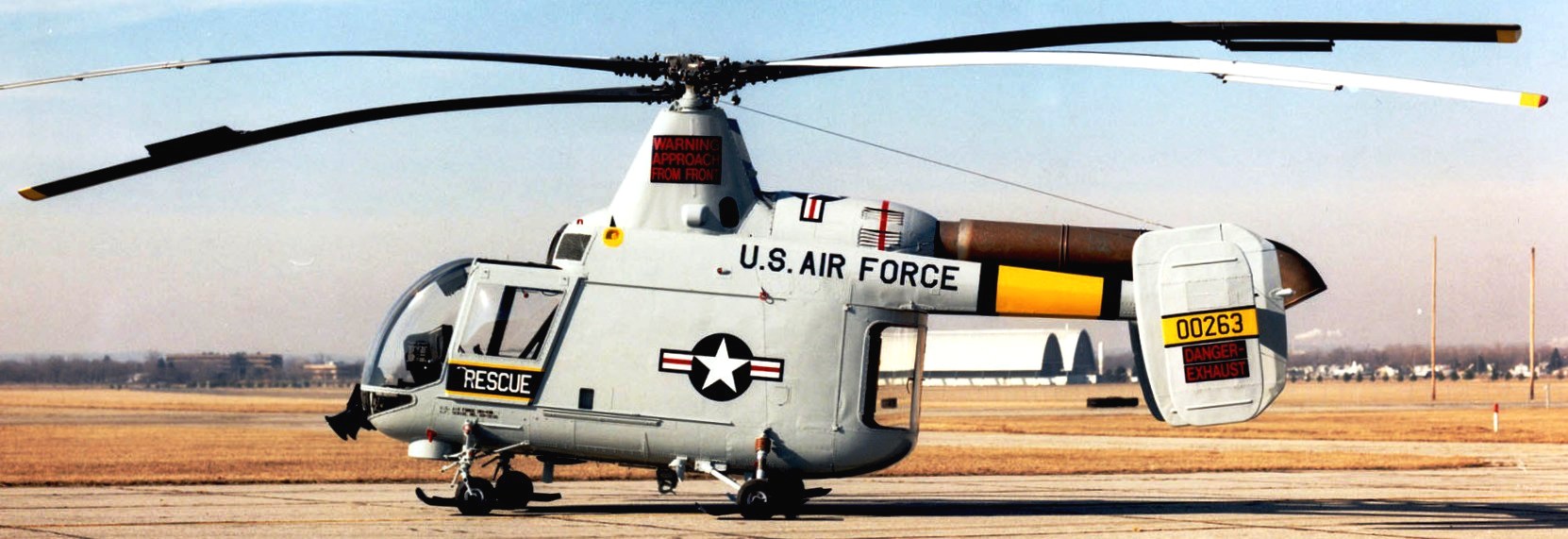
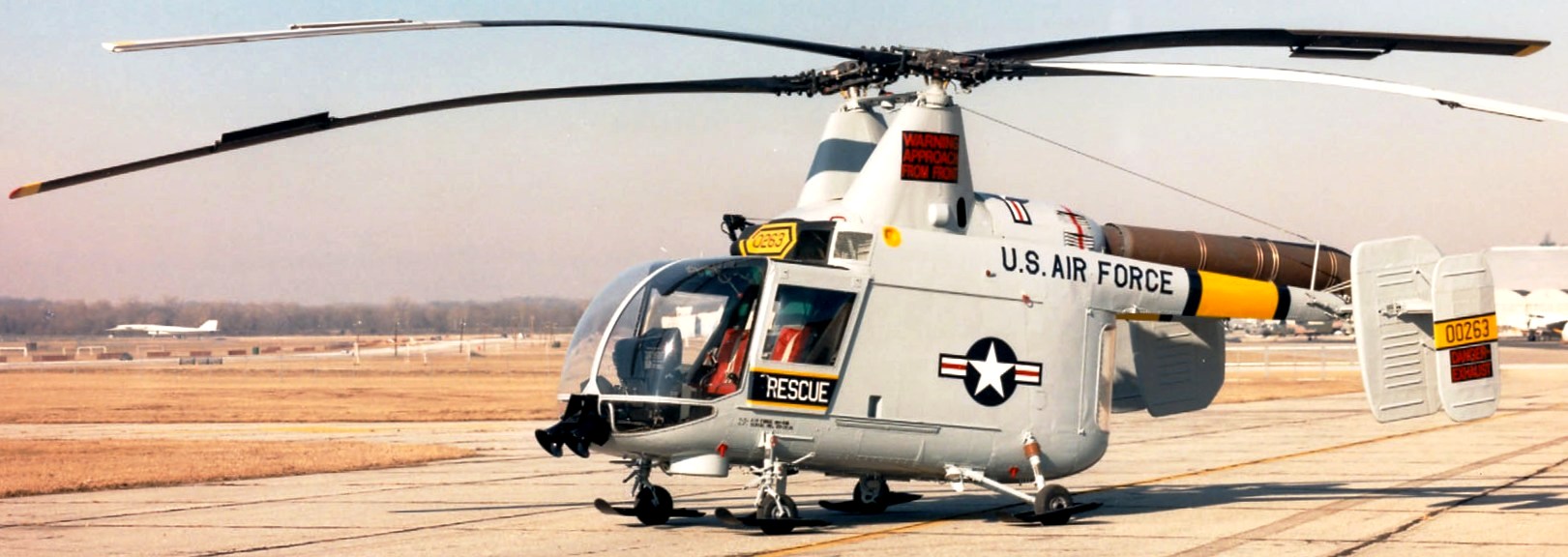
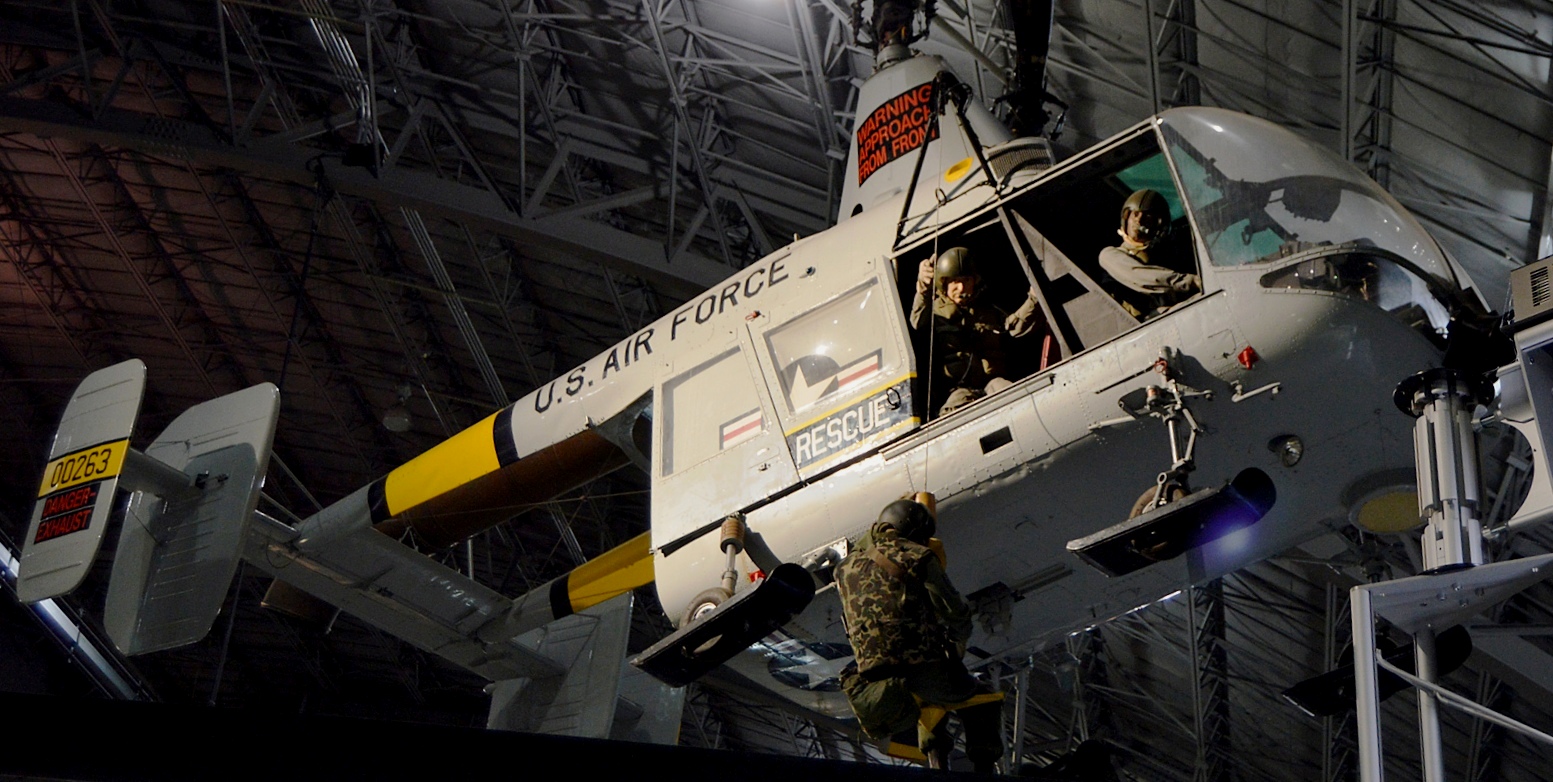
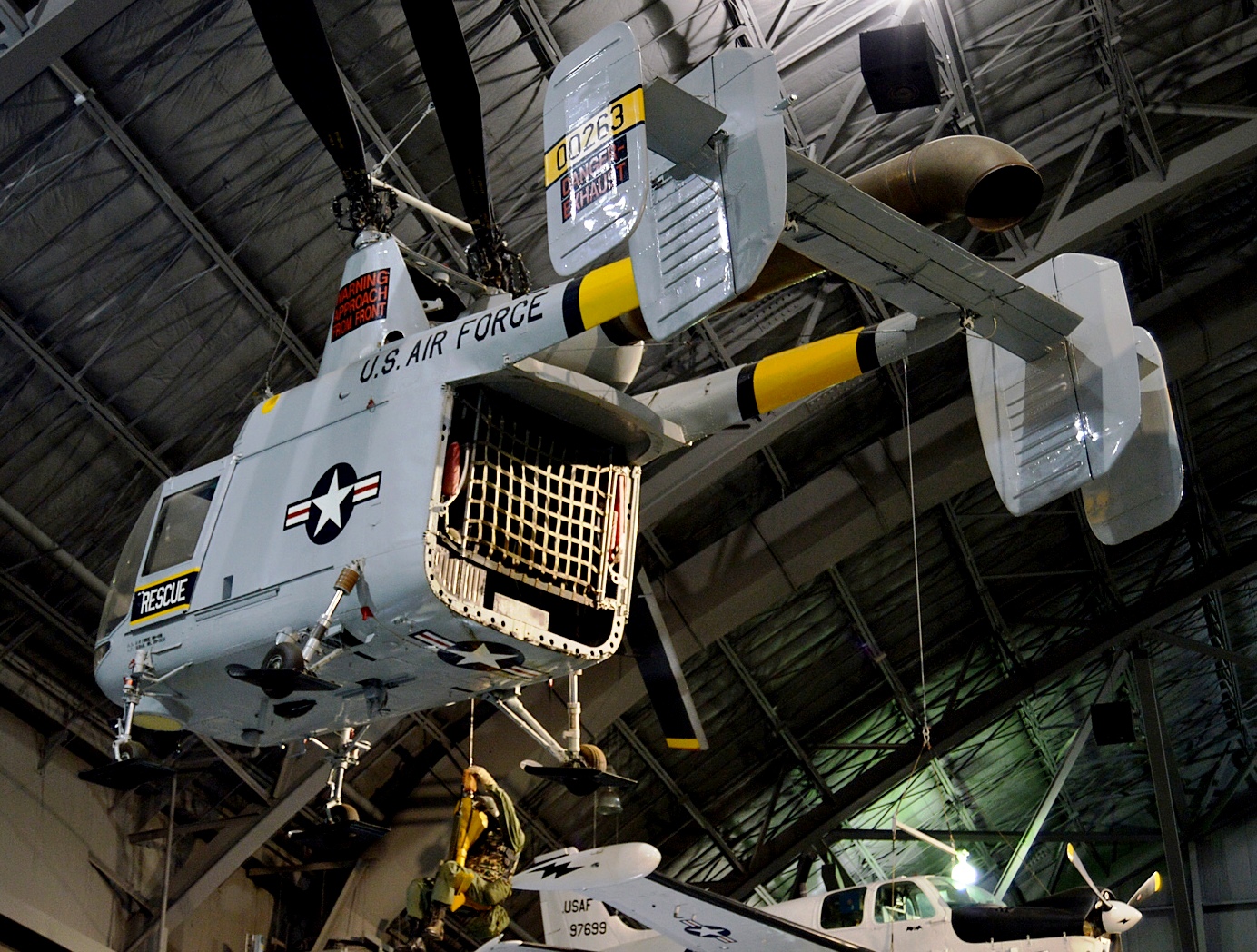
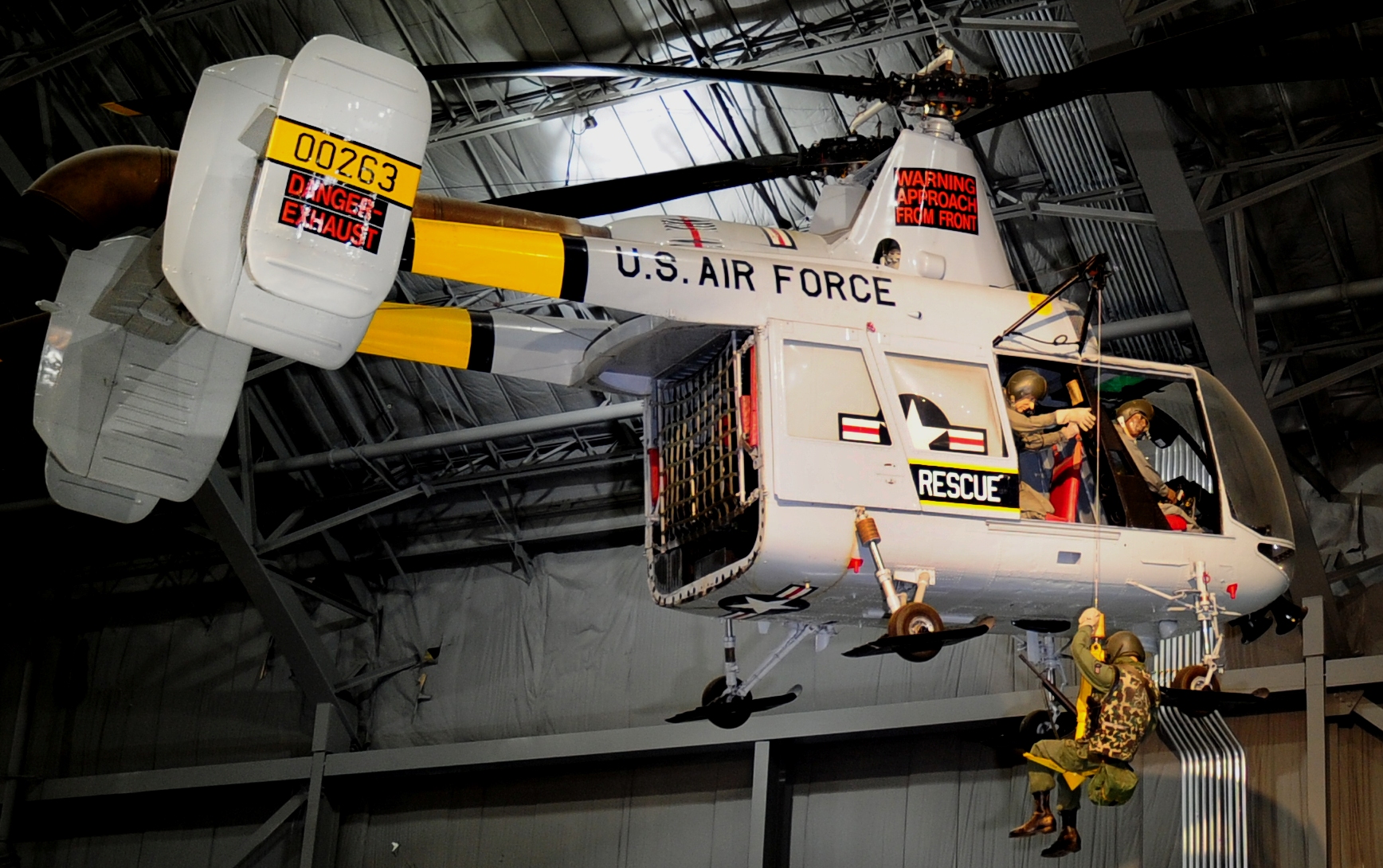
Kaman HH-43B Huskie (Serial No. 60-0263), C/N 87. Suspended from the ceiling. The HH-43B on display in the NMUSAF established seven world records in 1961-1962 for helicopters in its class for rate of climb, altitude, and distance traveled. It was assigned to rescue duty with Detachment 3, 42nd Aerospace Rescue and Recovery Squadron, Kirtland AFB, New Mexico, prior to its retirement and flight to the museum in April 1973.
(NMUSAF Photos)
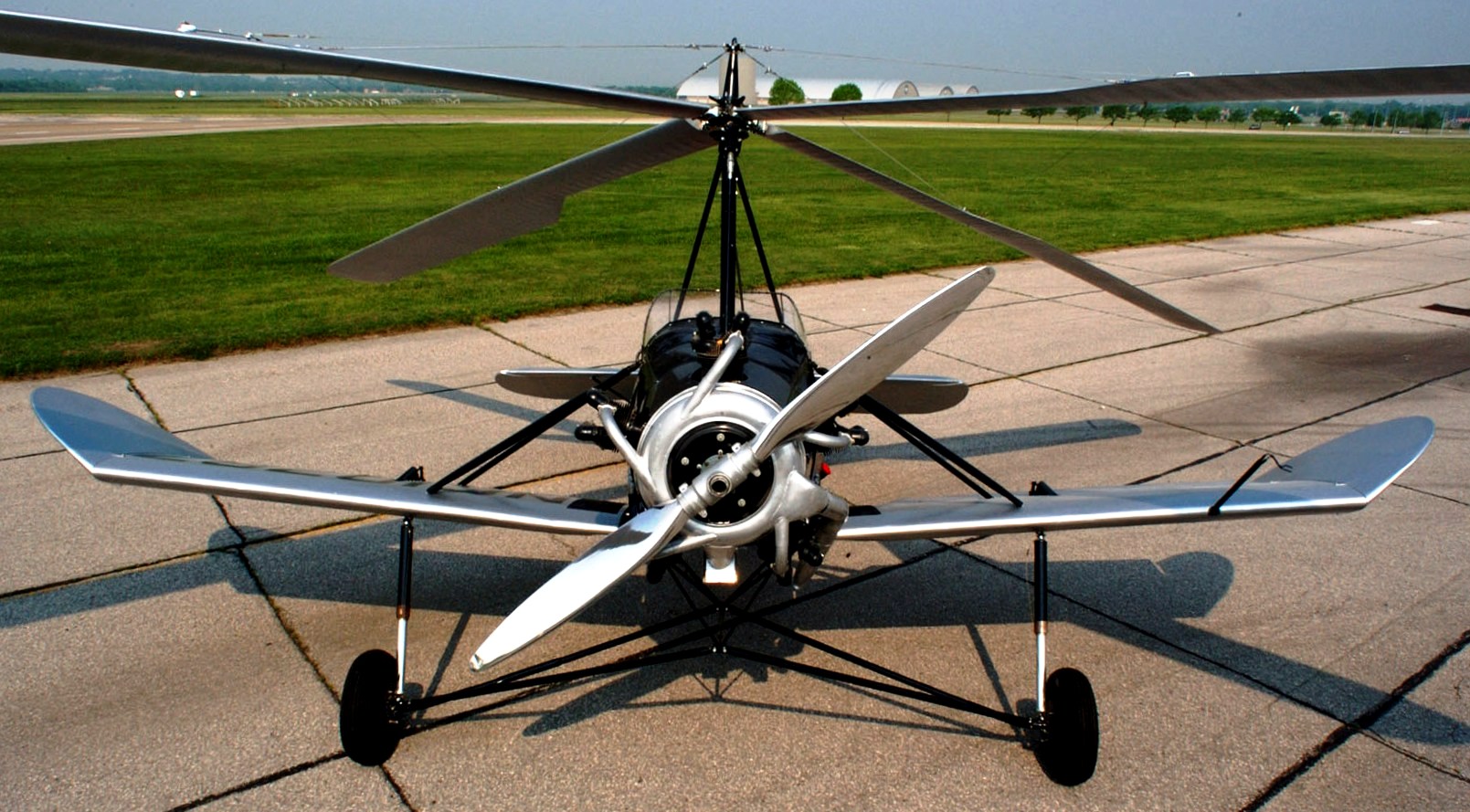
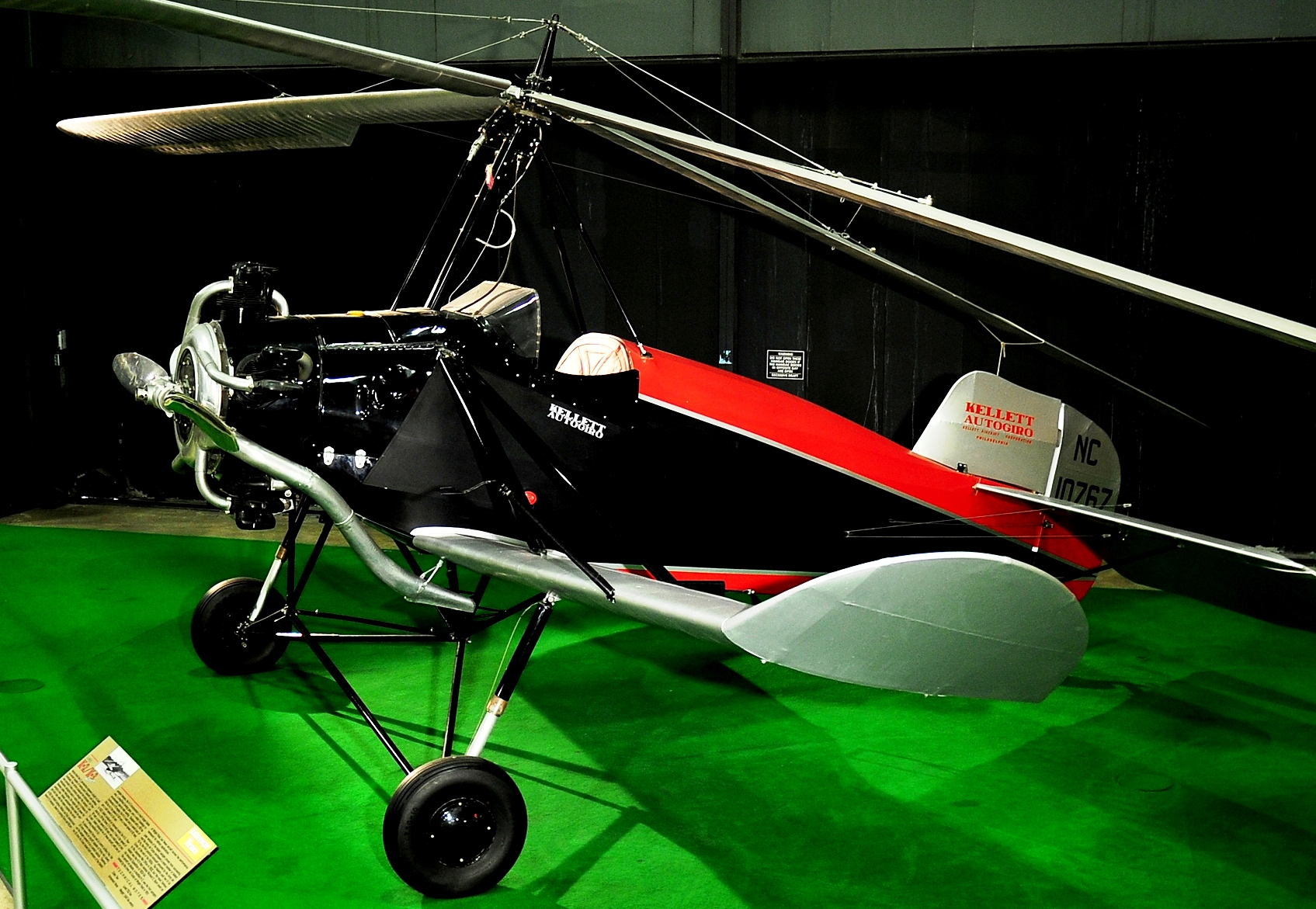
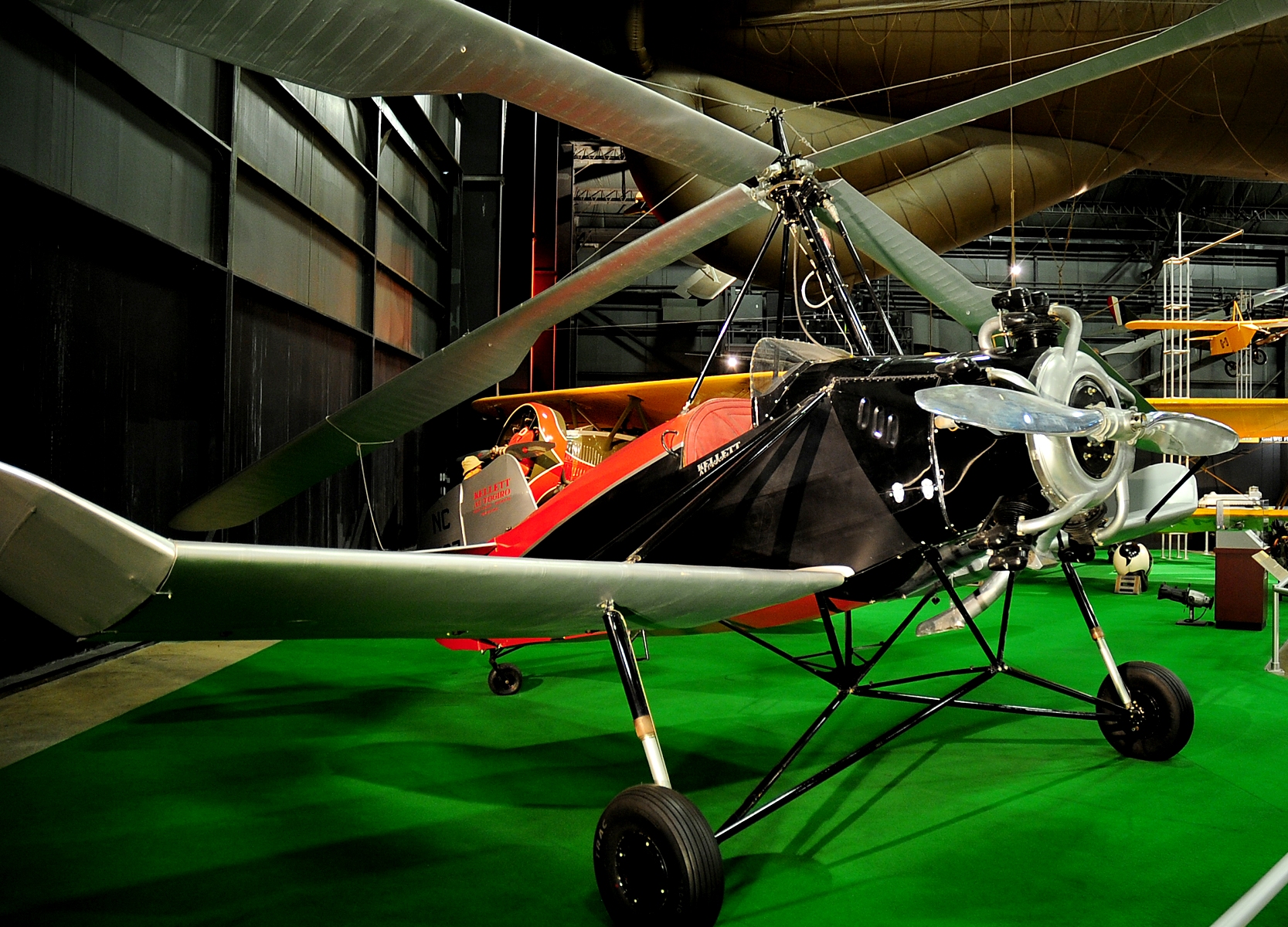
Kellett K2/K3 Autogyro. The aircraft on display in the NMUSAF, a modified K-2, was the first autogiro tested by the Army Air Corps at Wright Field in 1931.
(NMUSAF Photo)
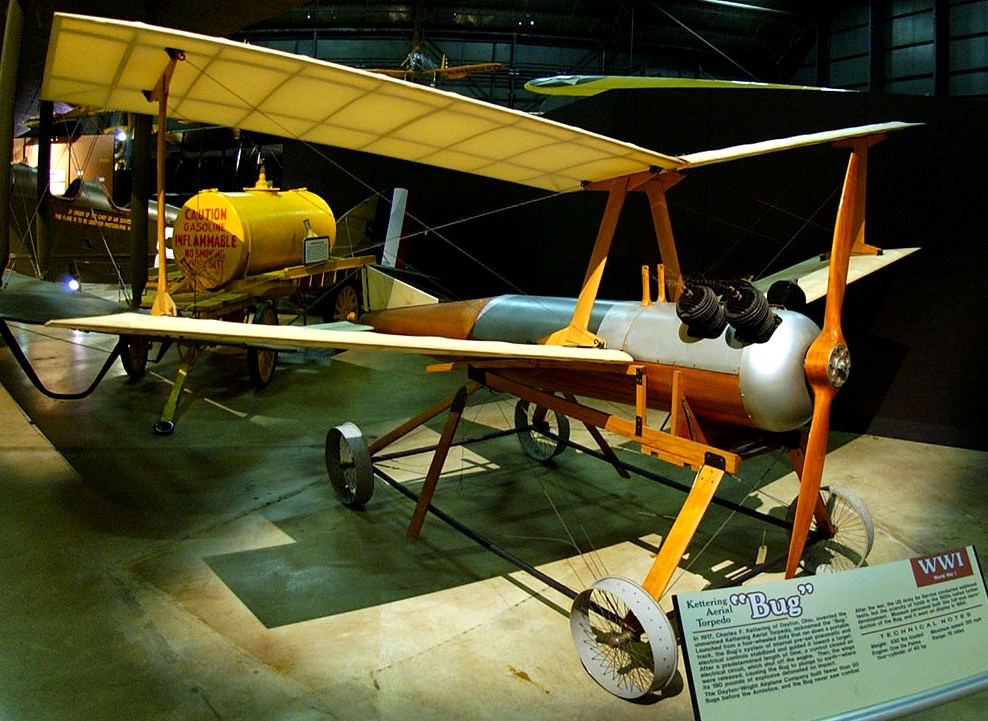
Kettering Aerial Torpedo “Bug“. In 1917 Charles F. Kettering of Dayton, Ohio, invented the unmanned Kettering Aerial Torpedo, nicknamed the “Bug.” Launched from a four-wheeled dolly that ran down a portable track, the Bug’s system of internal pre-set pneumatic and electrical controls stabilized and guided it toward a target. After a predetermined length of time, a control closed an electrical circuit, which shut off the engine. Then, the wings were released, causing the Bug to plunge to earth, where its 180 pounds of explosive detonated on impact. The Dayton-Wright Airplane Co. built fewer than 50 Bugs before the Armistice, and the Bug never saw combat. After the war, the U.S. Army Air Service conducted additional tests, but the scarcity of funds in the 1920s halted further development. Museum personnel built this full-size reproduction of the Bug, and it went on display in 1964.
(NMUSAF Photo)
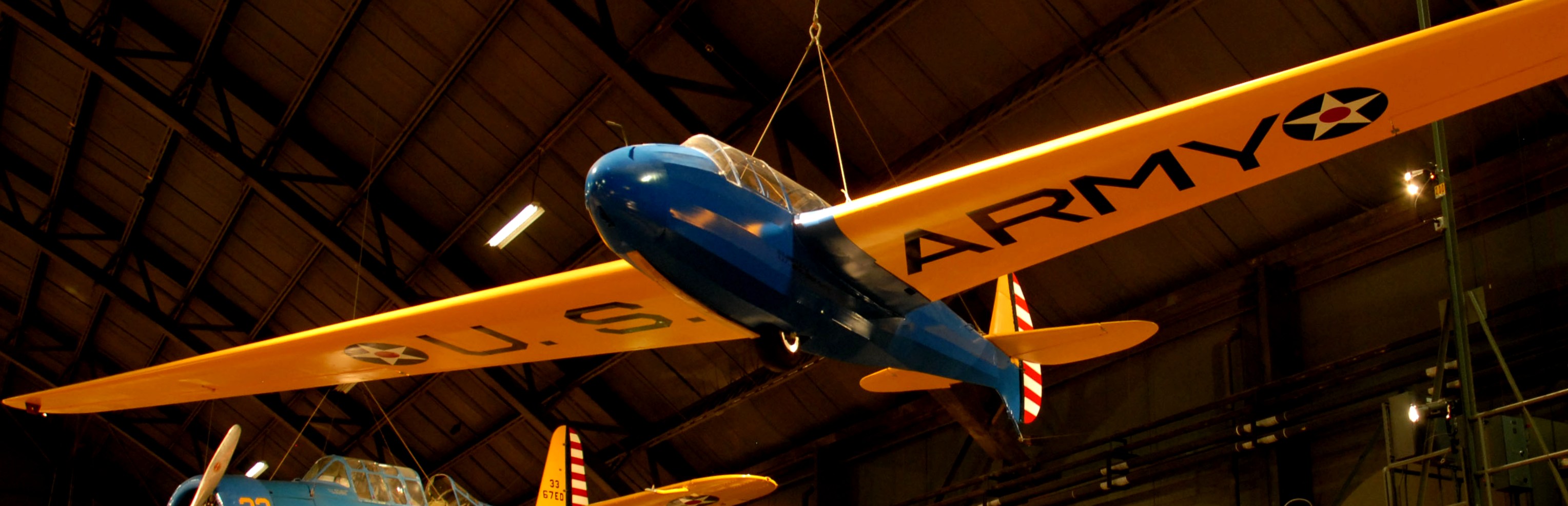
Laister-Kauffmann TG-4A glider. The TG-4A suspended from the ceiling of the Second World War Gallery in the NMUSAFm was donated to the museum in 1980 by Frederick A. Tietzel and placed on display in 2003.
All comments are subject to our Comment Policy. You must be at least 18 years old to comment.
See a comment that violates our guidelines? Report it here.