
Vickers Warwick
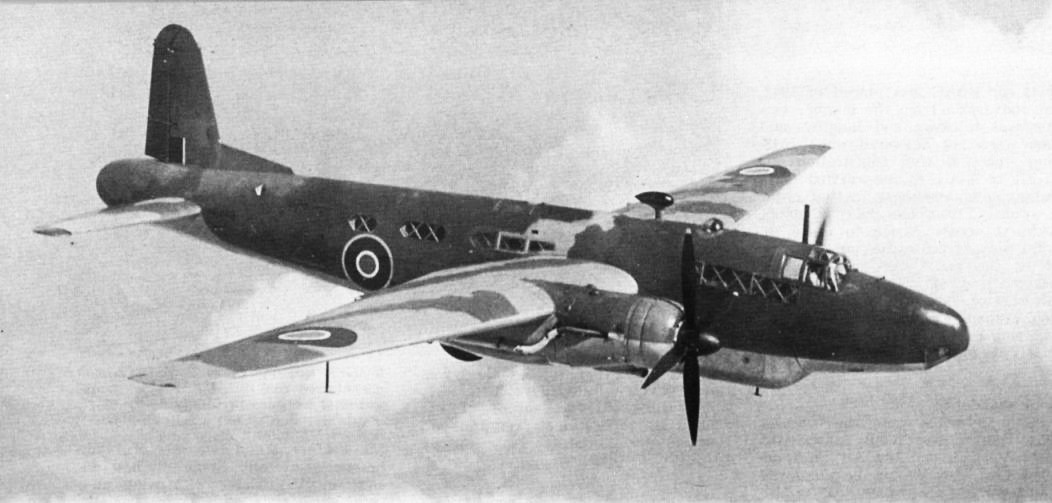
(RAF Photo)
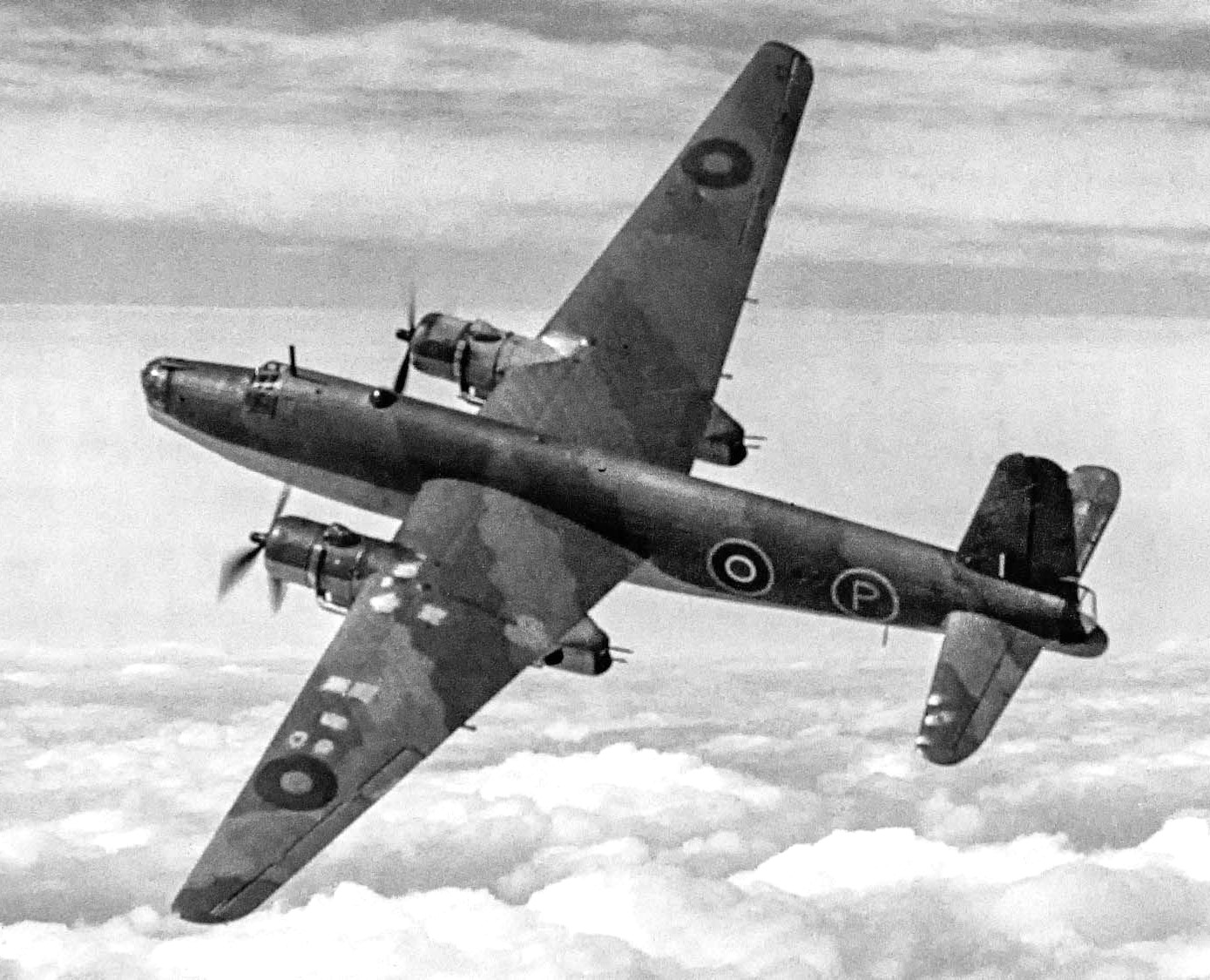
Vickers Warwick C. Mk. III (Serial No. HG248), used as a Napier Sabre test bed.
The Vickers Warwick was a multi-purpose twin-engined bomber, named after the British city of Warwick. The Warwick was the largest British twin-engined aircraft to see use during the Second World War. The Warwick was designed and manufactured by Vickers-Armstrong during the late 1930s. It was intended to serve as a larger counterpart to the Vickers Wellington bomber. The two aircraft share similar construction and design principles but unlike the smaller Wellington bomber, development of the Warwick was delayed by a lack of suitable high-powered engines.
The Warwick entered quantity production during 1942 and squadron service with the RAF. It was superseded as a bomber and only 16 of the planned 150 Warwick bombers were completed. The type was used by the RAF in RAF Transport Command and by RAF Coastal Command as an air-sea rescue, troop and cargo transport, long range anti-submarine patrols and general reconnaissance and operational crew training.
By January 1943, a total of 57 Warwick Mk. I aircraft had been completed. That month, it was decided that the Warwick would be the standard transport and air-sea rescue aircraft. During mid-1943, a Warwick Mk. I was converted to become the Warwick Mk. II prototype; the principal difference was the fitting of Centaurus IV engines. A total of 219 Warwick Mk I aircraft were constructed, the last 95 of these with 2,000 horsepower (1,500 kW) R-2800-47 engines.
During 1942, an order for 14 Warwick transports, Warwick C. Mk. I and Vickers 456, was made for the British Overseas Airways Corporation (BOAC), a civil operator. (Wikipedia)
Detailed records of all known RCAF and Canadian casualties in the RAF during the Second World War may be viewed on line in the Canadian Aircraft Serials Personnel Information Resource (CASPIR). The CASPIR website is researched, coded, and maintained entirely by Canadian Warplane Heritage Museum (CWHM) volunteers with one staff assisting periodically. This work has taken several years and is unlikely to be finished as continuing research leads to “new finds” and rediscovered Canadian aviation heritage and history. The CWHM volunteer team looks forward to continuing to update and correct the record as additional information and photos are received. For the Warwick, check here.
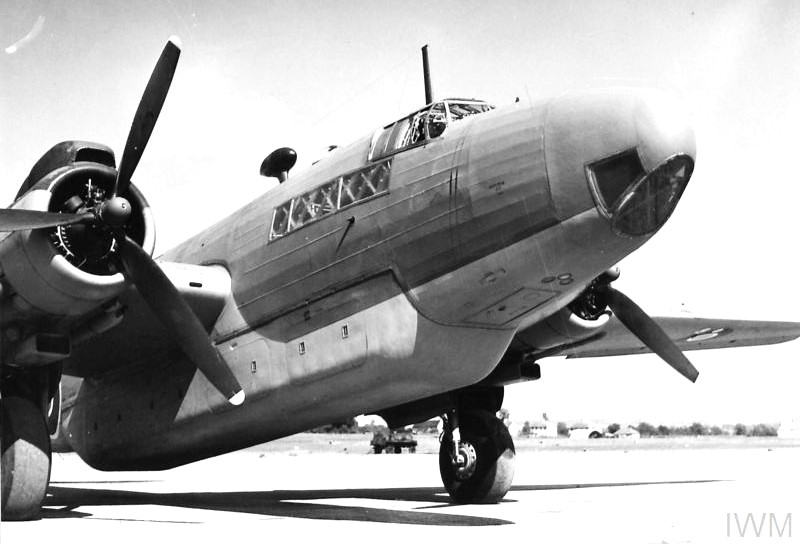
(IWM Photo, CH 18213)
Vickers Warwick C Mk. III, c1943.
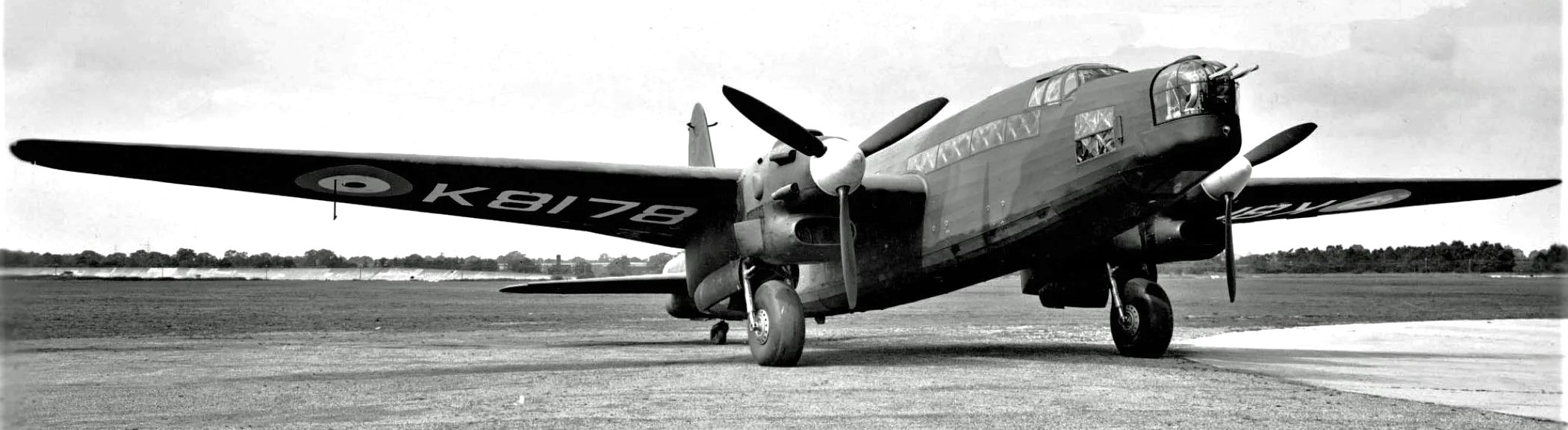
(WWIIAircraft.net Photo)
The first prototype Vickers Warwick (Serial No. K8178), with Rolls-Royce Vulture engines, August 1939.
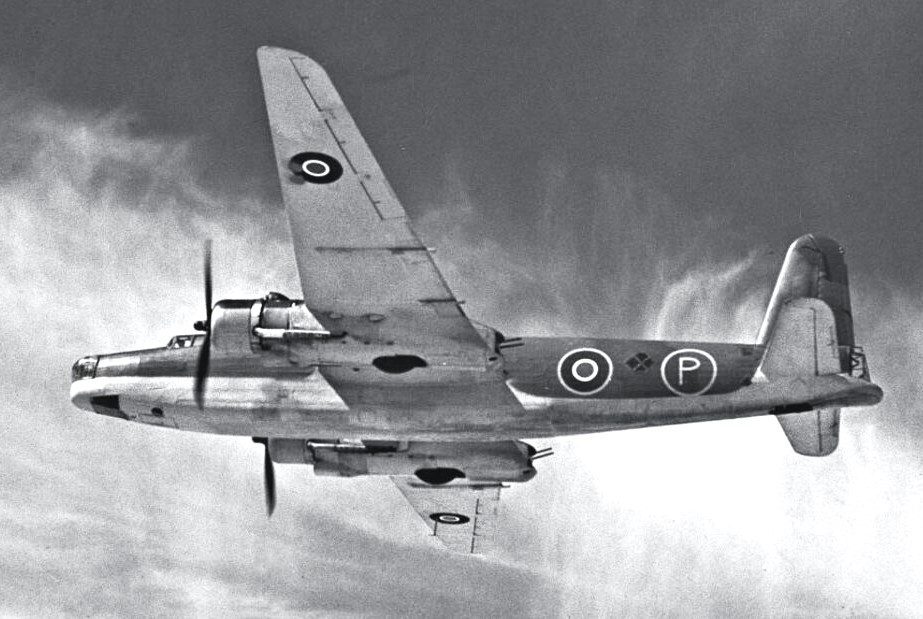
(RAF Photo)
Vickers Warwick Prototype.
(WWIIAircraft.net Photo)
Second prototype Warwick (Serial No. L9704) flying in 1944 with remote control cannon barbettes in the rear of the engine nacelles.
(RAF Photo)
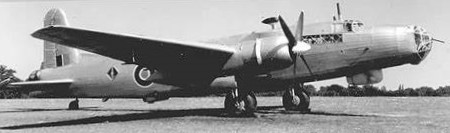
Vickers Warwick Mk. I.
(IWM Photo, CH18215)
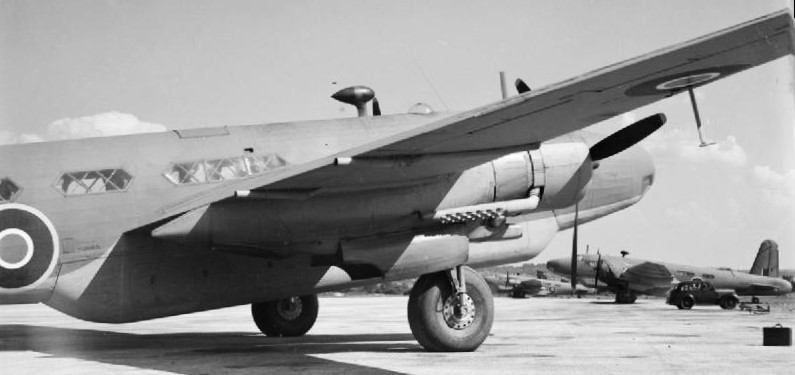
Vickers Warwick C Mk. IIIs of No. 525 Squadron RAF, parked on hard standing at Lyneham, Wiltshire, c1943-1945.
(Library and Archives Canada Photo, MIKAN No. 3199063)
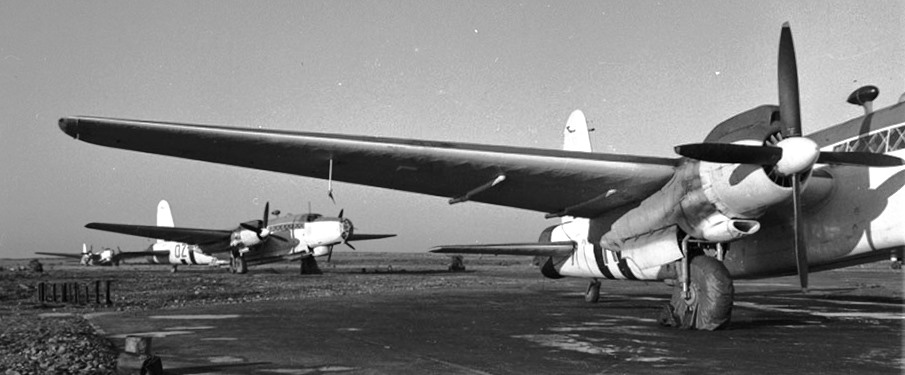
Vickers Warwick aircraft with D-Day invasion stripes, sometime after 6 June 1944. The Warwick was designed and manufactured by Vickers-Armstrongs during the late 1930s. It was intended to serve as a larger counterpart to the Vickers Wellington bomber. The two aircraft share similar construction and design principles but development of the Warwick was delayed by a lack of suitable engines. Its first flight was on 13 August 1939 but delays to its intended powerplant and by the time adequate engines were available, it was obsolete.
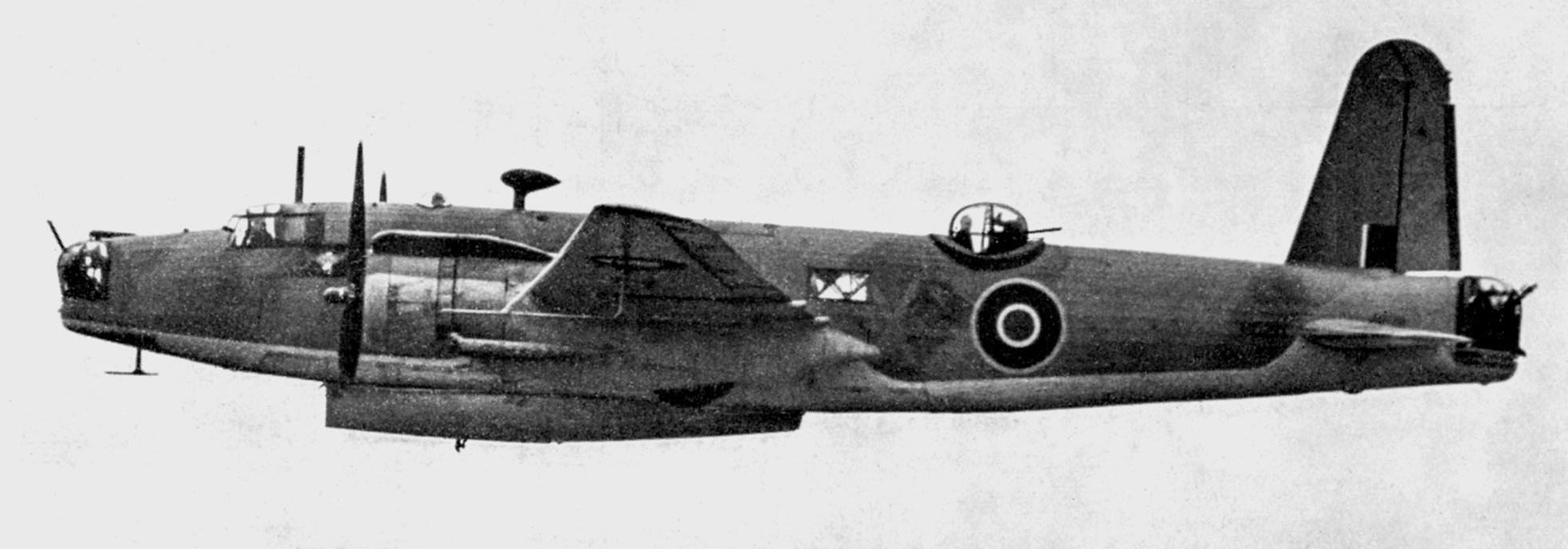
(RAF Photo)
From 1943, Warwicks were loaded with the 1,700 lb (770 kg) Mk. IA airborne lifeboat and used for air-sea rescue. The lifeboat, designed by yachtsman Uffa Fox, laden with supplies and powered by two 4 hp (3.0 kW) motors, was aimed with a bombsight near to ditched air crew and dropped by parachute into the sea from an altitude of about 700 ft (210 m). Warwicks were credited with rescuing crews from Halifaxes, Lancasters, Wellingtons and B-17 Flying Fortresses, and during Operation Market Garden, from Hamilcar gliders, all of which ditched in the English Channel or the North Sea.
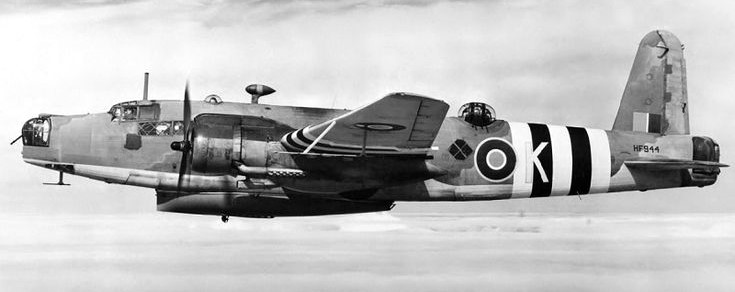
(IWM Photo, MH 5337)
Vickers Warwick ASR Mk. I (Serial No. HF944), coded K, of No. 282 Squadron, RAF, based at St Eval, Cornwall, in flight, carrying the short Mk. IA Lifeboat, after 6 June 1944.
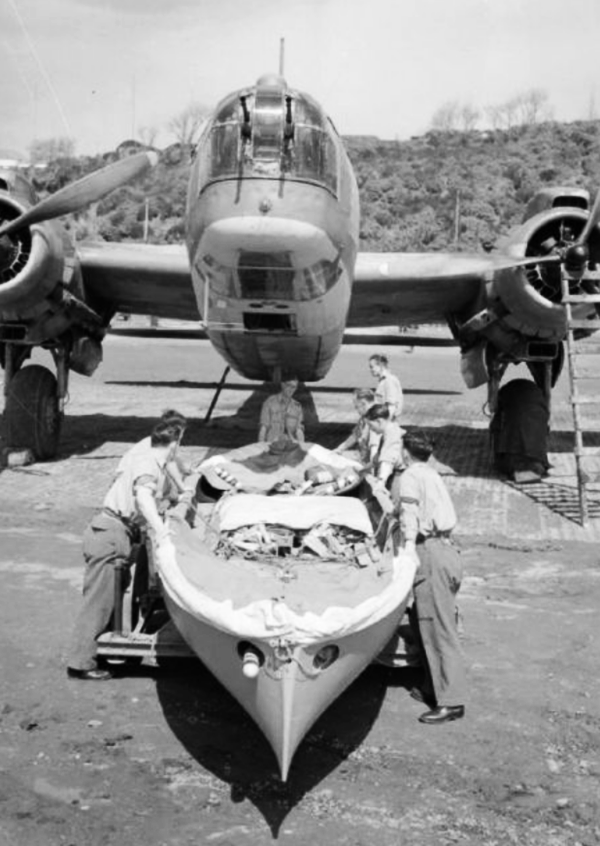
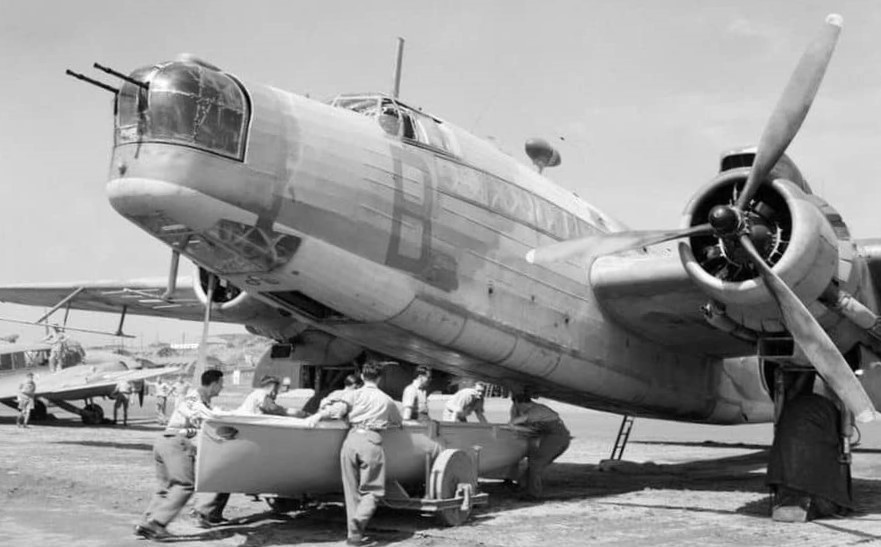
(Robert Sullivan Photos)
Vickers Warwick ASR Mk. I with a lifeboat being uploaded. These were wooden boats that housed two engines, mast, sails, radio, survival rations and drysuits, as well as an instruction manual on how to sail, and in the later versions could carry ten men. Dropped from a Warwick at 700 feet (210m), the Fox boat would drift down on six parachutes and when it hit the water would shoot out lifelines on rockets for the downed crew to grab onto and board the boat to await rescue, or else make their own way back to shore.
275 of the Warwick ASR Mk. Is were built, which were followed by another order for Warwick Mk. VIs that featured an improved Double Wasp engine, and of which 94 were built. Between them the ASR Warwick’s equipped fourteen RAF rescue squadrons and played a substantial part in rescuing the more than 13,000 persons plucked from the seas around by UK during the war.
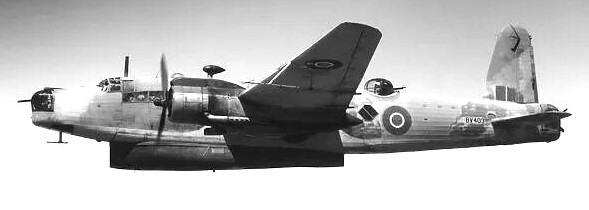
(RAF Photo)
Vickers Warwick ASR Mk. 1 (Serial No. BV403), with Underslung Mk. 2 Lifeboat, 1944.
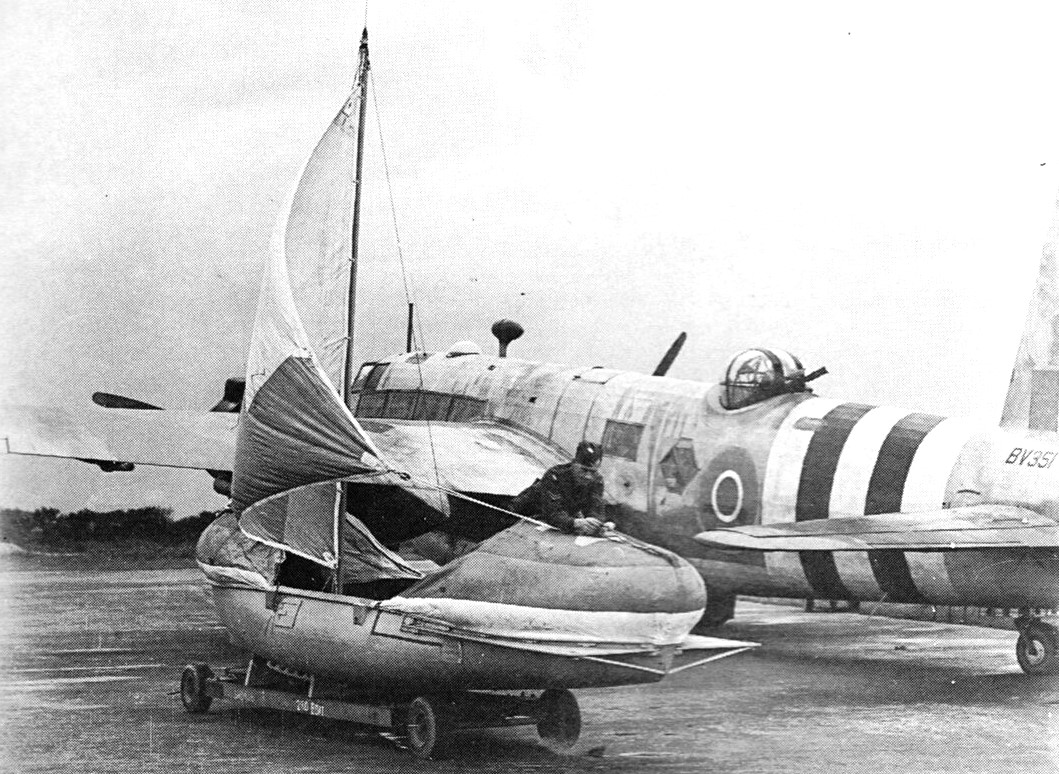
(RAF Photo)
A rigged airborne lifeboat in front of a Vickers Warwick B Mk. I (Serial No. BV351), with D-Day identification stripes, sometime after 6 June 1944
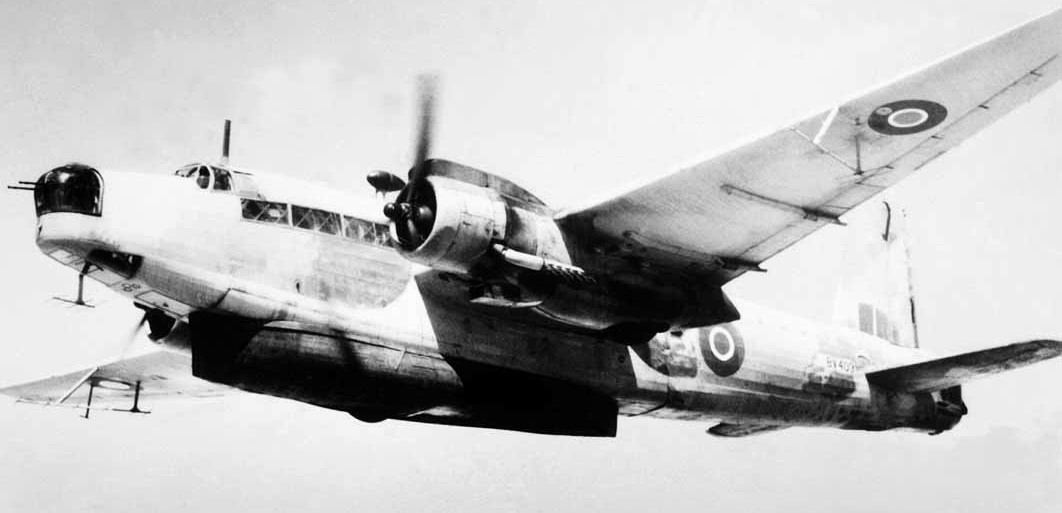
(avionslegendaires.net Photo)
Vickers Warwick.
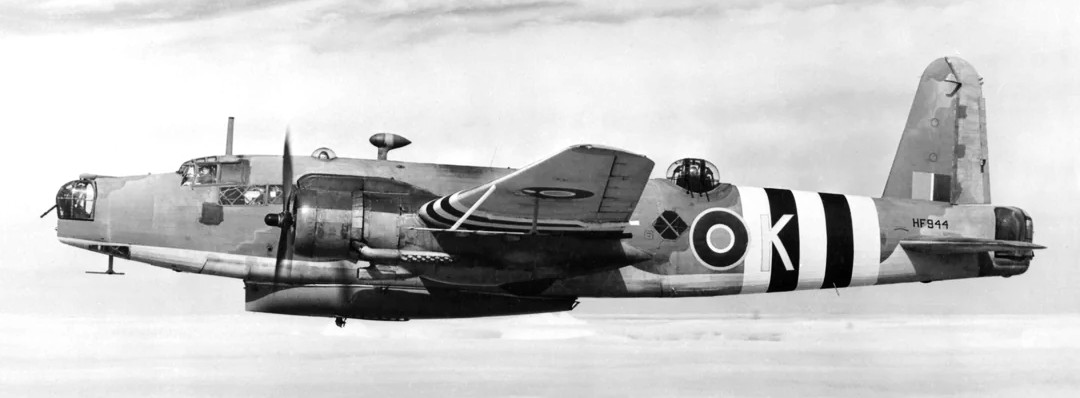
(RAF Photo)
Vickers Warwick ASR Mk. I (Serial No. HF955) coded K, with liferaft and D-Day stripes, 1944. Six parachutes were deployed to ensure that the boat alighted on the sea in one piece.
(RAF Photo)
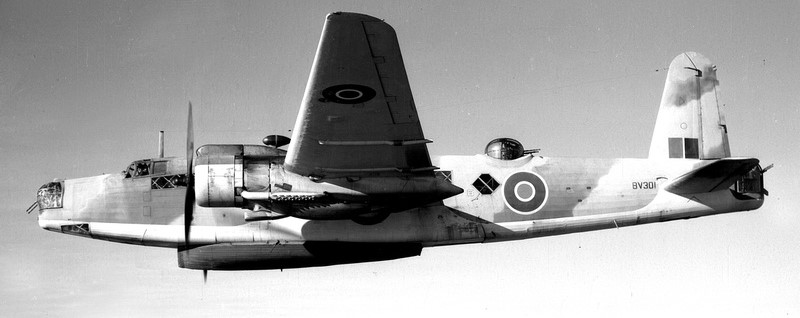
Vickers Warwick ASR Mk. I (Serial No. BV301). The Lindholm Gear was a rather ingenious set up that was made up of five canisters joined together with a rope, which composed of a self-inflating dingy in the centre container and the others holding food, dry clothing and survival gear. The rescue aircraft would drop the gear upwind of the ditched crew which would then, if it worked out correctly, drift close enough for them to grab a rope, pull themselves onto the dingy, drag in the emergency supplies and await rescue.
(RAF Photo)
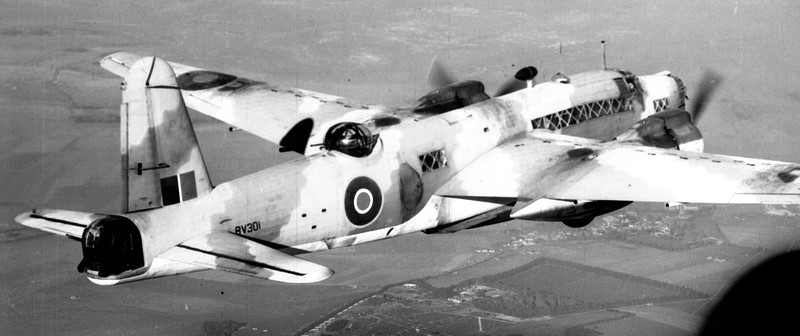
Vickers Warwick ASR Mk. I (Serial No. BV301) carrying a liferaft.
(RAF Photo)
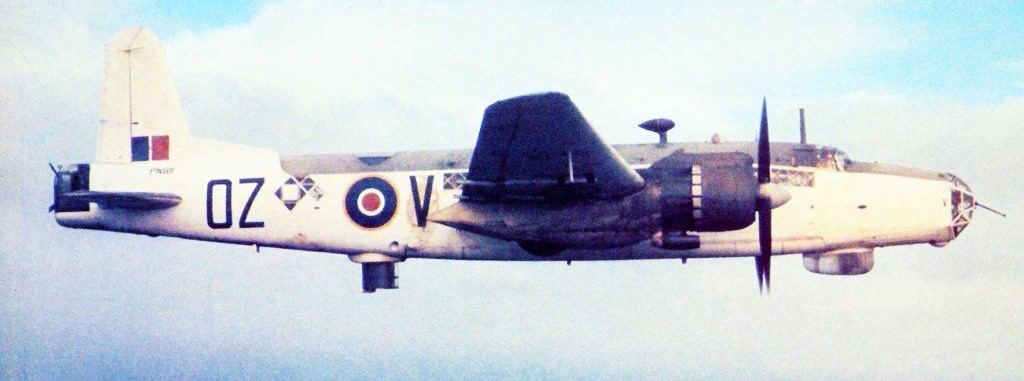
Vickers Warwick ASW.
(RAF Photo)
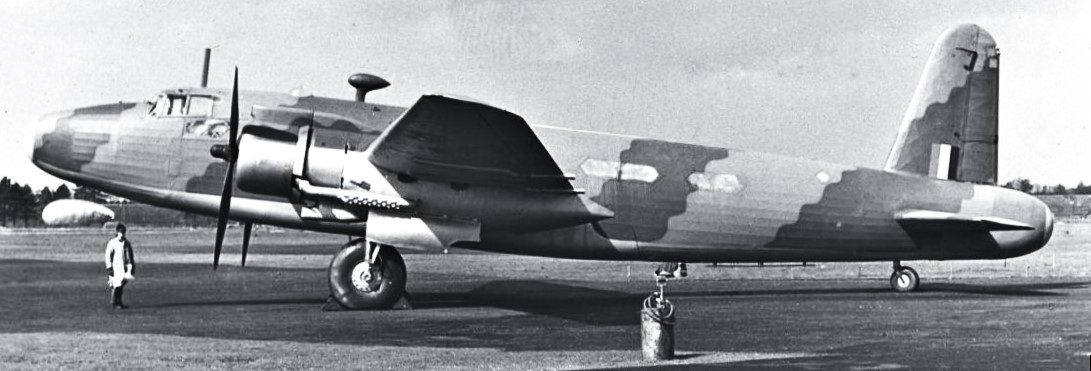
Vickers Warwick.
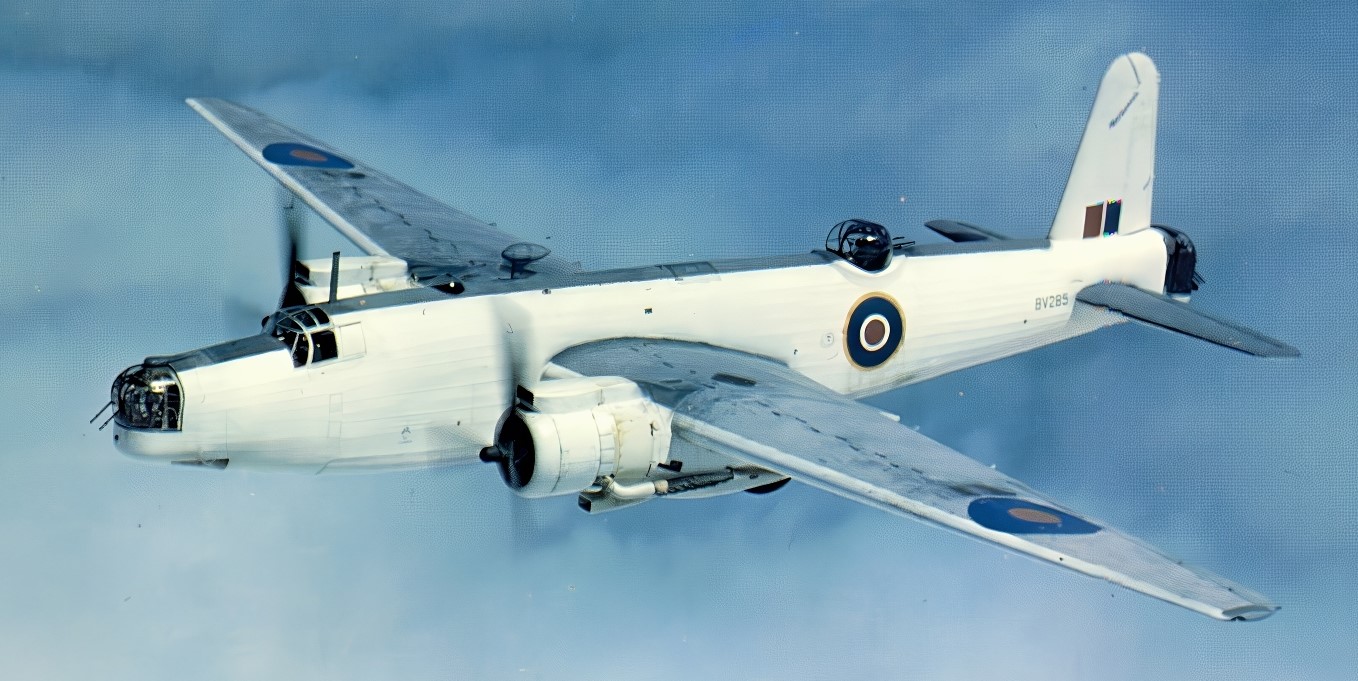
(RAF Photo)
Vickers Warwick, Air Sea Rescue Training unit, Hurn, UK, 1943
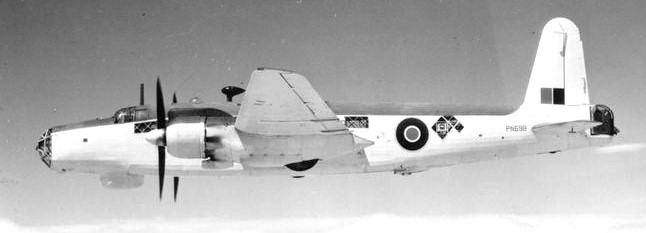
(IWM Photo, HU 81251)
Vickers Warwick GR Mk. V, (Serial No. PN698), of the Aeroplane and Armament Experimental Establishment, Boscombe Down, Wiltshire, in flight.
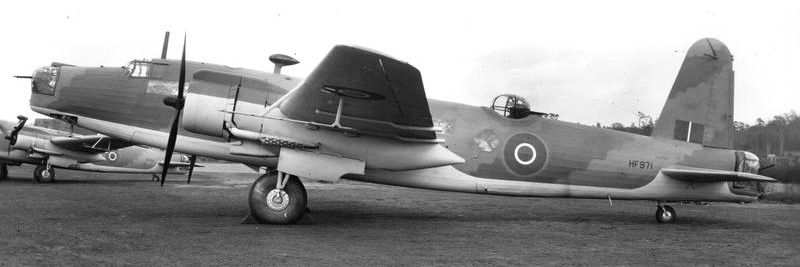
(IWM Photo, ATP 12591F)
Vickers Warwick ASR Mk. I (Tropical), (Serial No. HF971), at Brooklands, Surrey, after completion by Vickers-Armstrong Ltd. HF971 joined the Air Sea Rescue Training Unit at Thornaby, Yorkshire, after which it served successively with No. 292 Squadron RAF, No. 1 Air Sea Rescue Flight (Far East) and No. 1346 Air Sea Rescue Flight in Ceylon.
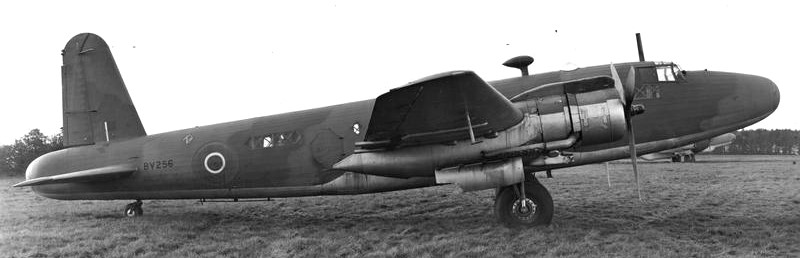
(RAF Photo)
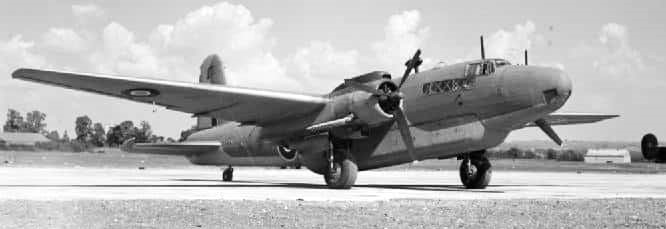
Vickers Warwick C Mk. I (Serial No. BV256).
(RAF Photo)
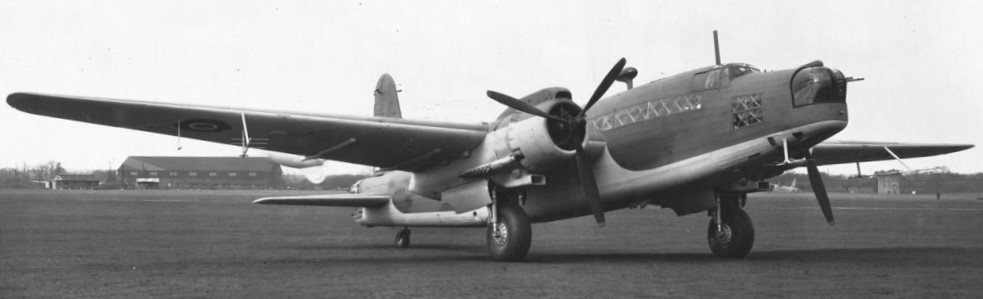
Vickers Warwick Mk. I.
(RAF Photo)
Vickers Warwick ASR Mk. I, Feb 1944.
(RAF Photo)
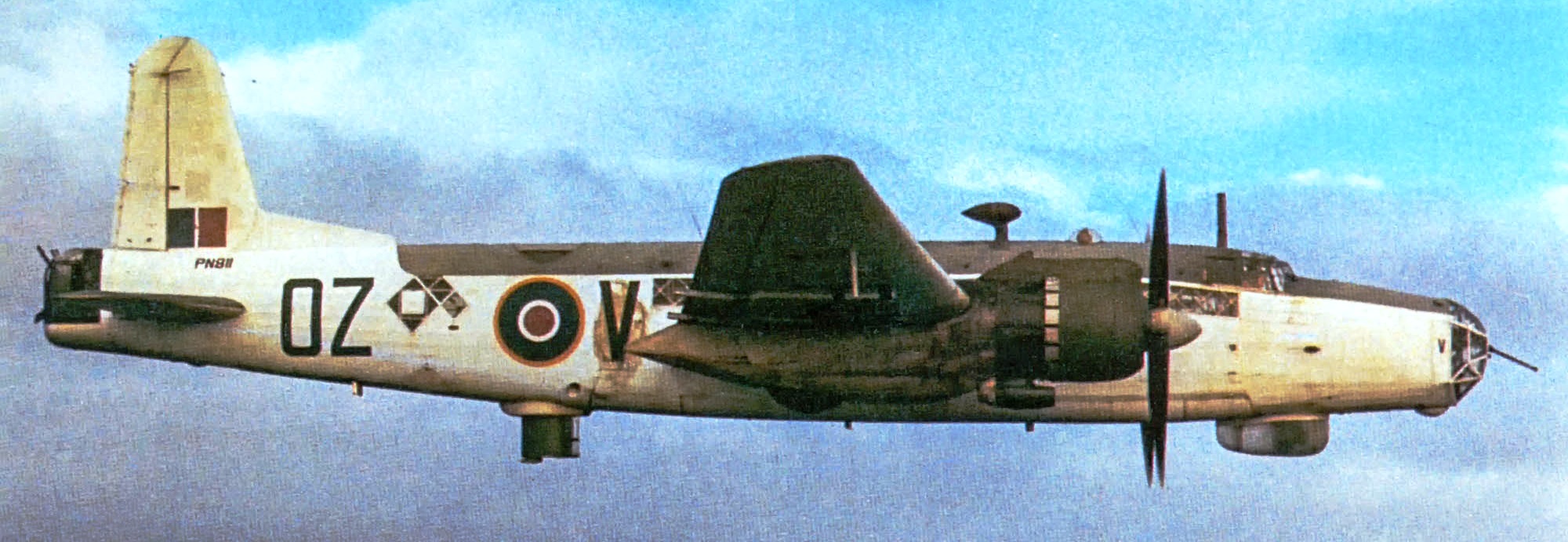
Vickers Warwick GR Mk. V (Serial No. PN811), with no upper turret, flying with the Leigh light lowered beneath the rear fuselage.
(RAF Photo)
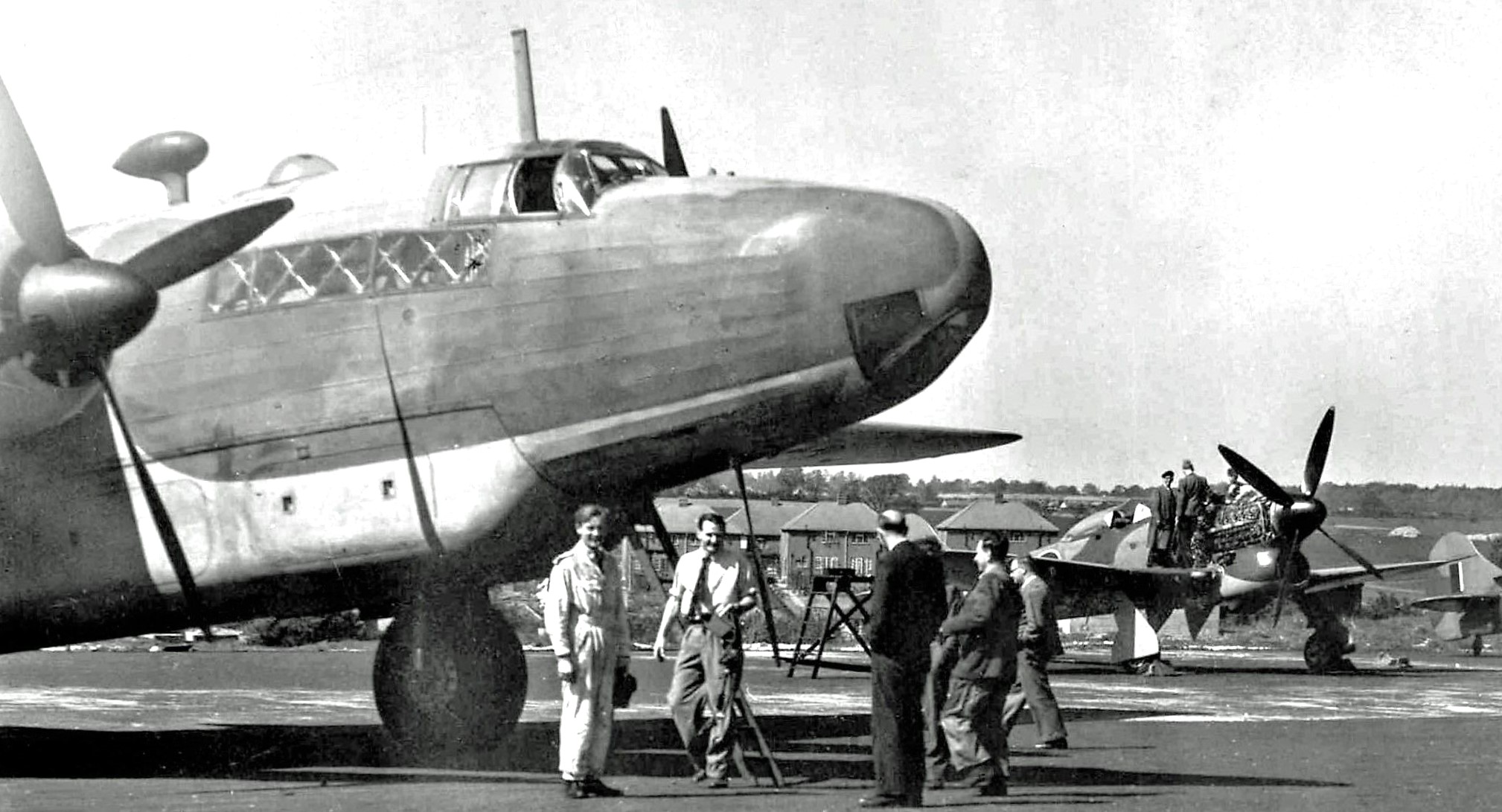
Vickers Warwick C M.k III (Serial No. HG248) at Luton in 1946, used as an engine test bed. Note the under-fuselage cargo pannier, and the Hawker Typhoon in the background.
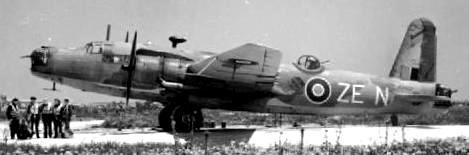
(IWM Photo, CNA 4201).
Vickers Warwick.
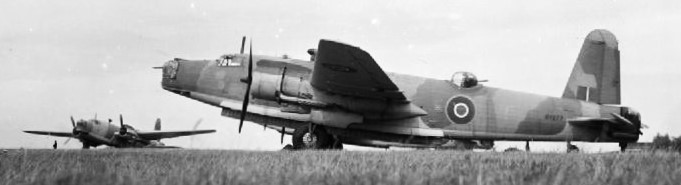
(IWM Photo, CH18379)
Vickers Warwick Bomber/ASRs, of the Warwick Training Unit (later the Air Sea Rescue Training Unit), on the ground at Bircham Newton, Norfolk. The nearest aircraft, BV277 ‘T’, subsequently served in the Mediterranean Theatre with Nos. 284 and 293 Squadrons RAF.
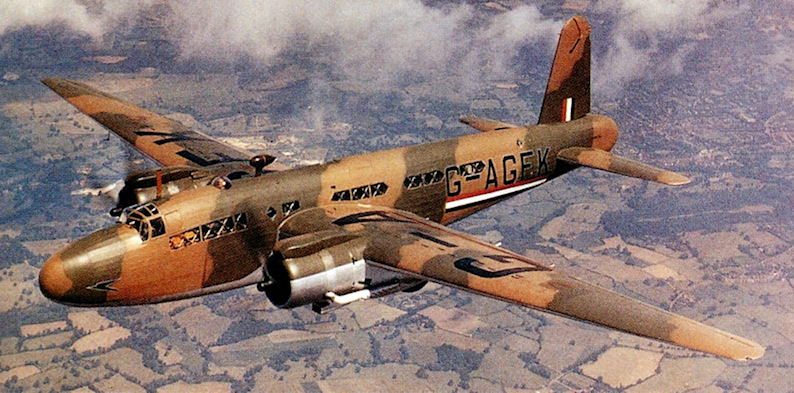
(BOAC Photo)
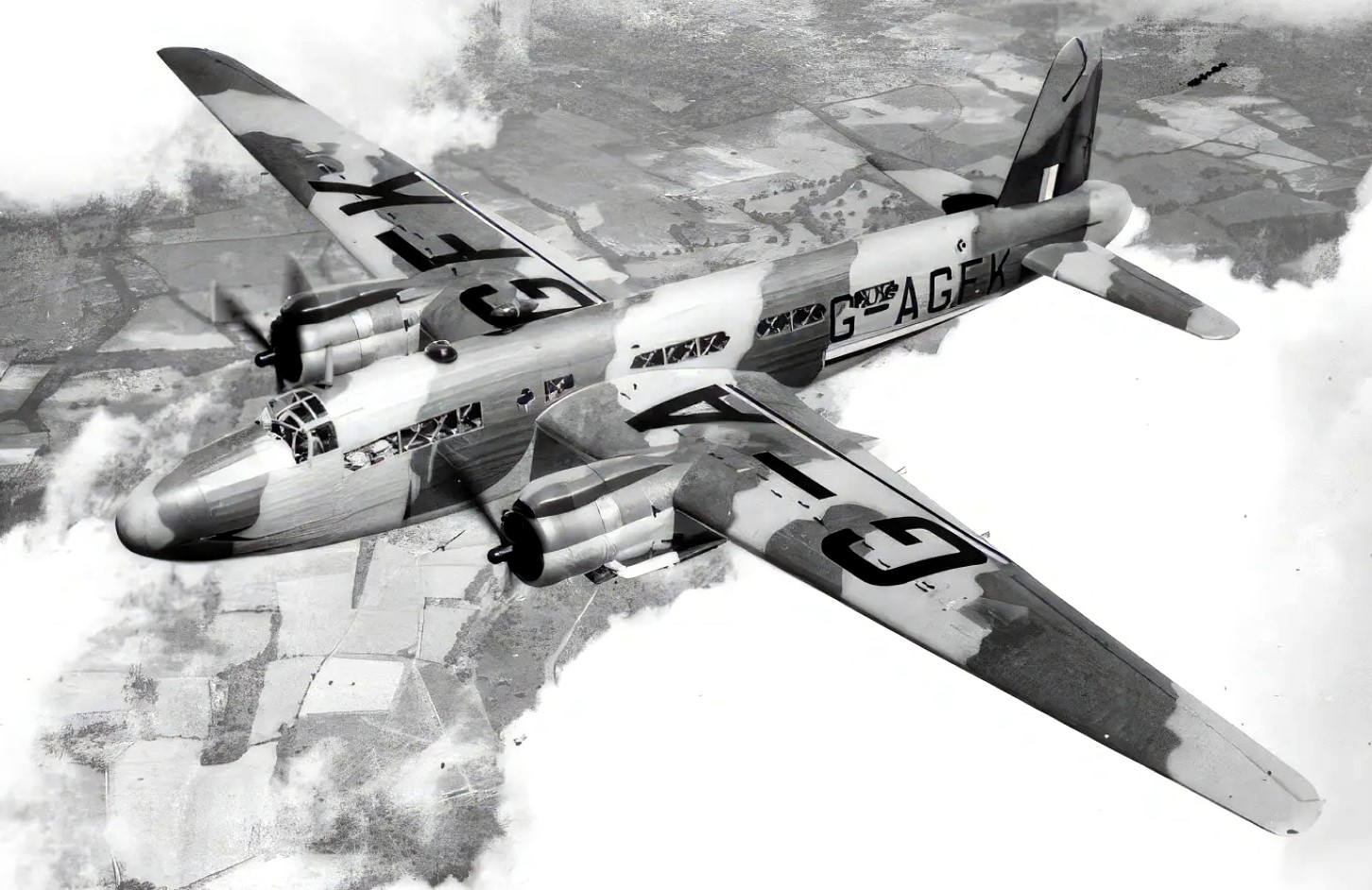
(IWM Photo, E(MOS)1315)
Vickers Warwick C Mk. I commercial transport, (Reg. No. G-AGFK), in flight, 1943. This aircraft was originally RAF (Serial No. BV256). It was the last of fourteen B Mk. I airframes converted for use by BOAC on a mail service to British forces in North Africa and the Mediterranean from February 1943. In early 1944 the transports reverted to the RAF, and BV256 was operated by No. 525 Squadron RAF.
All comments are subject to our Comment Policy. You must be at least 18 years old to comment.
See a comment that violates our guidelines? Report it here.