Saro S.36 Lerwick
(RAF Photo)
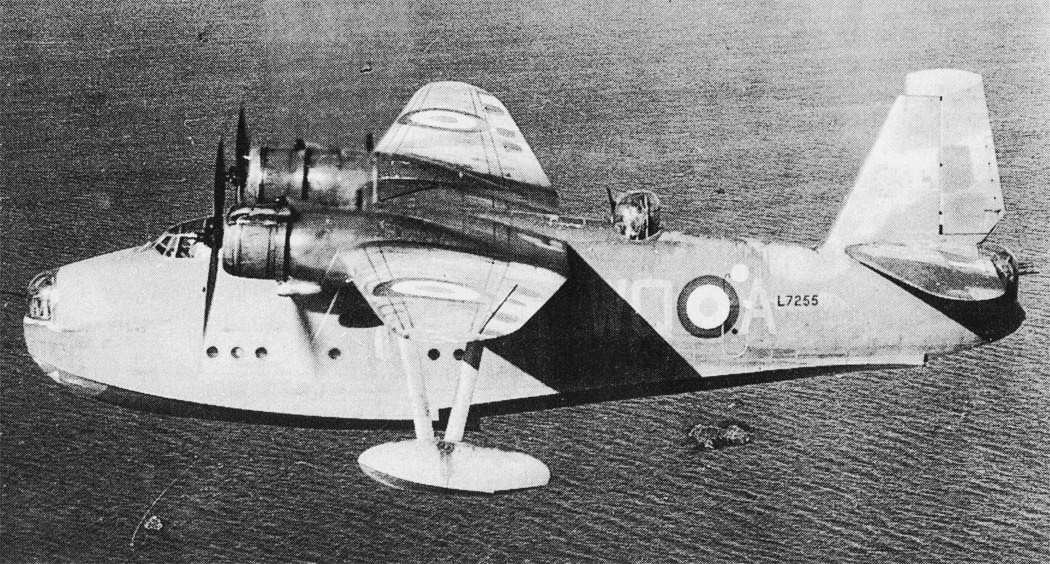
Saro Lerwick Mk. I (Serial No. L7255), coded WQ-A.
The Saro Lerwick was a British flying boat intended to be flown along with the Short Sunderland in RAF Coastal Command. Only a small number were built. They had a poor service record and a high accident rate; of 21 aircraft, 10 were lost to accidents and one for an unknown reason. Lerwicks were flown by RCAF aircrews overseas during the Second World War. (Wikipedia)
From Jul to Nov 1942, Lerwicks were flown for operational training by No. 422 Squadron, and No. 423 Squadron, RCAF at Lough Erne, Northern Ireland. The aircraft they flew included Serial Nos. L7250, coded U, L7256, coded V, L7258, coded R, L7259, coded Q, L7260, coded P, L7264, coded N, L7266, coded Y, and L7267, coded B. By the end of 1942 the Lerwick had been declared obsolete, and by early 1943 the survivors had been scrapped.
(RAF Photo)
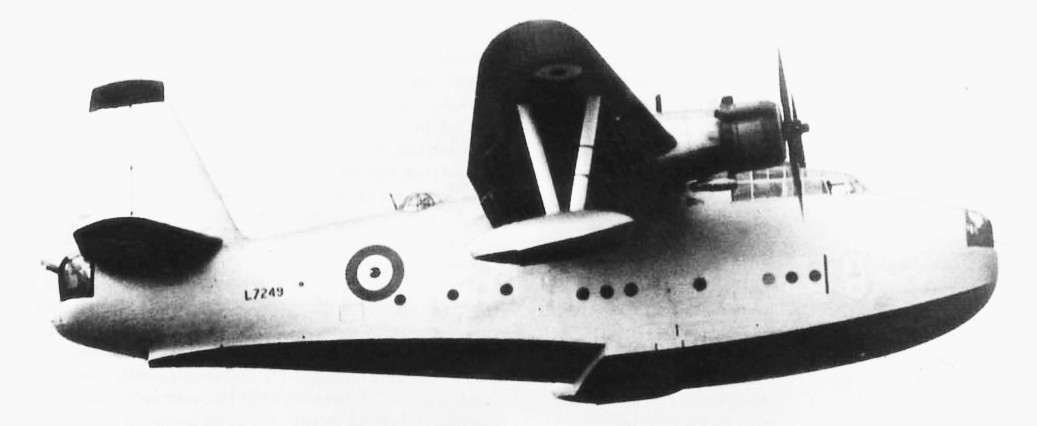
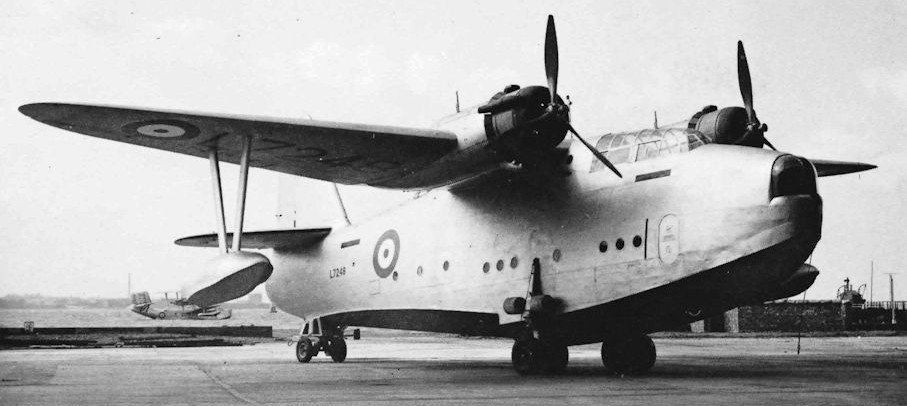
Saro Lerwick Mk. I (Serial No. L7249).
(RAF Photo)
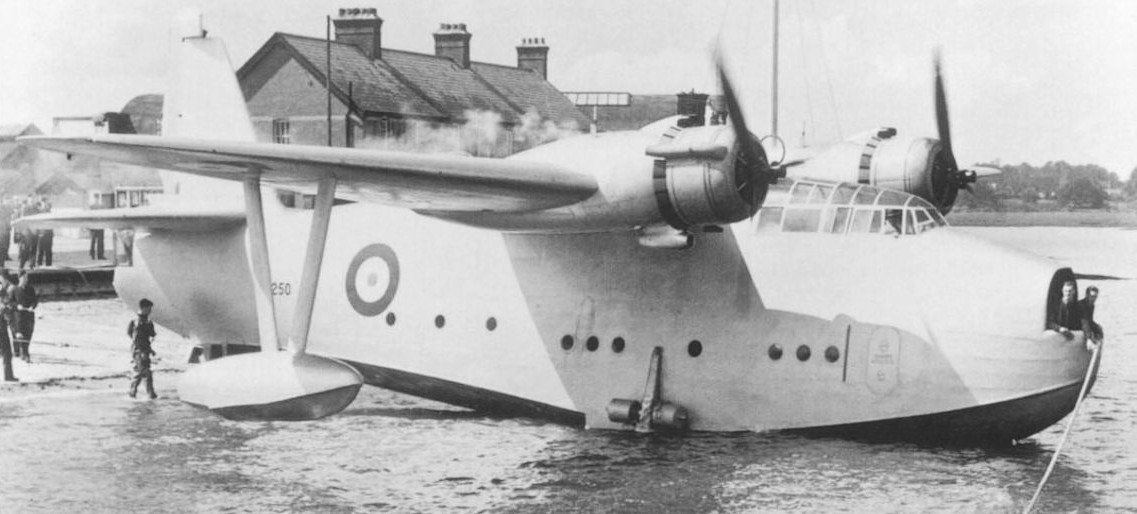
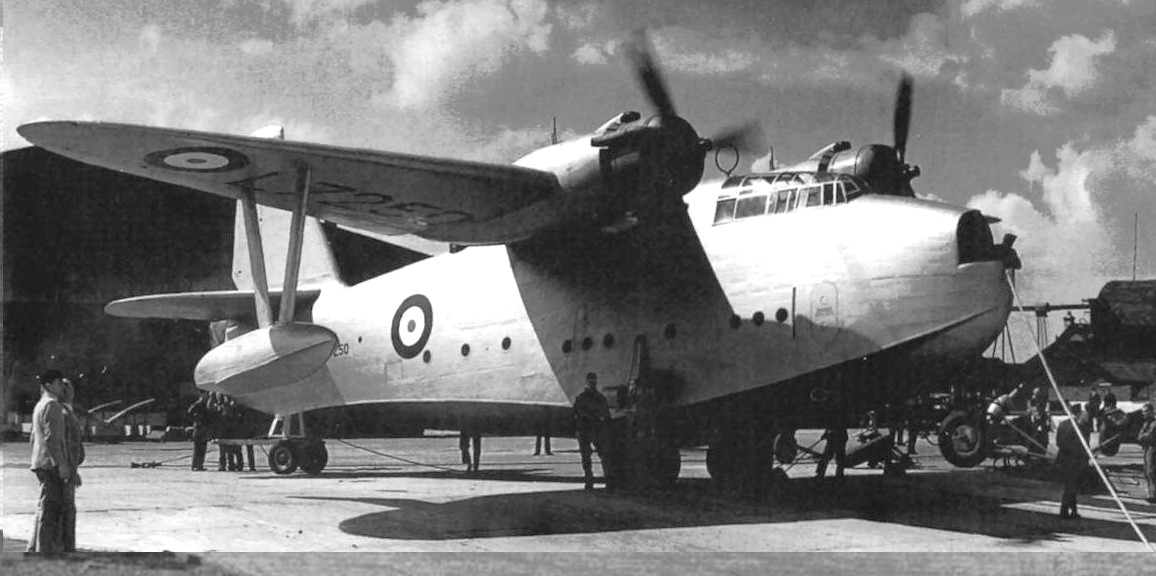
Saro Lerwick Mk. I, he third prototype,going down the slipway with engines running on its beaching gear, with front turret retracted.
(RAF Photo)
Saro Lerwick Mk. I.
(RAF Photo)
Saro Lerwick Mk. I.
(RAF Photo)
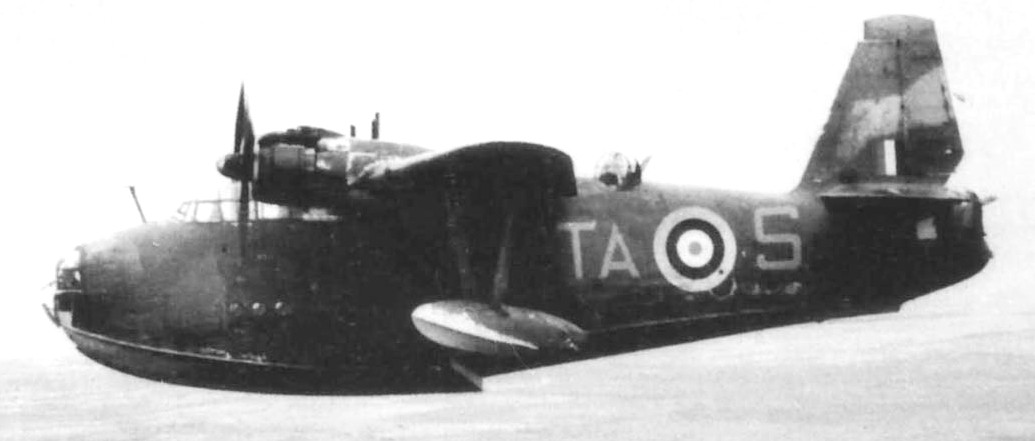
Saro Lerwick Mk. I (Serial No.L7257), coded TA-S, of No. 4 OTU, Evanton, Sep 1941.
(RAF Photo)
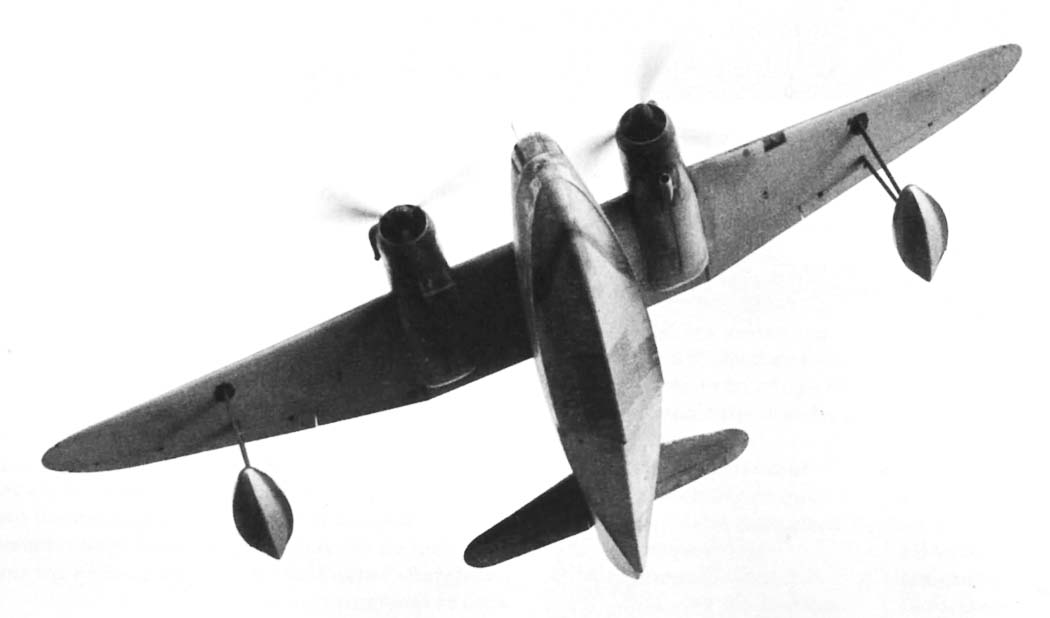
Saro Lerwick Mk. I (Serial No. L7250), the third of its kind, served with No. 209 Squadron, No. 4 OTU and No. 422 Squadron RCAF during its life. It was finally left unserviceable at Pembroke Dock on 19 Oct 1942.
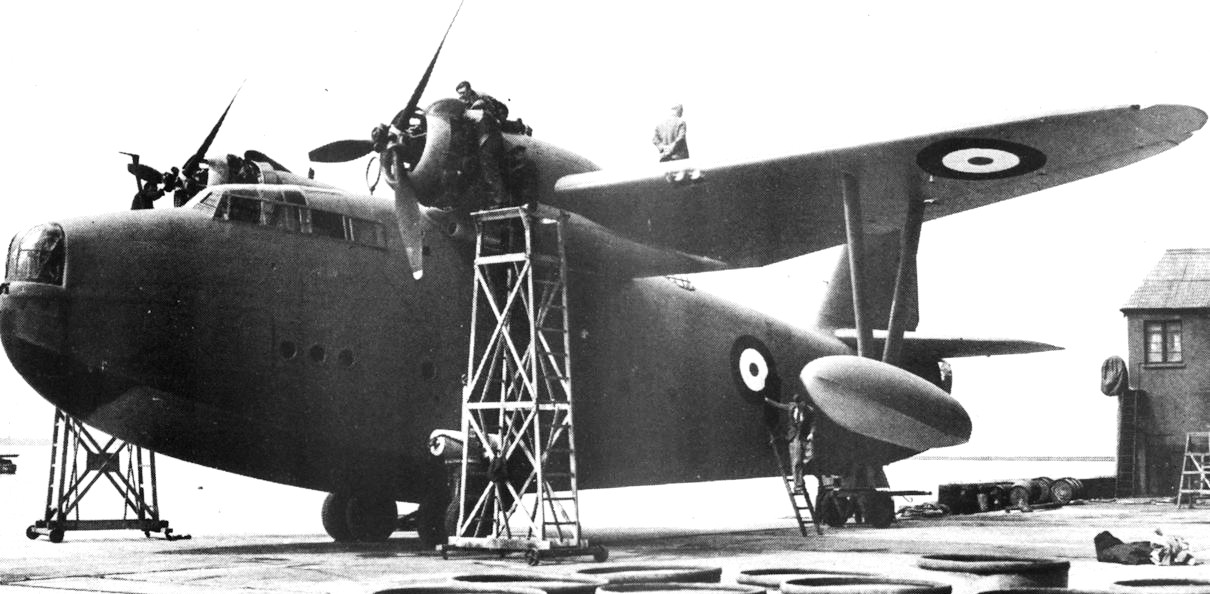
(RAF Photo)
Saro Lerwick Mk. I

(RAF Photo)
Saro Lerwick Mk. I bombay view.

(RAF Photo)
Saro Lerwick Mk. I cockpit view.
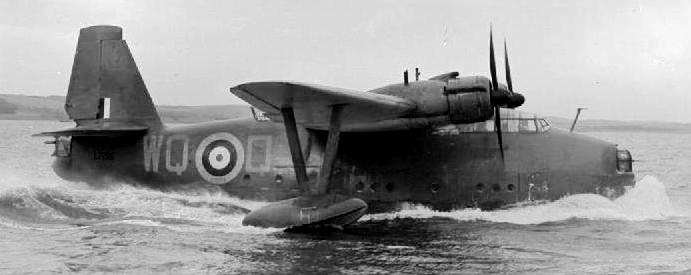
(IWM Photo, CH 2364)
Saro S.36 Lerwick Mk. I (Serial No. L7265), coded WQ-Q, No. 209 Squadron, RAF, Loch Ryan, 1 March 1941. L7265 was one of the early production examples of the Saunders-Roe (Saro) A36 Lerwick, a British twin-engine flying boat designed for maritime patrol duties in the late 1930s. Developed by Blackburn Aircraft to meet an Air Ministry requirement for a medium-range patrol flying boat, the Lerwick was intended as a more modern alternative to the older biplane flying boats like the Supermarine Stranraer.
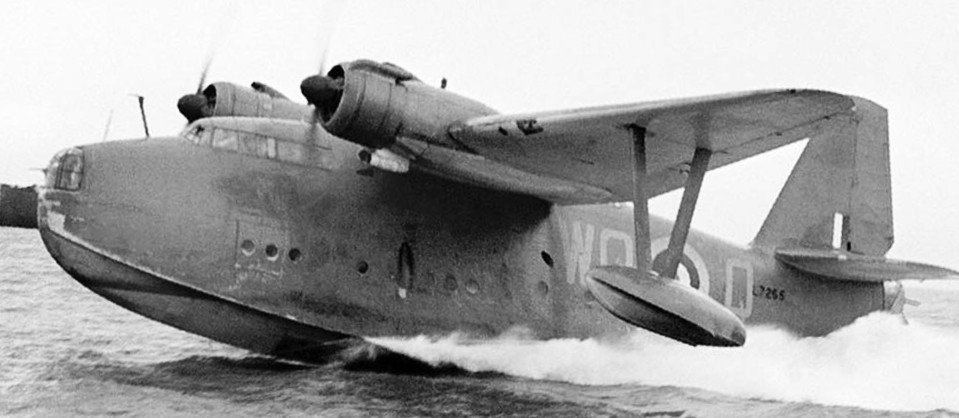
(IWM Photo, CH 2363)
Saro S.36 Lerwick Mk. I (Serial No. L7265), coded WQ-Q, No. 209 Squadron, RAF, taking off from north to south on Loch Ryan, Wigtownshire, 1 March 1941. Off the starboard wing is the village of Kirkcolm which adjoined RAF Wig Bay, the moorings, land based dispersals and M.U. (There are allegedly one or two Lerwick wrecks lying on the bottom of the Loch. Ian McPheat)
The Lerwick was intended to be a medium range counterpart to the long range Short Sunderland in RAF Coastal Command. Unfortunately, trials of the prototypes in 1938 revealed the aircraft was unstable on the water and had poor flight characteristics that the designers were unable to correct, including a vicious stall and unsatisfactory performance in roll and yaw. However, with the start of the Second World War, all aircraft were needed and production planes entered service with 209 squadron at the end of 1940. The aircraft’s deficiencies meant that it didn’t last long, being withdrawn in May 1941 when Catalina and Cansos became available. Only 21 were built.
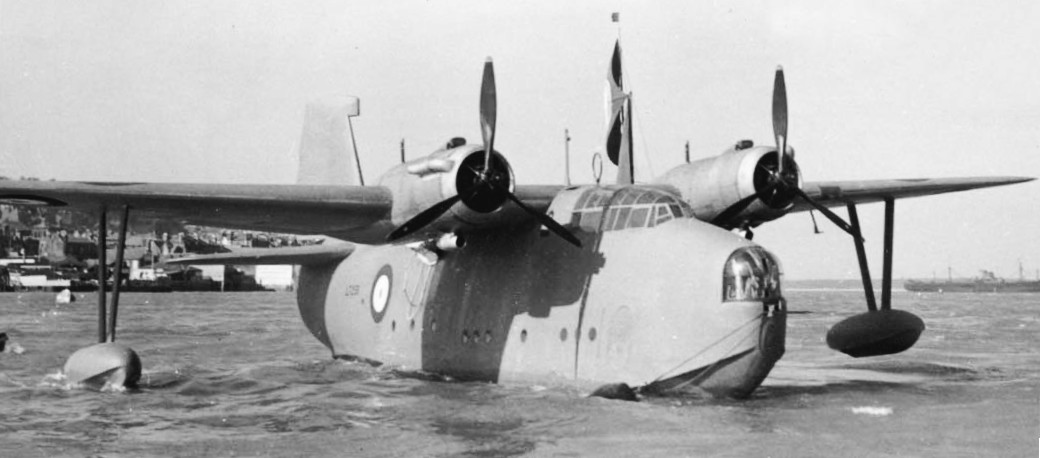
(RAF Photo)
Saro Lerwick Mk. I.
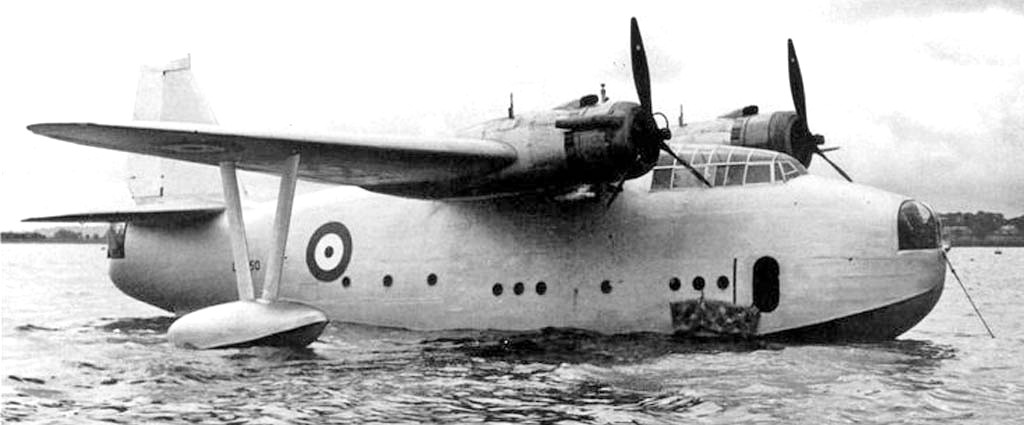
(RAF Photo)
Saro Lerwick Mk. I.
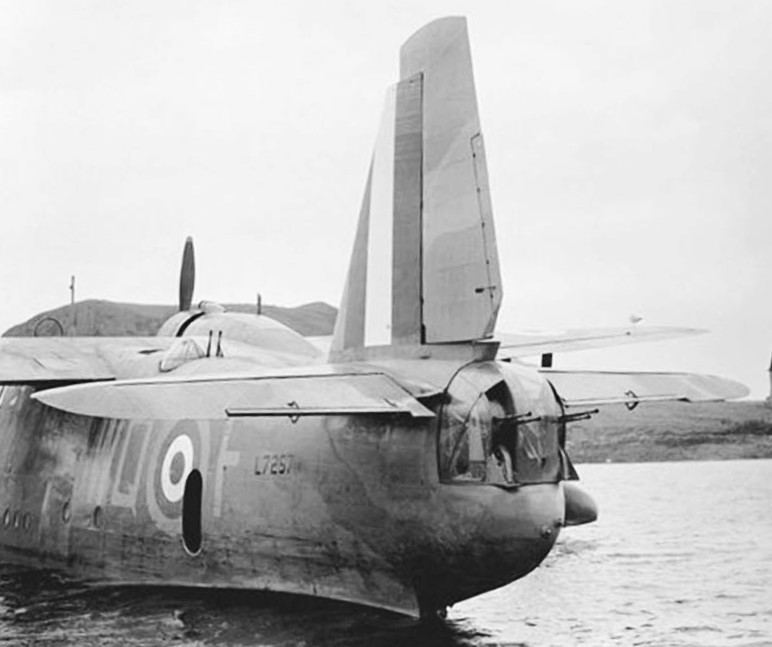
(IWM Photo, CH 864)
Saro Lerwick Mk. I (Serial No. L7257), coded WQ-F of No 209 Squadron, RAF at Oban, on the west coast of Scotland, Aug 1940. Note retractable dorsal turret.
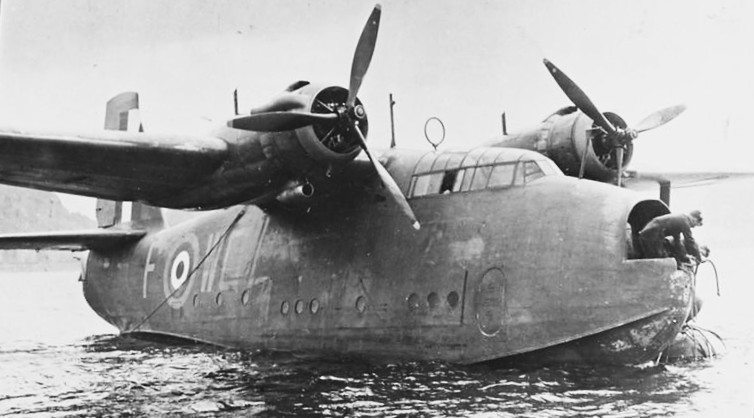
(IWM Photo, CH 867)
Saro A.36 Lerwick, (Serial No. .L7257), coded WQ-F, of No. 209 Squadron at Oban. The front turret is retracted for mooring.
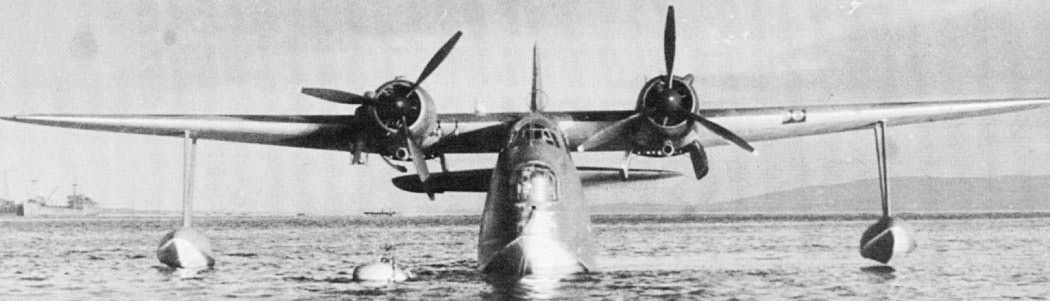
(RAF Photo)
Saro Lerwick.
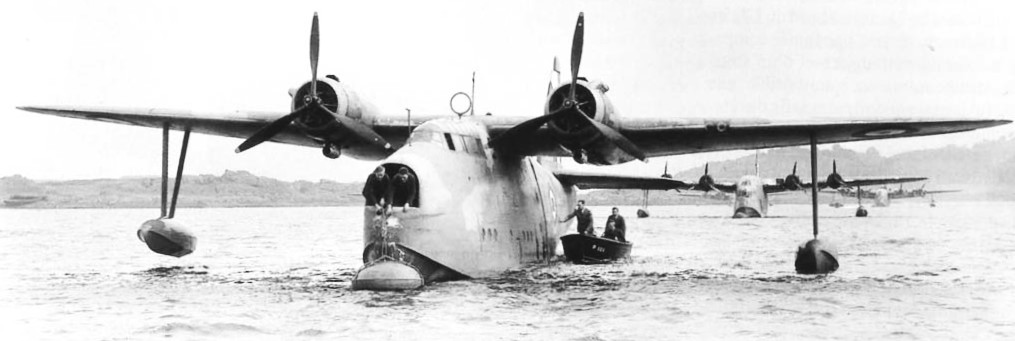
(RAF Photo)
Saro Lerwick, No. 209 Squadron moored at Oban, with Short Sunderlands in the background.
All comments are subject to our Comment Policy. You must be at least 18 years old to comment.
See a comment that violates our guidelines? Report it here.