
Fairey Firefly
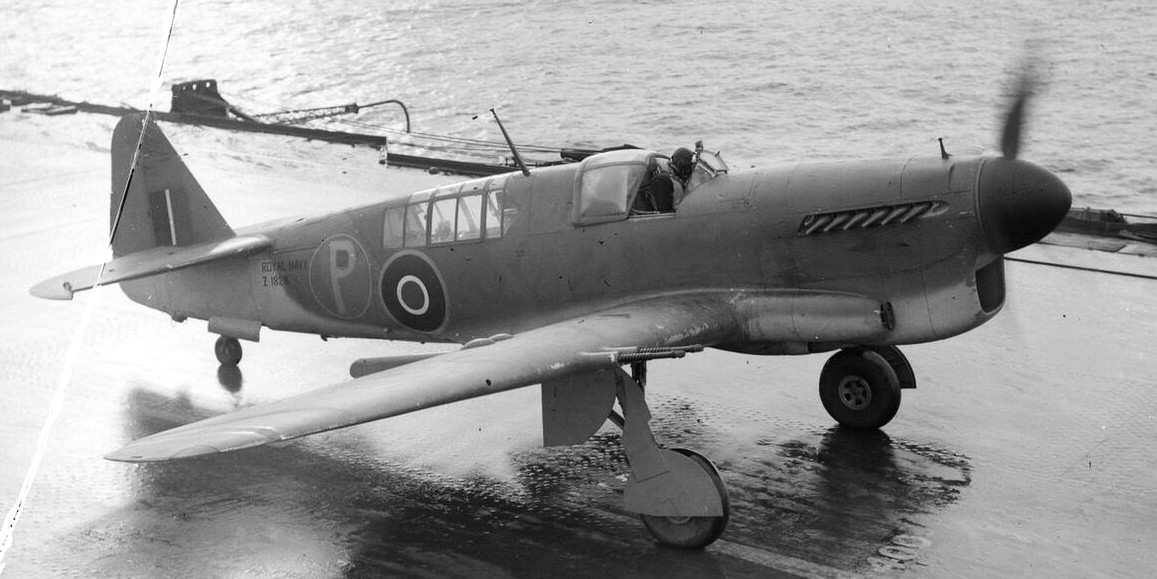
Fairey Firefly prototype on Board HMS Illustrious, on the Clyde, 9 February 1943.
The Fairey Firefly is a Second World War-era carrier-borne fighter aircraft and anti-submarine aircraft that was principally operated by the Fleet Air Arm (FAA). It was developed and built by the British aircraft manufacturer Fairey Aviation Company. Development of the Firefly can be traced back to a pair of specifications issued by the British Air Ministry in 1938, calling for new naval fighter designs. Designed to the contemporary FAA concept of a two-seat fleet reconnaissance/fighter, the pilot and observer were positioned at separate stations. In flight, the Firefly was superior in terms of both performance and firepower to its predecessor, the Fairey Fulmar. Due to a protracted development, the type only entered operational service towards the end of the conflict, at which point it was no longer competitive as a fighter. The limitations of a single engine in a relatively heavy airframe reduced its performance, but the Firefly proved to be a fairly sturdy, long-ranged, and docile aircraft during carrier operations.
The Fairey Firefly served in the Second World War as a fleet fighter. During the post-war era, it was soon superseded in the fighter role by the arrival of more modern jet aircraft, thus the Firefly was adapted to perform in other roles, including strike operations and anti-submarine warfare. In these capacities, it remained a mainstay of the FAA until the mid-1950s. Both British and Australian Fireflies routinely performed ground–attack operations from various aircraft carriers during the Korean War. In foreign service, the type was in operation with the naval air arms of Australia, Canada, India and the Netherlands. As late as 1962, Dutch Fireflies were used to carry out attack sorties against Indonesian infiltrators in Dutch New Guinea. Its final uses were in various secondary roles, such as trainers, target tugs and drone aircraft. (Wikipedia)
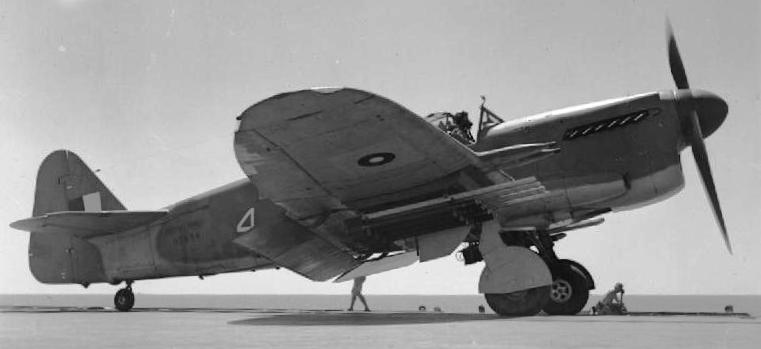
(IWM Photo A 27170)
Fairey Firefly of 1770 Squadron, Fleet Air Arm, armed with rockets, awaiting the signal to take off from the flight deck of HMS Indefatigable during a carrier-borne air strike on a Japanese oil refinery at Pangkalan Brandan, Sumatra, ca 1945.
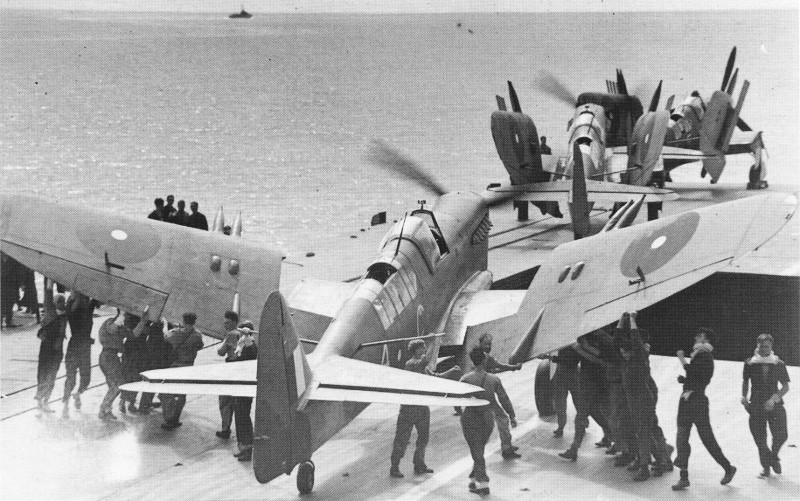
(IWM Photo, A 27167)
Fairey Fireflies on HMS Indefatigable, after attacking Pangkalan Brandan, Sumatra, 4 January 1945.
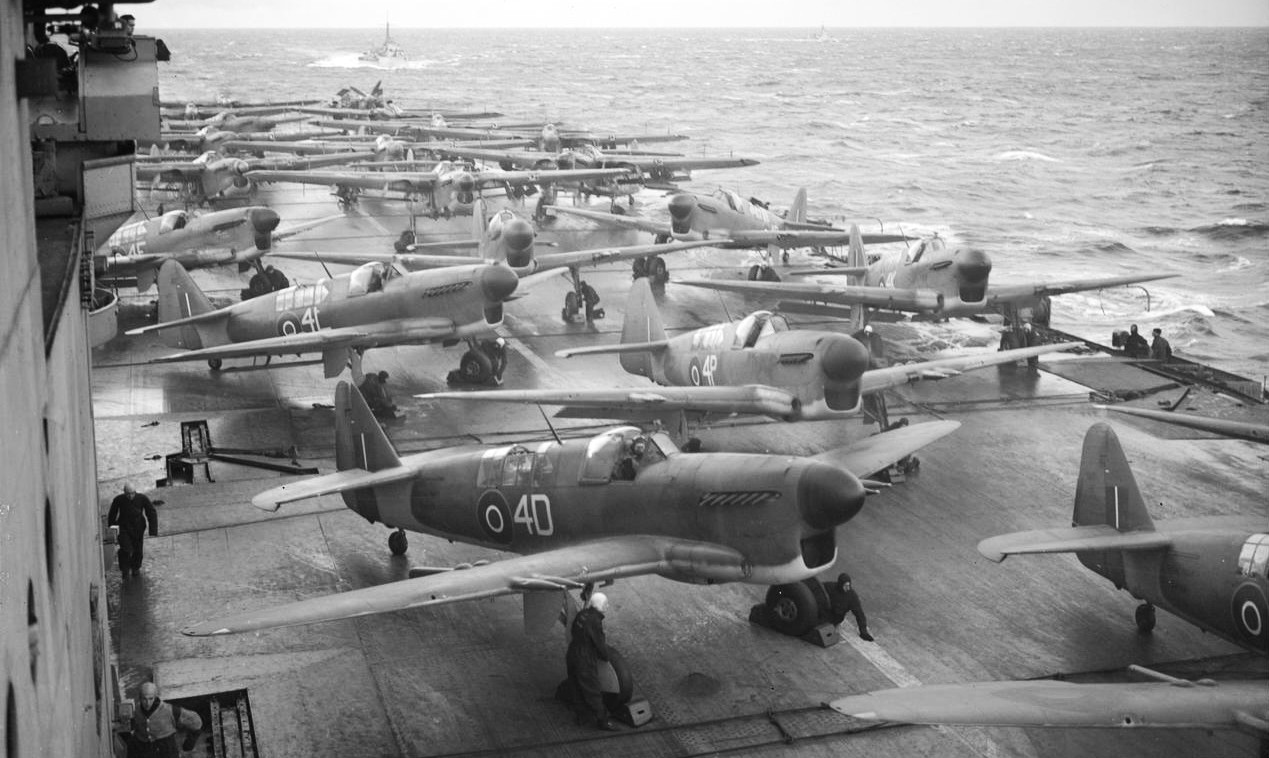
(IWM A 26648)
Fairey Fireflies (1771 Squadron), Fairey Barracudas (No. 828 Squadron), and Supermarine Seafires (No. 880 Squadron) of the Fleet Air Arm on the flight deck of HMS Implacable (R86) warming up ready to make strike on enemy shipping at the entrance to Alten Fjord, Norway, 26 Nov 1944.
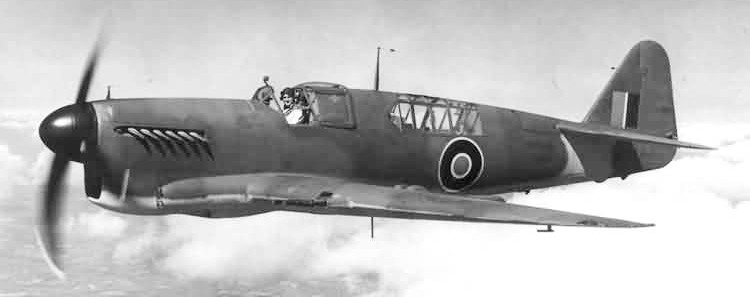
(RN Photo)
Fairey Firefly.
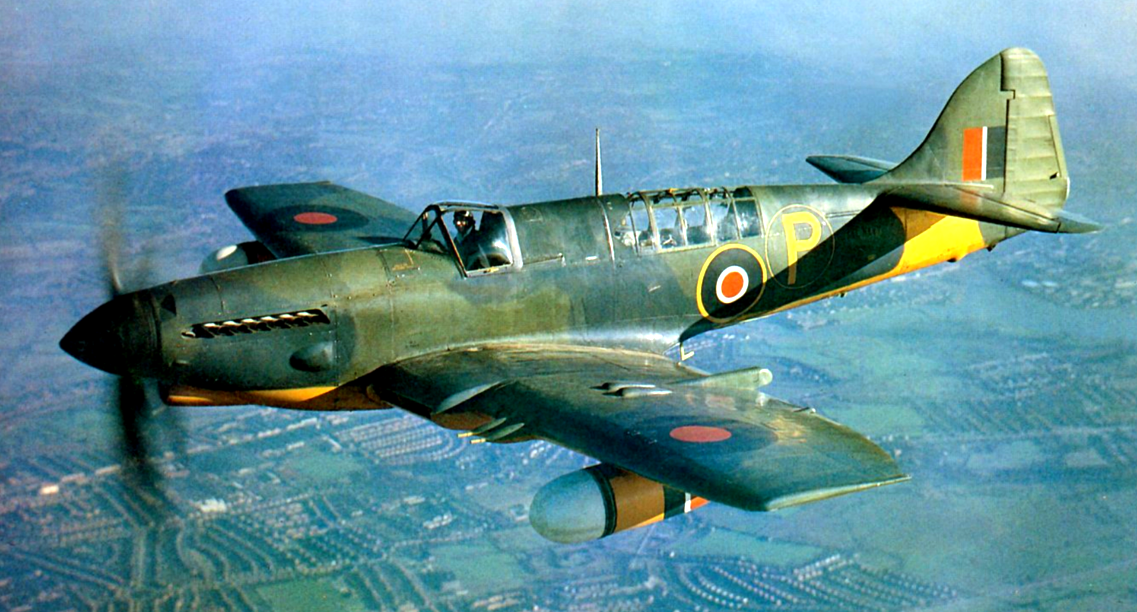
(Umeyou Photo)
Fairey Firefly (Serial No. Z2118) converted from Mk. I, the first prototype of the FR Mk. IV. It first flew in 1944, retained the elliptical wing and the original tail assembly. In 1945 it was modified to full . IV standard, and three more conversions were made from the Mk. I airframes (Serial Nos. MB649, Z1835 and PP482).
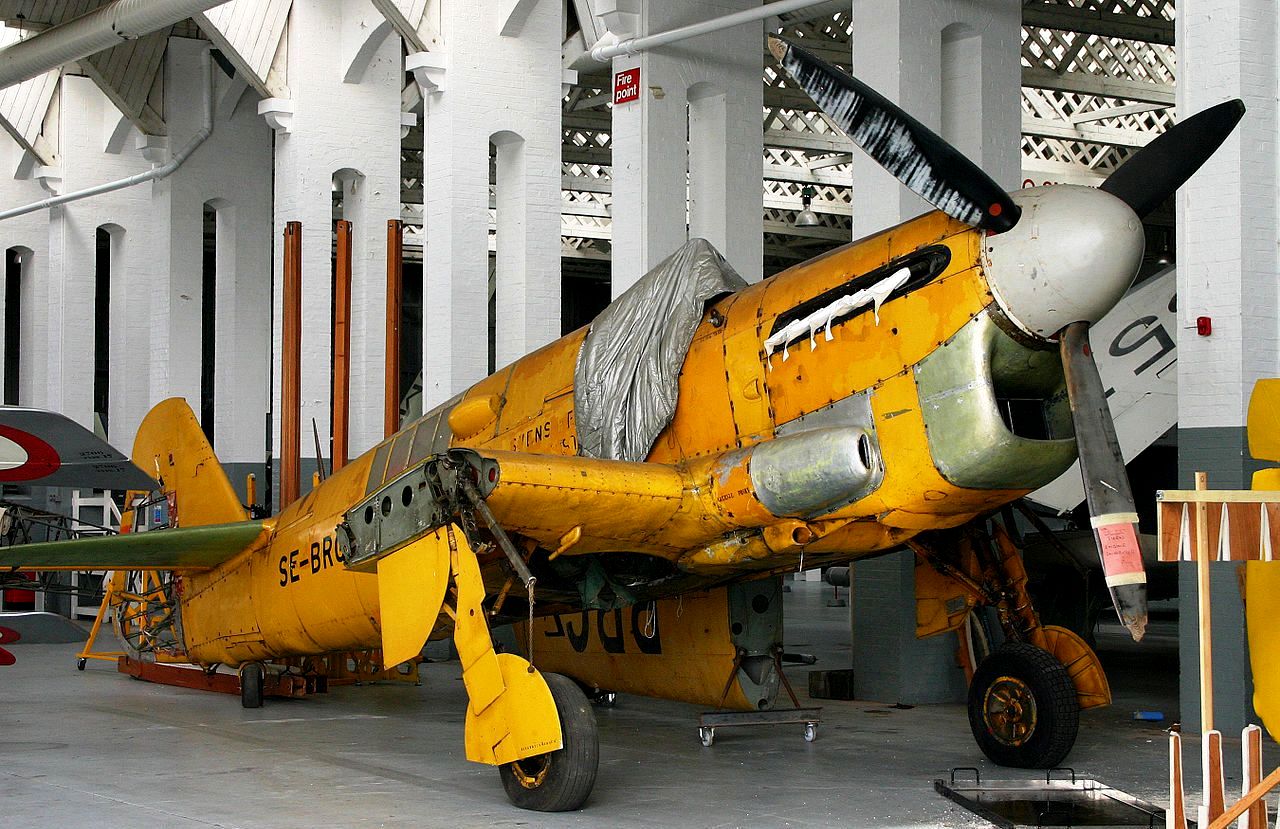
(Alan Wilson Photo)
Fairey Firefly TT.1 (Serial No. DT989), Reg. No. SE-BRG, ex-Swedish Target tug, hence the colour scheme and registration. Aircraft Restoration Co, Duxford, Cambridgeshire.
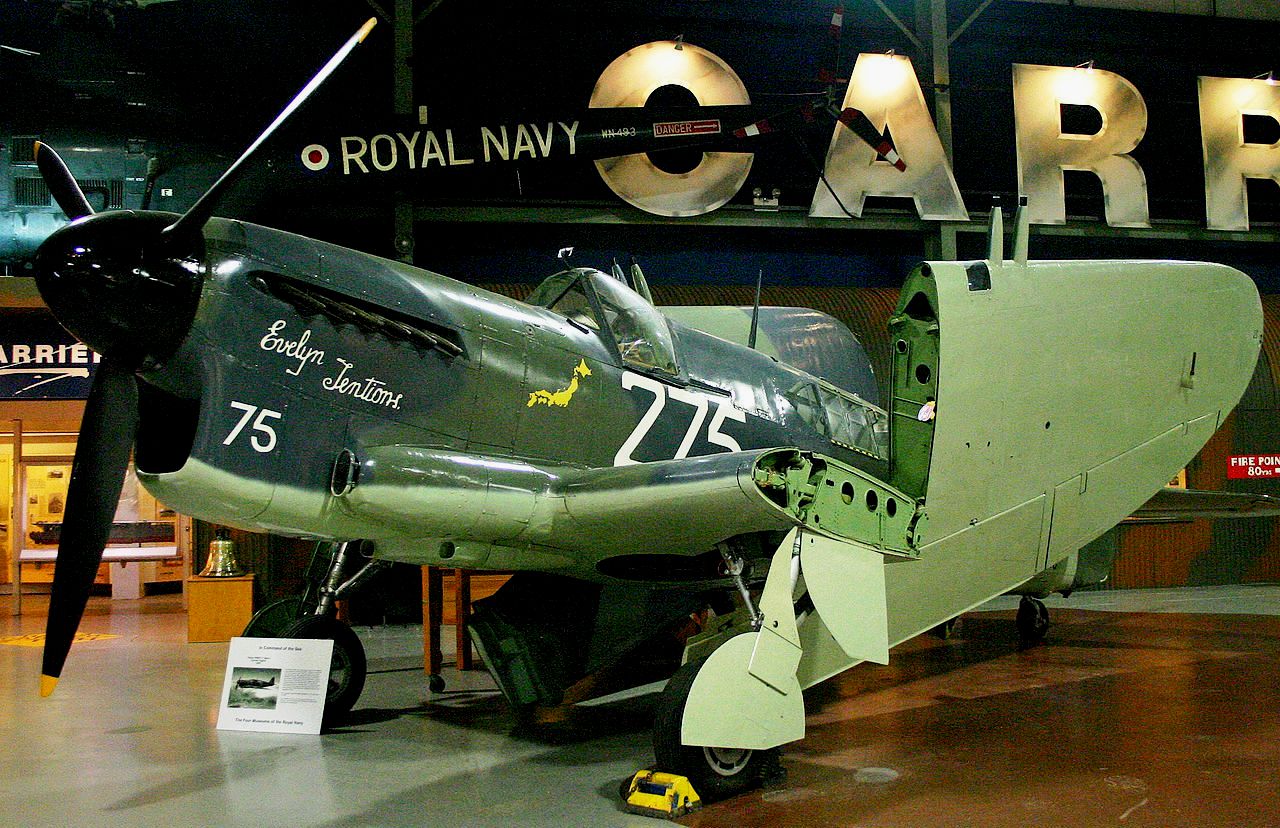
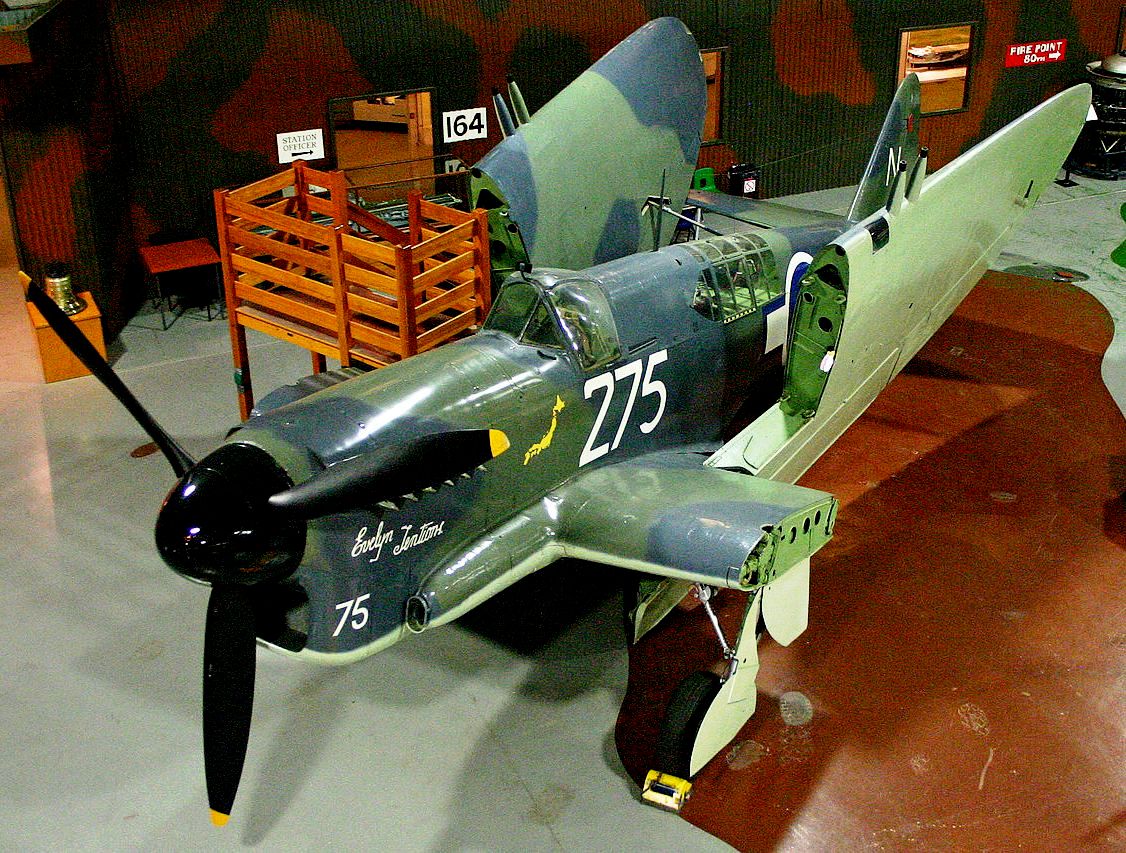
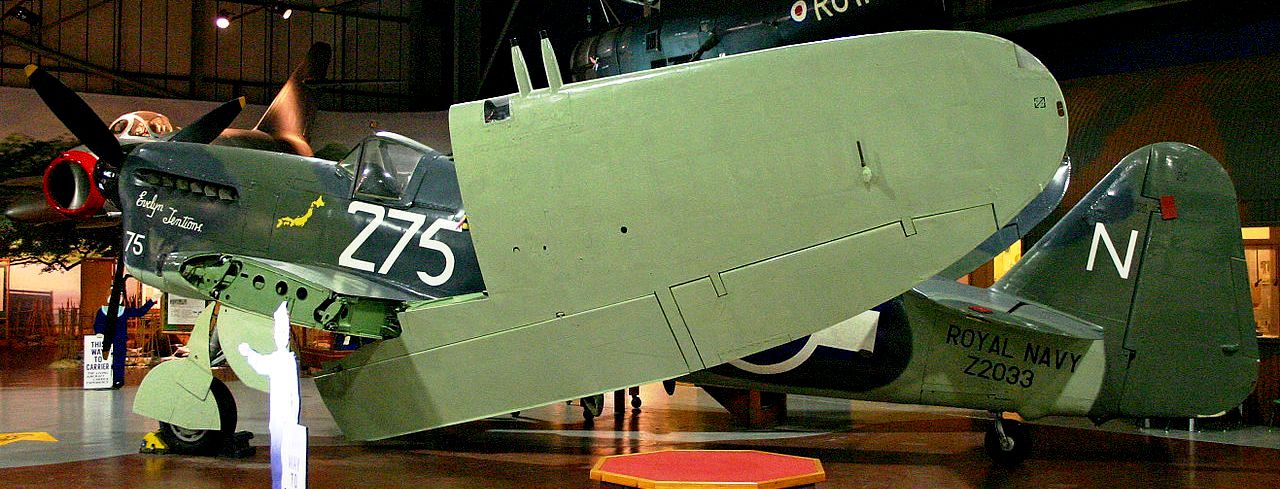
(Alan Wilson Photos)
Fairey Firefly TT.1 (Serial No. Z2033), “Evelyn Tensions”, Reg. No. G-ASTL, Fleet Air Arm Museum, Yeovilton, Ilchester, Somerset.
(Alan Wilson Photo)
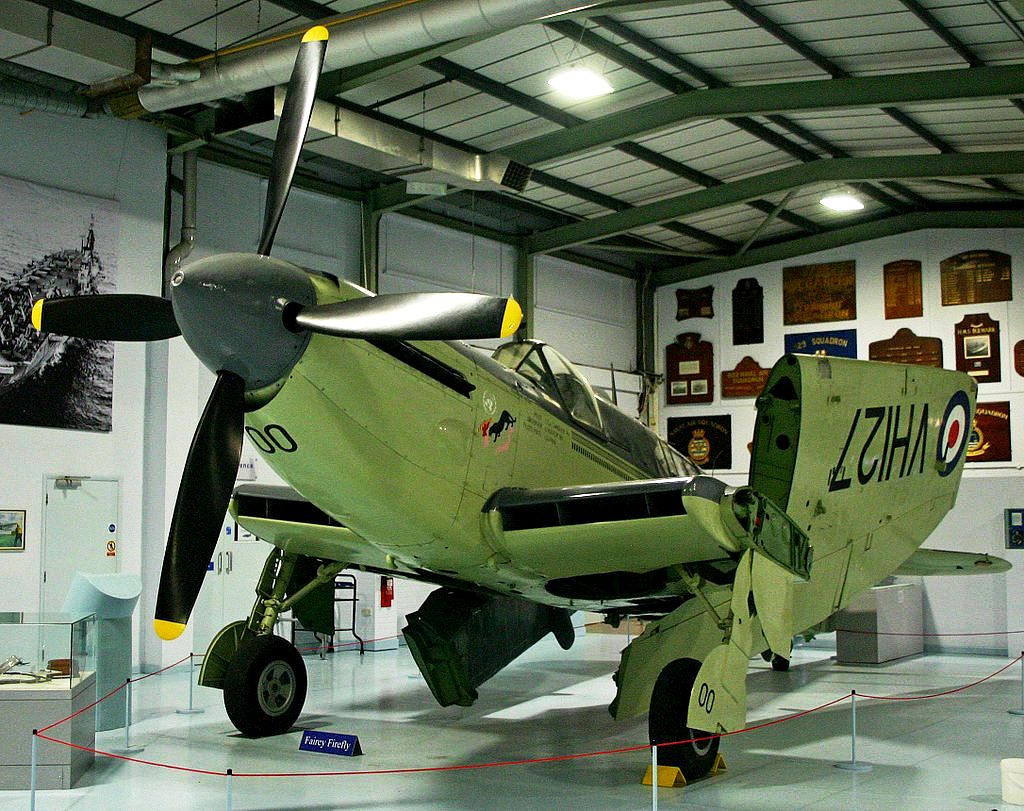
Fairey Firefly TT.4 (Serial No. VH127), Fleet Air Arm Museum, Yeovilton, Ilchester, Somerset.
(Mike Freer – Touchdown-aviation Photos)
(Steve Fitzgerald Photo)
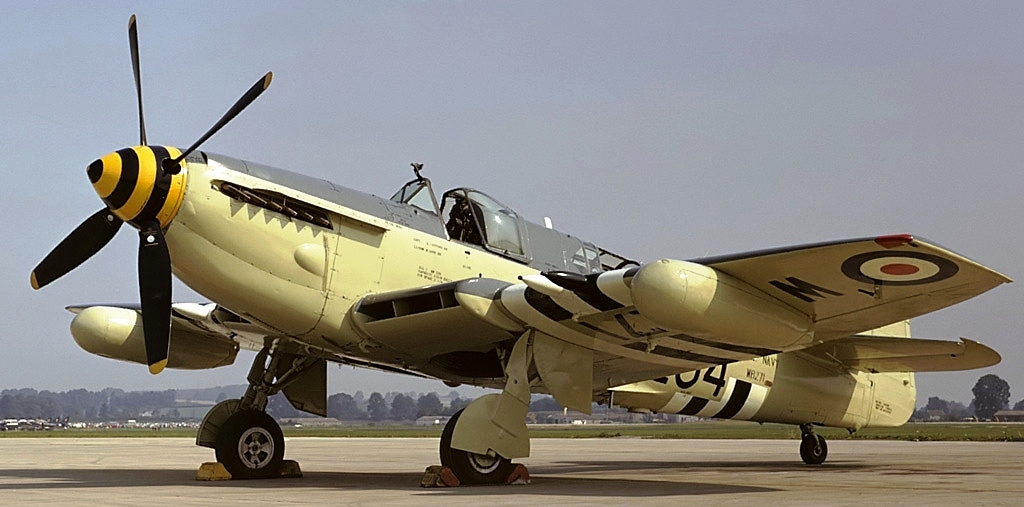
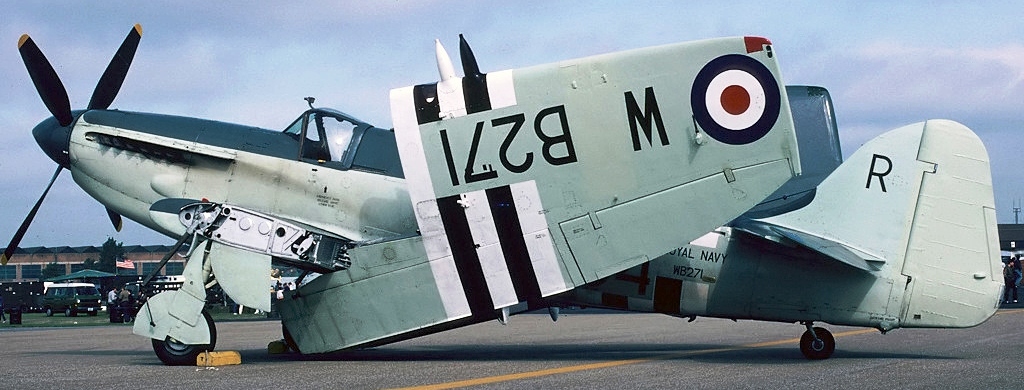
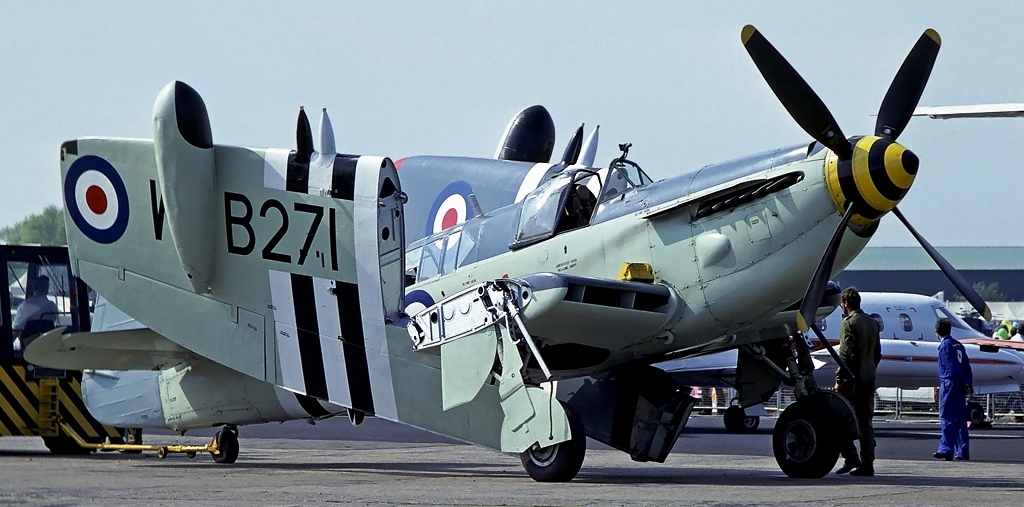
Fairey Firefly AS5 (Serial No. WB271), Royal Navy Historic Flight, lost in a crash at Duxford in 2003.
(Paulmaz Photo)
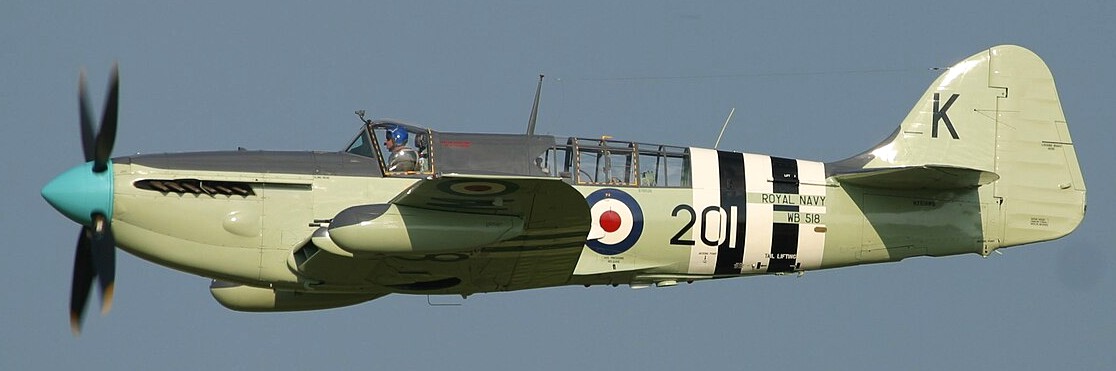
Fairey Firefly AS Mk. 6 (Serial No. WB518). Firefly AS Mk 6 WB518 – WB518 was one of the first 10 Mk.6s built, but retained the earlier Mk.5 fuselage. It was originally delivered to the Royal Australian Navy’s 817 Squadron and then served in 816 Squadron before being retired and ending up as a memorial on a pole in Griffith, New South Wales, Australia. WB518 was then purchased by American Eddie Kurdziel, a Northwest Airlines captain and former U.S. Navy pilot. WB518 was extensively restored and made its first public appearance at Oshkosh in 2002.
(SDASM Photo)
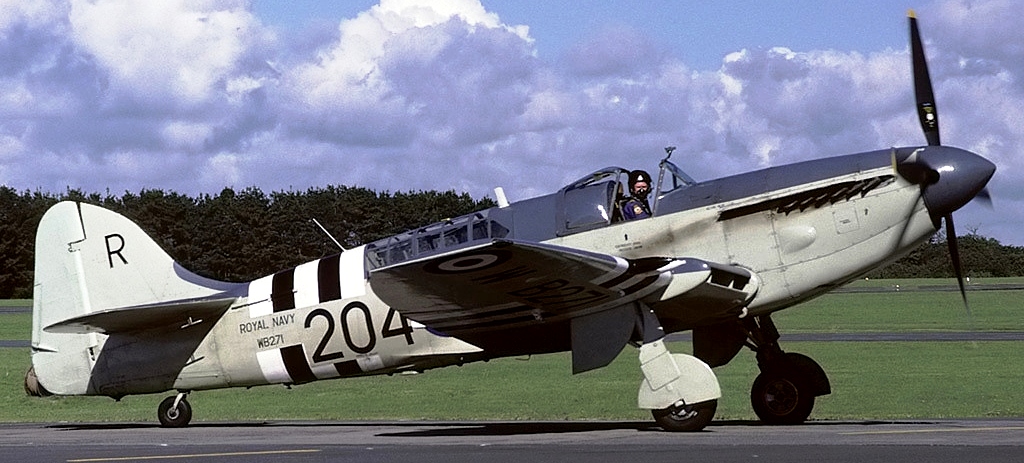
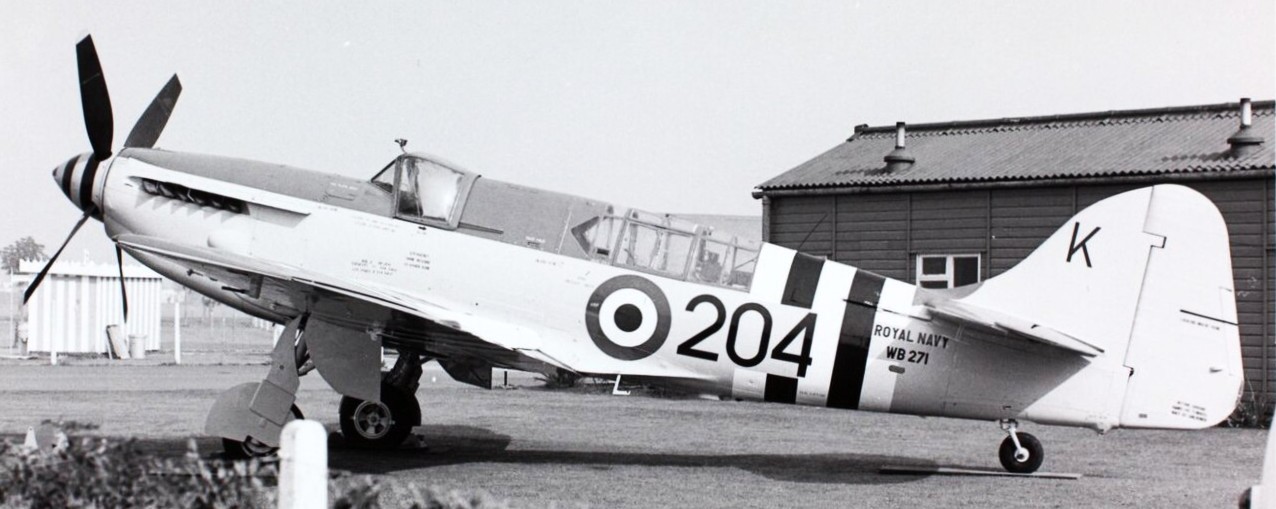
Fairey Firefly AS Mk. 6 (Serial No. WB271), coded 204.
(RAAN Photo)
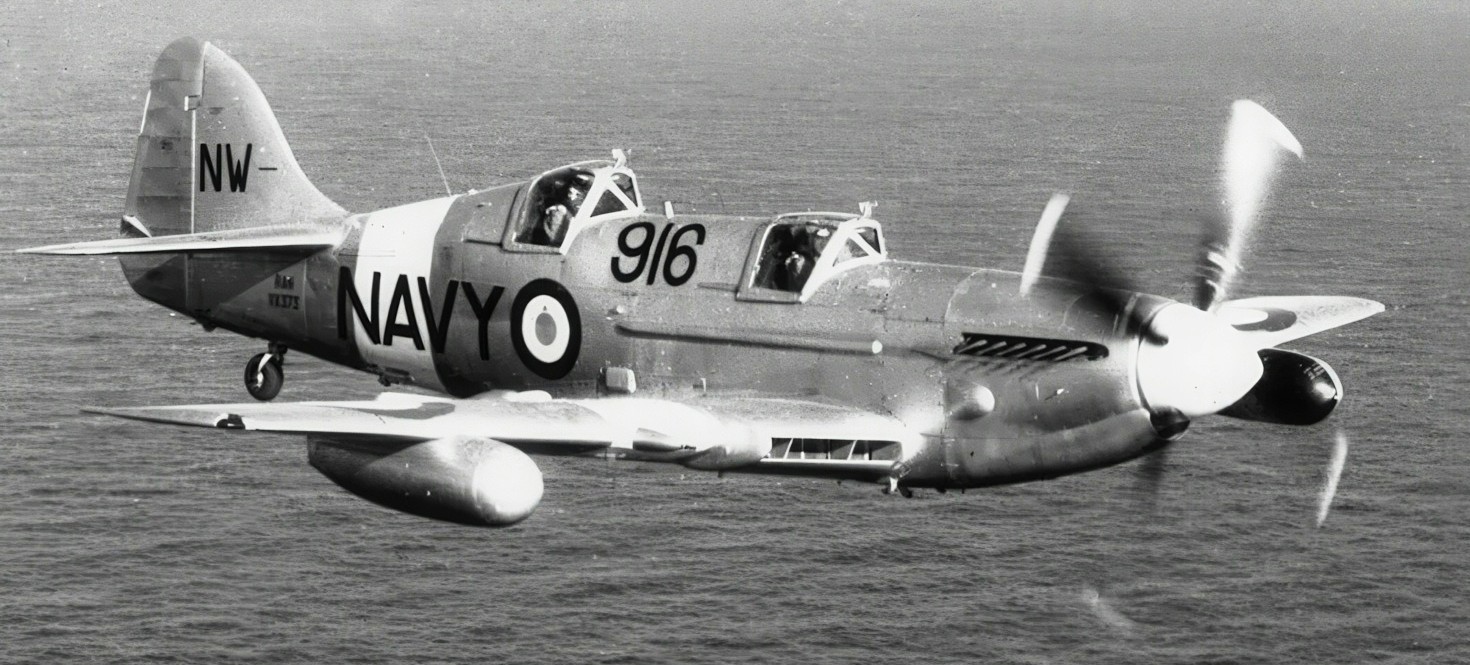
Firefly T Mk. 1, a twin-cockpit pilot training aircraft, circa mid-1940s. It was derived from the Fairey Firefly fighter/reconnaissance aircraft, and adapted specifically for training purposes. This aircraft was one of three former Royal Australian Navy Mk. 5 Fireflies modified in Australia for training. Not a factory built trainer.
(Australian National Maritime Museum Photo)
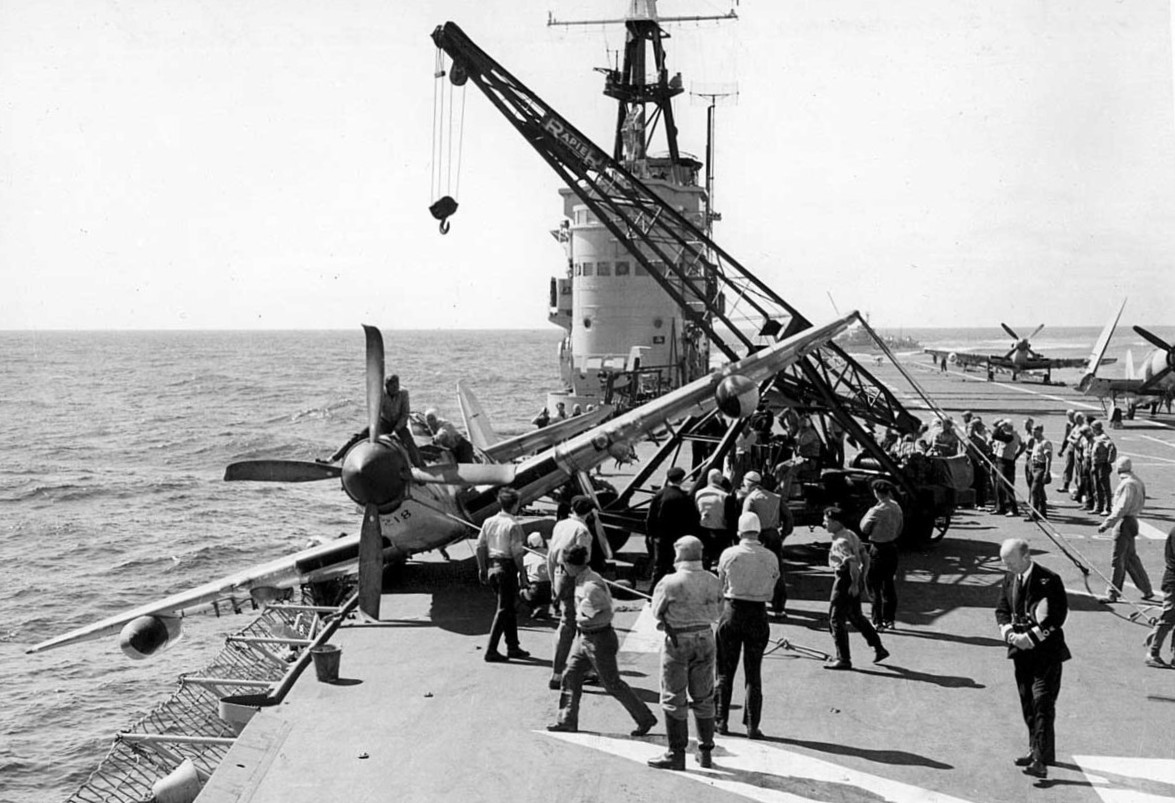
Fairey Firefly deck accident on HMAS Sydney during manouvres off Tasmanian coast, March 1951.
All comments are subject to our Comment Policy. You must be at least 18 years old to comment.
See a comment that violates our guidelines? Report it here.