
Kawanishi N1K
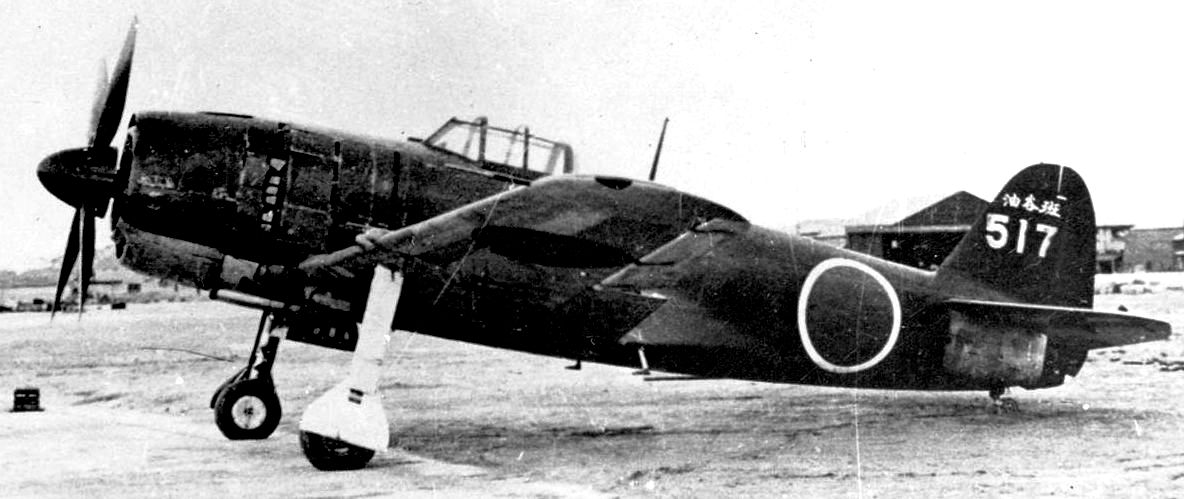
(IJNAF Photo)
Kawanishi N1K4-J Shiden Kai, IJNAF, prototype.
The Kawanishi N1K1-J Shiden was an Imperial Japanese Navy Air Service land-based version of the N1K1 floatplane. Assigned the Allied codename “George”, the N1K1-J was considered by both its pilots and opponents to be one of the finest land-based fighters flown by the Japanese during the Second World War. The N1K1 possessed a heavy armament and, unusual for a Japanese fighter, could absorb considerable battle damage.
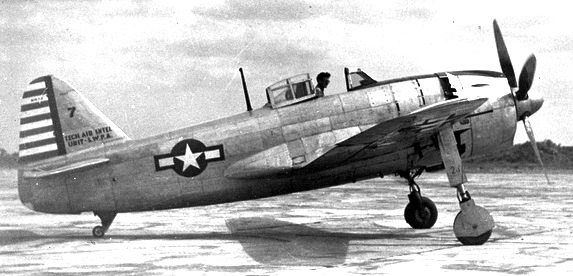
Kawanishi N1K2-J Shiden (Serial No. 5511), test flown by the TAIU-SWPA, TAIC (S) 7, in USAAF markings. This aircraft crashed at Clark Airfield, Luzon, Philippines, 1945. (USAAF Photo)
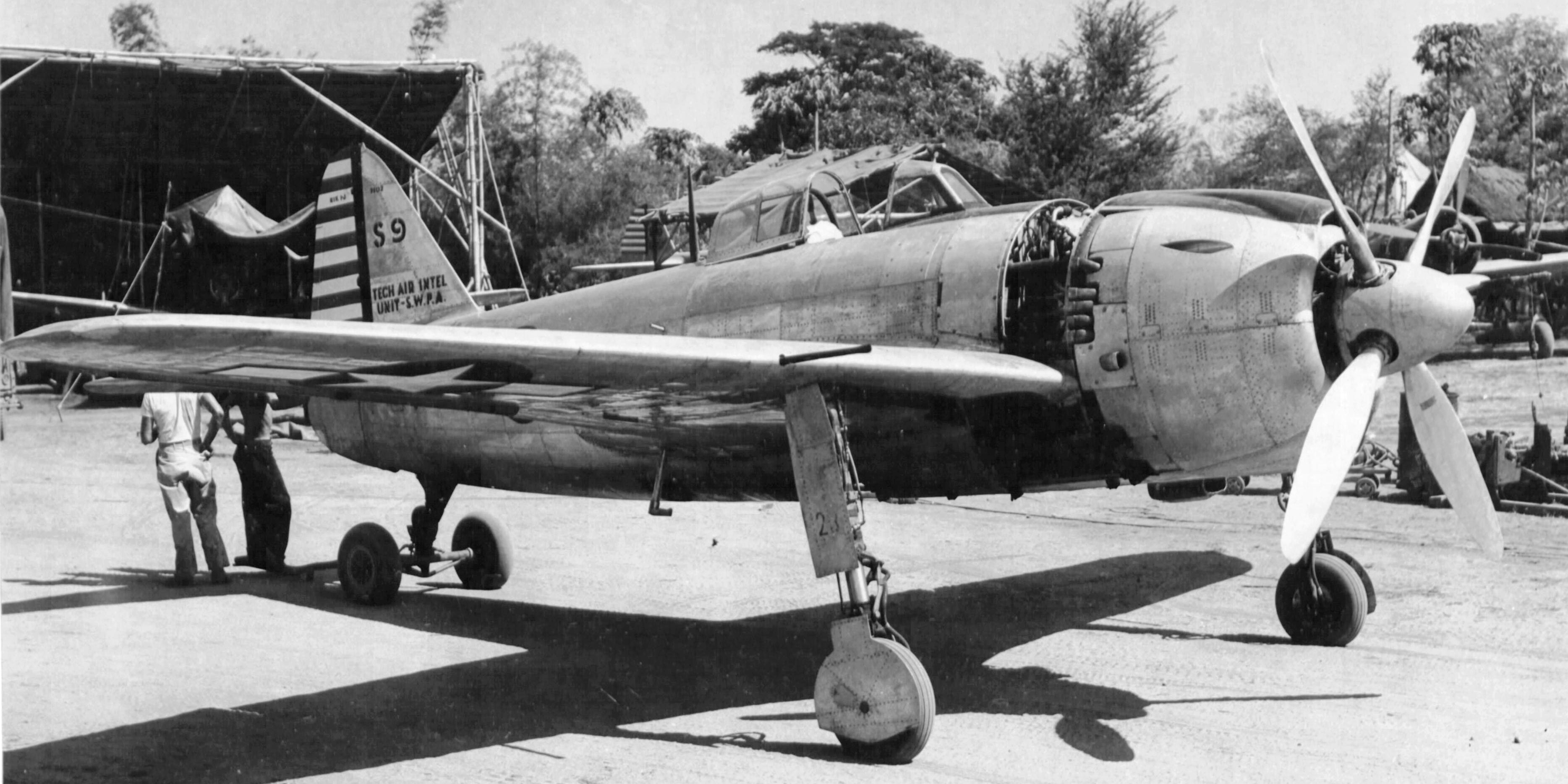
Kawanishi N1K2-J Shiden (Violet Lightning), (Serial No. 7102), code-named George, TAIC-SWPA, S9, at Clark Field, Luzon, Philippines, 1945. (USAAF Photo)
Kawanishi N1K1-J Shiden (Serial No. 7287) and (Serial No. 7317) were captured and taken to United States on the carrier USS Barnes.
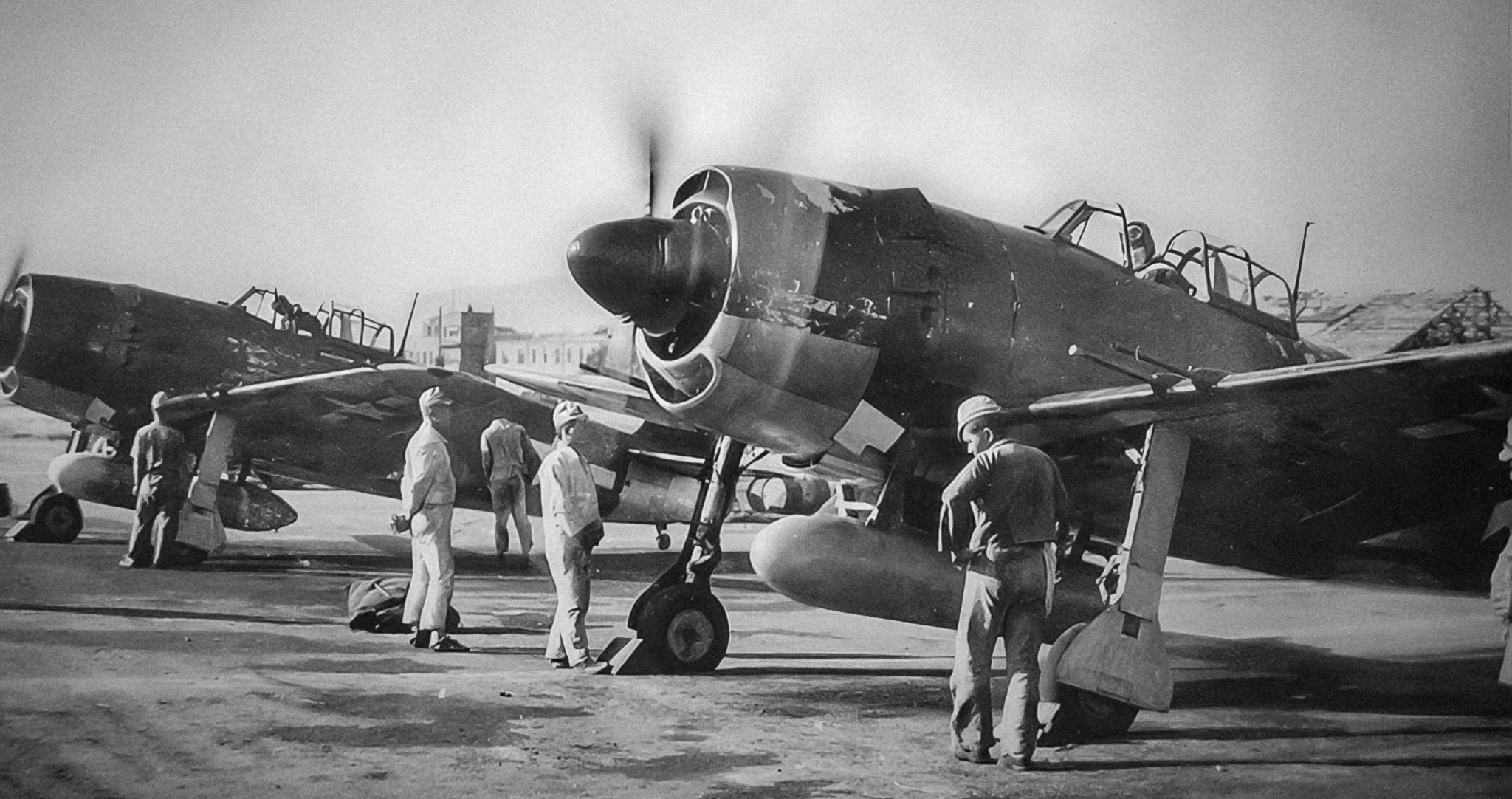
(USAAF Photo)
Kawanishi N1K2-J, USAAF markings being run up with the assistance of Japanese workers. These three Shiden Kais are being prepared for a ferry flight from Matsuyama to Yokosuka piloted by Japanese pilots and escorted by four US Navy F4U Corsairs. AUG. 1945.
(USAAF Photo)
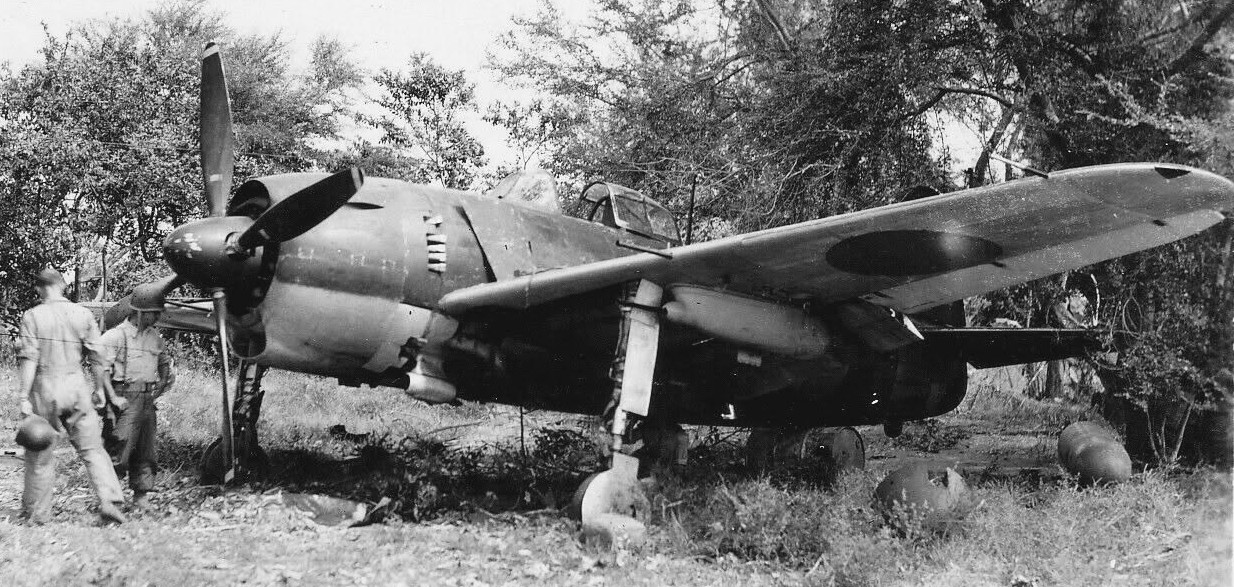
Captured Kawanishi N1K2-J, Mabalacat, The Philippines, cSep 1945.
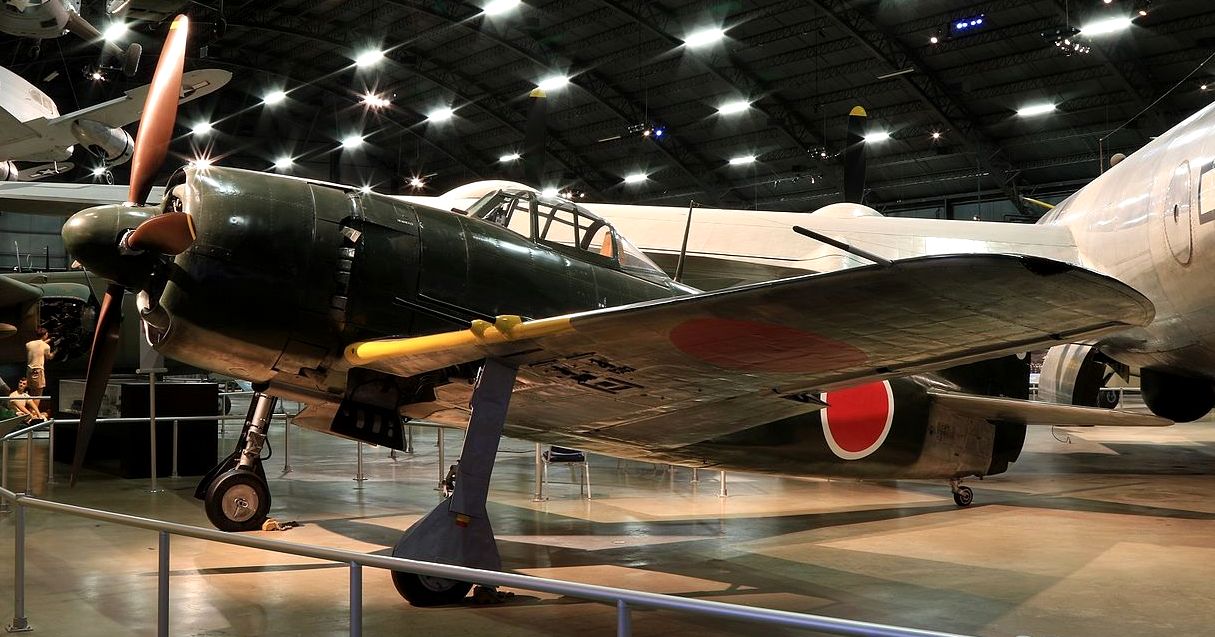
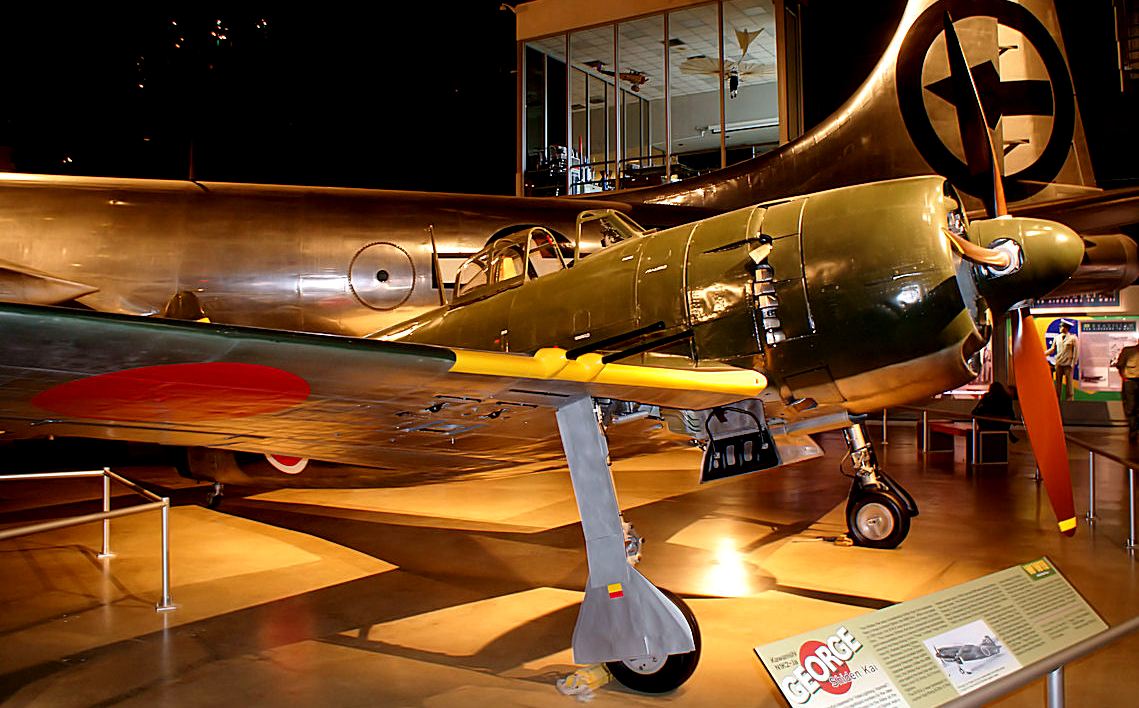
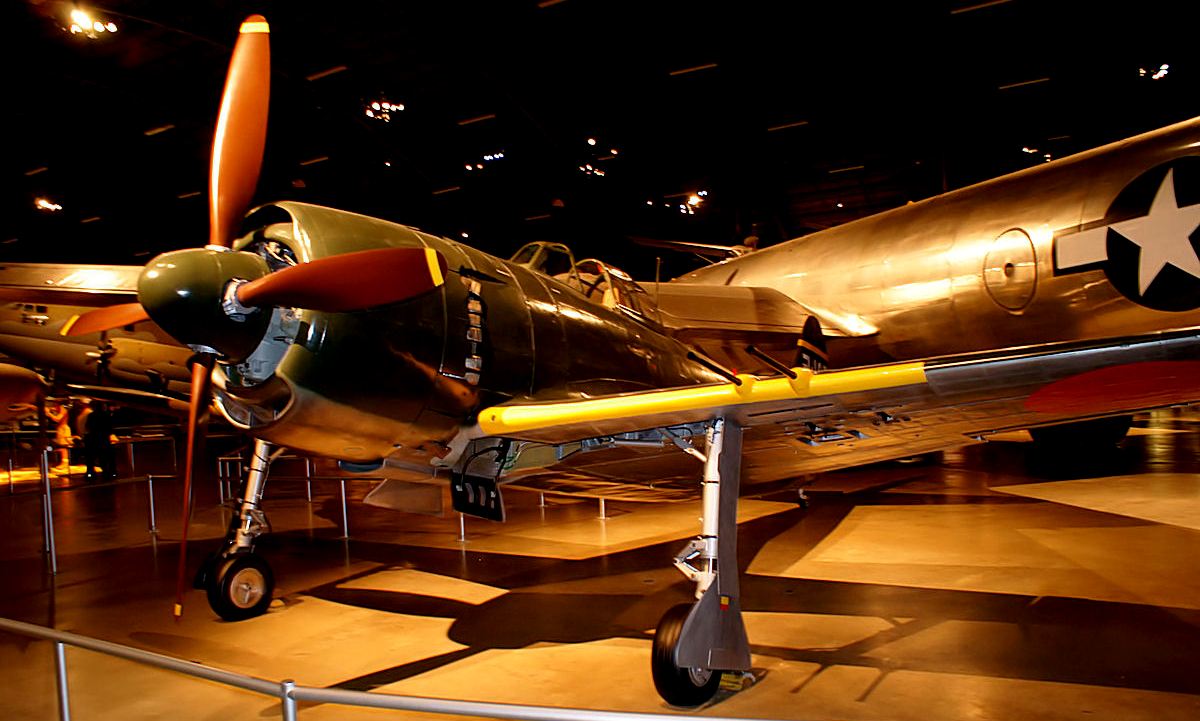
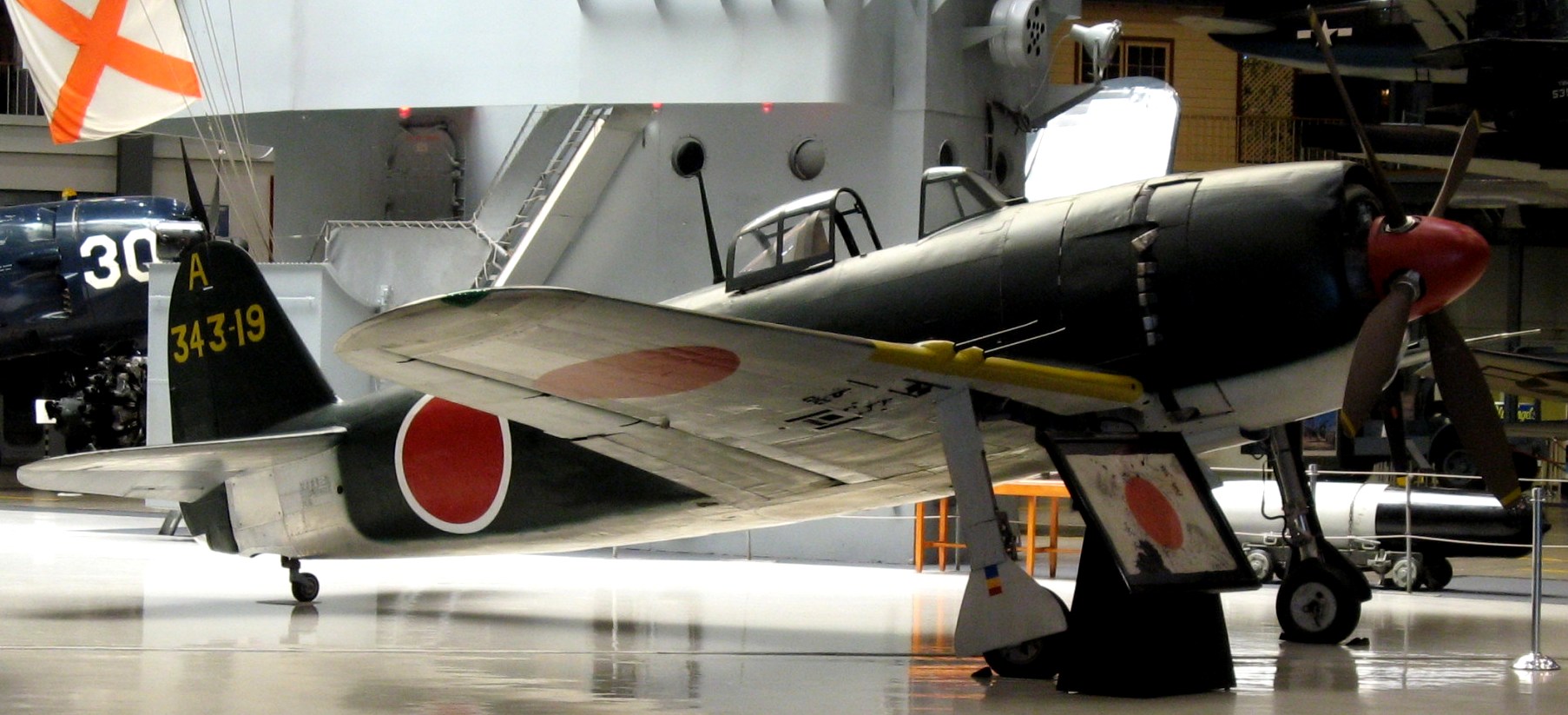
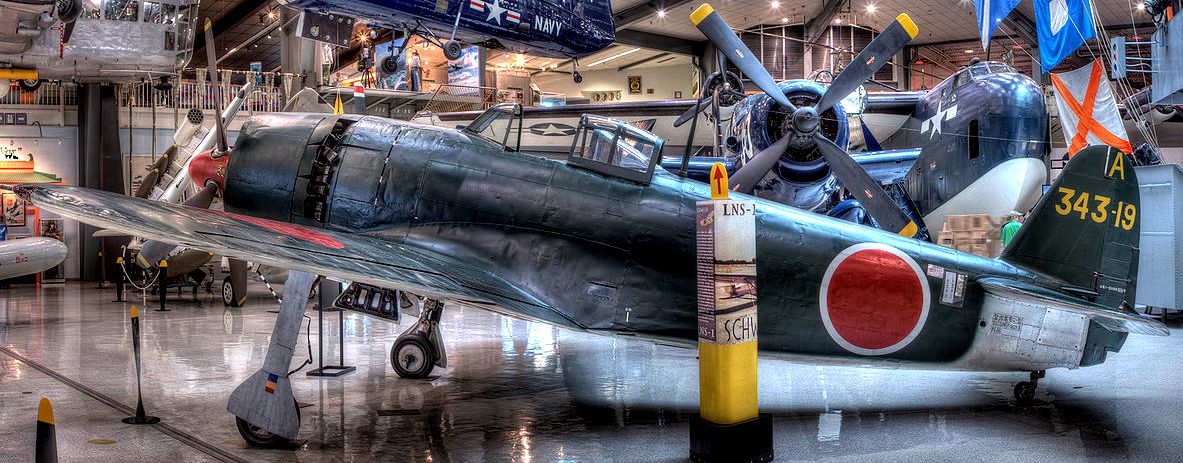
At least three Kawanishi N1K2-J Shiden Kai Model 21 aircraft survive in American museums. Kawanishi N1K2-J Shiden Kai (Serial No. 5128) is in the National Museum of Naval Aviation in Pensacola, Florida. Kawanishi N1K2-Ja Shiden Kai (Serial No. 5312), a fighter-bomber variant equipped with wing mounts to carry bombs, is on display in the Air Power gallery at the National Museum of the United States Air Force, at Wright-Patterson Air Force Base near Dayton, Ohio. The N1K2-Ja is painted as an aircraft in the Yokosuka Kokutai, an evaluation and test unit. Kawanishi N1K2-J Shiden Kai (Serial No. 5341), USAAF FE-305 is on display at the National Air and Space Museum’s Steven F. Udvar-Hazy Center.
(Goshimini Photo)
( Valder137 Photos)
Kawanishi N1K2-Ja Shiden Kai Model 21 (Serial No. 5312) on display in the National Museum of the USAF.
(Greg Goebel Photo)
(Dick Jenkins Photo)
Kawanishi N1K2-J Shiden Kai Model 21 (Serial No. 5128), USAAF FE-306 on display in the National Museum of Naval Aviation, Pensacola, Florida.
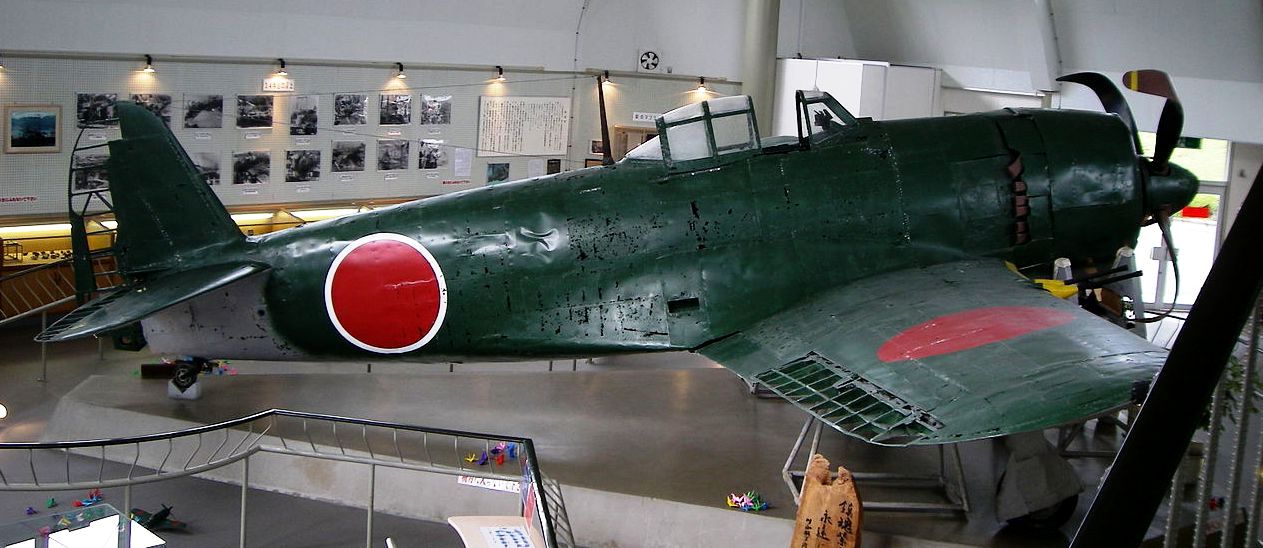
(Bouquey Photos)
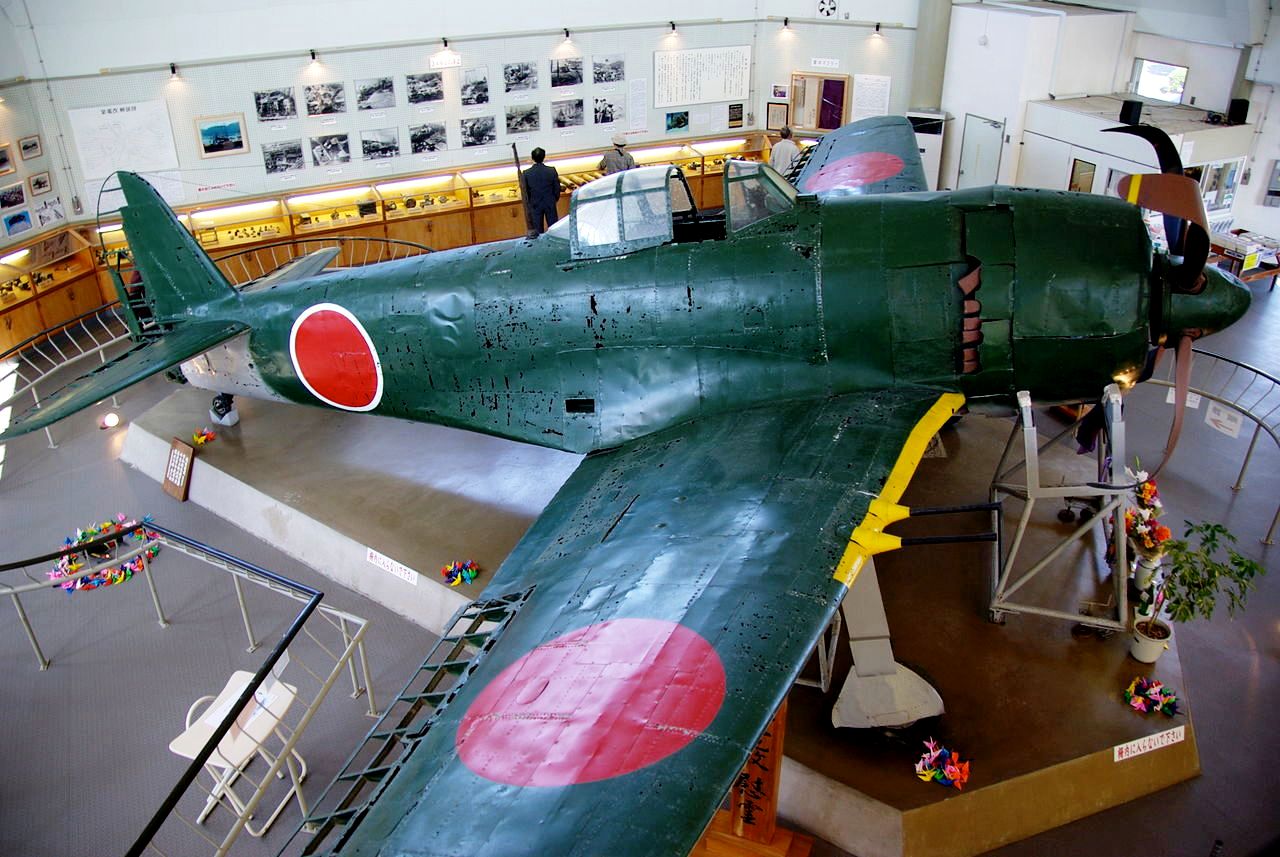
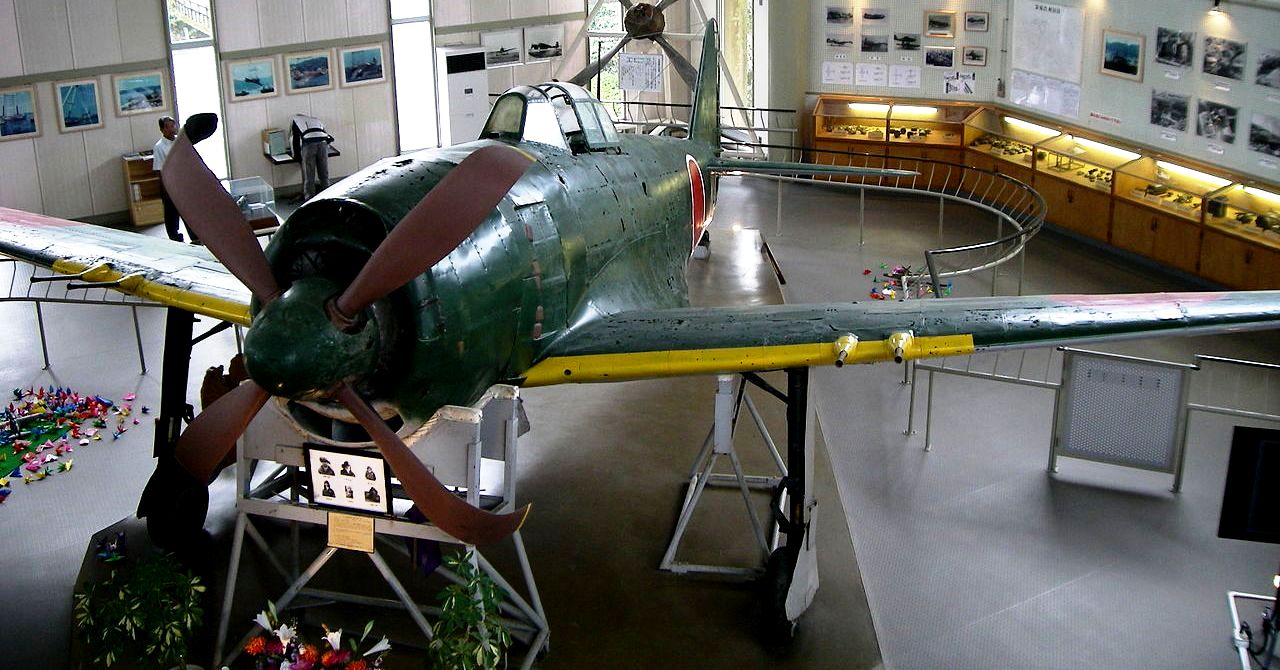
Kawanishi N1K2-J Shiden Kai Model 21, on display in the Shikoku Museum, Japan. This is an authentic N1K2-J Shiden-Kai from the 343 squadron. After the aircraft was damaged in battle, its pilot landed on 24 July 1945 in the waters of the Bungo Channel, but he was never found; by the time of the aircraft’s recovery from the seabed in the 1970s, he could be identified only as one of six pilots from the 343 squadron who disappeared that day.
The Kawanishi N1K is an Imperial Japanese Navy fighter aircraft, developed in two forms: the N1K Kyōfū (強風, “Strong Wind”, Allied reporting name “Rex”), afloatplane designed to support forward offensive operations where no airstripswere available, and the N1K-J Shiden (紫電, “VioletLightning”, reporting name “George”), a land-based version ofthe N1K. The N1K-J was considered by both its pilots and opponents to be one ofthe finest land-based fighters flown by the Japanese during the Second WorldWar.
An improved variant, the N1K2-J “Shiden-Kai” (紫電改) first flew on 1 January 1944. The Shiden Kai possessed heavyarmament, as well as surprisingly good maneuverability, due to a mercury switchthat automatically extended the flaps during turns. These “combat”flaps created more lift, thereby allowing tighter turns. Unlike the MitsubishiA6M Zero, the Shiden Kai could compete against the best late-war Alliedfighters, such as the F6F Hellcat, F4U Corsair, and P-51 Mustang.Kawanishi’s N1K was originally built as a single pontoon floatplane fighter tosupport forward offensive operations where no airstrips were available, but by1943 when the aircraft entered service, Japan was firmly on the defensive, andthere was no longer a need for a fighter to fulfill this role. The Navy’srequirements for this fighter were nearly impossible to achieve for a floatplane, and the expected protracted development period led Nakajima to developan interim float plane fighter based on the Zero, the Nakajima A6M2-N. In theend, the Kyofu only saw limited service, mostly in Southeast Asia. A numberwere flown out of Ambon and the Aru Islands in the Moluccas, while some werestationed at Penang Island, off the Malayan peninsula. They were also used inthe Battle of Okinawa. Towards the end of the war, Kyofus were also used in thehomeland defense role, operating from Lake Biwa by the Sasebo Air Corps and theŌtsu Air Corps.
The N1K was powered by the Mitsubishi MK4C Kasei 13 14-cylinder radial engine. Top speed was 489 km/h (304 mph); considerably less than the unrealistic Navy 310 kn (574 km/h; 357 mph) requirement.
Land-based version
The requirement to carry a bulky, heavy float essentially crippled the N1K against contemporary American fighters. However, Kawanishi engineers had proposed in late 1941 that the N1K would also be the basis of a formidable land-based fighter, and a land-based version was produced as a private venture by the company. This version flew on 27 December 1942, powered by a Nakajima NK9A Homare 11 18-cylinder radial engine, replacing the less powerful MK4C Kasei 13 of the N1K-1. The aircraft retained the mid-mounted wing of the floatplane; combined with the large propeller, this necessitated a long, stalky main landing gear. A unique feature was the aircraft’s combat flaps that automatically adjusted in response to acceleration, freeing up the pilot’s concentration and reducing the chance of stalling in combat. The N1K did have temperamental flight characteristics, however, that required an experienced touch at the controls.
The Nakajima Homare was powerful, but had been rushed into production before it was sufficiently developed, and proved troublesome. Another problem was landing gear failure due to poor heat treatment of the wheels. Apart from engineproblems and the landing gear, the flight test program showed that the aircraft was promising. Prototypes were evaluated by the Navy, and since the aircraft was faster than the Zero and had a much longer range than the Mitsubishi J2M Raiden, it was ordered into production as the N1K1-J, the -J indicating a land-based fighter modification of the original floatplane fighter.
Only four days after the Shiden’s first test flight, a complete redesign began. The N1K2-J addressed the N1K1-J’s major defects, primarily the mid-mounted wing and long landing gear. The wings were moved to a low position, which permitted the use of a shorter, conventional undercarriage. The fuselage was lengthened and the tail redesigned. The production of the entire aircraft was simplified: over a third of the parts used in the previous Shiden could still be used in its successor, while construction used fewer critical materials.[9] The N1K1redesign was approximately 250 kg (550 lb) lighter, while faster and more reliable than its predecessor. The Homare engine was retained, even though reliability problems persisted, as no alternative was available. A prototype ofthe new version flew on 1 January 1944. After completing Navy trials in April, the N1K2-J was rushed into production. This variant was named the “Shiden-Kai” (紫電改), with Kai meaning modified. (Wikipedia)
Operational history
The N1K1-J Shiden entered service in early 1944. The N1K1-J and the N1K2 Shiden-Kai released later that year were among the rare Japanese aircraft that offered pilots an even chance against late-war American designs, such as the F6F Hellcat and the F4U Corsair, and could be a formidable weapon in the hands of an ace. In February 1945, Ensign Kaneyoshi Muto, flying an N1K2-J as part of a mixed formation of at least 10 Japanese aircraft, faced seven U.S. Navy Hellcat pilots from squadron VF-82 in the sky over Japan; the formation shot down four Hellcats with no loss to themselves. After the action, Japanese propagandists fabricated a story in which Muto was the sole airman facing 12 enemy aircraft. (A leading Japanese ace, Saburō Sakai, later asserted in his autobiography that Muto had done this feat at an earlier stage of the war – albeit at the controls of a Zero fighter.)
The N1K1-J aircraft were used very effectively over Formosa (Taiwan), the Philippines, and, later, Okinawa. Before production was switched to the improved N1K2-J, 1,007 aircraft, including prototypes, were produced. Because of production difficulties and damage done by B-29 raids on factories, only 415 of the superior N1K2-J fighters were produced.
The N1K2-J Shiden-Kai proved to be one of the best dogfighting aircraft produced by either side. Along with high speed, the Shiden-Kai offered pilots an agile aircraft with a roll rate of 82°/sec at 386 km/h (240 mph), armed with four powerful 20 mm cannons in the wings. As a bomber interceptor, the N1K2-Jfared less well, hampered by a poor rate of climb and a reduced engine performance at high altitude.
The N1K2-J Shiden-Kai offered a formidable, if demanding, aircraft in limited quantities. As a result, the planes were distributed to elite naval fighter units such as 343 Kōkūtai (“343rd Naval Air Group”), constituted on 25 December 1944 and commanded by Minoru Genda. The new Kōkūtai included some of Japan’s most experienced fighter pilots, such as Naoshi Kanno and Saburo Sakai. The unit received the best available naval equipment, such as the Nakajima C6N Saiun, codenamed “Myrt” long-range reconnaissance aircraft.
On 18 March 1945, one of the “Myrts” spotted U.S. carriers en route to Japan. The following morning, Shiden aircraft flown by 343 Kōkūtai intercepted 300 American aircraft. Many of the Shiden forces were N1K2s. When the Shidens encountered Grumman F6F Hellcats from USN Fighter Bomber Squadron 17 (VBF-17), three aircraft were lost on both sides in the initial attack: one Hellcat and two Shidens were shot down by enemy ground fire, two fighters collided in mid-air, and one Hellcat crashed while trying to land. Another Shiden dived on a Hellcat group and downed another one. Ultimately, the Hikōtai lost six fighters versus eight VBF-17 USN fighters.
Another noted encounter pitted the N1K against the Vought F4U Corsair; two Corsairs from VBF-10, accidentally separated from their main formations, were attacked by Shidens from the 343rd. Four N1K2s were shot down. The Corsairs returned to their carrier, USS Bunker Hill. A second encounter took place when pilots flying Shidens initially mistook Corsairs from Marine Fighter Squadron 123 (VMF-123) for Hellcats and attacked. A 30-minute aerial duel ensued, in which three Corsairs were shot down, and another five were damaged. Three other F4Us returned to their carriers and were so heavily damaged that the planes were scrapped. No Shidens were lost to Corsairs in that aerial battle. Losses for the Japanese N1K pilots occurred in a related action. However, two Shidens were shot down upon return for landing by Hellcats of Fighting Squadron 9 (VF-9). At the same time, many more Shidens were destroyed by American fighters over another airfield where low on fuel, their pilots tried to land. The 343rd claimed 52 kills, and the U.S. squadrons 63. The losses were 15 Shidens and 13 pilots, a “Myrt”, its three-person crew, and nine other Japanese fighters. The U.S. also took heavy losses: 14 fighters and seven pilots, plus 11 attack aircraft. Five days later, an unofficial award was sent to 343rd Kōkūtai for the bravery shown on 19 March.
On 12 April 1945, another fierce battle involved the 343rd during the mass kamikaze attack on Kikusui N.2. The Japanese recorded several kills but suffered 12 losses out of 34 aircraft. On 4 May, another 24 Shidens were sent to Kikusui N.5.
In every encounter with enemy fighters, the Shiden, especially the Kai version, proved to be a capable dogfighter with a potent combination of firepower, agility, and rugged structure. The premier unit flying the Shiden, 343rd Kōkūtai, remained operational until overwhelming unit losses obliged the group to stand down. The 343rd was disbanded on 14 August 1945 when the Emperor ordered surrender.
Variants
N1K1 Kyofu
N1K1: Standard type as floatplane, which was used from early 1943, withMitsubishi MK4C Kasei 13 engine.
N1K2: Reserved name for an intended model with larger engine, not built.
N1K1-J Shiden
N1K1-J Prototypes: development of fighter hydroplane N1K1 Kyofu, with 1,820 hpHomare 11 engine.
N1K1-J Shiden Model 11: Navy Land Based Interceptor, first production modelwith 1,990 hp Homare 21 engine and revised cover, armed with two 7.7 mm Type 97machine guns and two 20 mm Type 99 cannons. Modified total-vision cockpit.
N1K1-Ja Shiden Model 11A: without frontal 7.7 mm Type 97s, with only four 20 mmType 99s in wings.
N1K1-Jb Shiden Model 11B: similar to Model 11A amongst load two 250 kg bombs,revised wing weapons.
N1K1-Jc Shiden Model 11C: definitive fighter-bomber version, derived from Model11B. Four bomb racks under wings.
N1K1-J Kai a Experimental version with auxiliary rocket. One Model 11conversion.
N1K1-J Kai b Conversion for dive bombing. One 250 kg bomb under belly and sixrockets under wings.
N1K2-J Shiden-Kai
N1K2-J Prototypes: N1K1-Jb redesigned. Low wings, engine cover and landing gearmodified. New fuselage and tail, 8 built.
N1K2-J Shiden Kai Model 21: Navy Land Based Interceptor, first model of serieswith a Nakajima Homare 21 engine.
N1K2-Ja Shiden KAI Model 21A: Fighter Interceptor version: 2,000 hp Homare21-18 engine with a low wing and larger prop design with four 250 kg groundbombs. Fixed problem with teething pains of N1K2 J at high altitude.
N1K2-K Shiden Kai Rensen 1, Model A: Fighter Trainer, modified from N1K-JSeries with two seats, operative or factory conversions.
Further variants
N1K3-J Shiden Kai 1, Model 31: Prototypes: Engines displaced to ahead, two 13.2mm Type 3 machine guns in front, 2 built.
N1K3-A Shiden Kai 2, Model 41: Prototypes: Carrier-based version of N1K3-J, 2built.
N1K4-J Shiden Kai 3, Model 32: Prototypes: 2,000 hp Homare 23 engine, 2 built.
N1K4-A Shiden Kai 4, Model 42: Prototype: Experimental conversion of N1K4-Jexample with equipment for use in carriers, 1 built.
N1K5-J Shiden Kai 5, Model 25: High-Altitude Interceptor version with Mitsubishi HA-43 (MK9A) with 2,200 takeoff hp, project only. (Wikipedia)
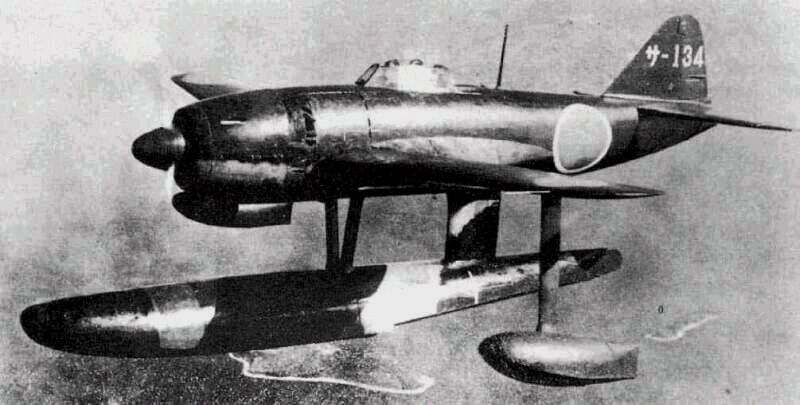
(IJNAF Photo)
Kawanishi N1K1 Kyufu (strong wind) floatplane, IJNAF.
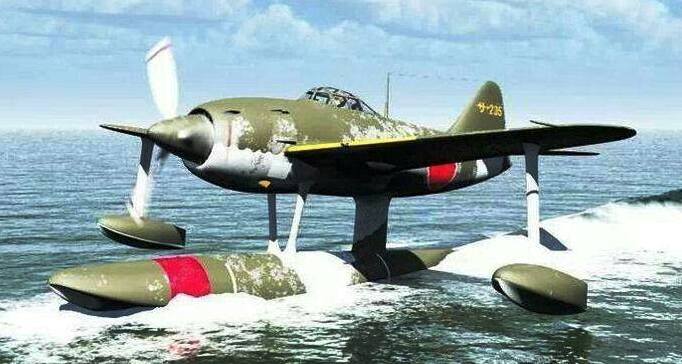
(IJNAF Photo)
Kawanishi N1K1 Kyufu (strong wind) floatplane, IJNAF.
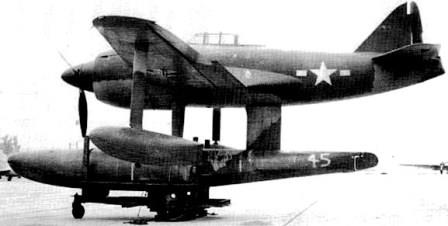
(USN Photo)
Kawanishi N1K1 Kyufu (strong wind) (Serial No. unknown). One shipped to the USA after the war was designated USAAF FE-324. It was scrapped at Park Ridge, c1950.
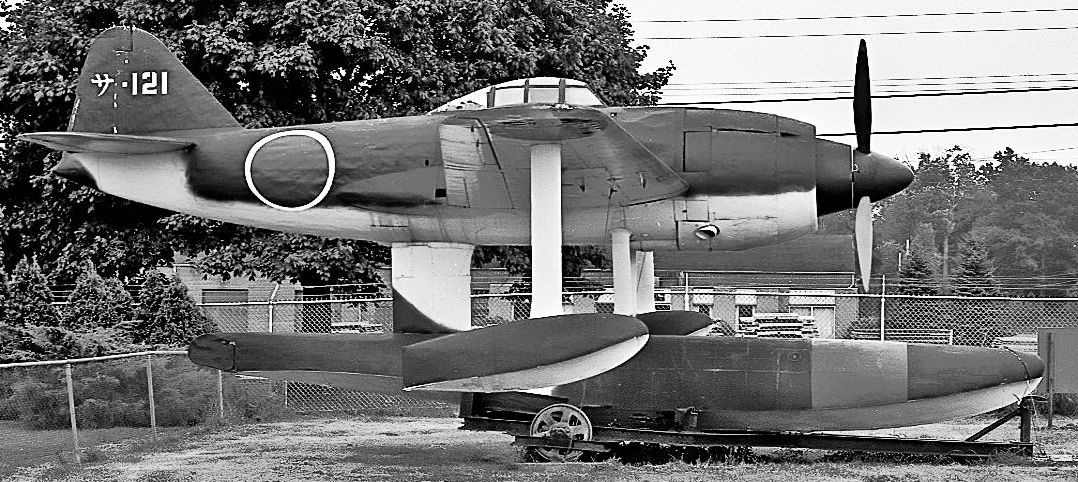
(USN Photo)
Kawanishi N1K1 Kyufu (strong wind) (Serial No. 565), when it was on display at NAS Willow Grove, Pennsylvania. This aircraft is now with the National Museum of Naval Aviation, Pensacola, Florida.
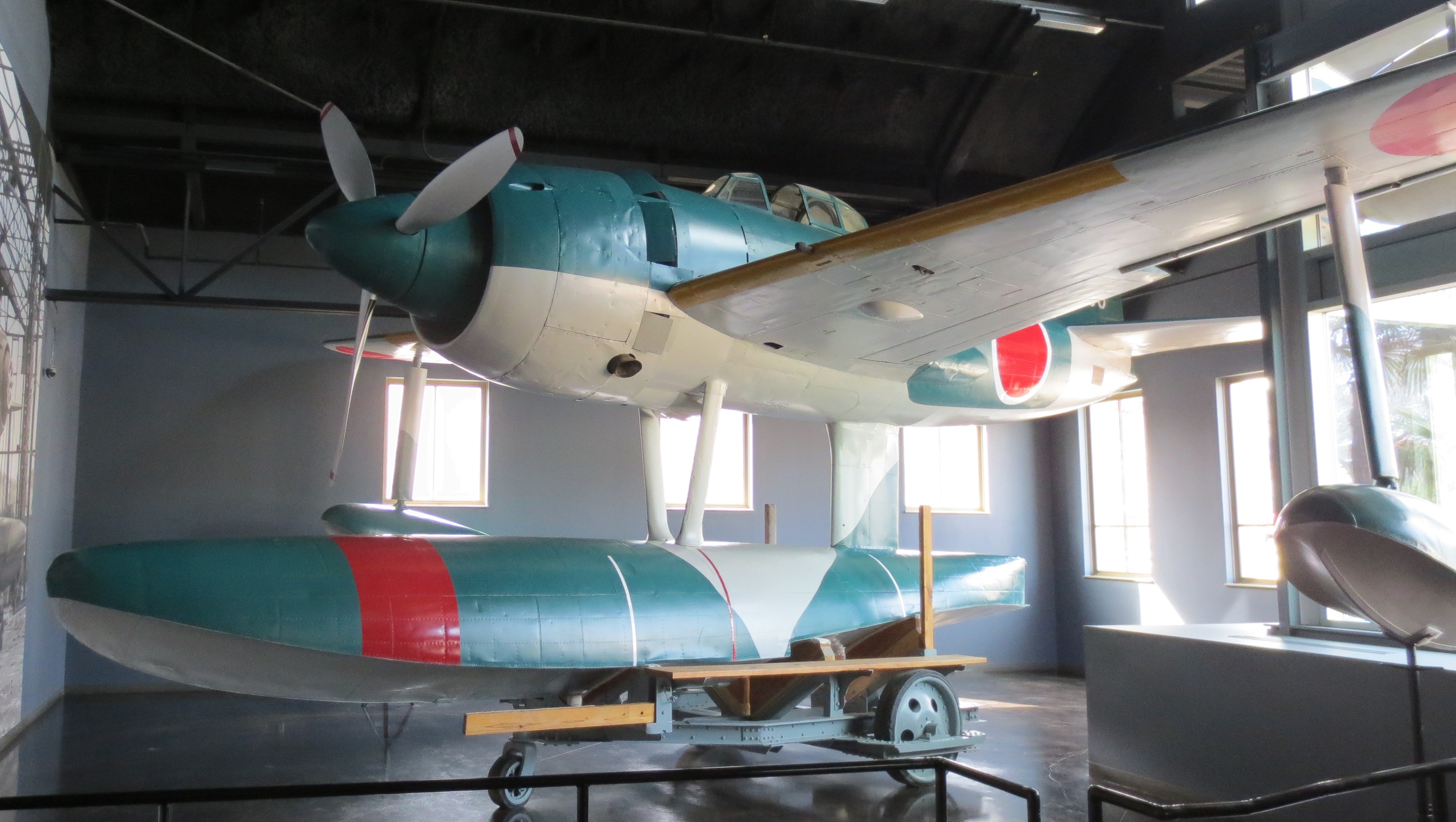
(Author Photo)
Kawanishi N1K Kyofu (strong wind), Allied reporting name “Rex”, on display in immaculate condition at the National Museum of the Pacific War in Fredericksburg, Texas.
All comments are subject to our Comment Policy. You must be at least 18 years old to comment.
See a comment that violates our guidelines? Report it here.