
Sopwith 7F.1 Snipe
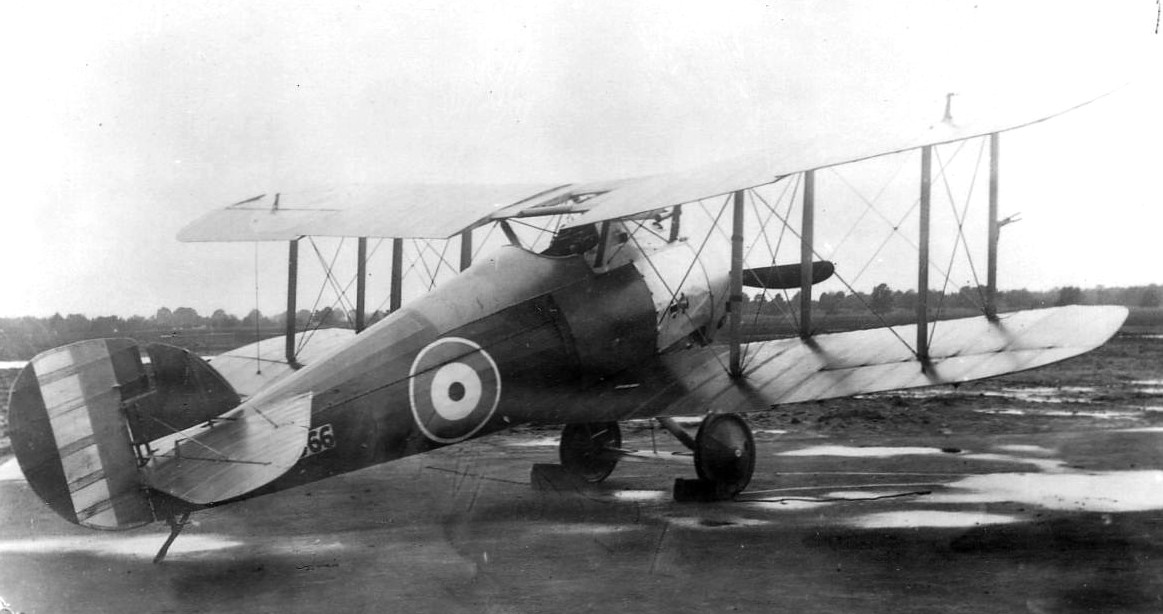
(Library and Archives Canada Photo, MIKAN No. 3391012)
Sopwith 7F.1 Snipe (Serial No. E8066)
The Sopwith 7F.1 Snipe was a British single-seat biplane fighter of the Royal Air Force (RAF). It was designed and built by the Sopwith Aviation Company during the First World War, and came into squadron service a few weeks before the end of the conflict, in late 1918.
The Snipe was not a fast aircraft by the standards of its time, but its excellent climb and manoeuvrability made it a good match for contemporary German fighters. It was selected as the standard postwar single-seat RAF fighter and the last examples were not retired until 1926.
The resultant design, as replacement to the successful Sopwith Camel, called Snipe by Sopwith, was in its initial form a single-bay biplane, slightly smaller than the Camel, and intended to be powered by similar engines. The pilot sat higher than in the Camel while the centre-section of the upper wing was uncovered, giving a better view from the cockpit. Armament was to be two Vickers machine guns.
The Snipe’s structure was heavier but much stronger than earlier Sopwith fighters. Although not a fast aircraft for 1918, it was very manoeuvrable, and much easier to handle than the Camel, with a superior view from the cockpit – especially forwards and upwards. The Snipe also had a superior rate of climb, and much better high-altitude performance compared with its predecessor, allowing it to fight Germany’s newer fighters on more equal terms. Further modifications were made to the Snipe during the war and postwar. The Snipe was built around the Bentley BR2 engine – the last rotary to be used by the RAF. It had a maximum speed of 121 mph at 10,000 ft compared with the Camel’s 115 mph (185 km/h) at the same altitude and an endurance of three hours. Its fixed armament consisted of two 0.303 in (7.7 mm) Vickers machine guns on the cowling, and it was also able to carry up to four 25 lb (11 kg) bombs for ground attack work, identical to the Camel’s armament. The design allowed for a single Lewis gun to be mounted on the centre section in a similar manner to those carried by the Dolphin – in the event this was not fitted to production aircraft.
The Canadian Air Force (CAF) operated the Snipe after the war, but it was phased out in 1923, a year before the Royal Canadian Air Force (RCAF) was formed. (Wikipedia)
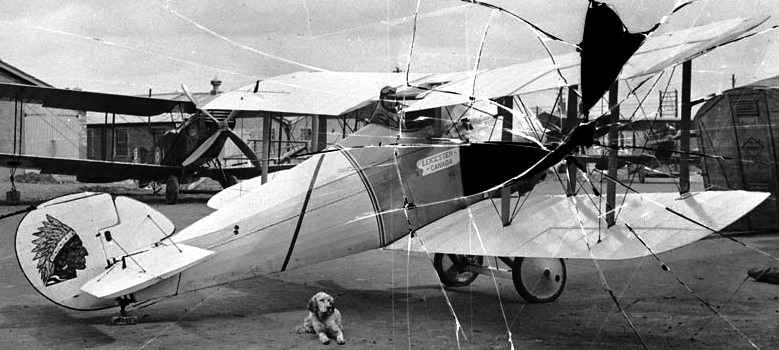
(Library and Archives Canada Photo, MIKAN No. 3391011)
Sopwith 7F.1 Snipe (Serial No. E8213), “Leicester – Canada“, in front of a Bristol F.2b (Serial No. F4336), and a Foker D.VII, No. 1 Squadron (No. 81 Squadron (Canadian), RAF), Canadian Air Force, Upper Heyford, Oxfordshire, England, 1919. Photo taken at Shoreham-by-Sea. Both the Bristol and Snipe were sent to Canada when No. 1 Squadron was disbanded on 28 Jan 1920.
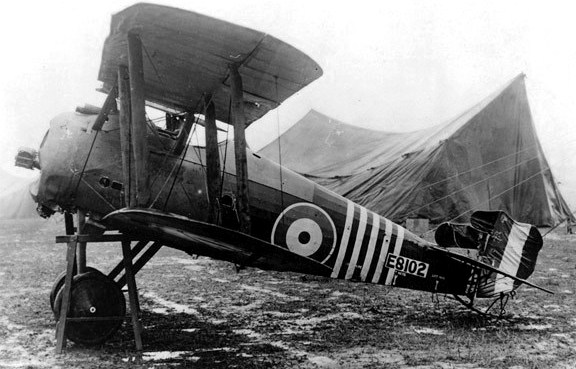
(RAF Photo)
Sopwith 7F.1 Snipe, Capt William George Barker, VC.
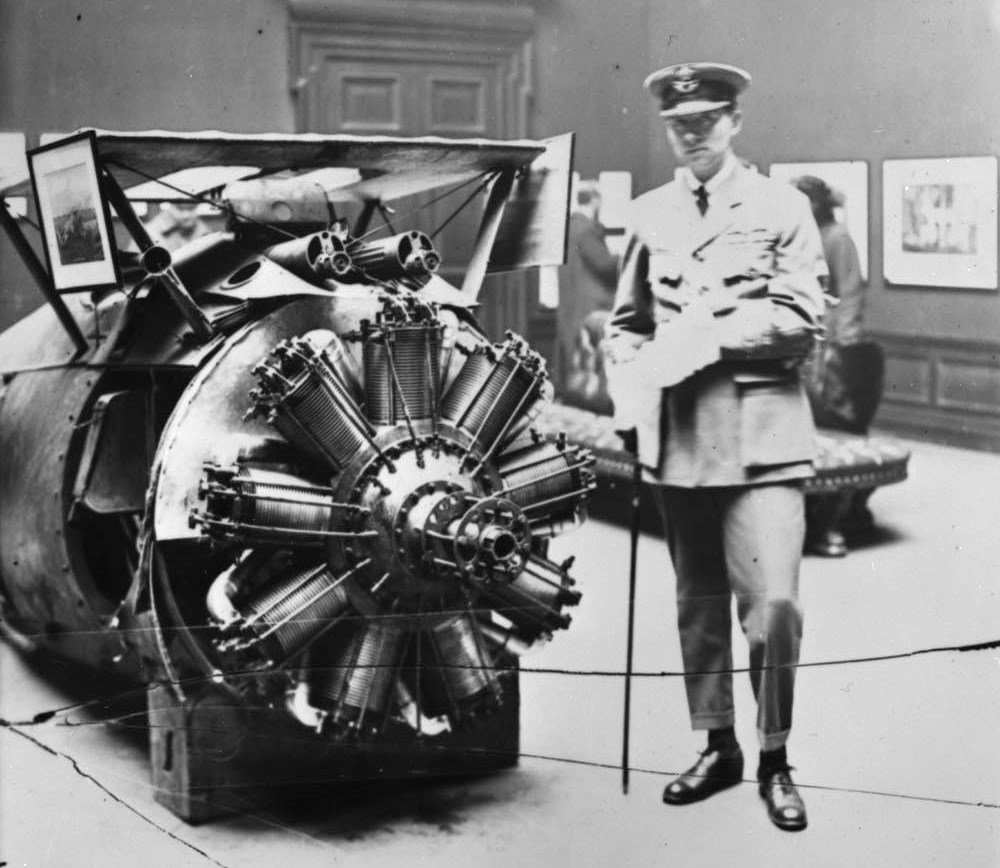
(Library and Archives Canada Photo, MIKAN No. 3214706)
Sopwith 7F.1 Snipe, Feb 1919, London, Major William George Barker, VC.
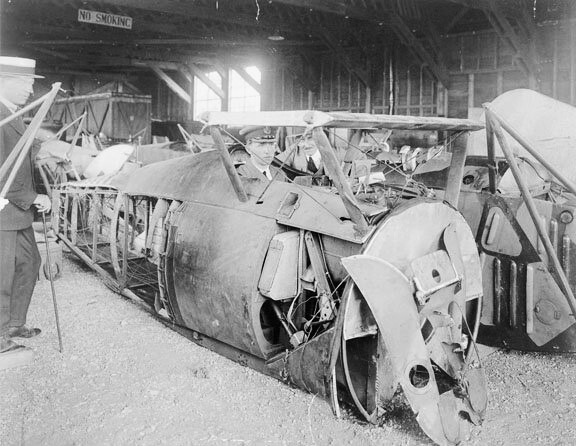
(Vintage Wings of Canada Photo)
Photo taken in late summer of 1919 of Lieutenant-Colonel William Barker sitting in Sopwith 7F.1 Snipe 7F.1, fuselage (Serial No. E8102), in a hangar at Leaside Aerodrome in Toronto. Looking through the Snipe’s centre-section is Arthur Doughty, the Director of War Trophies and standing at left is F.G. Ericson, the entrepreneur and engineer who controlled Leaside immediately after the war.
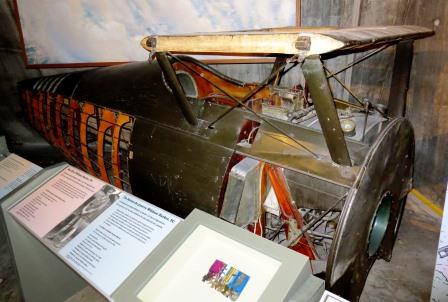
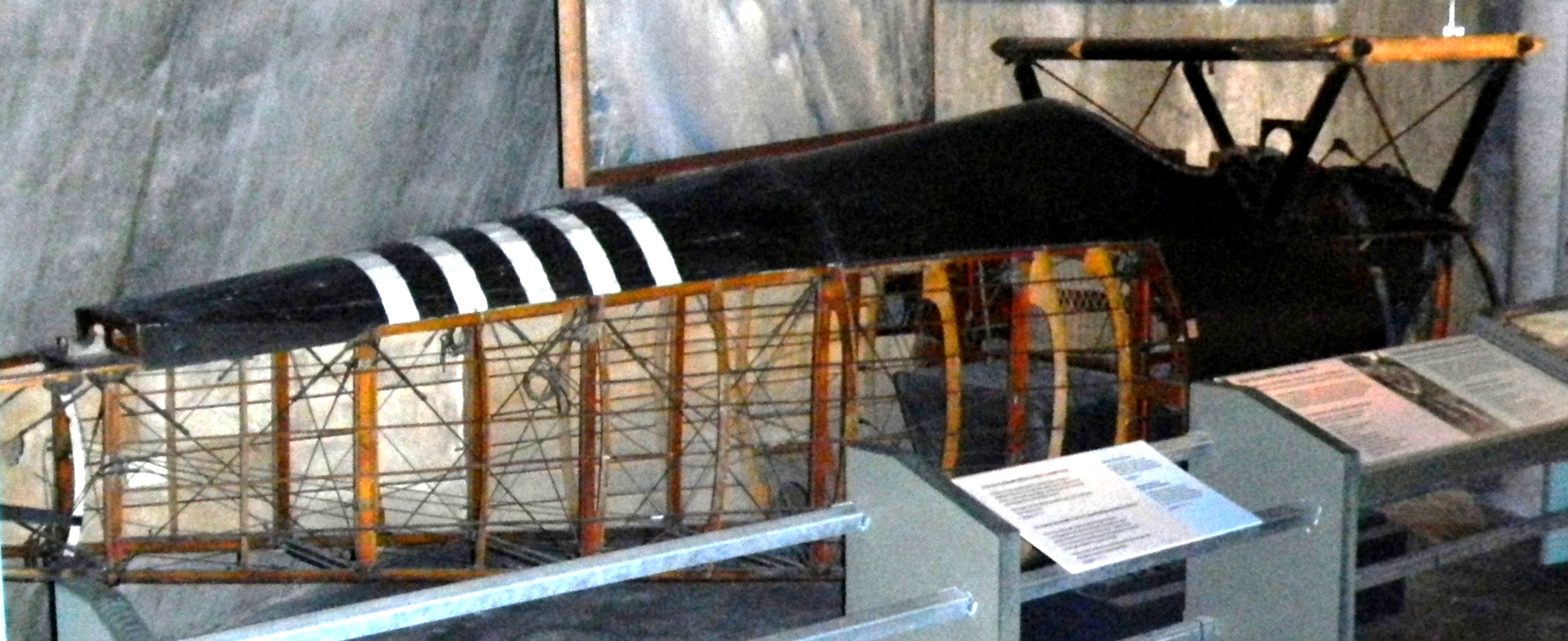
(Author Photos)
Sopwith 7F.1 Snipe 7F.1, fuselage (Serial No. E8102), LCol William G. Barker, VC. These are the remains of the fighter flown by Barker when he won his VC, preserved Canadian War Museum.
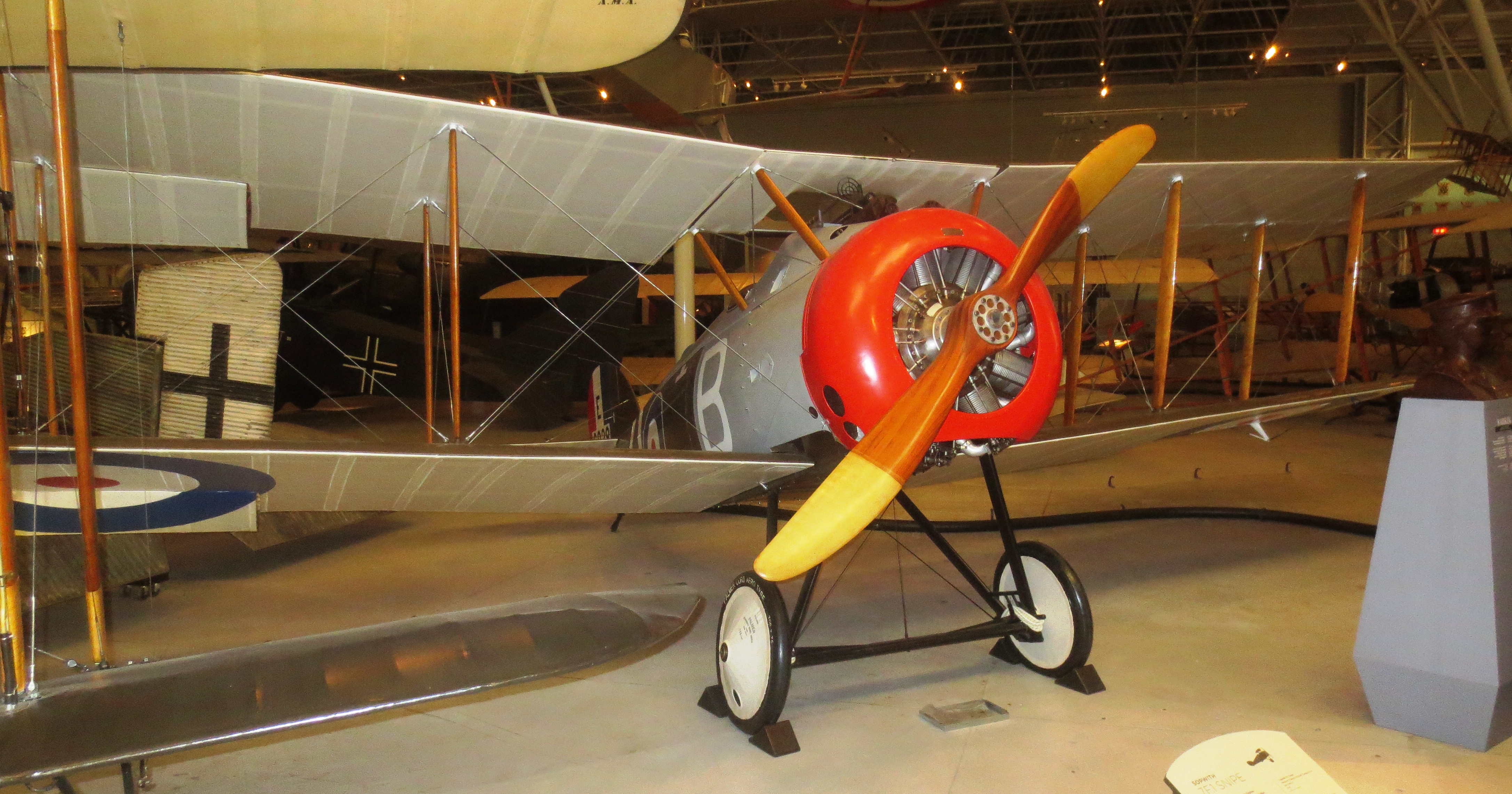
(Author Photos)
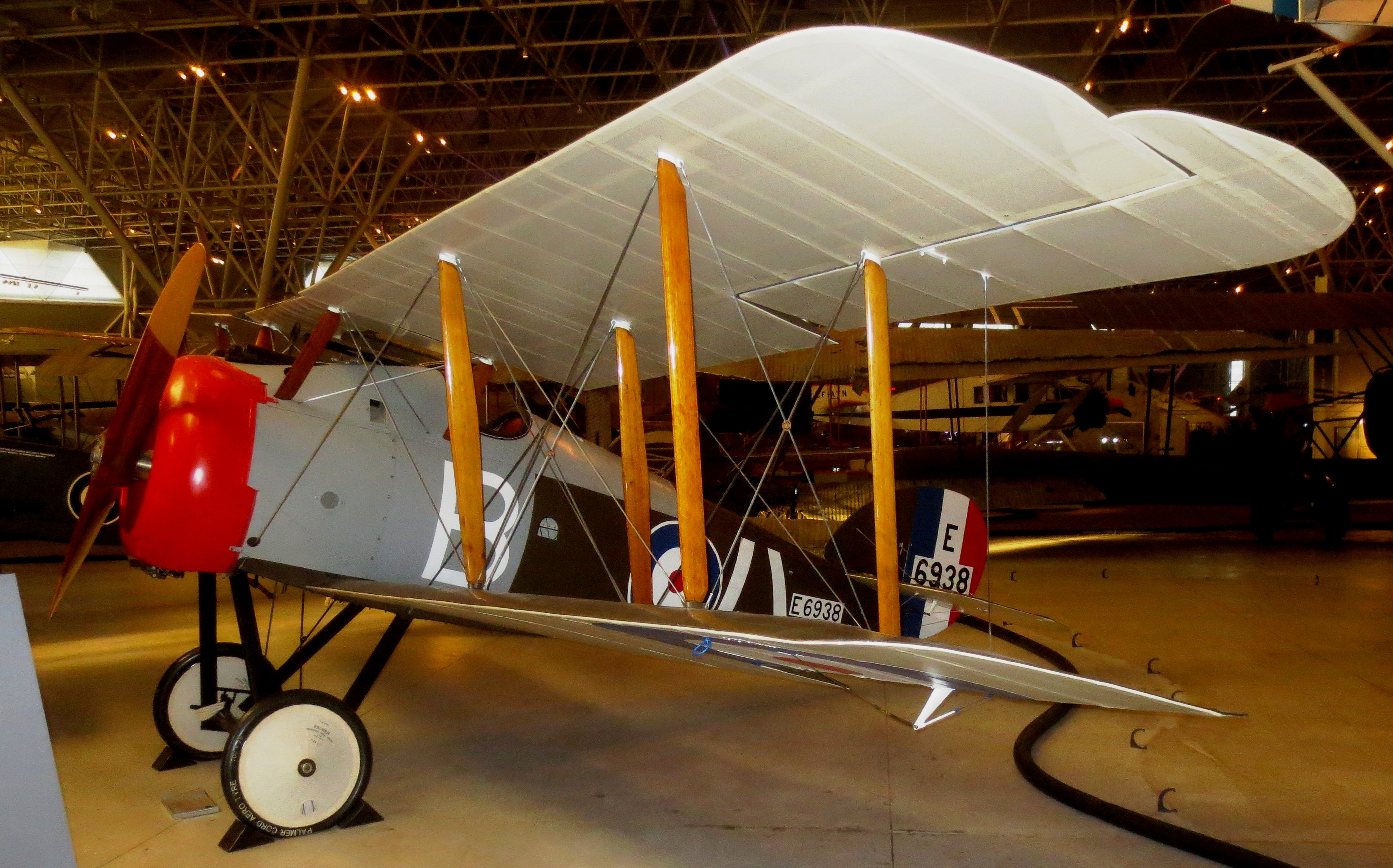
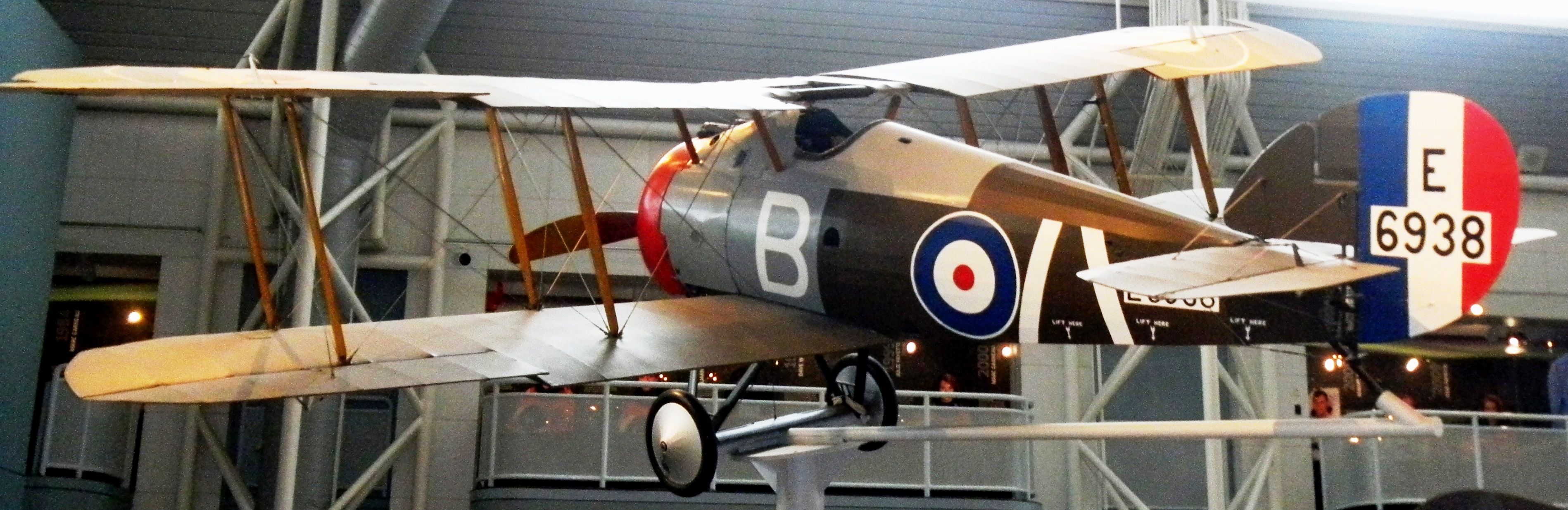
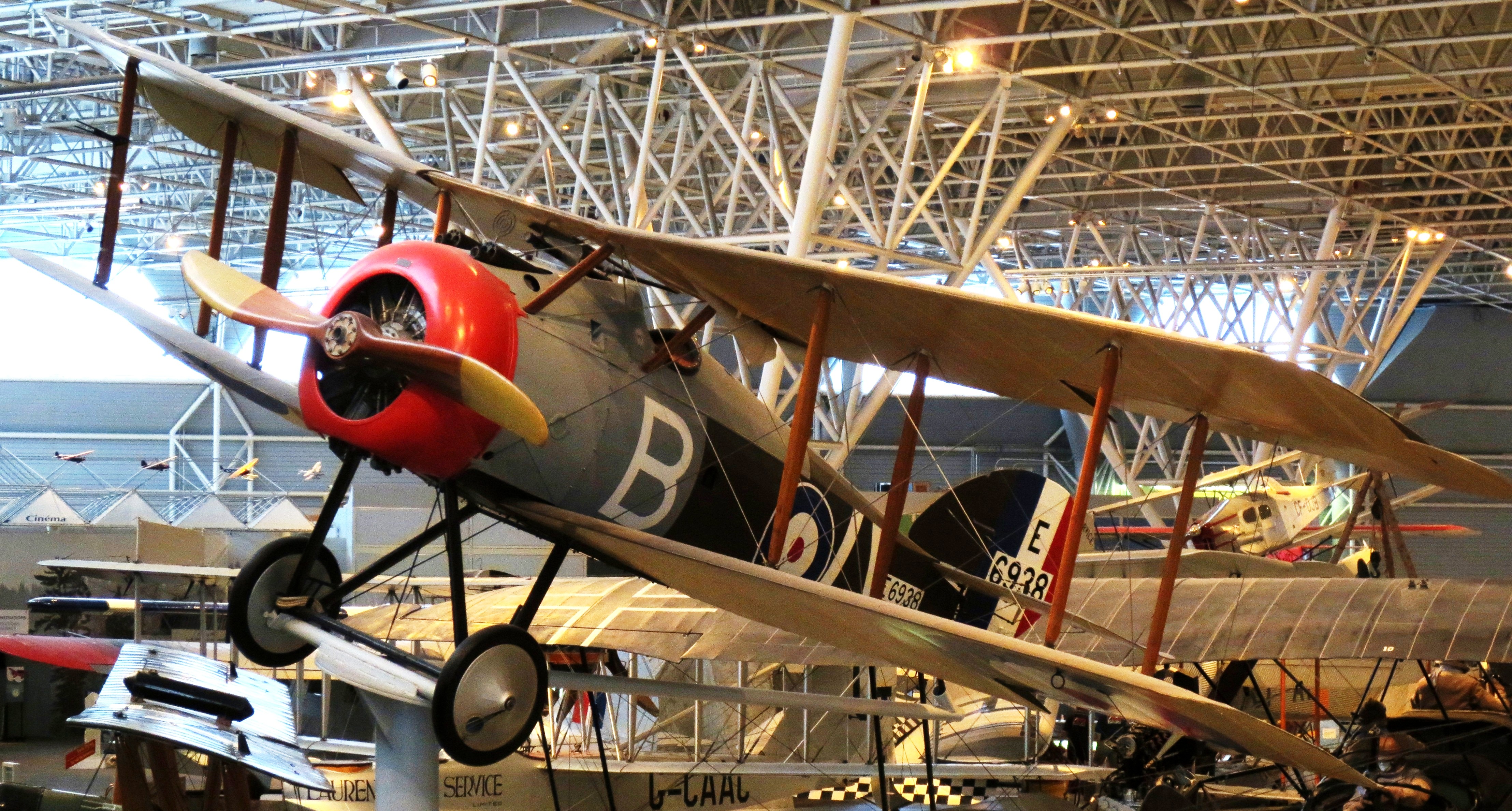
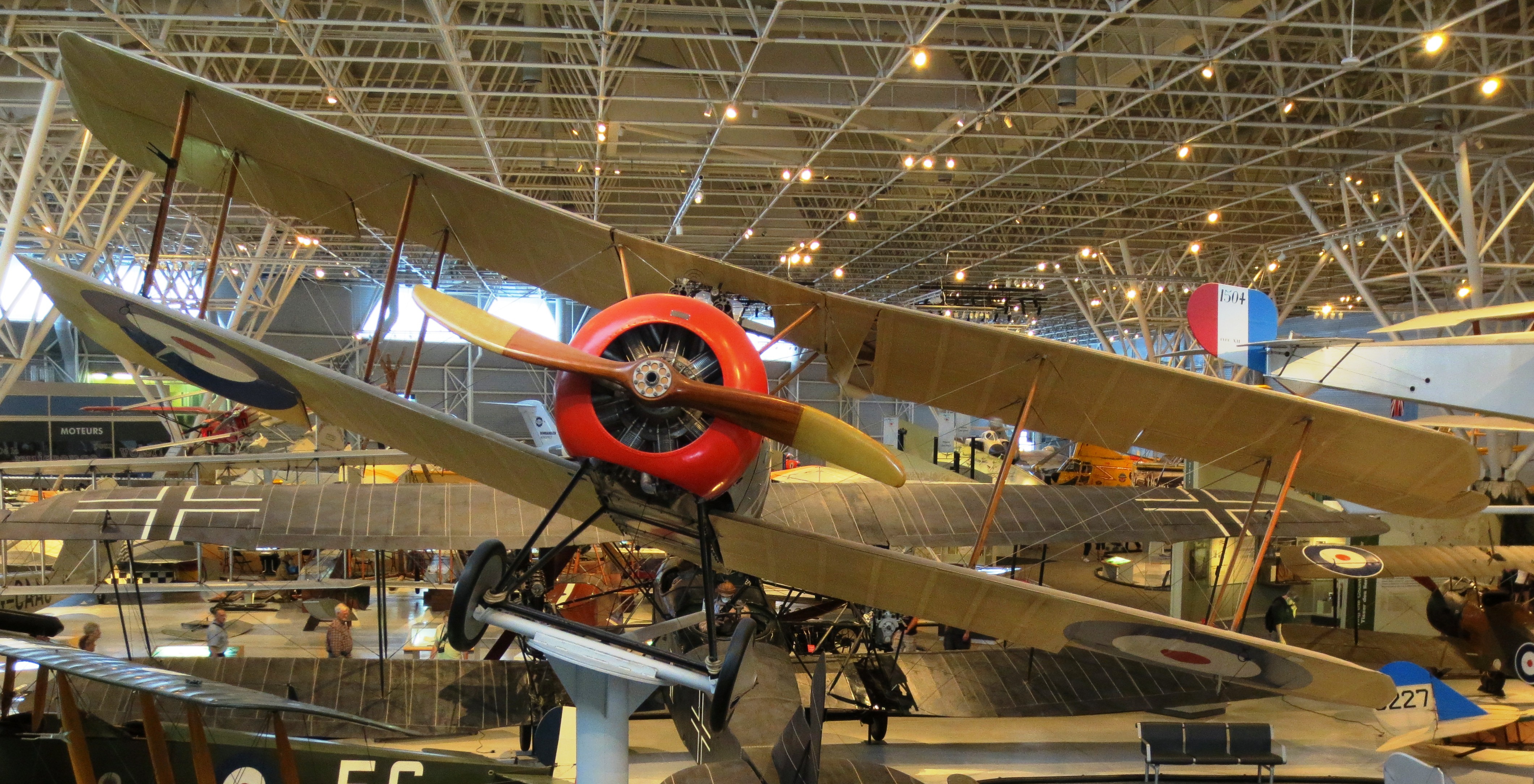
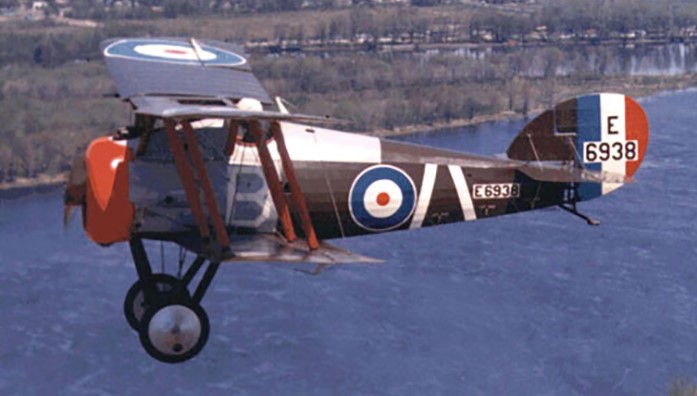
Sopwith 7F.1 Snipe (Serial No. E6938). The Museum’s Snipe was manufactured in 1918 by Nieuport and General Aircraft Limited of England. Details of its RAF history remain unknown, although it probably served abroad, as did most RAF Snipes. Ex-Royal Flying Corps pilot and actor Reginald Denny imported the aircraft to California in 1926, and it was featured in several movies. Jack Canary restored the Snipe between 1953 and 1960. The Museum purchased the aircraft in 1964. It was the first of the First World War fighters flown by the Museum’s chief pilot, Wing Commander Paul A. Hartman. The Snipe was last flown in 1967 during Air Force Day celebrations at Rockcliffe. Damaged during the celebrations, it was recovered and had some work done on it in time for the opening of the new Museum building in 1988. (CA&SM)
(Oren Rozen Photo)
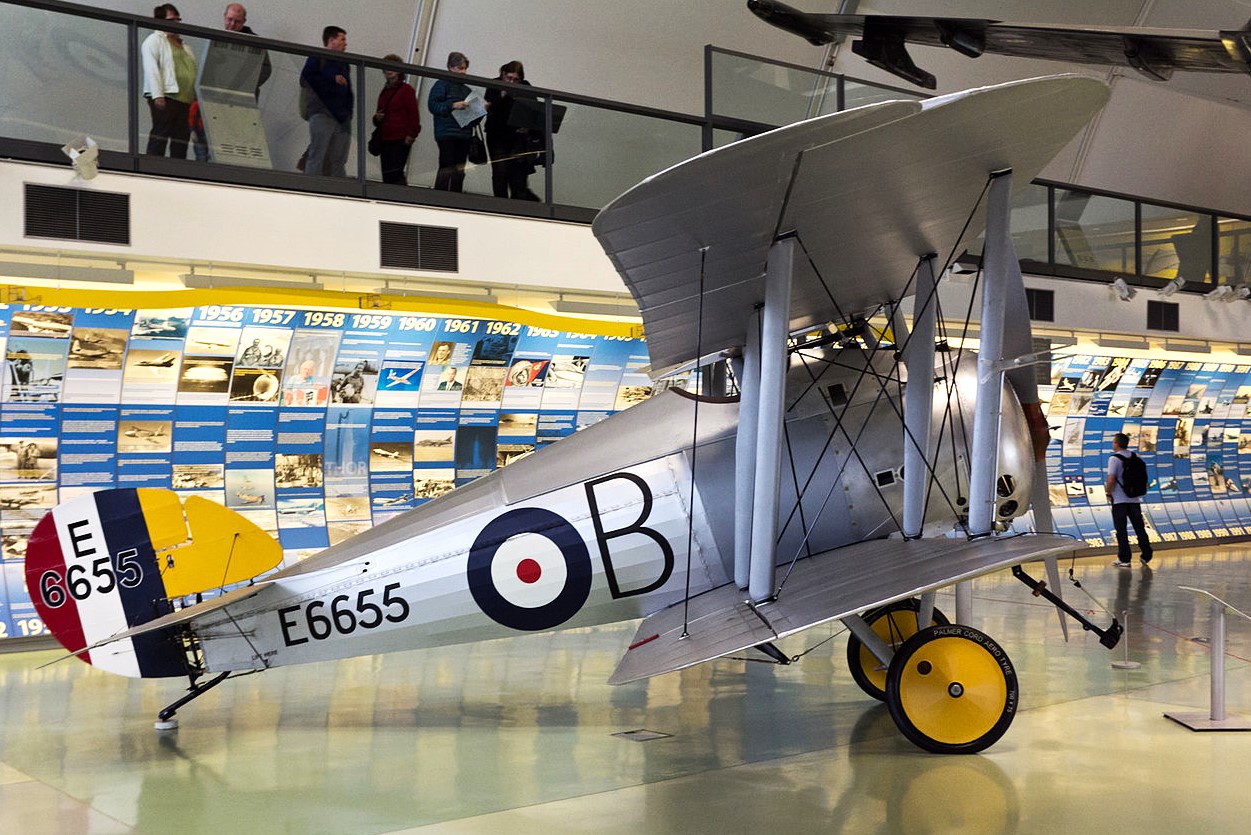
Sopwith Snipe (Serial No. E6655) reproduction at the RAF Museum in Hendon.
(Library and Archives Canada Photo, MIKAN No. 3623168)
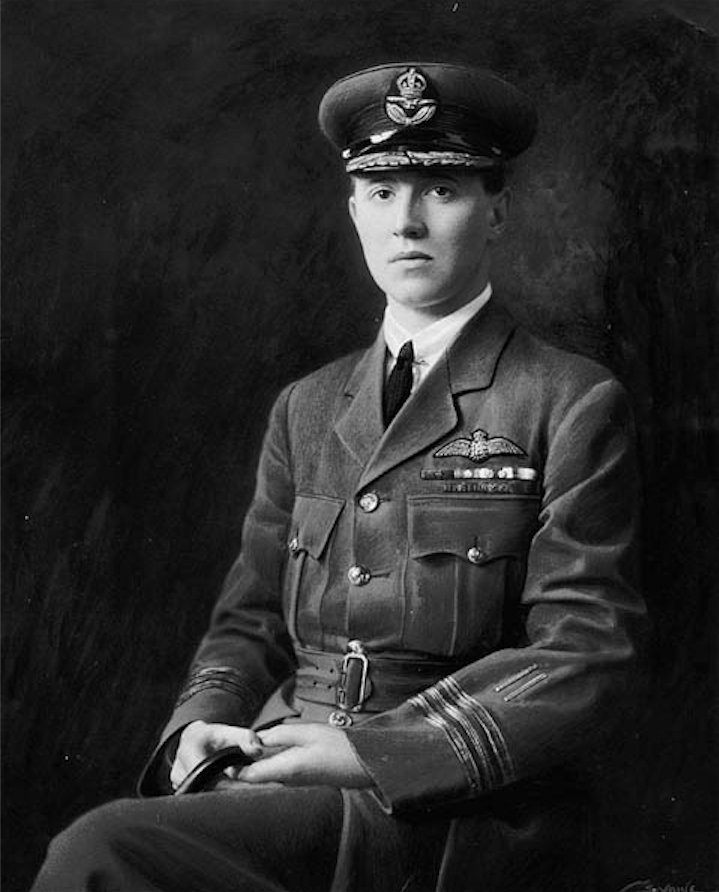
Lieutenant-Colonel William George Barker, VC, DSO and Bar, MC and two Bars, French Croix de Guerre, two Italian Silver Medals for Valour
Major William George Barker, Victoria Cross, Distinguished Service Order (DSO) and Bar , Military Cross (MC) and two Bars, French Croix de Guerre, Two Italian Silver Medals for Valour. (3 November 1894 – 12 March 1930).
In December 1914, soon after the outbreak of the First World War and the subsequent call to arms in the Dominion of Canada, Barker enlisted as Trooper William G. Barker in the 1st Canadian Mounted Rifles. The regiment went to England in June 1915 and then to France on September 22 of that year. Barker was a Colt machine gunner with the Machine Gun Section of the 1st Canadian Mounted Rifles until late February or early March of 1916, when he transferred as a probationary observer to 9 Squadron of the Royal Flying Corps.
He was commissioned as a second-lieutenant in April and was assigned to 4 Squadron and later transferred to 15 Squadron. He officially qualified as an observer on 27 August and on 15 September he worked for the first time with Canadian troops, including his old regiment. He was awarded the Military Cross for his actions in November 1916 in the concluding stages of the Battle of the Somme. In January 1917 he commenced pilot training at Netheravon. He served a second tour on Corps Co-operation machines as a pilot with No. 15 Squadron. On25 April 1917, during the Arras Offensive, Barker, flying an RE 8 with observer Lieutenant Goodfellow, spotted over 1,000 German troops sheltering in support trenches. The duo directed artillery fire into the positions, thereby avoiding a counter attack. During this period he was awarded the Military Cross First Bar.
The Sopwith Camel was Barker’s favourite aircraft. After being wounded by anti-aircraft fire in August 1917, Barker transferred to become a scout pilot on the Sopwith Camel, being given command of C Flight in the newly formed No. 28 Squadron.
The unit moved to France on 8 October 1917, although on 7November, No. 28 Squadron was transferred to Italy and most of the unit, including aircraft and with Barker temporarily in command, travelled by train to Milan. One of his most successful, and also most controversial raids was on 25December 1917. Catching the Germans off guard, he and Harold Hudson, his wingman, shot up the airfield of Fliegerabteilung (A) 204, setting fire to one hangar and damaging four German aircraft before dropping a placard wishing their opponents a “Happy Christmas.”
Barker joined No. 66 Squadron in April 1918, where he claimed a further 16 kills by mid-July, which earned his the Distinguished Service Order. He then became Squadron commander of No. 139 Squadron, flying the Bristol Fighter. Barker however took his Sopwith Camel with him and continued to fly fighter operations. By this time, Barker’s personal Sopwith Camel had became the most successful fighter aircraft in the history of the RAF, having used it to shoot down 46 aircraft and balloons from September 1917 to September 1918, for a total of 404 operational flying hours. The Military Cross Second Bar was awarded for his gallantry and devotion to duty during this time.
Having flown more than 900 combat hours in two and a half years, Barker was transferred back to the UK in September 1918. In London at RAF HQ, he was granted a ten-day roving commission in France, wherein he selected the Sopwith Snipe as his personal machine and attached himself to No. 201 Squadron RAF, whose squadron commander, Major Cyril Leman, was a pal from his days as a Corps Co-operation airman. Barker had destroyed another twenty-one enemy aircraft since his last award was conferred on him and he was awarded the Distinguished Service Order Bar.
He was awarded the Victoria Cross for his actions on the morning of the Sunday, 27 October 1918. Barker was delivering his Snipe to an aircraft depot crossing enemy lines at 21,000 feet when he observed an enemy two-seater over the Forêt de Mormal. He attacked this machine and after a short burst it broke up in the air, its crew escaping by parachute. At the same time a Fokker biplane attacked him, and he was wounded in the right thigh, but managed, despite this, to shoot down the enemy aeroplane in flames. By his own admission, he was careless and was bounced by a formation of 15 or more enemy Fokker D.VIIs. The large formation of Fokkers attacked him from all directions, and he was again severely wounded in the left thigh, but succeeded in driving down two of the enemy in a spin. He lost consciousness after that, and his machine fell out of control. On recovery, he found himself being again attacked heavily by a large formation, and singling out one of the enemy machines he deliberately charged and drove it down in flames. During this fight his left elbow was shattered and he again fainted, and on regaining consciousness he found himself still being attacked, but not withstanding that he was now severely wounded in both legs and his left arm shattered, he dived on the nearest machine and shot it down in flames. Being greatly exhausted, he dived out of the fight to regain our lines, but was met by another formation, which attacked and endeavoured to cut him off, but after a hard fight he succeeded in breaking up this formation and reached our lines, where he crashed on landing. This combat, in which Major Barker destroyed four enemy machines (three of them in flames), brought his total successes to fifty enemy machines destroyed. The dogfight took place immediately above the lines of the Canadian Corps. Severely wounded and bleeding profusely, his life was saved by the men of an RAF Kite Balloon Section, who transported him to a field dressing station.
At the hospital in Rouen, France, Barker clung to life until mid-January 1919, and then was transported back to England. He was not fit enough to walk the necessary few paces for the investiture at Buckingham Palace until 1 March 1919.
He is officially credited with one captured, two (and seven shared) balloons destroyed, 33 (and two shared) aircraft destroyed, and five aircraft “out of control;” the highest “destroyed” ratio for any RAF, RFC, or RNAS pilot during the conflict. The Overseas Military Forces of Canada recognized Barker as “holding the record for fighting decorations” awarded in the First World War.
Barker returned to Canada in May 1919 as the most decorated Canadian soldier of the war, with the Victoria Cross, the Distinguished Service Order and Bar, the Military Cross and two Bars, the French Croix de guerre and two Italian Silver Medals for Valour. He was also mentioned in dispatches three times.
Barker formed a business partnership, Bishop-Barker Aeroplanes Limited, with fellow Victoria Cross recipient and Canadian ace Billy Bishop which lasted for about three years. In 1922 he rejoined the fledgling Canadian Air Force in the rank of wing commander. Barker was appointed acting director of the RCAF in early 1924 and he graduated from RAF Staff College, Andover, in 1926. While waiting to start RAF Staff College Course No 4, Barker spent two weeks in Iraq with the RAF to learn more about the uses of air power. He formally reported on his findings to the Minister of National Defence, and informally to Brigadier General Billy Mitchell, of the US Air Service. One of his achievements in the RCAF was the introduction of parachutes.
He suffered from the physical effects of his 1918 gunshot wounds, and struggled with alcoholism in the last few years of his life. He died in 1930 near Ottawa when he lost control of his Fairchild KR-21 biplane trainer during a demonstration flight for the RCAF, at Air Station Rockcliffe, near Ottawa, Ontario. Barker, aged 35, was at the time the president and general manager of Fairchild Aircraft in Montréal.
Newspaper reports said his state funeral in Toronto on 15 March 1930, was attended by 50,000 people and described it as the largest to date in the city’s history.[1]
[1]Internet: http://www.thevictoriacross.net/recipients/william_george_barker.html.
(Canada Aviation and Space Museum Photo)
W/C Dave Wightman in the CASM Sopwith Snipe over early spring landscape along the Ottawa River in 1967.
All comments are subject to our Comment Policy. You must be at least 18 years old to comment.
See a comment that violates our guidelines? Report it here.