RCN Minesweepers (Bangor Class): HMCS Cowichan J146, HMCS Digby J267, HMCS Digby J267, HMCS Drummondville J253
HMCS Cowichan (J146)
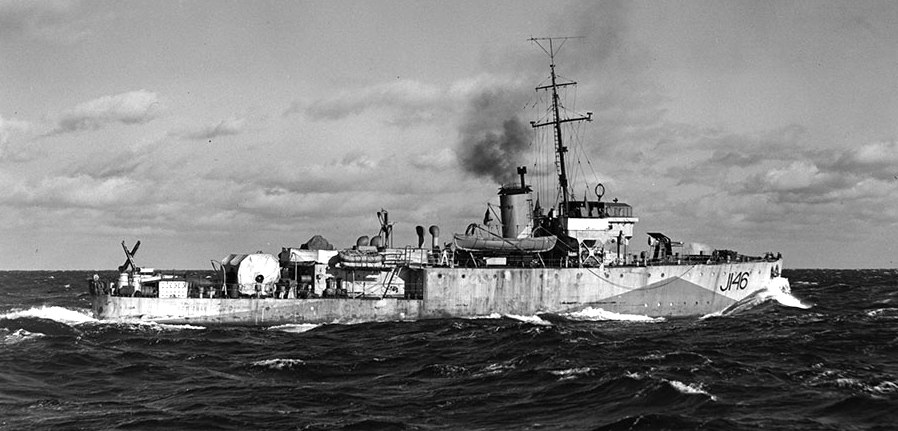
(DND Photo)
HMCS Cowichan (J146) (Bangor-class). Built by North Vancouver Ship repairs Ltd., she was commissioned at Vancouver on 4 Jul 1941. She sailed from Esquimalt for Halifax on 06 Aug 1941 arriving on 10 Sep 1941. After working up in Bermuda she was initially assigned to Halifax Local Defence Force, but was transferred in Jan 1942, to Newfoundland Force and in September to WLEF. With WLEF’s division into escort groups in Jun 1943, HMCS Cowichan became a member of EG W-6. She remained with the group until Feb 1944, when she was ordered to the UK for invasion duties. She left Halifax on 19 Feb 1944 with HMCS Caraquet, HMCS Malpeque and HMCS Vegreville via the Azores for Plymouth, arriving on 13 Mar 1944. Assigned to the 31st Minesweeping Flotilla, she was present on D-Day. HMCS Cowichan returned to Canada for refit late in 19 Feb 1945, but resumed her duties overseas in June. Proceeding home in Sep 1945, she was paid off on 9 Oct 1945, and placed in reserve at Shelburne. Sold in 1946 to a New York buyer and converted for mercantile purposes under Greek flag, she still existed in 1956 under her original name.
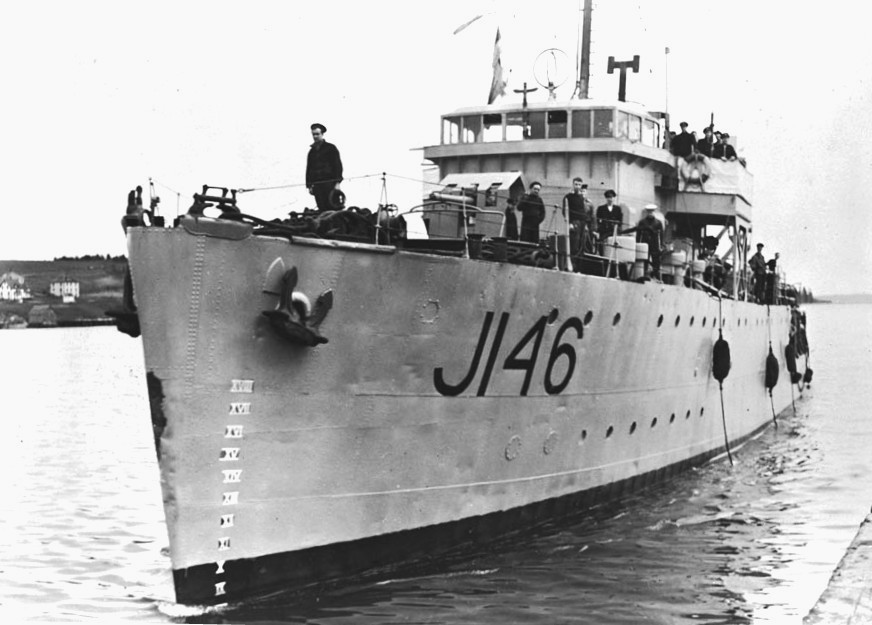
(DND Photo via the CFB Esquimalt Naval Museum)
HMCS Cowichan (J146) (Bangor-class).
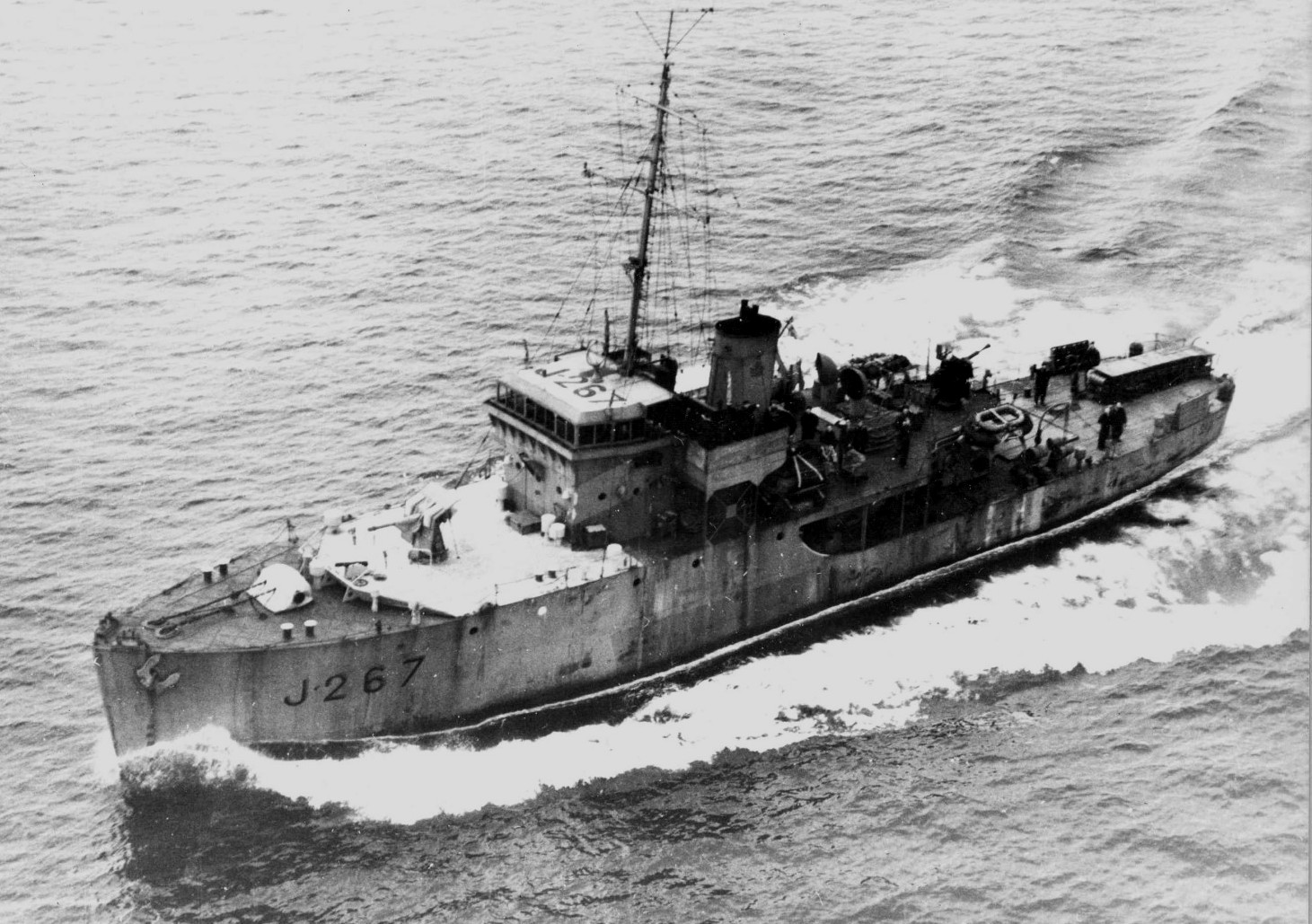
HMCS Digby (J267)
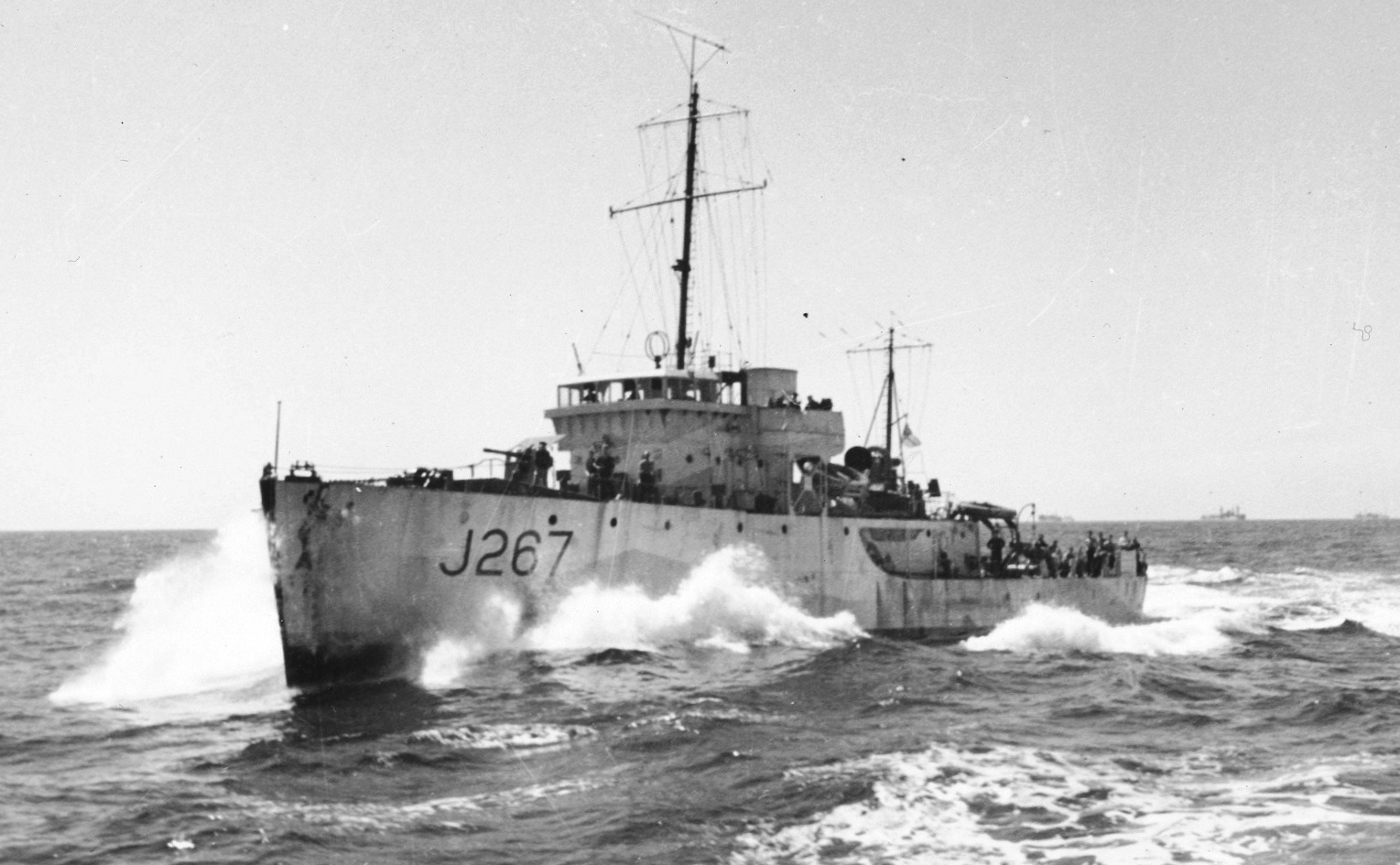
(Ryan Lee Photo)
HMCS Digby (J267) (Bangor-class).
(DND Photo via the CFB Esquimalt Naval Museum)
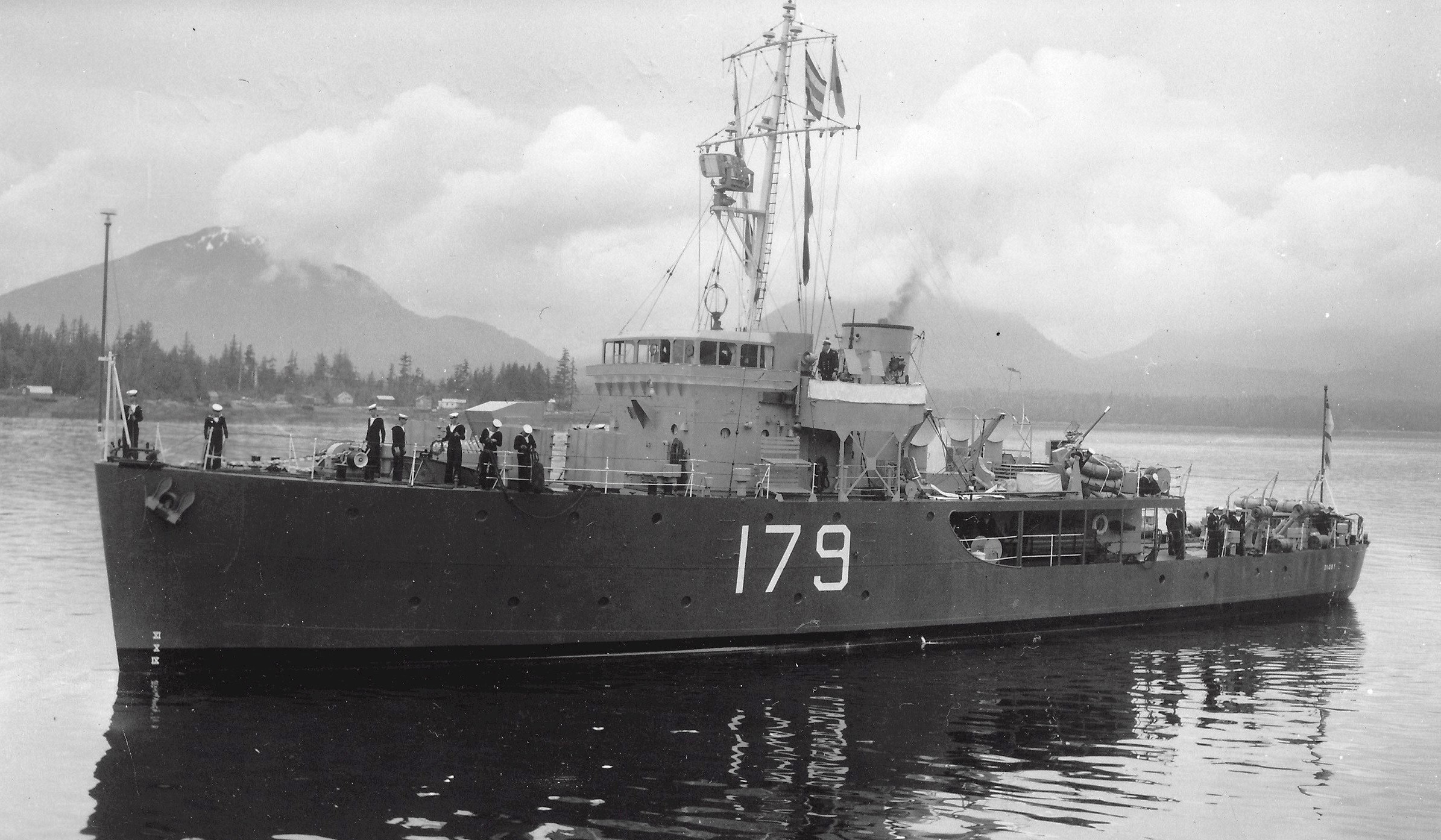
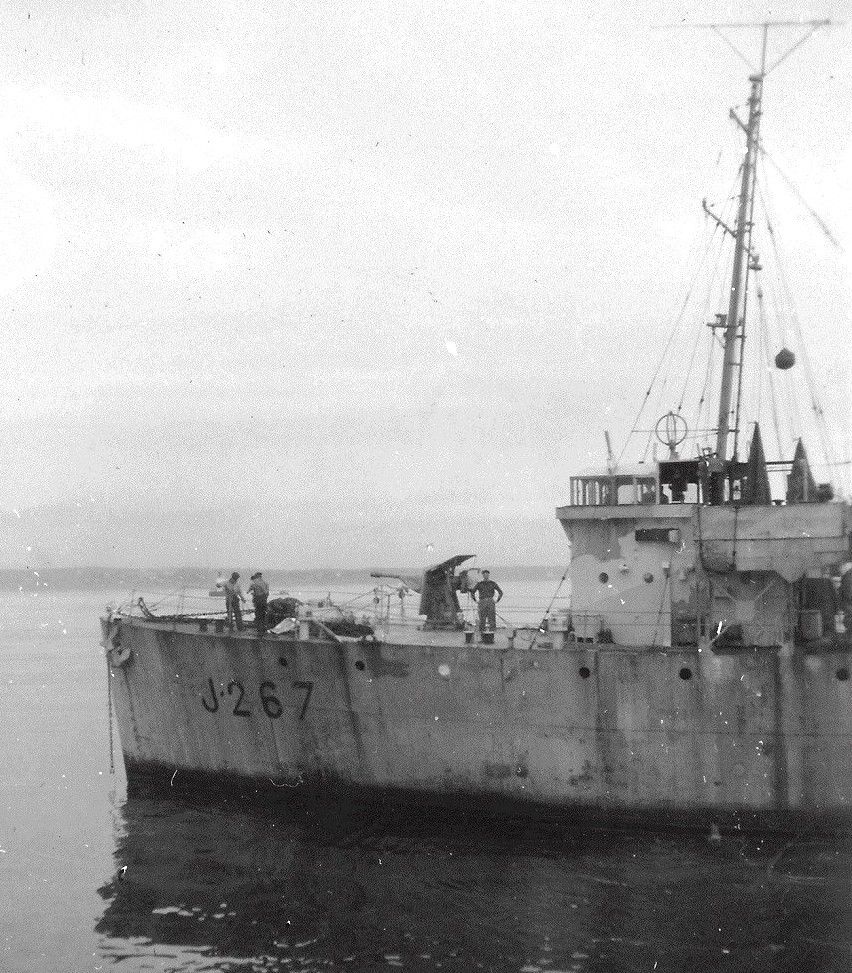
HMCS Digby (J267) (Bangor-class). Built at Levis, Quebec, she was commissioned at Quebec City on 26 Jul 1942. She arrived at Halifax on 15 Aug 1942, and after completing workups at Pictou, was assigned to WLEF. When WLEF was divided into escort groups in Jun 1943, HMCS Digby became a member of EG W-5. In Apr 1944, she arrived at Lunenburg to commence a refit that continued at Shelburne and at Halifax and was completed on 7 Aug 1944. She then proceeded to Bermuda for workups. On returning she was allocated to Sydney Force and, in Feb 1945, to Newfoundland Force. She was paid off on 31 Jul 1945, and placed in reserve at Sydney. HMCS Digby was proposed for transfer to the marine section of the RCMP in 1945, to be re-named Perry, but was not taken over. She lay in strategic reserve at Sorel until re-acquired by the RCN in 1951 and refitted for training duties. She was re-commissioned on 29 Apr 1953 (179), finally being paid off on 14 Nov 1956 and scrapped.
(Brian Dobing Photo)
HMCS Digby (J267) (Bangor-class).
(Ryan Lee Photo)
HMCS Digby (J267) (Bangor-class).
HMCS Drummondville (J253)
(RCN Photo)
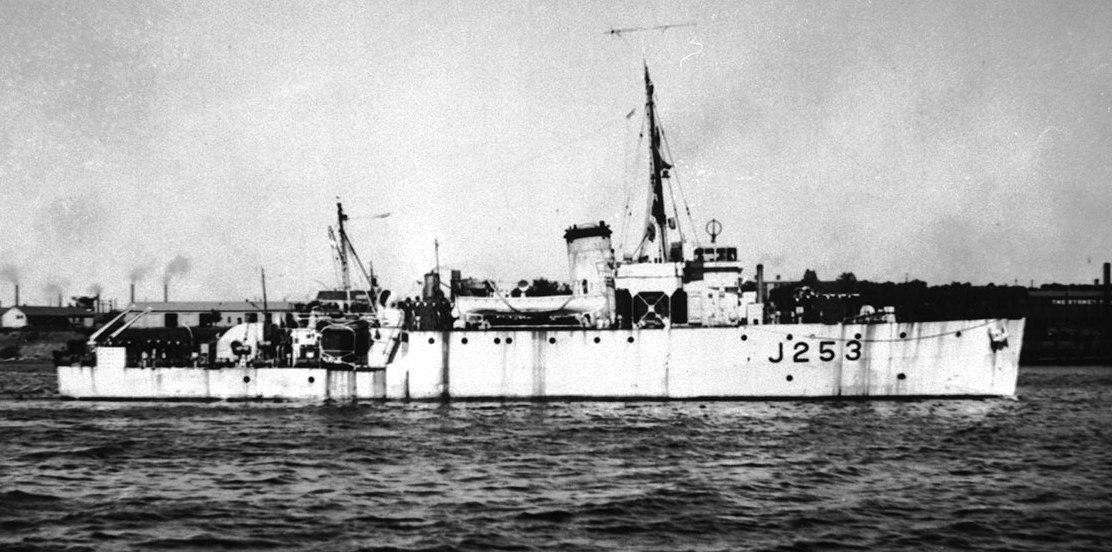
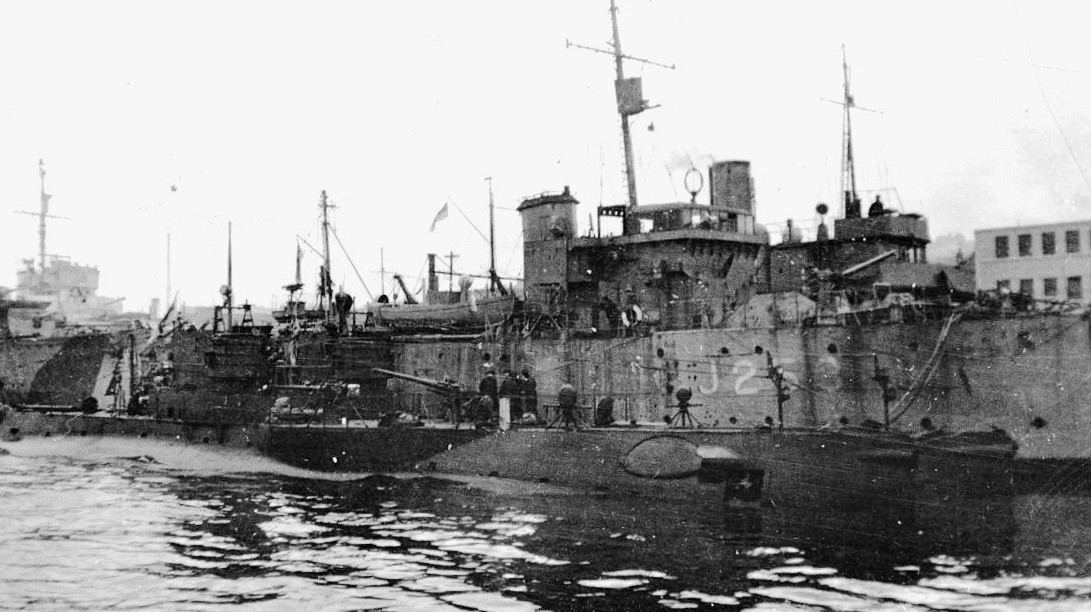
HMCS Drummondville (J253) (Bangor-class). Built at Montreal, she was commissioned there on 30 Oct 1941. She arrived at Halifax on 11 Nov 1941 and served at various times with WLEF, Gulf Escort Force, Halifax Local Defence Force, and Sydney Force before joining Newfoundland Force in Feb 1944. Following a major refit at Louisbourg, she proceeded to Bermuda in mid-Aug 1944 to work up, returning to St. John’s early in Oct 1944. The Newfoundland Force was disbanded in Jun 1945, and from then until Oct 1945 HMCS Drummondville was employed at miscellaneous duties on the east coast. She was paid off at Halifax on 29 Oct 1945, and in 1946 placed in strategic reserve at Sorel. Re-acquired by the RCN in 1952, she was placed in reserve at Sydney but never re-commissioned, and in 1958 she was sold for conversion to a merchant ship. As SS Fort Albany she was sunk by collision near Sorel on 8 Dec 1963, and raised and broken up there the following year.
(Bill Abercrombie Photo)
HMCS Drummondville (J253) (Bangor-class), with possibly HMS P.514 and another RN sub alongside in Halifax, NS, ca 1941. HMS P.514 and the Dutch submarine O-15 were used for anti-submarine training by the RCN. P514 was lost on 20 June 1942, so this photo was taken before then.
(ussubvetsofworldwarii Photo)
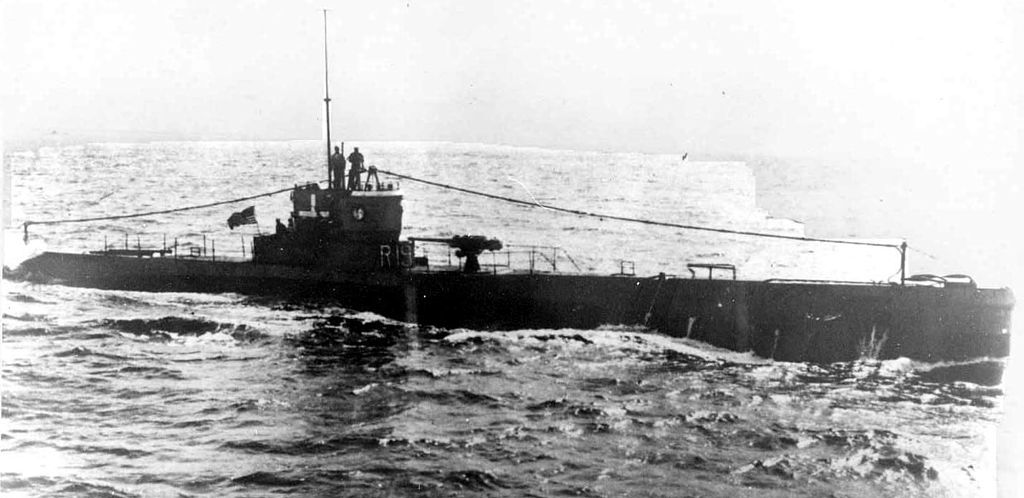
HMS P.514, shown here as USS R-19. She was transferred to the Royal Navy on 9 March 1942 at New London. HMS P514 was sunk by accident in western Atlantic while she was on passage around the coast of Newfoundland from Argentia to St Johns, on 20 June 1942. HMS P514, commanded by Lt. Walter Augustus Phillimore, RN, in company with Lt. Cdr. Richard Michael Eames Pain, RN (not in command but was taking passage) left Argentia bound for St Johns. At 0300 hours on the 21st the Canadian minesweeper HMCS Georgian, under the command of A/Lt. Cdr. A.G. Stanley, RCNR, was waiting to provide escort for a convoy bound for Sydney. HMCS Georgian, unaware that any friendly submarines were in the area, assumed that the dark shape of HMS P514 crossing her bow, was an enemy vessel. HMCS Georgian rammed the mystery submarine amidships and reported it sunk in position 46°33N, 53°39W. A rescue mission was immediately sent out but no survivors were found. A Board of Enquiry into the accident accepted that the Commanding Officer of HMCS Georgian had acted correctly as there had been no reply from the submarine to his identification challenge.
The R-class submarines were a class of USN submarines active from 1918 until 1945. With the first of the class laid down following the the US entry into the First World War, they were built rapidly. Although R-15 through R-20 were completed July–October 1918, they did not serve overseas, and the bulk of the class were not completed until after the Armistice.
HMS P514 was armed with 21-inch (533-mm) torpedo tubes and a 3-inch (76-mm)/50 calibre deck gun. Three (R-3, R-17, and R-19) were transferred to the RN as HMS P.511, HMS P.512 and HMS P.514.
(Catherine Crew Photo)
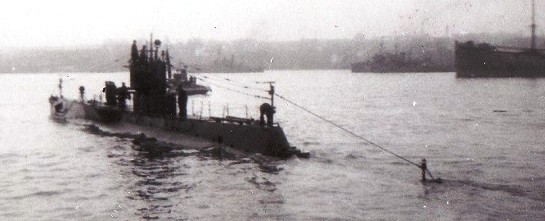
British submarine, Halifax, ca 1942.
All comments are subject to our Comment Policy. You must be at least 18 years old to comment.
See a comment that violates our guidelines? Report it here.