RCN Battle class Trawlers
HMCS Arleux, HMCS Armentières, HMCS Arras, HMCS Festubert, HMCS Givenchy, HMCS Loos, HMCS Messines, HMCS St. Eloi, HMCS St. Julien, HMCS Thiepval, HMCS Vimy, HMCS Ypres.
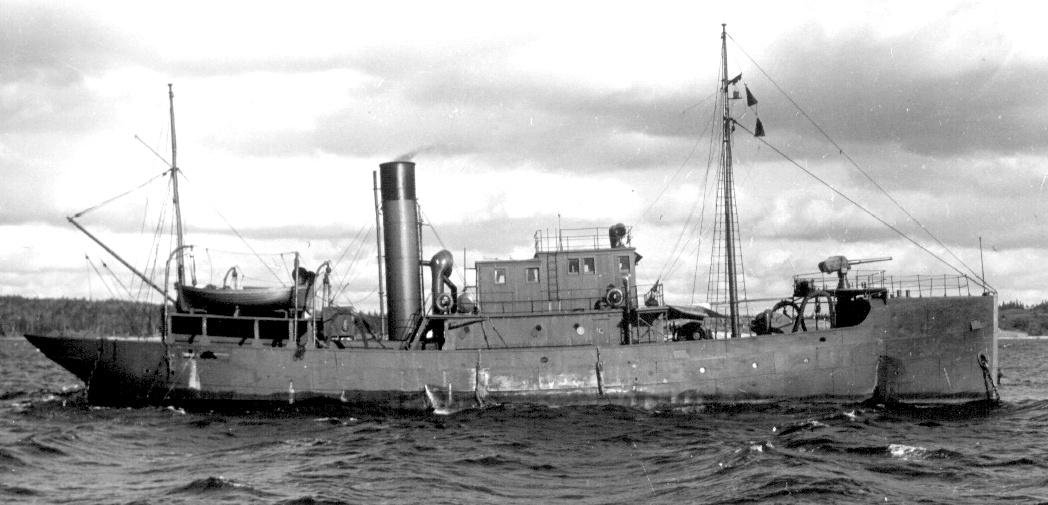
HMCS Arleux
(RCN Photo)
HMCS Arleux was one of twelve Battle class Naval trawlers used by the Royal Canadian Navy (RCN). Named after the April 1917 Battle of Arleux, she was built by Canadian Vickers, at Montreal, and commissioned on 5 June 1918. After the First World War, Arleux was transferred to the Department of Marine and Fisheries, but remained notionally a naval vessel until June 1922. While Arleux was a fisheries patrol vessel, she often served as a mother ship to the east coast’s winter haddock fishing fleet. Reacquired by the RCN and re-commissioned in September 1939, Arleux was designated Gate Vessel 16 at Halifax, Nova Scotia, in 1940. Sold in February 1946, Arleux foundered in August 1948 off White Head Bay, Nova Scotia.
HMCS Armentières
(DND Photo)
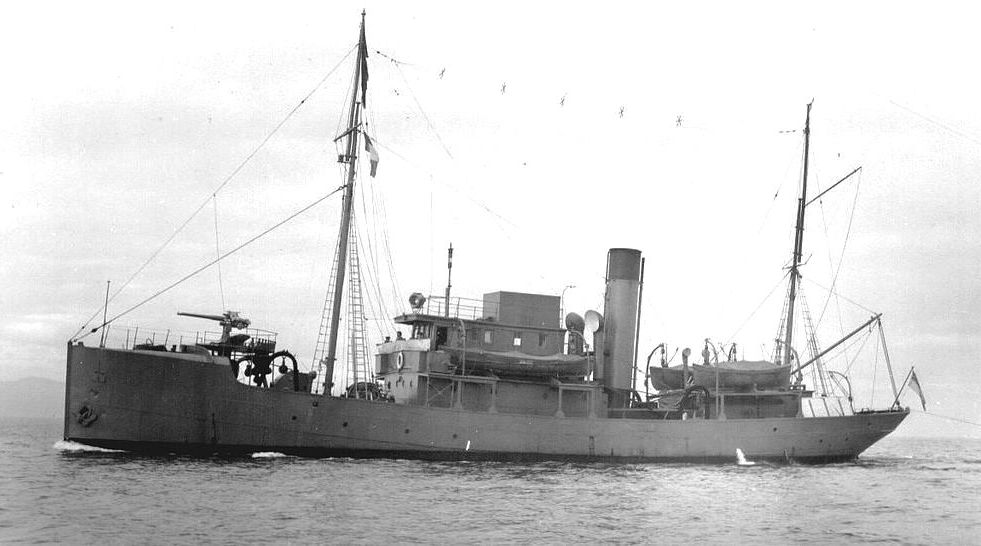
HMCS Armentières, ca 1918.
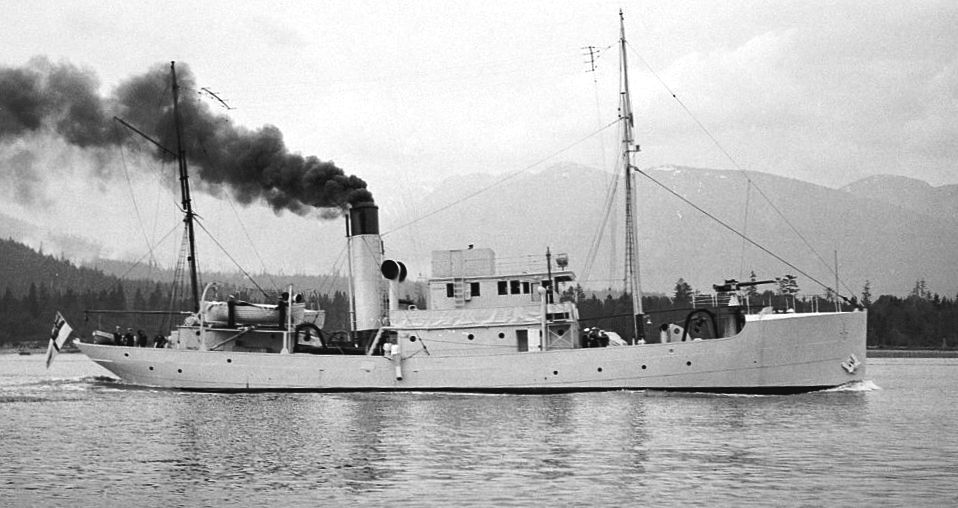
HMCS Armentieres was one of twelve Battle class naval trawlers used by the Royal Canadian Navy (RCN). Named after the Battle of Armentieres, she was built by Canadian Vickers, at Montreal, and was commissioned on 5 June 1918. Along with HMCS Givenchy, and HMCS Thiepval, Armentieres accompanied HMCS Stadacona on a trip to the west coast via the Panama Canal in early 1919. Shortly after arriving in Esquimalt, British Columbia, Armentieres was refitted to increase its utility as a training ship, with a captain’s cabin built abaft the wheelhouse, and two cabins built below the upper deck. Decommissioned on 28 October 1919, the ship was recommissioned in 1923, but on 2 September 1925 sank in Pipestem Inlet, near Barkley Sound. Salvaged over a month later, Armentieres was recommissioned again and resumed her service. Frequently functioning as a training ship for the Royal Canadian Naval Volunteer Reserve, Armentieres also performed fisheries patrol duties, including the protection of migrating fur seals against illegal hunting. This enforcement of the North Pacific Fur Seal Convention of 1911 was often carried out in conjunction with the Battle class trawlers HMCS Thiepval and HMCS Givenchy, which at the time was serving with the Department of Marine and Fisheries as CGS Givenchy. In the 1930s, Armentieres also assisted with hydrographic survey and oceanographic work.
Armentieres continued her service throughout the interwar years, and by 1934 was the only Battle class trawler still serving with the RCN, although others were still in use by other government departments and would return to naval service in 1939. During much of the Second World War, Armentieres served as an examination vessel at Prince Rupert, British Columbia, and following the end of the war was paid off on 8 February 1946. Subsequently sold as surplus, Armentieres was purchased by the Coastal Towing Company of Vancouver, who renamed her SS A.G. Garrish, installed a new boiler, and made changes to adapt the ship for towing log rafts and scows. She underwent two further name changes by 1962, when she was known as the Laforce, and in 1972 was sold to an American buyer.
(City of Vancouver Archives Photo)
HMCS Armentières, 27 May 1933.
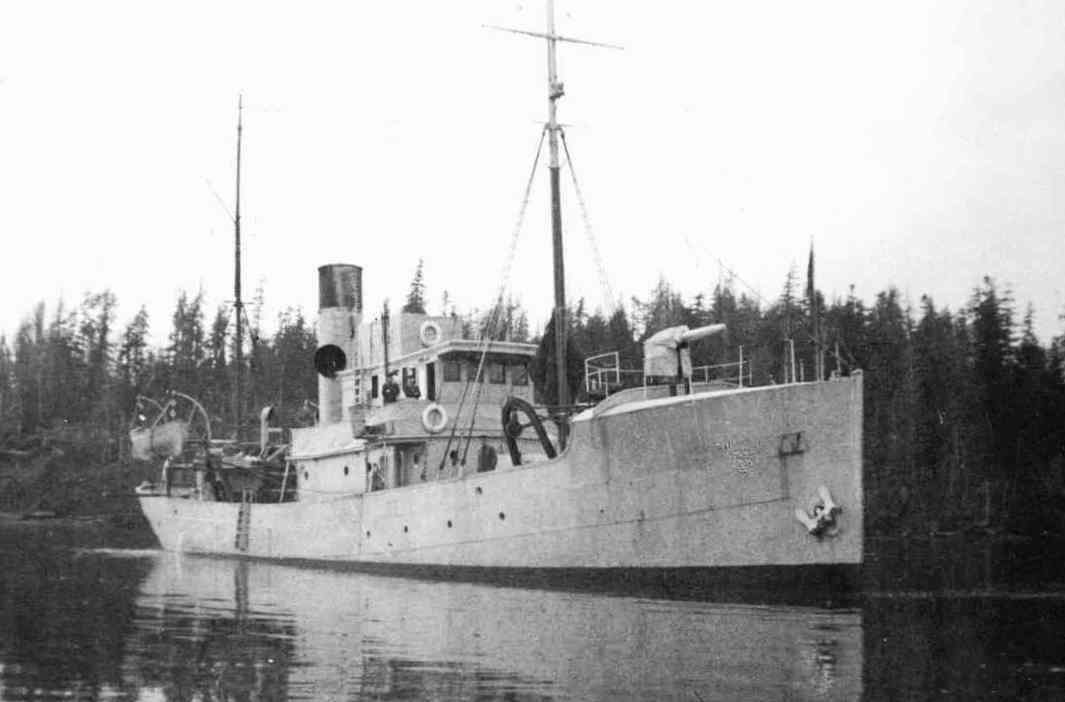
(CFB Esquimalt Naval Museum Photo)
HMCS Armentières, Battle class trawler, ca 1930s.
HMCS Arras
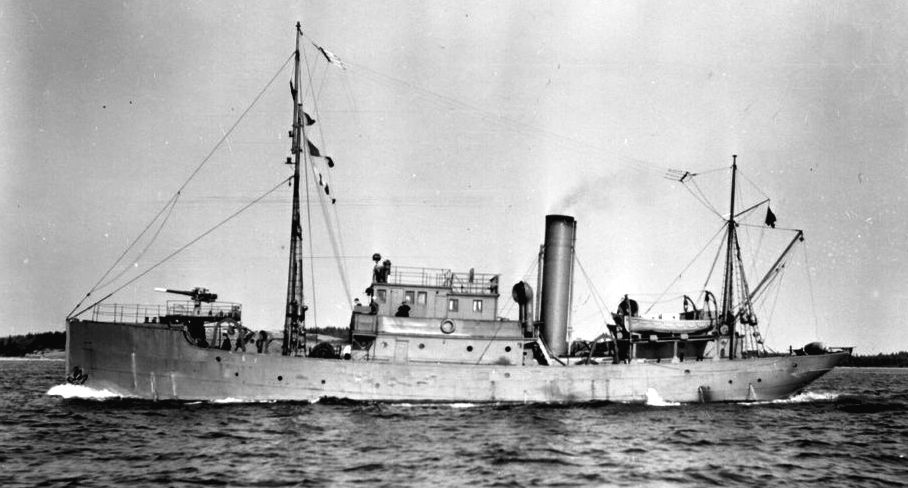
(DND Photo)
HMCS Arras, ca 1918.
HMCS Arras was one of twelve Battle-class naval trawlers that saw service with the RCN. The vessel entered service in 1918 near the end of the and was used for patrolling and escort duties along the Atlantic Coast of Canada. Following the war, Arras was transferred to the Department of Marine and Fisheries where the ship was used as a fisheries patrol vessel. Following the outbreak of theSecond World War, the ship re-entered RCN service as a gate vessel. In 1943, the ship was heavily damaged by fire and was in 1957.
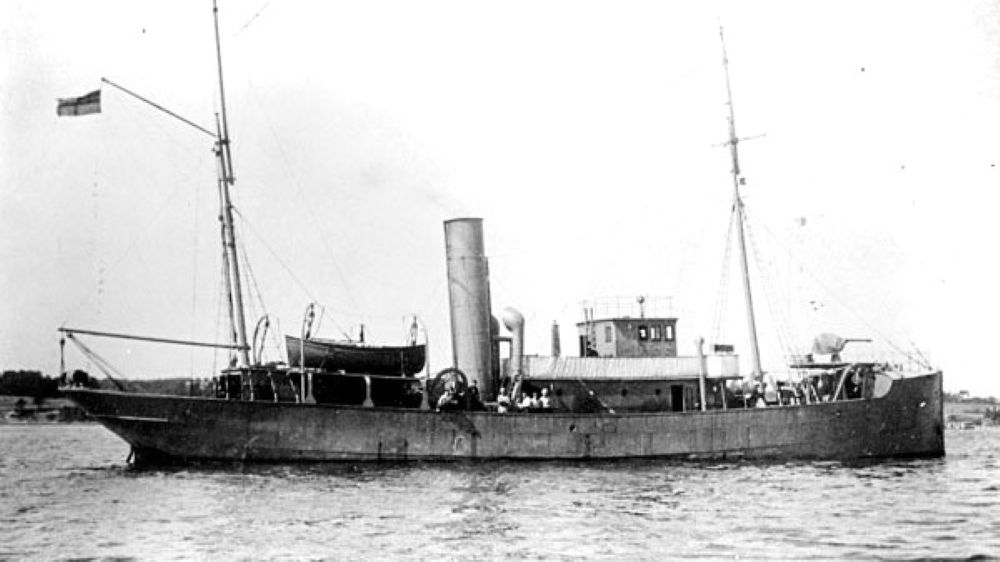
(Library and Archives Canada Photo, MIKAN No. 3723980)
HMCS Arras.
HMCS Festubert
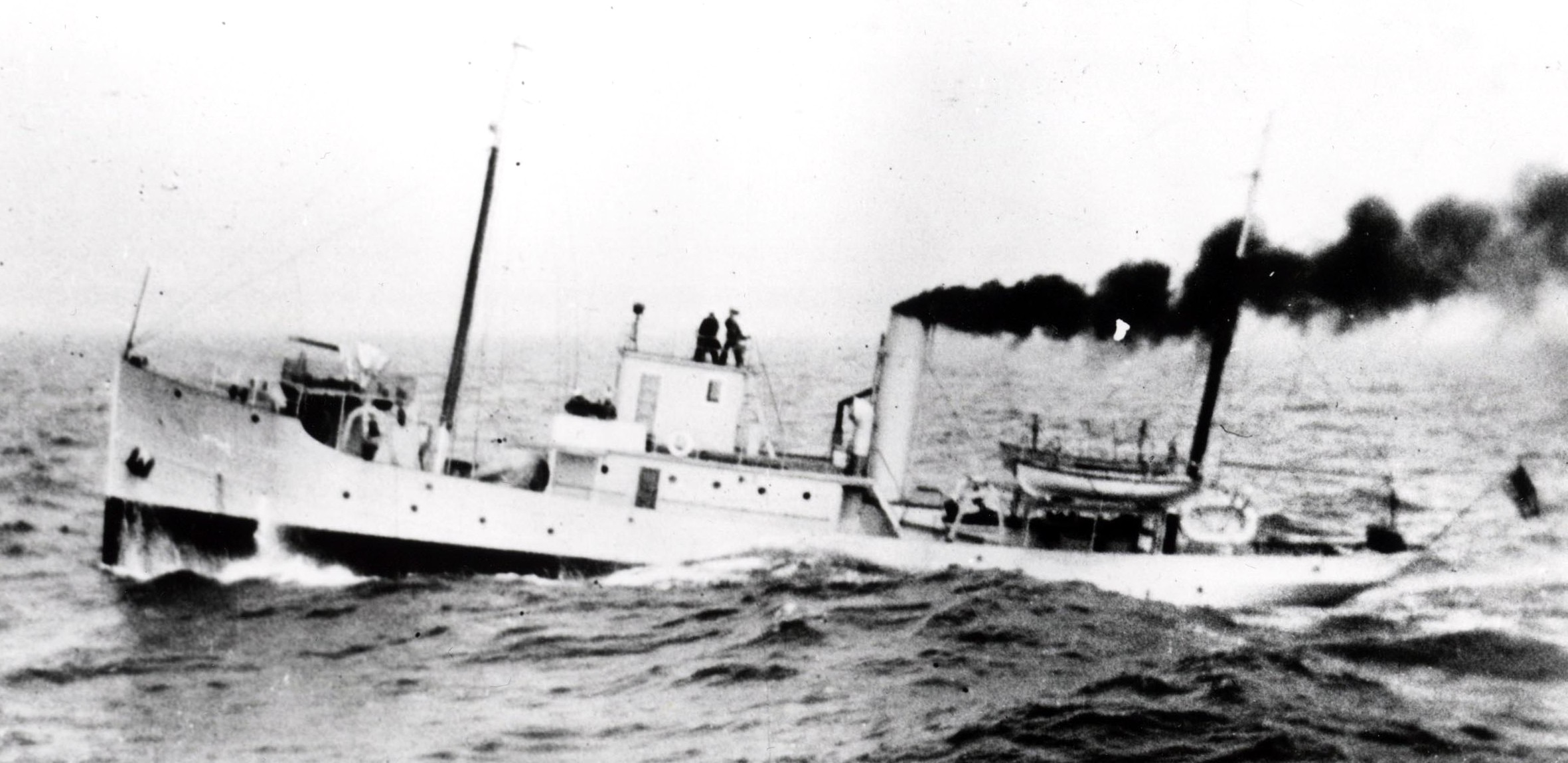
(RCN Photo)
HMCS Festubert.
HMCS Festubert was one of twelve Battle class naval trawlers used by the Royal Canadian Navy. Built at Polson Iron Works in Toronto, Festubert was commissioned on 13 November 1917. Laid up on the east coast after the end of the war, she was recommissioned for training and other duties in May 1923, but was again placed in reserve in 1934. During the Second World War, Festubert, designated Gate Vessel 17, was one of the gate vessels in Halifax, Nova Scotia. Sold in 1946 and renamed Inverleigh, on 30 June 1971 she was scuttled off Burgeo, Newfoundland.
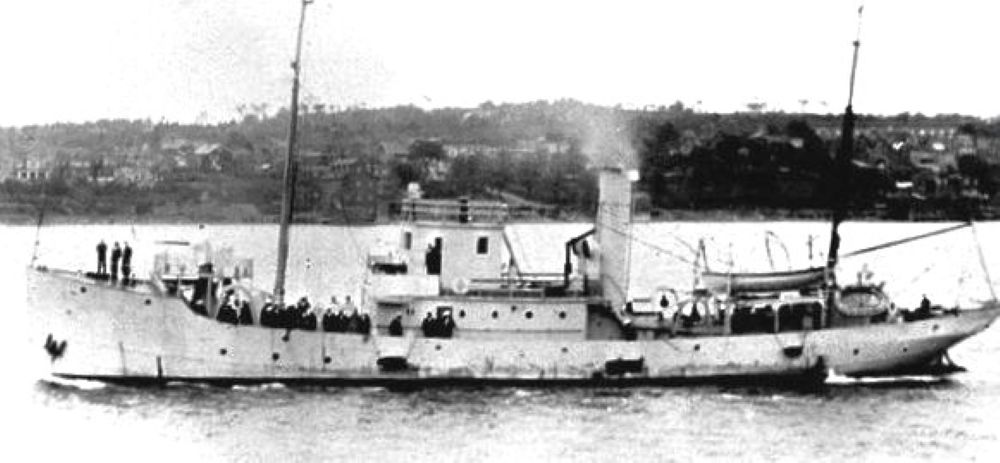
(DND Photo)
HMCS Festubert, ca 1918.
HMCS Ypres
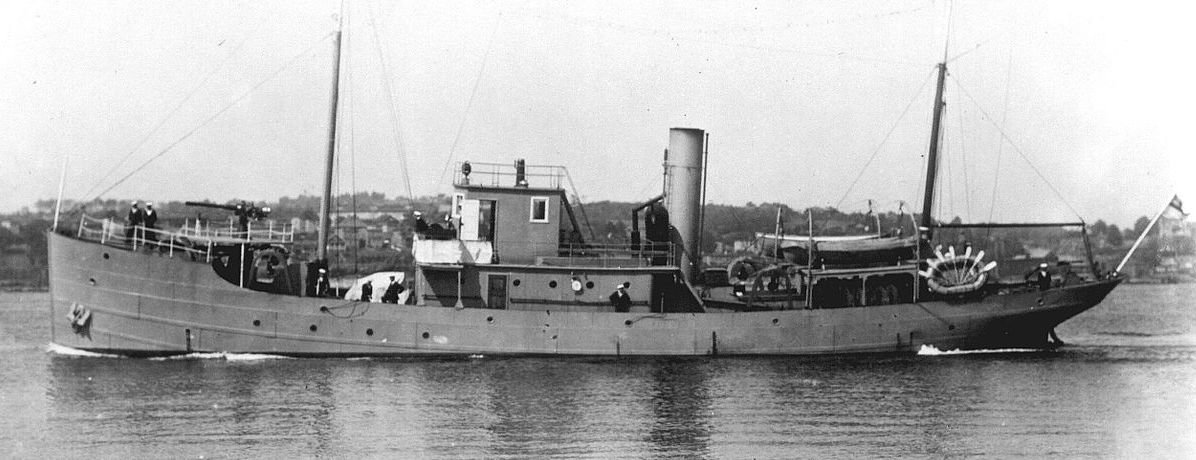
(RCN Photo)
HMCS Ypres was also one of the twelve Battle class Naval trawlers used by the RCN. Named after the 2nd and 3rd battles of Ypres, she was built by Polson Iron Works in Toronto, Ontario, and was commissioned on 13 November 1917. Like many of the RCN’s Battle class trawlers, Ypres was decommissioned in 1920. After being recommissioned on 1 May 1923 as a training ship, in November 1932 she was again decommissioned and was placed in reserve. Refitted as a gate vessel in 1938 and recommissioned, Ypres was designated Gate Vessel 1, and formed part of the Halifax boom defences until 12 May 1940, when she was accidentally rammed and sunk by the British battleship HMS Revenge, but without loss of life. After this incident, the crews of other gate vessels would pretend to make elaborate preparations for a collision every time the Revenge visited Halifax. (Ken Macpherson and John Burgess, The ships of Canada’s naval forces 1910-1993 : a complete pictorial history of Canadian warships, (St. Catharines, Ont.: Vanwell Pub., 1994), p. 25).
All comments are subject to our Comment Policy. You must be at least 18 years old to comment.
See a comment that violates our guidelines? Report it here.