
RCN Armed Yachts (Q, S, and Z Class): HMCS Ambler (Q11), HMCS Beaver (S10), HMCS Caribou (S12), HMCS Cougar (Z15), HMCS Elk (S05), HMCS Grizzly (Z14), HMCS Husky (S06), HMCS Lynx (Z07)
HMCS Ambler (Q11)
(RCN Photo)
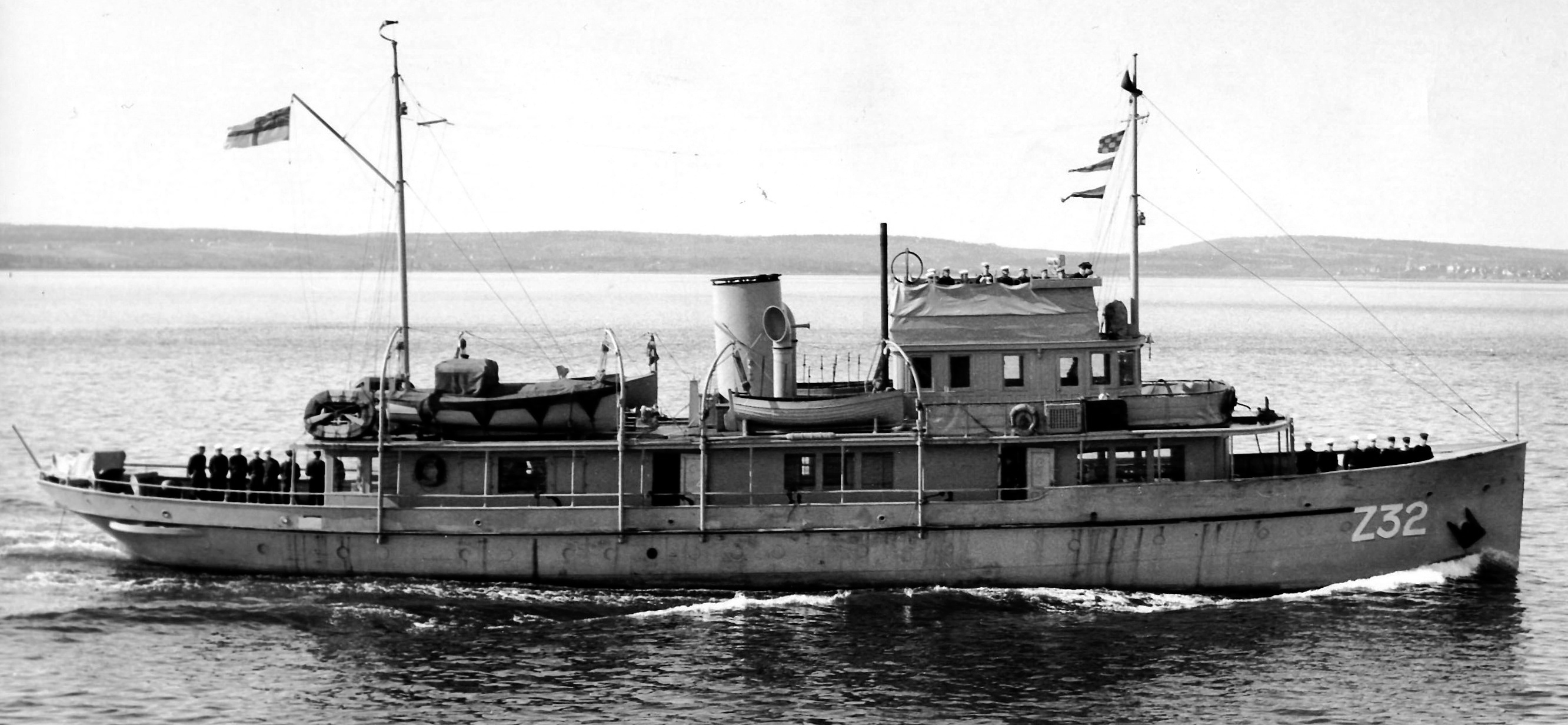
HMCS Ambler (Q11).
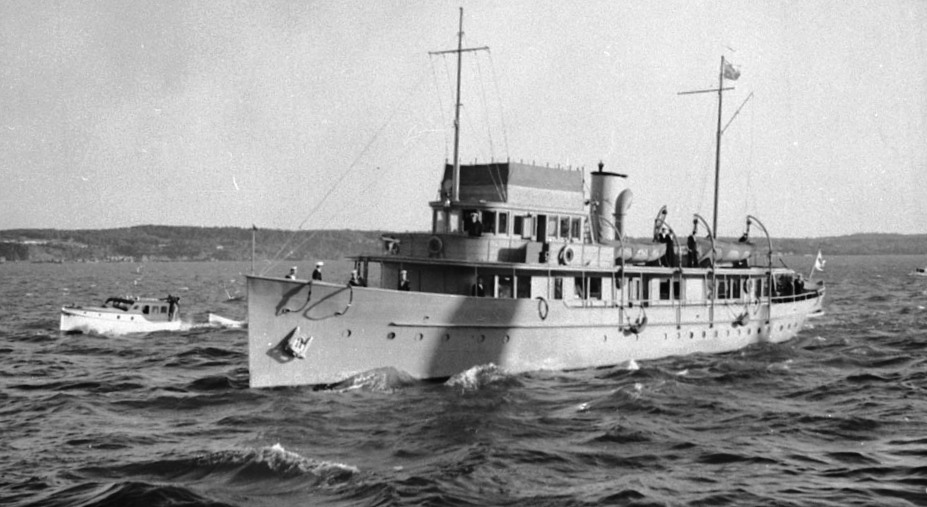
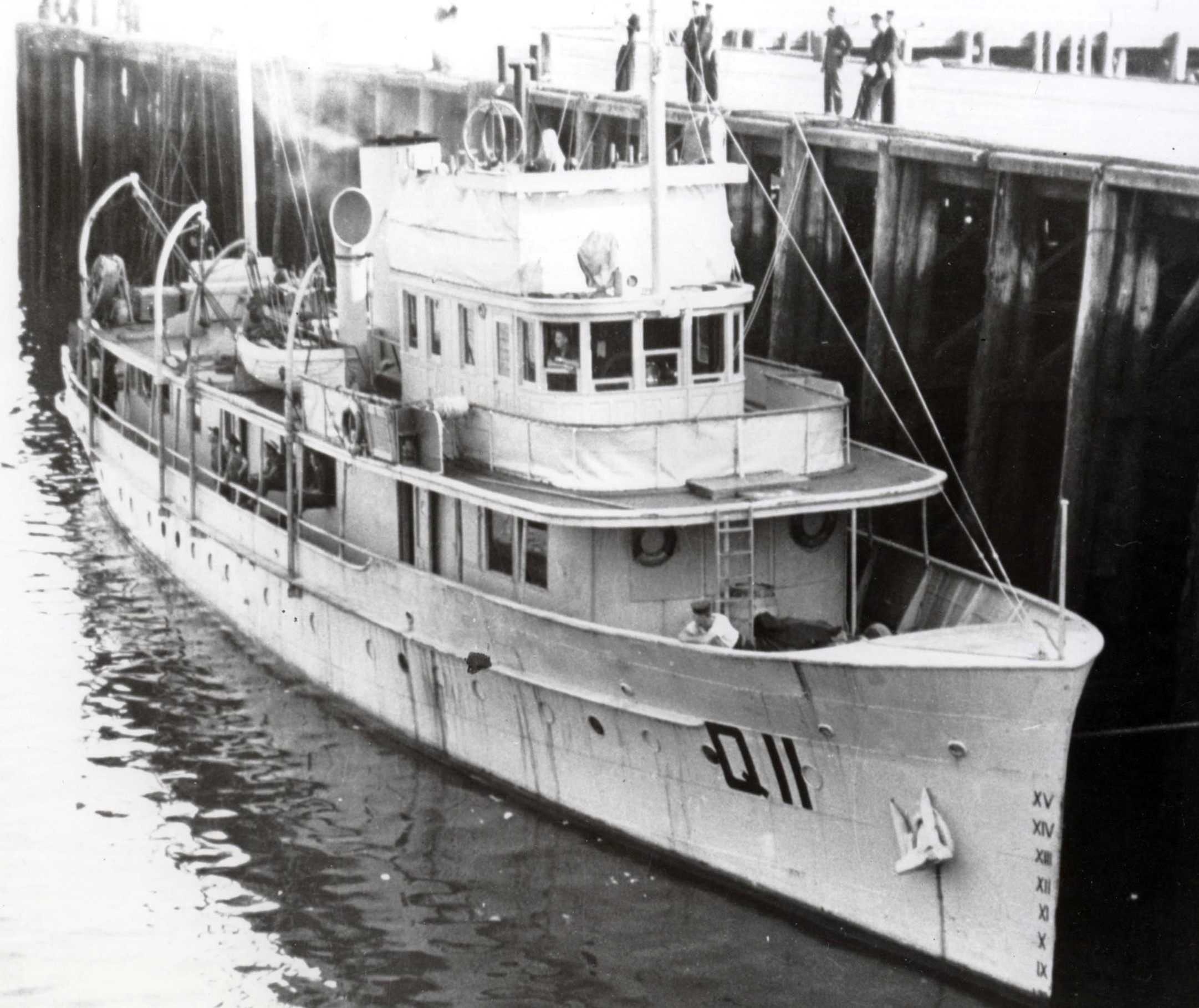
HMCS Ambler (Q11) was an armed yacht that served in the Royal Canadian Navy (RCN). Initially carrying the pennant number Q11 and later Z32, she was launched in 1922 in Brooklyn, New York as the Ambler and was commissioned into the RCN on 6 May 1940. She was paid off on 20 July 1945.
(Library and Archives Canada Photo, MIKAN No. 3589808)
HMCS Ambler (Q11).
(RCN Photo)
HMCS Ambler (Q11).
HMCS Beaver (S10)
(RCN Photo)
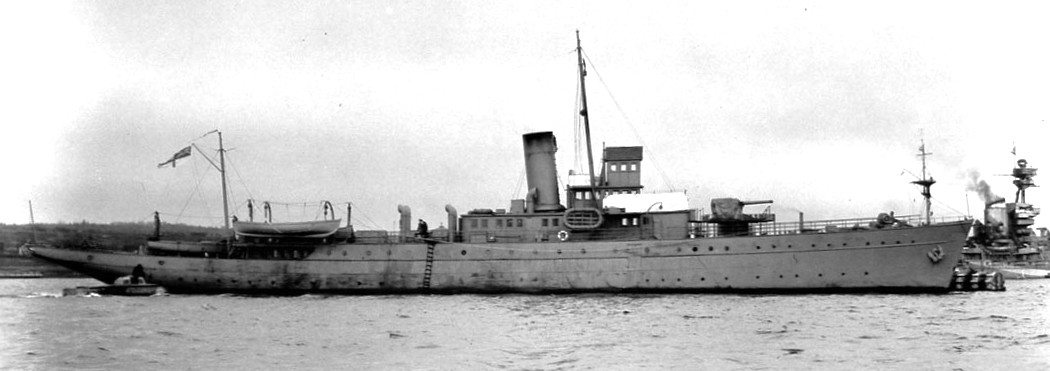
HMCS Beaver (S10)
Empowered to requisition British-registered craft of any description from private owners, the Royal Canadian Navy failed to turn up vessels with any real potential for anti-submarine use in 1939. A discreet survey of the United States yacht market showed promise, but purchase was impossible without contravening neutrality regulations. It was then arranged for a sufficient number of Canadian yachts, however inadequate, to be requisitioned from their owners, who then replaced them with yachts purchased in the United States. These replacements had, of course, already been selected with care by the Royal Canadian Navy, which, “discovering” that the replacements were better than the yachts originally requisitioned, took over the replacements instead. By early 1940, 14 yachts had been acquired in this fashion, armed, and given animal names. Five of them (HMCS Beaver, HMCS Cougar, HMCS Grizzly, HMCS Renard and HMCS Wolf) had served in the United States Navy as auxiliary patrol craft from 1917 to 1919. Makeshift though the yachts were, they shouldered the responsibility for local anti-submarine defence until the summer of 1941, when corvettes began to be available to replace them, and they afterward proved their worth as training vessels and guard ships.
The oldest of her type, HMCS Beaver (former name: Aztec) was commissioned on April 1, 1941 at Halifax, Nova Scotia and assigned to Halifax Local Defence Force. She was employed much of the time as a radar training ship but served briefly, first with Saint John, New Brunswick Force and then with Sydney Force toward the end of 1942. On July 29, 1943, she arrived at Digby, Nova Scotia to become a training ship for DEMS (Defensively Equipped Merchant Ship) gunners, and was later used for seamanship training. HMCS Beaver was paid off on October 17, 1944, sold in 1946, and resold 10 years later for scrap.
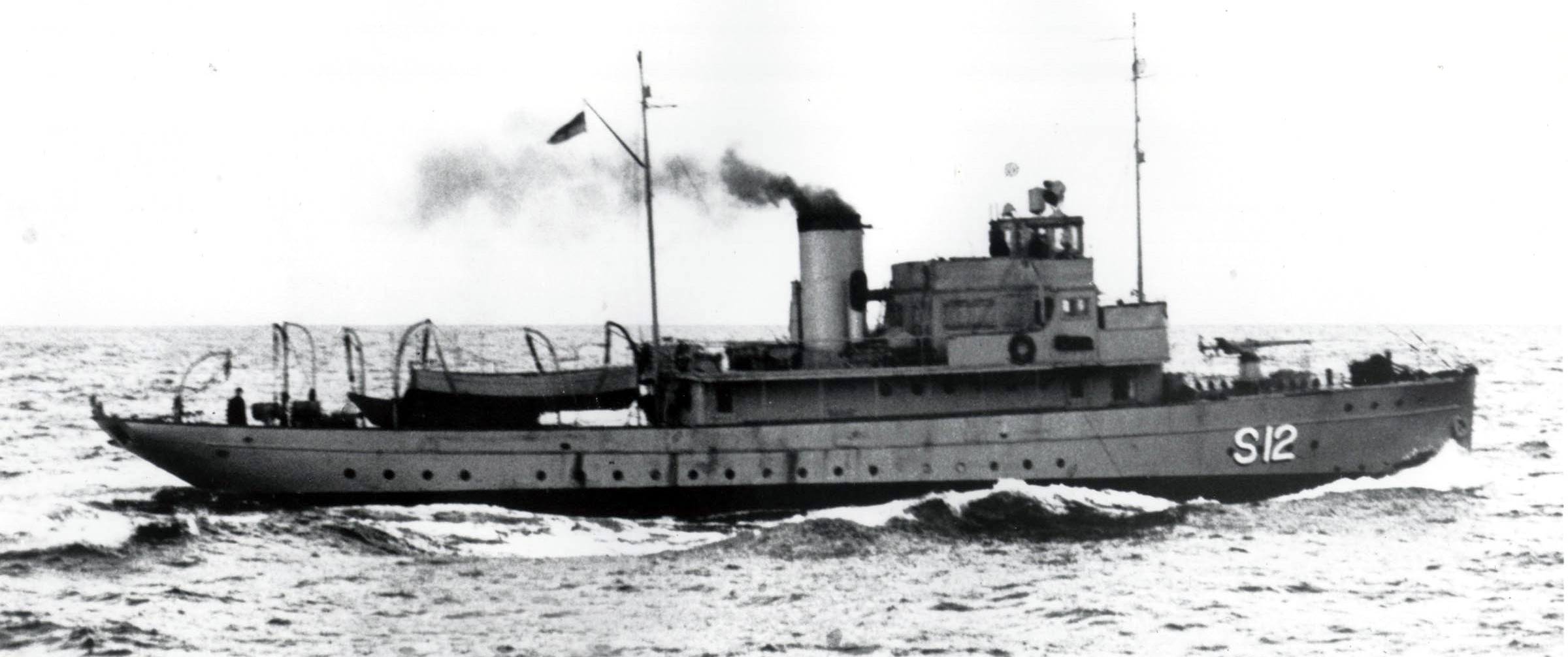
HMCS Caribou (S12)
(RCN Photo)
HMCS Caribou (S12)
HMCS Caribou (S12) was an armed yacht that served in the Royal Canadian Navy (RCN).Initially carrying the pennant number S12 and later Z25, she was launched in 1928 in Bay City, Michigan and was commissioned into the RCN on 27 May 1940. She was paid off on 20 July 1945.
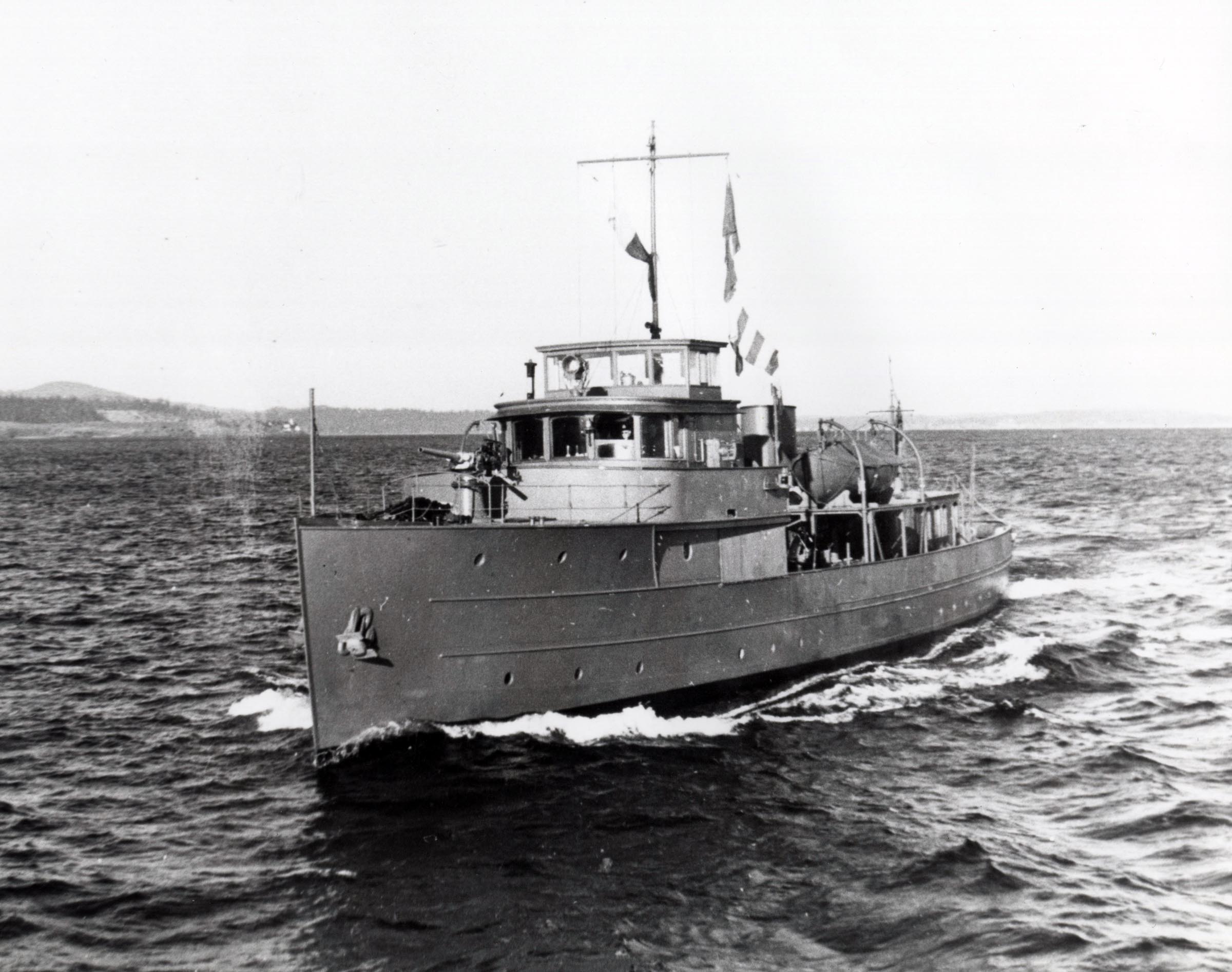
HMCS Cougar (Z15)
(DND Photo)
HMCS Cougar (Z15).
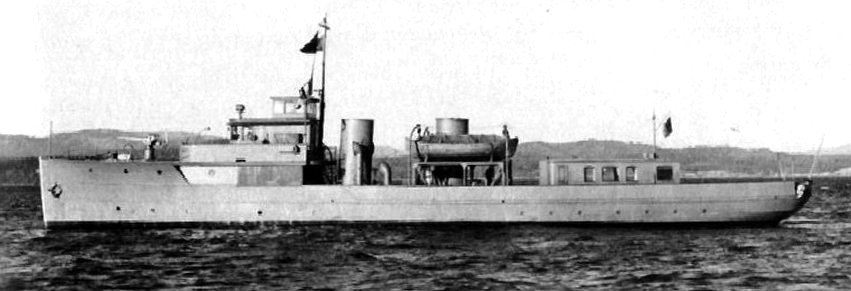
HMCS Cougar (Z15) was an armed yacht that served in the Royal Canadian Navy as a patrol vessel from 1940 to 1945.Cougar was built as a civilian motor yacht Sabalo in 1916 by George Lawley and Sons at Neponset, Massachusetts. The U.S. Navy acquired her in 1917 and employed her as the patrol vessel USS Sabalo (SP-225) for the remainder of World War I, returning her to her owner, W. Earl Dodge of New York City, in 1919.Dodge sold Sabalo to Van Lear Black of Baltimore, Maryland, in 1921. Black in turn sold her in 1931 to the Albert Pack Corporation of Chicago, Illinois, which renamed her Breezin’ Thru. In 1937, Leila Y. Post Montgomery of Battle Creek, Michigan, bought Breezin’ Thru, then sold her in 1940 to Bearl Sprott Ltd. of Vancouver, British Columbia, Canada.The Royal Canadian Navy acquired Breezin’ Thru in 1940 and commissioned her as the patrol vessel HMCS Cougar (Z15) on 11 September 1940.Cougar was placed on antisubmarine patrol out of Esquimalt, British Columbia. In May 1942 she was transferred to Prince Rupert Force, based at Prince Rupert, British Columbia. She returned to Esquimalt in June 1944, where she served as an examination vessel.Cougar was decommissioned on 23 November 1945 and returned her to Bearl Sprott Ltd. in 1946.Once again named Breezin’ Thru, the yacht operated as a pleasure craft after her return to Bearl Sprott. She was sunk during a hurricane at Kingston, Jamaica, in September 1950.
(DND Photo)
HMCS Cougar (Z15), Strait of Juan de Fuca, 1 Dec 1940.
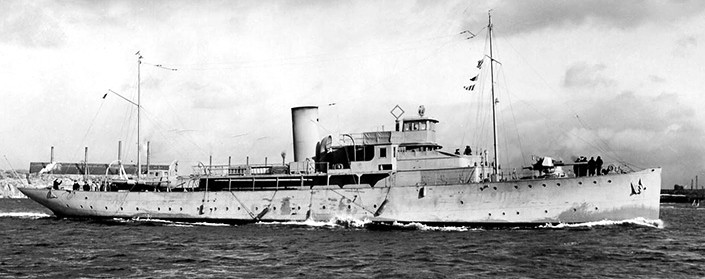
HMCS Elk (S05).
(RCN Photo)
HMCS Elk (S05).
Originally launched in 1926 as the yacht Arcadia, Elk was one of several American yachts discretely acquired in the Second World War and refitted for the RCN despite strict American neutrality and regulations preventing the sale of vessels for belligerent purposes.
Elk left Halifax for Pictou on 21 June 1940 for conversion and arming, after which she was commissioned at Halifax on 10 September and transferred to the America and West Indies Station. She arrived in Bermuda on 23 September, returning to Halifax on 13 May 1941. Following a major refit there, she sailed for Trinidad on 2 December. On 11 May 1942 she returned to Halifax and was assigned to Sydney Force, serving extensively as escort to Sydney-Corner Brook convoys. In February 1943 she was sent to Halifax for repairs, and in May transferred to Digby as a training ship. A month later, however, she was moved to Shelburne, remaining there until November and then returning to Digby, where she was to be based until the end of the war. She served almost continuously as escort to the ancient British training submarine L.23. Elk was paid off on 4 August 1945 and sold. After long service as a short-haul passenger ferry, Grand Manan III, she was sold in 1968 for breaking up.
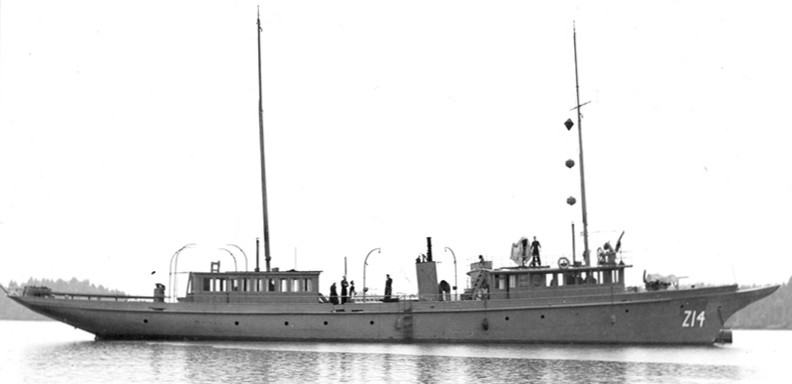
HMCS Grizzly (Z14)
(RCN Photo)
HMCS Grizzly (Z14)
Originally named Machigonne whenshe was launched in 1909, Grizzly was one of several American yachts discretely acquired during the Second World war and refitted for the RCN despite strict American neutrality and regulations preventing the sale of vessels for belligerent purposes. She was commissioned on the west coast, but the condition of her engines made it impractical for her to function effectively. She was towed to Prince Rupert in July for use as a stationary guard ship and examination vessel. In the spring of 1944 she was taken to Victoria, where her hull was found to be in poor condition. Paid off on 17 June, she was broken up at Victoria the following year
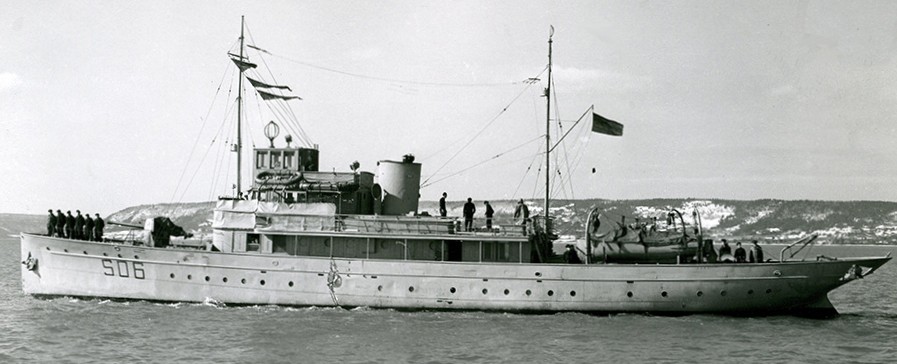
HMCS Husky (S06)
(RCN Photo)
HMCS Husky (S06)
Originally named Wild Duck when she was launched in 1930, Husky was one of several American yachts discretely acquired during the Second World War and refitted for the RCN despite strict American neutrality and regulations preventing the sale of vessels for belligerent purposes.
Husky left Halifax on 30 May 1940 for conversion and arming at Quebec City. Commissioned at Halifax on 23 July, she was assigned to Sydney Force for anti-submarine patrol duty. She was transferred that December to Trinidad, but returned to join Saint John, New Brunswick Force on 24 September 1941. A year later she returned to Halifax Local Defence Force for a few months before being reassigned in March 1943 to training duties at HMCS Cornwallis (then located at Halifax). She moved with that establishment to Digby, NS, and for the remainder of the war exercised with RN submarines in the Bay of Fundy.
Paid off to reserve at Sydney on 3 August 1945, she was sold into mercantile service in 1946. After a term as the inspection vessel Good Neighbor for the port of New Orleans, she was sold in 1968 for use as a sport-diving tender in Honduran waters. She later returned to New Orleans to become a floating restaurant.
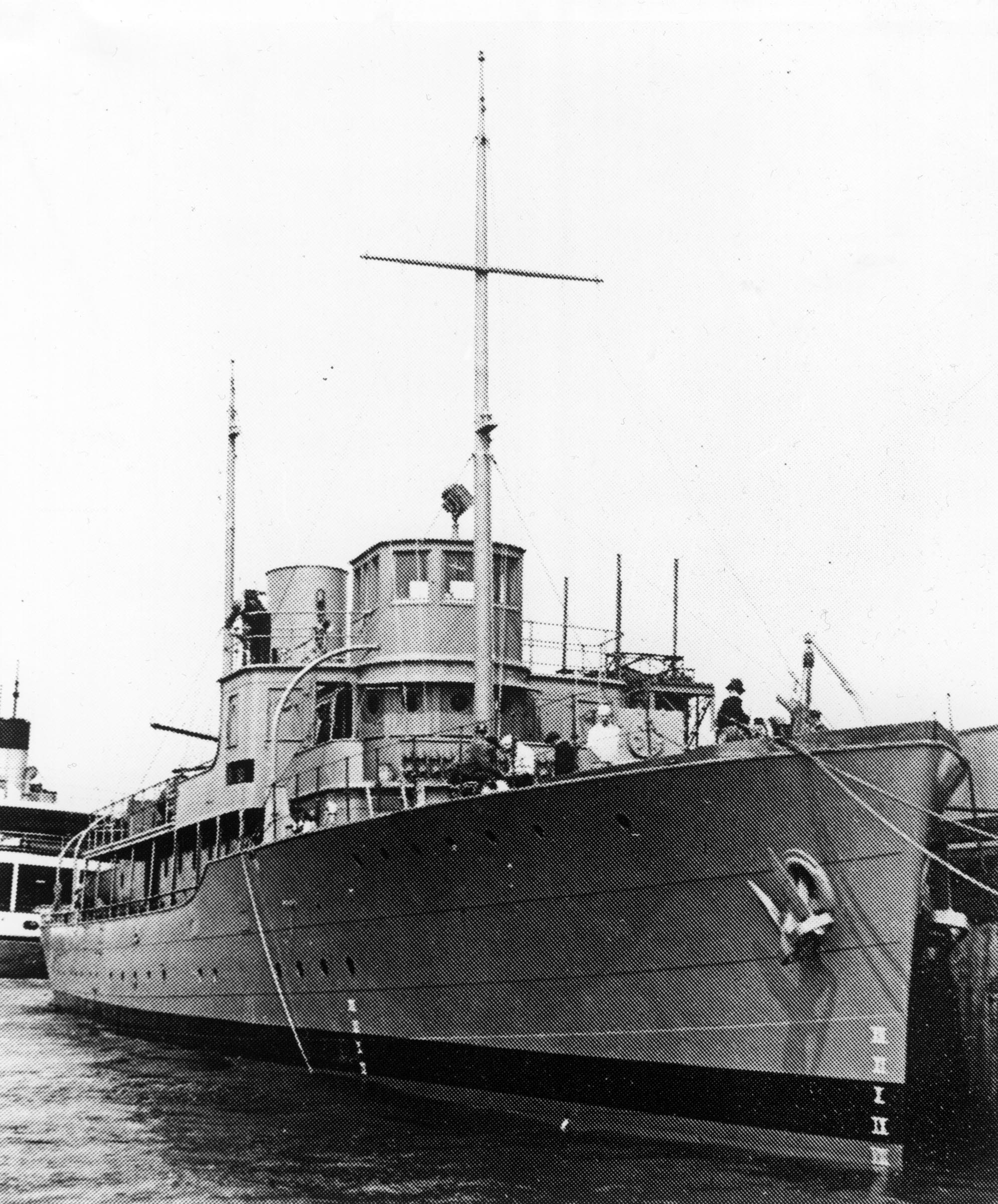
HMCS Lynx (Z07)
(RCN Photo)
HMCS Lynx (Z07)
Lynx left Halifax with Husky on May 30, 1940, for conversion and arming at Quebec City. On her return she was commissioned at Halifax on August 26 and allocated to Sydney Force. She returned at year’s end to Halifax for the winter, and in July, 1941, was assigned to Gaspe Force. The ship was plagued by mechanical troubles, however, and spare parts proved unobtainable. She was accordingly transferred to Halifax on November 25. On January 18, 1942, Lynx rescued the passengers and crew of SS Empire Kingfisher, which had sunk off Cape Breton. Soon afterward condemned for further sea duty, she was paid off on April 23, 1943, and offered for sale, but no buyer was forthcoming until July, 1943. For some years a banana trader in the Caribbean, she was finally lost near Sydney, Australia, under the name Rican Star.
All comments are subject to our Comment Policy. You must be at least 18 years old to comment.
See a comment that violates our guidelines? Report it here.