
Supermarine Walrus
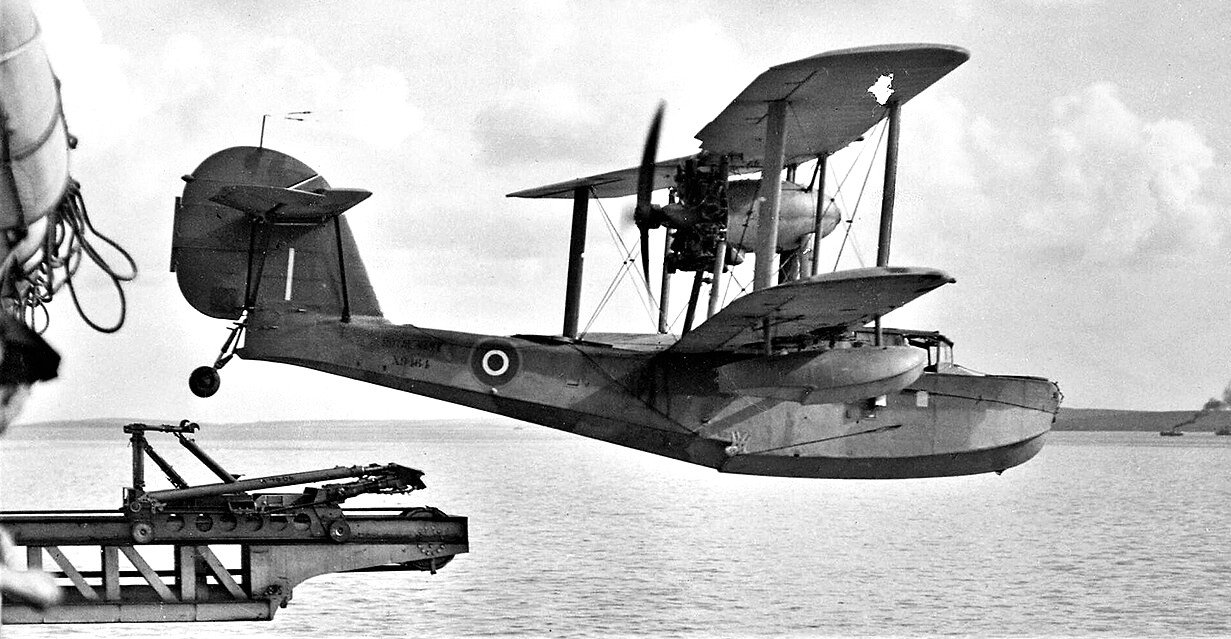
(IWM Photo, A15215)
Supermarine Walrus being launched from HMS Bermuda, 1943.
The Supermarine Walrus is a British single-engine amphibious biplane designed by Supermarine’s R. J. Mitchell. Primarily used as a maritime patrol aircraft, it was the first British squadron-service aircraft to incorporate an undercarriage that was fully retractable, crew accommodation that was enclosed, and a fuselage completely made of metal.
Supermarine originally named the type the Supermarine Seagull V, before changing it to the Walrus. The type first flew in 1933, its design process had begun four years earlier as a private venture. It shared its general arrangement with that of the earlier Supermarine Seagull. Having been designed to serve as a fleet spotter launched by catapult from cruisers or battleships, the aircraft was employed as a maritime patrol aircraft. Early aircraft had a metal hull for greater longevity in tropical conditions, while the later variant, the Supermarine Walrus II, had a wooden hull to conserve the use of light alloys.
The Supermarine Seagull V entered service with the Royal Australian Air Force in 1935. The type was subsequently adopted by the Fleet Air Arm, the Royal Air Force (RAF), the Royal New Zealand Navy, and the Royal New Zealand Air Force. Walruses operated against submarines throughout the Second World War, and were also used by the RAF Search and Rescue Force to recover personnel from the sea. It was intended to replace the Walrus with the more powerful Supermarine Sea Otter, but this did not happen.
Stothert & Pitt of Bath manufactured the ship mounted cranes used for hoisting the seaplanes from the water.
After the end of the war the Walrus continued in service, and some aircraft operated in a civil capacity in regions such as Australia and the Antarctic. The Walrus was succeeded in its air-sea rescue role by the first generation of helicopters. (Wikipedia)
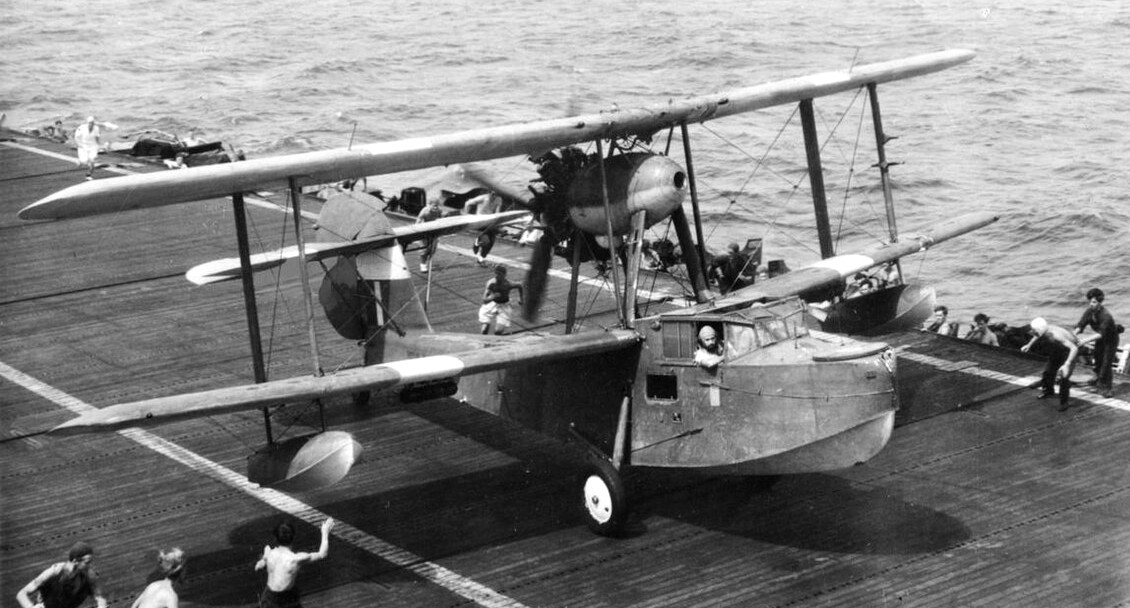
(IWM Photo, A 29814)
A Supermarine Walrus, piloted by Lieutenant (A) S. Lawrence, lands the deck of a British aircraft carrier in the Indian Ocean. Lawrence had just rescued under fire the pilot of a Grumman Hellcat, which had been shot down while attacking Japanese positions on the Nicobar Islands.
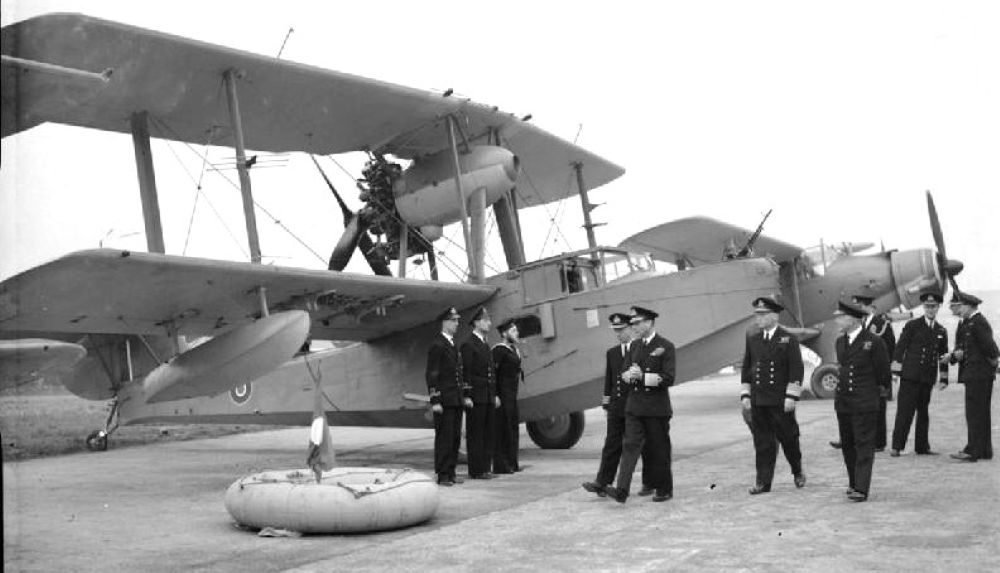
(IWM Photo, A 15128)
HM King George VI, wearing the uniform of an Admiral of the Fleet, inspecting inspecting a Supermarine Walrus amphibious aircraft and its crew at the Royal Naval Air Station of Hatston during his four day visit to the Home Fleet at Scapa Flow. A Fairey Albacore can be seen in the background.
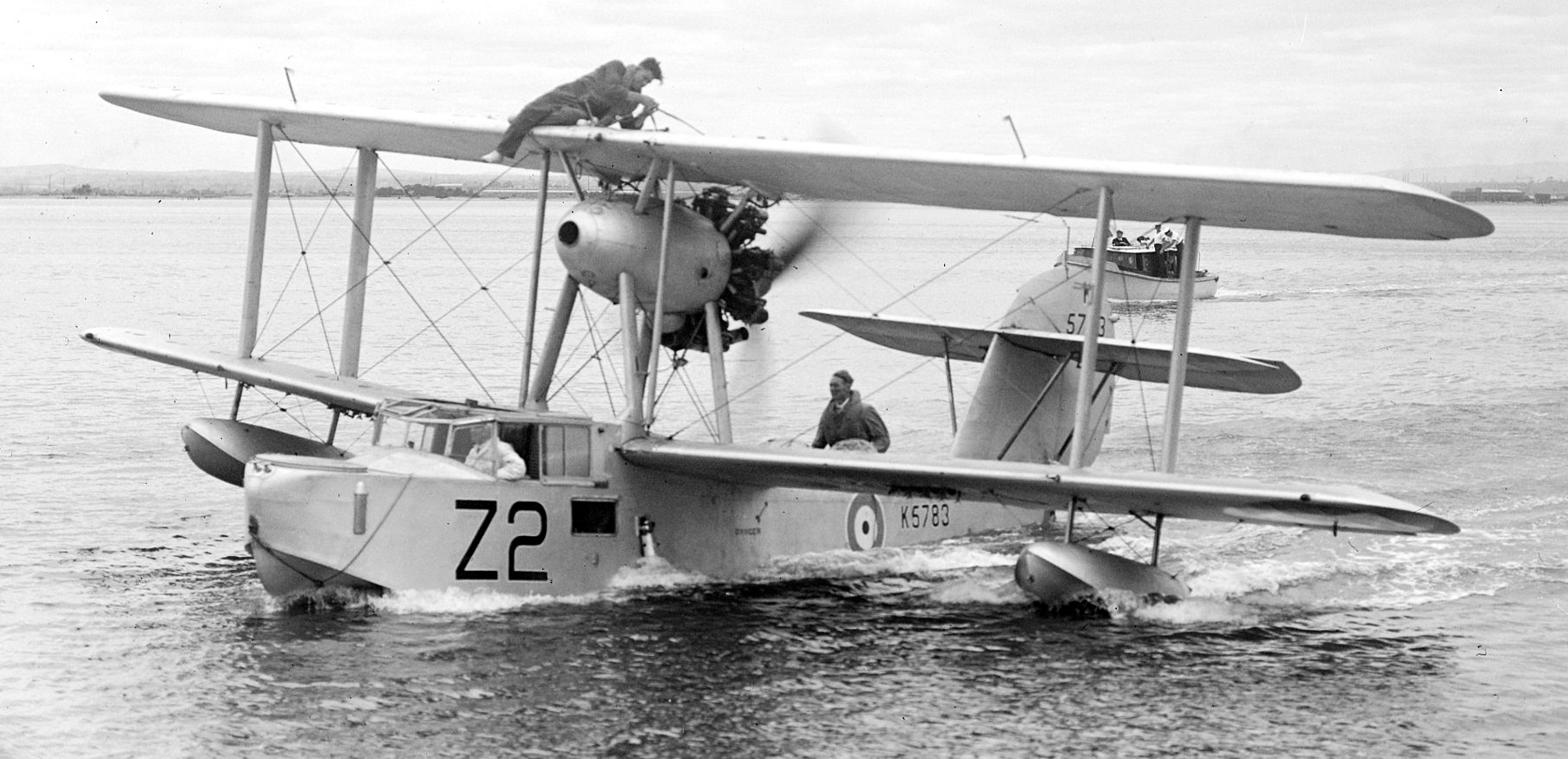
(State Library of Victoria Photo)
Supermarine Walrus I, (Serial No. K5783), from the first production batch.
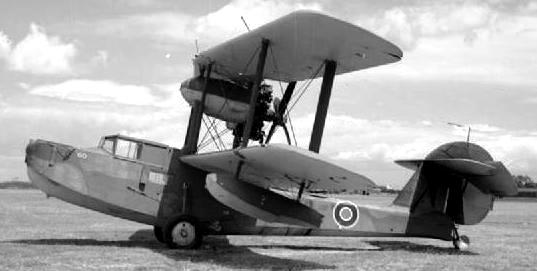
(IWM Photo CH 18540)
Supermarine Walrus Mk. I of No. 276 or No. 277 Squadron, RAF, on the ground at Warmwell, Dorset, ca 1943.
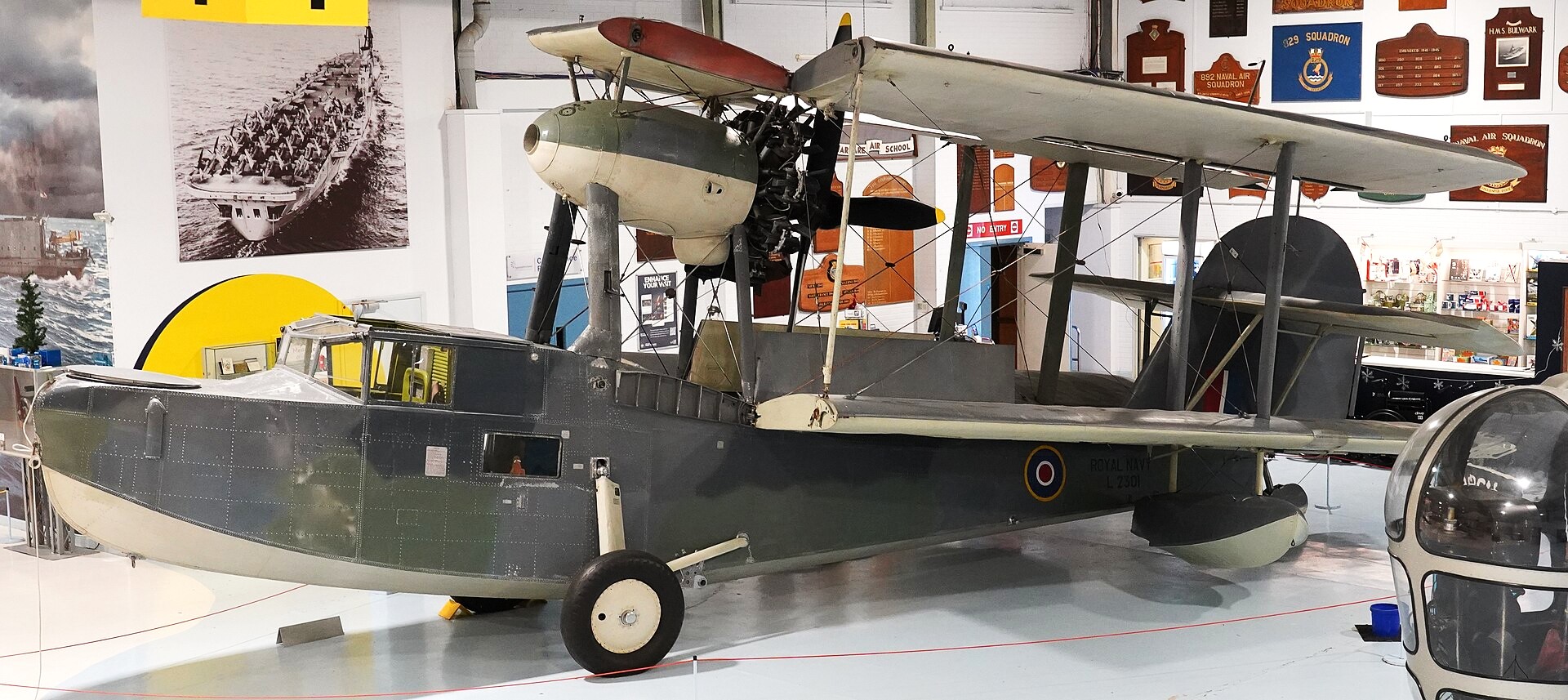
(kitmasterbloke Photo)
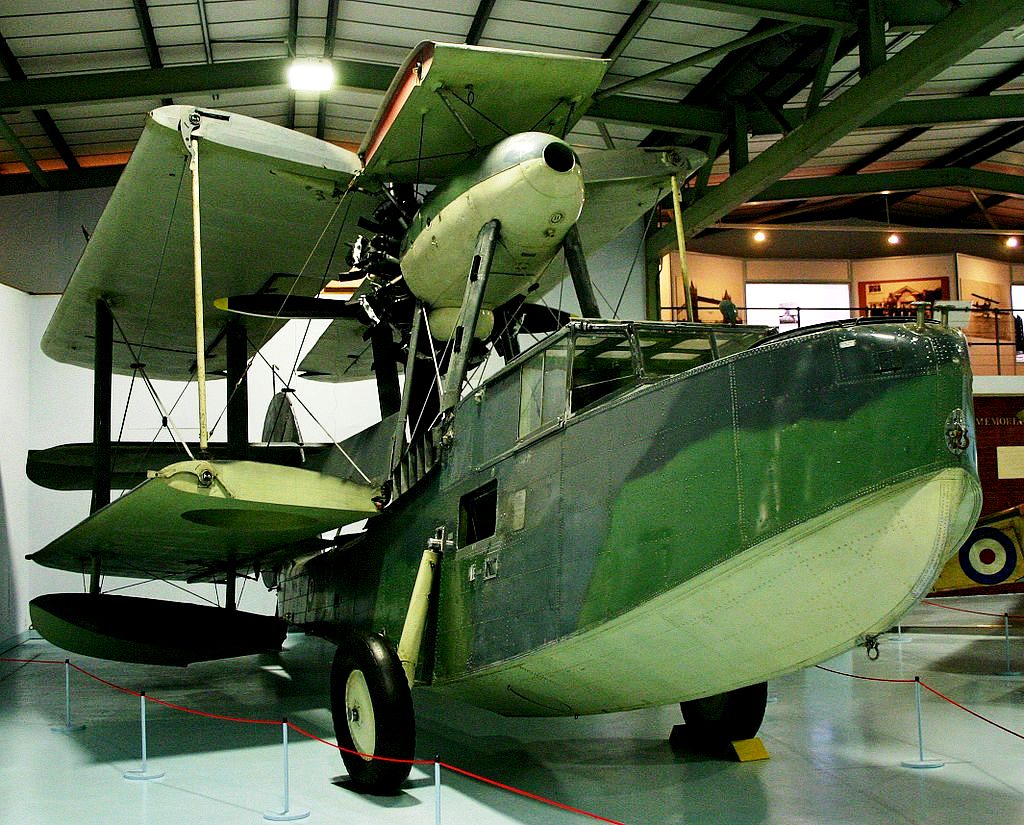
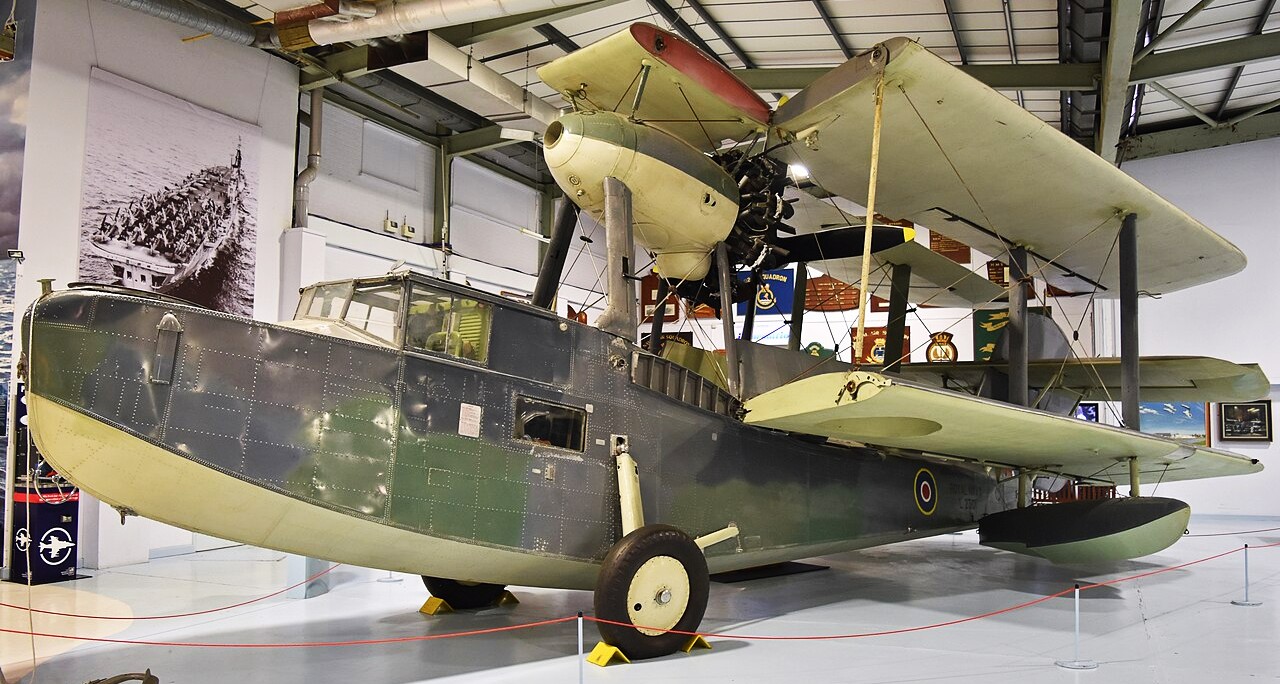
Supermarine Walrus Mk. I (Serial No. L2301), Reg. No. G-AIZG, Fleet Air Arm Museum, Yeovilton, Ilchester, Somerset.
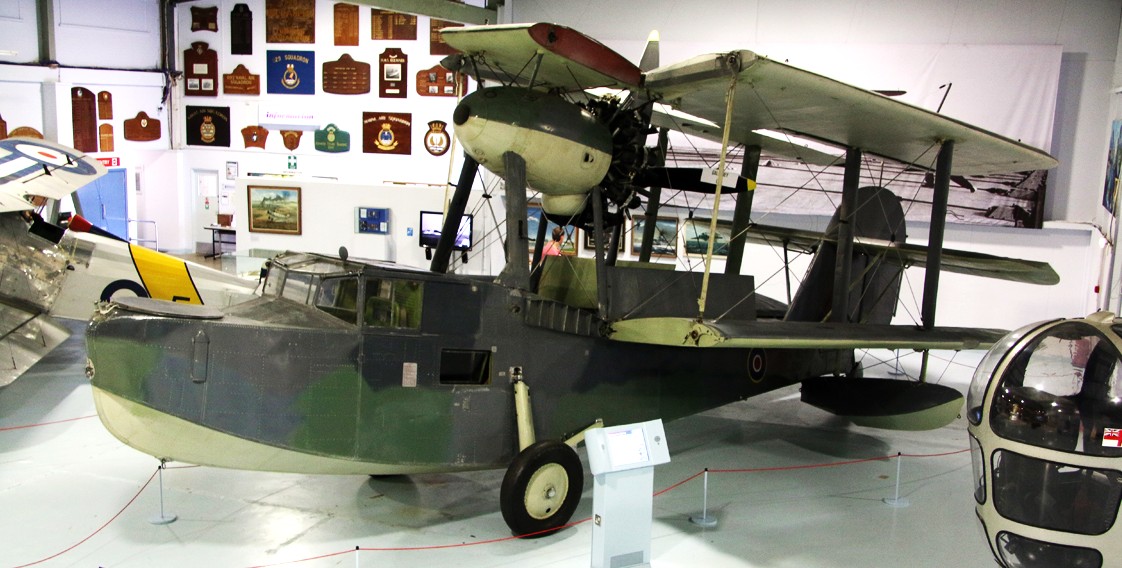
(Peter Webber Photo)
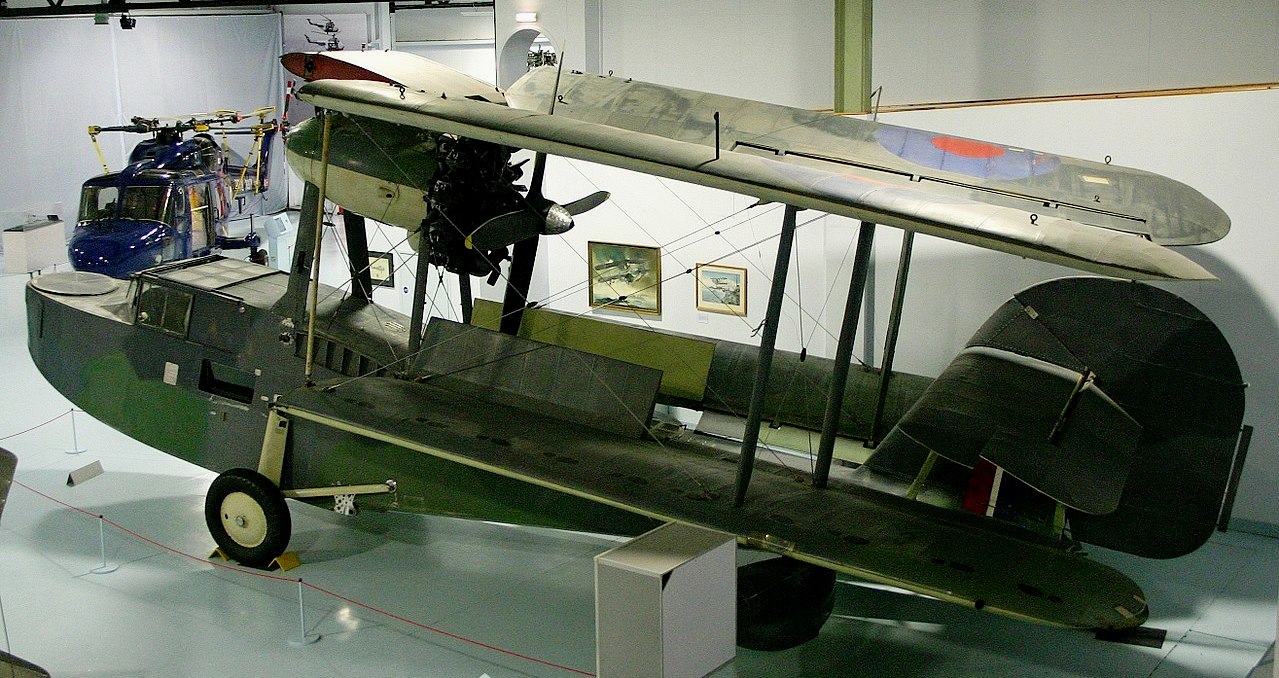
(Alan Wilson Photos)
Supermarine Walrus Mk. I (Serial No. L2301), Reg. No. G-AIZG, Fleet Air Arm Museum, Yeovilton, Ilchester, Somerset.
(Alec Wilson Photo)
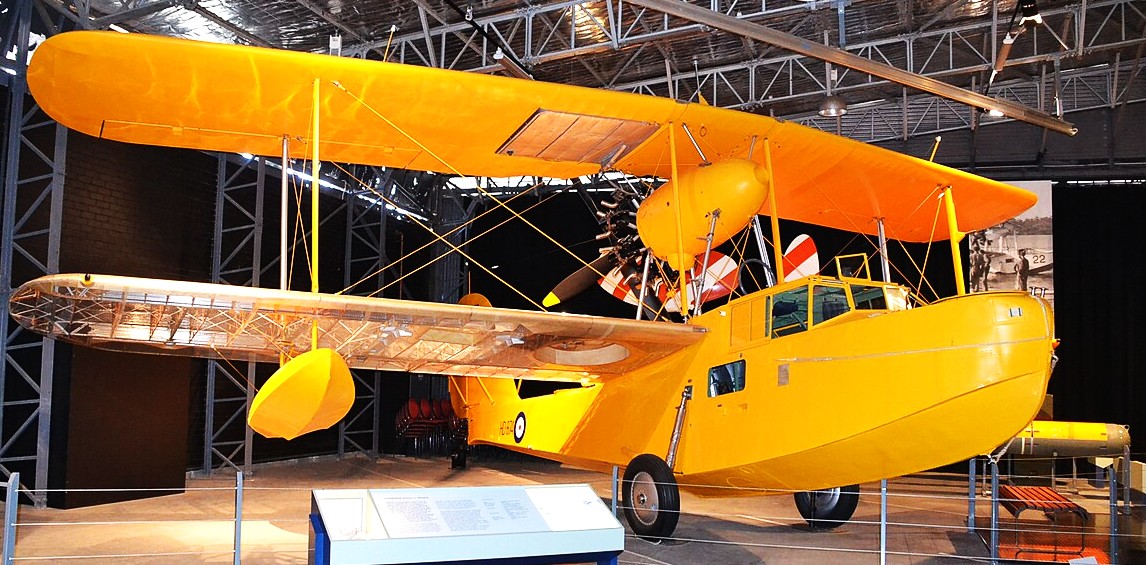
Supermarine Walrus II at the Royal Australian Air Force Museum, Point Cook, Victoria, Australia.

(Hugh Llewelyn Photo)
Supermarine Seagull V (RAAF version of Walrus I) at the RAF Museum, Hendon.
Supermarine Walrus Mk. I (Serial No. W2718), Reg. No. G-RNLI, being restored, Solent Sky, Hampshire.