
Supermarine Seagull
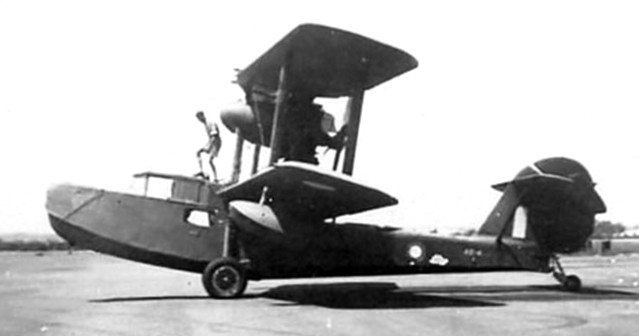
(RAAF Photo)
Supermarine Seagull V (Serial No. A2-4), RAAF, Williamtown, Australia, 1946.
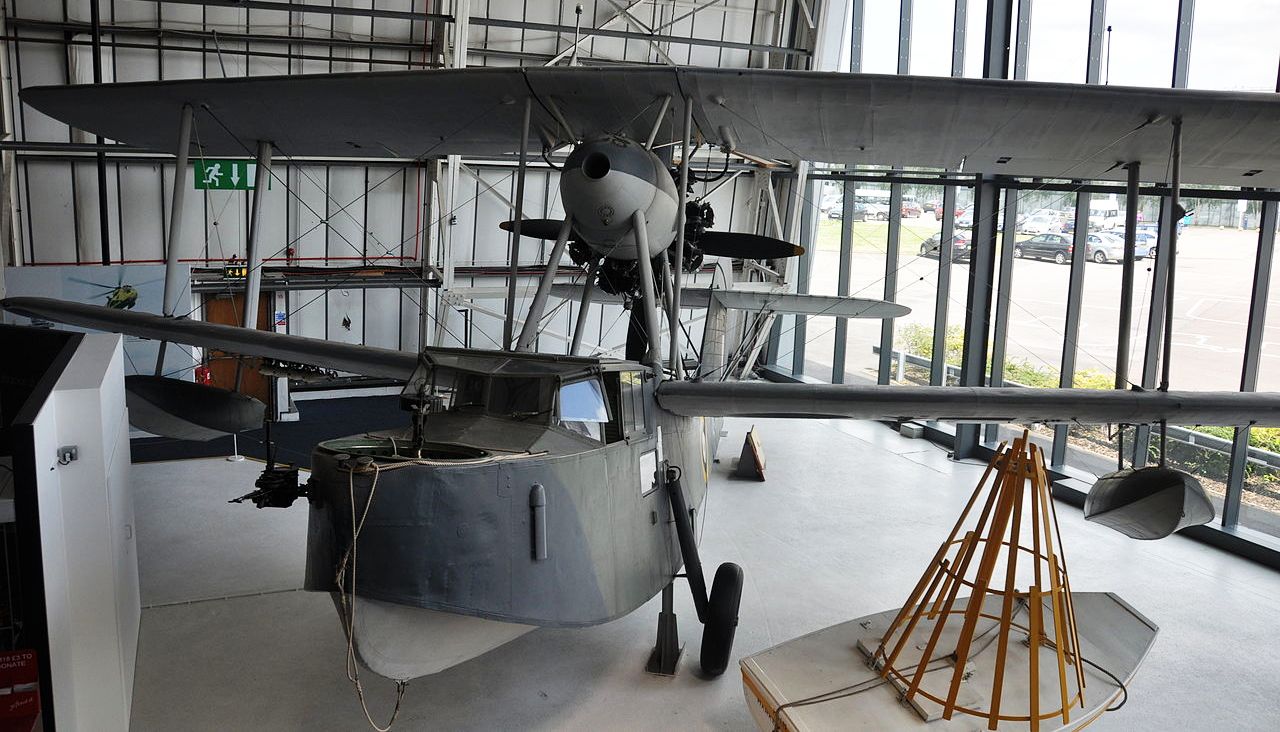
(The Land Photo)
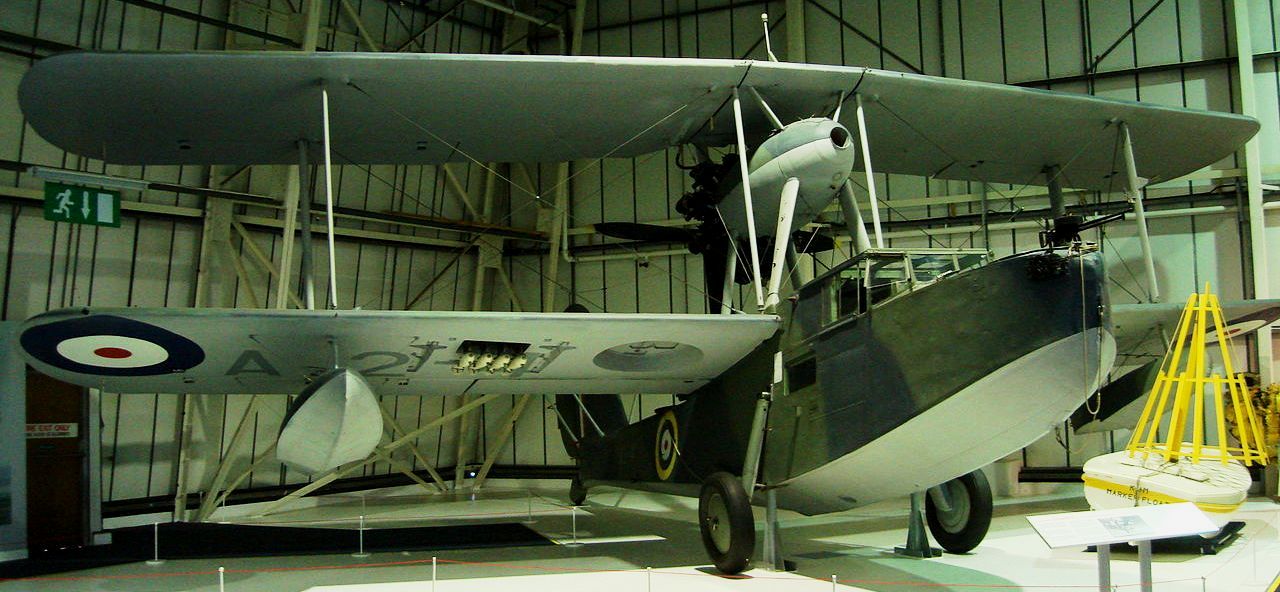
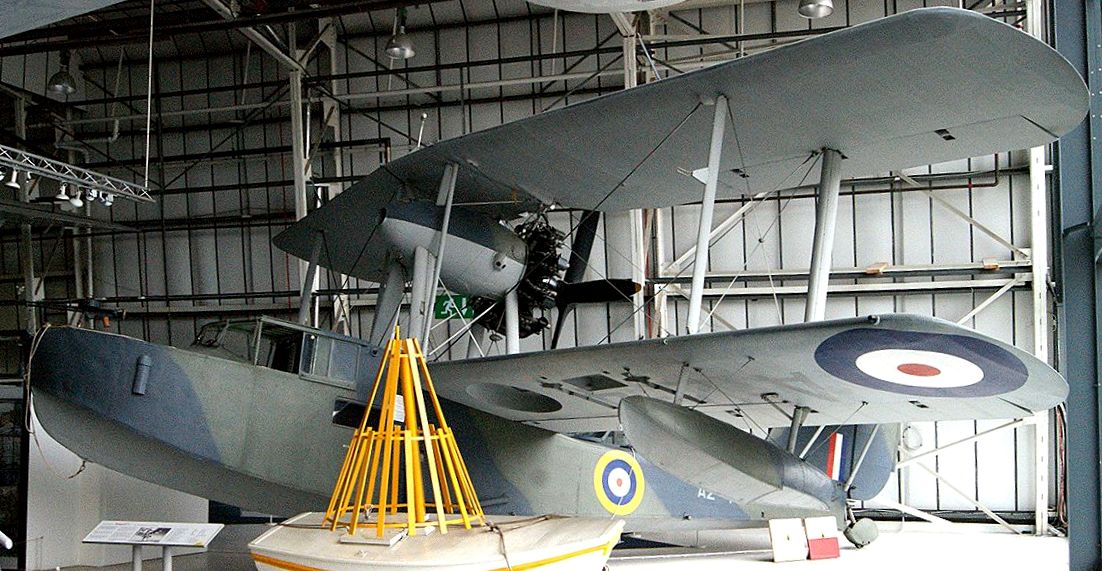
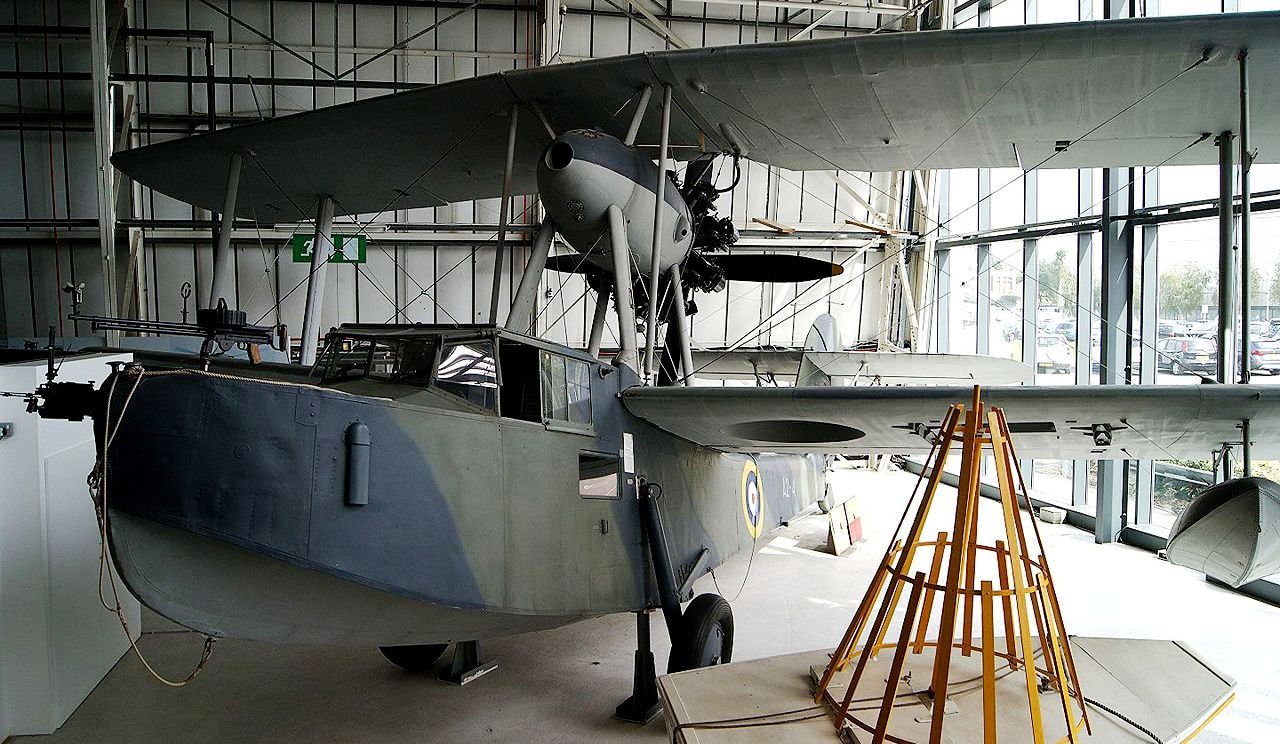
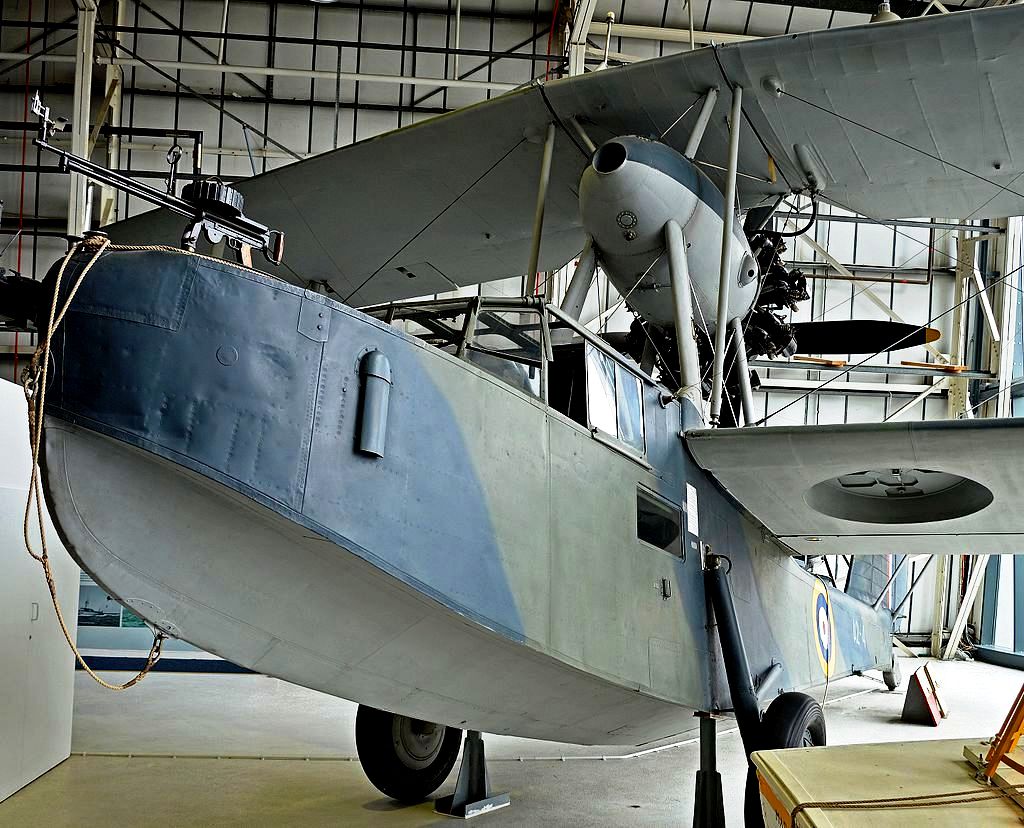
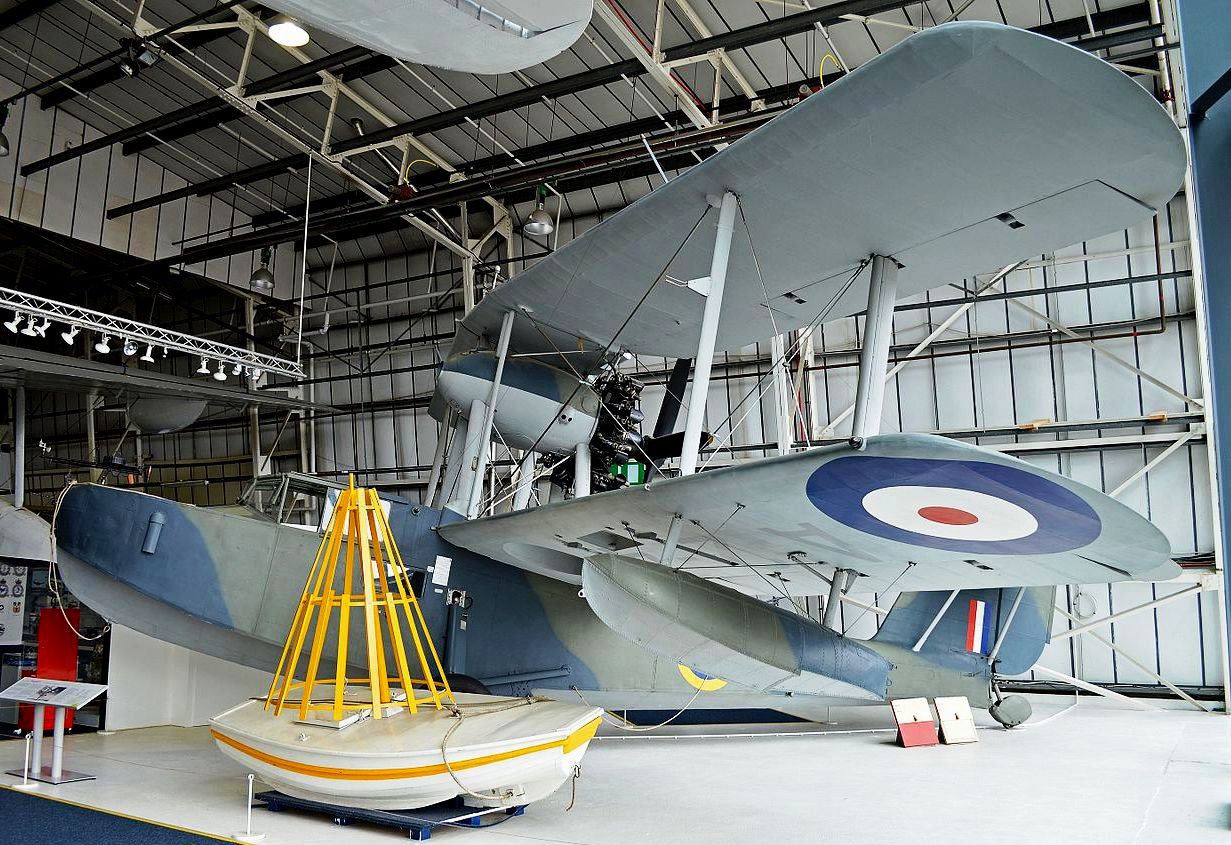
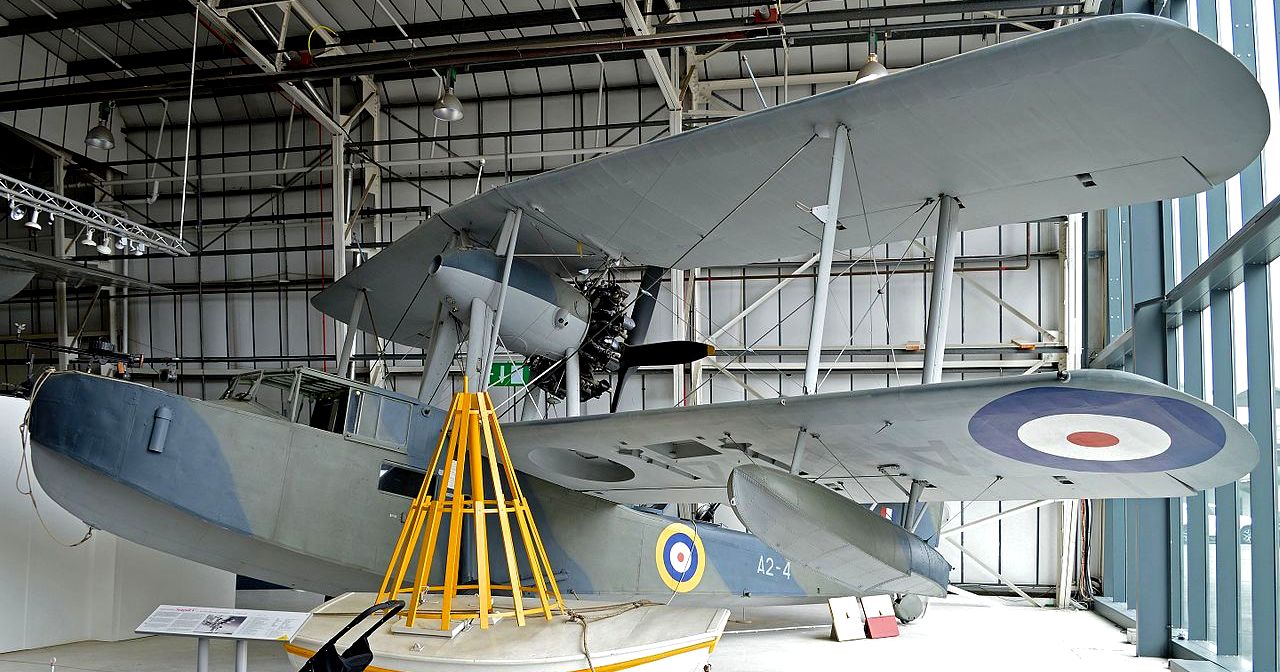
Supermarine Seagull Mk. V (Serial No. A2-4), Royal Air Force Museum London, Hendon. Ex Australian operated Supermarine Seagull, Reg. No. VH-ALB.
The Seagull and the Supermarine Walrus I are to all intents and purposes the same aircraft; Walrus being the name given to the aircraft in RAF service. The Walrus II was in fact merely a wooden hull version of the Walrus I to save the use of valuable aluminum alloy.
Australia was a very large user of the Seagull/Walrus operating 24 Seagull V aircraft serials A1-24 and 29 Walrus I with 11 Walrus II (Wooden hulled version) for a total of 54 out of a total production of 740 aircraft. Interestingly, the Walrus/Seagull type owes its existence to the RAAF and was initially developed as a private venture in response to a 1929 Royal Australian Air Force (RAAF) requirement for an observation seaplane to be catapult-launched from cruisers. The gestation of the design lasted until the prototype was flown in 1933 by the famous Joseph “Mutt” Summers.
(Oxyman Photo)
(Hugh llewelyn Photos)
(Alan Wilson Photos)
Supermarine Seagull Mk. V (Serial No. A2-4), Royal Air Force Museum London, Hendon. Ex Australian operated Supermarine Seagull, Reg. No. VH-ALB.
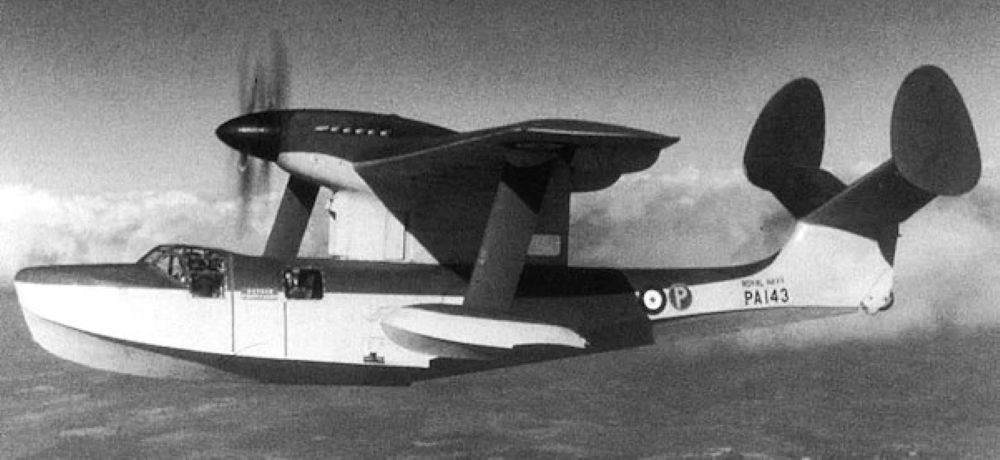
Supermarine Seagull ASR.I
(RAF Photo)
The Supermarine Seagull was a British amphibious, military flying boat and the last to be built by the Supermarine company. Design started during the Second World War but it did not fly until three years after the war had ended and the project was cancelled without it being adopted for service.
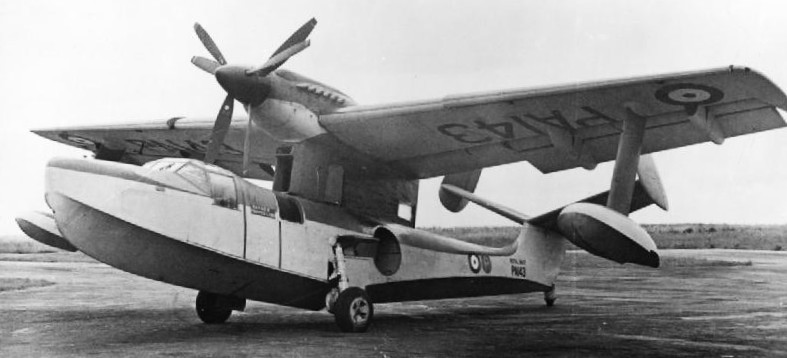
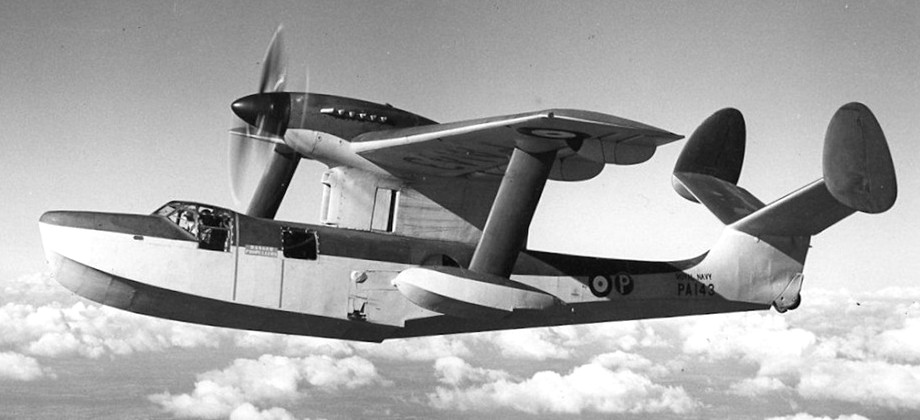
The first prototype – Seagull serial PA143 – first took off on 14 July 1948 from Southampton Water, flown by test pilot Mike Lithgow. The second aircraft – PA147 – flew in September 1949, and was used for carrier trials on HMS Ark Royal later in that year,[4] during which it demonstrated the capability to carry five passengers. Experiments were also carried out with rocket assisted take-offs.
By the early 1950s, helicopters were taking over the air-sea rescue role. In 1952, the two completed prototypes and the partially built third aircraft, PA152, were scrapped. (Wikipedia)
(IWM Photo, ATP16910B)
Supermarine Seagull ASR.I prototype (Serial No. PA143), in 1948.
(Aviation History Online Museum Photo)
Supermarine’s Seagull ASR.I prototype powered by a Rolls-Royce Griffon 29 engine with a 10 ft diameter contra-rotating prop. It did not fly until after the war and it was the last military flying boat to be built by the Supermarine company. Only two aircraft were completed.