
Russian Ilyushin TsKB-30 bomber crash on Miscou Island, New Brunswick, April 1939
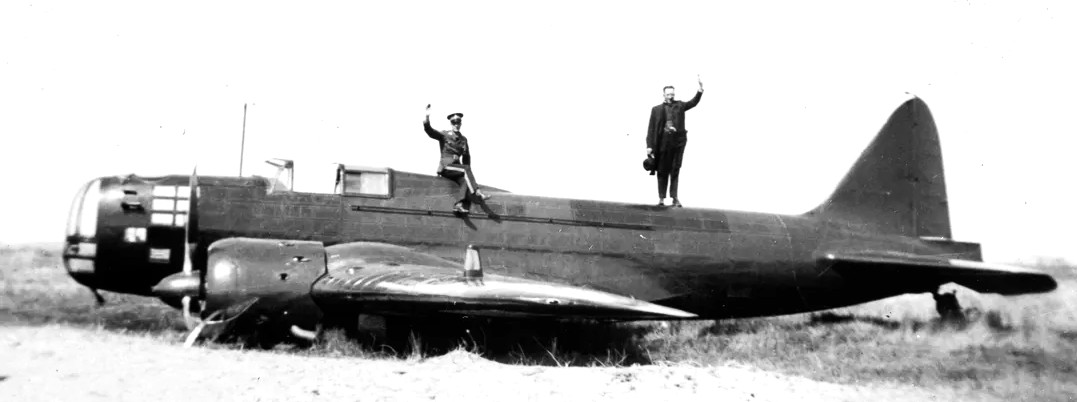
In April 1939, a Soviet Ilyushin TsKB-30 bomber crash-landed on Miscou Island, New Brunswick, during a record-setting trans-Atlantic flight from Moscow to New York. The aircraft, named “Moskva”, was a bright red Soviet Air Force bomber piloted by Brigadier-General Vladimir Kokkinaki and Major Mikhail Gordienko. The flight, which began on 27 April 1939, aimed to set a record for a non-stop trans-Atlantic journey and showcase Soviet aviation at the 1939 New York World’s Fair, themed “The Land of Tomorrow”. The route was planned along a northern “Great Circle” path over the Baltic states, Norway, Iceland, Greenland, and eastern Canada to reduce distance and fuel consumption.
Pilot Vladimir Kokkinaki and navigator Mikhail Gordienko survived the landing, which occurred after they became disoriented by fog and low fuel. Locals assisted the aviators, who were later brought to New York.
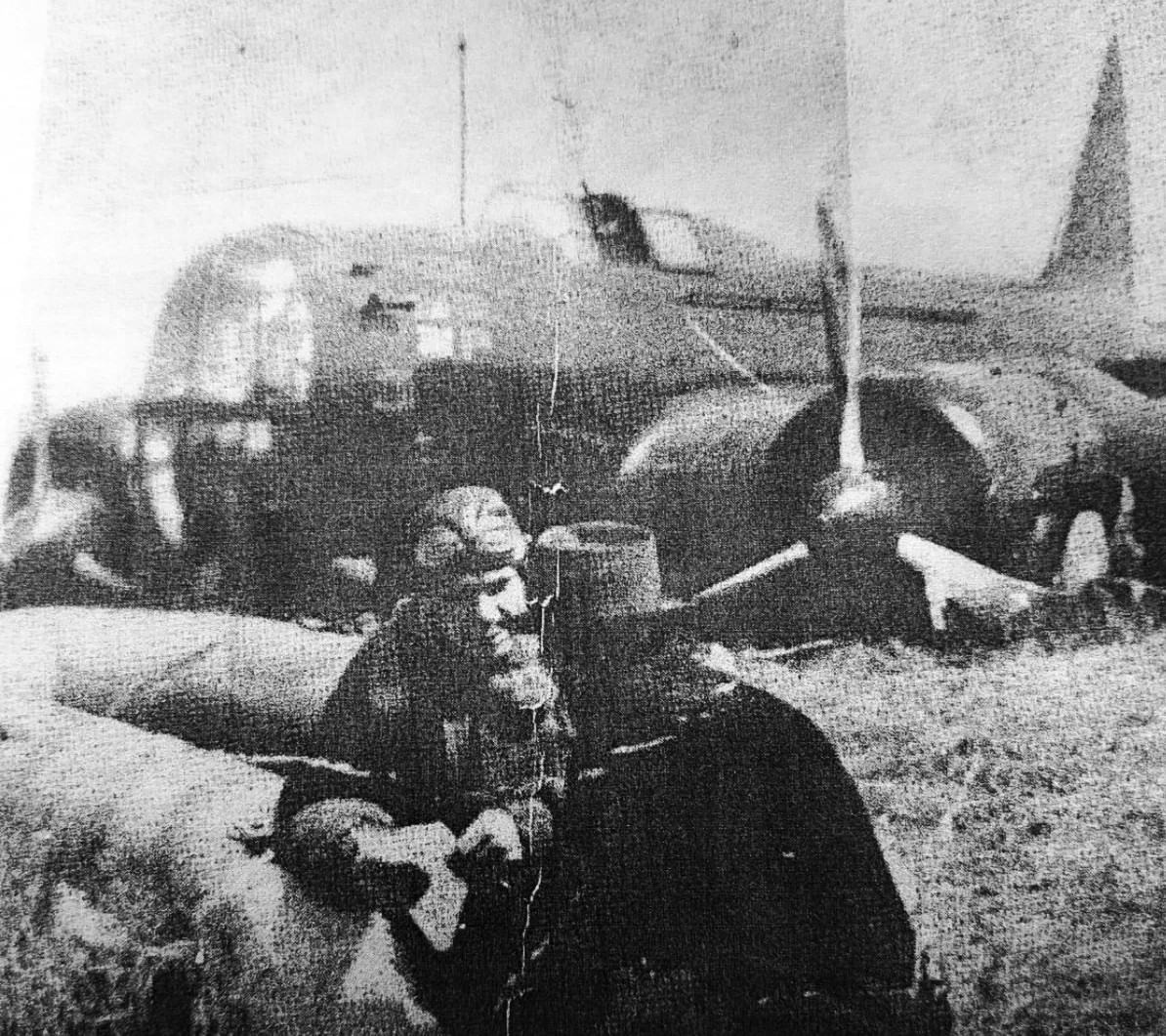
“You departed from Moscow and landed in Miscou!”Brigadier-General Vladimir Kokkinaki talking with reluctant interpreter Moe Dingott. From The Northern Light newspaper.
After more than 20 hours in the air, the crew encountered severe weather over eastern Canada. Their compass and radio froze, oxygen levels dropped, and fuel was running low. Kokkinaki lost consciousness due to hypoxia, leaving Gordienko to take control. As darkness fell, they spotted land, which turned out to be Miscou Island, but the terrain appeared as a bog rather than a field. The bomber crash-landed at sundown on 28 April 1939, sustaining relatively minor damage. Kokkinaki suffered broken ribs, while Gordienko was uninjured.
The first local to reach the aircraft was villager Lawrence Vibert, who found the pilots armed with revolvers, unsure of their surroundings. The incident drew immediate attention from both locals and international media, creating a brief global spotlight on the small island. The village priest, Father Ernest Chiasson, recalled the plane circling the town before the crash, highlighting the dramatic nature of the landing.
The Ilyushin TsKB-30 was a twin-engine bomber prototype, painted bright red with the name “Moskva” in large Cyrillic letters under the wings. Kokkinaki was already a celebrated test pilot with 22 world records, while Gordienko was described as husky with thinning hair. Despite the crash, both pilots survived and eventually reached New York aboard a chartered plane, receiving acclaim for their daring flight.
The crash demonstrated the challenges of early long-distance aviation, particularly in extreme weather and over remote regions. It also served as a Soviet propaganda success, highlighting the USSR’s technological capabilities and the skill of its pilots, even in an unplanned landing. The event remains a notable episode in Canadian aviation history and the story of Soviet trans-Atlantic flights.
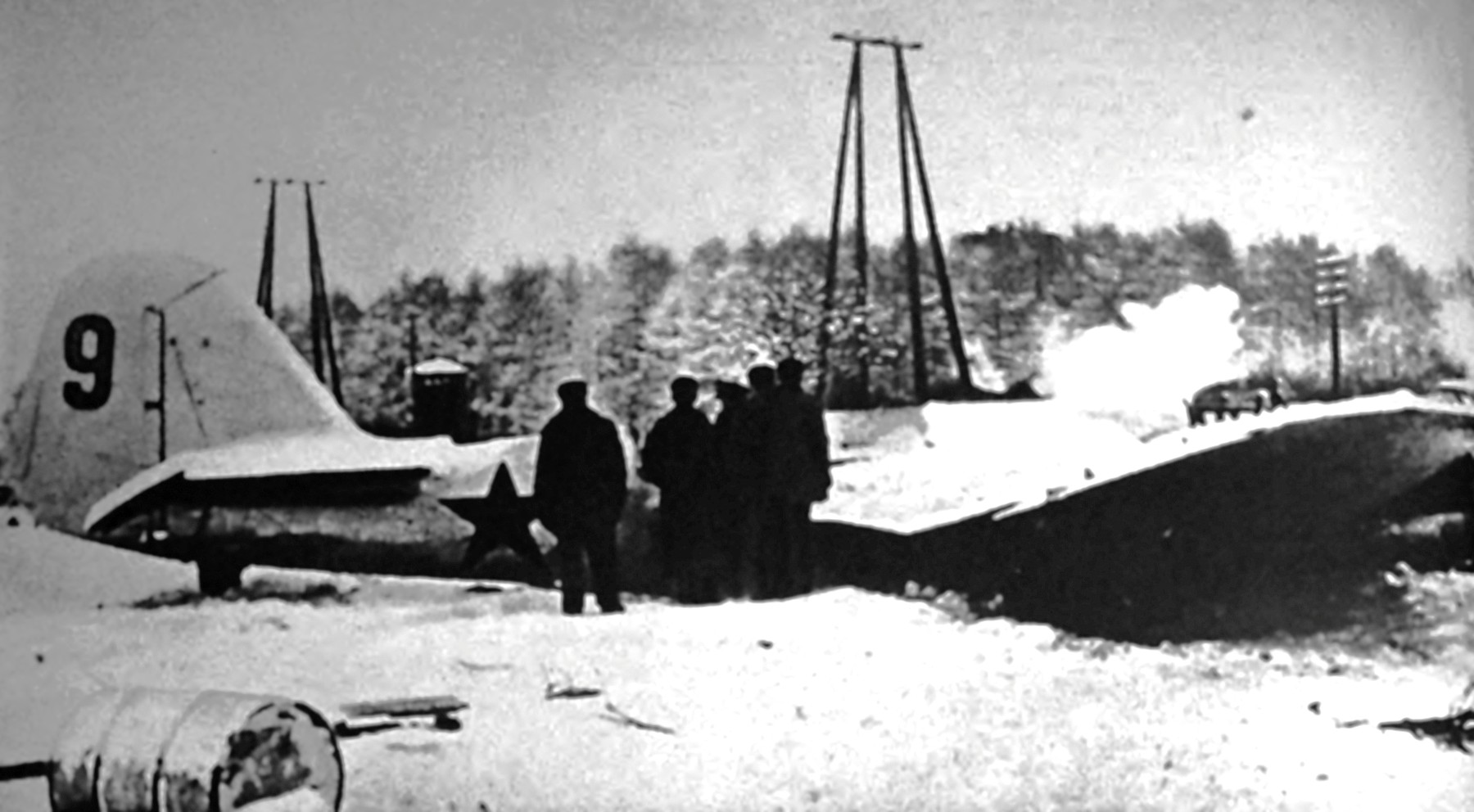
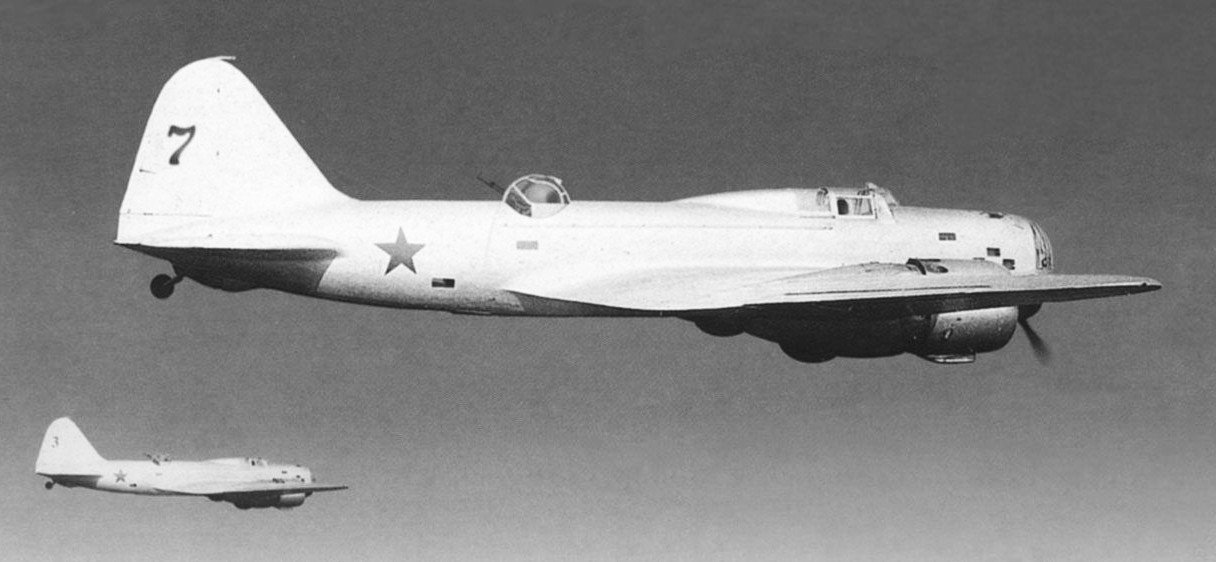
The Ilyushin DB-3, where “DB” stands for Dalniy Bombardirovshchik (Russian: Дальний бомбардировщик) meaning “long-range bomber”, is a Soviet bomber aircraft of the Second World WarI. It was a twin-engined, low-wing monoplane that first flew in 1935. 1,528 were built. The DB-3 was the precursor of the Ilyushin Il-4 (originally designated DB-3F).
(Soviet Air Force Photo)
Ilyushin DB-3 bombers.
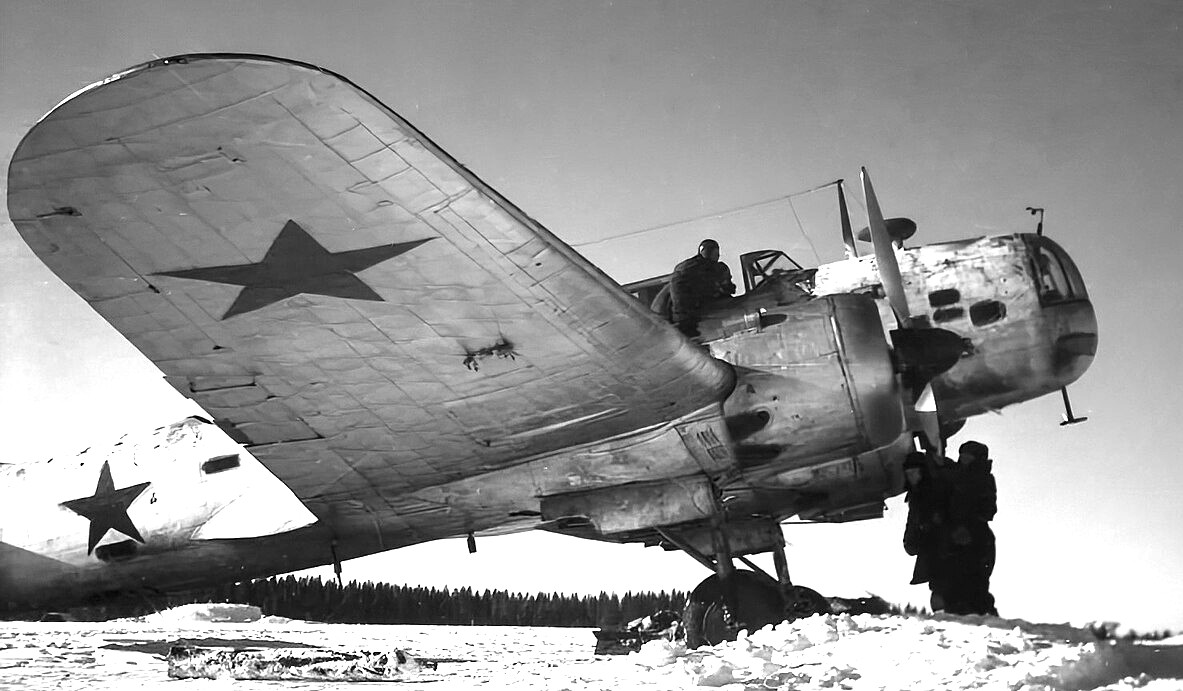
(Soviet Air Force Photo)
Aircrew and aircraft mechanics preparing a Soviet DB-3B long-range bomber of the 1st Guards Mine-Torpedo Aviation Regiment of the 8th Bomber Aviation Brigade of the Air Force of the Baltic Fleet for departure.