
US Navy Scout Cruisers: (CS-1) Chester, (CS-2) Birmingham, (CS-3) Salem, (CS-4) Omaha, (CS-5) Milwaukee, (CS-6) Cincinnati, (CS-7) Raleigh, (CS-8) Detroit, CS-9) Richmond, (CS-10) Concord, (CS-11) Trenton, (CS-12) Marblehead, (CS-13) Memphis
The use of fast armed merchant cruisers in the Spanish–American War and the fleet exercises of 1902-03 convinced the Navy that it needed fast scout cruisers. The Chester class was built in part to test high speed propulsion plants. The Omaha class would become the oldest U.S. cruisers to serve in the Second World War. Officially these ships were, e.g., “Scout Cruiser No. 1”, and sometimes abbreviated SC or SCR; on 8 August 1921 all would be reclassed as light cruisers. (Wikipedia)
Chester class
(CS-1) Chester (1908) – United States occupation of Veracruz, WW1; later CL-1
(CS-2) Birmingham (1908) – WW1, later CL-2
(CS-3) Salem (1908) – WW1, later CL-3
Omaha class
(CS-4) Omaha (laid down 1918) – later CL-4
(CS-5) Milwaukee (laid down 1918) – later CL-5
(CS-6) Cincinnati (laid down 1920) – later CL-6
(CS-7) Raleigh (ordered 1916) – later CL-7
(CS-8) Detroit (ordered 1916) – later CL-8
(CS-9) Richmond (laid down 1920) – later CL-9
(CS-10) Concord (ordered 1916) – later CL-10
(CS-11) Trenton (ordered 1916) – later CL-11
(CS-12) Marblehead (ordered 1916) – later CL-12
(CS-13) Memphis (ordered 1916) – later CL-13
(CS-1) Chester
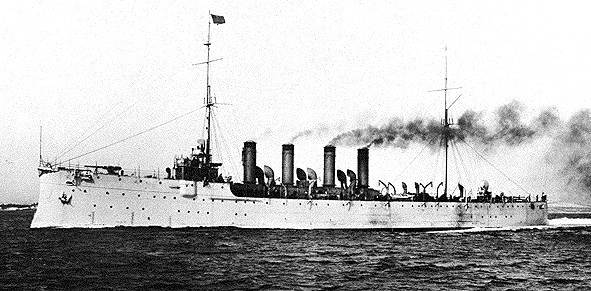
(USN Photo)
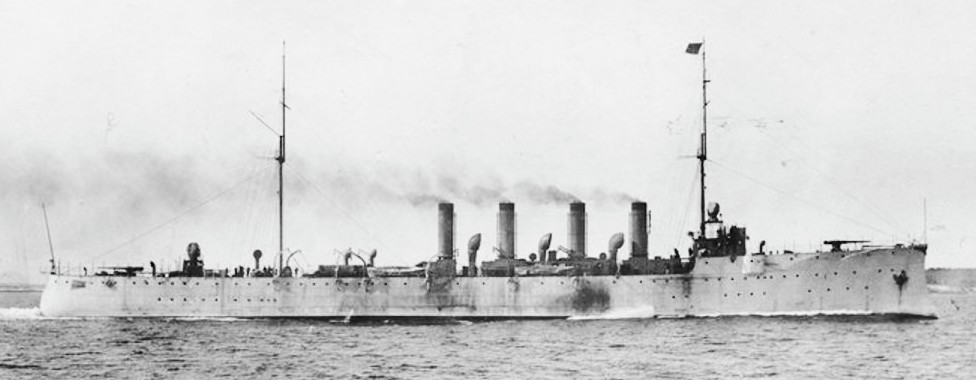
USS Chester (CS-1/CL-1) of the United States Navy was the first scout cruiser (CS) built for the Navy. In 1920, she was reclassified as a light cruiser (CL). She was launched on 26 June 1907, by Bath Iron Works, Bath, Maine, sponsored by Miss D. W. Sproul, and commissioned on 25 April 1908. She was named in honor of Chester, Pennsylvania. In July 1928, long since decommissioned, her name was changed to USS York, in honor of York, Pennsylvania. (Wikipedia)
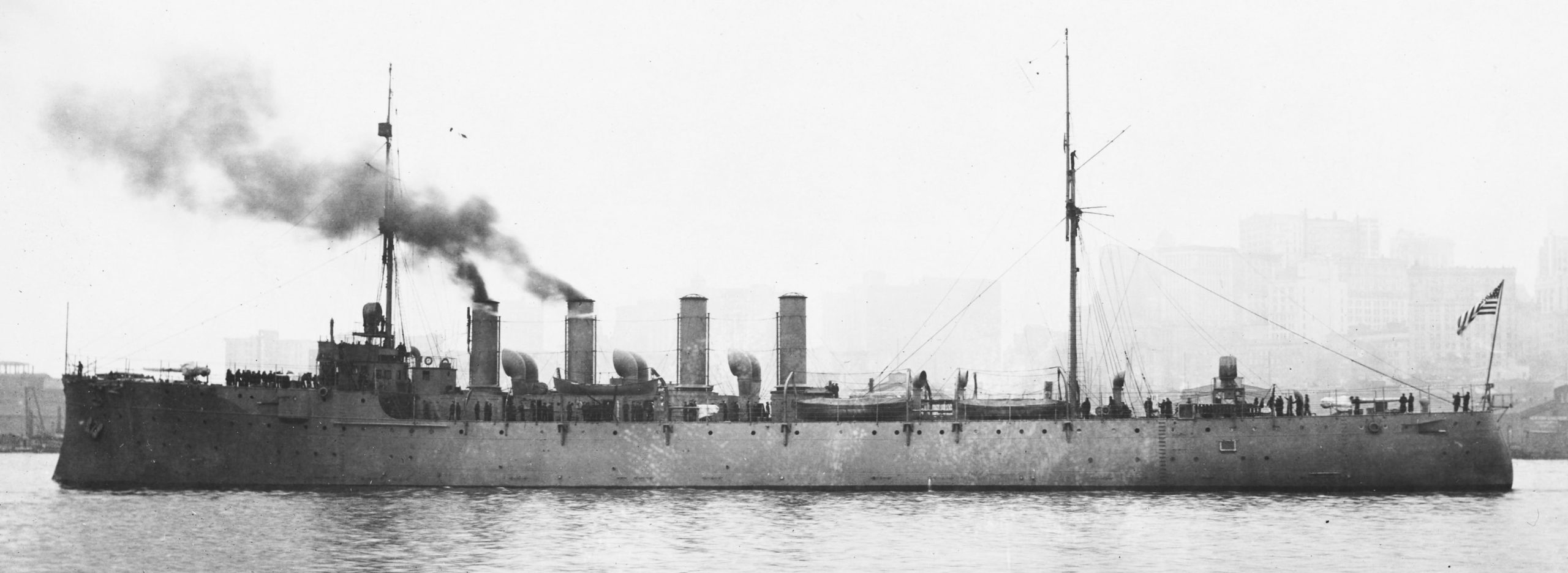
(National Archives Photo)
USS Chester (CS-1), April 1918.
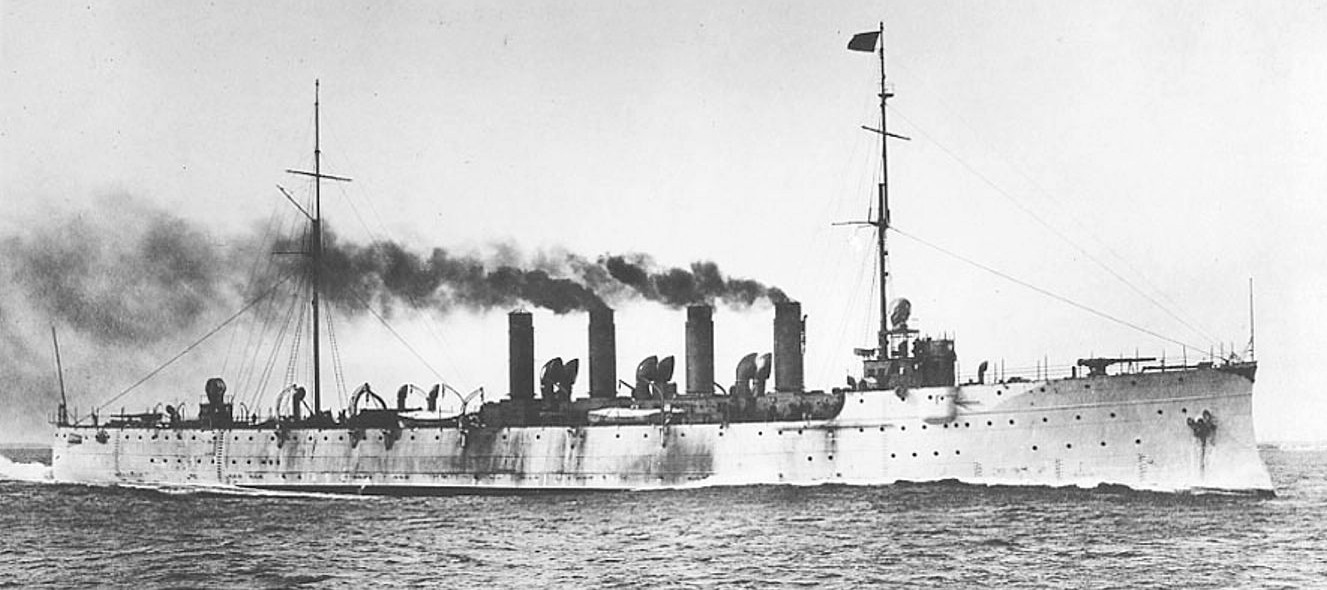
(National Archives Photo)
USS Chester (CS-1), c1908.
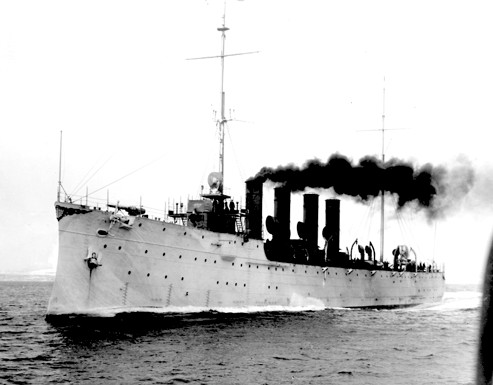
(Naval History and Heritage Command Photo)
USS Chester (CS-1) 1912.
(Historic New England Photo)
USS Chester (CS-1/CL-1), 28 Feb 1908.

(Historic New England Photo)
USS Chester (CS-1/CL-1), 28 Feb 1908.

(USN Photo)
USS Chester (CS-1), Barcelona, Spain, June 1915.
(CS-2) Birmingham
(U.S. Naval Historical Center Photo)
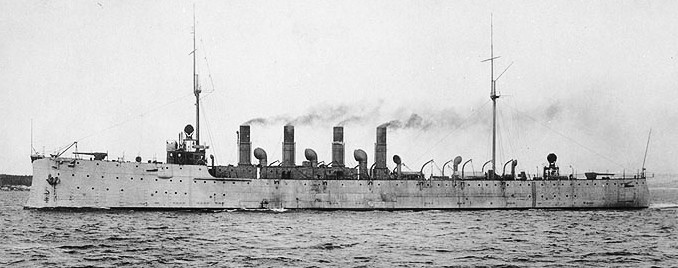
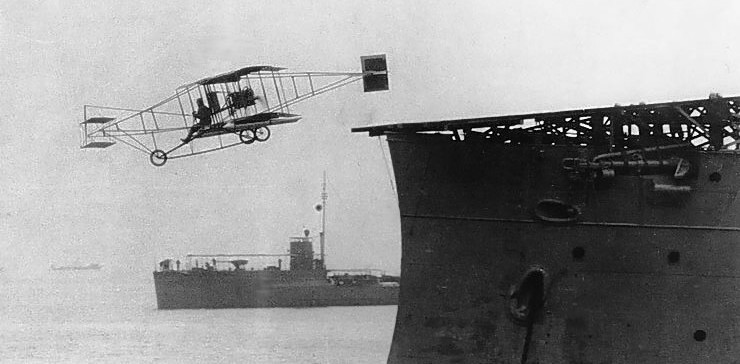
USS Birmingham (CS-2/CL-2), named for the city of Birmingham, Alabama, was a Chester-class scout cruiser, reclassified a light cruiser in 1920. Entering service in 1908, the ship became known for the first airplane takeoff from a ship in history in 1910. During the First World War, Birmingham escorted convoys across the Atlantic. The cruiser was decommissioned in 1923 and sold for scrap in 1930. (Wikipedia)
(USN Photo)
Eugene Burton Ely flies his Curtiss pusher biplane from USS Birmingham (CS-2), in Hampton Roads, Virginia, during the afternoon of 14 November 1910. USS Roe (D-24), serving as plane guard, is visible in the background.
(CS-3) Salem
(USN Photo)
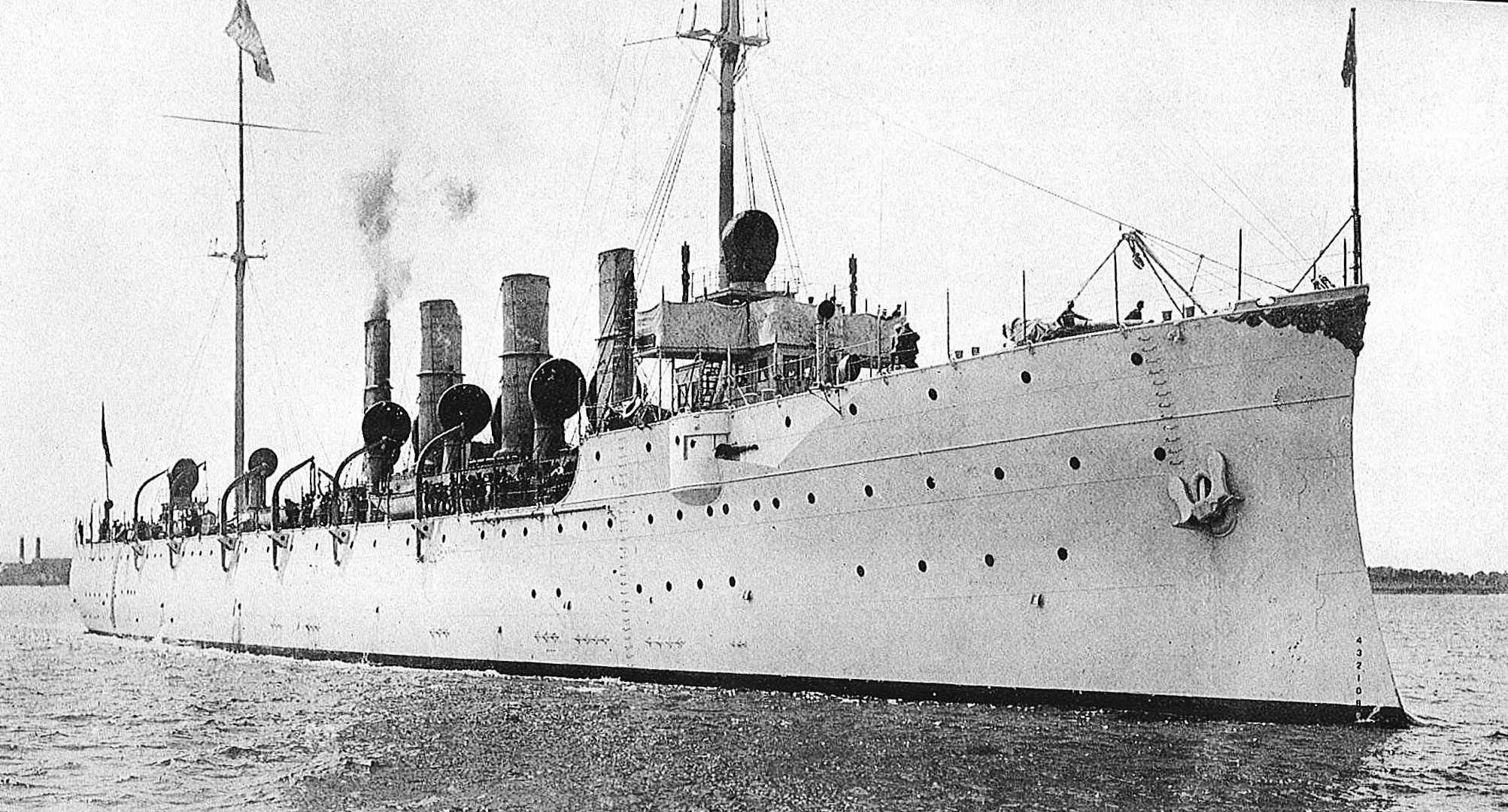
USS Salem (CS-3/CL-3), Scout Cruiser No. 3, was a Chester-class scout cruiser of the United States Navy. She was the first Navy ship named for the city of Salem, Massachusetts. Salem was laid down on 28 August 1905, by the Fore River Shipyard; launched on 27 July 1907, sponsored by Mrs. Lorna Pinnock; and commissioned on 1 August 1908. (Wikipedia)

(U.S, National Archives Photo)
USS Salem (CS-3), 1908.
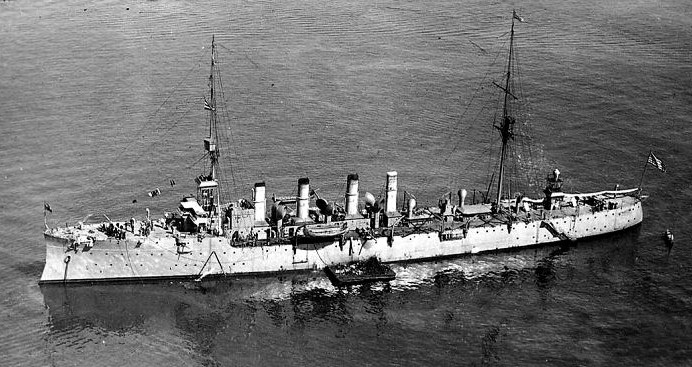
(USN Photo)
USS Salem (CS-3/CL-3).
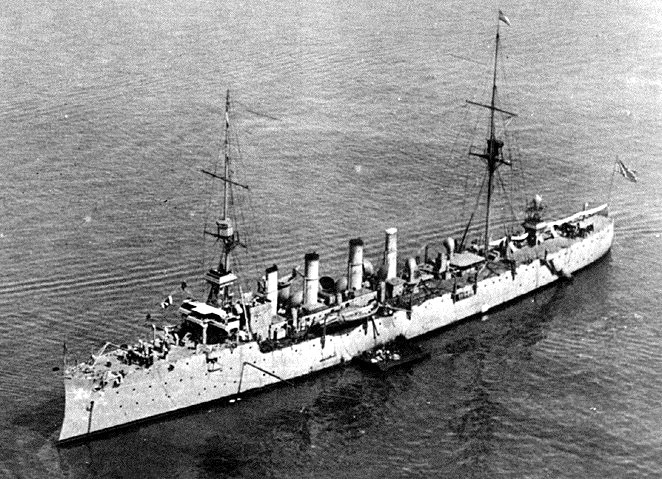
(USN Photo)
USS Salem (CS-3/CL-3).
(CS-4) Omaha

(USN Photo)
USS Omaha (CL-4) in New York Harbour, 10 February 1943.
USS Omaha (CL-4) was the lead ship of the Omaha-class light cruiser of the United States Navy. She was originally classified as a scout cruiser. She was the second US Navy ship named for the city of Omaha, Nebraska, the first being Omaha, a screw sloop launched in 1869.
Omaha spent most of her career in the Pacific. At this time her primary mission was training, and she proved to be very capable by consistently winning fleet awards in gunnery and communications. She made many ports-of-call throughout the Pacific, Mediterranean and Caribbean during her peacetime cruises, displaying the Stars and Stripes. In 1941, prior to the US entering the war, she was assigned to Neutrality Patrol in the Atlantic, based in Recife, Brazil. Nearly a month before the US entered the war she captured the German blockade runner SS Odenwald, for which her crew won an award in salvage from a federal court sitting as a court of admiralty.
After the US entered the war she continued her activities of guarding convoys in the Atlantic between South America and Western Africa. During this time she sank two German blockade runners and was responsible for rescuing many crewmen whose ships had been sunk by Axis submarines and merchant raiders. In 1944, she sailed for the Mediterranean to support Operation Dragoon, the invasion of the south of France. After the war she was quickly deemed surplus and scrapped at the Philadelphia Naval Shipyard in February 1946. (Wikipedia)

(USN Photo)
USS Omaha (CS-4) in harbour, 8 December 1923, her lower twin torpedo tubes visible and her aircraft catapults installed.

(USN Photo)
A U.S. Navy Vought UO-1 observation plane (BuNo. A-67–) at a naval air station, circa in the mid-1920s. The aircraft was assigned to the light cruiser USS Omaha (CL-4).
The Vought UO-1 was designed as a two-seat observation biplane for operation from ships of the United States Navy fleet, to be fitted with a single centre float and outrigger floats, to be catapulted off ships of the fleet and make unarmed reconnaissance, returning to the ship and landing on the open sea, being lifted on board by a derrick. The design was a development of the VE-7/9 series and was initially to be operated in the fighter role but as more specialised fighters were under development, it was built for more mundane duties. A total of 141 examples was completed and these were in service for some years on board ships of the American fleet, including Battleships and Cruisers.
The design initially was to be fitted with a 186 kw (250 hp) Aeromarine U-873 engine but by the time an order had been placed, the US Navy had decided to fit its aircraft with an air-cooled radial engine and a 149 kw (200 hp) Lawrance J-1 nine-cylinder radial engine was proposed, this engine later becoming the Wright J-1 when the Lawrance Aero Engine Corporation was taken over by the Wright Aeronautical Corporation.
The airframe was identical to the former fleet aircraft, the VE series, the wings and horizontal tail surfaces being interchangeable and, other than the fuselage of the UO-1 being rounded, a new engine and re-designed vertical tail surfaces, they were basically the same. By 1927 the aircraft were having their engines replaced with the 164 kw (220 hp) Wright J-5 engine which later became known as the Whirlwind. Eventually examples served with the US Coast Guard, these being fitted with the J-5 engine, and were used for chasing rum-runners during prohibition.
The prototype of the UO-1 first flew in 1922 and the type entered service with the US Navy fleet the following year, the first vessel equipped being the USS Richmond. They proved to be superior to other observation types which had been in service up to that time and the fleet’s fifteen Class 1 Battleships then in service were equipped with two or more UO-1s each. They were also placed on board the US Navy Scout Cruisers then entering service. A UO-1 was the first aircraft to be catapulted from a ship of the US fleet at night, this occurring on 26 November 1924 from the USS California in San Diego harbour. Twelve examples were supplied to Cuba as the QO-1, and a further two to Peru as the UO-1A. A UO-1 was also the first aircraft to be picked up on a hook in mid-air by the US Navy dirigible, the USS Los Angeles, in 1929. The type was retired by 1933.
In July 1925 ships of the US Navy Pacific fleet visited ports along the Australian east coast, sailing into Sydney Harbour, NSW on 23 July. This fleet consisted of three Battleships, six Cruisers and supporting vessels, the vessels including the USS Maryland, USS California, USS Colorado, USS Tennessee, USS Virginia, USS New Mexico, USS Mississippi and USS Idaho. When the fleet reached Port Phillip Bay in Melbourne, VIC six of the UO-1 seaplanes were flown off and landed on the bay, being drawn up on the beach at Point Cook, VIC. The fleet continued up Australi’s eastern seaboard, leaving Sydney on 6 August and proceeding to New Zealand, where they visited Lyttleton and Wellington before returning to the United States. No examples of the type have survived but a replica has been built in the United States by members of the Vought Aircraft Heritage Foundation. (aeropedia)
(USN Photo)

(CS-5) Milwaukee

(USN Photo)
USS Milwaukee (CL-5) off New York City, ca. August 1943.
USS Milwaukee (CL-5) was an Omaha-class light cruiser built for the United States Navy during the 1920s. The ship spent most of her early career assigned to the Asiatic and Battle Fleets. In 1941, she was assigned to the Neutrality Patrol until she was refitted in New York in late 1941. She escorted a troop convoy to the Pacific in early 1942 before returning to the South Atlantic where she patrolled for German commerce raiders and blockade runners. In November, she intercepted one of the latter, but she scuttled herself before it could be captured. In 1944, she was temporarily transferred to the Soviet Navy and commissioned as Murmansk. The ship was returned by the Soviets in 1949 and sold for scrap in December. (Wikipedia)

(USN Photo)
USS Milwaukee at Tacoma, Washington 1923. Note the narrow beam of this class.

(USN Photo, 8 March 1949)
On 20 April, the ship was transferred on loan to the Soviet Northern Fleet in Murmansk. She was commissioned in the Soviet Navy as Murmansk and performed convoy and patrol duty in the Arctic Ocean for the remainder of the war. Afterward, she became a training ship and participated in the 1948 fleet maneuvers.[18] On 16 March 1949, Milwaukee was transferred back to the United States. She was the first of 15 American warships returned by the Soviet Union. She entered the Philadelphia Naval Shipyard on 18 March 1949, and was sold for scrapping on 10 December to the American Shipbreakers, Inc. of Wilmington, Delaware.

(USN Photo)
The Soviet light cruiser Murmansk (formerly USS Milwaukee (CL-5)) alongside the Soviet passenger steamer Viacheslav Molotov, off Lewes, Delaware (USA), on 15 March 1949, just prior to her return to U.S. control. The Molotov returned the cruiser’s crew to the Soviet Union.

(U.S. Naval Historical Center Photo)
USS Milwaukee (CL-5) Off Lewes, Delaware, on 16 March 1949, just after she was returned to the U.S. Navy by the Soviet Union. She had served as the Soviet Navy ship Murmansk since April 1944. By the time this photograph was taken, Milwaukee had been repainted to remove the Soviet-style white waterline stripe.
(CS-6) Cincinnati

(USN Photo)
USS Cincinnati (CL-6) in New York Harbour, on 22 March 1944.
USS Cincinnati (CL-6), was the third Omaha-class light cruiser, originally classified as a scout cruiser, built for the United States Navy. She was the third Navy ship named after the city of Cincinnati, Ohio, the first being Cincinnati, an ironclad commissioned in 1862, during the Civil War, and the second being Cincinnati, a protected cruiser, that was decommissioned in 1919.
Cincinnati split her pre-war career between the Atlantic and the Pacific fleets. She served in the Scouting Fleet, based in the Atlantic, in 1924 to 1927, During which she obtained 2 Animals the crew would soon name Whiffles and Soup and would quickly become the vessels mascots, both would be seen sitting in her fore 6-inch (150 mm)/53 caliber turret. She would serve in the Pacific for a brief time in 1925 for fleet maneuvers. Cincinnati joined the Asiatic Fleet in 1927, and returned to the Atlantic from 1928 to 1932. She continued to go back and forth between oceans until March 1941, when she was assigned to Neutrality Patrol in the western Atlantic.
When the United States entered World War II she was assigned to TF41, based at Recife, and used on convoy escort duties and patrols in the south Atlantic. In 1944, she sailed for the Mediterranean to support Operation Dragoon, the invasion of the south of France. After the war, she was deemed surplus and scrapped at the Philadelphia Naval Shipyard in February 1946. (Wikipedia)

(U.S. National Archives Photo)
USS Cincinnati (CL-6) New York Harbour 22 March 1944.


(City of Vancouver Archives Photo)
Twin 6-inch gun turret on the USS Cincinnati (CL-6), Vancouver, British Columbia, 1937.
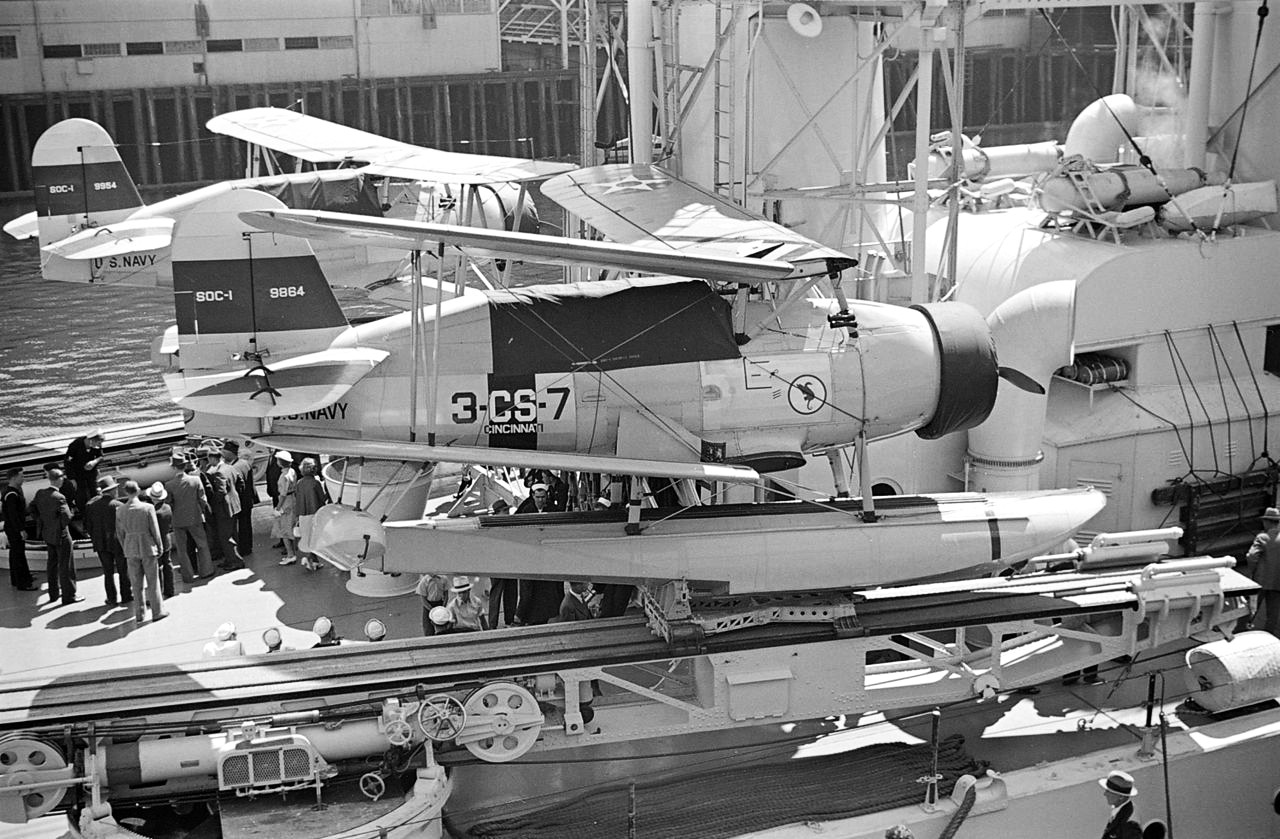
(City of Vancouver Archives Photo)
Curtiss SOC Seagull biplane reconnaissance floatplanes on catapults aboard USS Cincinnati at Vancouver, British Columbia, 1937.

(City of Vancouver Archives Photo)
Curtiss SOC Seagull biplane reconnaissance floatplanes on catapults aboard USS Cincinnati at Vancouver, British Columbia, 1937.
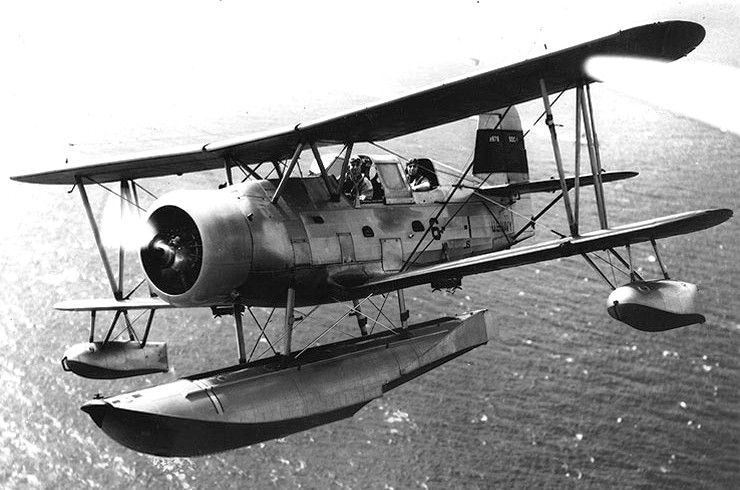
(USN Photo)
U.S. Navy Curtiss SOC-1 Seagull scout-observation aircraft (BuNo. 9979) in flight, 2 July 1939. The Curtiss SOC Seagull was an American single-engined scout observation seaplane, designed by Alexander Solla of the Curtiss-Wright Corporation for the United States Navy. The aircraft served on battleships and cruisers in a seaplane configuration, being launched by catapult and recovered from a sea landing. The wings folded back against the fuselage for storage aboard ship. When based ashore or on carriers the single float was replaced by fixed wheeled landing gear.
Curtiss delivered 258 SOC aircraft, in versions SOC-1 through SOC-4, beginning in 1935. The SOC-3 design was the basis of the Naval Aircraft Factory SON-1 variant, of which the NAF delivered 64 aircraft from 1940. The aircraft served as an important observation craft during the Second World War for the U.S. Navy, although the Vought OS2U Kingfisher served in greater numbers. (Wikipedia)
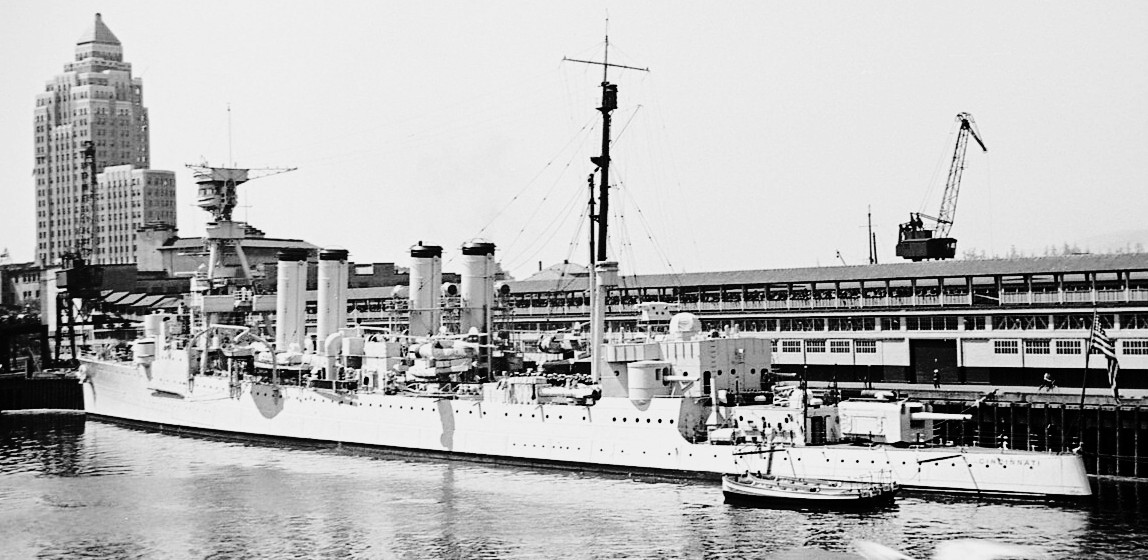
(City of Vancouver Archives Photo)
USS Cincinnati at Pier B-C, Vancouver. Photograph shows the Marine Building in left background, 1937.


(USN Photo)
USS Cincinnati (CL-6) in harbour, c. the mid-1920s, with the lower torpedo tubes openings still visible.

(U.S. National Archives Photo)
USS Cincinnati (CL-6) underway off New York City, 8 July 1942. The ship is painted in a Measure 12 Revised camouflage pattern, designed to break up its profile.
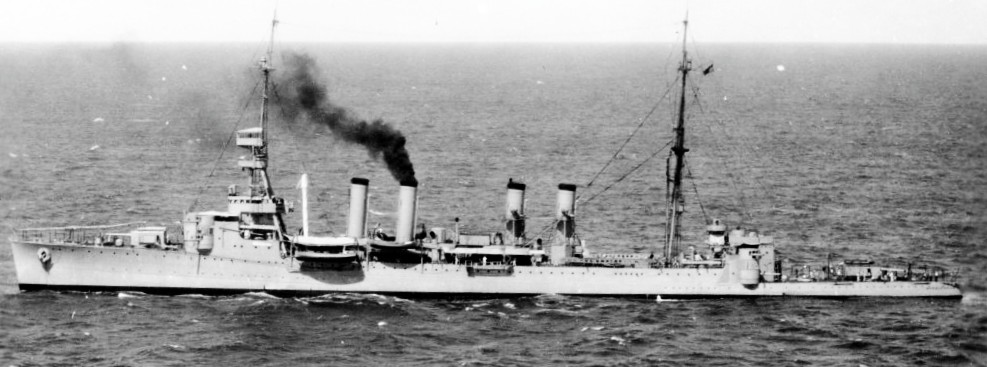
(SDASM Photo)
USS Cincinnati (CL-6)
(CS-7) Raleigh

(USN Photo)
USS Raleigh (CL-7) off the Mare Island Naval Shipyard, California (USA), 6 July 1942, following repair of combat damage and an overhaul.
USS Raleigh (CL-7) was the fourth Omaha-class light cruiser, originally classified as a scout cruiser, built for the United States Navy. She was the second Navy ship named for the city of Raleigh, North Carolina, the first being the protected cruiser Raleigh, commissioned in 1894, and decommissioned in 1919.
Raleigh spent most of her pre-war career in the Atlantic. Her first duty was to assist in the USAAS’s first aerial circumnavigation of the world in 1924. In 1936, Raleigh joined Squadron 40-T in neutrality patrols during the Spanish Civil War where she would serve until 1938, when she would be transferred to the Pacific. This led her to be fatefully moored in Pearl Harbor at berth F-12 on the morning of 7 December 1941, where she took a torpedo in her No. 2 boiler room and claimed five victories with her anti-aircraft batteries with no loss of life. (Wikipedia)

(USN Photo)
USS Raleigh (CL-7), off the Puget Sound Naval Shipyard, Bremerton, Washington (USA), 25 May 1944, following overhaul. The ship is painted in Camouflage Measure 32, Design 1d.

(USN Photo)
USS Raleigh (CL-7) listing after the torpedo hit at Pearl Harbor. The capsized hull of USS Utah can be seen in the right background.
(CS-8) Detroit

(USN Photo)
USS Detroit (CL-8) off Port Angeles, Washington (USA), on 14 April 1944. Her camouflage is Measure 33, Design 3D.
USS Detroit (CL-8) was an Omaha-class light cruiser, originally classified as a scout cruiser, of the United States Navy. She was the fourth Navy ship named for the city of Detroit, Michigan. She spent her first eight years as part of the Scouting Fleet either in the Atlantic or Mediterranean. Her first duty was to assist in the USAAS’s first aerial circumnavigation of the world in 1924 and transported the United States Secretary of State Frank B. Kellogg, in 1927, from Ireland to France for the negotiations that led to the signing of the Kellogg-Briand Pact. In 1931 she joined the Battle Force, where her home port was San Diego until moving to Pearl Harbor in 1941. Detroit was moored next to her sister Raleigh when the Japanese attacked on the morning of 7 December 1941. She would remain in operation in Alaskan waters until 1945, where she would subsequently be moved into the Pacific theater, participating in the Battle of Okinawa and being present for the Japanese surrender. She would be sold for scrap in February of 1946. (Wikipedia)

(USN Photo)
U.S. Navy Curtiss SOC-1 Seagull (BuNo. 9875) off the light cruiser USS Detroit (CL-8) pictured on the ground at a civilian airport, circa 1936. This plane was later lost on 1 July 1943 in the South Pacific while being assigned to USS Denver (CL-58).
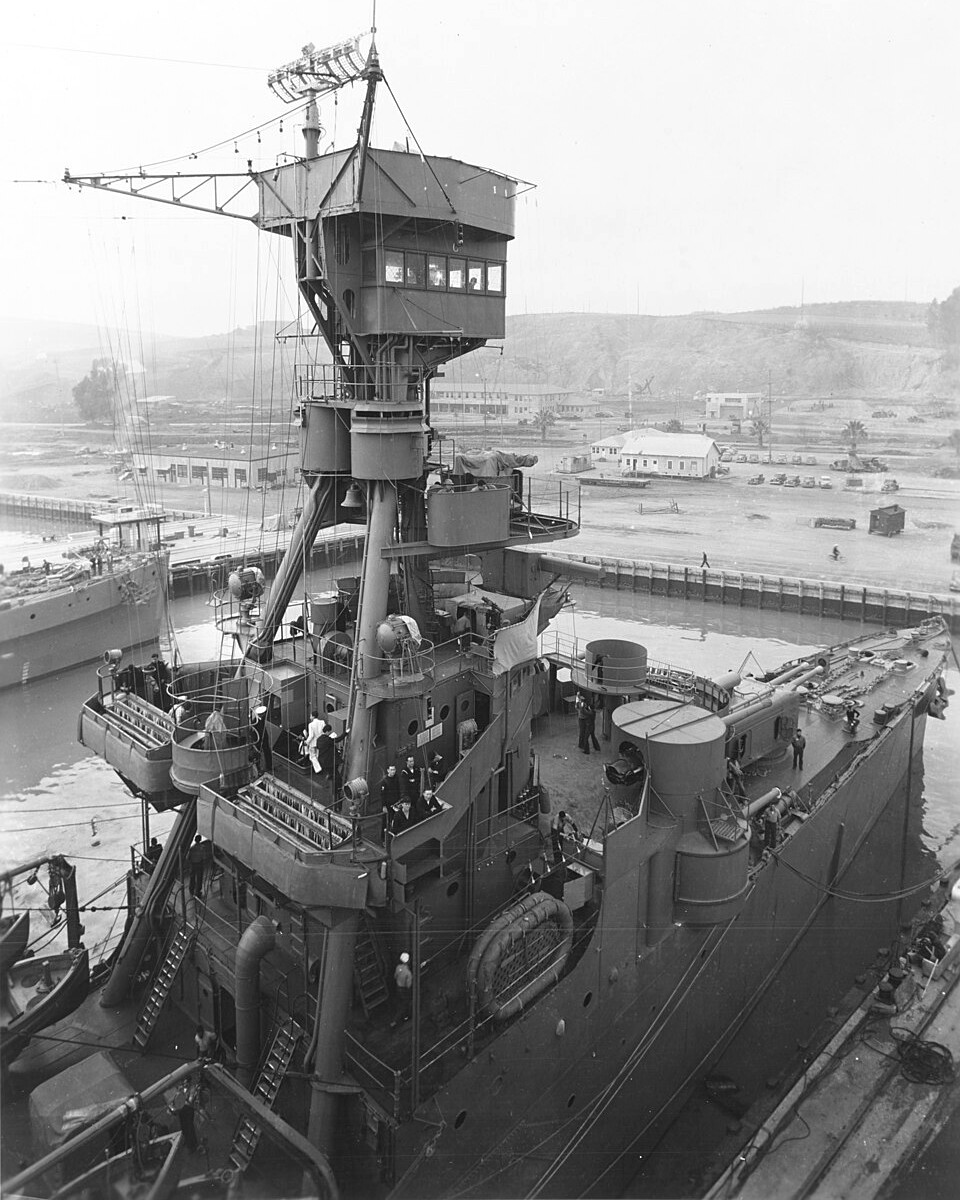
Plan view of the USS Detroit (CL-8)’s forward superstructure and bow area, taken at the Mare Island Navy Yard, California, 18 February 1942. Note Detroit’s tripod foremast, signal flag bins and 6/53 guns in casemate mounts.

(USN Photo)
USS Detroit (CL-8) at the Mare Island Navy Yard, California, 15 August 1942. Note her after 6/53 guns and men lounging on the fantail. Circles mark recent alterations to the ship. Destroyers in the background include USS Preston (DD-379), at right, and USS Conyngham (DD-371), at left. On the far side of the pier from them are USS Caldwell (DD-605), in the far center distance beyond Preston’s bow, and USS Walke (DD-416), at left beyond Conyngham. YOS-1 is in the far right distance.

(USNMNA Photo)
USS Detroit (CL-8) and two fleet oilers in the Pacific Ocean in 1945. Detroit cleared San Francisco, California (USA), on 16 January 1945, and arrived at Ulithi on 4 February for duty with the 5th Fleet. She acted as flagship for the replenishment group serving the Fast Carrier Task Force until the end of the war, and entered Tokyo Bay on 1 September. Detroit was one of two ships present at both Pearl Harbor on 7 December 1941 and at the signing of the Japanese surrender (the other being USS West Virginia (BB-48)).
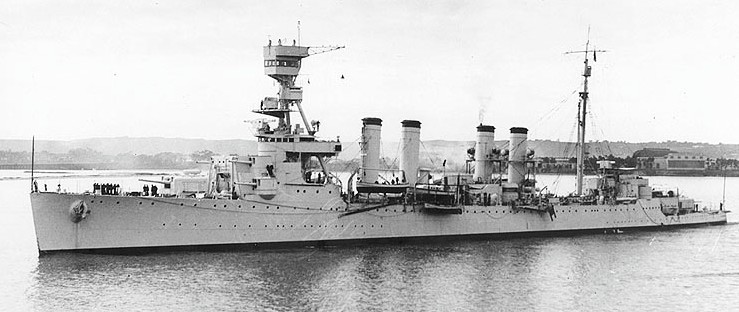
(USN Photo)
USS Detroit (CL-8) in the harbour at San Diego, California, 10 January 1935.
CS-9) Richmond

(USN Photo)
USS Richmond (CL-9) off the Puget Sound Navy Yard, Bremerton, Washington on 24 June 1944. Her camouflage is measure 32, design 3d.
USS Richmond (CL-9) was an Omaha-class light cruiser, originally classified as a scout cruiser, of the United States Navy. She was the third Navy ship named for the city of Richmond, Virginia. Richmond was originally authorized on 29 August 1916, and awarded to William Cramp & Sons, Philadelphia on 30 July 1917. She was laid down on 16 February 1920, and launched on 29 September 1921, sponsored by Miss Elizabeth S. Scott. Richmond was commissioned on 2 July 1923, with Captain David F. Boyd in command. (Wikipedia)

(USN Photo)
USS Richmond (CL-9) making 32.5 knots off Philadelphia, Pennsylvania, during trials on 11 May 1923.
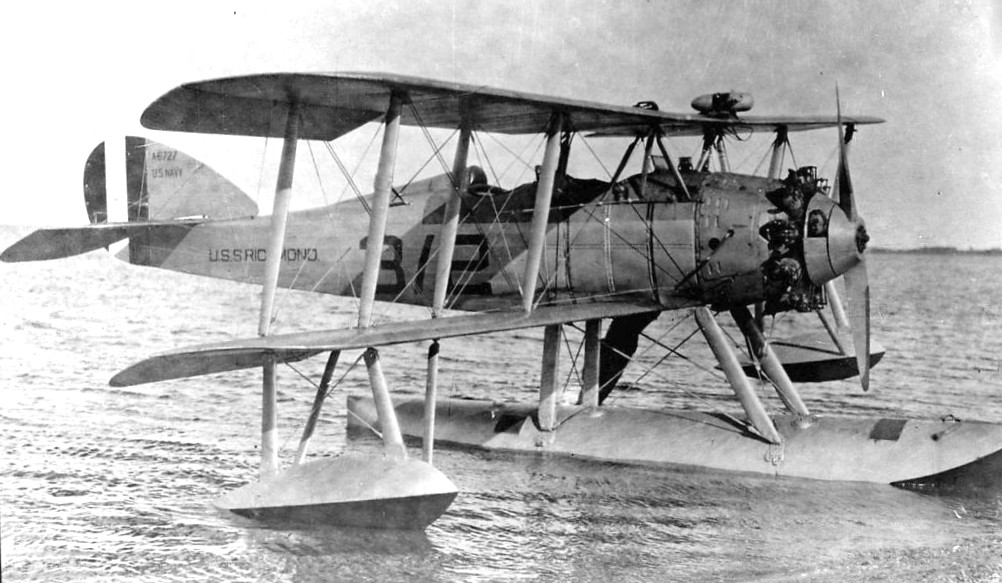
((RAAF Museum Photo)
Vought UO-1 floatplane (Serial No. A6727) from the US Navy vessel USS Richmond visiting RAAF Point Cook Air Base, VIC in July 1925.

(U.S. Naval History and Heritage Command Photo)
Scouting Squadron Five. Those on left are attached to USS Richmond (CL-9). That at right is from USS Cincinatti (CL-6).

(USN Photo)
USS Richmond (CL-9) off the Puget Sound Naval Shipyard, Bremerton, Washington, 24 June 1944. Her camouflage is Measure 32, Design 3d.
(CS-10) Concord

(USN Photo)
USS Concord (CL-10) off the Panama Canal Zone on 14 March 1944.
USS Concord (CL-10) was an Omaha-class light cruiser, originally classified as a scout cruiser, of the United States Navy. She was the fourth Navy ship named for the town of Concord, Massachusetts, the site of the first battle of the American Revolution. She spent the first nine years of her career in the Atlantic as part of the Scouting Force. Concord transferred to the Pacific in 1932 and spent the rest of her career, except for the winter of 1938–1939, stationed there. Her home port moved to Pearl Harbor in April 1940, but she escaped the attack on Pearl Harbor because she was in San Diego for an overhaul. (Wikipedia)

(USN Photo)
USS Concord (CL-10) underway in Puget Sound, Washington (USA), on 1 November 1944. Her camouflage is Measure 33, Design 2F.

(USN Photo)
USS Concord (CL-10) underway at sea in 1932.
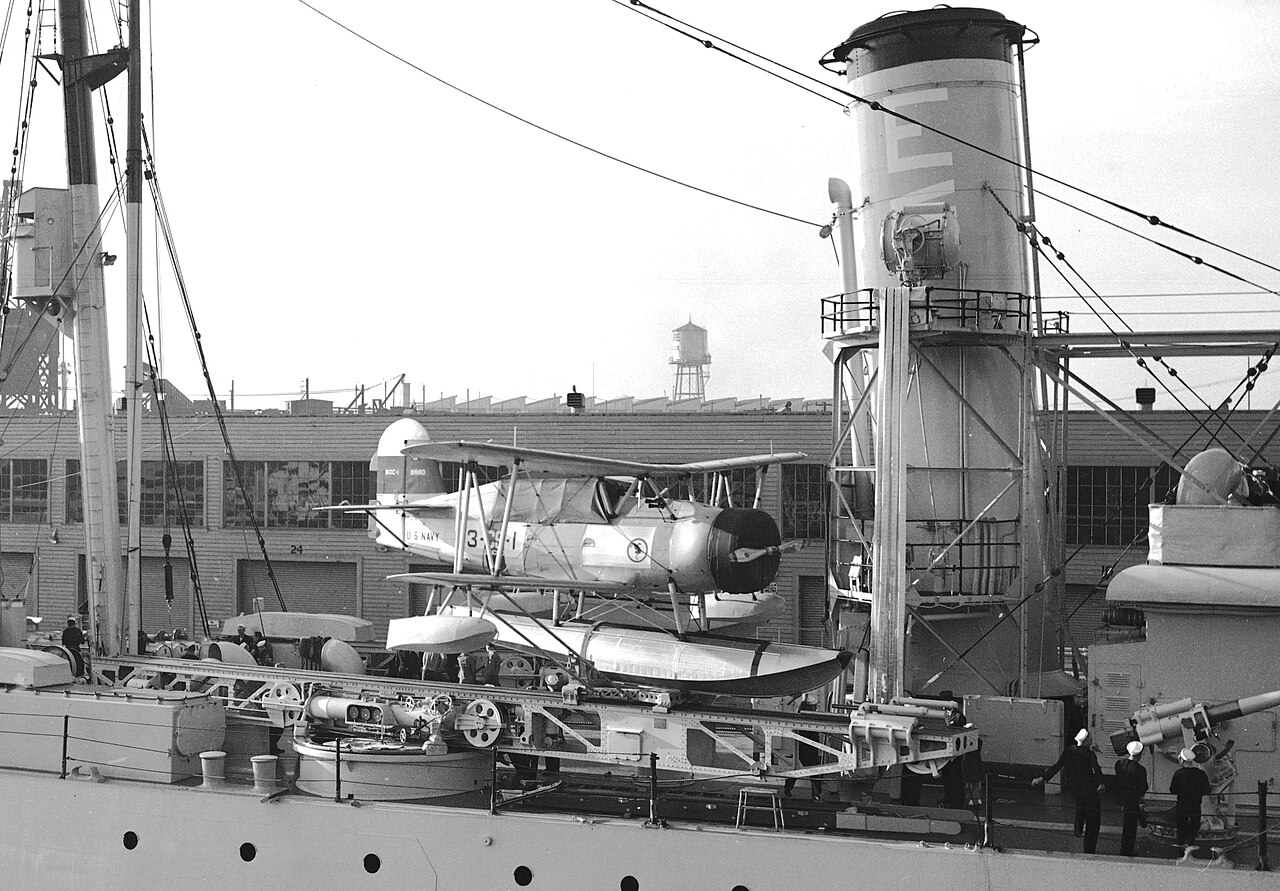
(Bill Larkins Photo)
Curtiss SOC-1 on its catapult on the Light Cruiser USS Concord (CL-10) at the Port of Oakland, California in 1937.

(USN Photo)
U.S. Navy Vought O2U-1 Corsair floatplane (BuNo A7819) from Scouting Squadron 6 on the port catapult of the light cruiser USS Concord (CL-10), in 1932.
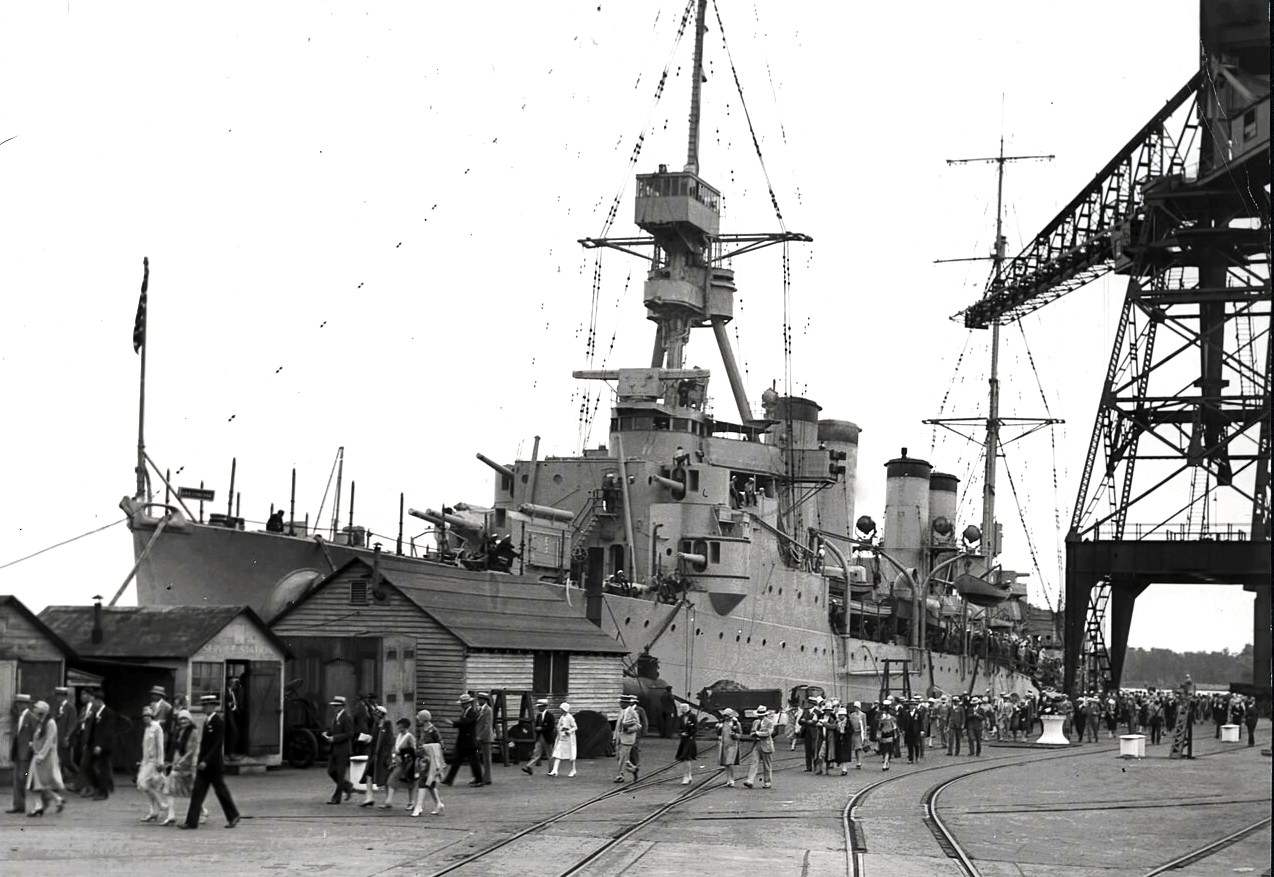
(Harley Flowers Photo)
USS Concord (CL-10), taken 22 June, 1928. The ship is shown allowing tours by visitors.
(CS-11) Trenton
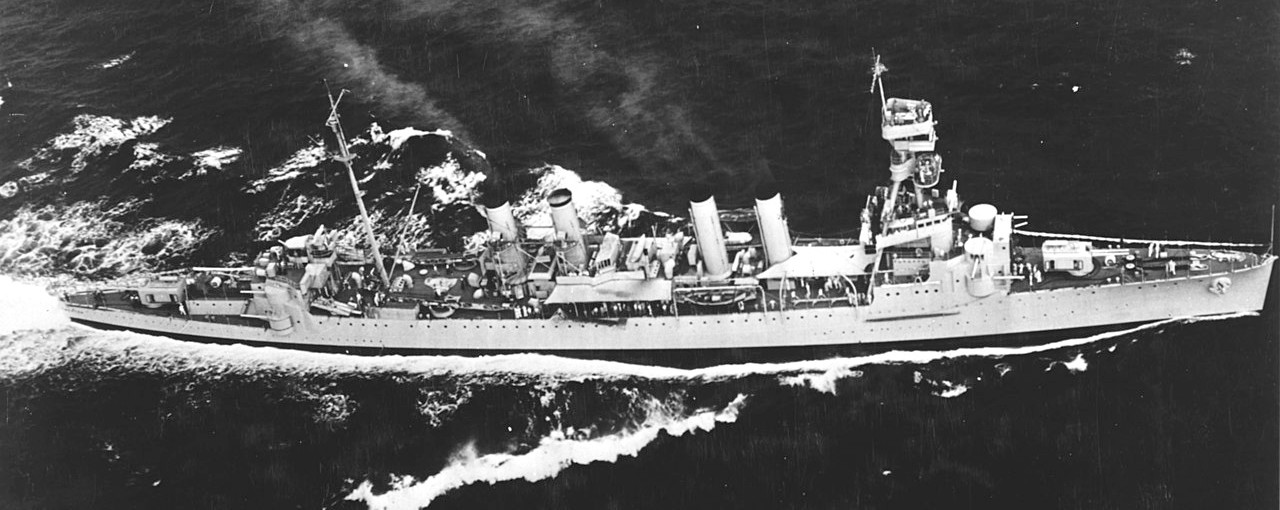
(USN Photo)
USS Trenton (CL-11) underway at sea on 23 October 1935.
USS Trenton (CL-11) was an Omaha-class light cruiser, originally classified as a scout cruiser, of the United States Navy. She was the second Navy ship named for the city of Trenton, New Jersey. She spent most of her pre-war career moving between the Atlantic and the Pacific. Trenton joined the Special Service Squadron in 1934, for a good-will tour of Latin America. In May 1939, she would join Squadron 40-T in protecting American interests during the Spanish Civil War and didn’t return to the US until July 1940, when she carried the royal family of Luxembourg, fleeing from the Nazi occupation of their country. (Wikipedia)

(USN Photo)
USS Trenton (CL-11) in San Francisco Bay, California, on 11 August 1944. She is wearing Camouflage Measure 33, Design 2F.
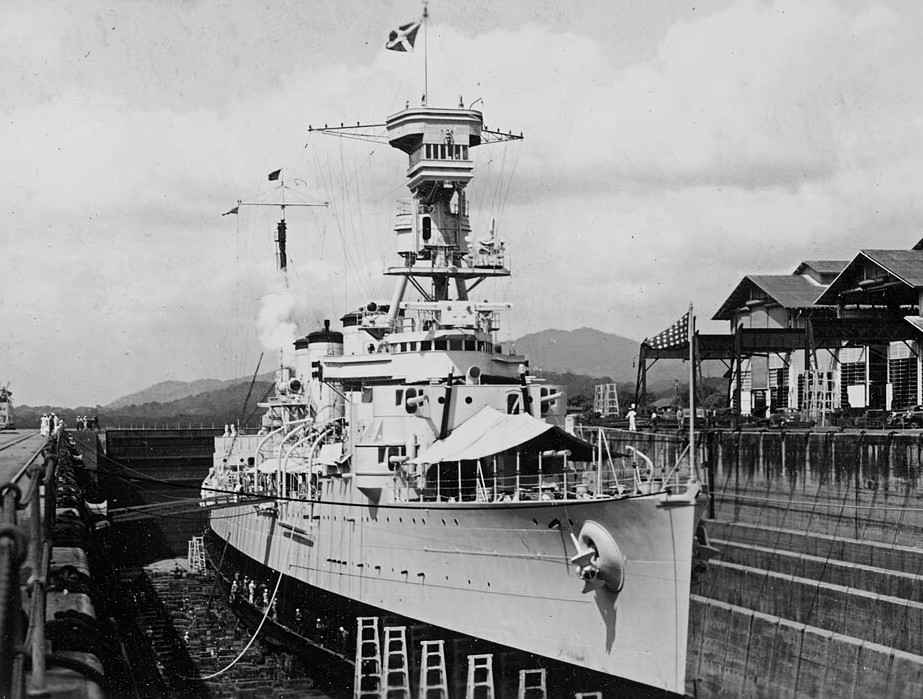
(Harley Flowers Photo)
USS Trenton (CL-11) in drydock in the Canal Zone about 1935.
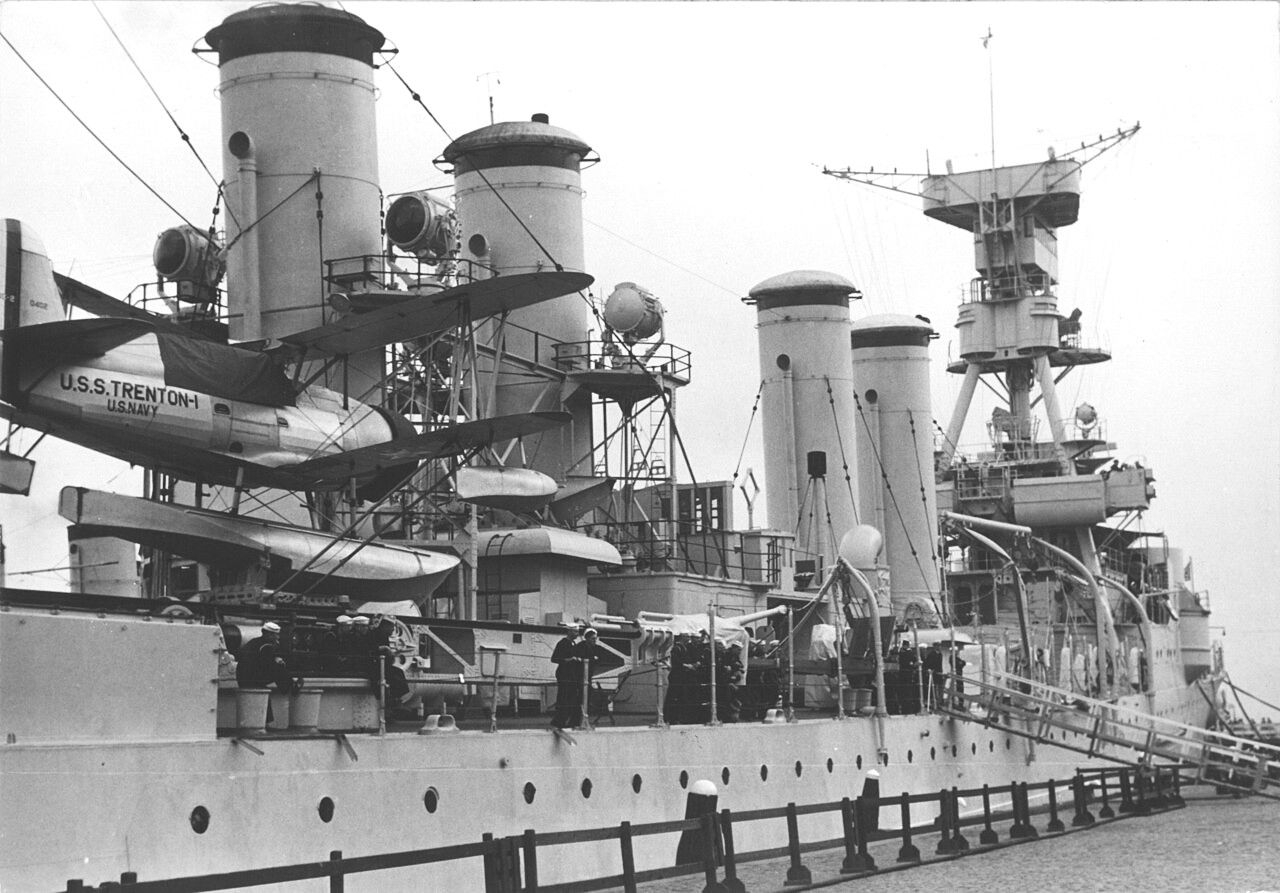
(Henk Wanink Photo)
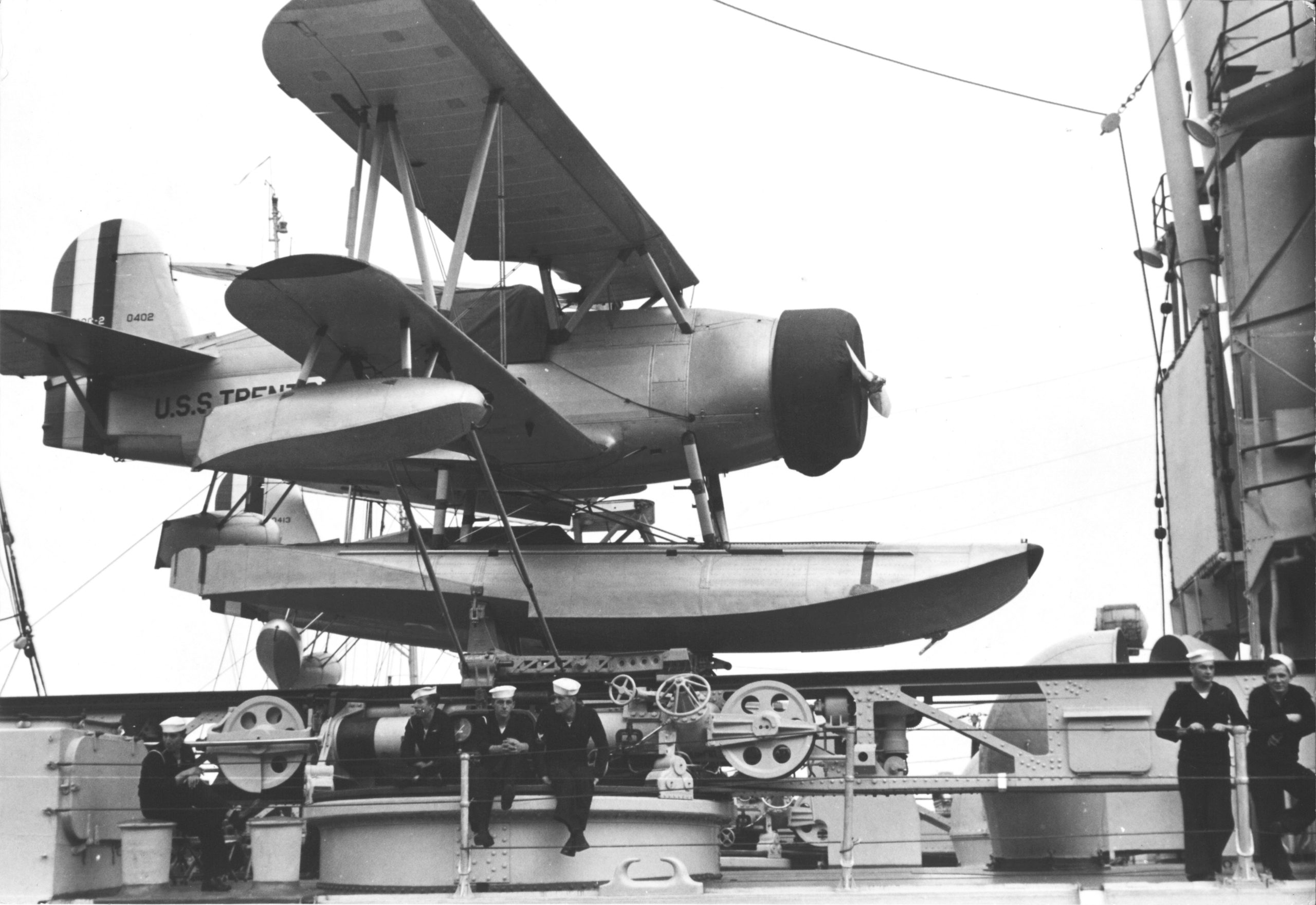
(Henk Wanink Photo)
(CS-12) Marblehead

(USN Photo)
USS Marblehead (CL-12) underway in San Diego harbor, California, on 10 January 1935.
USS Marblehead (CL-12) was an Omaha-class light cruiser, originally classified as a scout cruiser, of the United States Navy. She was the third Navy ship named for the town of Marblehead, Massachusetts. Marblehead was authorized on 1 July 1918, and assigned to William Cramp & Sons, Philadelphia on 24 January 1919. She was laid down on 4 August 1920, and launched on 9 October 1923, sponsored by Mrs. Joseph Evans. Marblehead was commissioned on 3 November 1923, with Captain Chauncey Shackford in command. (Wikipedia)

(USN Photo)
USS Marblehead (CL-12) steaming at top speed during trials, 15 August 1924.

(U.S. National Archives Photo)
USS Marblehead (CL-12) underway at sea on 10 January 1933.
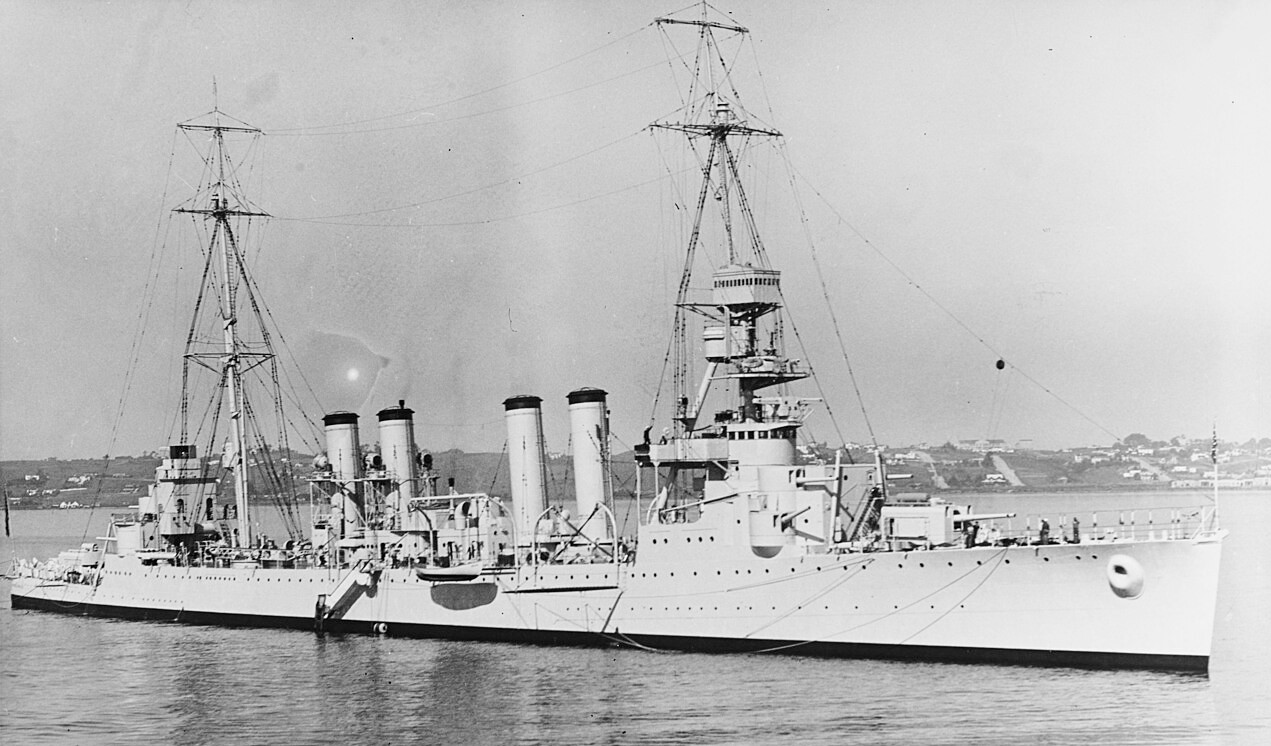
(U.S. Naval History and Heritage Command Photo)
USS Marblehead (CL-12) circa the early 1930s, probably at San Diego, California.

(U.S. Naval History and Heritage Command Photo)
USS Marblehead (CL-12) off New York City, 11 October 1942.
“About on 24 November 1941,” her war diary reported, “the Commander–in–Chief, US Asiatic Fleet sensed that the relations between the United States and Japan had reached such a critical state that movement of men–of–war…was indicated.” The next day, Marblehead, with Task Force 5 (TF 5), departed Manila Bay for seemingly “routine weekly operations.” She anchored at Tarakan, Borneo on 29 November, and waited for further instructions. On 8 December, (7 December in the United States) she received the message “Japan started hostilities; govern yourselves accordingly.”
Marblehead and other American warships then joined with those of the Royal Netherlands Navy and the Royal Australian Navy to patrol the waters surrounding the Netherlands East Indies and to screen Allied shipping moving south from the Philippines. On the night of 24 January 1942, Marblehead covered the withdrawal of a force of Dutch and American warships after they had attacked, with devastating effect, an enemy convoy off Balikpapan. Six days later, in an attempt to repeat this success, the force departed Surabaja, Java, to intercept an enemy convoy concentration at Kendari. The Japanese convoy, however, sailed soon after, and the Allied force changed course, anchoring in Bunda Roads on 2 February. On 4 February, the ships steamed out of Bunda Roads and headed for another Japanese convoy sighted at the southern entrance to the Makassar Straits. At 09:49, 36 enemy bombers were sighted closing in on the formation from the east.
In the ensuing Battle of Makassar Strait, Marblehead successfully maneuvered through three attacks. After the third, an enemy plane spiraled toward the cruiser, but her gunners shot it down. The next minute a fourth wave of seven bombers released bombs at Marblehead. Two were direct hits and a third a near miss close aboard the port bow causing severe underwater damage. Fires swept the ship as she listed to starboard and began to settle by the bow. Her rudder jammed, Marblehead, continuing to steam at full speed, circled to port. Her gunners kept firing, while damage control crews fought the fires and helped the wounded. By 1100, the fires were under control. Before noon the enemy planes departed, leaving the damaged cruiser with 15 dead or mortally wounded and 84 seriously injured.

(USN Photo)
USS Marblehead in February 1942 showing bomb damage received in the Battle of Makassar Strait.
Marblehead’s engineers soon released the rudder angle to 9° left, and at 12:55, she retired to Tjilatjap, steering by working the engines at varying speeds. She made Tjilatjap with a forward draft of 30 feet (9.1 m), aft 22 feet (6.7 m). Unable to be docked there, her worst leaks were repaired and she put to sea again on 13 February. Some of her wounded crew were taken off the ship to be cared for by Dr Corydon M. Wassell; he received the Navy Cross for protecting them from capture by the invading Japanese. When the ship left Tjilatjap it was on the first leg of a voyage of more than 21,589 miles (34,744 km) in search of complete repairs.
Still steering with her engines, she made Trincomalee, Ceylon on 21 February. Repairs could not be made there or anywhere in India for several weeks, so Marblehead departed for South Africa on 2 March. After touching at Durban and Port Elizabeth, Marblehead arrived at Simonstown on 24 March. There she underwent extensive repairs and on 15 April, sailed for New York. Steaming via Recife, Brazil, she finally arrived in New York on 4 May, completing a journey of over 16,000 miles (26,000 km) from where she was damaged in action and immediately entered drydock at the Brooklyn Navy Yard.
Atlantic, Mediterranean, 1942–1944. On 15 October, the rebuilt Marblehead again put to sea. Attached to the South Atlantic Force, she operated against the enemy in the South Atlantic from Recife and Bahia, Brazil, until February 1944. Returning to New York on 20 February, she operated along the convoy lanes of the North Atlantic for the next five months. She then sailed for the Mediterranean. Arriving at Palermo on 29 July, she joined the task force then staging for Operation Dragoon, the invasion of southern France. From 15 to 17 August, the cruiser bombarded enemy installations in the vicinity of Saint Raphael, where Allied assault troops were landing. On 18 August, she withdrew to Corsica, her mission complete.
Marblehead returned to the United States, conducted a summer training cruise for Naval Academy midshipmen and then entered the Philadelphia Naval Shipyard, where she decommissioned on 1 November 1945. Her name was struck from the Naval Vessel Register on 28 November, and her hull was scrapped on 27 February 1946. (Wikipedia)
(CS-13) Memphis

(State Library of Victoria, Australia)
USS Memphis (CL-13) at anchor in Australian waters. The photo was probably taken during Memphis‘ South Pacific cruise in June 1925.
USS Memphis (CL-13) was an Omaha-class light cruiser, originally classified as a scout cruiser, of the United States Navy. She was the fourth Navy ship named for the city of Memphis, Tennessee.
One of the noted events of the ship was to do VIP transport, including Charles Lindbergh in 1927 to receive the Distinguished Flying Cross from President Calvin Coolidge, and President Franklin D. Roosevelt from the Casablanca conference in 1943, taking him to a flying boat for a transatlantic flight. (Wikipedia)

(USN Photo)
USS Memphis (CL-13) deck torpedo launcher, 1925.

(USN Photo)
USS Memphis (CL-13) catapults a Vought O2U Corsair floatplane during fleet maneuvers on 10 May 1933.
(USN Photo)
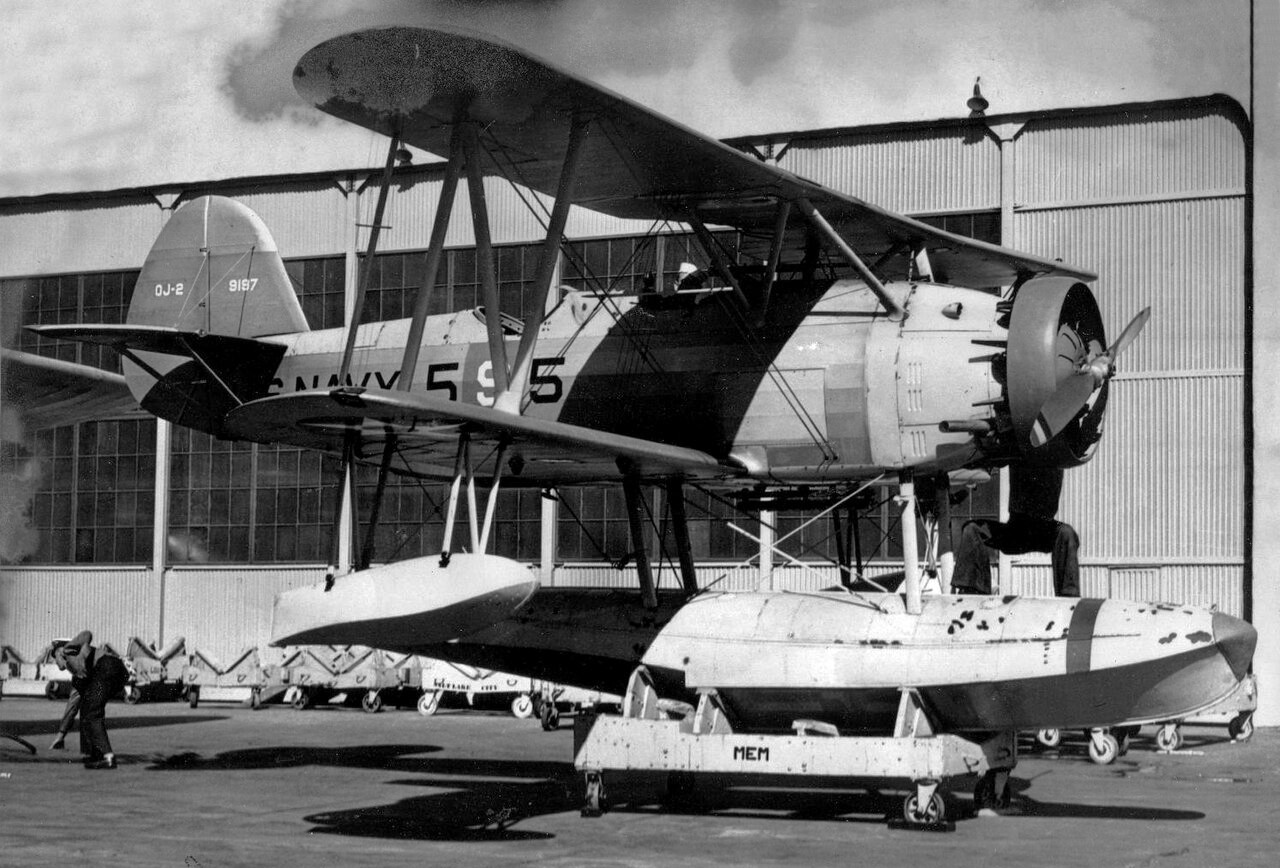
U.S. Navy Berliner-Joyce OJ-2 observation floatplane (BuNo. 9197) of Scouting Squadron 5B (VS-5B), assigned to the light cruiser USS Memphis (CL-13), in front of a hangar at Naval Air Station San Diego, California, ca. 1933-1935.
The Berliner-Joyce OJ was an American biplane observation floatplane developed by the Berliner-Joyce Aircraft for the United States Navy during the early 1930s. The origins of the OJ stemmed from a 1929 Bureau of Aeronautics (BuAer) requirement calling for an observation seaplane intended for service aboard Omaha class light cruisers, readily convertible to wheels or floats and light enough to operate from the cruiser-type catapult.[1] Prototypes were ordered from Keystone-Loening (then a subsidiary of Curtiss-Wright), Berliner-Joyce and Vought, and designated as the XOK-1, XOJ-1 and XO4U-1 respectively.
The Berliner Joyce design, a conventional biplane of mixed metal and fabric construction with staggered wings and the pilot and observer seated in tandem in open cockpits, first flew in May 1931. By that time the rival XOK-1 was already destroyed in a crash. Following trials that lasted into 1932, BuAer awarded Berliner-Joyce a contract. An order for 18 production aircraft designated OJ-2 was placed in March 1932, and two more orders followed, one in May 1933 for nine aircraft and a further 12 aircraft in December 1933 for use by reserve units. One OJ-2 modified in early 1934 with an NACA-type cowling and enclosed cockpits was delivered for trials as the XOJ-3, but after a crash it was rebuilt and returned to service as an OJ-2.
The OJ entered service with VS-5B and VS-6B in 1933 mainly for use on Omaha class light cruisers. Some OJs were used by reserve units with the first being VN-6R which were based near Washington to train reserve pilots and to enable staff officers to maintain their flying categories. By 1936 all the remaining aircraft were operated by reserve units and at the outbreak of the Second World War 29 aircraft were still in service. The Navy stopped the overhaul program for the aircraft and by the middle of 1941 all of them had been struck off charge. Unusually for its generation, only four aircraft were lost in accidents without any loss of life. (Wikipedia)
(Library of Congress Photo)
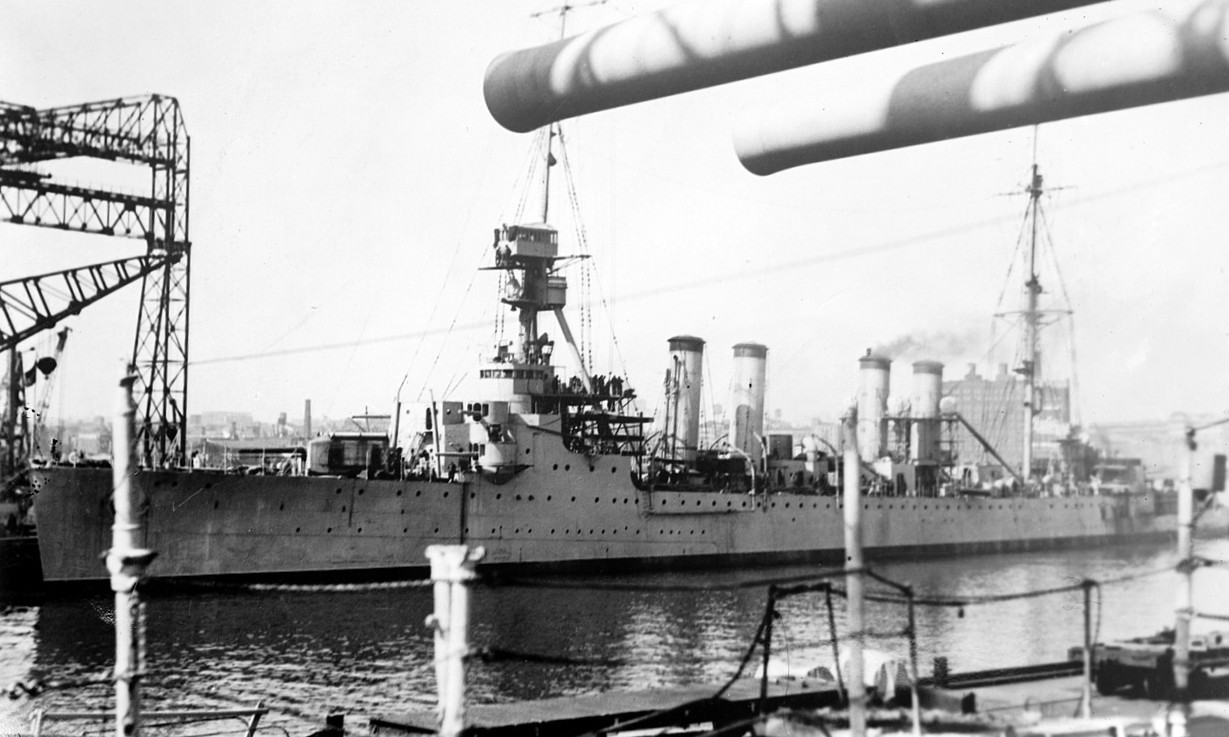
USS Memphis (CL-13) in port, in the 1920s.

(USN Photo)
USS Memphis (CL-13) saluting the German fleet, while visiting Kiel, Germany, in September 1926.

(USN Photo)
USS Memphis (CL-13) near New York City, November 1942.

(USN Photo)
USS Memphis (CL-13) underway off New York City during a Fleet Review on 31 May 1934.