
RCN Minesweepers (Bangor Class): HMCS Chignecto (J160), HMCS Clayoquot (J174), HMCS Courtenay (J262)
HMCS Chignecto (J160)
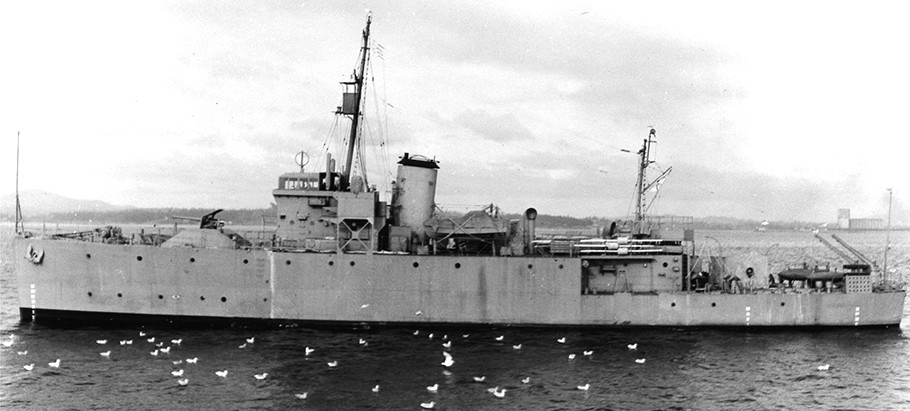
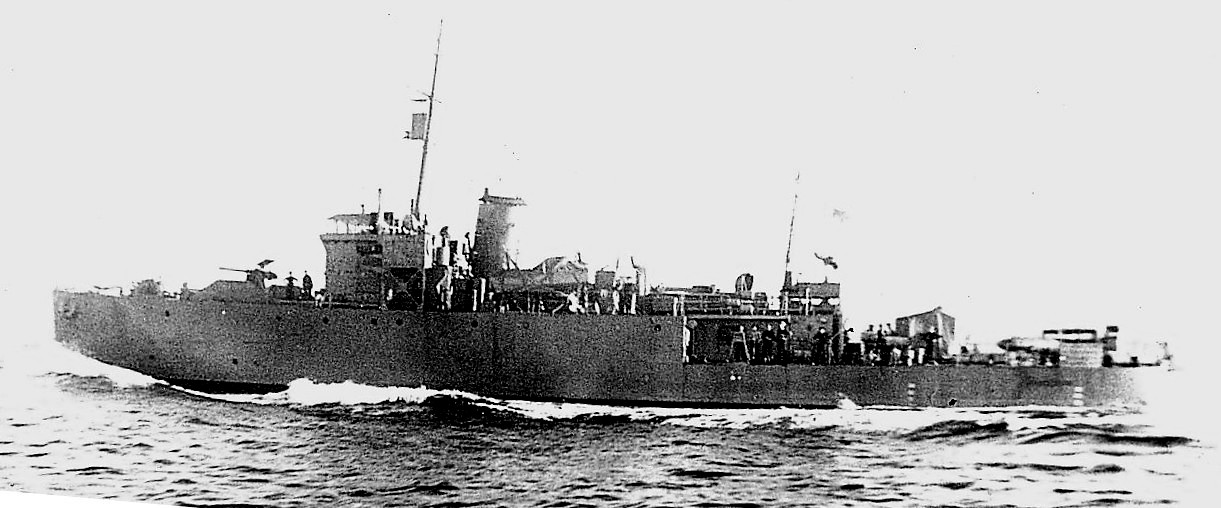
HMCS Chignecto (J160) (Bangor-class). Commissioned at Vancouver on 31 Oct 1941, HMCS Chignecto spent her whole career on the west coast, alternating between Esquimalt Force and Prince Rupert Force. She was paid off on 3 Nov 1945, at Esquimalt and sold in 1946 to the Union Steamship Co., Vancouver, for conversion to a coastal merchant ship. The conversion was not proceeded with, and in 1951 an offer to purchase her was received from a San Francisco firm. She was later scrapped in 1957 at the Point Hope Shipyard, Victoria, British Columbia.
(DND Photo)
HMCS Chignecto (J160) (Bangor-class).
(Rob Stevens Photo)
HMCS Chignecto (J160) (Bangor-class).
HMCS Clayoquot (J174)
(Library and Archives Canada Photo, MIKAN No. 3205783)
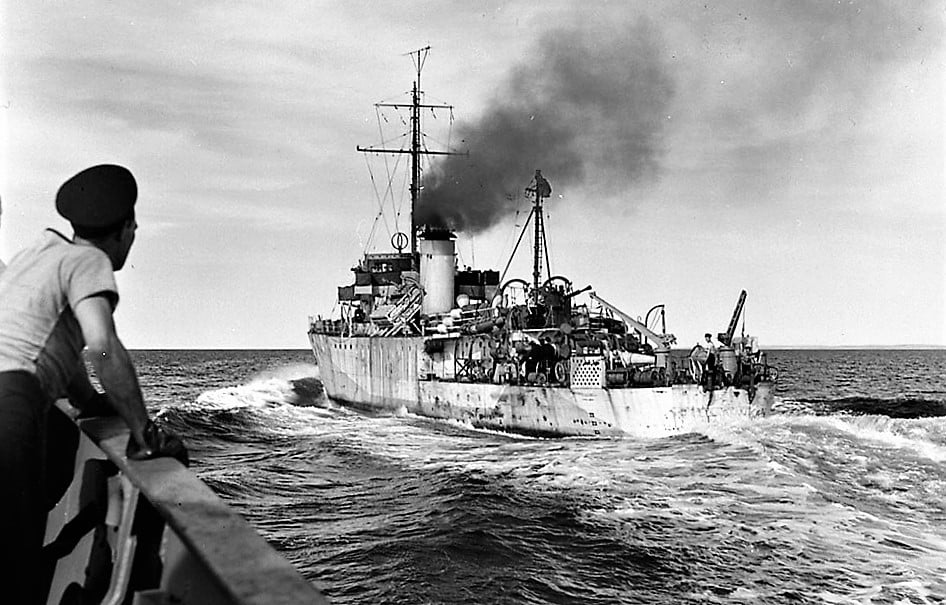
HMCS Pictou (K146) (Flower-class) Corvette.
(Catherine Crewe Photo)
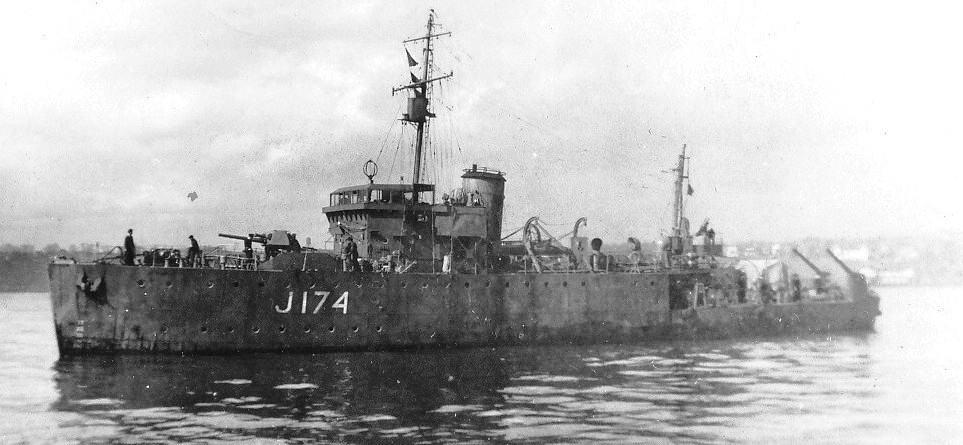
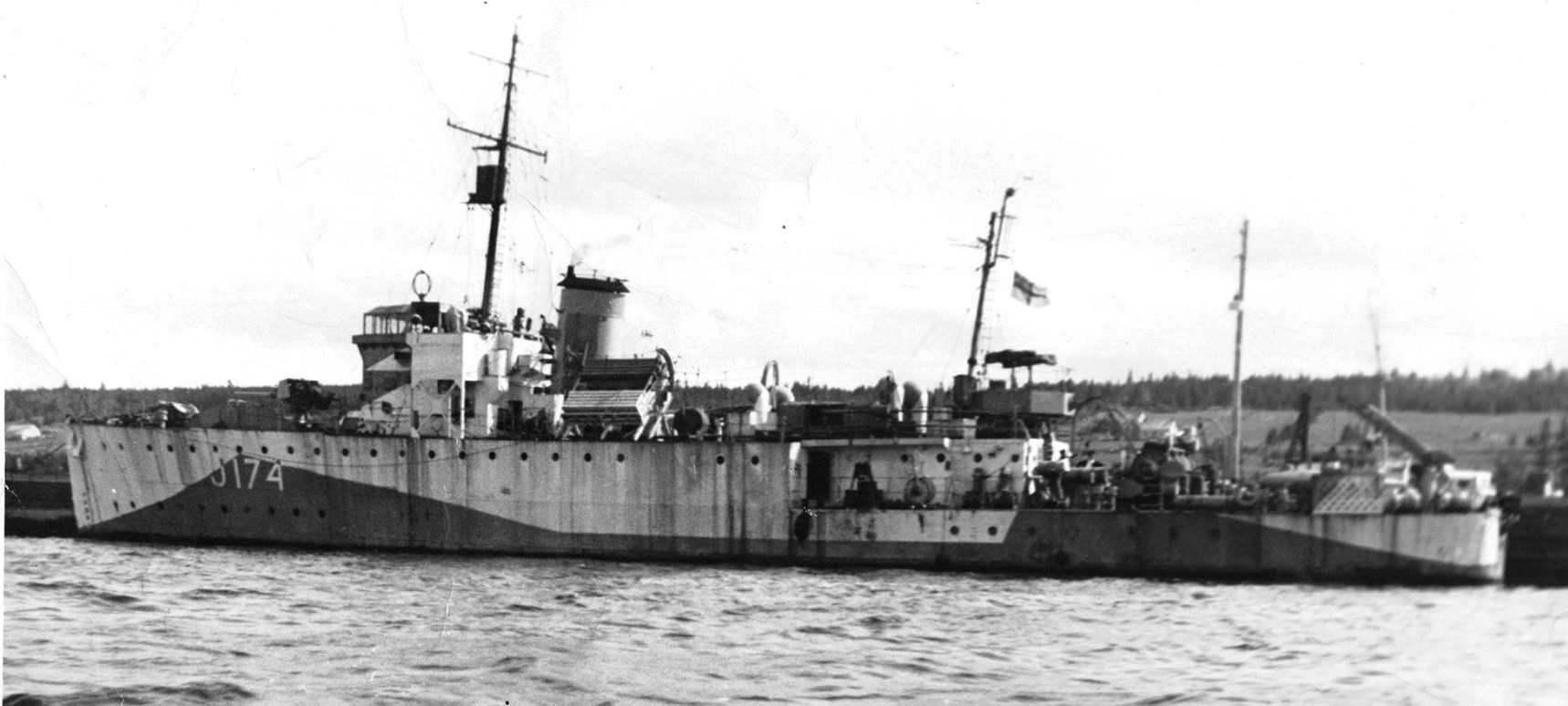
HMCS Clayoquot (J174).
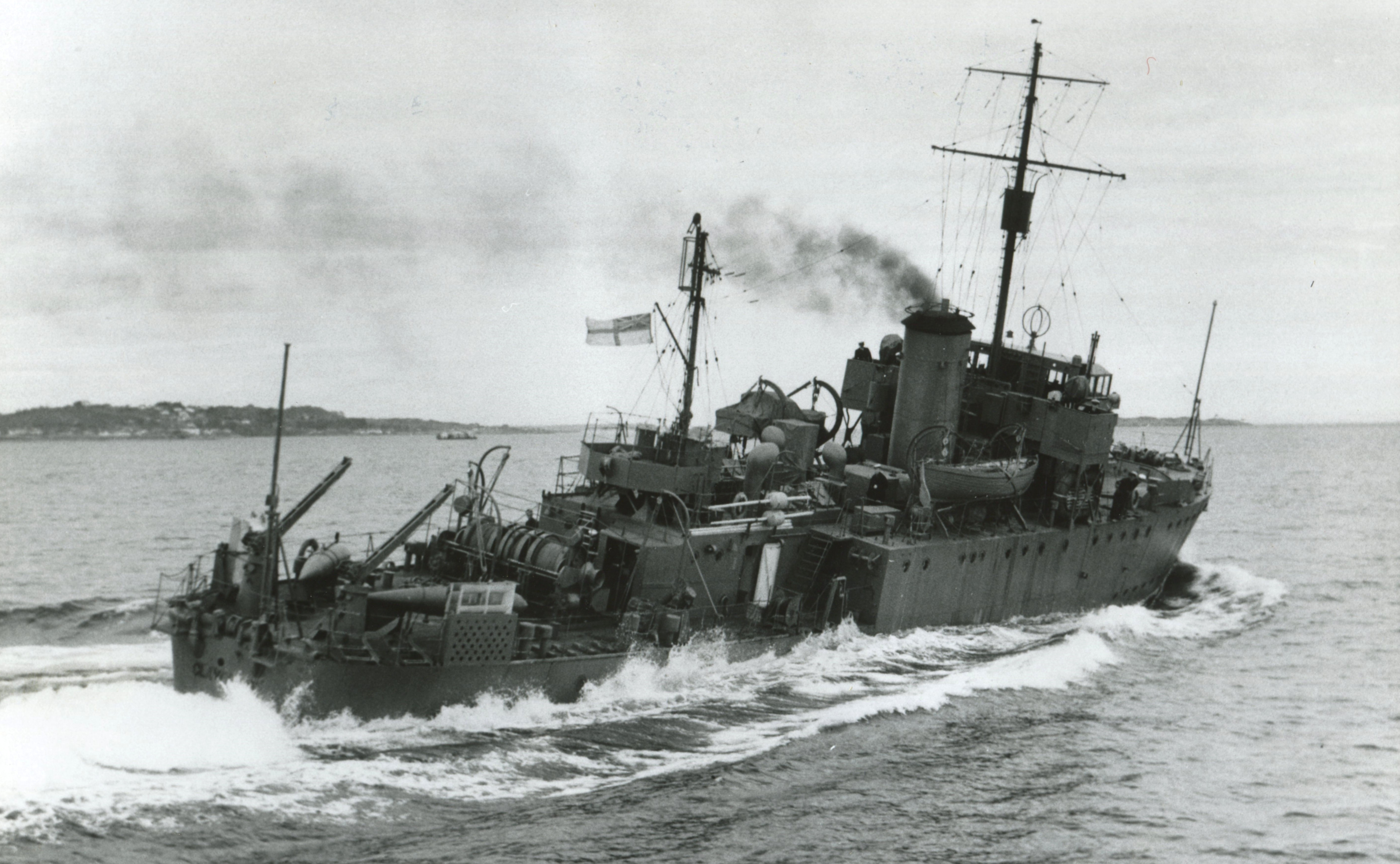
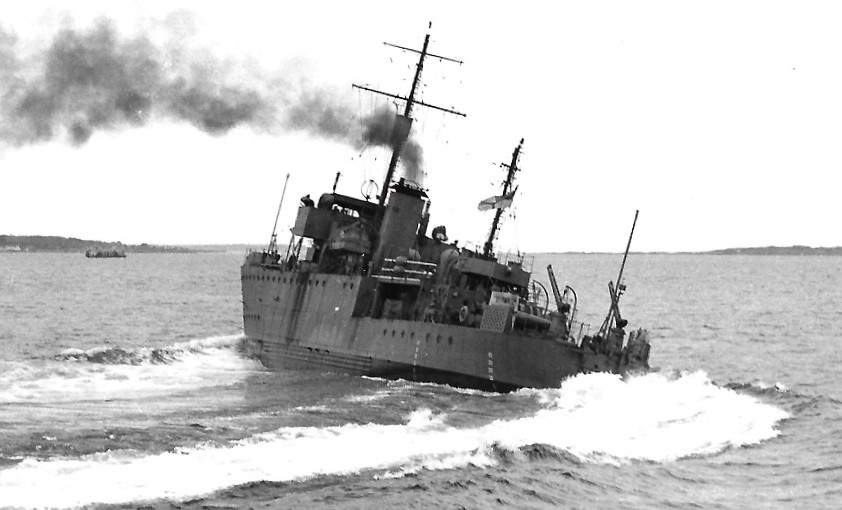
Laid down as HMS Esperanza, she was renamed HMCS Clayoquot J174 in 1940. Named after Clayoquot Sound, Vancouver Island, she was commissioned at Prince Rupert on 2 Aug 1941. After working up, she left Esquimalt on 10 Oct 1941 for Halifax, arriving 14 Nov 1941. Initially assigned to Halifax Local Defence Force, she was transferred in Mar 1942, to WLEF and in May 1942 to Gulf Escort Force. While serving with Gulf Escort Force she rescued 55 survivors of HMCS Charlottetown, torpedoed and sunk near Cap Chat on 11 Sep 1942. In Oct 1942 HMCS Clayoquot joined Sydney Force. She arrived at Halifax on 29 Dec 1942 for a major refit, which was progressively carried out there and at Liverpool and Pictou, NS. Completing her refit in May 1943, she re-joined Sydney Force in Jul 1943 after working up. In Jan 1944, she was transferred to HMCS Cornwallis for officers’ training in A/S warfare, and in Oct 1944 was re-assigned to Halifax Force. On 24 Dec 1944, while taking station on convoy XB.139, she was torpedoed and sunk three miles from Sambro Light Vessel by U- 806, losing eight of her crew.
The following is from McLean, Douglas M. (1994) “A Loss of the HMCS Clayoquot,” Canadian Military History: Vol. 3: Iss. 2, Article 4 – The torpedo struck without warning. HMCS Clayoquot was returning from an anti-submarine sweep in the approaches to Halifax harbour when its stern rose into the air, mangled by the detonation of a German T-5 acoustic homing torpedo. The men aboard felt two concussions, the second likely being depth charges stored on Clayoquot’s stern set off by the torpedo. Whatever the details, the explosions were devastating for the small Bangor class minesweeper. A grainy photograph of the doomed ship shows the stern blasted vertical, the ship listing to starboard. Clayoquot lasted barely ten minutes after being hit, just long enough for all but eight of her crew to escape. The worst fate befell two young officers trapped in the port forward-cabin. These men called out through a port hole for axes to chop their way to freedom, but all the axes were underwater. The merciless sea closed around them as the ship vanished.
(David Hamilton Photo)
HMCS Clayoquot (J174).
(DND Photo)
HMCS Clayoquot (J174) offf the coast of Halifax, Nova Scotia, 9 July 1941.
(DND Photo)
HMCS Clayoquot (J174) offf the coast of Halifax, Nova Scotia, 9 July 1941.
HMCS Courtenay (J262)
(DND Photo)
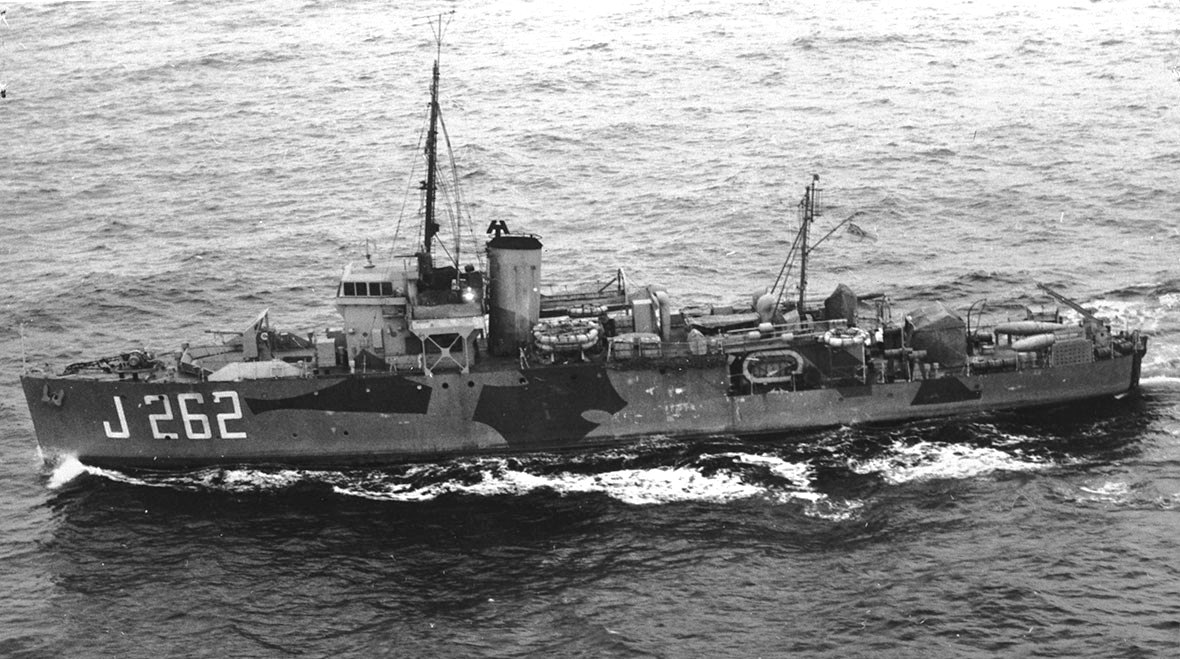
HMCS Courtenay (J262) (Bangor-class). Commissioned at Prince Rupert on 21 Mar 1942, HMCS Courtenay spent her whole career on the west coast, serving alternately with the Esquimalt and Prince Rupert Force. She was paid off on 5 Nov 1945, at Esquimalt and sold in 1946 to the Union Steamship Co., Vancouver for use as a merchant ship. However, she was not converted to this use, and has proved impossible to trace beyond 1951, when a purchase offer was made by a San Francisco firm.