RCN Flower class Corvettes: HMCS Sorel (K153), HMCS Spikenard (K198), HMCS St. Lambert (K343), HMCS Stellarton (K457)
HMCS Sorel (K153)
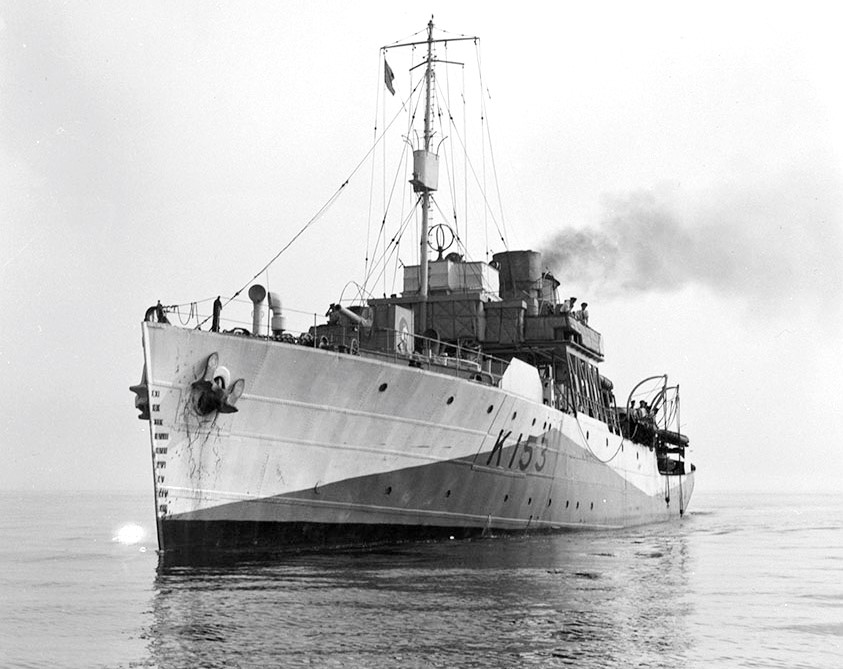
(Library and Archives Canada Photo, MIKAN No. 3199119)
HMCS Sorel (K153) Flower class Corvette, during workups off Pictou, Nova Scotia, in July 1943. Commissioned at Sorel on 19 Aug 1941, HMCS Sorel arrived at Halifax on 30 Aug 1941. She joined Sydney Force in Oct 1941 but transferred in Nov 1941 to Newfoundland Force, leaving St. John’s on 18 Nov 1941 to escort convoy SC.55 to Iceland. On her next trip, mechanical defects forced her to go on to the UK, and she arrived at Leith, Scotland, 17 Jan 1942, for ten weeks’ repairs. She left Londonderry on 23 Apr 1942 to join convoy ON.88, and in May 1942 joined WLEF. Between 19 Oct 1942, and Feb 1943, she underwent refit, including fo’c’s’le extension, successively at Liverpool, NS, Pictou, and Halifax. In Feb 1943 she entered service as a training ship, first at Digby, then at St. Margaret’s Bay, and at Pictou. In Sep 1943, she was temporarily allocated to EG C-3 for one round trip to Londonderry, and on her return underwent refit at Halifax and Dartmouth. This refit was completed on 31 Mar 1944, and she then proceeded to Bermuda for workups and on her return was assigned to WEF’s EG W-4 for the rest of the war. Paid off on on 22 Jun 1945, she was sold to the Yugoslav Navy on 16 Nov 1945. While manned by a Yugoslav crew, she ran aground on the southern point of Henry Island on 13 Dec 1945.
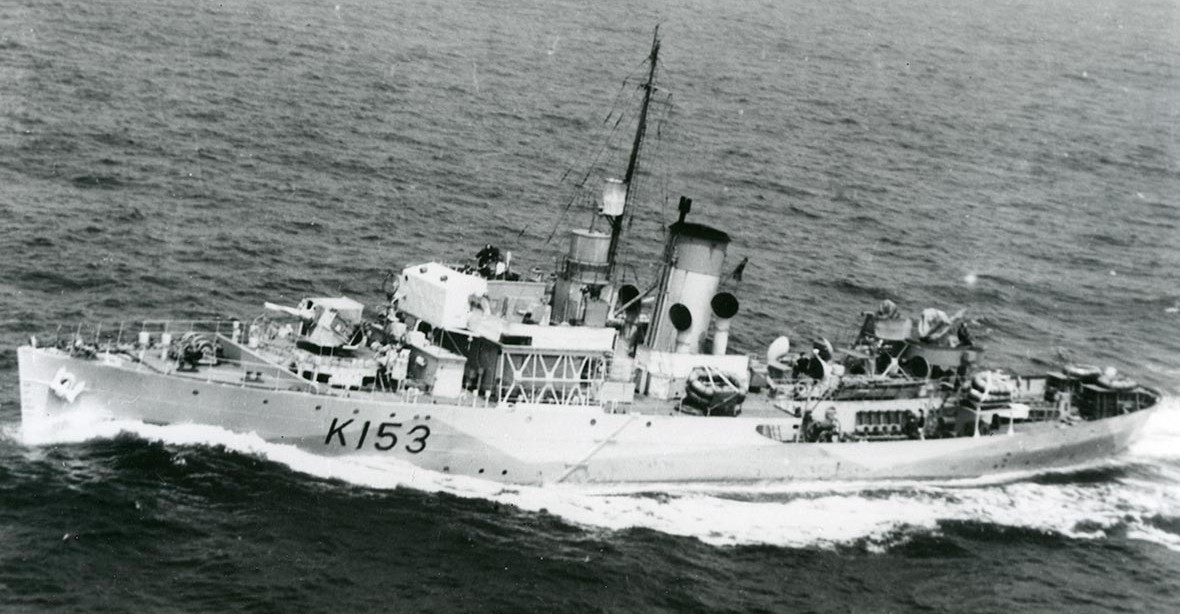
(RCN Photo)
HMCS Sorel (K153) Flower class Corvette.
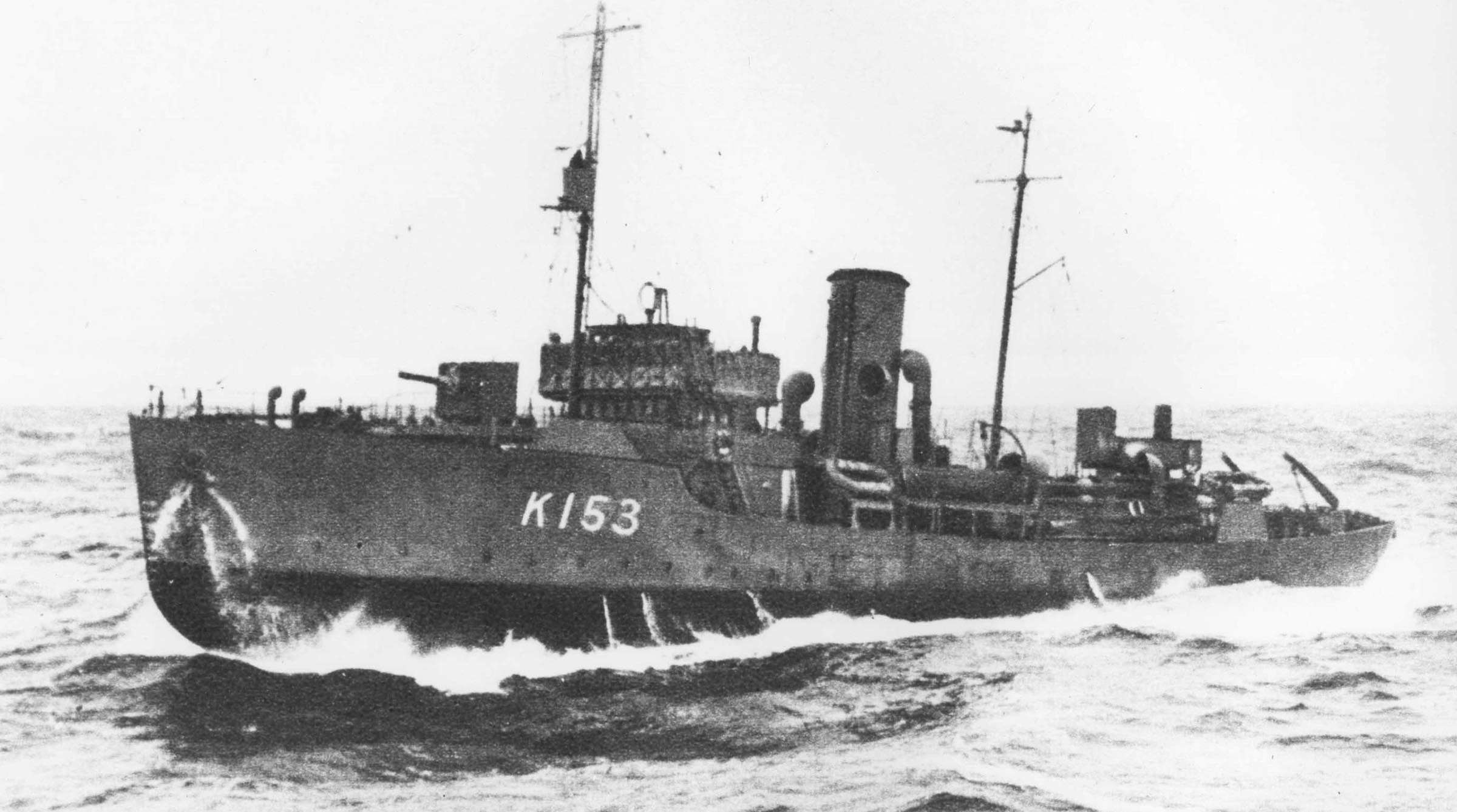
(DND Photo)
HMCS Sorel (K153) Flower class Corvette.
HMCS Spikenard (K198)
(Library and Archives Canada Photo, MC-2975)
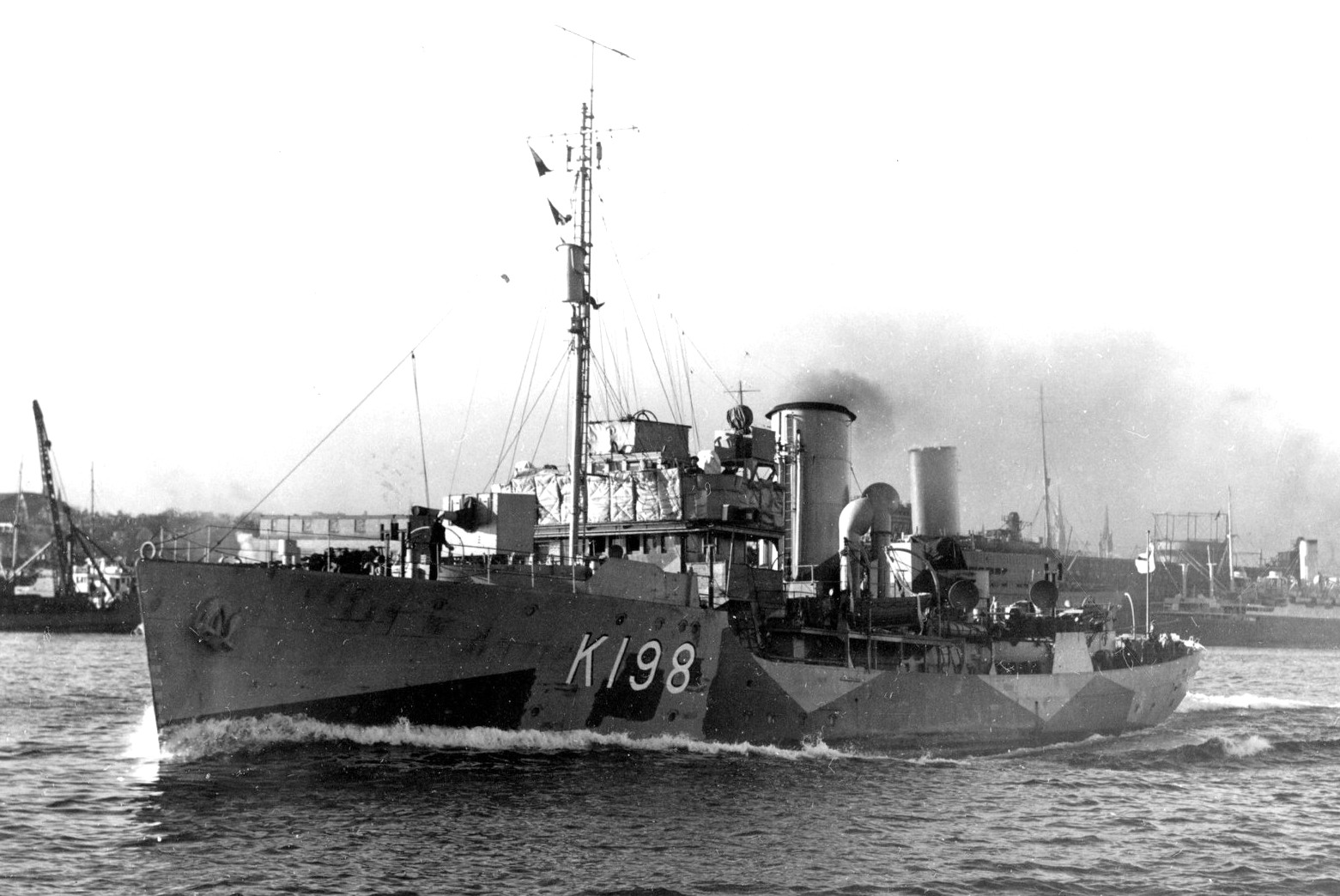
HMCS Spikenard (K198) Flower class Corvette. Built for the RN, she was commissioned on 06 Dec 1940, at Quebec City as HMS Spikenard. She arrived at Halifax five days later to complete fitting out and working up. She left Halifax on 21 Jan 1941, escorting convoy HX.104 to the UK, where she received her finishing touches at South Shields, Tyne, from 04 Feb to 21 Apr 1941. She arrived at Tobermory on 22 Apr 1941 to work up, and on 15 May 1941 she transferred to the RCN and was commissioned as HMCS Spikenard. On 10 June 1941 she left Aultbea to escort convoy OB.332. Arriving at Halifax on 25 Jun 1941, she joined Newfoundland Command, and between Jul 1941 and Jan 1942, made three round trips to Iceland as ocean escort. On 1 Feb 1942, she left St. John’s for convoy SC.67 on the recently inaugurated “Newfie-Derry” run, and on 10 Feb 1942 HMCS Spikenard was torpedoed and sunk by U-136, (Type VIIC) about 465 nautical miles west of Malin Head, Ireland in position 56º10’N, 21º07’W, while escorting convoy SC-67.
Convoy SC.67 sailed early in Feb 1942 from St. John’s bound for Londonderry. HMCS Spikenard K198 was the senior ship of the escort for SC.67. Other escorts included Corvettes HMCS Chilliwack K131, HMCS Shediac K110, HMCS Louisburg K143, HMCS Lethbridge K160 and HMCS Dauphin K157. Just before 2300 hrs on 10 Feb 1942, the convoy was due south of Iceland, when HMCS Chilliwack attacked a submerged contact on the port bow of the formation. Almost immediately thereafter, HMCS Louisburg at the rear of the convoy spotted the wake of a torpedo running down her port side. HMCS Spikenard had been zigzagging on the starboard wing of the convoy when another torpedo struck the nearby tanker, Heina. A few seconds later, a torpedo struck HMCS Spikenard, ripping out her forepeak and destroying the bridge and radio. HMCS Spikenard may have become aware of U-136 in the few minutes before, as action stations had been sounded and her speed increased just before she was hit. Within minutes, HMCS Spikenard sank by the fore and headed for the bottom. Only eight men survived, found by a westbound British ship the next day. HMCS Spikenard had been torpedoed at about the same time as the tanker, and sank so quickly, that the other escorts didn’t realize she was gone until morning.
HMCS St. Lambert (K343)
(RCN Photo)
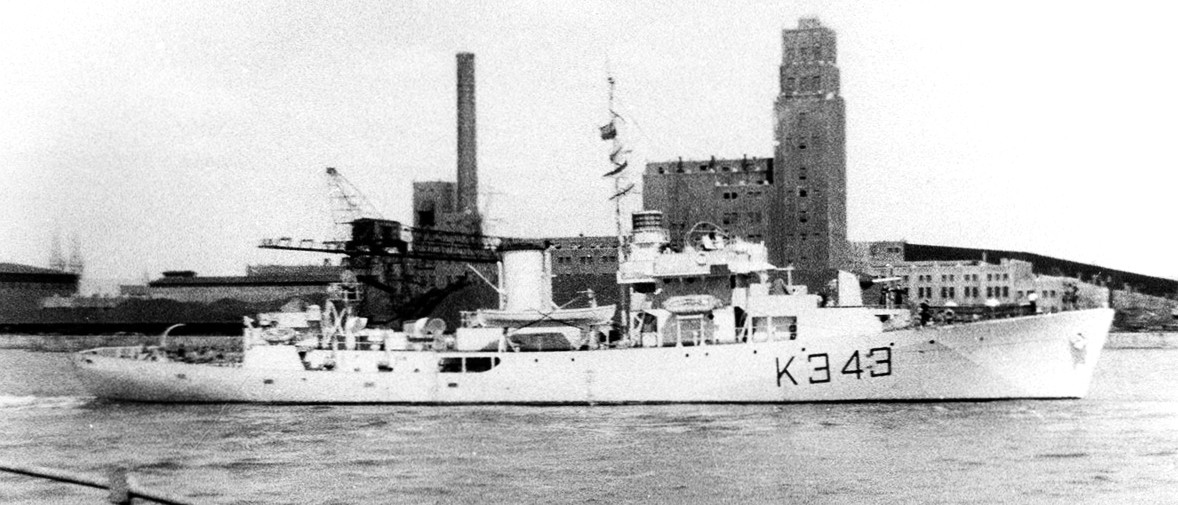
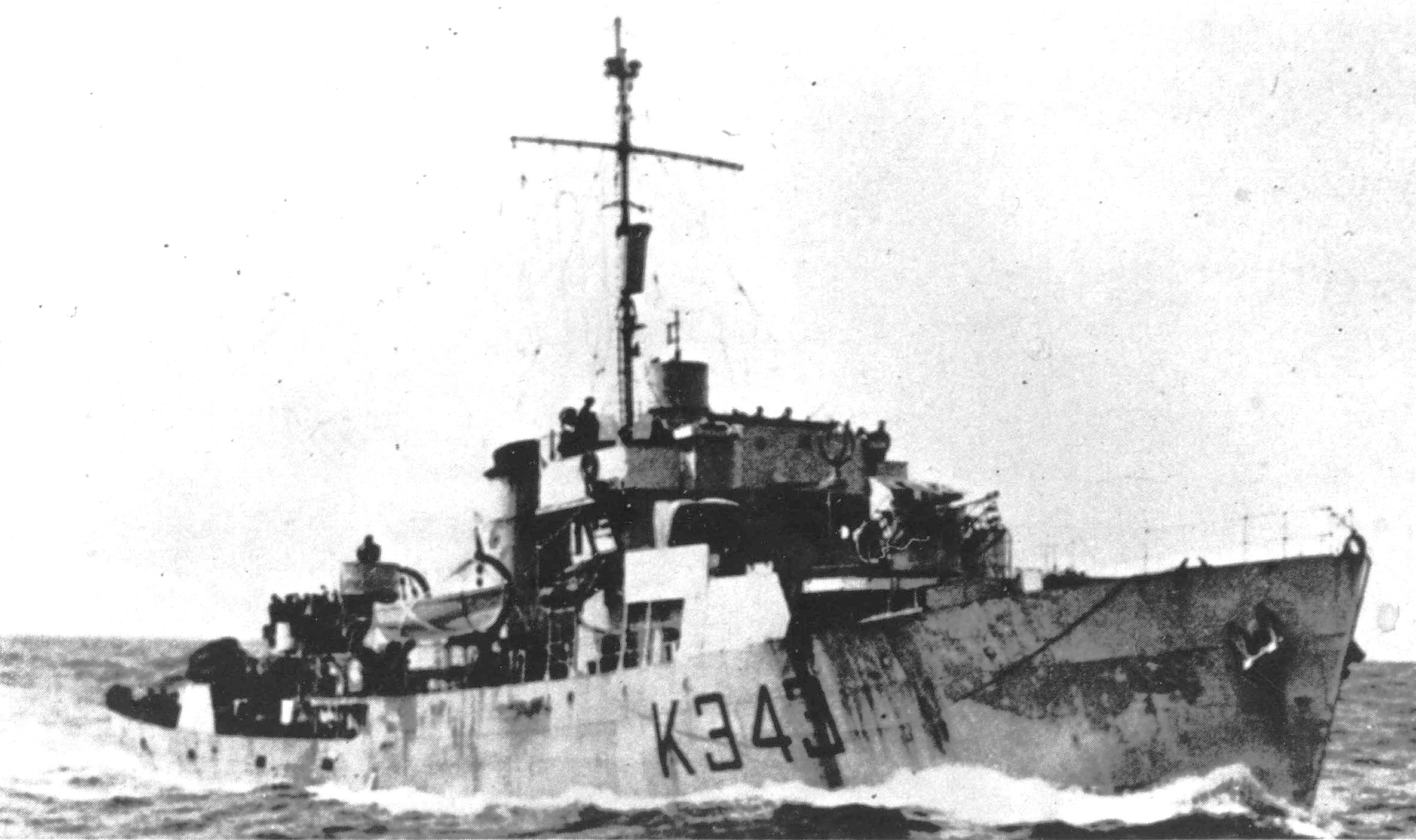
HMCS St. Lambert (K343) Flower class Corvette. Built at Quebec City, she was commissioned there on 27 May 1944. She arrived at Halifax on 19 Jun 1944 and in Jul 1944 sailed for Bermuda to work up. On her return in mid-Aug 1944, HMCS St. Lambert was assigned to EG C-6, Londonderry, and left St. John’s 18 Sep 1944 to join convoy HXF.308 for her passage there. She served on North Atlantic convoys for the rest of her career, leaving St. John’s on 27 May 1945, as escort to HX.358, the last HX convoy of the war. In mid-Jun 1945 she sailed for Londonderry on her final trip homeward and was paid off on 20 Jul 1945 and laid up at Sorel for disposal. Sold in 1946 for conversion to a merchant ship, she became the Panamanian Chrysi Hondroulis and, in 1955, the Greek-flag Loula, last noted in Lloyd’s Register for 1957-58.
(DND Photo)
HMCS St. Lambert (K343) Flower class Corvette.
HMCS Stellarton (K457)
(RCN Photo)
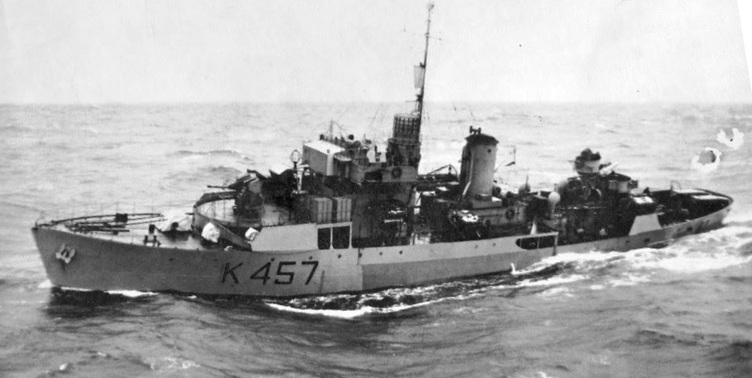
HMCS Stellarton (K457) Flower class Corvette. Built at Midland, Ontario, she was commissioned at Quebec City on 29 Sep 1944, HMCS Stellarton arrived at Halifax late in Oct 1944 and sailed for Bermuda early in Nov 1944 to work up. She left Bermuda on 4 Dec 1944 for St. John’s, where she joined EG C-3 and on 4 Jan 1945, sailed to pick up her first convoy, HX.329. She was employed for the rest of the war as a mid-ocean escort, and left Londonderry for the last time on 21 May 1945 to join ON.304. On 1 Jul 1945 she was paid off and placed in reserve at Sorel until 1946, when she joined the Chilean navy as Casma. She was paid off in 1967 and broken up in 1969.
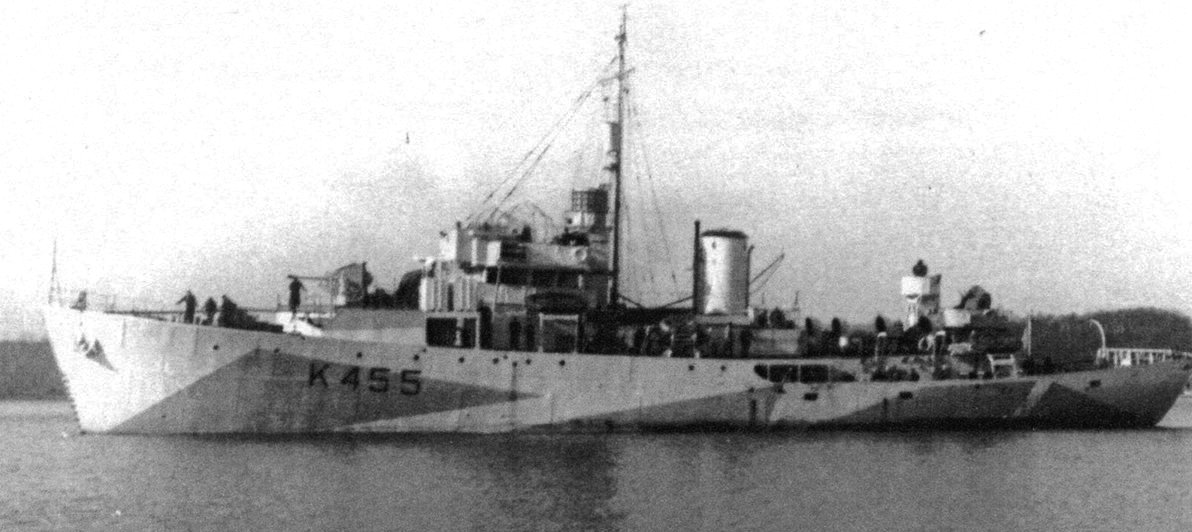
(DND Photo)
HMCS Stellarton (K457) Flower class Corvette.
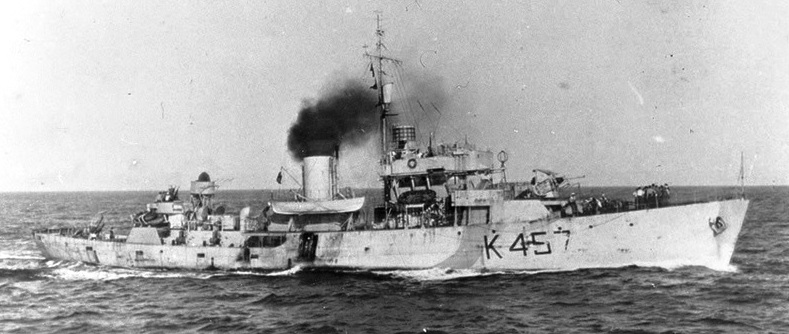
(DND Photo)
HMCS Stellarton (K457) Flower class Corvette.