
RCN Flower class Corvettes: HMCS Snowberry (K166), HMCS Whitby (K346), HMCS Windflower (K155), HMCS Woodstock (K238)
HMCS Snowberry (K166)
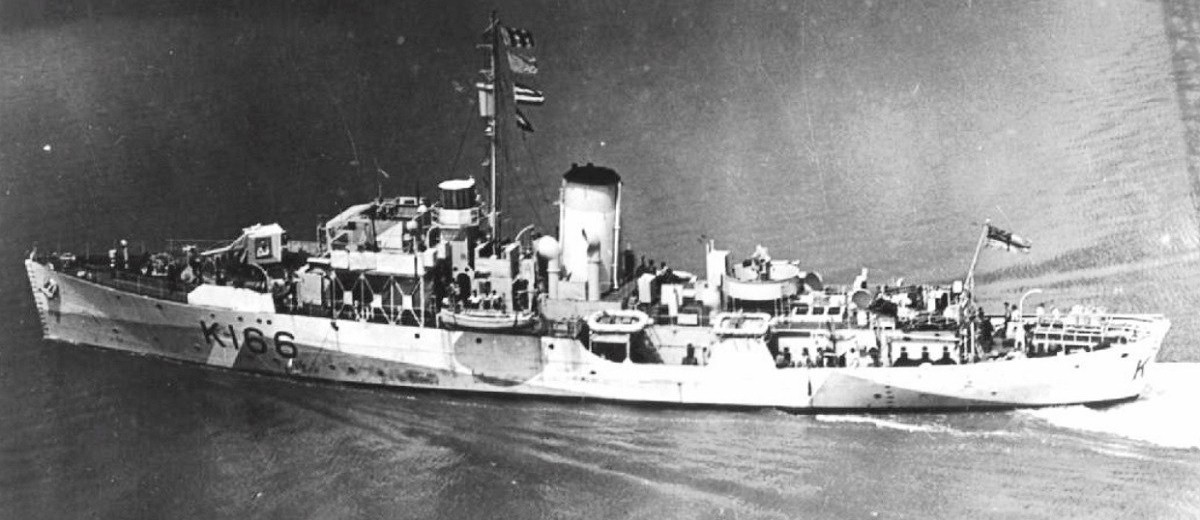
(RCN Photo)
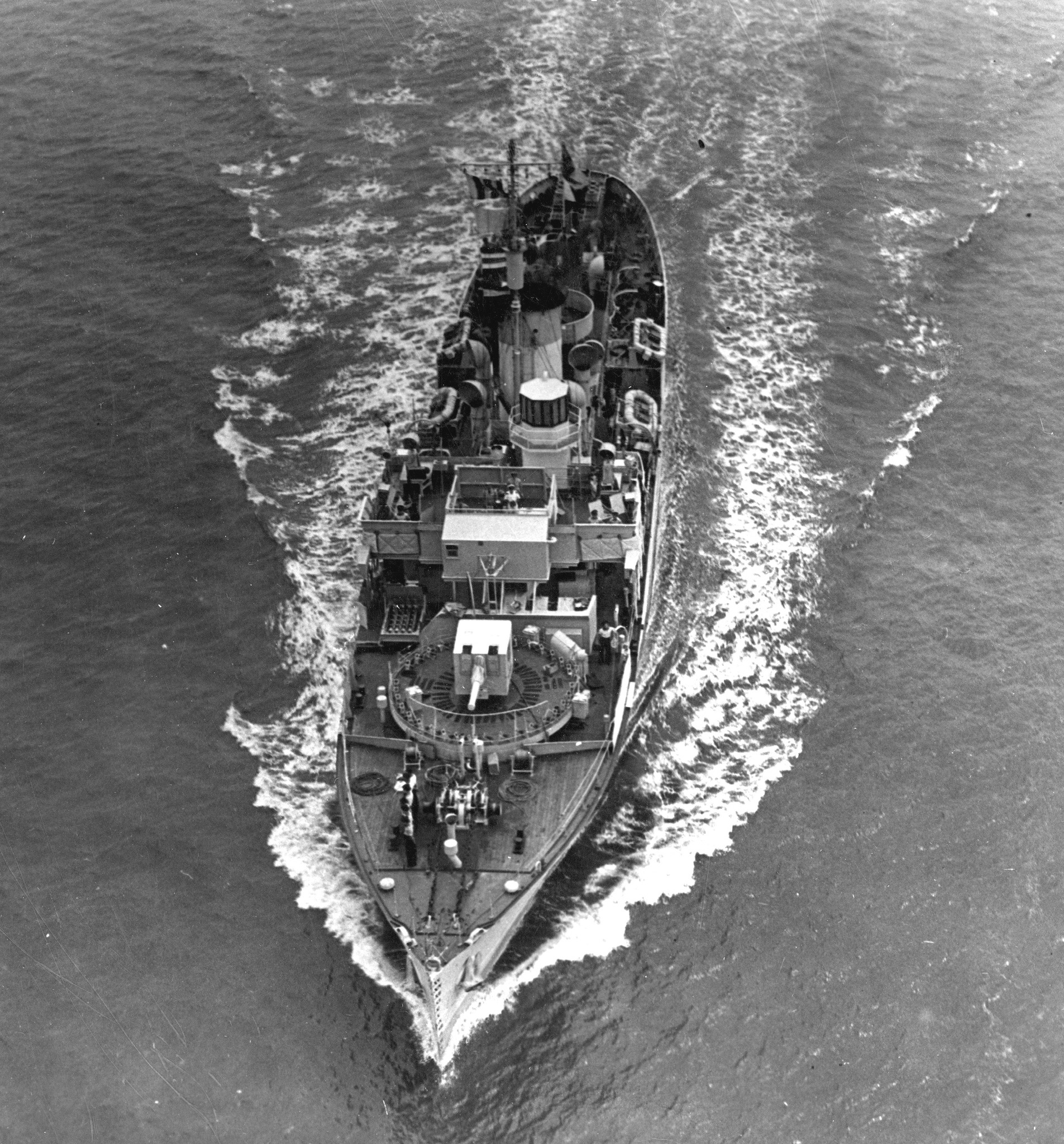
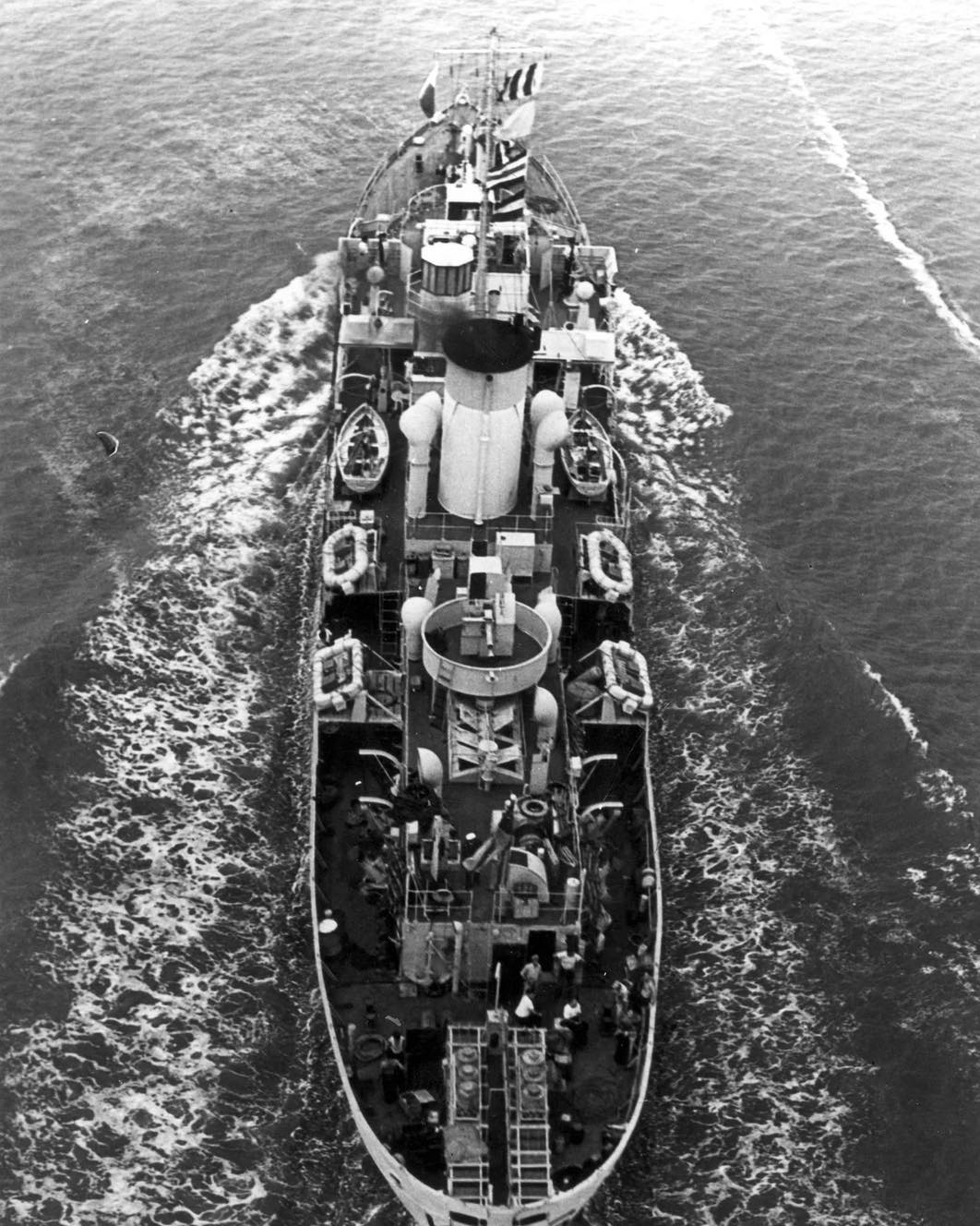
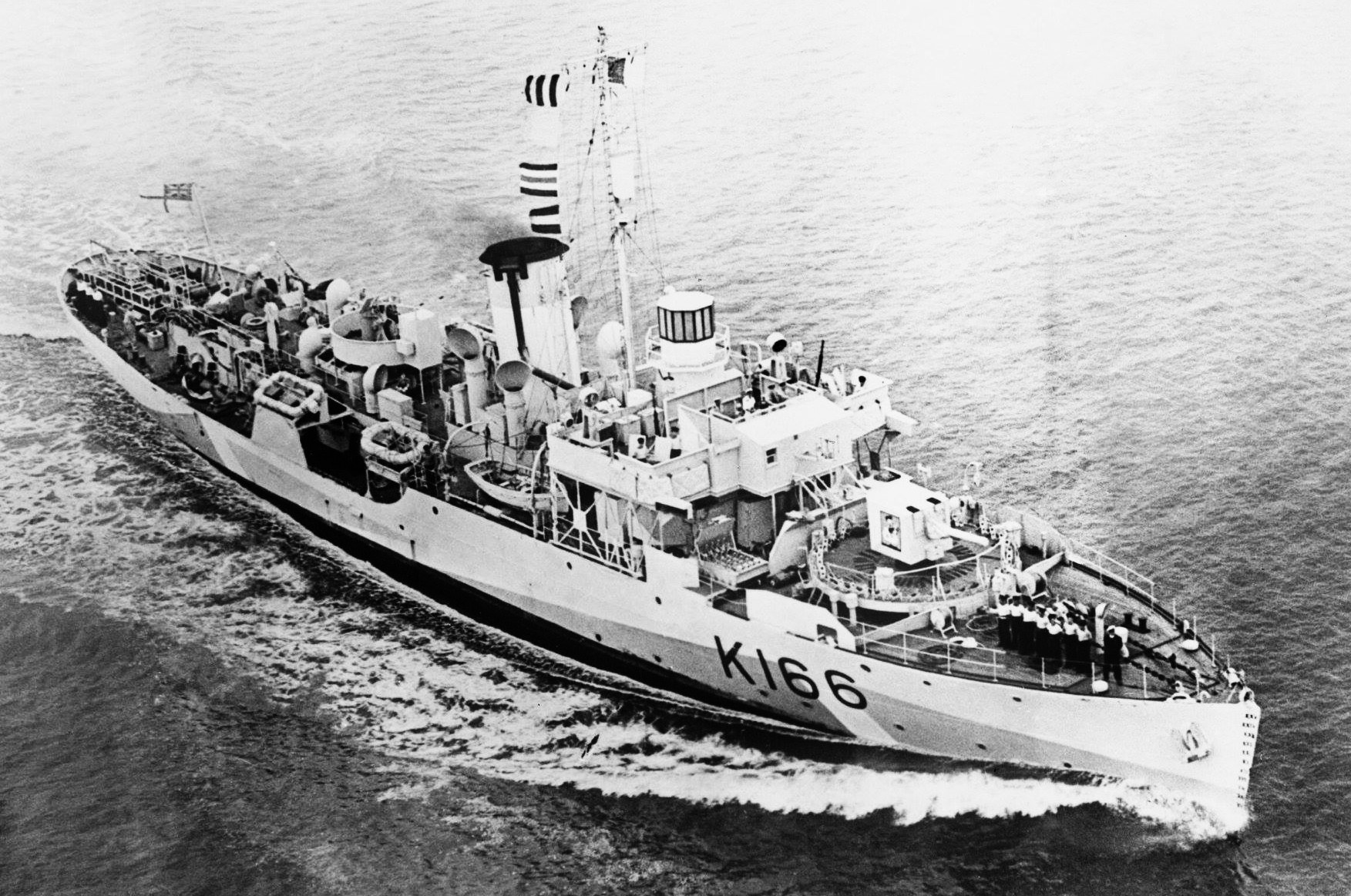
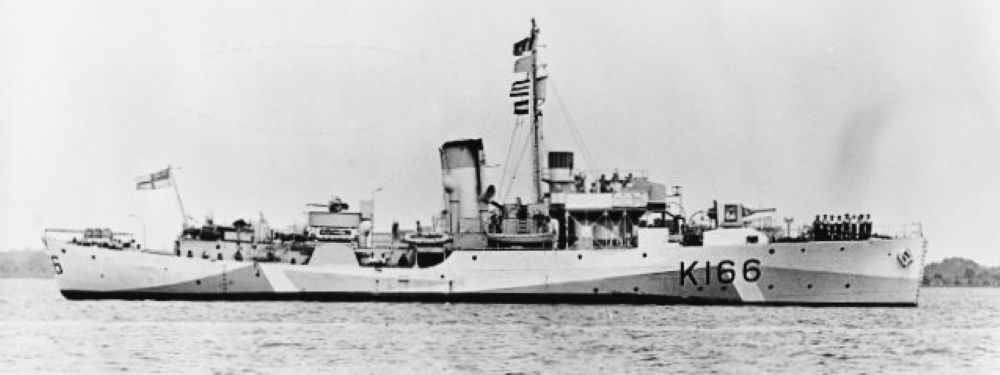
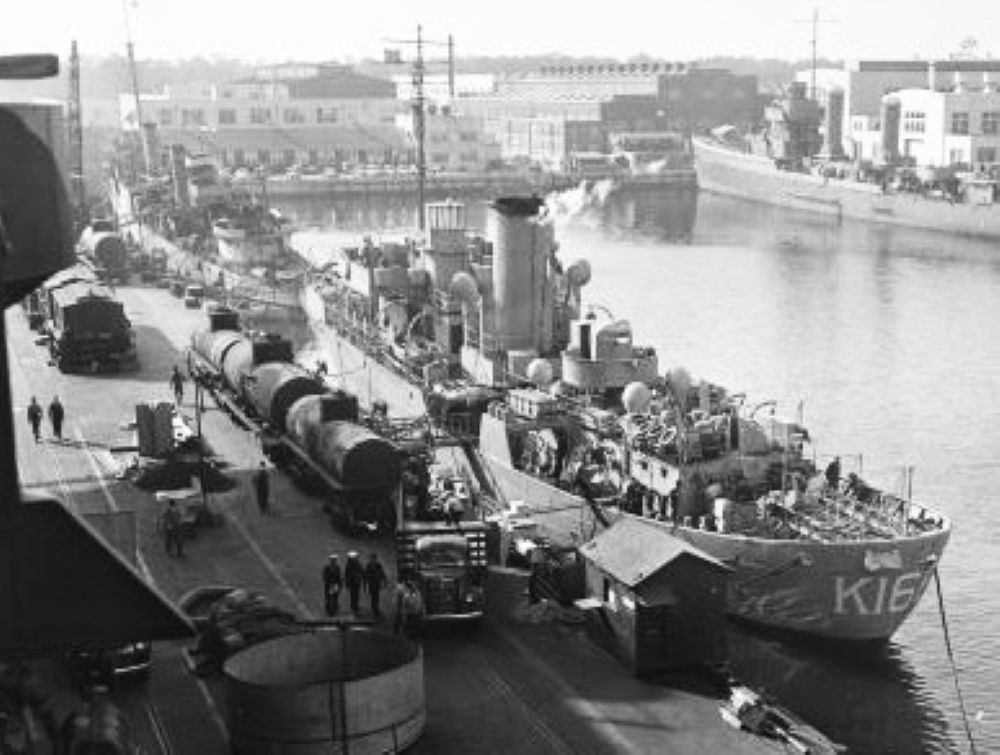
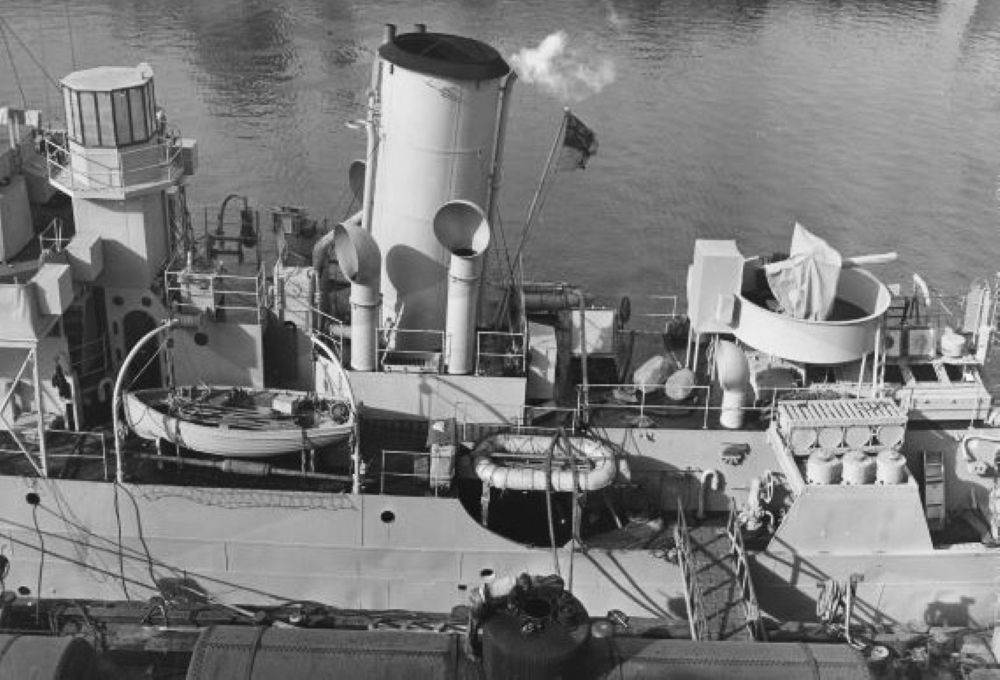
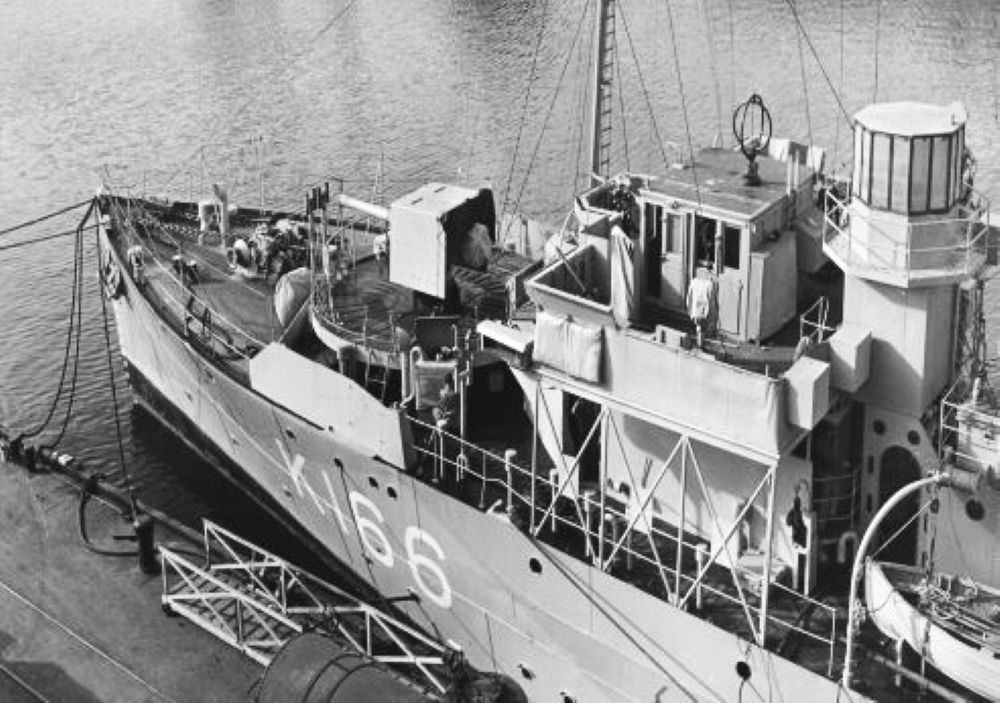
HMCS Snowberry (K166) Flower class Corvette. Built for the RN, she was commissioned at Quebec City on 26 Nov 1940 as HMS Snowberry. She arrived at Halifax on 13 Dec 1940 for further work and sailed 09 Feb 1941, with convoy HX.108 for the UK. There she completed fitting out at Greenock, completing 3 Apr 1940, and worked up at Tobermory before joining Western Approaches Command, Greenock, in May. On 15 May 1941 she was transferred to the RCN and commissioned as HMCS Snowberry K166. She left Aultbea early in Jun 1941 to join convoy OB.332, arriving at Halifax on 23 Jun 1941 to join Newfoundland Command. From Jul to Oct 1941 she made three round trips to Iceland, and on 08 Dec 1941 arrived at Charleston, SC, for six weeks’ refit. On 12 Feb 1942, she left St. John’s to escort SC.69 to Londonderry. In Mar 1942 she joined the newly formed WLEF, shifting in June to Halifax Tanker Escort Force for one round trip to Trinidad and two round trips to Aruba with Tanker convoys. In Sep 1942 she was placed under US control, escorting New York-Guantanamo convoys until Mar 1943, when she arrived at Charleston, SC, for refit, including fo’c’s’le extension. On completion in mid-May 1942, and after workups at Pictou, she joined the newly established EG 5 (later EG 6) and returned to UK waters in Aug 1942. While serving with this support force on 20 Nov 1943, as escort to a U.K.-Gibraltar/ Freetown convoy, she took part in the sinking of U-536 north of the Azores. When the group replaced its corvettes with frigates in Mar 1944, HMCS Snowberry proceeded to Baltimore, MD, for five weeks’ refit, afterward returning to Halifax. She went to Bermuda to work up in July 1944, and on returning was briefly assigned to WLEF but left St. John’s in mid-September for the UK. There she joined Portsmouth Command for the balance of the war. She was handed back to the RN at Rosyth on 8 Jun 1945, and sunk as a target vessel off Portsmouth in 1946. She was salvaged and broken up at Thornaby-on-Tees in 1947.
(Ron Bell Photo)
HMCS Snowberry (K166) Flower class Corvette.
(RCN Photo)
HMCS Snowberry (K166) Flower class Corvette.
(DND Photo)
HMCS Snowberry (K166) Flower class Corvette.
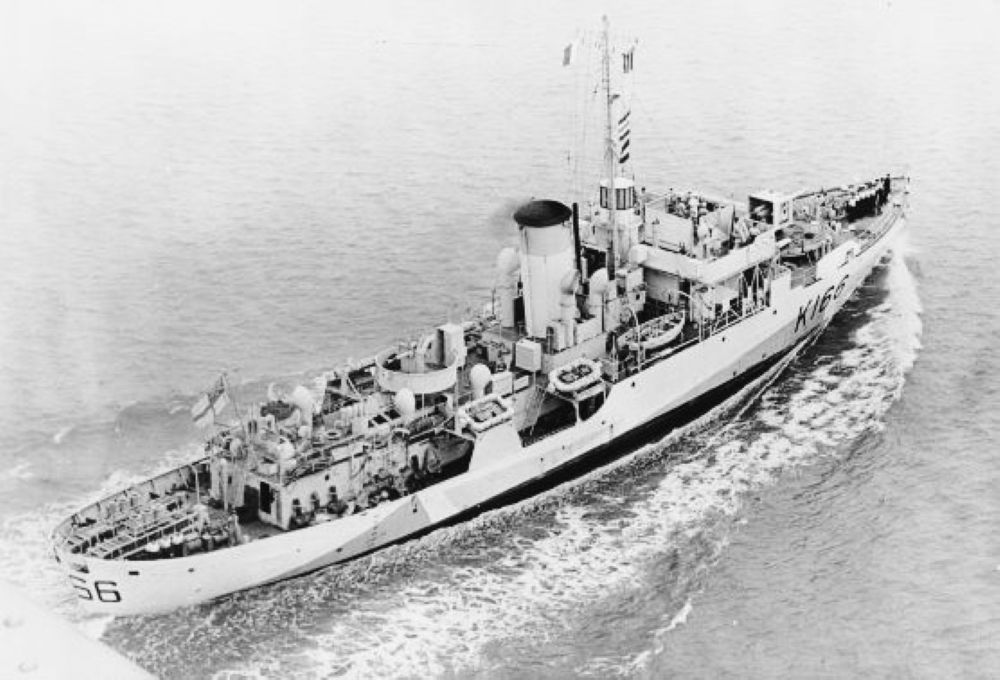
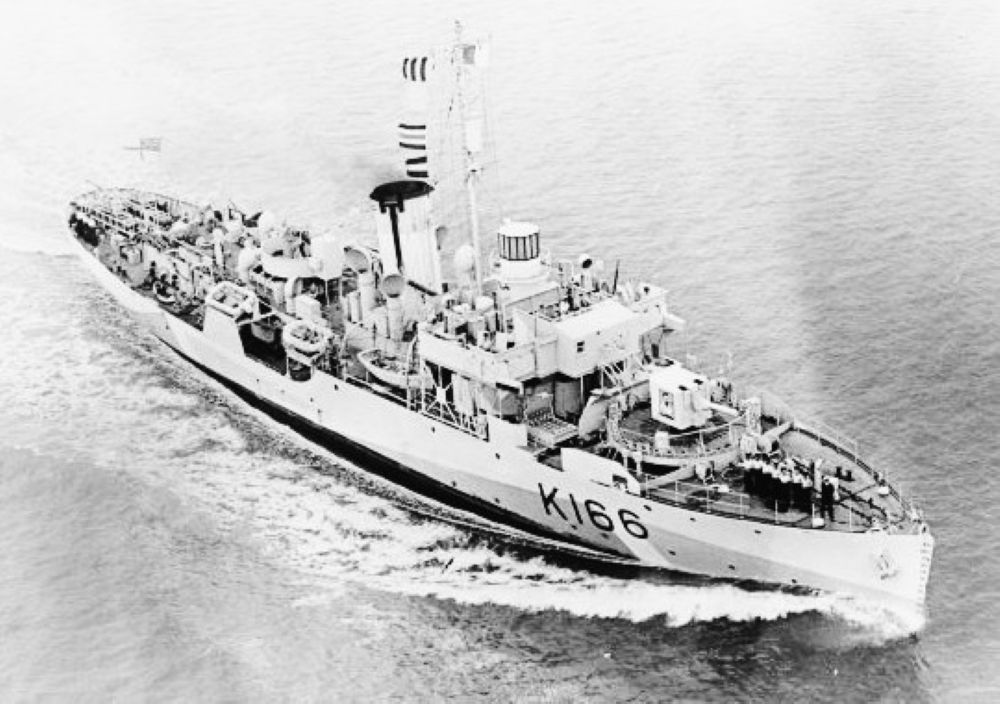
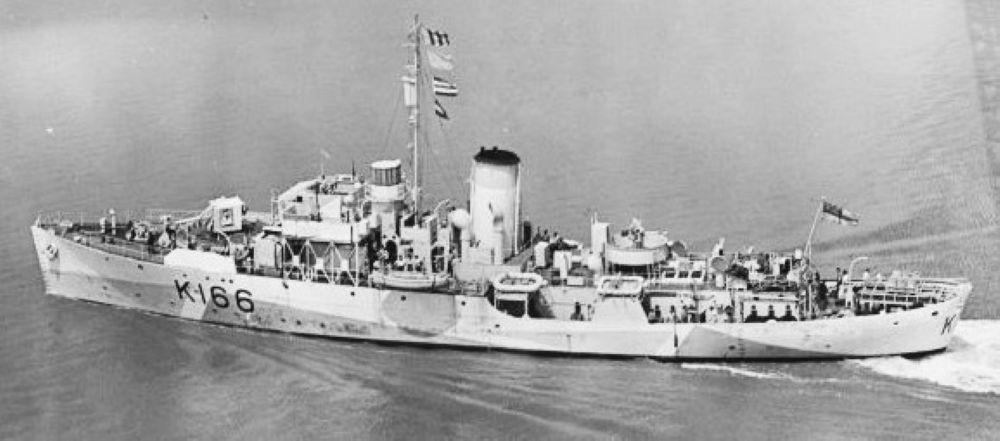
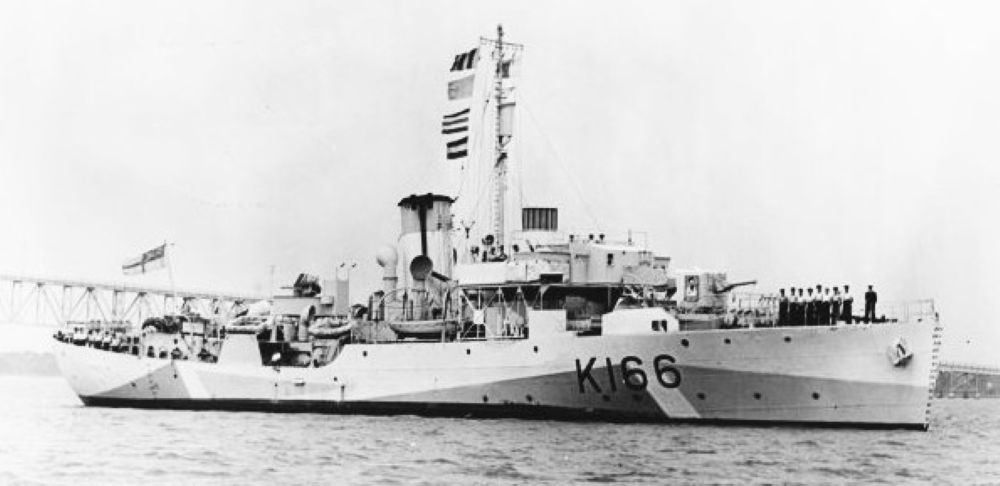
(USN Naval History and Heritage Photos)
HMCS Snowberry (K166) Flower class Corvette.
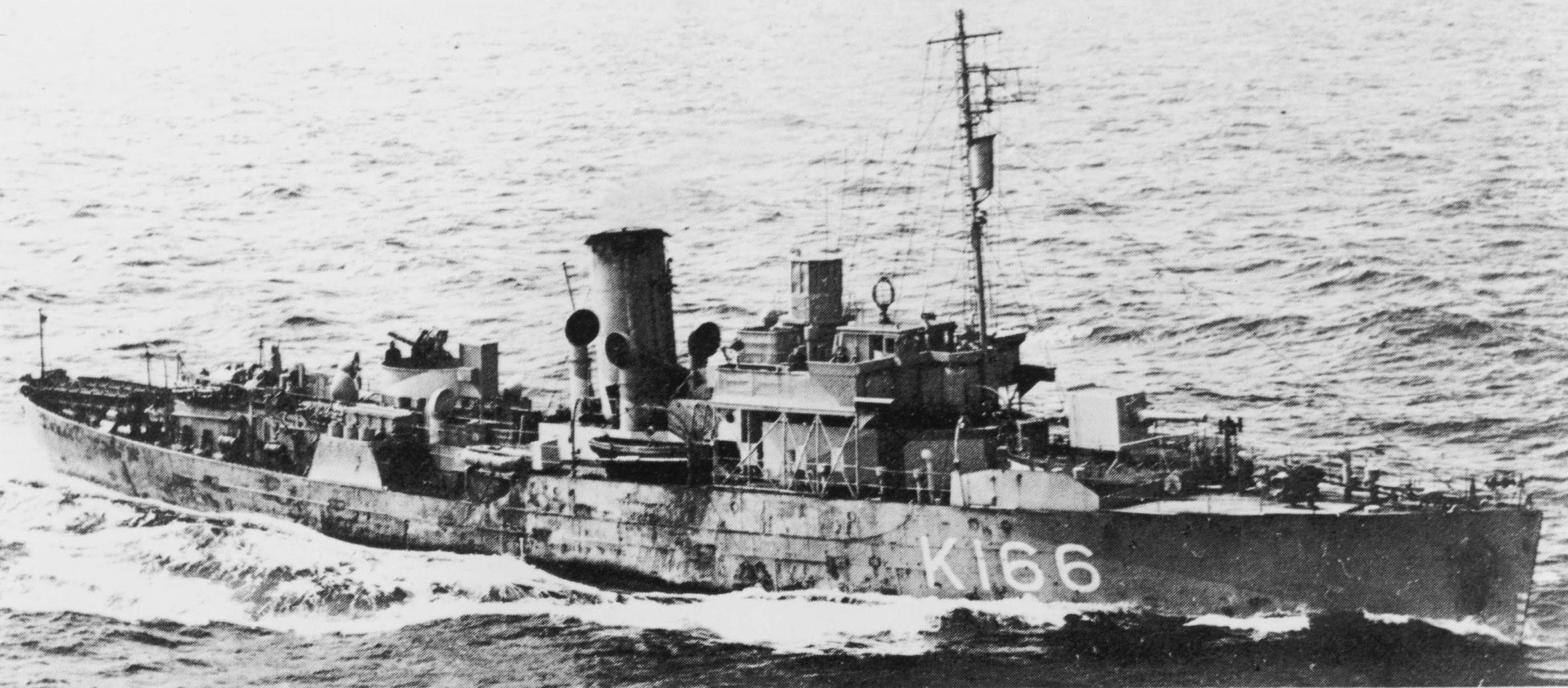
(RCN Photo)
HMCS Snowberry (K166) Flower class Corvette.
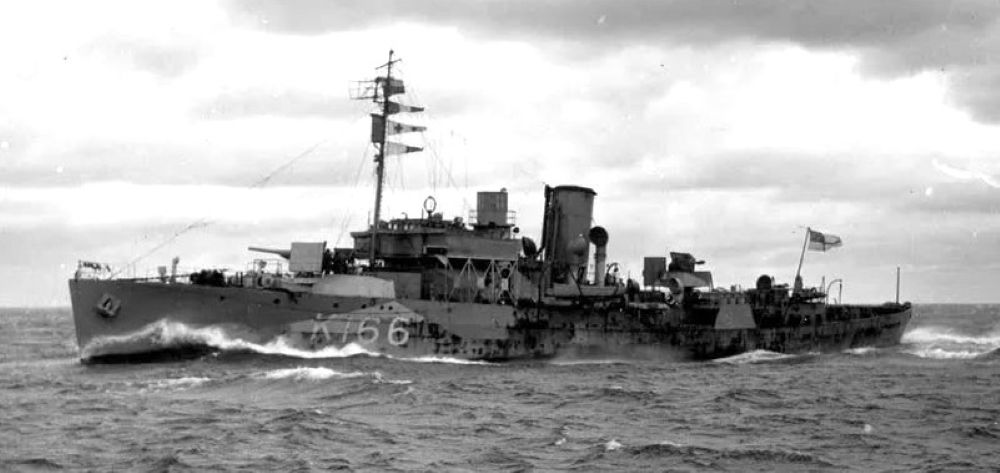
(RCN Photo)
HMCS Snowberry (K166) Flower class Corvette.
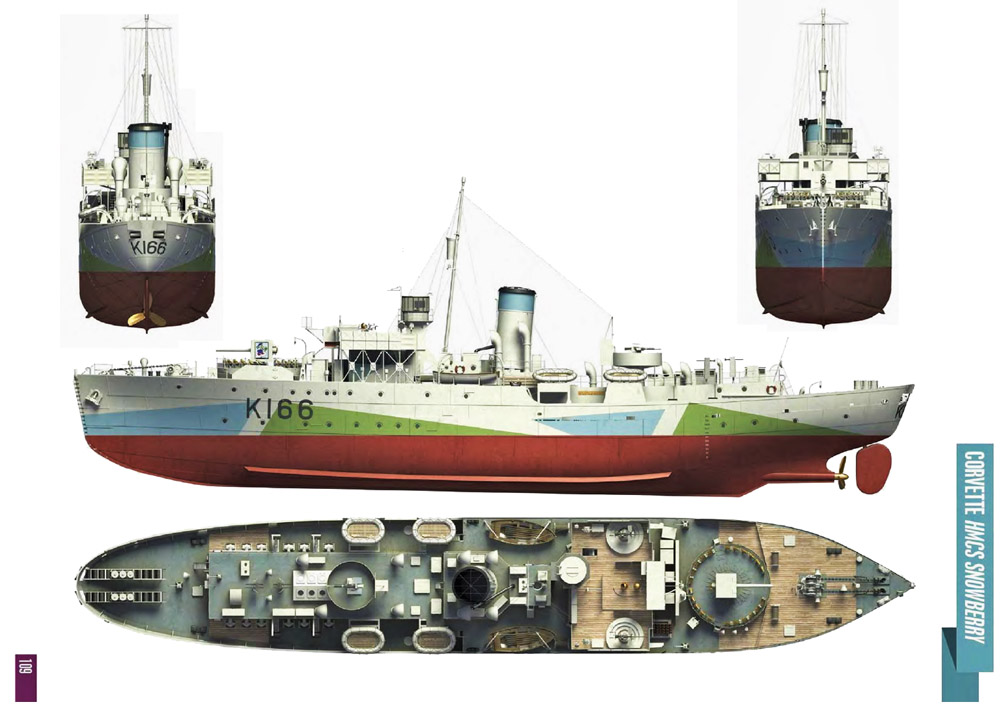
(Pinterest Profile)
HMCS Snowberry (K166), like other Royal Canadian Navy (RCN) Flower class corvettes, wore various paint schemes and camouflage patterns throughout her service during the Battle of the Atlantic (1941-1945), largely following British Admiralty patterns. There was no single, static colour pattern.
Common patterns and the likely colours involved include:
- Early War (c. 1941-1942): The ship may have worn a single, overall light to medium grey scheme, which was standard for RCN vessels operating in home waters and the Western Atlantic early in the war. Photos from this era show a crew member painting the gun shield, indicating active maintenance and potentially a single-colour scheme.
- Mid-War (c. 1942-1944): RCN corvettes frequently adopted disruptive camouflage patterns, particularly the Western Approaches scheme. This typically involved a combination of shades, often white and various greys (e.g., Medium Grey, Light Grey), designed to blend in with the typical weather and sea conditions of the North Atlantic. The vertical surfaces often featured geometric patterns to confuse German U-boat captains about the ship’s course and speed.
- Late War (c. 1944-1945): In the final stages of the war, HMCS Pictou was part of the Western Escort Force, and photos from 1945 show the ship reverted to an overall grey paint scheme. This was a common late-war practice as the threat from U-boats changed.
For Model Builders
Specific Admiralty Colour Codes (AP 507C) were used for these schemes. While exact matches can be debated, common model paint equivalents for RCN corvettes include:
- Admiralty Dark Grey / G10
- Admiralty Light Grey / G45
- Admiralty Medium Grey / G45 (sometimes used for disruptive patterns)
The ship’s pennant number K146 was displayed, typically in black or a contrasting colour, depending on the background paint. The ship’s forward gun shield also featured a unique “Griffon” badge in 1942, based on the commanding officer’s family badge.
HMCS Whitby (K346)
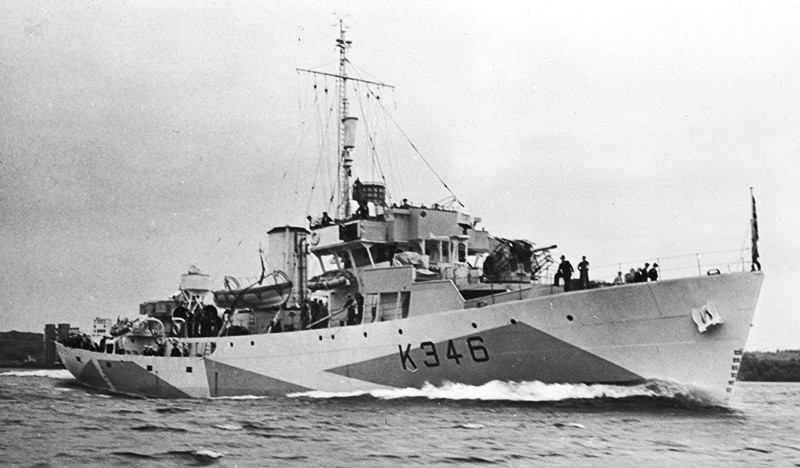
(DND Photo)
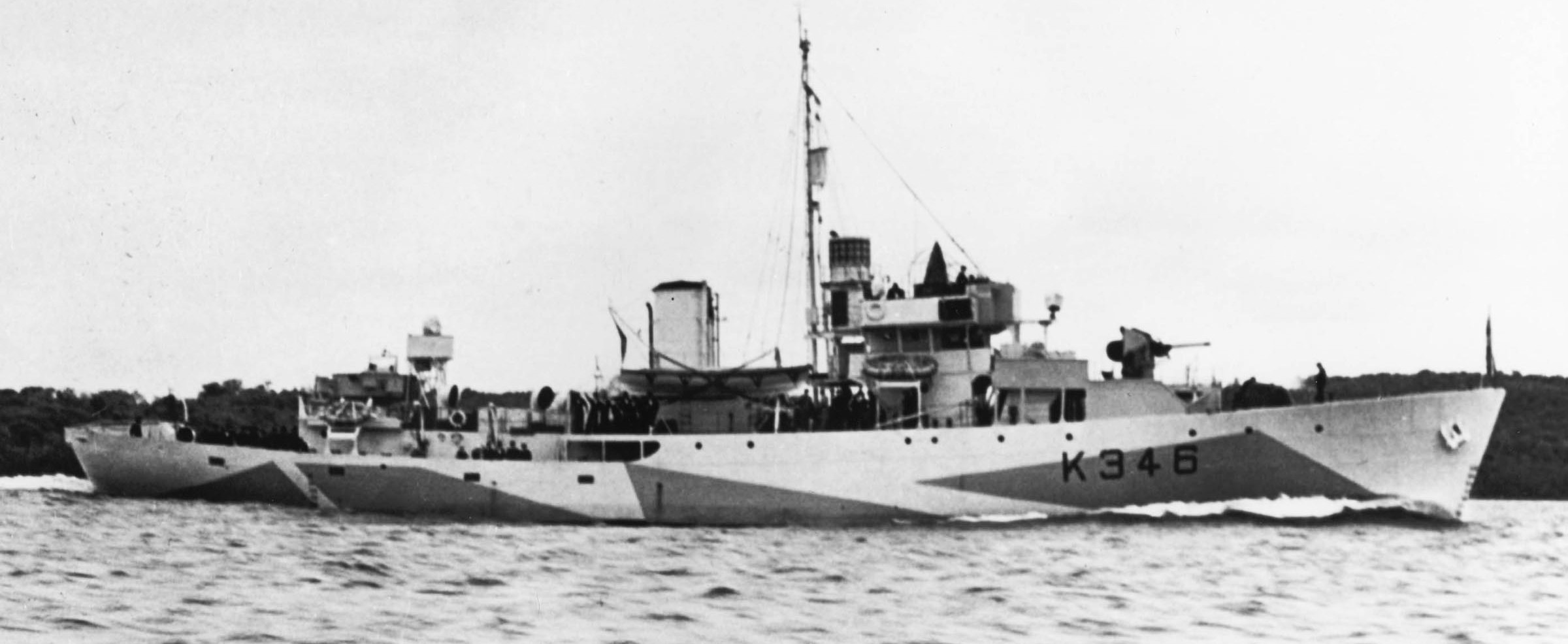
HMCS Whitby (K346) Flower class Corvette. Built at Midland, Ontario, she was commissioned at there on 6 Jun 1944. She did not arrive at Halifax until 16 Aug 1944, owing to a layover en route at Shelburne for repairs. Following workups in Bermuda in Sep 1944 she sailed direct to St. John’s, arriving on 30 Sep 1944, and was assigned to EG C-4. She left St. John’s on 5 Oct 1944 for Londonderry to join the group, with which she was to serve for the balance of the war. HMCS Whitby left Londonderry for Canada in mid-Jun 1945, and was paid off on 16 Jul 1945 and then placed in reserve at Sorel. She was sold in 1946 for merchant service. HMCS Whitby was acquired by the Portuguese Navy from the USA, and renamed NRP Bengo on 29 Apr 1948, probably for the delivery voyage to Mozambique, and on 1 Oct 1948 converted to pilot tender and renamed Bengo. She was still in service as the pilot vessel Bengo at Lourenco Marques (now Maputo) in Mozambique in Aug 1977.
(DND Photo)
HMCS Whitby (K346) Flower class Corvette.
HMCS Windflower (K155)
(DND Photo)
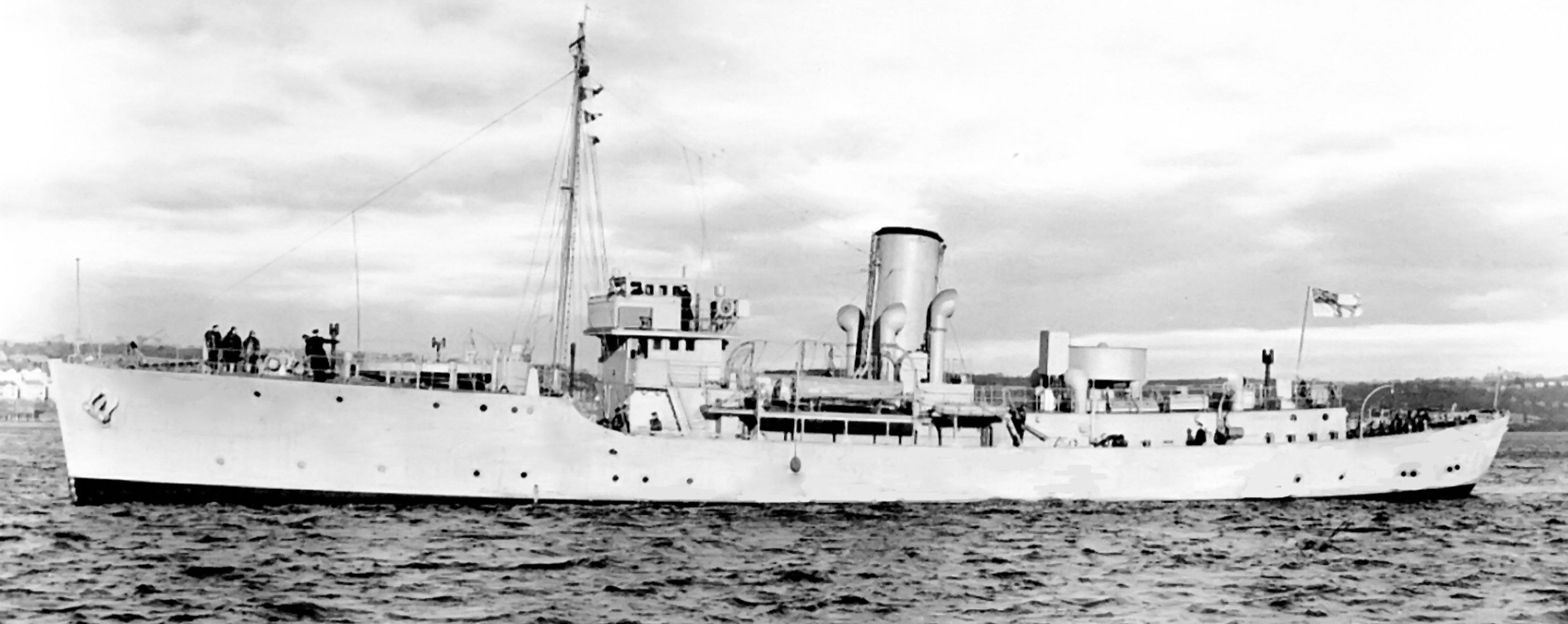
HMCS Windflower (K155) Flower class Corvette, during acceptance trials in 1940, no armament fixed. Built for the RN, she was commissioned on 20 Oct 1940 as HMS Windflower, at Quebec City. She arrived at Halifax on 31 Oct 1940 and left on 6 Dec 1940 with convoy HX.94 for the UK. There, at Scotsoun, she completed fitting out on 2 Mar 1941, following which she went to Tobermory to work up. Later in Mar 1941 she was assigned to EG 4 (RN), Greenock, escorting convoys between the UK and Iceland. On 15 May 1941 she was transferred to the RCN and commissioned as HMCS Windflower. She left Aultbea on 10 Jun 1942 for St. John’s with OB.332, and on arrival transferred to Newfoundland Command. After two round trips between St. John’s and Iceland, she arrived at Liverpool, NS, on 29 Aug 1942 for a short refit, resuming her ocean escort duties in mid-Oct 1942. She made one more round trip to Iceland, and on 7 Dec 1941, while making her second trip, was rammed and sunk in convoy SC.58 by the Dutch freighter Zypenberg in dense fog off the Grand Banks. Twenty-three of her complement were lost.
(DND Photo)
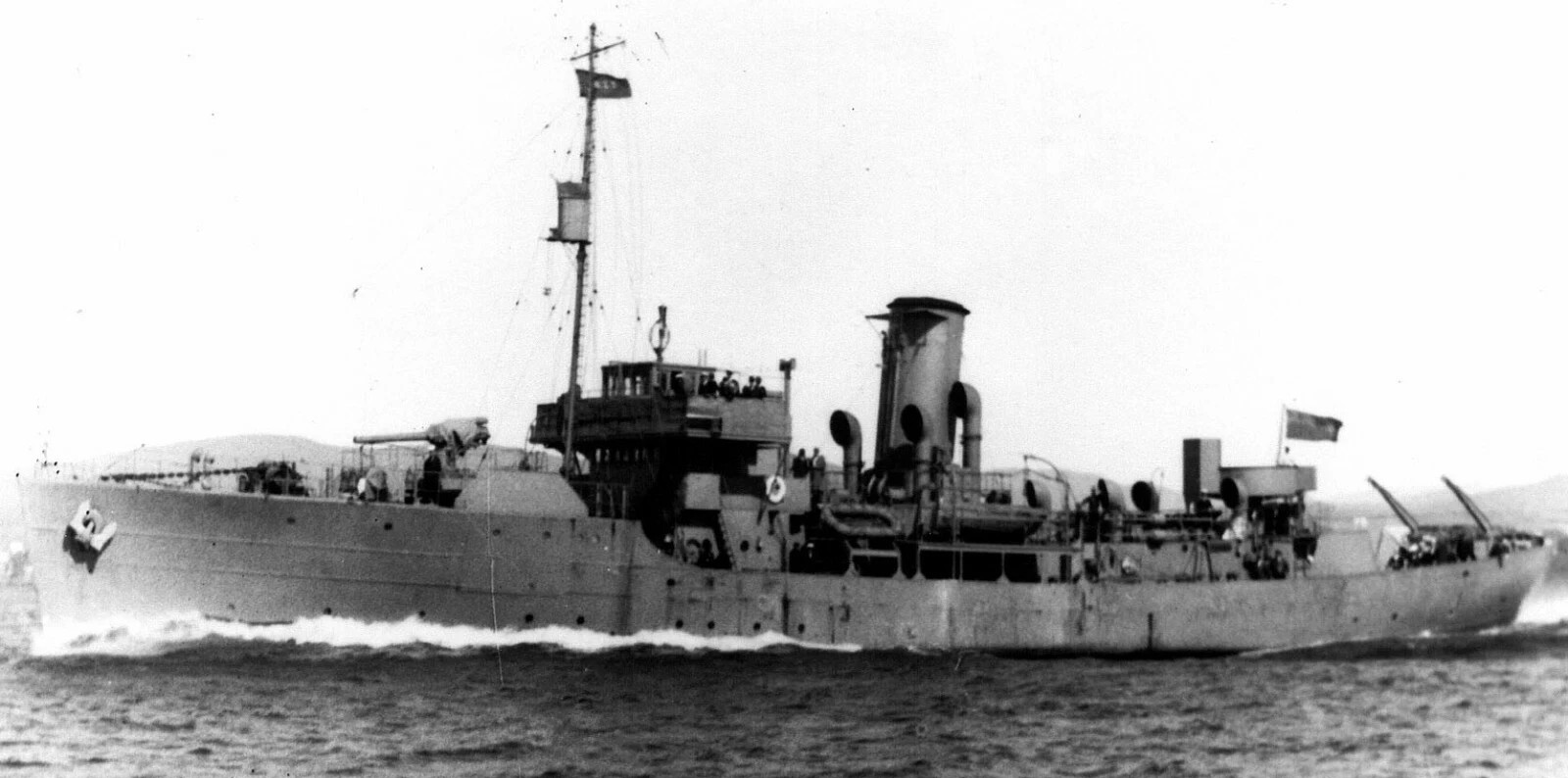
HMCS Windflower (K155).
(DND Photo)
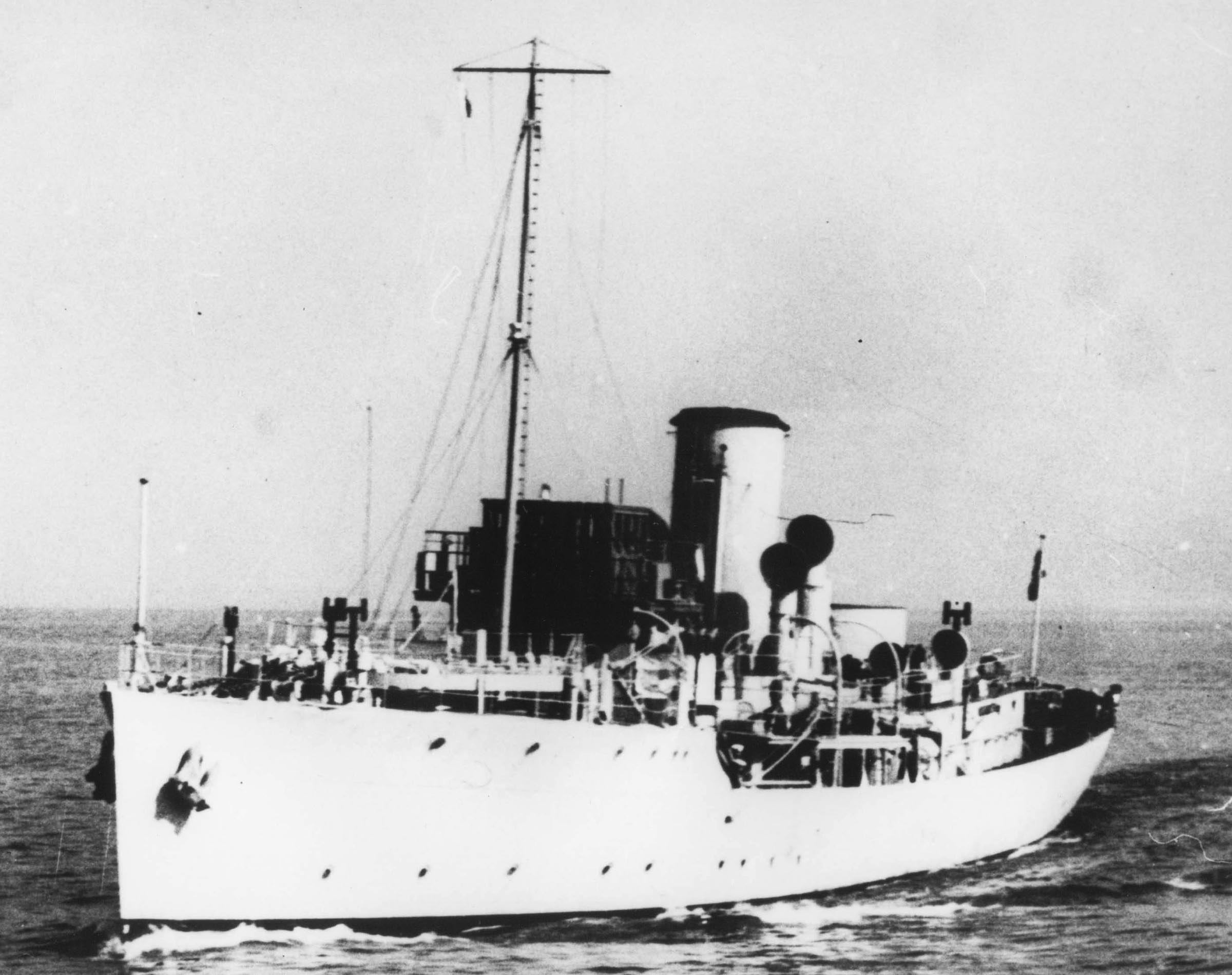
HMCS Windflower (K155).
HMCS Woodstock (K238)
(DND Photo)
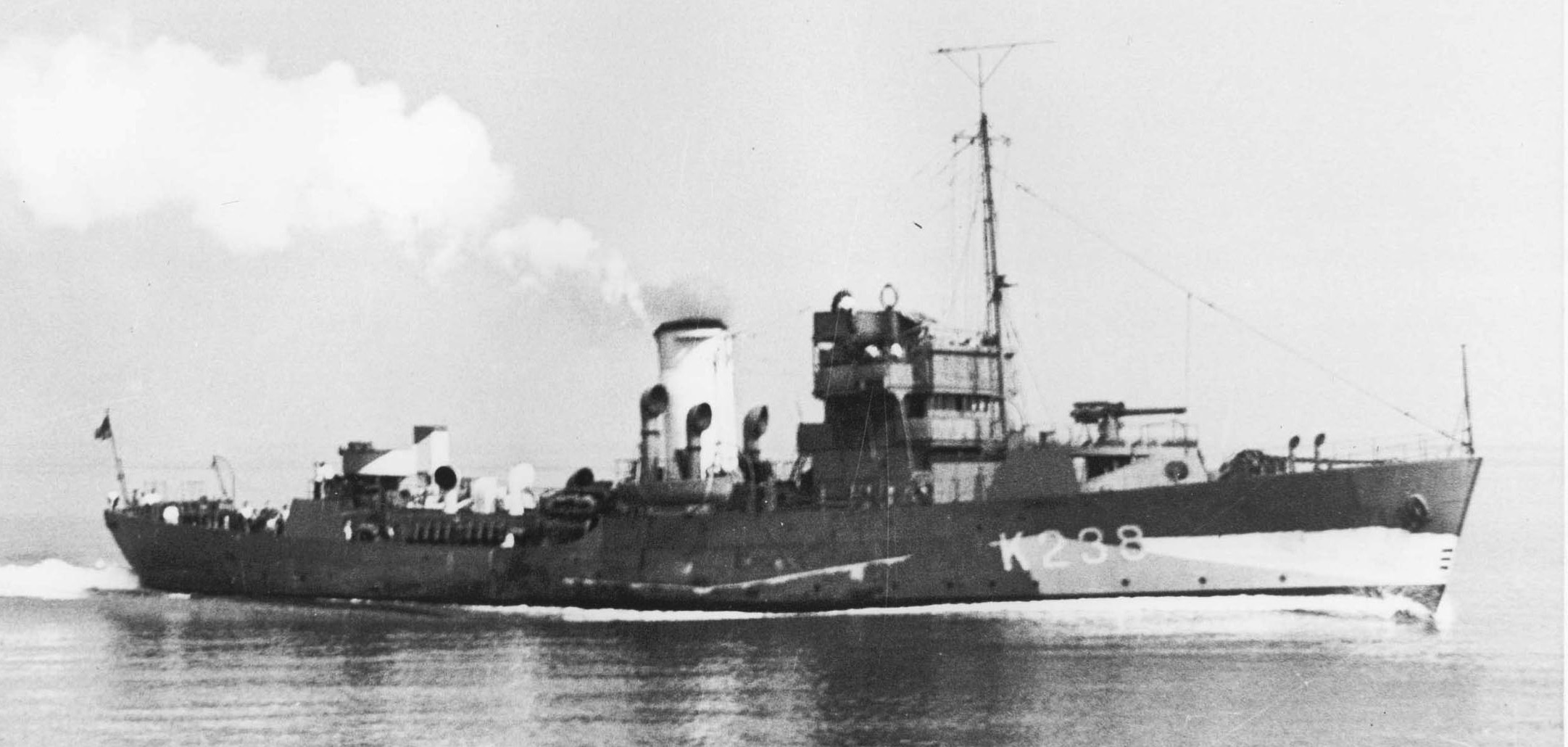
HMCS Woodstock (K238) Flower class Corvette. Built by Collingwood Shipyards Ltd., Collingwood, Ontario, HMCS Woodstock was commissioned on 1 May 1942, at Montreal. She arrived at Halifax on 23 May 1942 and, after working up at Pictou, joined WLEF. Assigned to Operation “Torch,” she arrived on 23 Sep 1942 at Londonderry from convoy HX.207 and proceeded to the Humber for six weeks’ refit, including extra A/A armament. While serving as escort to UK-Mediterranean convoys, on 10 Jan 1943, she sank MTB 105, 250 miles northwest of the Azores, after a merchant ship carrying it had been sunk. HMCS Woodstock returned to Canada arriving in Halifax on 24 Mar 1943 with convoy ON.172, and in Apr 1943, after repairs at Halifax, joined EG C-1 for one round trip to the UK. In Jun 1943 she was transferred to EG 5, Western Support Force, at St. John’s but late that month was reassigned to EG C-4 at Londonderry. She escorted only one convoy as member of that group before commencing refit late in Jun 1943 at Liverpool, NS. Completed at Halifax in mid-Sep 1943, the refit was followed by three weeks’ workups at Pictou, the ship then rejoining C-4. In Apr 1944, while at Londonderry, she was allocated to Western Approaches Command for invasion duties, and was so employed for the next three months. She left ‘Derry for the last time on 3 Aug 1944, for two months’ refit at Liverpool, NS. She left Halifax on 18 Oct 1944 for the west coast, arriving at Esquimalt a month later to join Esquimalt Force. On 27 Jan 1945, she was paid off there for conversion to a loop-layer but upon re-commissioning on 17 May 1945 was employed as a weather ship until finally paid off on 18 Mar 1946. Sold in 1948 for conversion to a whale-catcher, she entered service in 1951 as the Honduran-flag Olympic Winner. She passed into Japanese ownership in 1956, and was renamed Otori Maru No. 20, and in 1957, Akitsu Maru. She was broken up at Etajima in 1975.
(DND/RCN Photo, NP 1069)
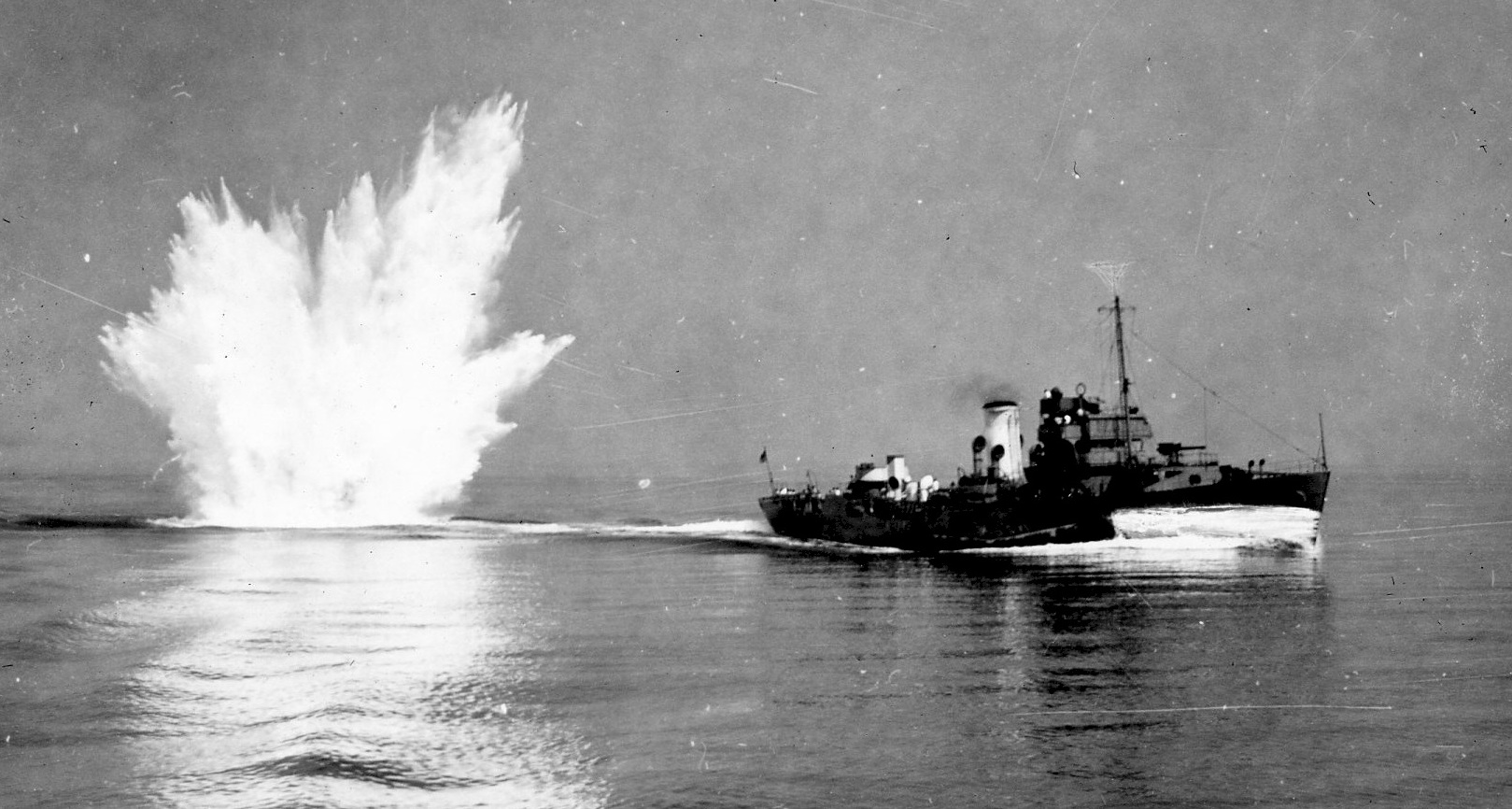
HMCS Woodstock (K238) Flower class Corvette. with a depth charge exploding astern of her.
(Library and Archives Canada Photo, MIKAN No. 4950910)
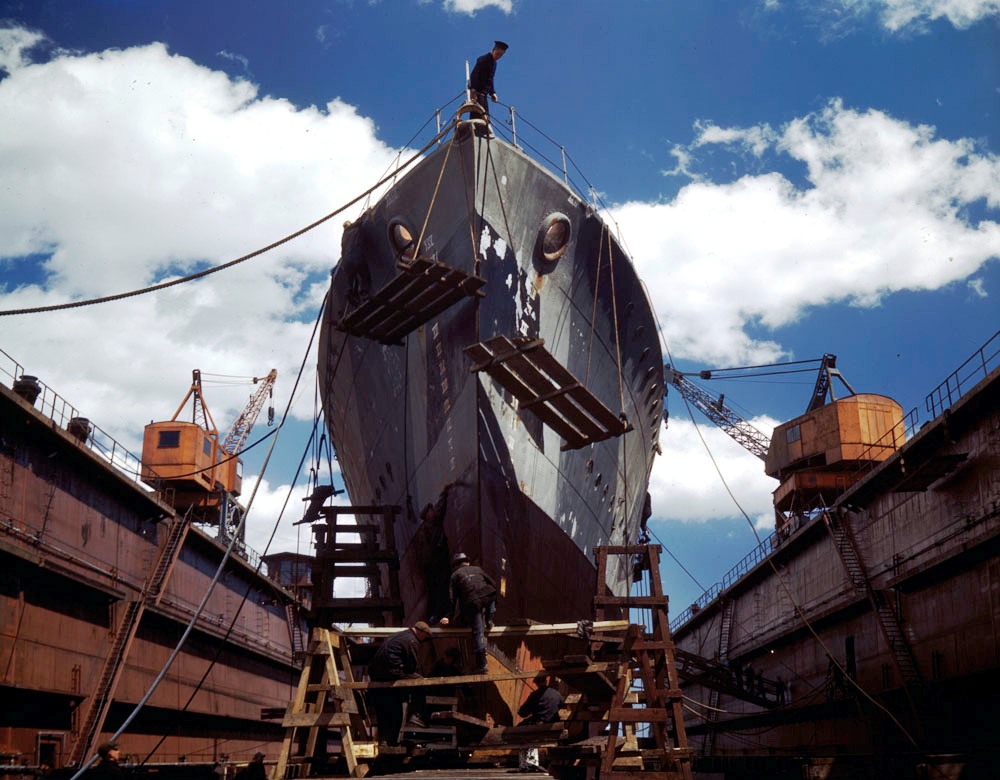
RCN Corvette in drydock.