RCN Flower class Corvettes: HMCS Charlottetown (K244), HMCS Chicoutimi (K156), HMCS Chilliwack (K131), HMCS Cobalt (K124)
HMCS Charlottetown (K244)
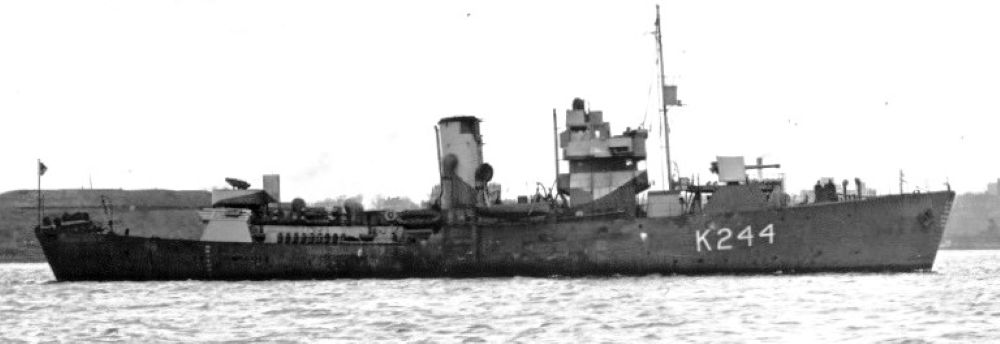
(RCN Photo)
HMCS Charlottetown (K244) Flower class Corvette. Built by the Kingston Shipbuilding Co., Ltd, Ont., she was commissioned at Quebec City on 13 Dec 1941 and arrived at Halifax on 18 Dec 1941. She was a member of WLEF until mid-Jul 1942, when she was transferred to Gulf Escort Force owing to increased U-boat activity in the Gulf of St. Lawrence. She was employed as escort to Quebec-Sydney convoys until 11 Sep 1942, when she was torpedoed and sunk by U-517 in the St. Lawrence River near Cap Chat, Quebec. Six of her crew were lost that day, 4 later died of wounds resulting from the sinking. She had earlier delivered convoy SQ.35 to Rimouski and was en route back to Gaspé, her base, at the time.
A member of HMCS Charlottetown‘s crew, Bowser died after the German submarine U-517 sank his ship in the St. Lawrence River in September 1942. Charlottetown had been sailing with HMCS Clayoquot and, as the ships had not been “zig-zagging,” they presented less-difficult targets for U-517. Most of Charlottetown’s crew survived the torpedoing but several, including Bowser, were severely injured by depth charges which exploded as their ship sank. His funeral at St. Paul’s Anglican Church in Gaspé, Quebec, emphasized the proximity of the battle of the St. Lawrence to the Canadian home front
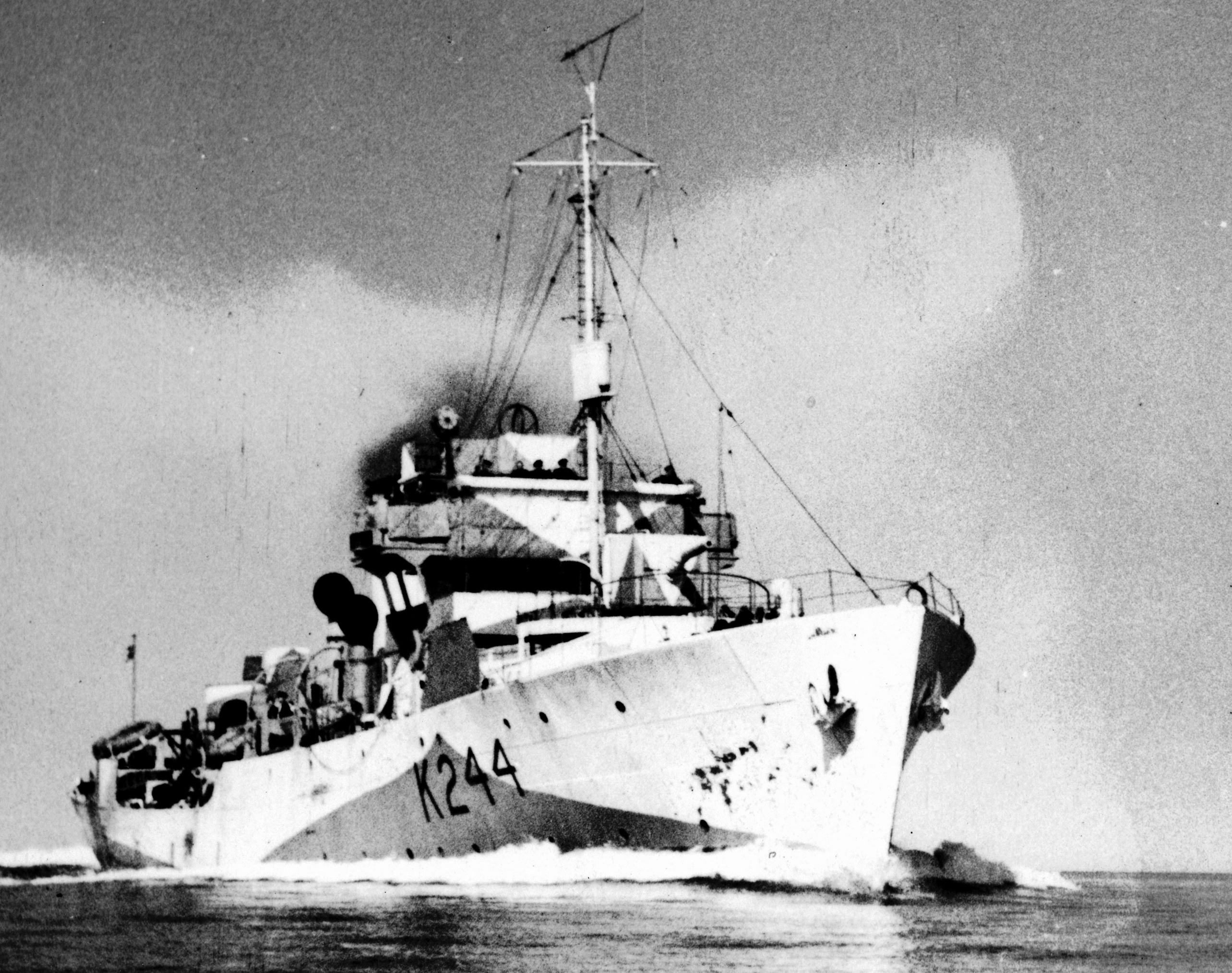
(DND Photo)
HMCS Charlottetown (K244) Flower class Corvette.
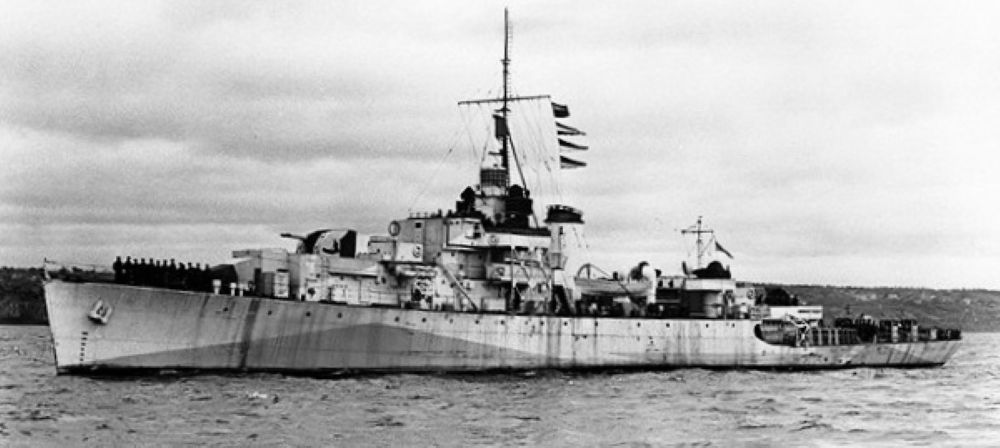
(RCN Photo)
HMCS Charlottetown (K244) Flower class Corvette.
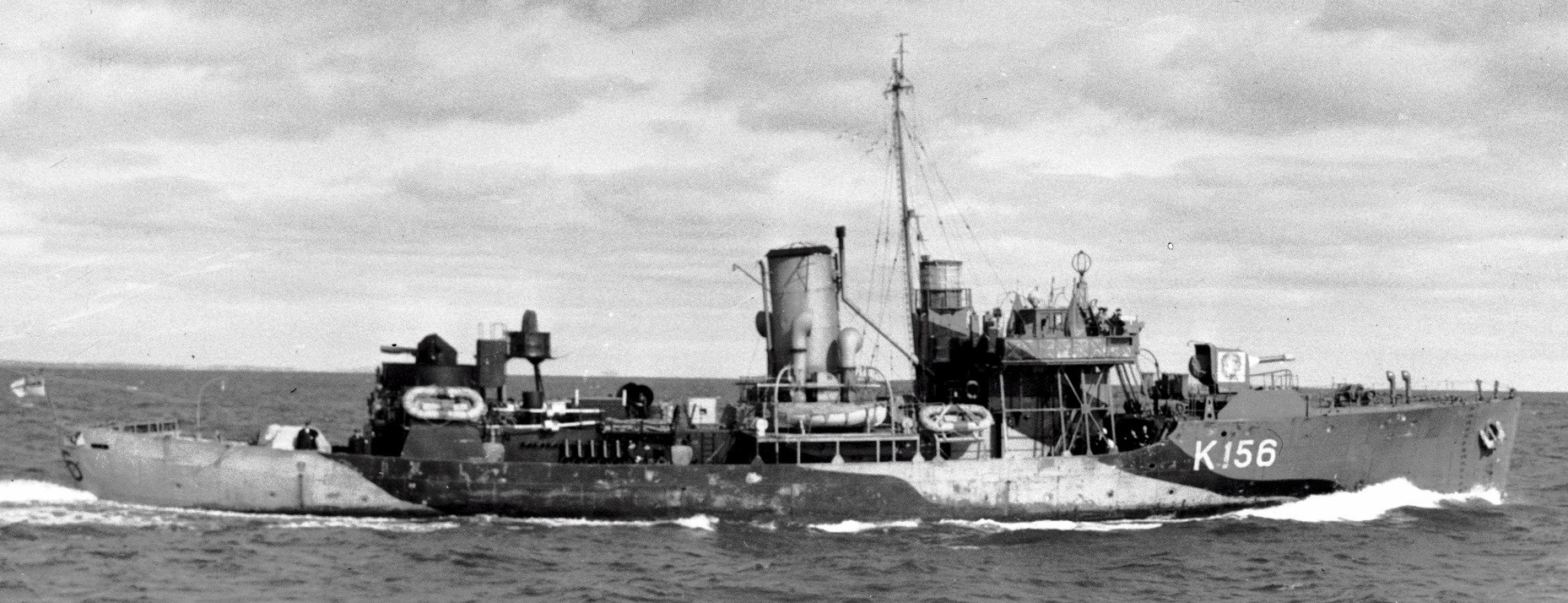
HMCS Chicoutimi (K156)
(Ron Bell Photo)
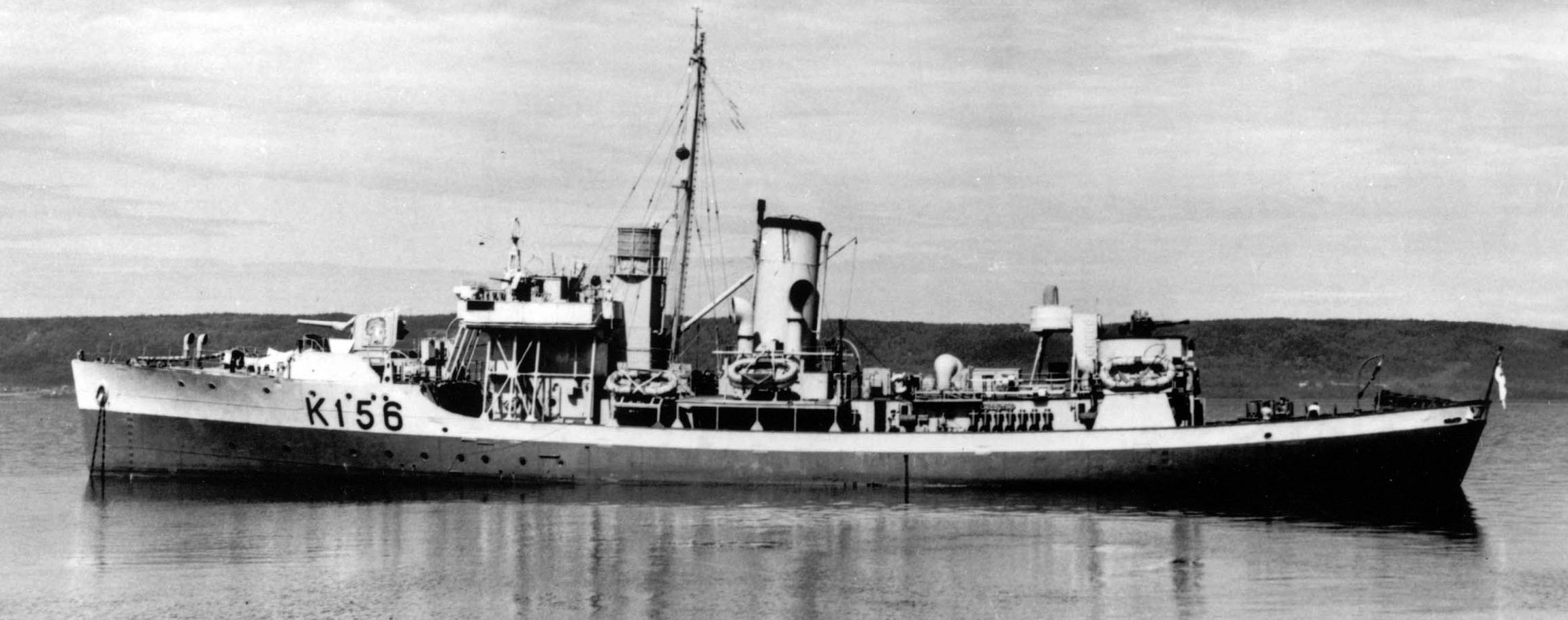
HMCS Chicoutimi (K156) Flower class Corvette. Built by Canadian Vickers Ltd., Montreal, Quebec, she was commissioned at Montreal on 12 May 1941. HMCS Chicoutimi arrived at Halifax on 17 May 1941. She carried out workups and then joined Sydney Force, escorting ocean convoys on the first leg of their eastward journey. In Sep 1941 she joined Newfoundland Command and left Sydney on 29 Sep 1941 to escort convoy SC.47 to Iceland. She was employed for the next five months as an ocean escort between St. John’s and Iceland and, later, Londonderry. Reassigned to WLEF, she left ‘Derry on 27 Feb 1942, to meet convoy On.71. She served with WLEF until Aug 1944 (from Jun 1943, on with EG W-1), when she was transferred to HMCS Cornwallis as a training ship. In Apr 1945, she went to Sydney Force and, on 16 Jun 1945, was paid off at Sorel for disposal. She was sold to Steel Co. of Canada, Hamilton, Ontario, in Jun 1946 and broken up in the same year. A credit to her builders, Canadian Vickers, HMCS Chicoutimi required only three short refits during her active career, and she was one of the few corvettes to survive the war with a short fo’c’s’le.
(RCN Photo)
HMCS Chicoutimi (K156) Flower class Corvette.
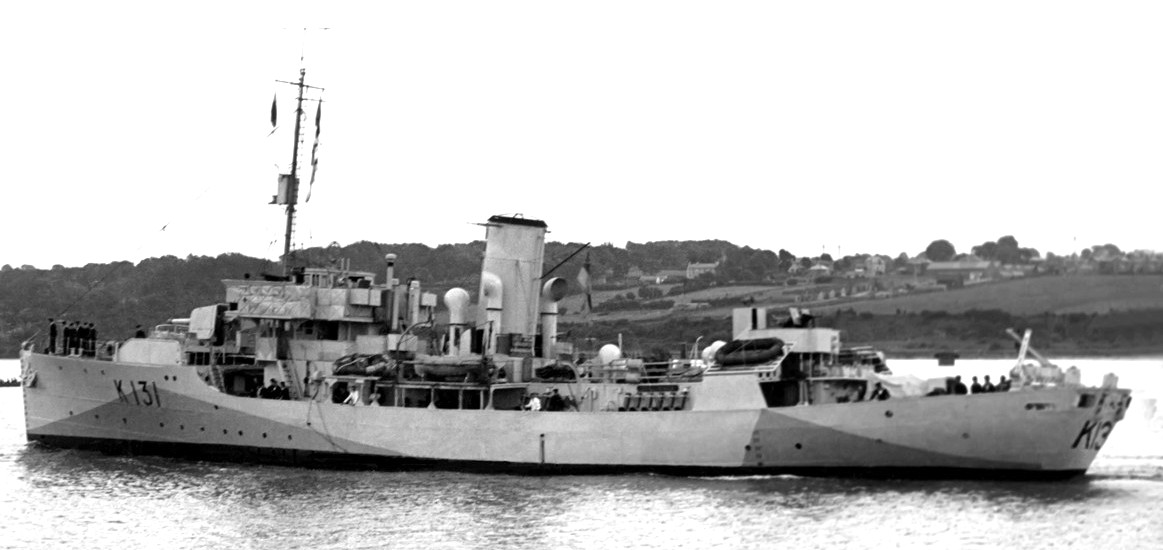
HMCS Chilliwack (K131)
(Naval Museum of Alberta Photo)
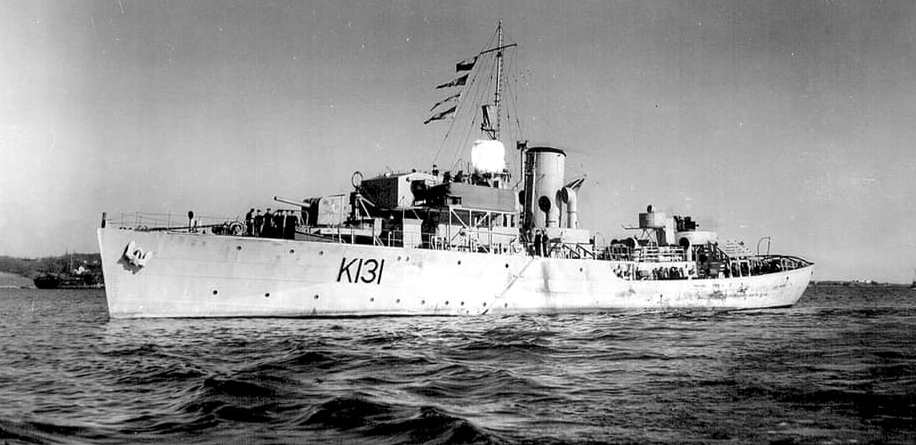
HMCS Chilliwack (K131) Flower class Corvette. Built by Burrard Dry Dock Co., Ltd, she was commissioned at Vancouver on 8 Apr 1941. She arrived at Halifax on 19 Jun 1941, was assigned to Newfoundland Command in July, and for the rest of the year escorted convoys between St. John’s and Iceland. Early in Feb 1942 Chilliwack escorted SC.67, her first transatlantic convoy, and was thereafter employed almost continuously as an ocean escort until Nov 1944. From Jun 1942, onward she was a member of EG C-1, and during this period escorted three convoys around which epic battles were fought: SC.94 (Aug 1942), ONS.154 (Dec 1942), and ON.166 (Feb 1943). In addition, she assisted in sinking two U-boats: U-356 when escort to ONS.154, 27 Dec 1942; and U-744 when escort to HX.280, on 6 Mar 1944. On that date, HMCS Chaudiere H99, HMCS St. Catharines K325, HMCS Chilliwack 131, HMCS Fennel K194 and HMCS Gatineau H61, along with two British ships, HMS Icarus and HMS Kenilworth Castle, started one of the longest U-boat hunts Canadian ships participated in during the Second World War. A total of 291 depth charges, 87,300 pounds of high explosive were required to bring the U-boat to the surface. Fifteen hundred signals were passed between the ships as they stalked, attacked, waited and again attacked the submarine U-744 through a day and a night of rough weather. U-744 was forced to surface on 6 March 1944, after a 31-hour pursuit by these Canadian and British ships. U-744 was then boarded by allied sailors, who retrieved code books and other documents. Most of this was lost while being transferred between the U-Boat and the allied ships. After attempts to tow the submarine into port failed, U-744 was scuttled by the allied warships. In the course of a major refit from Apr to Oct 1943, at Dartmouth, NS, she acquired her long fo’c’s’le. Assigned on 4 Dec 1943 to EG WE-8, WEF, she left for a month’s workups in Bermuda. Reassigned in Apr 1945, to Halifax Force, she was temporarily lent to EG C-1 the following month for one final round trip to Londonderry. Paid off 14 Jul 1945 and laid up at Sorel, she was broken up at Hamilton, Ontario, in 1946.
(RCN Photo)
HMCS Chilliwack (K131) Flower class Corvette.
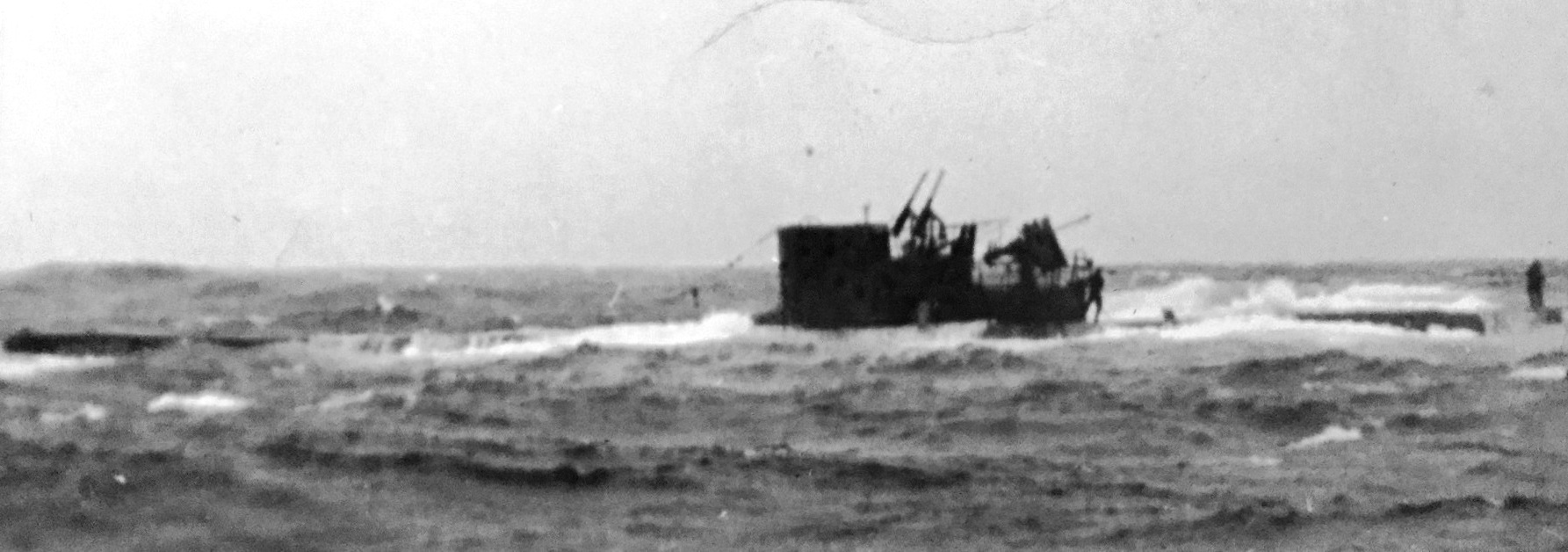
(Scott Wilson McMurdo Photo)
Photo of the capture of U-744, taken from HMCS Chilliwack, 6 March 1944.
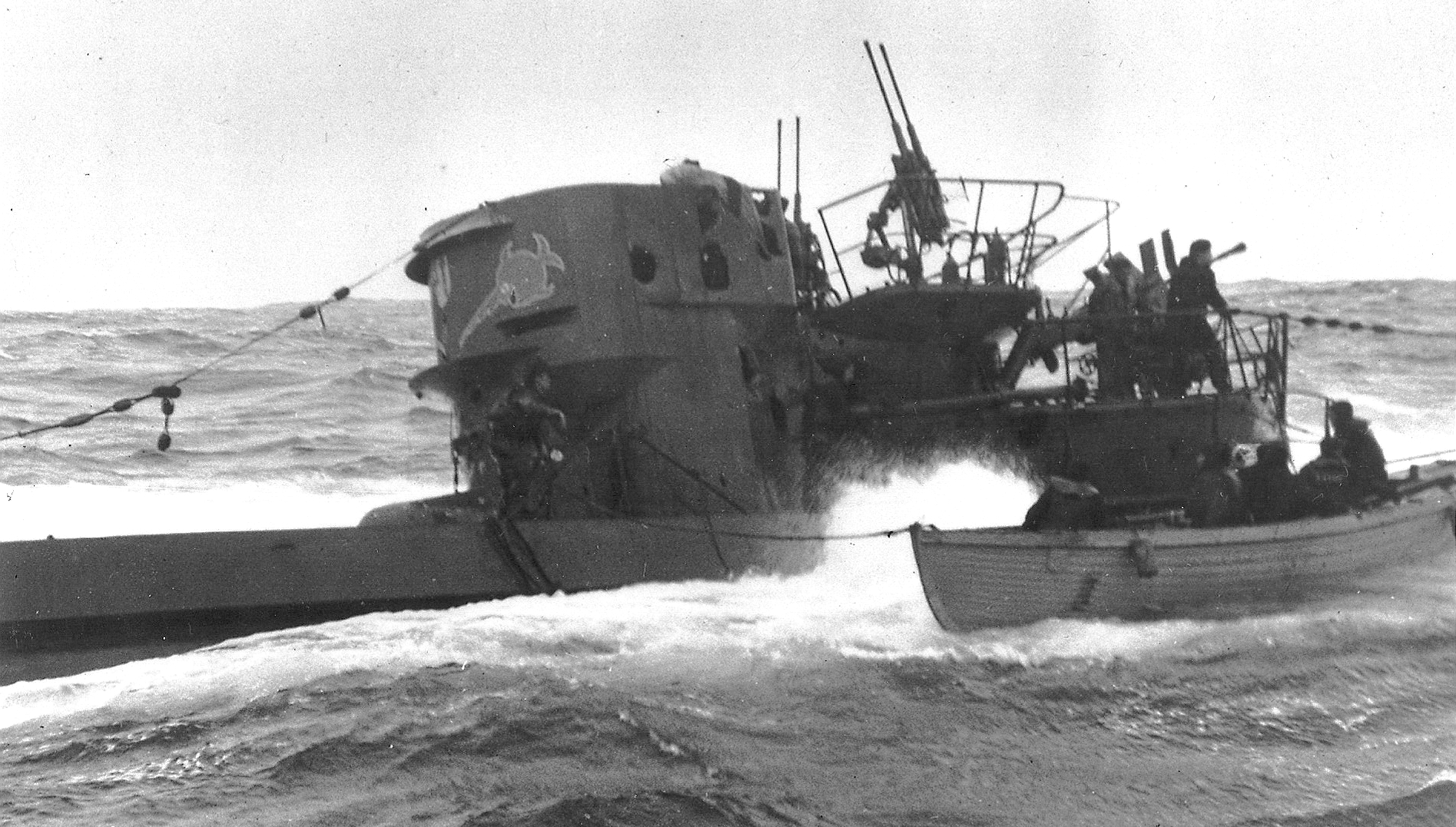
(Library and Archives Canada Photo, PA-112996)
Photo of the capture of U-744, taken from HMCS Chilliwack, 6 March 1944.
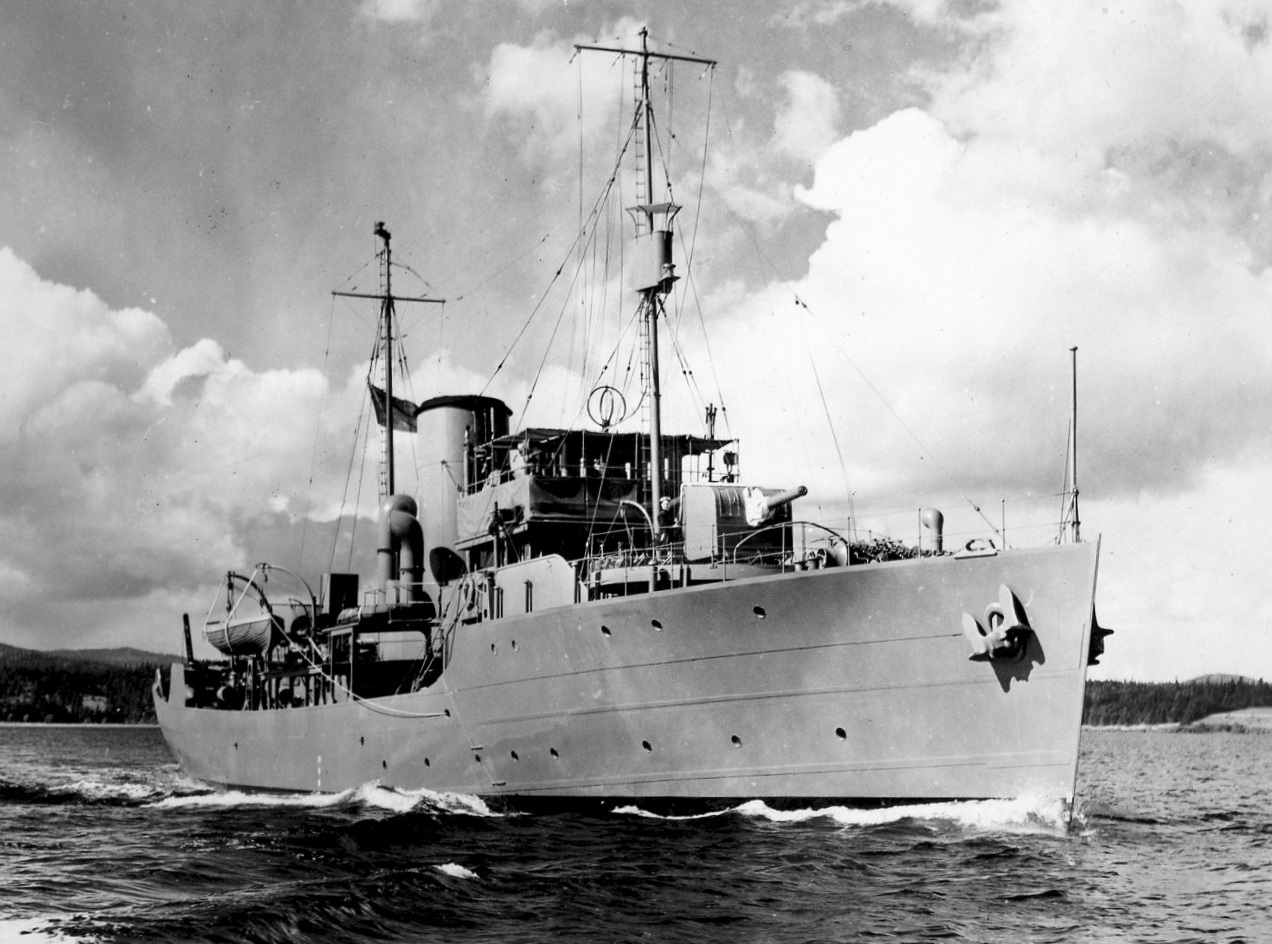
(DND Photo)
HMCS Chilliwack (K131) Flower class Corvette.
HMCS Cobalt (K124)
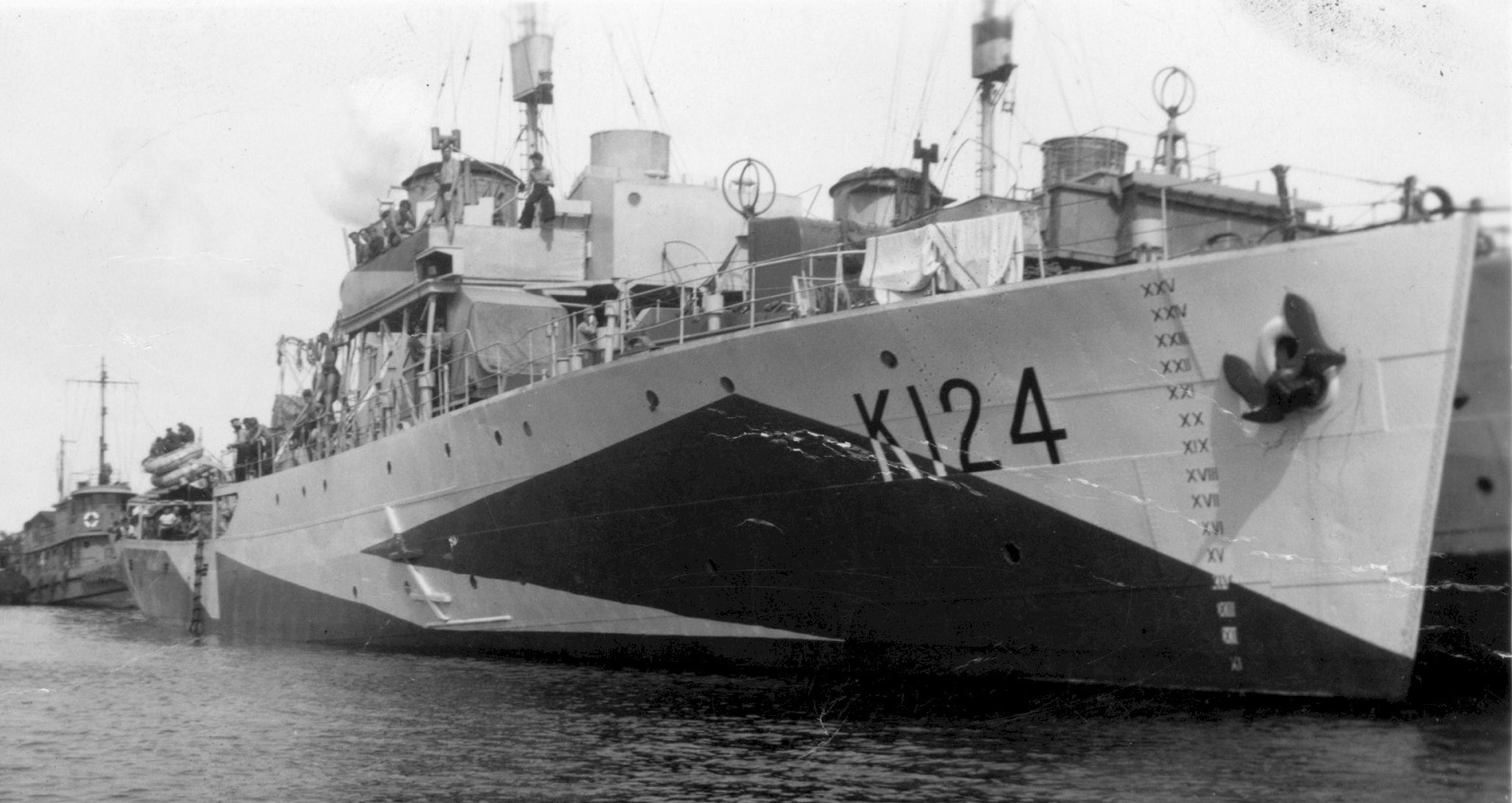
(RCN Photo)
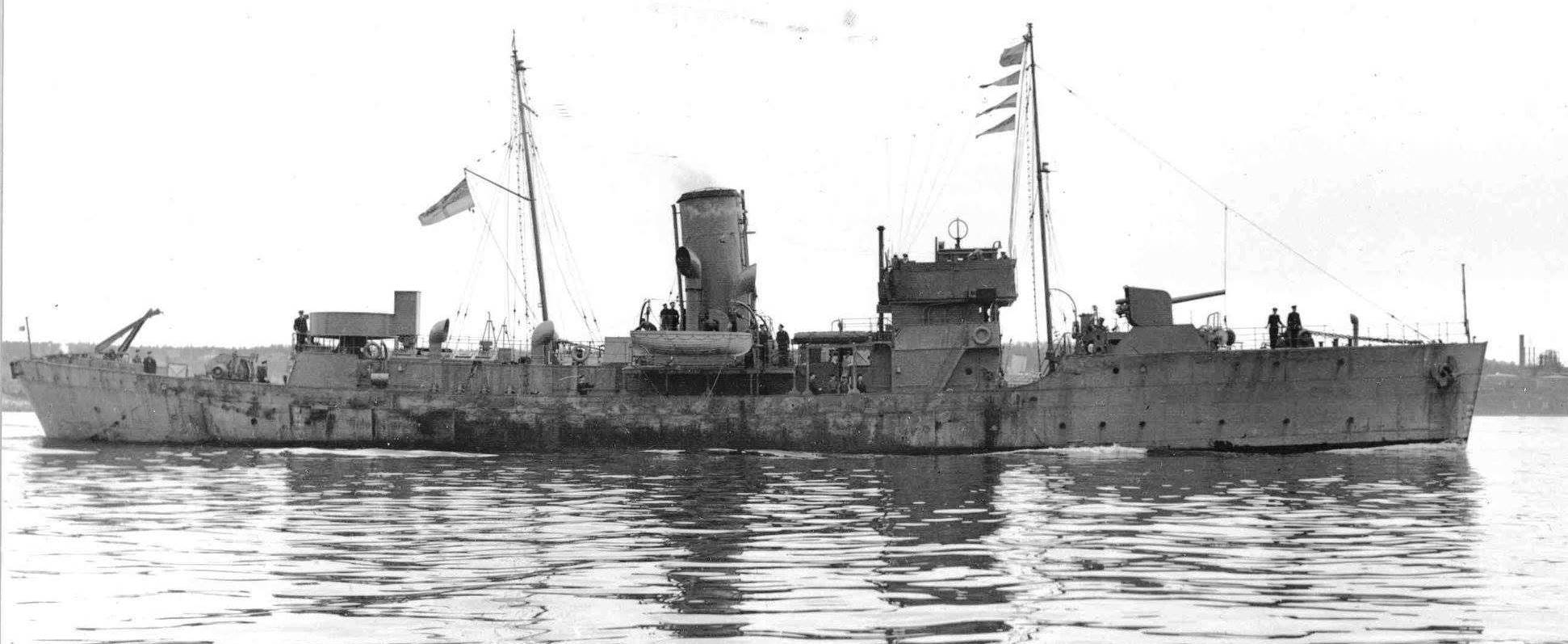
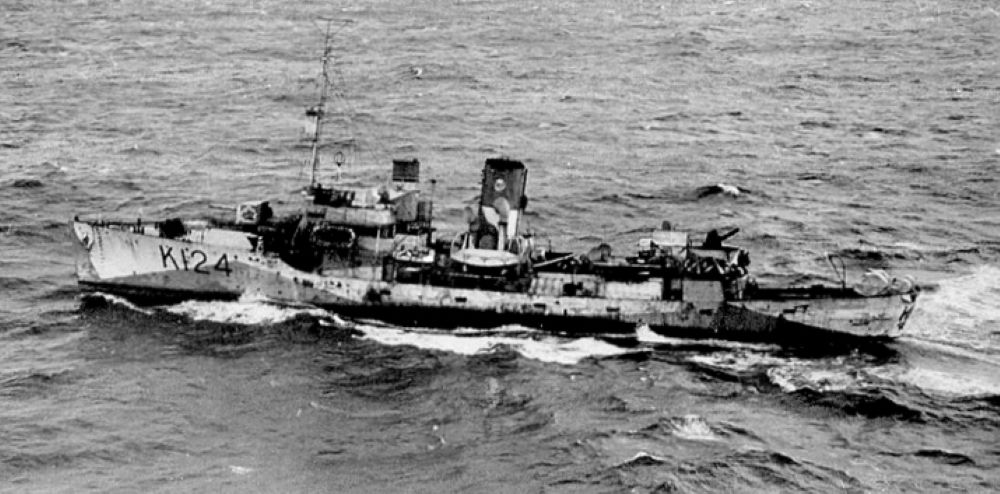
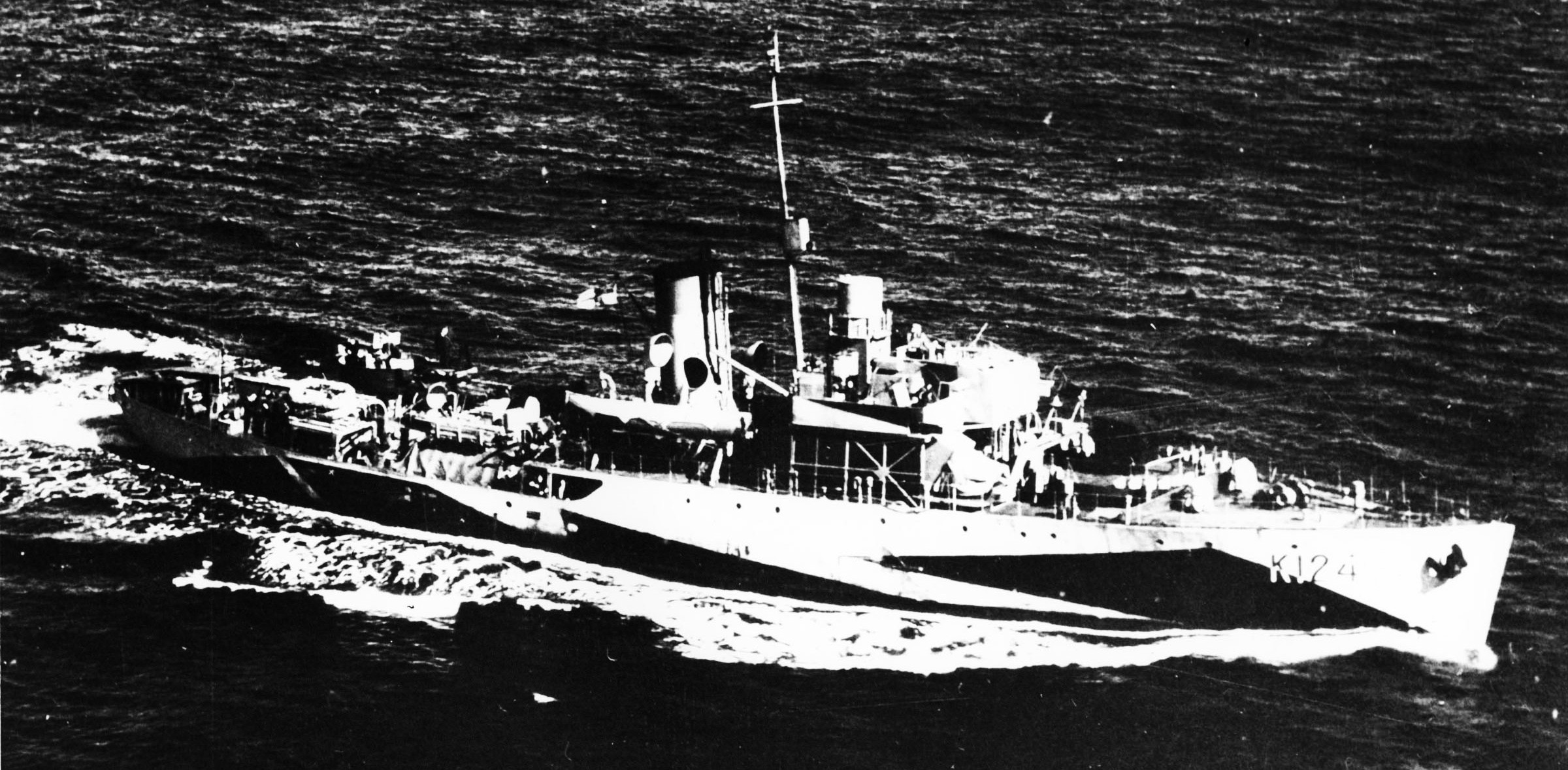
HMCS Cobalt (K124) Flower class Corvette. Built at Port Arthur and commissioned there on 25 Nov 1940, HMCS Cobalt was taken to Halifax in advance of completion to beat the St. Lawrence freeze-up, arriving 24 Dec 1940. Completed early in Jan 1941, she worked up and joined Halifax Force, but left on 23 May 1941 with the other six corvettes and first formed NEF. For the next six months she operated as an ocean escort between St. John’s and Iceland, proceeding in mid-Nov 1941 to Liverpool, NS, for three moths’ refit. Following completion she made two round trips to Londonderry before being assigned in May 1942, to WLEF, with which she was to spend the balance of the war. She served with EG W-6 from Jun 1943; with W-5 from Apr 1944; and with W-7 from Feb 1945. During the second of two other extensive refits at Liverpool, NS, from Apr to 20 Jul 1944, her fo’c’s’le was lengthened. She was paid off at Sorel on 17 Jun 1945, and subsequently sold for conversion to a whale-catcher, entering service in 1953 as the Dutch Johanna W. Vinke. She was broken up in South Africa in 1966.
(CFB Esquimalt Naval and Military Museum Photo)
HMCS Cobalt (K124) Flower class Corvette.
(RCN Photo)
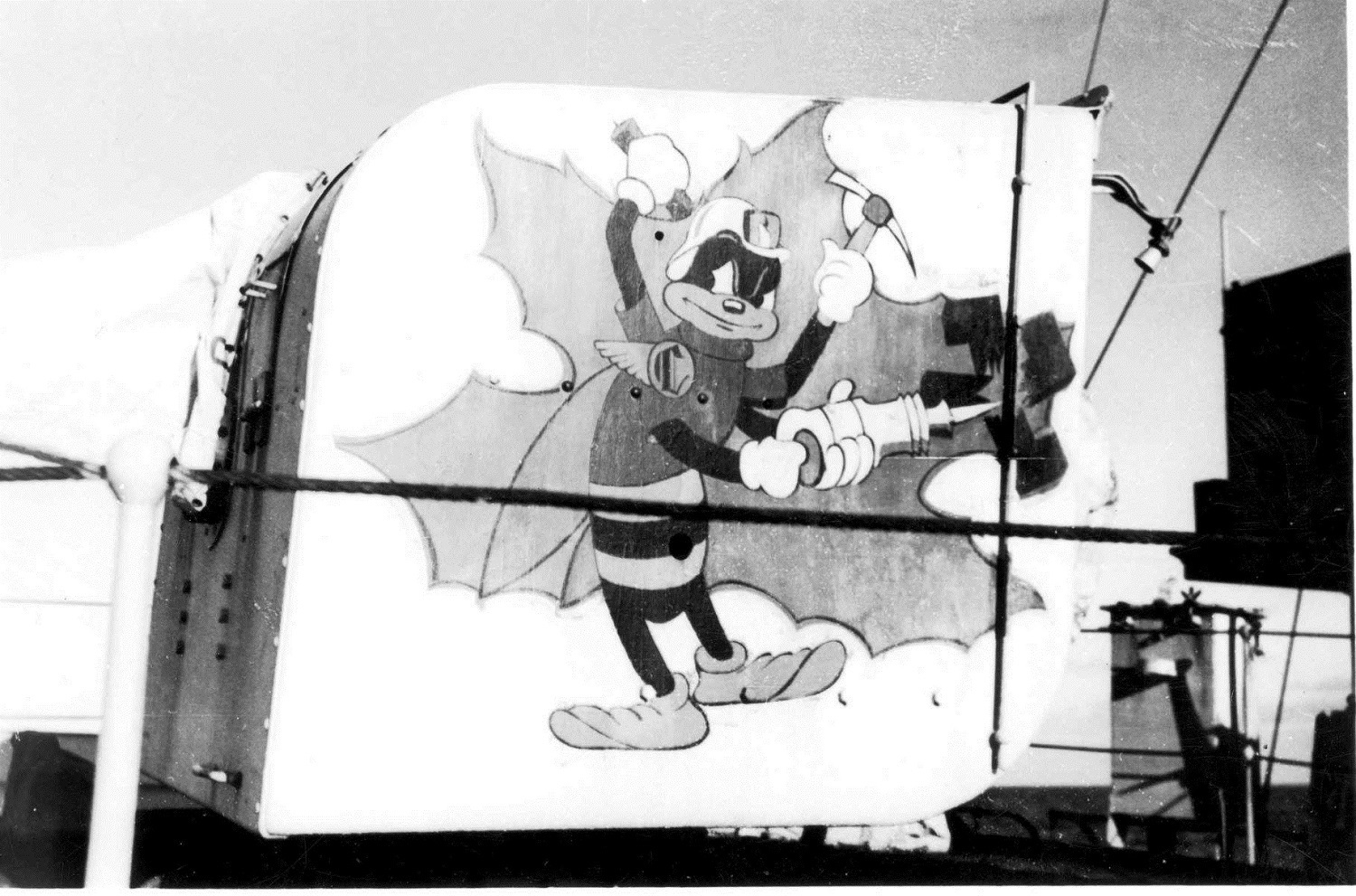
HMCS Cobalt (K124) Flower class Corvette. Gun shield artwork.
(DND Photo)
HMCS Cobalt (K124) Flower class Corvette.
(DND Photo)
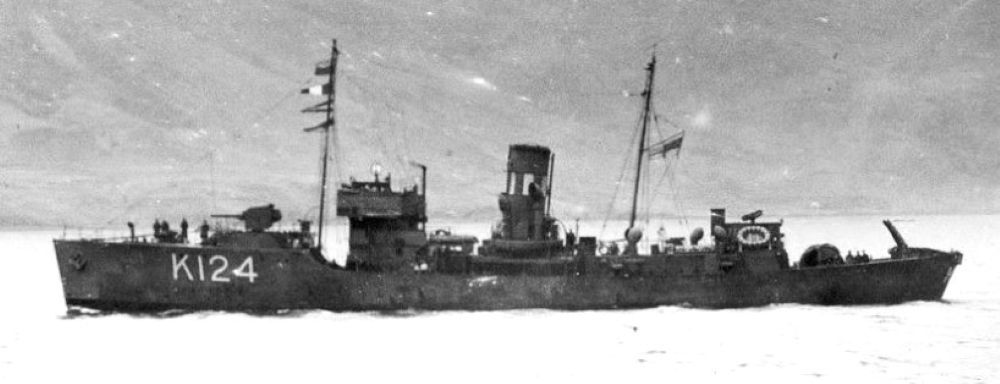
HMCS Cobalt (K124) Flower class Corvette. Hvalfjord, West-Iceland. The snow in the mountains shows that this was during spring – early summer. Most likely May or June 1941.
(RCN Photo)
HMCS Cobalt (K124) Flower class Corvette.
(Great Lakes Maritime Archives Blueprints)
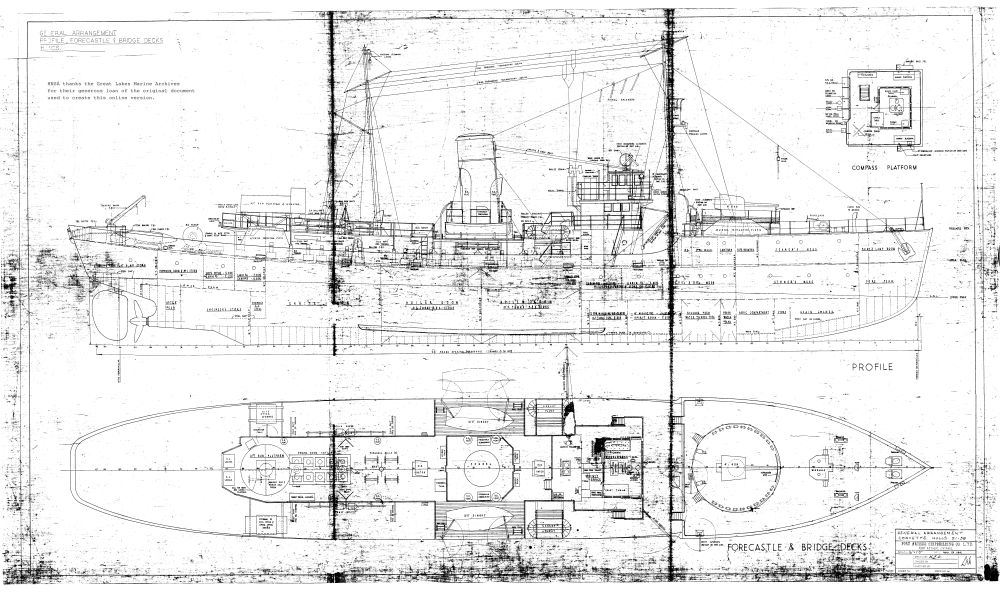
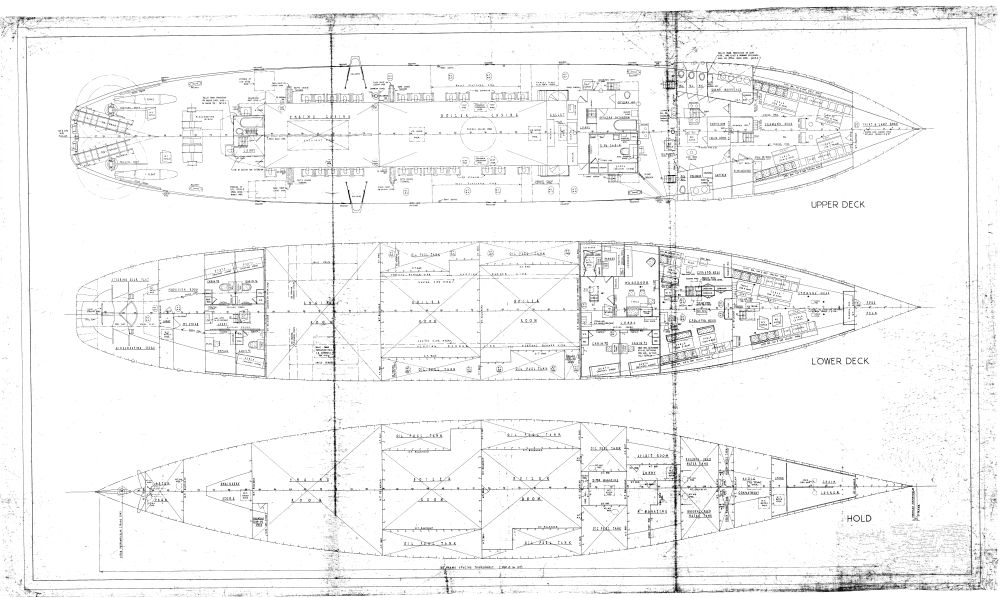
HMCS Cobalt (K124) Flower class Corvette.