RCN Flower class Corvettes: HMCS Buctouche (K179), HMCS Calgary (K231), HMCS Camrose (K154), HMCS Chambly (K116)
HMCS Buctouche (K179)
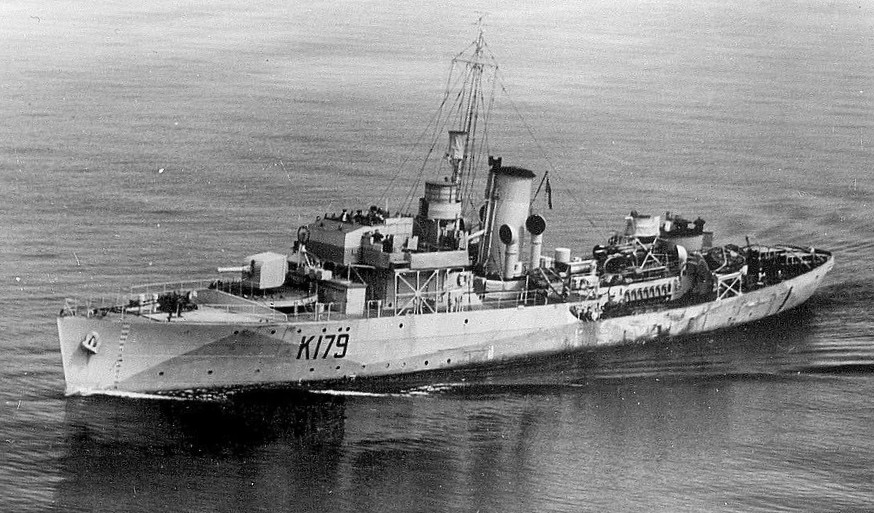
(RCN Photo)
HMCS Buctouche (K179) Flower class Corvette. Commissioned at Quebec City on 05 Jun 1941, HMCS Buctouche arrived at Halifax on 12 Jun 1941. After working up, she joined Newfoundland Force at St. John’s on 29 Jul 1941. On 26 Aug 1941 she left St. John’s for Iceland with convoy SC.41, and thereafter escorted convoys to and from Iceland until Jan 1942, when Londonderry became the eastern terminus. In Jun 1942, she was transferred to WLEF, with which she was to remain until the end of the war except for two months in the summer of 1944, when she was attached to Quebec Force. On 7 July 1942, Buctouche under Skr. Lt. G.N. Downey, RCNR, rescued 15 survivors from the Norwegian merchant ship Moldanger that was torpedoed and sunk by U-404 on 27 June at 30-03N, 70-52W. After the formation of escort groups by WLEF in Jun 1943, Buctouche served principally with EG W-1. In Oct 1943, she commenced a fourth-month refit at Saint John, completing on 29 Jan 1944, in the process acquiring an extended fo’c’s’le. On 28 Jun 1944, HMCS Buctouche was damaged in a grounding incident at Hamilton Inlet, Labrador but made Pictou on her own for two months’ repairs. She was paid off at Sorel on 15 Jun 1945, and broken up at Hamilton, Ontario, in 1949.
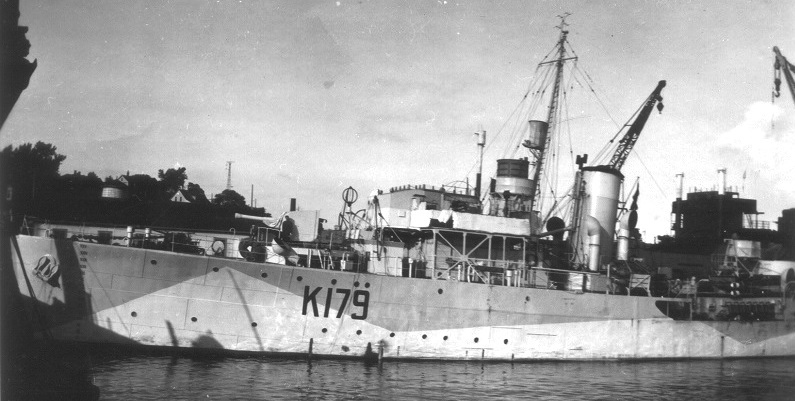
(Dan Connolly Photo)
HMCS Buctouche (K179) Flower class Corvette.
HMCS Calgary (K231)
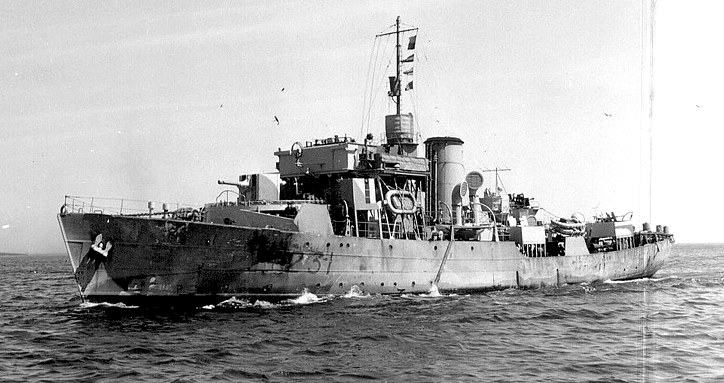
(RCN Photo)
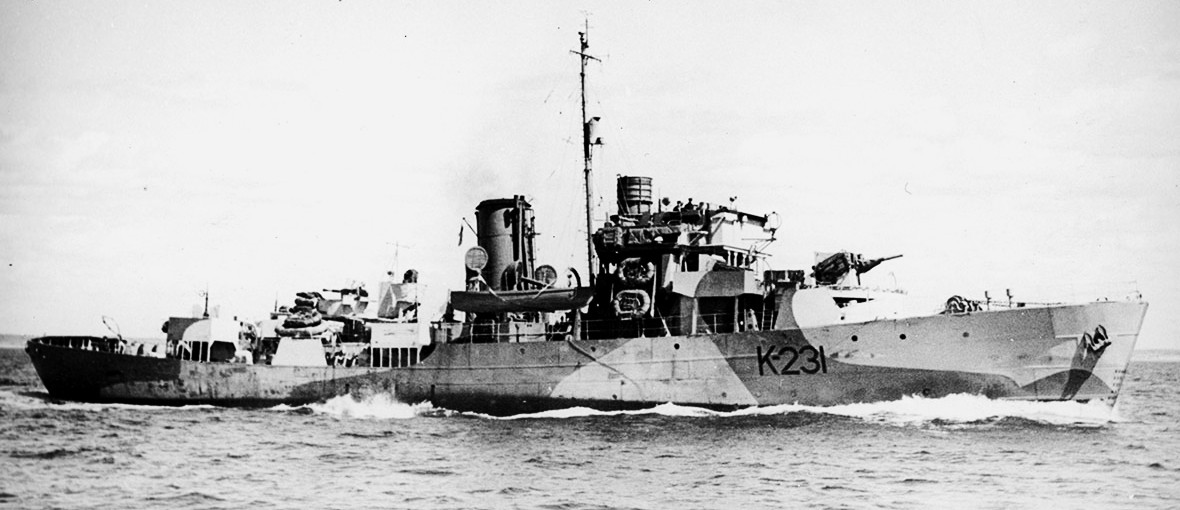
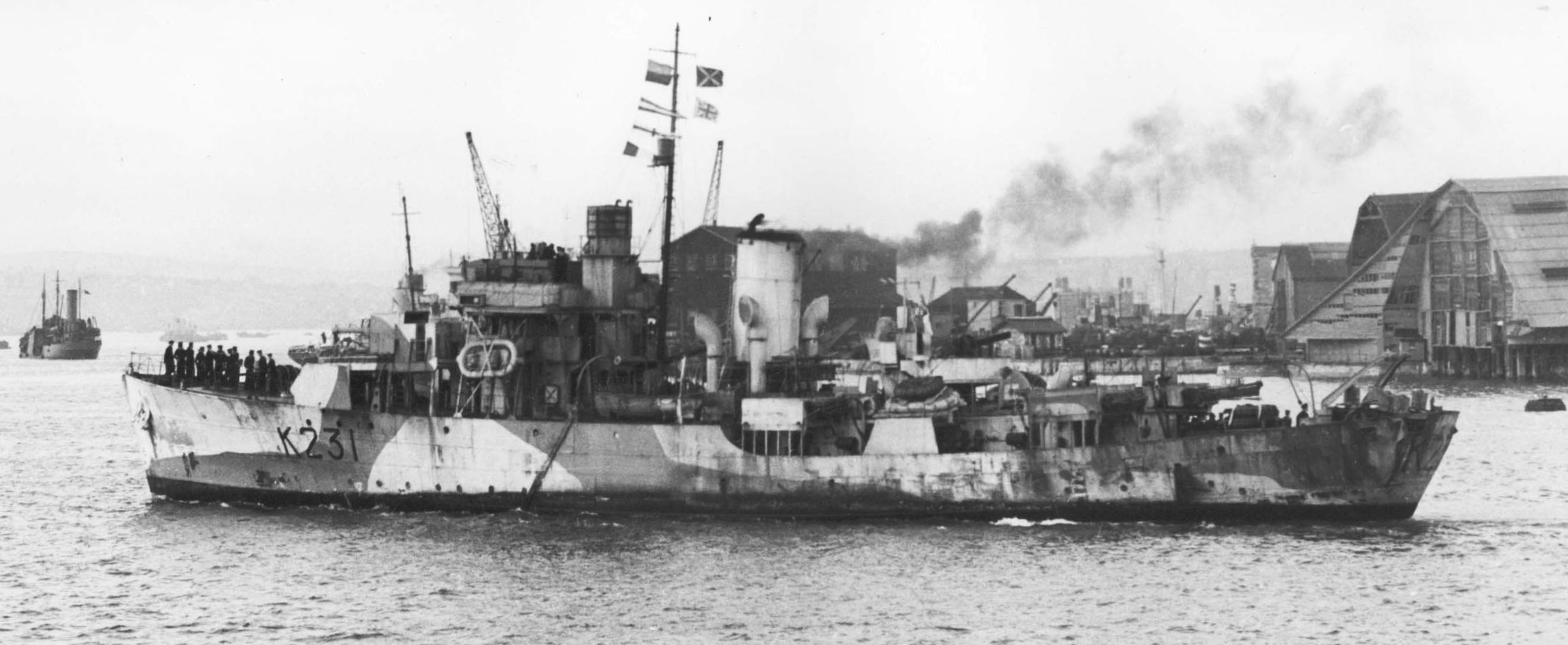
HMCS Calgary (K231) Flower class Corvette. Built at Sorel, Quebec, she was commissioned there on 16 Dec 1941; arriving at Halifax on 28 Dec 1941. She served with WLEF until Nov 1942, when she was assigned to duties in connection with Operation “Torch.” She arrived at Londonderry on 03 Nov 1942 but proved to have mechanical defects that precluded her intended use on UK-Mediterranean convoys. Instead, she had to undergo three months’ repairs at Cardiff, completing at the end of Mar 1943. In Apr 1943 she returned to Canada, arriving at St. John’s, Newfoundland on 30 Apr 1943 with HMCS Algoma K127 as escorts for convoy ON.179, then rejoined WLEF. In Jun 1943, she was transferred to EG-5, Western Support Force, and sailed for the UK with convoy SC.133. For the next few months she was employed in support of Atlantic convoys and, on 20 Nov 1943, shared in sinking U-536 north of the Azores. HMCS Calgary returned to Canada early in 1944 for refit at Liverpool, NS, completing the work on 17 Mar 1944. After working up at Halifax, she left on 2 May 1944 for the UK to join Western Approaches Command, Greenock, for invasion duties. Initially based at Sheerness, she was moved to Nore Command in September for the duration of the war. Returning home late in May 1945, she was paid off at Sorel on 19 Jun 1945 and sold in 1946 to Victory Transport & Salvage Co. She was broken up at Hamilton in 1951.
(DND Photo)
HMCS Calgary (K231) Flower class Corvette.
(DND Photo)
HMCS Calgary (K231) Flower class Corvette.
(Ken Macpherson Photo, Naval Museum of Alberta)
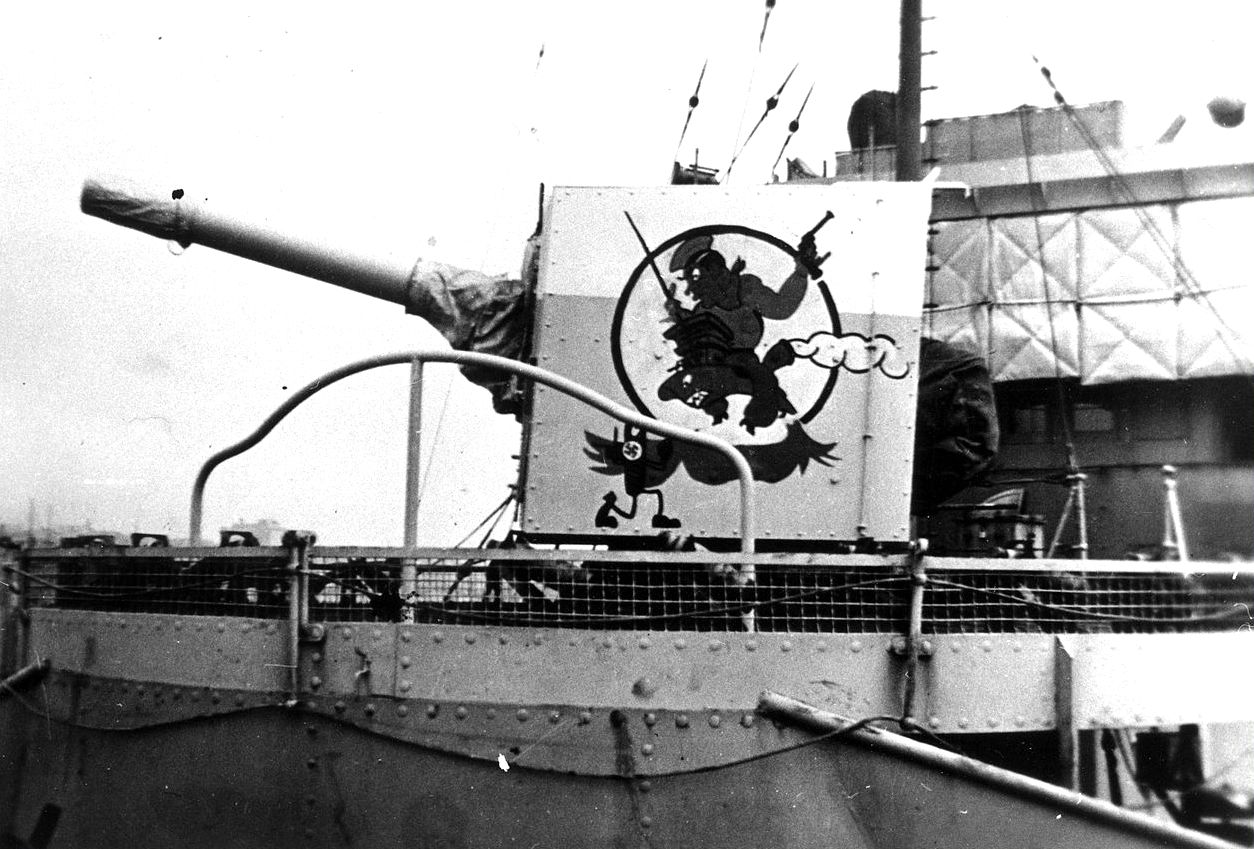
HMCS Calgary (K231) Flower class Corvette, gun shield artwork.
HMCS Camrose (K154)
(Library and Archives Canada Photo, MIKAN No. 3205800)
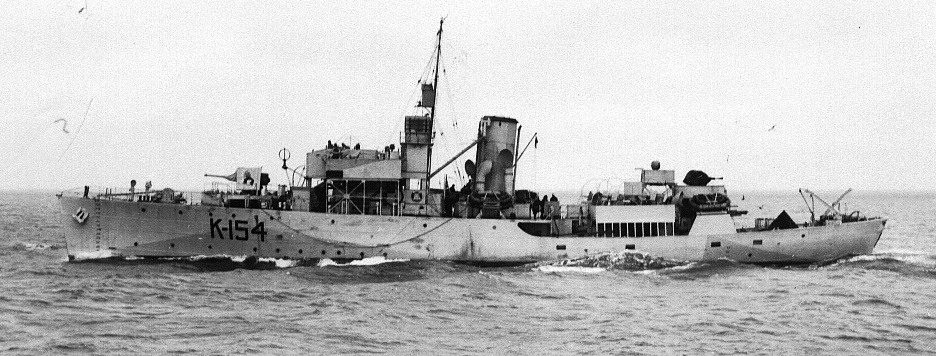
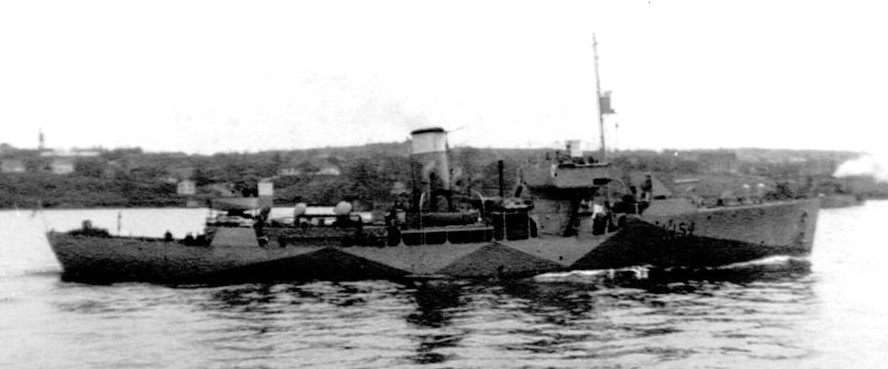
HMCS Camrose (K154) Flower class Corvette, November 1943. Commissioned at Sorel, Quebec, on 30 June 1941, HMCS Camrose arrived at Halifax, Nova Scotia, on 6 June. She was assigned to Halifax Force after working up, but in October joined Newfoundland Command, leaving St. John’s, Newfoundland, on 8 October for Iceland with convoy SC.48. She was employed as ocean escort to and from Iceland until February 1942, when she commenced a major refit at Lunenburg, Nova Scotia. Upon completion in May she resumed her mid-ocean escort duties for one round trip to Londonderry, Northern Ireland, but was assigned in June to Western Local Escort Force.
In October 1942, HMCS Camrose was allocated to duties concerned with the invasion of North Africa. She left Halifax on 20 October for the United Kingdom, and for the next five months escorted convoys between Britain and the Mediterranean. In April 1943 she proceeded to Pictou, Nova Scotia, for a refit lasting five and a half months, including forecastle extension, after which she worked up in Bermuda and was assigned to Escort Group 6. She left St. John’s, Newfoundland, early in December for Londonderry, where she was based for the next four months in support of convoys, especially to and from Freetown, Sierra Leone and Gibraltar. While with combined convoys OS.64/KMS.38, she shared with the British destroyer HMS Bayntun the sinking of U-757 in the North Atlantic on 8 January 1944. In May she joined Western Approaches Command, Greenock, Scotland for invasion duties, escorting convoys to staging ports, and to and from Normandy beaches. She left the United Kingdom on 2 September for another refit at Pictou, followed by workups in Bermuda, returning in January 1945 to become a member of Escort Group 41, Plymouth, England. She served with this group until Victory-in-Europe Day, afterward participating in the re-occupation of St. Helier in the Channel Islands. HMCS Camrose left Greenock, Scotland, for home early in June 1945 and was paid off at Sydney on 22 July. She was broken up at Hamilton, Ontario in 1947.
(Dave Chamberlain Photo)
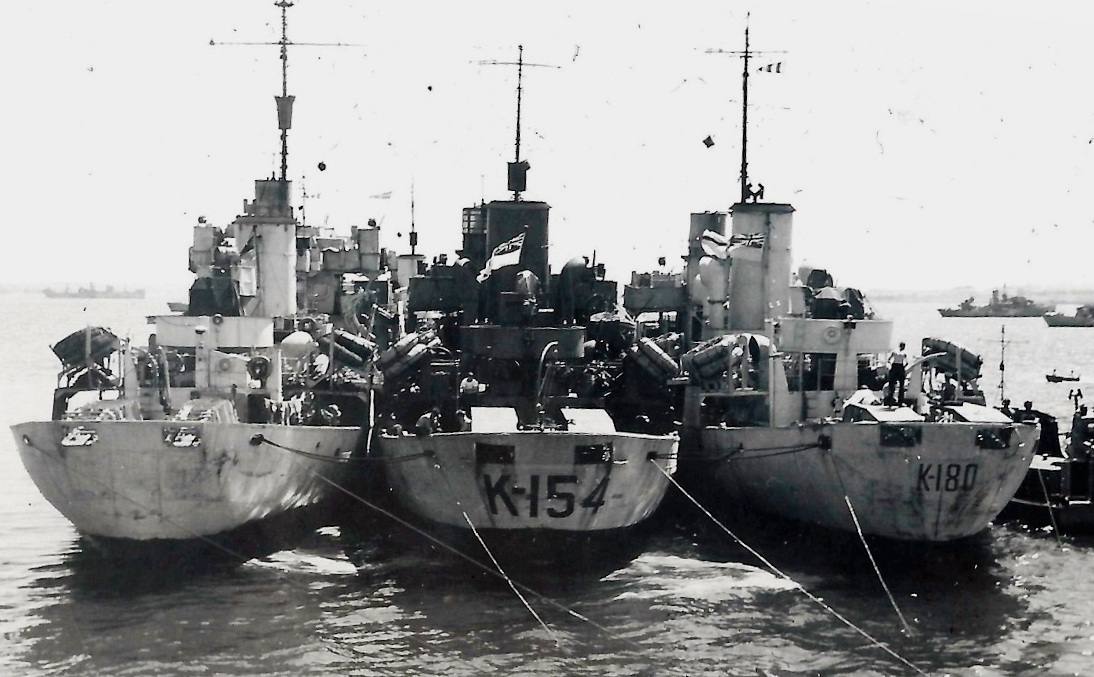
Unknown corvette, HMCS Camrose (K154) and HMCS Collingwood (K180) ca 1945.
(RCN Photo)
HMCS Camrose (K154).
HMCS Chambly (K116)
(Patricia Allan Strowbridge Photo)
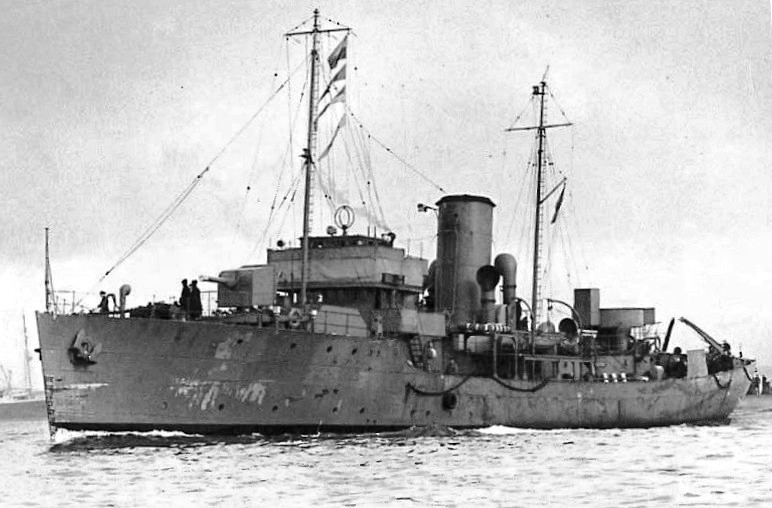
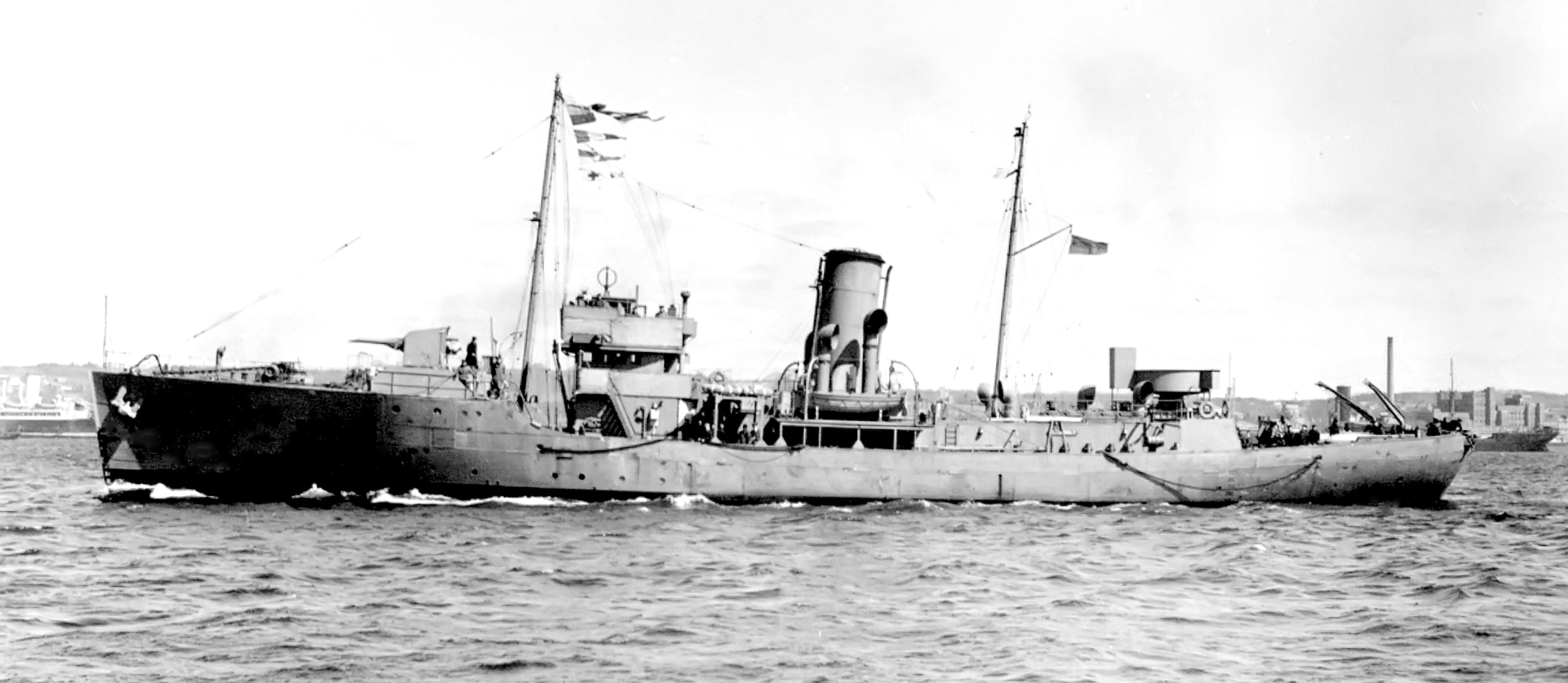
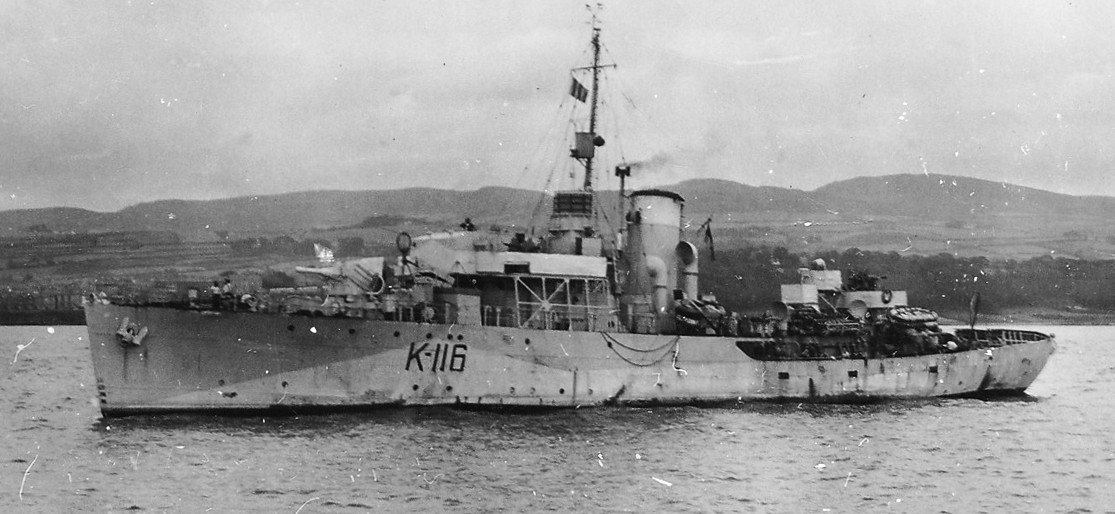
HMCS Chambly (K116) Flower class Corvette. Commissioned at Quebec City on 18 Dec 1940, HMCS Chambly arrived at Halifax on 24 Dec 1940. After working up she joined Halifax Force, and on 23 May 1941, left Halifax as on of the original seven corvettes forming NEF. She served continuously as on ocean escort between St. John’s and Iceland until 08 Dec 1941 when she returned to Halifax for refit. During this period she took part in two major convoy battles: HX.133 (Jun 1941), which lost 18. In the latter case she had left St. John’s on 05 Sep 1941 with HMCS Moose Jaw for exercises, and when SC.42 came under attack, they received permission to join the convoy off Greenland in support. Just before joining on 10 Sep 1941 they came upon U-501 trailing the convoy, and sank her. HMCS Chambly served as a mid-ocean escort to Iceland for the balance of 1941, then underwent repairs at Halifax from 8 Dec 1941 to 22 Feb 1942. She then made a round trip to Londonderry as an escort in Mar 1942 and, on her return to St. John’s on 28 Mar 1942, was based there to reinforce ocean escorts in the western Atlantic, doubling as a training ship. In Sep 1942 she resumed regular mid-ocean escort duties, with time out for refit at Liverpool, NS, from 26 Nov 1942 to 13 Feb 1943. From Mar to Aug 1943, she was a member of EG C-2, then briefly joined the newly formed EG 9 at St. John’s and, in Sep 1943, EG 5. In Dec 1942 she returned to Liverpool, NS for three months’ refit, including fo’c’s’le extension. After workups in St. Margaret’s Bay she resumed mid-ocean duties, the time with C-1, until her final departure from Londonderry on 11 Mar 1945. She was refitting at Louisbourg when the war ended, and was paid off and laid up at Sorel on 20 Jun 1945. Sold in 1946 for conversion to a whale-catcher, she entered service in 1952 under the Dutch flag as Sonja Vinke, and was broken up at Santander, Spain, in 1966.
(Library and Archives Canada Photo, PA105310)
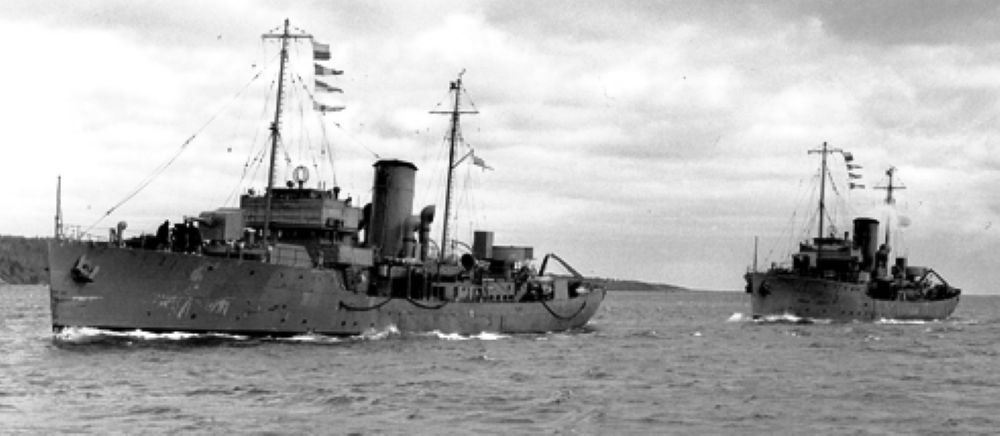
HMCS Chambly (K116) and HMCS Orillia (K119).
(RCN Photo)
HMCS Chambly (K116) Flower class Corvette.
(RCN Photo)
HMCS Chambly (K116) Flower class Corvette.
(DND Photo)
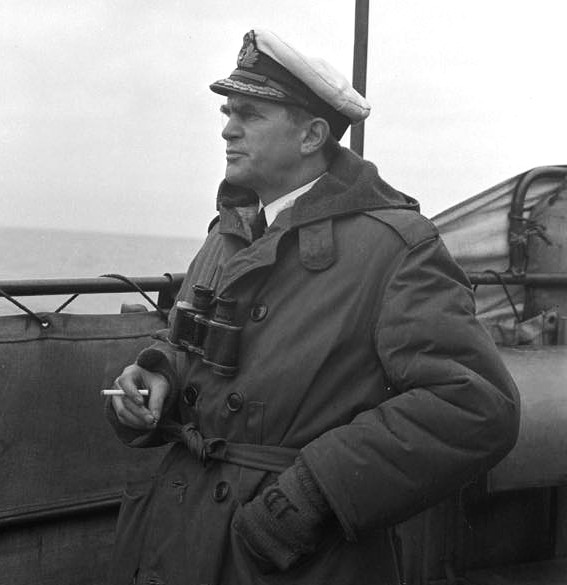
Commander J.D. Prentice, Commanding Officer, on the bridge of the corvette HMCS Chambly (K116) at sea, 24 May 1941.