
RCN Flower class Corvettes: HMCS Belleville (K332), HMCS Bittersweet (K182), HMCS Brandon (K149), HMCS Brantford (K218)
HMCS Belleville (K332)
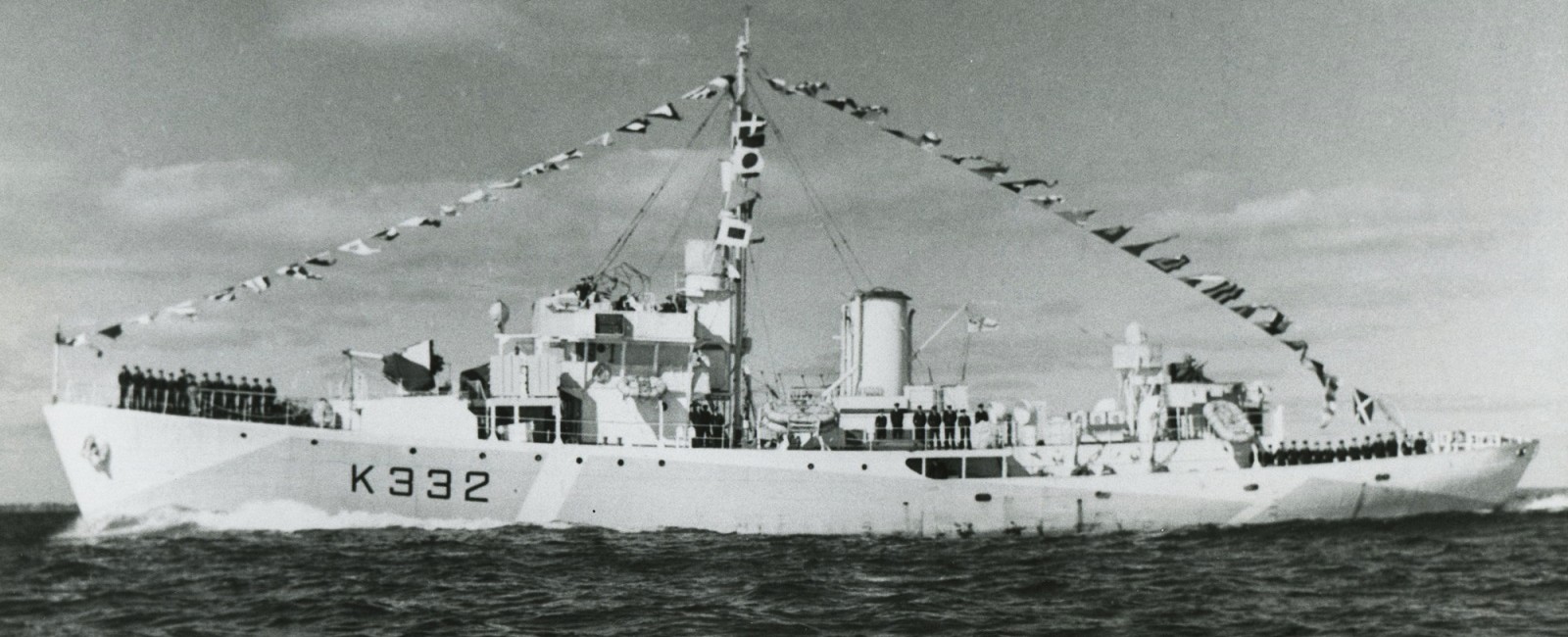
(RCN Photo)
HMCS Belleville (K332) Flower class Corvette. Commissioned at Kingston on 19 Oct 1944, she visited the Ontario port for which she was named before leaving for Halifax, where she arrived early in Nov 1944. HMCS Belleville continued fitting out at Halifax until Mid-Jan 1945, then sailed to Bermuda for a month’s working-up. Further repairs followed on her return, after which she was allocated to EG C-5, leaving St. John’s on 28 Mar 1945 to join her first convoy, HX.346. She made three Atlantic crossing before the war’s end, leaving Londonderry for the last time at the beginning of Jun 1945. She was paid off on 5 Jul 1945, and placed in reserve at Sorel until 1947, when she was sold to the Dominican Republic and re-named Juan Bautista Combiaso. She was broken up in 1972.
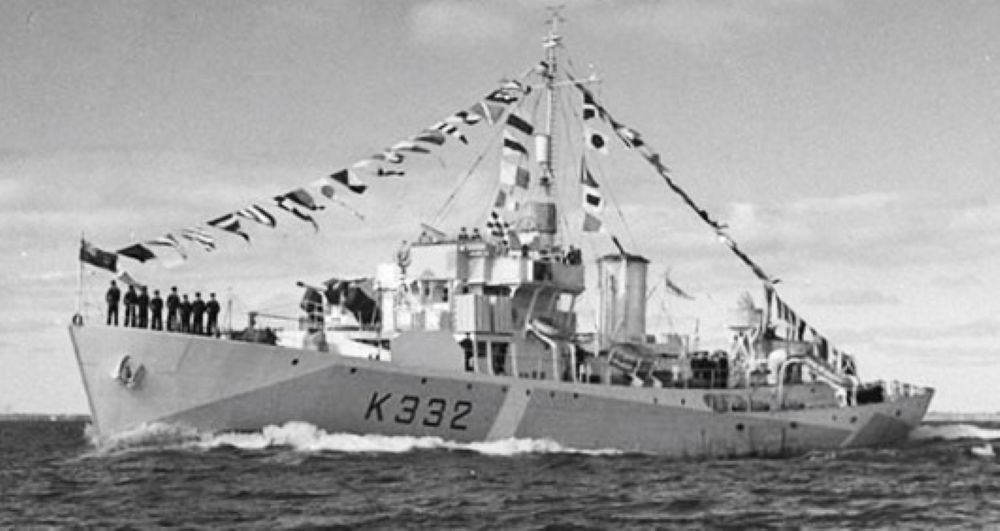
(Library and Archives Canada Photo, MIKAN No. 3205104)
HMCS Belleville (K332) Flower class Corvette, 23 October 1943.
HMCS Bittersweet (K182)
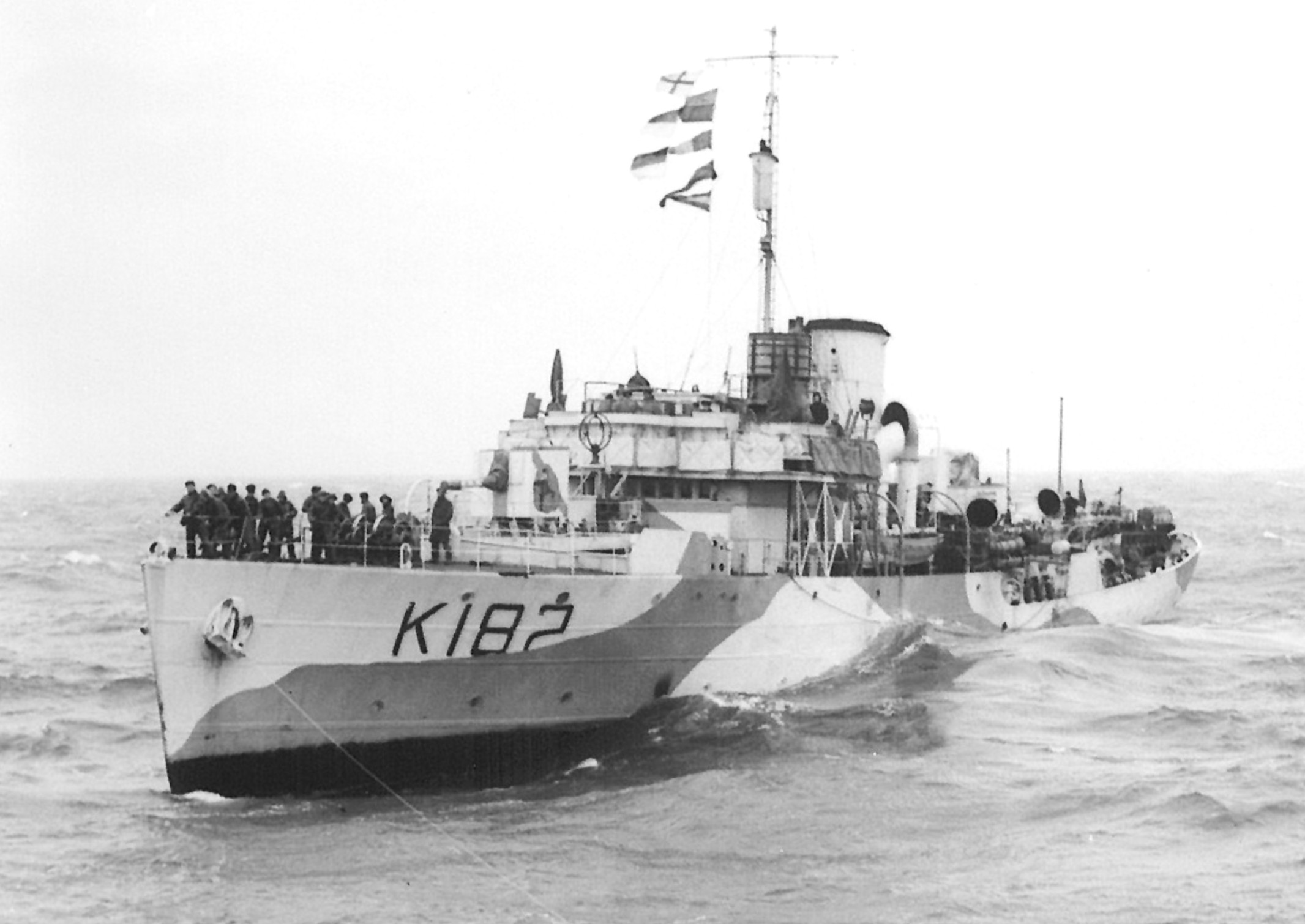
(Wayne Maize Photo)
HMCS Bittersweet (K182) Flower class Corvette, preparing to be towed by HMCS Skeena, May, 1943. The light line has just been passed in order to pass the heavy tow line.
HMCS Bittersweet (K182) Flower class Corvette. Built at Sorel for the RN, she was launched on 12 Sep 1940. HMS Bittersweet was towed to Liverpool, NS for completion so as not to be icebound. She was commissioned 23 Jan 1941 at Halifax as HMS Bittersweet K182. On 5 Mar 1941, she left with convoy HX.113 for the Tyne. There, from 1 Apr 1941 to 6 Jun 1941, the finishing touches were carried out. During this refit, on 15 May 1941, she was transferred to the RCN and commissioned as HMCS Bittersweet K182. After working up at Tobermory she left for Iceland on 27 Jun 1941, having been assigned to Newfoundland Command. She was continuously employed as an ocean escort until 31 Dec 1941, when she arrived at Charleston, SC for refit, resuming her duties in Mar 1942. Bittersweet served with EG C-5 and C-3 until Oct 1943, one of her most strenuous convoys being ONS.192, which lost seven ships. She underwent refit at Baltimore, MD, possibly from Dec 1941, & May 1942, but recorded as Oct 1943 to Nov 1943, which included the extension of her fo’c’s’le, then proceeded to Pictou to work up. She then resumed her convoy duties, leaving Londonderry late in Oct 1944 to join her last convoy, ON.262. Upon arriving in Canada she went to Pictou to commence a refit that was completed at Halifax 10 Feb 1945. She was then assigned briefly to Halifax Force before transferring in April to Sydney Force, with which she remained until the end of the war. She was paid off and returned to the RN at Aberdeen on 22 Jun 1945, and broken up at Rosyth the following year.
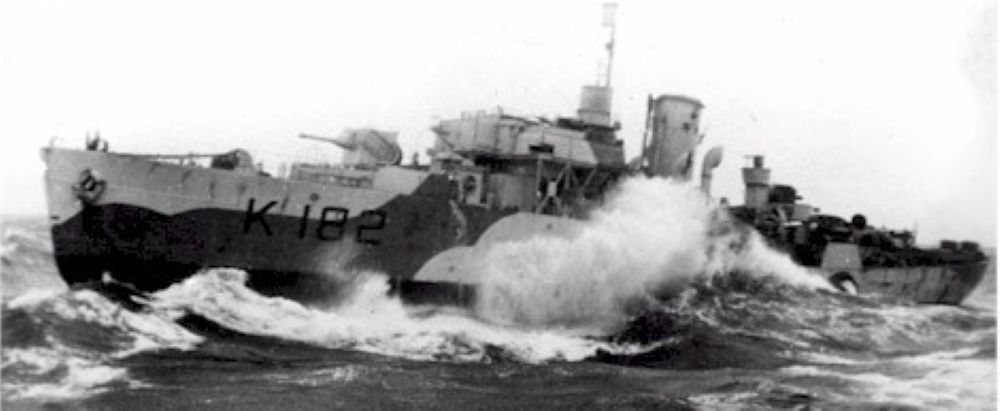
(RCN Photo)
HMCS Bittersweet (K182) Flower class Corvette.
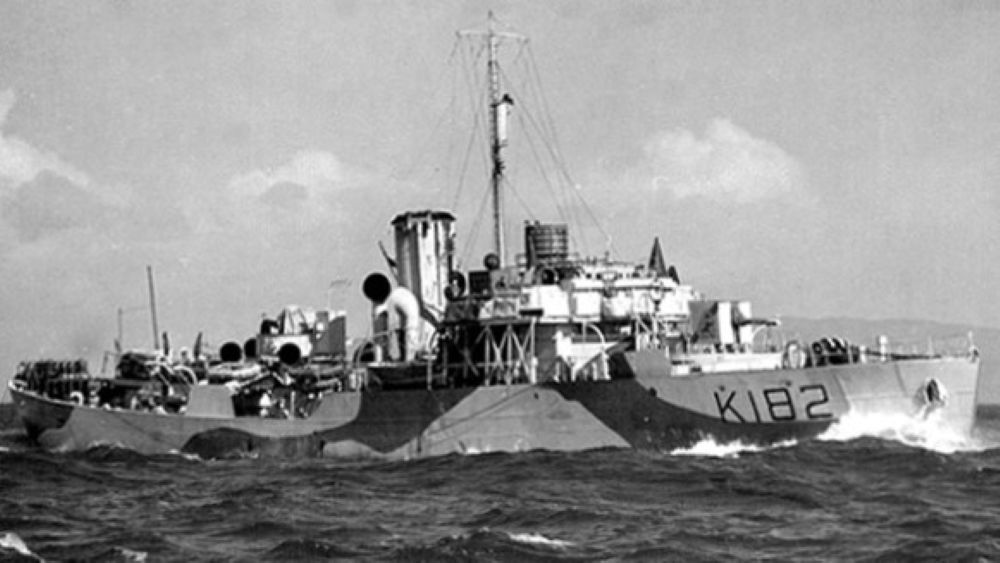
(RCN Photo)
HMCS Bittersweet (K182) Flower class Corvette.
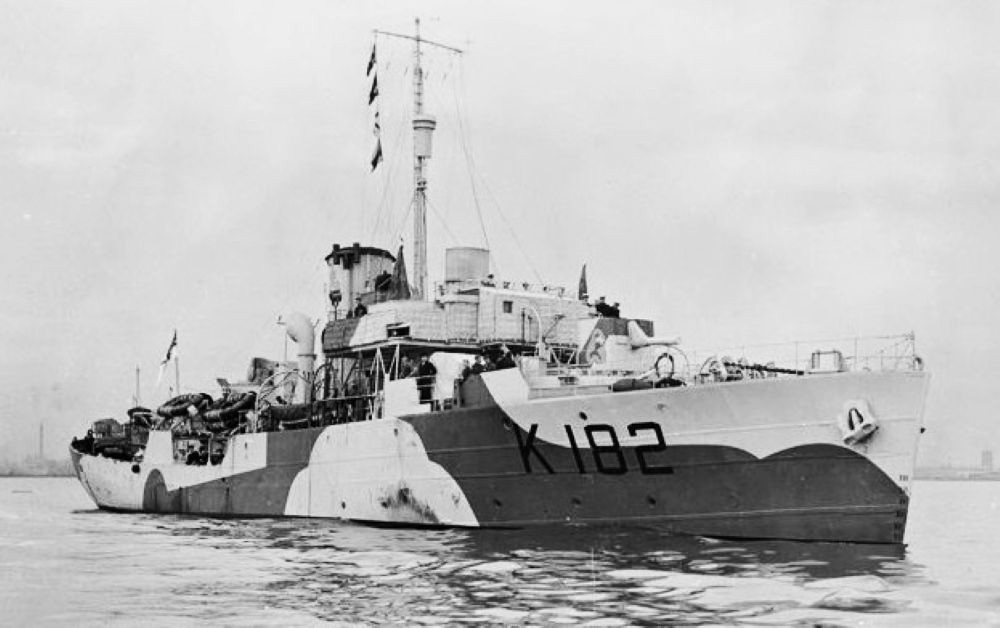
(RCN Photo)
HMCS Bittersweet (K182) Flower class Corvette.
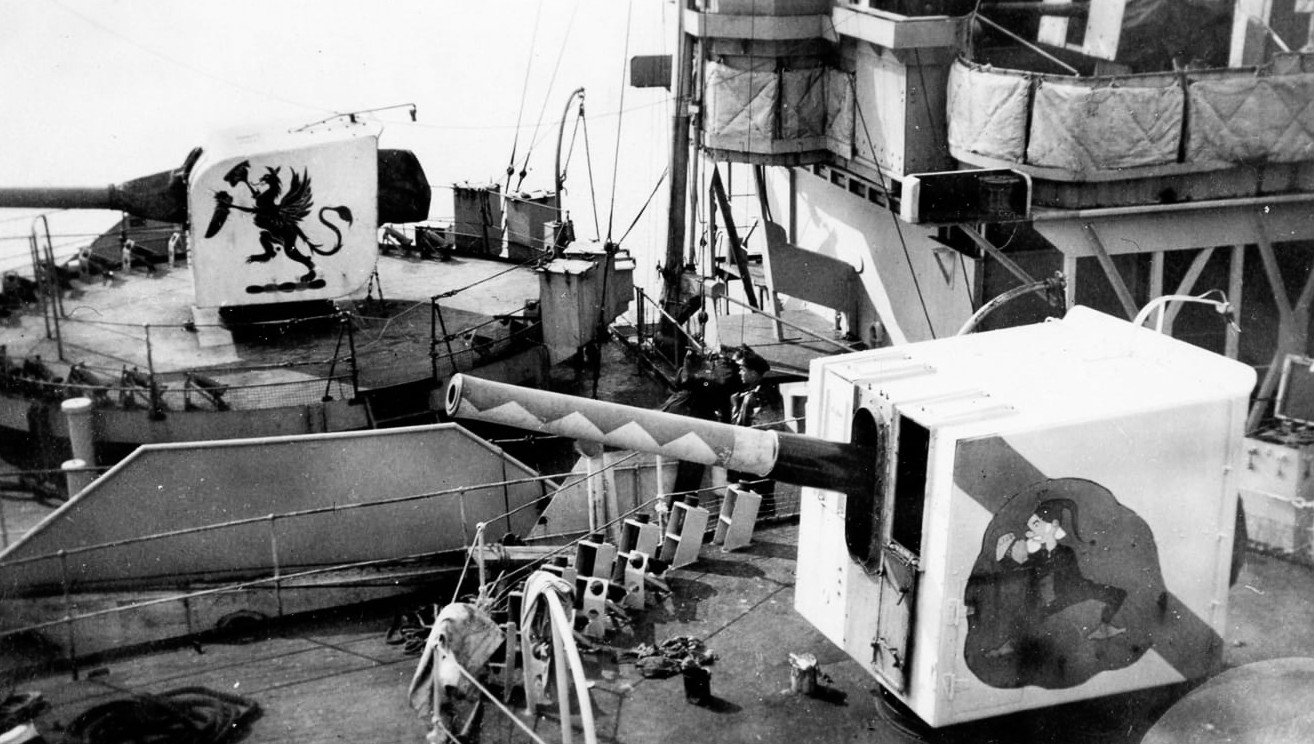
(Louis-Joseph De Guise Archives)
The Flower-class corvettes HMCS Bittersweet (K182) (foreground) and HMCS Pictou (rear).
HMCS Brandon (K149)
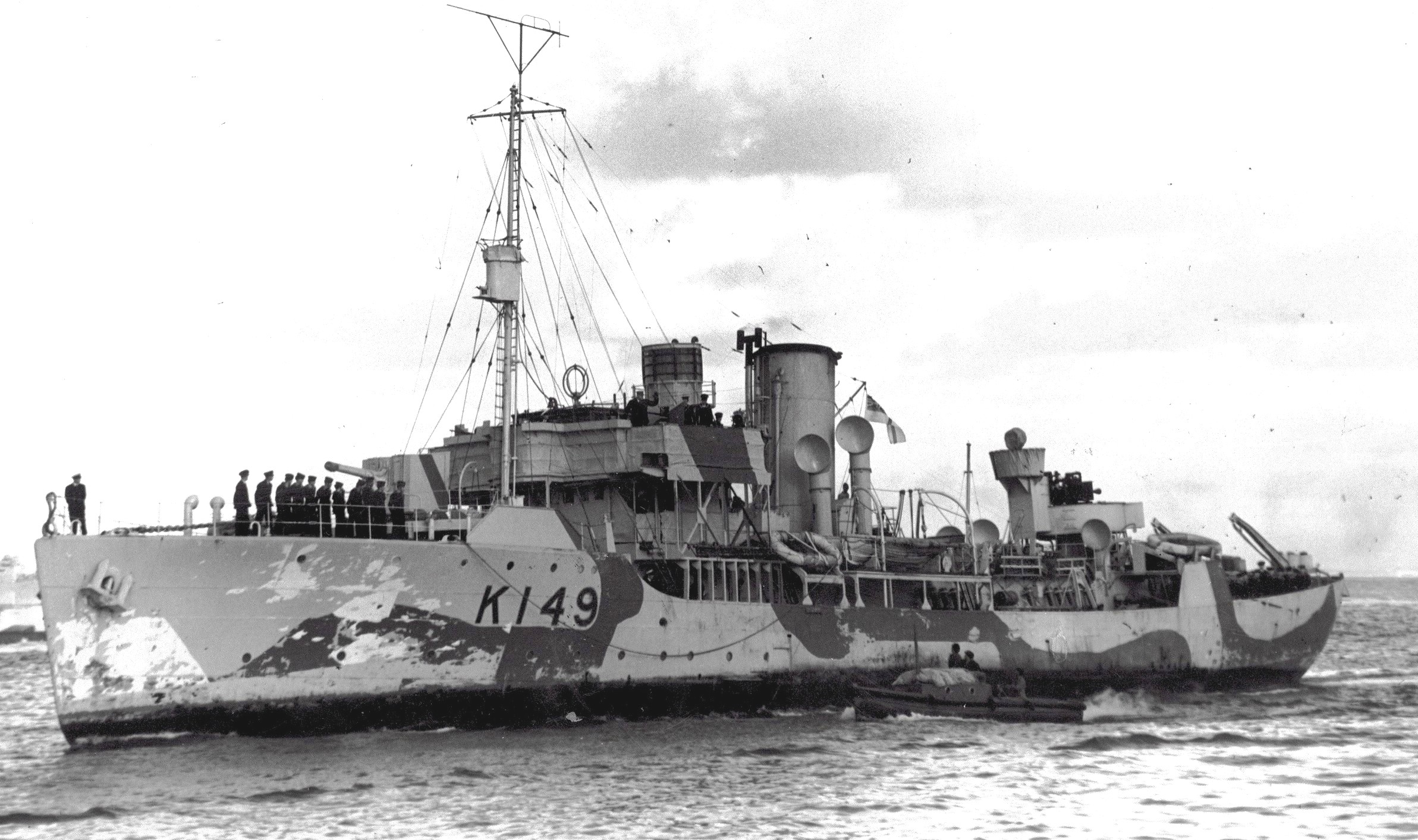
(Ron Bell Photo)
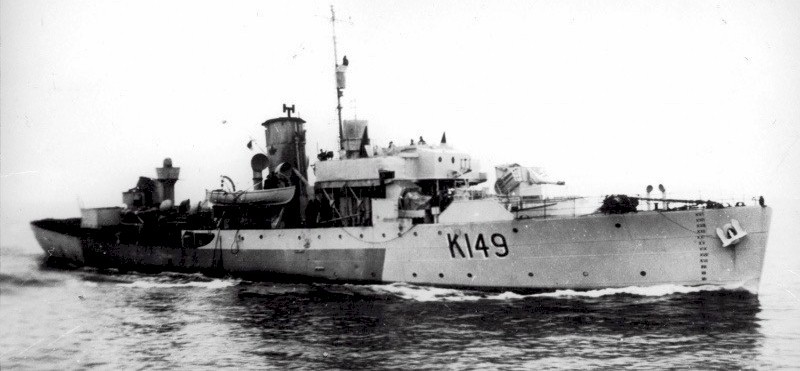
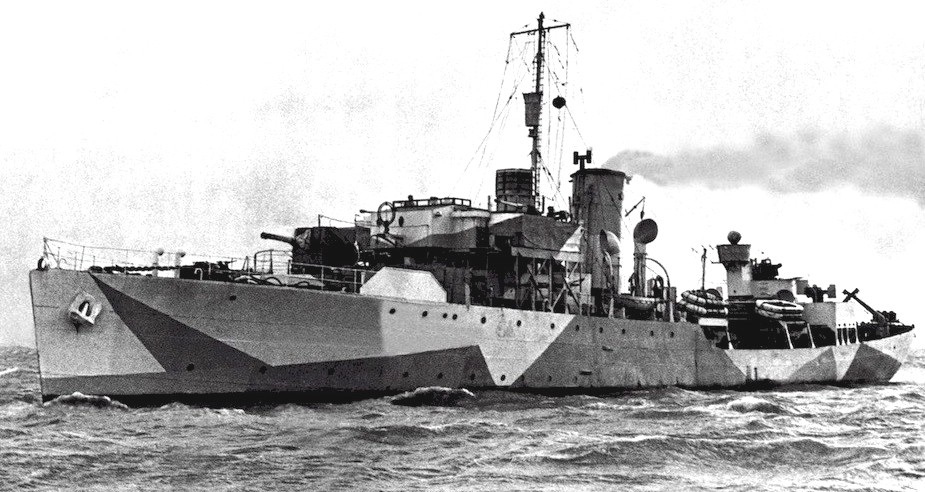
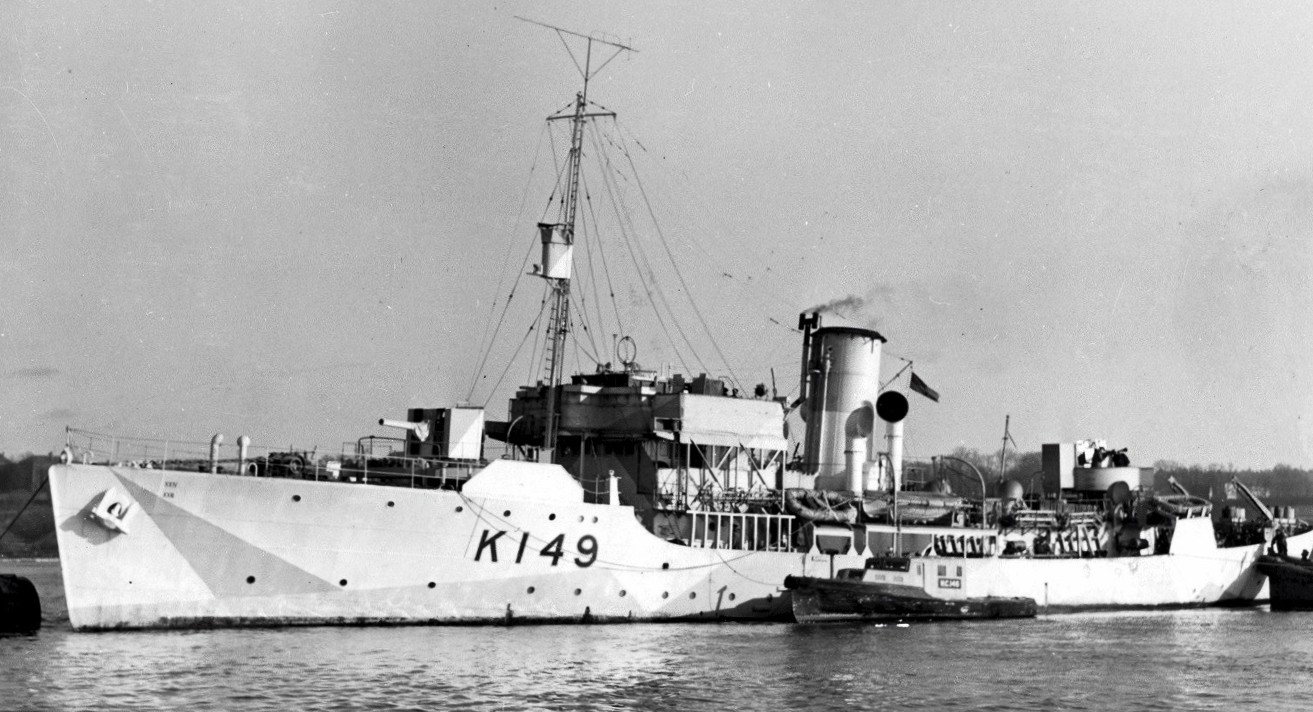
HMCS Brandon (K149) Flower class Corvette. Built at Lauzon, Quebec, she was commissioned at Quebec City on 22 Jul 1941. HMCS Brandon arrived at Halifax on 1 Aug 1941. She joined Newfoundland Command in September after working up and left St. John’s 26 Sep 1941 for her first convoy, SC.46. She served as an ocean escort to and from Iceland until Dec 1941, when she arrived in the UK for three months’ repairs at South Shields. From mid-Mar 1942, after three weeks’ workups at Tobermory, she served on the “Newfie-Derry” run almost continuously until Sep 1944. From Dec 1942, onward, she served with EG C-4, helping defend the hard-pressed convoy HX.224 in Feb 1943, and in the following month escorting convoys to and from Gibraltar. In Aug 1943, she had a three-month refit at Grimsby, England, including fo’c’s’le extension. She left Londonderry 2 Sep 1944, to join her last transatlantic convoy, ONS.251, and, after two months’ refit at Liverpool, NS, worked up in Bermuda. On 5 Feb 1945, she arrived at S. John’s to join EG W-5, Western Escort Force, in which she served until the end of the war. Paid off at Sorel on 22 Jun 1945, she was broken up at Hamilton, Ontario in 1945.
(Scot Urquhart Photo)
HMCS Brandon (K149) Flower class Corvette.
(Scot Urquhart Photo)
HMCS Brandon (K149) Flower class Corvette.
(RCN Photo)
HMCS Brandon (K149) Flower class Corvette.
HMCS Brantford (K218)
(Naval Museum of Alberta Photo)
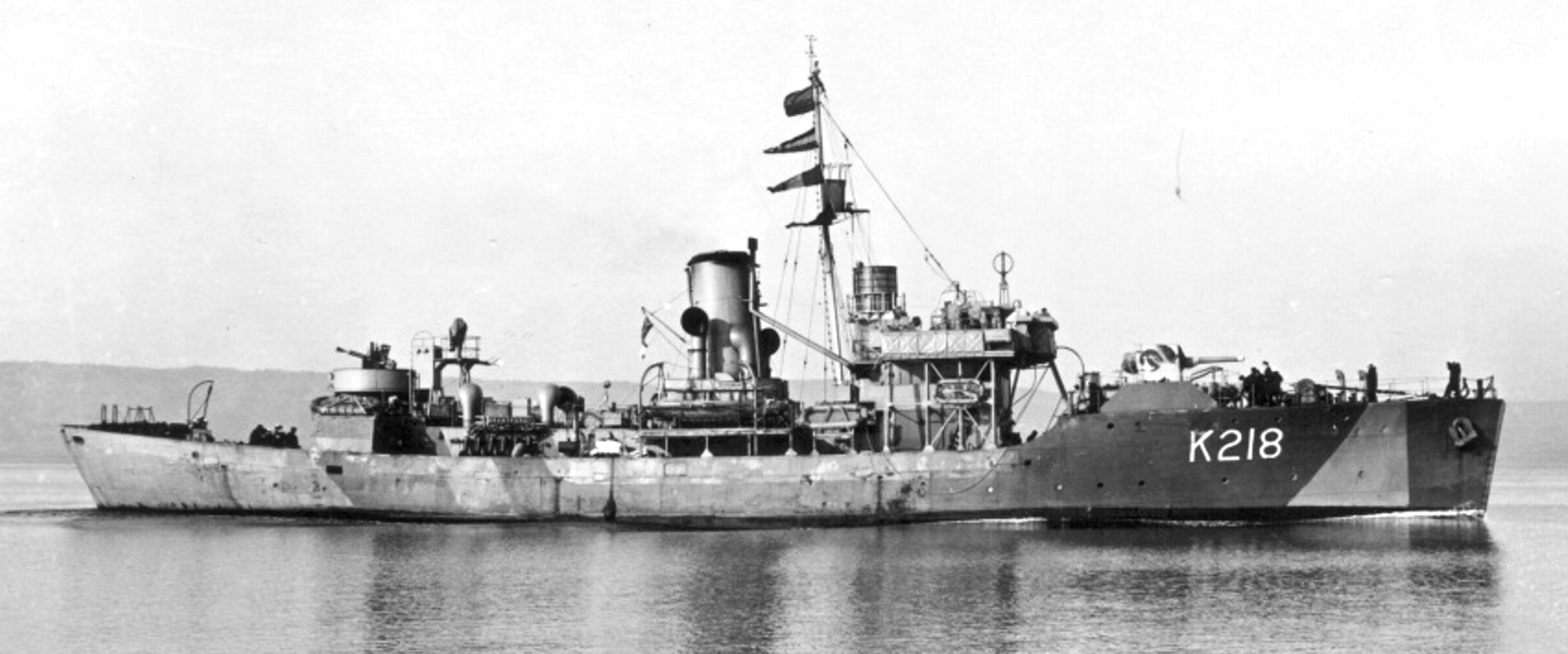
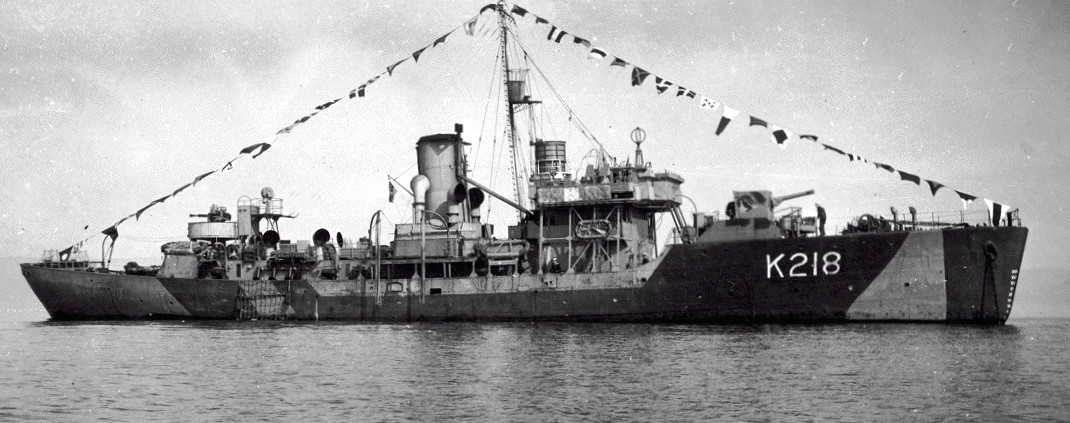
HMCS Brantford (K218) Flower class Corvette. Built at the Midland Shipyards, HMCS Brantford was the last “Flower” class corvette to be built – all further builds were modified from the original plans. Launched on 6 Sep 1941, she sailed form the Midland Shipyard to the dry dock at Collingwood, Ontario, on 1 May 1942. Here she received further fittings before proceeding on to Toronto for gun and depth-charge trials. From there she sailed to Montreal for installation of wireless equipment. She was commissioned at Montreal on 15 May 1942. The city of Brantford, Ontario, had adopted the ship, and she was amply supplied with comforts of her crew, including radios, heavy winter clothing, magazines and cigarettes.
On 12 May 1942, three days before HMCS Brantford’s commissioning, the freighter SS Nicoya and the Dutch merchantman Leto were torpedoed North of Cap Magdalen. Emergency plans put into effect and all St. Lawrence shipping destined for the transatlantic route, or arriving from the Atlantic, was organized in convoys. Merchant ships were to stop at Sydney on their way to the St. Lawrence, and at Quebec on the way down, picking up their river escorts at those points. Such convoys were designated as SQ and QS, respectively. Since HMCS Brantford was due to sail from Montreal to Halifax she was used temporarily to escort two QS convoys. She sailed from Quebec with QS-2 on 22 May 1942, arriving at Sydney with her four charges three days later, and immediately sailed back to Gaspe to pick up QS-3.
HMCS Brantford arrived at Halifax on 30 May 1942. After working up at Pictou, she joined WLEF in July. When this force was divided into escort groups in Jun 1943, she became a member of EG W-3, transferring to W-2 in Apr 1944. Lent in Jun 1944, to EG C-3 for one round trip to Londonderry, she left Halifax on 2 Jun 1944 with convoy HX.294 and returned at the end of the month with ONS.242. HMCS Brantford underwent two refits during her career: the first at Quebec City during the summer of 1943; the second at Sydney, completing 12 Sep 1944, following which, on 26 Sep 1944, she was she was assigned to HMCS Cornwallis for training duties until the end of the war. On 16 July 1945, she returned to Halifax to de-ammunition and then to Sydney to de-store. Her last trip under the White Ensign was completed on 3 Aug 1945, when she arrived back at Halifax. Paid off on 17 Aug 1945, she was turned over to War Assets Corporation for final disposal . She was one of the few corvettes to never have her fo’c’s’le extended – maintaining her original configuration. She was brought by George E. Irving of New Brunswick, and in 1950 was sold to a Honduran company who fitted her out as the steam whaler Olympic Arrow. Sold into Japanese hands, she was renamed Otori Maru No. 11 in 1956, last appearing in Lloyd’s list for 1962-63.
(Ron Bell Photo)
HMCS Brantford (K218) Flower class Corvette.
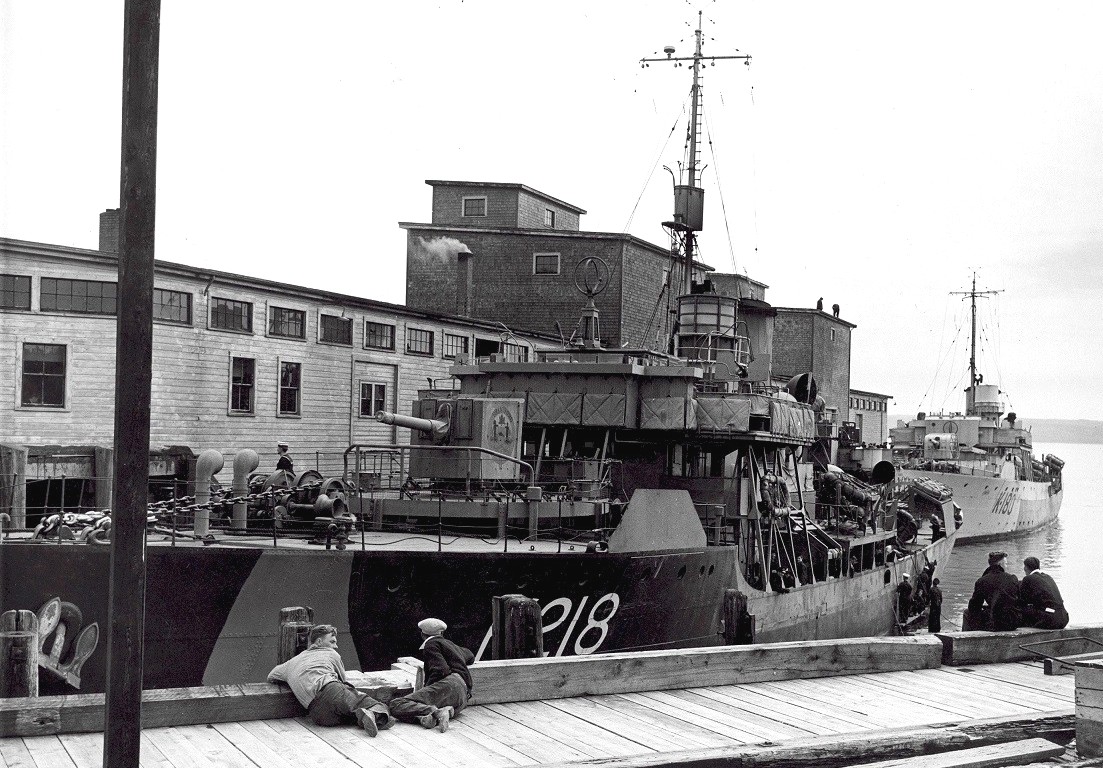
(Ron Bell Photo)
HMCS Brantford (K218) Flower class Corvette, at the CPR Dock Digby, Nova Scotia, May 1945. HMCS Collingwood is seen berthed astern.
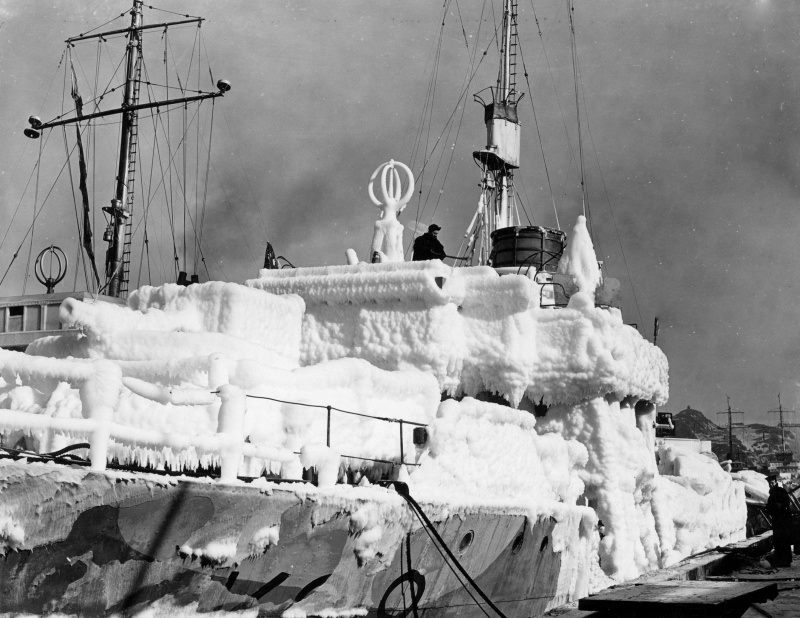
(PO Jack Hawes, RCN/Library and Archives Canada Photo)
HMCS Brantford (K218) Flower class Corvette, covered with ice, St. John’s, Newfoundland, 2 February 1944.
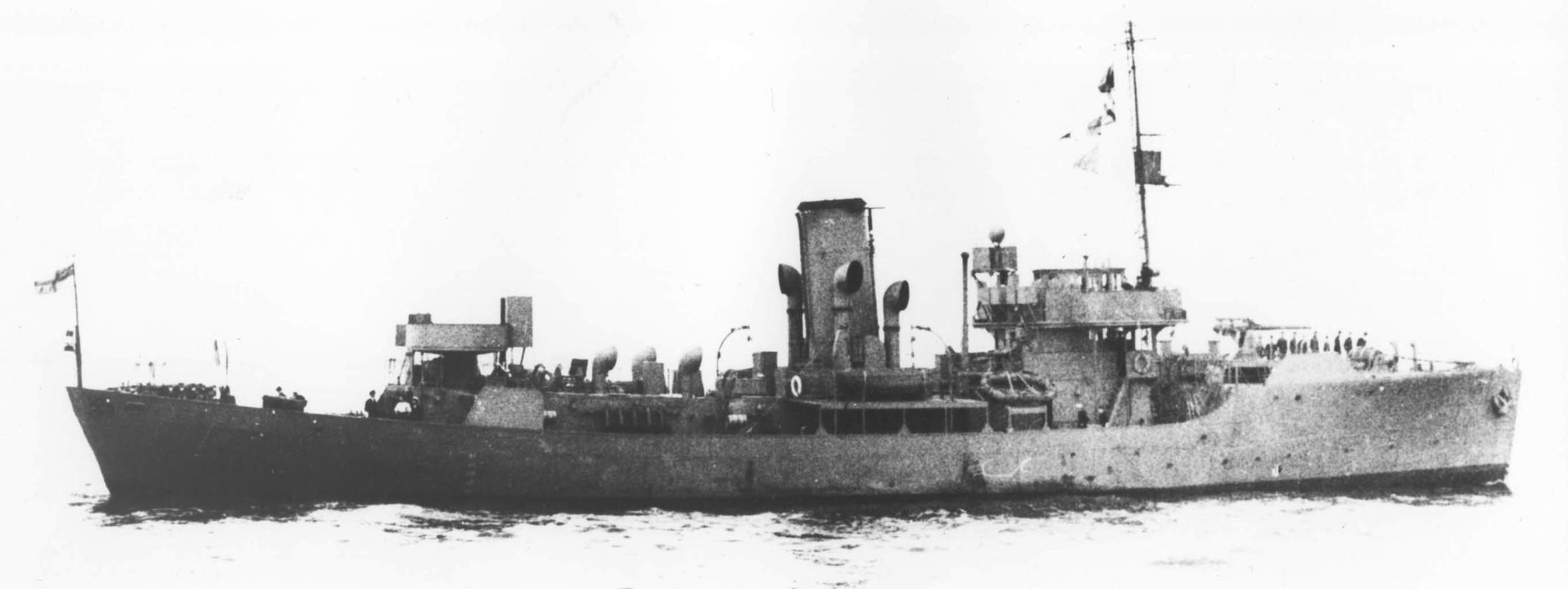
(RCN Photo)
HMCS Brantford (K218) Flower class Corvette.