
New England

English explorer John Smith named the region “New England” in 1616. The name was officially sanctioned on 3 Nov 1620.
New England is a region consisting of six states in the Northeastern United States: Connecticut, Maine, Massachusetts, New Hampshire, Rhode Island, and Vermont. It is bordered by the state of New York to the west and by the Canadian provinces of New Brunswick to the northeast and Quebec to the north. The Gulf of Maine and Atlantic Ocean are to the east and southeast, and Long Island Sound is to the southwest. Boston is New England’s largest city and the capital of Massachusetts. Greater Boston, comprising the Boston–Worcester–Providence Combined Statistical Area,[4] houses more than half of the region’s total population. The Greater Boston area includes Worcester, Massachusetts, the second-largest city in New England; Manchester, New Hampshire, the largest city in New Hampshire; and Providence, Rhode Island, the capital of and largest city in Rhode Island. In 1620, the Pilgrims established Plymouth Colony, the second successful settlement in British America after the Jamestown Settlement in Virginia, founded in 1607. Ten years later, Puritans established Massachusetts Bay Colony north of Plymouth Colony. Over the next 126 years, people in the region fought in four French and Indian Wars until the English colonists and their Iroquois allies defeated the French and their Algonquian allies.
In the late 18th century, political leaders from the New England colonies initiated resistance to Britain’s taxes without the consent of the colonists. Residents of Rhode Island captured and burned a British Royal Navy ship which was enforcing unpopular trade restrictions, and residents of Boston threw British tea into the harbor. Britain responded with a series of punitive laws stripping Massachusetts of self-government which the colonists called the “Intolerable Acts”. These confrontations led to the first battles of the American Revolutionary War in 1775 and the expulsion of the British authorities from the region in spring 1776. The region played a prominent role in the movement to abolish slavery in the United States, and it was the first region of the U.S. transformed by the Industrial Revolution, initially centered on the Blackstone and Merrimack river valleys.
The physical geography of New England is diverse. Southeastern New England is covered by a narrow coastal plain, while the western and northern regions are dominated by the rolling hills and worn-down peaks of the northern end of the Appalachian Mountains. The Atlantic fall line lies close to the coast, which enabled numerous cities to take advantage of water power along the many rivers, such as the Connecticut River, which bisects the region from north to south.
Each state is generally subdivided into small municipalities known as towns, many of which are governed by town meetings. Unincorporated areas exist only in portions of Maine, New Hampshire, and Vermont, and village-style governments common in other areas are limited to Vermont and Connecticut. New England is one of the U.S. Census Bureau’s nine regional divisions and the only multi-state region with clear and consistent boundaries. It maintains a strong sense of cultural identity, although the terms of this identity are often contrasted, combining Puritanism with liberalism, agrarian life with industry, and isolation with immigration. (Wikipedia)
 The New England Ensign with St George’s Cross and the New England pine, one of several flags historically associated with New England. This flag was reportedly used by colonial merchant ships sailing out of New England ports, 1686 – c1737.
Maine

Maine is the most northeastern state in the contiguous United States. It borders New Hampshire to the west, the Gulf of Maine to the southeast, and the Canadian provinces of New Brunswick and Quebec to the northeast and northwest, and shares a maritime border with Nova Scotia. It is the only state to border only one other state (New Hampshire). Maine is the largest state in New England by total area, almost as large as the combined area of the remaining five states. As of 2024, Maine’s population stood at a Census-estimated 1,400,000, the state’s highest-ever population estimate. Maine’s capital is Augusta, while its most populous city is Portland.
The first European settlement in the area was by the French in 1604 on Saint Croix Island, founded by Pierre Dugua, Sieur de Mons. The first English settlement was the short-lived Popham Colony, established by the Plymouth Company in 1607. A number of Irish and English settlements were established along the coast of Maine in the 1620s, although the rugged climate and conflict with the local Indigenous people and the French caused many to fail. Maine experienced significant warfare during the 17th century. As Maine entered the 18th century, only a half dozen European settlements had survived.
Loyalist and Patriot forces contended for Maine’s territory during the American Revolution. During the War of 1812, the largely undefended eastern region of Maine was occupied by British forces with the goal of annexing it to Canada via the Colony of New Ireland, but returned to the United States following failed British offensives on the northern border, mid-Atlantic and south which produced a peace treaty that restored the pre-war boundaries. Maine was part of the Commonwealth of Massachusetts until 1820 when it voted to secede from Massachusetts to become a separate state. On 15 March 1820, under the Missouri Compromise, Maine was admitted to the Union as the 23rd state. (Wikipedia)
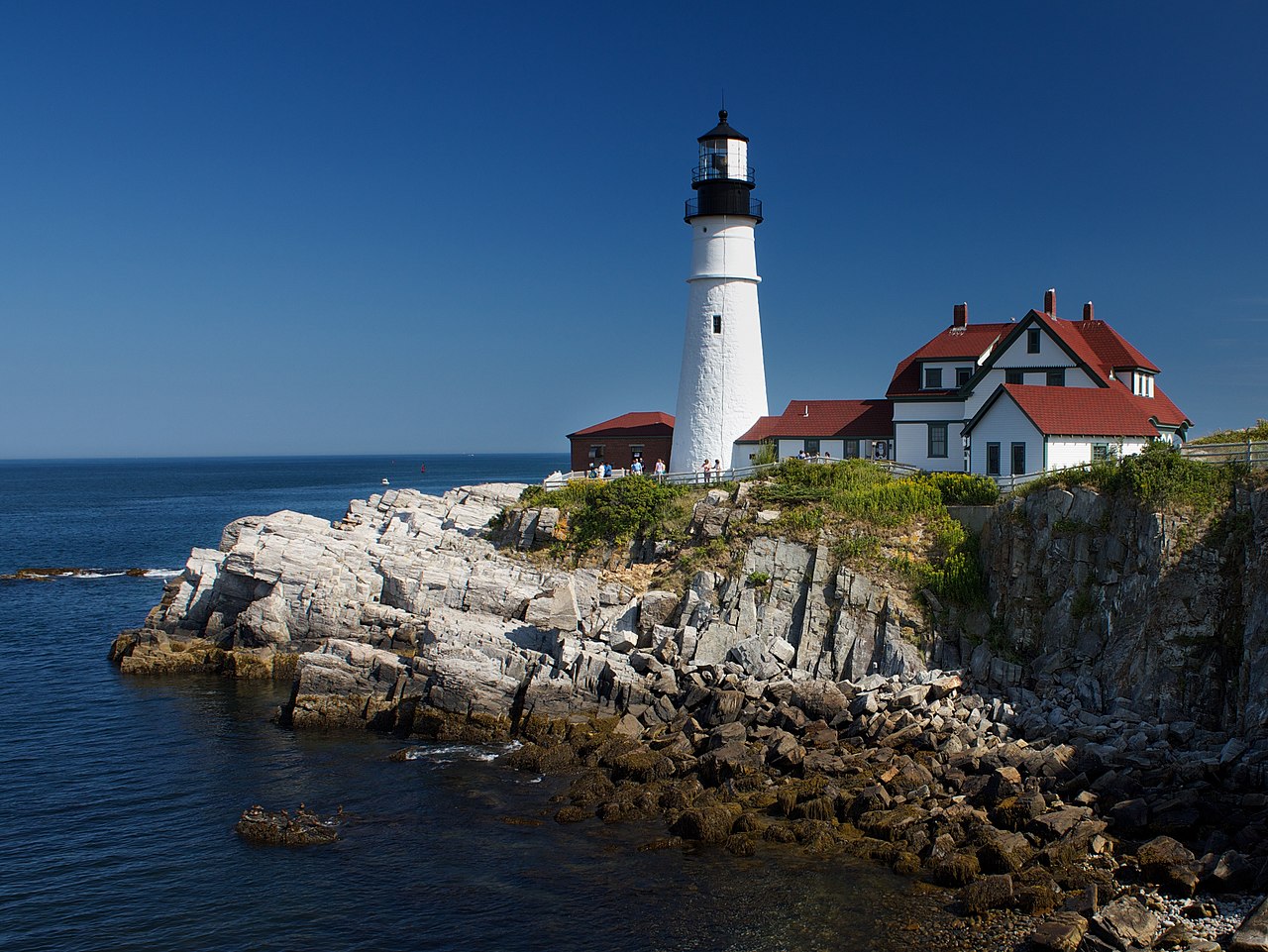
(Giacomo Barbaro Photo)
Portland Head Light is a historic lighthouse in Cape Elizabeth, Maine. The light station sits on a headland at the entrance of the primary shipping channel into Portland Harbor, which is within Casco Bay in the Gulf of Maine. Completed in 1791, it is the oldest lighthouse in Maine. The light station is automated, and the tower, beacon, and foghorn are maintained by the United States Coast Guard, while the former lighthouse keeper’s house is a maritime museum within Fort Williams Park.

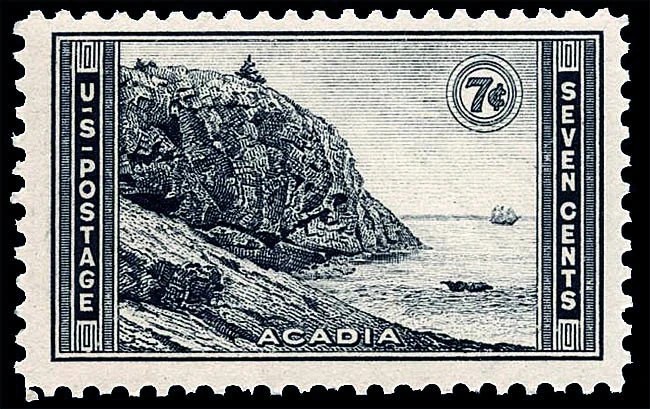
New Hampshire

New Hampshire is a New England state in northeast United States. The capital is Concord and its largest city is Manchester. The second largest city is Nashua. Other major cities include Keene, Dover, Portsmouth, and Merrimack.
New Hampshire was a British colony before the American War of Independence. It became the ninth state on 21 June 1788 when it accepted the United States Constitution.
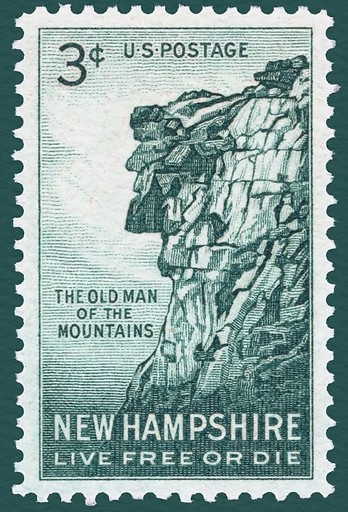
The state motto is “Live Free or Die” and the nickname is the Granite State. The state flower is the lilac and the state bird is the purple finch. It is bordered by Maine in the East, Massachusetts to the South, Vermont to the West, and Quebec, a Canadian province, to the North. Its population was 1,377,529 in 2020. New Hampshire is famous for being the first state to vote in the Presidential primaries. (Wikipedia)

Vermont
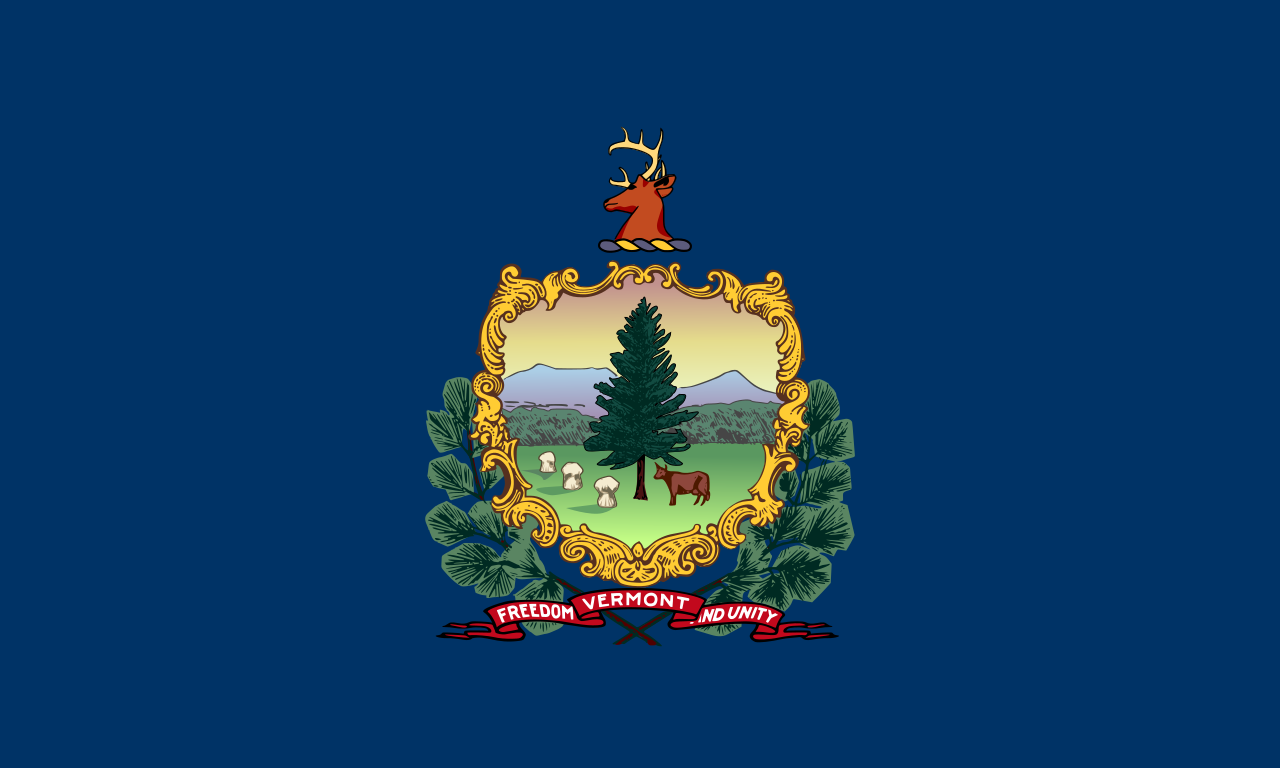
Vermont is a landlocked state in the New England region of the Northeastern United States. It borders Massachusetts to the south, New Hampshire to the east, New York to the west, and the Canadian province of Quebec to the north. According to the most recent U.S. census estimates, the state has an estimated population of 648,493. The state’s capital is Montpelier.
Native Americans have inhabited the area for about 12,000 years. The competitive tribes of the Algonquian-speaking Abenaki and Iroquoian-speaking Mohawk were active in the area at the time of European encounter. During the 17th century, French colonists claimed the territory as part of New France. Conflict arose when the Kingdom of Great Britain began to settle colonies to the south along the Atlantic coast; France was defeated in 1763 in the Seven Years’ War, ceding its territory east of the Mississippi River to Britain. Thereafter, the nearby British Thirteen Colonies disputed the extent of the area called the New Hampshire Grants to the west of the Connecticut River, encompassing present-day Vermont.
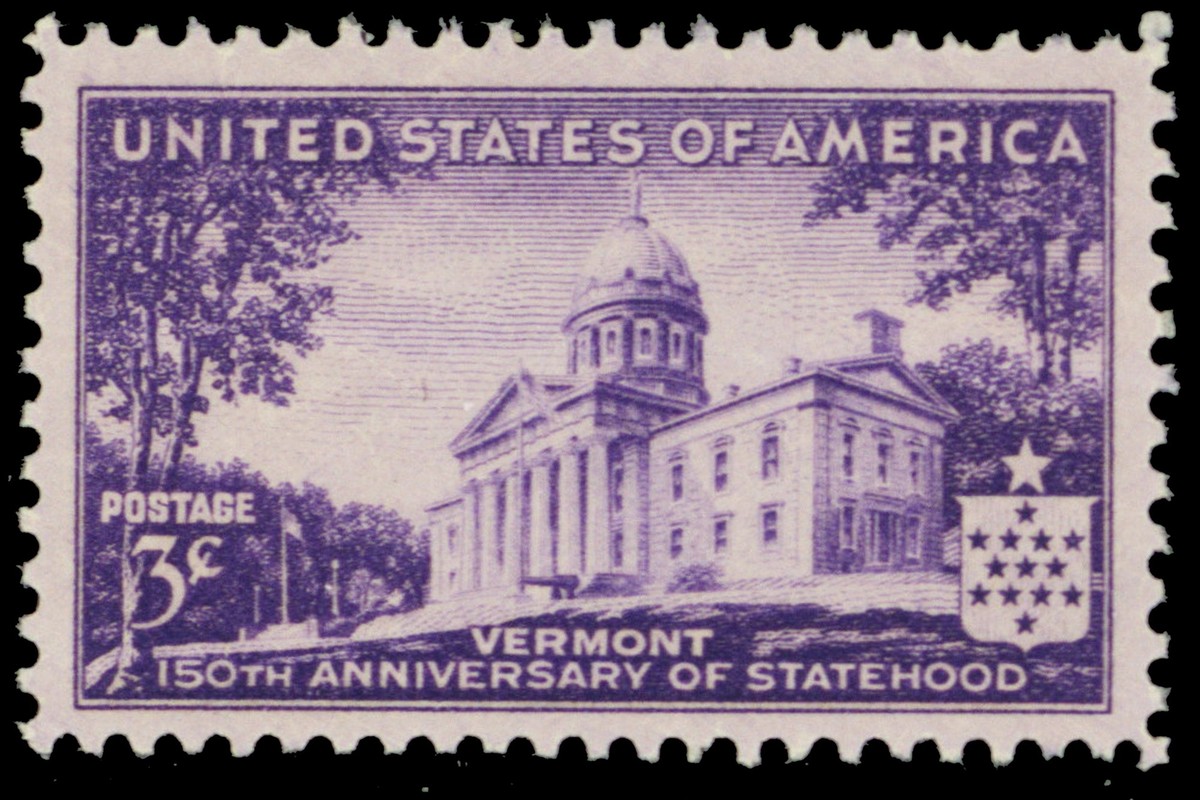
The provincial government of New York sold land grants to settlers in the region, which conflicted with earlier grants from the government of New Hampshire. The Green Mountain Boys militia protected the interests of the established New Hampshire land grant settlers. Ultimately, a group of settlers with New Hampshire land grant titles established the Vermont Republic in 1777 as an independent state during the American Revolutionary War. The Vermont Republic abolished slavery before any other U.S. state. It was admitted to the Union in 1791 as the 14th state.
The geography of the state is marked by the Green Mountains, which run north–south up the middle of the state, separating Lake Champlain and other valley terrain on the west from the Connecticut River Valley that defines much of its eastern border. A majority of its terrain is forested with hardwoods and conifers. The state has warm, humid summers and cold, snowy winters.
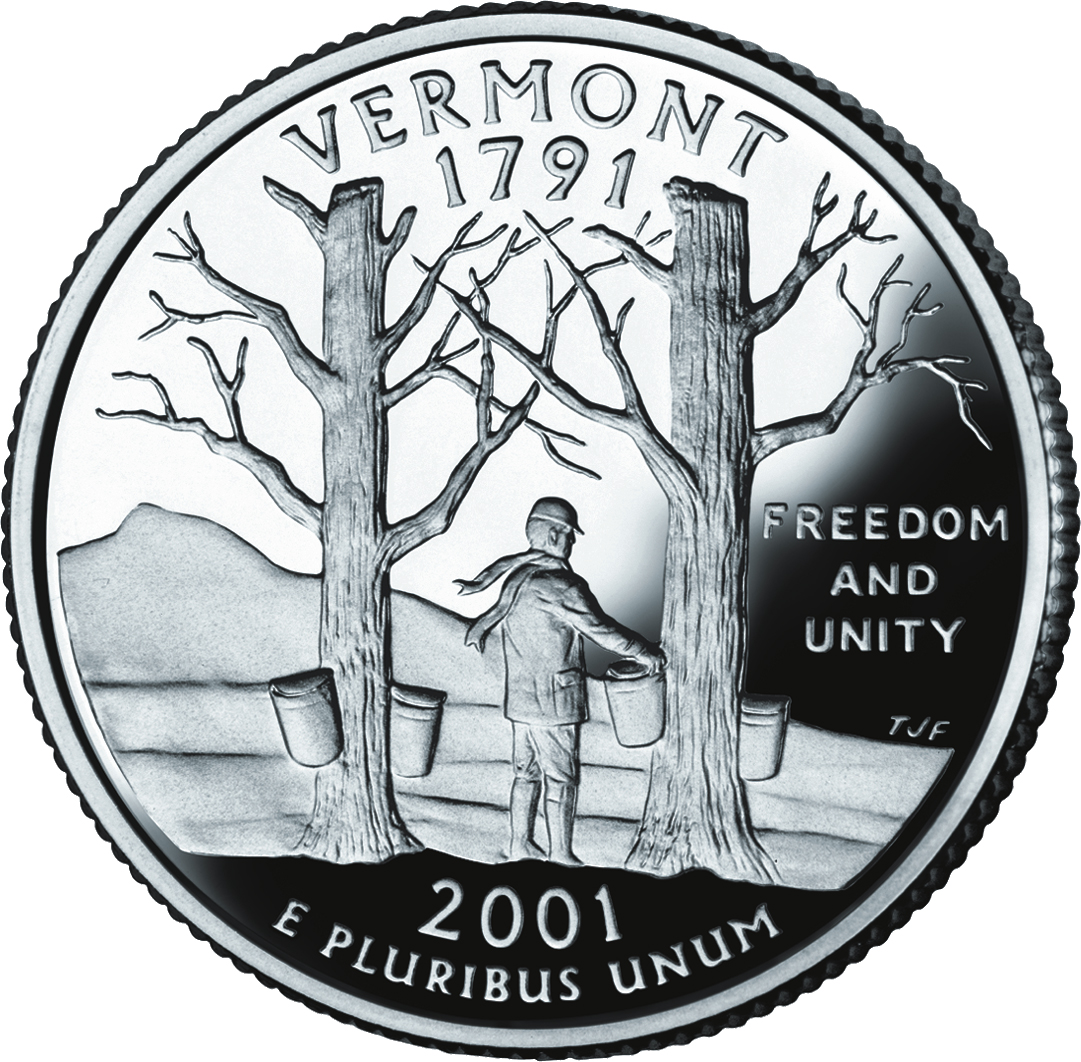
Vermont’s economic activity of $40.6 billion in 2022 is ranked last on the list of U.S. states and territories by GDP, but 21st in GDP per capita. Known for its progressivism, the state was one of the first in the U.S. to recognize same-sex civil unions and marriage, has the highest proportion of renewable electricity generation at 99.9%, and is one of the least religious and least racially/ethnically diverse states. Dairy, forestry, maple syrup, and wine are important sectors in Vermont’s agricultural economy. Vermont produces approximately 50% of the nation’s maple syrup. (Wikipedia)
Massachusetts

Massachusetts, officially the Commonwealth of Massachusetts, is a state in the New England region of the Northeastern United States. It borders the Atlantic Ocean and the Gulf of Maine to its east, Connecticut and Rhode Island to its south, New Hampshire and Vermont to its north, and New York to its west. Massachusetts is the seventh-smallest state by land area. With an estimated population of over 7.1 million, it is the most populous state in New England (with nearly half of all New Englanders residing in Massachusetts), the 16th-most-populous in the United States, and the third-most densely populated U.S. state after New Jersey and Rhode Island.
Massachusetts was a site of early English colonization. The Plymouth Colony was founded in 1620 by the Pilgrims of Mayflower. In 1630, the Massachusetts Bay Colony, taking its name from the Indigenous Massachusett people, also established settlements in Boston and Salem. In 1692, the town of Salem and surrounding areas experienced one of America’s most infamous cases of mass hysteria, the Salem witch trials. The American Revolution originated in Massachusetts, with Boston becoming known as the “Cradle of Liberty” for its political agitation.
In 1786, Shays’ Rebellion, a populist revolt, influenced the United States Constitutional Convention. Originally dependent on agriculture, fishing, and trade, Massachusetts transformed into a manufacturing hub during the Industrial Revolution. Before the American Civil War, the state was a center for the abolitionist, temperance, and transcendentalist movements.
During the 20th century, the state’s economy shifted from manufacturing to services; in the 21st century, Massachusetts has become the global leader in biotechnology, and also excels in artificial intelligence, engineering, higher education, finance, and maritime trade.
Boston is Massachusetts’ capital and most populous city, as well as its cultural and financial center; other major cities are Worcester, Springfield, and Cambridge. The state also hosts the urban core of Greater Boston, the largest metropolitan area in New England, with profound influence on U.S. history, academia, and the research economy.
Massachusetts has a reputation for social and political progressivism; it is the only U.S. state with a right to shelter law, and was the first U.S. state and one of the earliest jurisdictions in the world to legally recognize same-sex marriage.
Harvard University in Cambridge is the oldest institution of higher learning in the United States, with the largest financial endowment of any university in the world. Both Harvard and MIT, also in Cambridge, are perennially ranked as either the most or among the most highly regarded academic institutions in the world.
Massachusetts is the most educated U.S. state, ranking first by the percentage of population 25 and over with either a bachelor’s degree or advanced degree. Its public school system ranks first in the country, with public school students placing among the top tier in the world in academic performance. Massachusetts is among the wealthiest and most developed states, and has been credited with the best-performing economy.
Massachusetts also ranks first in innovation among all U.S. states; first on the American Human Development and United Nations Human Development indexes; first in per capita income; and first in median income, both by household and individually. Consequently, Massachusetts is typically ranked as the most expensive U.S. state to live in. Overall, Massachusetts often ranks as the U.S. state with the highest quality of life. (Wikipedia)
Rhode Island

Rhode Island is in the Northeastern United States. It borders Connecticut to its west; Massachusetts to its north and east; and the Atlantic Ocean to its south via Rhode Island Sound and Block Island Sound; and shares a small maritime border with New York, east of Long Island.
Rhode Island is the smallest U.S. state by area and the seventh-least populous, with slightly more than 1.11 million residents as of 2025. The state’s population, however, has continually recorded growth in every decennial census since 1790, and it is the second-most densely populated state after New Jersey. The state takes its name from the eponymous island, though most of its land area is on the mainland. Providence is its capital and most populous city.
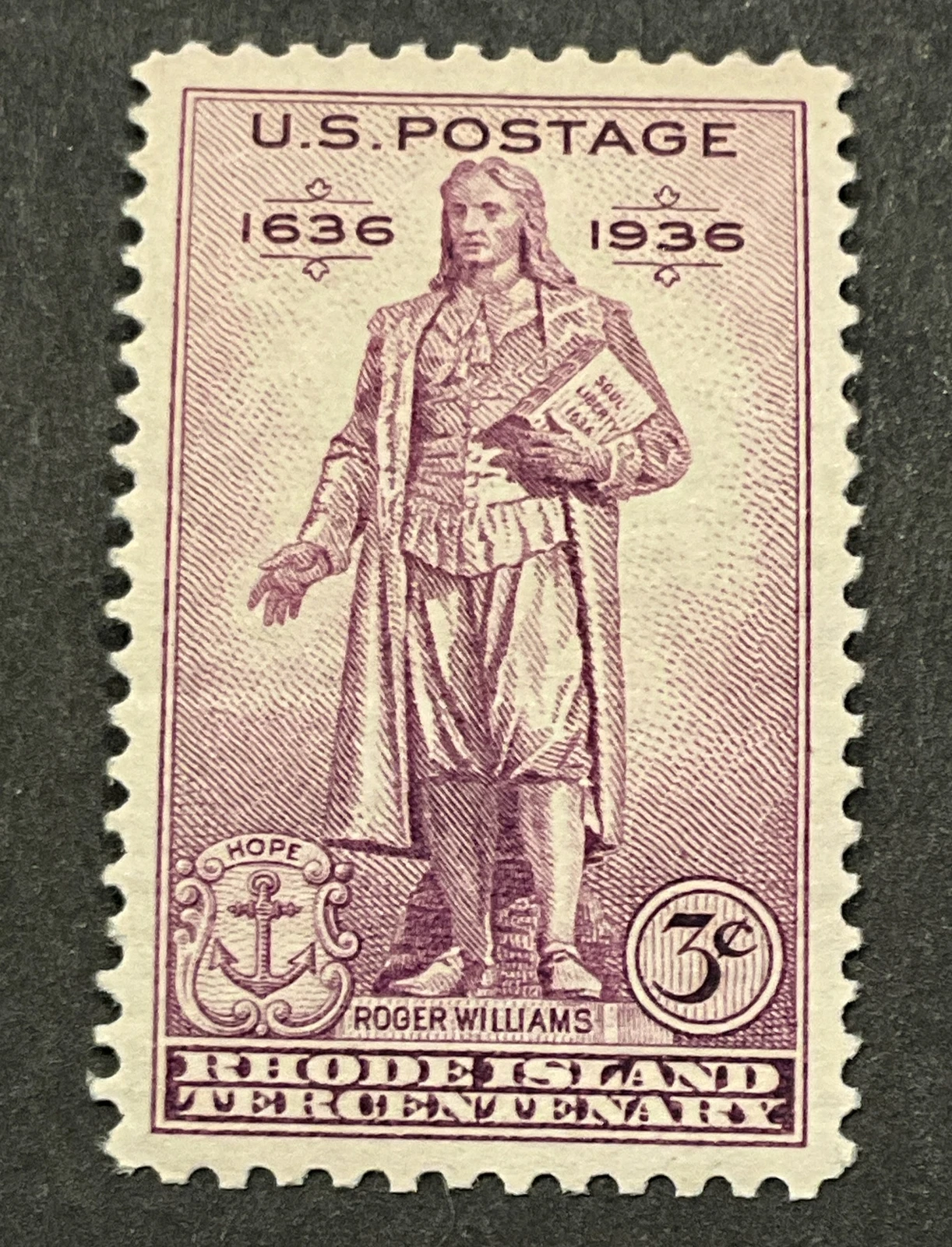
Native Americans lived around Narragansett Bay before English settlers began arriving in the early 17th century. Rhode Island was unique among the Thirteen British Colonies in having been founded by a refugee, Roger Williams, who fled religious persecution in the Massachusetts Bay Colony to establish a haven for religious liberty. He founded Providence in 1636 on land purchased from local tribes, creating the first settlement in North America with an explicitly secular government. The Colony of Rhode Island and Providence Plantations subsequently became a destination for religious and political dissenters and social outcasts, earning it the moniker “Rogue’s Island”.
Rhode Island was the first colony to call for a Continental Congress, in 1774, and the first to renounce its allegiance to the British Crown, on 4 May 1776. After the American Revolution, during which it was heavily occupied and contested, Rhode Island became the fourth state to ratify the Articles of Confederation, on 9 February 1778. Because its citizens favored a weaker central government, it boycotted the 1787 convention that had drafted the United States Constitution, which it initially refused to ratify; it finally ratified it on 29 May 1790, the last of the original 13 states to do so.
The state was officially named the State of Rhode Island and Providence Plantations since the colonial era but came to be commonly known as “Rhode Island”. On 3 November 2020, the state’s voters approved an amendment to the state constitution formally dropping “and Providence Plantations” from its full name. Its official nickname, found on its welcome sign, is the “Ocean State”, a reference to its 400 mi (640 km) of coastline and the large bays and inlets that make up about 14% of its area. (Wikipedia)

2001 Rhode Island State Quarter, D Mint.
Connecticut
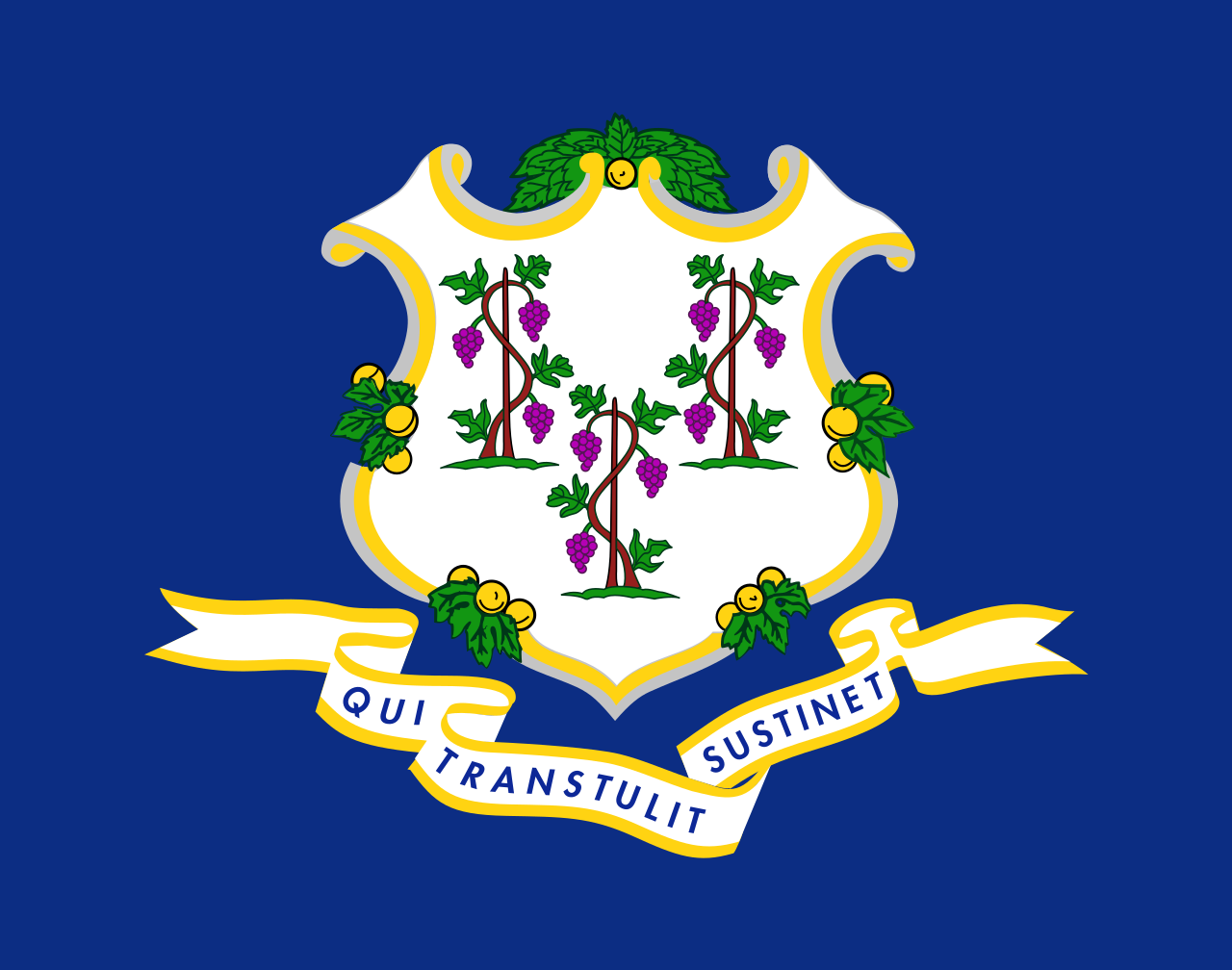
Connecticut is a state in the New England region of the Northeastern United States. It borders Rhode Island to the east, Massachusetts to the north, New York to the west, and Long Island Sound to the south. Its capital is Hartford, and its most populous city is Bridgeport. Connecticut lies between the major hubs of New York City and Boston along the Northeast Corridor, where the New York metropolitan area, which includes four of Connecticut’s seven largest cities, extends into the southwestern part of the state. .
The state is named after the Connecticut River, the longest in New England, which roughly bisects the state and drains into the Long Island Sound between the towns of Old Saybrook and Old Lyme. The name of the river is in turn derived from anglicized spellings of Quinnetuket, a Mohegan-Pequot word for “long tidal river”. Before the arrival of the first European settlers, the region was inhabited by various Algonquian tribes.
In 1633, the Dutch West India Company established a small, short-lived settlement called House of Hope in Hartford. Half of Connecticut was initially claimed by the Dutch colony New Netherland, which included much of the land between the Connecticut and Delaware Rivers, although the first major settlements were established by the English around the same time. Thomas Hooker led a band of followers from the Massachusetts Bay Colony to form the Connecticut Colony, while other settlers from Massachusetts founded the Saybrook Colony and the New Haven Colony; both had merged into the first by 1664.
Connecticut’s environmental history is shaped by Indigenous land stewardship, colonial displacement, industrial development, and modern environmental regulation. The Pequot and Mohegan peoples maintained sustainable relationships with the land prior to colonization, which were later disrupted by forced removal and legal restrictions on land and sovereignty. Industrial growth in the 19th and 20th centuries concentrated manufacturing along river systems, contributing to pollution and environmental inequality. In response, modern state and federal environmental policies have been developed to regulate pollution and protect natural resources.
Connecticut’s official nickname, the “Constitution State”, refers to the Fundamental Orders adopted by the Connecticut Colony in 1639, which is considered by some to be the first written constitution in Western history. As one of the Thirteen Colonies that rejected British rule during the American Revolution, Connecticut was influential in the development of the federal government of the United States. In 1787, Roger Sherman and Oliver Ellsworth, state delegates to the Constitutional Convention, proposed a compromise between the Virginia and New Jersey Plans; its bicameral structure for Congress, with a respectively proportional and equal representation of the states in the House of Representatives and Senate, was adopted and remains to this day. In January 1788, Connecticut became the fifth state to ratify the Constitution.
Connecticut is a developed and affluent state, performing well on the Human Development Index and on different metrics of income except for equality. It is home to a number of prestigious educational institutions, including Yale University in New Haven, as well as other liberal arts colleges and private boarding schools in and around the “Knowledge Corridor”. Due to its geography, Connecticut has maintained a strong maritime tradition; the United States Coast Guard Academy is located in New London by the Thames River. The state is also associated with the aerospace industry through major companies Pratt & Whitney and Sikorsky Aircraft headquartered in East Hartford and Stratford, respectively. Historically a manufacturing center for arms, hardware, and timepieces, Connecticut, as with the rest of the region, had transitioned into an economy based on the financial, insurance, and real estate sectors; many multinational firms providing such services can be found concentrated in the state capital of Hartford and along the Gold Coast in Fairfield County. (Wikipedia)

3 c Connecticut Tercentenary, The Charter Oak single, 1935 issue. On 26 April 1935, the U.S. Post Office issued a 3 cent postage stamp commemorating the 300th anniversary of the settlement of the Connecticut colony.