
RCAF Flight Lieutenant John Harlan Stickell, DSO, DFC, MiD, Navy Cross (USA), DFC (USA)
(DND Photo)
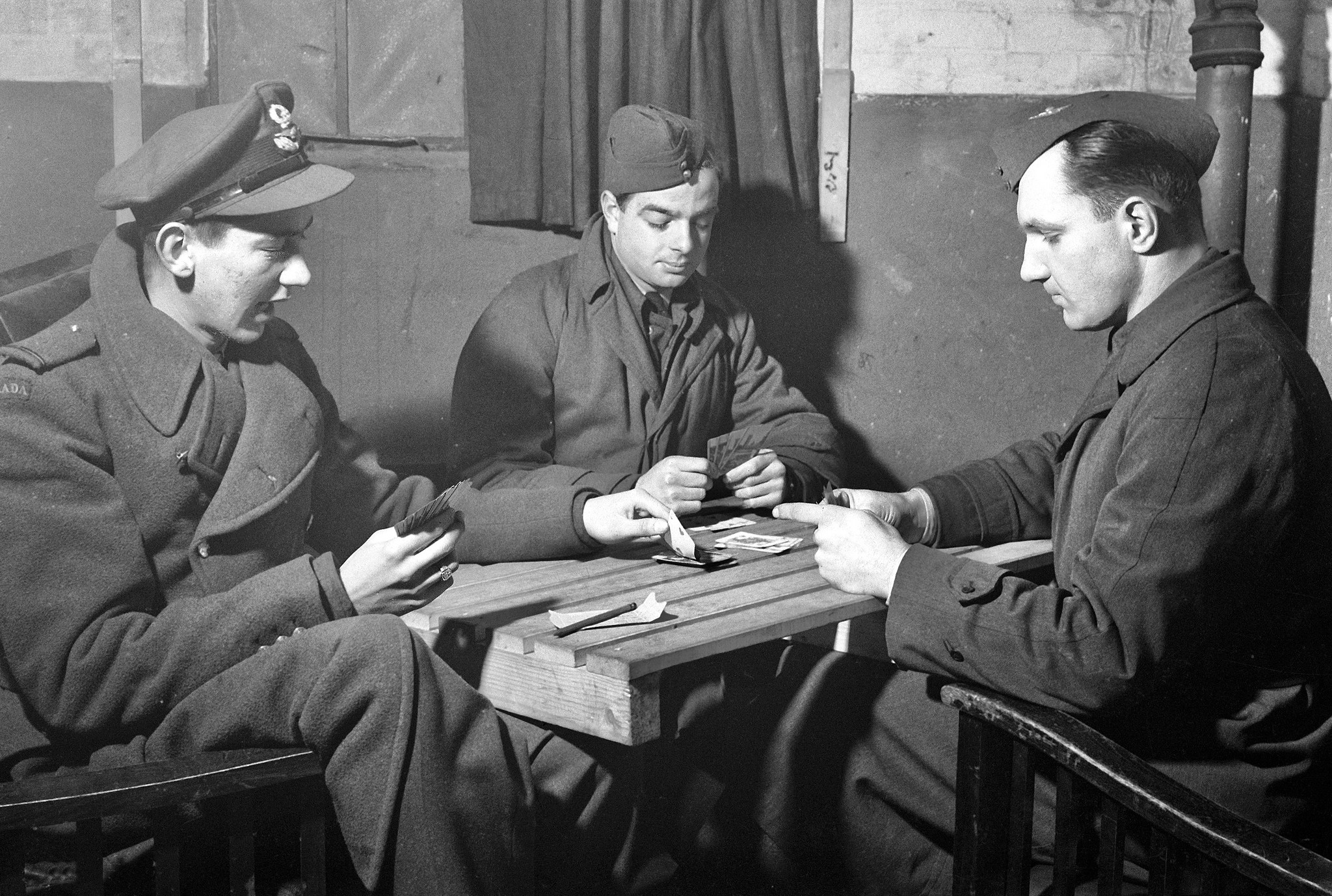
RCAF Flight Lieutenant John H. Stickell on the right playing cards with fellow airmen in England. Looks like their hut was cold as they are wearing their grey coats. Stickell was just one of the 8,864 Americans who served in the RCAF in the Second World War.
(Adam Morris Photo)
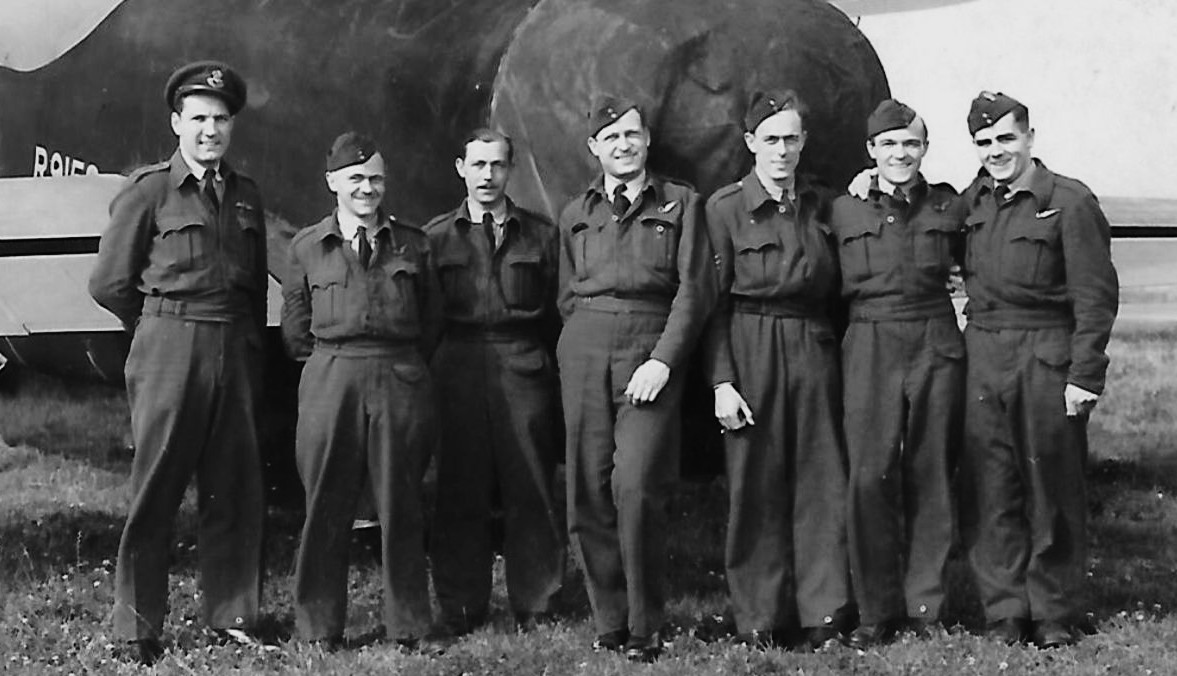
F/L John H. Stickell on the left with his aircrew, c1942.
(IWM Photo, HU 107752)
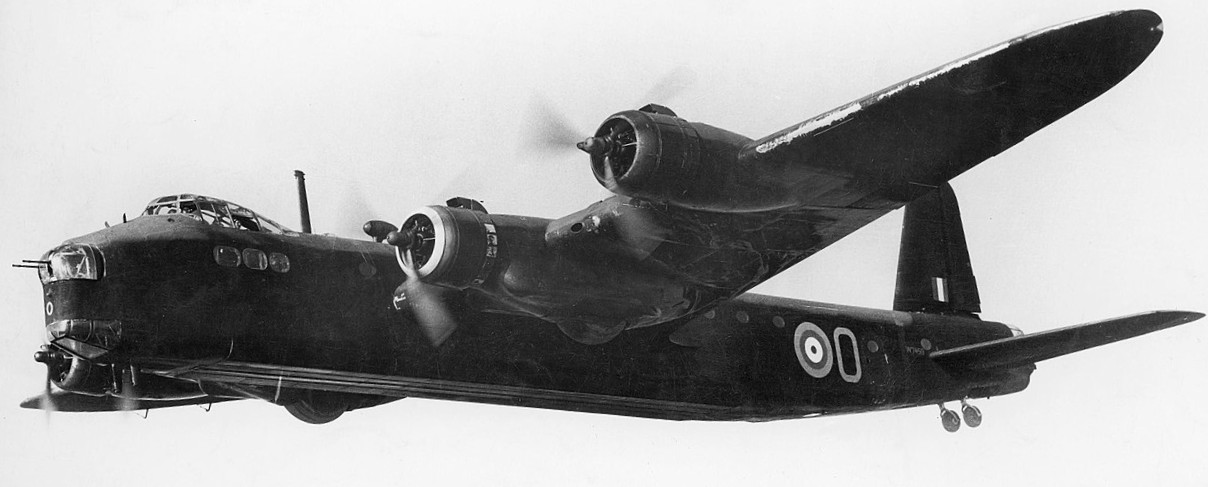
Short Stirling Mk.I (Serial No. W7459), coded O, No. 1651 HCU (Heavy Conversion Unit) RAF, 1942.
John Harlan Stickell was an American farm boy who piloted multi-engined heavy bombers in the European Theatre of Operation and the Pacific Theatre of Operation during the Secons World War. Flying Short Stirlings over Germany as a member of the RCAF, he earned 3 British gallantry awards – the Distinguished Service Order, the Distinguished Flying Cross and a Mention in Dispatches.
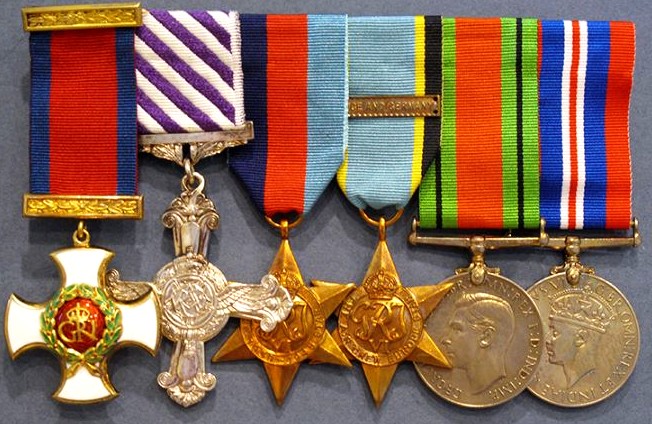
Distinguished Service Order, Distinguished Flying Cross, 1939-1945 Star, AirCrew Europe Star with France and Germany clasp, Defence Medal and War Medal 1939-1945.
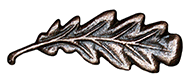
Mention in Dispatches (MiD) bronze oak leaf. Mention in Dispatches shall be awarded for valiant conduct, devotion to duty, or other distinguished service. 2,197 were awarded to the Royal Canadian Air Force, during the Second World War.
(USN Photo via the SDASM)
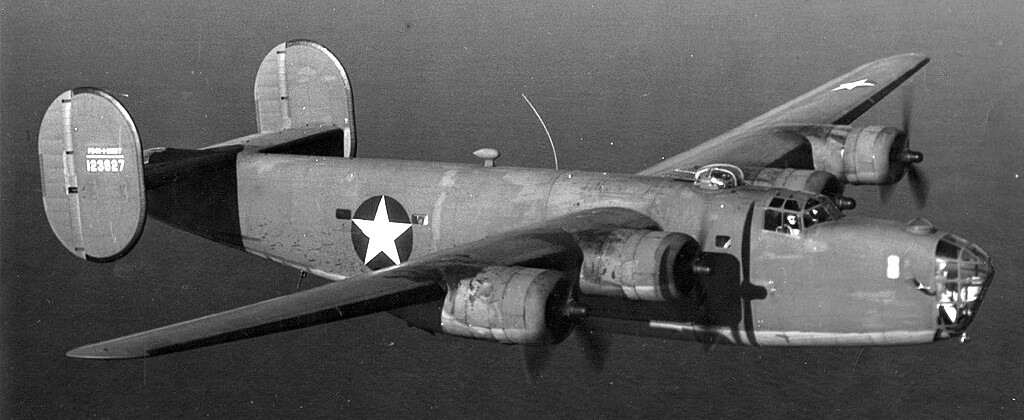
U.S. Navy Consolidated PB4Y-1 Liberator in flight, in 1943. This aircraft was a USAAF Consolidated B-24D-7-CO (Serial No. 41-23837) transferred to the U.S. Navy. It still wears the standard USAAF camouflage.
Transferring to the United States Naval Reserve, Stickell flew Consolidated PB4Y-1 Liberators in the central and western Pacific. There he won an Air Medal, an American DFC and, after his death from combat wounds at Jaluit Atoll in the Marshall Islands on 13 December 1943, a posthumous Navy Cross.
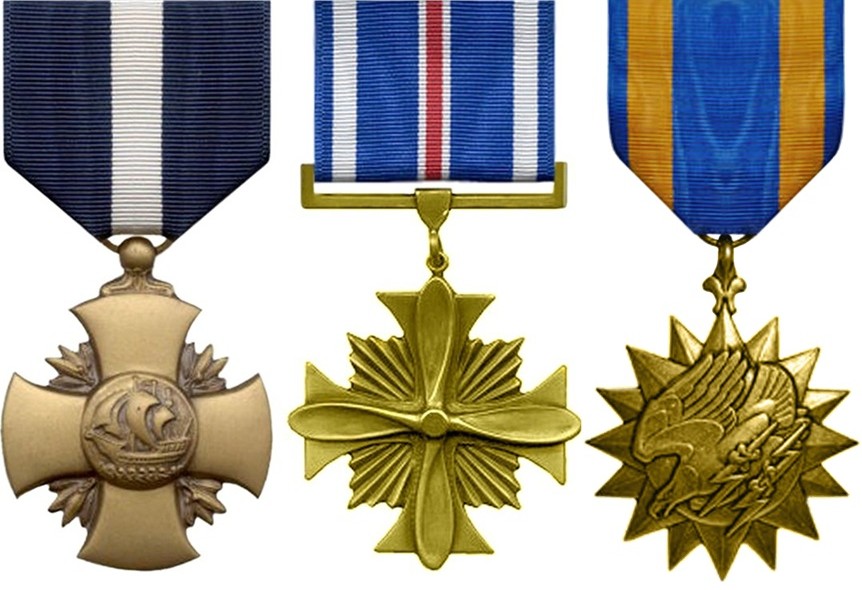
Navy Cross (USA), Distinguished Flying Cross (USA), Air Medal (USA)
Months later, this highly regarded but little known naval aviator, was duly honoured by his country when, in a move usually reserved for Presidents, Admirals, Senators and the like, the United States Navy named a warship after this decorated airman from Gilson, Illinois. The Navy Cross is the United States Naval Service’s second-highest military decoration awarded for sailors and marines who distinguish themselves for extraordinary heroism in combat with an armed enemy force.
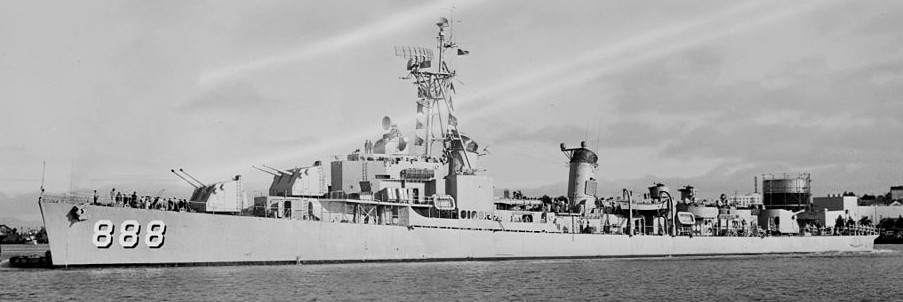
On 31 October 1945, a 3,460 ton Gearing Class Destroyer (DD-888) was proudly commissioned into US Naval Service as the USS Stickell. (Tom Walsh)
(USN Photo)
U.S. Navy destroyer USS Stickell (DD-888) off the Mare Island Naval Shipyard, California, on 25 September 1950. Stickell (DD-888) was named for Lieutenant John H. Stickell USNR (1914–1943), who was killed in action at Jaluit Atoll in the Marshall Islands on 13 December 1943 and posthumously awarded the Navy Cross.
Biography
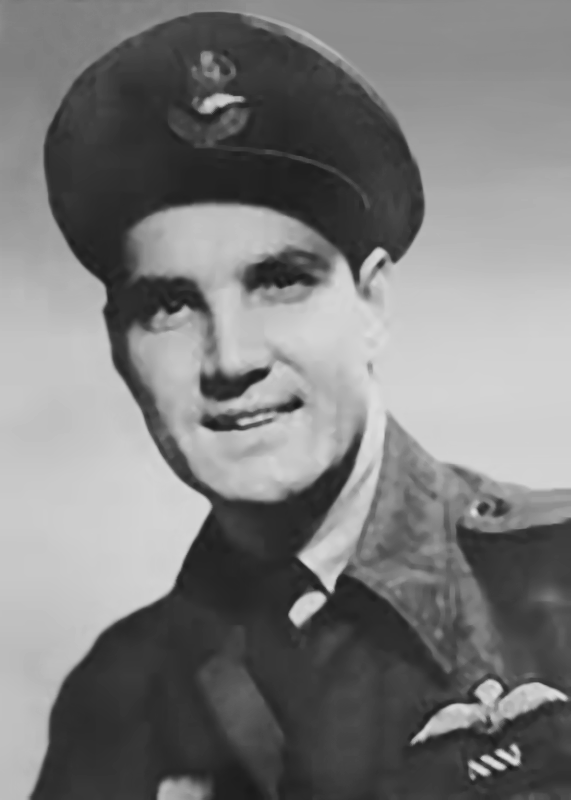
Stickell was born in Gilson, Illinois, on 31 July 1913. He attended Bradley Polytechnic Institute for nearly two years before joining the Royal Canadian Air Force. Before the United States’ entry into the Second World War, he served with the Path Finding Force in England and received both the British Distinguished Flying Cross (gazetted 6 November 1942) and the Distinguished Service Order (gazetted 11 June 1943) for his outstanding service in heavy bomber missions over Germany.
He accepted an appointment as a lieutenant in the United States Naval Reserve, to date from 29 March 1943, and reported to Naval Forces, Europe, for active duty and transportation to the United States. Lt. Stickell was attached to the Bureau of Aeronautics from early April until late May, and then assigned to the Naval Air Training Center at Corpus Christi, Texas, for indoctrination in naval aircraft. He completed training on 5 August and, on the 19th, he reported to the Pacific Fleet Air Wing for duty. He was assigned to Bombing Squadron 108 (VB-108), based on Nukufetau Airfield in the Ellice Islands.[2]During his combat service, Lt. Stickell conducted search and reconnaissance missions during the Gilberts-Marshalls campaign. His skill and ability contributed to the destruction of three enemy aircraft, the sinking of an enemy boat and possibly of a cargo vessel. For the two actions in which these events occurred, Lt. Stickell was awarded the Distinguished Flying Cross and the Air Medal.
Lt. Stickell volunteered for a hazardous, two-plane bombing strike on 13 December 1943, against an underground oil storage tank located on Jabor at Jaluit Atoll in the Marshall Islands. Seriously wounded by anti-aircraft fire during the tree-top level approach, Lt. Stickell ignored his wounds and steadfastly carried on with his mission. His plane scored a direct hit on the target; but upon commencing the return flight, he was forced to relinquish control of the plane to his copilot. Preferring to risk his own life and well-being rather than that of his aircrew, Lt. Stickell ordered his co-pilot to pass up the dangerously-narrow airstrip at Tarawa and head for a wider and safer field over 400 miles (640 km) away, significantly delaying treatment of his wounds. Lt. Stickell died of those wounds six days later. For his gallantry and selfless sacrifice, he was posthumously awarded the Navy Cross. (Wikipedia)