
Avro Lancaster Mk. 10 survivors in Canada
(Author Photo)
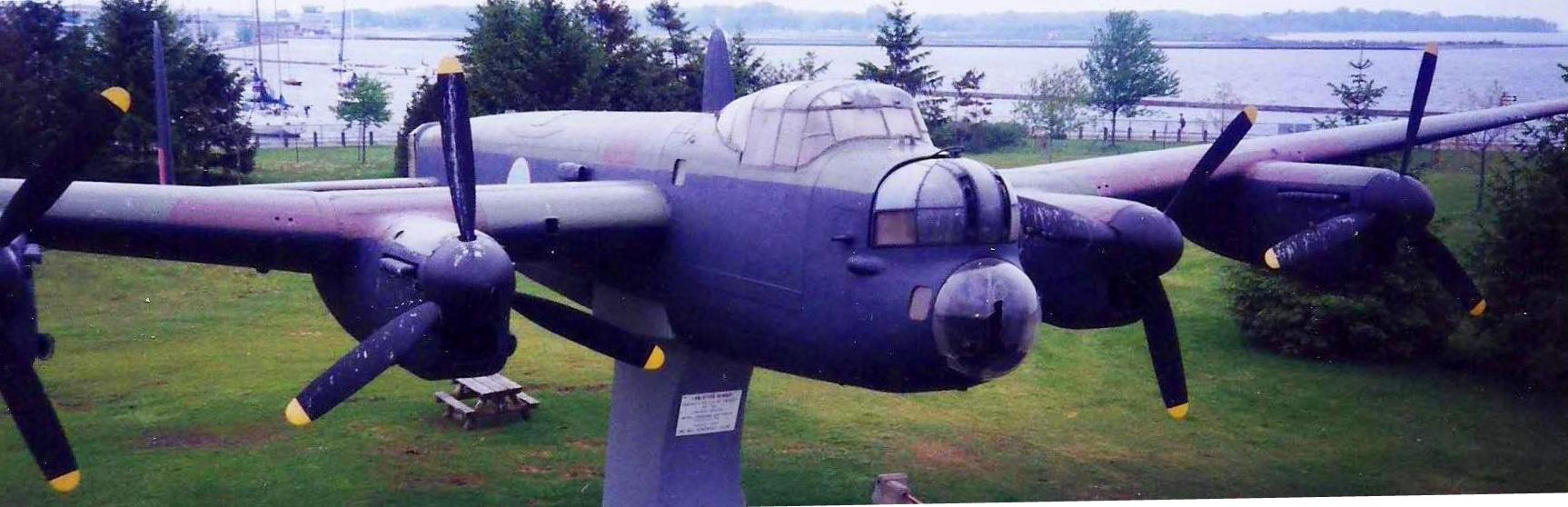
Avro Lancaster Mk. 10 (Serial No. FM104), mounted on a pylon on the Toronto waterfront before being taken down for restoration. FM104 has been transferred by the Toronto City Council to the British Columbia Aviation Museum, Sidney, on Vancouver Island, British Columbia.
(Author Photos)
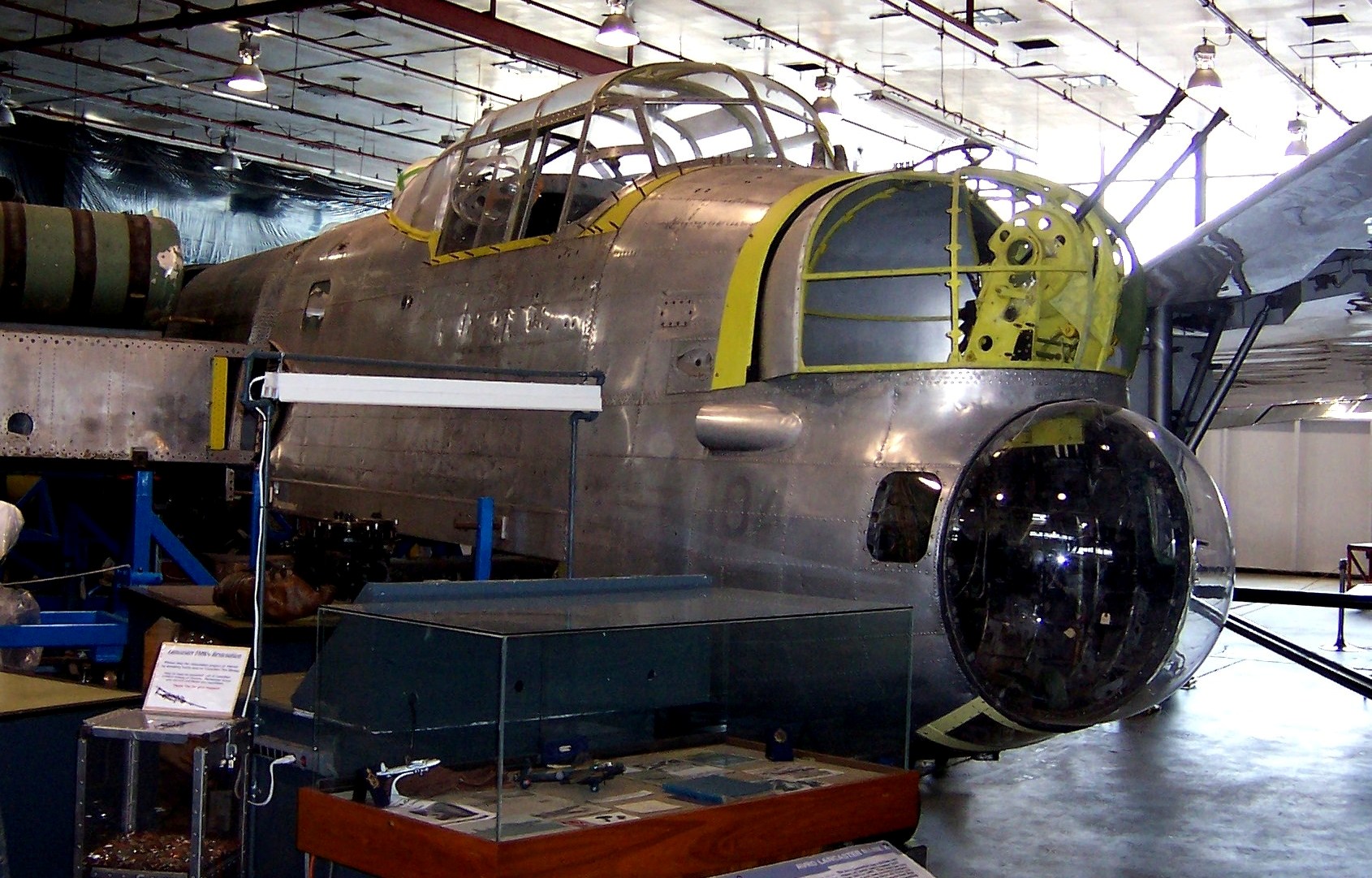
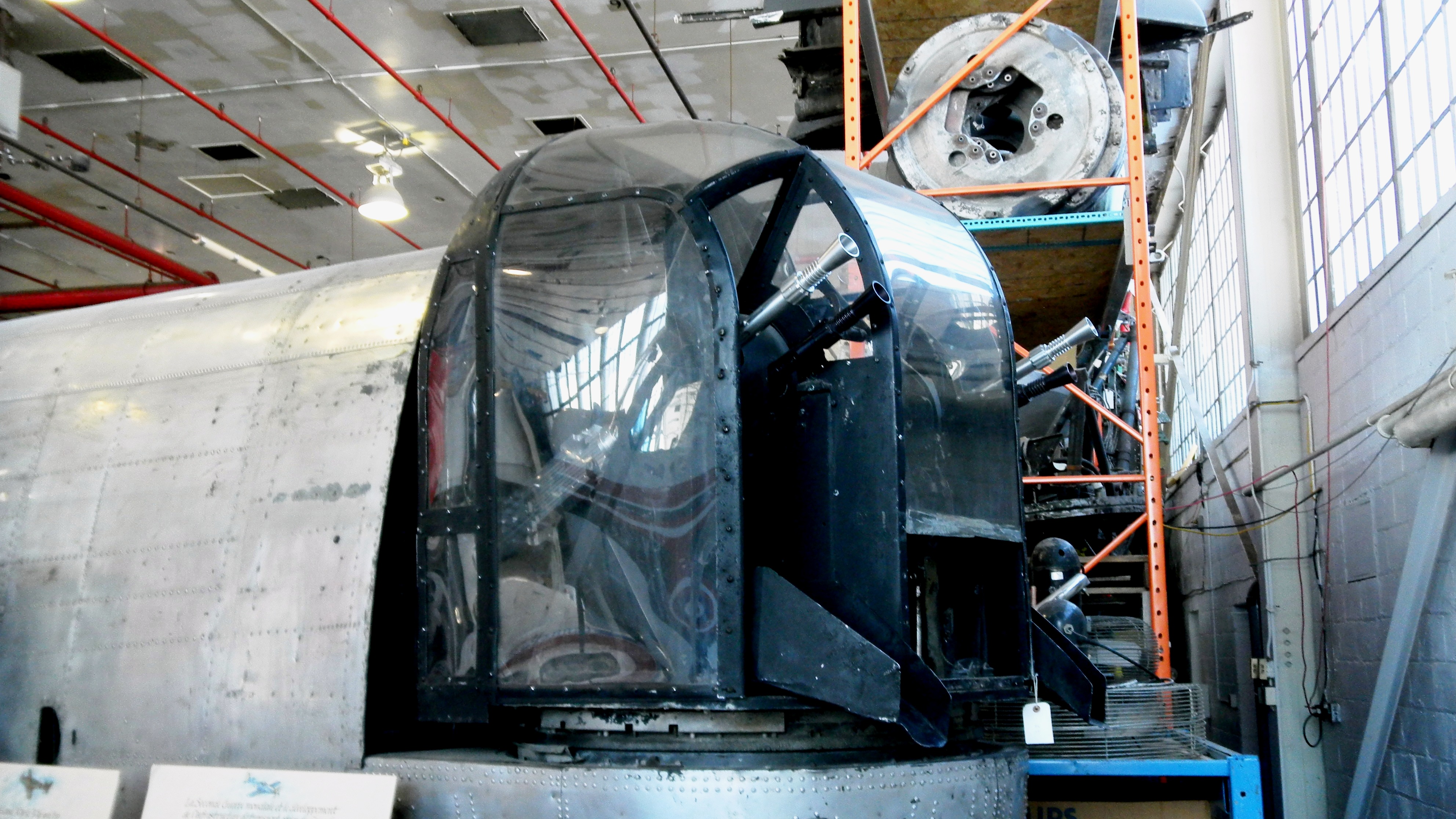
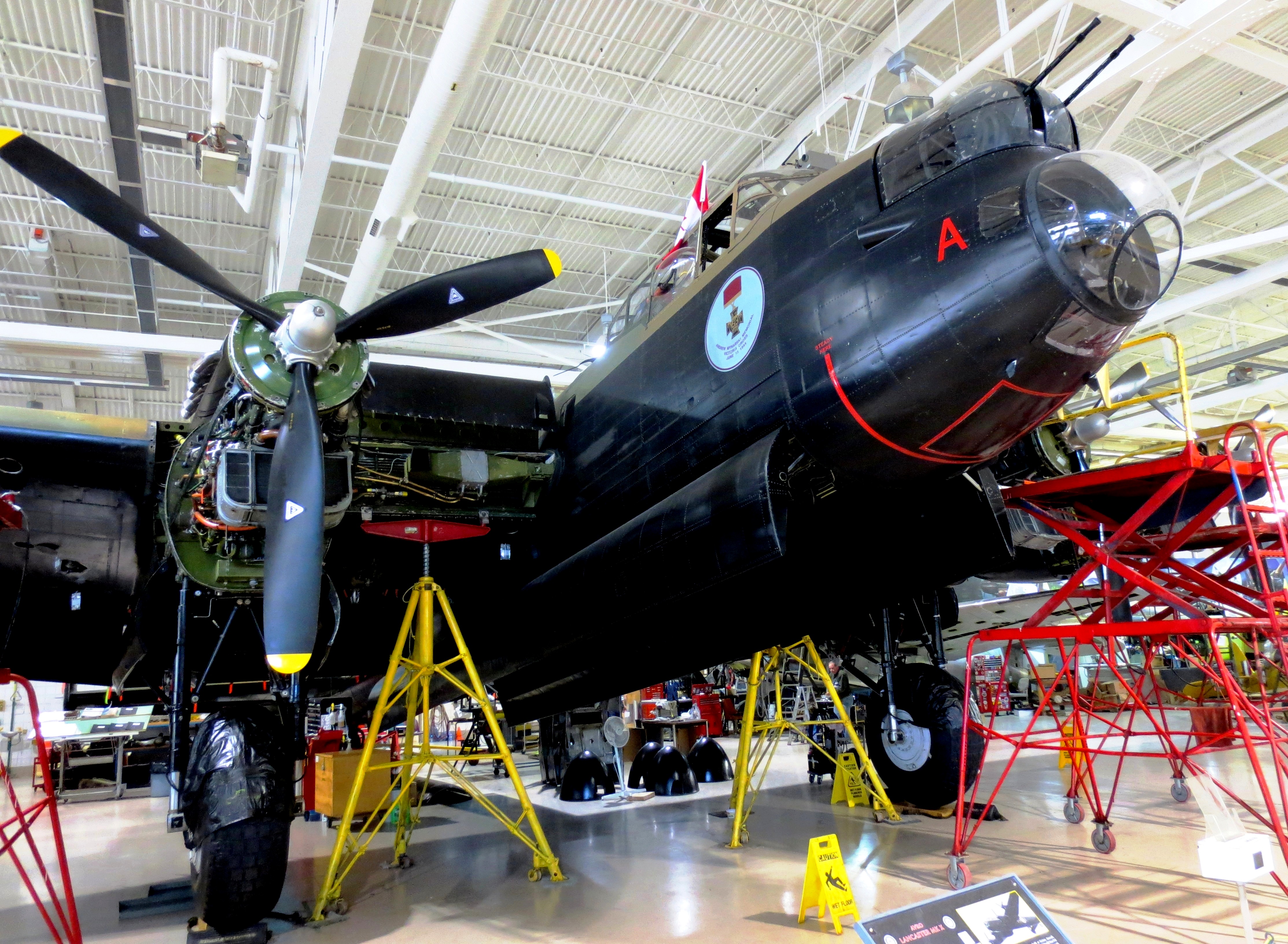
Avro Lancaster Mk. 10 (Serial No. FM104), undergoing restoration in the Canada Air and Space Museum, Toronto, Ontario. FM104 has been transferred by the Toronto City Council to the British Columbia Aviation Museum, Sidney, on Vancouver Island, British Columbia.
Avro Lancaster Mk. 10MR (Serial No. FM104), built as a Mk. 10 at Victory Aircraft in Malton, Ontario. Flown to England in January 1945. Kept in reserve at No. 32 Maintenance Unit for RCAF No. 408 Squadron RCAF and RCAF No. 428 Squadron. Returned to Canada 10 June 1945 in expectation of use with Tiger Force against the Japanese. Converted in November 1945 to Mk. 10SR and assigned to No. 10 RU at Naval Station Argentia, Newfoundland. Converted to Mk. 10MR in April 1951 and assigned to No. 107 Unit at RCAF Station Torbay, Newfoundland. Struck off 10 February 1964. Displayed mounted on a concrete pylong on the harbourfont grounds of the Canadian National Exhibition, Toronto, Ontario in 1964. Purchased by RCAF Association and put on display in Coronation Park in 1965. Ownership transferred to Heritage Toronto in 1990. Moved to Toronto Aerospace Museum (later the Canadian Air and Space Museum) in 1999. Following the museum’s closure in 2011, the plane went into storage. In the fall of 2018, FM104 was moved to the British Columbia Aviation Museum and will be restored by the museum in conjunction with Victoria Air Maintenance Ltd., at Victoria, BC.
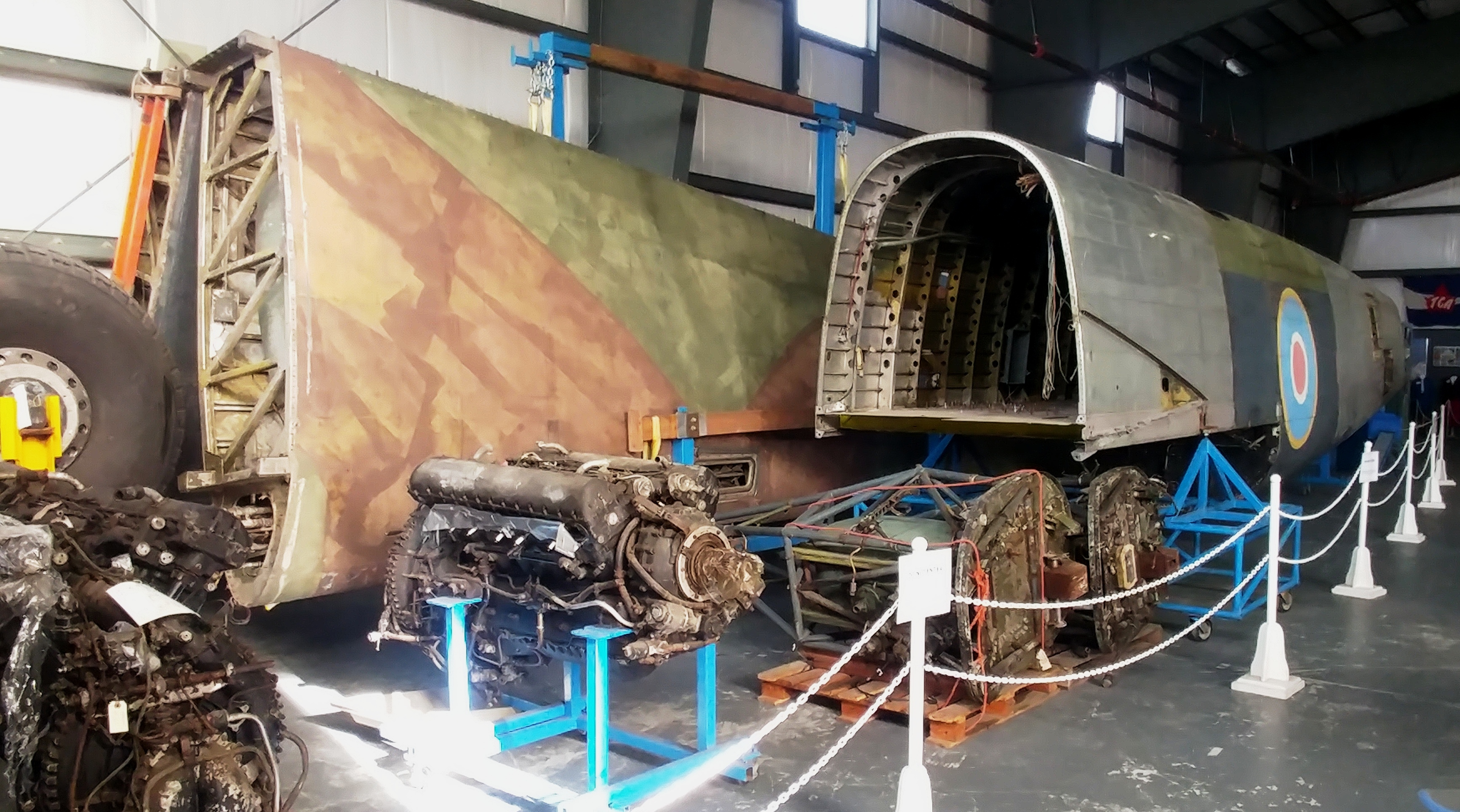
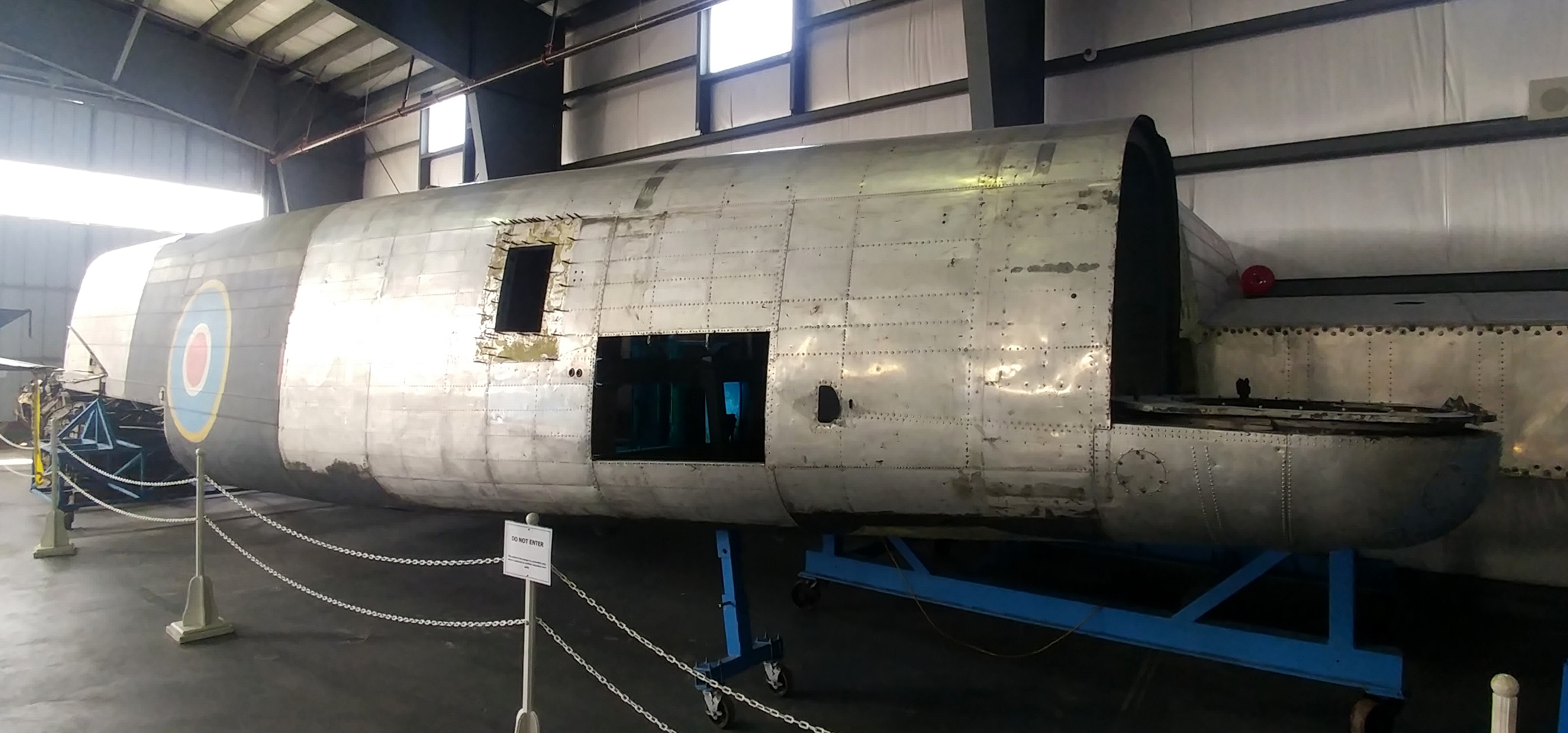
(Author Photos, 28 Jan 2019)
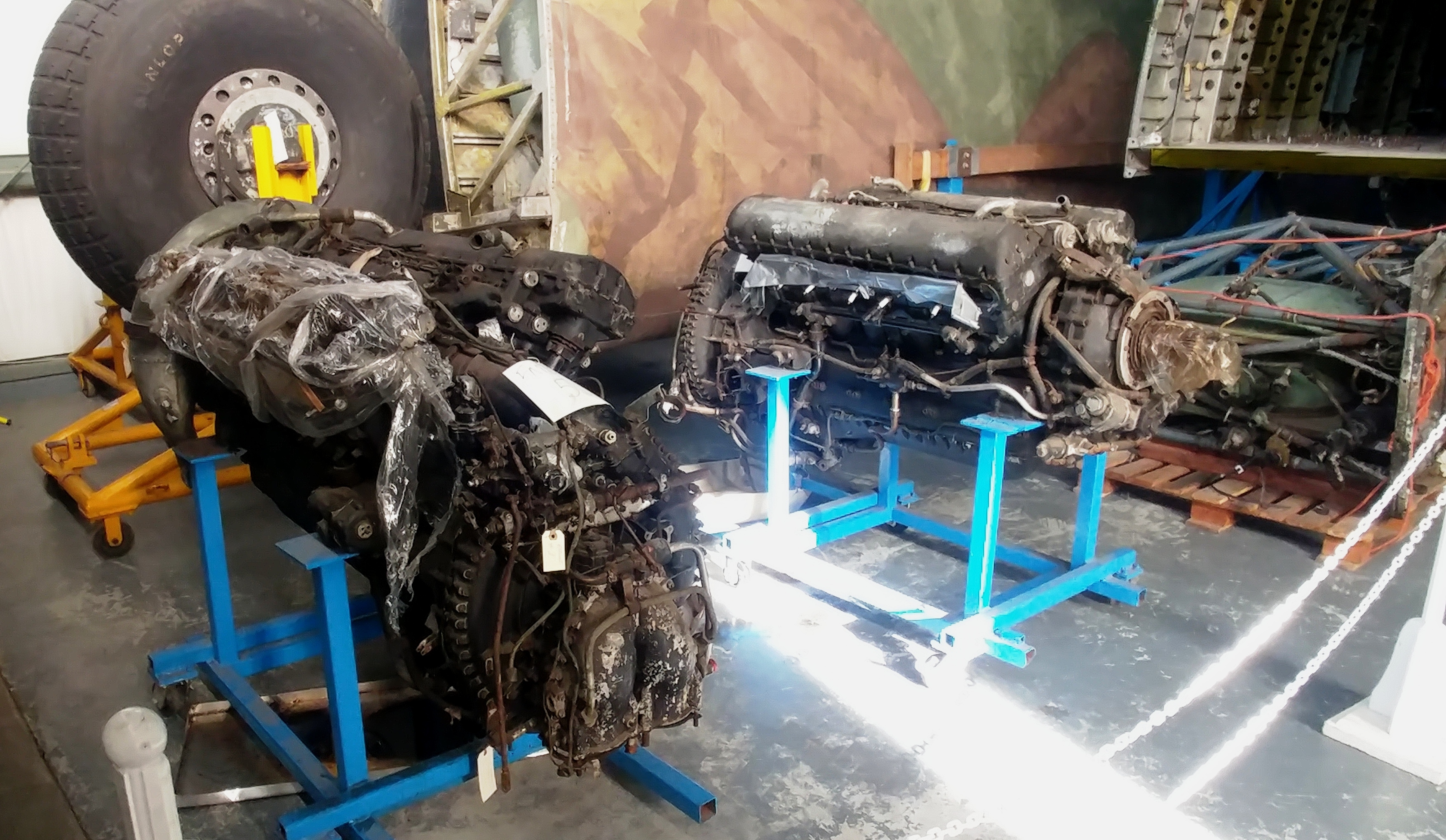
Avro Lancaster Mk. X (Serial No. FM104), being restored in the British Columbia Aviation Museum. FM104 was built in Toronto in 1944 but did not see combat service after arriving in the United Kingdom in January 1945. In June 1945 the aircraft returned to Canada and subsequently was converted for use in coastal surveillance and search and rescue. It served in that capacity for many years until retired in 1966. The aircraft then spent more than three decades on display at the Toronto lake shore. Restoration work on the aircraft was commenced by the Canadian Air & Space Museum in 1999 but that organization was unable to continue the work after they lost their hangar space to redevelopment. The BC Aviation Museum was awarded custody of the disassembled aircraft in the late summer of 2018.
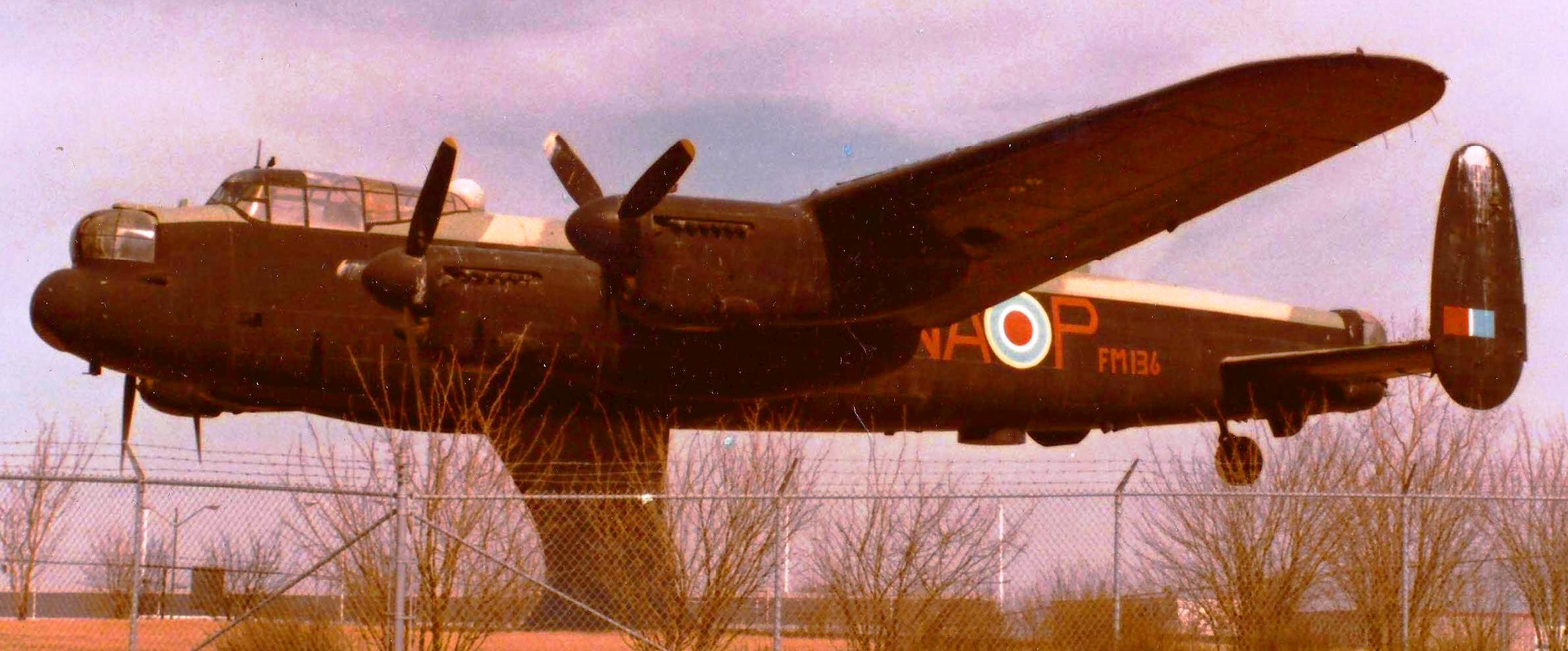
(Author Photo)
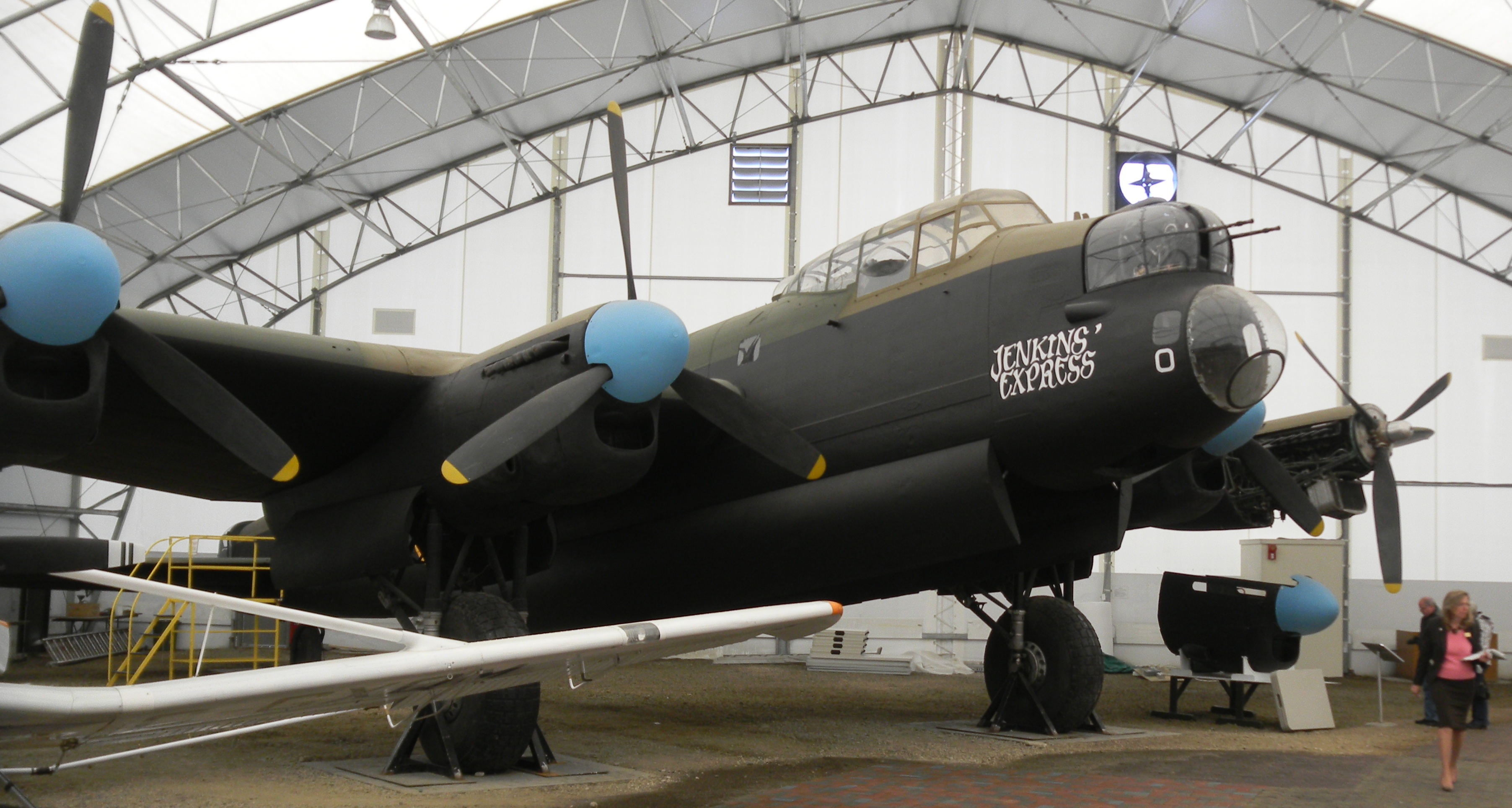
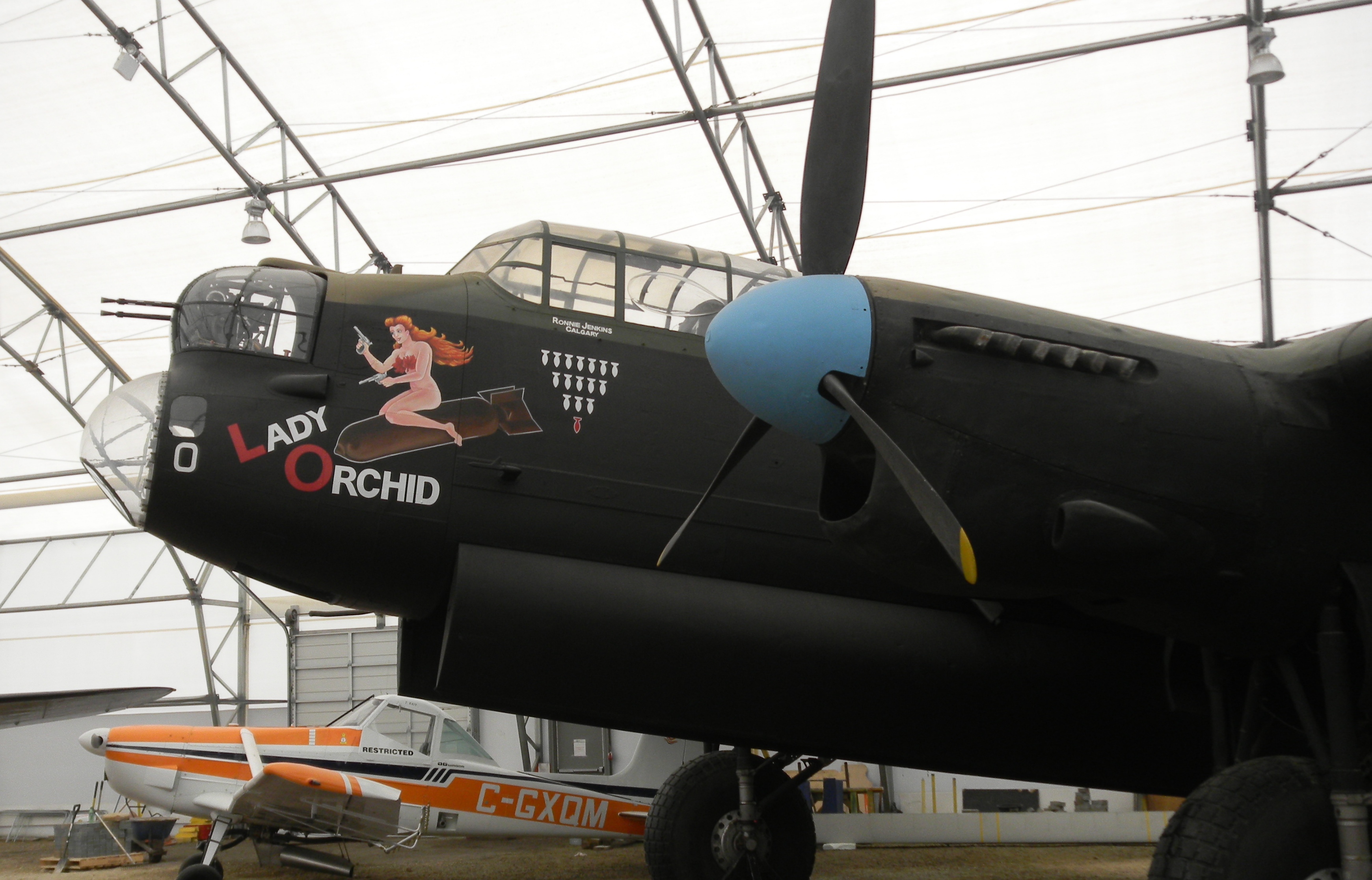
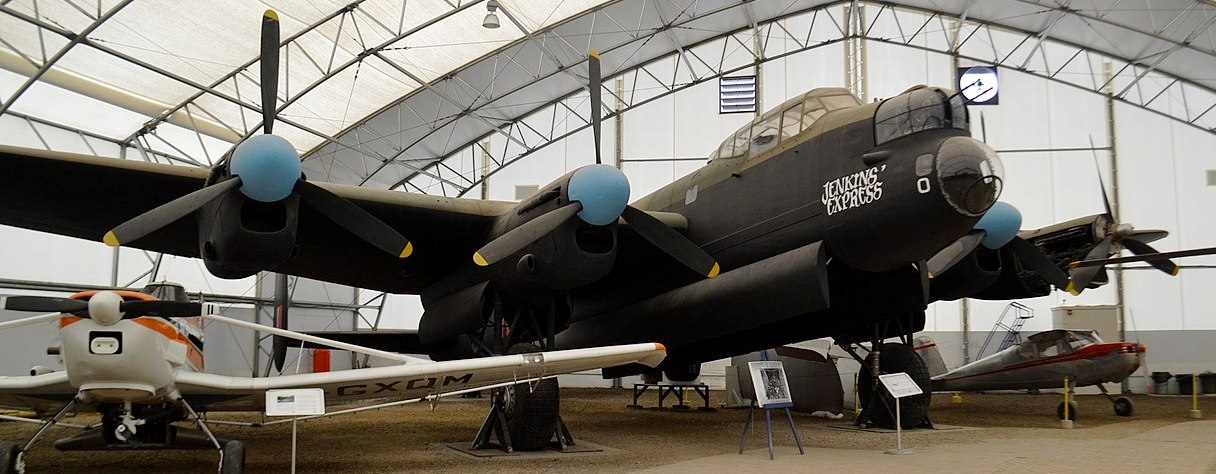
Avro Lancaster Mk. 10 (Serial No. FM136), coded NA-P, mounted on a pylon at the Calgary Airport, ca. 1977, before its restoration.
(Author Photo)
(Author Photo)
(Author Photos)
(Daniel Photo)
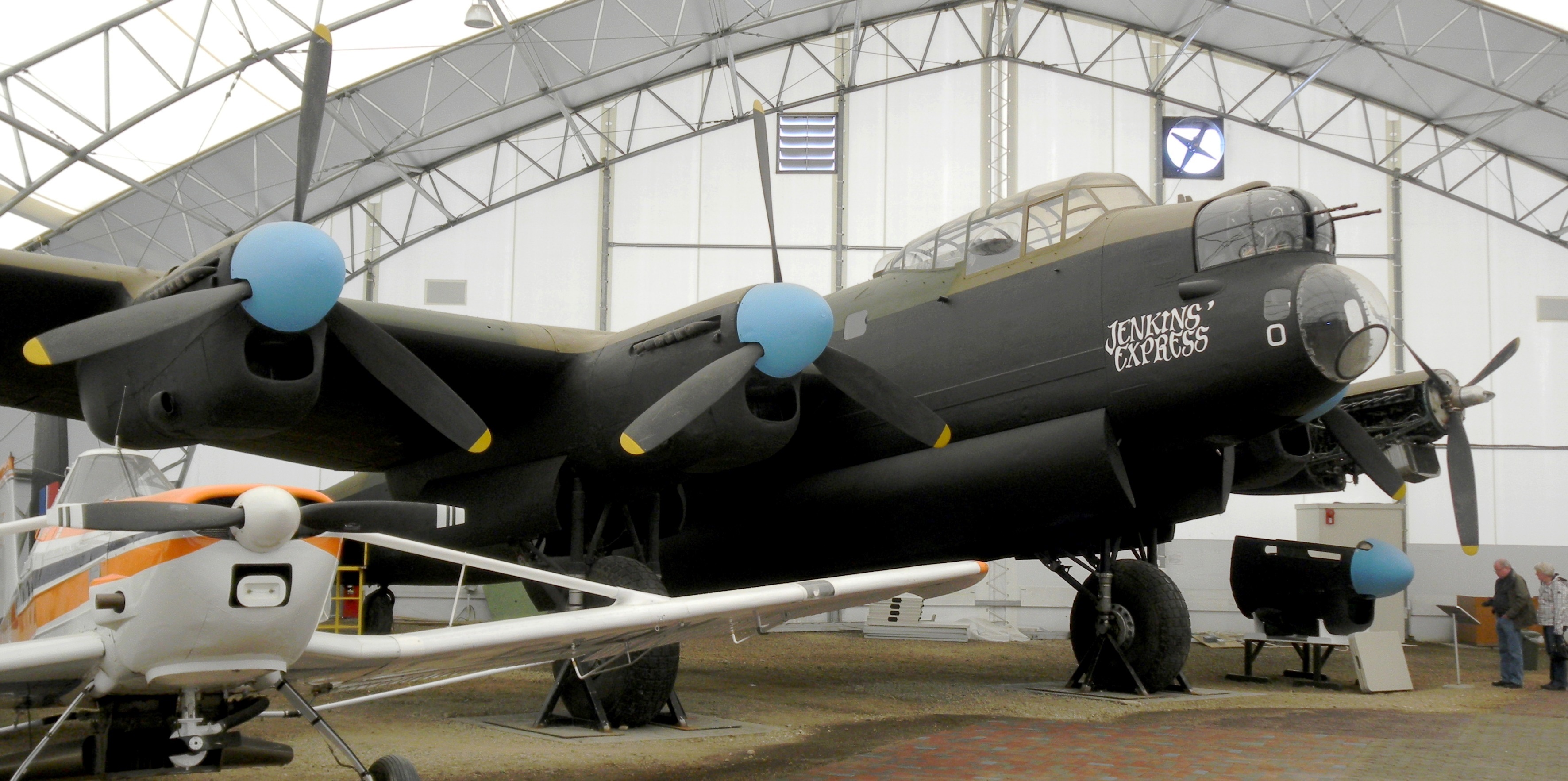
Avro Lancaster Mk. 10 (Serial No. FM136), coded NA-P, No. 420 Squadron. Aerospace Museum of Calgary, Alberta.
Avro Lancaster Mk. 10MR (Serial No. FM136), built at Victory Aircraft in Malton, Ontario as a Mk. 10. Flown to England June 1945 but returned to Canada 29 August 1945. Served as RCAF Maritime Reconnaissance plane with RCAF No. 404 Squadron at RCAF Station Greenwood, Nova Scotia and with No. 407 Squadron at RCAF Station Comox, British Columbia. Flown to RCAF Station Fort Macleod in 1961 for scrap. Purchased in 1961 by Lynn Garrison and put on display mounted on a concrete pylon in 1962 at entrance to the Calgary Municipal Airport, Alberta, as a memorial to those who trained under the British Commonwealth Air Training Plan. Transferred to Calgary Aerospace Museum in 1992. It wears the colours of (Serial No. KB895), which flown by Calgary’s Ronnie Jenkins.
(Joanna Poe Photo)
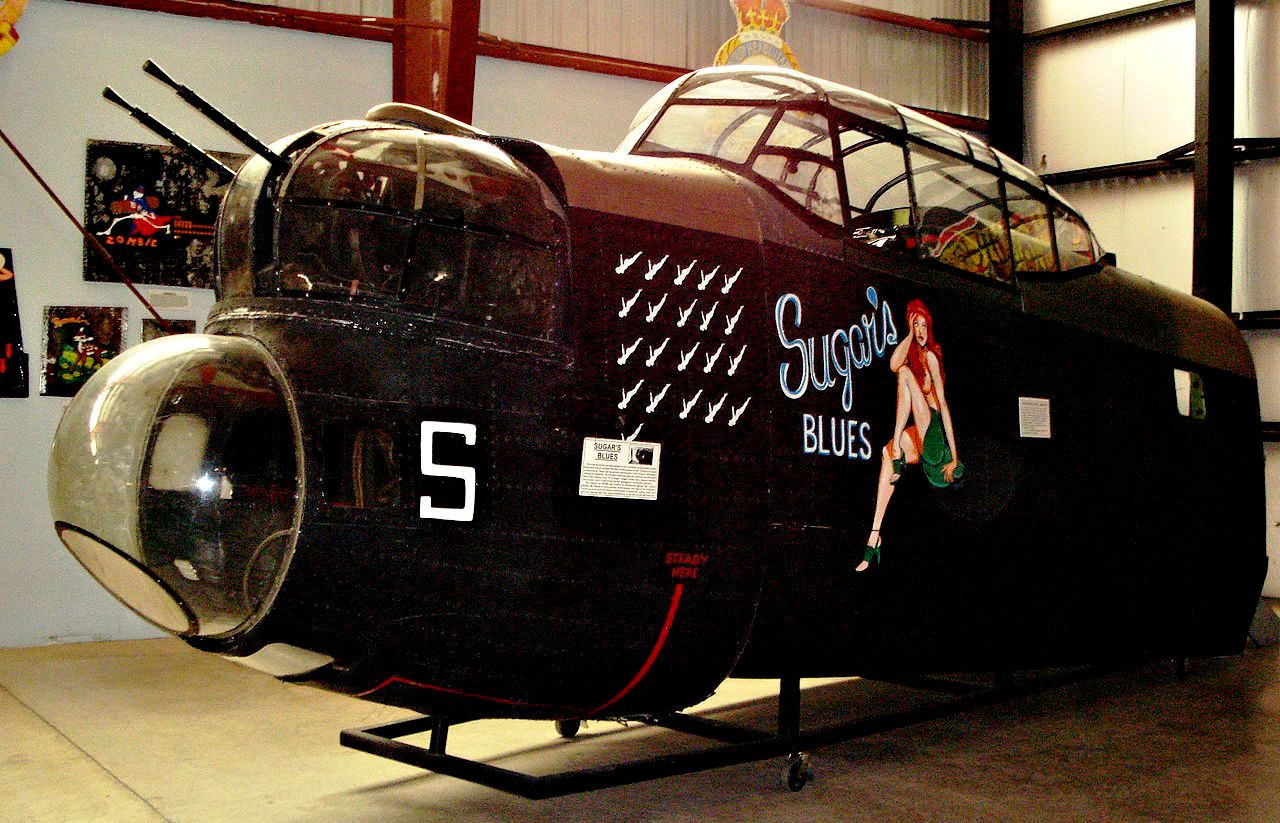
Avro Lancaster nose section art replica, port side, “Sugar’s Blues” at the Bomber Command Museum of Canada, Nanton Alberta.
(Eric Friedebach Photo)
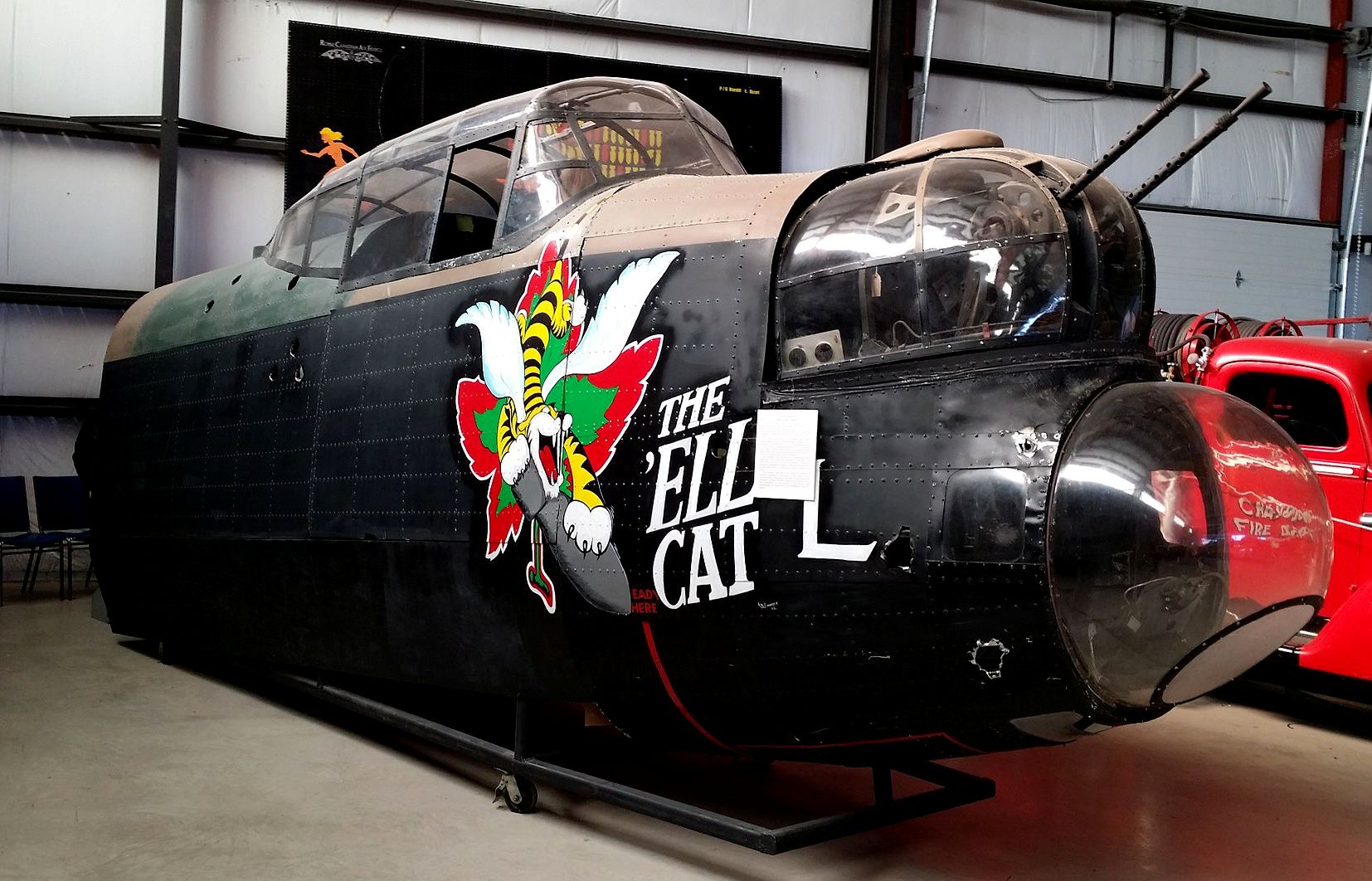
Avro Lancaster nose section art replica, starboard side, “The ‘Ell Cat” at the Bomber Command Museum of Canada, Nanton Alberta.
(Author Photo)
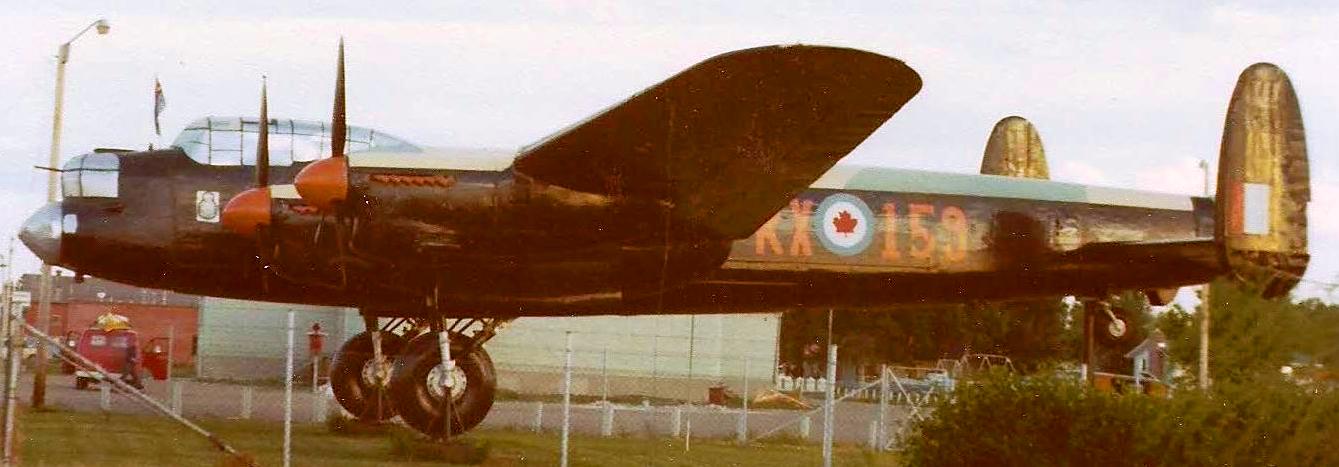
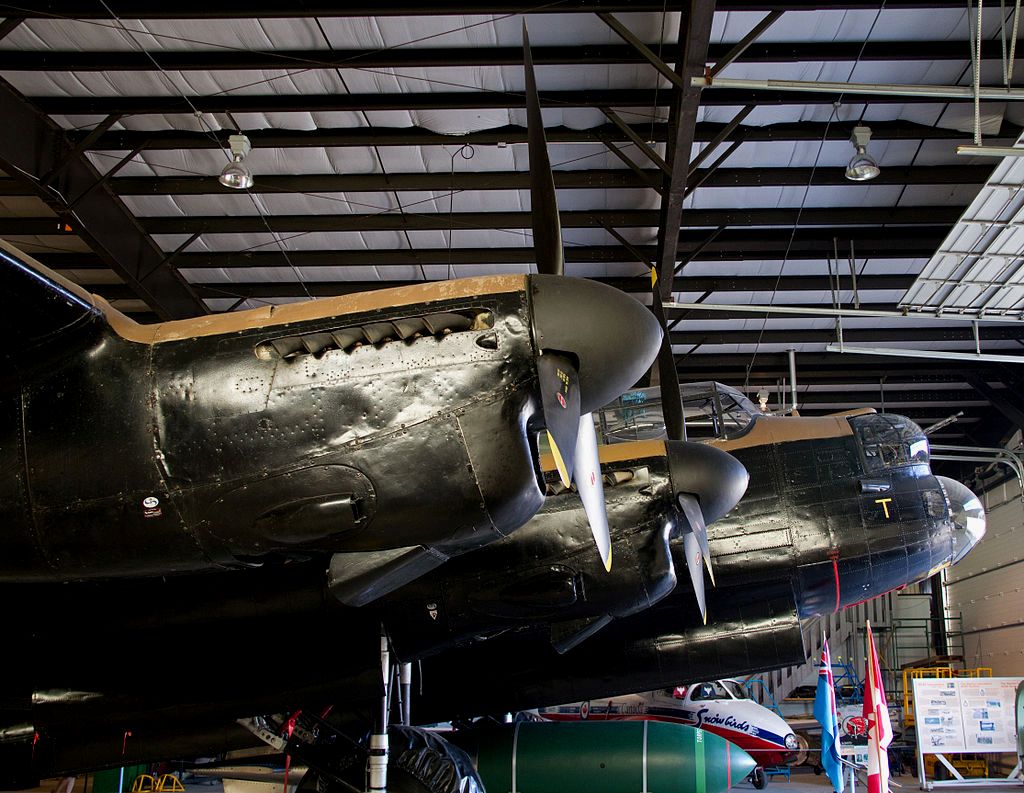
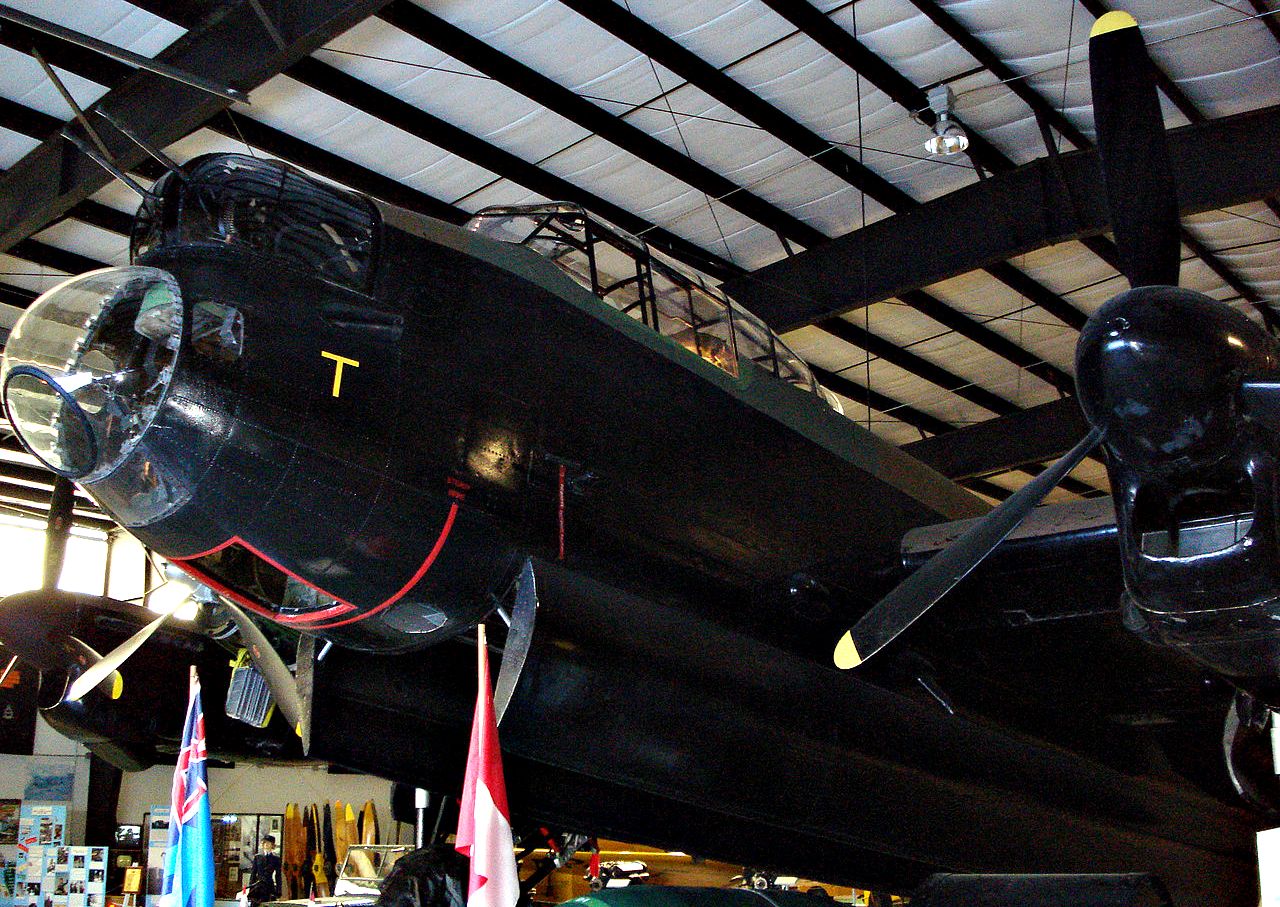
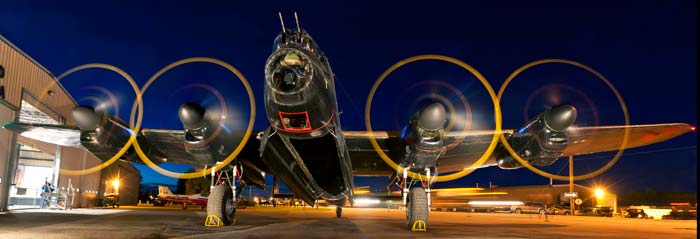
Avro 683 Lancaster Mk. 10 (Serial No. FM159), coded RX, mounted on concrete pedestals, long before its restoration, ca 1981. Now restored with four of its engines in running condition, FM159, coded F2-T, is named in honour of Canadian born, Ian W. Bazalgette, VC, No. 635 Squadron. Museum centre-piece. National Bomber Command Air Museum, Nanton, Alberta.
(Tony Hisgett Photo)
(Joanna Poe Photo)
(National Bomber Command Museum Photo)
Avro Lancaster Mk. 10MR (Serial No. FM159), with all four engines running. FM159 was built at Victory Aircraft in Malton, Ontario as a Mk. 10. It was flown to England in May 1945 and returned to Canada in September 1945. It was flown as an RCAF Maritime Reconnaissance aircraft from 1953 to 1958 with No. 103 Squadron, RCAF Station Greenwood, Nova Scotia and No. 407 Squadron at RCAF Station Comox, British Columbia. It was flown to RCAF Station Vulcan, Alberta in 1960 for scrapping, but was purchased that year and moved to Nanton, Alberta for display, where it was mounted on a concrete pylon beside the main highway. FM159 has undergone gradual restoration since the formation of the Nanton Lancaster Society in 1986, and all four engines now run. It wears the colours of (Serial No. ND811) in honour of Ian Bazalgette, VC.
(John Meneely Photo, 1995)
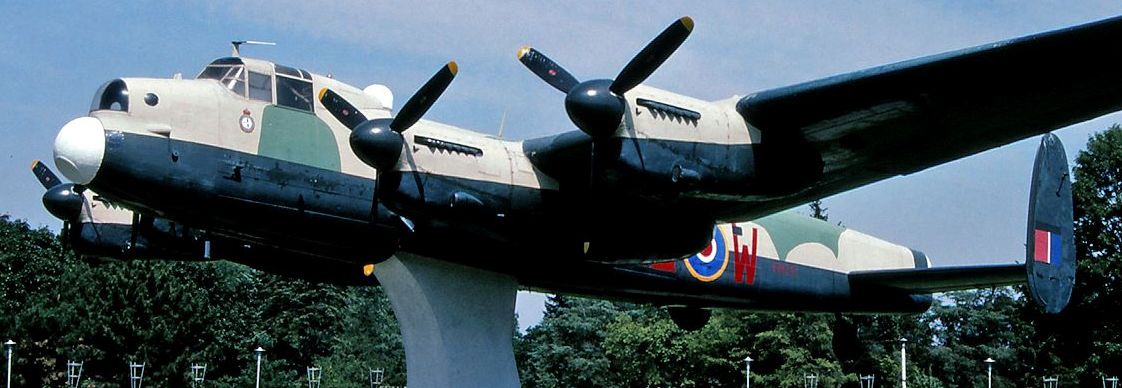
Avro Lancaster Mk. 10MR (Serial No. FM212), coded EQ-W, built at Victory Aircraft in Malton, Ontario as a Mk. 10. Returned to factory, by then owned by Avro Canada, in 1948 and converted to a Mk. 10P. Served with 9 Squadron, 418 Squadron and 408 Squadron. Struck off 9 October 1964. Stored at RCAF Station Dunnville, Ontario. Sold to the City of Windsor, Ontario and moved on a barge. Placed on display on a concrete pylon in Jackson Park. Currently undergoing restoration by the Canadian Historical Aircraft Association (CHAA). The CHAA has added distinctive nose art on the port side of FM212, “Bad Penny“, coded SR-N, to commemorate a Lancaster flown in “Operation Manna”, which involved the dropping of much needed food to the Dutch near the end of the Second World War.
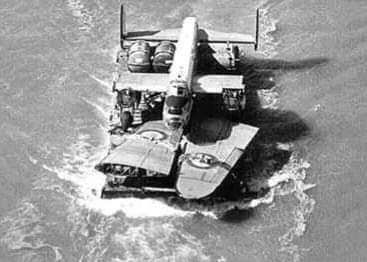
Avro Lancaster Mk. 10MR (Serial No. FM212), being moved on a barge.
(Griffin Library, Wheeler Photo)
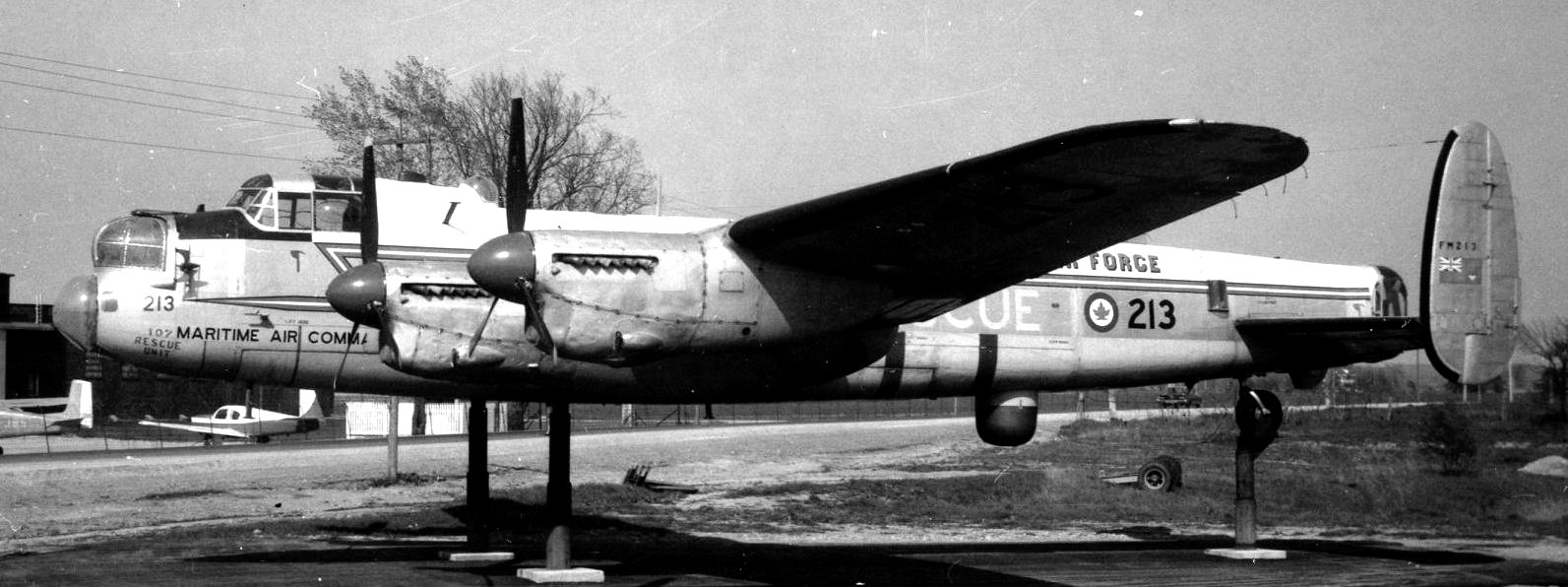
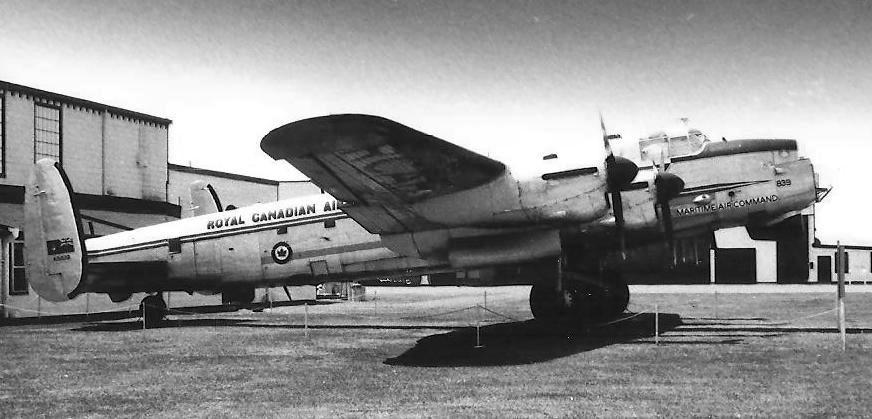
Avro Lancaster Mk. 10MR (Serial No. FM213), Maritime Air Command, as it appeared while on display in front of the Royal Canadian Legion at Goderich, Ontario, on 23 May 1966. It is now with the Canadian Warplane Heritage Museum, Mount Hope, Ontario. Built at Victory Aircraft in Malton, Ontario as a Mk. 10, it was stored at RCAF Station Trenton, Ontario from 1945 to 1950. It was converted to a Mk. 10MR by de Havilland Canada. FM213 served with No. 405 Squadron at RCAF Station Greenwood, Nova Scotia and No. 107 Rescue Unit at RCAF Station Torbay, Newfoundland. It was struck off strength on 30 June 1964 and was stored at RCAF Station Dunnville, Ontario until purchased by the RCL.
(Dave Miller Photo)
(Dave Miller Photo)
(Author Photo)
(Svdmolen Photo)
(Redkryptonite Photo)
(Dave Miller Photo)
(JustSomePics Photo)
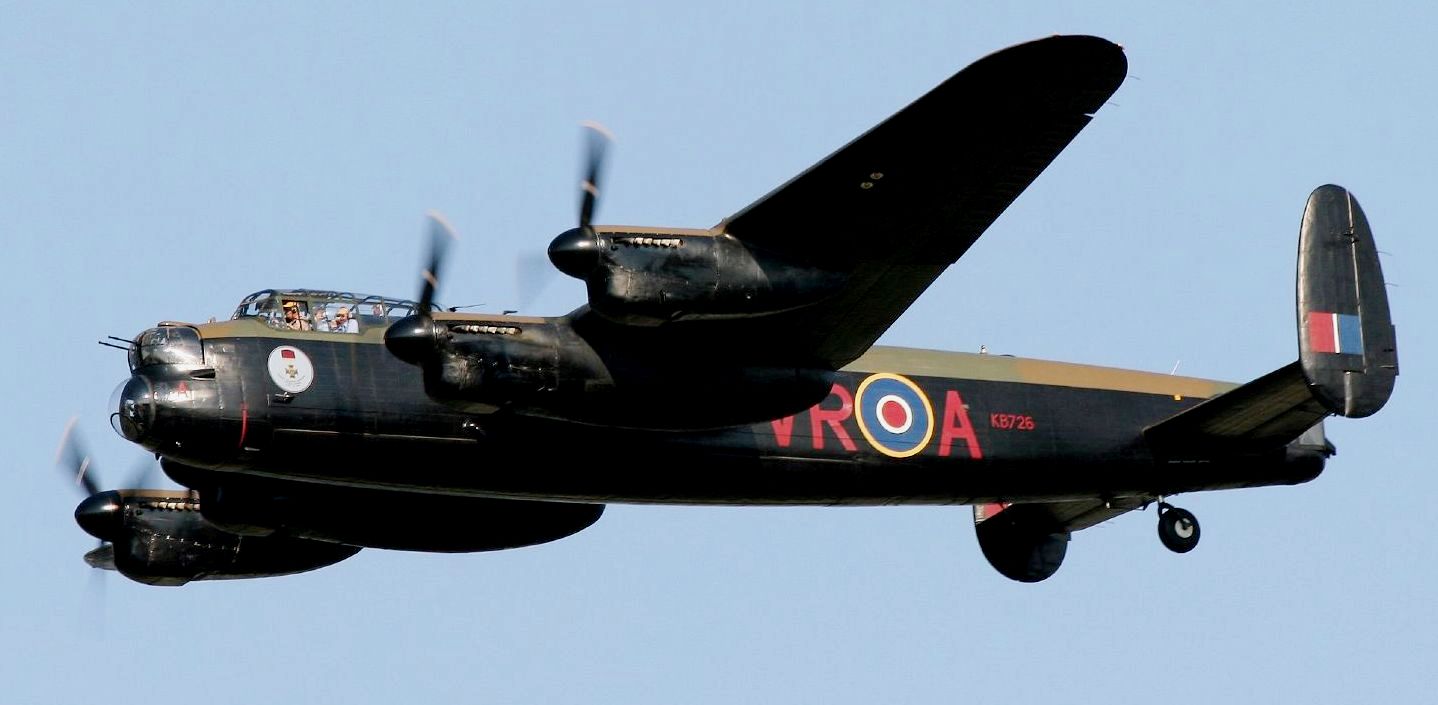
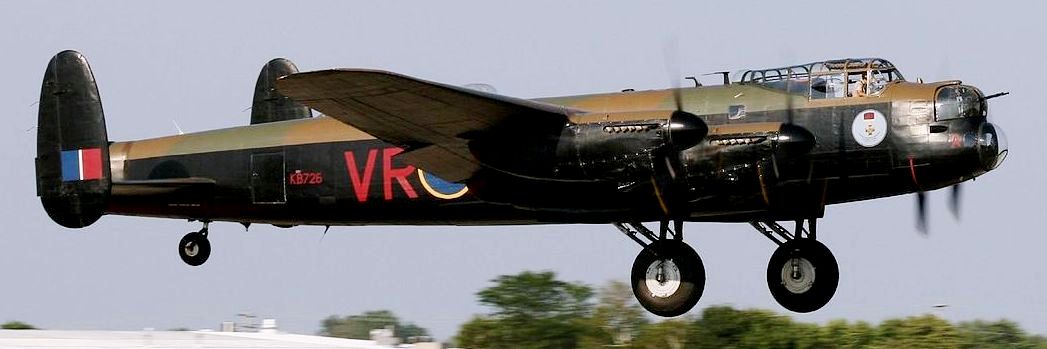
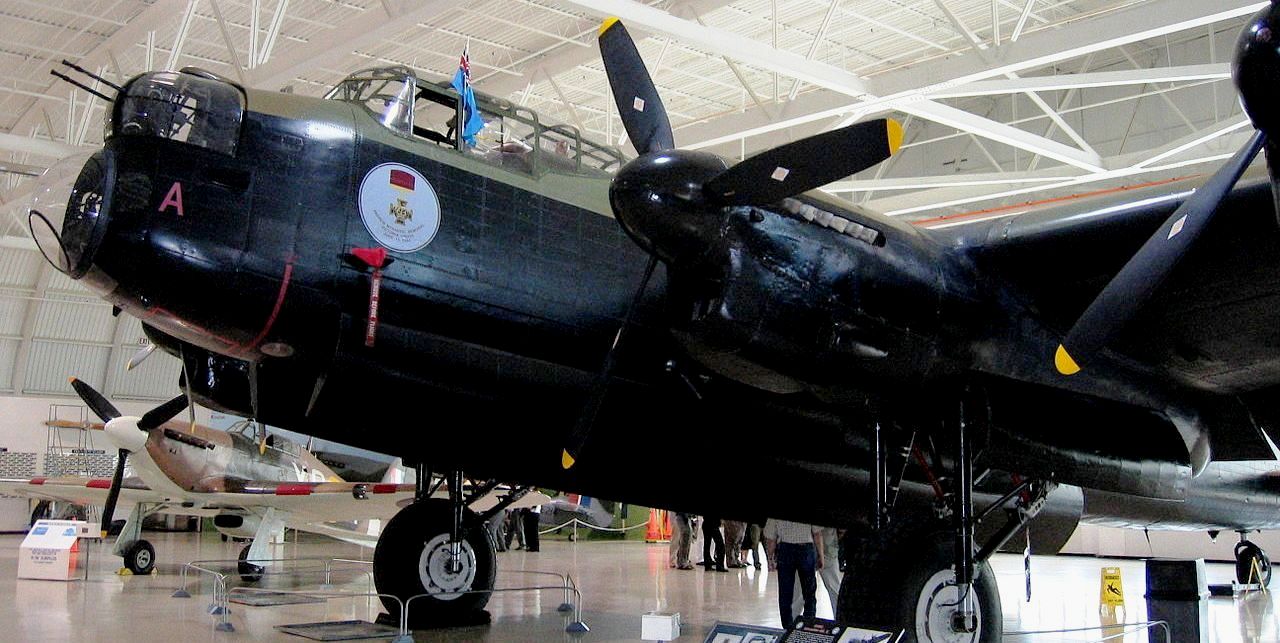
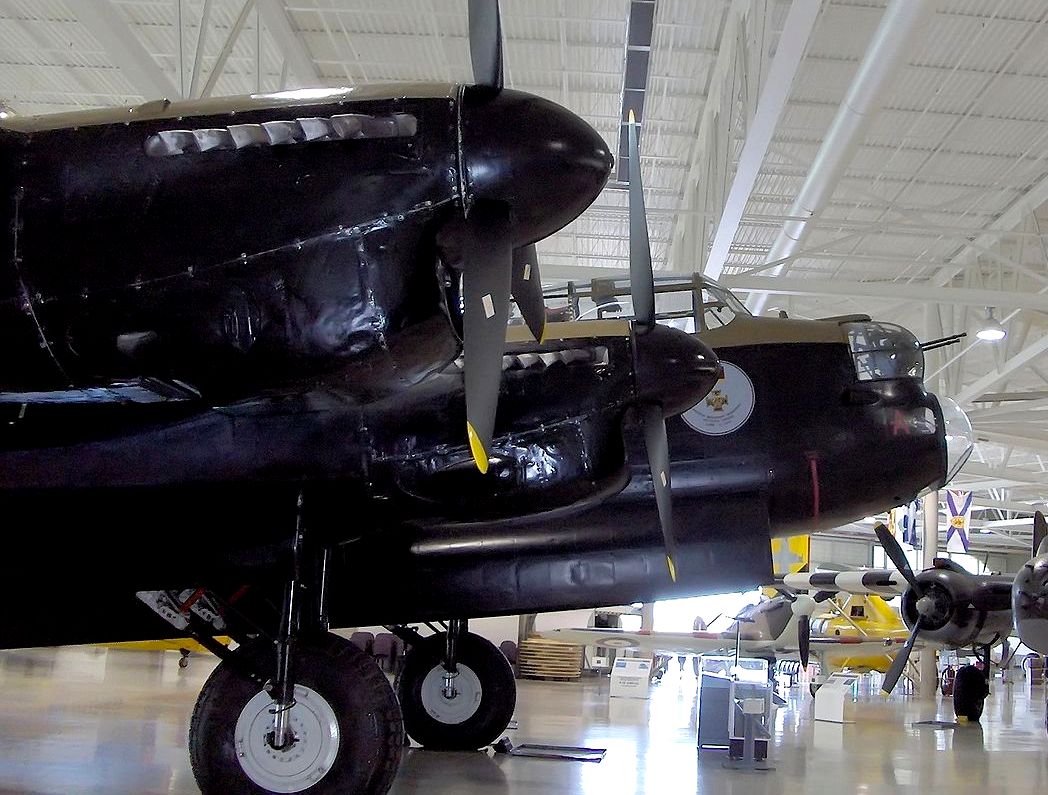
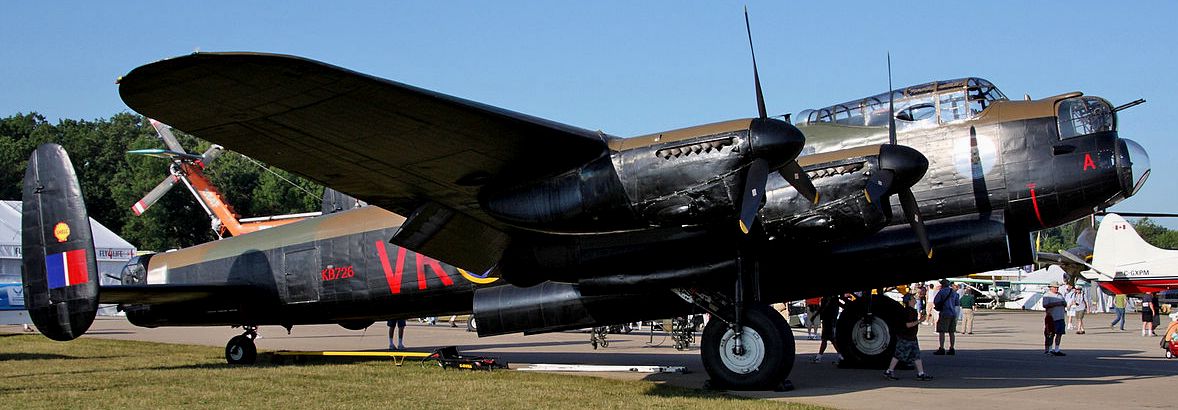
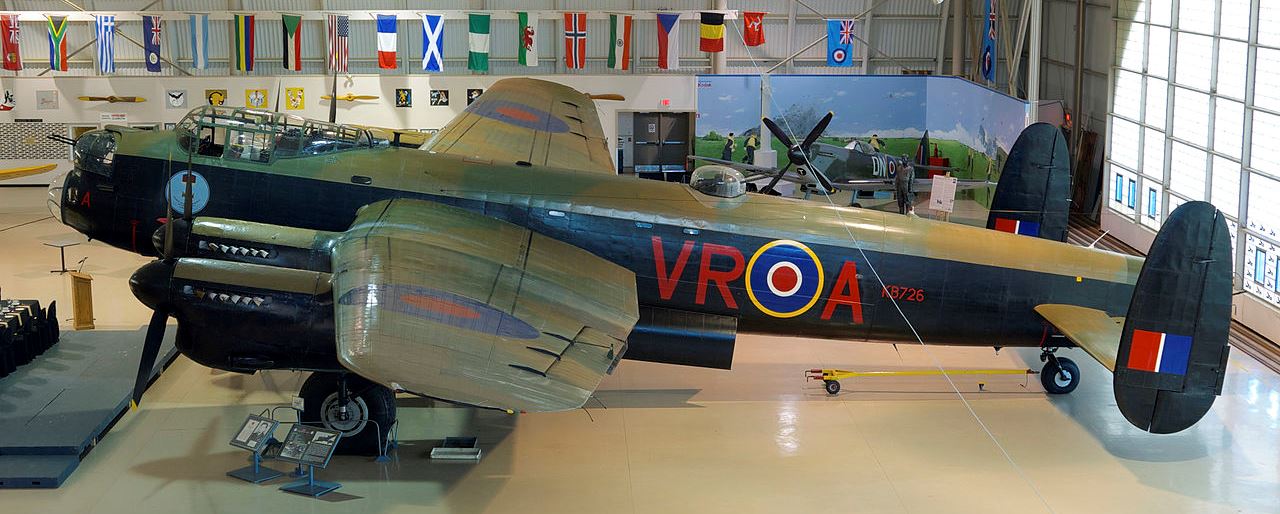
Avro Lancaster Mk. 10MR (Serial No. FM213), with the Canadian Warplane Heritage Museum, Mount Hope, Ontario. Built at Victory Aircraft in Malton, Ontario as a Mk. 10, it was stored at RCAF Station Trenton, Ontario from 1945 to 1950. It was converted to a Mk. 10MR by de Havilland Canada. FM213 served with No. 405 Squadron at RCAF Station Greenwood, Nova Scotia and No. 107 Rescue Unit at RCAF Station Torbay, Newfoundland. It was struck off strength on 30 June 1964 and was stored at RCAF Station Dunnville, Ontario until purchased and displayed at the Royal Canadian Legion in Goderich, Ontario. It was then purchased by the Canadian Warplane Heritage Museum (CWHM), Mount Hope, Ontario, and moved to Hamilton in November 1979. FM213 was flown for first time after its restoration on 11 September 1988. It wears the colours of (Serial No. KB726), coded VR-A, No. 419 Squadron, RCAF, in honour of F/O Andrew Mynarski, VC. Along with Britain’s (Serial No. PA474), it is one of only two airworthy Lancasters.
(Author Photo, ca 1974)
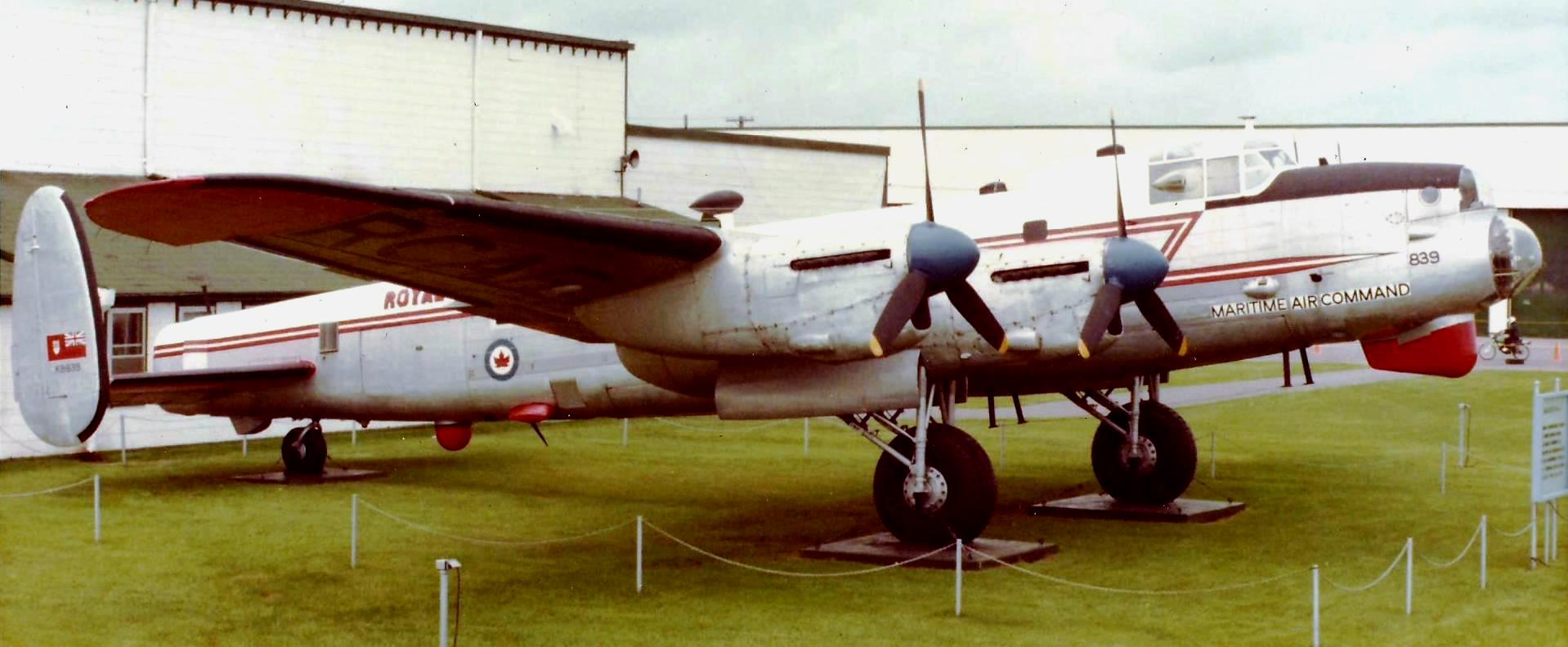
(Author Photo, ca 1977)
Avro Lancaster Mk. 10SR (Serial No. KB839), built at Victory Aircraft in Malton, Ontario as a Mk. 10. Flown to England 1 January 1945. Assigned to RCAF No. 431 Squadron, coded SE-G, and then to No. 419 Squadron, coded VR-D, “D Daisy.” KB839 flew 26 sorties. Returned to Canada 5 June 1945. Sent to Avro Canada and converted to Mk. SR. Served with No. 405 Squadron and No. 408 Squadron until 1961. Stored at RCAF Station Dunnville. Flown to RCAF Station Greenwood, Nova Scotia in 1964 and mounted on pedestal. Later transferred to Greenwood Military Aviation Museum, CFB Greenwood, Nova Scotia. Wears the colours of (Serial No. JB226), coded LQ-G, of No, 405 Squadron which was lost 18 November 1943.
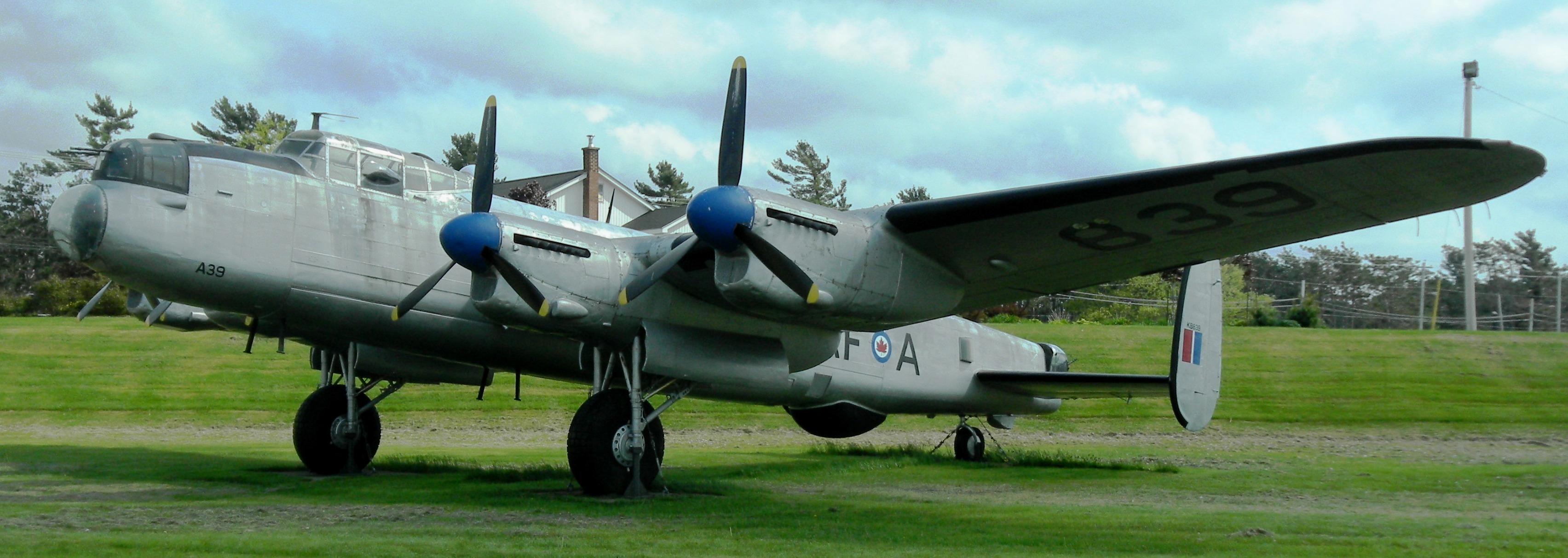
(Author Photo)
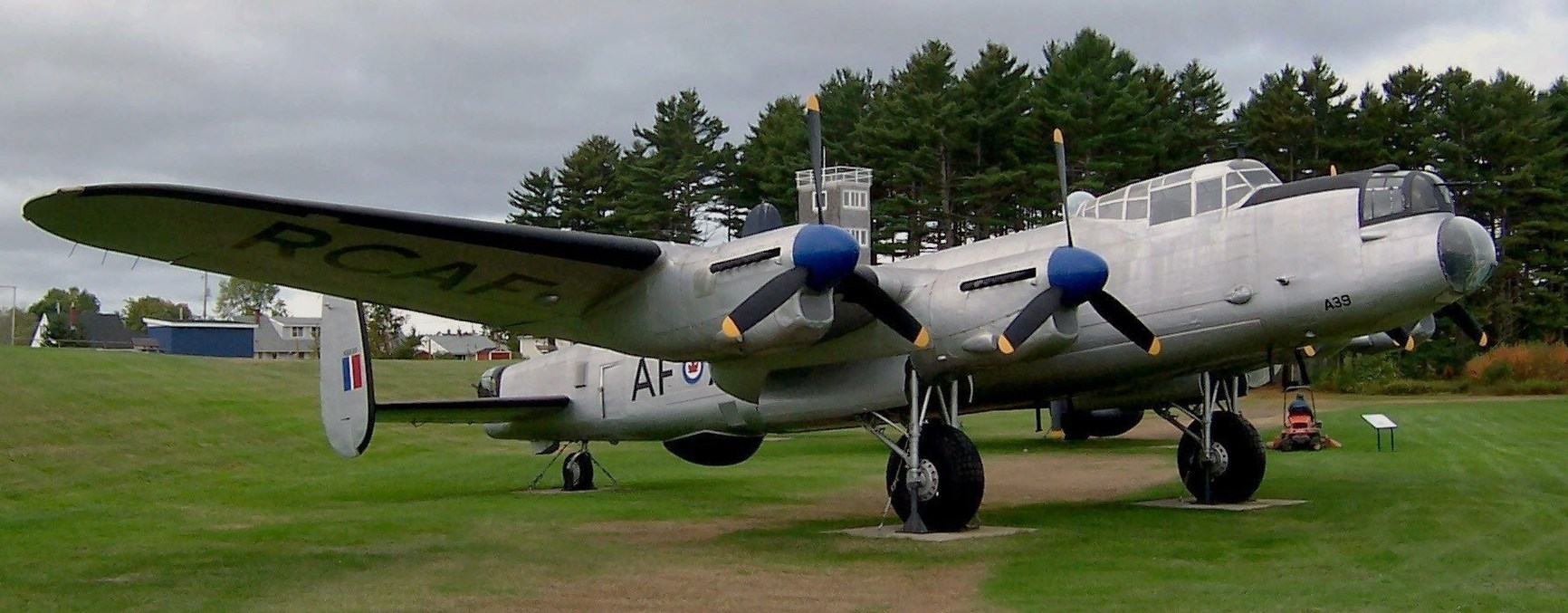
(Author Photo)
Avro Lancaster Mk. 10SR (Serial No. KB839), CFB Greenwood.
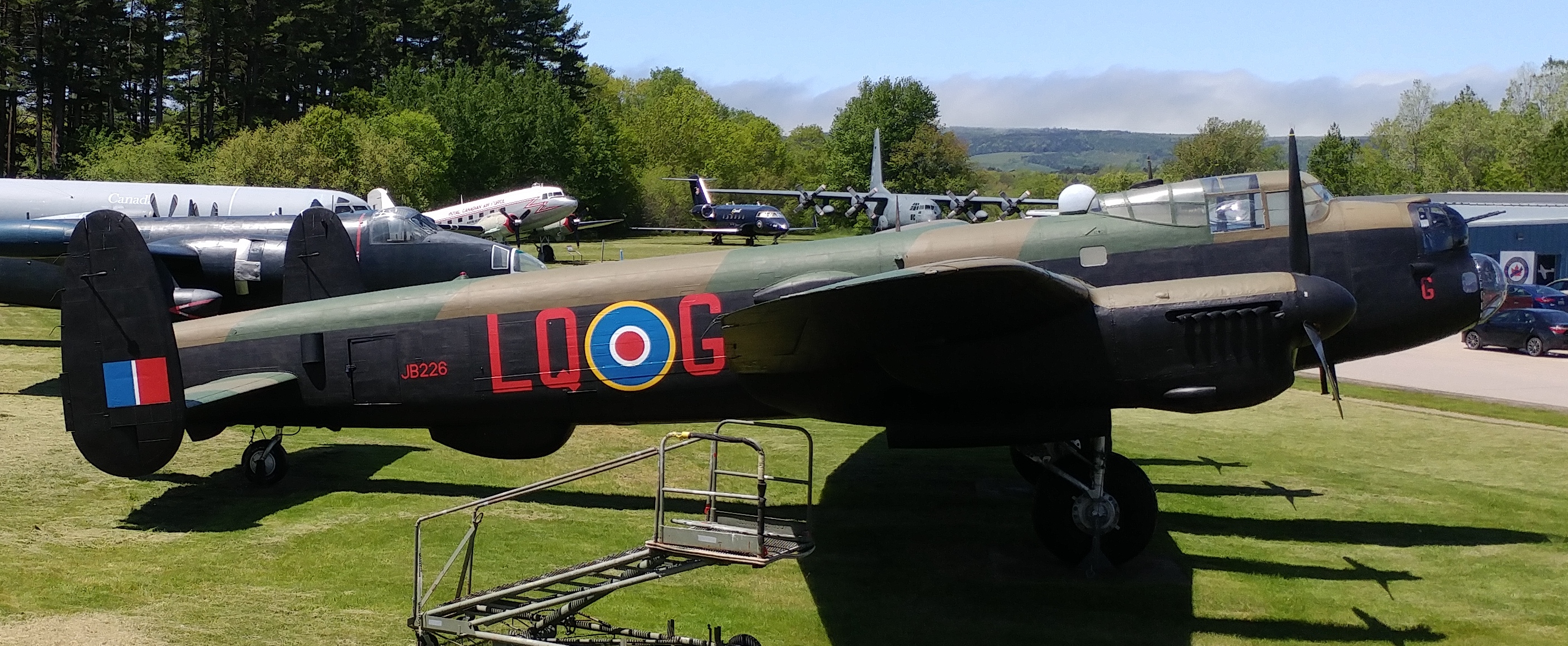
(Author Photo)
Avro Lancaster Mk. 10SR (Serial No. KB839), painted as (Serial No. JB226), coded LQ-G, CFB Greenwood
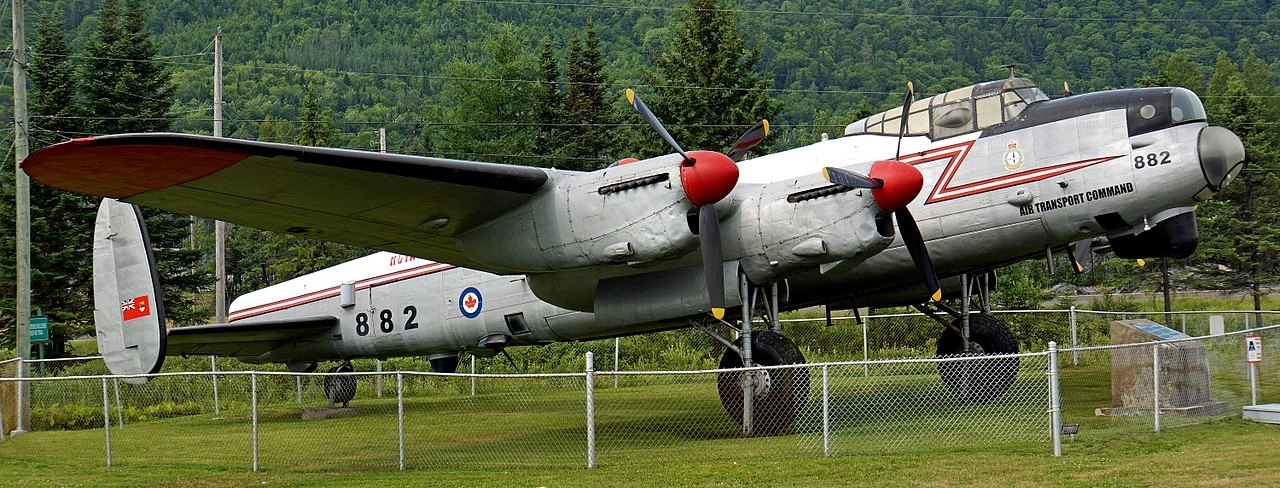
(Dennis Jarvis Photo)
Avro Lancaster Mk. 10, (Serial No. KB882), AR, Edmundston, New Brunswick. In 2017, formerly retired after its Cold War service and more than 50 years on display in Edmundston, New Brunswick, Lancaster (Serial No. KB 882) was moved to its new home at the National Air Force Museum of Canada at CFB Trenton, Ontario, where it will be restored and placed alongside the museums’ restored Handley Page Halifax (Serial No. NA 33).
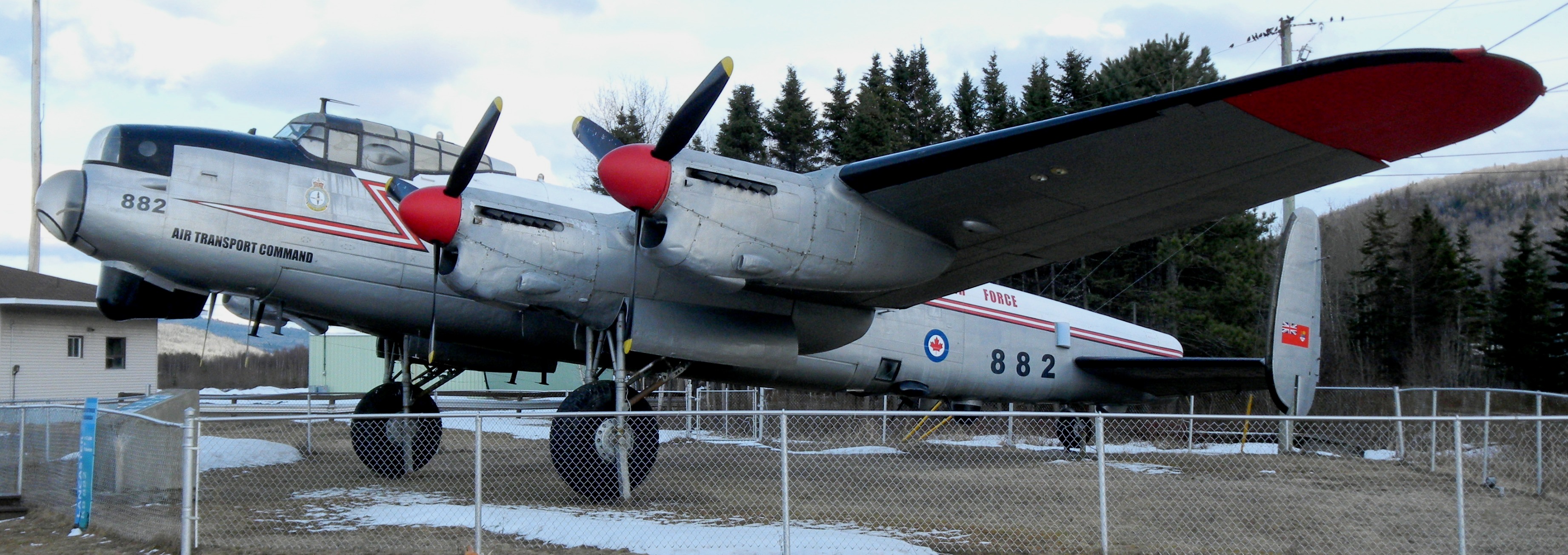
(Author Photo)
Avro Lancaster Mk. 10, RCAF (Serial No. KB882), Edmundston, New Brunswick.
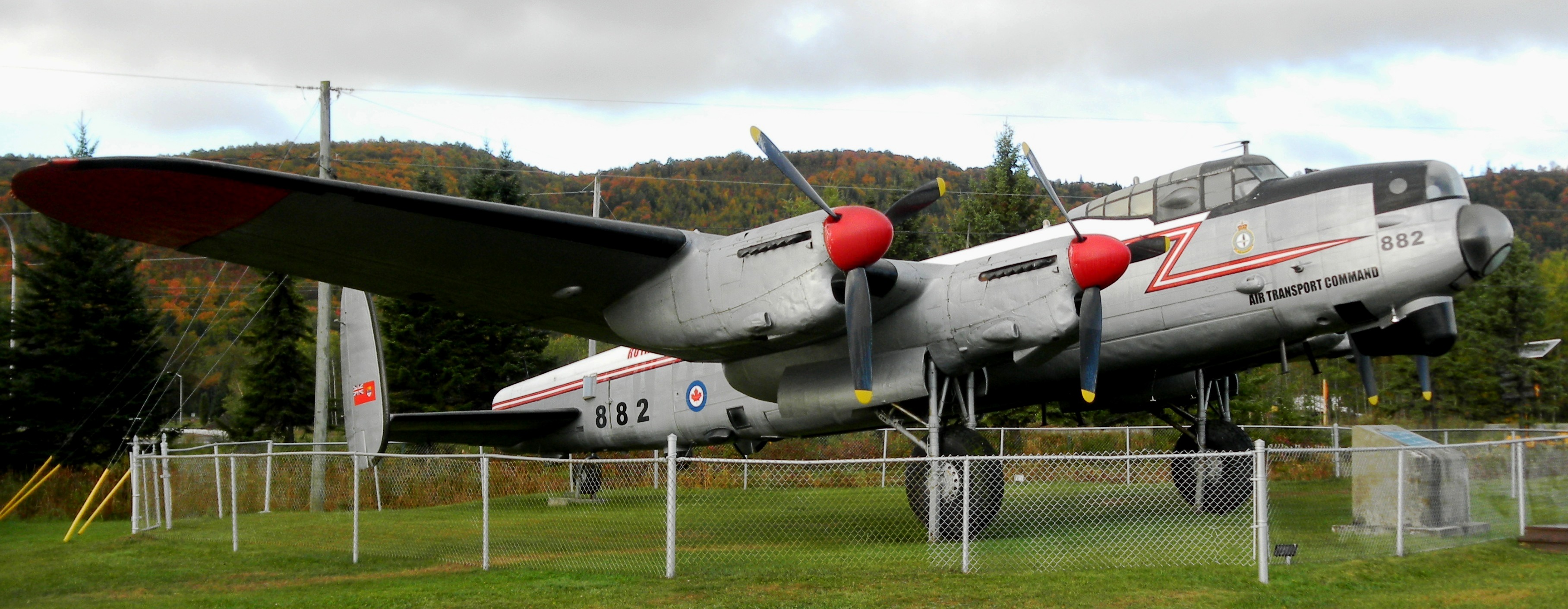
(Author Photo)
Avro Lancaster Mk. 10, (Serial No. KB882), AR, Edmundston, New Brunswick. This aircraft has been moved to the National Museum of the RCAF, CFB Trenton, Ontario as of Oct 2017.
Avro Lancaster Mk. 10AR (Serial No. KB882), built at Victory Aircraft in Malton, Ontario as a Mk. 10. Flown to England in 24 February 1945. Assigned to No. 431 Squadron without code, and then to No. 428 Squadron, coded NA-R “Rabbit Stew“. Flew 19 sorties. Returned to Canada 2 June 1945. Stored in Alberta. Sent to Avro Canada in 1952 and converted to Mk. 10P. Served with No. 408 Squadron at RCAF Station Rockcliffe, Ontario. Struck off 26 May 1964. Purchased in 1964 by City of Edmundston, New Brunswick. Ownership transferred to the National Air Force Museum at CFB Trenton, Ontario. KB882 was moved in September 2017. Restoration work began immediately and will be completed by 1 April 2024, the 100th anniversary of the RCAF. Will be restored as post-War Mk.10AR.
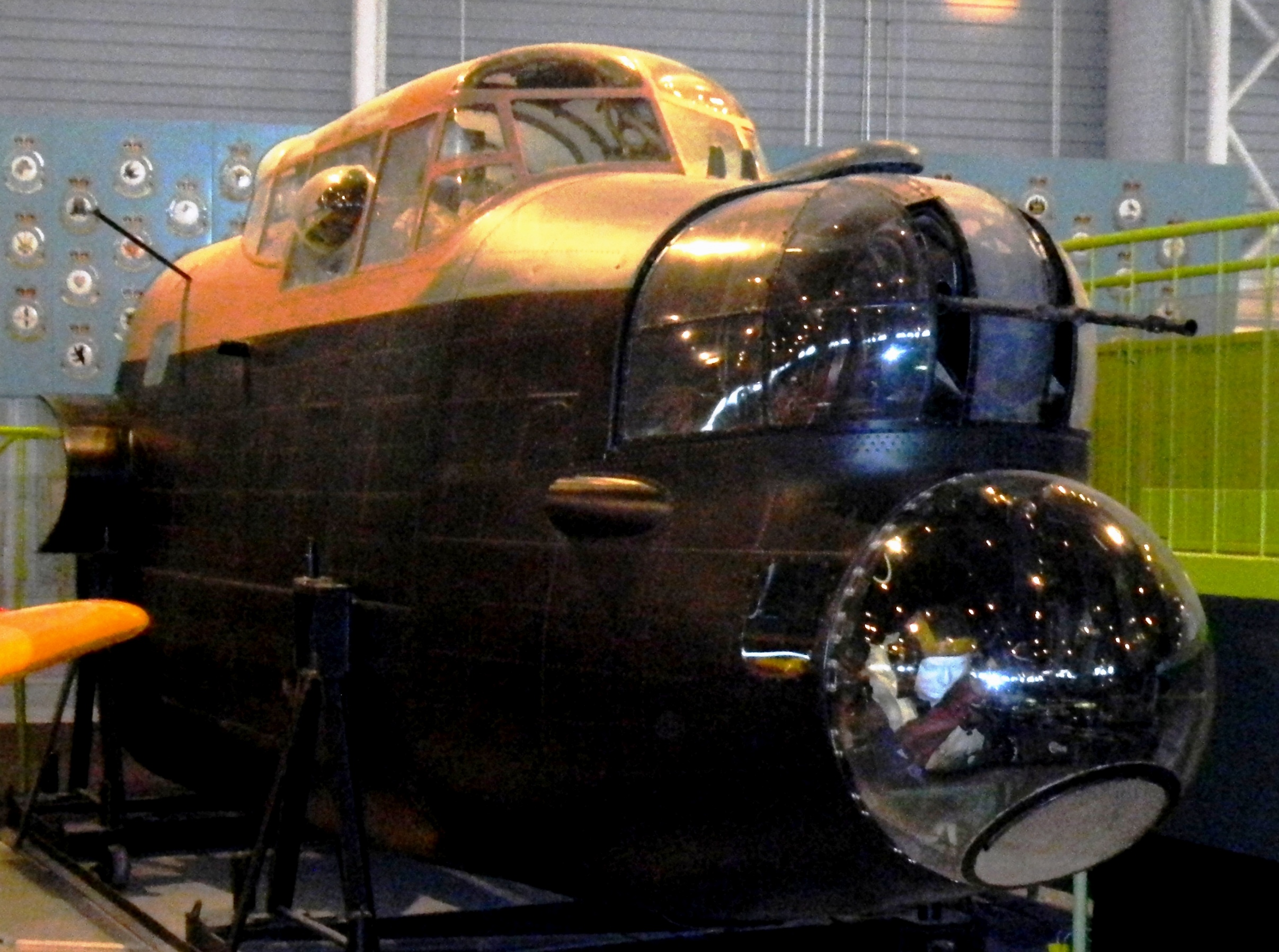
(Author Photo)
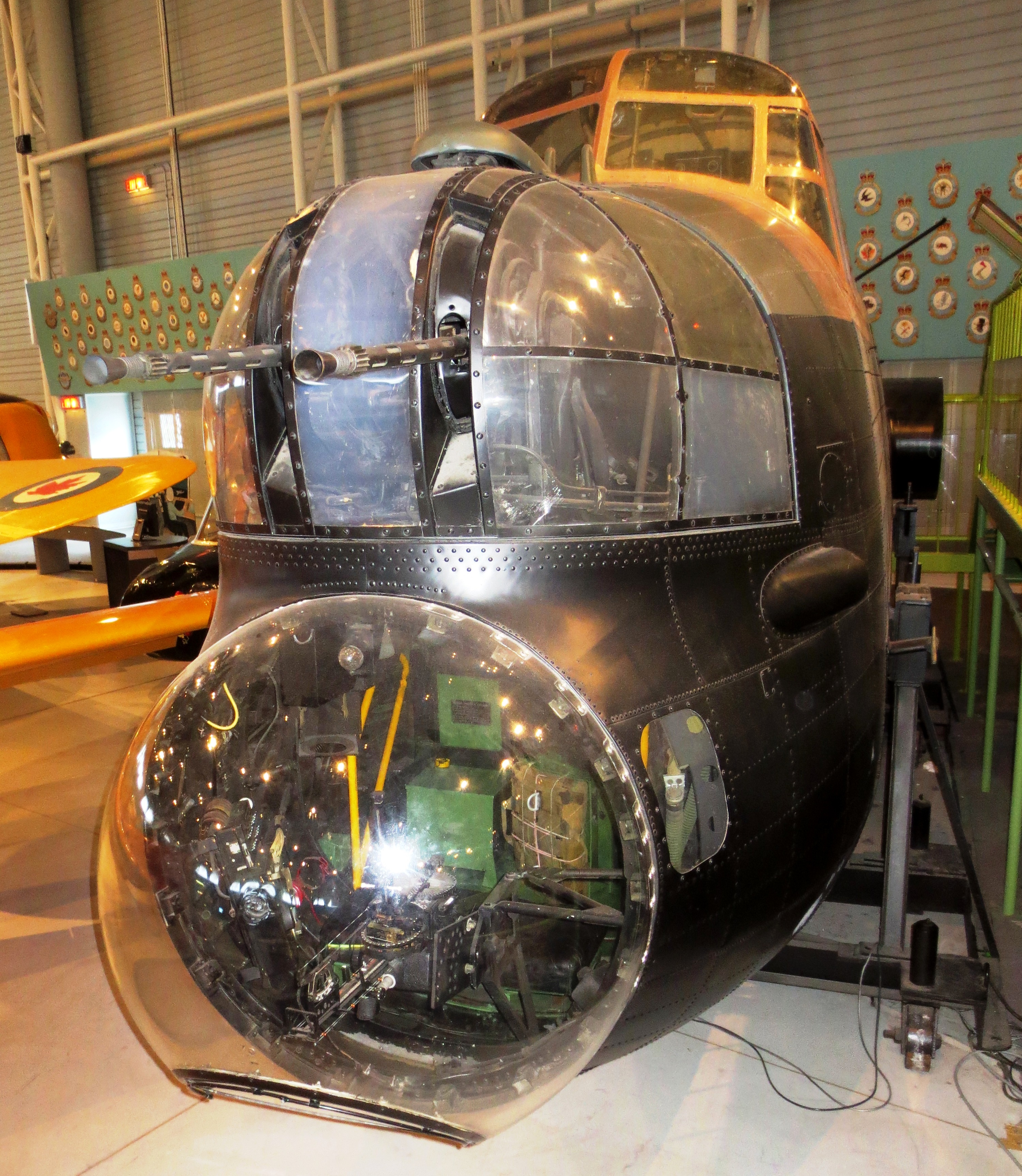
(Author Photo)
Avro Lancaster Mk. 10, nose section with twin .303-inch Browning machineguns, preserved in the Canada Air and Space Museum, Ottawa, Ontario.
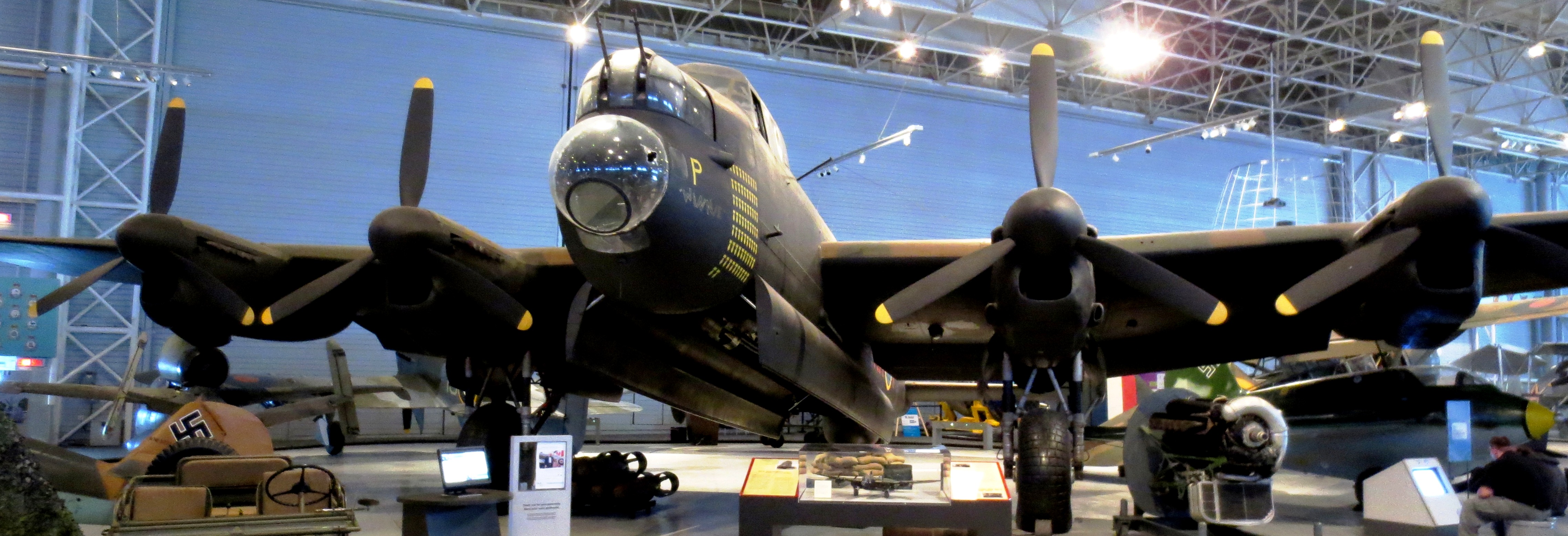
(Author Photo)
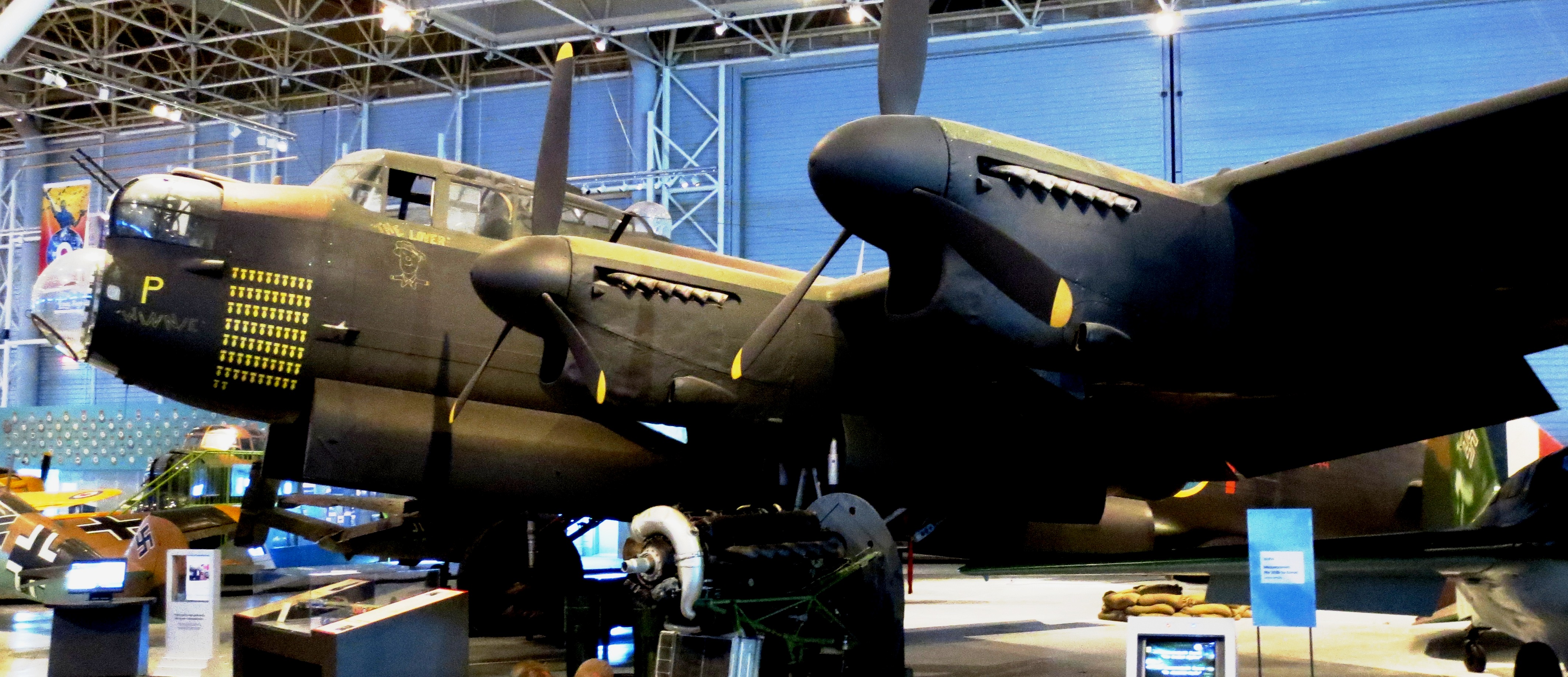
(Author Photo)
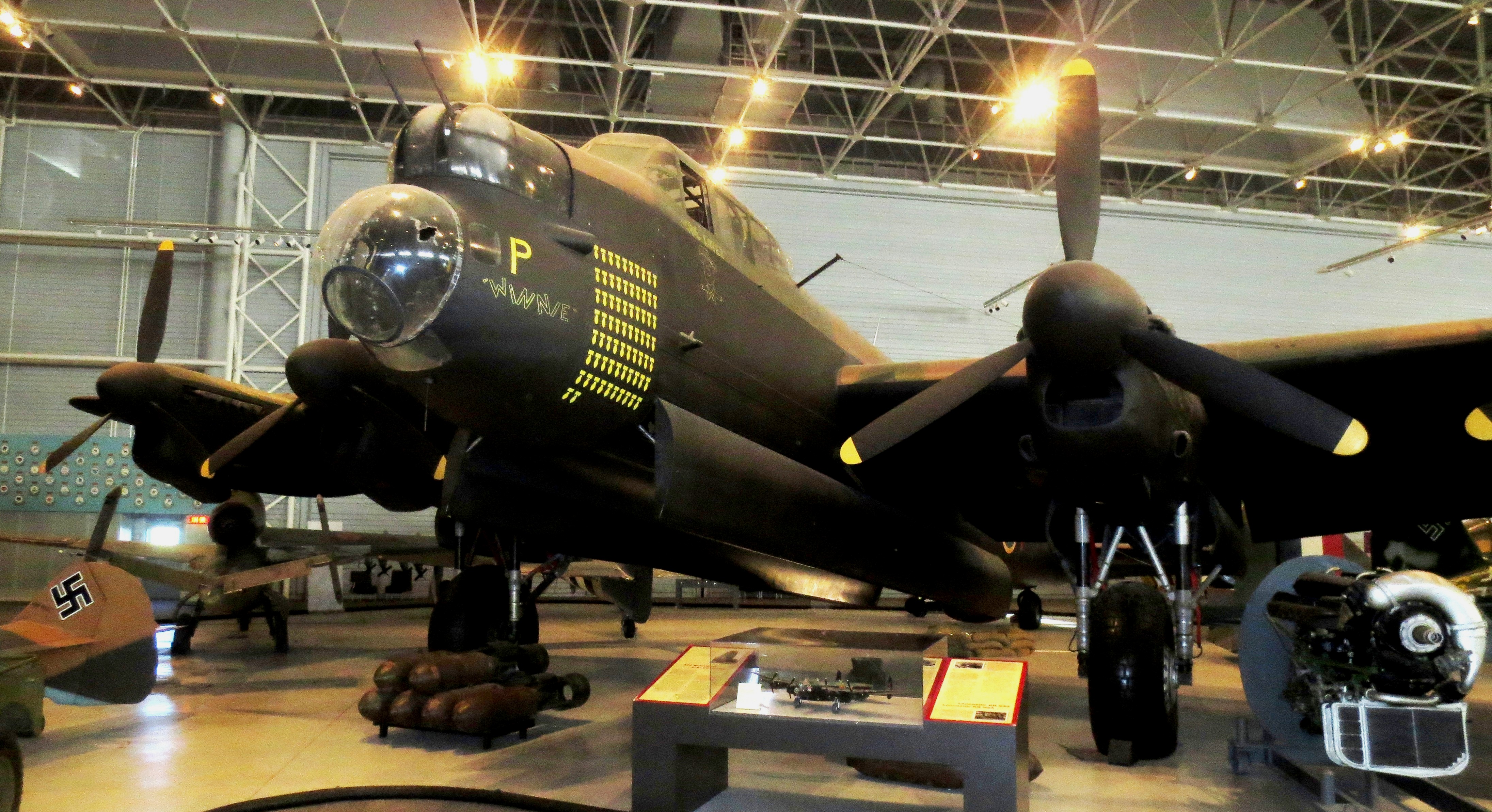
(Author Photo)
Avro Lancaster Mk. 10AR (Serial No. KB944), preserved in the Canada Air and Space Museum, Ottawa, Ontario. KB944 was built at Victory Aircraft in Malton, Ontario as a Mk. 10. Flown to England 8 March 1945 as Mk. 10. Assigned to No. 425 Squadron, coded KW-K. Did not fly any sorties and returned to Canada 15 June 1945. Stored at RCAF Station Fort Macleod, Alberta. Converted to Mk. 10SR by Fairey Aviation, Easatern Passage, Nova Scotia. Served with No. 404 Squadron at RCAF Station Greenwood, Nova Scotia. Struck off January 1957. Stored at RCAF Station Dunnville, Ontario. Restored by the RCAF. Purchased by National Aviation Museum in May 1964. This aircraft is painted in the colours of (Serial No. KB760), of No. 428 Squadron.
(David Merrett Photo)
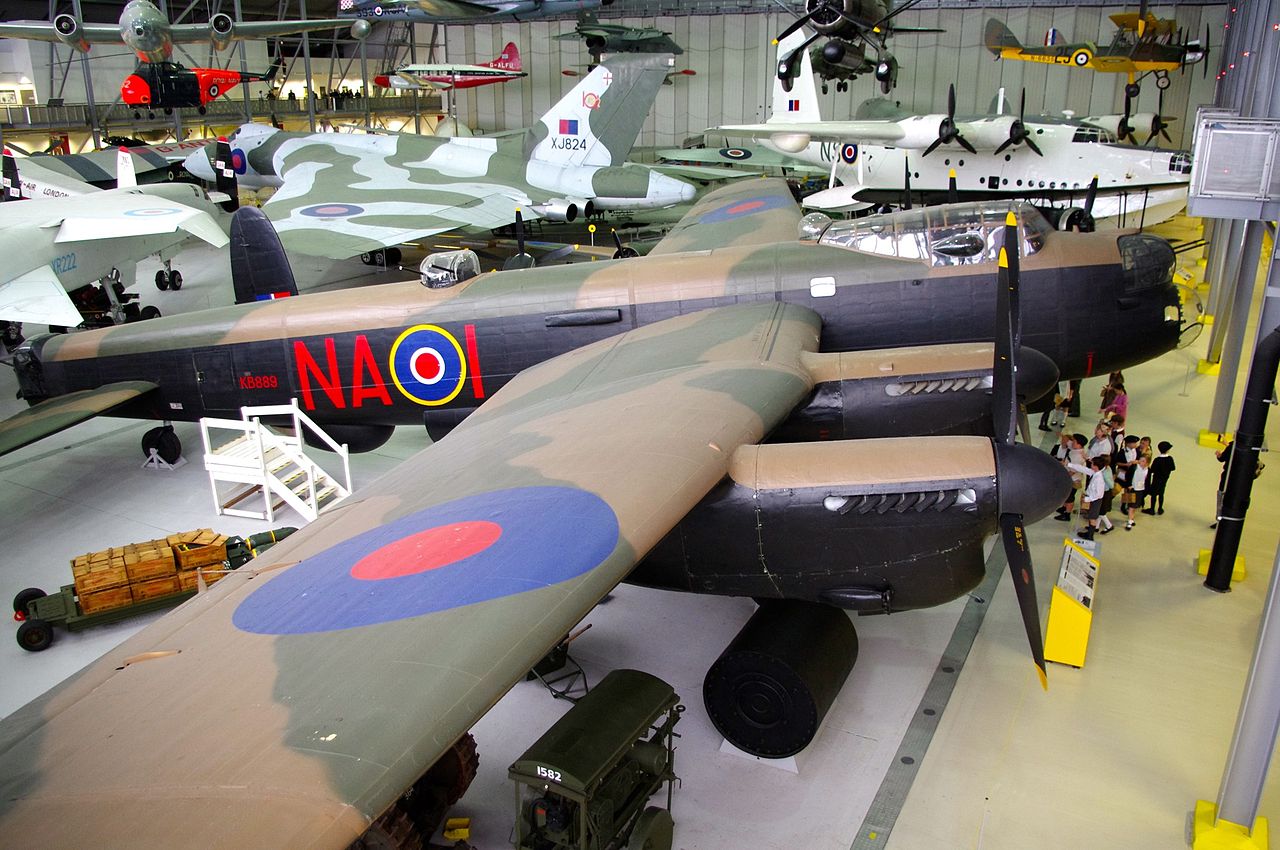
Avro Lancaster B Mk. 10 (Serial No. KB889). This Canadian built Lancaster was delivered to Britain in March 1945 and returned to Canada that June without seeing any service. KB889 was later converted for Maritime Reconnaissance use. Struck off charge by the RCAF in 1965, the aircraft was displayed in Ontario before being sold to prolific warbird collector Doug Arnold in the UK in 1984. The aircraft was put on the UK register as G-LANC, but was never flown. It was sold in 1986 to the Imperial War Museum, Duxford, UK. The aircraft was restored over eight years to static condition, and has been on display since 1994 as NA-I.
(Alan Wilson Photo)
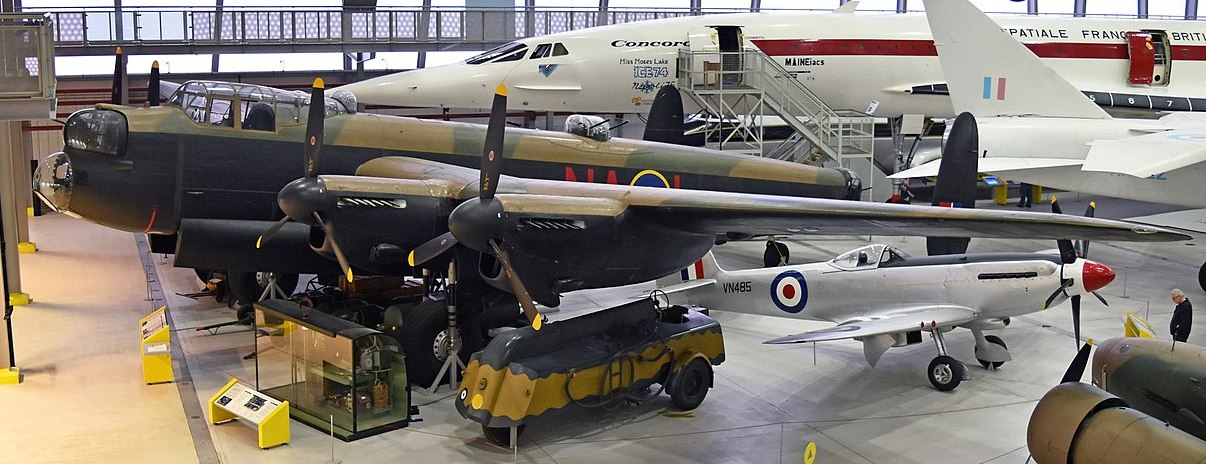
Avro Lancaster B Mk. 10 (Serial No. KB889), c/n 37190. Canadian built in early 1945, she was delivered to the UK in March, but returned to Canada in June for service with the Royal Canadian Air Force. Retired in 1965, she went on display at the ‘Age of Flight’ museum at Niagara Falls until moved by barge to Oshawa for a planned restoration to fly. Stored until 1984, she then made a second journey to the UK, but this time not under her own power. Owned by Doug Arnold’s Warbirds of Great Britain, she was stored first at Blackbushe and later Bitteswell, at some point going on the British civil register as G-LANC. In 1986 she was sold to the Imperial War Museum (IWM) and arrived at Duxford in May 1986. A full and complete restoration, both inside and out, was then carried out to a very high standard and was completed in 1994. She wears the markings of No. 428 Squadron RCAF, and represents (Serial No. KB743), a Lancaster B Mk. 10 lost on the night of 18th/19th August 1944, during an operation to Bremen. KB743 was actually the only aircraft lost that night, from the 288 taking part in the operation. She is on display in the ‘AirSpace’ hangar at the Imperial War Museum, Duxford Airfield, Cambridgeshire, UK. 26 Jan 2018.
(RAF Photo)
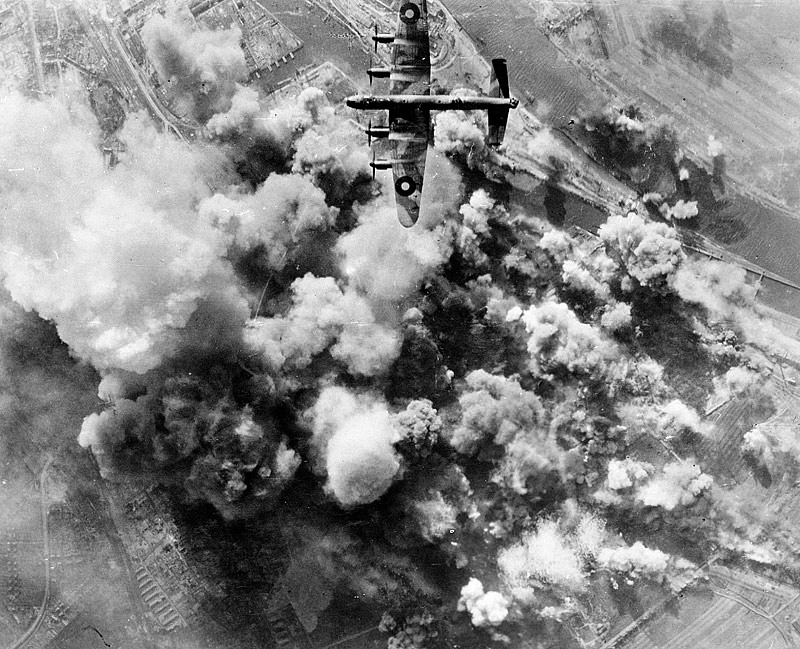
Avro Lancaster bombing Bremen, Germany, 18 Aug 1944.
Avro Lancasters in Canadian service, data bank:
The four-engine Lancaster was developed from the Avro Manchester, and became the premier heavy bomber for the RAF during the Second World War. Lancasters were built in Canada under licence by Victory Aircraft Limited, Malton, Ontario. The first Canadian built “Lanc” flew overseas in September 1943. The Lancaster was designed to carry a maximum internal load of 18,000 pounds. On a range of 1,000 miles its normal load was 14,000 pounds. A number of Bomber Command versions were modified to carry the 22,000 pound “Grand Slam,” the heaviest bomb load lifted by any bomber during the Second World War. The four basic Lancasters were the Mk. I with four Rolls-Royce Merlin XX engines, the Mk. II with four Bristol Hercules VI air-cooled radial engines, the Mk. III essentially the same as the Mk. I but with four Packard-built Merlin engines, and the Canadian manufactured Mk. 10, a version of the Mk. III fitted with Packard-built Merlin engines. (Wikipedia)
(RAF Photo)
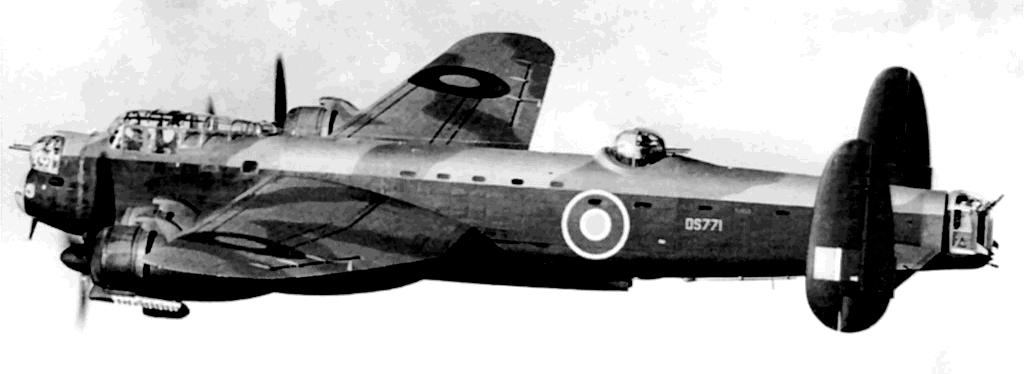
Avro Lancaster Mk. II with four Bristol Hercules VI air-cooled radial engines.
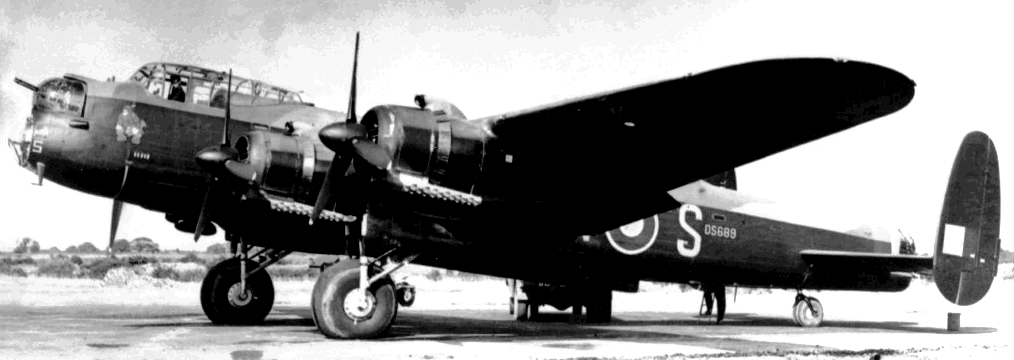
(RAF Photo)
Avro Lancaster Mk. II (Serial No. SS689), coded -S, with radial engines.
The first Lancaster combat mission came on 2 March 1942 and the first bombing raid on Essen, Germany, followed 8 days later. The Lancaster Mk.1 was fitted successively with Merlin XX engines and remained the only version in service throughout 1942 and 1943. In Canada, Victory Aircraft Limited of Malton, Ontario, manufactured 430 Lancaster Mk. 10s that had Packard built Merlin 28’s of 7,400 built. After the war a number of Lancasters conducted photo-survey operations in the high arctic. Lancasters were also employed on search and rescue duties towards the end of their post-war RCAF service.
The Mk. B 10 was a Canadian-built B III with Canadian and US-made instrumentation and electronics. On later batches the heavier Martin 250CE was substituted for the Nash & Thomson FN-50 mid-upper turret, mounted further forward to maintain centre of gravity balance. Canada was a long term operator of the Lancaster, utilising modified aircraft in post-war maritime patrol, search and rescue and photo-reconnaissance roles until 1964. The last flight by the RCAF was flown on 4 July 1964 at the Calgary International Air Show. (Wikipedia)
Following exemplary service with the RCAF’s No. 6 Group in Bomber Command, the Lancaster was used post-war in Canada for photo-reconnaissance, air-sea rescue and maritime patrols. The last Lancaster was retired from RCAF service on 1 April 1964. The Lancasters of the CWHM and the Battle of Britain Memorial Flight (BBMF) in England are the only two flying today.
There are 17 largely complete examples of Lancasters in the world and a at least eight Lancaster survivors in Canada including one in the ASMC, Calgary, Alberta, Avro 683 Lancaster Mk. 10 (Serial No. FM136), NA-P, 420 Squadron. NLAM, Nanton, Alberta, Avro 683 Lancaster Mk. 10 (Serial No. 7841), (Serial No. FM159), F2-T, in honour of VC winner Ian W. Bazalgette, 635 Squadron. Avro 683 Lancaster Mk. 10 (Serial No. FM118), fuselage and parts in storage. CA&SM, Ottawa, Ontario, Avro 683 Lancaster Mk. 10 (Serial No. KB944). CH2A, Windsor, Ontario, Avro 683 Lancaster Mk. 10P (Serial No. FM212), camouflage, EQ-W, formerly mounted on a pylon in Jackson Park, now stored indoors and under restoration. CWHM, Mount Hope, Ontario, Avro 683 Lancaster Mk. 10 (Serial No. CX213), (Serial No. FM213), painted with (Serial No. KB726), C-GVRA. BCAM, Sidney, BC, Avro 683 Lancaster Mk. 10 (Serial No. FM104). Edmundston, New Brunswick, Avro 683 Lancaster Mk. 10AR (Serial No. KB882). GMAM, CFB Greenwood, Nova Scotia, Avro 683 Lancaster Mk. 10 (Serial No. KB839), 696, silver. Resolute Bay, Northwest Territories, Avro 683 Lancaster Mk. 10 (Serial No. FM221).
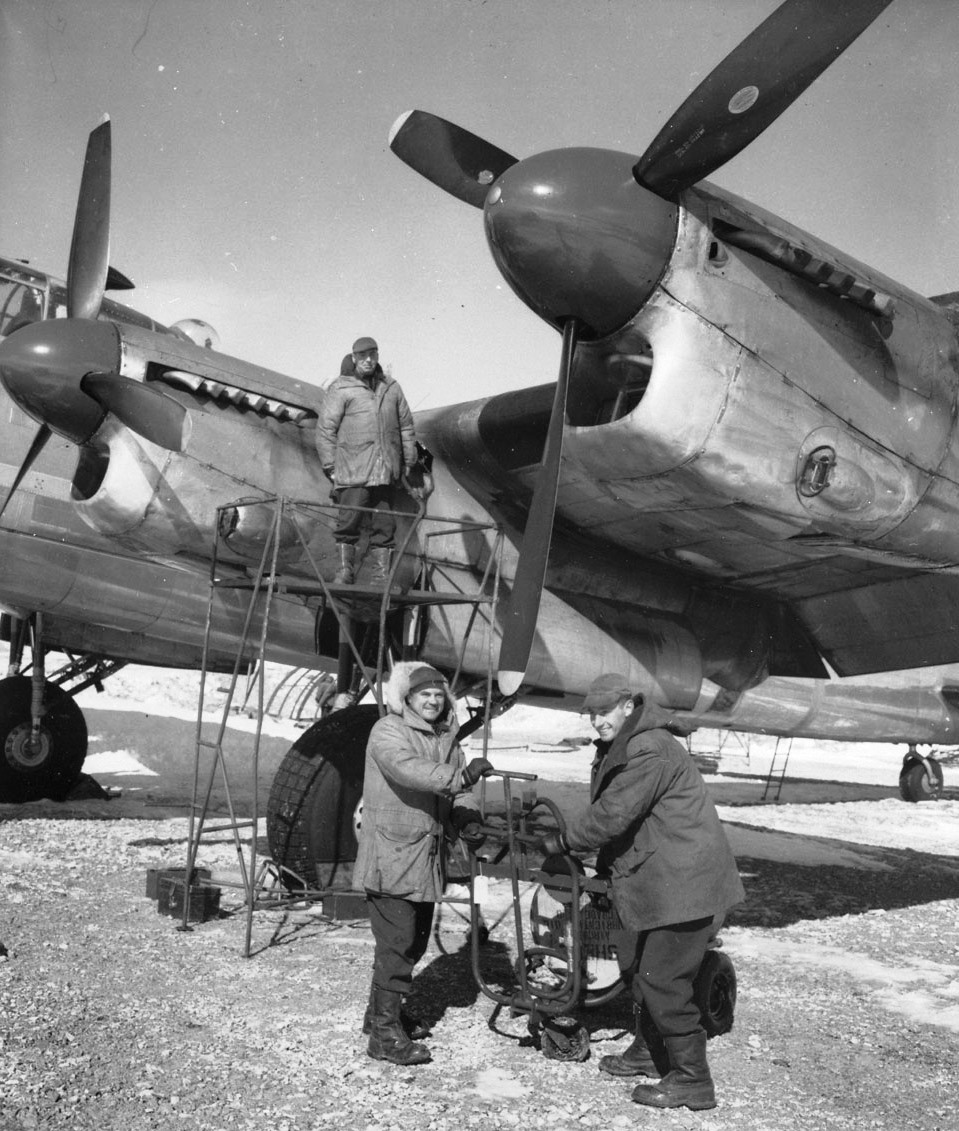
(Library and Archives Canada Photo, MIKAN No. 3584394)
Changing the oil on an Avro Lancaster at Resolute Bay, Northwest Territories, 19 June 1950.
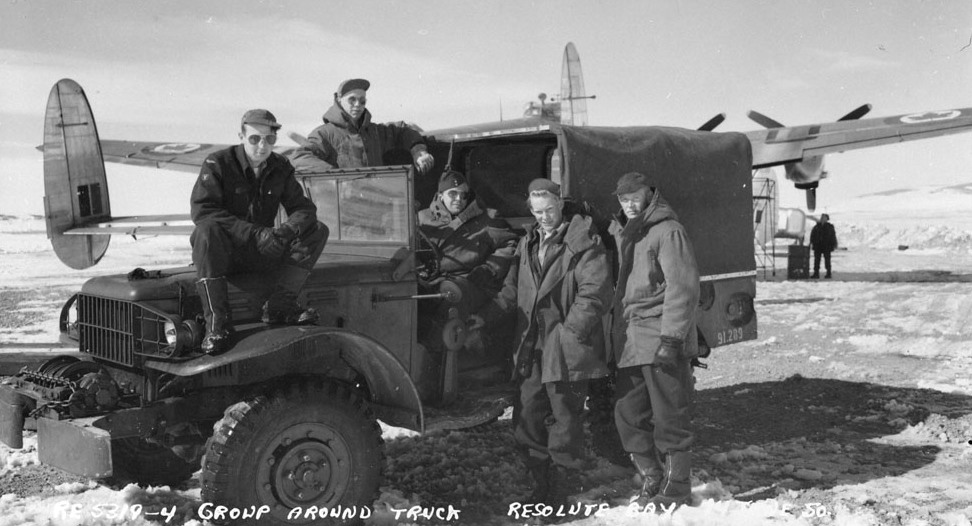
(Library and Archives Canada Photo, MIKAN No. 3584392)
Avro Lancaster aircrew in front of a 1945 Canadian Dodge 3/4 ton WP APT (Water proofed Air Portable) truck, Resolute Bay, Northwest Territories, 3 July 1950.
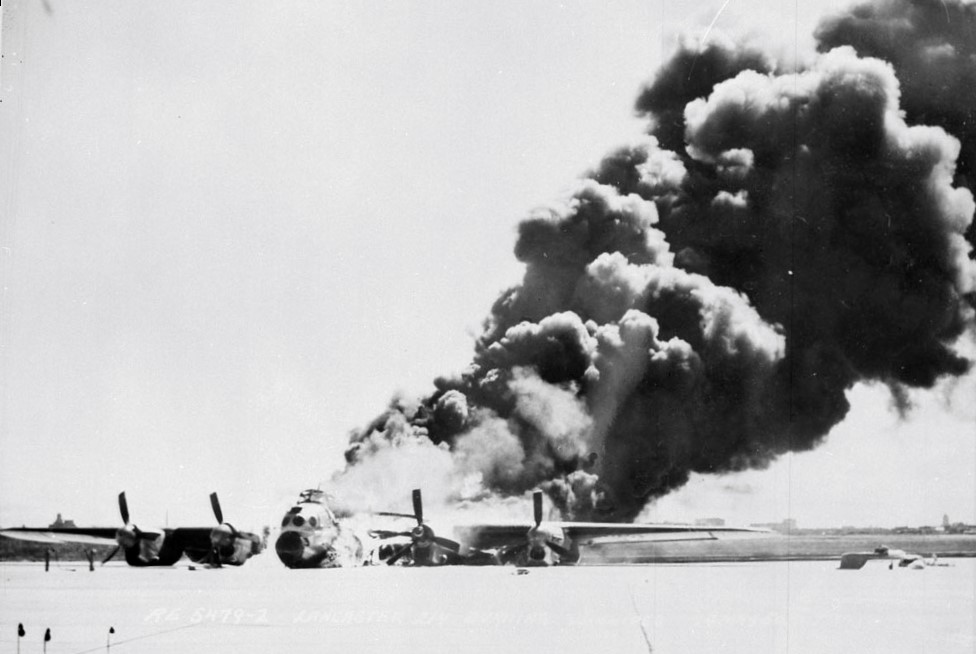
(Library and Archives Canada Photo, MIKAN No. 3586683)
Avro Lancaster Mk. 10P, coded MN-214 from No. 408 ‘Goose’ (P) Squadron (Shoran Detachment 6 Yellowknife N.W.T.) was consumed by a post-crash fire after the landing gear was selected ‘up’ in error during take off from Winnipeg on 14 May 1950. Fortunately, there were no injuries.
Survivors
FM136 was part of the second production batch of 130 aircraft ordered from Victory Aircraft Limited, Malton, Ontario. Serial numbers in this batch included FM100-FM229. Aircraft were equipped with Packard built Rolls-Royce Merlin 28, 38 or 224 engines. TFM 136 was manufactured in 1945 by Victory Aircraft, assigned to No. 20th and 30th Maintenance Units in England, never issued to active Squadron. Returned to Canada and converted to Maritime Reconnaissance. The aircraft was taken on strength by No. 404 ‘Buffalo’ (MP) Squadron (Greenwood, Nova Scotia) as RX-136. Transferred to No. 407 ‘Demon’ (MP) Squadron, CFB Comox, British Columbia. Struck off strength April 1961. Lancaster FM136 was purchased from Crown Assets Disposal Corporation by Lynn Garrison, in 1961. He created The Lancaster Memorial Fund to see the aircraft displayed, in 1962, on a pedestal at McCall Field, Calgary, as a memorial to those who trained under the British Commonwealth Air Training Plan. It was subsequently moved to the Aerospace Museum of Calgary in 1992. A new shelter was built for it in 2007.
FM159 was flown to England May 1945 Stored at No. 32 Maintenance Unit awaiting assignment to a squadron. Returned to Canada September 1945. Modified to Mk. 10MR (Maritime Reconnaissance), No. 407 Squadron (RX-159), No. 103 Rescue Unit. Part of the second production batch of 130 aircraft ordered from Victory Aircraft Limited, Malton, Ontario. Serial numbers of this batch included FM100-FM229. Aircraft were equipped with Packard built Rolls-Royce Merlin 28, 38 or 224 engines. On display at the Nanton Lancaster Society Air Museum, Nanton, Alberta.
FM118 was flown to England April 1945. Stored at No. 32 Maintenance Unit awaiting assignment to a squadron. Returned to Canada June 1945. Part of the second production batch of 130 aircraft ordered from Victory Aircraft Limited, Malton, Ontario, Canada. Serial numbers of this batch included FM100-FM229. Aircraft were equipped with Packard built Rolls-Royce Merlin 28, 38 or 224 engines. The majority of the fuselage is in storage at the Nanton Lancaster Society Air Museum, Nanton, Alberta. Other surviving pieces can also be found in storage with the BCATP Museum, Brandon, Manitoba.
KB944 was flown to England March 1945. No. 32 Maintenance Unit, 425 Squadron (KW-K). Returned to Canada 15 June 1945. Part of the first production batch of 300 aircraft ordered from Victory Aircraft Limited, Malton, Ontario. KB944 was built in Canada in 1945 by Victory Aircraft. Later that year, after briefly serving overseas, it was put into stored reserve in Canada where it went on to spend most of the following years, except for a brief period in 1952 serving with 404 Maritime Patrol Squadron at Greenwood, Nova Scotia. In 1964 the RCAF refurbished this aircraft and placed it in the CA&SM. Aircraft has been fully restored to its wartime configuration and is on public display at the CA&SM, Ottawa, Ontario.
FM212 was retained in Canada during the war. Modified to Mk. 10P (Photographic Survey), No. 408 Squadron, coded MN. Part of the second production batch to 130 aircraft ordered from Victory Aircraft Limited, Malton, Ontario. Serial numbers in this batch included FM100-FM229. Aircraft were equipped with Packard built Rolls-Royce Merlin 28, 38 or 224 engines. this Lancaster has been renamed “Bad Penny” to commemorate the first RAF Lancaster to fly into Holland during Operation Manna to save the Dutch from starvation in the closing days of the Second World War, 29 April 1945. On 29 April, 2007 (to coincide with the 62nd anniversary of Operation Manna) FM212 was removed from storage in Jackson Park and towed to the Sears parking lot of Devonshire where it was on display and open for tours through the aircraft. On 13 May 2007, FM212 was towed from Devonshire Mall to Windsor Airport where it is on display and undergoing extensive restoration to return the aircraft back to a flight worthy status over the next few years.
FM213 was retained in Canada during the war. Modified to Mk. 10 MR (Maritime Reconnaissance), No. 107 Rescue Unit (CX-213). Returned to storage during 1958. Part of the second production batch of 130 aircraft ordered from Victory Aircraft Limited, Malton, Ontario. Serial numbers of this batch included FM100-FM229. Aircraft were equipped with Packard built Rolls-Royce Merlin 28, 38 or 224 engines. This aircraft was retired from active duty with the RCAF on 6 November 1963, and then stored at Dunnville, Ontario. FM213 had 4,392.3 hours on the airframe when it was handed over. It would probably have been sold for scrap metal except for the intervention of The Royal Canadian Legion in Goderich. The aircraft was acquired by the CWHM in 1978, underwent a ten-year restoration, and has remained flyable since 1988. Restored and maintained in flying condition by Canadian War Plane Heritage Museum, Mount Hope, Ontario, it is flown in the paint scheme of (Serial No. KB726), VR-A, it is known as the “Mynarski. Memorial Lancaster in honour of Canadian VC recipient Andrew Mynarski.
FM104 was flown to England in January 1945, Stored at Maintenance Unit awaiting assignment to a squadron. Returned to Canada June 1945. Modified to Mk. 10MR (Maritime Reconnaissance), No. 10 Rescue Unit. Part of the second production batch of 130 aircraft ordered from Victory Aircraft Limited, Malton, Ontario, Canada. Serial numbers of this batch included FM100-FM229. Aircraft were equipped with Packard built Rolls-Royce Merlin 22, 38 or 224 engines. FM105 was donated to the City of Toronto in 1964 and placed on a pedestal on Lakeshore Drive. After sitting outside for 36 years, the aircraft was removed from the pedestal and placed on loan to the Canadian Air and Space Museum, in Toronto, Ontario, Canada. The aircraft is now with the BCAM, Sidney, BC. With spare parts from the remainder of FM118, it is planned to be complete as a museum quality piece in 2015. Internet: http://en.wikipedia.org/wiki/Avro_Lancaster.
KB882 was flown to England May 1945. No. 32 Maintenance Unit, 434 Squadron, 428 Squadron (NA-R). Returned to Canada 2 June 1945. Modified to Mk. 10AR (Aerial Reconnaissance), No. 408 Squadron, coded AK. Part of the first production batch of 300 aircraft ordered from Victory Aircraft Limited, Malton, Ontario. Serial numbers of this batch include KB700-KB999. The first 75 aircraft of this batch were equipped with Packard built Rolls-Royce Merlin 38 engines. The remaining 225 aircraft were equipped with Packard built Rolls-Royce Merlin 224 engines. Deliveries commenced to England in September 1943 and were completed in May 1945. Average rate of production was approximately 4 aircraft per week. KB 882 was built by Victory Aircraft in 1945 and delivered to Britain. The aircraft joined No. 428 Squadron in March of that year. Flown on six operational sorties over Germany, the aircraft was returned to Canada in June 1945 and entered storage. In 1952 the aircraft was modified to Mk 10P configuration and flew with No. 408 Squadron. In 1964 the aircraft was purchased by the City of Edmundston, New Brunswick and has since been on outside display at the Municipal Airport. In Oct 2017 it was moved to CFB Trenton, Ontario. Avro Lancaster (Serial No. KB882) is slated to be fully restored and unveiled on 1 April 2024, on the 100th Anniversary of the formation of the RCAF, at the National Museum of the RCAF, CFB Trenton, Ontario.
KB839 was flown to England January 1945. No. 32 Maintenance Unit, No. 431 Squadron, No. 419 Squadron (VR-D). Returned to Canada 5 Jun 1945. Modified to Mk. 10AR (Aerial Reconnaissance), No. 408 Squadron, coded AK. Patch of the first production batch of 300 aircraft ordered from Victory Aircraft Limited, Malton, Ontario. Serial numbers of this batch included KB700-KB999. The first 75 aircraft of this batch were equipped with Packard built Rolls-Royce Merlin 38 engines. Whilst the remaining 225 aircraft were equipped with Packard built Rolls-Royce Merlin 224 engines. Deliveries commence to England in September 1943 and were completed in May 1945. Average rate of production was approximately 4 aircraft per week. Built by Victory Aircraft and delivered to No. 419 Squadron in January 1945. The aircraft completed 26 sorties, wearing the code letters VR-D. It was twice damaged by German anti-aircraft fire. It returned to Canada after the end of the war in Europe, initially for service against Japan but was modified after the war to Mk 10AR Arctic Reconnaissance specification. After being struck off charge in 1963, the aircraft was preserved at CFB Greenwood, Nova Scotia. It has received several restorations and is now displayed outside at the GMAM, CFB Greenwood, Nova Scotia.
FM221 was retained in Canada during the war. Modified to Mk. 10BR (Bomber Reconnaissance) in 1948, coded VP-DDR. Aircraft crashed at Resolute Bay, Northwest Territories, Canada, 23 Sep 1950. The wreckage is still visible.
Lancaster B Mk. I (Serial No. PA474) “City of Lincoln” has been flown by the Battle of Britain Memorial Flight in the UK since 1973. The paint scheme is periodically changed to represent notable Lancasters, and the aircraft is currently flown as (Serial No. EE139) “Phantom of the Ruhr”, wearing the codes HW-R on the port side and BQ-B on the starboard side.
Canadian Lancaster survivors overseas: Imperial War Museum, Duxford, Cambridgeshire, UK, Avro 683 Lancaster Mk. 10 (Serial No. KB889). North Weald Airfield, Epping, Essex, UK, Avro 683 Lancaster Mk. X (Serial No. KB994). Private owner, Florida, USA, Avro 683 Lancaster Mk. X (Serial No. KB976).
KB889 was flown to England March 1945. No. 32 Maintenance Unit, 428 Squadron. Returned to Canada 4 June 1945. Modified to Mk. 10MR (Maritime Reconnaissance), No. 408 Squadron, coded AR. Part of the first production batch of 300 aircraft ordered from Victory Aircraft Limited, Malton, Ontario. Serial numbers in this batch included KB700-KB999. The first 75 aircraft of this batch were equipped with Packard built Rolls-Royce Merlin 38 engines. The remaining 225 aircraft were equipped with Packard built Rolls-Royce Merlin 224 engines. Deliveries commenced to England in September 1943 and were completed in May 1945. Average rate of production was approximately 4 aircraft per week. KB889 was delivered to Britain in March 1945 and returned to Canada that June without seeing any service. This aircraft was later converted for Maritime Reconnaissance use. Struck off charge by the RCAF in 1965, the aircraft was displayed in Ontario before being sold to prolific warbird collector Doug Arnold in the UK in 1984. The aircraft was put on the UK register as G-LANC, but was never flown. Sold in 1986 to the Imperial War museum, the aircraft was restored over eight years to static condition, and has been on display since 1994, coded NA-I. KB889 has been completely restored to its wartime configuration and is currently on public display at the Imperial War Museum, Duxford, England.
(Alan Wilson Photo)
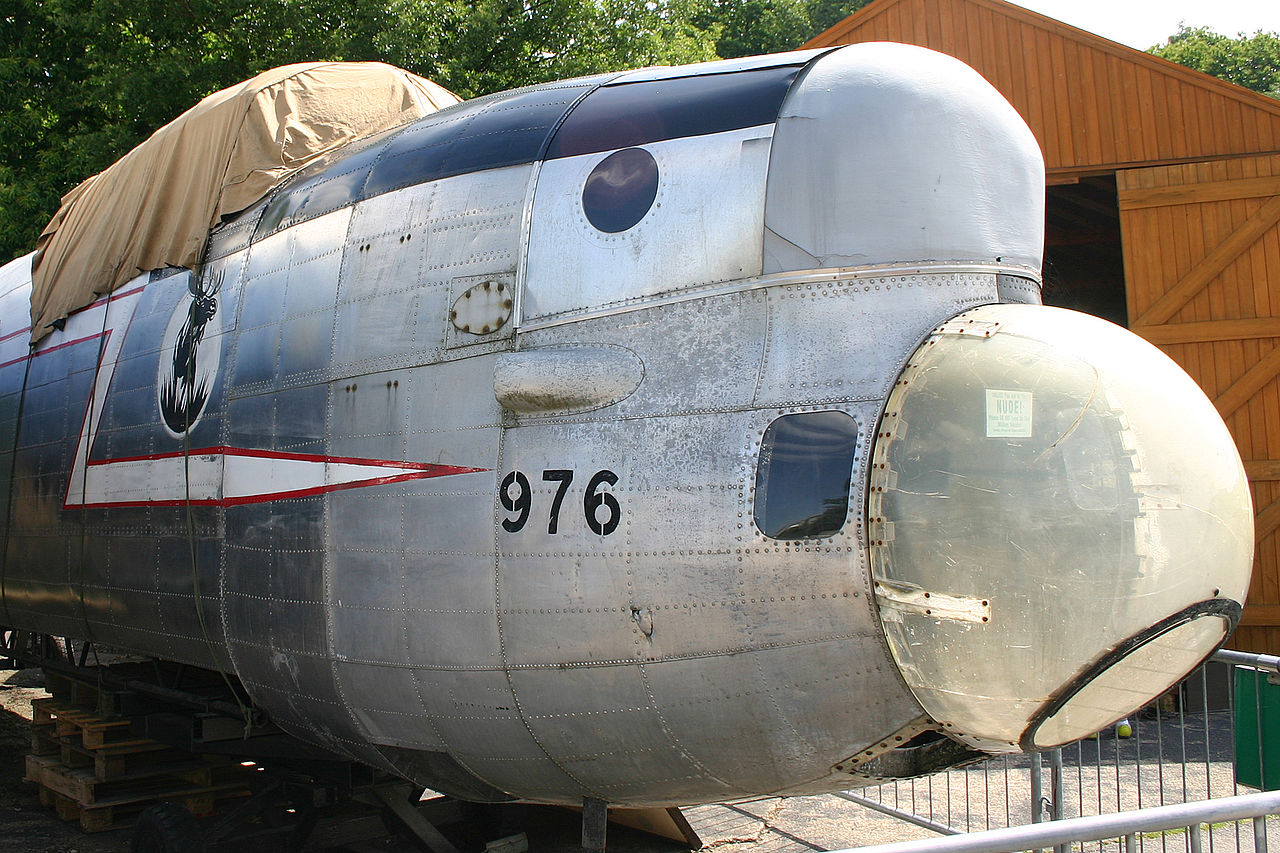
KB976 was part of the first production batch of 300 aircraft ordered for Victory Aircraft Limited, Malton, Ontario. It was flown to England May 1945, but saw no action, serving with No. 32 Maintenance Unit, No. 405 Squadron, RCAF, coded LQ-K. Returned to Canada 17 June 1945. Modified to Mk. 10 Aerial Reconnaissance (AR), No. 408 Squadron (MN-976), “Victory“, with an extended nose. KB 976 was struck off charge in 1964. Avro Lancaster KB976 made the last official flight as an RCAF aircraft on 4 July 1964 at the Calgary International Air Show with F/L Lynn Garrison, as Captain, and F/L Ralph Langemann as co-pilot. Lynn Garrison then purchased KB976 from Crown Assets Disposal Corporation as an addition to his historic collection. He created the Air Museum of Canada in April, 1964. KB976 was sold for an abortive conversion to a fire bomber. Sold in 1974 to the Strathallan Collection in Scotland, KB976 was flown across the Atlantic, registered as G-BCOH and then statically displayed until 1987. When the collection closed in 1987, the aircraft was bought by Charles Church and moved, by road, to Woodford for restoration to airworthy condition. Charles Church was sadly killed in the crash of Supermarine Spitfire Mk. V (Serial No. EE606), and the Woodford hangar containing KB976 collapsed. Doug Arnold, of Warbirds of Great Britain fame, purchased the remains. Mr Arnold purchased 2 further airframes, Avro Lincoln (Serial No. RF342) previously at the Southend museum, and the fuselage of Avrp Lancaster (Serial No. KB994) from Canada. The parts of all 3 aircraft were brought to Biggin Hill, then North Weald and later Sandtoft in the UK, before being bought by Kermit Weeks in 1992. Some of the Lancaster parts are stored at his Fantasy of Flight museum at Polk City, Florida which officially has the identity KB976, while the Lincoln is in Australia. It would appear that the forward fuselage of KB976 which was damaged in the Woodford hangar collapse is still with the Brooklands Museum. The Kermit Weeks Lancaster KB976 likley includes the nose section of KB994, combined with the airframe of KB976. The ex-RCAF nose section at Brooklands is has the Port side painted in RAF Bomber Command markings, as “Our Beautiful Babe”, while the starboard side remains in its original RCAF colours.
References
Milberry, Larry, Canada’s Air Force At War and Peace – Volume 3. (CANAV Books, Toronto, Ontario, 2001).
Patrick Martin, Royal Canadian Air Force – Aircraft Finish and Markings 1947-1968 – Volume 2.
Kostenuk, S. and Griffin, J.A., RCAF Squadrons and Aircraft 1924-1968. (A.M. Hakkert Ltd., Toronto, Ontario, 1977).