
Armstrong Whitworth Siskin
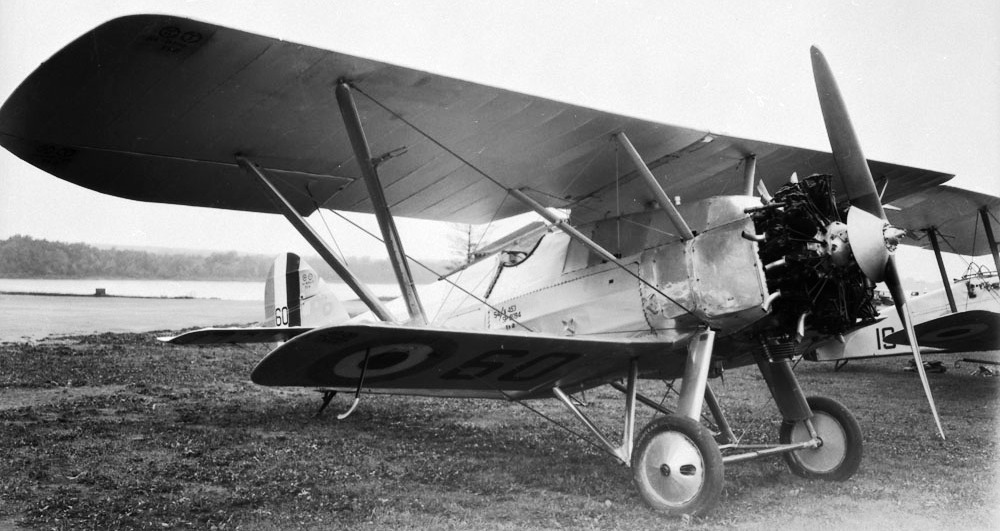
(Library and Archives Canada Photo, MIKAN No. 3642452)
Armstrong Whitworth Siskin Mk. IIIA, RCAF (Serial No. 60), later (Serial No. 306), Rockcliffe, Ottawa, Ontario, 12 Jul 1934.
The Armstrong Whitworth Siskin was a biplane single-seat fighter aircraft of the 1920s produced by Armstrong Whitworth Aircraft. The Siskin was one of the first new RAF fighters to enter service after the First World War; it was noted for its aerobatic qualities, and was flown by the RCAF aerial demonstration team “The Siskins“.
Armstrong Whitworth Siskin Mk. III (2), (Serial No. J7758), 10, (later 301), and (Serial No. J7759), Mk. IIIA (8), (Serial Nos. 20), (later 302), 21 (later 303), 22 (later 304), 23, 59 (later 305), 60 (later 306), 61, 210, (later 309), Mk. IIIDC dual control (2), (Serial Nos. 62), (later 307), and 63 (later 308), for a total of 12 aircraft.
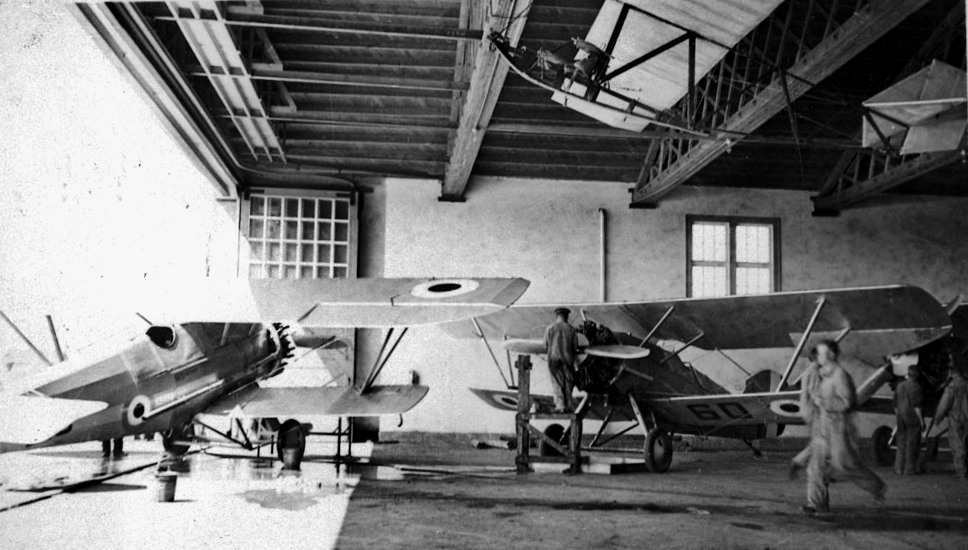
(Library and Archives Canada Photo, MIKAN No. 3387955)
Armstrong Whitworth Siskin Mk. IIIAs in a hangar in Edmonton, Alberta, 1929.
Development of the Siskin was heavily influenced by RAF Specification Type I, including its initial use of the ABC Dragonfly radial engine. Making its first flight in May 1919, the Siskin possessed good qualities in spite of the Dragonfly’s poor performance. In the following year, the much better Armstrong Siddeley Jaguar was installed and flight with this powerplant was made on 20 March 1921. In response to Air Ministry Specification 14/22, the aircraft was redesigned with an all-metal structure, and orders were placed in 1922.
It was angular in form, with little attention paid to obvious avenues for drag reduction. Perhaps its most distinctive feature was its fixed conventional landing gear, which had relatively lengthy oleo strut shock absorbers carrying the axle, which was in turn connected by radius rods to a pair of V-struts situated behind the axle. Its wings were of unequal span. It was powered by a single ABC Dragonfly radial engine, which was installed on the nose in a streamlined cowling. To regulate the engine’s temperature, each individual cylinder had its own cooling channel. Armament consisted of a pair of Vickers machine guns mounted directly in front of the pilot.
Between 1926 and 1939, Canada operated a sizable fleet of Siskins. During 1926, the British Air Ministry had dispatched a pair of Siskin IIIs to Canada, where they underwent testing by the Royal Canadian Air Force (RCAF) under winter flying conditions. The Siskin was considered a modern type at the time of its acquisition by the RCAF, which opted to purchase the Mark IIIA. The Canadian procurement involved both new-built aircraft and second-hand RAF Siskins being supplied to numerous RCAF squadrons.
The Siskin equipped the Fighter Flight at Camp Borden and Trenton. During 1937, the Flight became No. I (Fighter) Squadron, and was transferred from Trenton to Calgary in August 1938. The unit continued to operated the Siskin up until the outbreak of the Second World War, shortly after which the type was rapidly retired and replaced by Hawker Hurricane monoplane fighters. Following the Siskin’s withdrawal by the RCAF, the airframes were turned over to various technical establishments for use as instructional airframes. (Wikipedia)
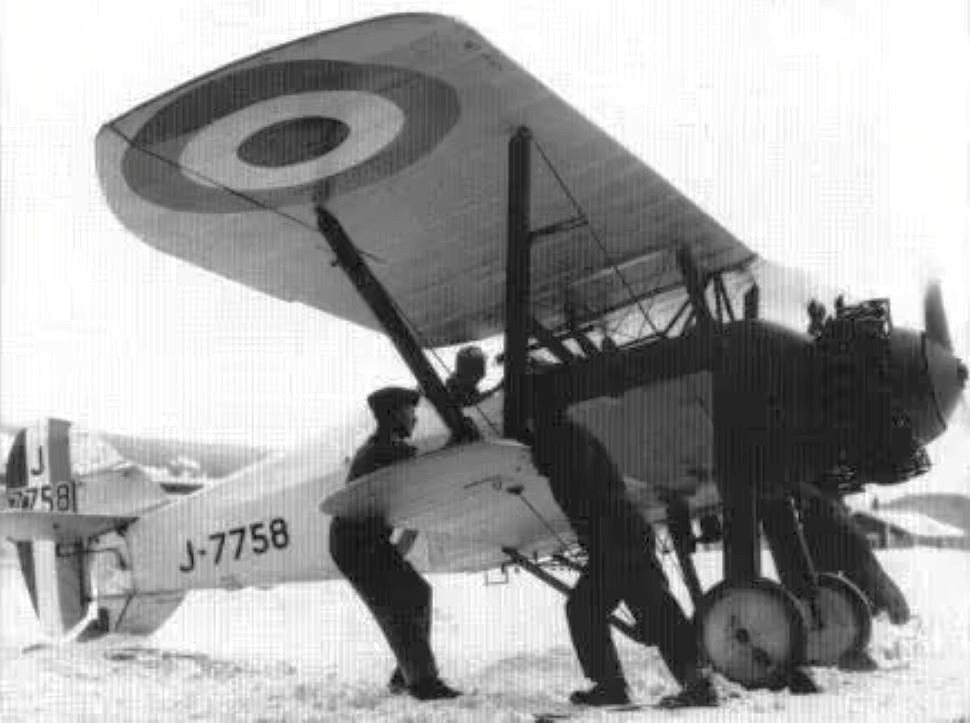
(RCAF Photo)
Armstrong Whitworth Siskin Mk. III, RAF (Serial No. J7758), RCAF (Serial No. 10), later (Serial No. 301), ca. 1926.
TOS: 5 January 1926. Ex-RAF (Serial No. J7759). Initially operated with RAF serial number, for winter evaluation trials. Then assigned to Training Squadron, “B” Flight, Camp Borden, Ontario. Also flown in High River, Alberta. Officially purchased No. by the RCAF as of August 1927. Planned renumbering to No. 301 from No. 10 was never executed. On 31 October 1934, Sgt V.S. Roberts was overhead Camp Borden when Siskin No. 10 broke up in the air. Eye witnesses were horrified to both see and hear the engine wrench itself free of its mountings and, as the aircraft tumbled, the wings broke away and the fuselage plummeted to earth from 2,000 feet (610 m) with Sgt Roberts unable to escape the wreckage. The precise cause of the structural break-up is not available in references but it may have been a prop or engine mount failure. Some sources have this aircraft becoming No. 301, but this is incorrect; the change was planned but not executed because of the crash. This a/c had 332:10 flying hours when struck off. SOS: 26 March 1935 – Category “A” crash & write-off. (CASPIR)
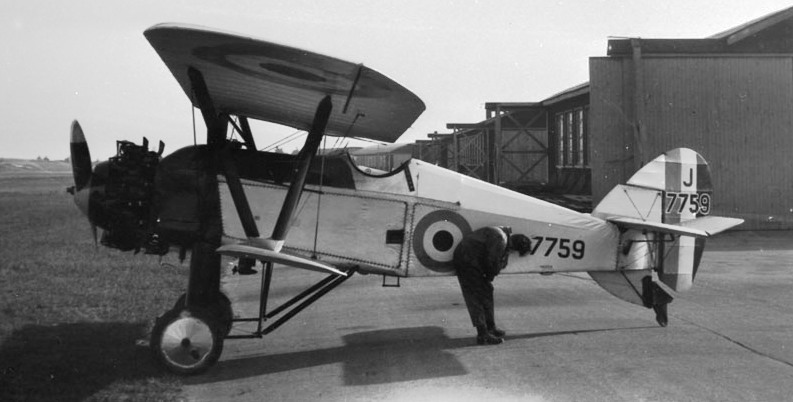
(Library and Archives Canada Photo, MIKAN No. 3543750)
Armstrong Whitworth Siskin Mk. III, (Serial No. J7759), ca. 1926.
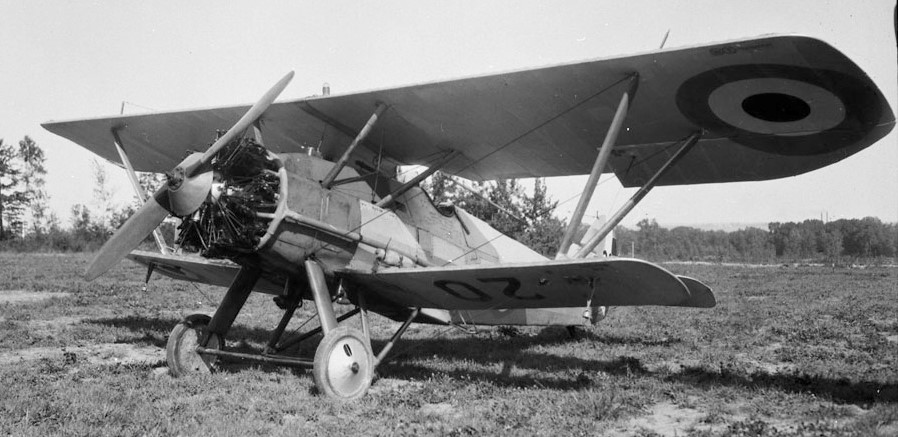
(Library and Archives Canada Photo, MIKAN No. 3580253)
Armstrong Whitworth Siskin Mk. IIIA, RCAF (Serial No. 20), Rockcliffe Aerodrome, Ontario, 24 Aug 1929.
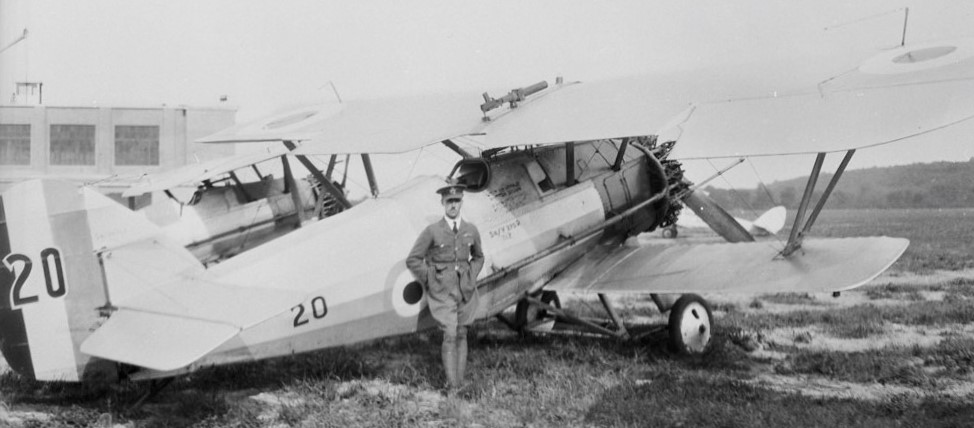
TOS: 20 December 1927. Ex-RAF (Serial No. J8632). Initially assigned to Training Squadron, “B” Flight, Camp Borden, Ontario. Part of the 1929 air demonstration team, flew first RCAF public demonstrations that summer across Ontario and Eastern US. Took part in air show in Toronto, 1929 or 1930. Named “Captain Sir Arthur Whitten Brown” in ceremony on 19 July 1929. Part of Siskin Exhibition Flight, 1932. Circa 1929, renumbered to No. 302 (from No. 20) With Fighter Flight of No. 3 (B) Squadron, RCAF Station Trenton, 1935 to 1937. Used by No. 1 (F) Squadron, at RCAF Station Trenton, Ontario, 1937 and 1938. Later became instructional airframe No. A26, possibly used by No. 113 (F) Squadron in this role. SOS: 5 September 1946 – to War Assets for disposal. (CASPIR)
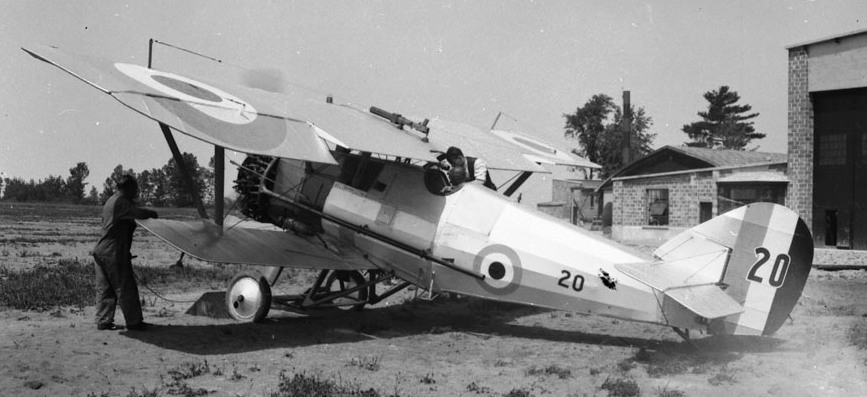
(Library and Archives Canada Photo, MIKAN No. 3642437)
Armstrong Whitworth Siskin Mk. III, RCAF (Serial No. 20), with S/L R.S. Grandy.
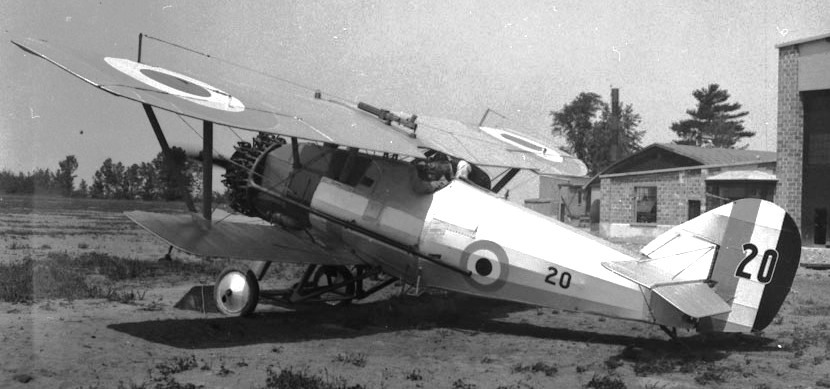
(Library and Archives Canada Photo, MIKAN No. 3204025)
Armstrong Whitworth Siskin Mk. III, RCAF (Serial No. 20).
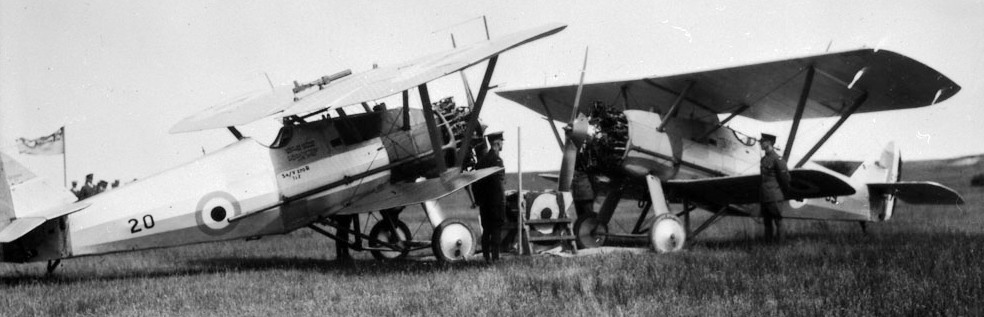
(Library and Archives Canada Photo, MIKAN No. 3387958)
Armstrong Whitworth Siskin IIIA, RCAF (Serial No. 20) and (Serial No. 59), being christened as, respectively, “Lieutenant Sir Arthur Whitten Brown” and “Captain Sir John Alcock“, RCAF Station Camp Borden, Ontario, ca. 1932.
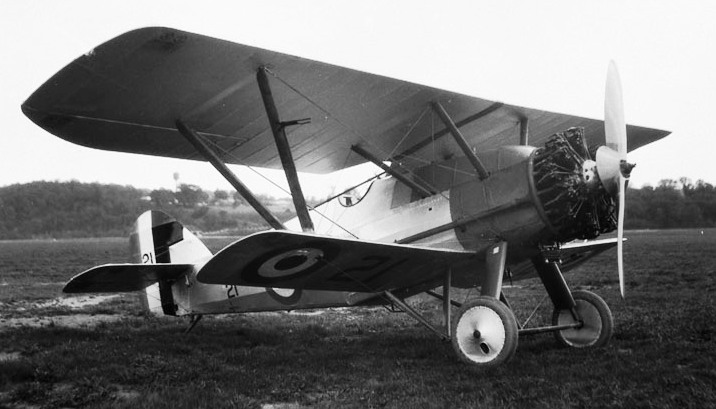
(Library and Archives Canada Photo, MIKAN No. 3642441)
Armstrong Whitworth Siskin Mk. IIIA, RCAF (Serial No. 21), later No. 303, ca 1934.
TOS: 26 December 1927. Registration G-CYZE reserved, only used briefly (if at all). Initially assigned to Training Squadron, “B” Flight, Camp Borden, Ontario. Renumbered from 21 to 303 circa 1929. Undercarriage damaged in a landing accident on 4 Sep 1929. Damaged again in a forced landing accident after overturning on 18 May 1930 while being ferried from Ottawa to Camp Borden. With Fighter Flight of No. 3 (B) Squadron, RCAF Station Trenton, 1935 to 1937. Used by No. 1 (F) Squadron, at RCAF Station Trenton, Ontario, 1937 and 1938. Used as an instructional airframe throughout the Second World War, serial A 27. To No. 58 (Royal Canadian Air Cadets) Squadron as training aid. On 30 Dec 1948, the airframe was stripped and donated as part of the “National Scrap Drive”. SOS: 18 August 1947. (CASPIR)
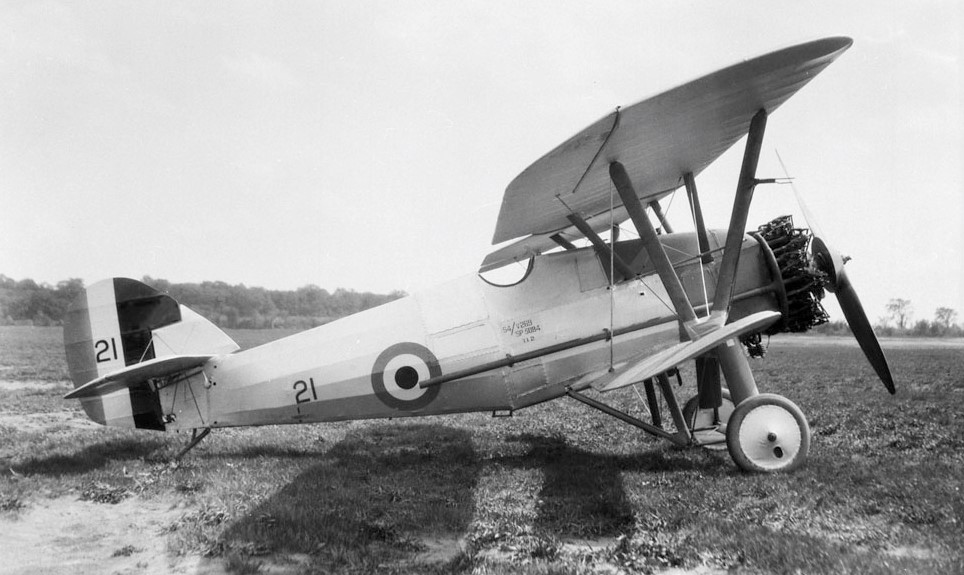
(Library and Archives Canada Photo, MIKAN No. 3642440)
Armstrong Whitworth Siskin Mk. IIIA, RCAF (Serial No. 21), ca 1934.
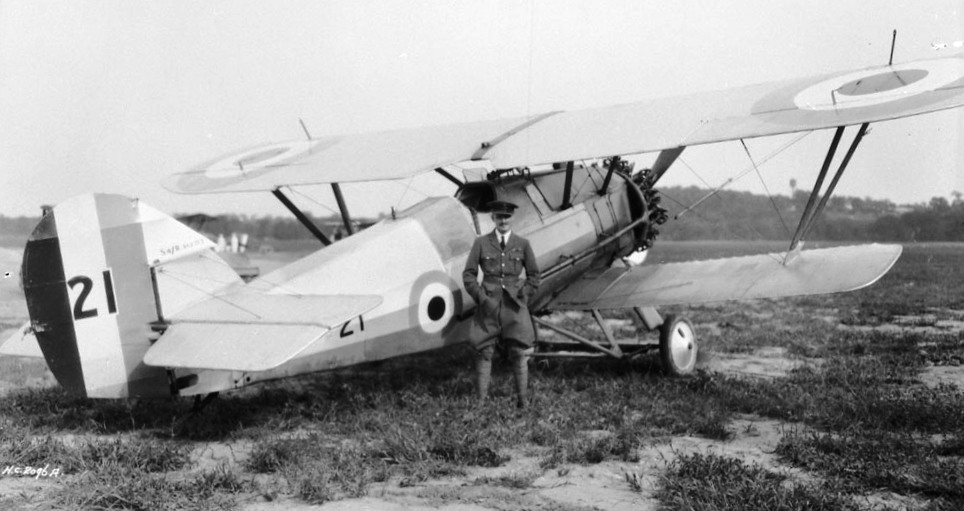
(Library and Archives Canada Photo, MIKAN No. 3642436)
Armstrong Whitworth Siskin Mk. IIIA, RCAF (Serial No. 21), later (Serial No. 303), with F/L Beamish, No. 1 Squadron.
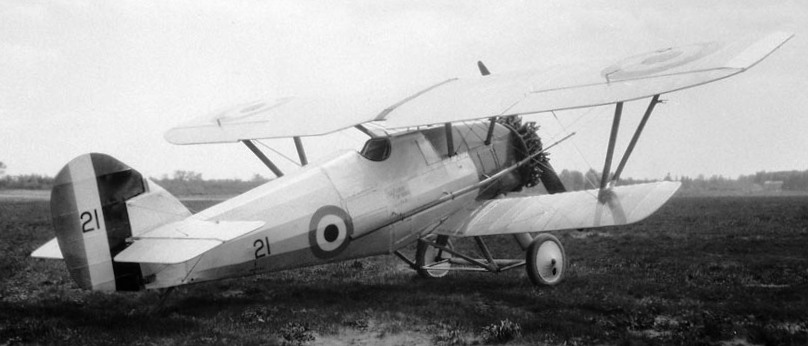
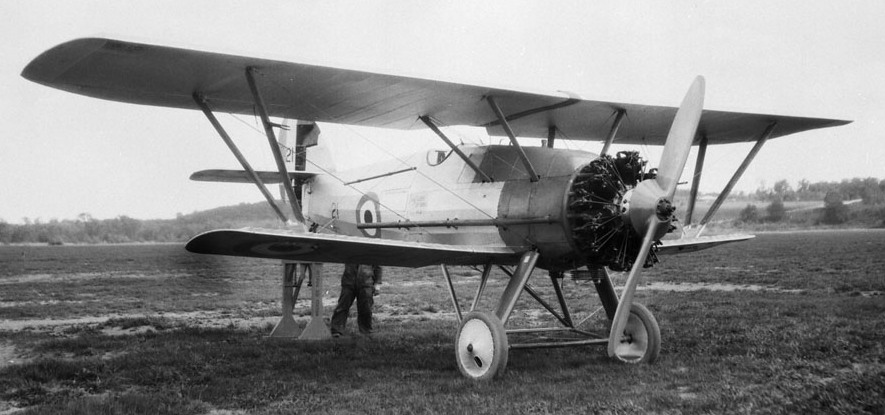
(Library and Archives Canada Photo, MIKAN No. 3580614)
Armstrong Whitworth Siskin Mk. IIIA, RCAF (Serial No. 21), later (Serial No. 302).
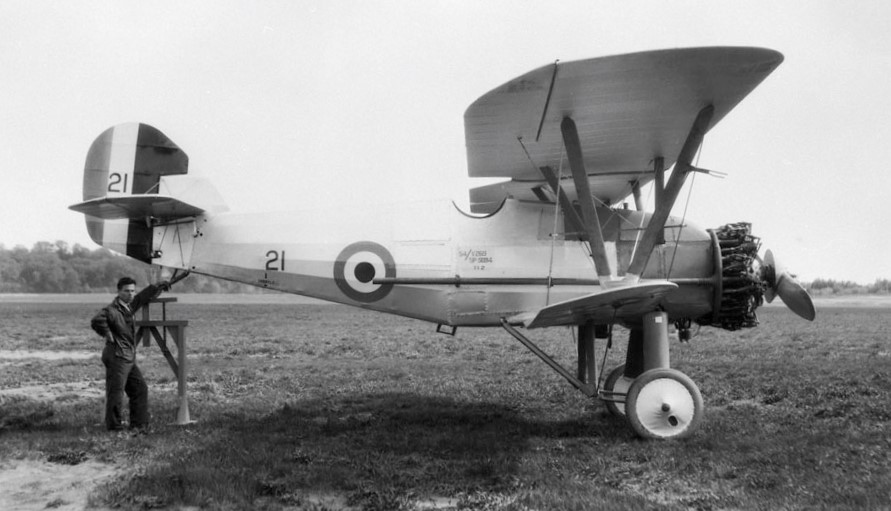
(Library and Archives Canada Photo, MIKAN No. 3580615)
Armstrong Whitworth Siskin Mk. IIIA, RCAF (Serial No. 21), later (Serial No. 302).
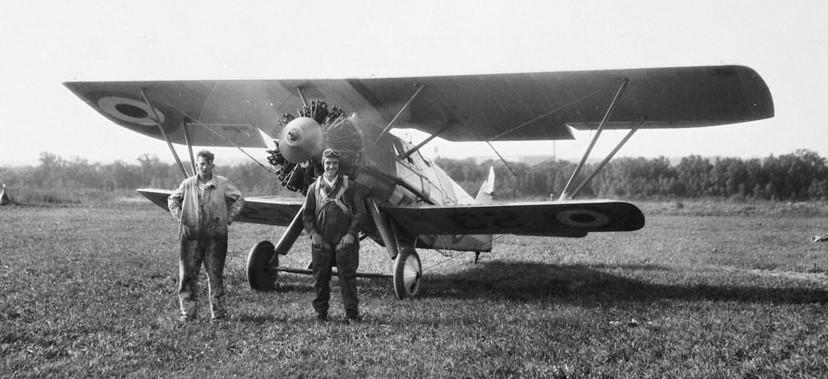
(Library and Archives Canada Photo, MIKAN No. 3574039)
Armstrong Whitworth Siskin Mk. IIIA, RCAF (Serial No. 21), later (Serial No. 302), RCAF Station Rockcliffe, Ontario.
(Library and Archives Canada Photo, MIKAN No. 3580532)
Armstrong Whitworth Siskin Mk. IIIA, RCAF (Serial No. 23), P/O Gobeil, 21 Aug 1930.
TOS: 26 July 1928. Initially assigned to Training Squadron, B Flight, Camp Borden, Ontario. Later flown in demonstration teams by F/O Fowler Gobeil. Took part in 1931 Trans Canada Air Pageant. Suffered mid-air with No. 61 during formation practice at RCAF Station Trenton, killing the pilot of other aircraft, demonstration team leader S/L Henry Hewson. Category “A” crash. This a/c had 388:00 flying hours at the time. SOS: 26 July 1932 – Cat “A” write-off.
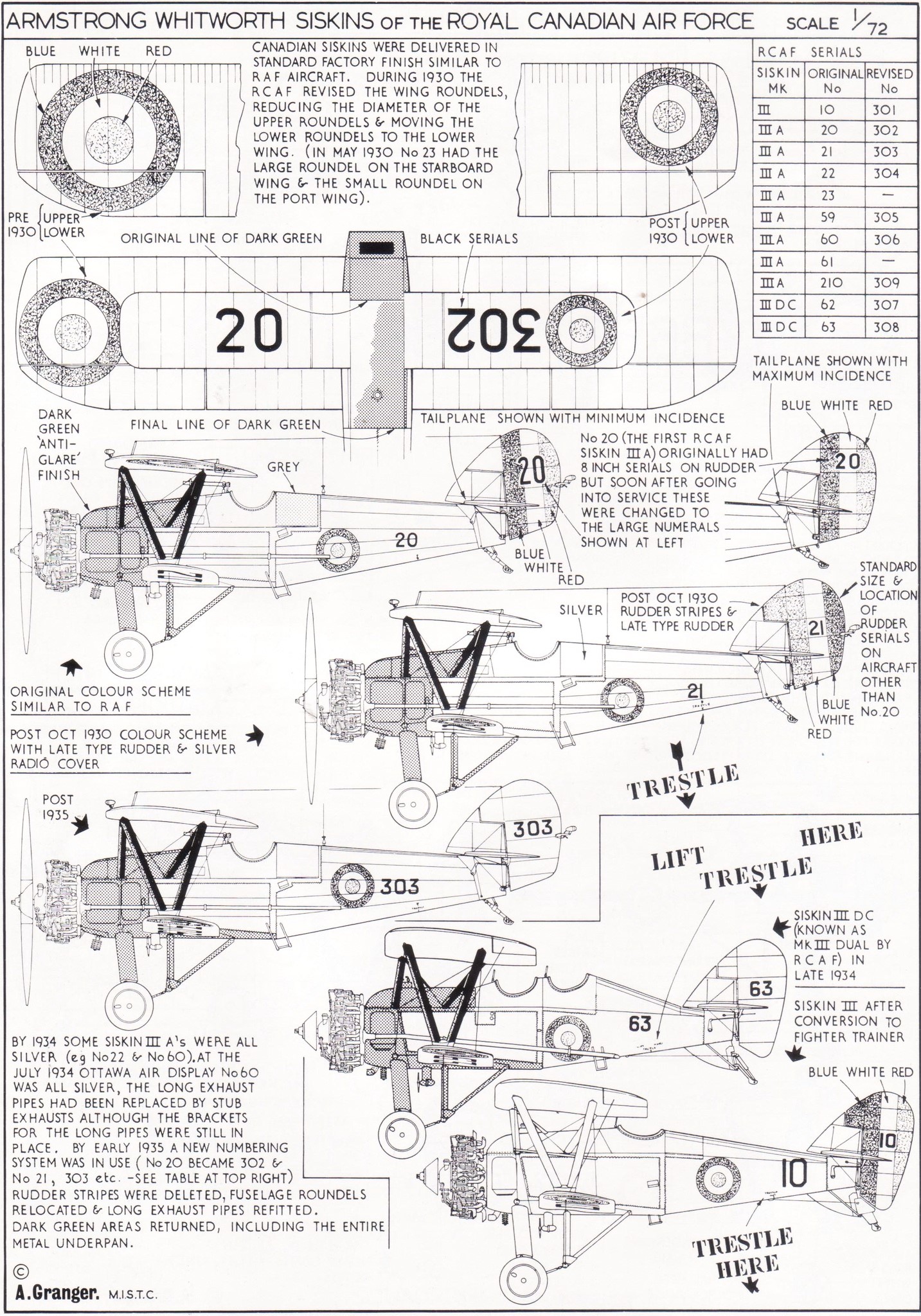
Siskin Roundels.
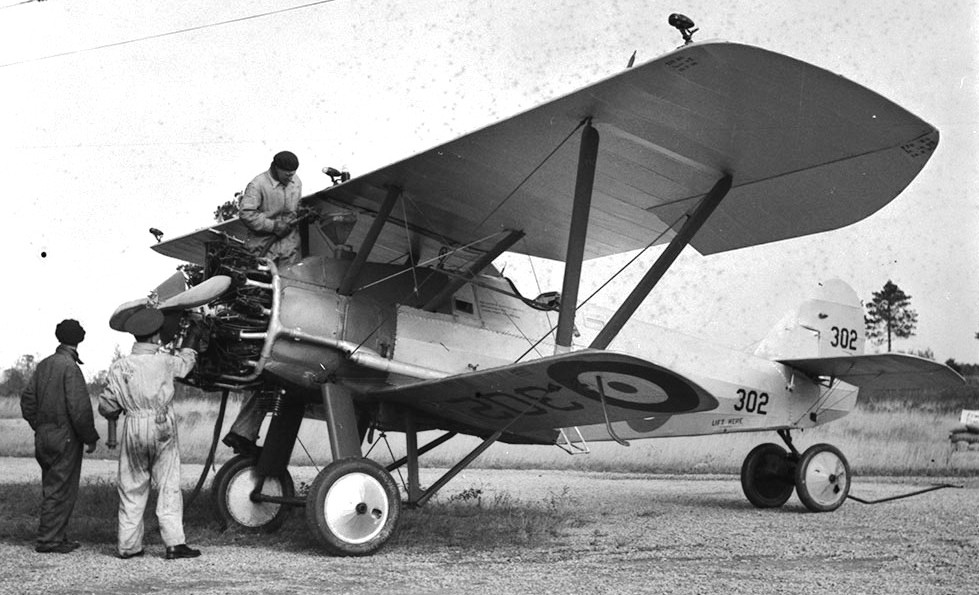
(Library and Archives Canada Photo, MIKAN No. 3203301)
Armstrong Whitworth Siskin Mk. IIIA, RCAF (Serial No. 302), No. 1 (F) Squadron.
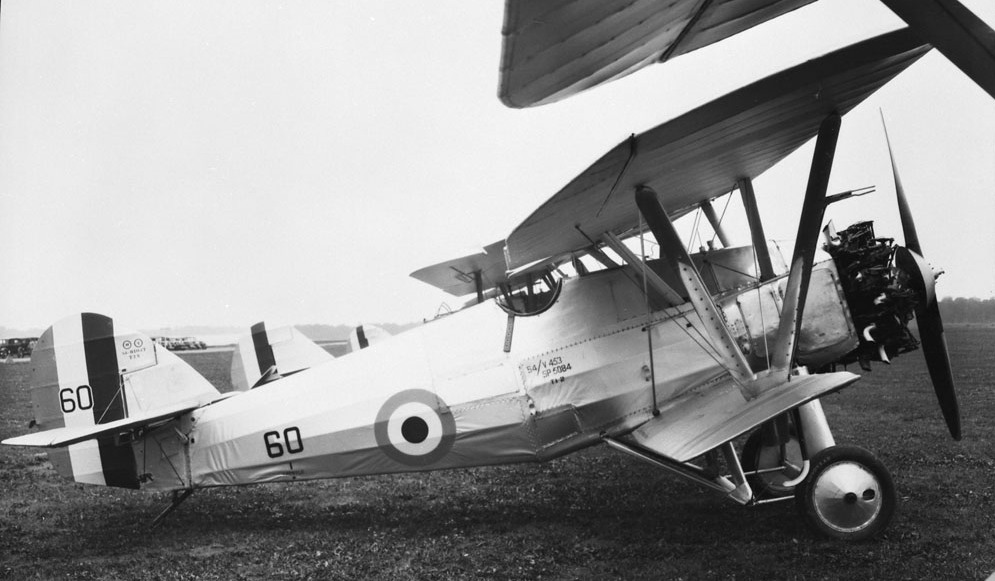
(Library and Archives Canada Photo, MIKAN No. 3203339)
Armstrong Whitworth Siskin Mk. IIIA, RCAF (Serial No. 60), later (Serial No. 306), 13 Jul 1934.
TOS: 22 June 1929. Initially assigned to Training Squadron, “B” Flight, Camp Borden, ON. Operated on skis. Part of the 1929 air demonstration team. Took part in 1931 Trans Canada Air Pageant. Part of Siskin Exhibition Flight, 1932. Renumbered as No. 306 sometime after 1932. Used by No. 113 (F) Squadron in 1939. Became Instructional Airframe No. A 29 at No. 1 TTS in St. Thomas, Ontario. SOS: 29 September 1942 – airframe reduced to spares & produce. (CASPIR)
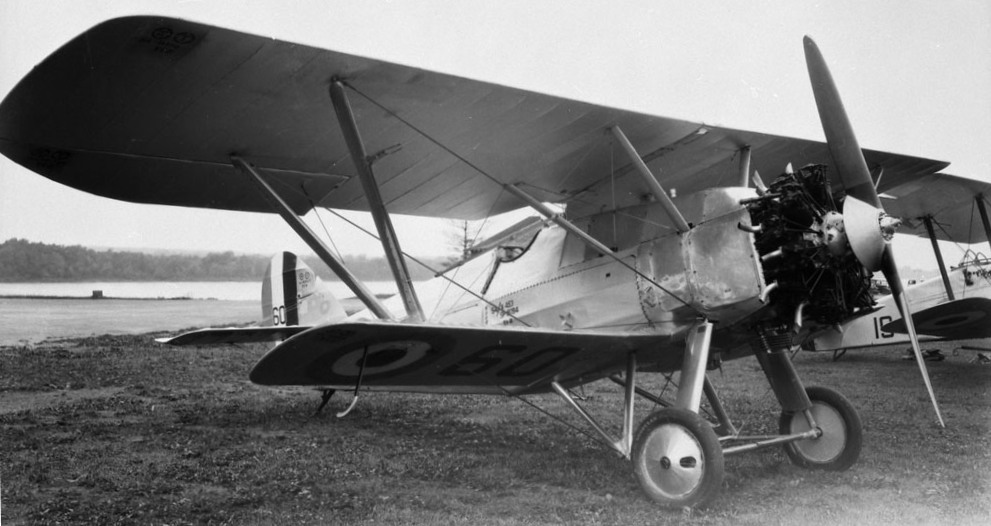
(Library and Archives Canada Photo, MIKAN No. 3642452)
Armstrong Whitworth Siskin Mk. IIIA, RCAF (Serial No. 60), later (Serial No. 306), 13 Jul 1934.
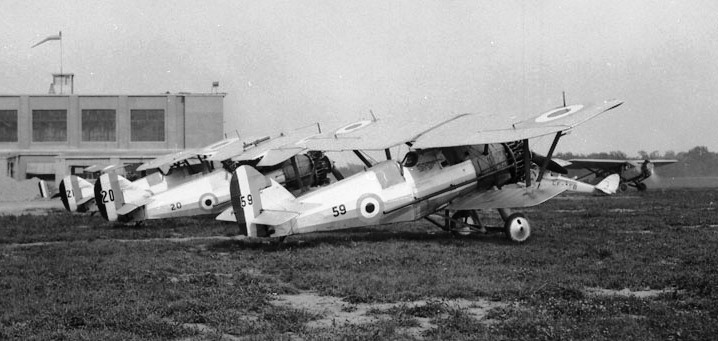
(Library and Archives Canada Photo, MIKAN No. 3203750)
Armstrong Whitworth Siskin Mk. IIIA, RCAF (Serial Nos. 21, 20 and 59), ca 1934.
(Library and Archives Canada Photo, MIKAN No. 3203432)
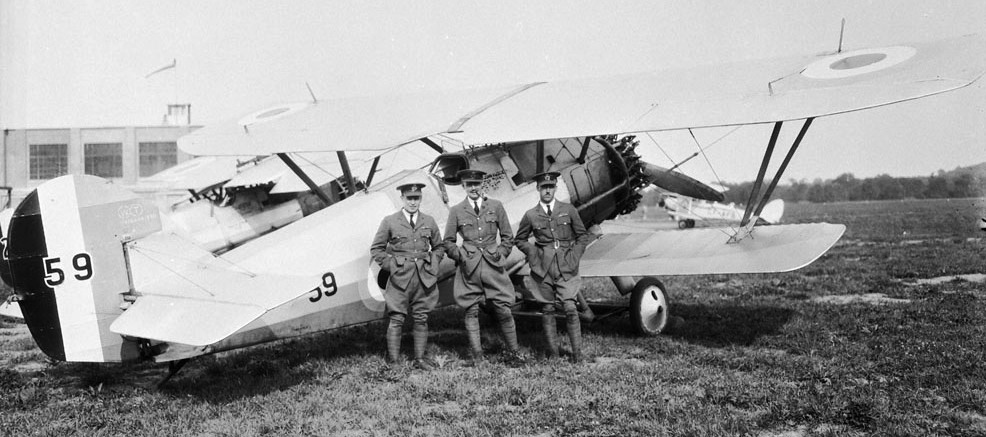
Armstrong Whitworth Siskin Mk. IIIA, RCAF (Serial No. 59), later No. 305, with F/O E.A. McNab, F/L F.V. Beamish, P/O E.A. McGowan, ca 1929.
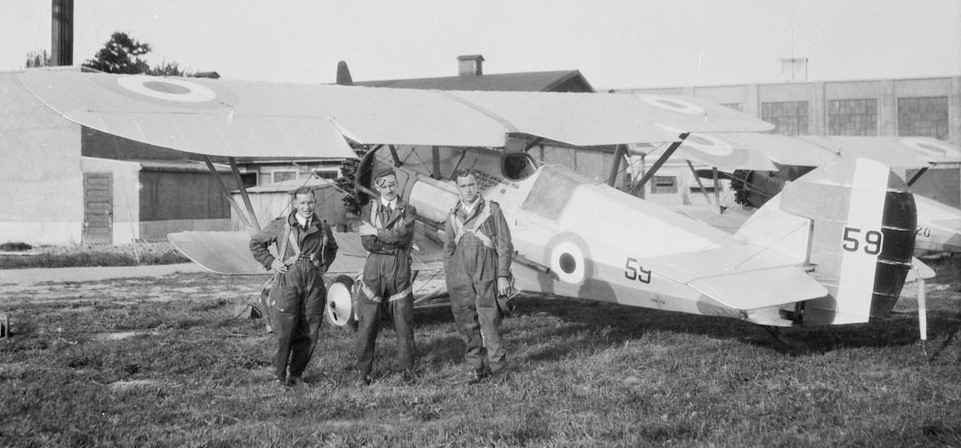
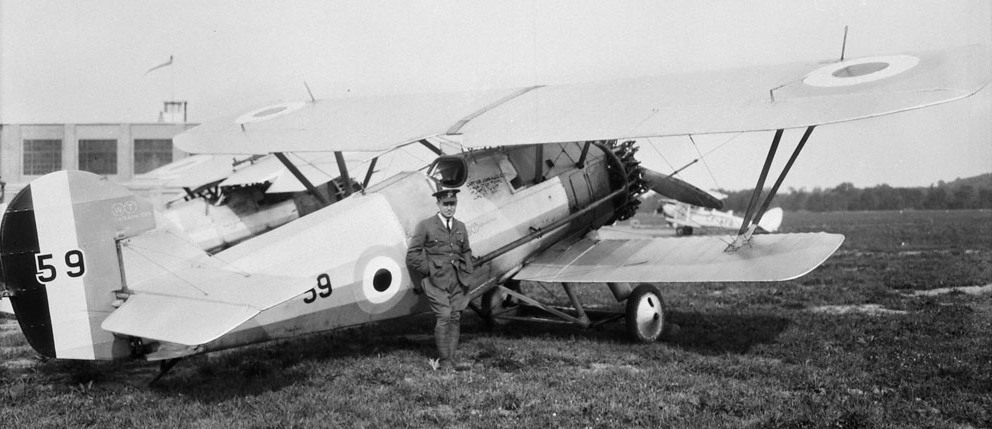
TOS: c.1932 – Renumbered. Initially assigned to Training Squadron, “B” Flight, Camp Borden, ON. Later with Siskin Flight, Rockcliffe 1929. Part of the 1929 air demonstration team at the Clevland Air Races. Named “Captain Sir John Alcock DSC” in ceremony on 19 July 1929. Took part in 1931 Trans Canada Air Pageant. Renumbered as 305, some time after 1931. Category “B” accident at Minden, near Trenton, on 18 June 1938 after the pilot became lost and force landed out of fuel. Struck off, after being assessed as a Category “A” write-off from the damage at Minden. SOS: 16 January 1939 – Cat “A” write-off – remains reduced to spares & produce. (CASPIR)
(Library and Archives Canada Photo, MIKAN No. 3204024)
Armstrong Whitworth Siskin Mk. IIIA, RCAF (Serial No. 20), with P/O E.A. McGowan, 24 August 1929.
(Library and Archives Canada Photo, MIKAN No. 3580530)
Armstrong Whitworth Siskin Mk. IIIA, RCAF (Serial No. 59), with F/L F.V. Beamish, F/O E.A. McNab, P/O McNab, 21 August 1930.
(Library and Archives Canada Photo, MIKAN No. 3204023)
Armstrong Whitworth Siskin Mk. IIIA, RCAF (Serial No. 59).
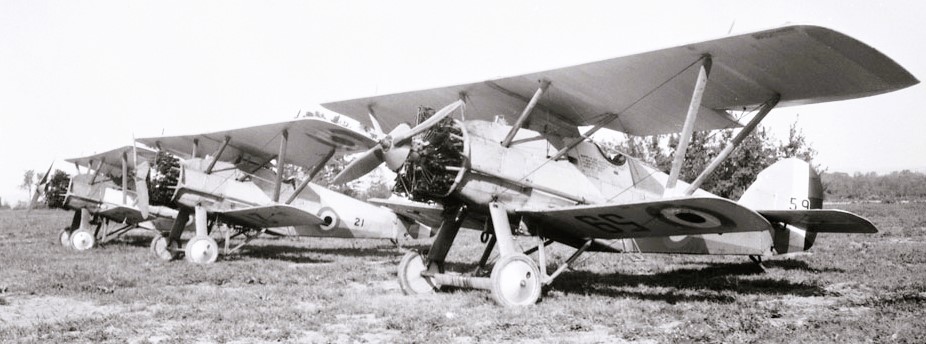
(Library and Archives Canada Photo, MIKAN No. 3643674)
Armstrong Whitworth Siskin Mk. IIIA trio, RCAF (Serial No. 59), (Serial No. 21).
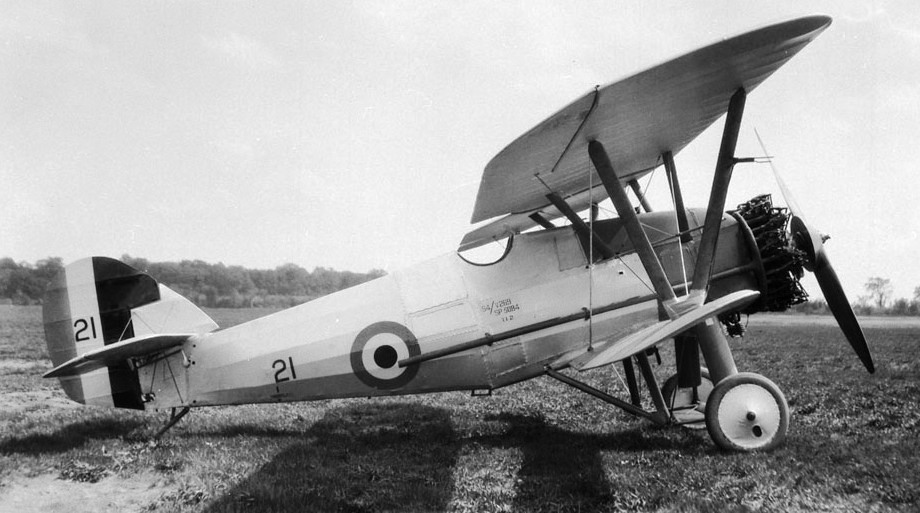
(Library and Archives Canada Photo, MIKAN No. 3203740)
Armstrong Whitworth Siskin Mk. IIIA, RCAF (Serial No. 21), ca 1934.
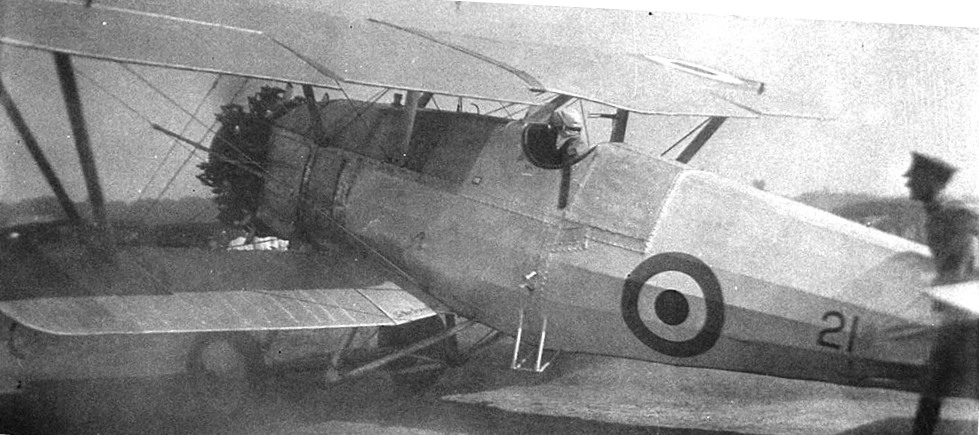
(Library and Archives Canada Photo, MIKAN No. 33545937)
Armstrong Whitworth Siskin Mk. IIIA, RCAF (Serial No. 21), taking off to take part in an aerial display.
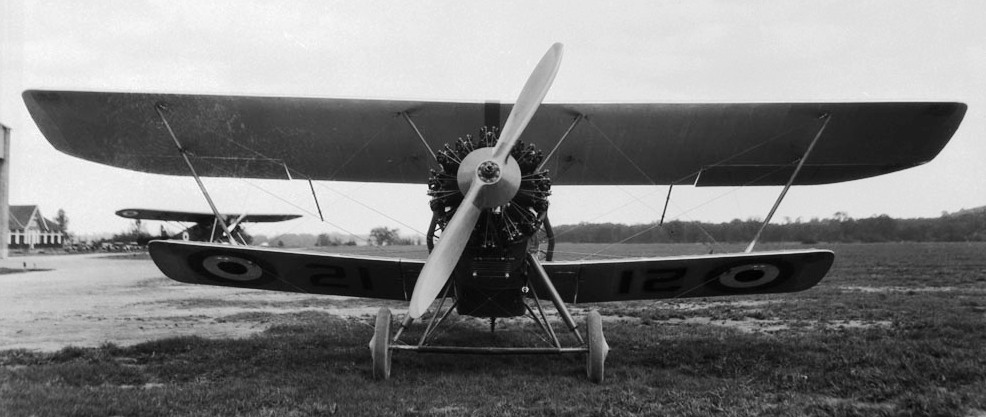
(Library and Archives Canada Photo, MIKAN No. 362442)
Armstrong-Whitworth Siskin Mk. IIIA, RCAF (Serial No. 21), front view.
(RCAF Photo via Chris Charland)
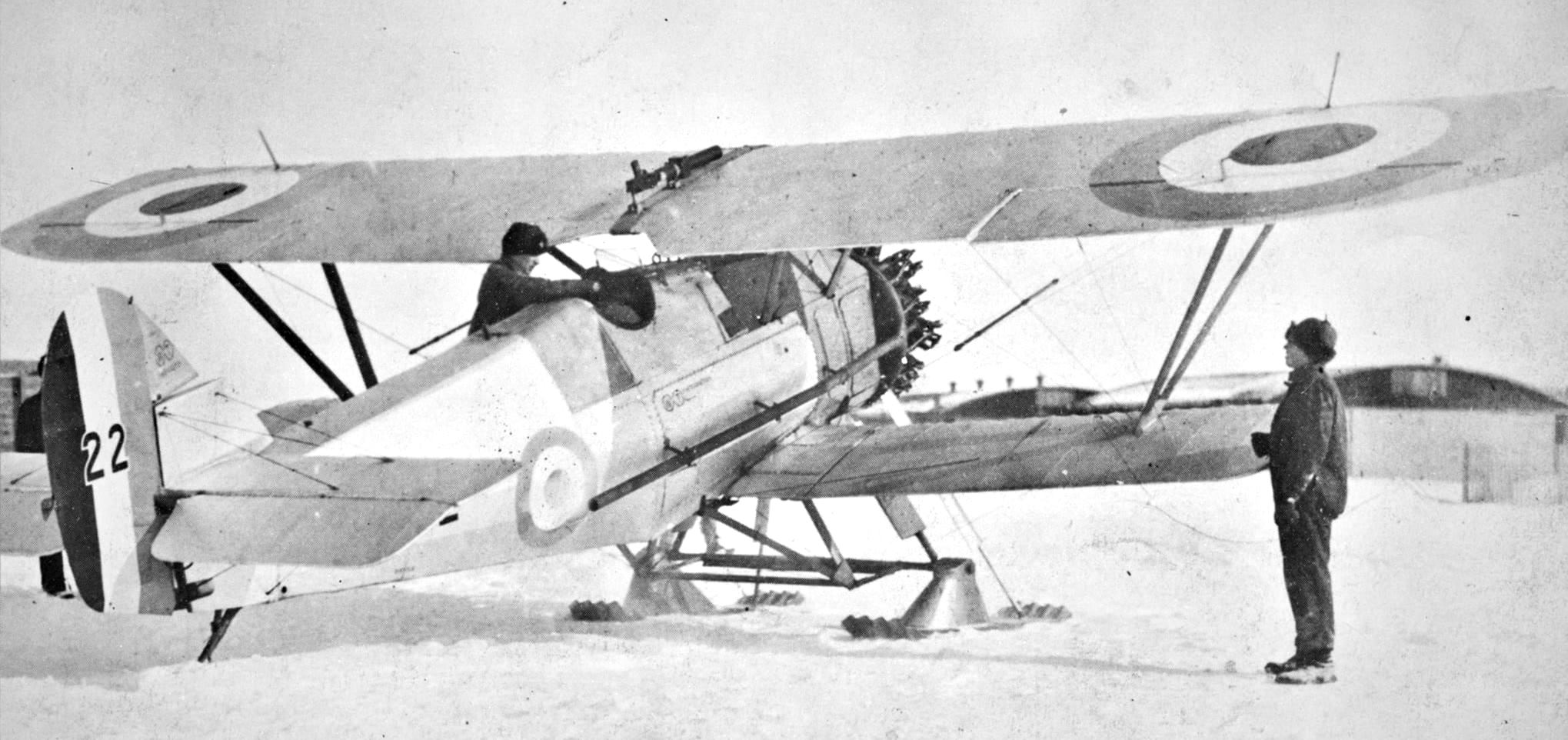
Armstrong Whitworth Siskin Mk. IIIA, RCAF (Serial No. 22), later (Serial No. 304), on skis, from the Fighter Flight at RCAF Station Camp Borden, Ontario.
TOS: 26 July 1928. Initially assigned to Training Squadron, “B” Flight, Camp Borden, Ontario. Damaged in a landing accident at Camp Borden on 22 May 1930 when the u/c collapse. Took part in air show in Toronto, 1929 or 1930. Took part in 1931 Trans Canada Air Pageant. Part of Siskin Exhibition Flight, 1932. Renumbered from No. 22 to No. 304 circa 1929. With Fighter Flight of No. 3 (B) Squadron, RCAF Station Trenton, 1935 to 1937. Used by No. 1 (F) Squadron, at RCAF Station Trenton, ON, 1937 and 1938. Became instructional airframe No. A 28, later users included No. 92 (Royal Canadian Air Cadets) Squadron. SOS: 22 July 1946. (CASPIR)
(Library and Archives Canada Photo, MIKAN No. 3580142)
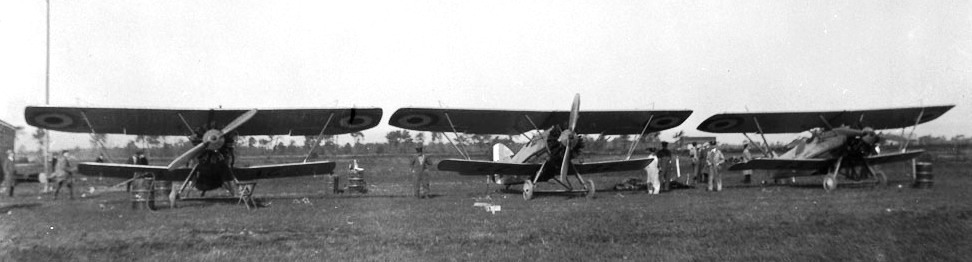
Armstrong-Whitworth Siskin Mk. IIIA, RCAF, three in a row, front view.
(Library and Archives Canada Photo, MIKAN No. 3521018)
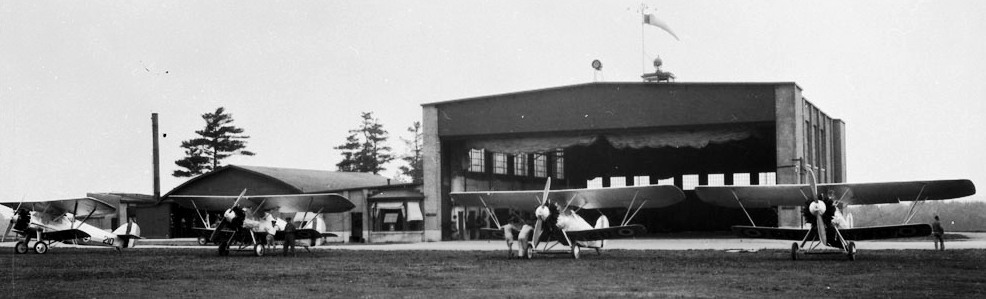
Armstrong Whitworth Siskin Mk. IIIA, left to right, RCAF (Serial Nos. 210, later 309, 21, 20 and 60), 12 Jul 1934.
No. 210 was TOS: 28 June 1929. Initially assigned to Training Squadron, “B” Flight, Camp Borden, Ontario. This a/c was part of demonstration team at 1929 Cleveland Air Races. Suffered mid-air collision on 26 July 1932 with No. 23 during formation practice at RCAF Station Trenton, killing the pilot, demonstration team leader, S/L Henry Hewson. Category “A” crash. This a/c had 110:20 flying hours at the time. SOS: 10 August 1932 – Cat “A” write-off. (CASPIR)
(Library and Archives Canada Photo, MIKAN No. 3577686)
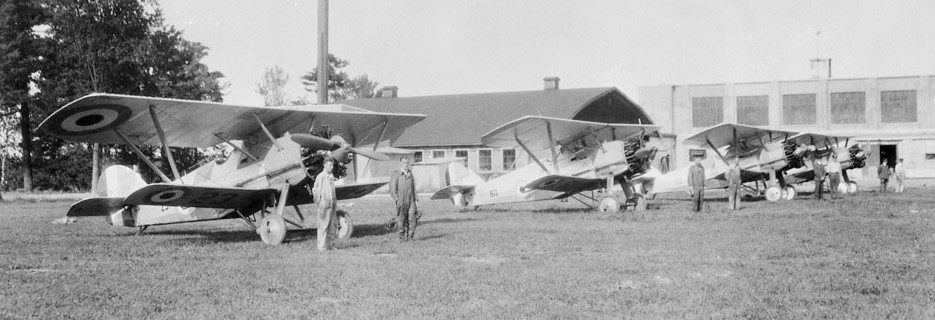
Armstrong Whitworth Siskin Mk. IIIA lined up Rockcliffe, Ontario, 21 Aug 1930.
Armstrong Whitworth Siskin Mk. IIIDC dual control training aircraft, RCAF (Serial No. 62), later No. 307.
TOS: 29 May 1929. Initially assigned to Training Squadron, “B” Flight, Camp Borden, Ontario. Dual control trainer. Renumbered as No. 307 from No. 62 circa 1932. Became Instructional Airframe No. A 11 at No. 1 TTS in St. Thomas, Ontario. SOS: 12 July 1940 – airframe reduced to spares & produce. (CASPIR)
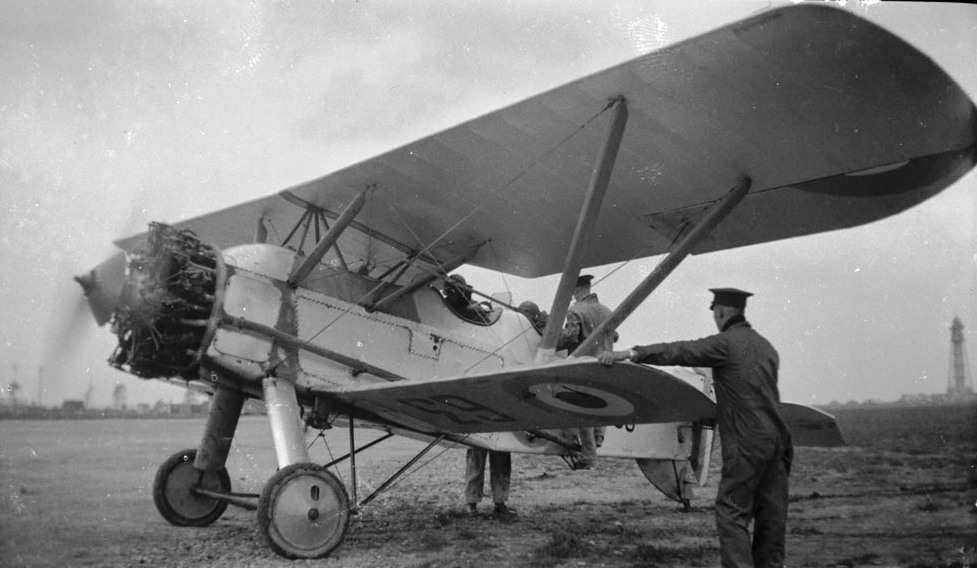
(Library and Archives Canada Photo, MIKAN No. 3650315)
Armstrong Whitworth Siskin Mk. IIIDC dual control training aircraft, RCAF (Serial No. 63), later No. 308, St Hubert, Quebec, 1928.
TOS: 29 May 1929. Initially assigned to Training Squadron, “B” Flight, Camp Borden, Ontario. Dual control trainer. Renumbered from No. 63 to No. 308 circa 1932. On the 25 May 1937, the a/c was being used by No. 1 (F) Sqn for a practice flight from RCAF Stn Trenton. The pilots carried out two dives and two loops after which the engine failed and sprayed oil. A forced landing was executed in a field but the a/c turned over in the process. Both pilots survived with injuries. An oil pressure line was subsequently found to be fractured. The airframe was heavily damaged and was assessed as Cat “B” damage. The a/c was subsequently not repaired and was written-off. SOS: 16 August 1937 – Cat “A” write-off – airframe reduced to spares & produce. (CASPIR)