
McDonnell XF-88 Voodoo
_in_flight_060728-F-1234S-037.jpg)
(USAF Photo)
McDonnell XF-88 Voodoo (Serial No. 46-525).
The McDonnell XF-88 Voodoo was a long-range, twinjet fighter aircraft designed for the United States Air Force. Although it never entered production, its design was adapted for the subsequent supersonic F-101 Voodoo.
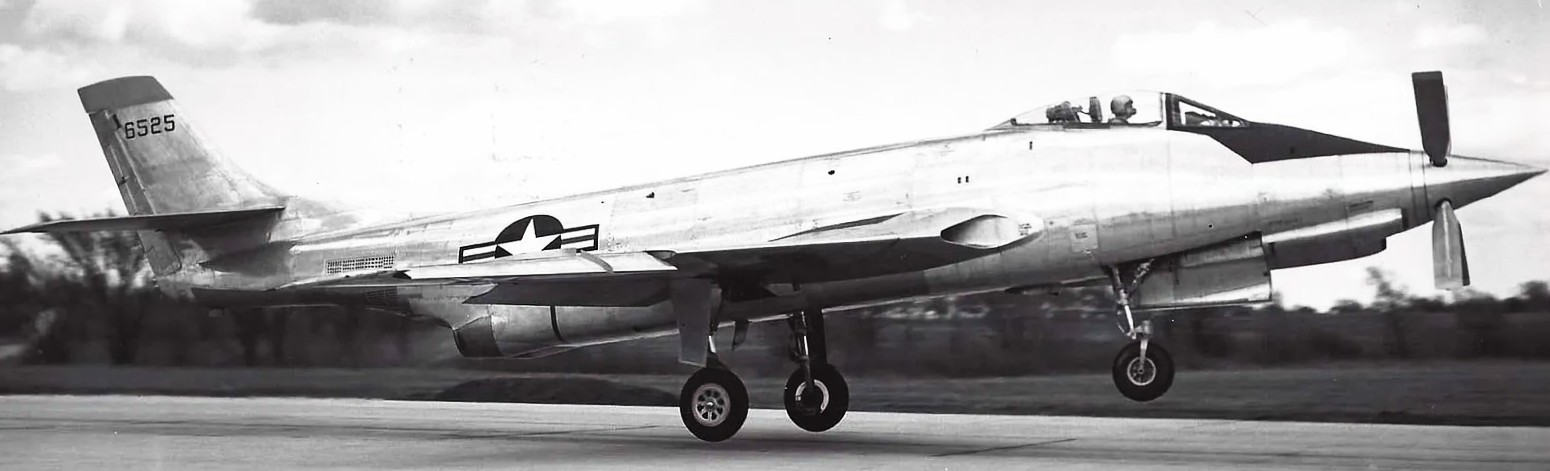
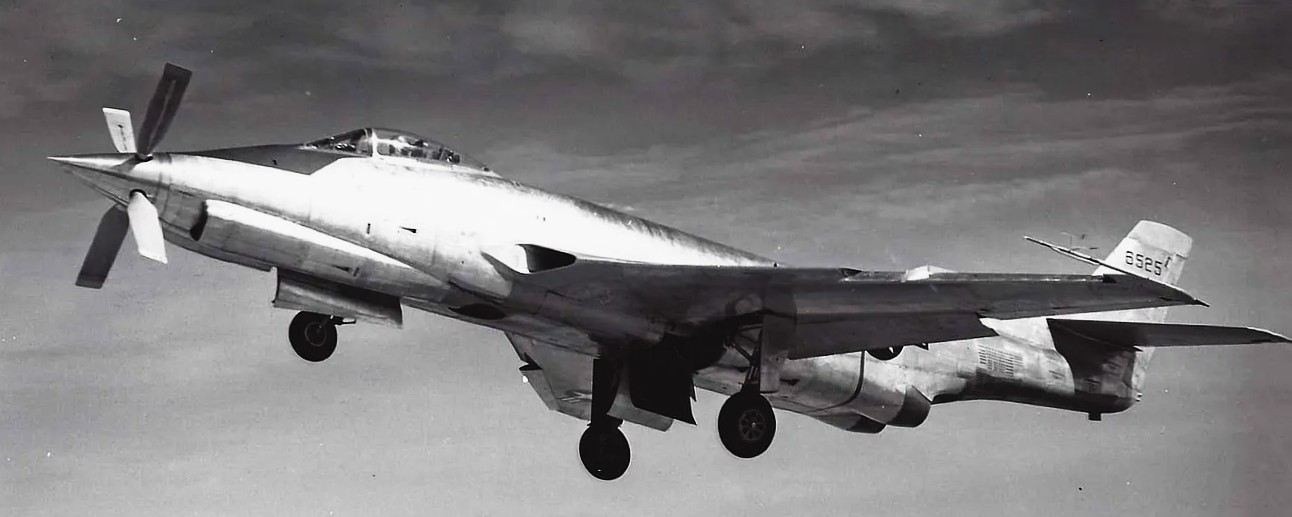
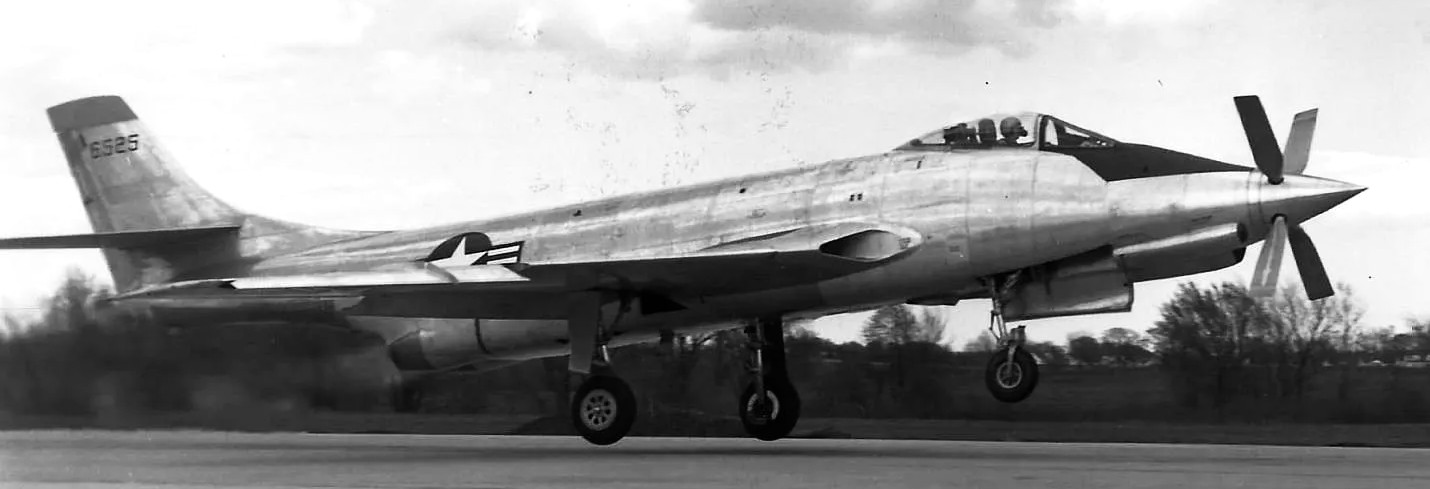
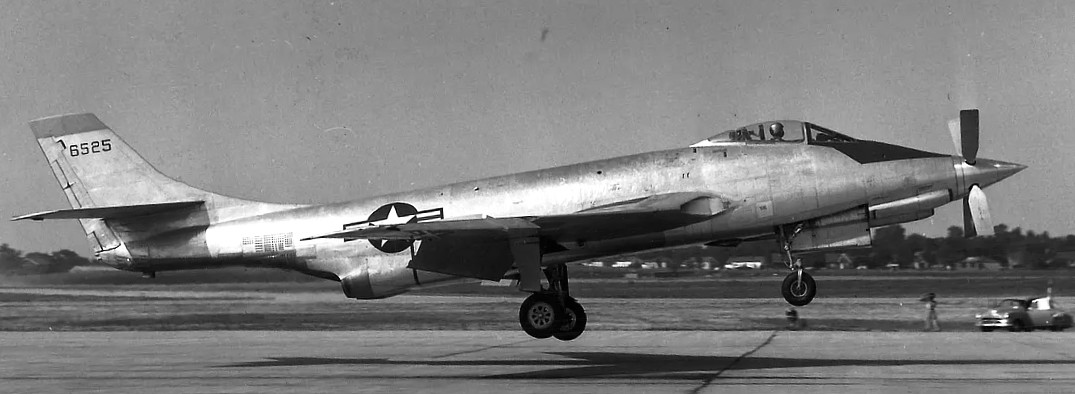
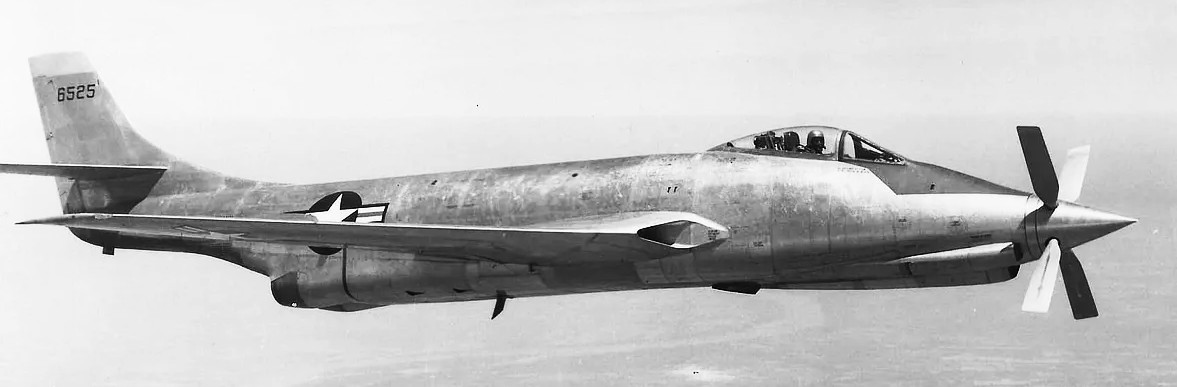
By late 1957, it was clear that turbojet and newer turbofan engines would represent the wave of the future in both the military and civilian spheres, and the NACA supersonic propeller research program was concluded with its final research flight on 17 January 1958. Over the course of its research career with NACA, the XF-88B accrued 28 hours of flight time with 43 research flights and three familiarization flights over a period nearly 50 months at Langley. Jack Reeder had conducted 30 research flights, while Bill Alford had 13 XF-88B flights in his logbook. NACA pilot Robert Champine had two familiarization flights for a total of 0.6 hours in the aircraft, while J. B. Whitten had one. While Jack Reeder continued in a long career with NASA, Bill Alford was killed the following year in England during a pitch-up event while landing a prototype Blackburn NA.39 Buccaneer. With the end of the supersonic propeller evaluation, the XF-88B was turned over the base salvage at Langley Field for disposition on 16 September 1958. The XF-88B was then transferred to Eglin AFB, Florida for ordnance testing. The XF-88B was tested to destruction at the proving grounds and removed from the USAF inventory in February 1959. Thus was the end to the distinguished career of the first Voodoo.
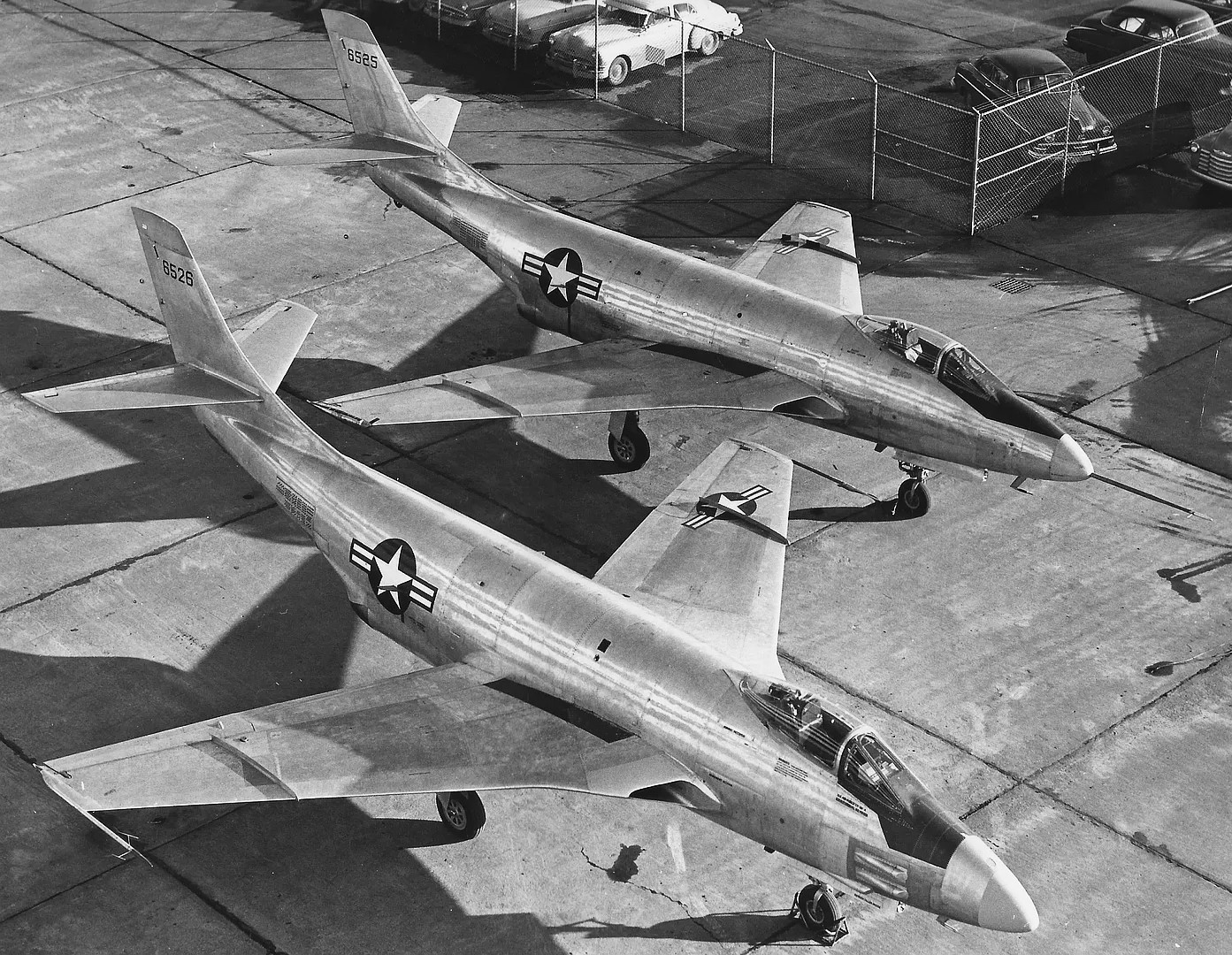
(USAF Photo)
McDonnell XF-88 Voodoo (Serial Nos. 46-525, and 46-536). Both the XF-88A and the XF-88B were eventually scrapped.
_060728-F-1234S-035.jpg)
(USAF Photo)
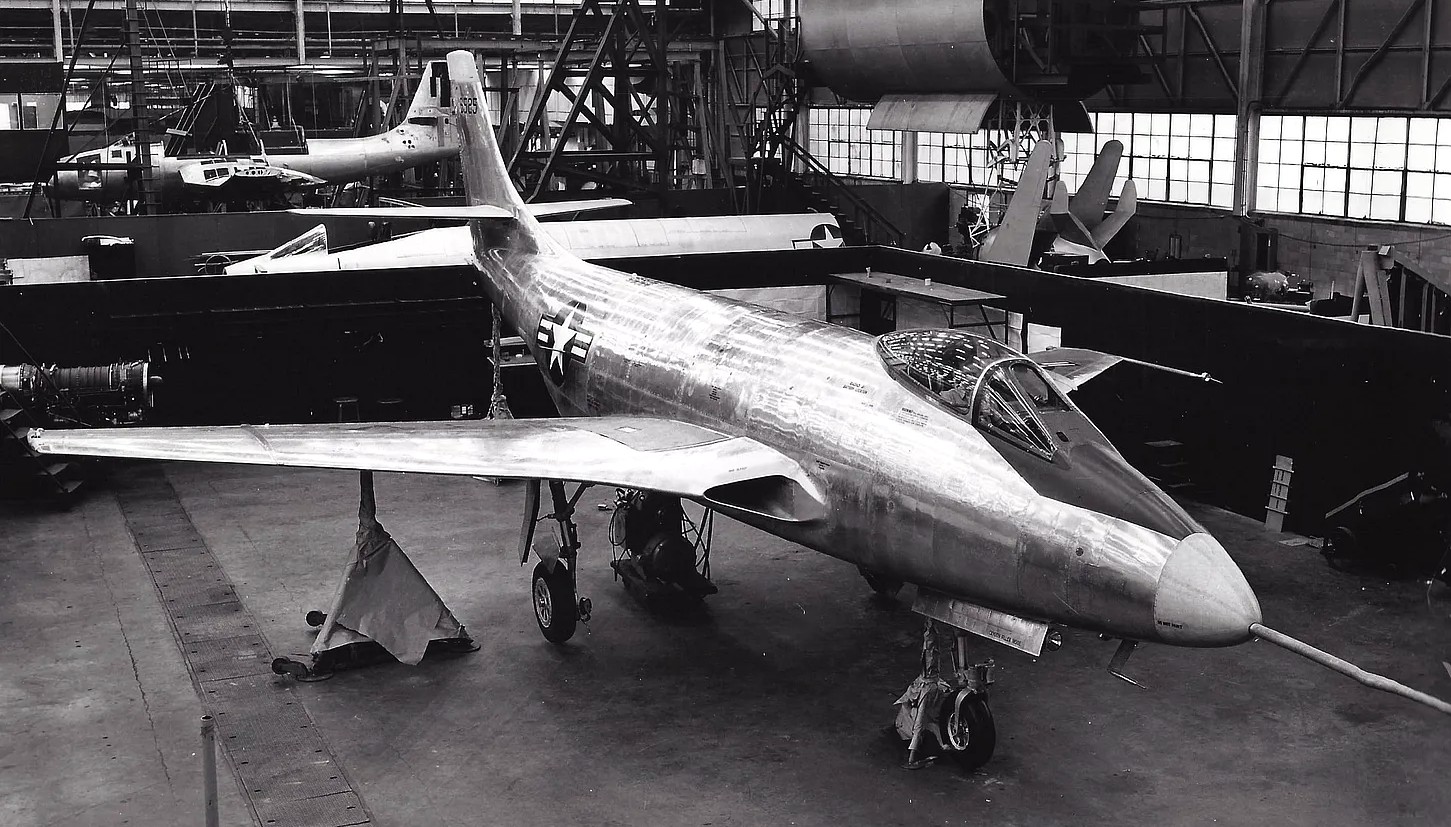
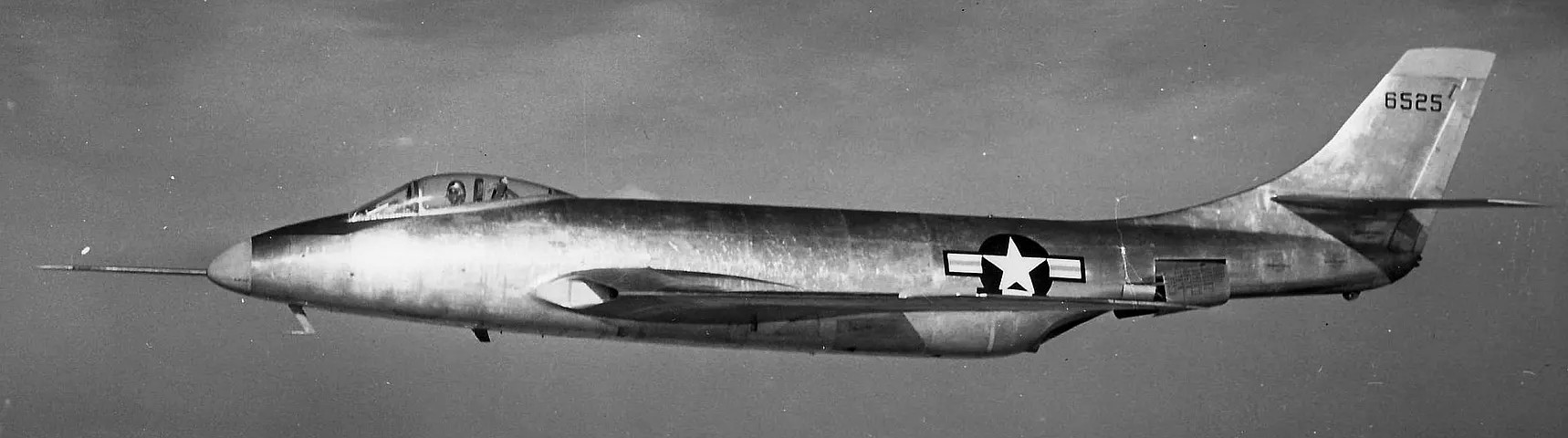
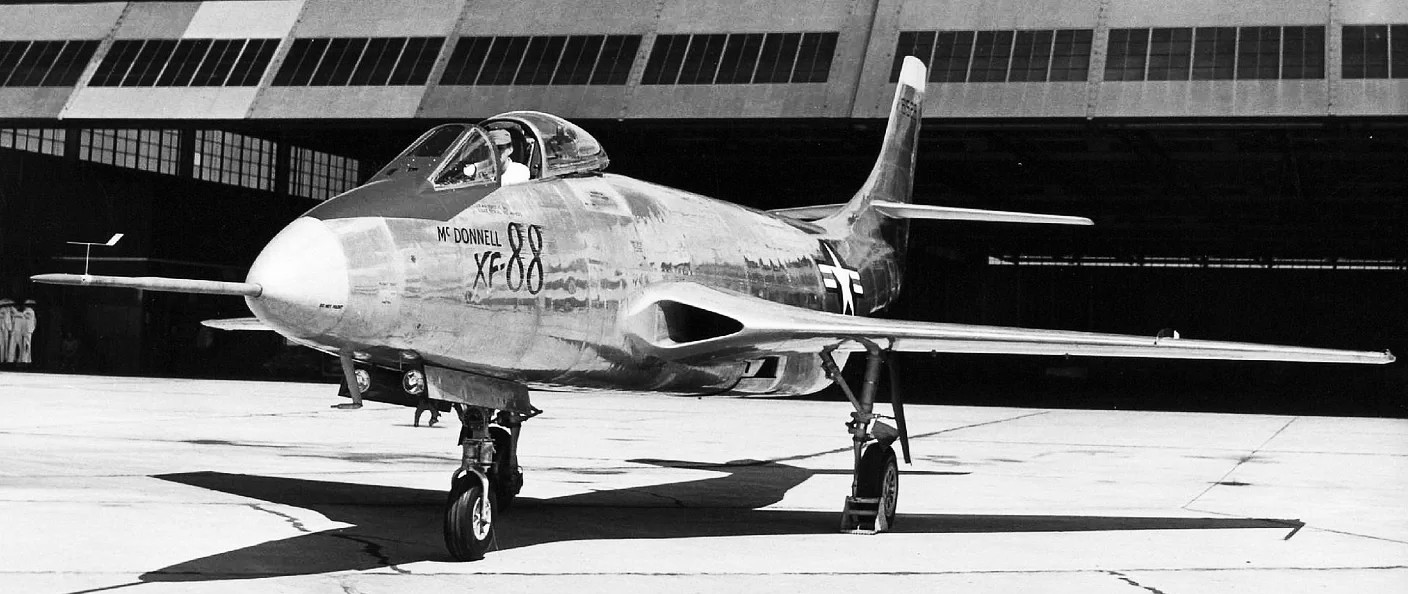
The first prototype XF-88 (Serial No. 46-525) was rolled out on 11 August 1948. It was taken out to Muroc Dry Lake for testing. It made its maiden flight on 20 October 1948, piloted by McDonnell chief test pilot Robert M. Edholm. The powerplants were a pair of 3000 lb.st. Westinghouse XJ34-WE-13 axial-flow turbojets mounted side-by-side in the lower center fuselage. No armament was fitted.
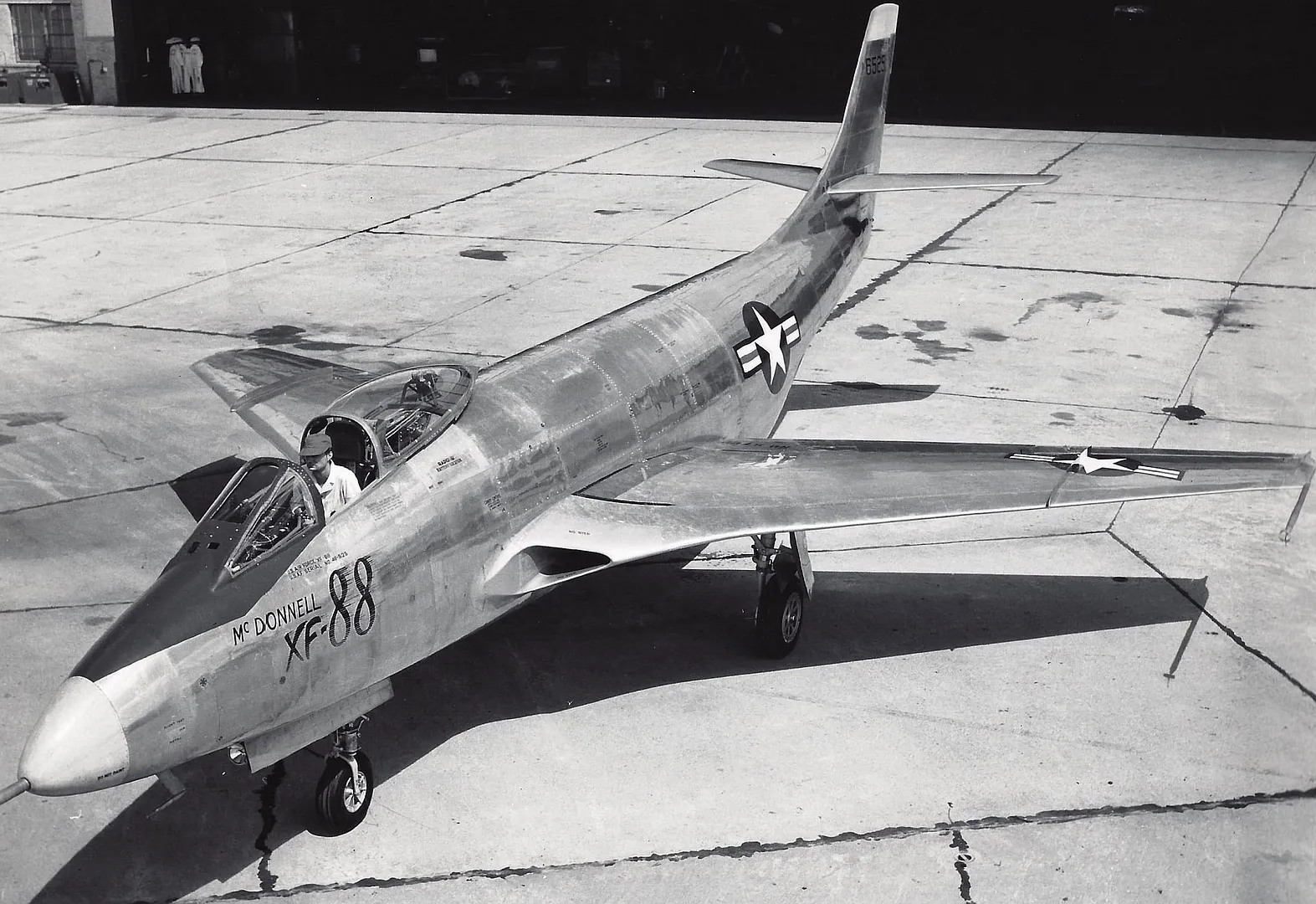
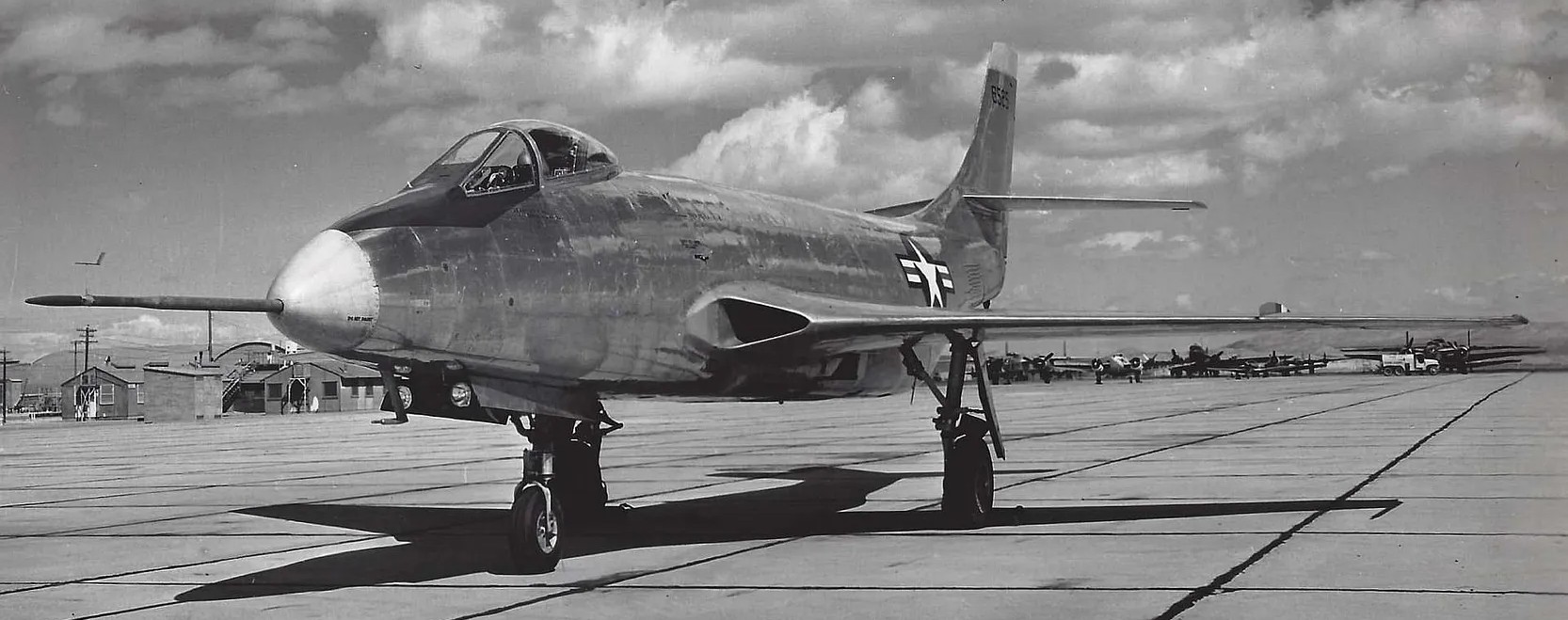
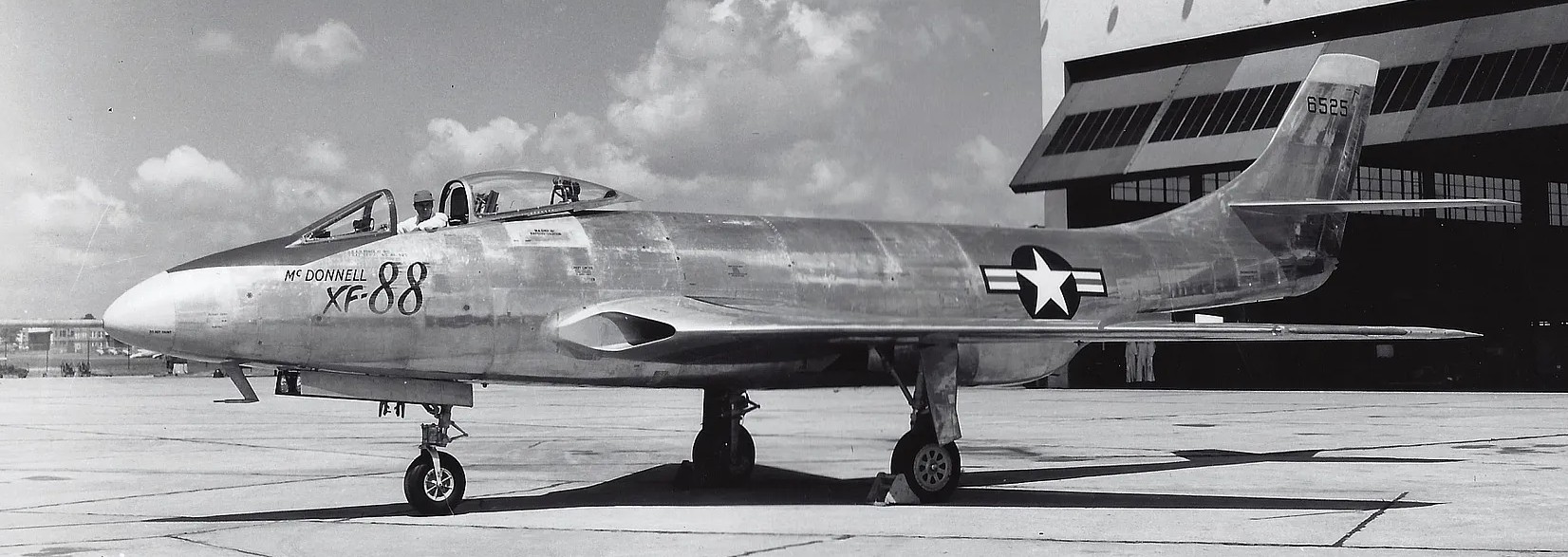
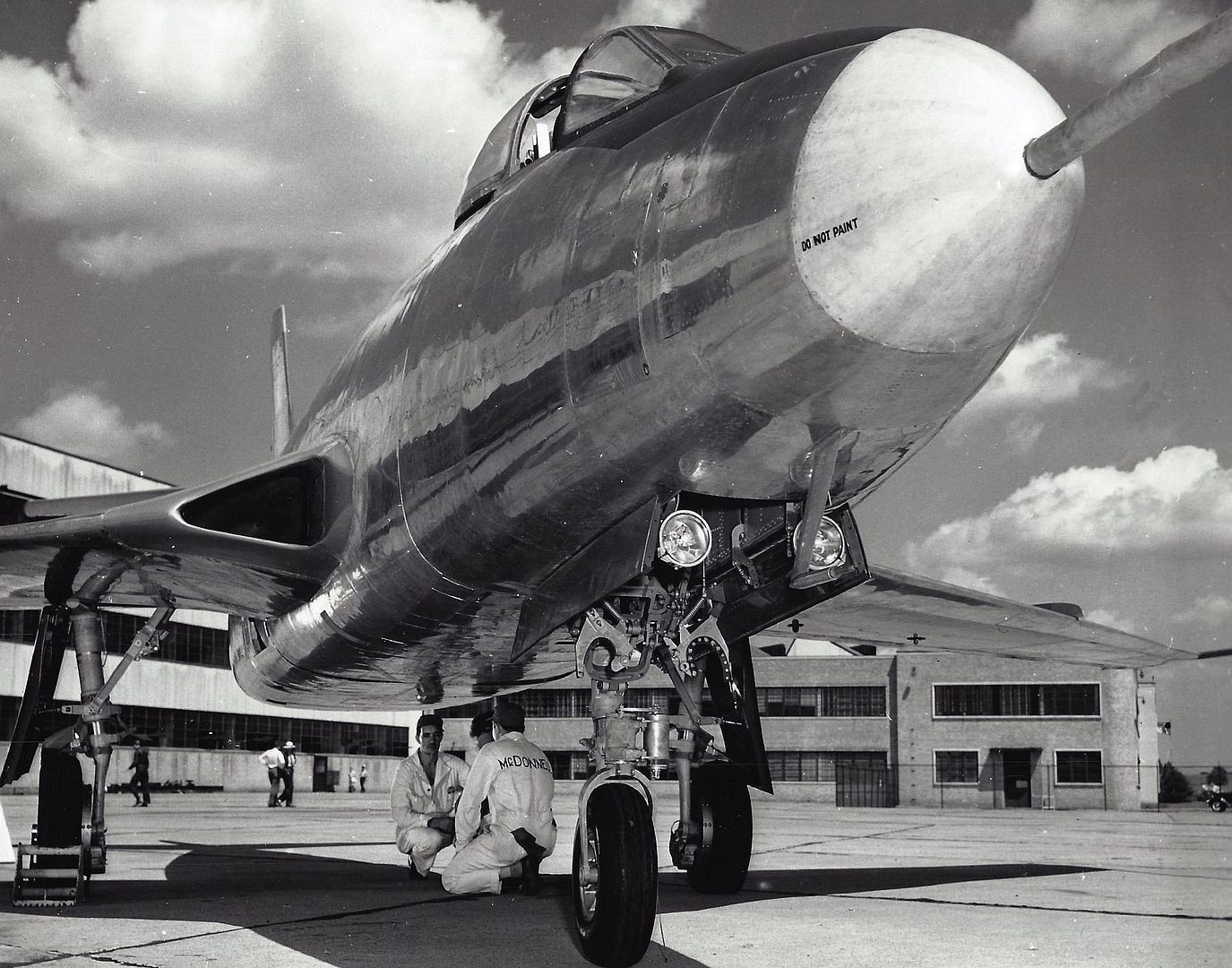
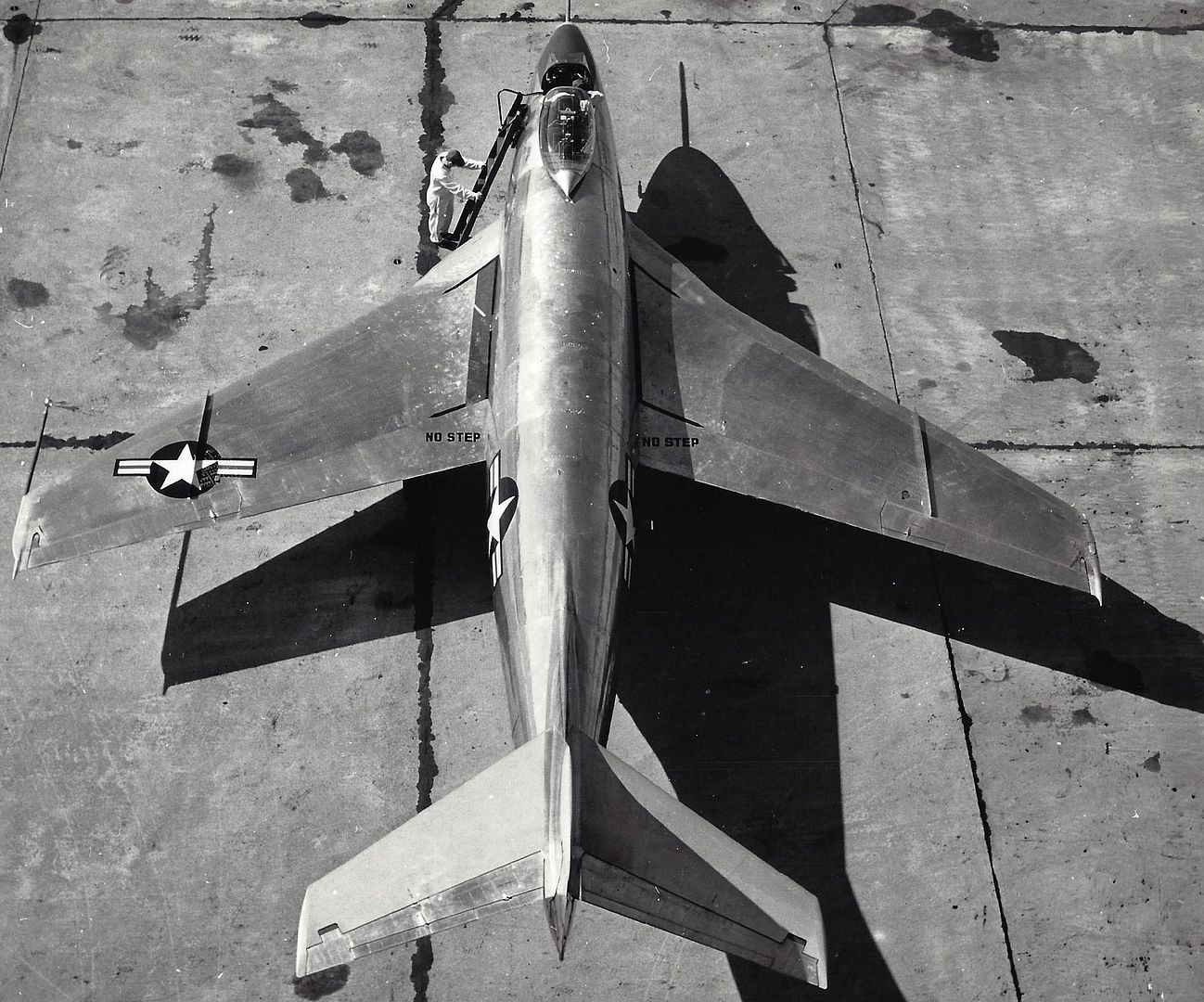
(USAF Photos)
McDonnell XF-88 Voodoo (Serial No. 46-525.
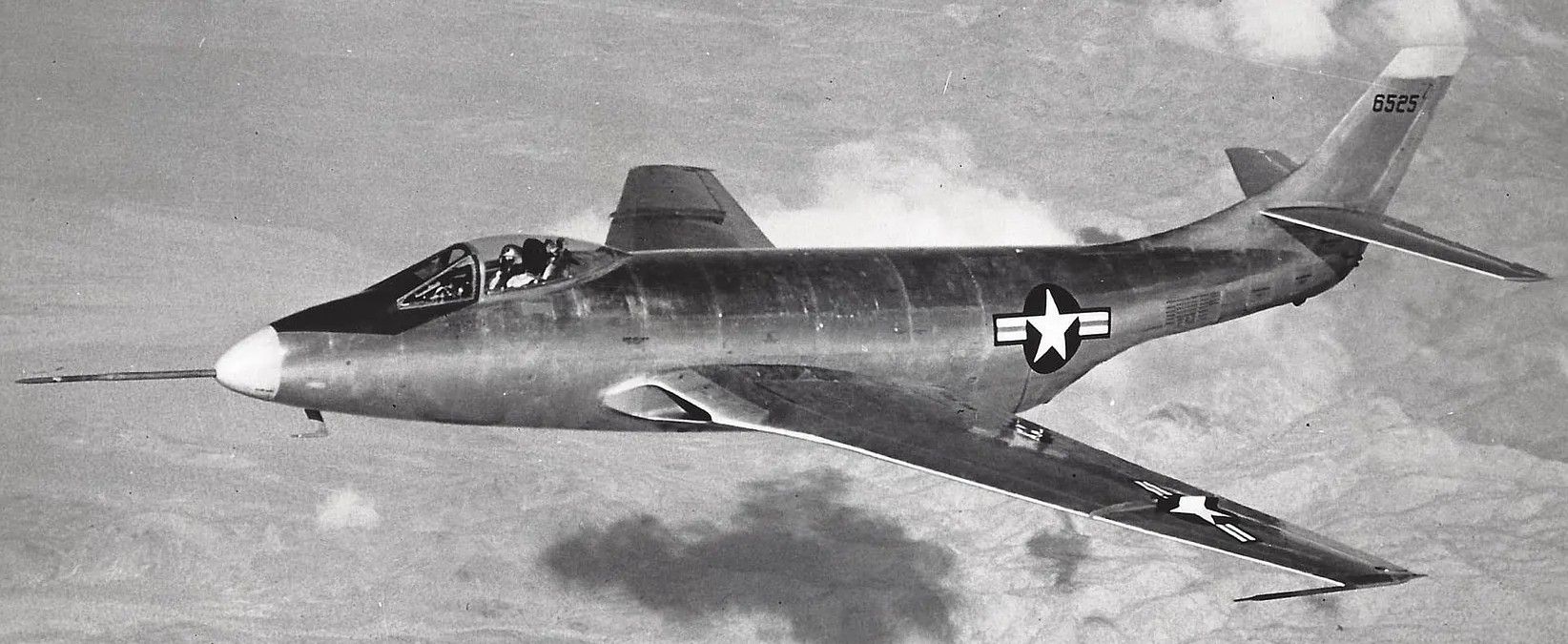
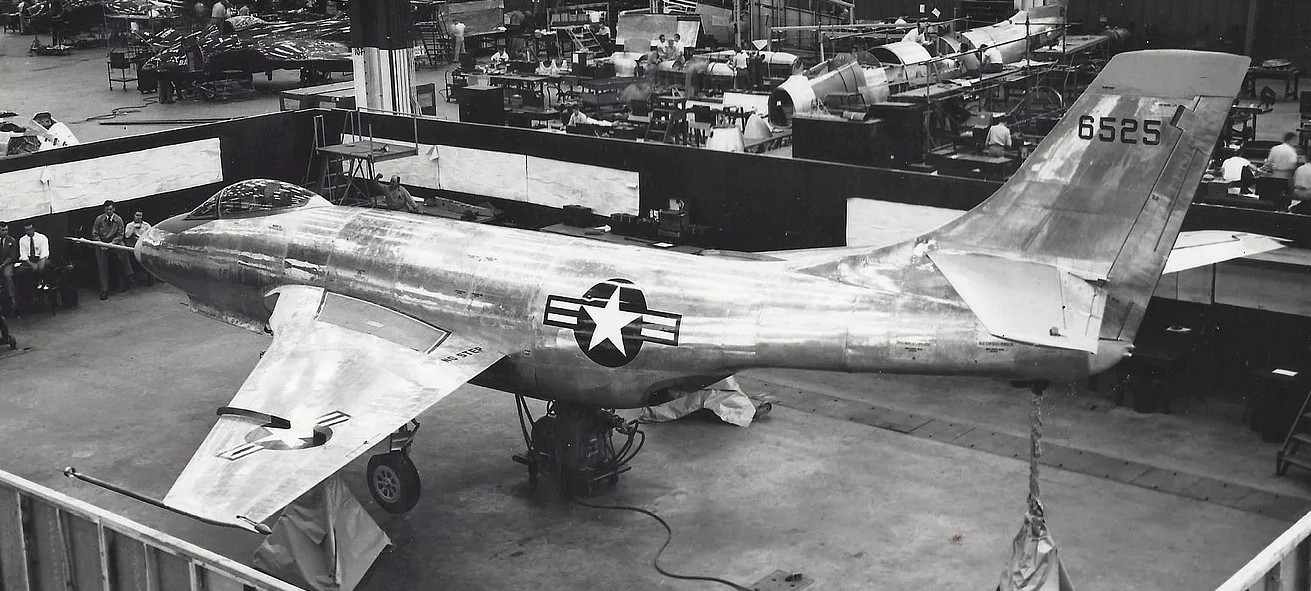
(USAF Photos)
McDonnell XF-88 Voodoo (Serial No. 46-525.
_turboprop_landing_060728-F-1234S-038.jpg)
(USAF Photo)
McDonnell XF-88B (Serial No. 46-525) turboprop landing.
.tiff.jpg)
.tiff.jpg)
.tiff.jpg)
(NASA Photos)
Propeller installed on McDonnell F88B Voodoo, 6 June 1957.
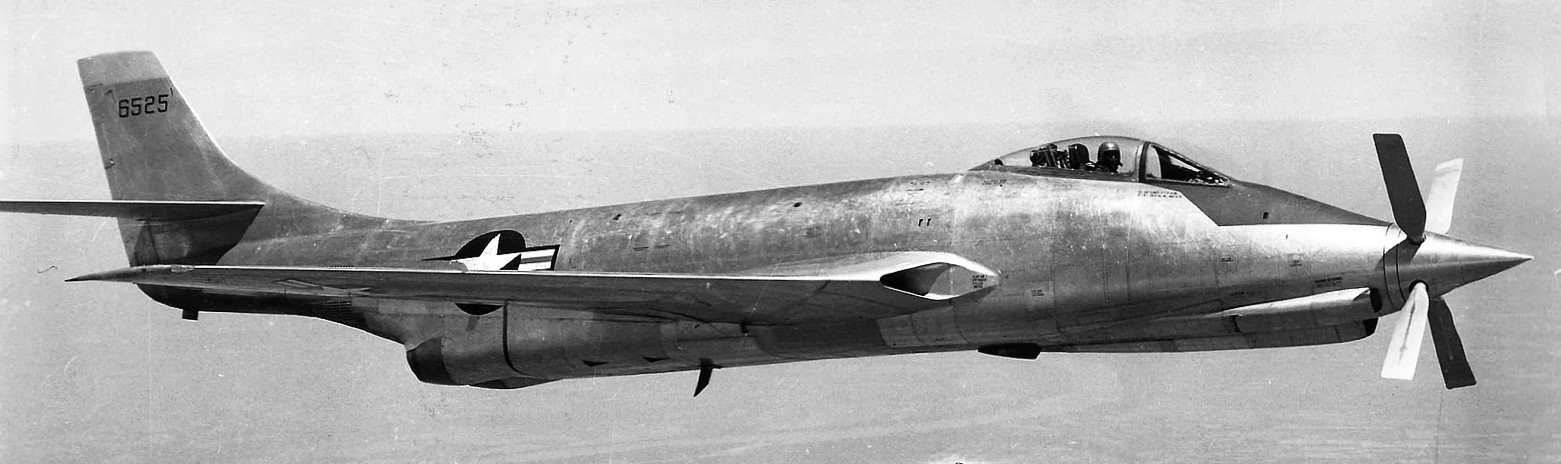
(USAF Photos)
McDonnell F88 (Serial No. 46-525).
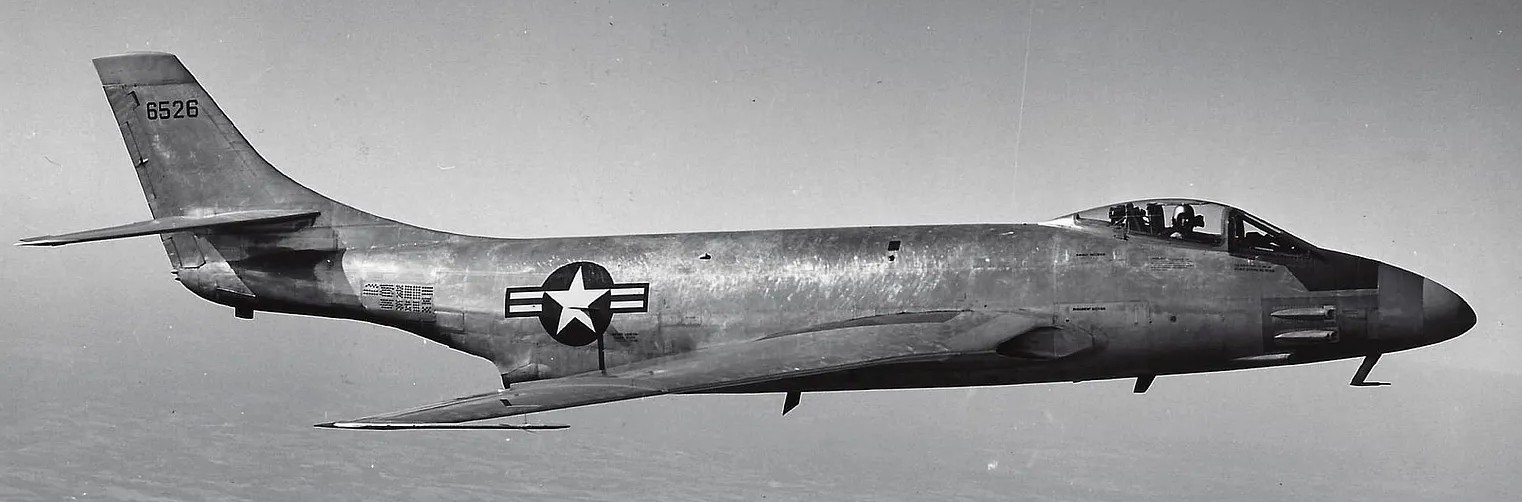
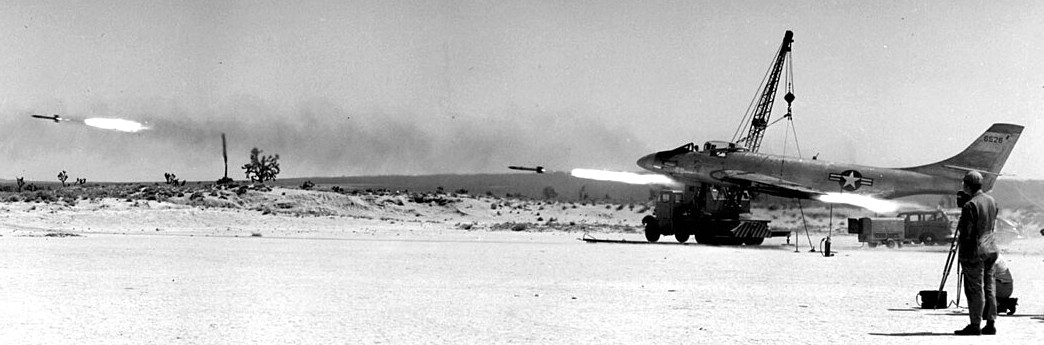
(USAF Photo)
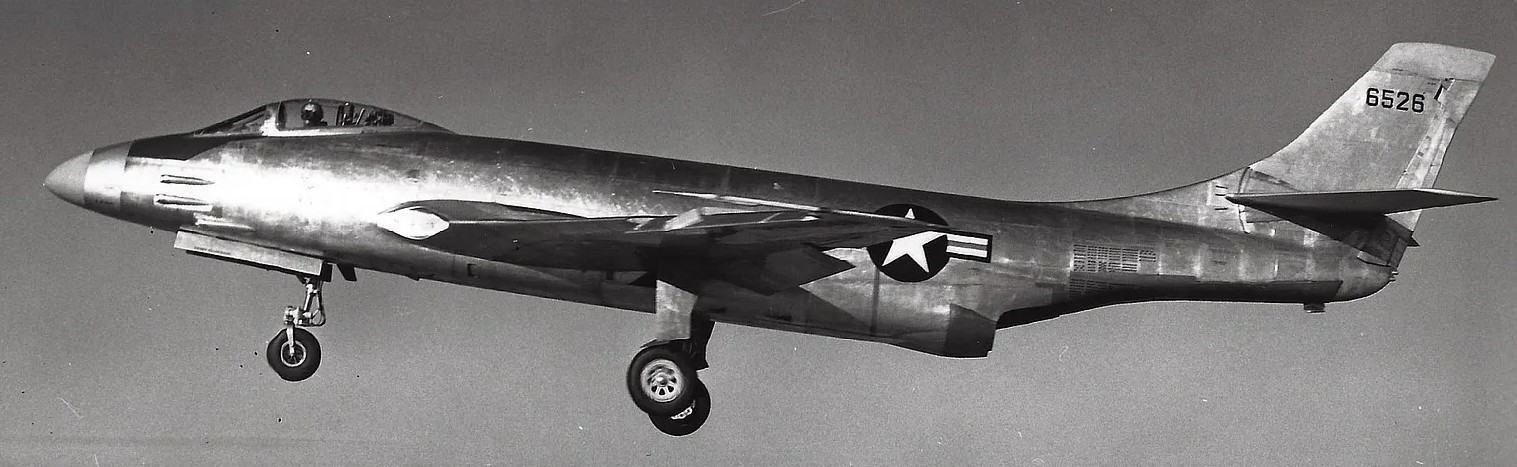
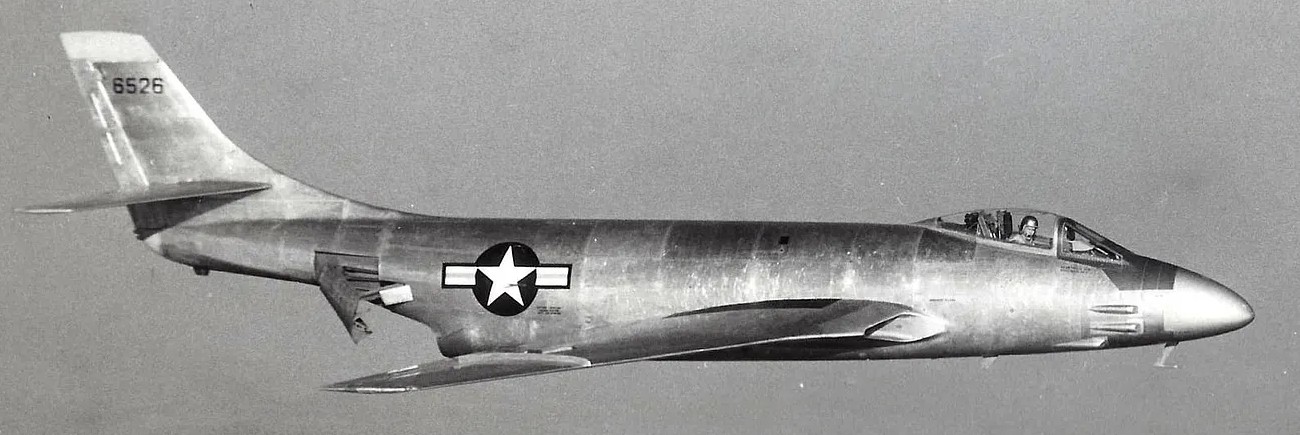
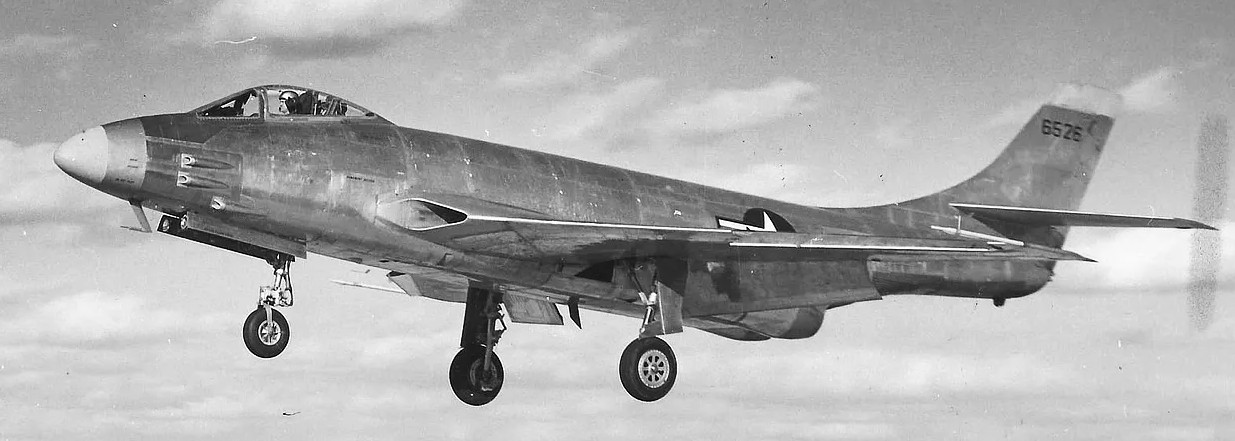
McDonnell XF-88 (Serial No. 46-526), second aircraft built) during a rocket armament test fire. The second prototype (Serial No. 46-526) was redesignated XF-88A, and was fitted with the afterburning XJ34-WE-15 engines. It was also fitted with bladder fuel cells in the wings to increase internal fuel capacity to 834 gallons. The XF-88A made its first flight on April 26, 1949. The performance improvement was apparent — maximum speed at sea level was almost 700 mph, time to climb to 30,000 feet was cut to 4 minutes, and takeoff run was reduced by 20 percent.
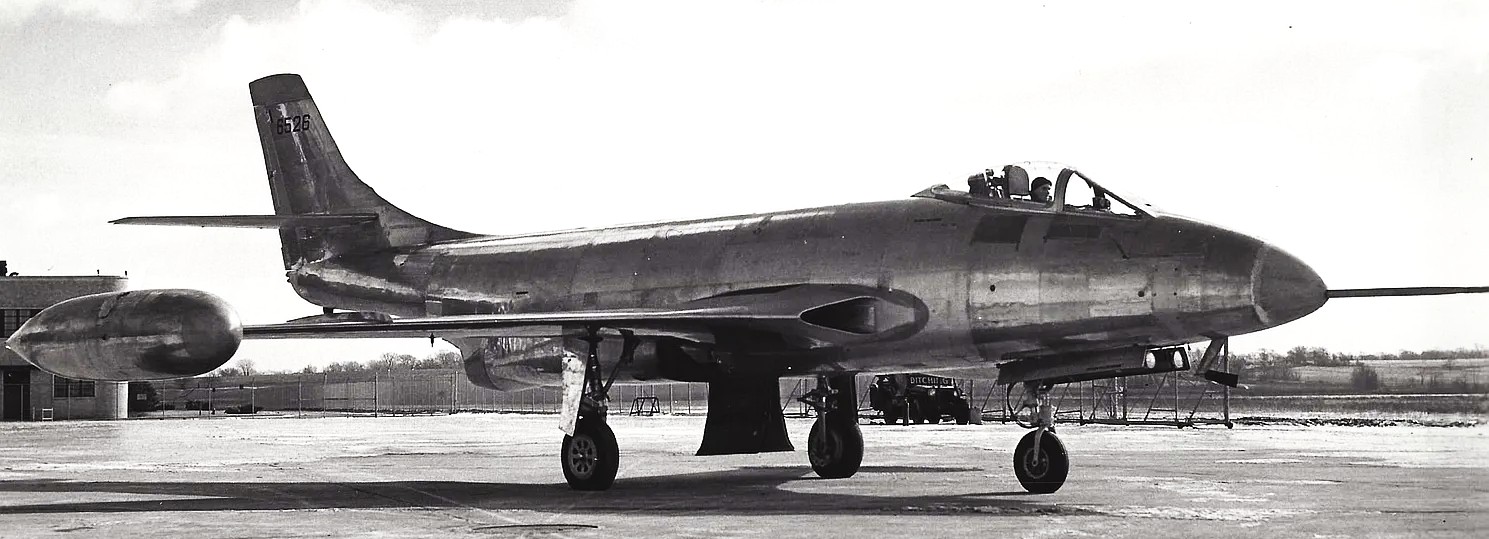
(USAF Photo)
McDonnell XF-88 (Serial No. 46-526).
â