
Fairey Barracuda, Royal Navy Fleet Air Arm, RAF, RCAF
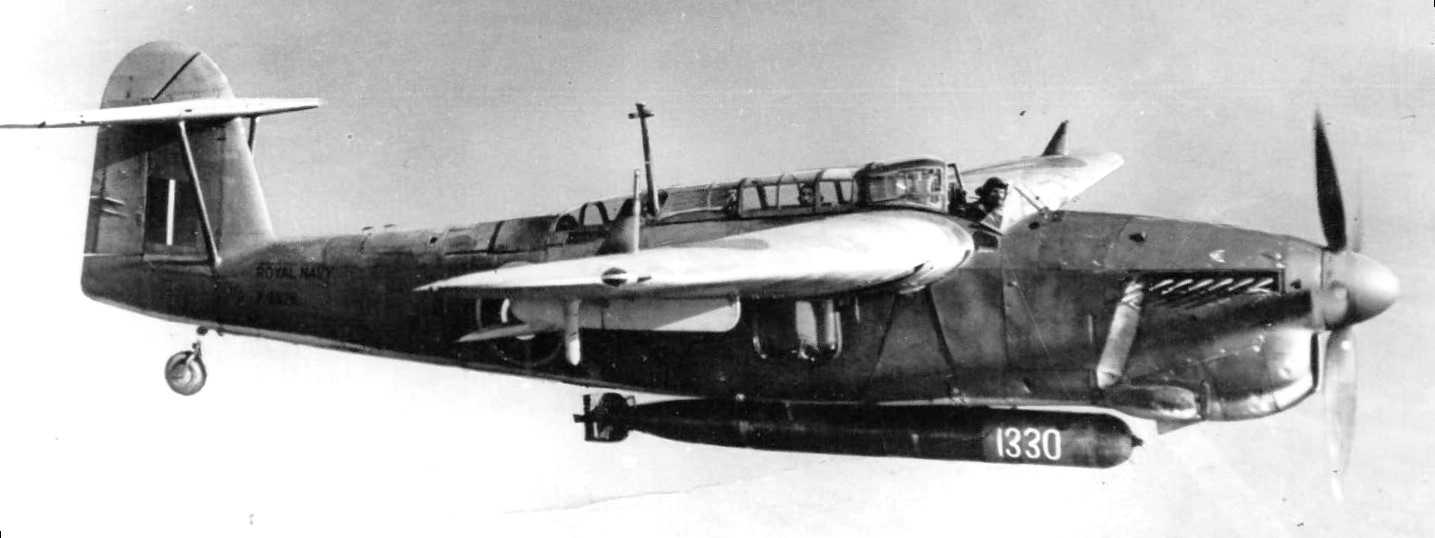
(IWM Photo, A20180)
Fairey Barracuda Mk. II carrying an 18-inch (46 cm) aerial torpedo. The ASV radar “Yagi” antennae are visible above the wings. Flown by RCN and RCNVR pilots in service with the Fleet Air Arm, Royal Navy.
The Fairey Barracuda was a British carrier-borne torpedo and dive bomber designed by Fairey Aviation. It was the first aircraft of this type operated by the Fleet Air Arm (FAA) of the Royal Navy to be fabricated entirely from metal.
The Barracuda was developed as a replacement for the Fairey Albacore biplanes. Development was protracted due to the original powerplant intended for the type, the Rolls-Royce Exe, being cancelled. It was replaced by the less powerful Rolls-Royce Merlin engine. On 7 December 1940, the first Fairey prototype conducted its maiden flight. Early testing revealed it to be somewhat underpowered. The definitive Barracuda Mk II had a more powerful model of the Merlin engine, while later versions were powered by the larger and even more powerful Rolls-Royce Griffon engine. The type was ordered in bulk to equip the FAA. In addition to Fairey’s production line, Barracudas were also built by Blackburn Aircraft, Boulton Paul and Westland Aircraft.
The type participated in numerous carrier operations during the conflict, in the Atlantic Ocean, Mediterranean Sea and the Pacific Ocean against the Germans, Italians and Japanese respectively during the latter half of the war. One of the Barracuda’s most noteworthy engagements was Operation Tungsten, a mass attack upon the German battleship Tirpitz on 3 April 1944. In addition to the FAA, the Barracuda was also used by the Royal Air Force, the Royal Canadian Navy, the Dutch Naval Aviation Service and the French Air Force. After its withdrawal from service during the 1950s, no intact examples of the Barracuda were preserved despite its once-large numbers, although the Fleet Air Arm Museum has ambitions to assemble a full reproduction. (Wikipedia)
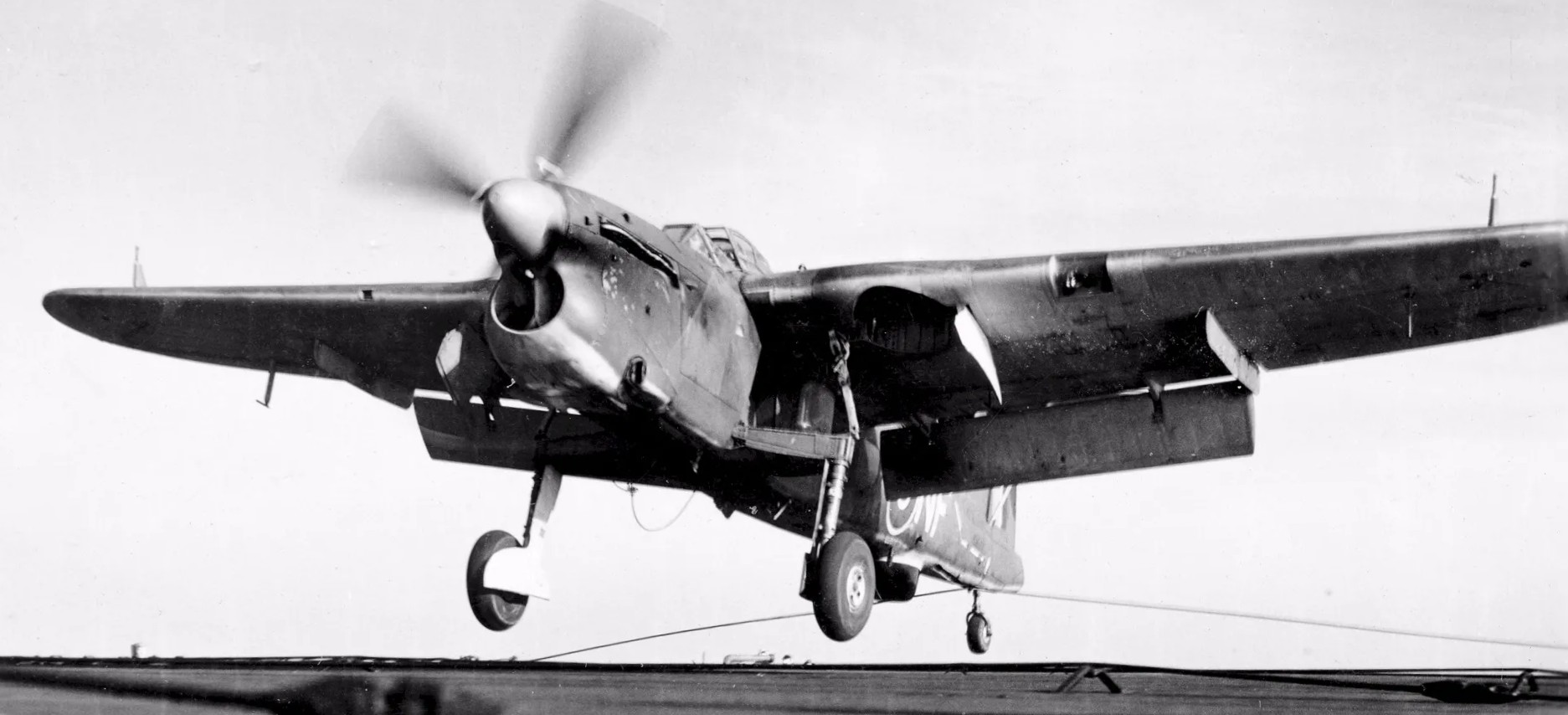
(RN Photo)
Fairey Barracudas landing on HMS Puncher after a minelaying operation in Haugesund Fjord, Norway, 22 Feb 1945.
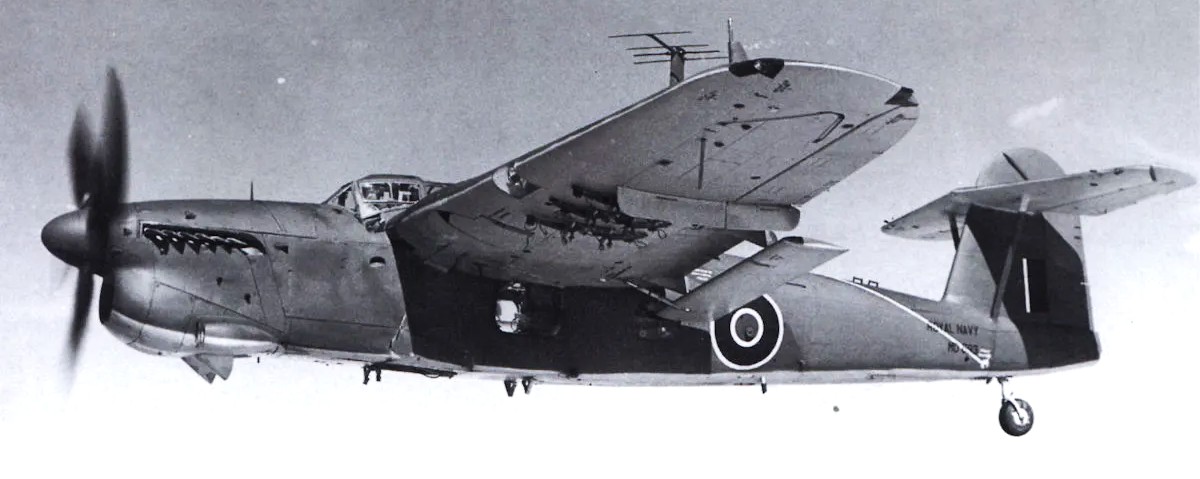
(RN Photo)
Fairey Barracuda.
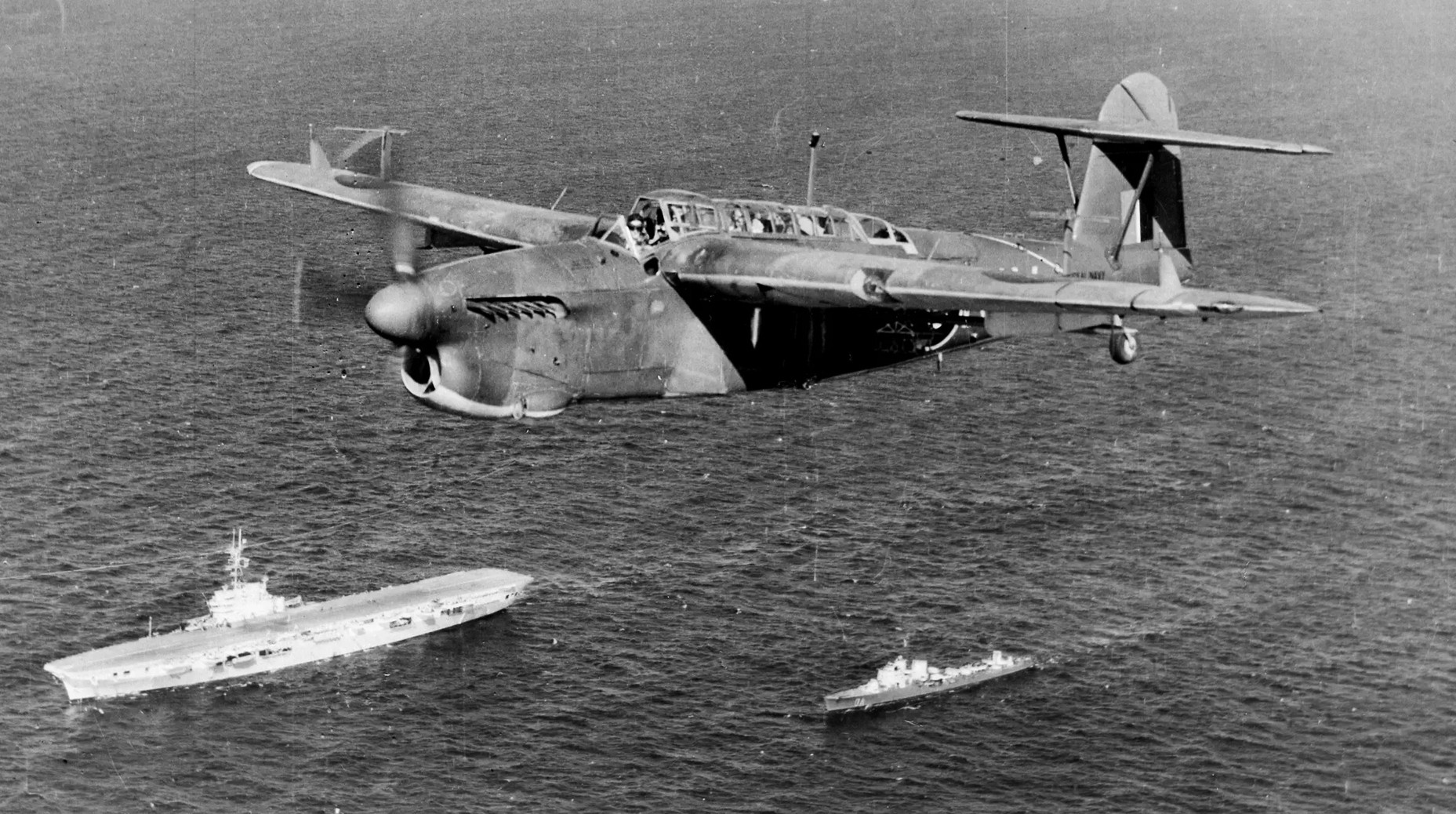
(RN Photo)
Fairey Barracuda Mk. II (Serial No. LS931), in storage, Cobham Hall, Fleet Air Arm Museum, Yeovilton, Ilchester, Somerset.
(World War Photos)
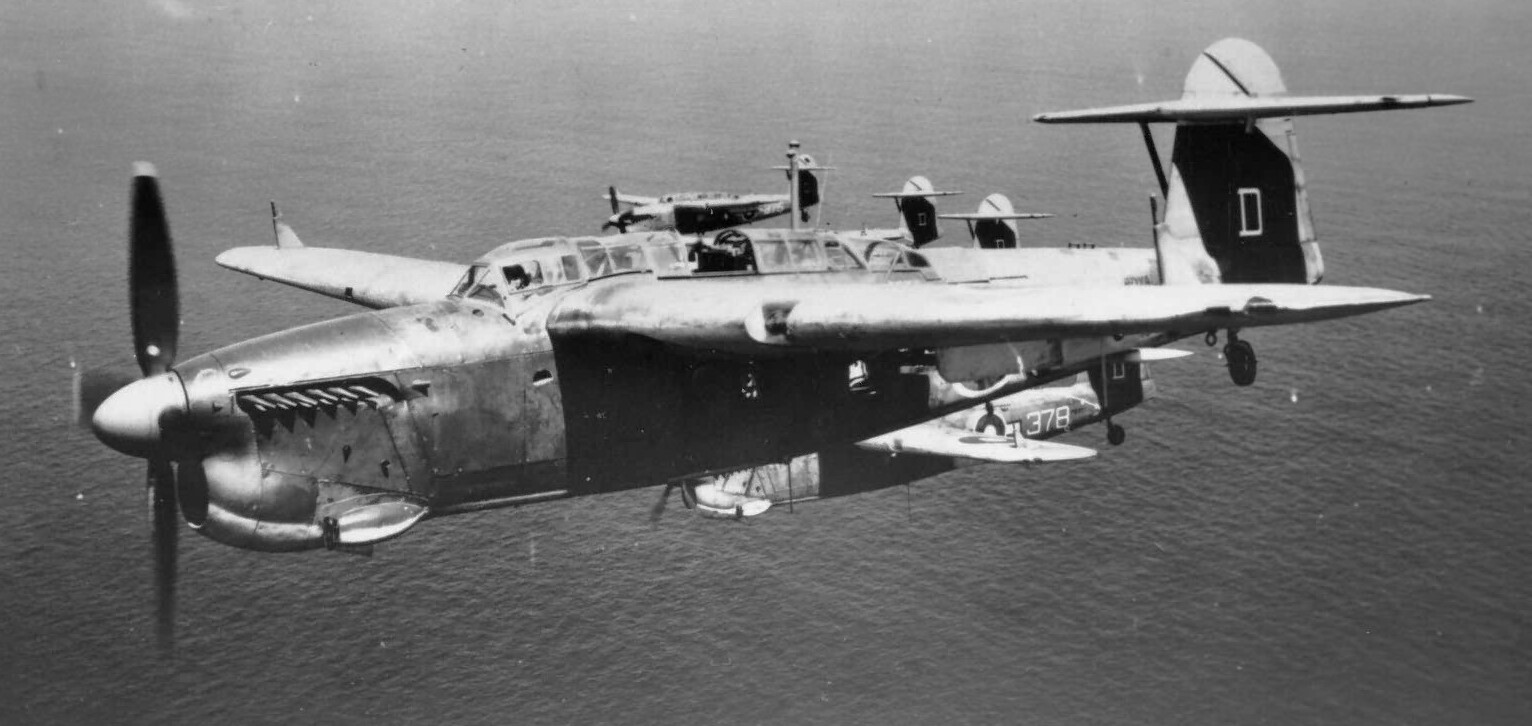
Fairey Barracuda, No. 812 Squadron, HMS Indomitable in the Far East.
(IWM Photo, A 23275)
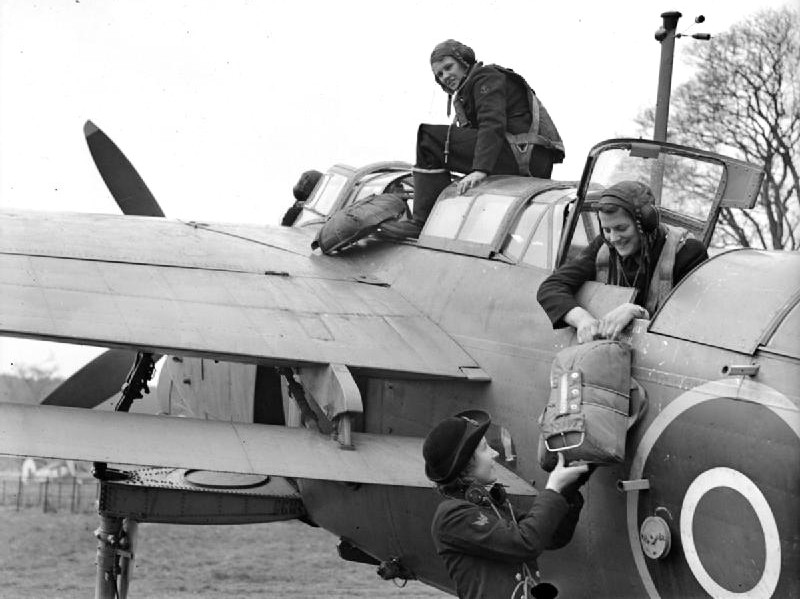
The Women’s Royal Naval Service (WRNS) Radar Mechanics preparing for a radar test flight in a Fleet Air Arm Fairey Barracuda at Royal Naval Air Station Donibristle.
(World War Photos)
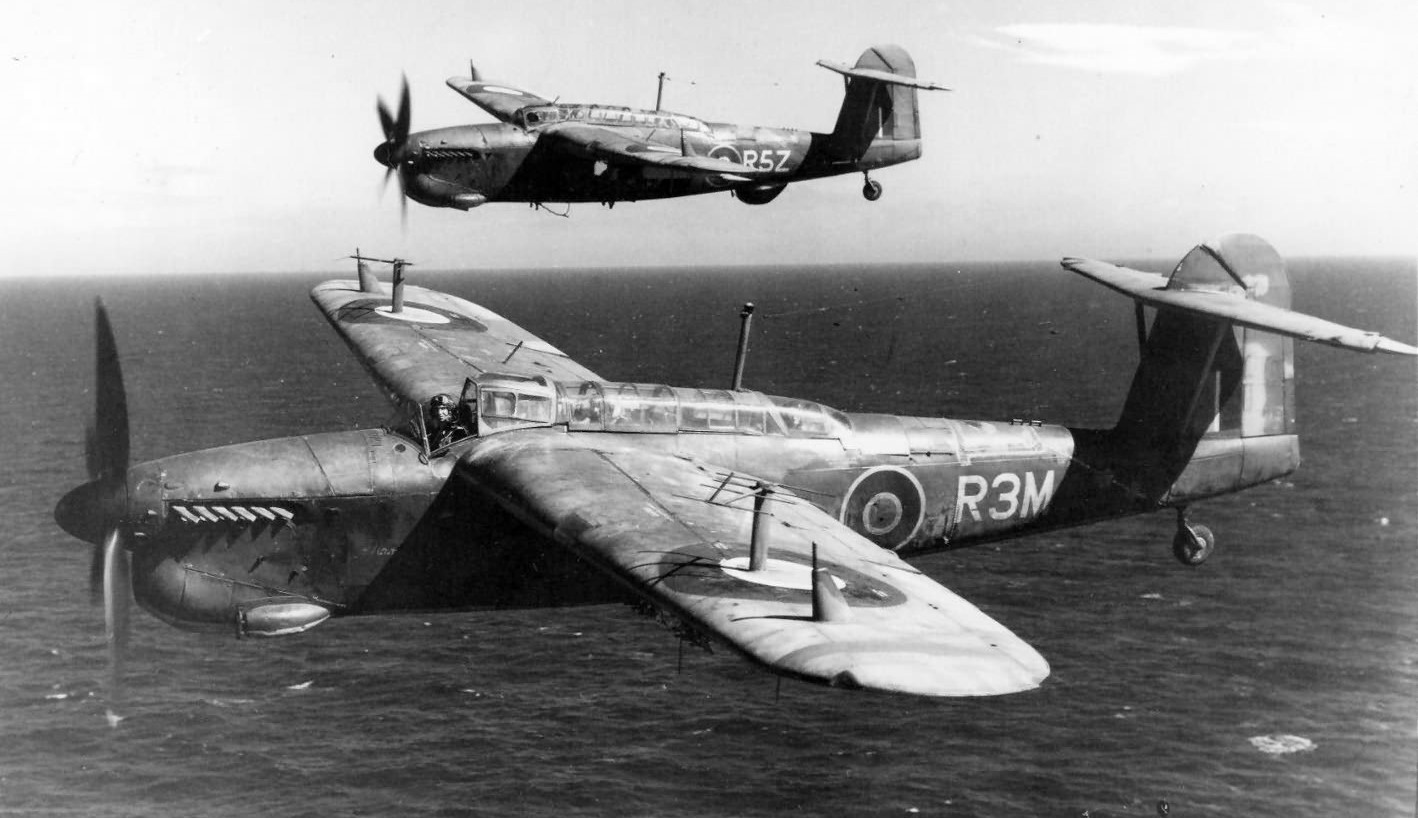
Fairey Barracuda Mk. II (Serial No. MD892), coded R3M, in flight with R5Z.
(RN Photo)
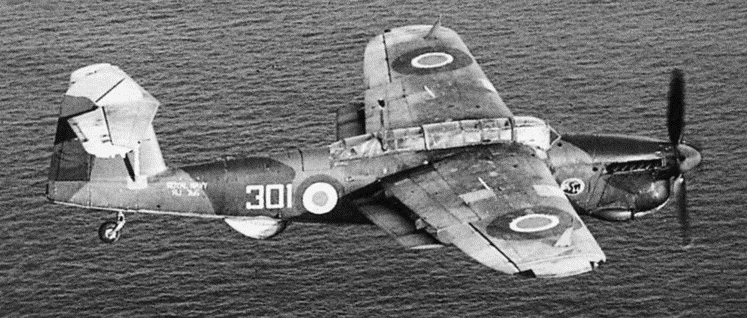
Fairey Barracuda Mk.III is essentially the same aircraft as the Mk.II, with very few modifications made to the actual aircraft itself. The main change was the addition of a new radar in a bulge underneath the rear fuselage. The radar was the ASV Mk.III air-to-surface radar.
(Royal Navy Photo)
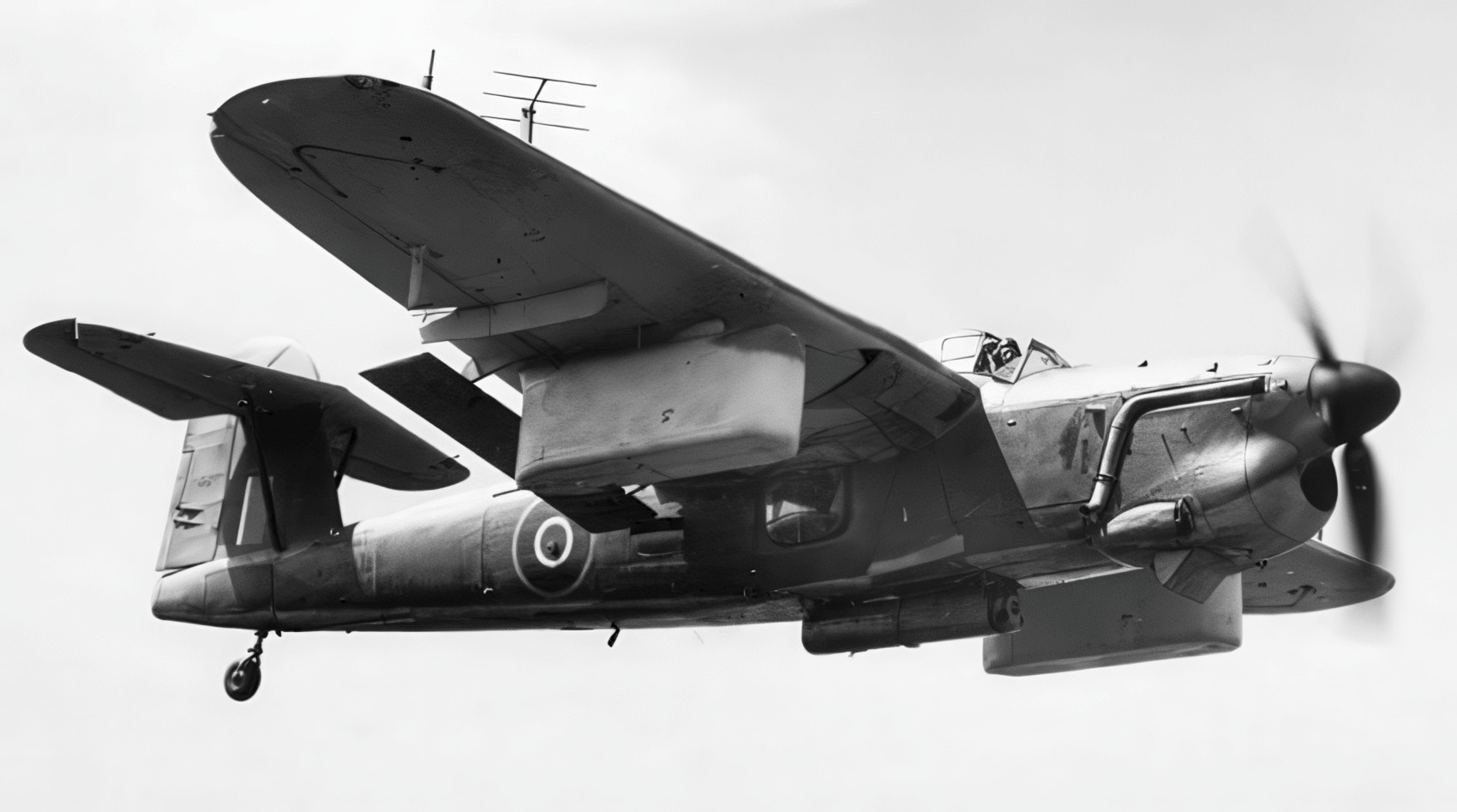
Fairey Barracuda Mk. II (Serial No. P9795G) being test flown with underwing Cuda Floats. These were intended to carry a paratrooper, while a container under the fuselage contained equipment. Although trialed successfully, they were not deployed operationally.
(RN Photo)
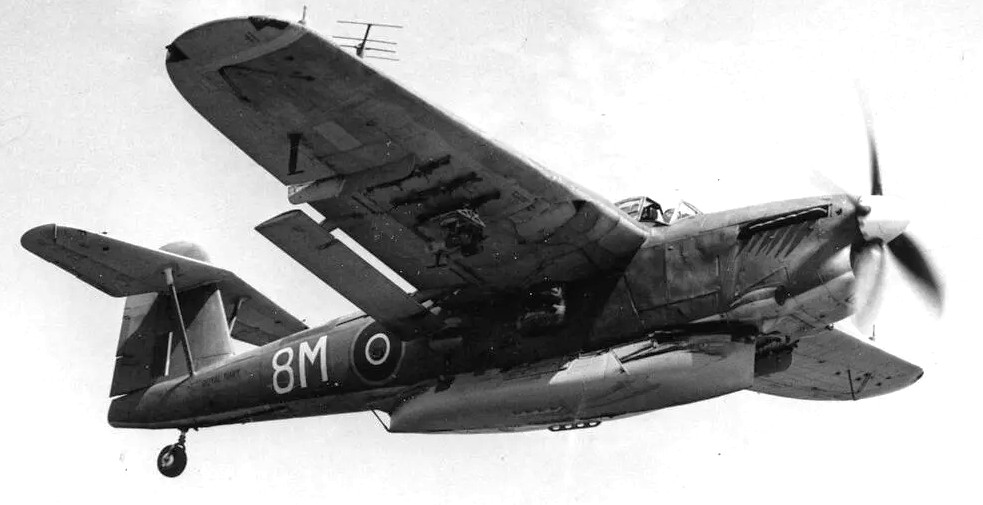
A Fairey Barracuda Mk. III carrying a lifeboat during a demonstration drop off Lee-on-Solent, UK.
(IWM Photo, A 28846)
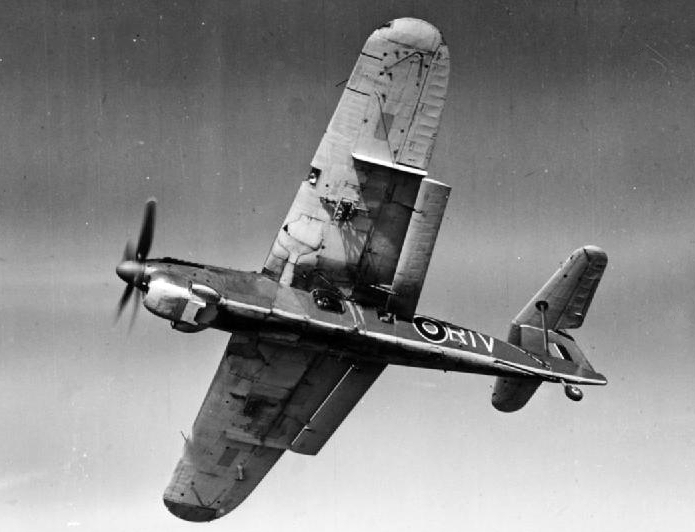
Fairey Barracuda II aircraft of No. 814 Squadron, Fleet Air Arm banking, showing clearly the observer’s blister, the distinctive dive brakes, the high tail plane, and (below the blister) one of the lugs in which the accelerator/catapult engages. Photograph taken from the aircraft carrier HMS Venerable (R63).
Fairey Barracuda Mk. II (Serial No. DP872), in storage, Cobham Hall, Fleet Air Arm Museum, Yeovilton, Ilchester, Somerset.
(IWM Photo 25086)
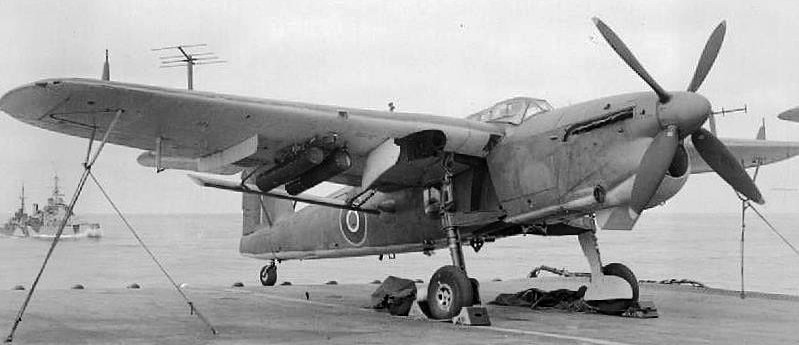
Fairey Barracuda of 820 Squadron, Fleet Air Arm, HMS Indefatigable.
(RN Photo)
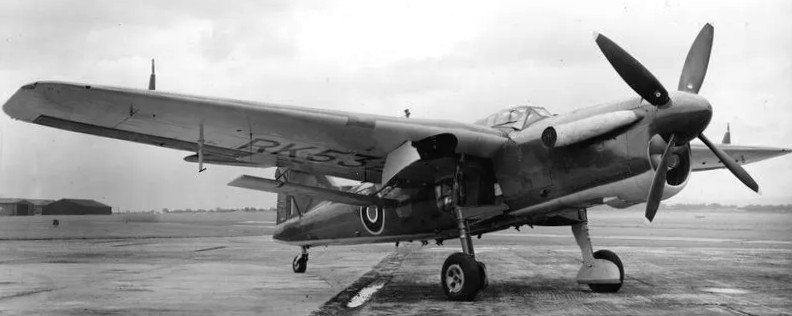
Fairey Barracuda T.R. Mk. V.
The National Museum of the Royal Navy (NMRN) is restoring a complete Fairey Barracuda. To be reconstructed from surviving aircraft parts from crash sites across the British Isles. (NMRN)