
AgustaWestland CH-149 Cormorant
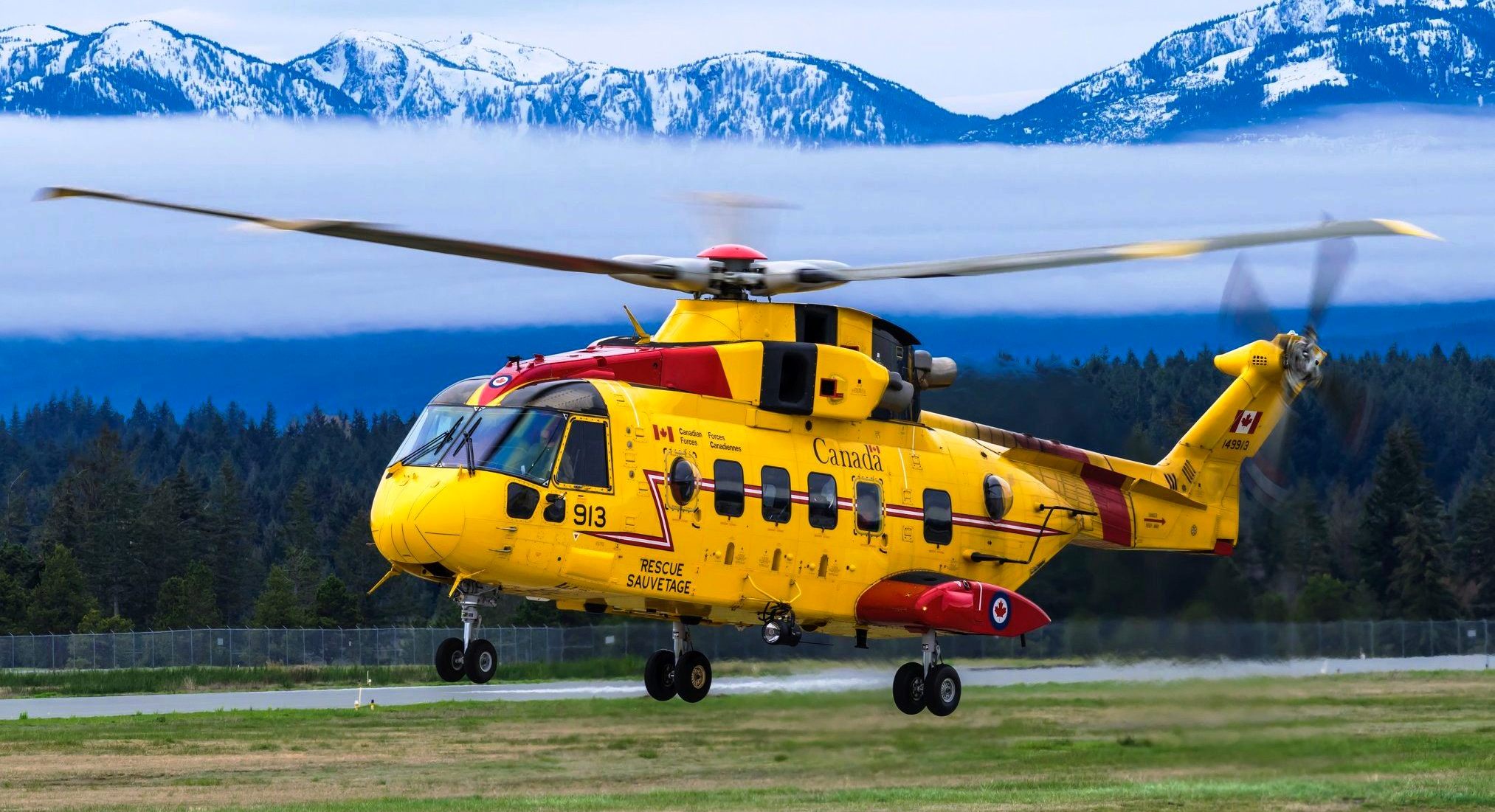
(Mike Kaehler Photo)
AgustaWestland CH-149 Cormorant, RCAF (Serial No. 149913), No. 442 Transport and Rescue Squadron, over Comox, British Columbia, 2019.
AgustaWestland CH-149 Cormorant, (15), (Serial Nos. 149901-149915).
The AgustaWestland CH-149 Cormorant is the Canadian Forces designation for the AgustaWestland AW101, a helicopter used for air-sea rescue in Canada. Developed as a joint venture between Westland Aircraft in the UK and Agusta in Italy, the CH-149 is a medium-lift helicopter for military applications. The Cormorant can carry up to 12 stretchers or a load of 5,000 kilograms. Its advanced systems provide a stable hover for critical hoisting operations. It has helped rescue mountain climbers, lost hikers, ship crews and more.
The Cormorant is flown by RCAF 103 Search and Rescue Squadron, 413 Transort and Rescue Squadron and 442 Transport and Rescue Squadron.
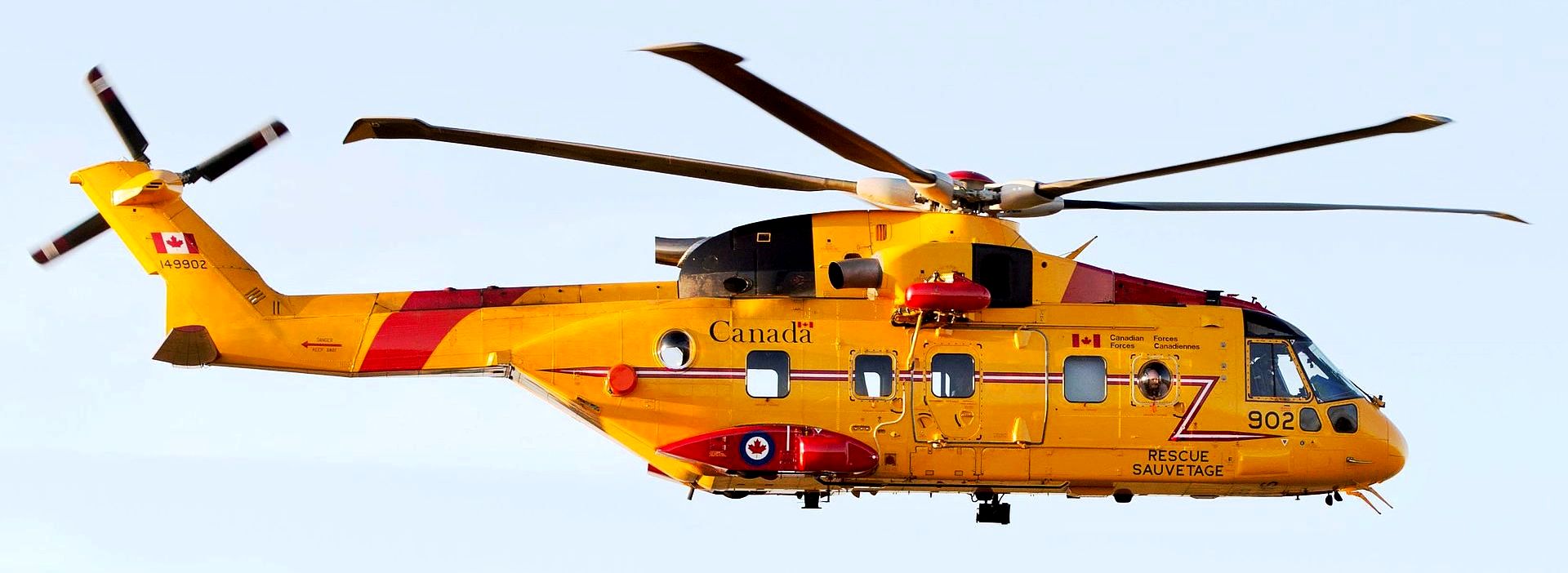
(Korona4Reel Photo)
AgustaWestland CH-149 Cormorant, RCAF (Serial No. 149902), No. 413 Transport and Rescue Squadron, CFB Greenwood, Nova Scotia, 7 Aug 2013.
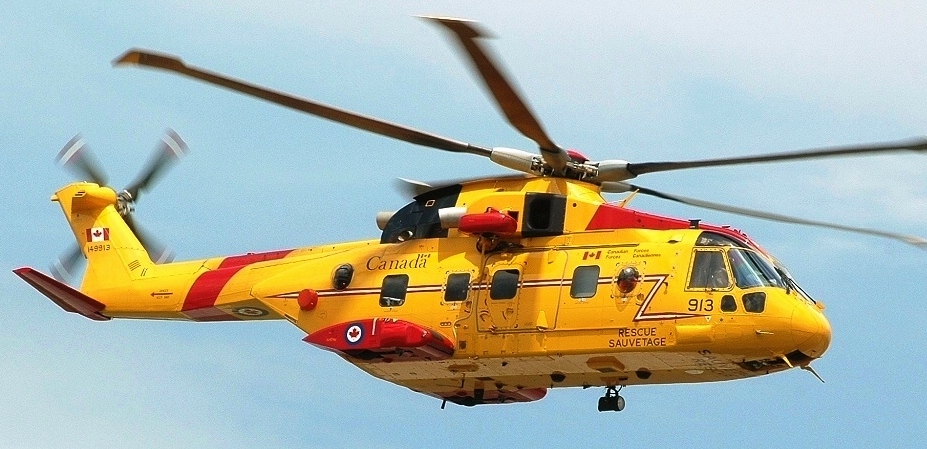
(John Davies Photo)
AgustaWestland CH-149 Cormorant, RCAF (Serial No. 149913).
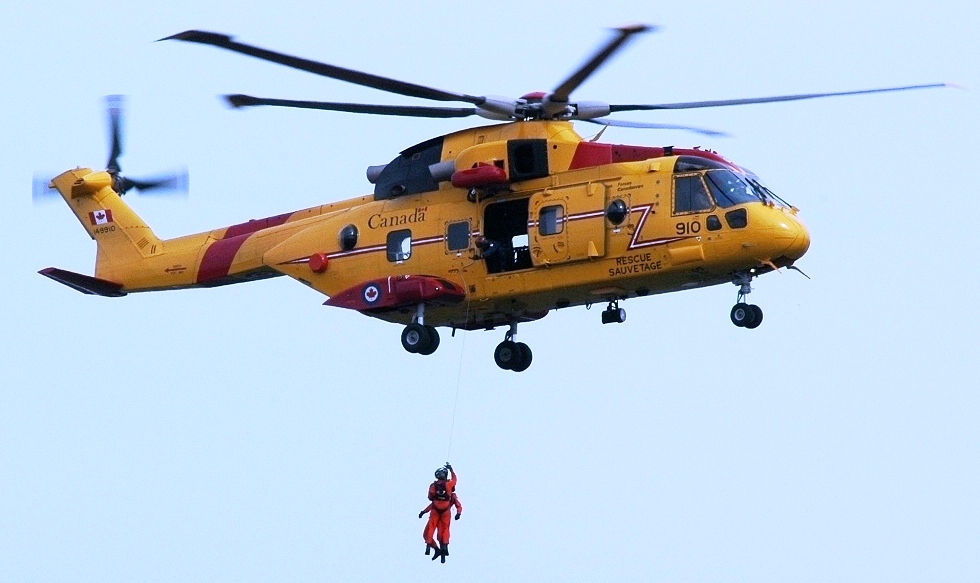
(John Davies Photo)
AgustaWestland CH-149 Cormorant, RCAF (Serial No. 149910).
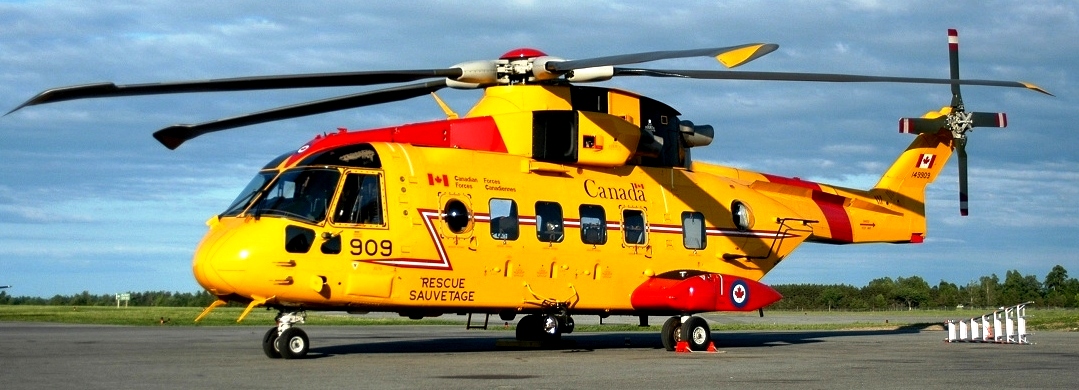
(John Davies Photo)
AgustaWestland CH-149 Cormorant, RCAF (Serial No. 149909).
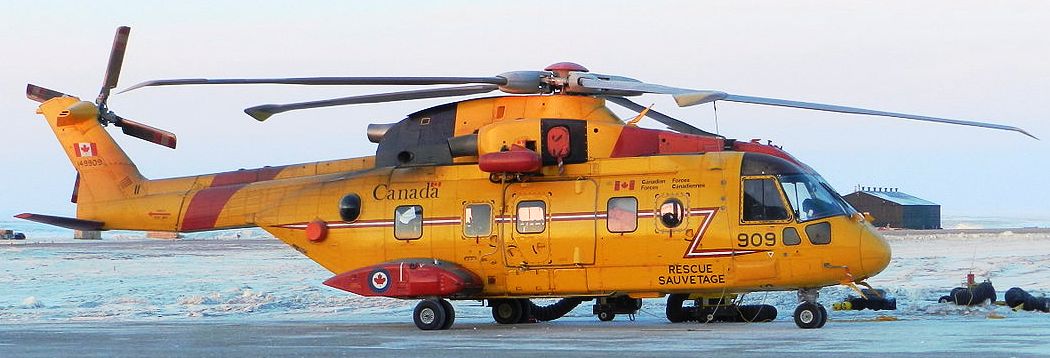
(CambridgeBayWeather Photo)
AgustaWestland CH-149 Cormorant, RCAF (Serial No. 149909).
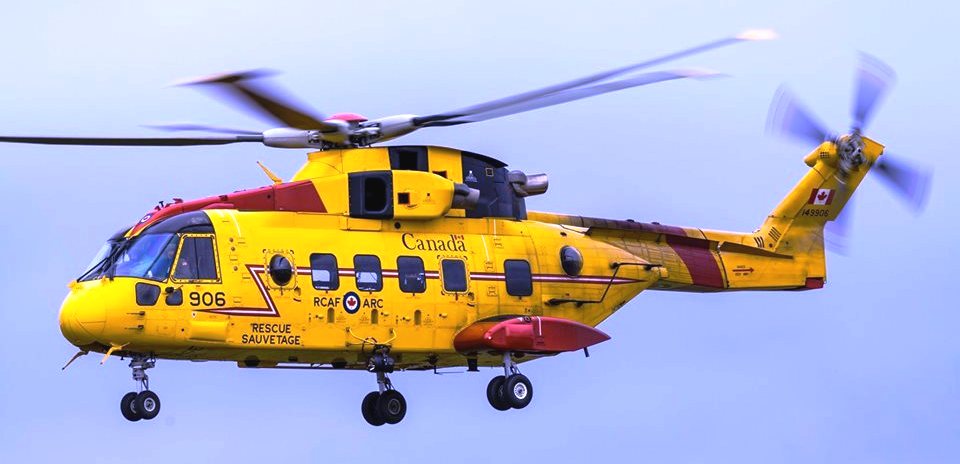
(Mike Kaehler Photo)
AgustaWestland CH-149 Cormorant, RCAF (Serial No. 149906), No. 442 Transport and Rescue Squadron, over Comox, British Columbia, 2019.
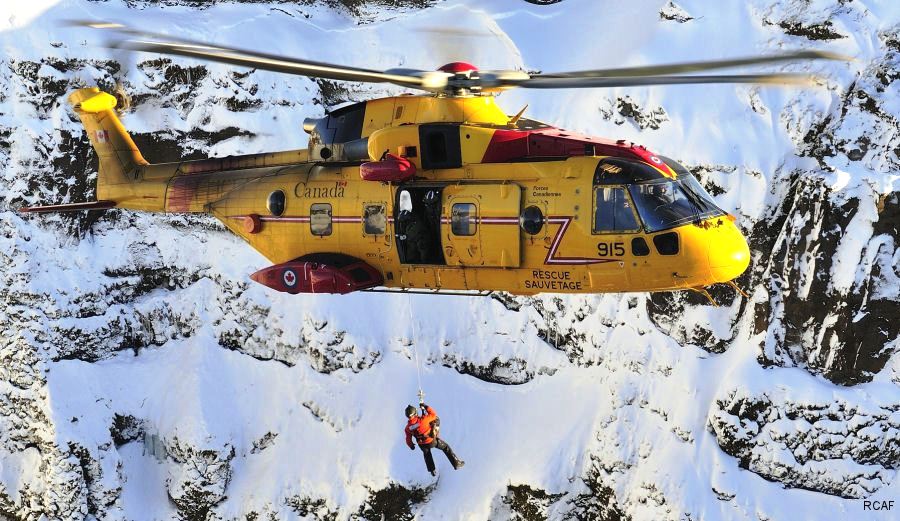
(RCAF Photo)
AgustaWestland CH-149 Cormorant, RCAF (Serial No. 149915).
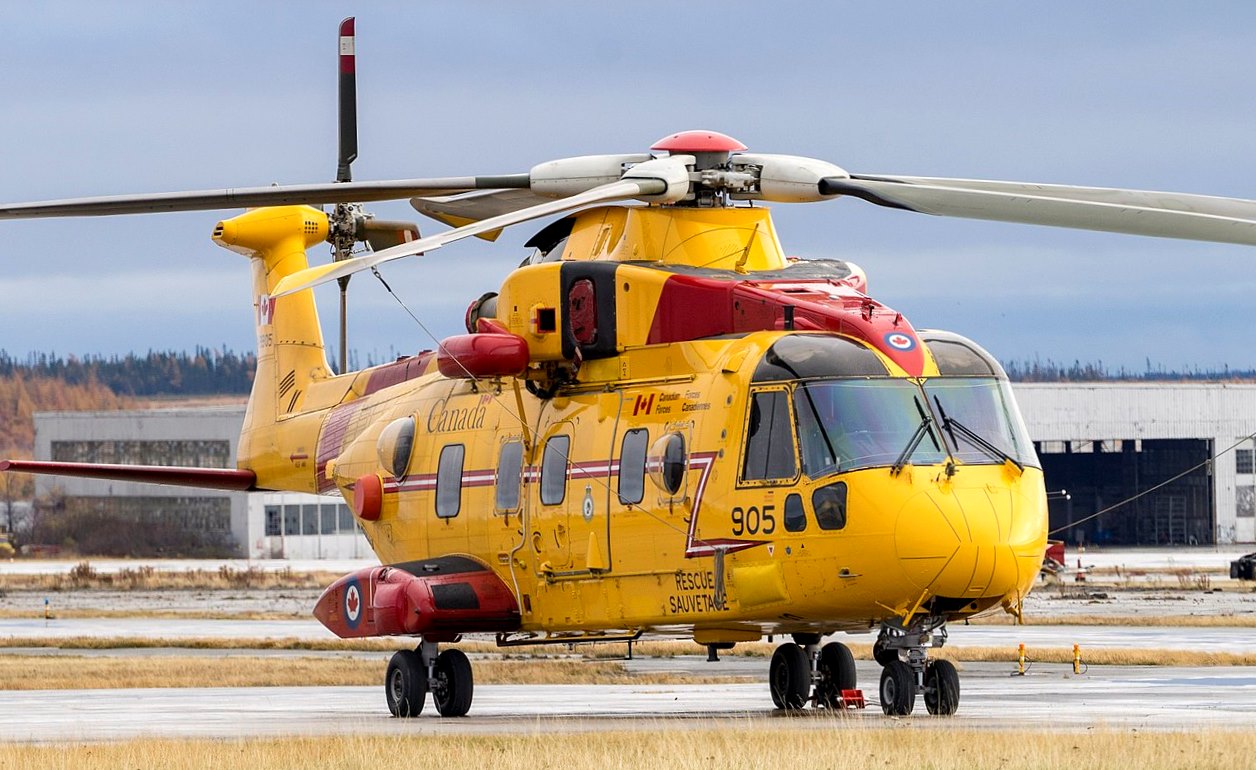
(Shhewitt Photo)
AugustaWestland CH-149 Cormorant stationed at 103 SAR Base in Gander, Newfoundland, 31 Oct 2017.

5 thoughts on “Canadian Warplanes 7: AgustaWestland CH-149 Cormorant helicopter”
Thank you!
Good day! This is kind of off topic but I need some
advice from an established blog. Is it tough to
set up your own blog? I’m not very techincal but I can figure things out pretty
fast. I’m thinking about creating my own but I’m not sure
where to begin. Do you have any ideas or suggestions? Thanks
Hi, Contact our website designer, Karina, listed on the home page – she can help.
Hi Harold, thank you for this detailed breakdown of the CH-149! I’ve been following your Canadian Warplanes series closely. As a military history enthusiast planning to spend some time in Europe soon to see some of these AgustaWestland variants in person, I was wondering if you had any advice on the logistical side of staying abroad for research? I actually came across some interesting relocation insights at https://creativelivingabroad.com/blog.html that got me thinking about the practicalities of long-term stays for historians. Do you usually coordinate your international research trips through specialized consultants, or do you manage the local red tape yourself? Keep up the great work!
Hi Pam, if you have a military family connection, staying at allied military bases in Europe can be very inexpensive – the rooms are basic – bed, bathroom, bring you own towels, but will do the job if you just need to get your head down (Internet service may be variable). If you don’t have a military connection, speak/e-mail the research facility you are looking to work with (The British Museum, the RAF Museum, the IWM etc., they may be able to recommend places to stay within walking distance that serve similar historians like yourself. Universities often have inexpensive space available in the summer (same in Canada). You can also look for Air BnB facilities close to a rail line outside the cities, that can provide far less expensive accommodations, and combined with rail fair would be far less expensive that staying in a city centre. So, step one, contact the places you plan to do your research by e-mail to start, and review their recommendations. If you have done any research in North America, contact colleagues for their recommendations. Also, do your homework before you get there. If what you are looking for is already online, save yourself some time and energy and focus on what you need answers to before you get there. Be careful not to get bogged down in administrivia (I spent too much time in the Sutton Hoo exhibit in the British Museum, and missed lots, same for the medieval section in the Military Museum in Istanbul). Know where you need to look before you get there, then get to it first before you get distracted by other fabulous finds. (John Lennon’s original score to “Let it Be” is only a few feet away from the Magna Carta when you enter the British Museum, and that rock you pass on the way is the Rosetta Stone.Good luck with your research! Hal sends