
Canada Aviation and Space Museum
Musée de l’Aviation et de l’Espace du Canada
Aeronca, Airspeed, Auster, Bellanca, Benson, Bleriot, Boeing, Bomarc, Bombardier, Borel, Bristol
The aircraft on display in the Canada Aviation and Space Museum, 11 Aviation Parkway in Ottawa are listed on this web stie in four parts.
The aim of this website is to locate, identify and document every historical Warplane preserved in Canada. Many contributors have assisted in the hunt for these aircraft to provide and update the data on this website. Photos are by the author unless otherwise credited. Any errors found here are by the author, and any additions, corrections or amendments to this list of Warplanes in Canada would be most welcome and may be e-mailed to the author at hskaarup@rogers.com.
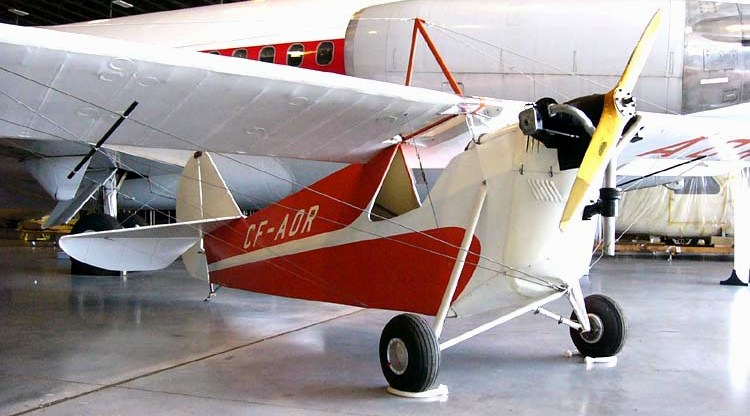
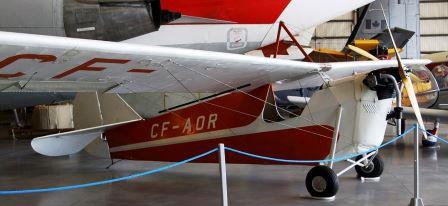
Aeronca C-2
(AHunt Photo)
(Aeroprints.com Photo)
Aeronca C-2 (Serial No. 9), (ex N525V), CF-AOR.
(Bob Brown Photo)
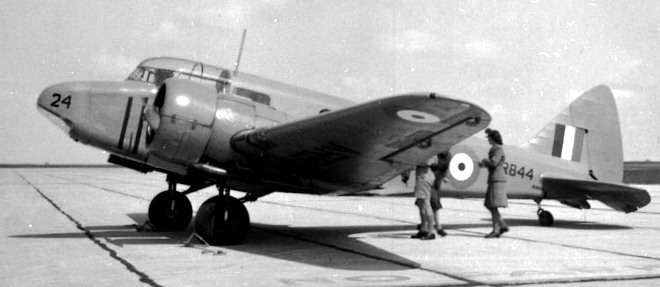
Airspeed Oxford Mk. 1, RCAF (Serial No. AR844), 1944. (Library and Archives Canada Photo, MIKAN No. 3650311)
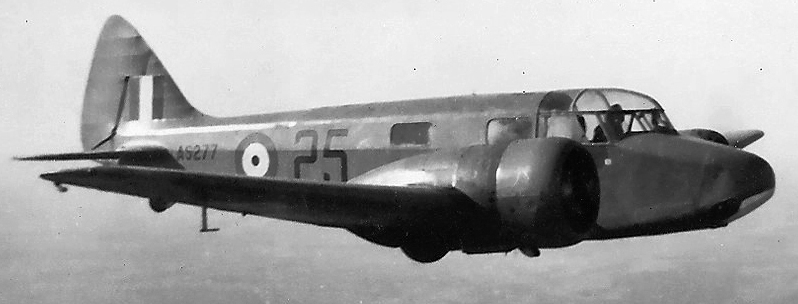
Airspeed AS.65 Consul (Serial No. PK286), C/N 4338, G-ALKR. The Consul is a civilian version of the Airspeed AS.10 Oxford RCAF (Serial No. AS277) shown in flight over Saskatchewan in 1942.
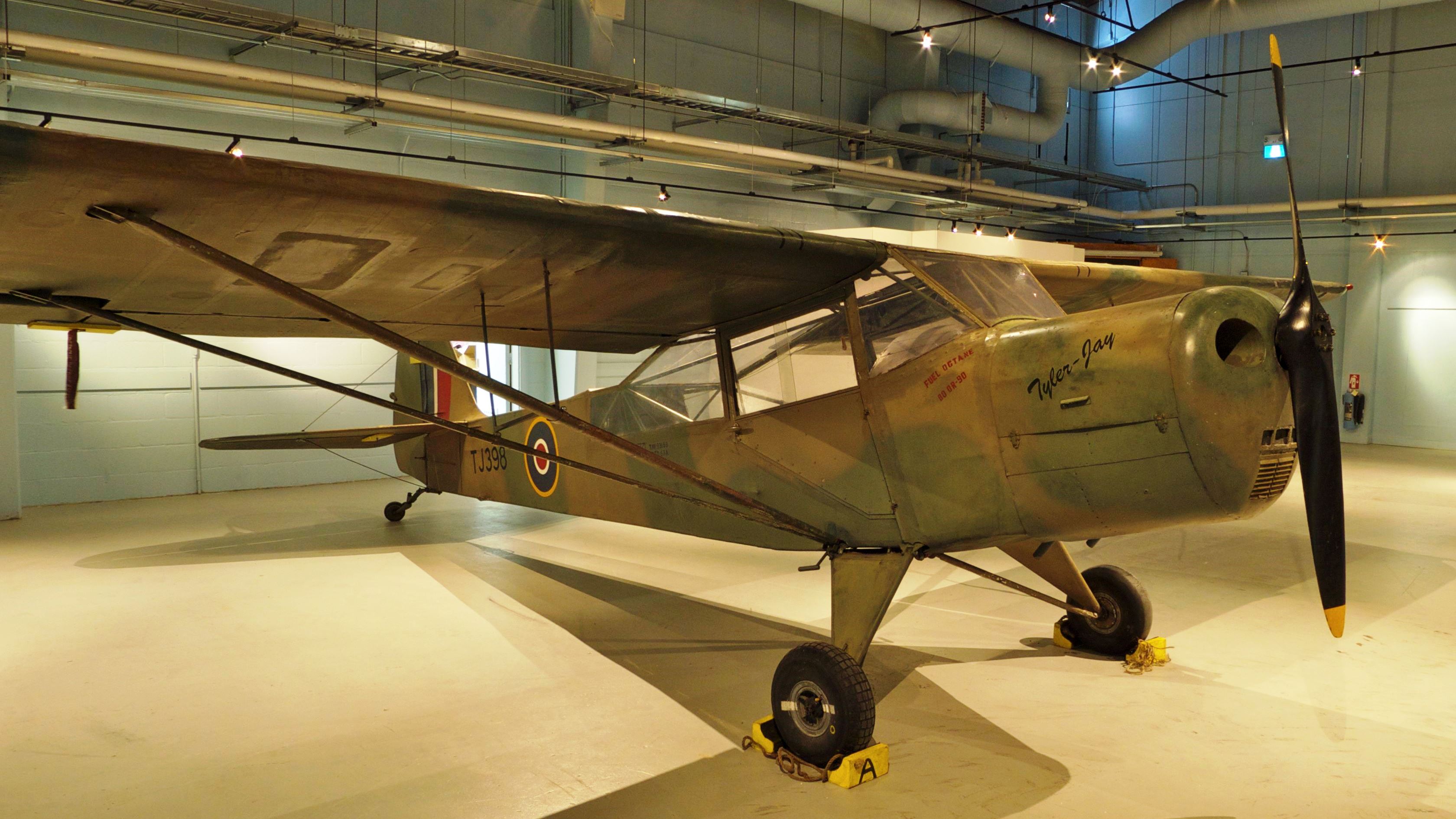
(Clive Prothero-Brooks Photo)
Auster AOP.6, RAF (Serial No. VF 582), RCAF (Serial No. 16652), 2576 (Serial No. TAY221V), CF-KBV. The photo above is of a similar Auster currently on display in the Royal Canadian Artillery Museum, CFB Shilo, Manitoba.
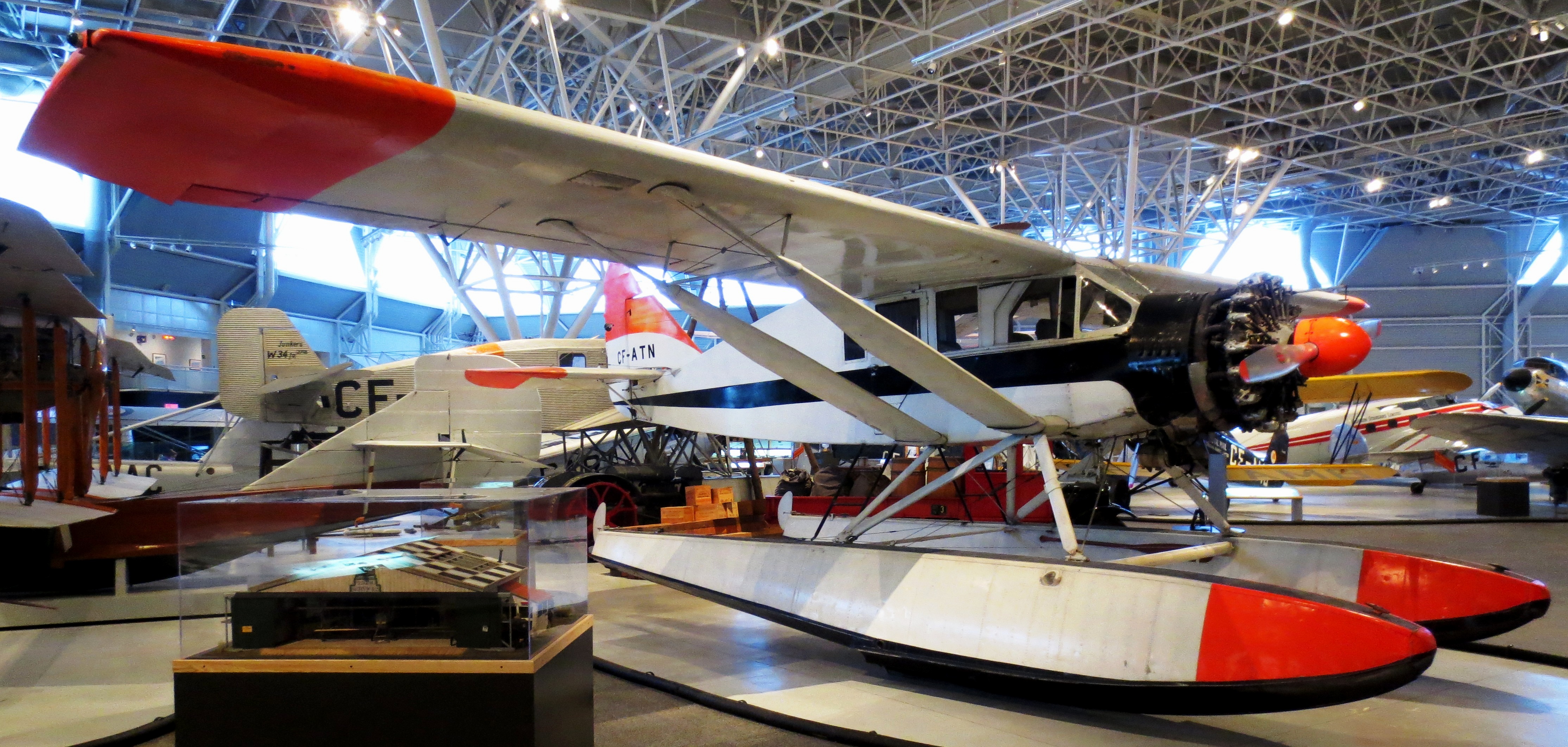
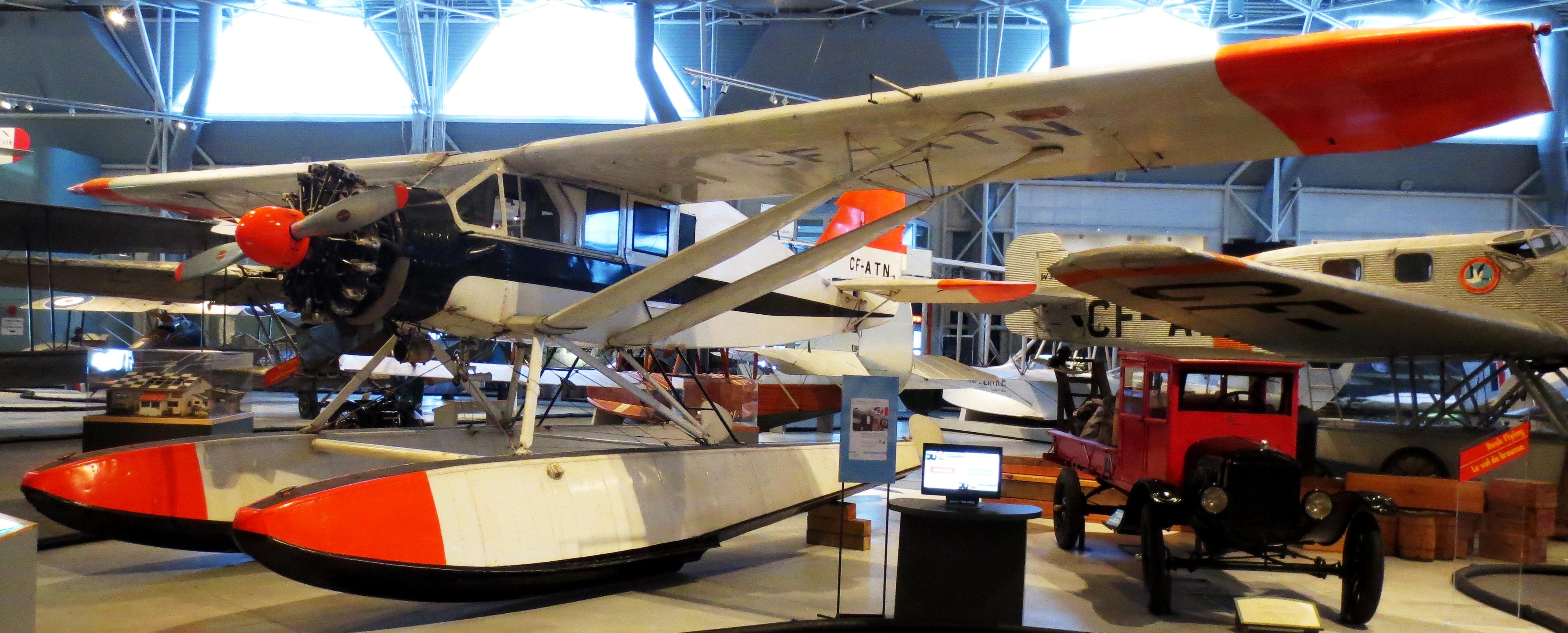
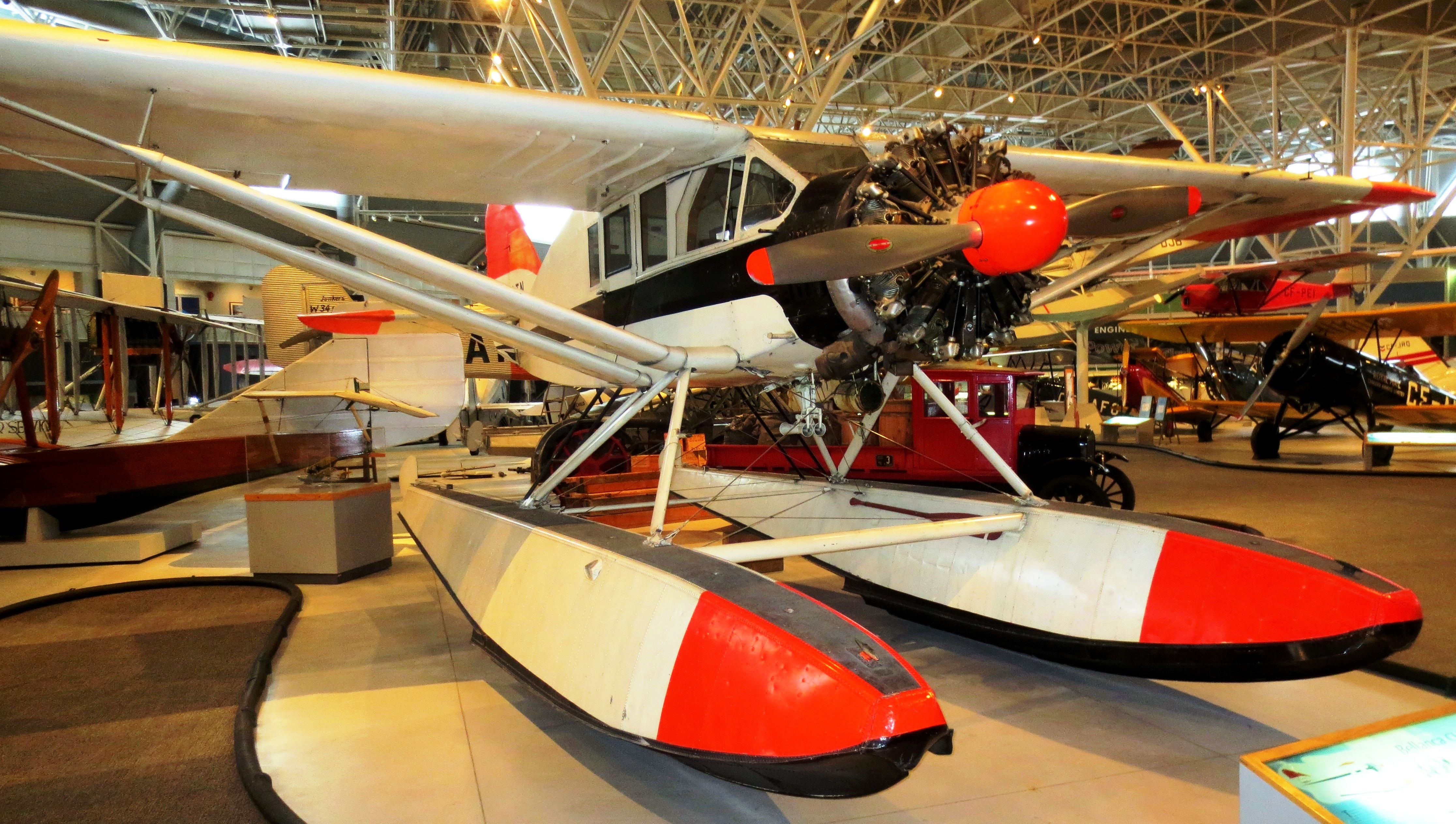
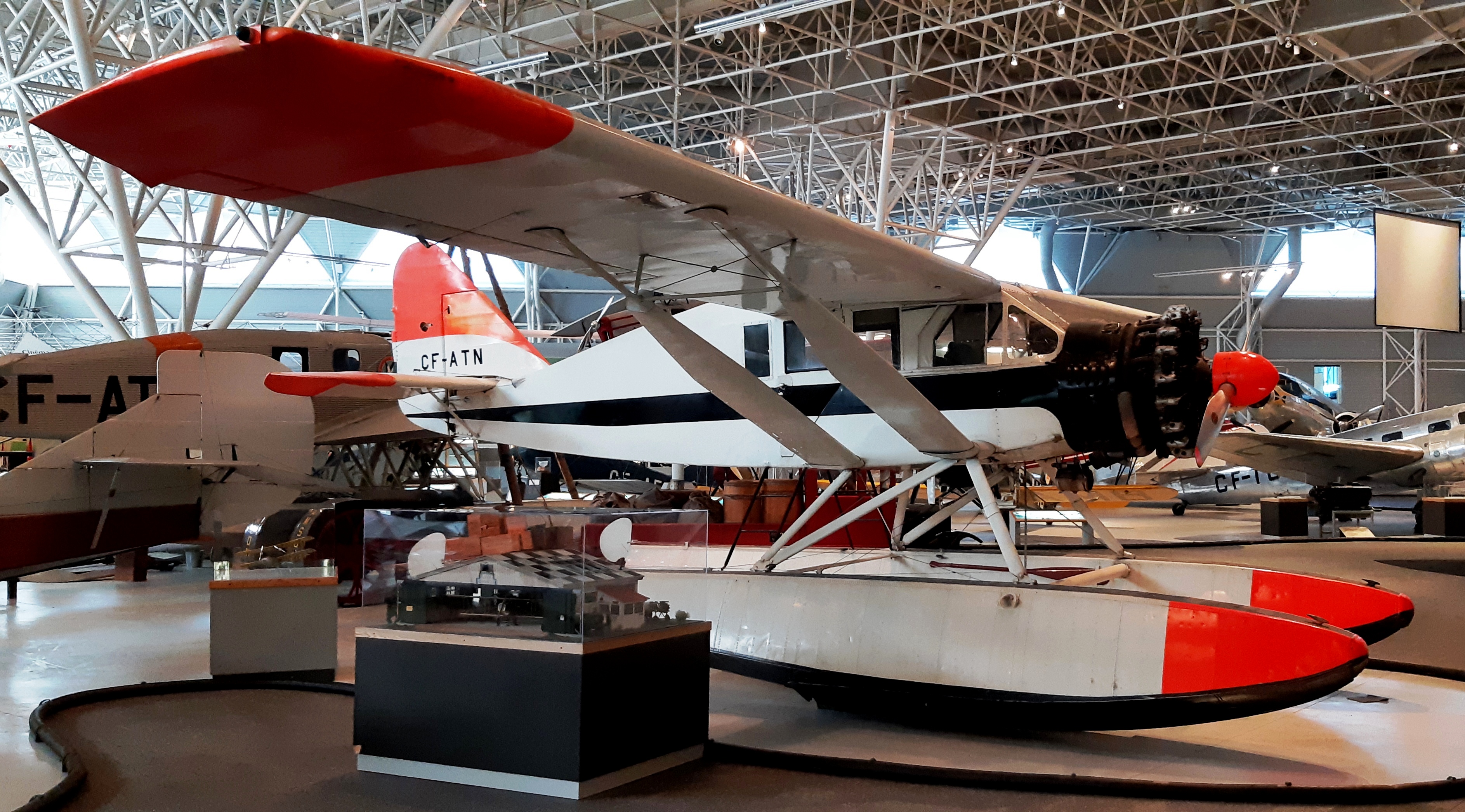
Bellanca CH-300 Pacemaker floatplane, (Serial No. 181), N196N, CF-ATN.
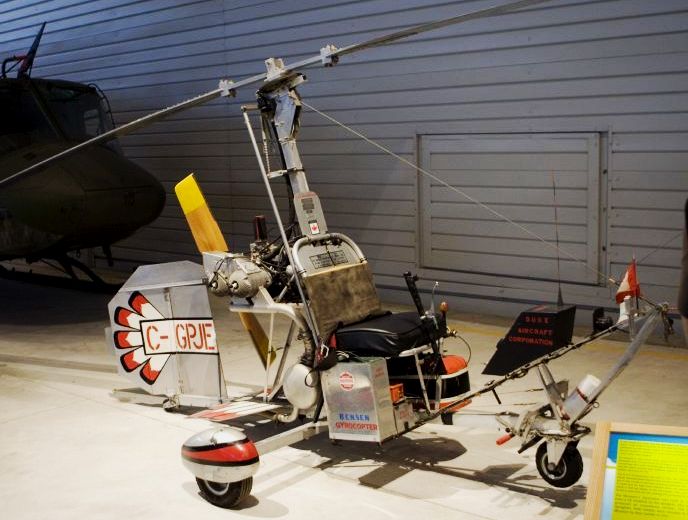
(Imnop88a Photo)
Bensen B-8MG Gyrocopter.
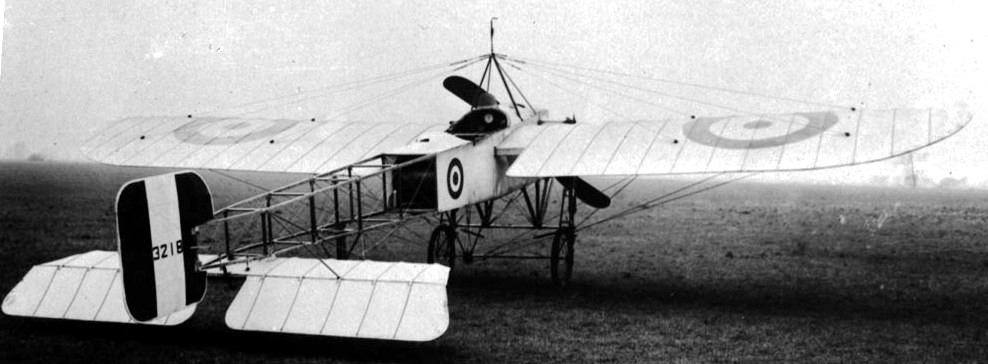
(Library and Archives Canada Photo, MIKAN No. 3388145)
Bleriot Monoplane, ca 1918.
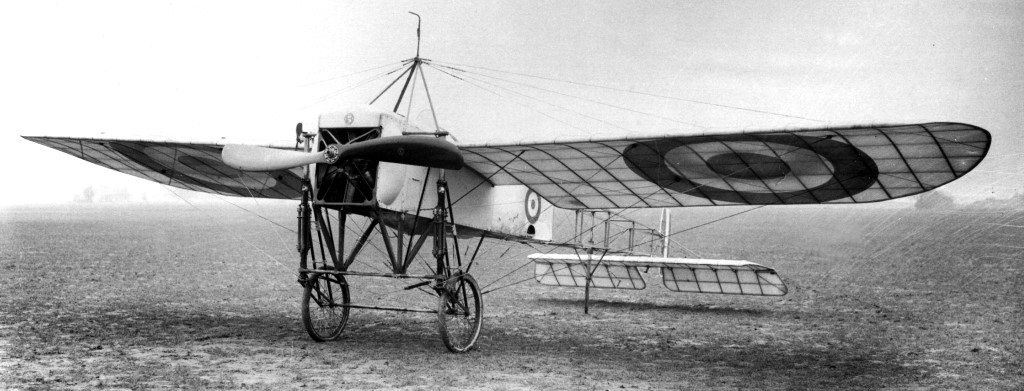
(RAF Photo)
Blériot XI with RFC markings during the First World War.
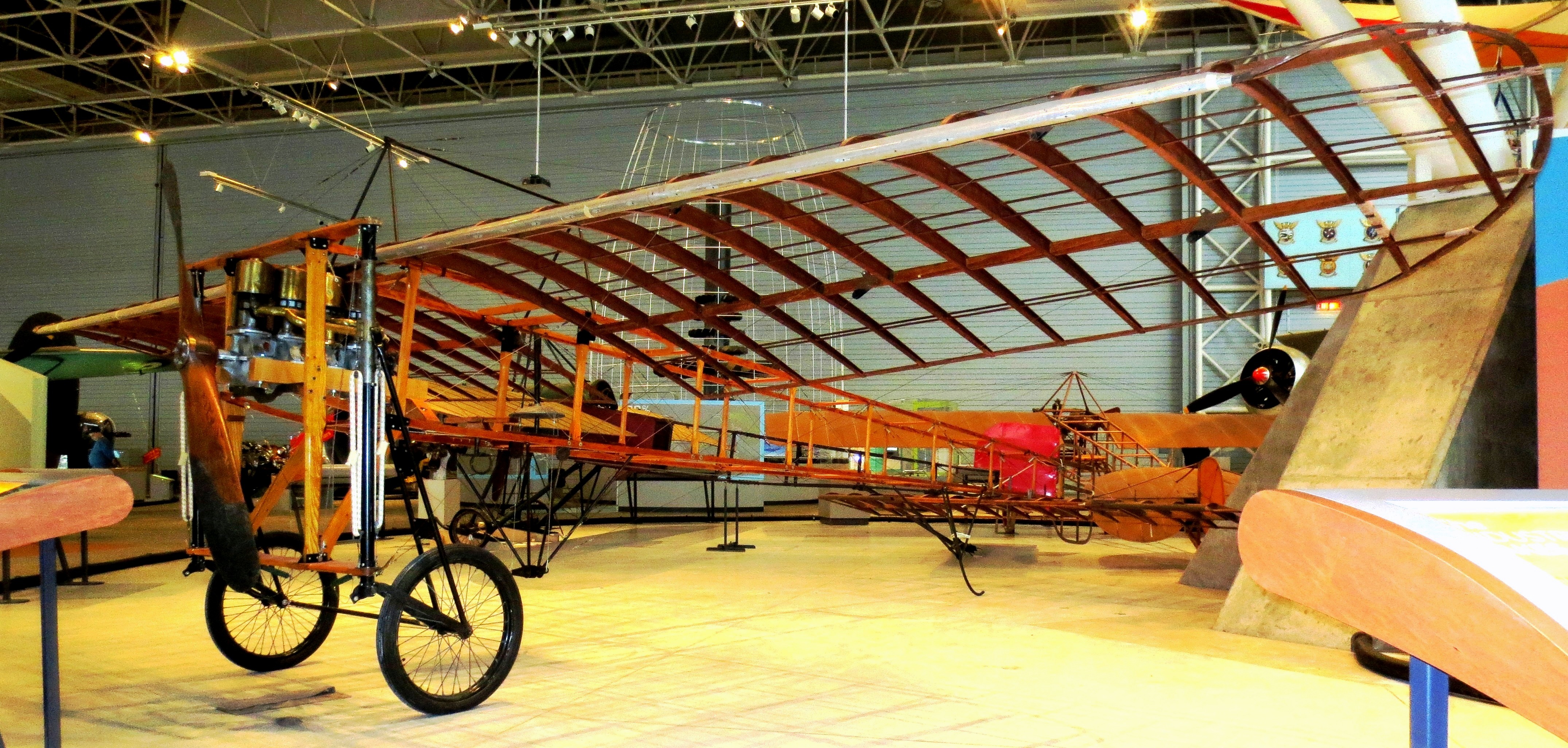
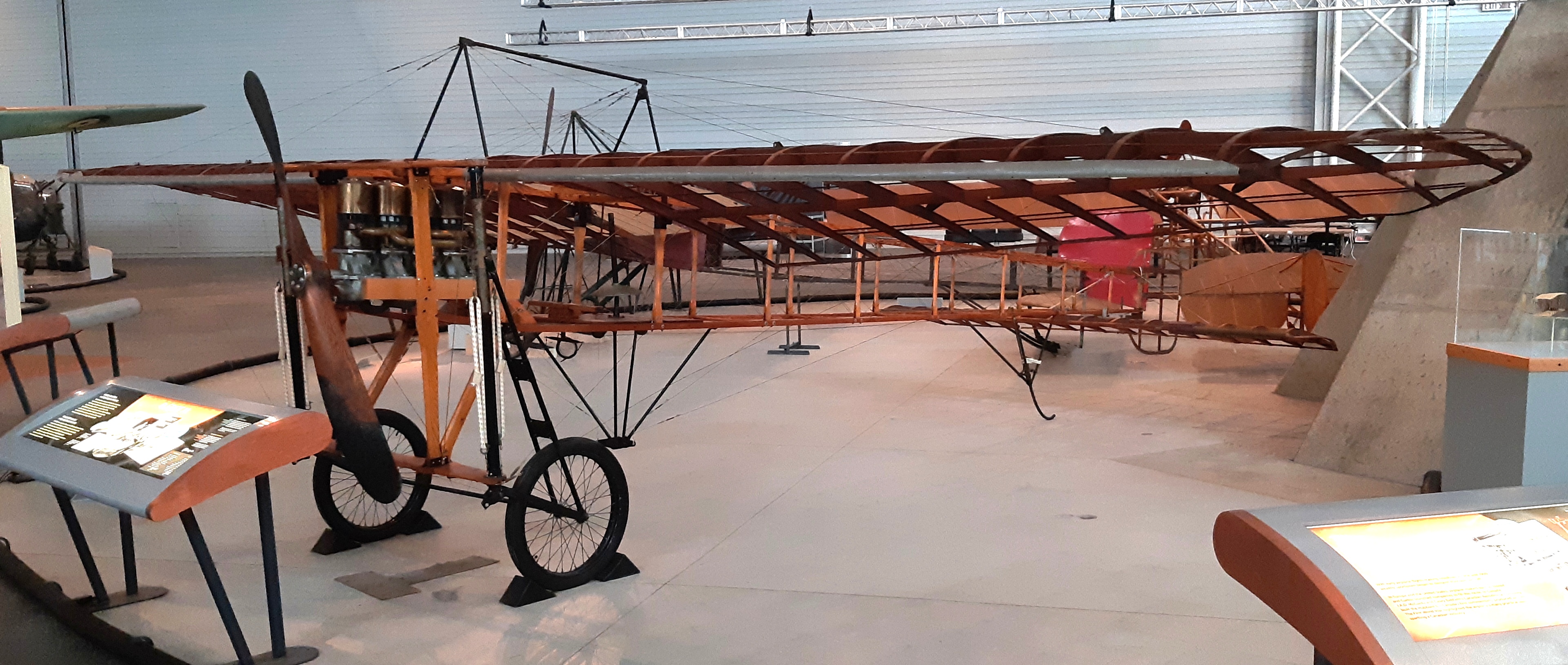
Blériot XI (reproduction).
The Blériot XI is a French aircraft from the pioneer era of aviation. The first example was used by Louis Blériot to make the first flight across the English Channel in a heavier-than-air aircraft, on 25 July 1909. This is one of the most famous accomplishments of the pioneer era of aviation, and not only won Blériot a lasting place in history but also assured the future of his aircraft manufacturing business. The event caused a major reappraisal of the importance of aviation; the English newspaper The Daily Express led its story of the flight with the headline “Britain is no longer an Island.”[1]The aircraft was produced in both single- and two-seat versions, powered by several different engines, and was widely used for competition and training purposes. Military versions were bought by many countries, continuing in service until after the outbreak of the First World War in 1914. Two restored examples – one in the United Kingdom and one in the United States – of original Blériot XI aircraft are thought to be the two oldest flyable aircraft in the world. Wikipedia)
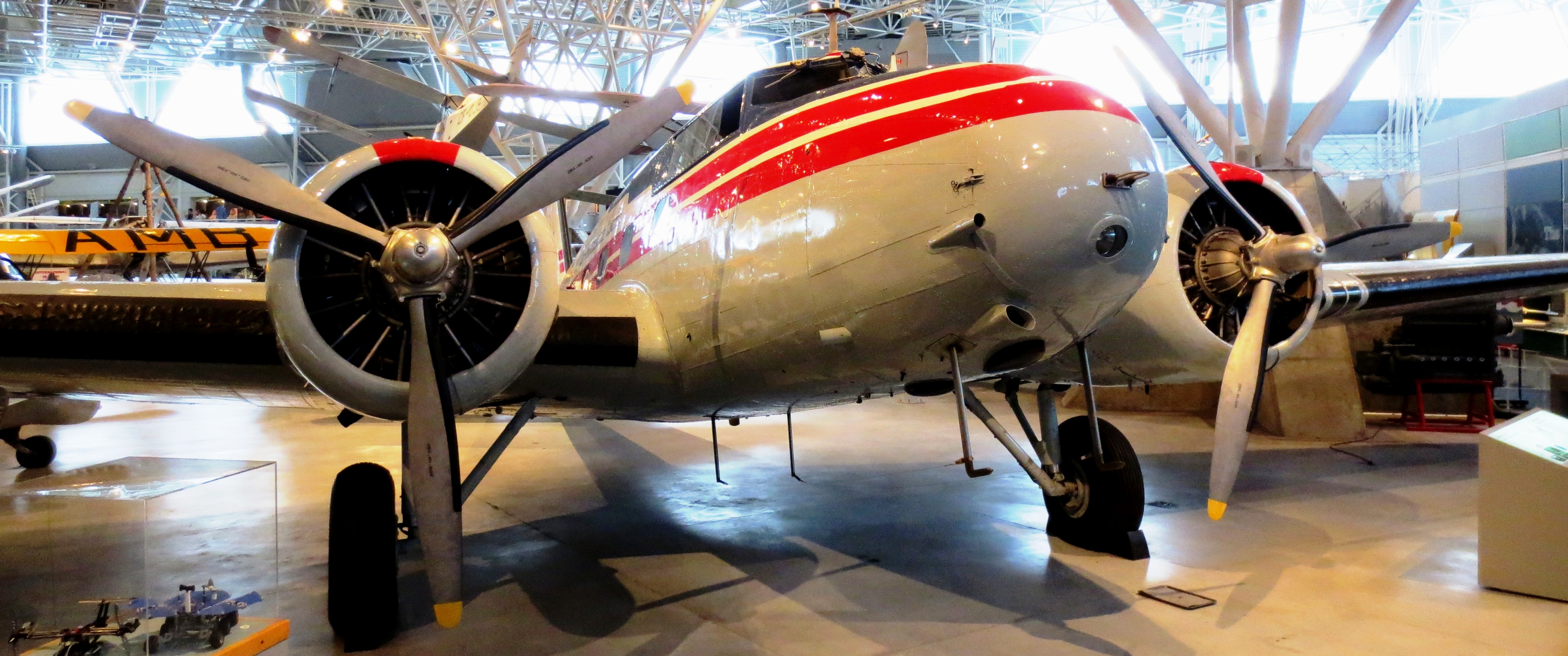
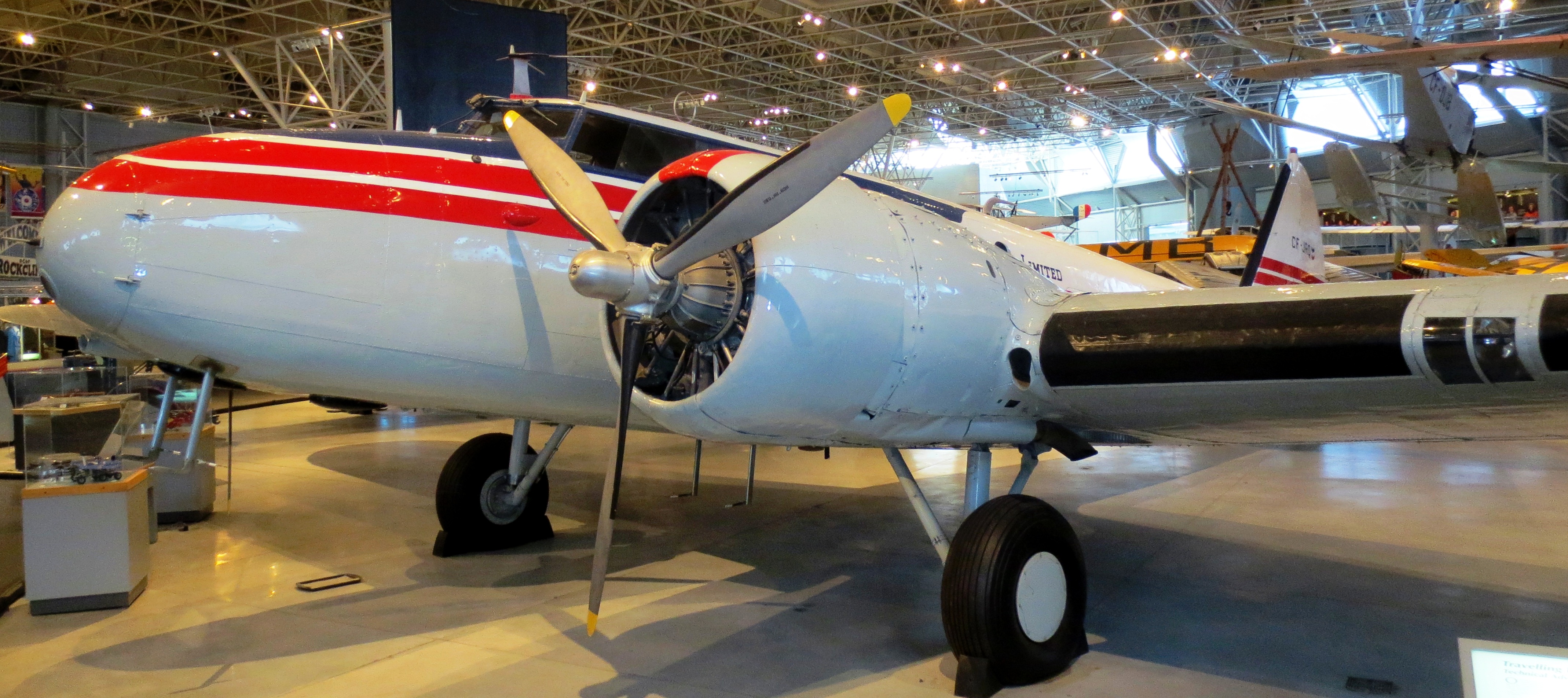
Boeing 247D (Serial No. 1699), CF-JRQ.
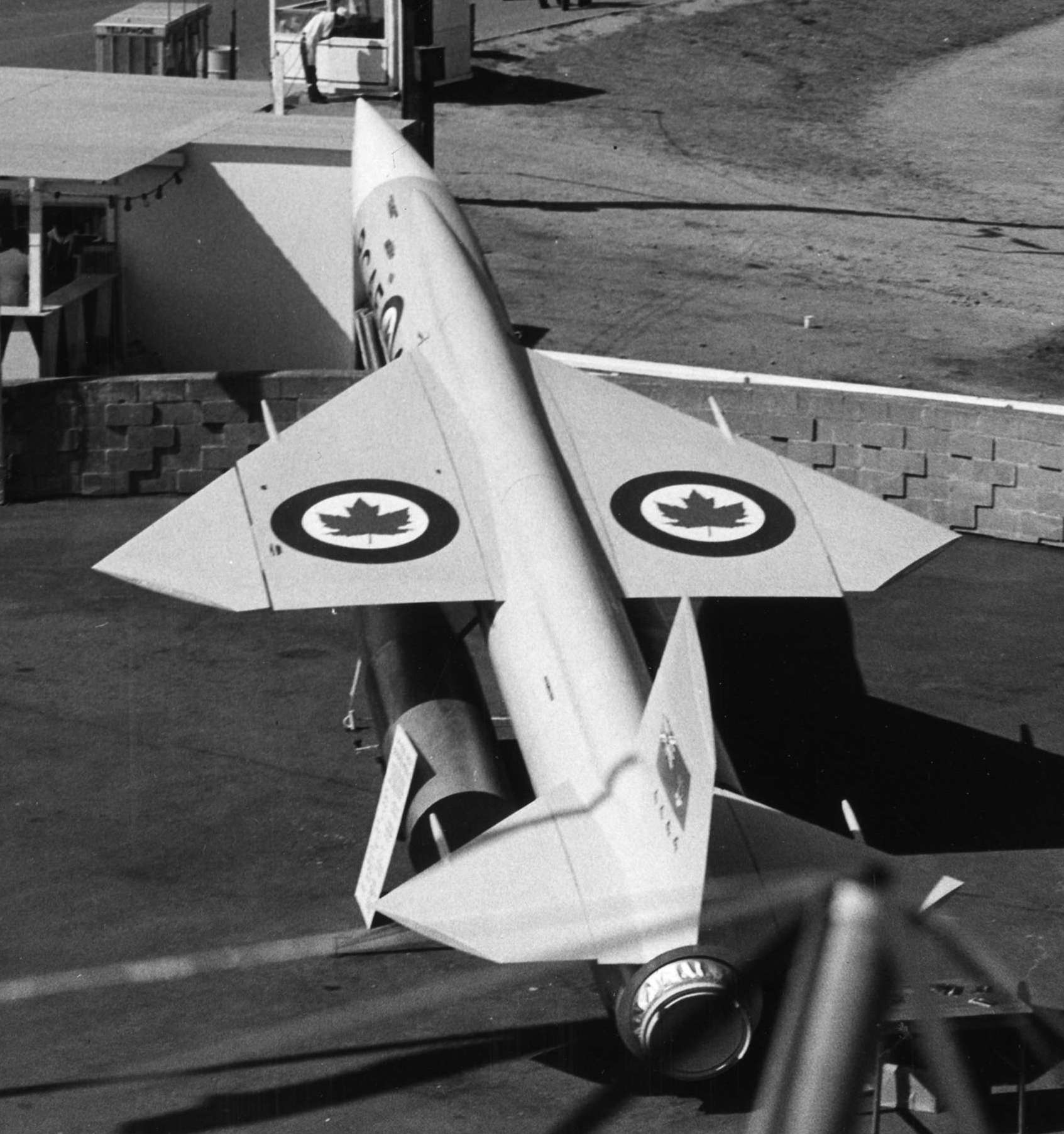
(City of Vancouver Archives Photo, AM281-S8-: CVA 180-5468)
Boeing CIM-10B Super BOMARC, Pacific National Exhibition, Vancouver, British Columbia, ca 1969.
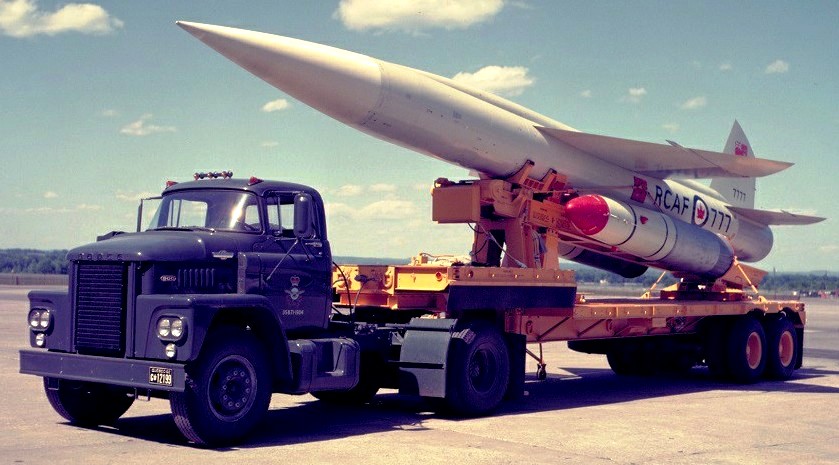
(DND Photo via Daniel Racette)
Boeing CIM-10B Super BOMARC (Serial No. 60777), (777).
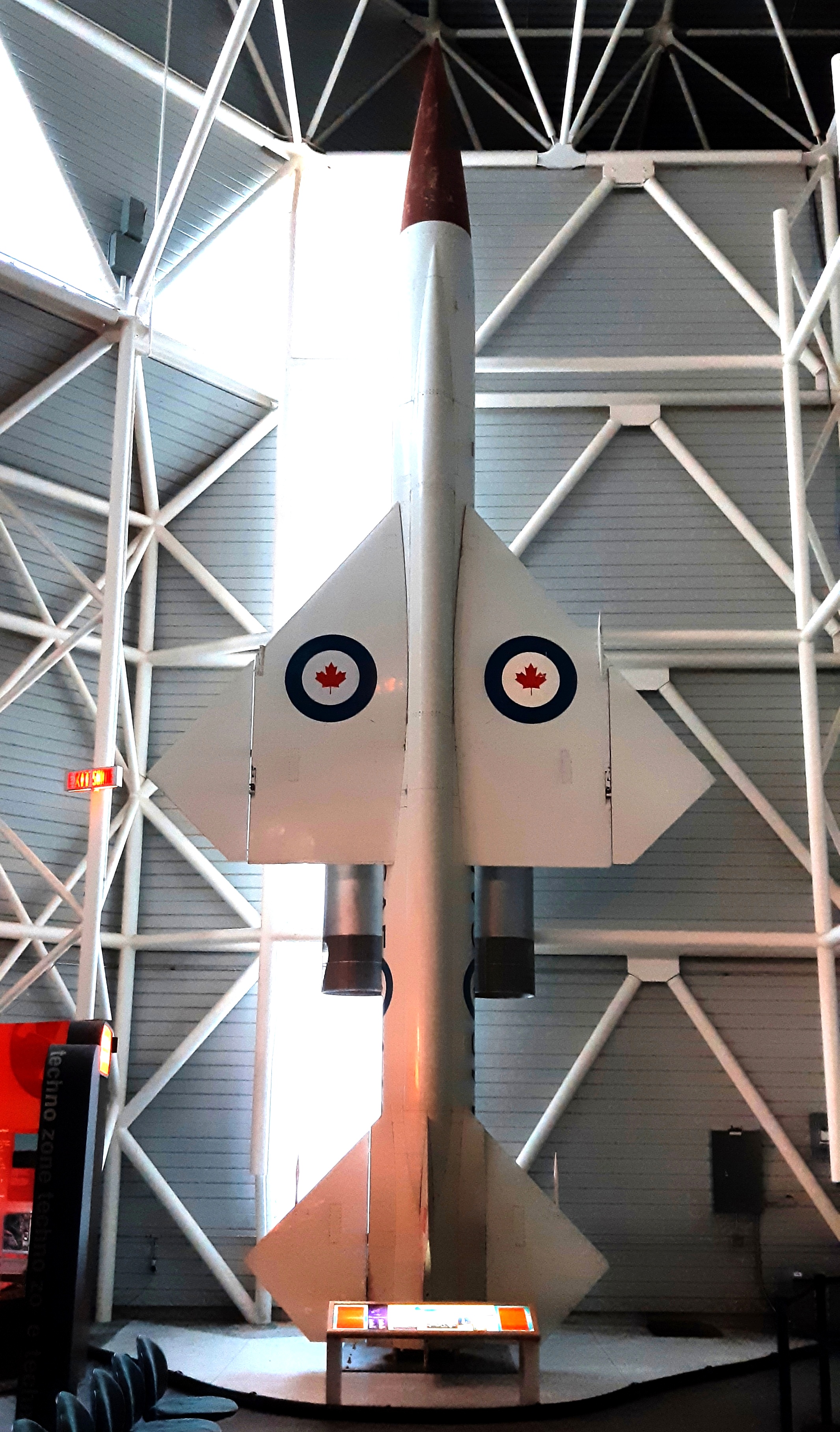
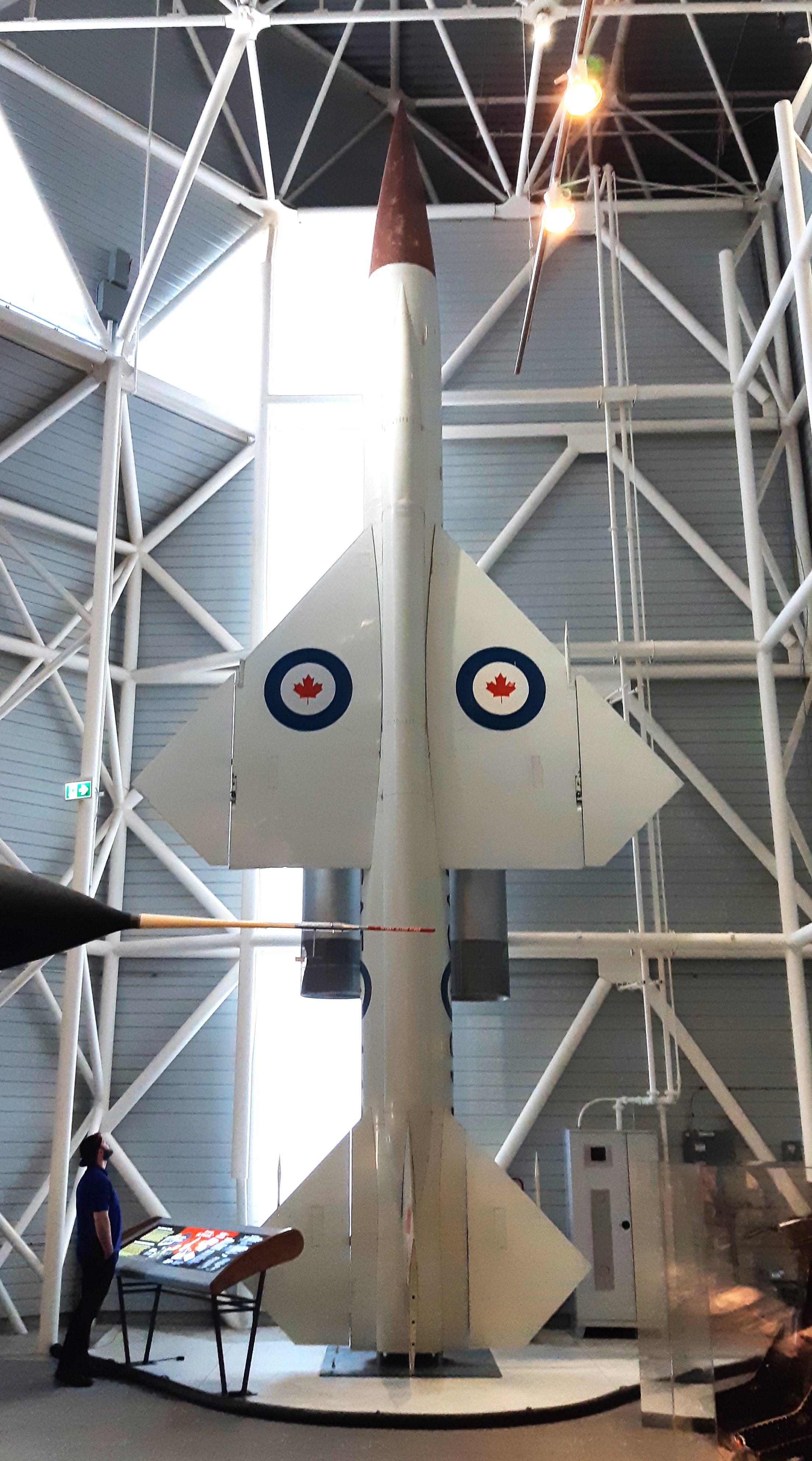
Boeing CIM-10B Super BOMARC (Serial No. 60446), (656).
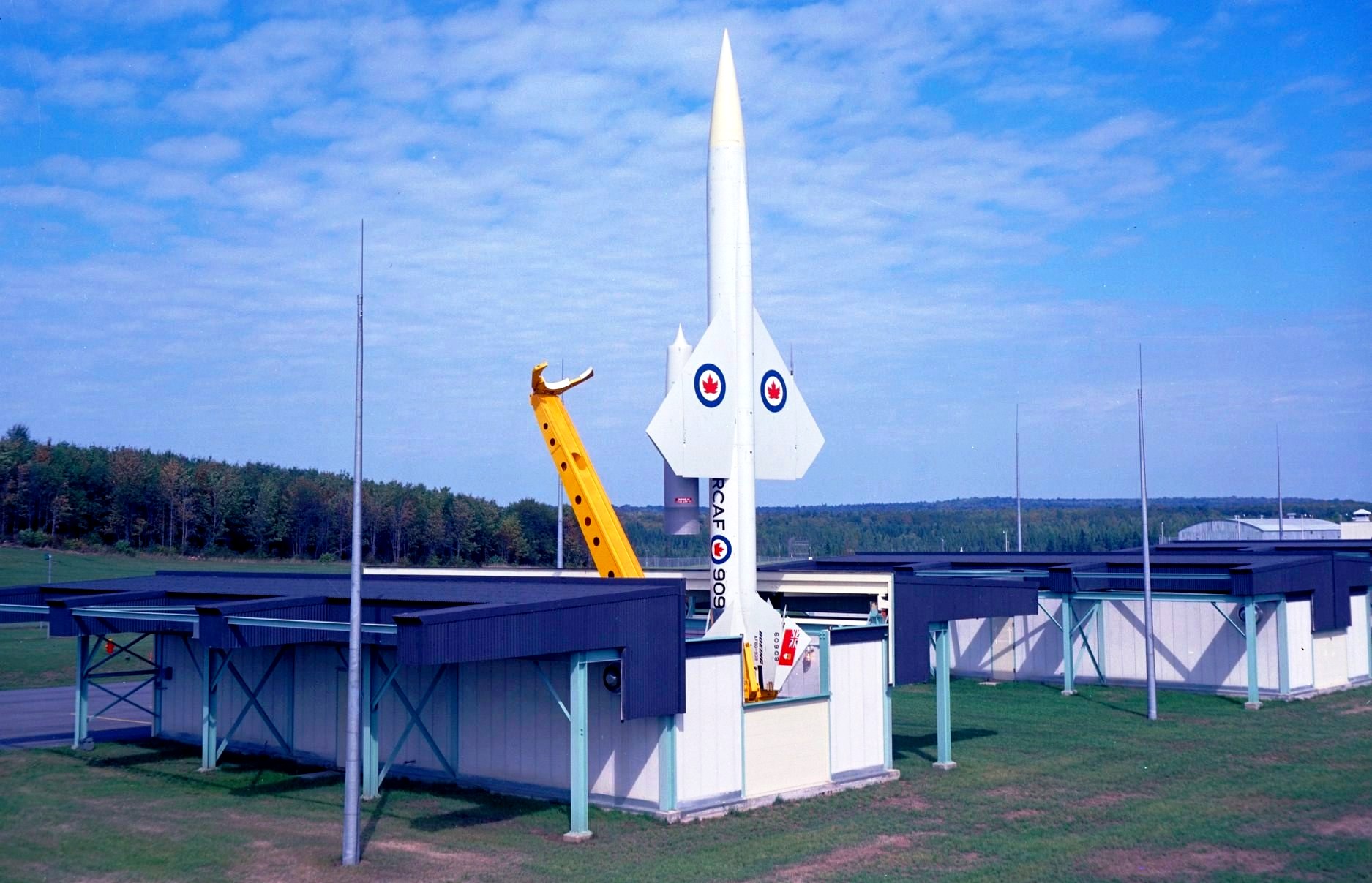
(DND Photo via James Craik)
Boeing CIM 10B Bomarc (Serial No. 60909) in the vertical launch position, La Macasa, Quebec.
The Boeing CIM-10B Bomarc (IM-99B), was a supersonic long-range surface-to-air missile (SAM) in RCAF service during the Cold War for the air defence of North America. In addition to being the first operational long-range SAM, it was the only SAM deployed by the RCAF.
The Bomarc was stored horizontally in a launcher shelter with movable roof. When required, the roof was opened and the missile was erected and fired vertically using rocket boosters to send it to high altitude. The missile then tipped over into a horizontal position and reached a Mach 2.5 cruise level powered by its ramjet engines. This lofted trajectory allowed the missile to operate at a maximum range as great as 250 miles (400 km). The Bomarc was controlled from the ground for most of its flight. When it reached the target area, the controllers directed the missile to begin a dive, activating an onboard active radar homing seeker for terminal guidance. A radar proximity fuse detonated the warhead, which carried either a large conventional explosive or the W40 nuclear warhead.
As the nuclear threat moved from manned bombers to intercontinental ballistic missiles (ICBM), the USAF reduced its initial plans to build 52 sites to 8 sites, with an additional two sites in Canada. The first US site was declared operational in 1959, but with only a single working missile. Bringing the rest of the missiles into service took years, by which time the system was obsolete. Deactivations began in 1969 and by 1972 all Bomarc sites had been shut down. A small number were used as target drones, and only a few remain on display today.
Detailed records of all known RCAF and Allied aircraft flown by Canadians may be viewed on line in the Canadian Aircraft Serials Personnel Information Resource (CASPIR). The CASPIR website is researched, coded, maintained entirely by Canadian Warplane Heritage Museum (CWHM) volunteers with only one staff assisting periodically. This work has taken several years, and is unlikely to be finished as continuing research leads to “new finds” and rediscovered Canadian aviation heritage and history. The CWHM volunteer team looks forward to continuing to update and correct the record as additional information and photos are received. For the Bomarc, check here.
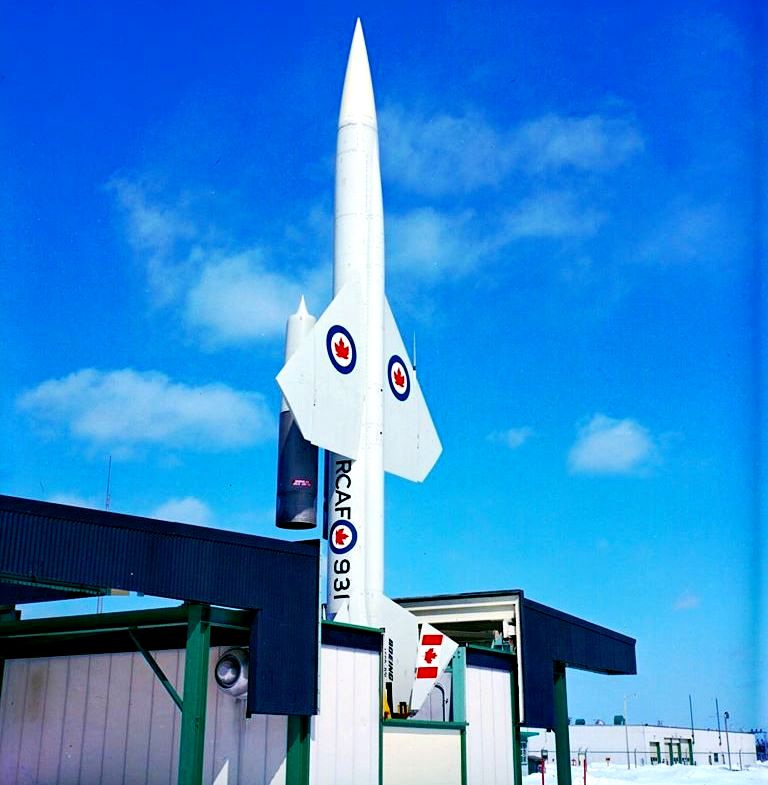
(DND Photo via James Craik)
Boeing CIM 10B Bomarc (Serial No. 60931) in the vertical launch position.
The Boeing CIM-10B Bomarc (IM-99B), was a supersonic long-range surface-to-air missile (SAM) in RCAF service during the Cold War for the air defence of North America. In addition to being the first operational long-range SAM, it was the only SAM deployed by the RCAF. The Bomarc was stored horizontally in a launcher shelter with movable roof. When required, the roof was opened and the missile was erected and fired vertically using rocket boosters to send it to high altitude. The missile then tipped over into a horizontal position and reached a Mach 2.5 cruise level powered by its ramjet engines. This lofted trajectory allowed the missile to operate at a maximum range as great as 250 miles (400 km). The Bomarc was controlled from the ground for most of its flight. When it reached the target area, the controllers directed the missile to begin a dive, activating an onboard active radar homing seeker for terminal guidance. A radar proximity fuse detonated the warhead, which carried either a large conventional explosive or the W40 nuclear warhead. As the nuclear threat moved from manned bombers to intercontinental ballistic missiles (ICBM), the USAF reduced its initial plans to build 52 sites to 8 sites, with an additional two sites in Canada. The first US site was declared operational in 1959, but with only a single working missile. Bringing the rest of the missiles into service took years, by which time the system was obsolete. (Wikipedia)
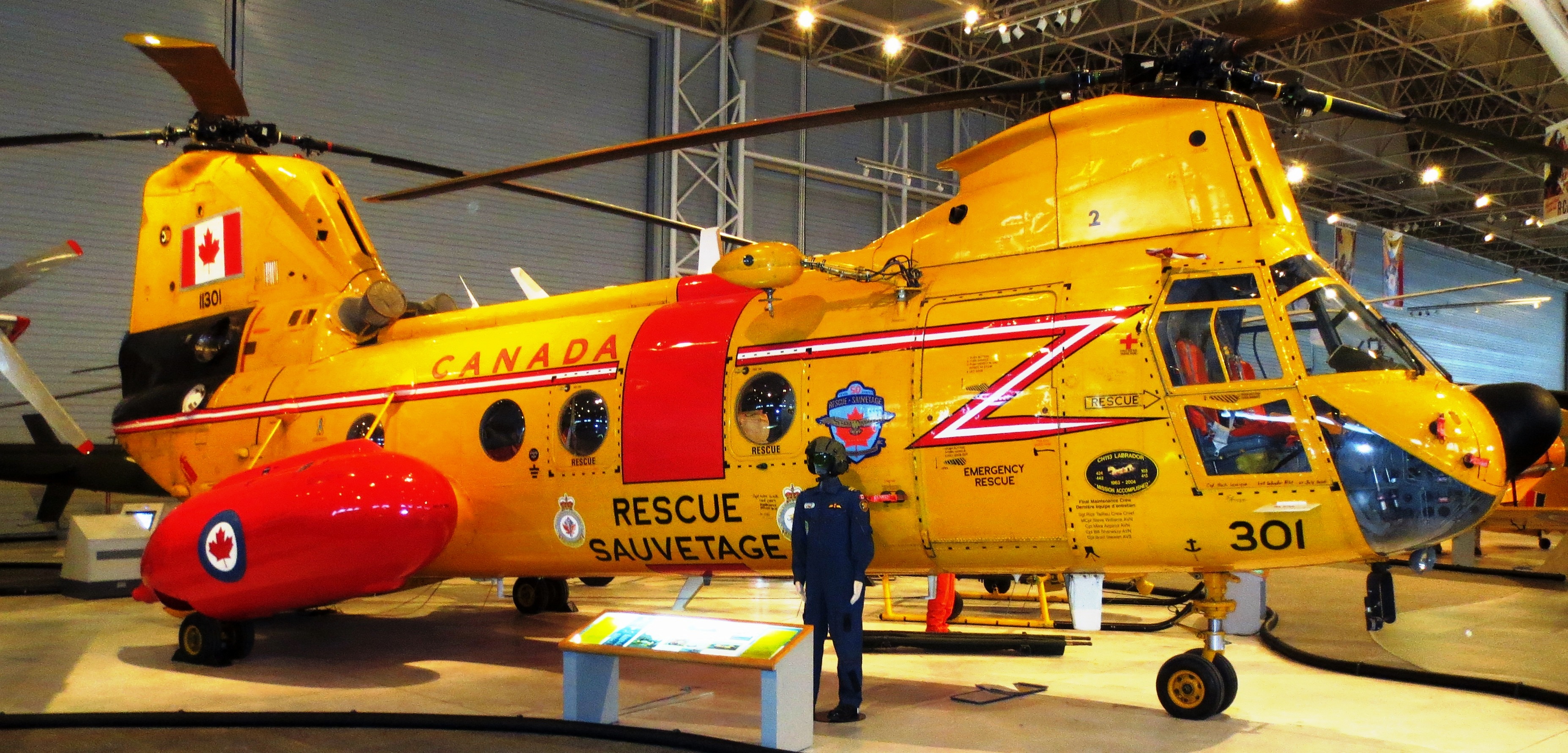
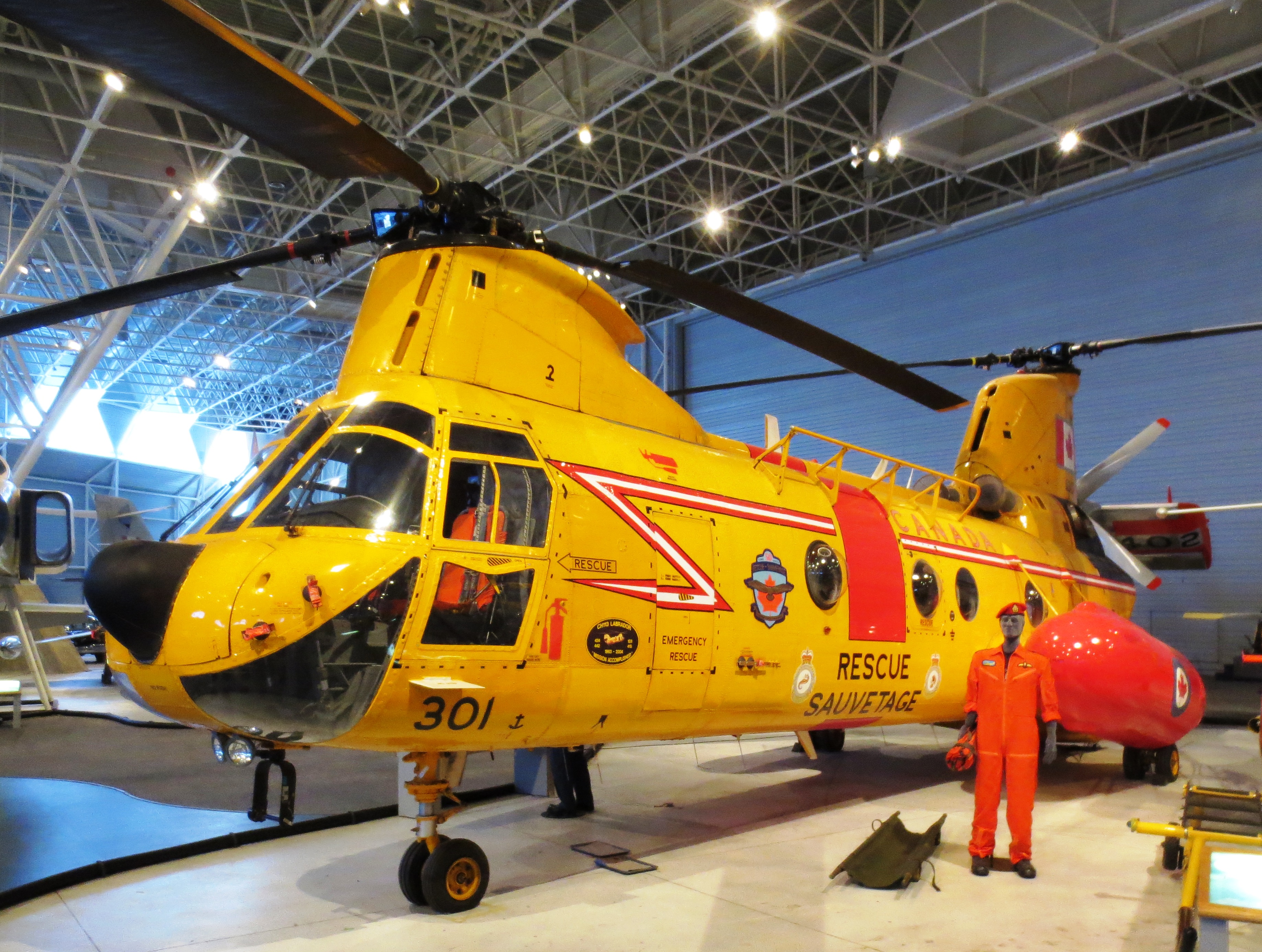
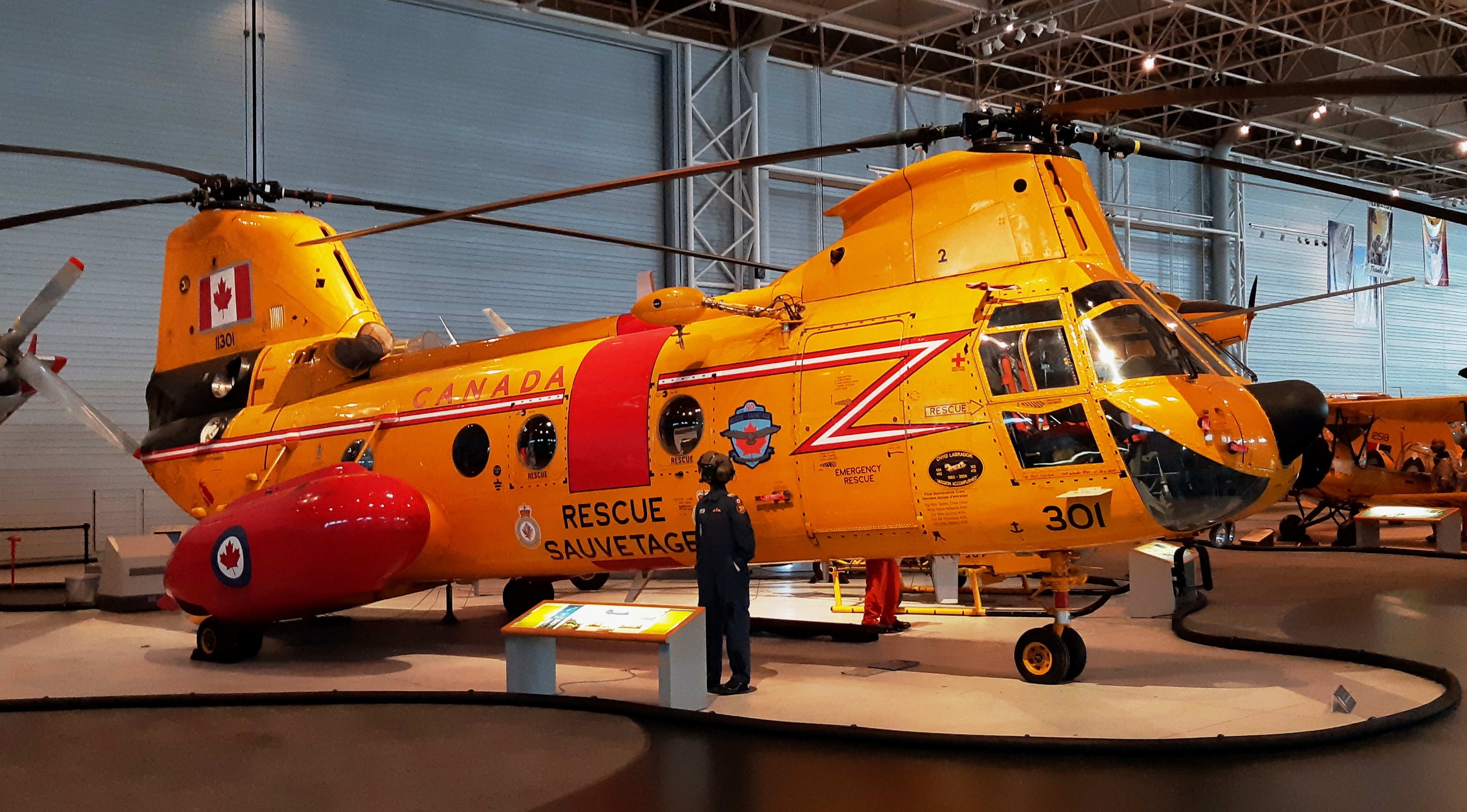
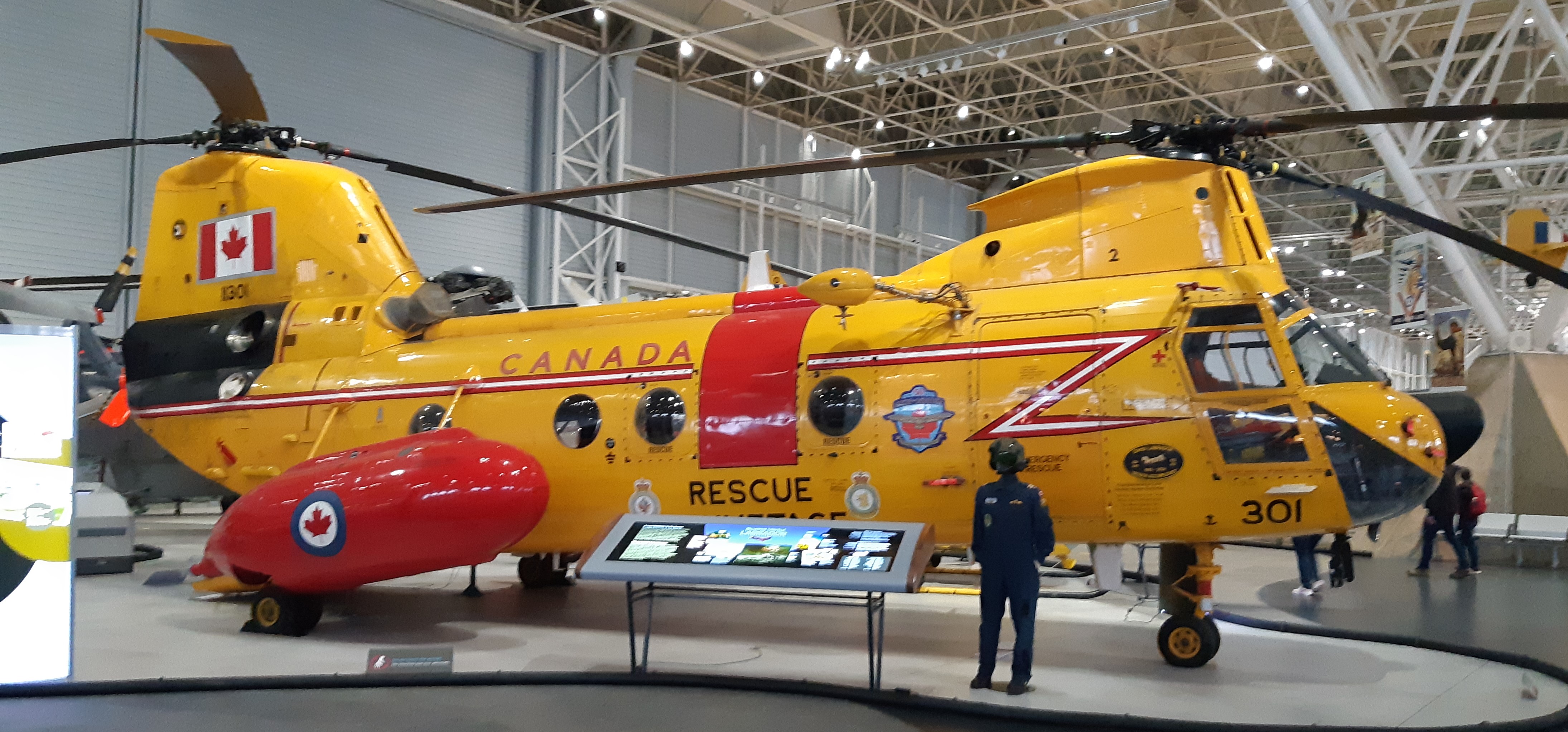
Boeing Vertol 107-11, CH-113A Labrador Helicopter (Serial No. 11301).

(Alain Rioux Photo)
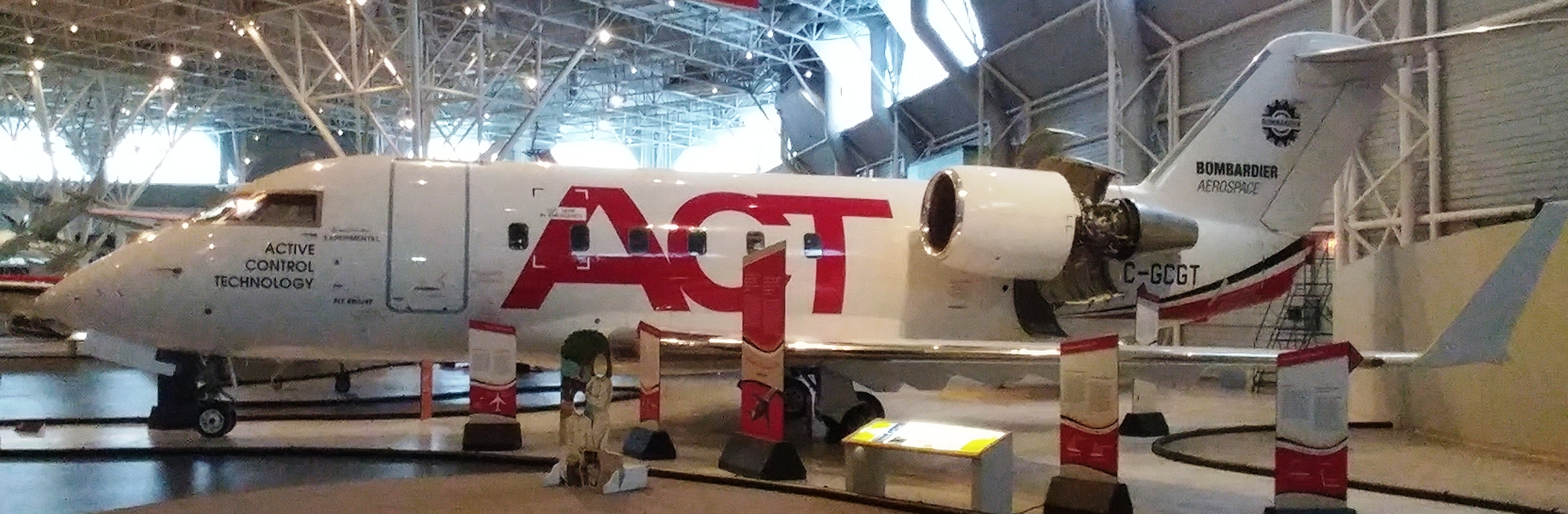
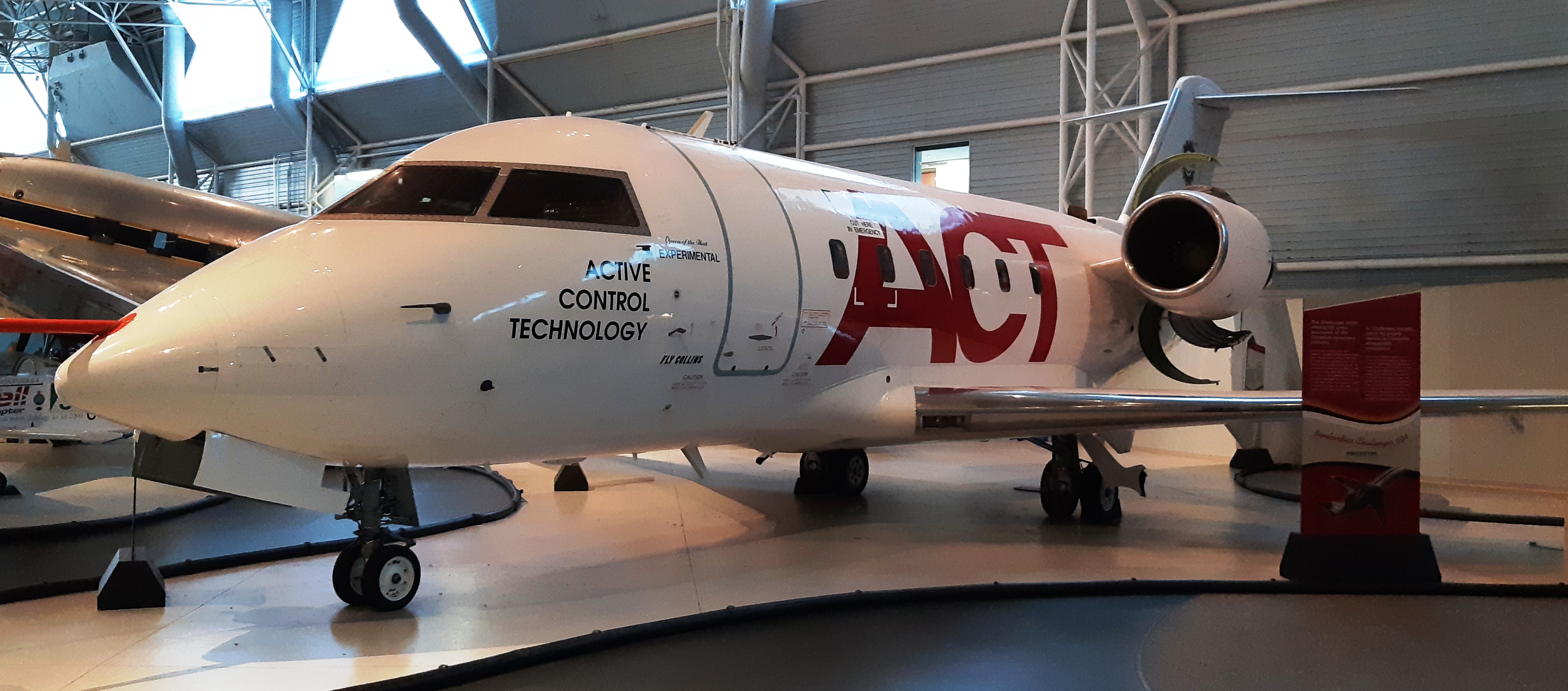
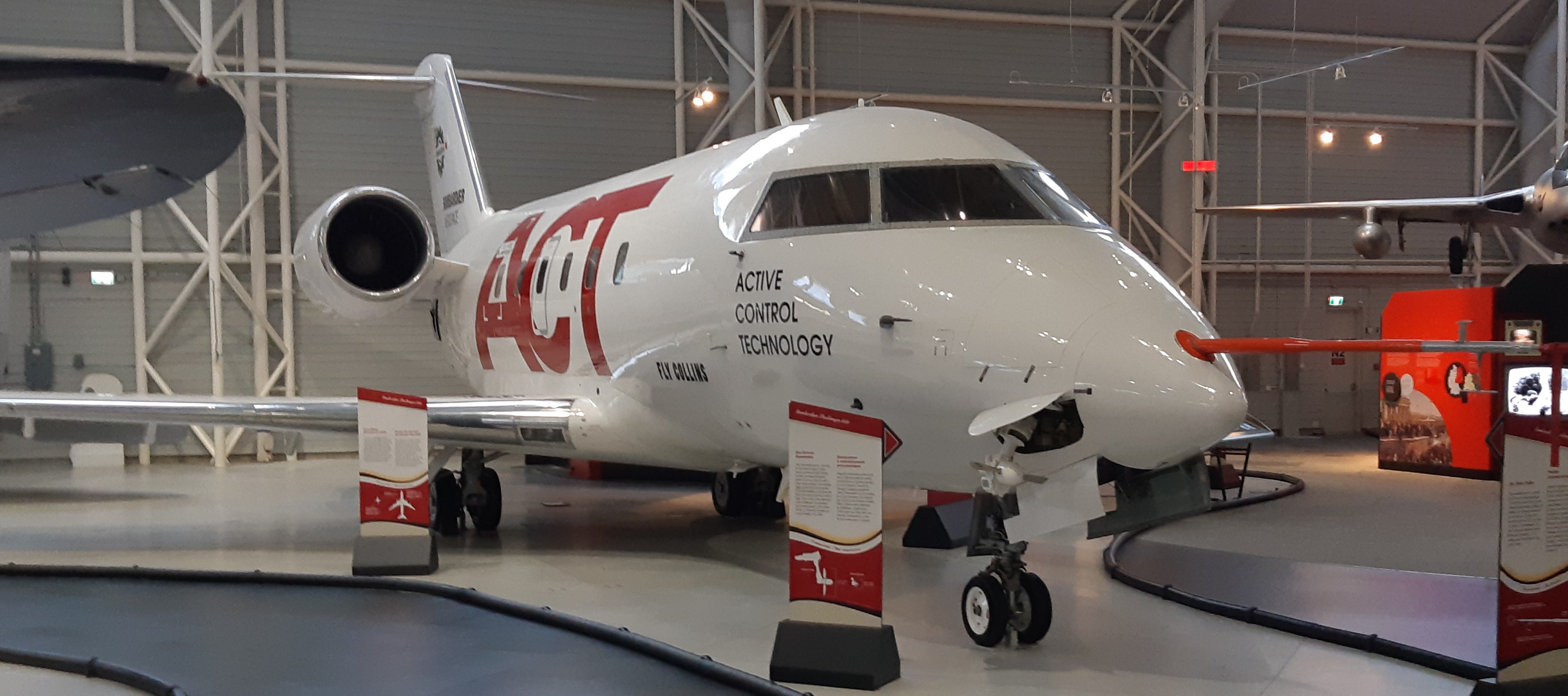
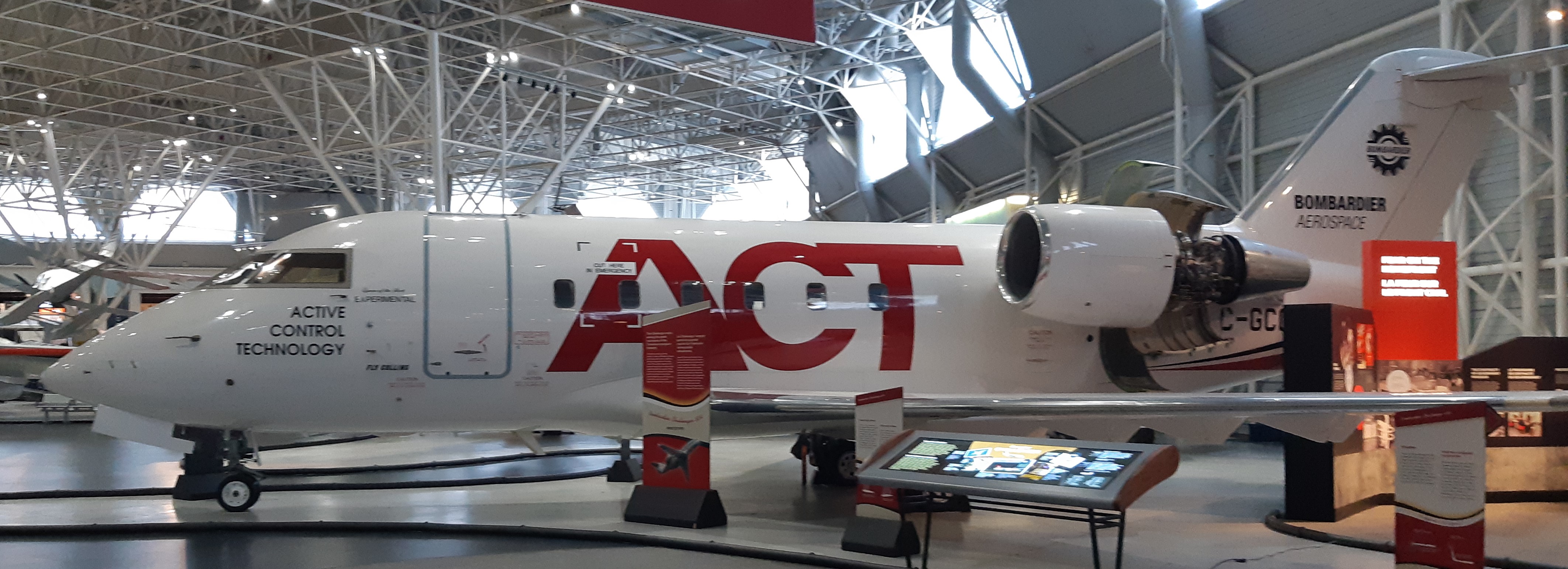
Canadair CL-600-1A11 Challenger, Bombardier Challenger 604, Active Control Technology (ACT), C-GCGT.
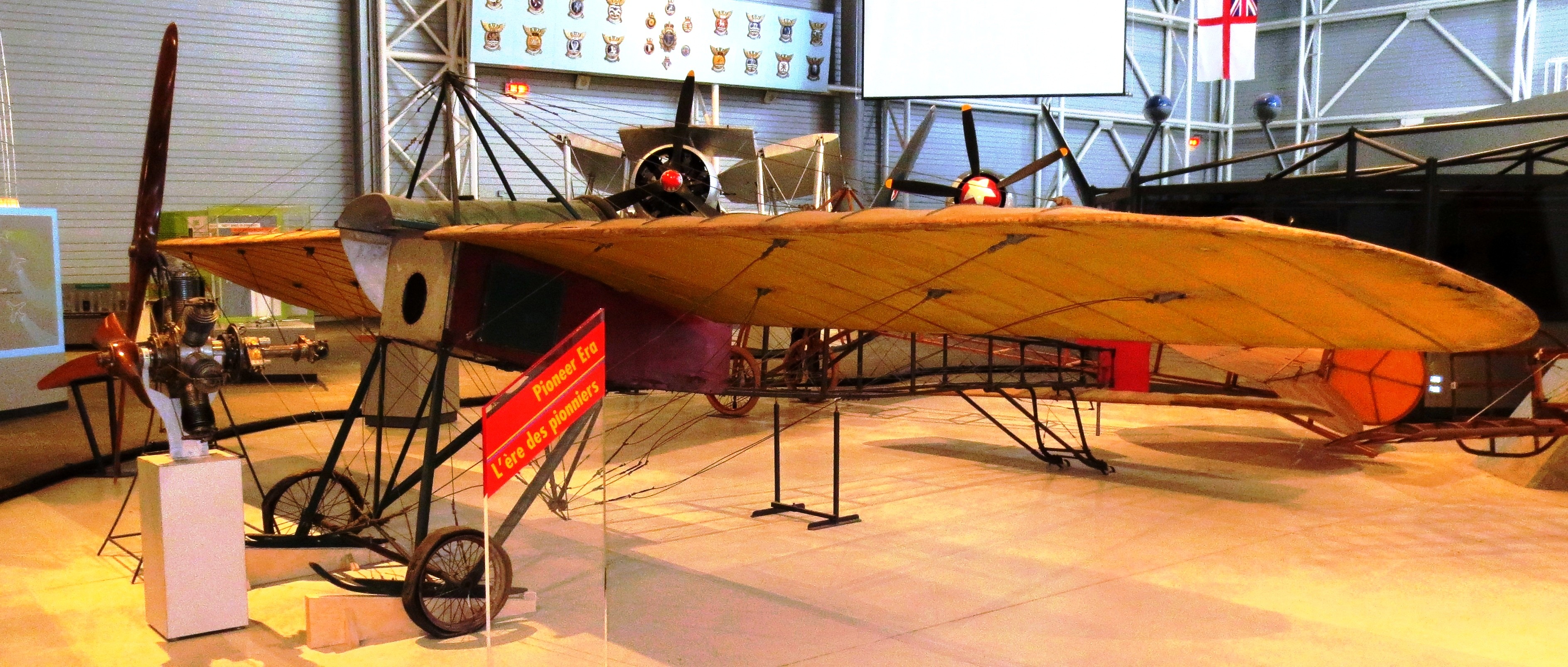
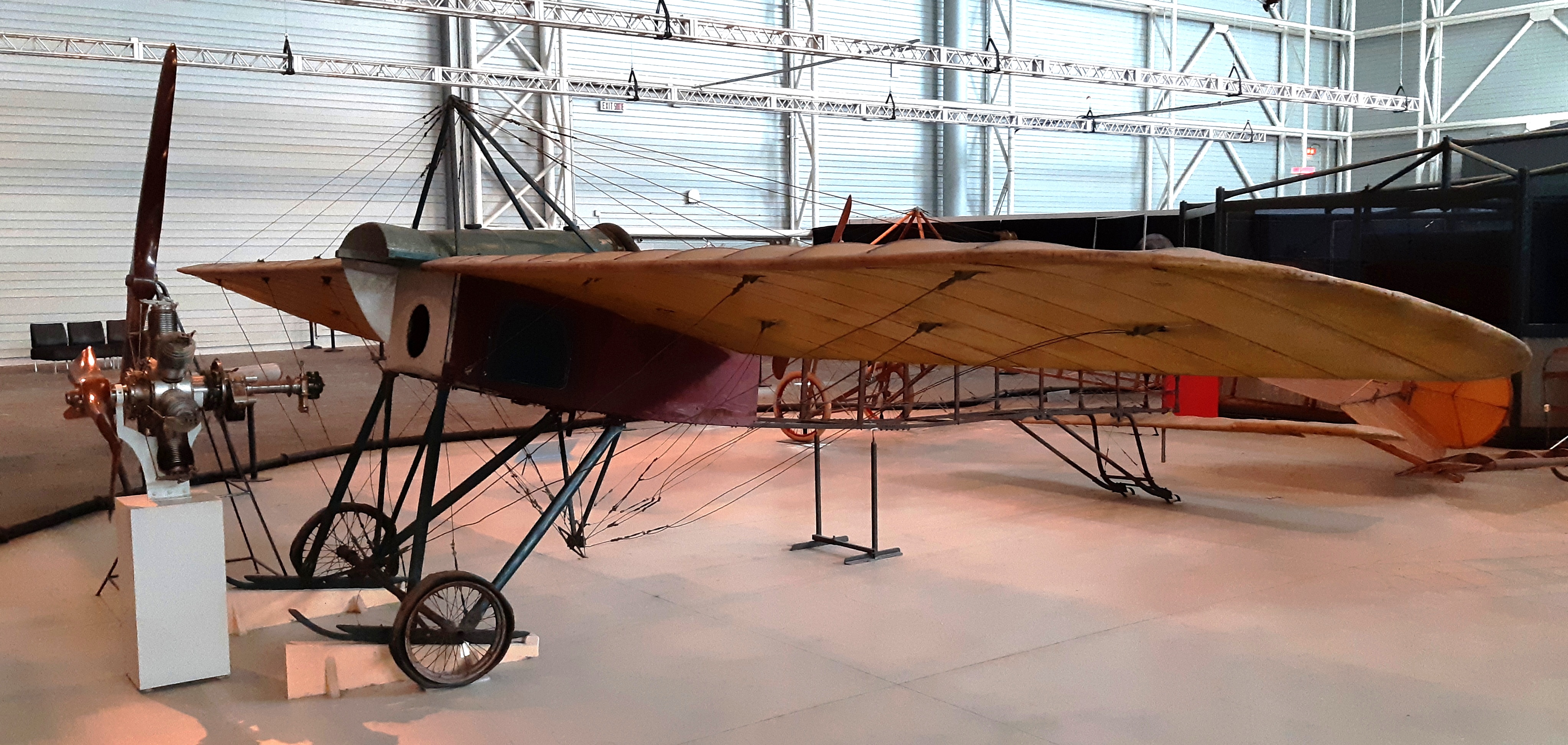
Borel-Morane Monoplane, 1911-1912.
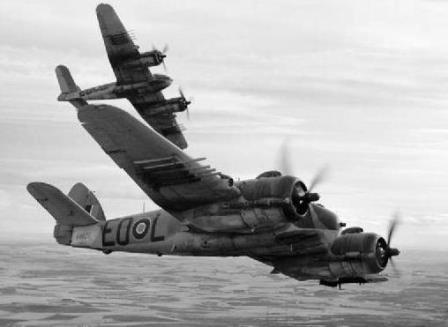
(RAF Photo)
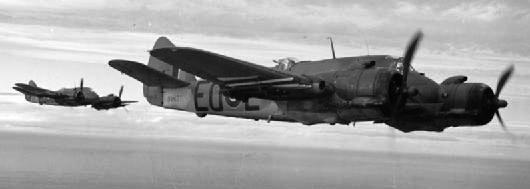
(RAF Photo)
Bristol Beaufighter TF.Xs, RCAF, FLt B.J. Daventry, ca 1945
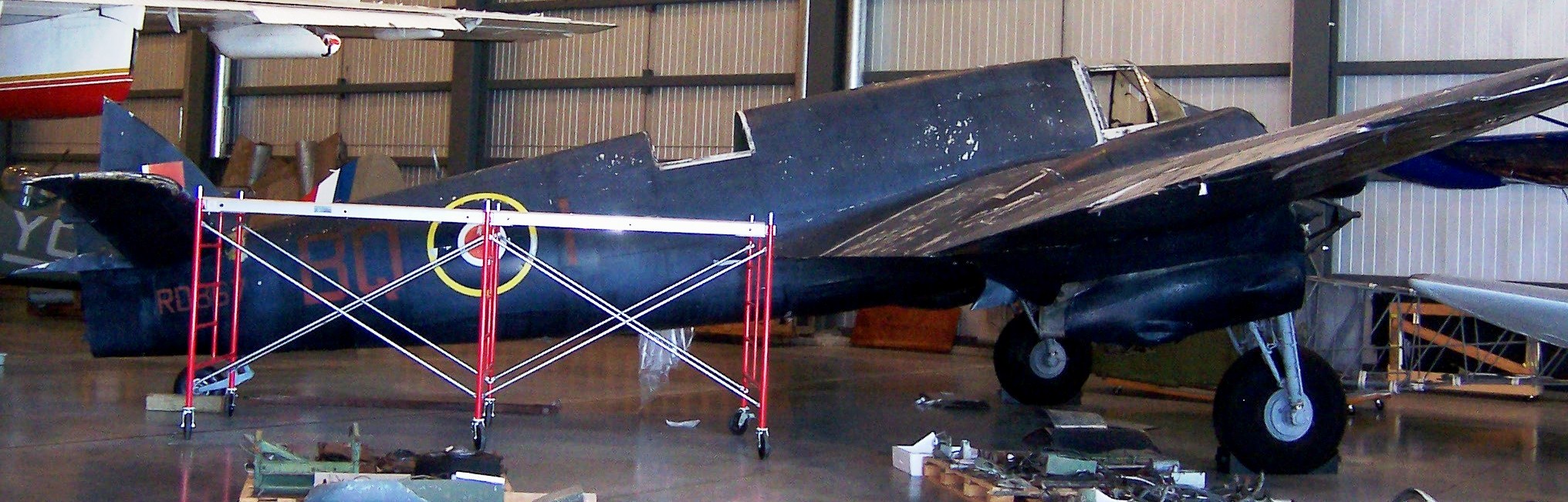
Bristol 156 Beaufighter T.F. Mk. X (Serial No. RD867).
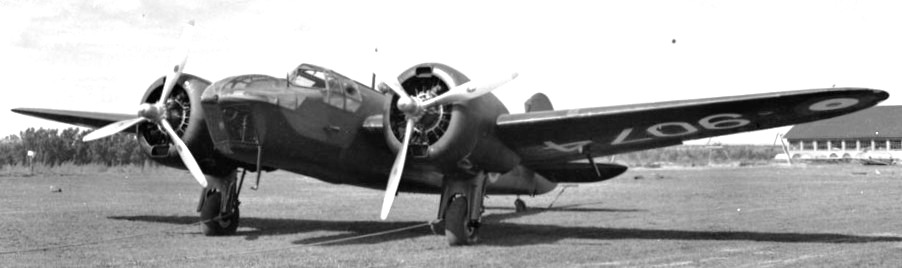
Bristol Boliingbroke Mk. IVC, RCAF (Serial No. 9074), 5 Aug 1942. (Library and Archives Canada Photo, MIKAN No. 3582238)
(RCAF Photos via Mike Kaehler)
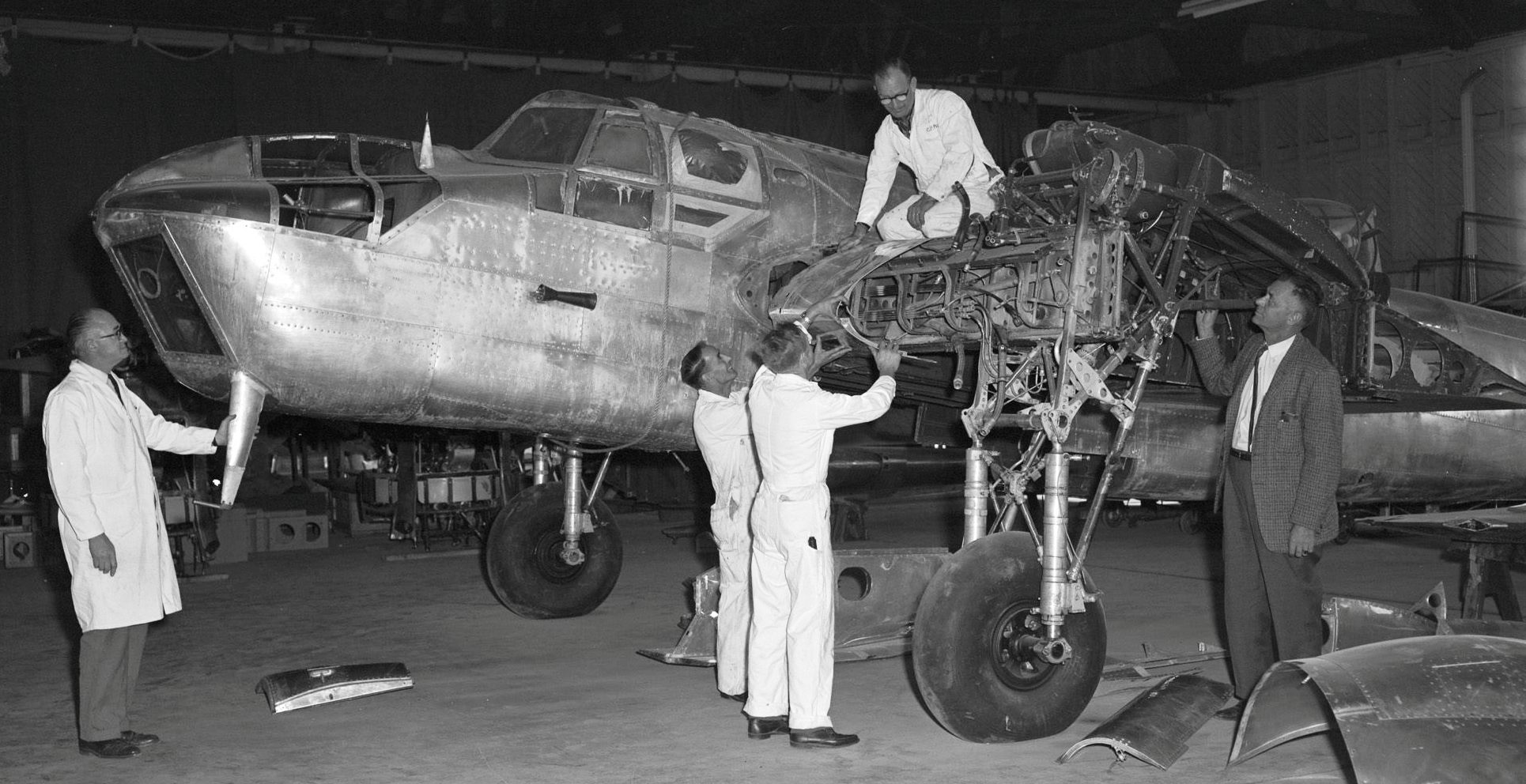
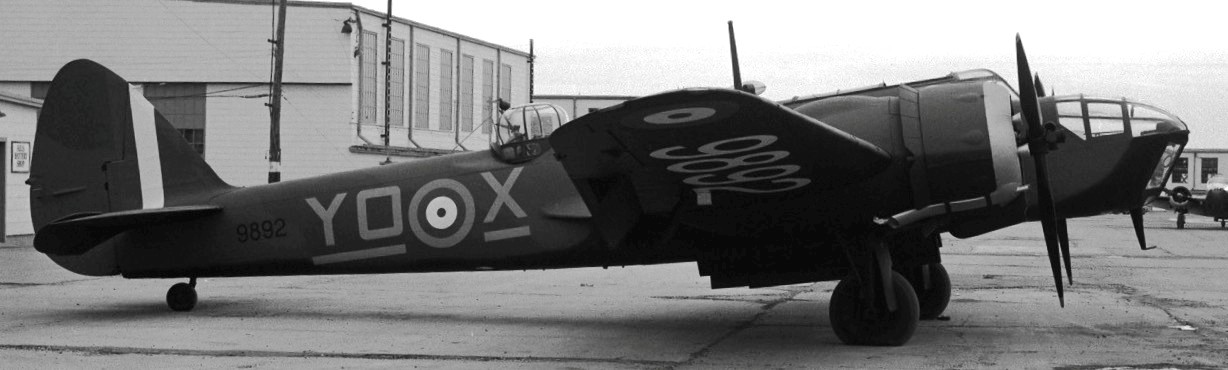
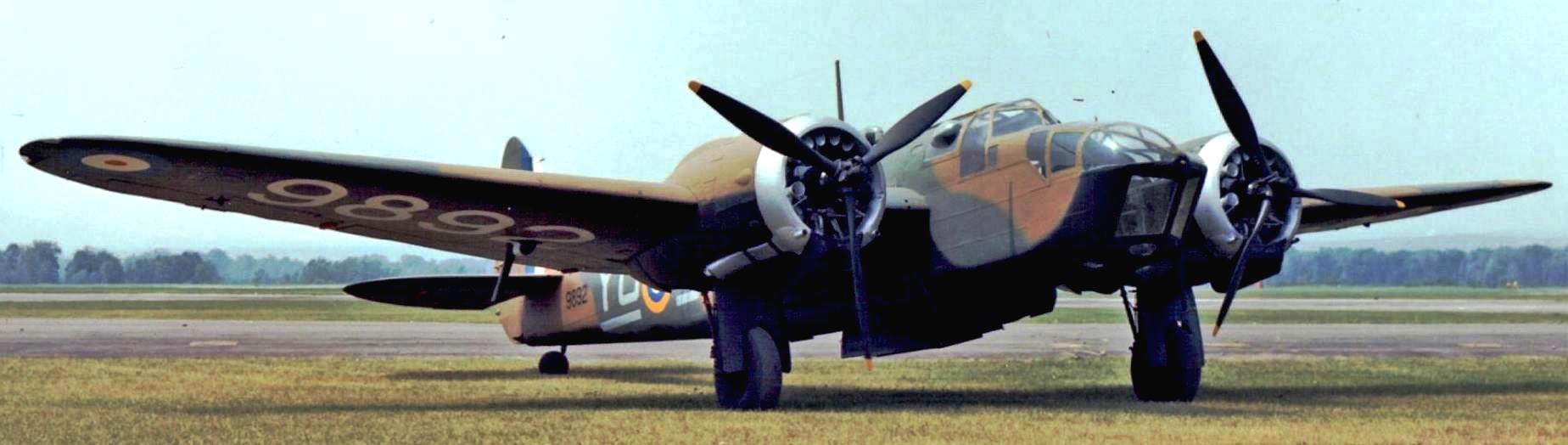
This Bolingbroke was manufactured by Fairchild Aircraft Limited for the RCAF in June 1942, and was briefly listed with No. 1 Training Command in Toronto before going to No. 2 Training Command in Winnipeg in July. In June 1944, it was put in storage and in September 1945 it was sold as war surplus to George A. Maude. Maude moved the Bolingbroke to his property on Salt Spring Island, British Columbia. In 1962, he agreed to donate the aircraft to the RCAF. A Calgary company disassembled and trucked it to Alberta for restoration in May 1963. It was finished in the markings of an aircraft of No. 8 Squadron RCAF, which had used Bolingbroke IVs operationally on both coasts from 1941 to 1943. The aircraft was transported to Rockcliffe airport and officially handed over to the RCAF by Maude in an Air Force Day ceremony on 6 June 1964. The aircraft was later transferred to the Museum.
(CA&SM Photo via James Craik)
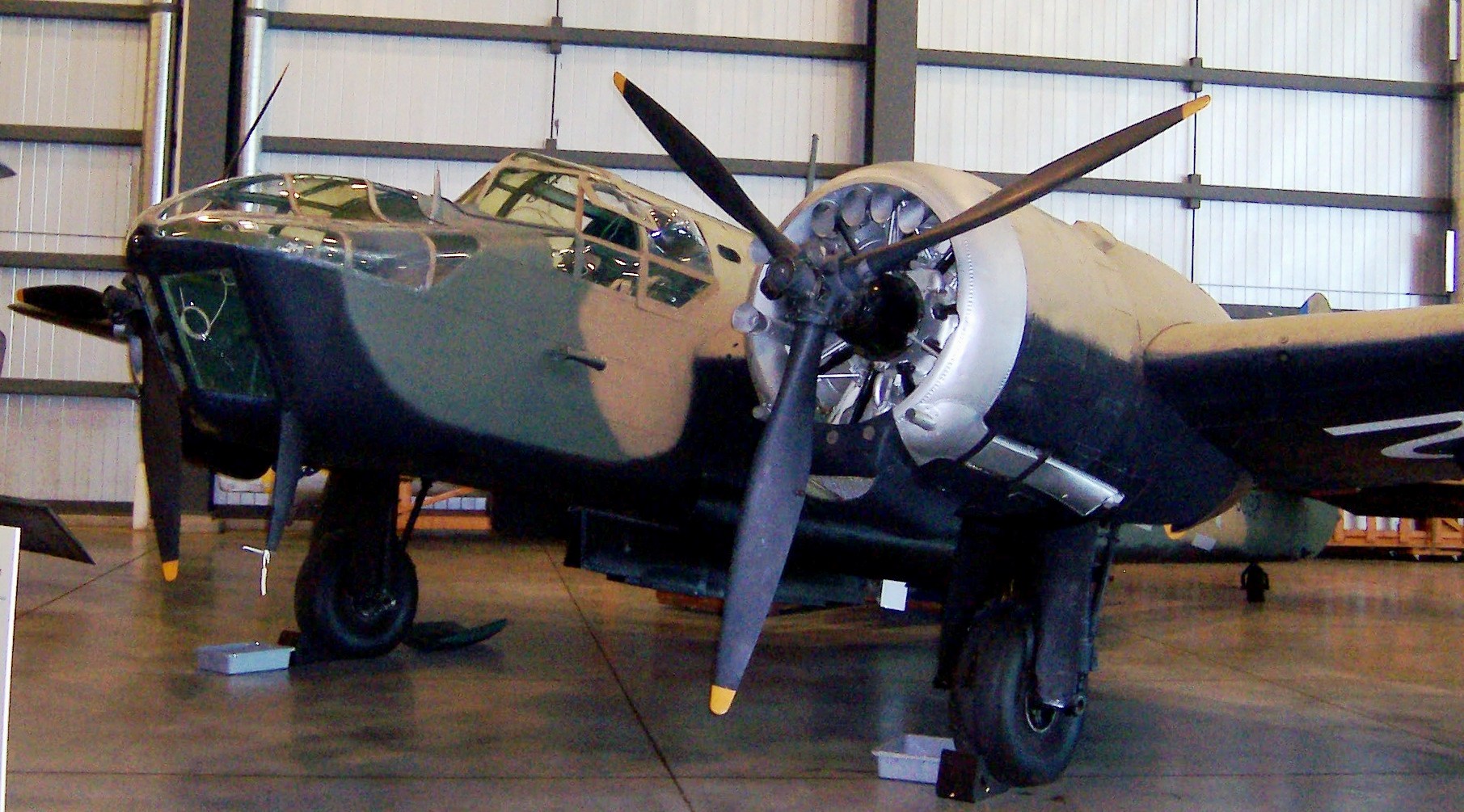
Bristol (Fairchild) Bolingbroke Mk. IVT (Serial No. 9892).
Buzzman Buccaneer (Serial No. 9112-SX-AA), C-IDWT. This aircraft is a one- or two-seat ultralight high-wing amphibious flying boat of pusher configuration marketed as a kit aircraft.