
(USN Photo)
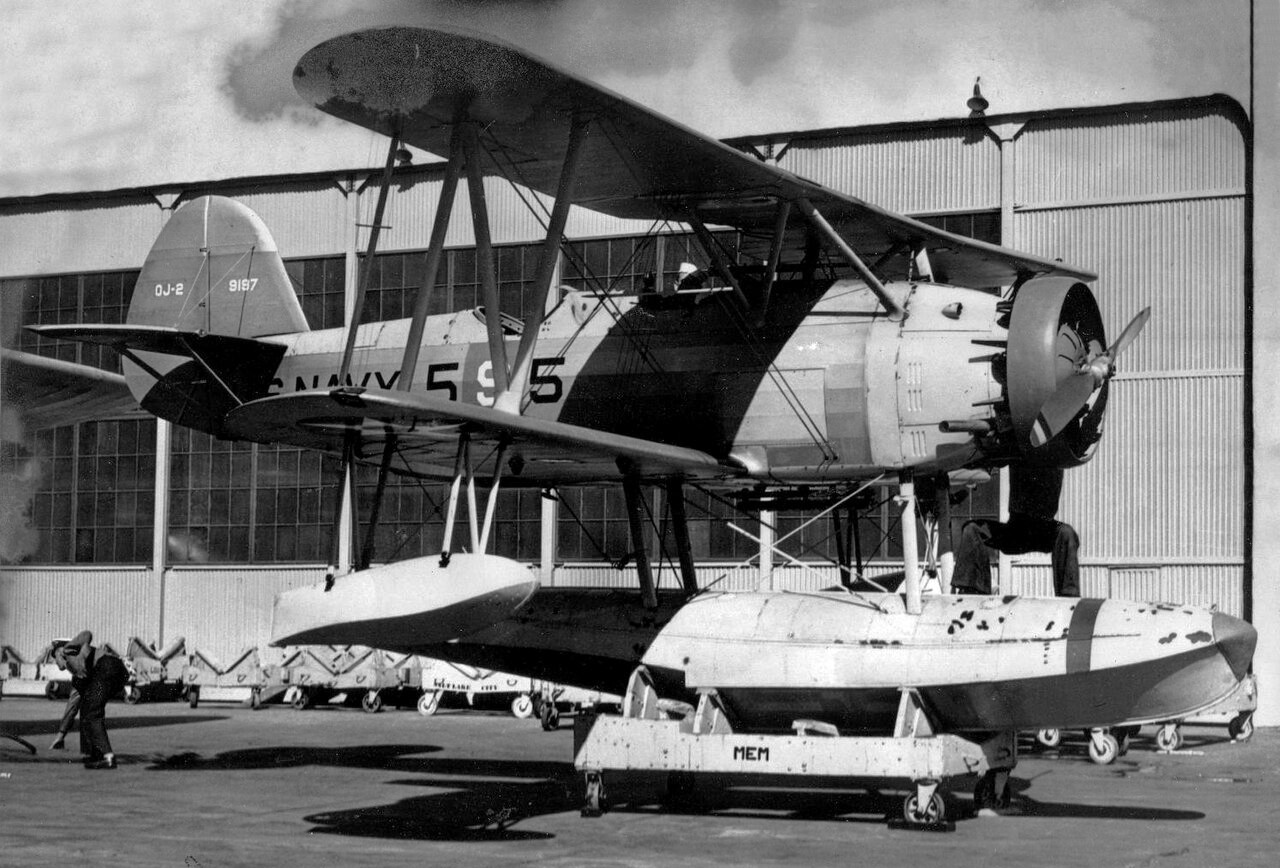
U.S. Navy Berliner-Joyce OJ-2 observation floatplane (BuNo. 9197) of Scouting Squadron 5B (VS-5B), assigned to the light cruiser USS Memphis (CL-13), in front of a hangar at Naval Air Station San Diego, California, ca. 1933-1935.
The Berliner-Joyce OJ was an American biplane observation floatplane developed by the Berliner-Joyce Aircraft for the United States Navy during the early 1930s. The origins of the OJ stemmed from a 1929 Bureau of Aeronautics (BuAer) requirement calling for an observation seaplane intended for service aboard Omaha class light cruisers, readily convertible to wheels or floats and light enough to operate from the cruiser-type catapult.[1] Prototypes were ordered from Keystone-Loening (then a subsidiary of Curtiss-Wright), Berliner-Joyce and Vought, and designated as the XOK-1, XOJ-1 and XO4U-1 respectively.
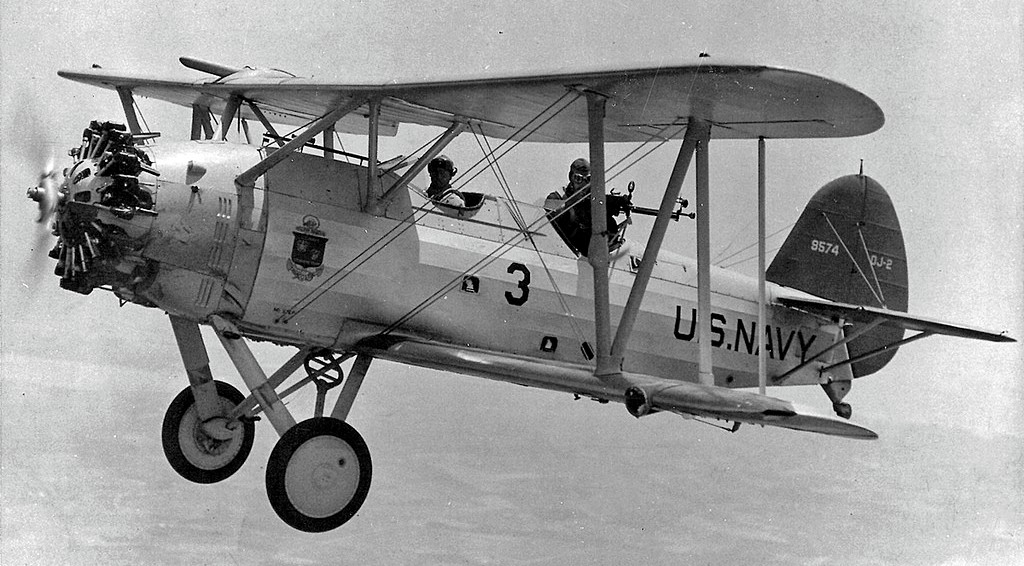
The Berliner Joyce design, a conventional biplane of mixed metal and fabric construction with staggered wings and the pilot and observer seated in tandem in open cockpits, first flew in May 1931. By that time the rival XOK-1 was already destroyed in a crash. Following trials that lasted into 1932, BuAer awarded Berliner-Joyce a contract. An order for 18 production aircraft designated OJ-2 was placed in March 1932, and two more orders followed, one in May 1933 for nine aircraft and a further 12 aircraft in December 1933 for use by reserve units. One OJ-2 modified in early 1934 with an NACA-type cowling and enclosed cockpits was delivered for trials as the XOJ-3, but after a crash it was rebuilt and returned to service as an OJ-2.
The OJ entered service with VS-5B and VS-6B in 1933 mainly for use on Omaha class light cruisers. Some OJs were used by reserve units with the first being VN-6R which were based near Washington to train reserve pilots and to enable staff officers to maintain their flying categories. By 1936 all the remaining aircraft were operated by reserve units and at the outbreak of the Second World War 29 aircraft were still in service. The Navy stopped the overhaul program for the aircraft and by the middle of 1941 all of them had been struck off charge. Unusually for its generation, only four aircraft were lost in accidents without any loss of life. (Wikipedia)
(USN Photo)
U.S. Navy Berliner-Joyce OJ-2 observation biplane.

(USN Photo)
Prototype XOJ-1 (A8359) at NAS Anacostia.

(USN Photo)
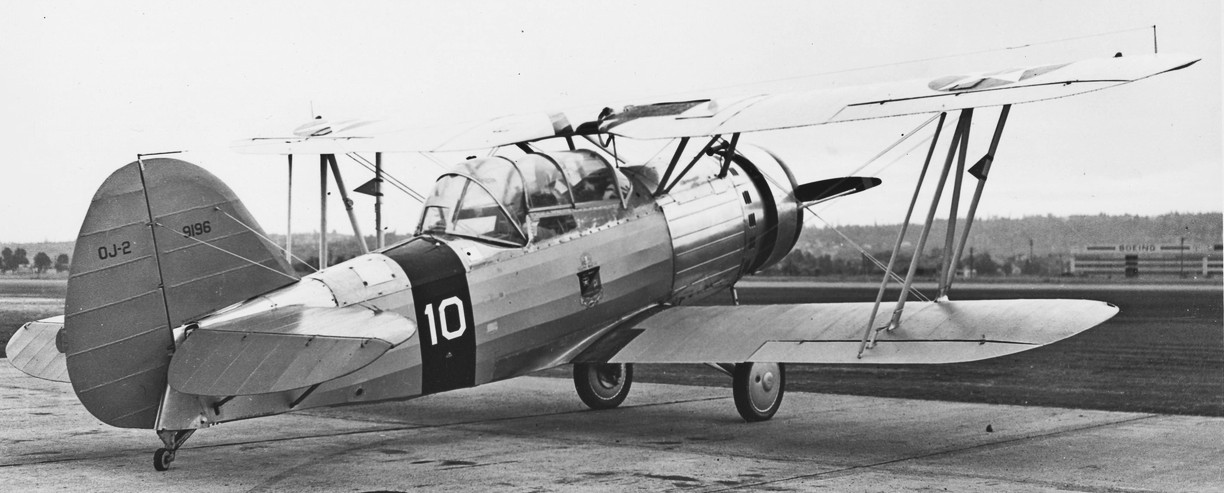
Berliner-Joyce OJ-2 (A9196) at Boeing Field. Aircraft was assigned to Naval Air Reserve Base Seattle.
(USN Photo)
Berliner-Joyce OJ-2 (A9196) at Boeing Field. Aircraft was assigned to Naval Air Reserve Base Seattle.
(USN Photo)
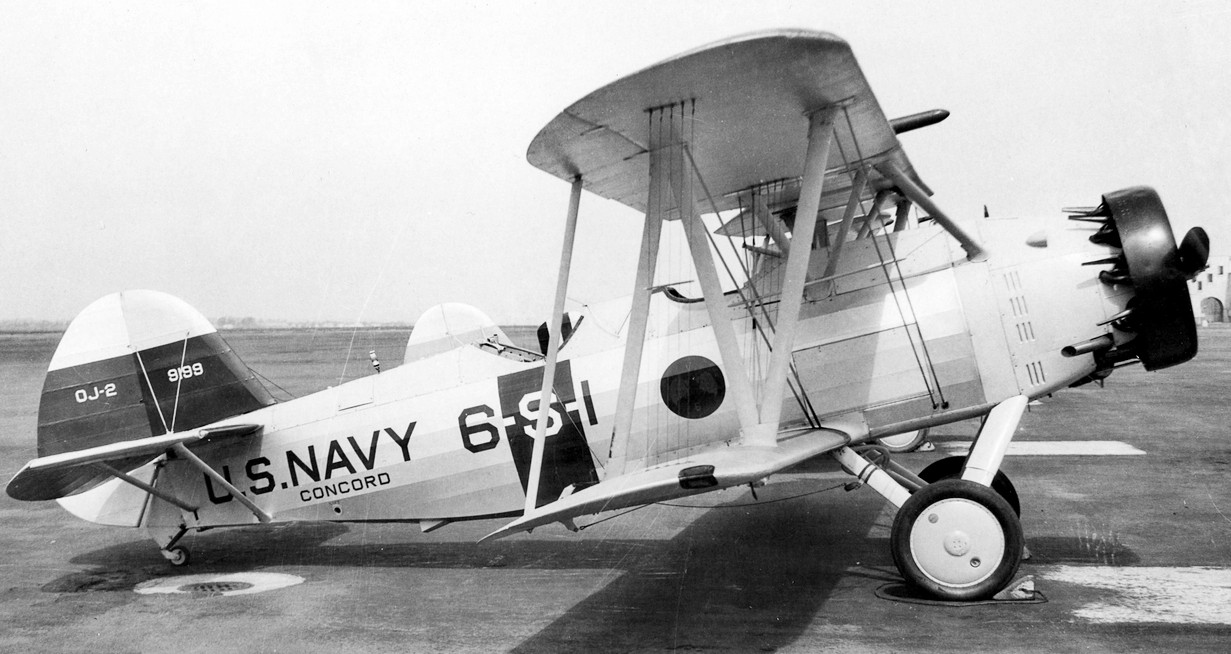
Berliner-Joyce OJ-2 observation floatplane coded VS-6B, serving on the light cruiser USS Concord in the mid 1930’s.
(USN Photo)
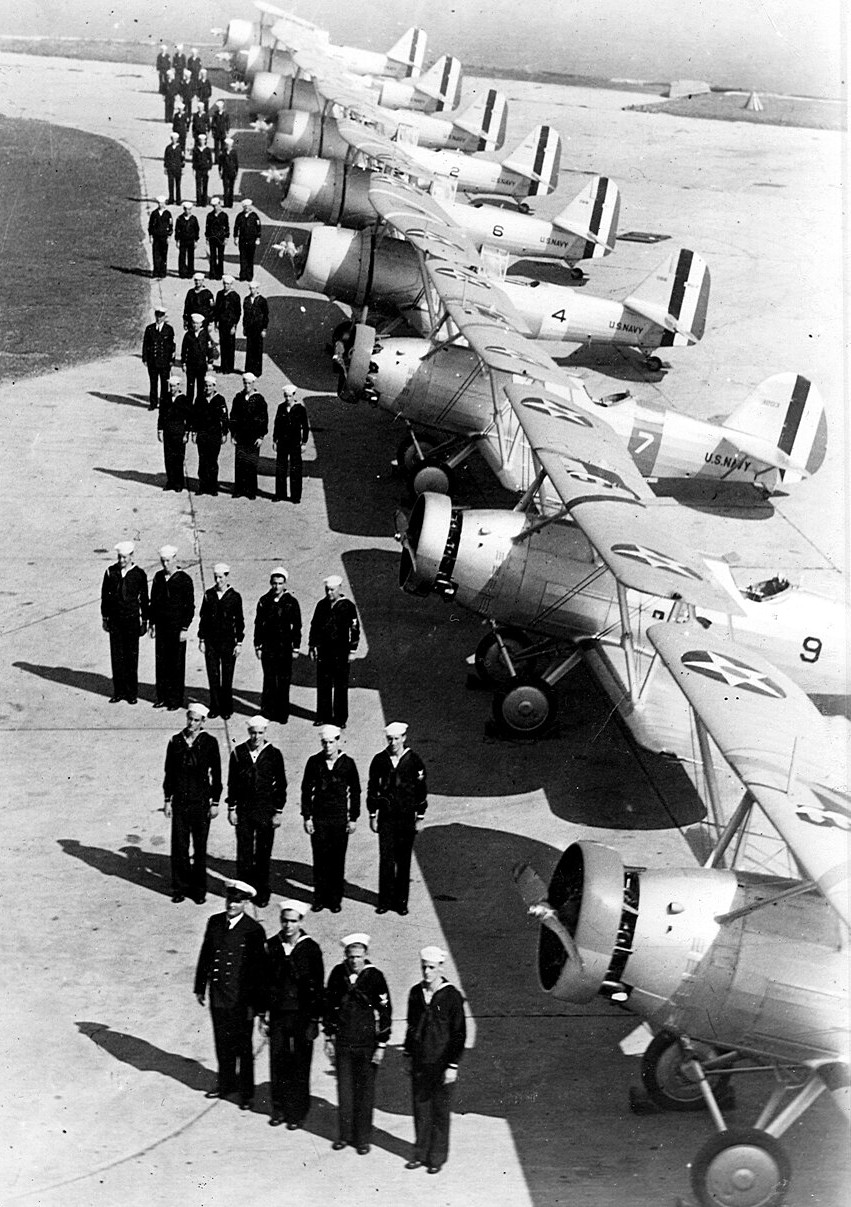
U.S. Navy personnel of reserve scouting squadron VS-2R lined up for inspection in front of Berliner-Joyce OJ-2 and Vought SBU aircraft (last 6, background) at the Naval Reserve Air Base (NRAB) Squantum, Massachusetts (USA), in 1938.
(SDASM Archives Photo)
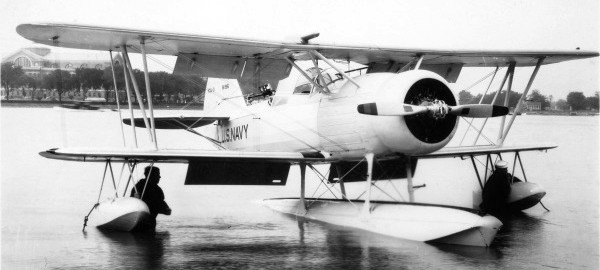
Berliner-Joyce XOJ-3 (BuNo. 9196), NAS Anacostia, 4 Oct 1934.
(SDASM Archives Photo)
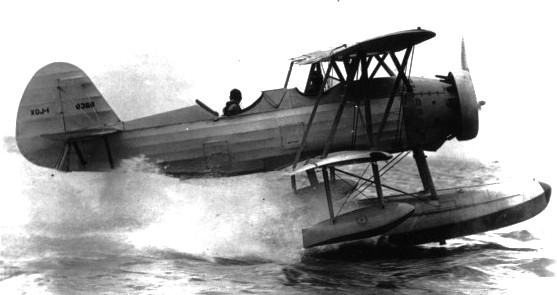
Berliner-Joyce XOJ-1 (BuNo. 0369), 3 Sep 1931.
(USN Photo)
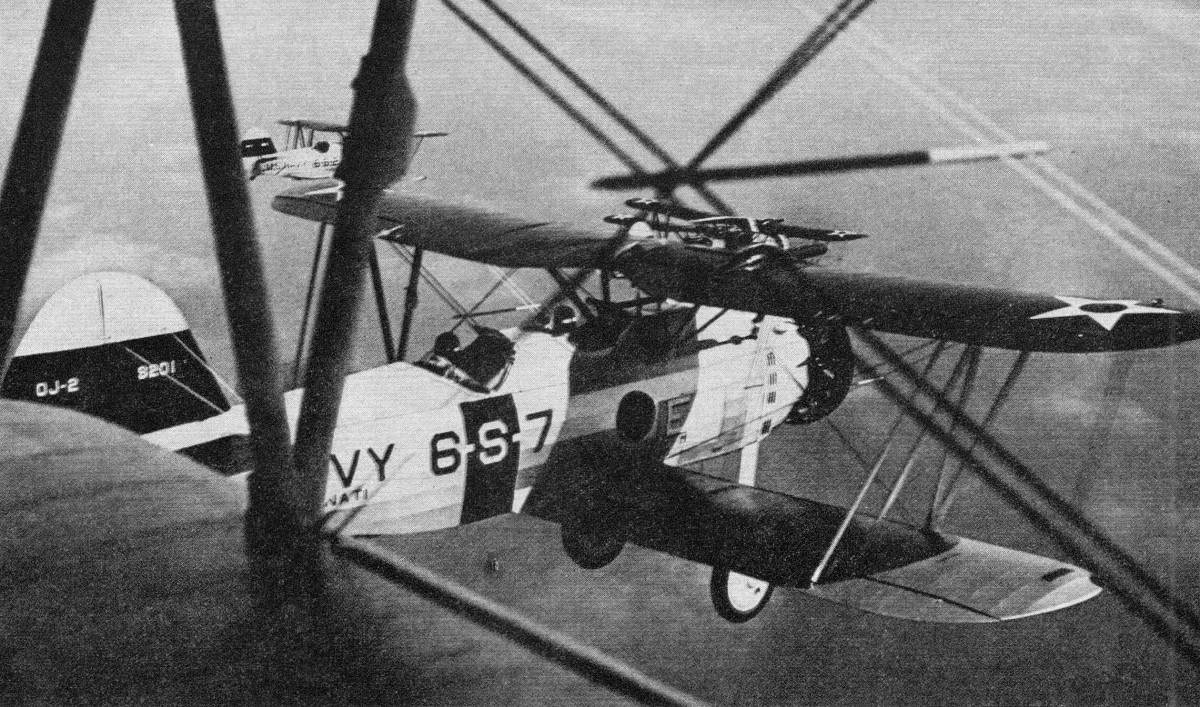
Berliner-Joyce OJ-2.

(USN Photo)
Berliner-Joyce OJ-2.