
Artemis II is NASA’s first crewed mission to the Moon since 1972, set to launch 1 April 2026. The 10-day mission will carry NASA astronauts Reid Wiseman, Victor Glover, and Christina Koch, along with Canadian Space Agency astronaut Jeremy Hansen, on a free-return trajectory around the Moon and back to Earth. Glover will become the first person of color, Koch the first woman, and Hansen the first person not from the United States to reach deep space and the Moon’s vicinity. The flight is set to take the crew farther from Earth than any previous crewed mission, before reentering Earth’s atmosphere at a record speed of approximately 25,000 miles per hour (40,000 km/h). (NASA)
 (NASA Photo)
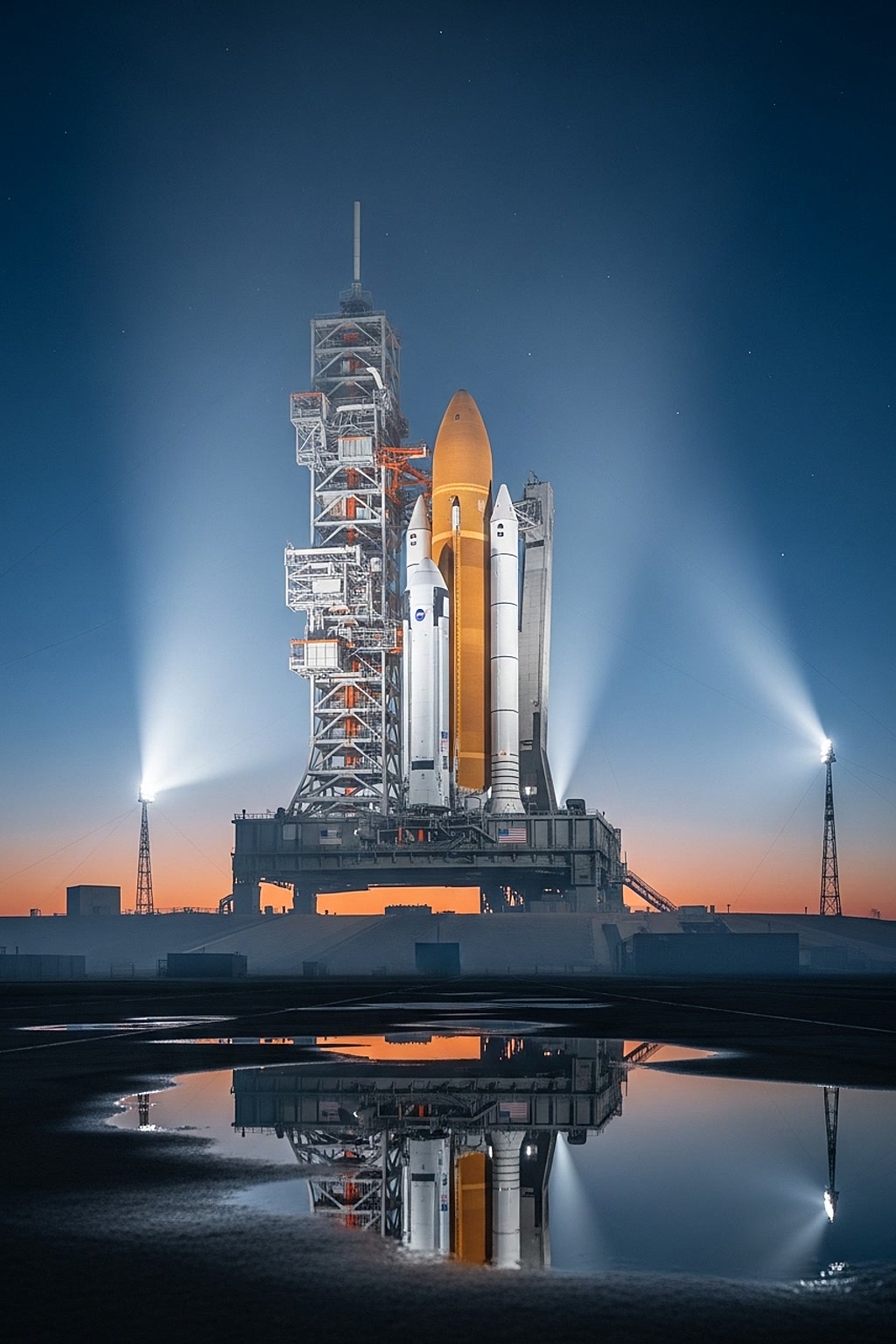
Artemis II on the launch pad, March 2026.
Artemis II aims to validate the systems and hardware necessary for future human lunar exploration. This mission will test the Orion spacecraft and the Space Launch System (SLS) rocket in a crewed environment, confirming that all systems operate as designed in deep space. The mission will not land on the Moon but will conduct a free-return trajectory around it, allowing the crew to experience deep-space conditions and test life support, navigation, and communication systems.
Artemis II is a critical step in NASA’s Artemis program, which aims to establish a sustainable human presence on the Moon and eventually prepare for future missions to Mars. This mission builds on the success of the uncrewed Artemis I mission, which tested the SLS and Orion systems in 2022. Artemis II represents a significant milestone in human space exploration, paving the way for future lunar missions and enhancing international collaboration in space endeavors. (NASA)
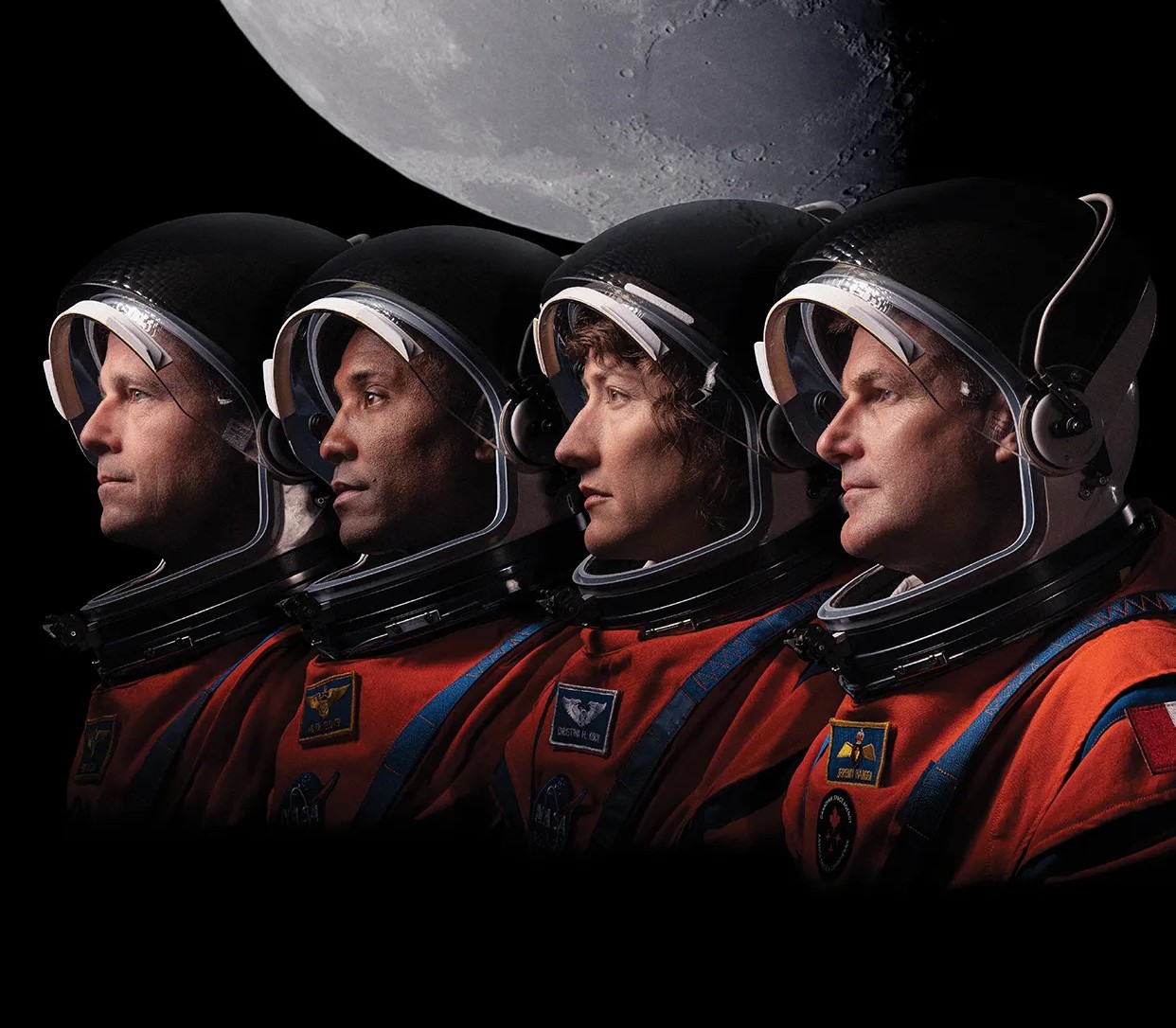
-
Reid Wiseman(NASA)
-
Victor Glover(NASA)
-
Christina Koch(NASA)
- Jeremy Hansen (Canadian Space Agency), marking him as the first Canadian to participate in a mission around the Moon.
(NASA Photo)

(Josh Valcarcel, NASA Photo)
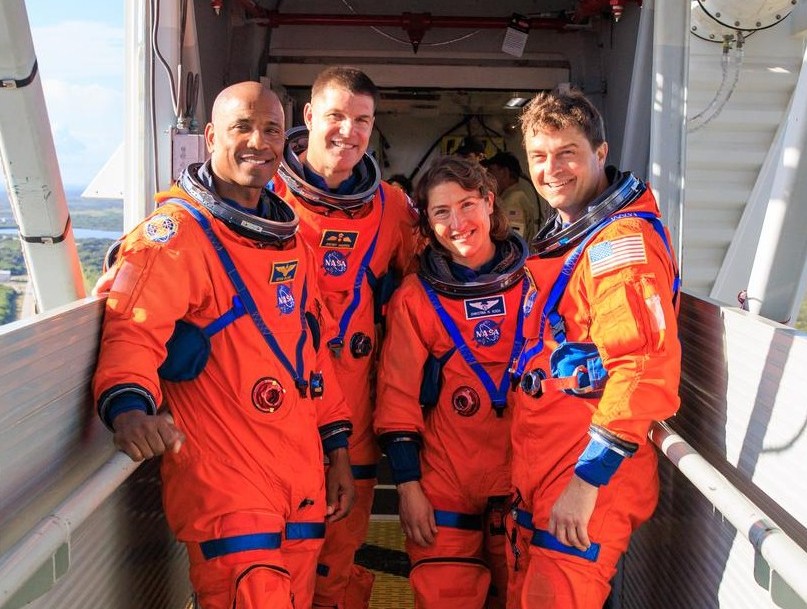
Official crew portrait. NASA Astronauts Christina Koch, Victor Glover, Canadian Space Agency Astronaut Jeremy Hansen, NASA Astronaut Reid Wiseman.
Artemis II is crewed by four astronauts: commander Reid Wiseman, pilot Victor Glover, and mission specialist Christina Koch, all from NASA, along with mission specialist Jeremy Hansen from the Canadian Space Agency. On 22 November 2023, Jenni Gibbons was named as Hansen’s backup,[63] and on 3 July 2024, Andre Douglas was named backup for the three NASA astronauts. Glover would become the first person of colour, Koch the first woman, and Hansen the first non-American to travel around the Moon. Hansen and Gibbons, both from Canada, were selected by the Canadian Space Agency as part of a 2020 treaty between the United States and Canada that facilitated their participation in the Artemis program. This mission will break the record for the most people in deep space at once, set at three during Apollo 8 in 1968.

(NASA Photo)
The backup and prime crew of Artemis II after a news conference in December 2024. From left, backup Mission Specialist CSA (Canadian Space Agency) astronaut Jenni Gibbons, backup Mission Specialist NASA astronaut Andre Douglas, Mission Specialist 2 CSA astronaut Jeremy Hansen, and NASA astronauts Mission Specialist 1 Christina Koch, Pilot Victor Glover, and Commander Reid Wiseman participate in a media day event on Monday, 16 December 2024, inside the Vehicle Assembly Building at the agency’s Kennedy Space Center in Florida. The Artemis II crew and backup crew participated in the event days after teams with NASA’s Exploration Ground Systems transport lifted the agency’s 212-foot-tall SLS (Space Launch System) core stage from the facility’s transfer aisle into High Bay 2 where it will remain while teams stack the two solid rocket boosters on top of mobile launcher 1.
(NASA Photo)

(NASA Photo)

(NASA Photo)
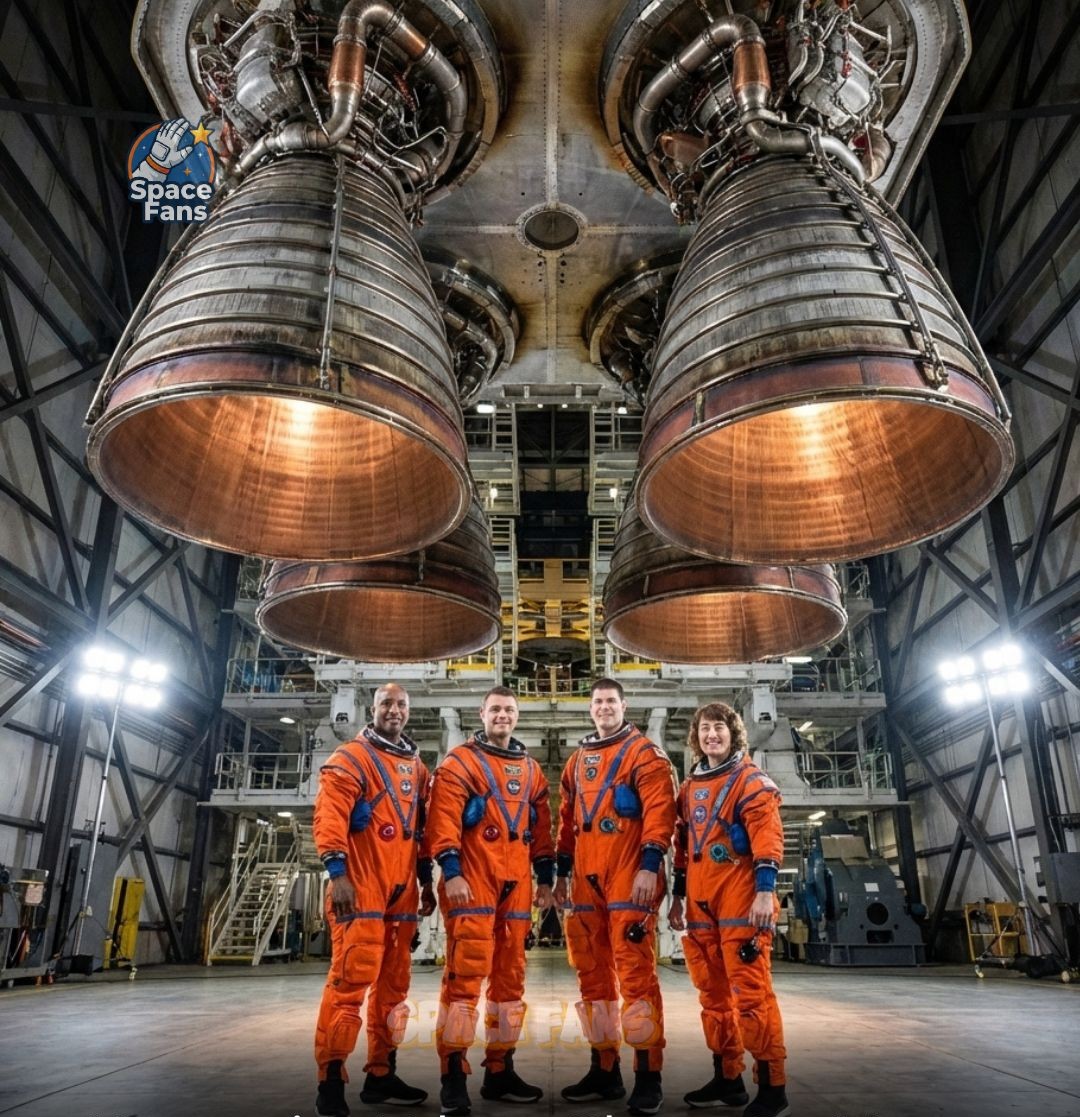
The crew of Artemis II training inside an Orion mock-up in January 2025
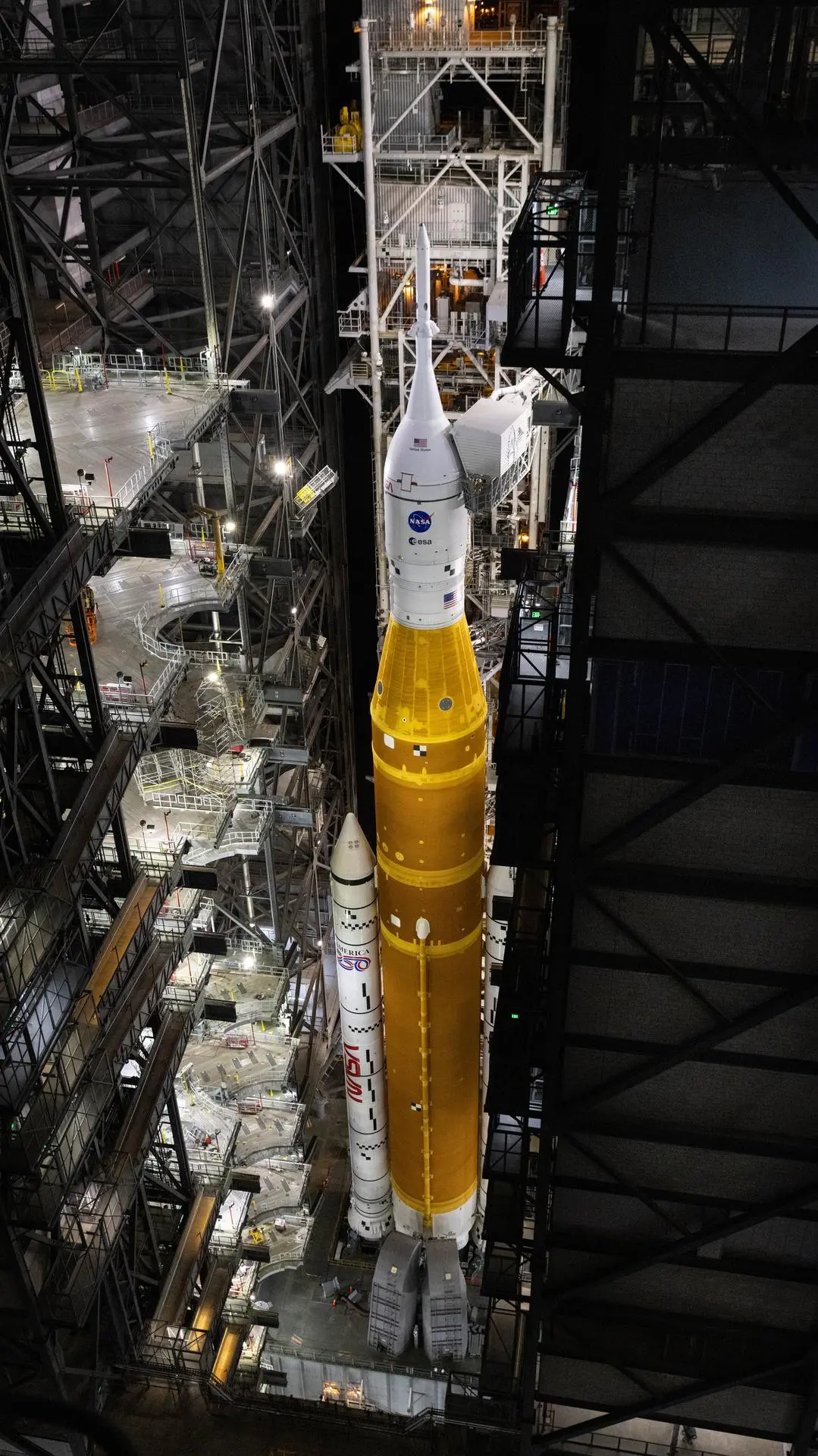
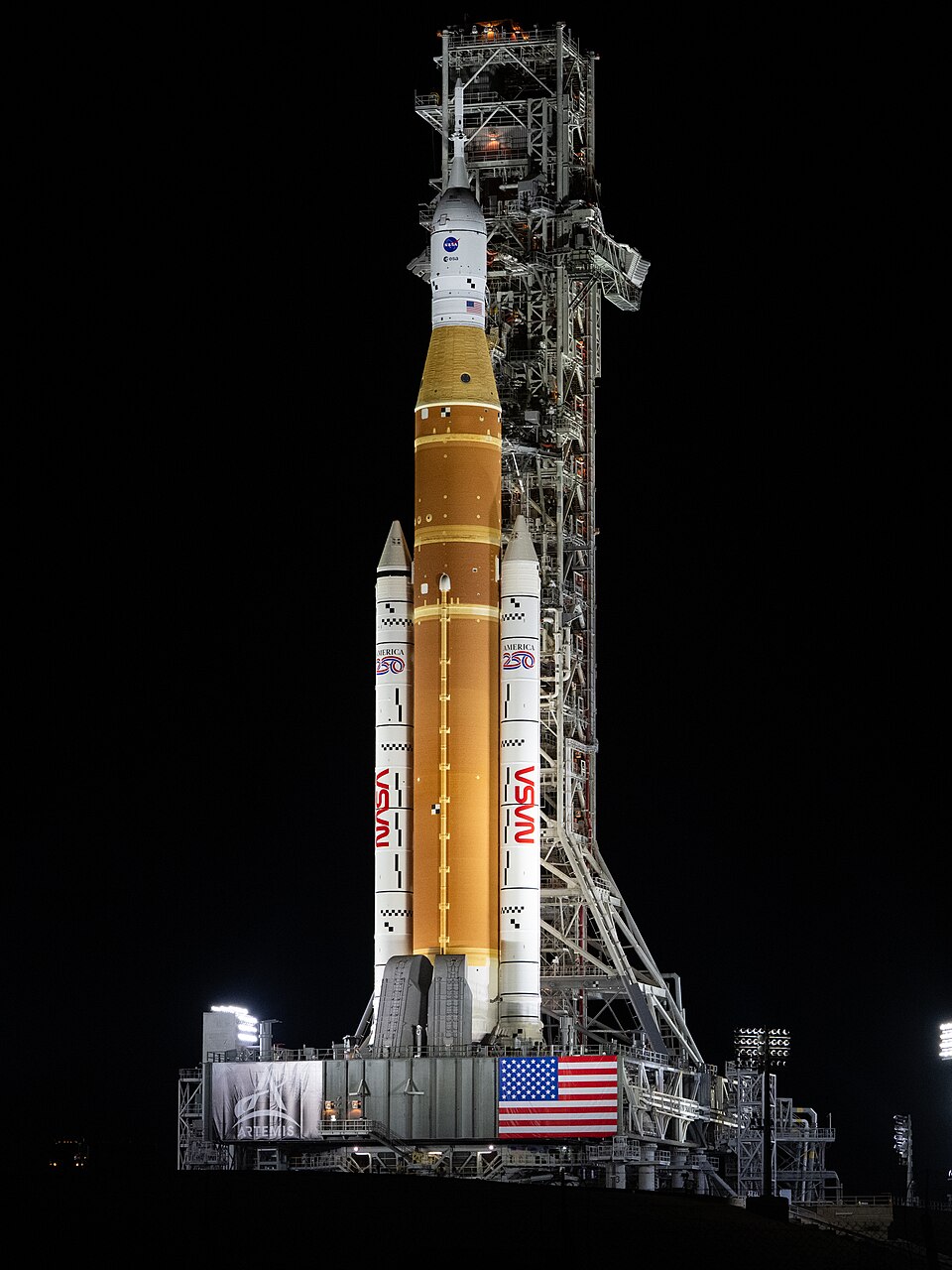
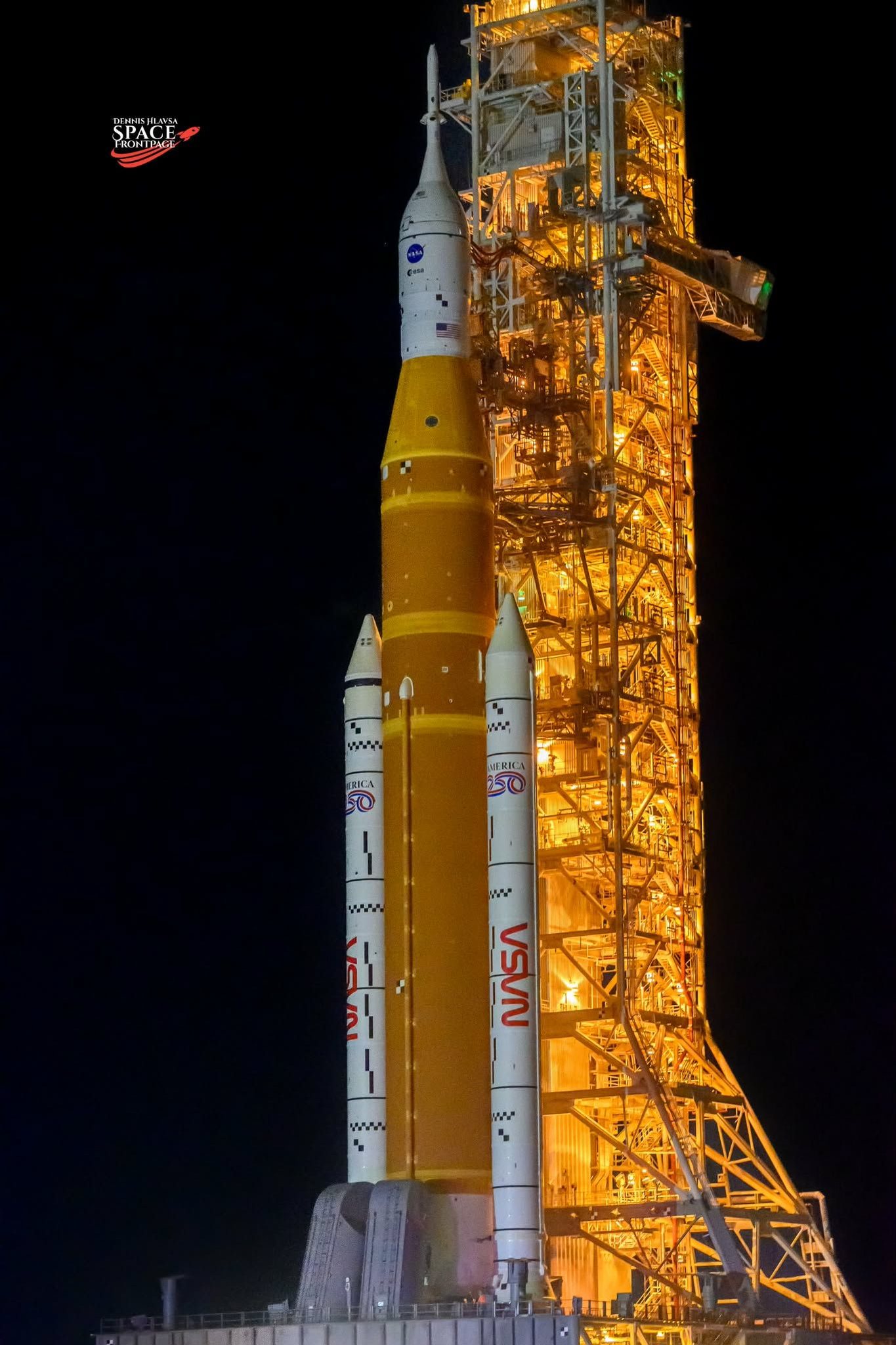
NASA’s Space Launch System (SLS) rocket and Orion spacecraft, secured to the mobile launcher, are seen at Launch Pad 39B, Saturday, Jan. 17, 2026, at NASA’s Kennedy Space Center in Florida. NASA’s Artemis II test flight will take Commander Reid Wiseman, Pilot Victor Glover, and Mission Specialist Christina Koch from NASA, and Mission Specialist Jeremy Hansen from the CSA (Canadian Space Agency), around the Moon and back to Earth no later than April 2026.

he Artemis II crew will spend a day in orbit around Earth, checking their capsule before firing the main engine that will propel them to the moon, setting a distance record — travelling some 405,000 kilometres into space — in the process. If all goes well, the crew will fly past the moon — but not touch down — in about six days’ time. On a wider scale, NASA hopes this mission lays the groundwork for future flights that take astronauts all the way to its surface. With the mission now underway, the astronauts are testing systems aboard the Orion spacecraft. Here’s a look at some of the key objectives of Artemis II.
Shortly after launch, the two white solid rocket boosters separated and splashed down in the ocean, followed by the core stage.
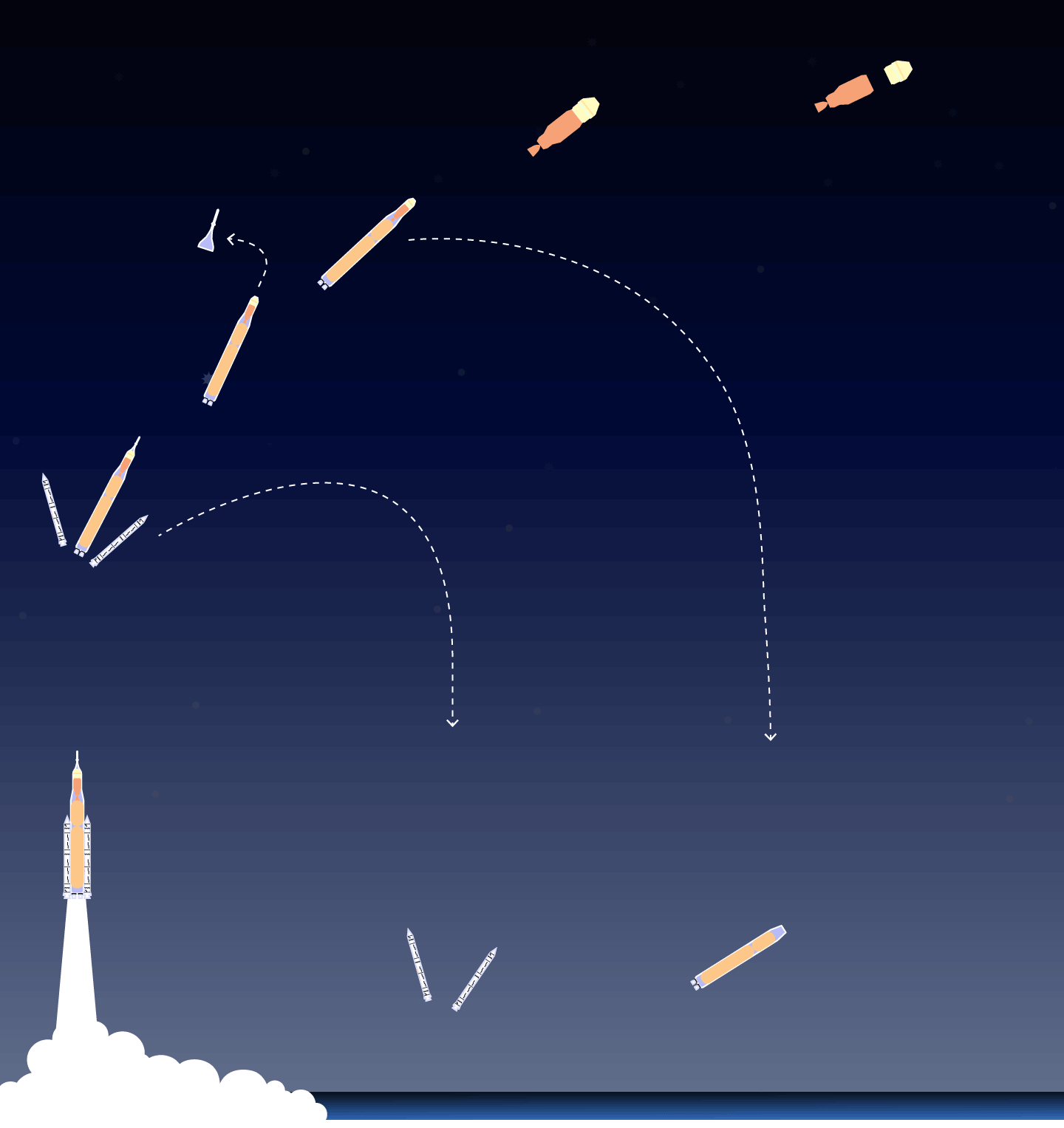
The astronauts won’t head straight to the moon. Instead, they will orbit Earth for about 25 hours. One objective while in Earth orbit is to test Orion’s manoeuvrability. The interim cryogenic propulsion stage (ICPS) will raise Orion into a high-Earth orbit before separating about four and a half hours after launch. The crew will then bring the capsule within a few metres of the ICPS to test handling. After the test, the ICPS will re-enter Earth’s atmosphere and fall into the Pacific Ocean. About five hours into the mission, four separate experiments on CubeSats — inexpensive microwave-sized satellites — will be deployed.On Day 2, the crew will carry out a translunar injection burn, or TLI, putting them on a path to the moon. On Day 3, the astronauts will do a CPR demonstration. While that may sound relatively easy, remember, they have to do it in zero gravity. That same day, they will also test communications through NASA’s Deep Space Network (DSN), a global system of ground antennas located in Goldstone, California; Madrid, Spain; and Canberra, Australia. The network communicates with spacecraft in deep space, including New Horizons, which flew past Pluto in 2015, and the Voyager spacecraft, launched in 1977. Day 4 will be relatively quiet, with an orbital injection burn and a review of the lunar flyby imaging plans while, on Day 5, the astronauts will practice quickly donning their spacesuits and pressurizing them. Day 6 is the day everyone has been waiting for. The astronauts will approach the moon, swing around it and capture images of the far side of the lunar surface. These are not tourist photos, but targeted photographs of scientifically important regions rarely seen from Earth.

Although astronauts travelled to the moon in the 1960s and 1970s, this mission may offer views of the far side not previously observed by human eyes, in part because some regions were not illuminated during the Apollo missions. When the astronauts are on the far side of the moon, they will experience what is known as a loss of signal (LOS), meaning they will be unable to communicate with Earth for roughly 30 minutes. Day 7 is mostly a day off, though the four crewmembers will be communicating with scientists on Earth about the flyby. Days 8 and 9 will focus on testing the radiation shielding and manual piloting of Orion, along with testing a garment designed to help astronauts regulate blood flow. Finally, Day 10 brings the crew home. (NASA)
All of this is in preparation for future missions to the lunar surface as part of the Artemis program. Artemis III, once planned as a moon landing, has now transitioned into a low Earth orbit docking test with a lunar lander developed by either Blue Origin or SpaceX. Artemis IV is expected to return astronauts to the lunar surface by 2028. (Nicole Mortillaro)

(NASA Photo)
Artemis II’s objectives are comparable to those of Apollo 8, the first crewed lunar mission of the Apollo program, in 1968. Unlike Apollo 8 and Apollo 10 in 1969, which orbited the Moon without landing, Artemis II will not enter lunar orbit. Instead, Artemis II will fly around the Moon on a free-return trajectory, like Apollo 13 in 1970. While Apollo 13 came to 158 miles (254 km) above the lunar surface, Artemis II’s closest approach will be ~4,700 miles (7,600 km), a little over two lunar diameters. (NASA)
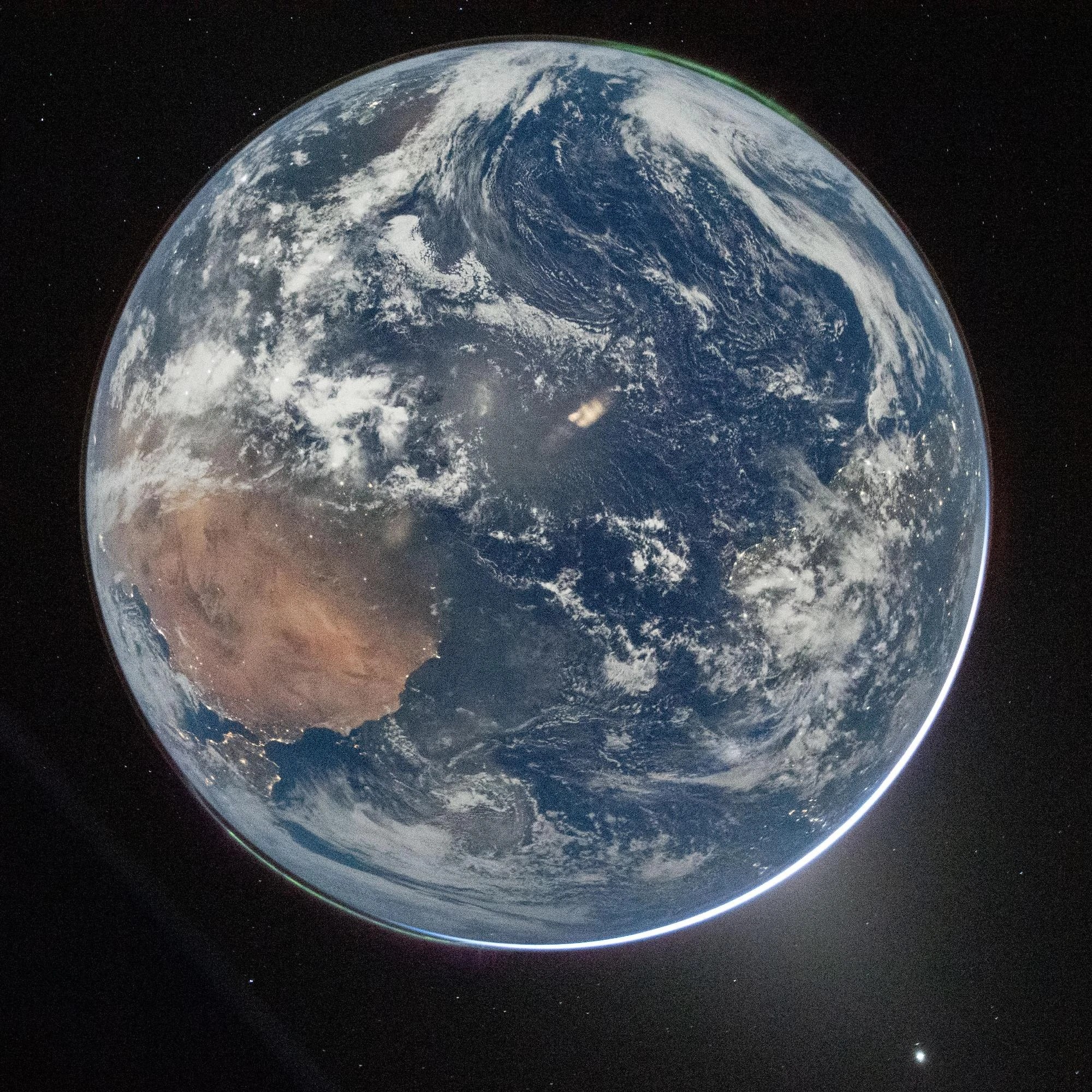
(NASA Photo)
Image of Earth taken by the Artemis II crew after their translunar injection burn. There are aurorae at top right and lower left, and zodiacal light at lower right.

