
German Artillery and Machine Guns in the RCA Museum from the First World War
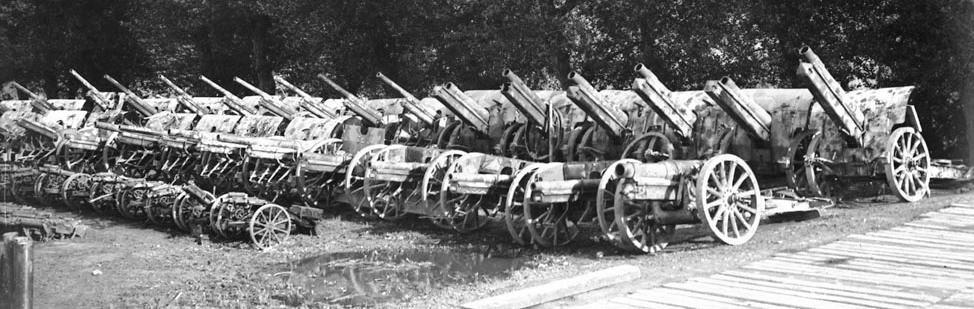
(Library and Archives Canada Photo, MIKAN No. 3397945)
German Artillery, trench mortars and machine guns captured by Canadians, East of Arras, France, Sep 1918.
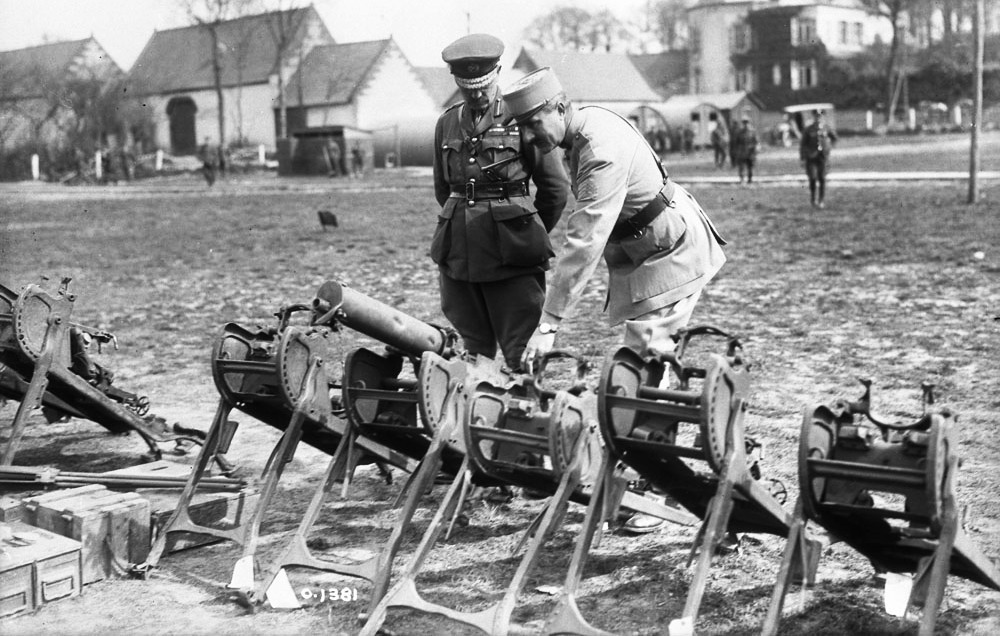
(Library and Archives Canada Photo, MIKAN No. 3213520)
German MG 08s being examined by LGen Julian Byng, May 1917.
German First World War 7.92-mm Maxim Spandau MG08 Machinegun (Serial Nr. 1133), captured by the RCR, 3rd Canadian Division on 26 August 1918 at Faction Trench N.E. of Monchy-le-Preux, France. Originally allocated to the town of Binscarth, Manitoba.
German First World War 7.92-mm Maxim Spandau MG08 Machinegun (Serial Nr. 1870), captured by the 27th Battalion, late 1918. Also originally allocated to the town of Binscarth, Manitoba.
German First World War 7.92-mm Maxim Spandau MG08 Machinegun (Serial Nr. 4882), no data, originally allocated to Lockport, West Selkirk, Manitoba.
German First World War 7.92-mm Maxim Spandau MG08 Machinegun (Serial Nr. 4900), captured by the 20th Battalion on 5 August 1917 at the Cité St Emile, N. of Lens, France. Originally allocated to Brandon College, Brandon, Manitoba.
German First World War 7.92-mm Maxim Spandau MG08 Machinegun (Serial Nr. 7109), no data, originally allocated to Lockport, West Selkirk, Manitoba.
German First World War 7.92-mm Maxim Spandau MG08 Machinegun (Serial Nr. 40553), captured by the 3rd Canadian Division in October 1918 in the vicinity of Cambrai, France. Originally allocated to Carman, Manitoba.
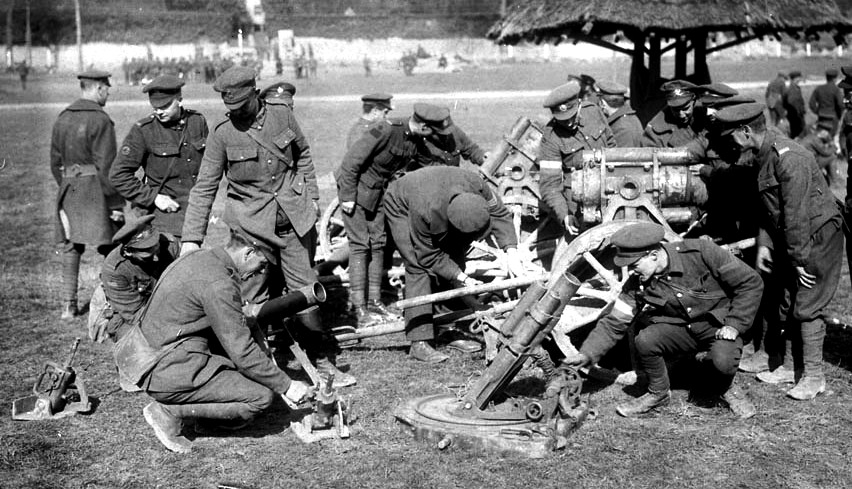
(Library and Archives Canada Photo, MIKAN No. 3521829)
German 7.68-cm trench mortars captured by Canadians, Apr 1917.
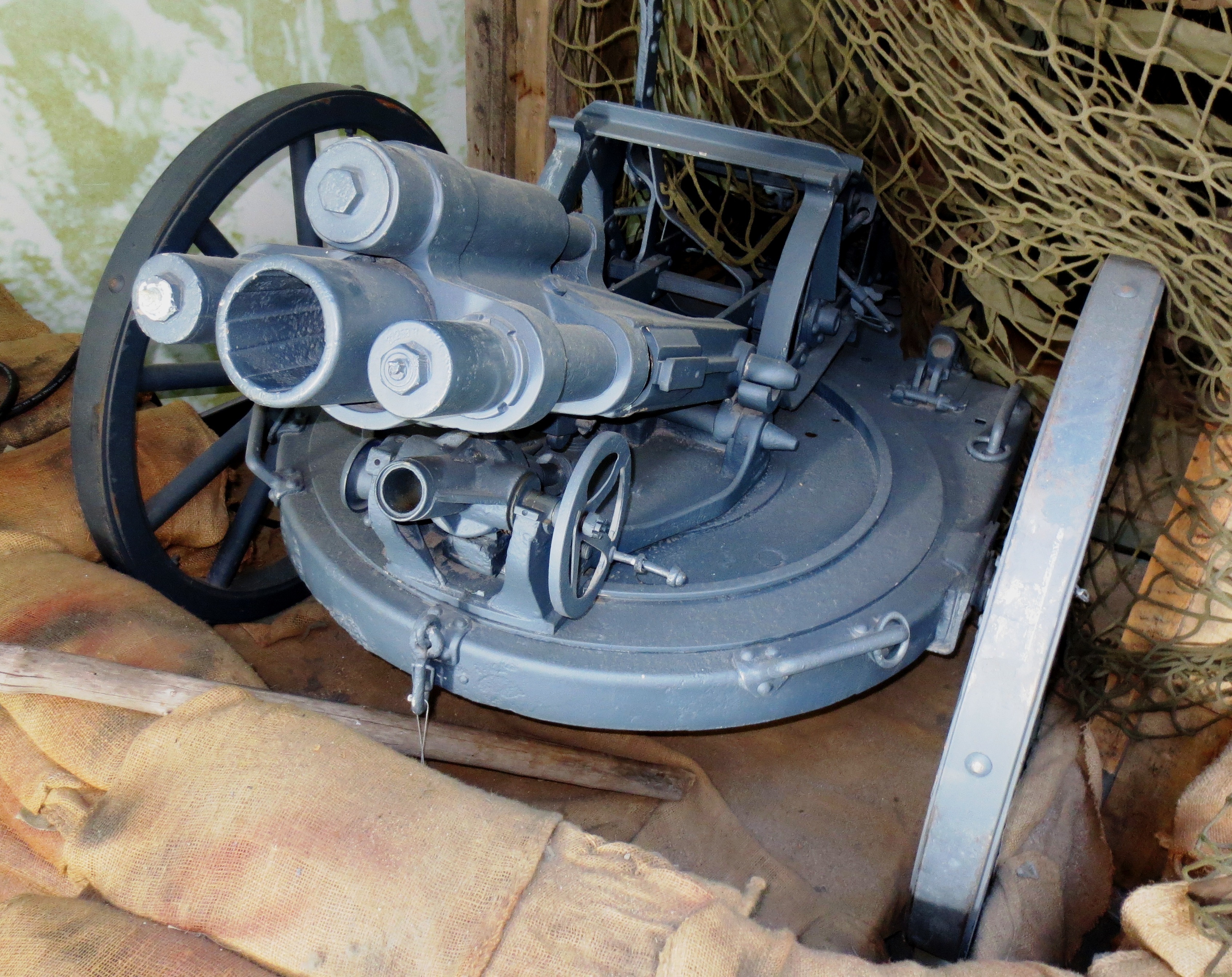
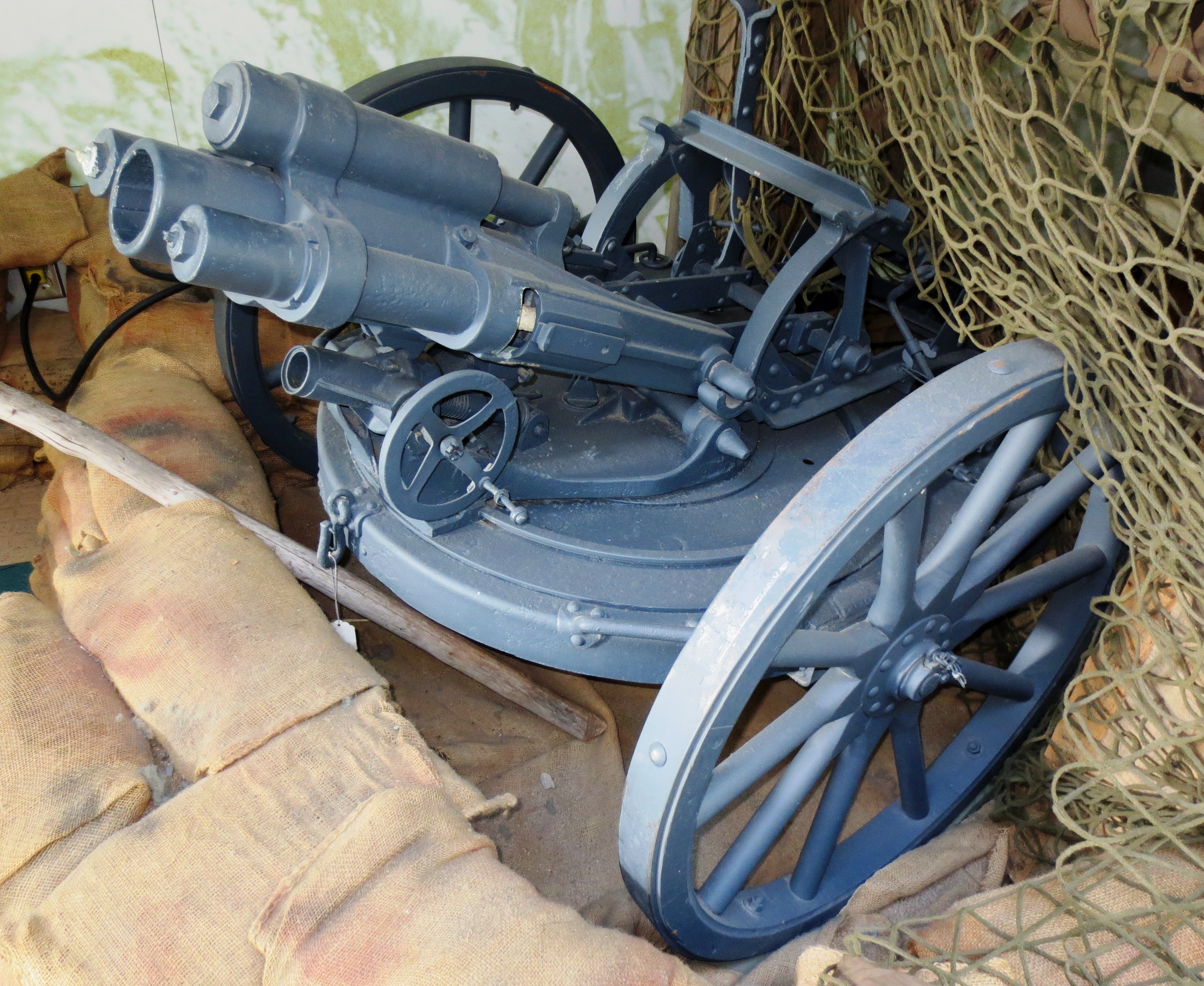
(Author Photos)
German First World War 7.58-cm leichtes Minenwerfer neuer Art, (7.58-cm leMW), (Serial Nr. 32258), no data, on a heavy metal base with ramp, handle intact, painted dark grey, mounted on a wheeled carriage. New wheels and trail in 1988, weight in action 550 lbs. Sent to CFB Shilo from the CME Museum, 5 CDSB Gagetown, New Brunswick in January 2013. Originally allocated to Maillardville, Fraser Mills, British Columbia.
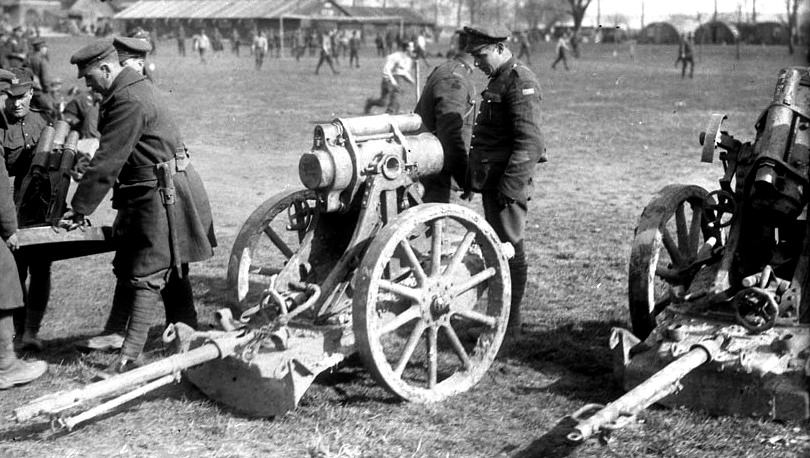
(Library and Archives Canada Photo, MIKAN No. 3521845)
German 17-cm trench mortars captured by Canadians, Apr 1917.
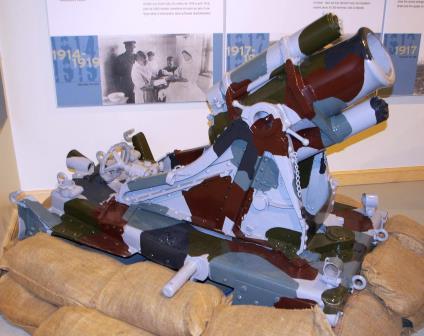
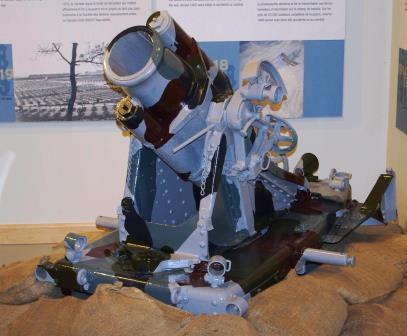
(Maxwell J. Toms Photos)
German First World War 17-cm mittlerer Minenwerfer (17-cm mMW), (Serial Nr. TBC). Medium trench mortar mounted on an iron baseplate, no wheels.
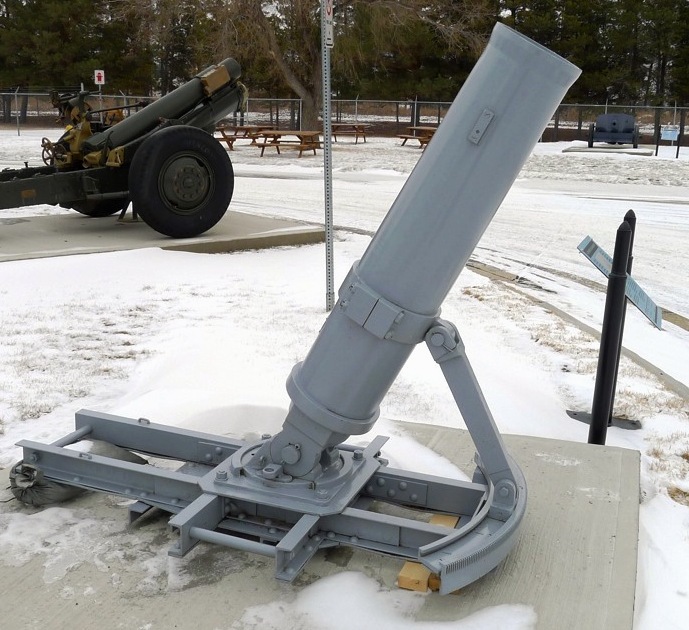
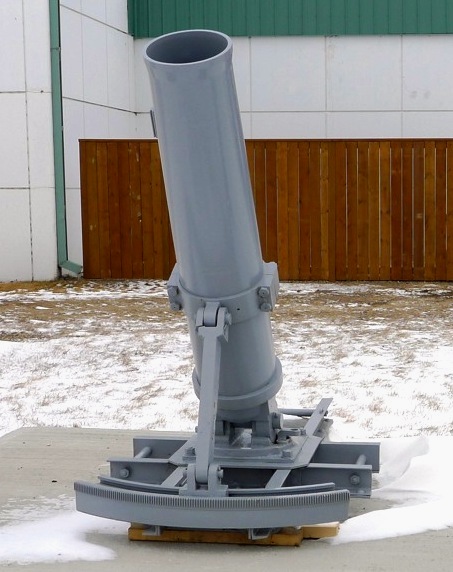
(Clive Prothero-Brooks Photos)
German First World War 24-cm Flügelminenwerfer ‘Iko’, Albrecht (finned smoothbore Trench Mortar), (Serial Nr. 339), no data. This mortar was originally allocated to Lockport, West Selkirk, Manitoba.
In 1914 The German Army had three types of minenwerfer (mine throwers) used by their engineers to place a demolition charge against a fortification without exposing the men to enemy fire.
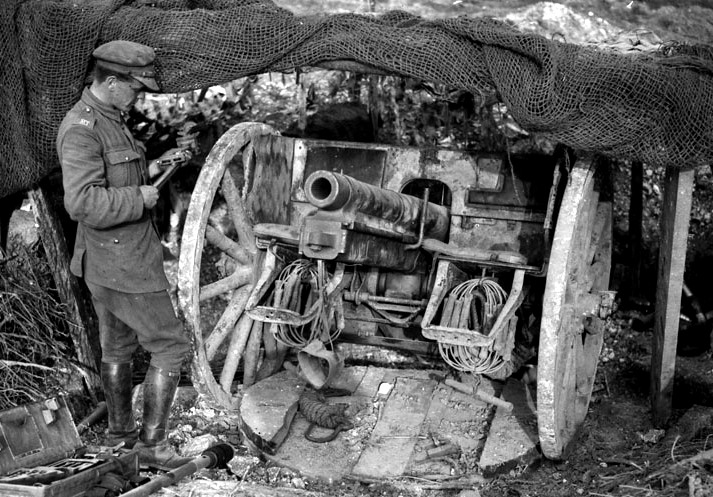
(Library and Archives Canada Photo, MIKAN No. 3397896)
German 7.7-cm FK 96 Field Gun captured by Canadians, Amiens, Aug 1918.
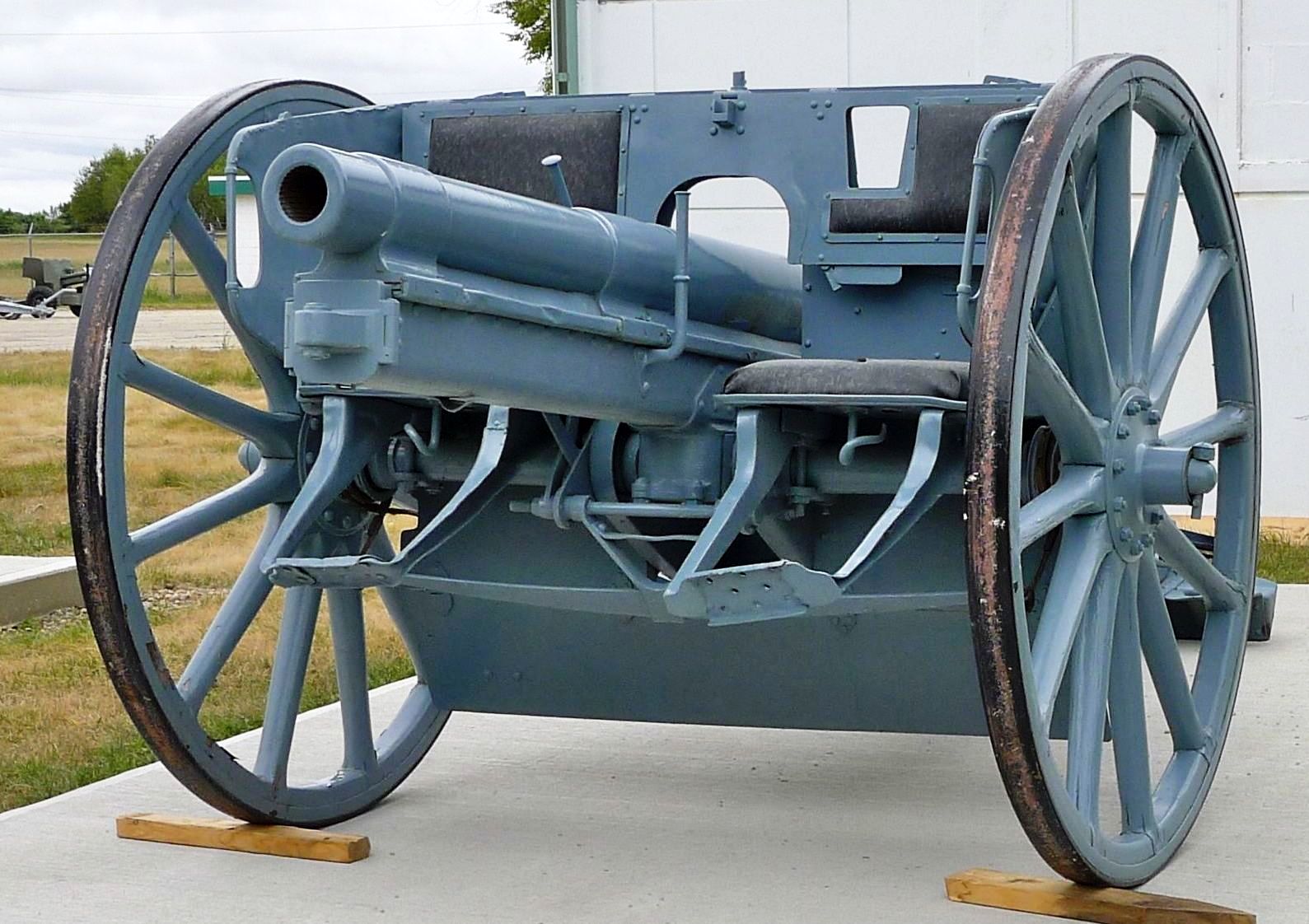
(Clive Prothero-Brooks Photo)
German Great War 7.7-cm Feldkanone 96 neuer Art (7.7-cm FK 96 n.A.), Field Gun, (Serial Nr. 3316), no data, originally allocated to Gleichen, Alberta.
The 7.7 cm Feldkanone 96 neuer Art (7.7 cm FK 96 n.A.) is a German field gun. The gun combined the barrel of the earlier 7.7 cm FK 96 with a recoil system, a new breech and a new carriage. Existing FK 96s were upgraded over time. The FK 96 n.A. was shorter-ranged, but lighter than the French Canon de 75 modèle 1897 or the British Ordnance QF 18 pounder gun; the Germans placed a premium on mobility, which served them well during the early stages of World War I. However, once the front had become static, the greater rate of fire of the French gun and the heavier shells fired by the British gun put the Germans at a disadvantage. The Germans remedied this by developing the longer-ranged, but heavier 7.7 cm FK 16. As with most guns of its era, the FK 96 n.A. had seats for two crewmen mounted on its splinter shield.
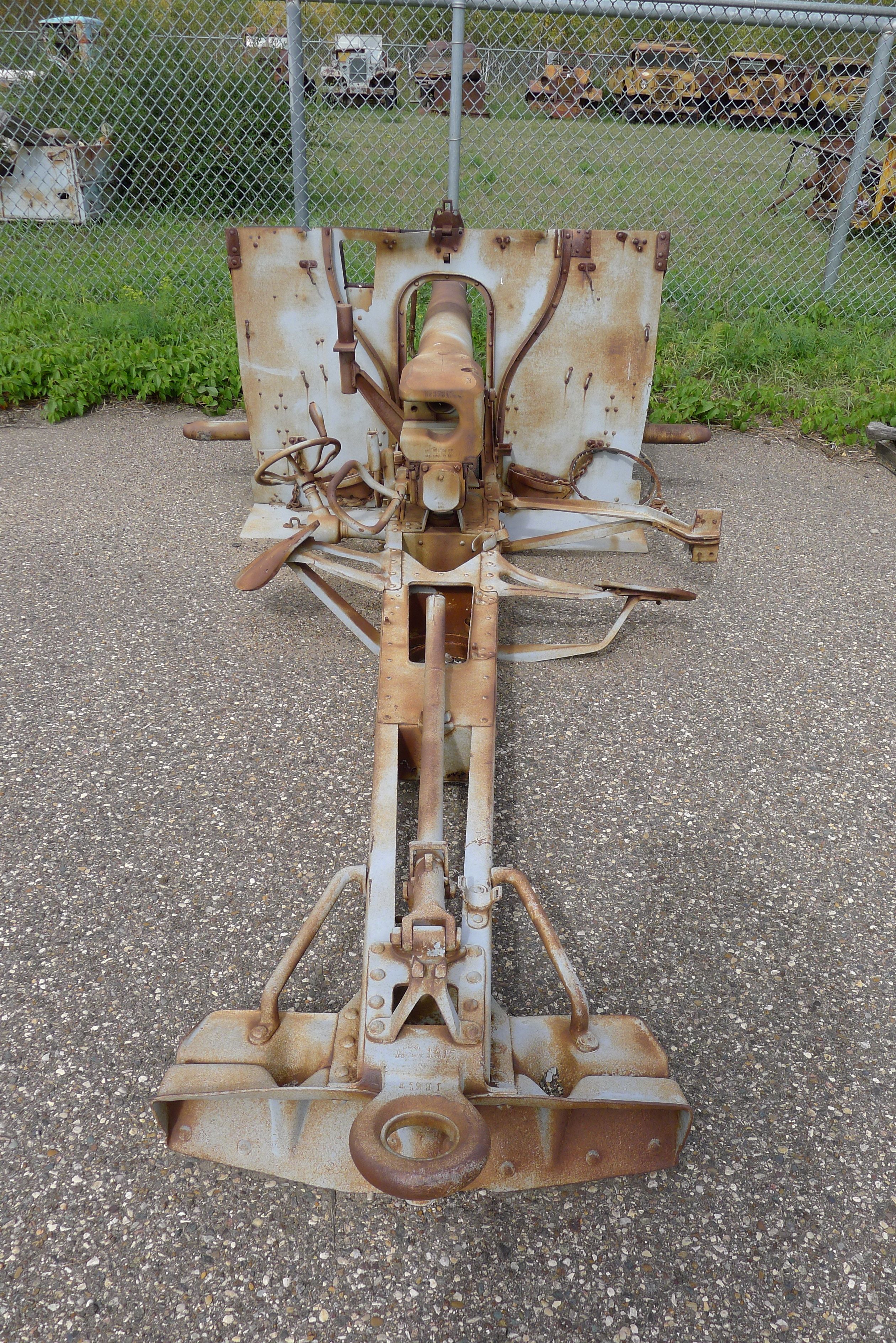
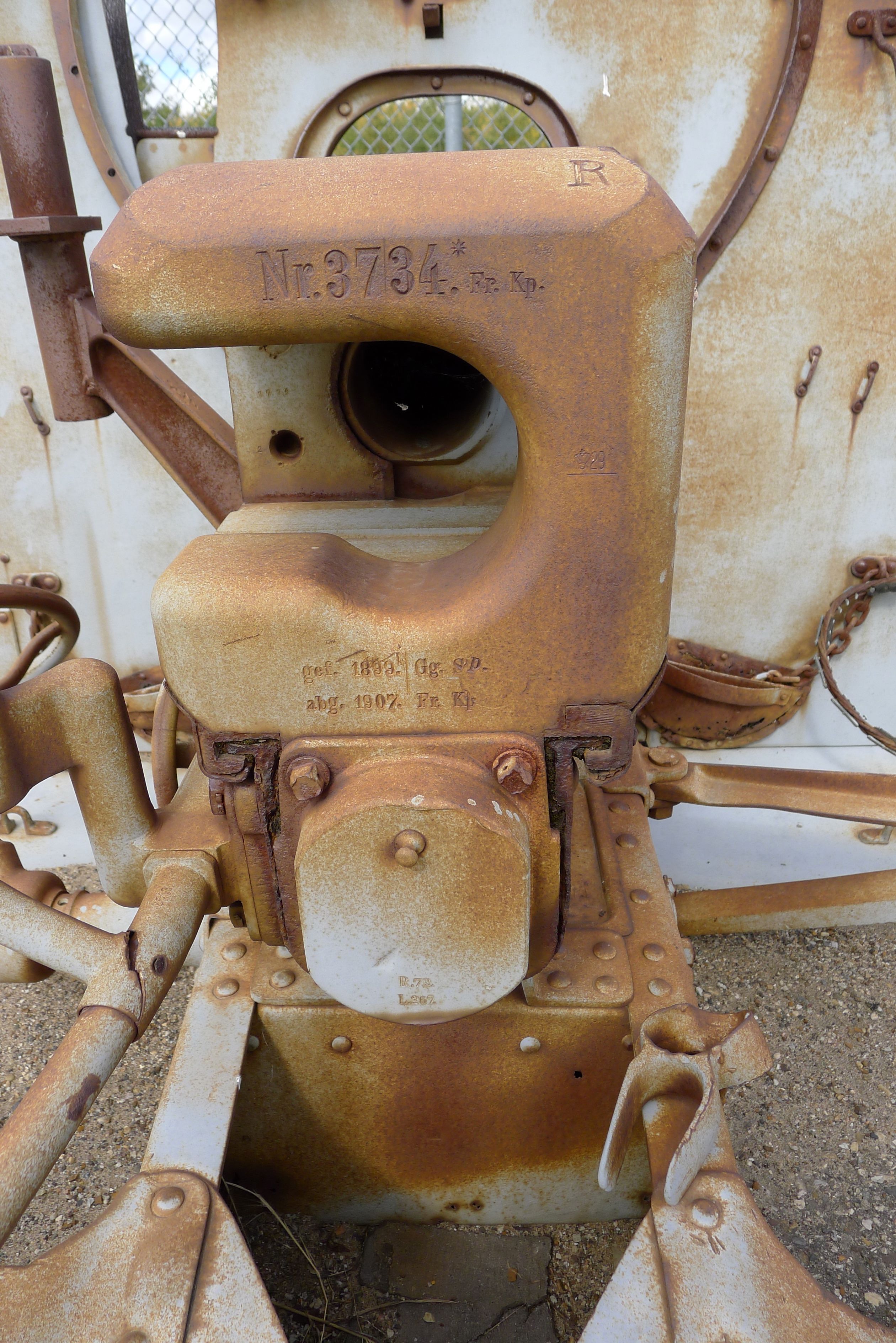
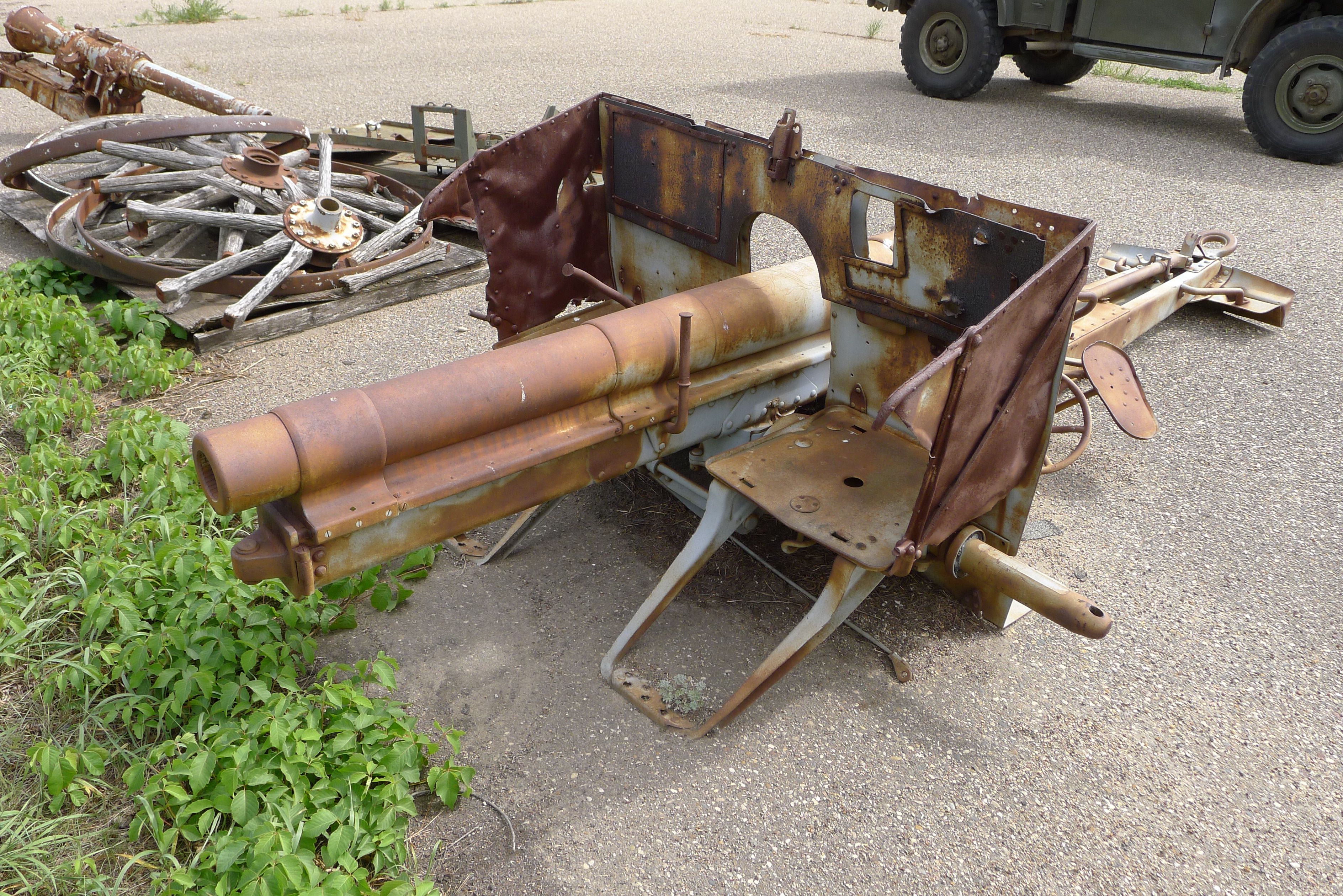
(Clive Prothero-Brooks Photos)
German Great War 7.7-cm Feldkanone 96 neuer Art (7.7-cm FK 96 n.A.), Field Gun, (Serial Nr. 3734), no data, originally allocated to Rockwood, Ontario.
German Artillery in the RCA Museum from the Second World War
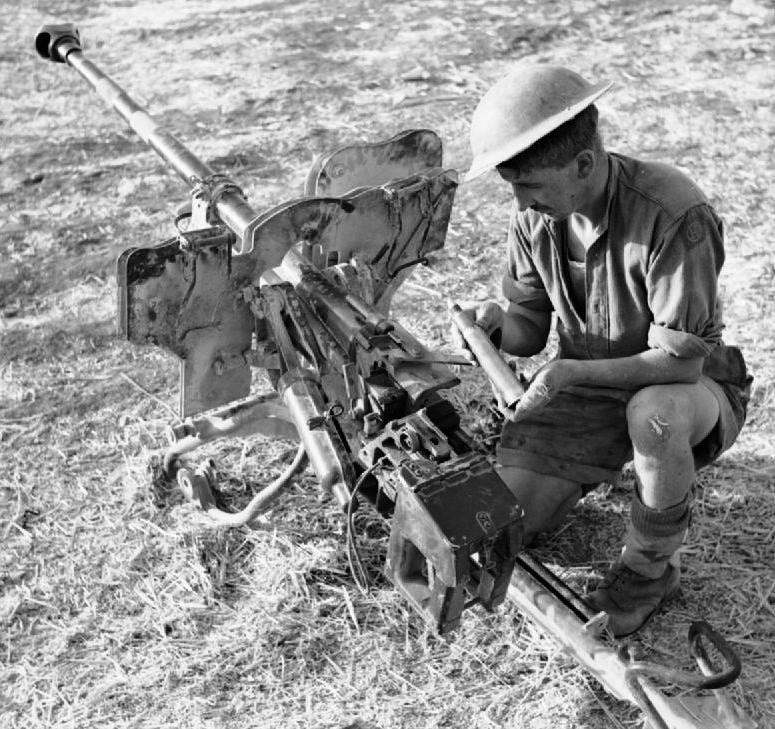
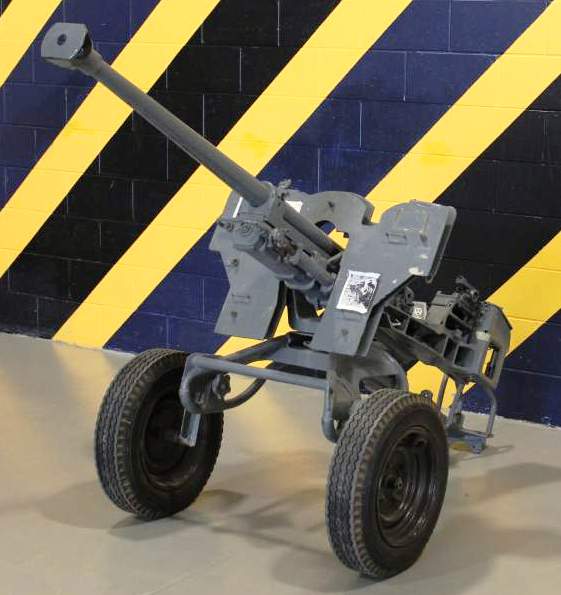
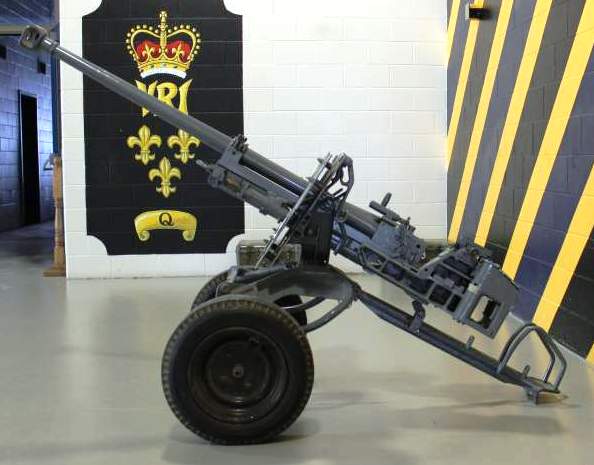
A British soldier examines a captured German 2.8-cm sPzB 41 anti-tank gun, Sicily, 21 July 1943. (IWM Photo NA 4961)
(WO C.H. Kendall Photos)
German Second World War 2.8-cm schwere Panzerbüchse 41 Anti-Tank Gun (2.8-cm sPzB 41) Anti-Tank Gun (Serial Nr. 2556). The barrel has a separate number, (Serial Nr. 52536). The sPzB 41 light AT Gun worked on the squeeze-bore principle. This gun is currently on loan to the Base Museum, CFB Petawawa, Ontario.
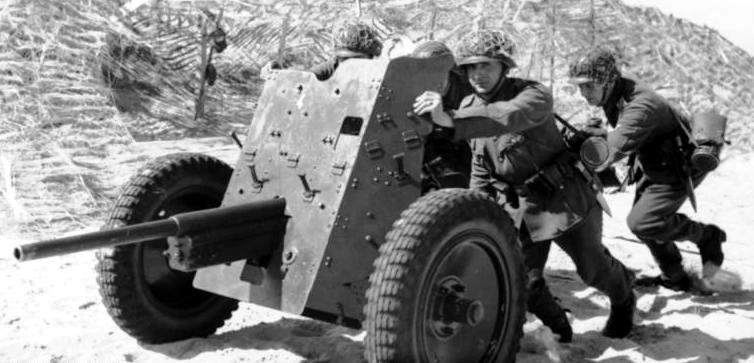
German Second World War 3.7-mm PaK 36(t) Anti-Tank Gun in service in Northern France, summer 1944. (Bundesarchiv Bild 101I-299-1831-26)
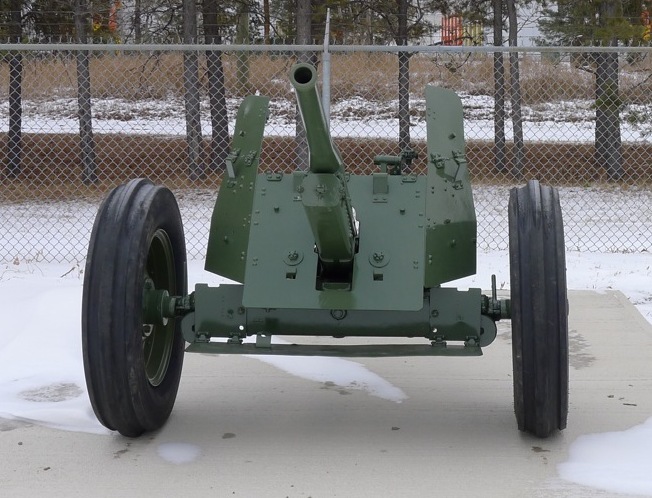
(Clive Prothero-Brooks Photos)
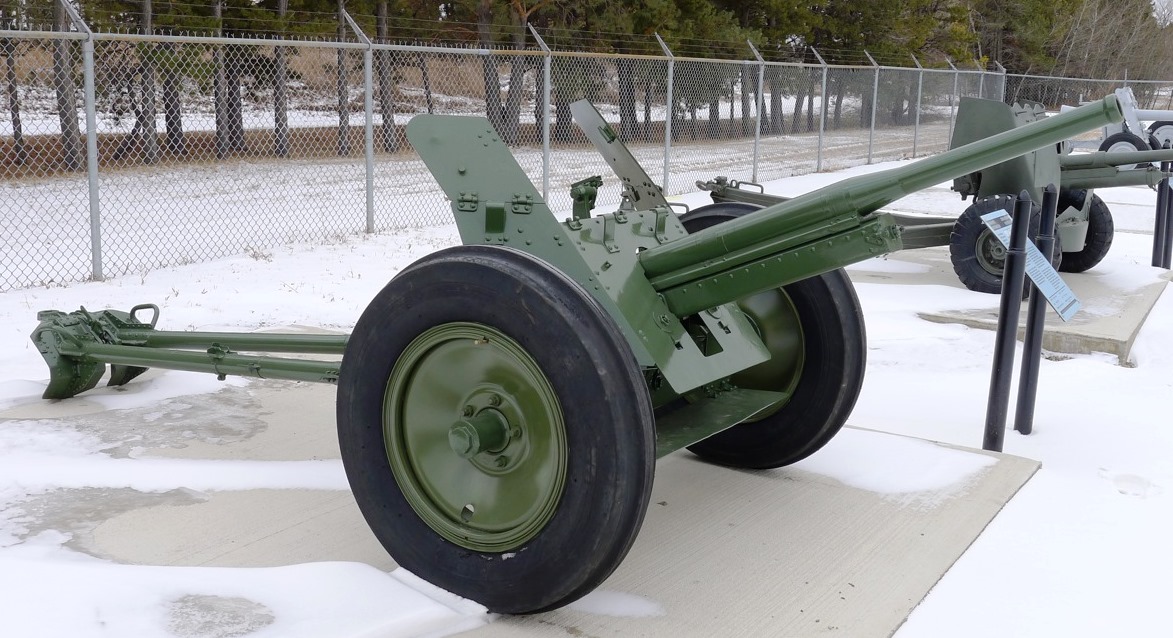
German Second World War 3.7-mm Czech Škoda PaK 36(t) Anti-Tank Gun. (Russian M1937), AKC SPOL, 93 kg, d?. Škodovy Závody v Plzni, tov ?ís. 21532, E1 37, 3.7 cm k vz.37, ?ís. 7, VL0217! (53-K), Serial No. 5795.
The 3,7cm ÚV vz. 38 (Czech: úto?ná vozba), manufacturer’s designation Škoda A7, was a 3.7-cm tank gun designed by the Skoda Works in Czechoslovakia before the Second World War began. The gun was the primary armament of the Czech LT vz. 38 light tank, known in German service as the Panzer 38(t). The primary user of the A7 was the Wehrmacht during the Second World War where the weapon went by the name 3,7cm Kampfwagenkanone 38(t). In German service, in addition to conventional high explosive ammunition, the weapon fired two anti-tank rounds. The primary round was the Panzergranate 39 armor-piercing composite ballistic cap (APCBC) which could penetrate 41-mm of armour plate at 100-m and 35-mm at 500-m. Penetration dropped to 29-mm at 1000-m and 24-mm at 1500-m. The APCBC round was ineffective at 2000 m. The rarer tungsten Panzergranate 40 armour-piercing composite rigid (APCR) round could penetrate 64-mm at 100-m, but only 34-mm at 500-m. The APCR round was not effective at 1000-m or beyond.
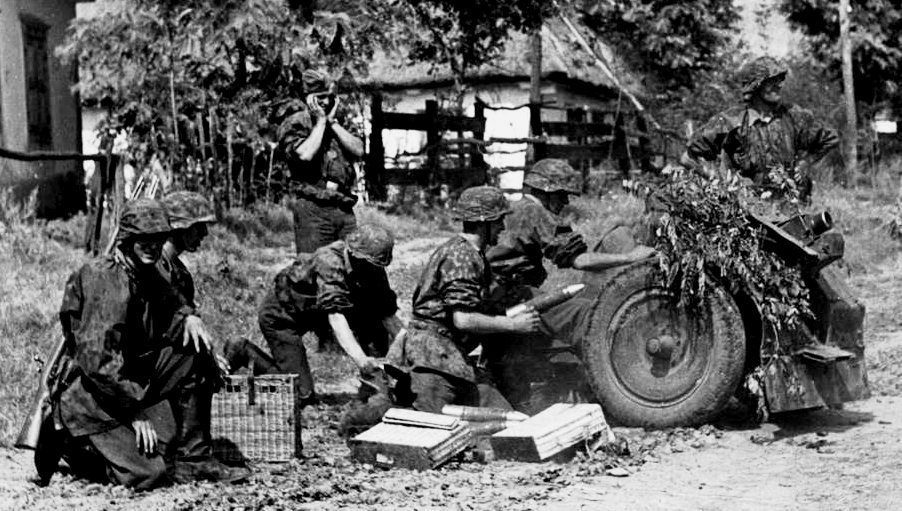
German SS gunners man a 7.5-cm leichtes Infanteriegeschütz 18 Light Infantry Gun (7.5-cm leIG 18) during the Battle of Uman, Cherkasy Oblast, Ukraine, Soviet Union. 18 August 1941. (German Wehrmacht Photo)
(Clive Prothero-Brooks Photo)
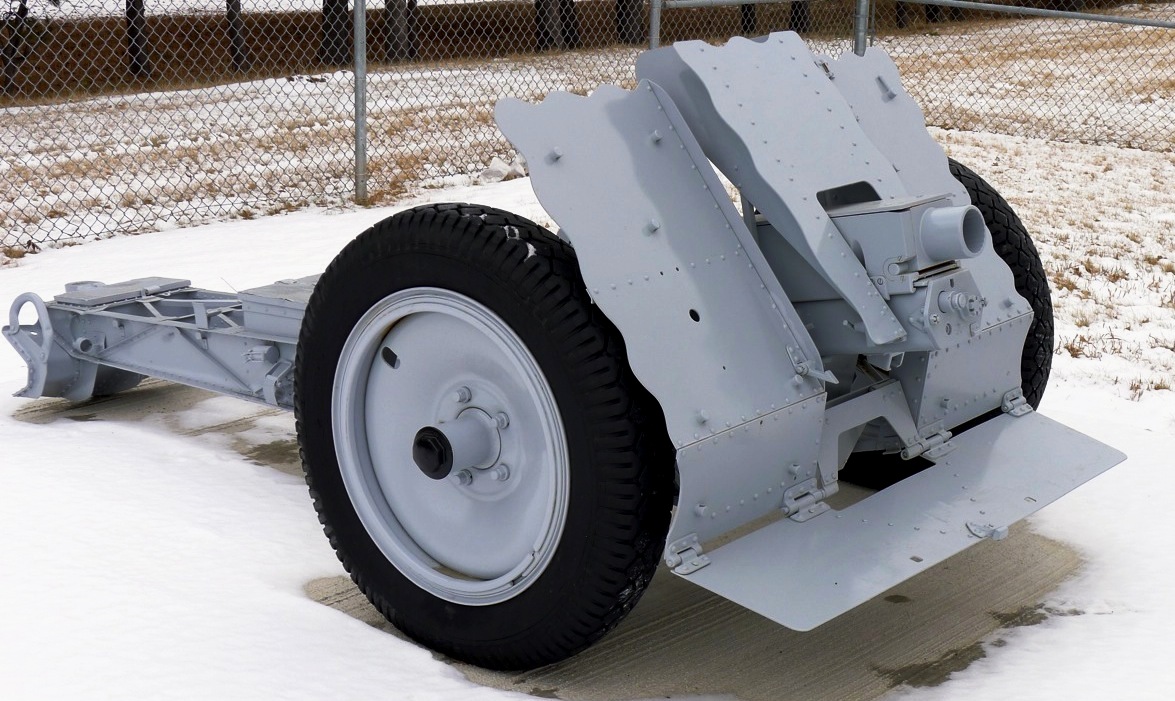
German Second World War 7.5-cm leichtes Infanteriegeschütz 18 Light Infantry Gun (7.5-cm leIG 18) (Serial Nr. R191).
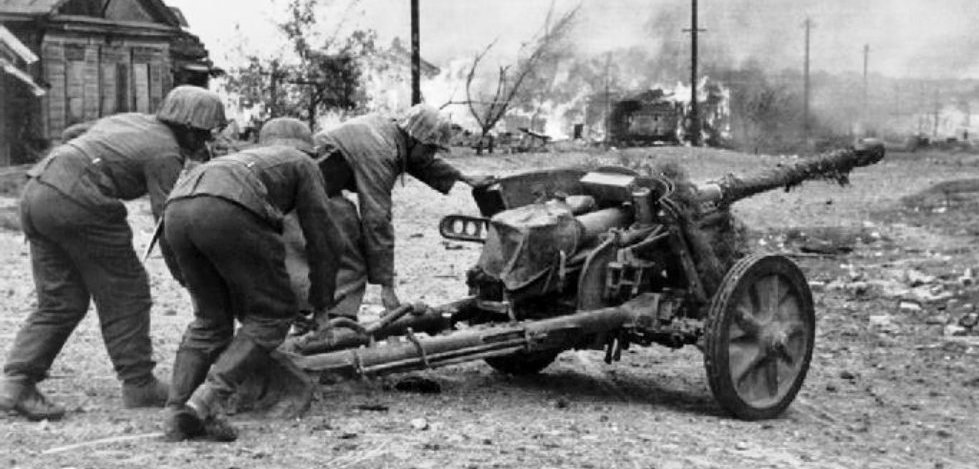
German soldiers prepare a 55-cm PaK 38 (L/60) Anti-Tank Gun for action in the outskirts of Stalingrad. Near Stalingrad (now, Volgograd), Volgograd Oblast, Russia, Soviet Union. September 1942. (Wehrmacht Photo)
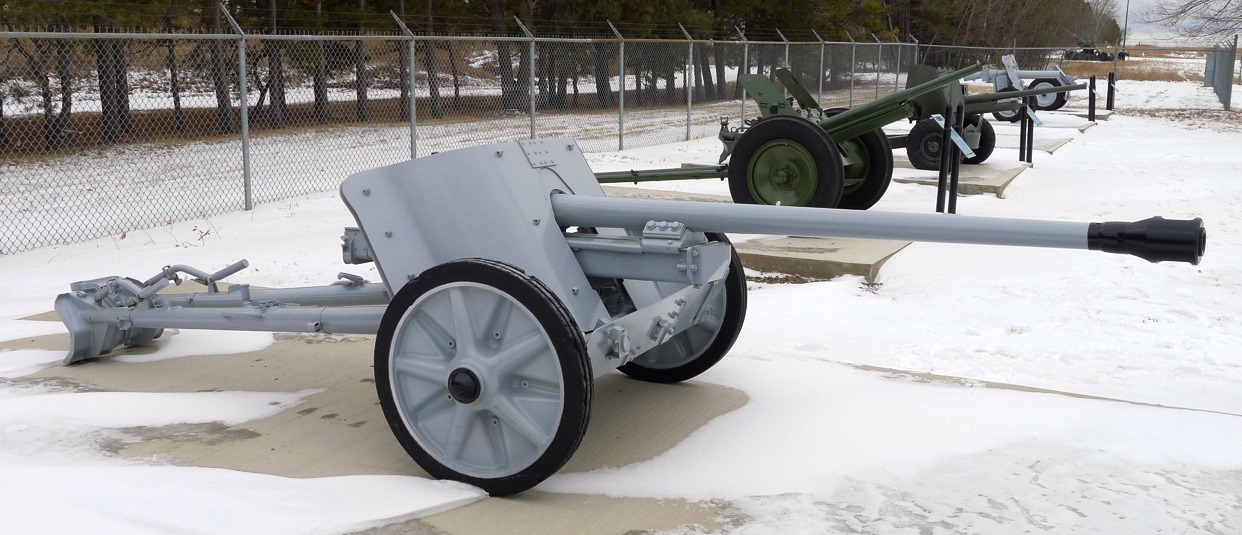
(Clive Prothero-Brooks Photo)
German Second World War 5-cm PaK 38 (L/60) Anti-Tank Gun (Serial Nr. R4024), shipped to Canada from the UK on 24 Oct 1944.
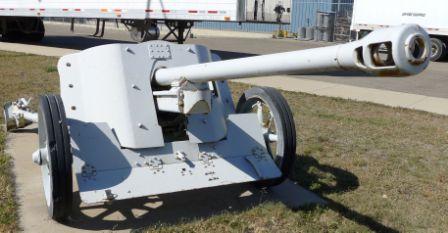
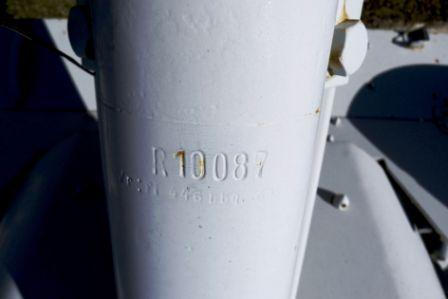
(Clive Prothero-Brooks Photos)
German Second World War 5-cm PaK 38 (L/60) Anti-Tank Gun (Serial Nr. R10087). 1 RCHA.
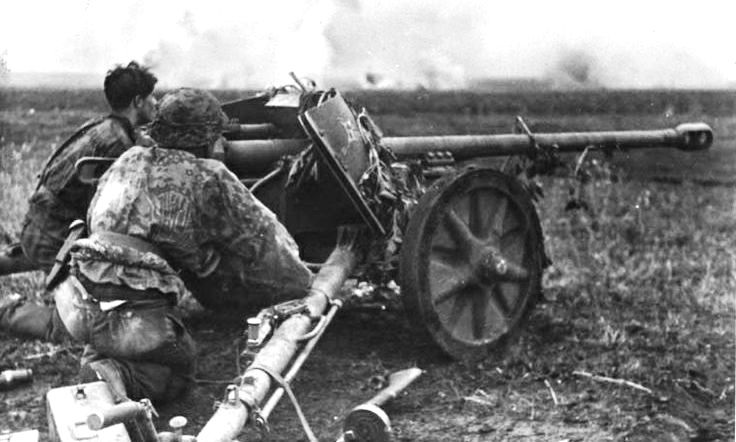
German Second World War 5-cm PaK 38 (L/60) Anti-Tank Gun in action, ca 1943. (Wehrmacht Photo)
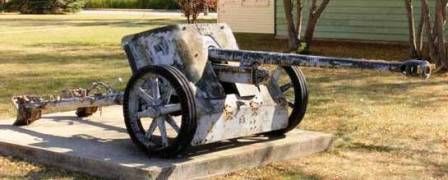
(Tighe McManus Photo)
5-cm PaK 38 (L/60) Anti-Tank Gun (Serial Nr. R5709), on loan to the Antler River Museum, Manitoba.
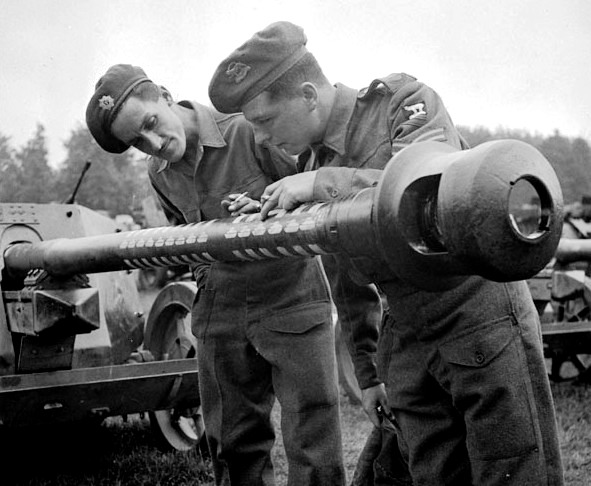
(Library & Archives Canada Photo, MIKAN No. 3208583)
Canadian soldiers examining a captured 7.5-cm PaK 40 Anti-Tank Gun marked with 15 kill rings, ca. 1945.
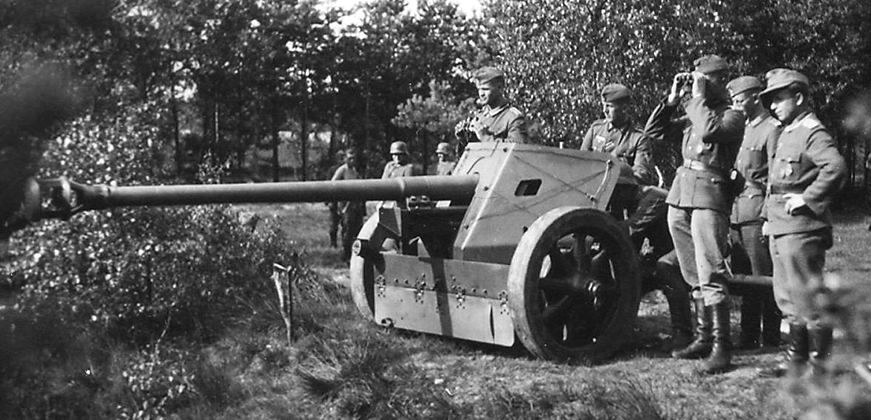
(Willi Ude Photo, Wikipedia)
7.5-cm PaK 40 Anti-Tank Gun, Italy.
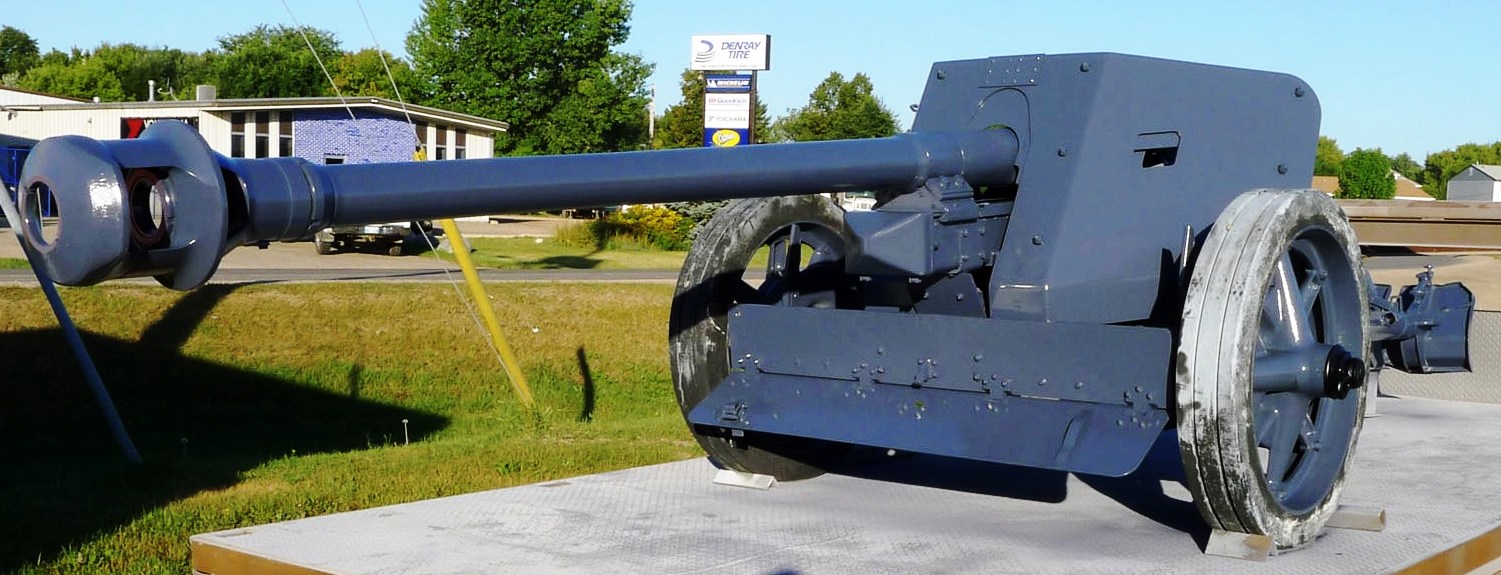
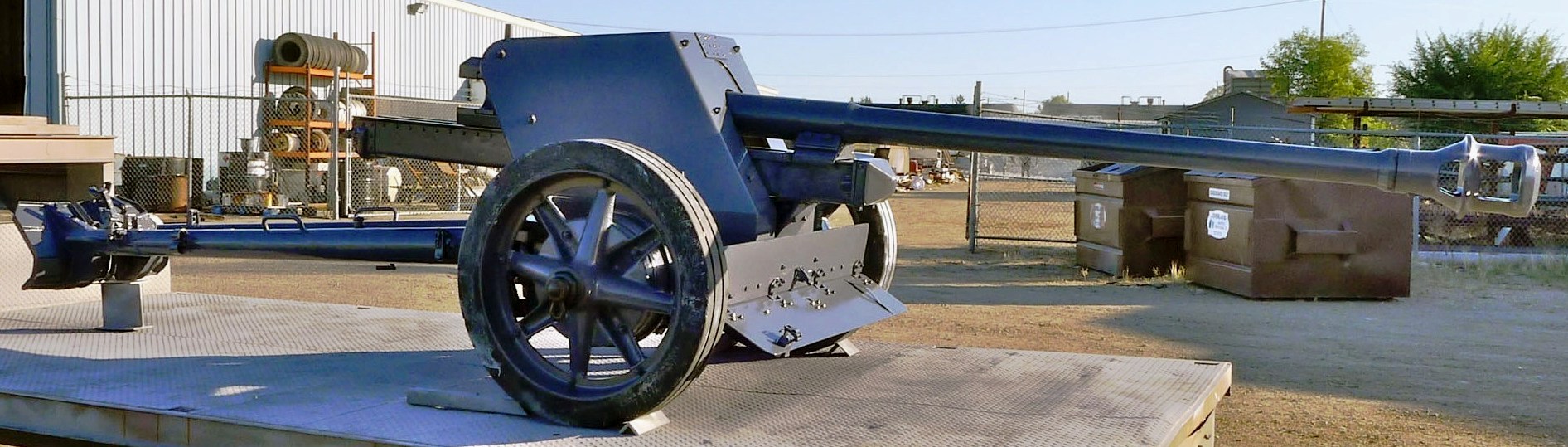
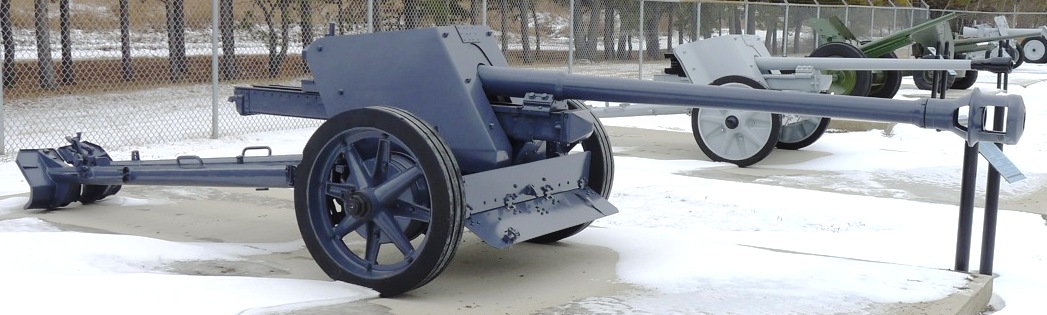
(Clive Prothero-Brooks Photo)
7.5-cm PaK 40 Anti-Tank Gun (Serial Nr. R807).
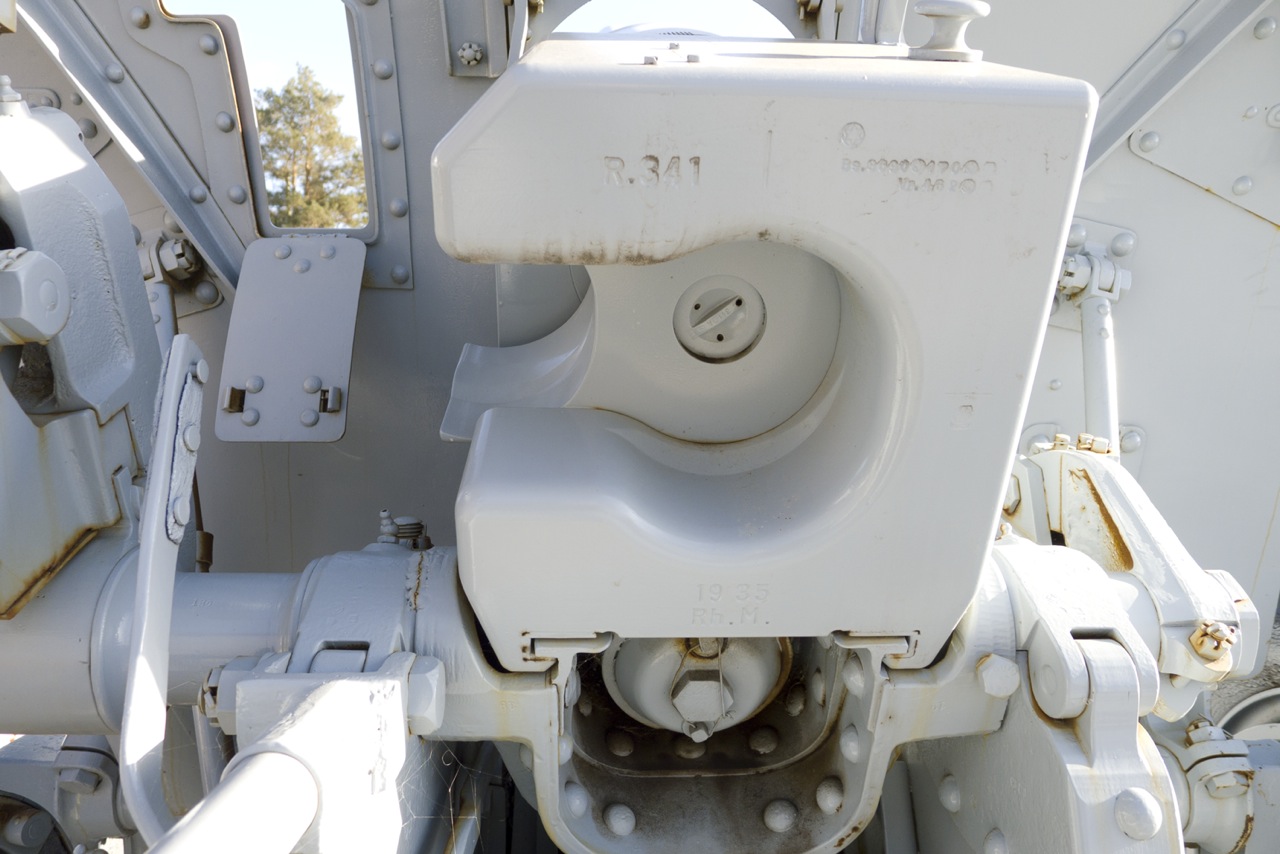
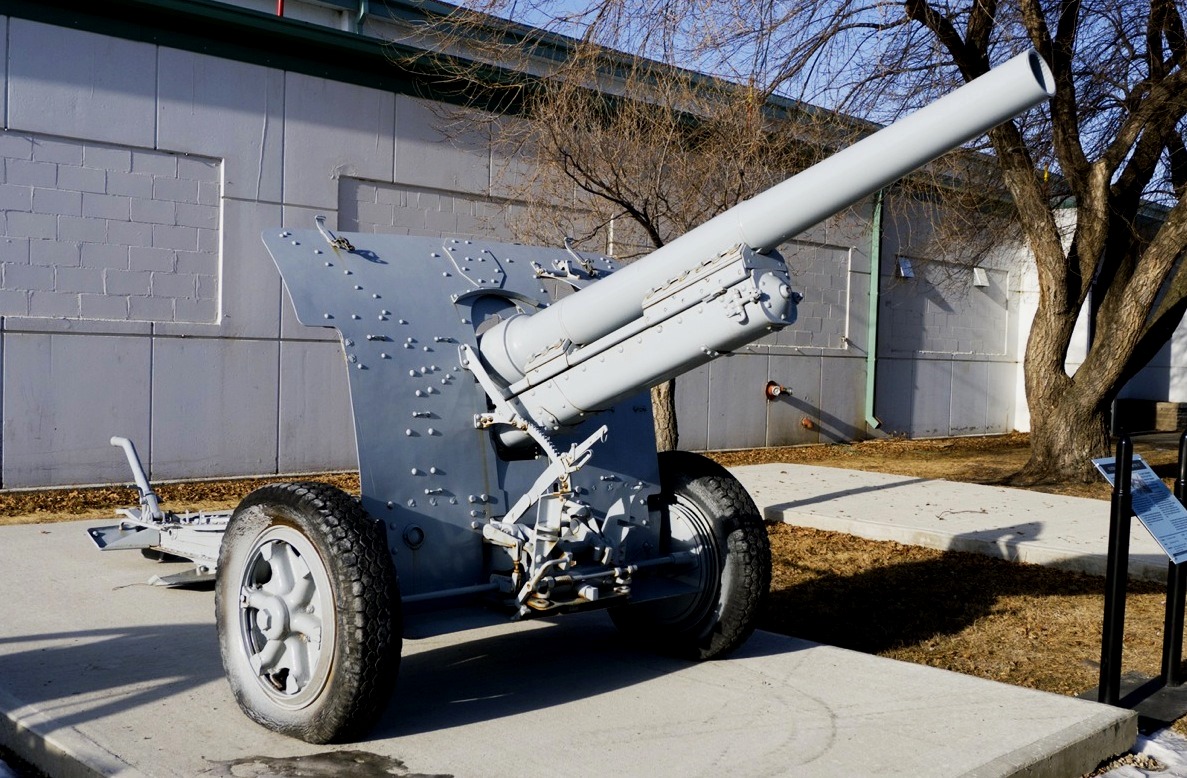
(Clive Prothero-Brooks Photos)
10.5-cm leichtes Feldhaubitze 16 (10.5-cm leFH 16), (Serial Nr. R341).
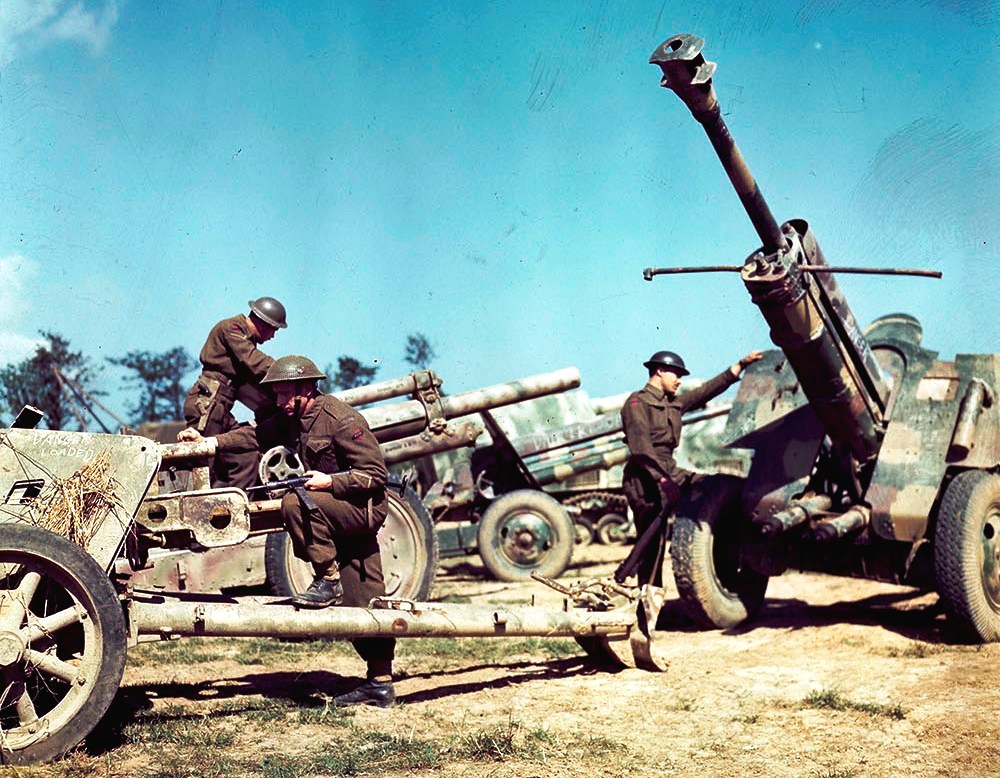
(Library and Archives Canada Photo, MIKAN No. 4233165)
German artillery examined by Canadians in France, ca. June 1944.
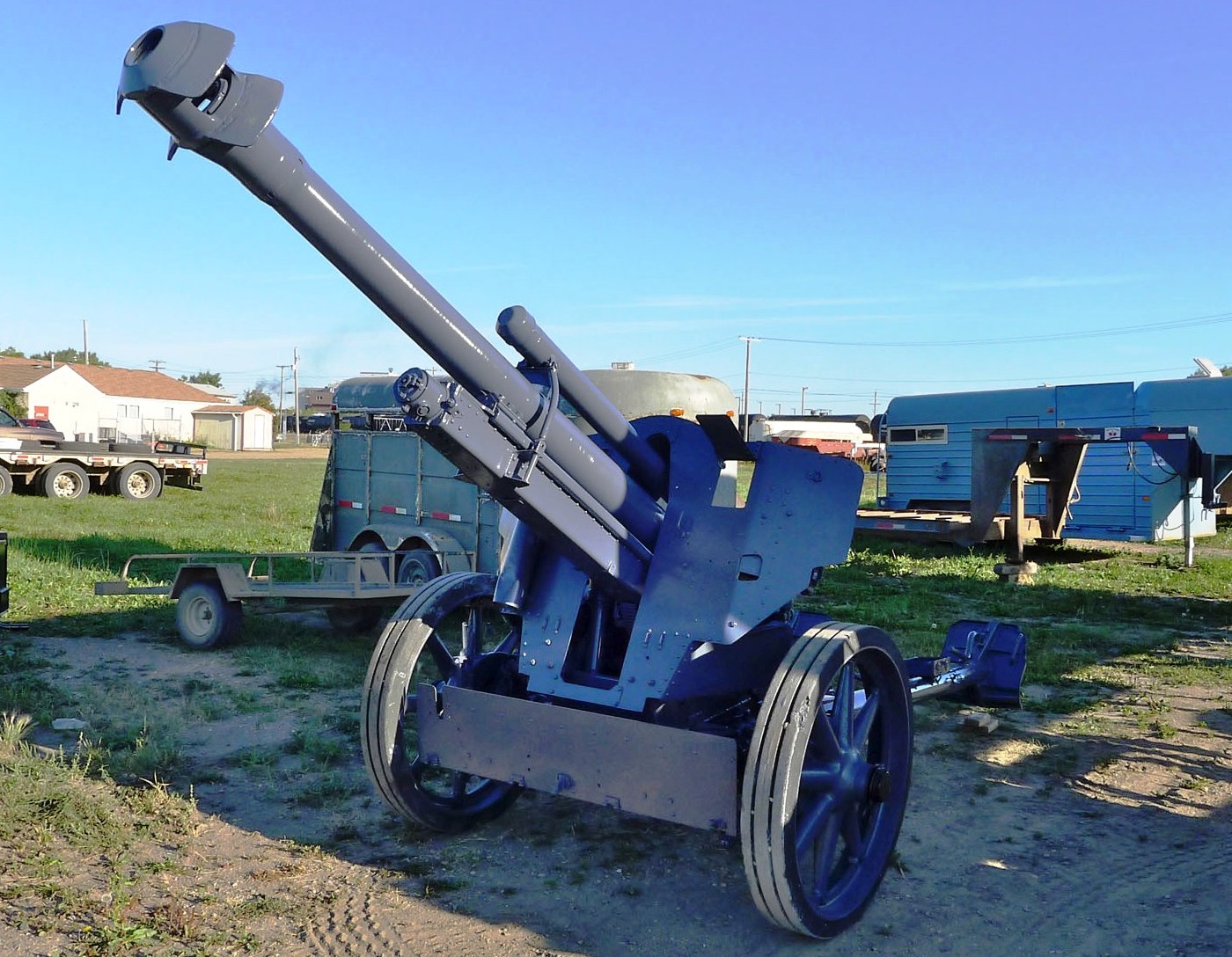
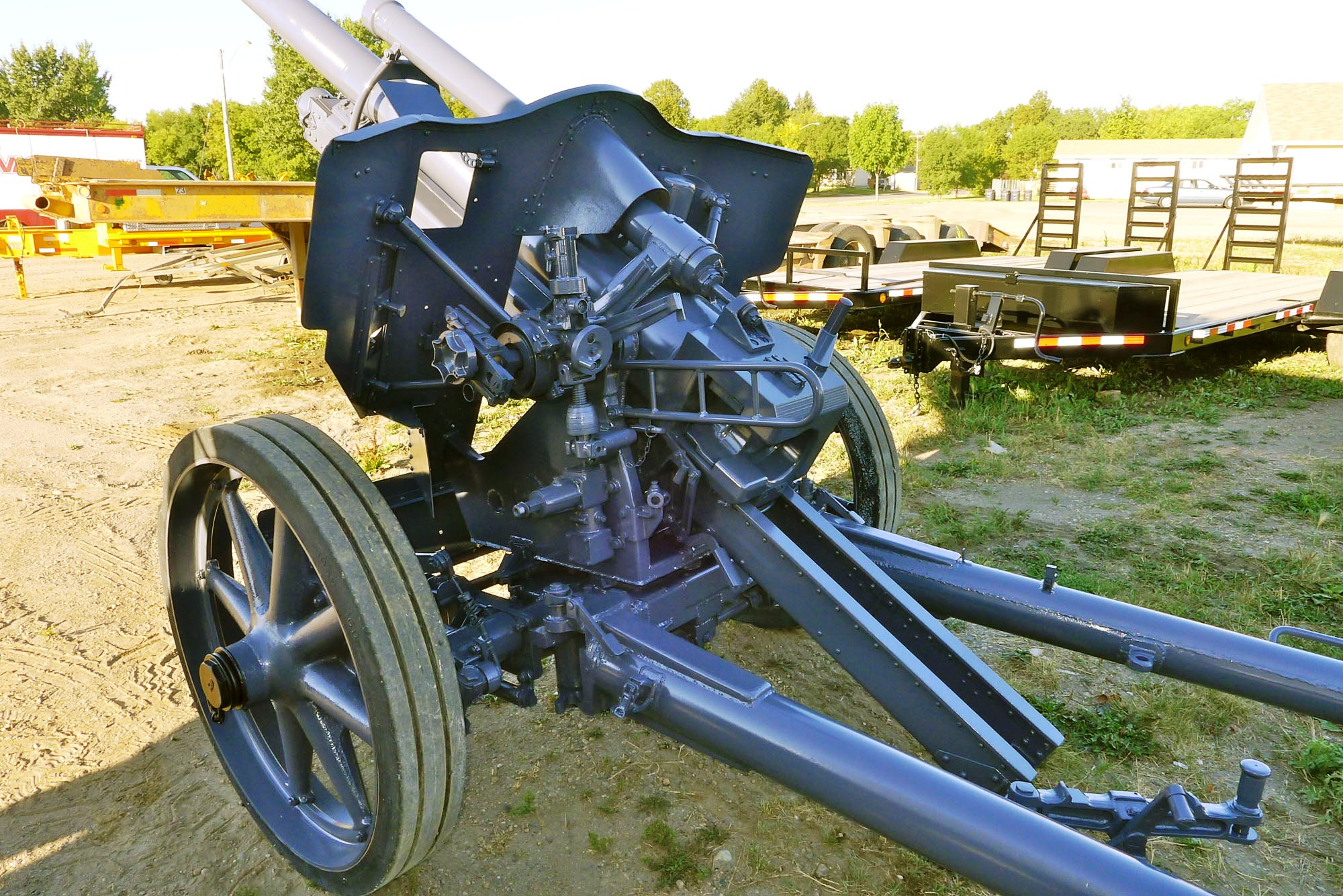
(Clive Prothero-Brooks Photos)
10.5-cm leichtes Feldhaubitze 18/40 (10.5-cm leFH 18/40) Howitzer (Serial Nr. R158). (Captain F.M. Mowat).
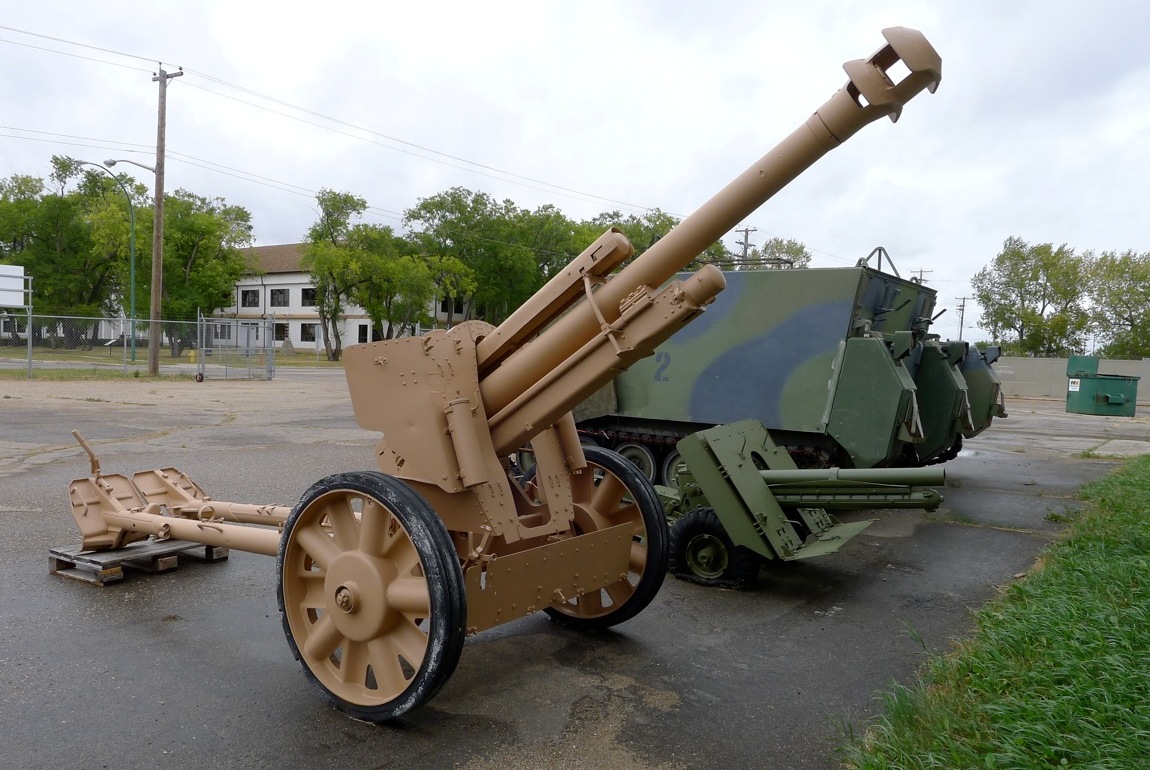
(Clive Prothero-Brooks Photo)
10.5-cm leichtes Feldhaubitze 18/40 (10.5-cm leFH 18/40) Howitzer (Serial Nr. R284).
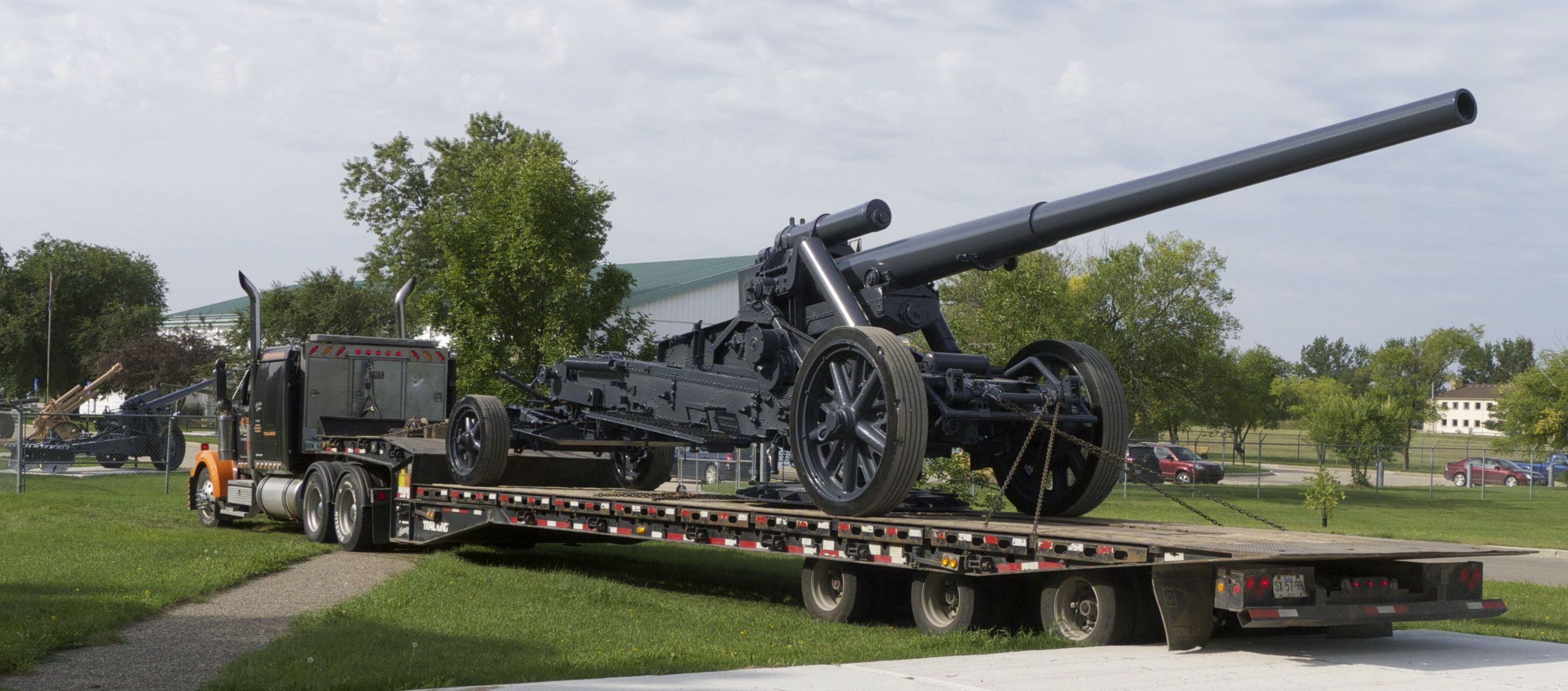
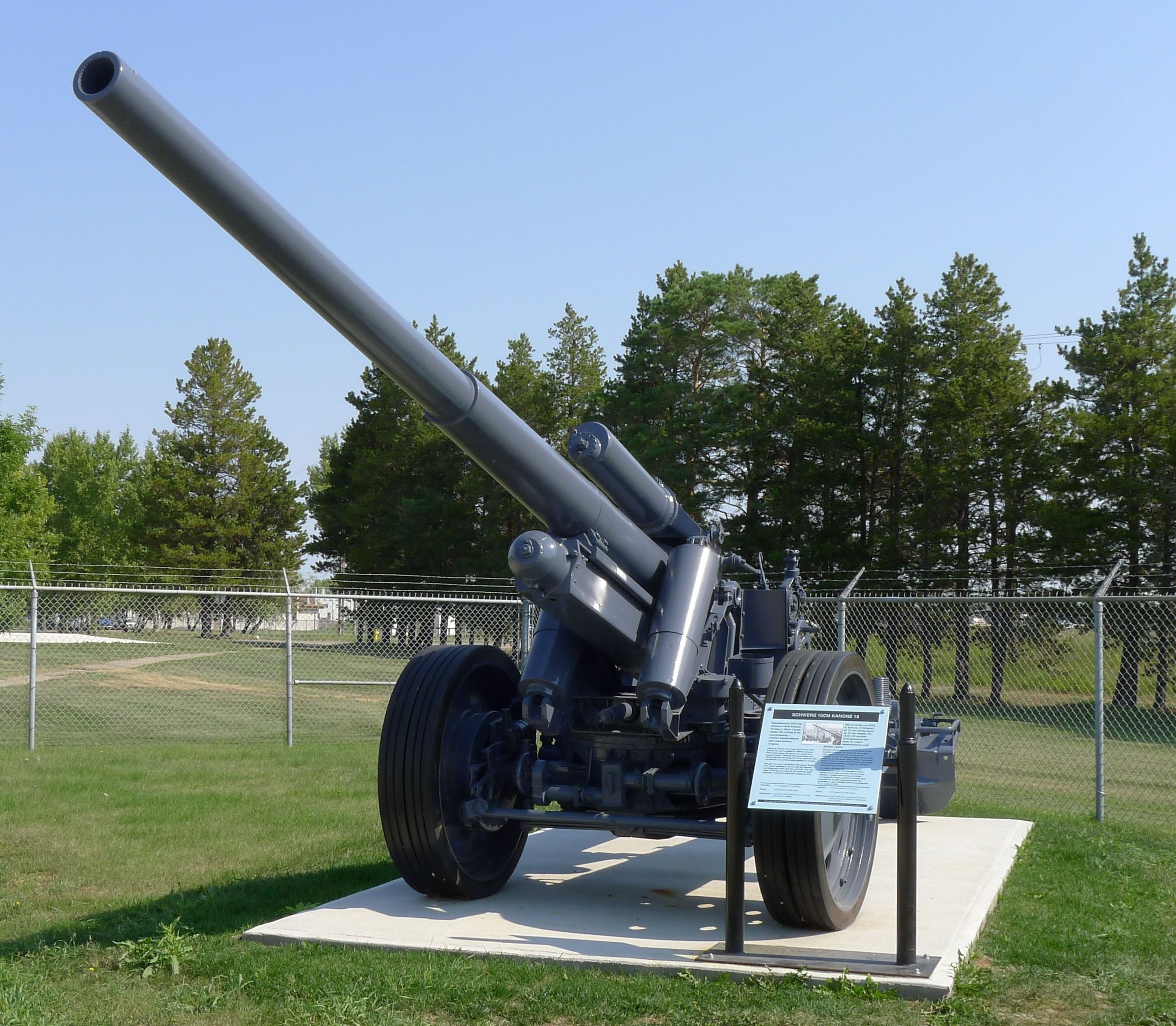
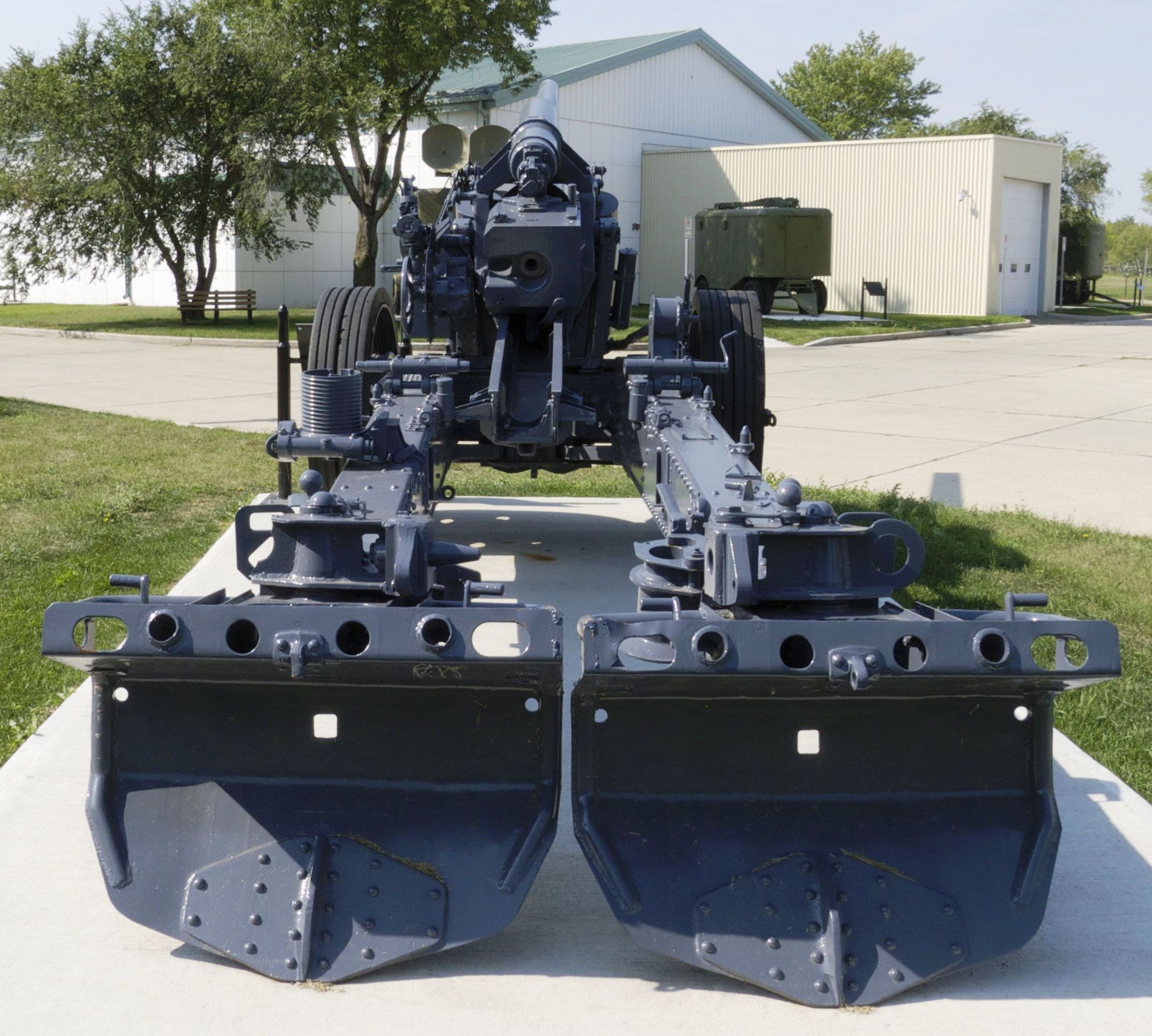
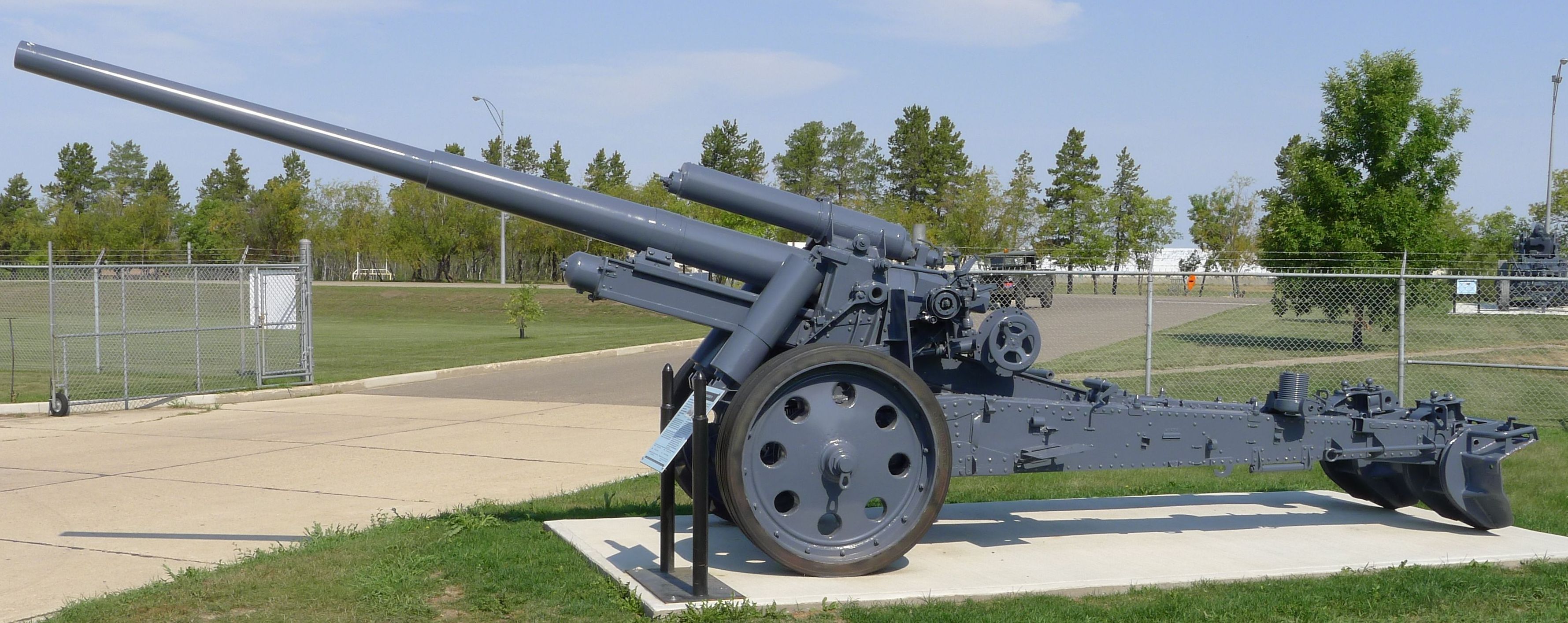
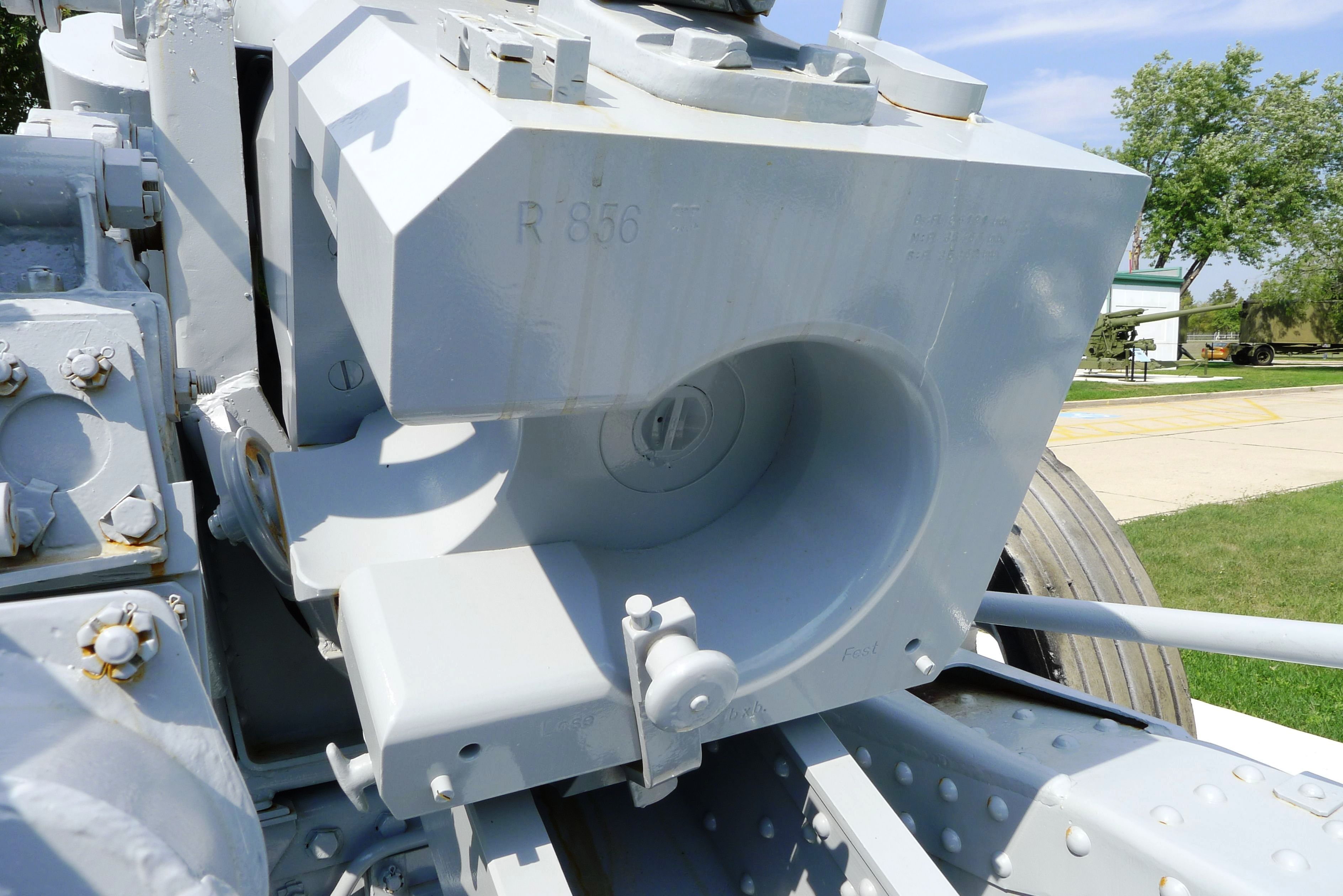
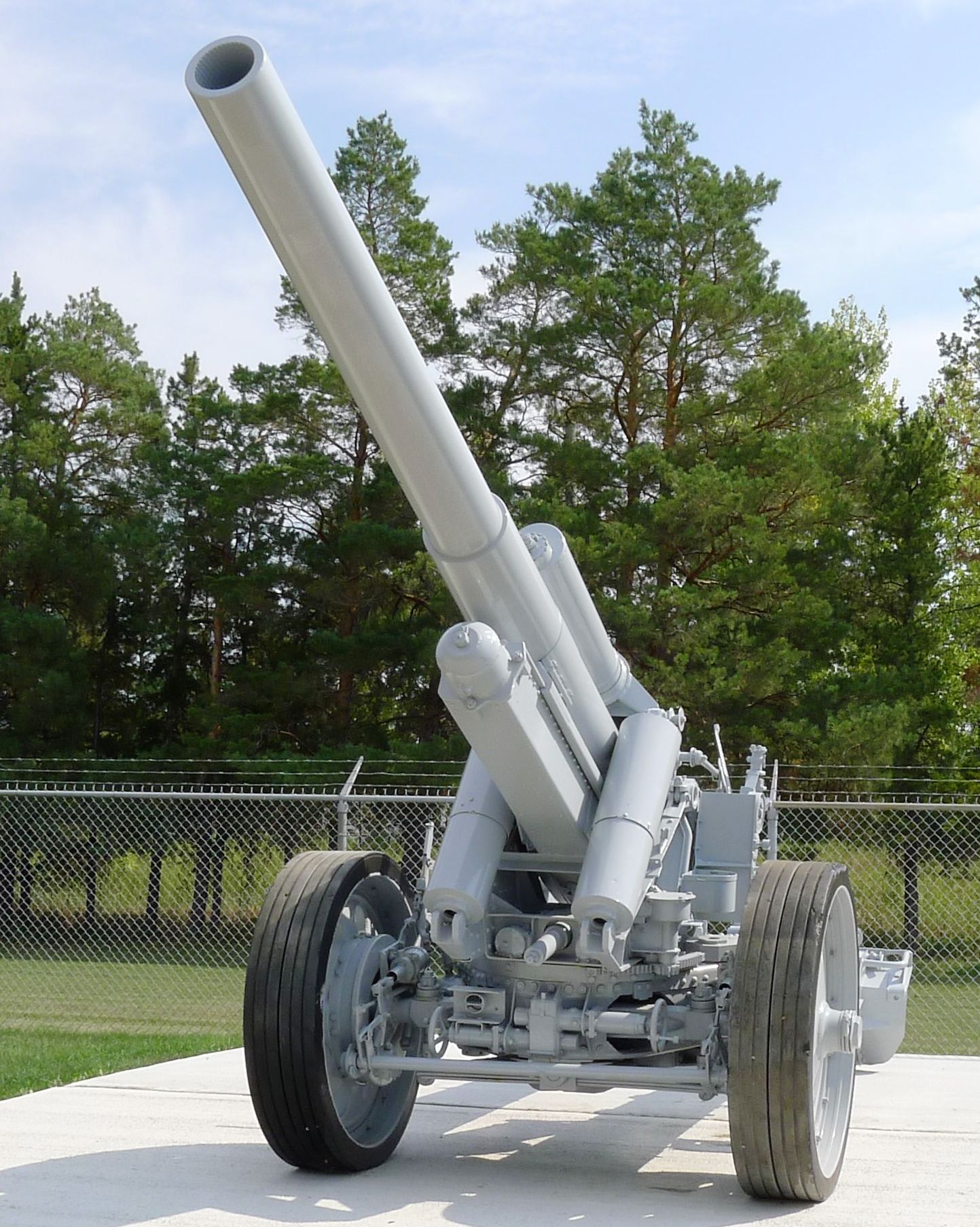
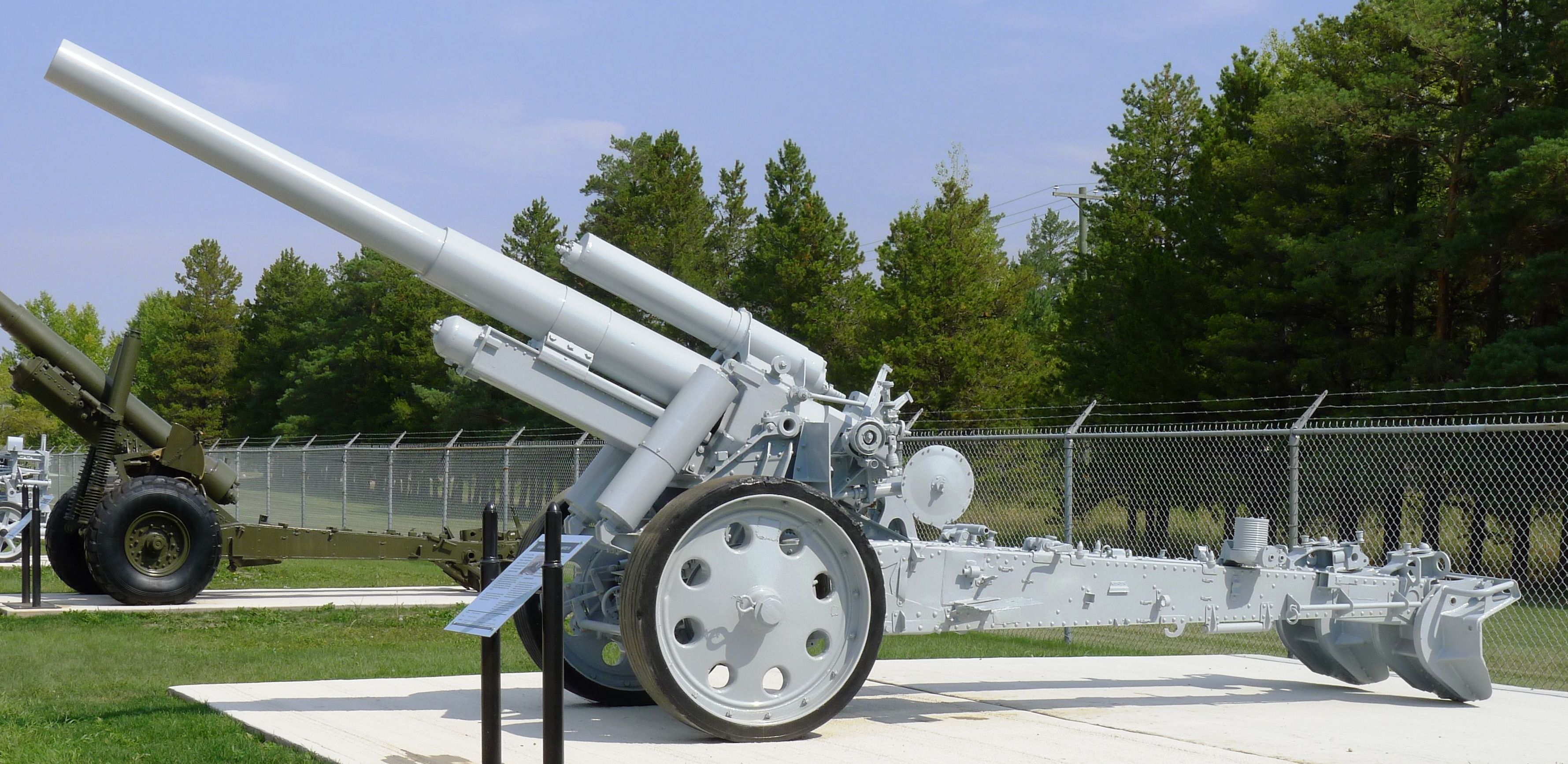
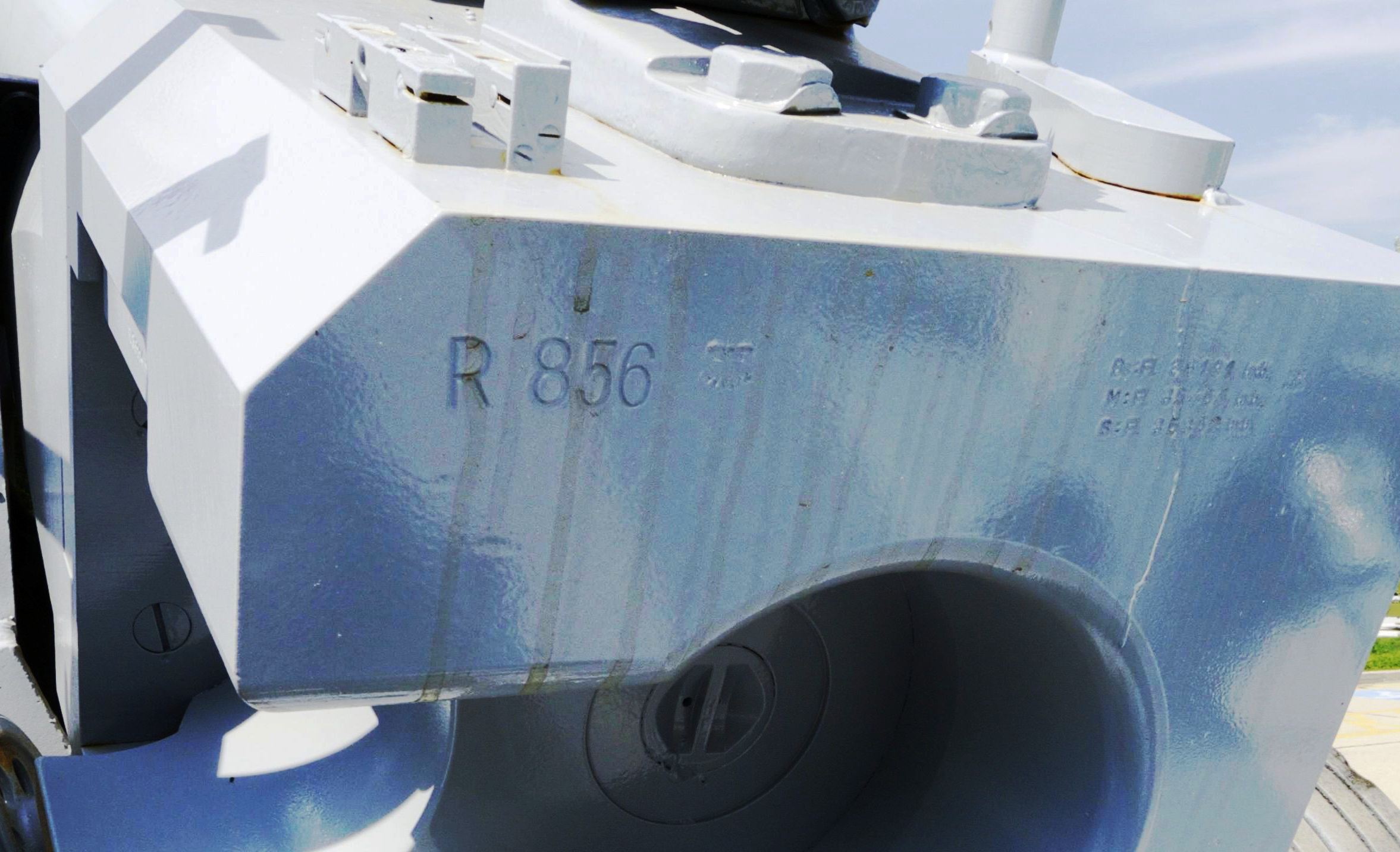
(Clive Prothero-Brooks Photos)
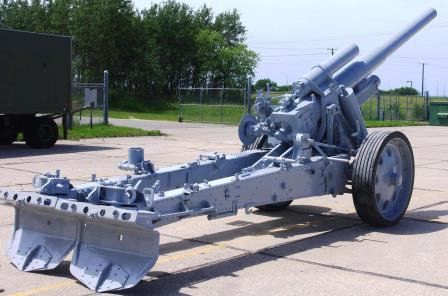
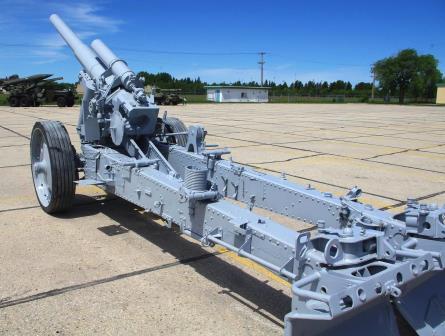
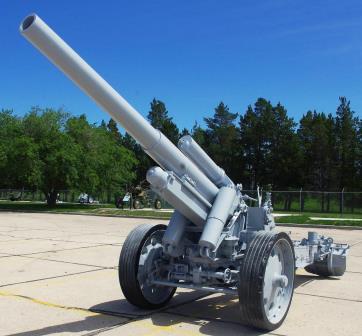
(Maxwell J. Toms Photos)
15-cm schwere Feldhaubitze 18 (15-cm sFH 18) (Serial Nr. R856). Brought to Canada in 1945 by Captain Farley M. Mowat.
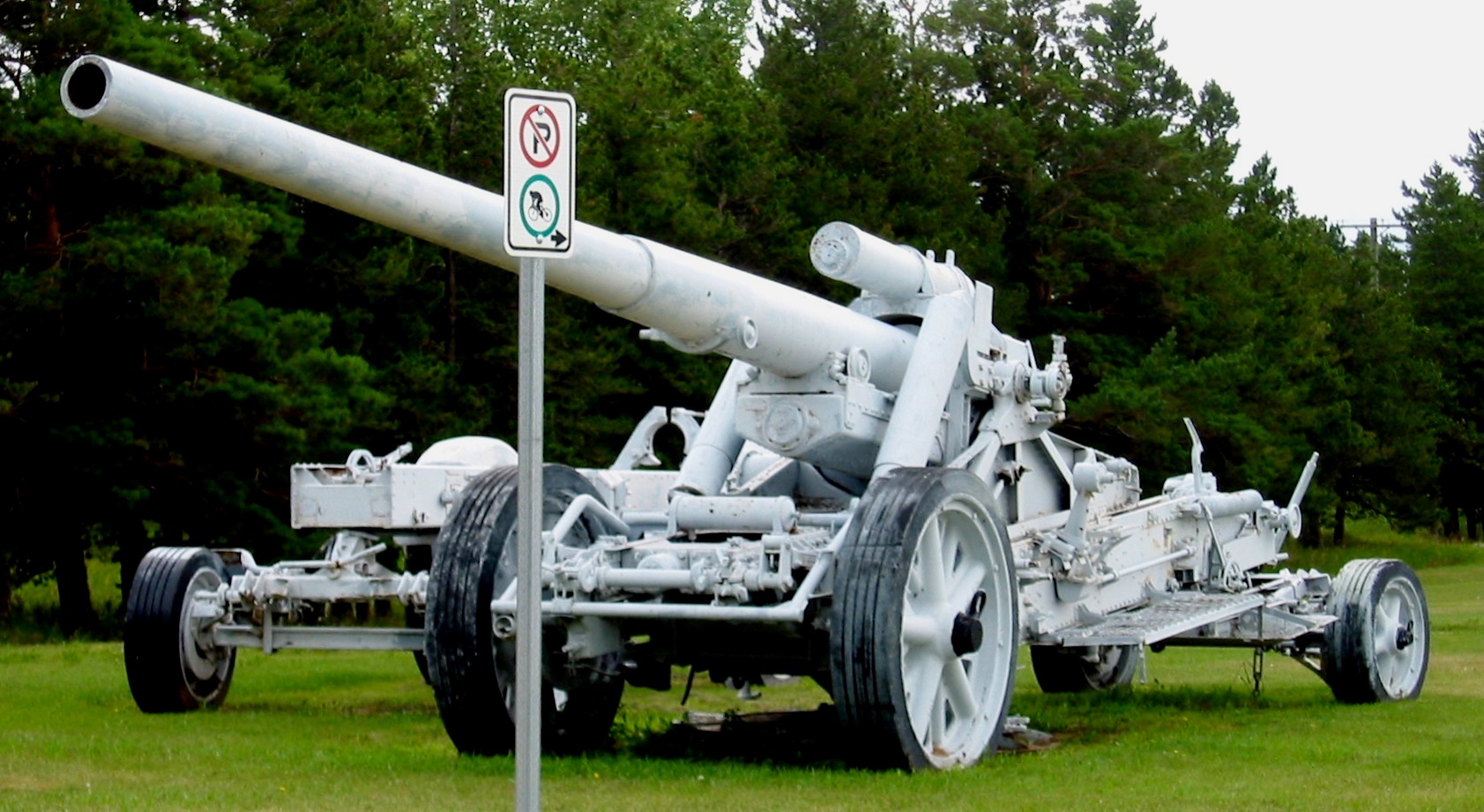
(wing.and.a.prayer Photo)
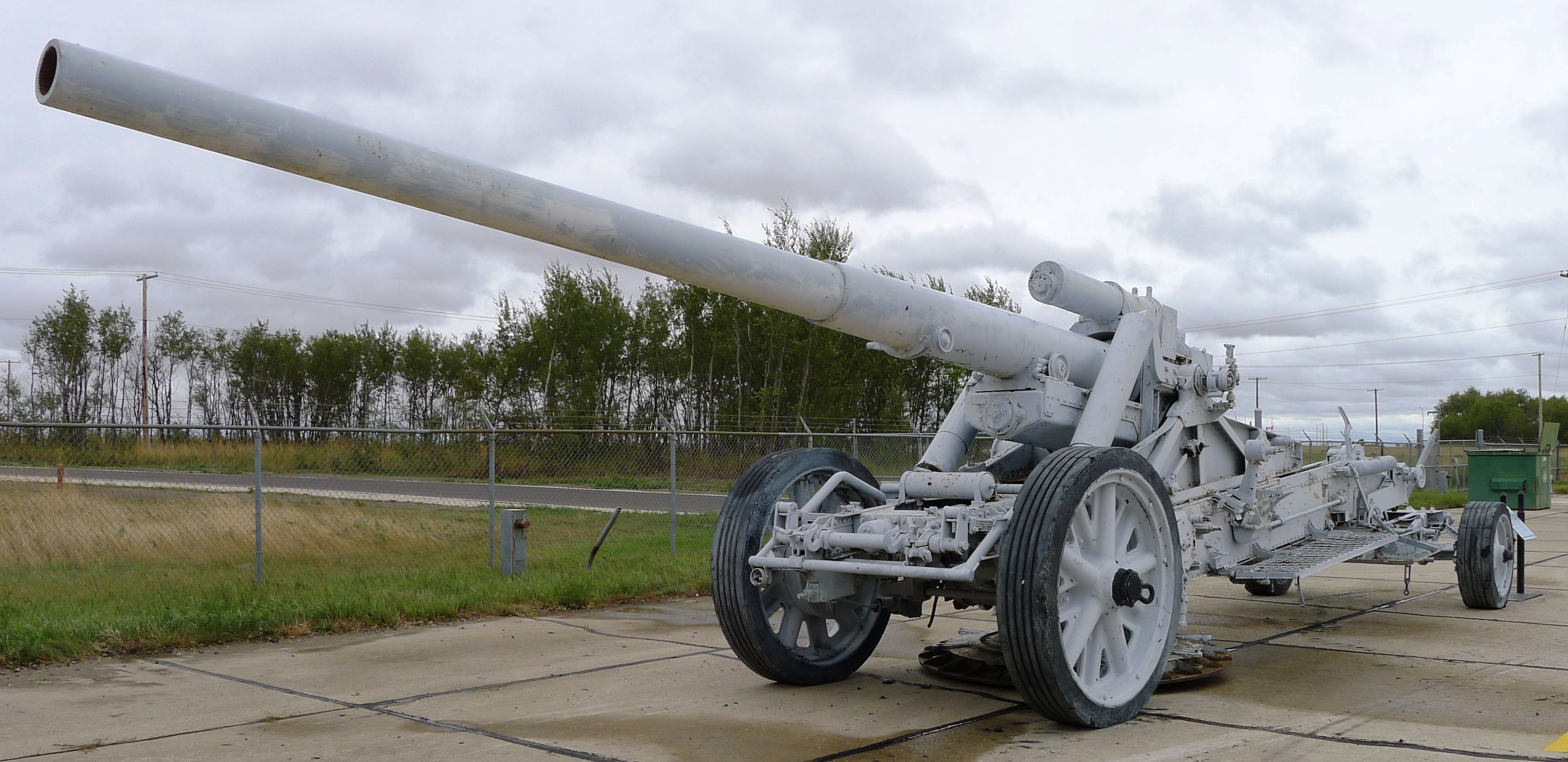
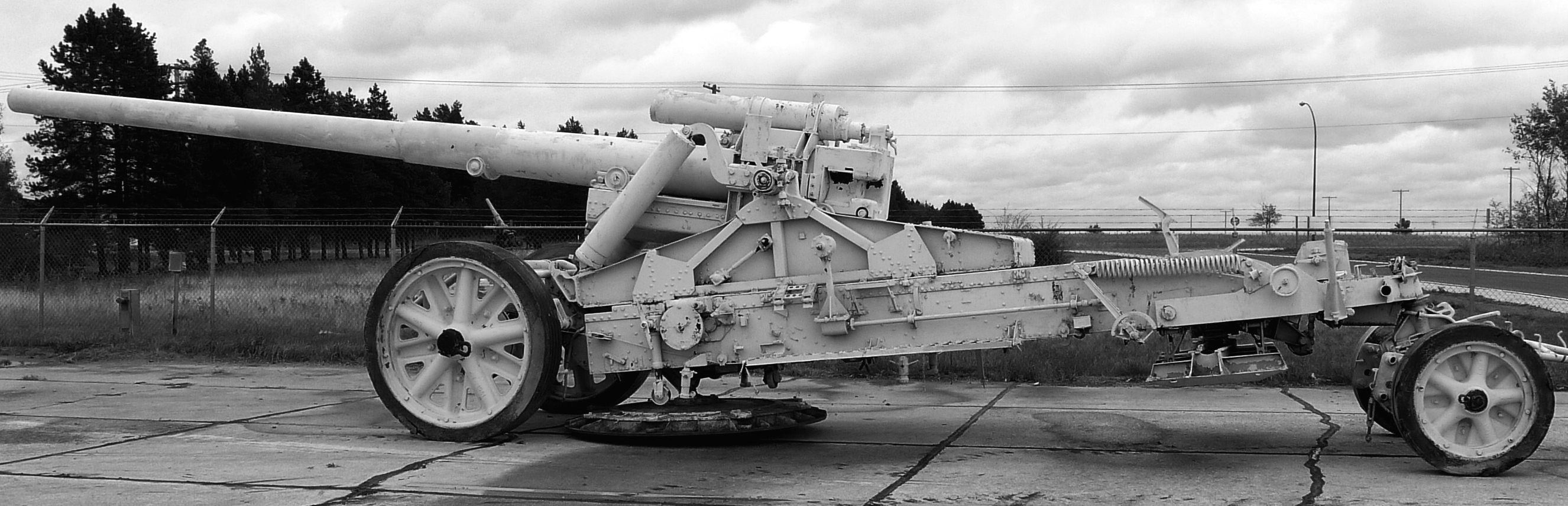
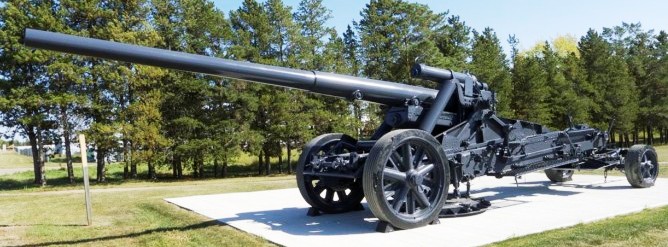
(Clive Prothero-Brooks Photos)
17-cm Kanone 18 (17-cm K 18) in Mörserlafette Field Gun, (Serial Nr. 58). Brought to Canada in 1945 by Captain Farley M. Mowat.
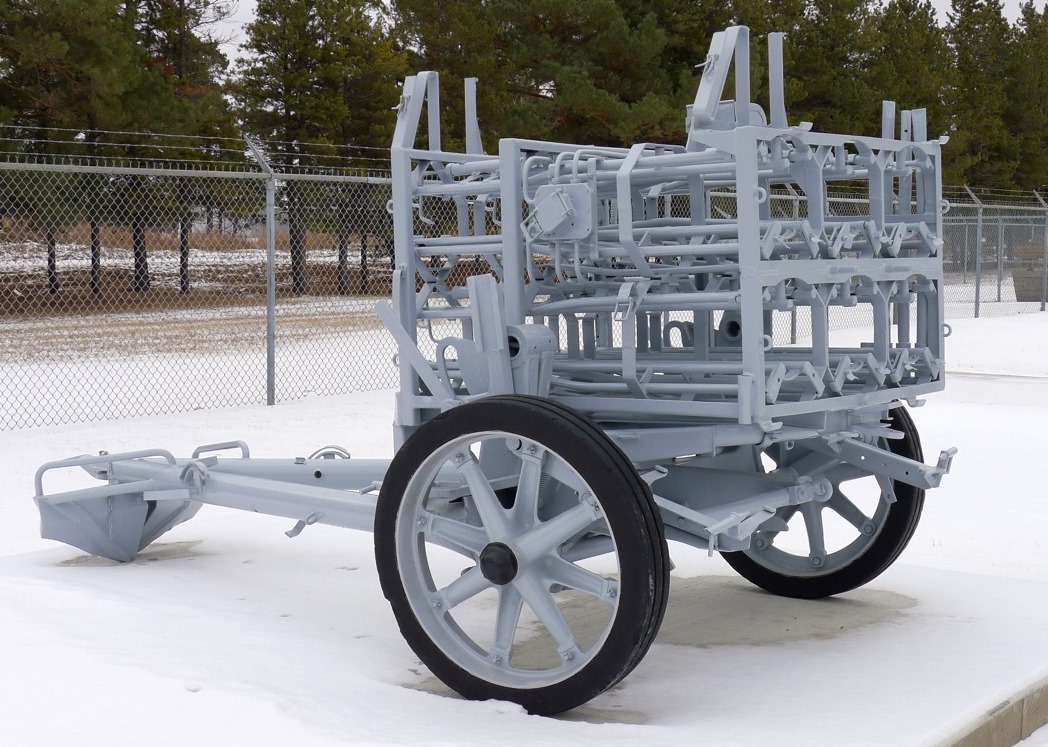
(Clive Prothero-Brooks Photo)
30-cm Raketenwerfer 56, (no Serial Number visible).
(Clive Prothero-Brooks Photos)
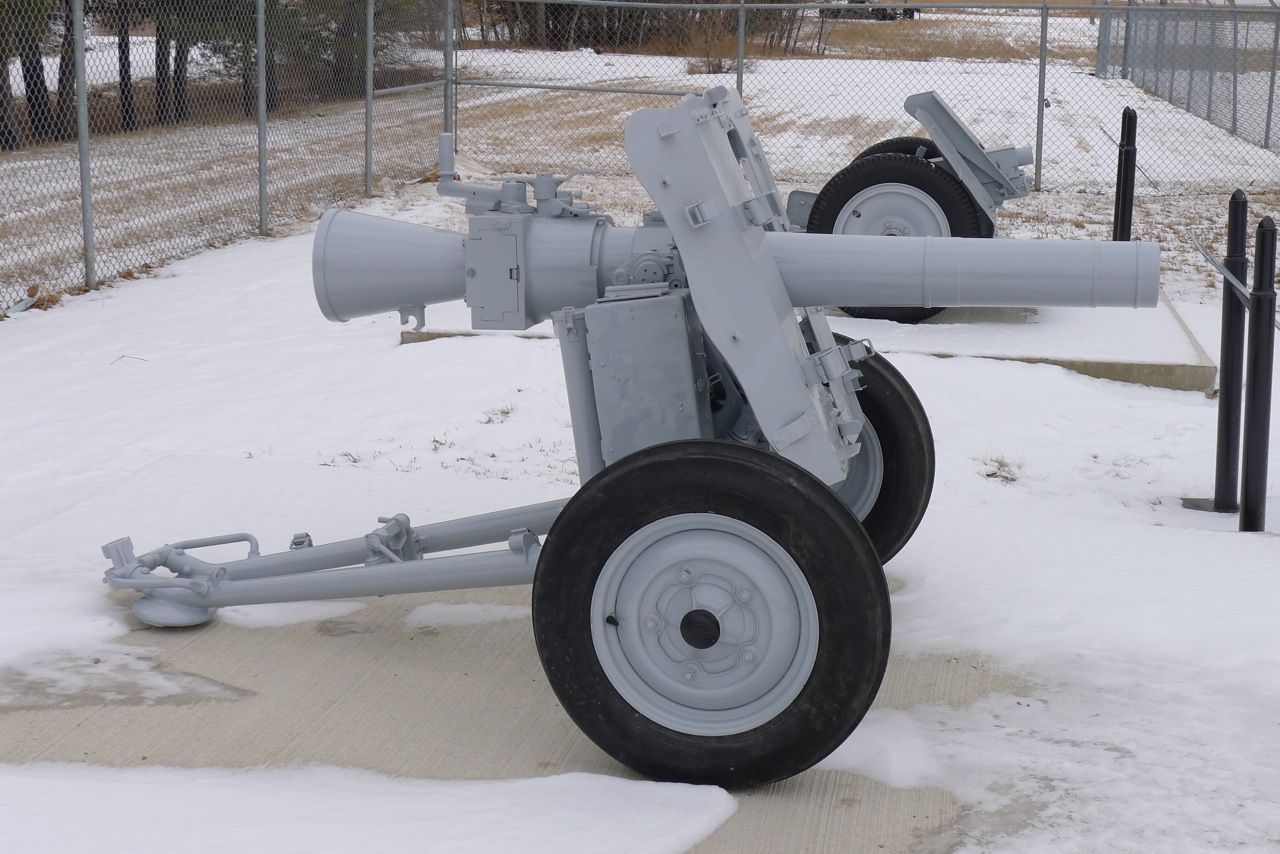
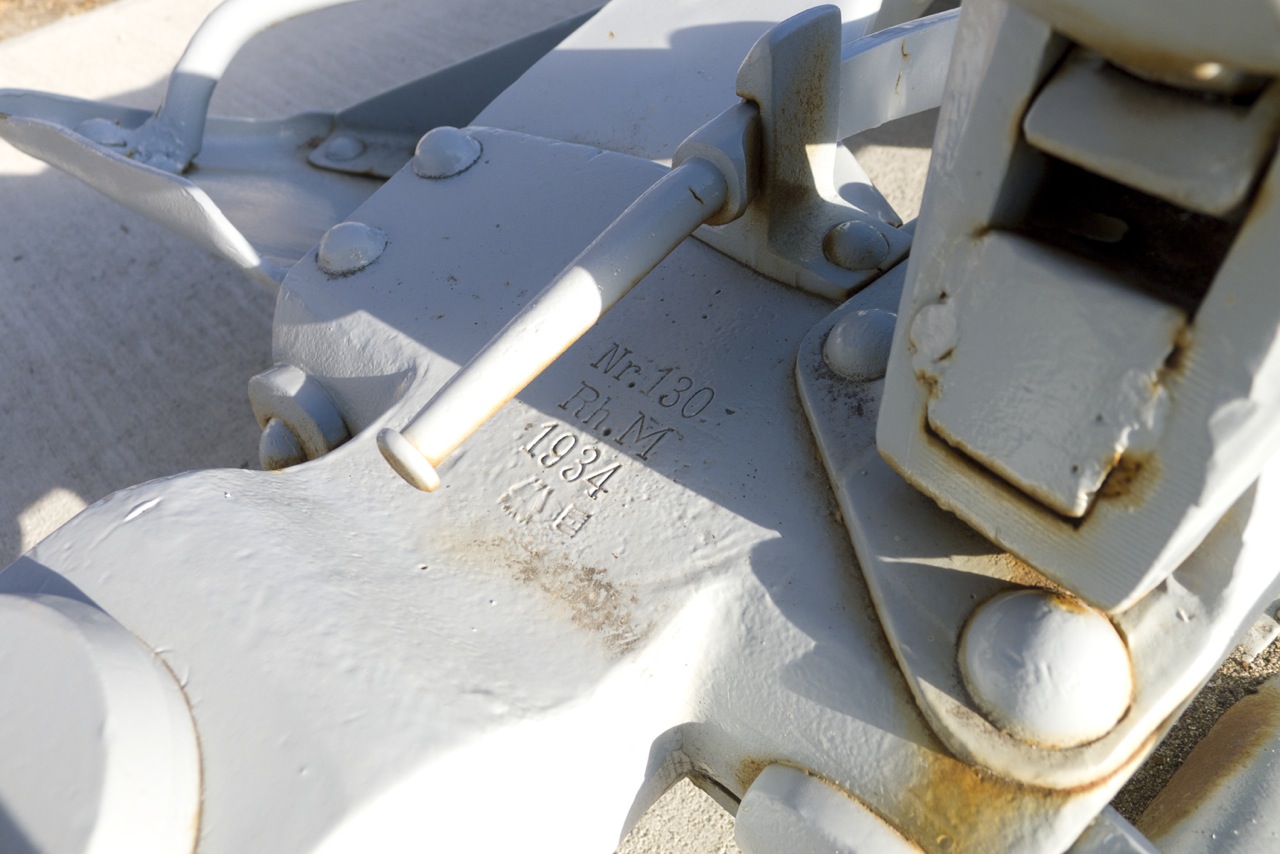
10.5-cm Leichtgeschütz 42 (10.5-cm LG 42 Recoilless Gun, (Serial Nr. R121). Brought to Canada in 1945 by Captain Farley M. Mowat.
(Clive Prothero-Brooks Photos)
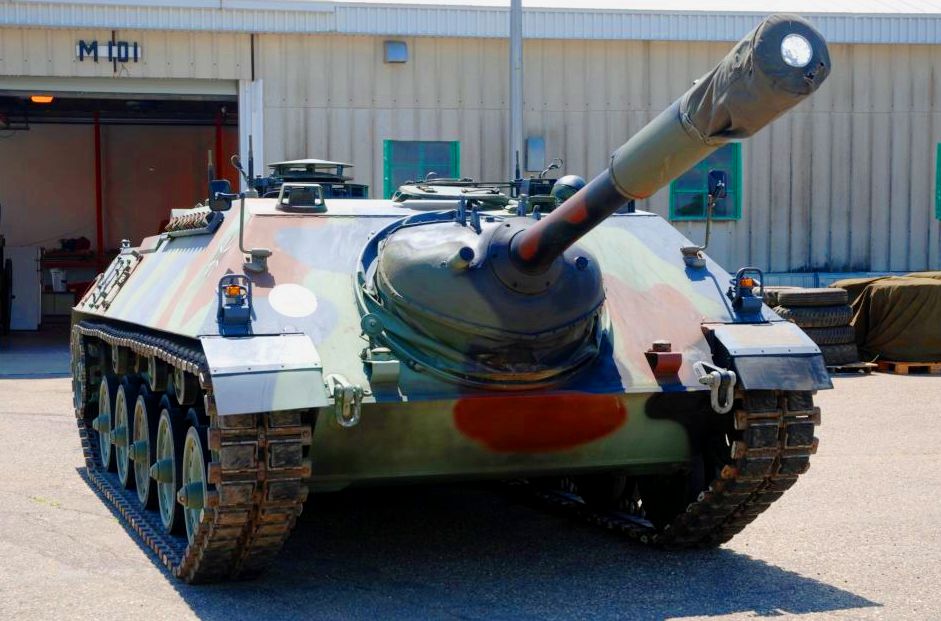
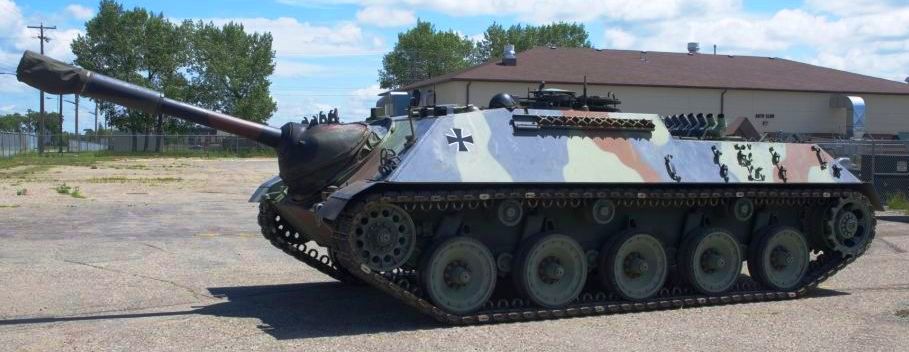
Cold War German Jagdpanzer Kanone 90-mm Tank Destroyer, outside the Range Control Building.