
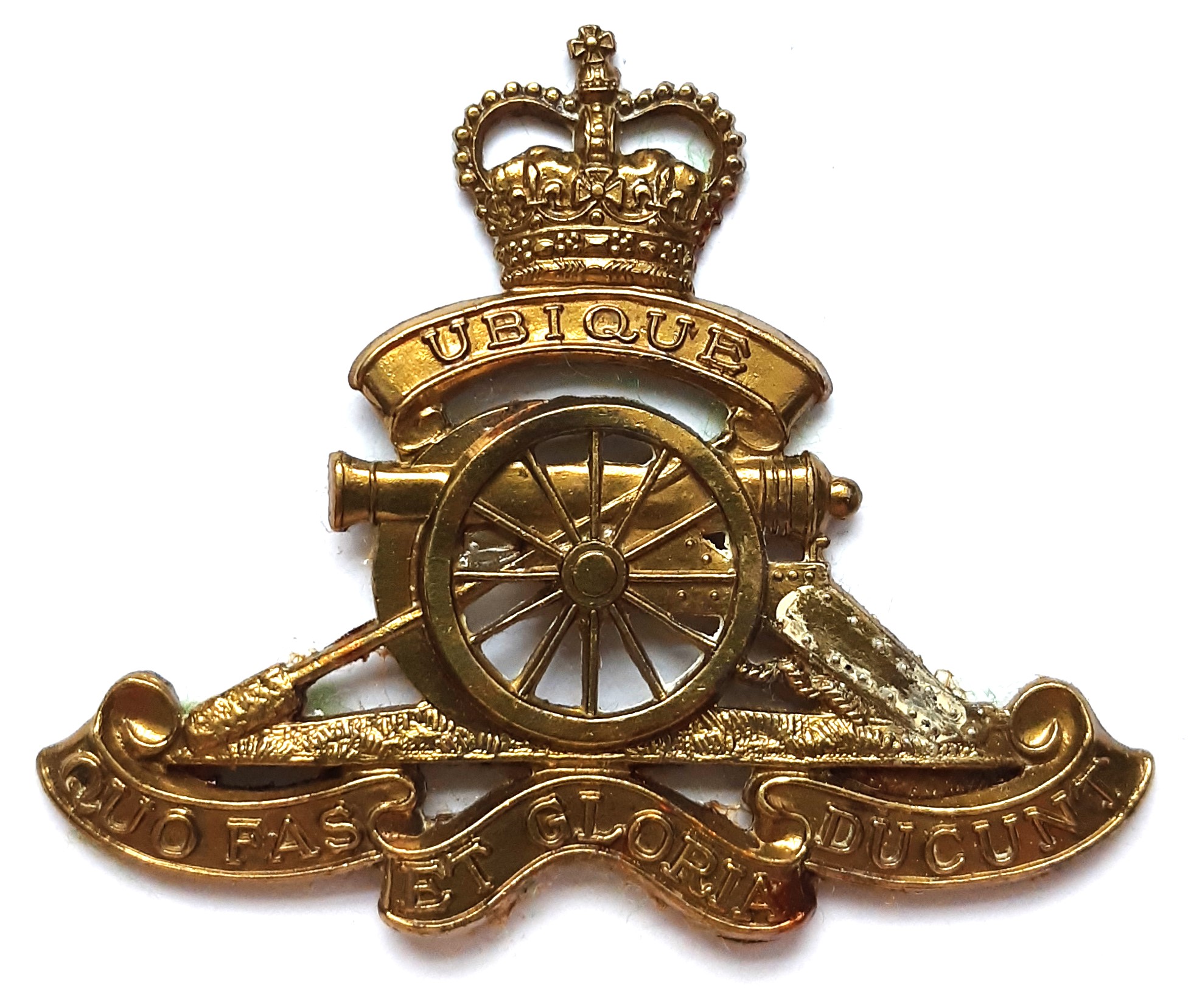
(York Sunbury Historical Society, Fredericton Region Museum Collection, Author Photo)
1997.28.42. RCA badge, QC.
CFB Shilo, Royal Regiment of Canadian Artillery Museum
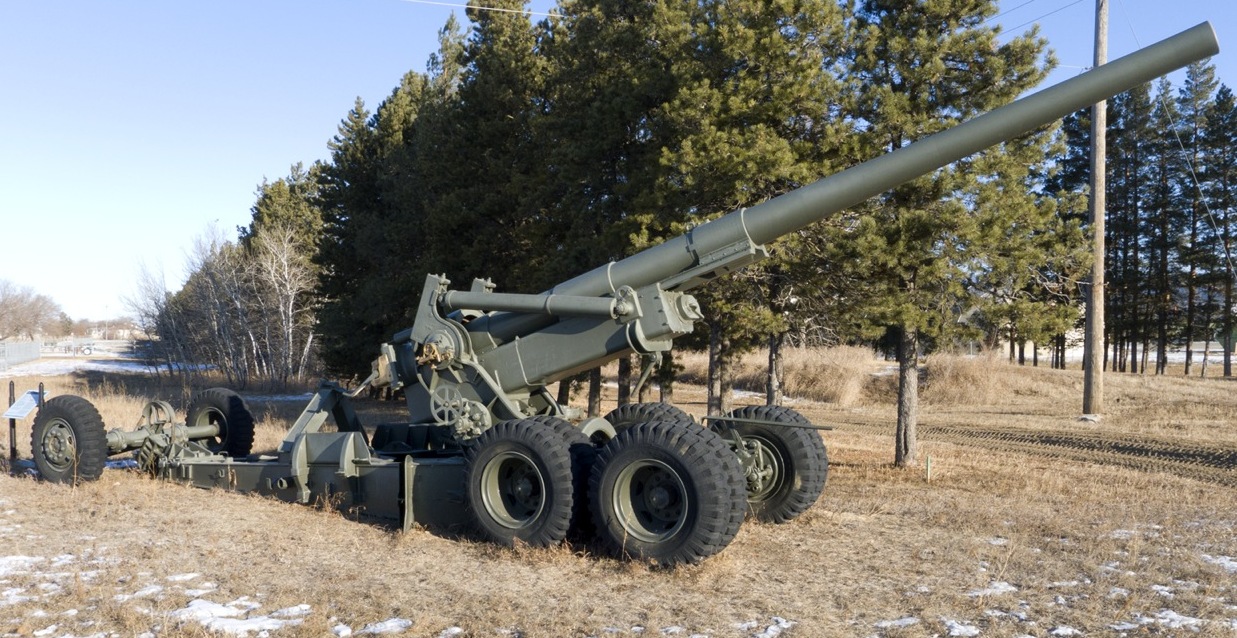
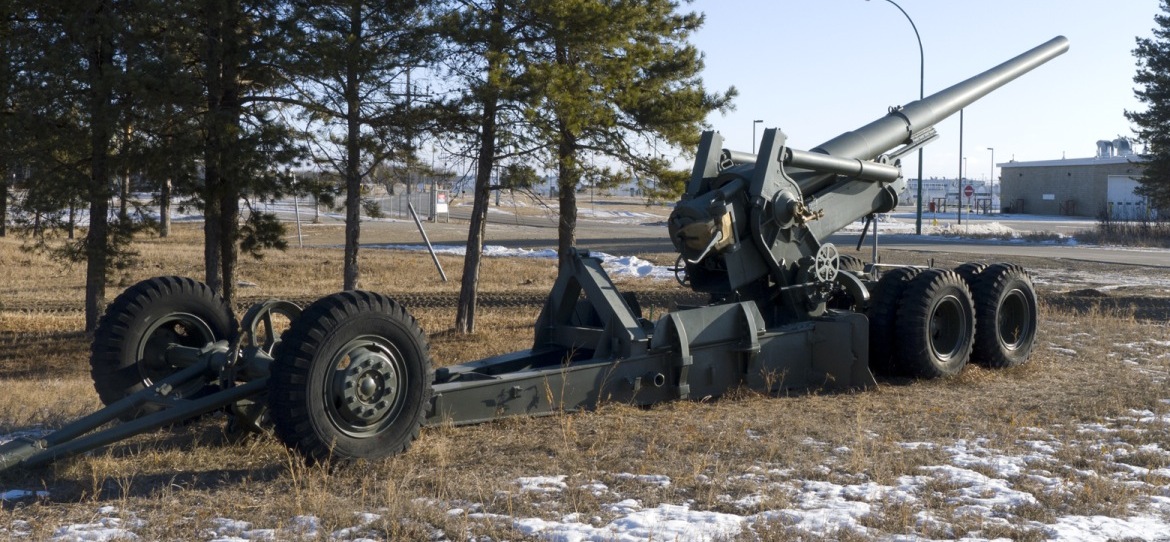
(Clive Prothero-Brooks Photos)
American 155-mm M2 Gun “Long Tom” on Mk. I Carriage. Two batteries of the 59th (Newfoundland) Heavy regiment used these guns during the campaign in Northwest Europe. Canada purchased 20 of them post-war, but only two were actually used, the rest were put in storage.
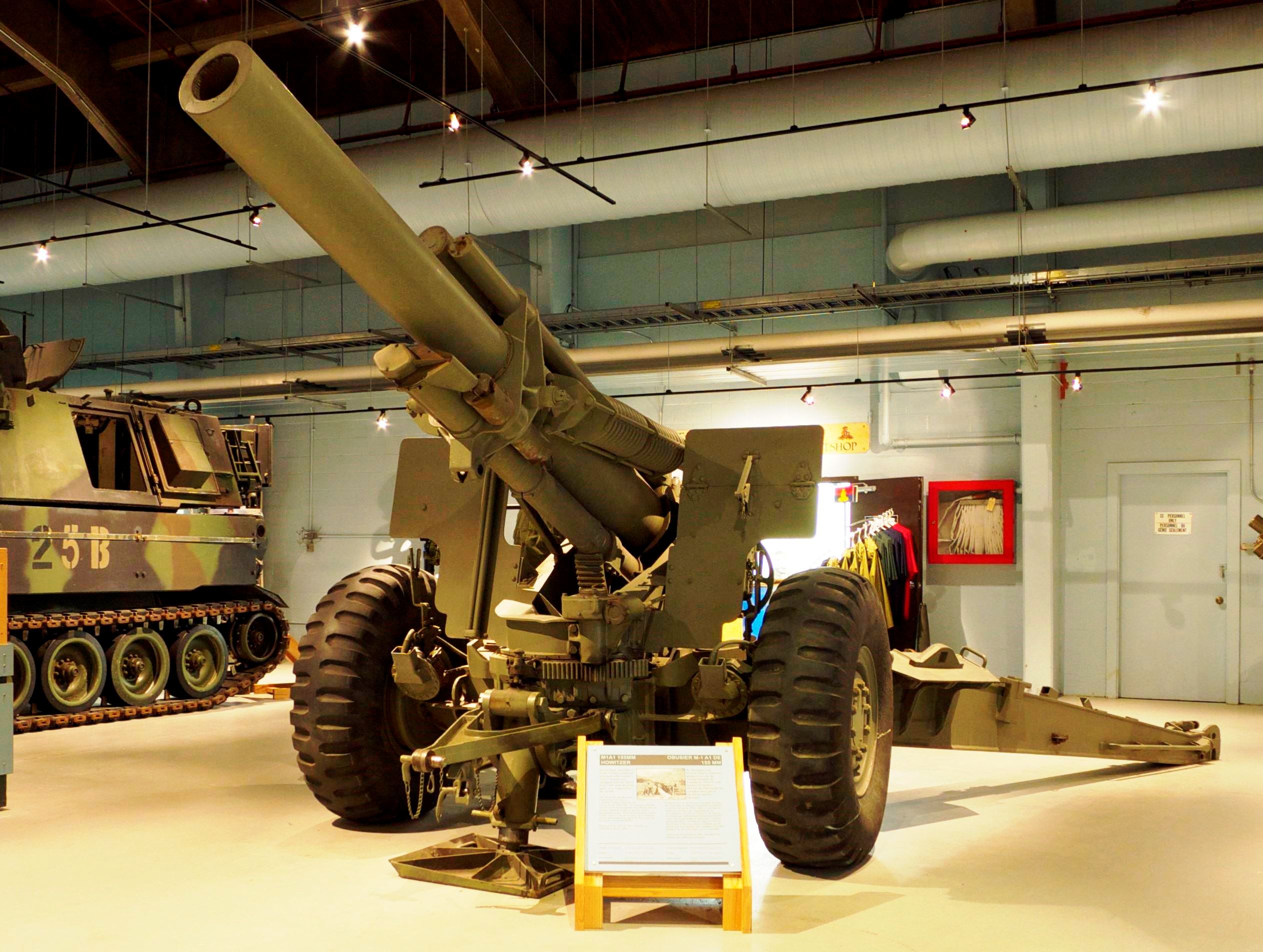
(Clive Prothero-Brooks Photos)
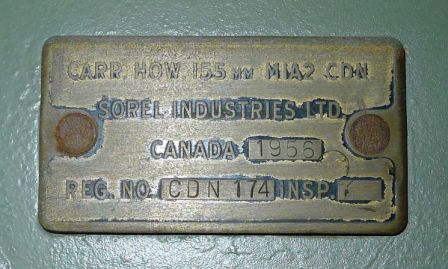
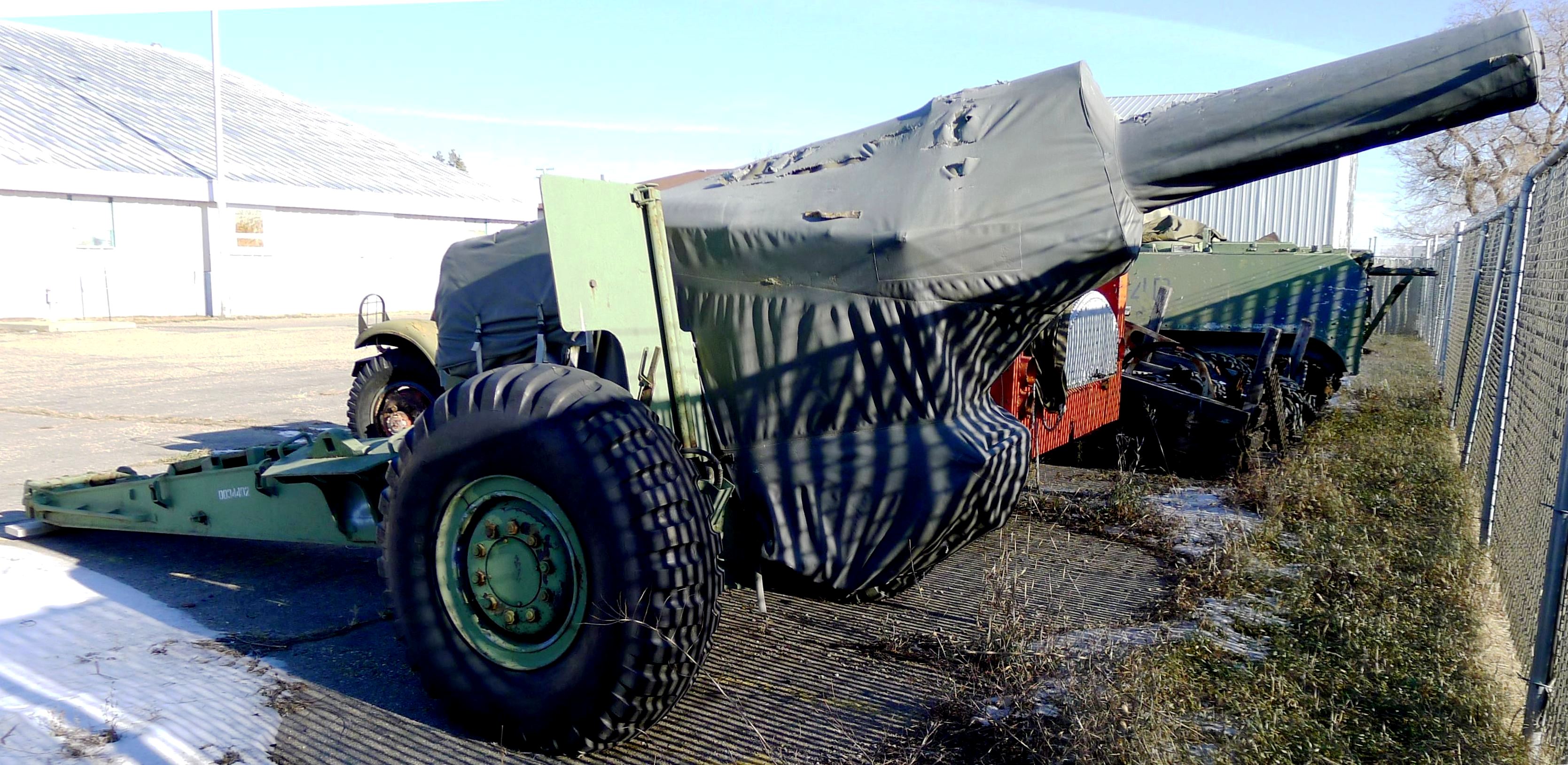
155-mm C1 (M1A2) Medium Howitzer on M1A2 Carriage, aka M114, manufactured at Sorel Industries Limited in Quebec, Queen Elizabeth II cypher. CFR 34402, Reg. No. 174. The carriage plate reads: CARR HOW 155mm M1A2 CDN, SOREL INDUSTRIES LTD, CANADA (1956), REG. NO. CDN 174, INSP (Maple Leaf).
(Clive Prothero-Brooks Photo)
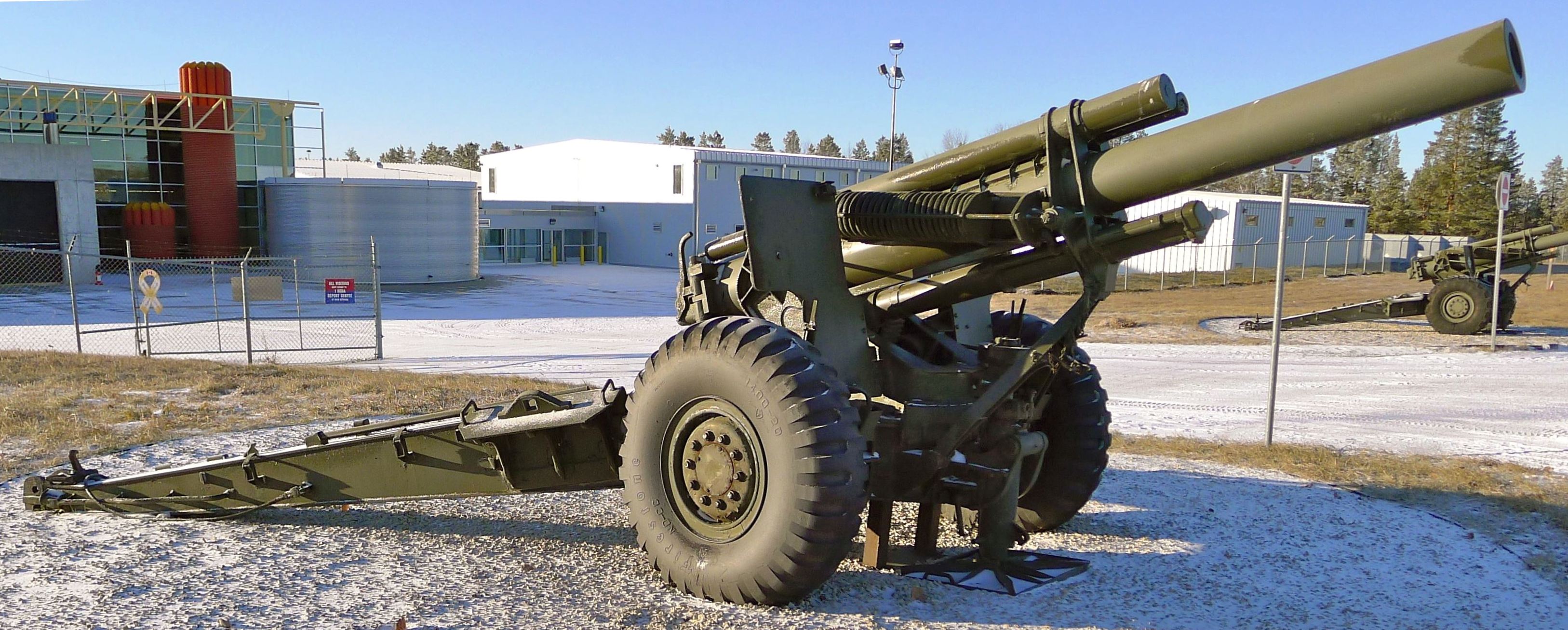
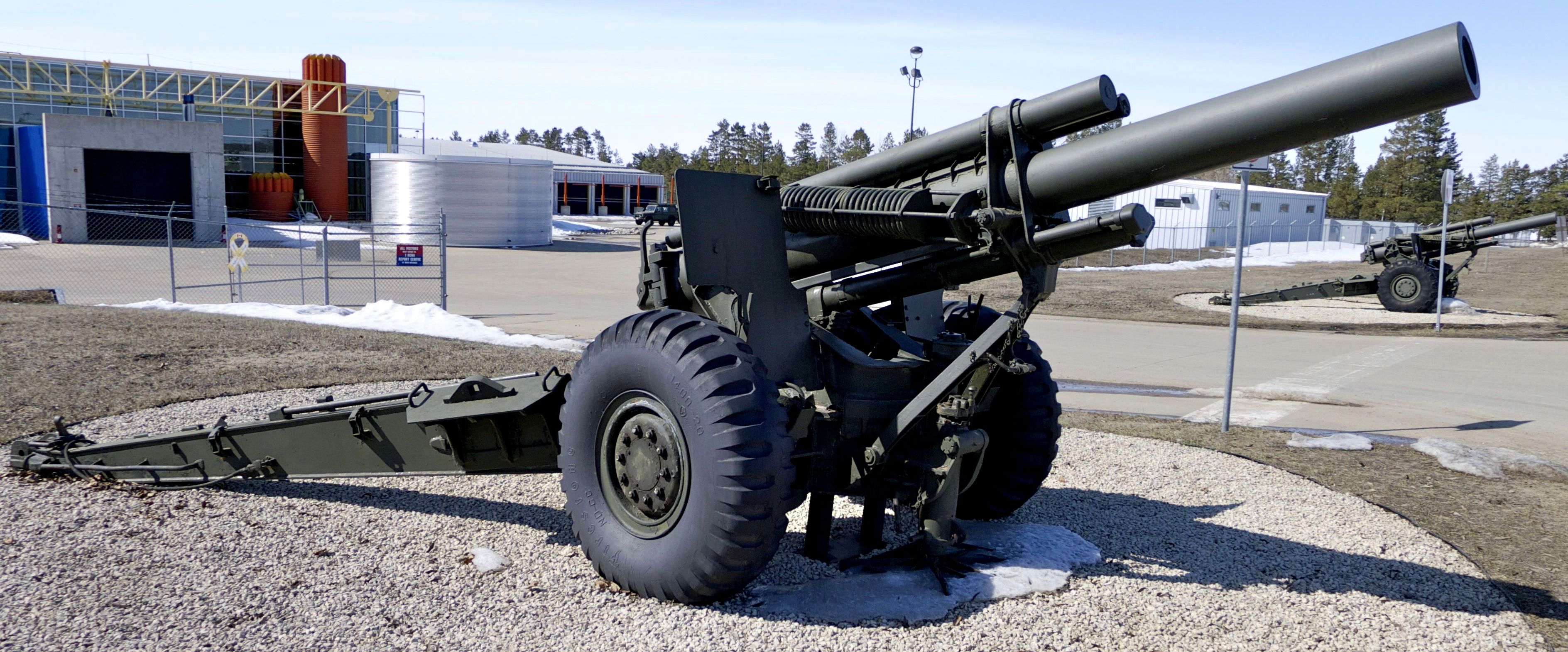
155-mm C1 (M1A2) Medium Howitzer on M1A2 Carriage, aka M114, manufactured at Sorel Industries Limited in Quebec, Queen Elizabeth II cypher. CFR 34402. The carriage plate reads: CARR. HOW. 155MM M1A2 CDN. SOREL INDUSTRIES LTD. CANADA (year TBC), REG. NO. CDN 152, INSP (Symbol).
(Clive Prothero-Brooks Photos)
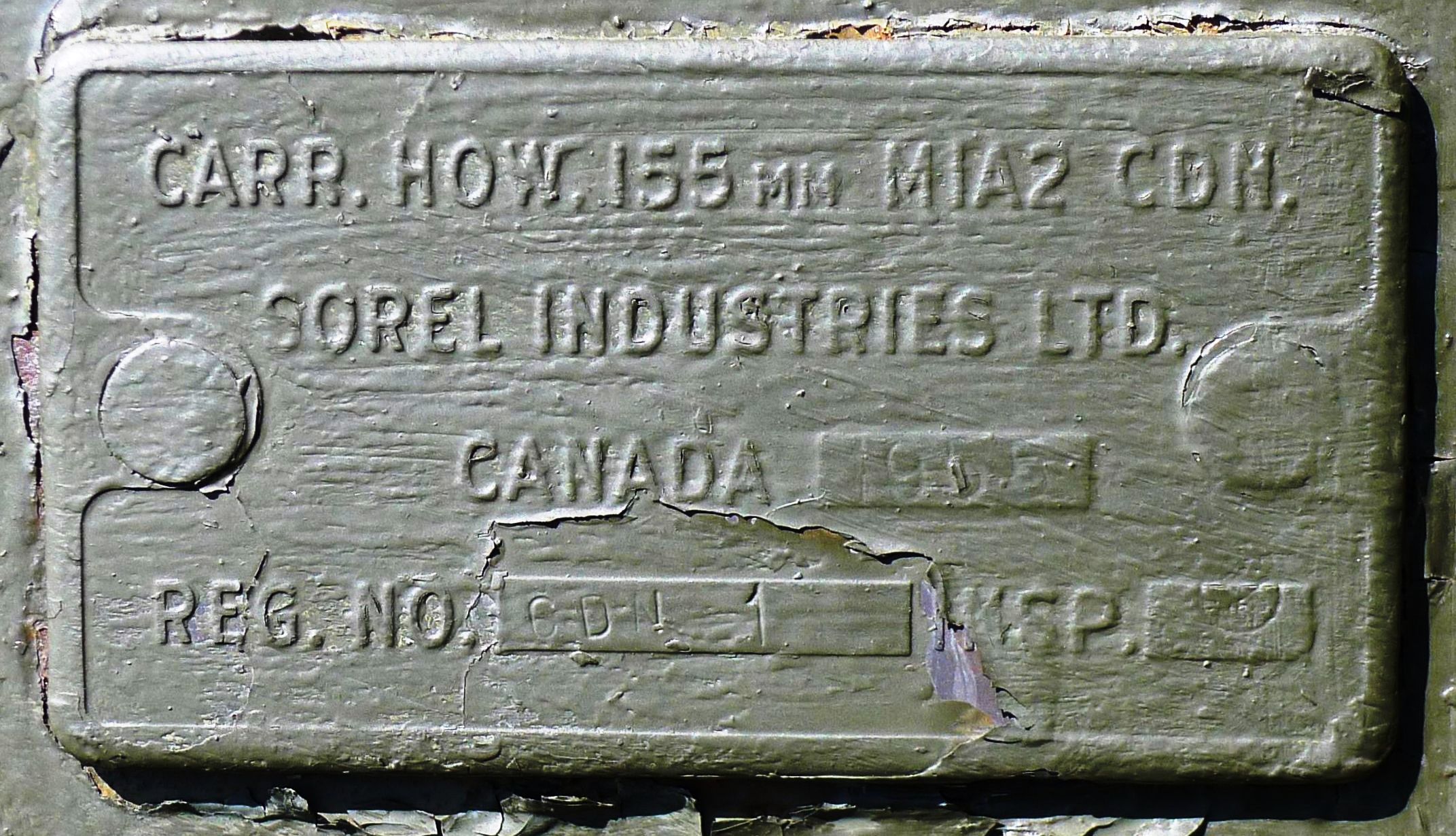
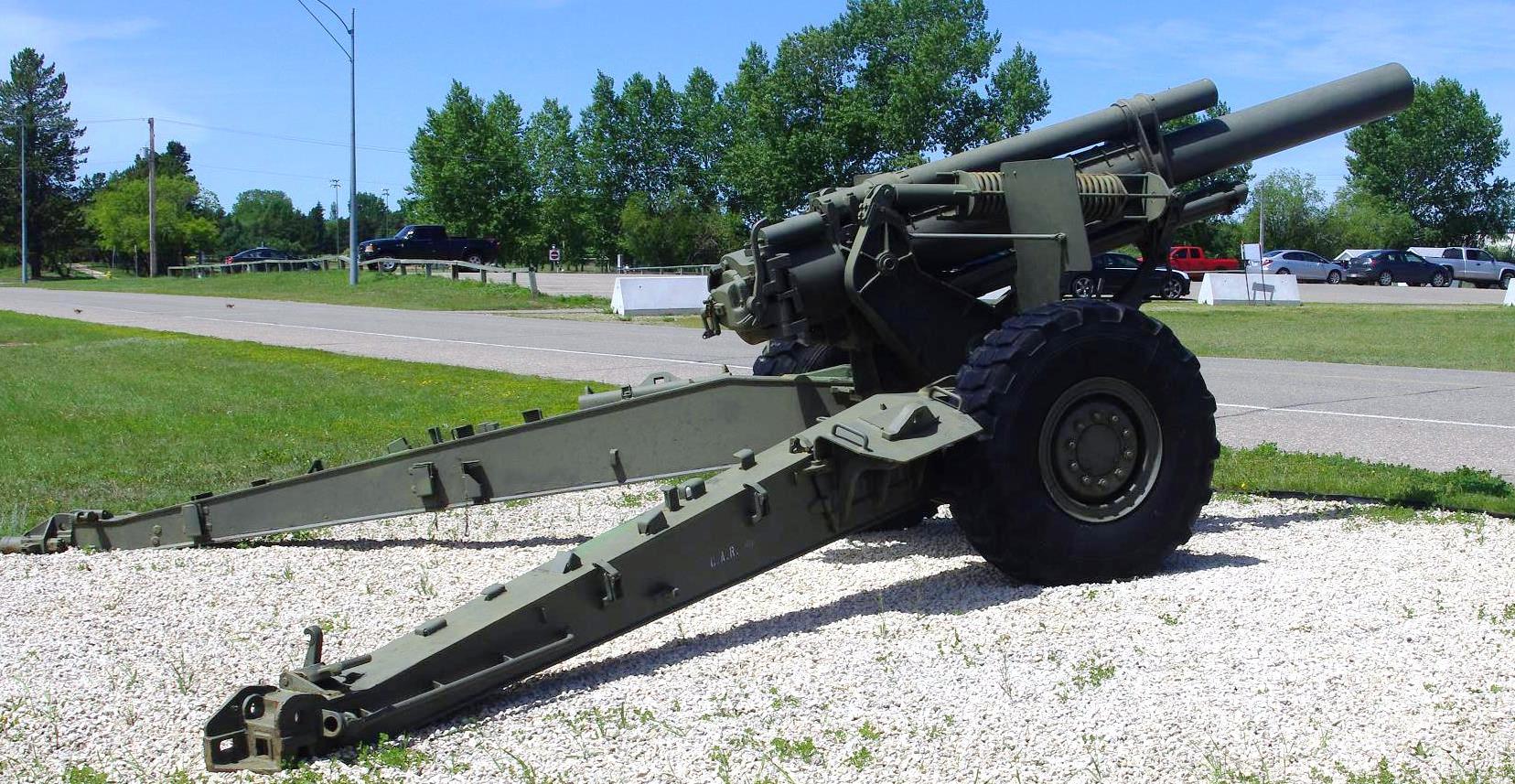
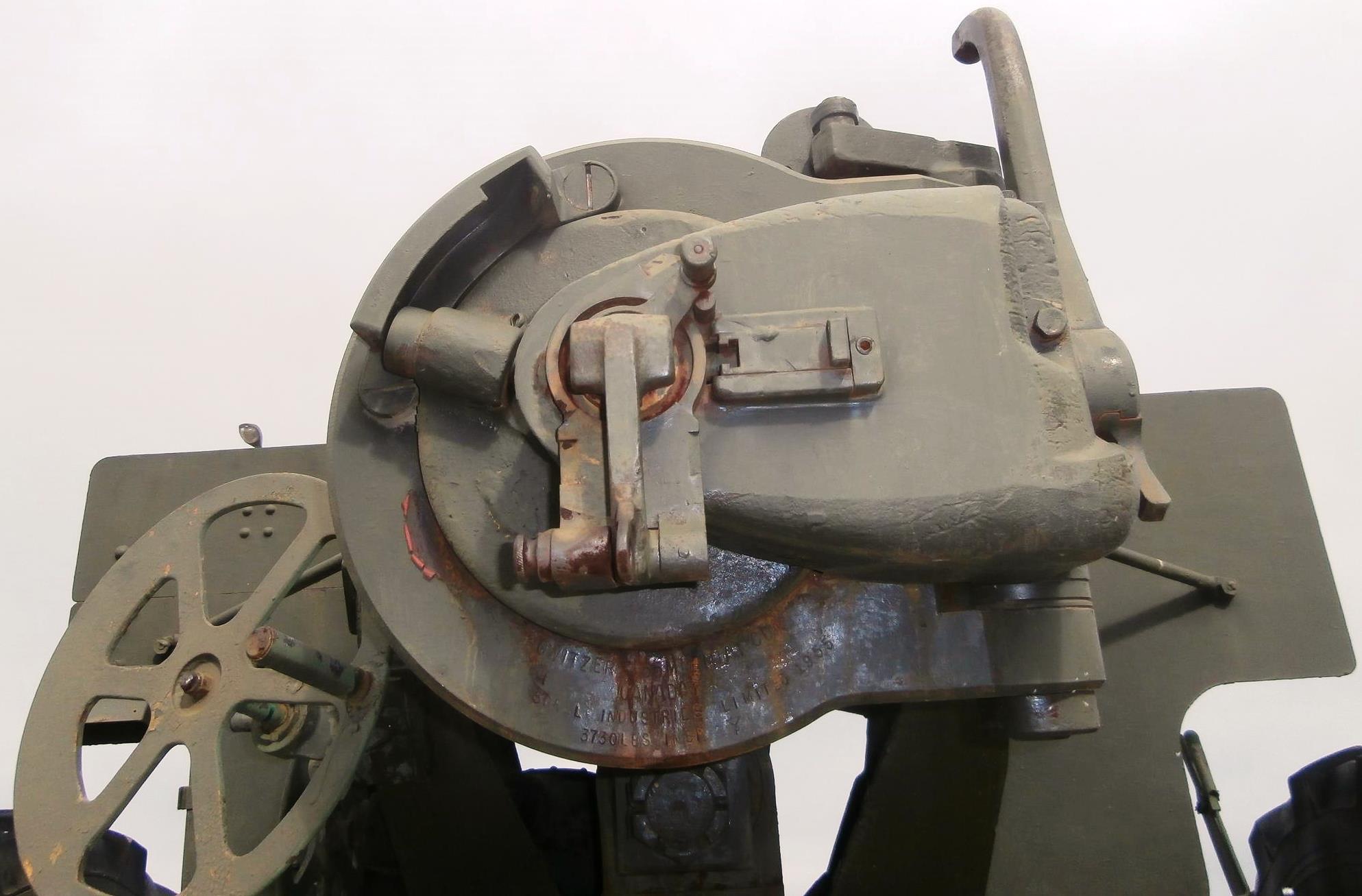
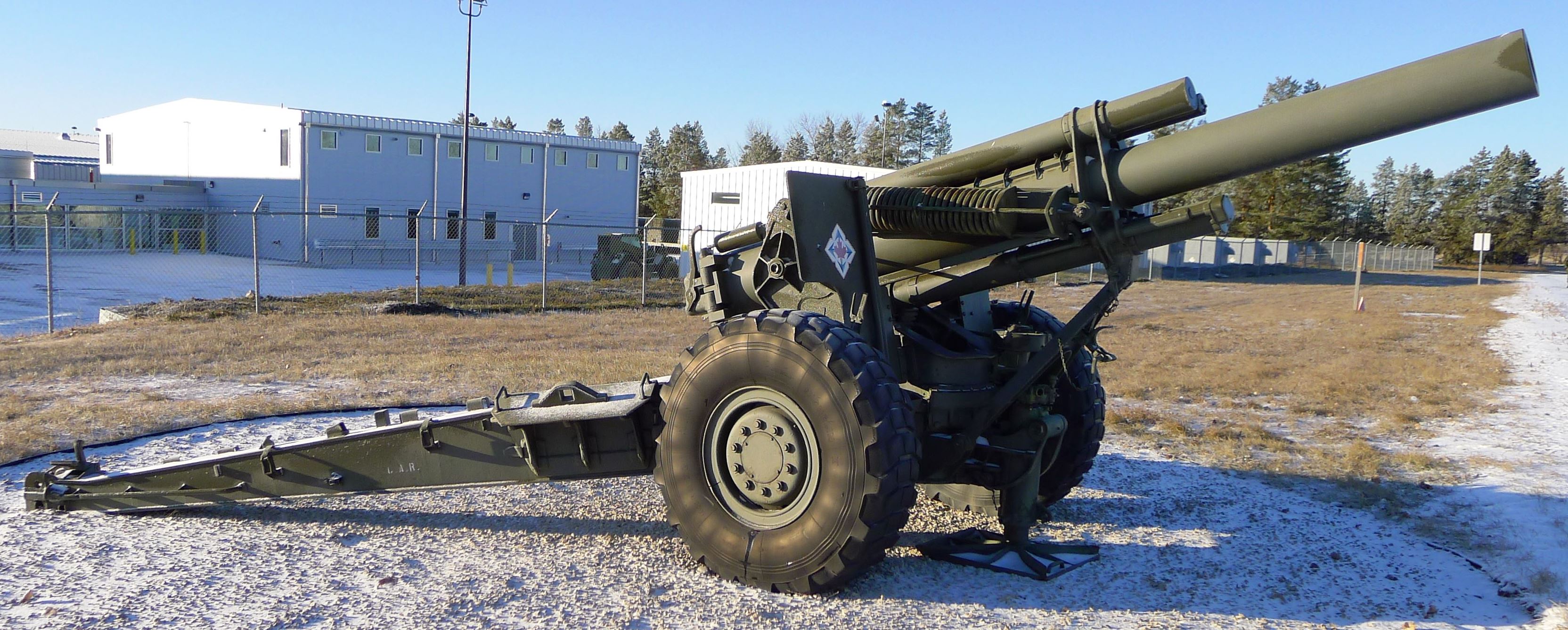
155-mm C1 (M1A2) Medium Howitzer on M1A2 Carriage, aka M114, manufactured at Sorel Industries Limited in Quebec, Queen Elizabeth II cypher. Reg. No. CDN 1. The carriage plate reads: CARR HOW 155mm M1A2 CDN, SOREL INDUSTRIES LTD, CANADA (1952), REG. NO. CDN 1, INSP (symbol). 1 RCHA.
(Maxwell J. Toms Photo)
(Terry Honour Photo)
(Clive Prothero-Brooks Photo)
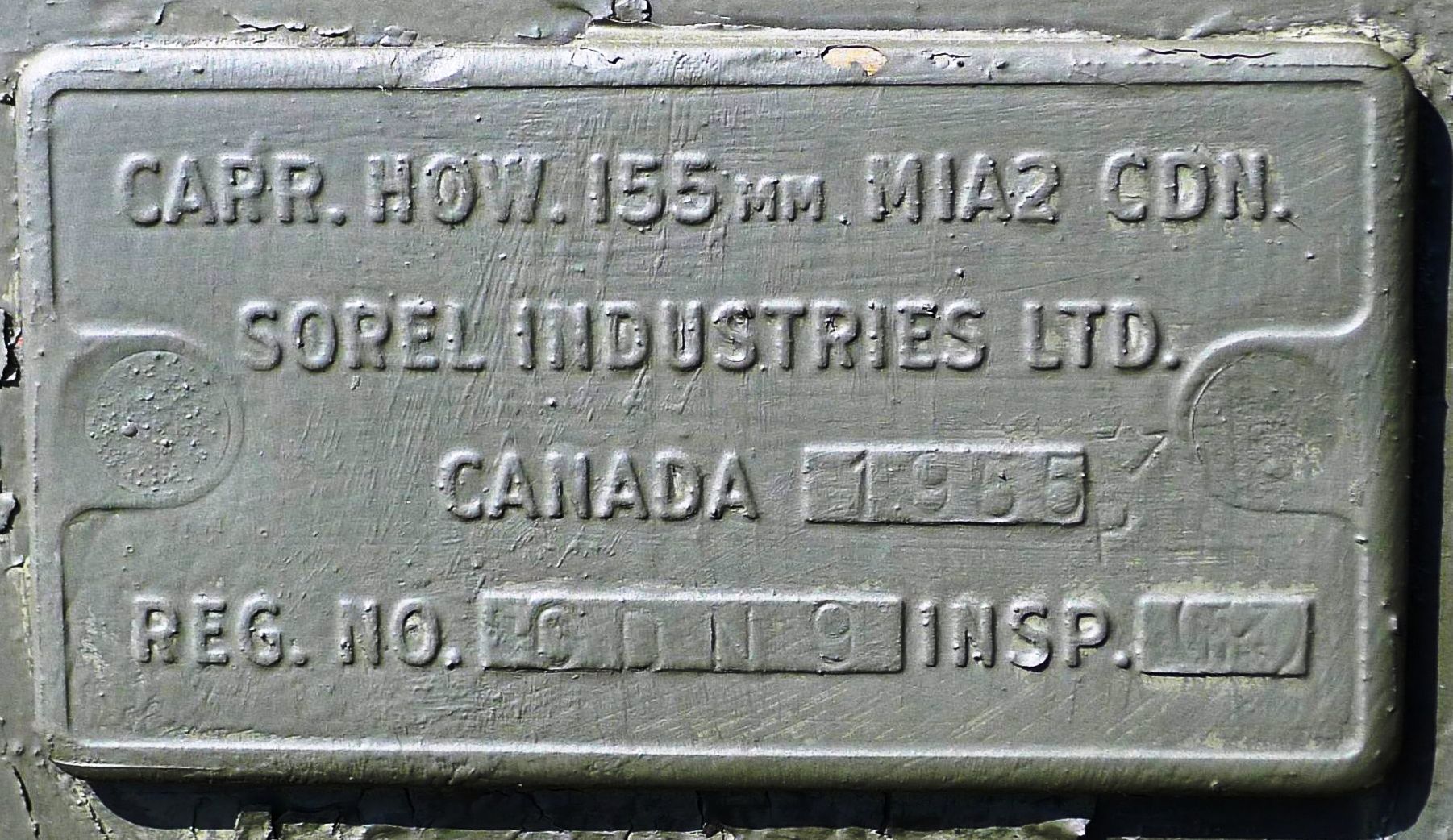
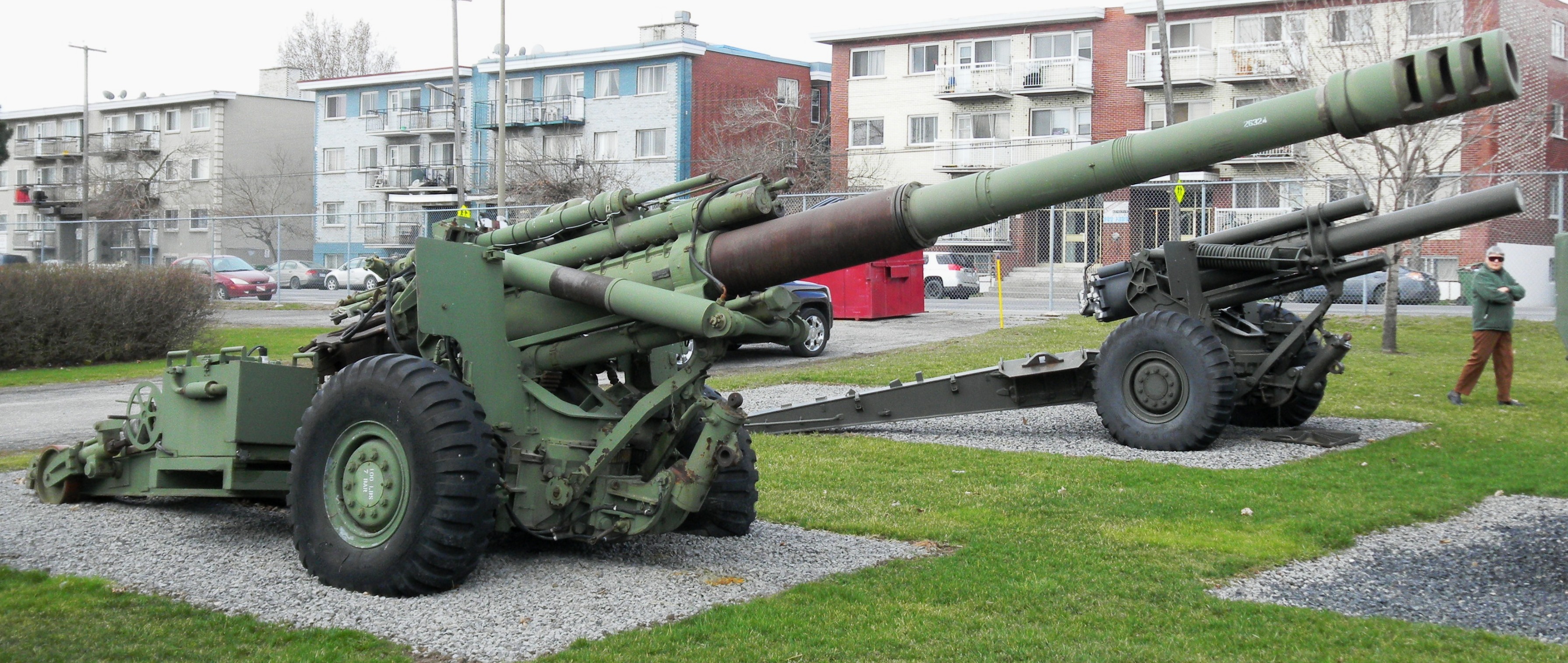
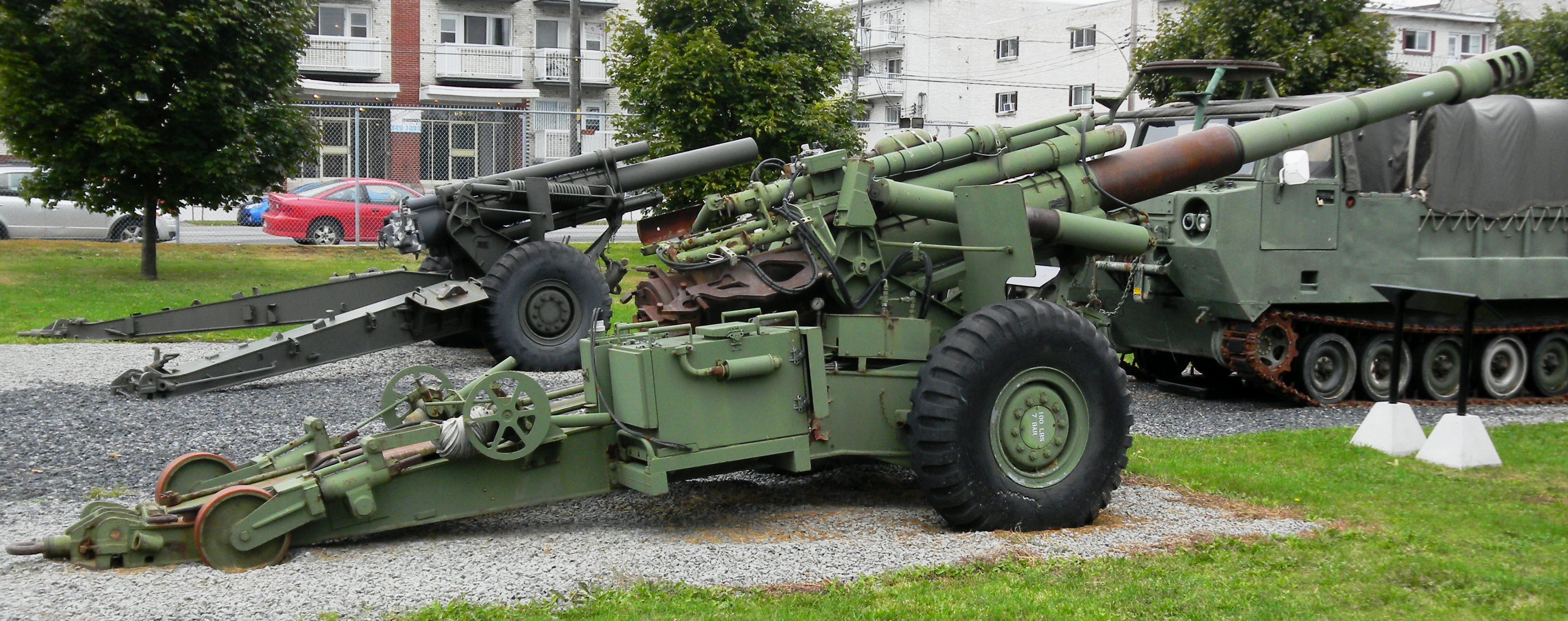
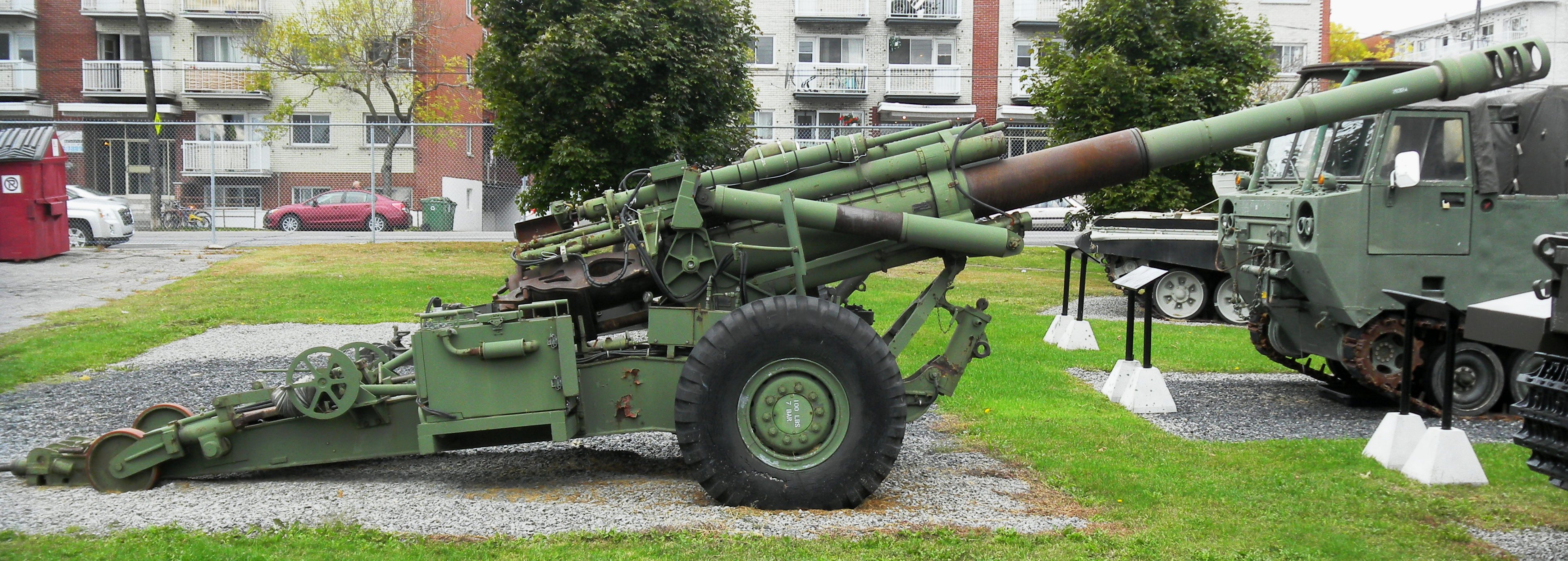
155-mm C1 (M1A2) Medium Howitzer on M1A2 Carriage, aka M114, manufactured at Sorel Industries Limited in Quebec, Queen Elizabeth II cypher. Reg. No. 9. The carriage plate reads: CARR HOW 155mm M1A2 CDN, SOREL INDUSTRIES LTD, CANADA (year TBC), REG. NO. CDN 9, INSP (Symbol). 1 RCHA.
(Author Photos)
(Terry W. Honour Photos)
(Clive Prothero-Brooks Photo)
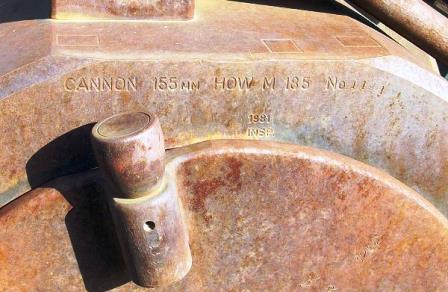
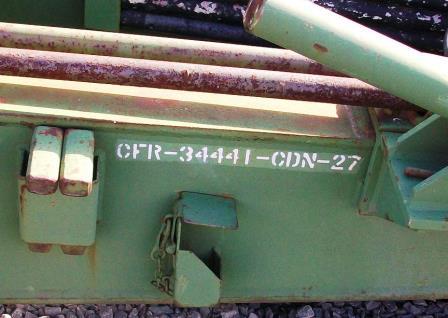
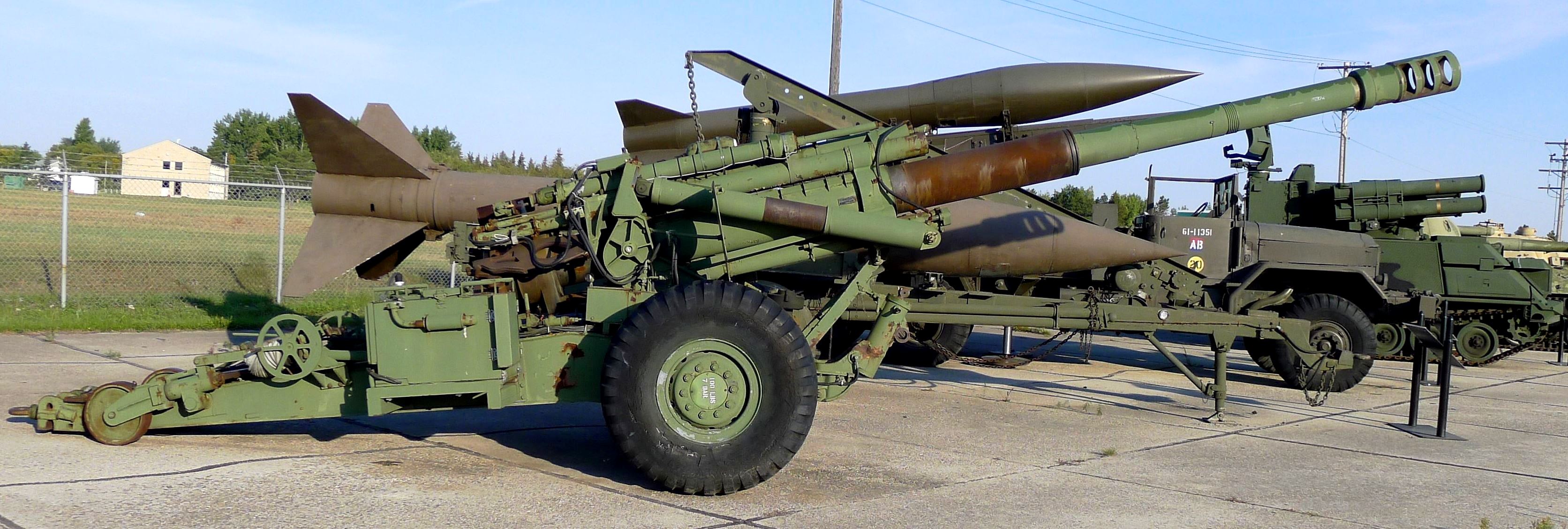
155-mm C1 (M1A2) Medium Howitzer, M114/39. This Gun was manufactured at Sorel Industries Limited in Québec), modified with an American M185 39-calibre barrel (Serial No. 1141) by RDM Technologies in the Netherlands to M114/39 configuration. RDM developed a conversion kit which enabled the US 155 mm M114 towed howitzer to fire new extended range ammunition. The company reputedly converted two Canadian 155-mm Howitzers to the M114/39 configuration and completed trials with them in Canada, however Canada did not proceed with an upgrade to the M114/39 standard. CFR 34441. The carriage plate reads CARR. HOW. 155MM M1A2 CDN. SOREL INDUSTRIES LTD. CANADA (year TBC), REG. NO. CDN 27, INSP (Symbol).
(Terry W. Honour Photo)
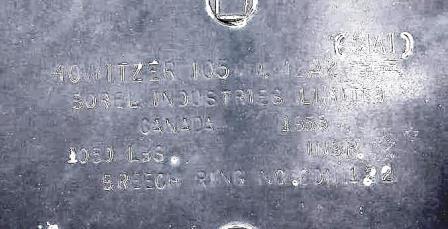
American 105-mm M2A1 Howitzer, identifiable by being built with an early bolt together US style rims. This gun was recovered from an American range in Germany. It was brought back from Germany by 1RCHA when it moved back to Shilo in the mid 1990s. The gun was missing several original parts, including the breech ring, and was restored in 1998. During the restoration, Rob Love replaced the tires and completely repainted the gun. Weapons Sergeant Dave Smith contacted the LCMM which led to the acquisition of the Canadian breech and breeching ring, NO. CDN 122, 1956, shown in the photo, as the original items had been removed by the Americans. The LCMM had a set that had reached their maximum EFCs and therefore it was on the loading dock in Montreal waiting to go for smelting. It was sent to the restoration team at Shilo and installed on the M2A1. When examining the gun, a knowledgeable gunner will note that there is no swelling on the end of the barrel nor is it set back from the rifling, which leads to the confusion when it comes to recognition and mis-identification when the observer goes by the breech ring data. The restorers installed a uniquely Canadian spare sight box on the front shield which has the little hump on it for the C1 panoramic telescope. (Thanks to Rob Love for the update)
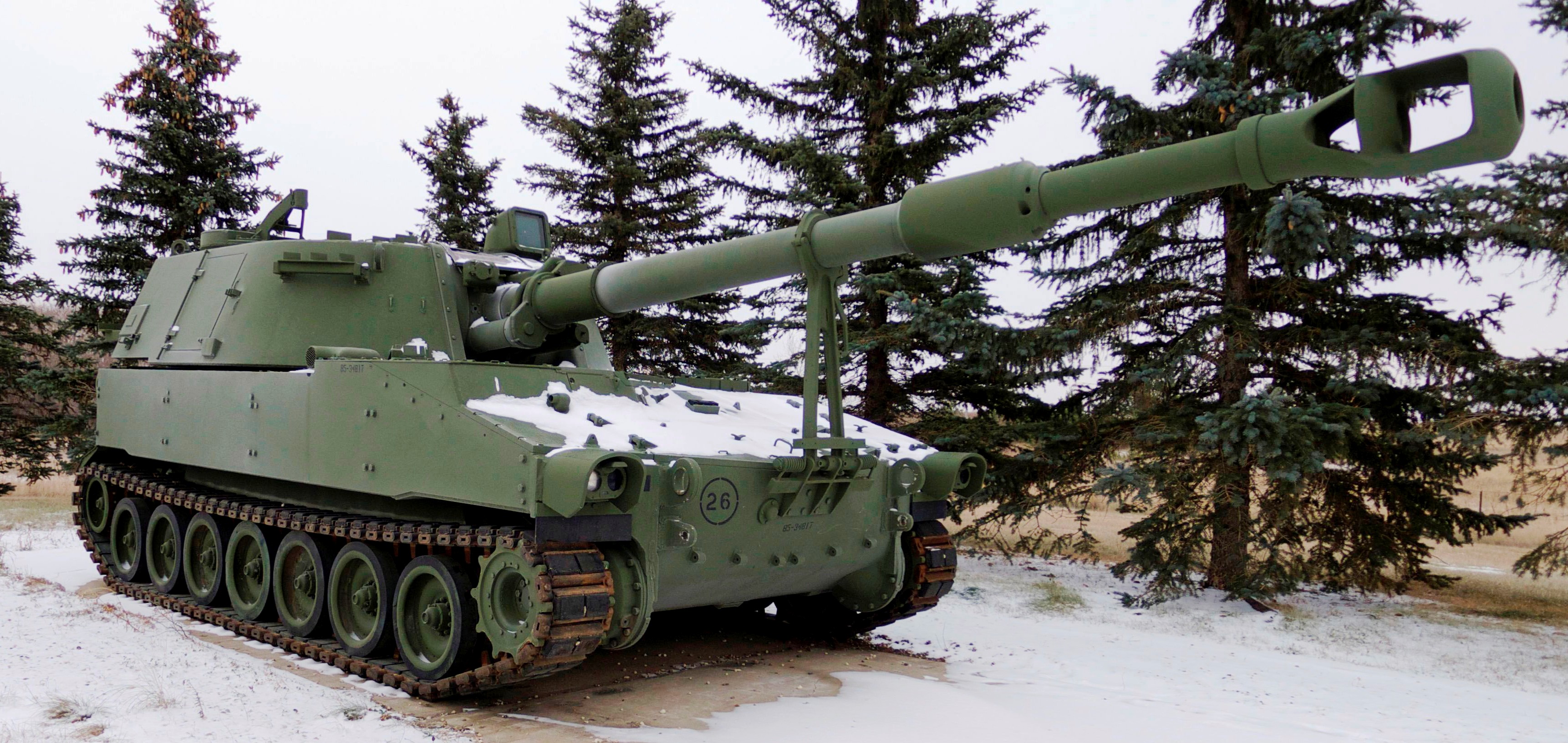
(Clive Prothero-Brooks Photo)
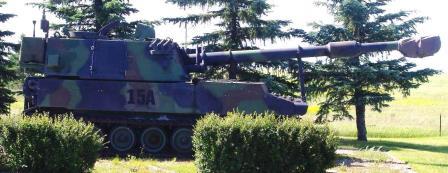
(Maxwell J. Toms Photo)
155-mm M109 Self-Propelled Howitzer, (CFR No. 85-34817), AC: MD, ECC: 119205 HUI C: 0118, SAUI C: 0118, VMO No. DLE21739, VMO Date: 14 Jul 2005. Display Monument at the front gate.
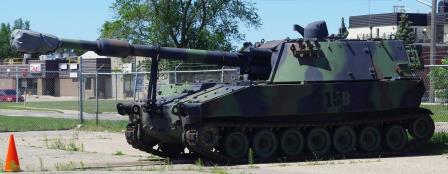
(Maxwell Toms Photo)
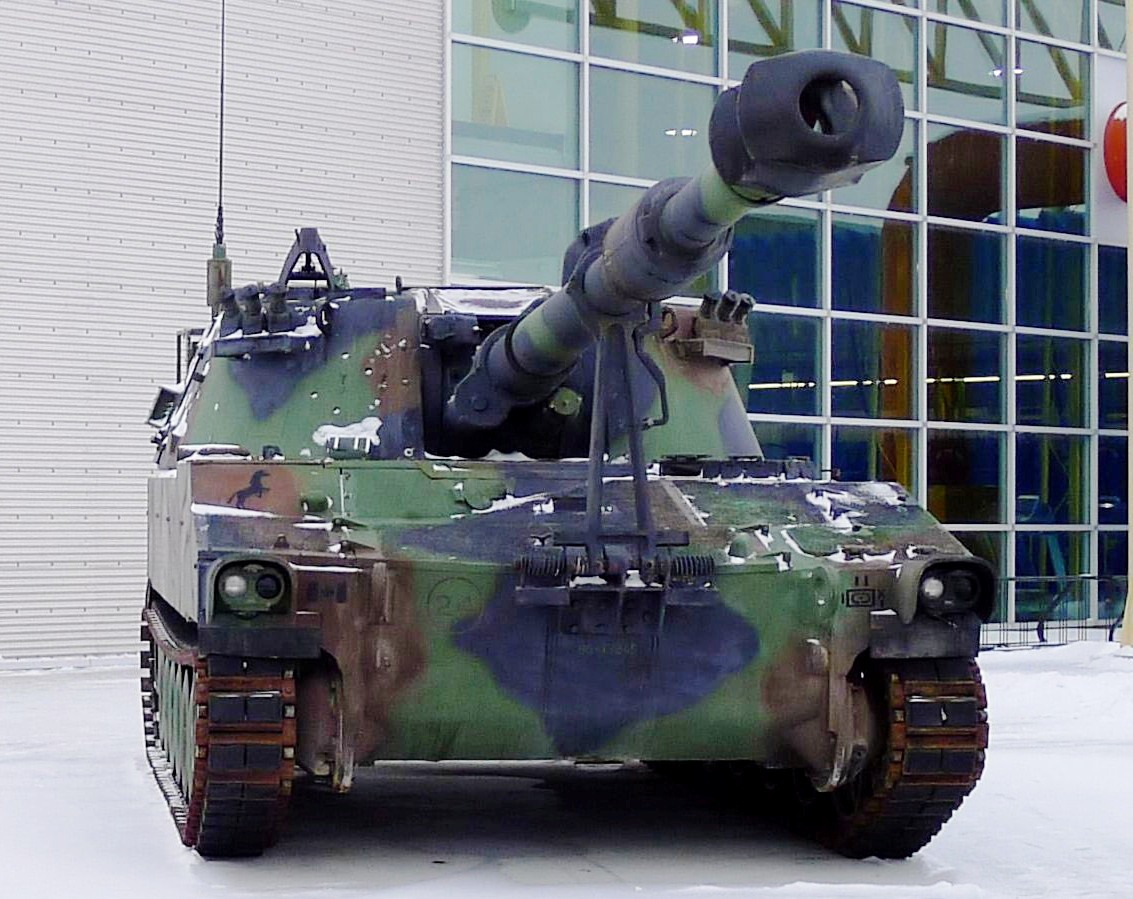
(Clive Prothero-Brooks Photo)
155-mm M109 Self-Propelled Howitzer, (Reg. No. 85-77245), 1985, AC: MD, ECC: 119205 HUI C: 0118, SAUI C: 0118, VMO No. DLE21739, VMO Date: 14 Jul 2005. Display Monument.
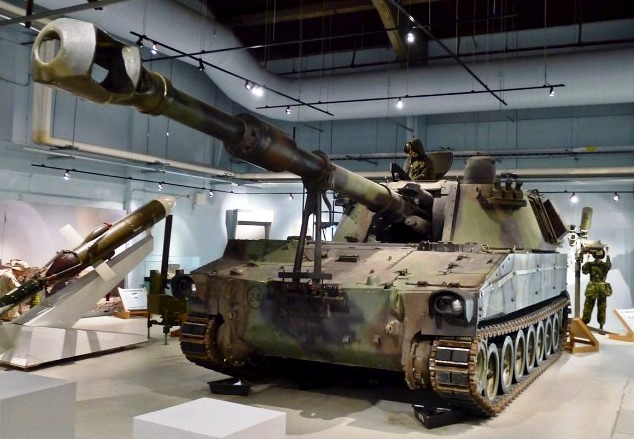
(Clive Prothero-Brooks Photo)
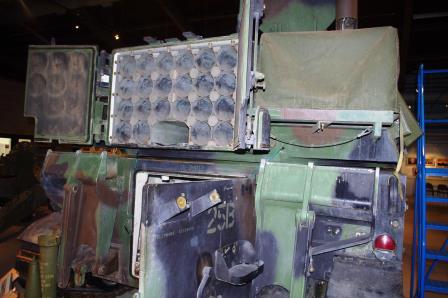
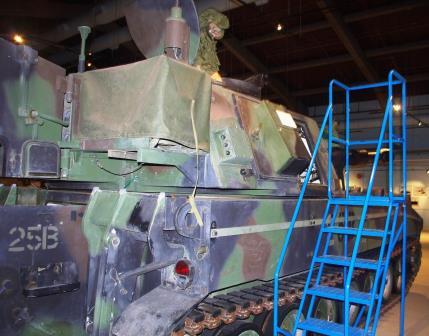
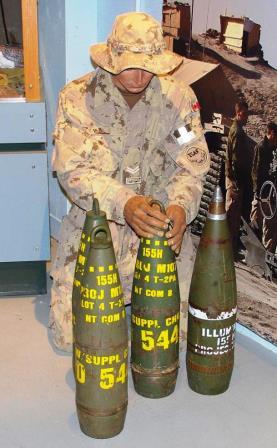
(Maxwell J. Toms Photos)
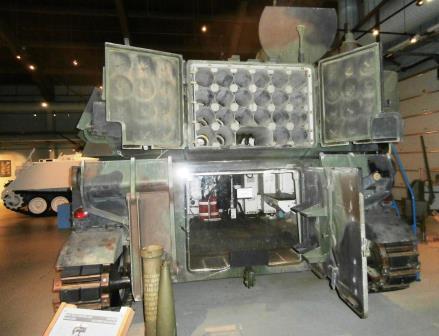
155-mm M109 Self-Propelled Howitzer, (Reg. No. 34838), 1968, AC: MD, ECC: 119205 HUI C: 0118, SAUI C: 0118, VMO No. DLE21739, VMO Date: 14 Jul 2005. Inside the Museum.
(Maxwell J. Toms Photo)
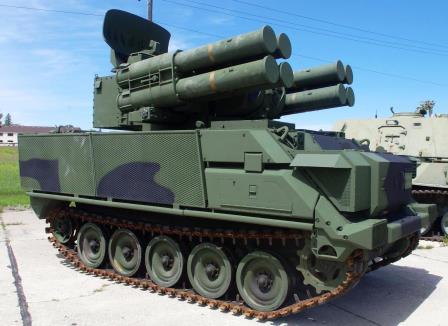
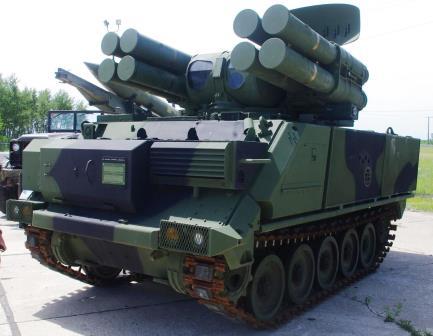
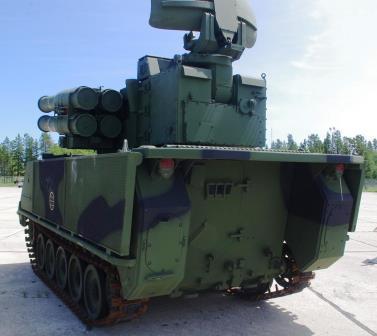
ADATs. The Air Defense Anti-Tank System (ADATS) is a dual-purpose short range surface-to-air and anti-tank missile system based on the M113A2 vehicle. It is manufactured by the Swiss company Oerlikon-Contraves, a member of the Rheinmetall Defence Group of Germany. The ADATS missile is a laser-guided supersonic missile with a range of 10 kilometres, with an electro-optical sensor with TV and Forward Looking Infrared (FLIR). The carrying vehicle has also a conventional two-dimensional radar with an effective range of over 25 kilometres.
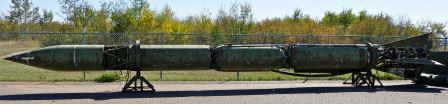
(Clive Prothero-Brooks Photo)
MGN-5 Corporal Missile.
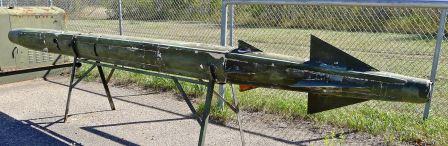
(Clive Prothero-Brooks Photo)
MIM-3 Nike Ajax Missile.
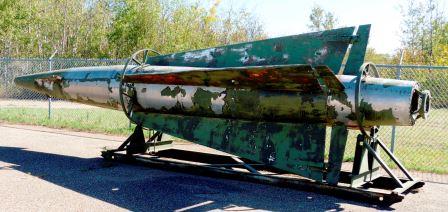
(Clive Prothero-Brooks Photo)
MIM-14 Nike Hercules Missile.
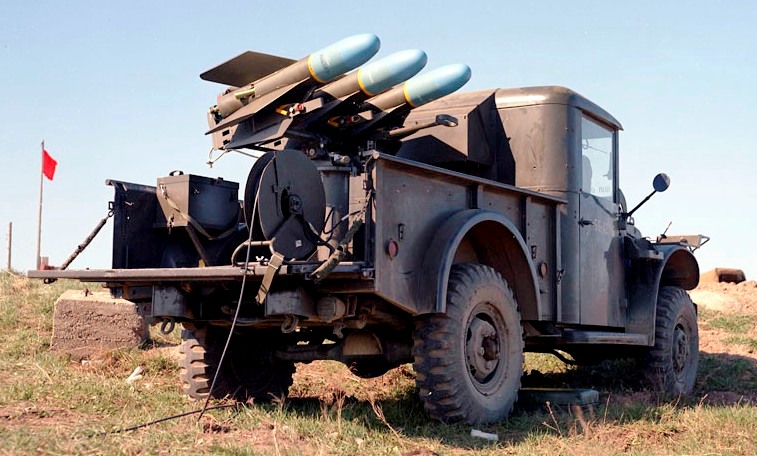
(Library and Archives Canada Photo, MIKAN No. 4235904)
SSII Rocket mounted on a 3/4-ton truck, ca 1960s.
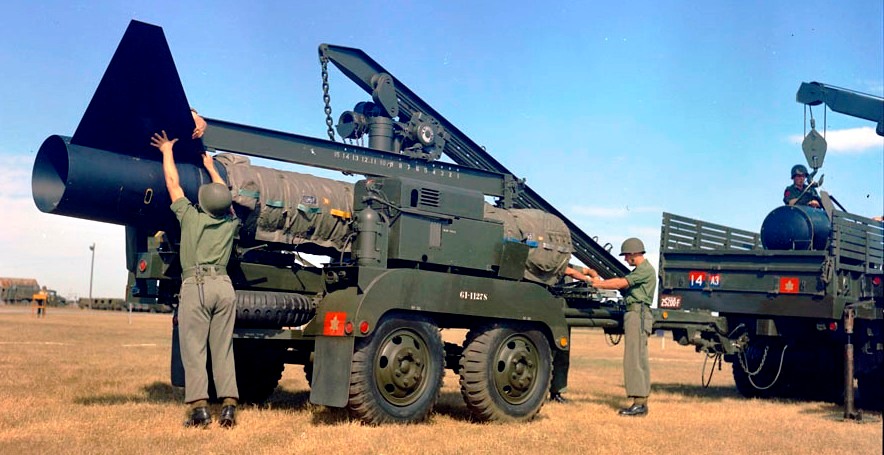
(Library and Archives Canada Photos, MIKAN No. 4235073)
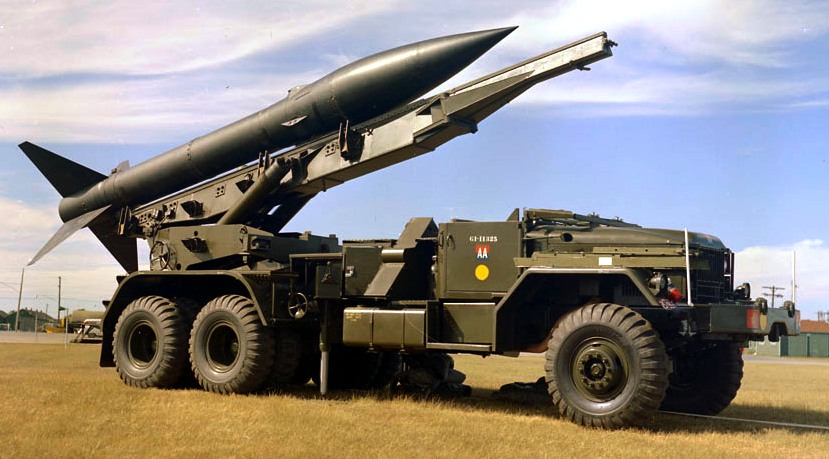
(Library and Archives Canada Photos, MIKAN No. 4235074)
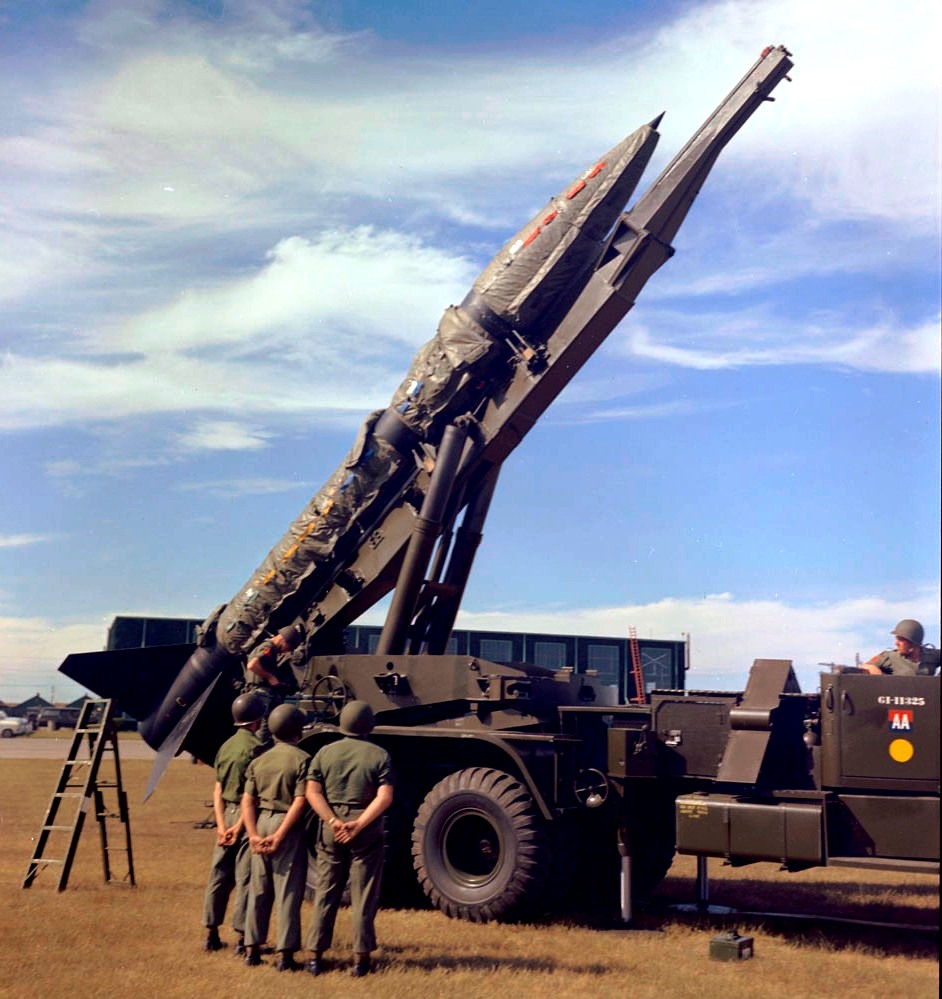
(Library and Archives Canada Photos, MIKAN No. 4235075)
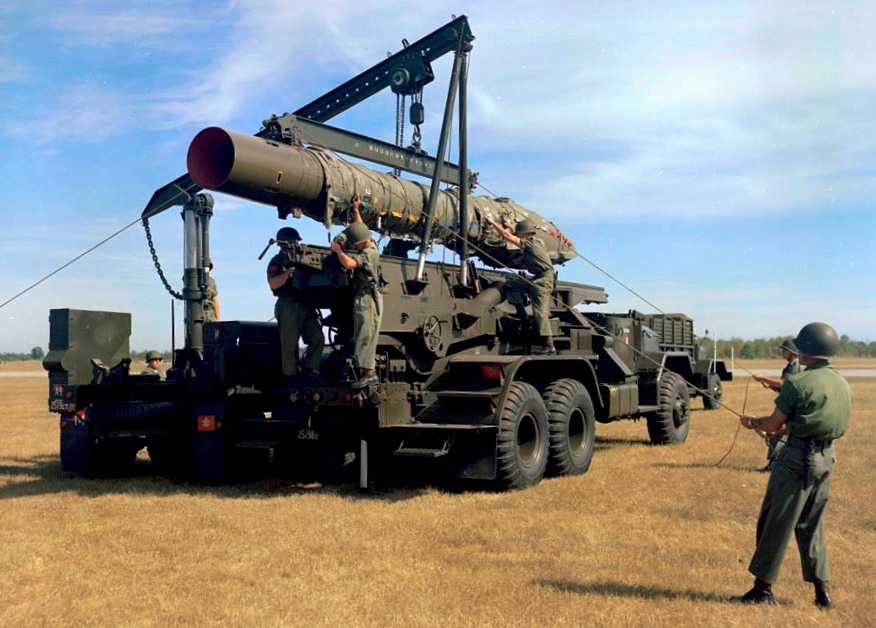
(Library and Archives Canada Photos, MIKAN No. 4235076)
(Library and Archives Canada Photos, MIKAN No. 4235077)
(Library and Archives Canada Photos, MIKAN No. 4235078)
(Library and Archives Canada Photos, MIKAN No. 4235079)
(Library and Archives Canada Photos, MIKAN No. 4235080)
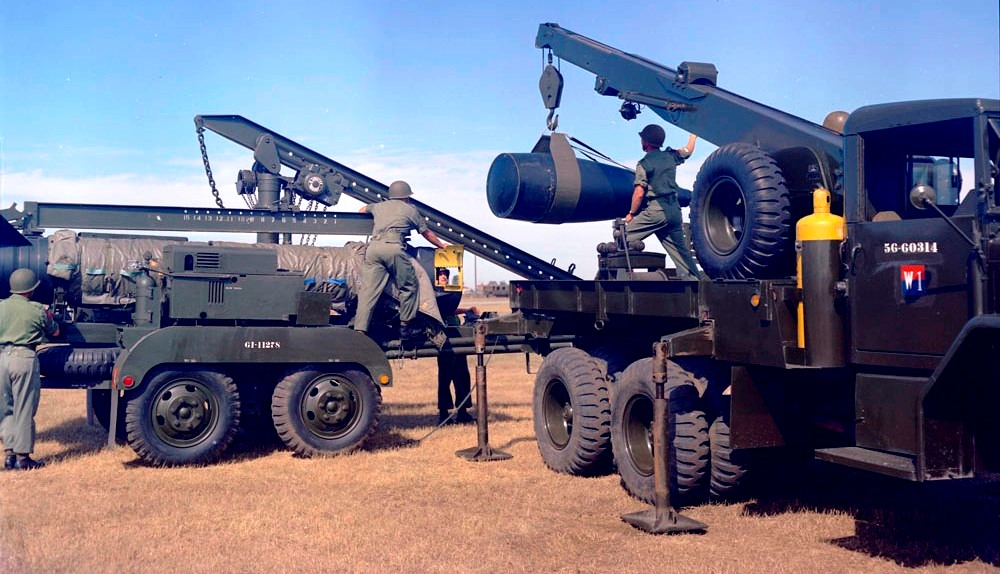
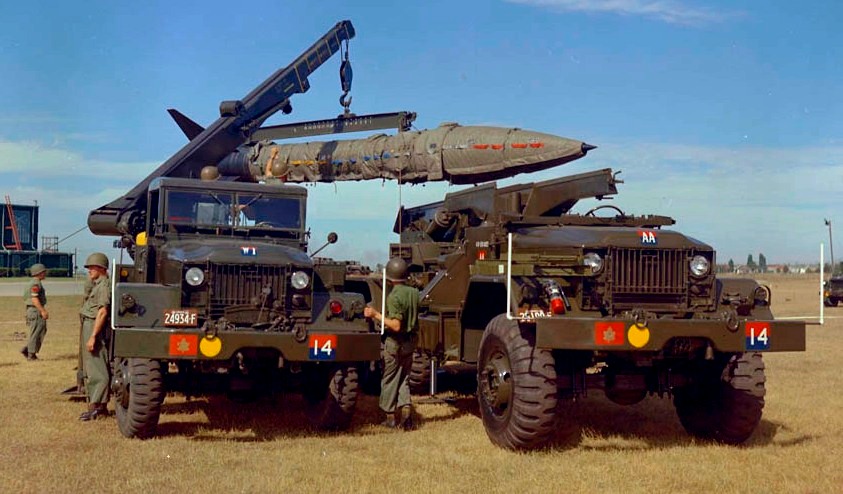
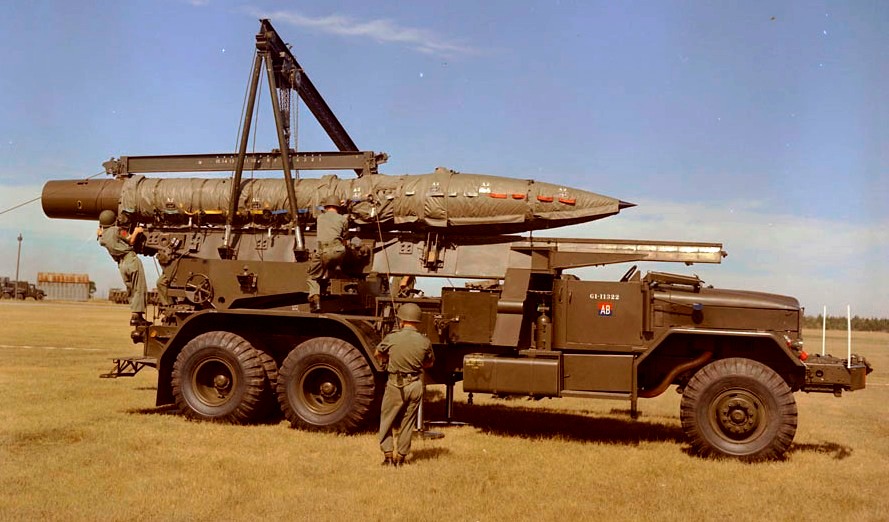
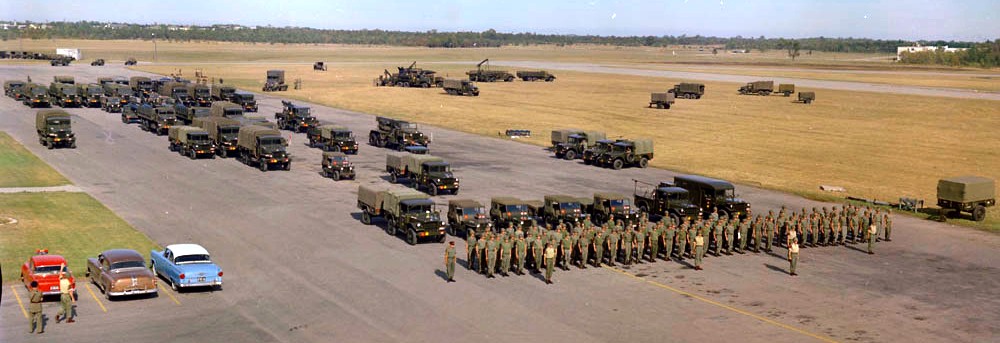
762-mm M31/M50 Honest John Rocket team with M33 launcher trailer set-up and in operation.
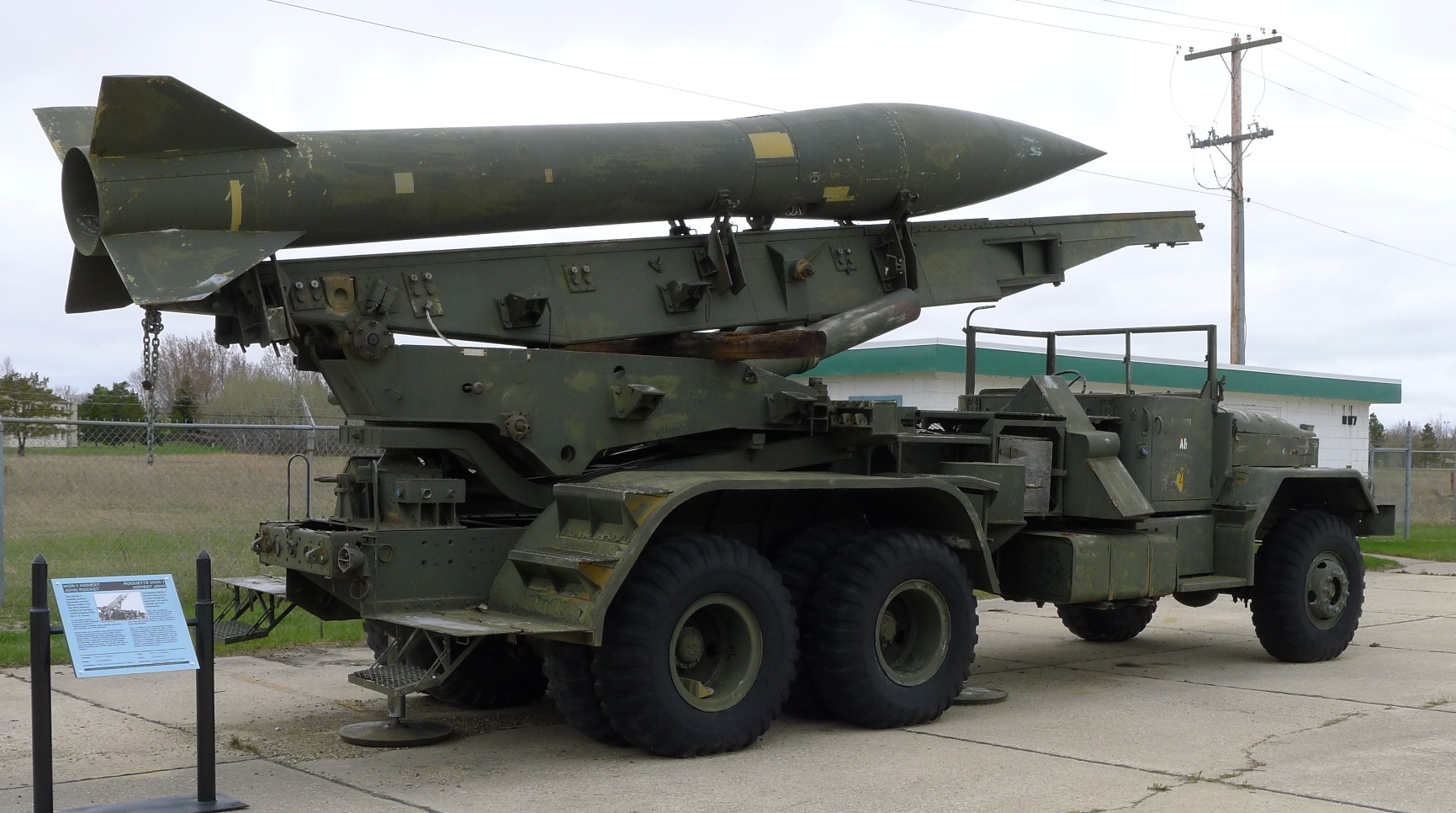
(Clive Prothero-Brooks Photo)
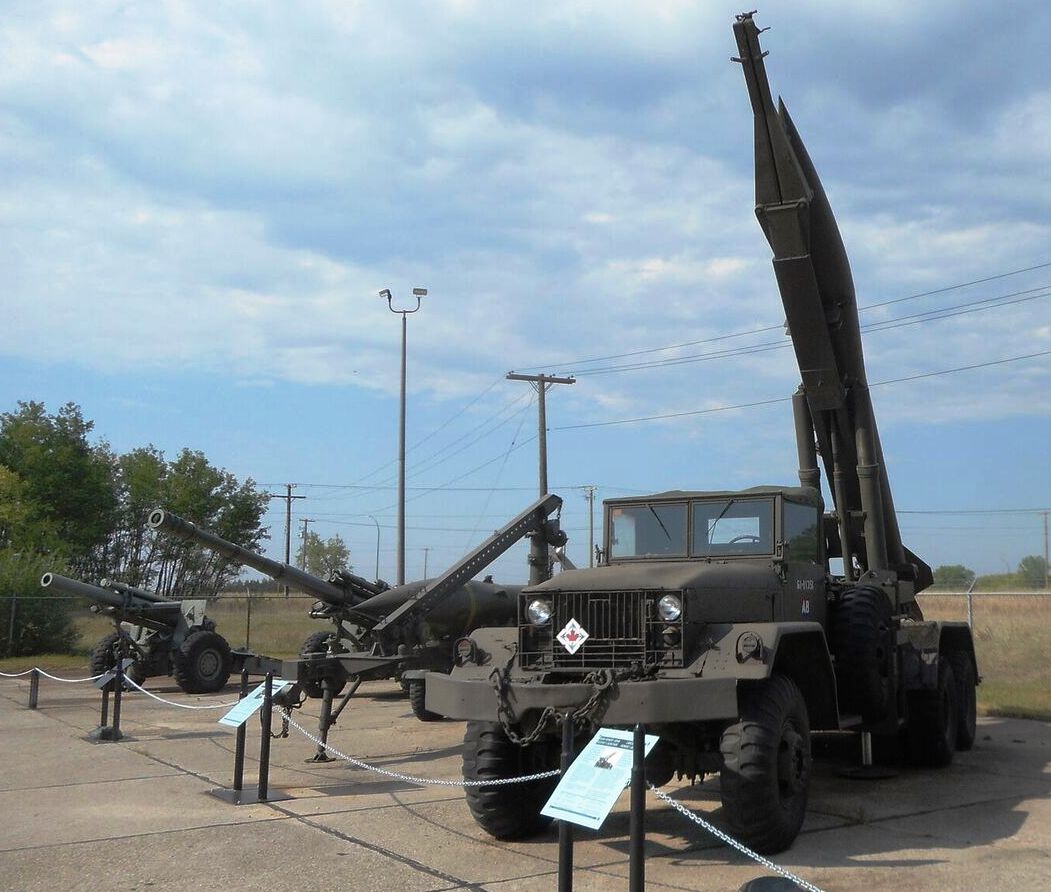
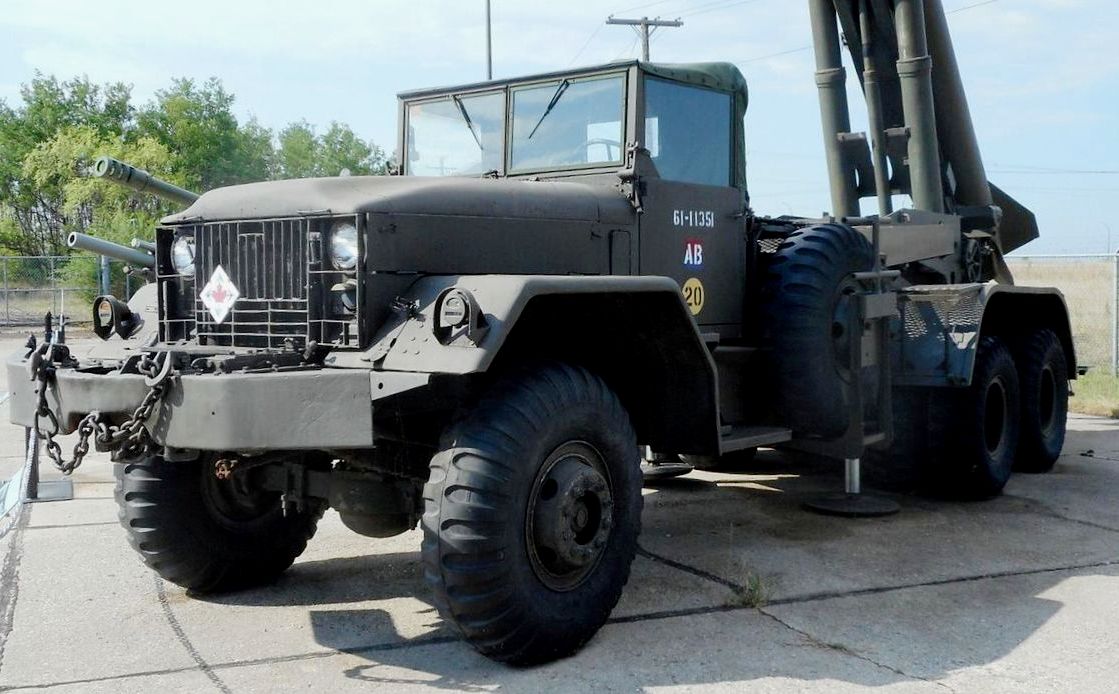
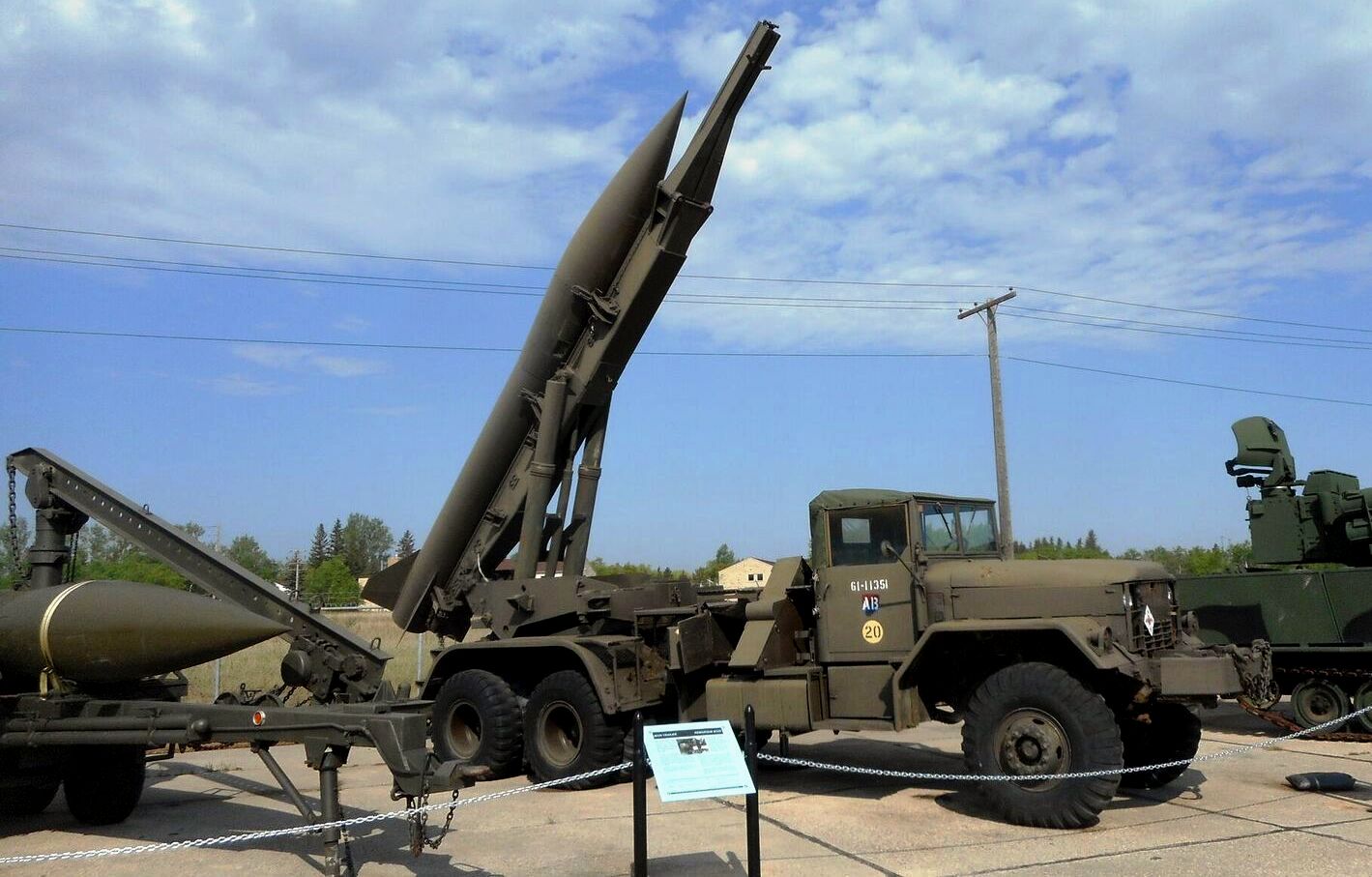
(Terry Honour Photos)
762-mm M50 Honest John Rocket with M33 launcher trailer.
LAV III memorial replica.
I would imagine that many of you who are reading this book are very likely familiar with the standard routine of military training exercises and the rigours of being in the field in all seasons, not to mention the conditions found on deployment these days. Whether or not you have experienced it, I am sure you can well imagine what it is like to train and work in the heat, the dust and the mosquitoes in summer, the wind, the rain and the mud in the spring and fall, the snow and the cold in the winter and of course the routine day-to-day challenges of combat exercises in the training areas of the Canadian Forces. For most in the Army, this includes CFB Gagetown, CFB Valcartier, CFB Petawawa, CFB Kingston, CFB Shilo, CFB Edmonton, CFB Wainwright, CFB Suffield and all the fields and exercise areas of LFAATC Aldershot and LFCATC Meaford and their environs.
As an Army Officer in the Canadian Forces, it has been my privilege to have served alongside a tremendous number of highly professional military men and women of our nation while taking part in training in Germany, the UK and the USA and while on operational deployments to Cyprus, Bosnia-Herzegovina and in Afghanistan. During my training and military professional development, I have learned much about our long military history. My interest in our multi-faceted historical record has led me to write about it and to seek out the stories about Canada’s military servicemen and women and the tools and equipment they used to preserve our security when warclouds darkened our horizons.
As a military history enthusiast, I have learned over the years that there are many with similar interests in preserving our story. We have all seen the odd old gun or retired tank placed on display outside a Militia Drill Hall, War Memorial, city park site or Royal Canadian Legion Hall, and many will have enjoyed visiting a number of our military Museums. The vast majority of retired wartime combat equipment used by members of the CF have dwindled in number, many being scrapped, others being shot up as targets, while a few have been sold to overseas operators and collectors. Fortunately, a handful of important examples of retired CF guns and war machines have been preserved and may be found in a wide variety of locations throughout Canada.
Curators, docents and volunteers working in Canada’s military museums have been successful in preserving a good number of retired military weapons of war and many are still being sought after and in some cases, being restored to running condition again. As an artist, photographer and military history enthusiast, I have attempted to keep track of where historic Canadian military equipment has survived and is presently located and to make that information available to others with the same interest. For those of like mind, the purpose of this handbook is to provide a simple checklist of the classic Great War and WWII artillery that is part of our military heritage and a location guide to where they can be found in Canada. The book includes a number of photographs to illustrate an example of each gun wherever possible, and lists the locations of the survivors by province.
The numbers of restored Canadian guns is actually increasing as a few rare examples are being recovered from scrapyards and monument sites and salvaged for restoration. (Ultra rare items such as Skink AA gun turrets come to mind). One of the aims of this book is to help an enthusiast track down these monuments and museum artefacts and to have a simple reference book on hand with more detailed information about them such as a serial number, a Museum location and contact information which might be helpful in learning a bit of the history of a particular vehicle. The guns detailed in this handbook are listed alphabetically by manufacturer, number and type in the order that they came into service with the CF. The data is also appended with a list of most of the current guns found in the various collections and Museums in Canada. The book is also meant to serve as a companion volume to “Ironsides”, Canadian Tanks and Armoured Fighting Vehicle Museums and Monuments, also available online.
It is my sincere hope that more of the guns and artillery found in this list will one day be added to the record of historically important military armament survivors that have been recovered and restored.
Shelldrake can be ordered online in softcover or e-book at these bookstores:
http://bookstore.iuniverse.com/Products/SKU-000542288/Shelldrake.aspx
Photos and technical data on artillery preserved in Canada may be viewed by Province on separate pages on this website.