
Warplanes built by Grumman preserved in the National Museum of Naval Aviation, Naval Air Station Pensacola, Florida
(NMNA Photo)
(Greg Goebel Photo)
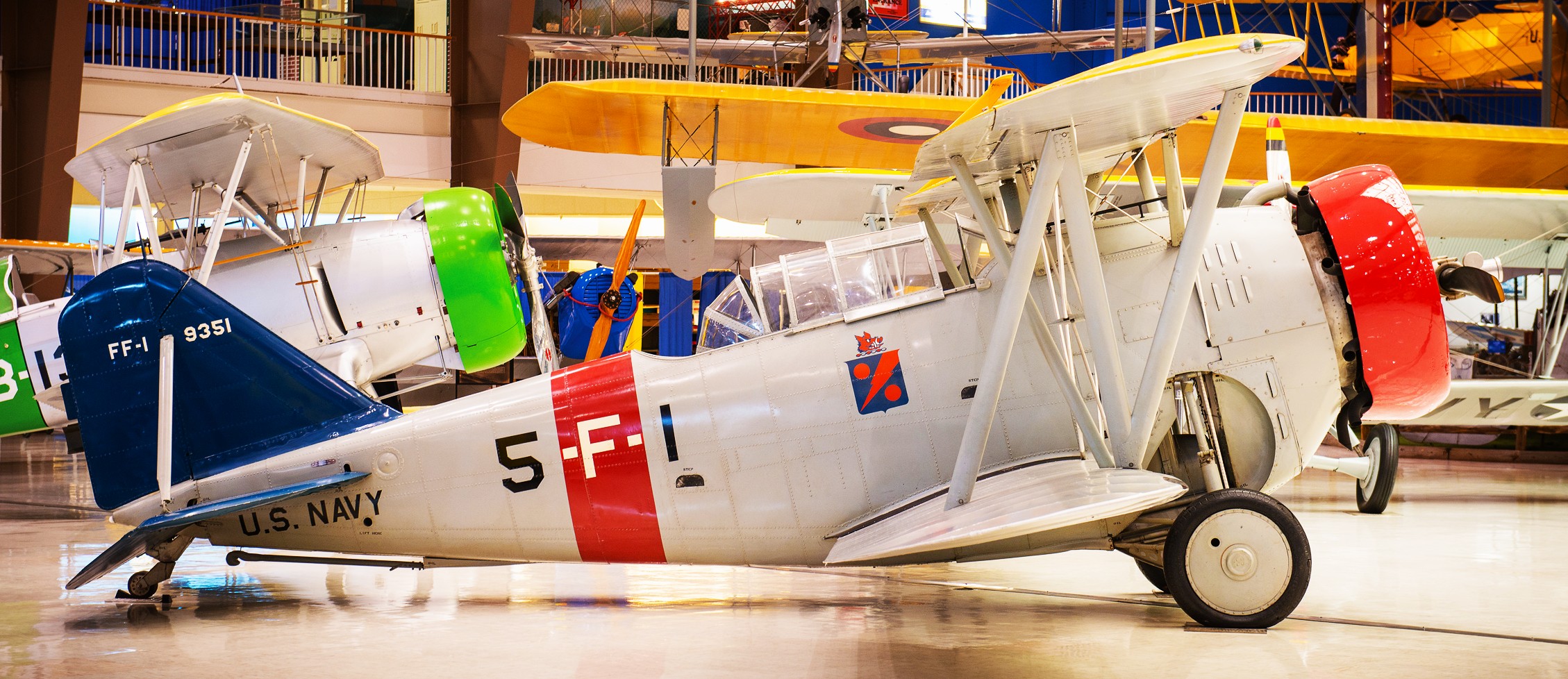
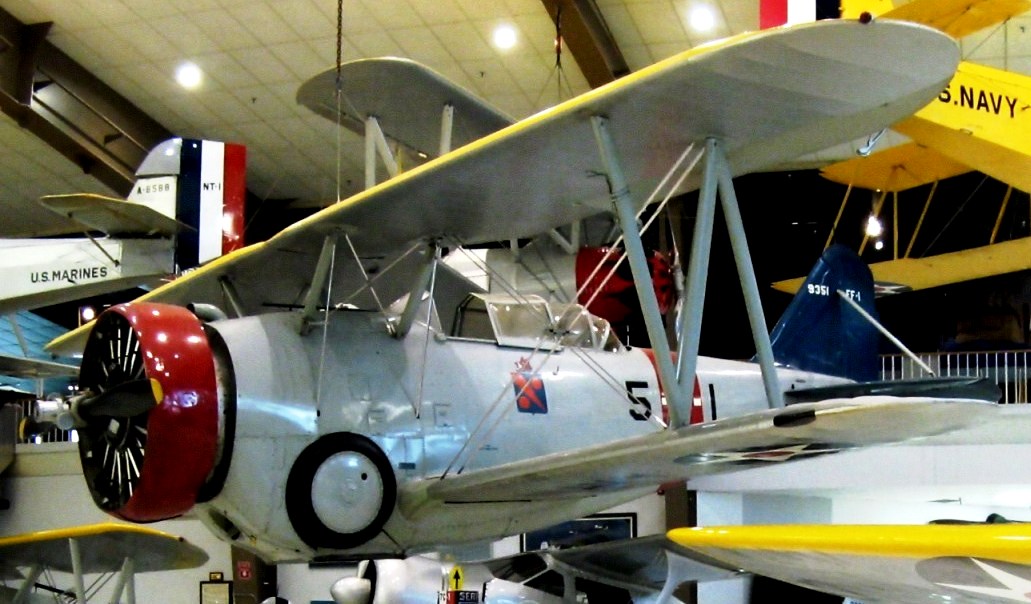
Grumman FF-1 (Canadian Car & Foundry) G23 Goblin Mk. I (Serial No. 9351), c/n 101, 5-F-1.
(Greg Goebel Photo)
(Tomás Del Coro Photos)
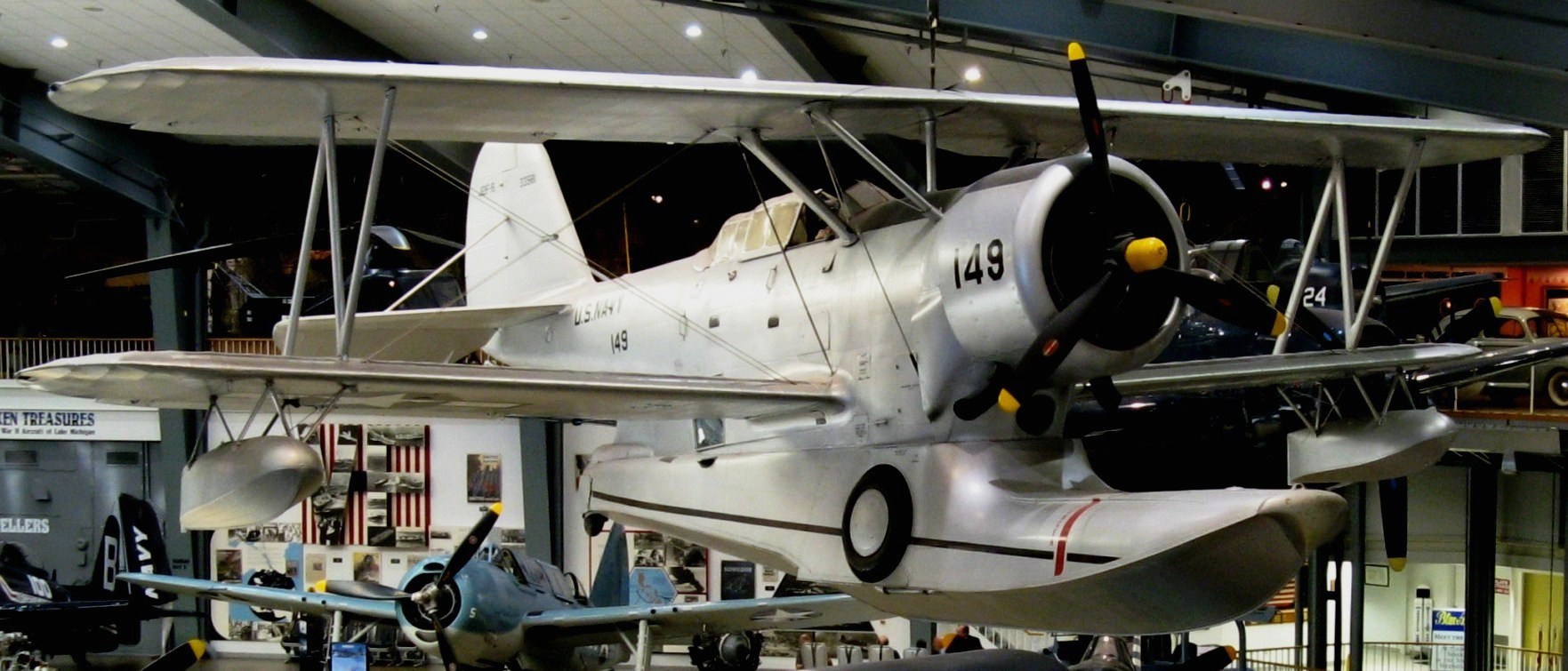
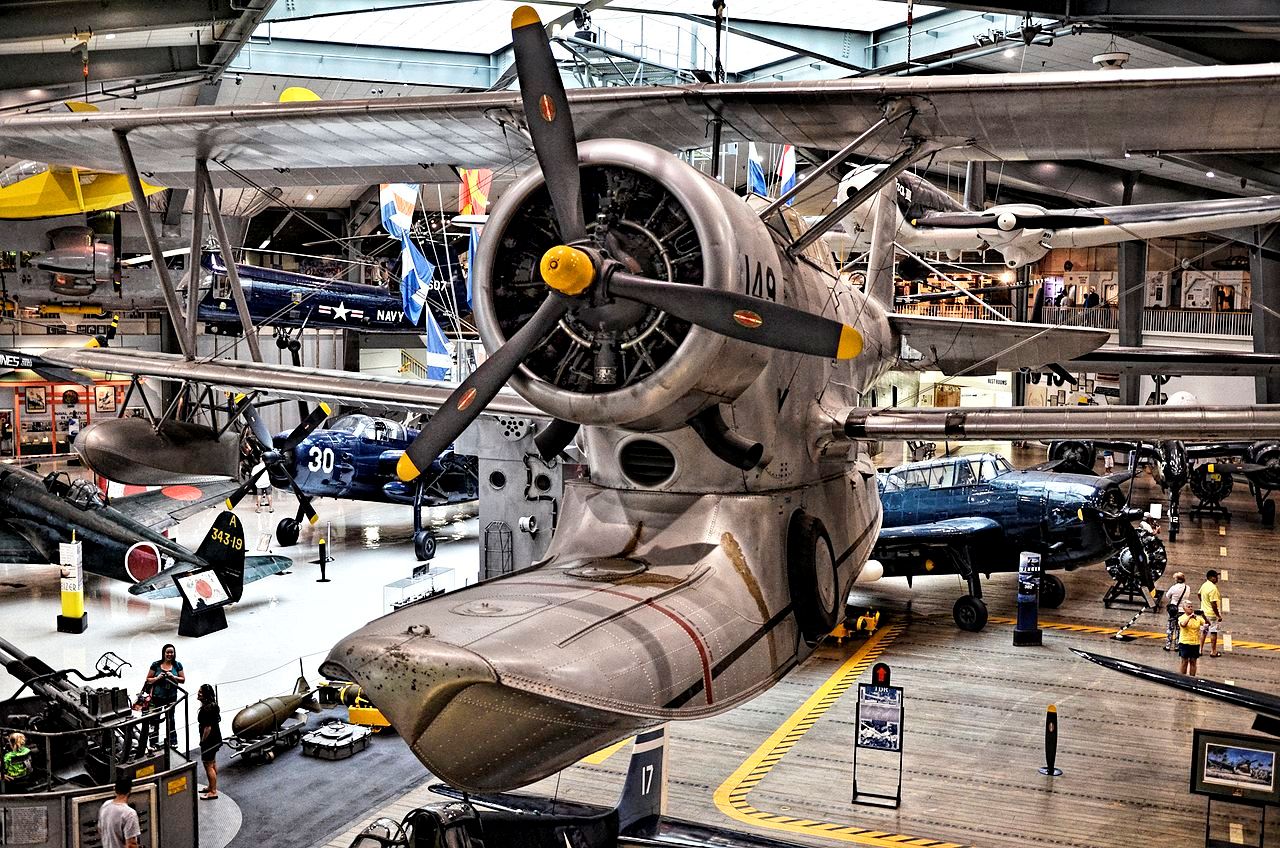
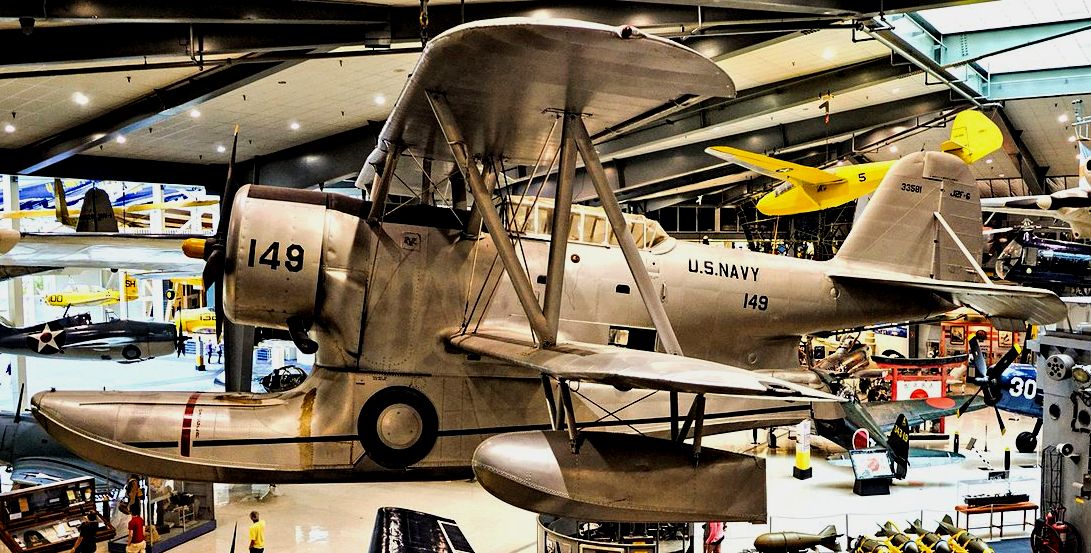
Grumman J2F-6 Duck (BuNo. 33581), biplane floatplane.
(Greg Goebel Photo)
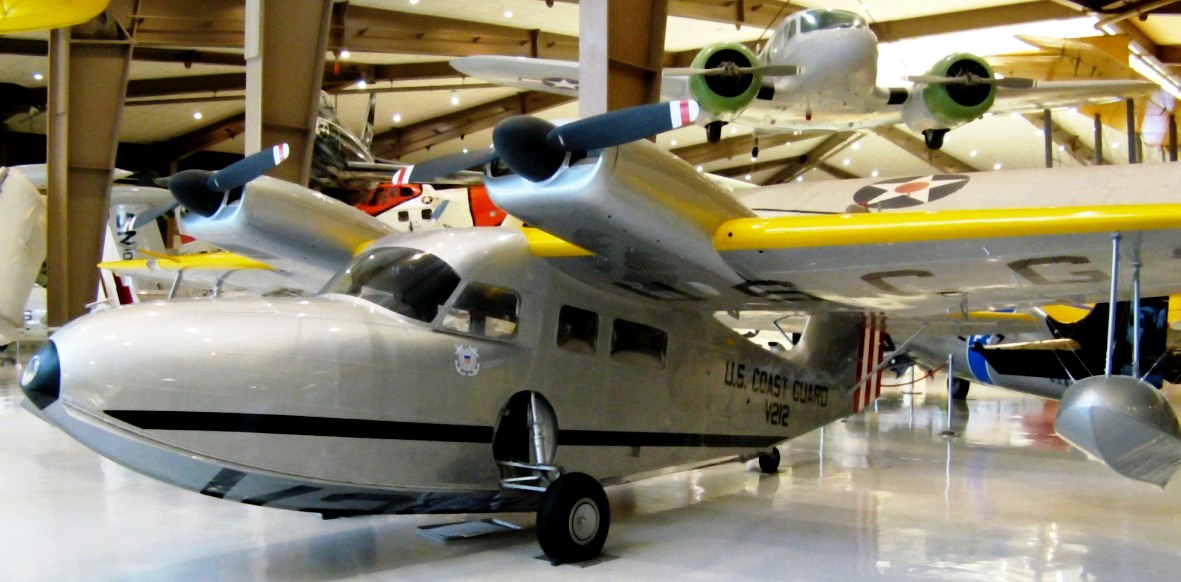
Grumman J4F-1 Widgeon (BuNo. V212), c/n 1260.
(Tomas Del Coro Photo)
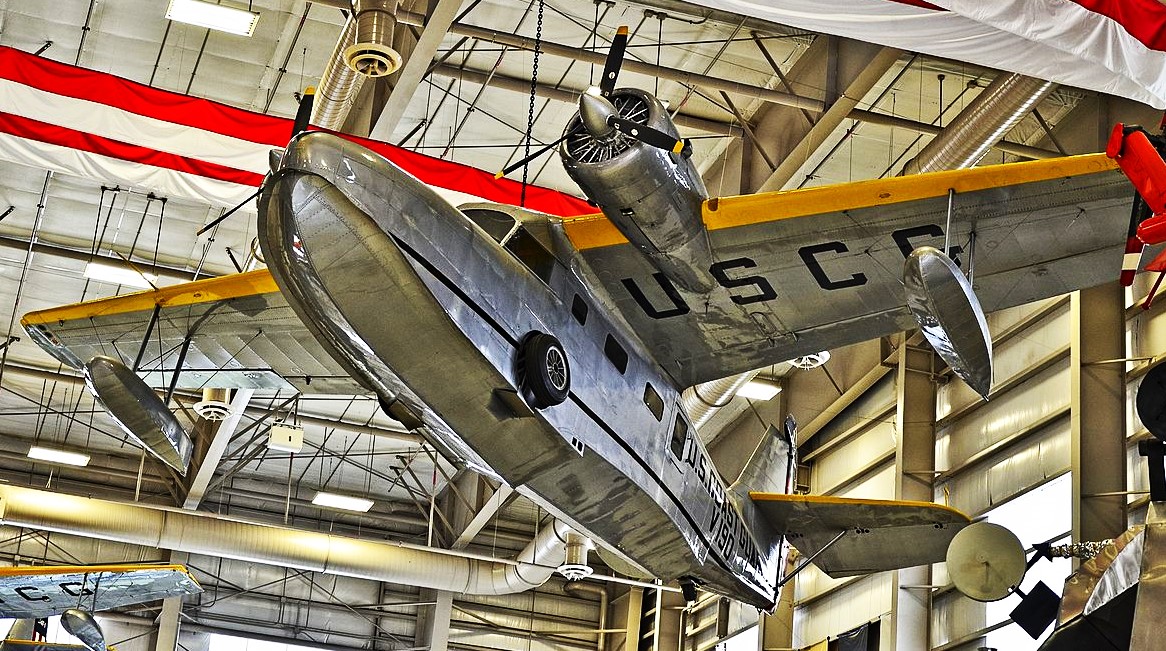
Grumman JRF-3 Goose (BuNo. V190), c/n 1085, Reg. No. N12CS.
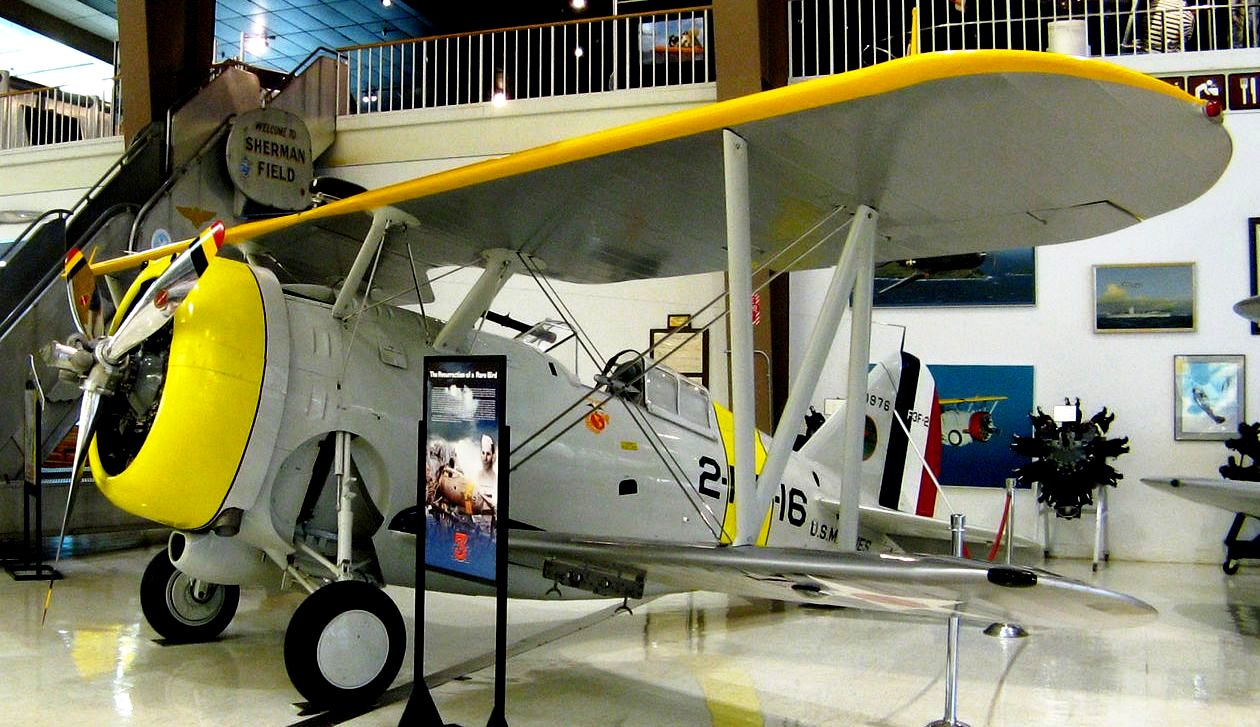
(Greg Goebel Photos)
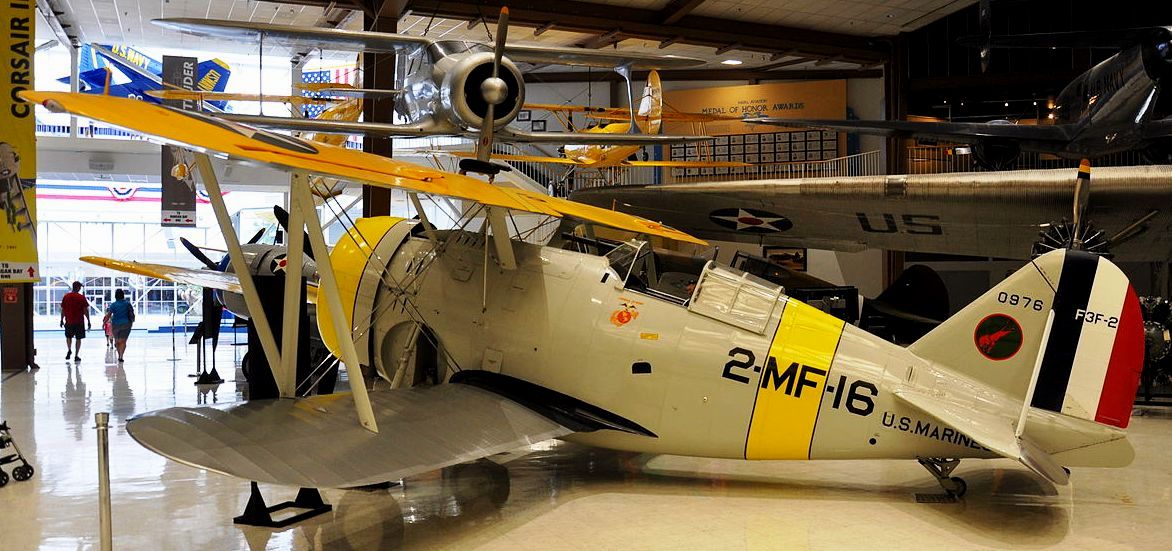
(Mark Sublette Photo)
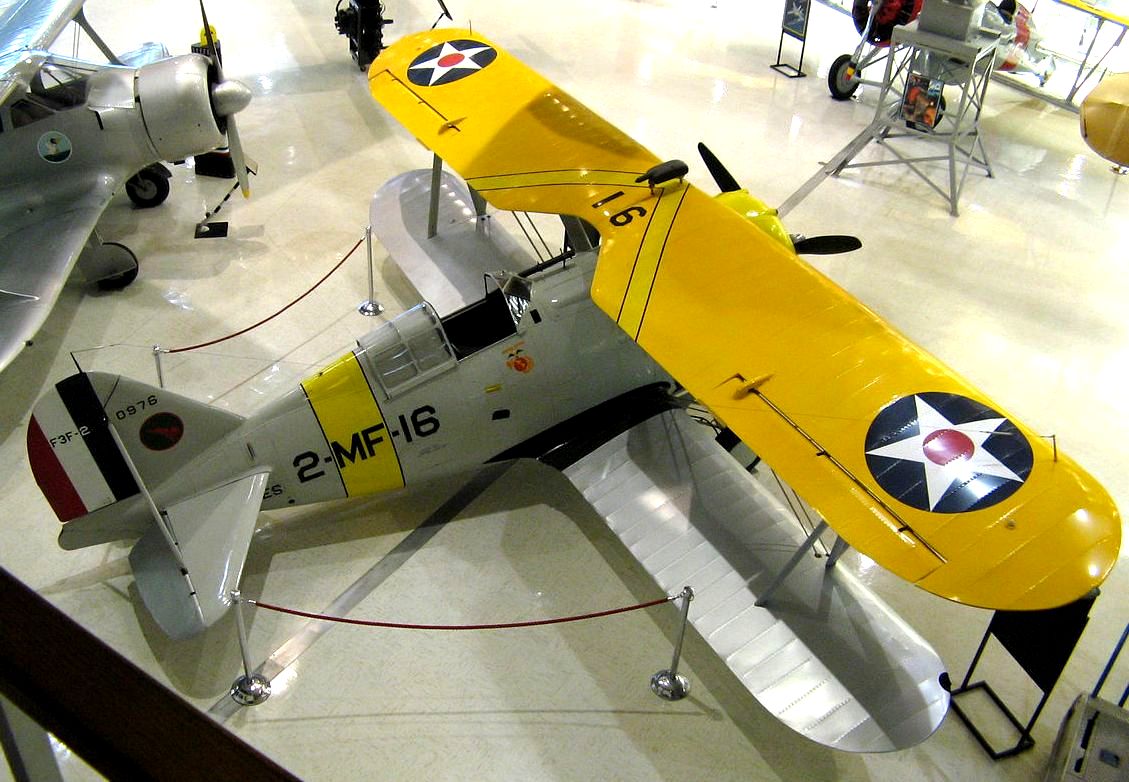
Grumman F3F-2 Flying Barrel (BuNo. 976), biplane, 2-MF-16.
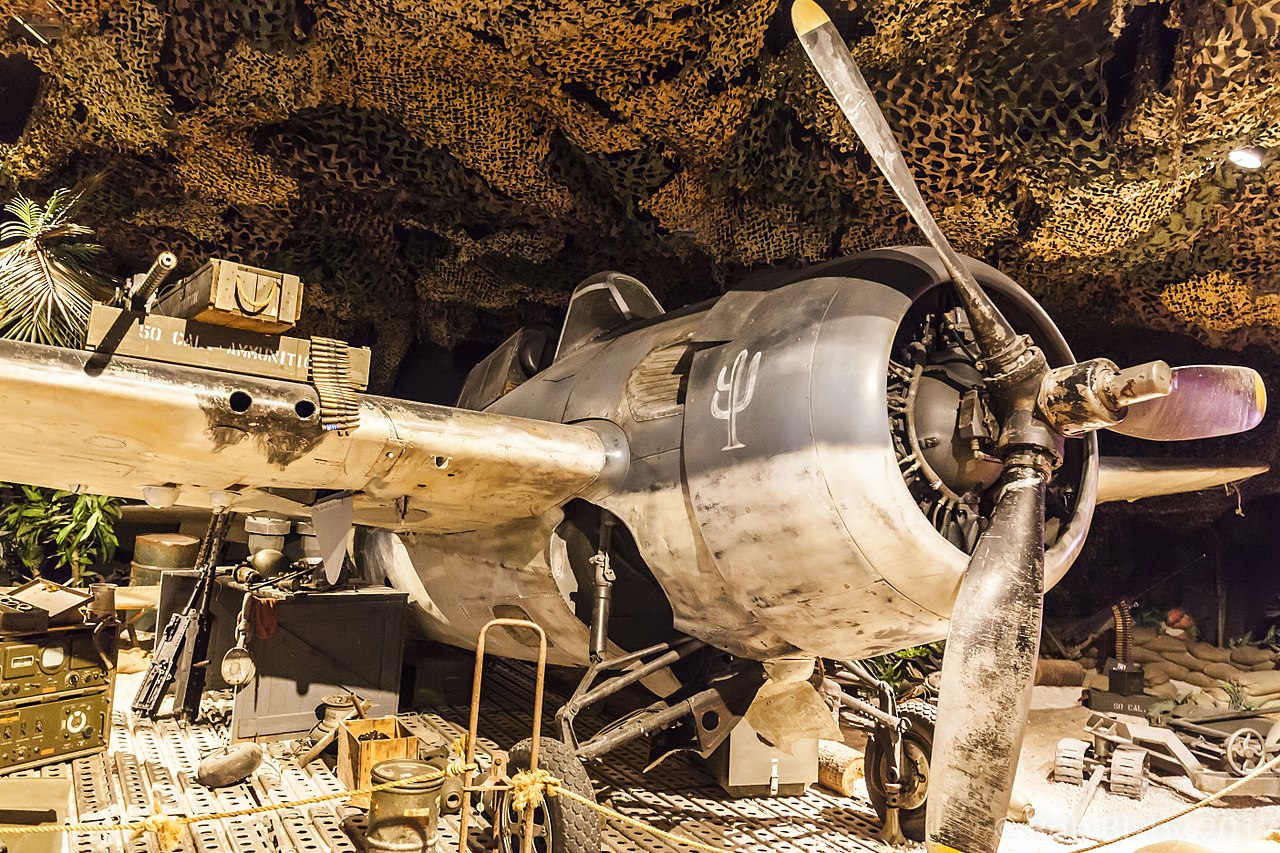
(Rob Bixby Photo)
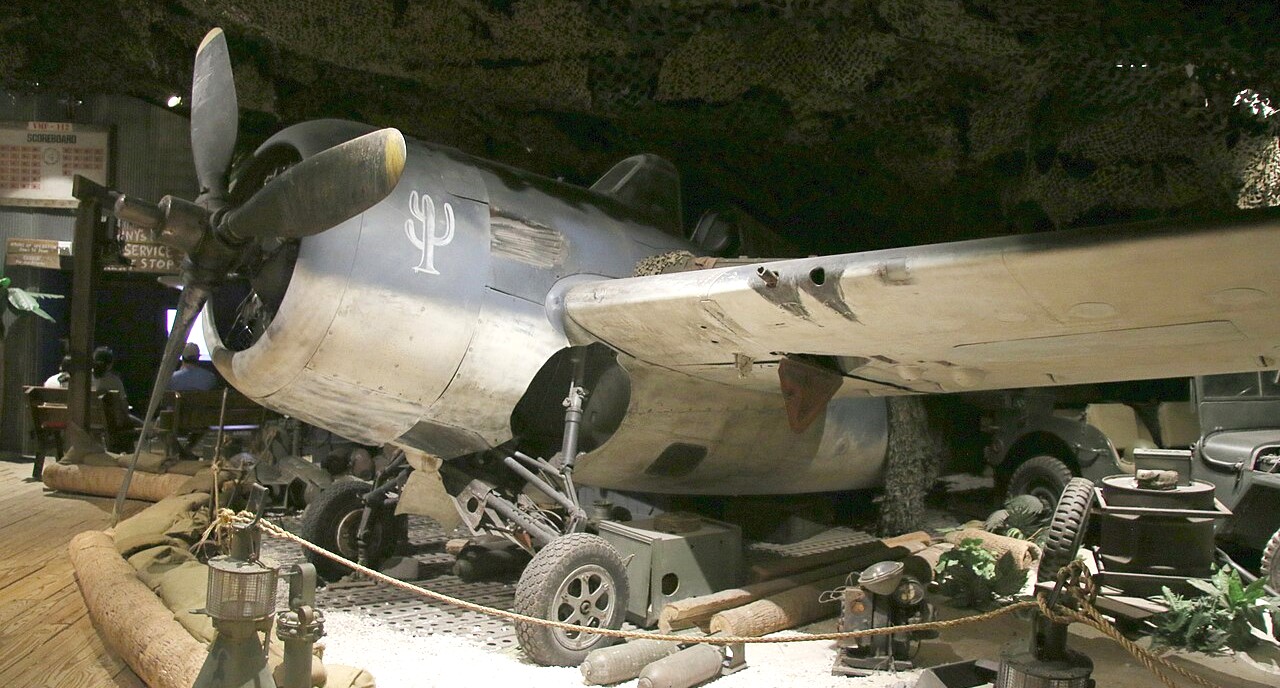
(kitmasterbloke Photo)
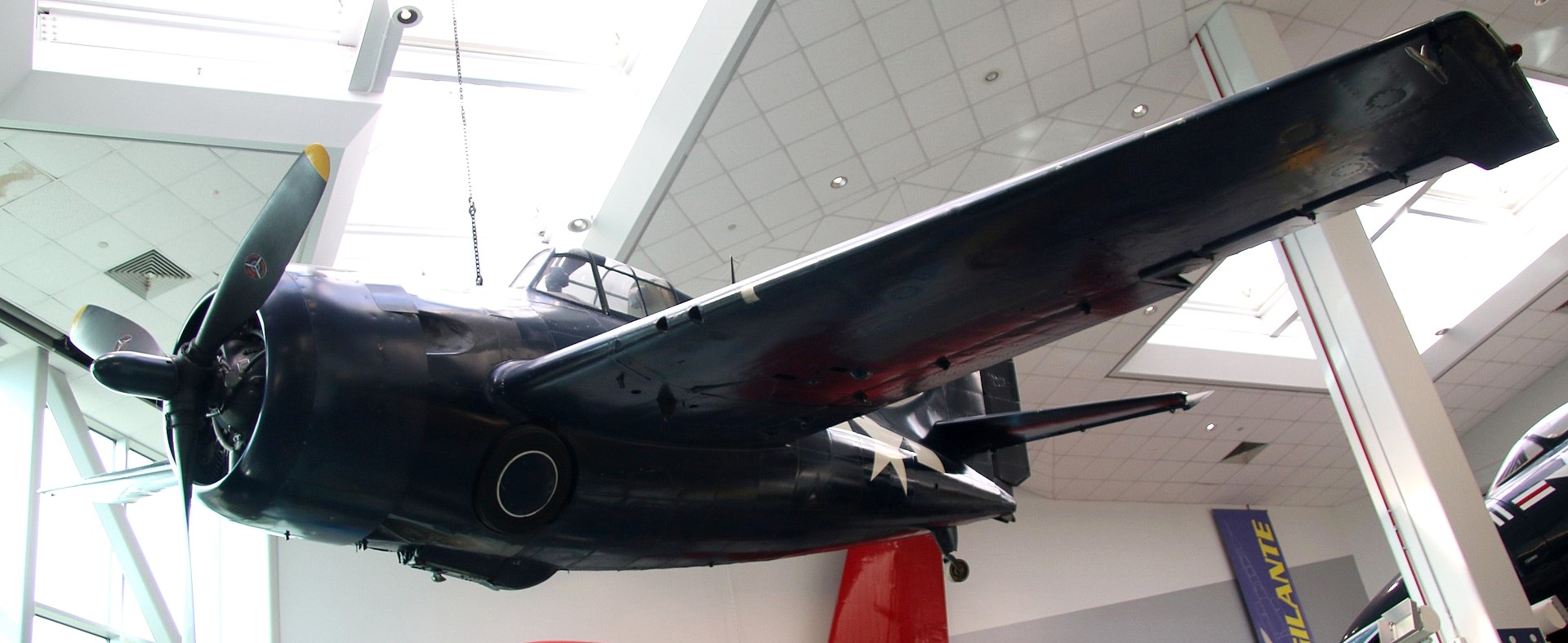
Grumman FM-2 Wildcat (BuNo. 16089).
(kitmasterbloke Photo)
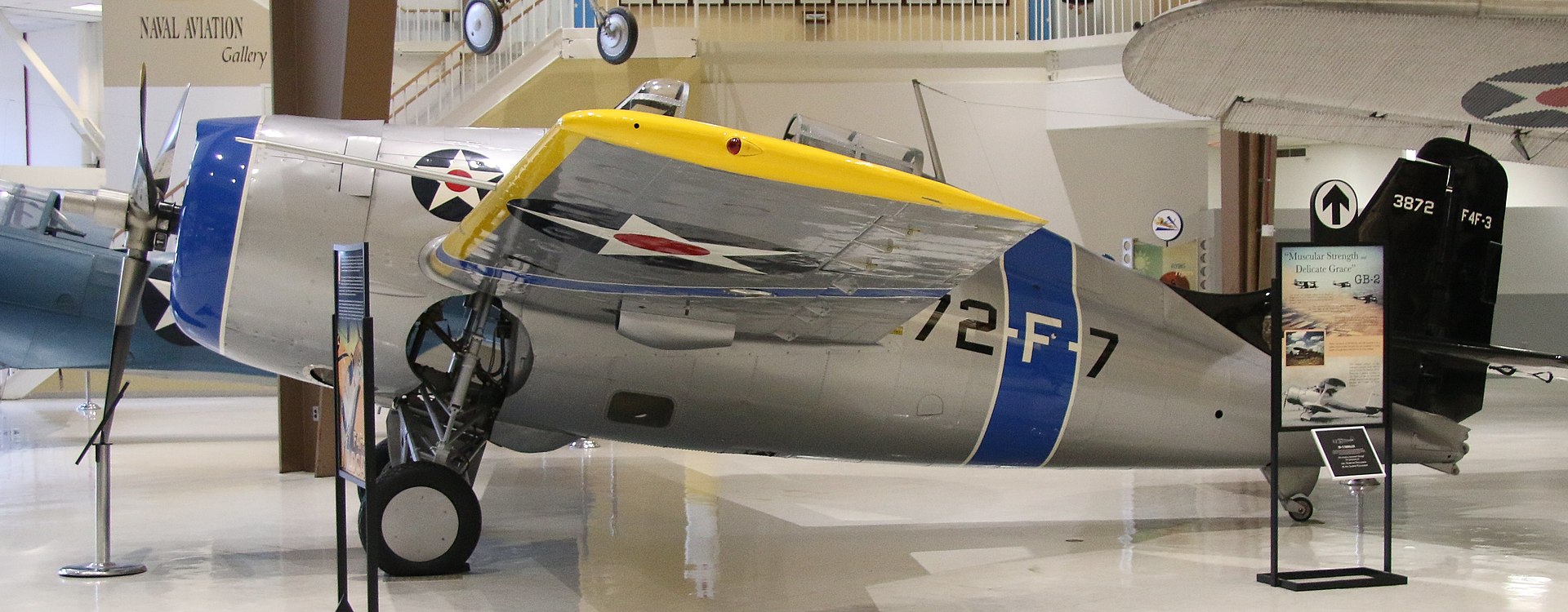
Grumman FM-2 Wildcat (BuNo. 86747).
(kitmasterbloke Photo)
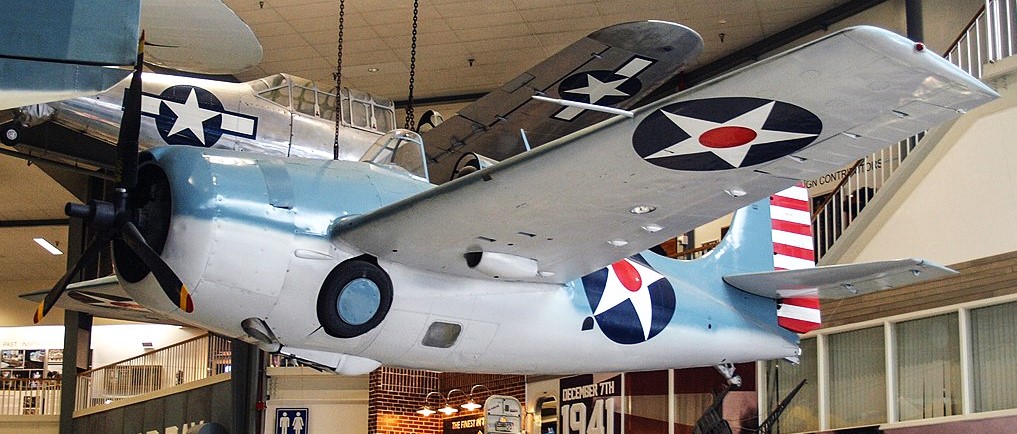
Grumman F4F-3 Wildcat (BuNo. 3872).
(Alan Raine Photo)
(Robe Bixby Photo)
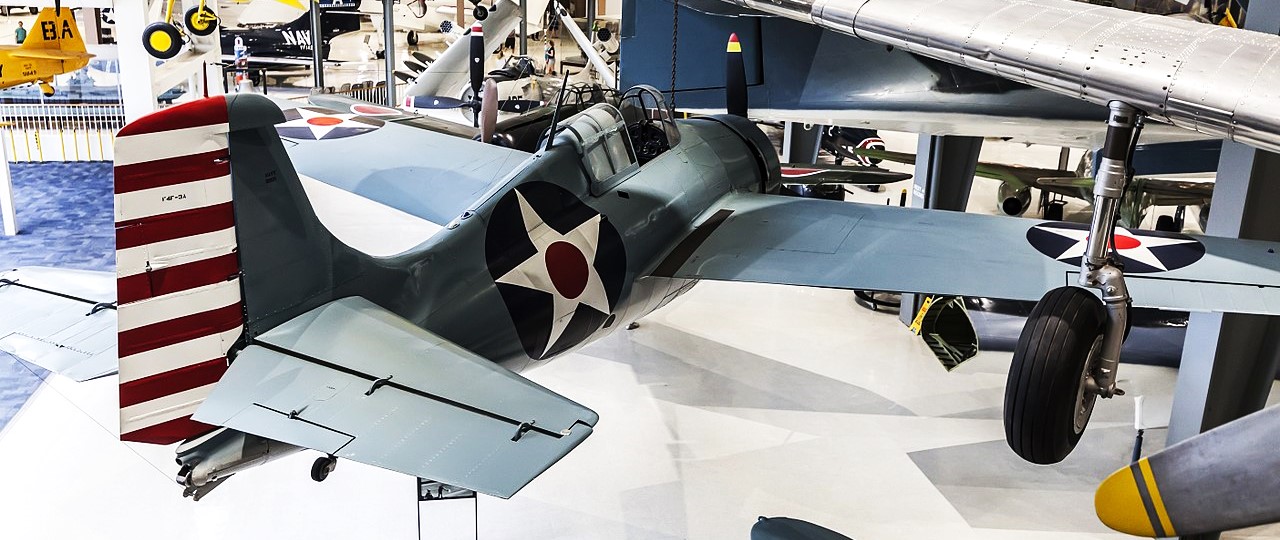
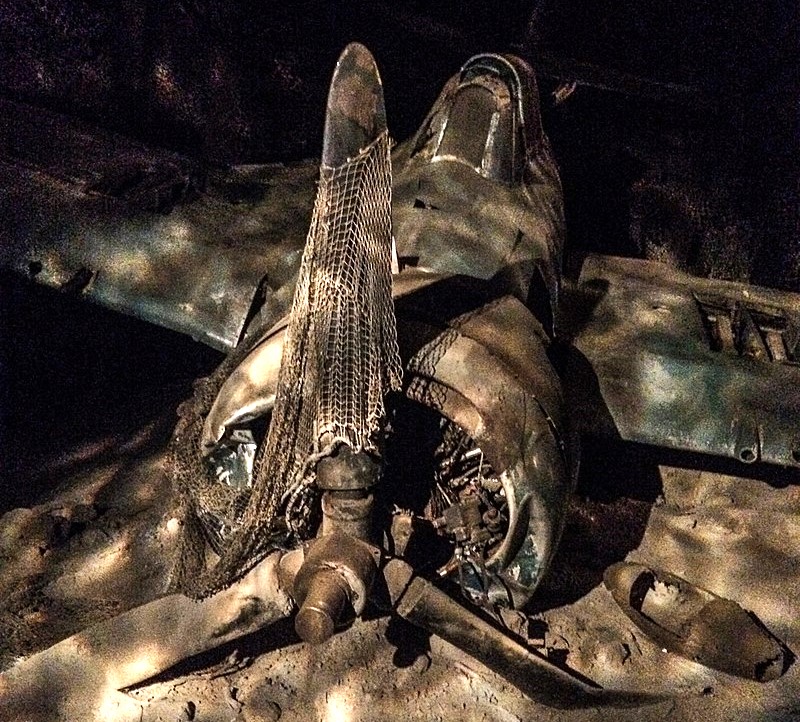
Grumman F4F-3A Wildcat (BuNo. 3969).
(Alan Raine Photo)
Grumman F4F-3 Wildcat (BuNo. 4039).
(USN Photo)
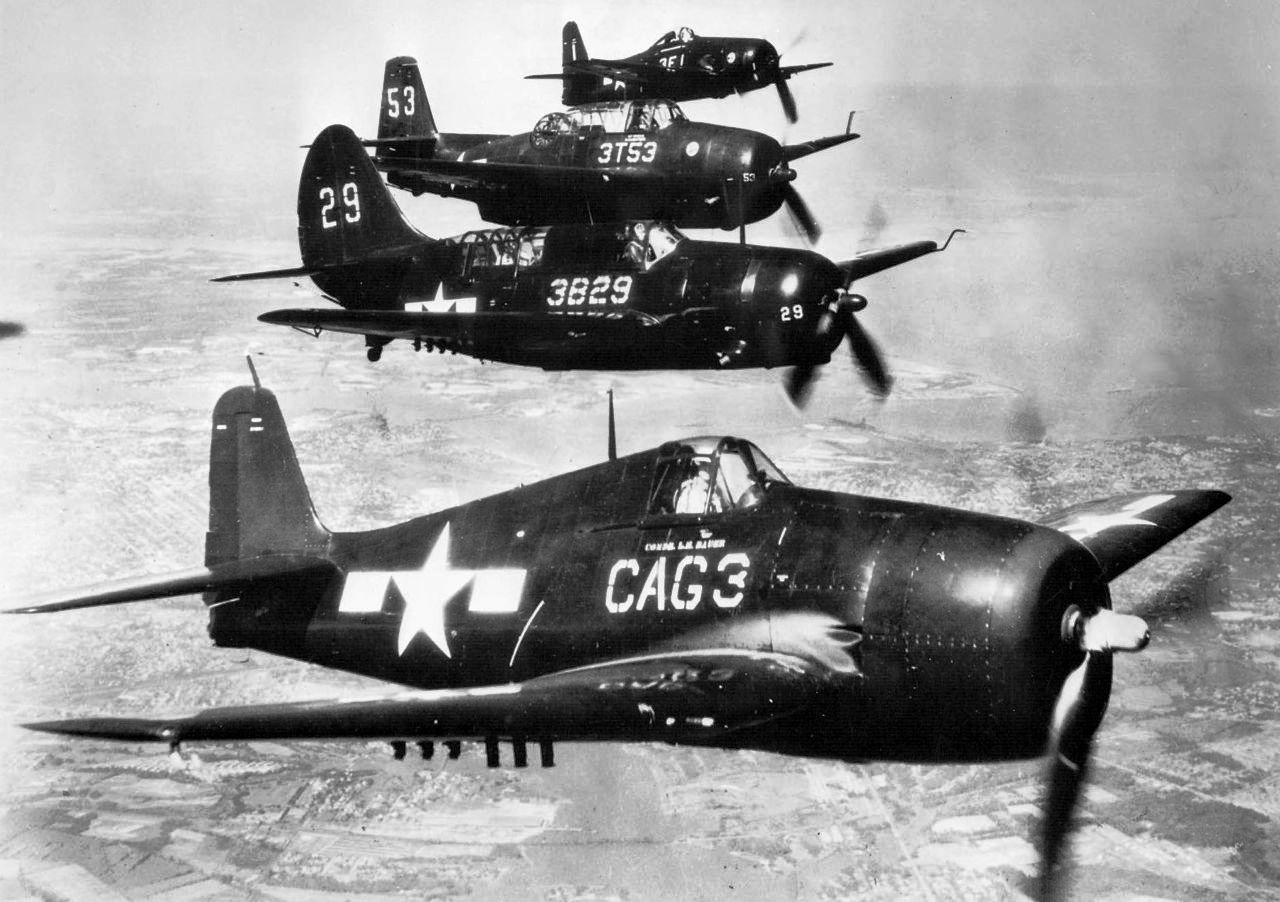
A formation of U.S. Navy aircraft from Carrier Air Group 3 (CVG-3) in flight in 1946. In front is a Grumman F6F-5 Hellcat flown by the Air Group Commander (CAG), Cdr. Louis H. Bauer, followed by a Curtiss SB2C-5 Helldiver (from VB-3), a Grumman TBM-3E Avenger (VT-3) and a Grumman F8F-1 Bearcat (VF-3).
(USN Photo)
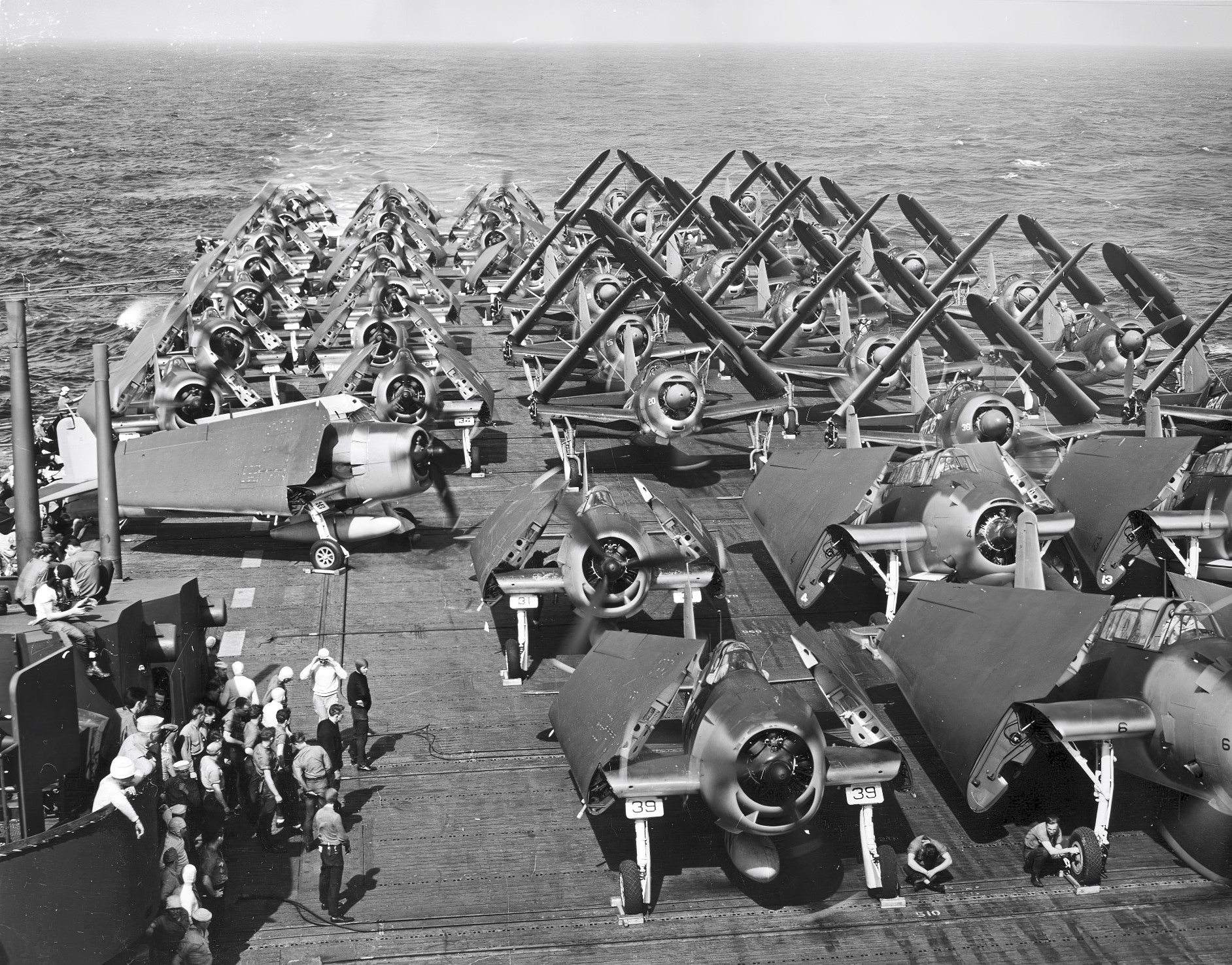
Grumman F6F Hellcat, Curtiss SB2C Helldiver, and Grumman TBM-1C Avenger aircraft warming up on USS Intrepid’s flight deck, 1944
(USN Photo)
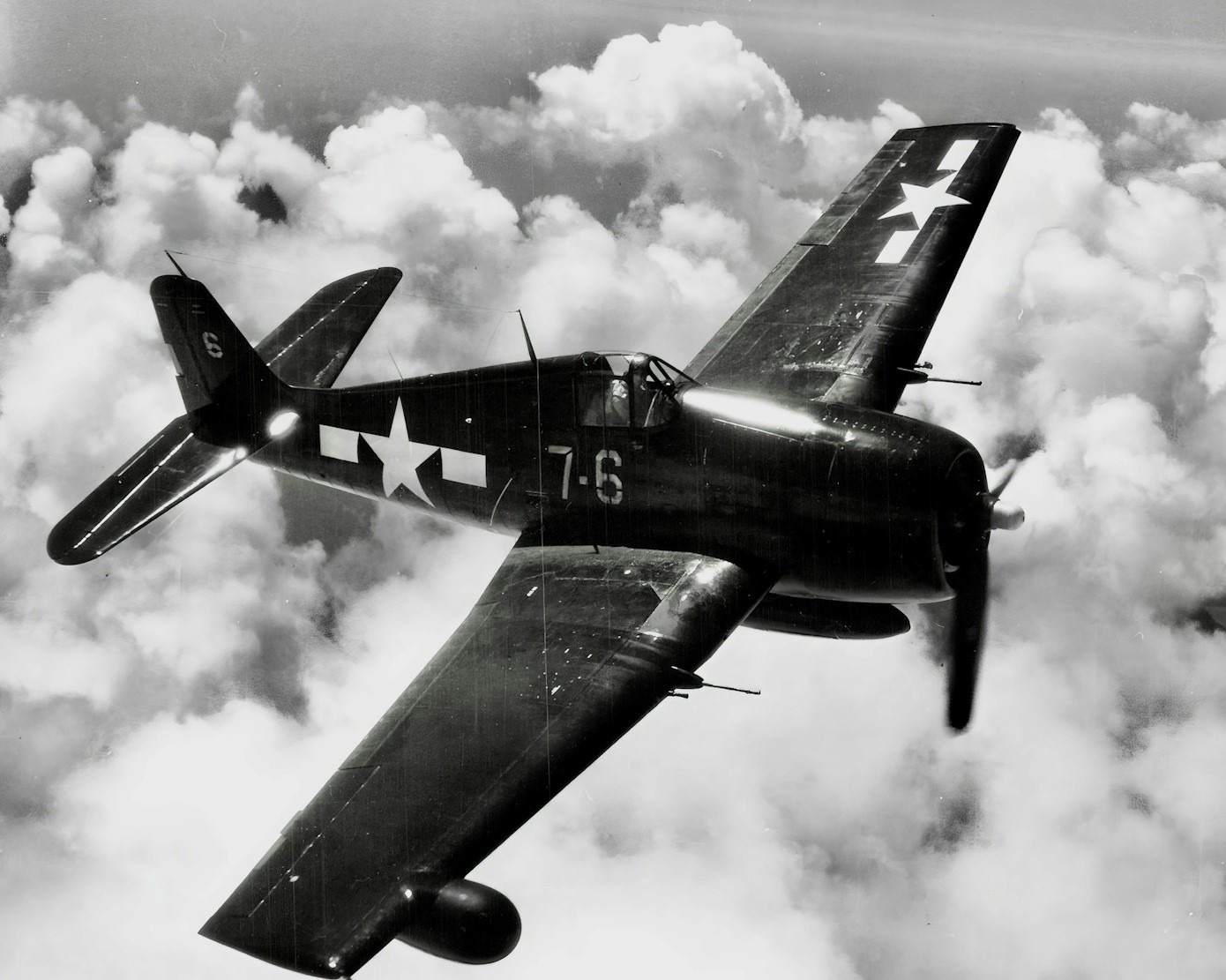
Grumman F6F-5N Hellcat night fighter assigned to the Naval Air Station Jacksonville, Florida (USA), in 1944/45. Note it is fitted with with an AN/APS-6 radar and 2 20mm M2 cannons.
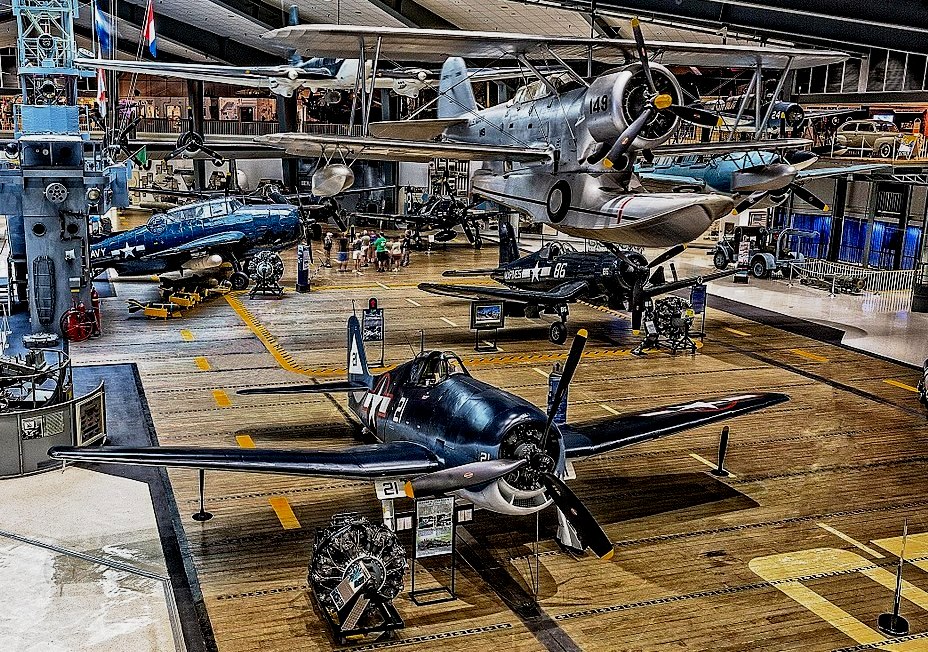
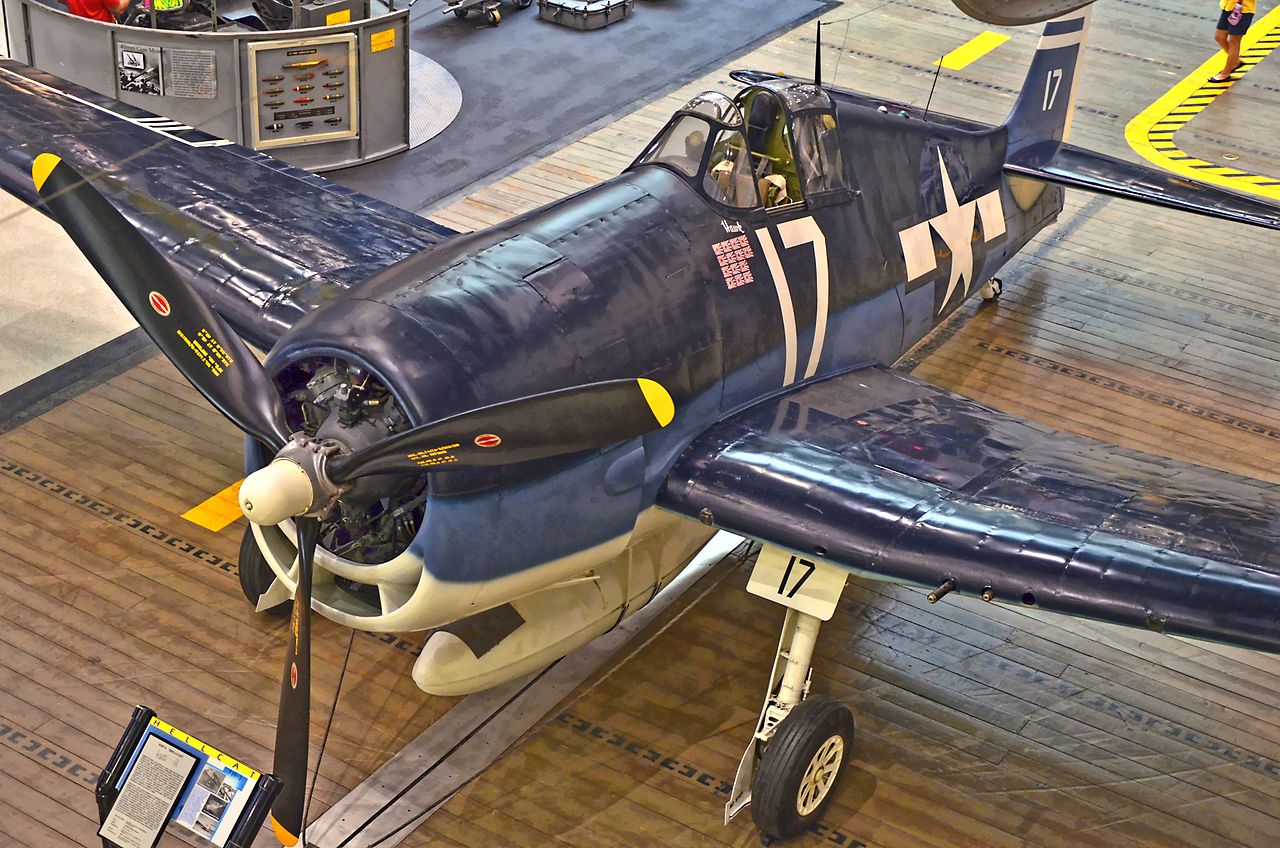
(Tomás Del Coro Photos)
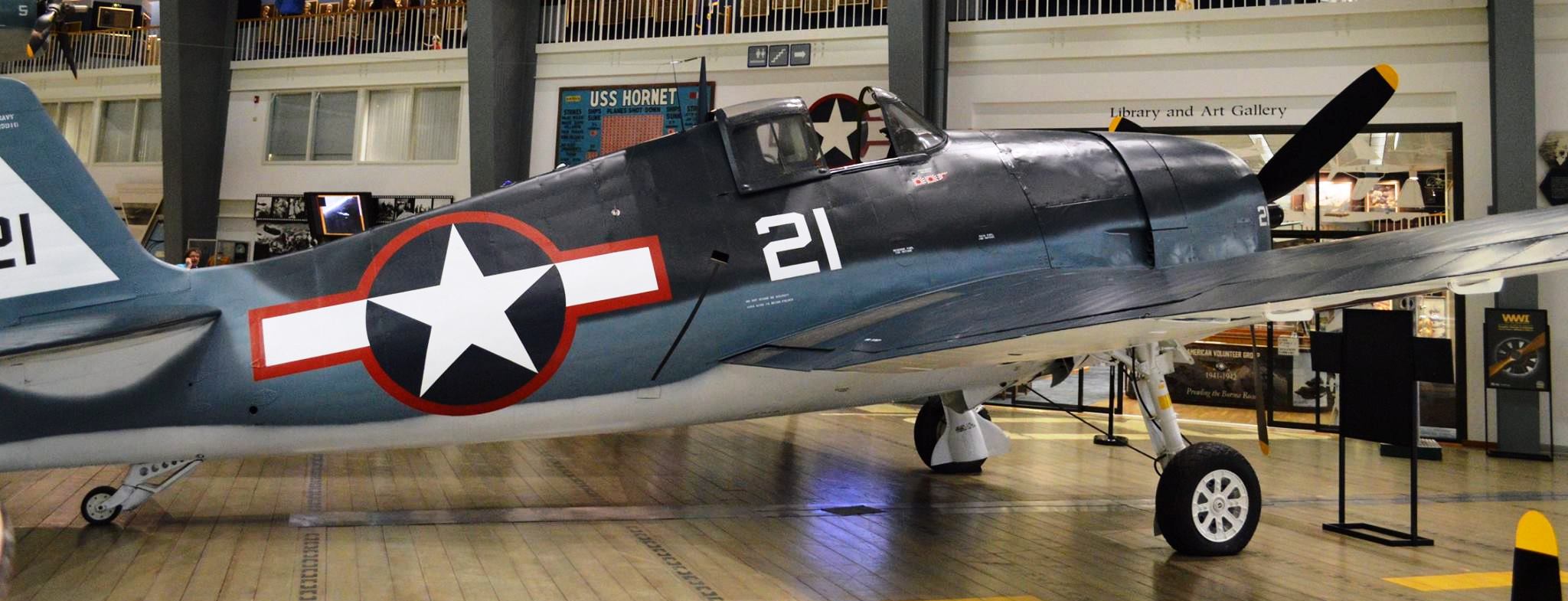
(Robert Dilley Photo)
Grumman F6F-3 Hellcat (BuNo. 66237), c/n A-1257, 17.
Grumman F6F-5 Hellcat (BuNo. 94203).
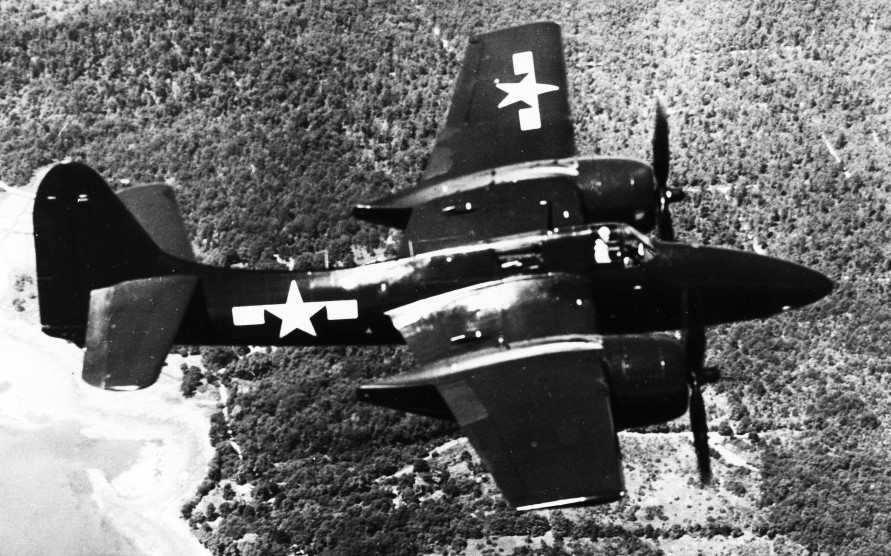
(SDASM Archives Photo)
Grumman F7F-2N Tigercat.
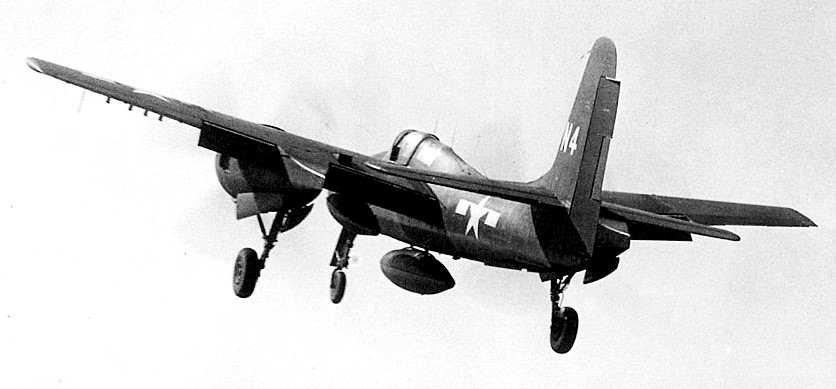
(USN Photo)
U.S. Marine Corps Grumman F7F-3N Tigercat after launching from the aircraft carrier USS Tarawa (CV-40). The Marine squadron had been stationed in Tsingtao, China after the Japanese surrender and was on its way to reassignment at Ford Island in Hawaii in December of 1946. VMF(N)-533 and VMF(N)-541 had been stationed in China.
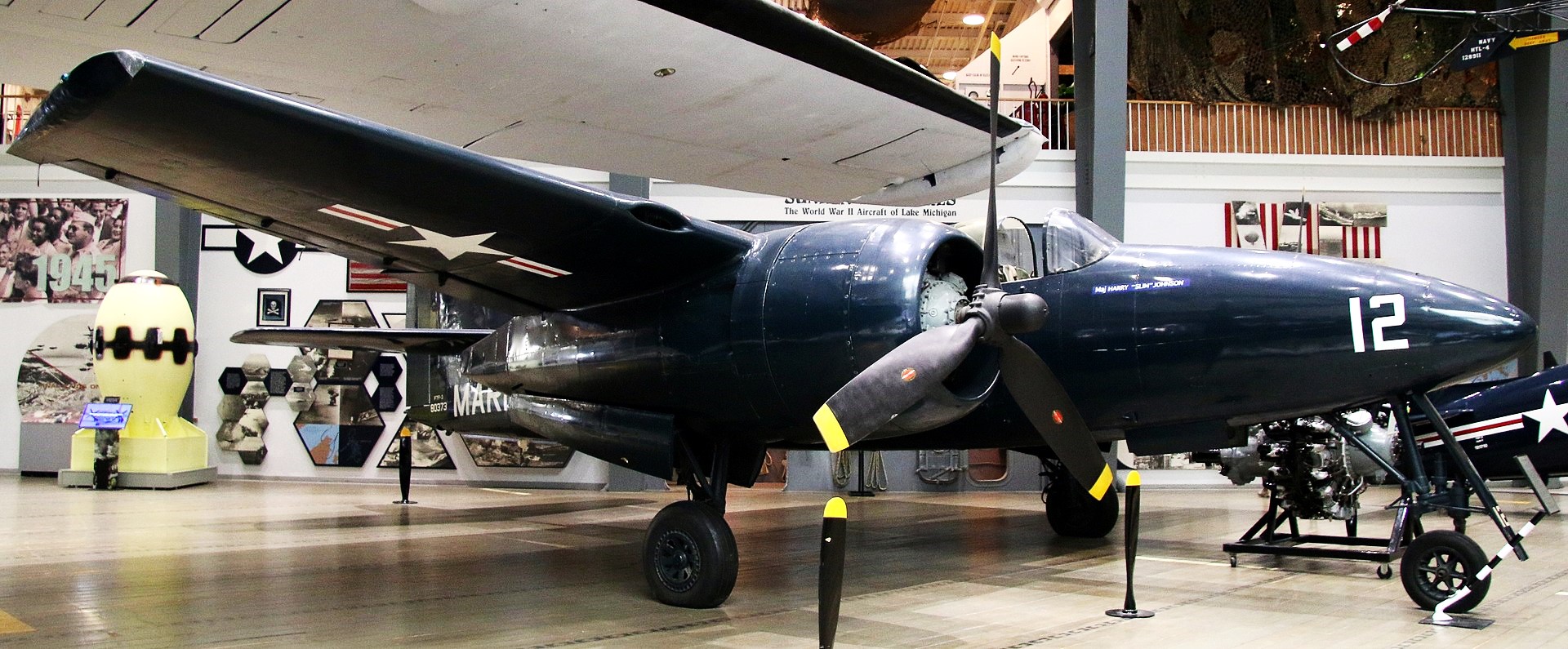
(kitmasterbloke Photo)
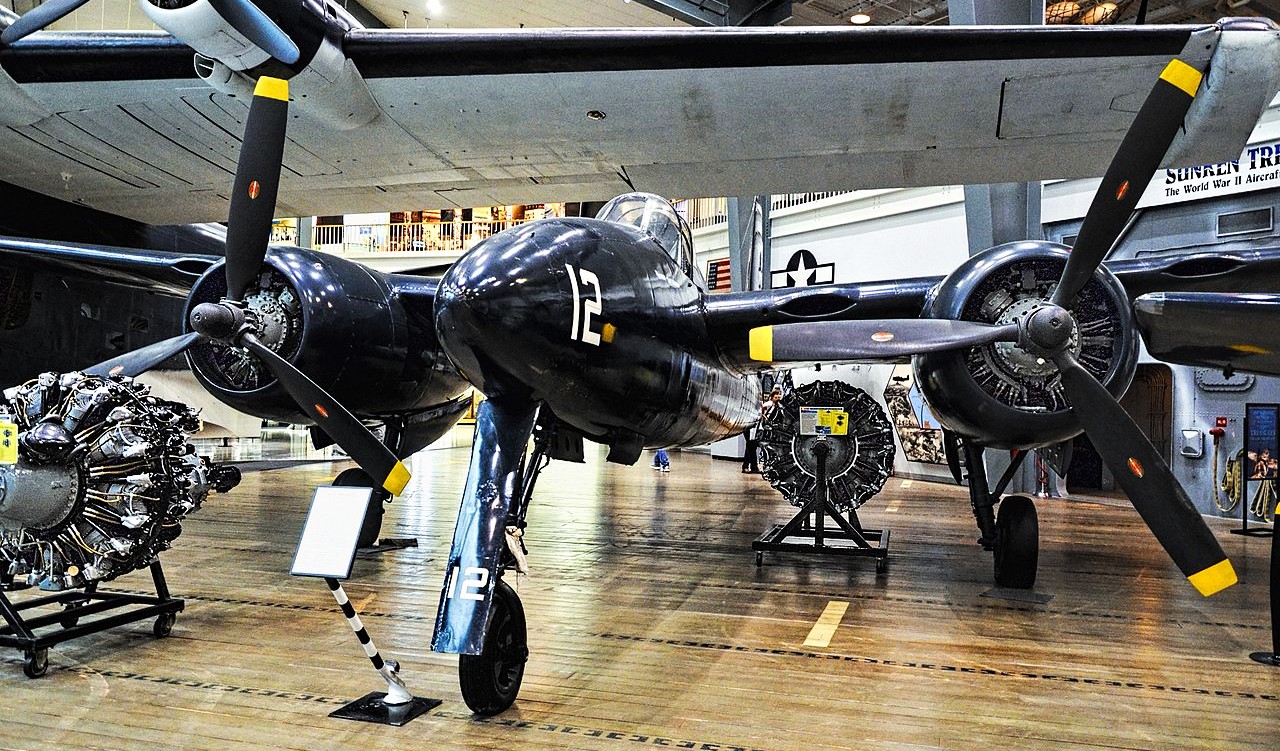
(Tomas Del Coro Photo)
Grumman F7F-3 Tigercat (BuNo. 80373).
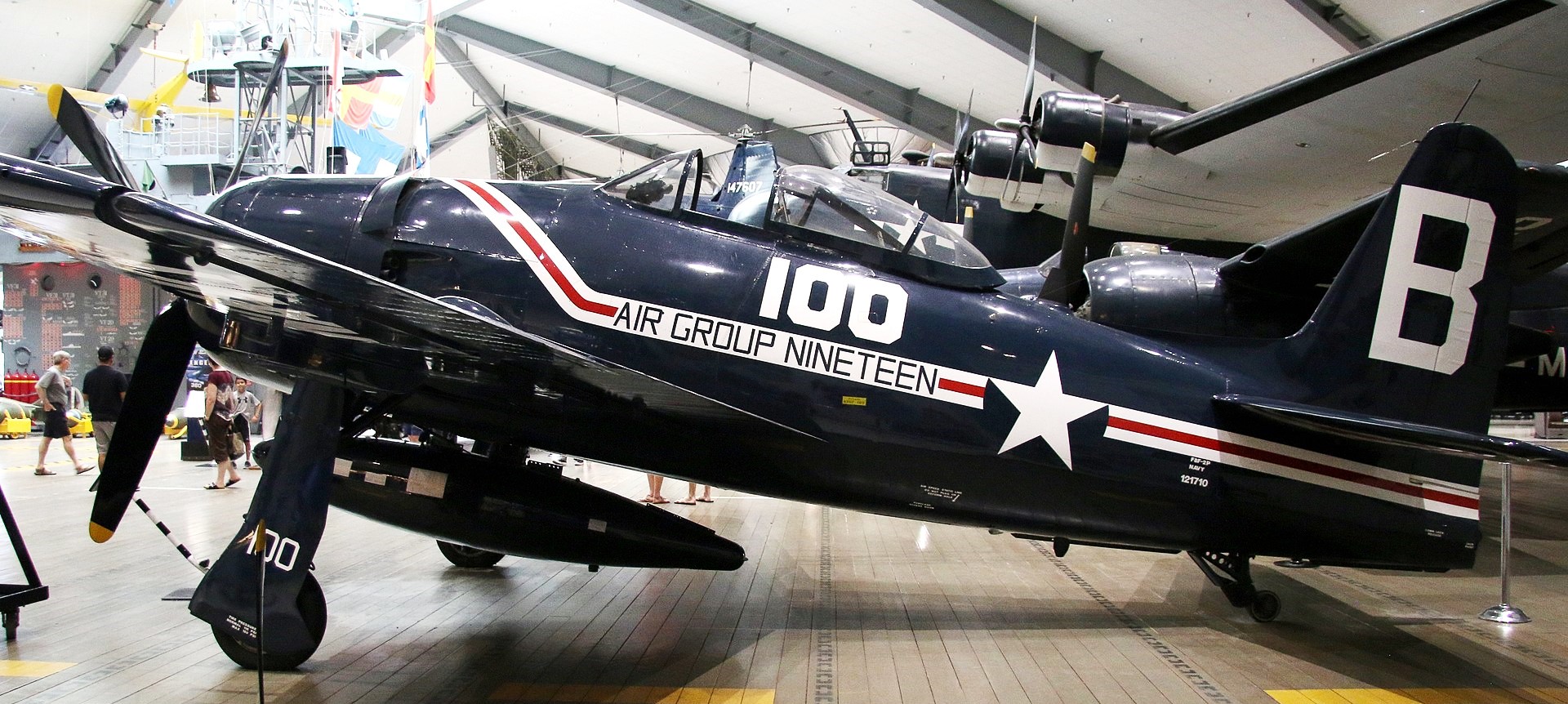
(kitmasterbloke Photo)
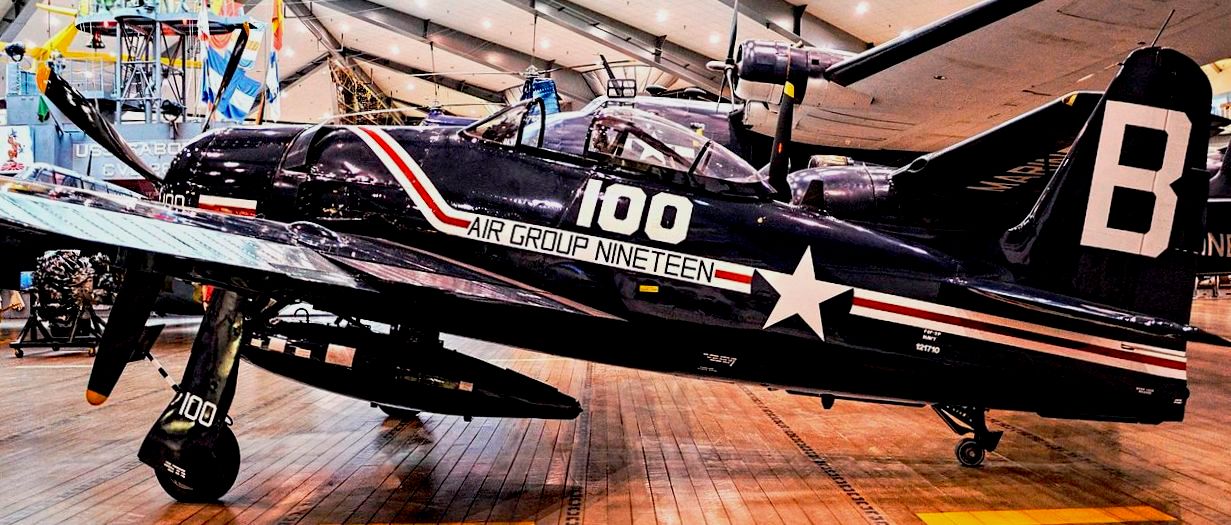
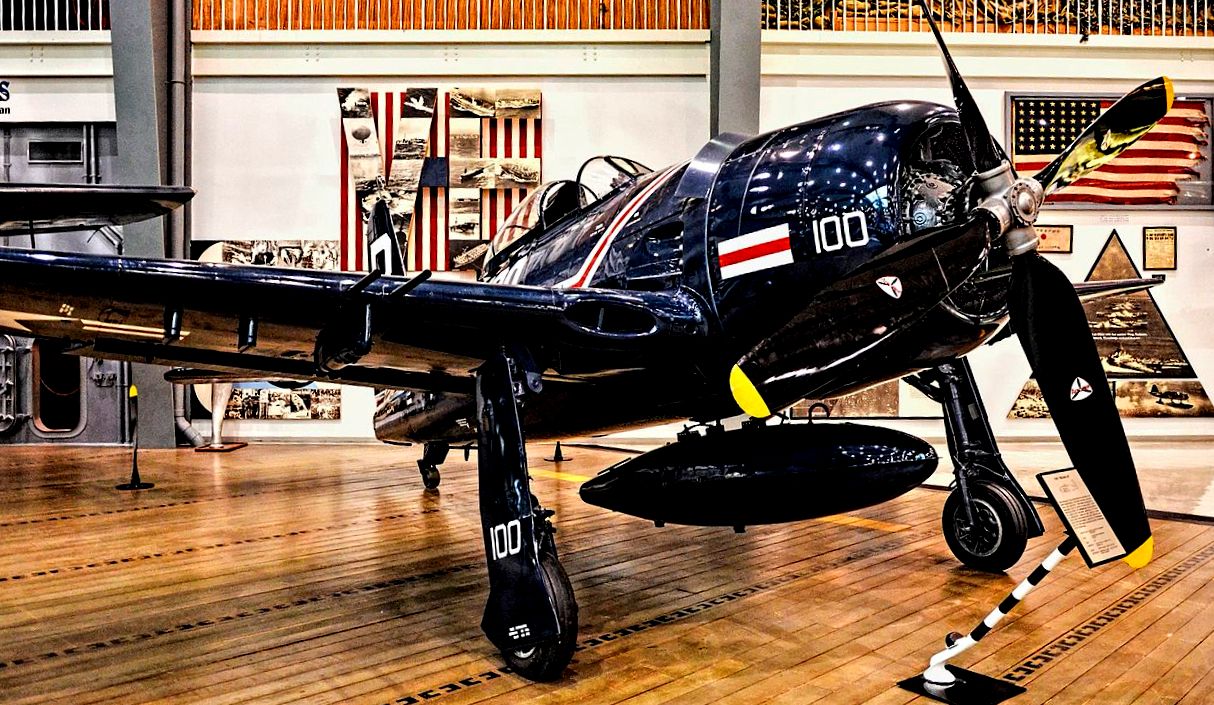
(Tomás Del Coro Photo)
Grumman F8F-2P Bearcat (BuNo. 121710), c/n D.1084, B-100.
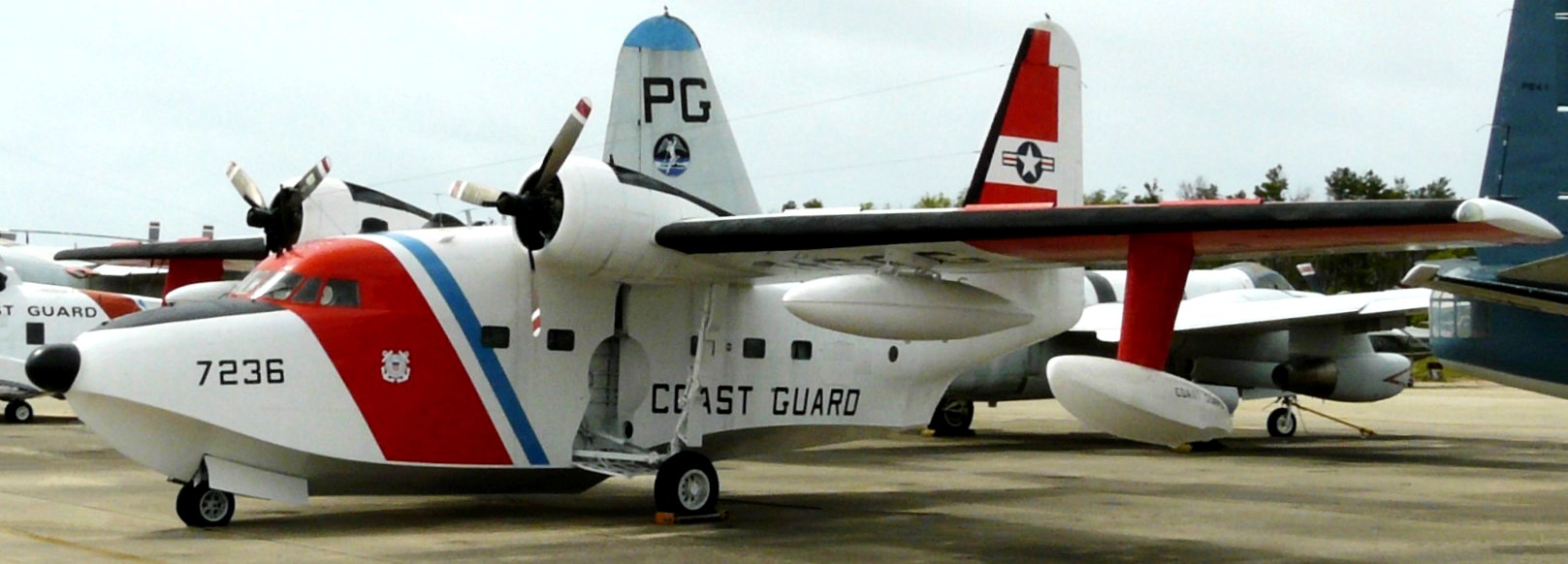
(Greg Goebel Photo)
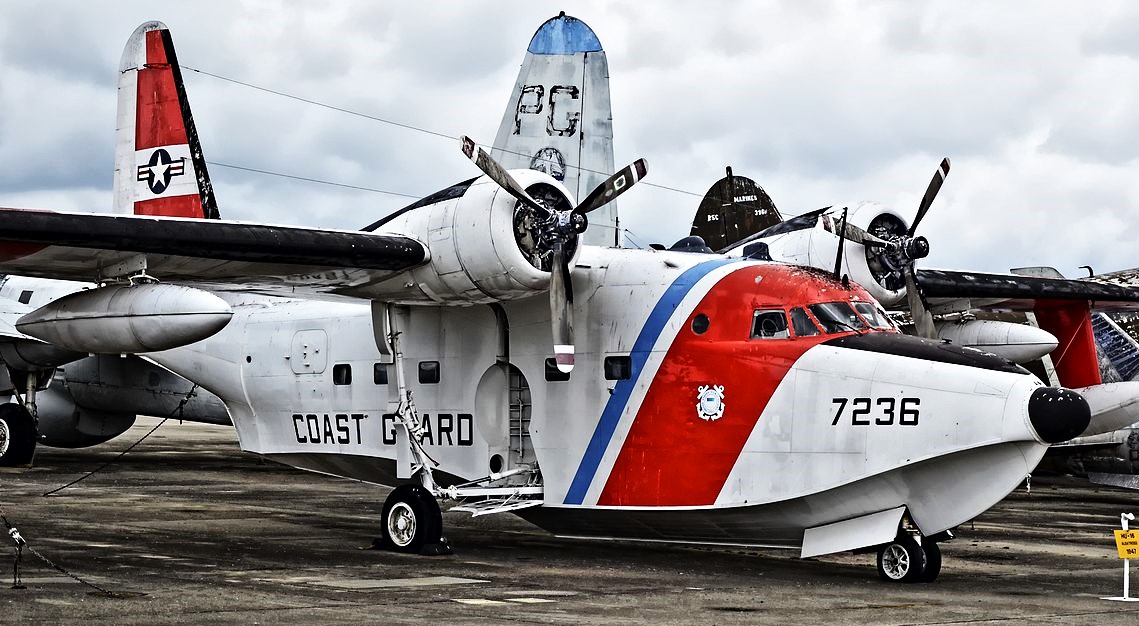
(Tomas Del Coro Photo)
Grumman HU-16E/UF Albatross (BuNo. 141266), USCG 7236, c/n G-322.
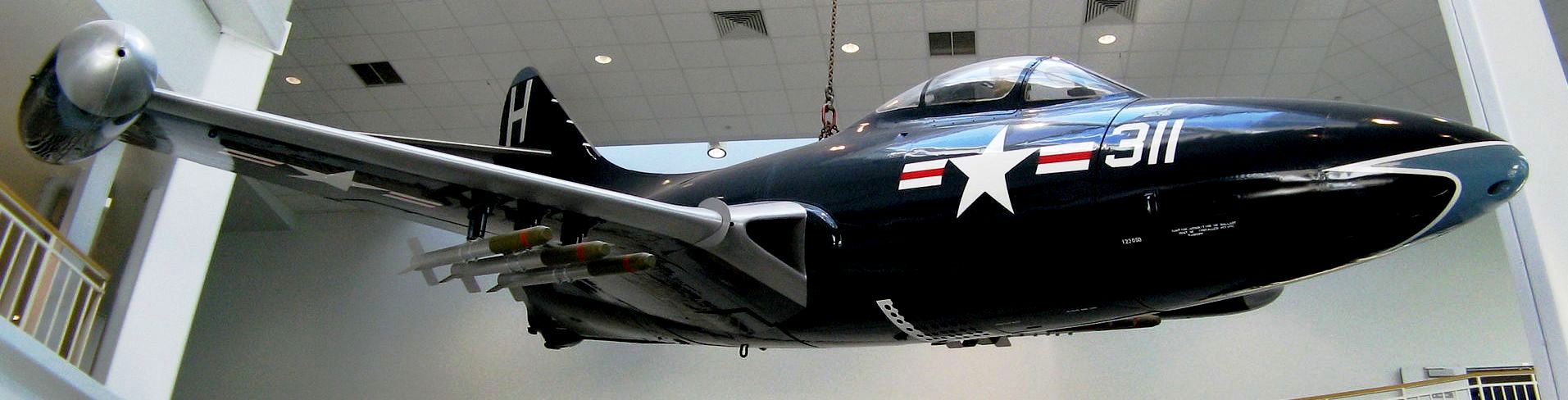
(Greg Goebel Photo)
Grumman F9F-2 Panther (BuNo. 123050), suspended from the ceiling.
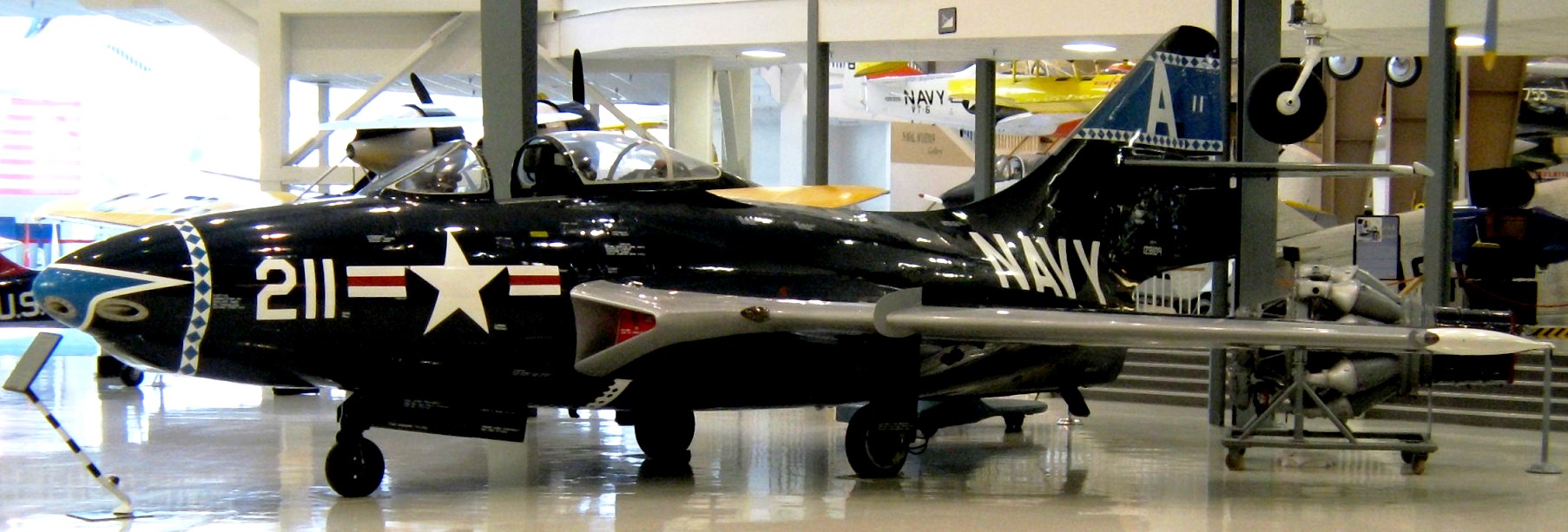
(Greg Goebel Photo)
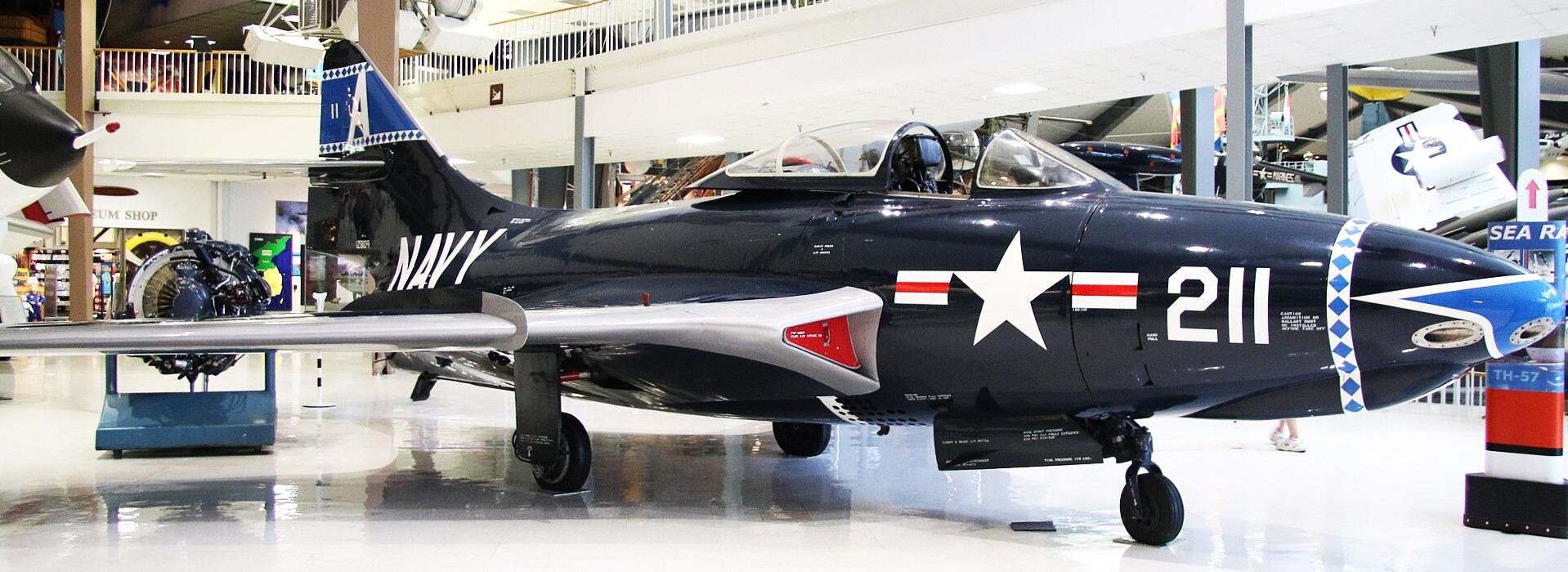
(kitmasterbloke Photo)
Grumman F9F-6 Cougar (BuNo. 128109).
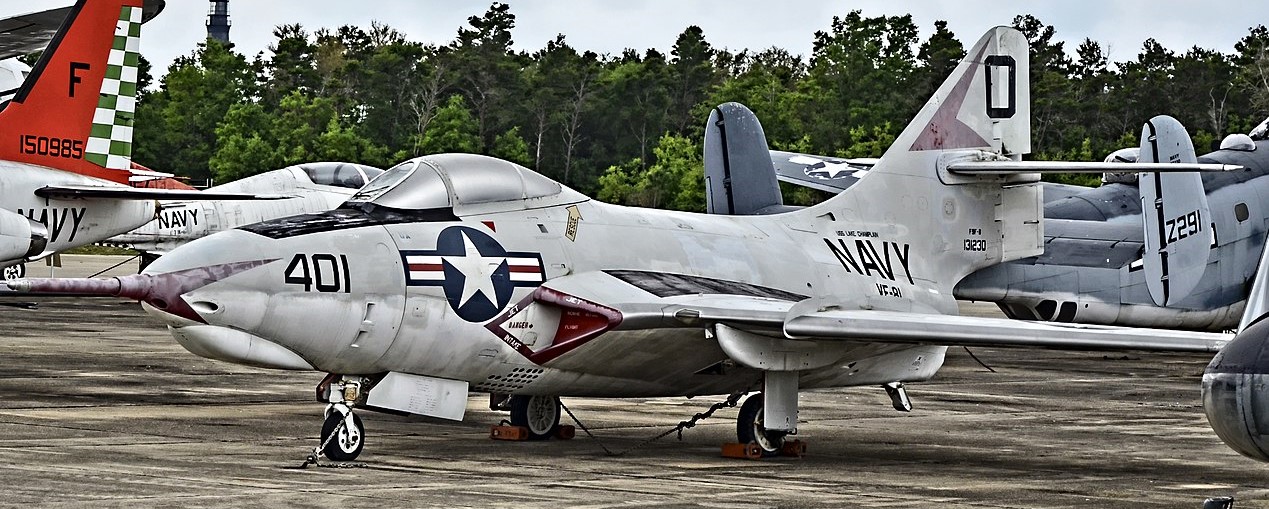
(Tomas Del Coro Photo)
Grumman F9F-8 Cougar (BuNo. 131230).
(NMNA Photo)
(Greg Goebel Photo)
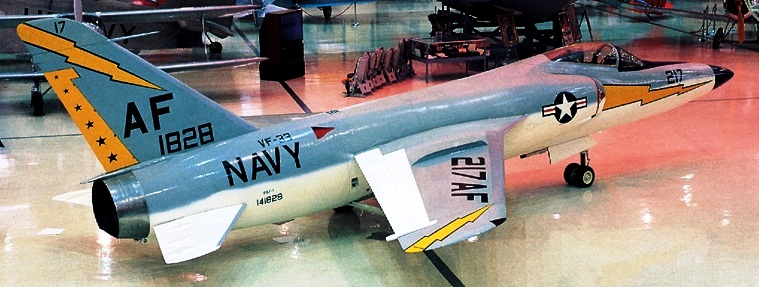
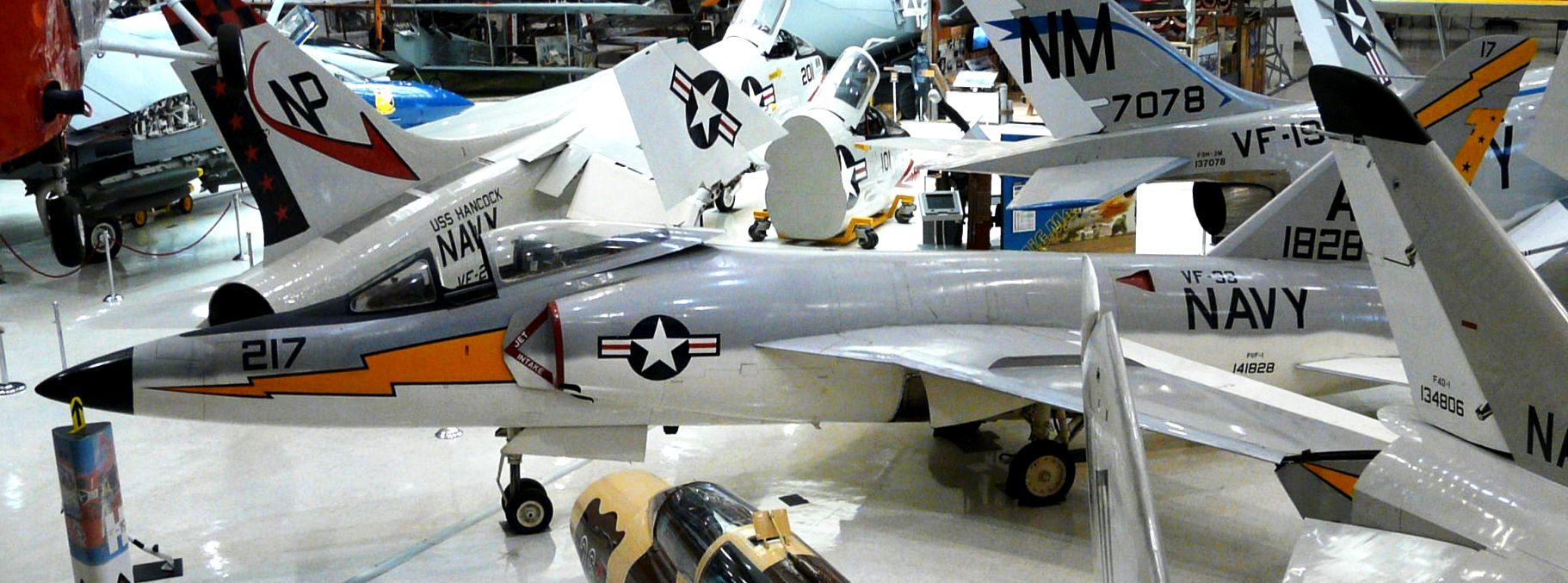
Grumman F-11F-1 Tiger (BuNo. 141828), c/n 145, 217.
(Kristian Jones Photo)
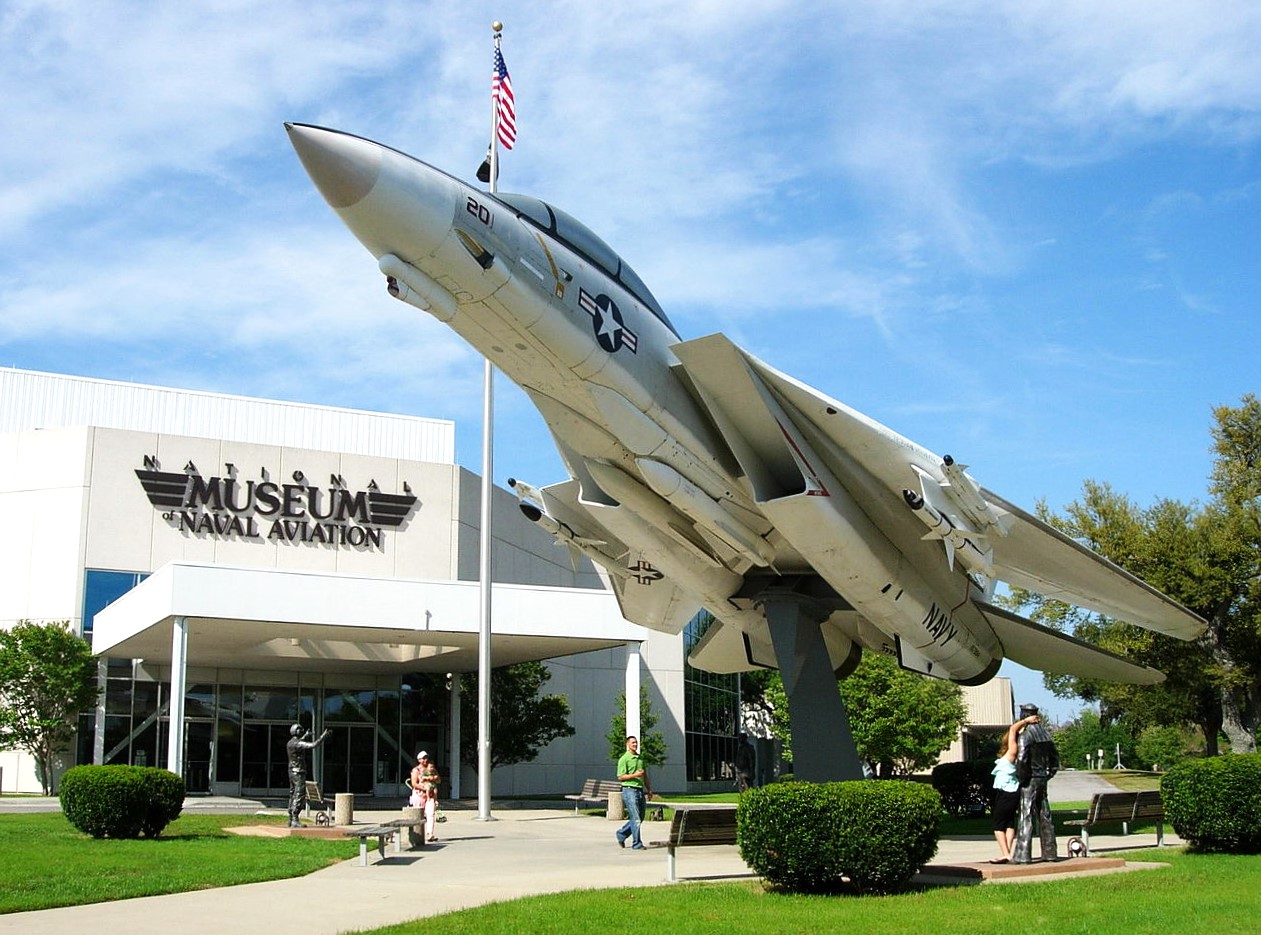
Grumman F-14A Tomcat (BuNo. 157984), c/n 5, AJ-201, mounted on a pylon in front of the main entrance to the museum.
Grumman F-14D (R) Tomcat (BuNo. 1561159).
(Tomás Del Coro Photo)
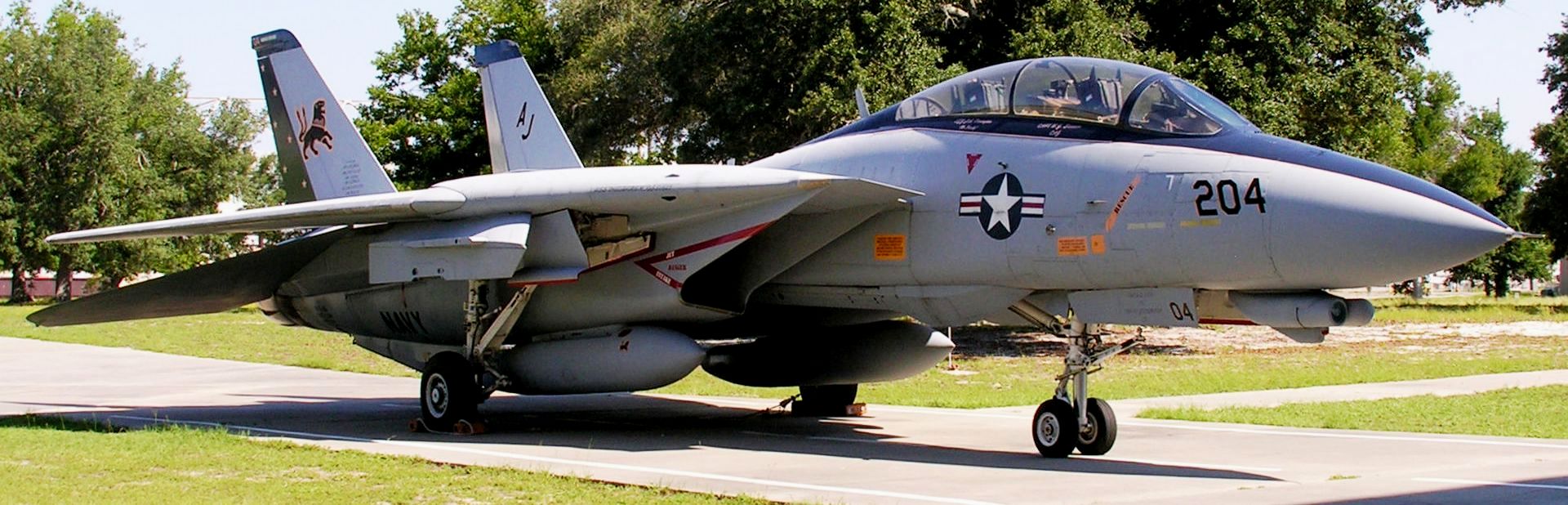
(Greg Goebel Photo)
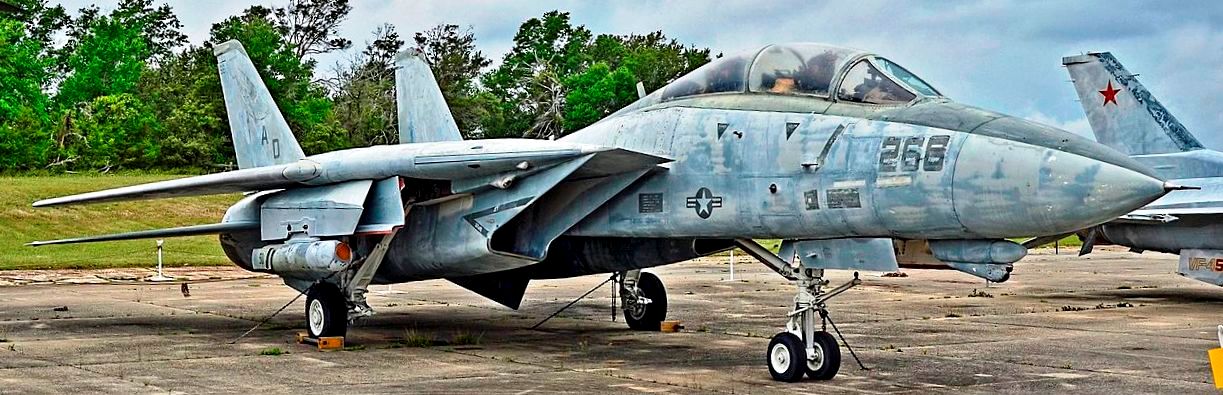
Grumman F-14A Tomcat (BuNo. 162710). c/n 556.
Grumman A-6A Intruder (BuNo. 151826).
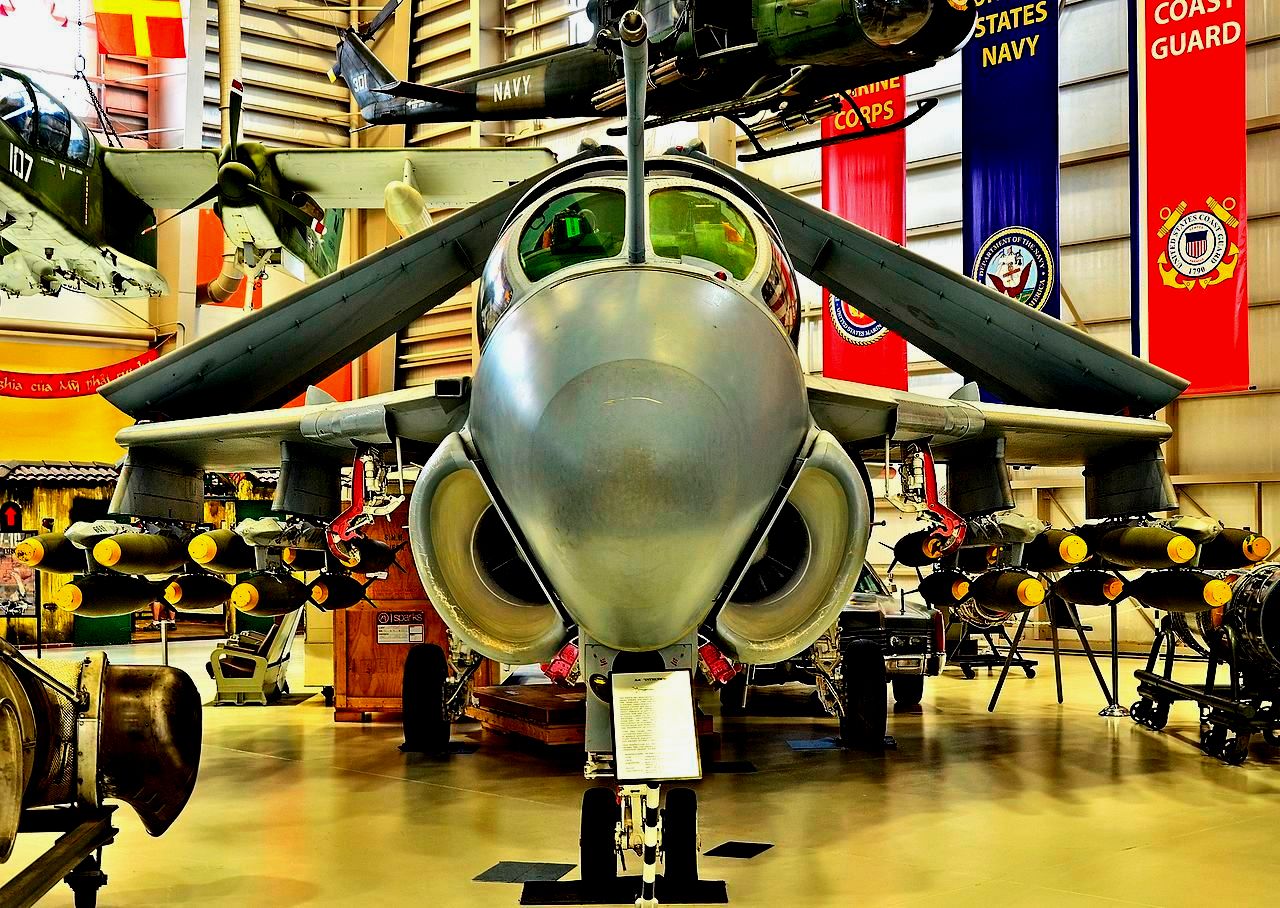
(Tomás Del Coro Photo)
Grumman A-6E Intruder (BuNo. 155610).
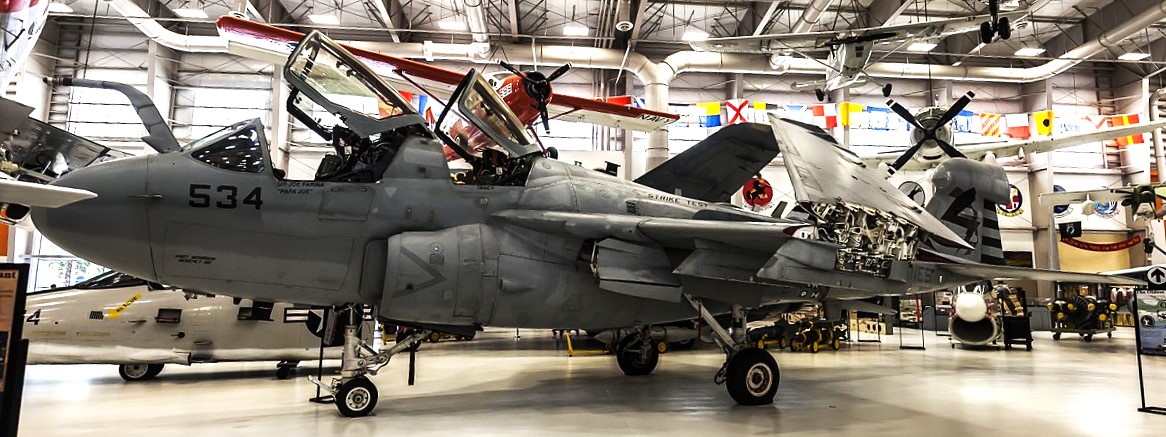
(Rob Bixby Photo)
Grumman EA-6B Prowler (BuNo. —534).
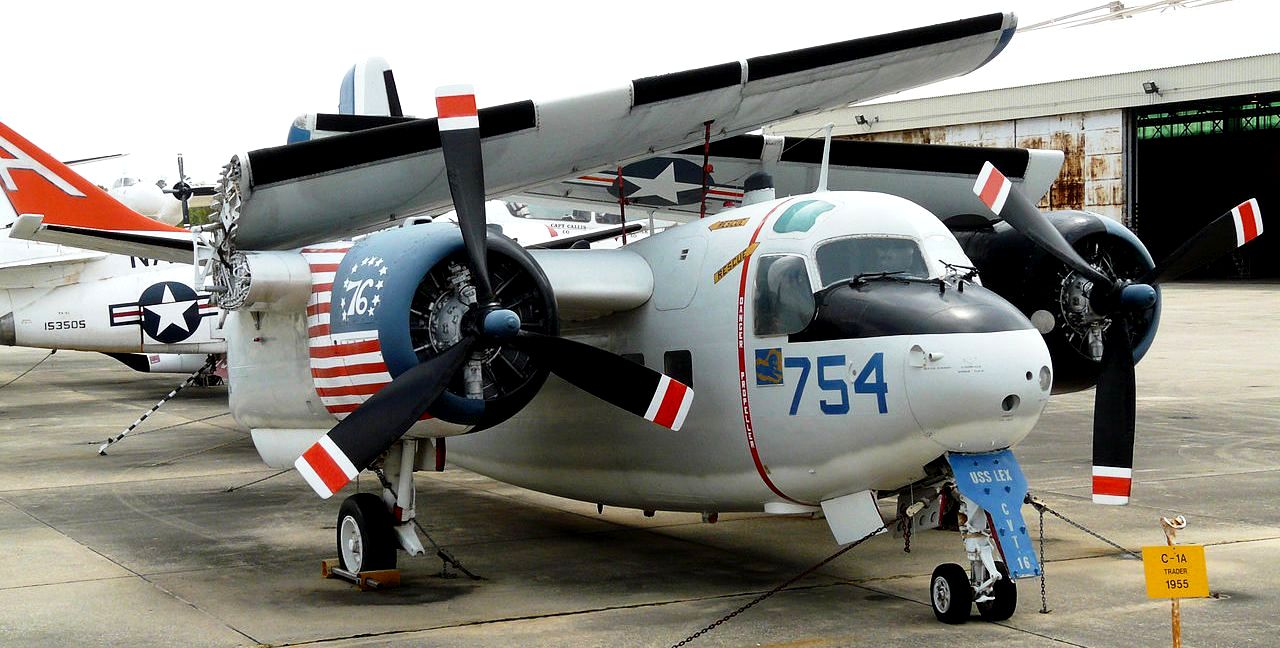
(Greg Goebel Photo)
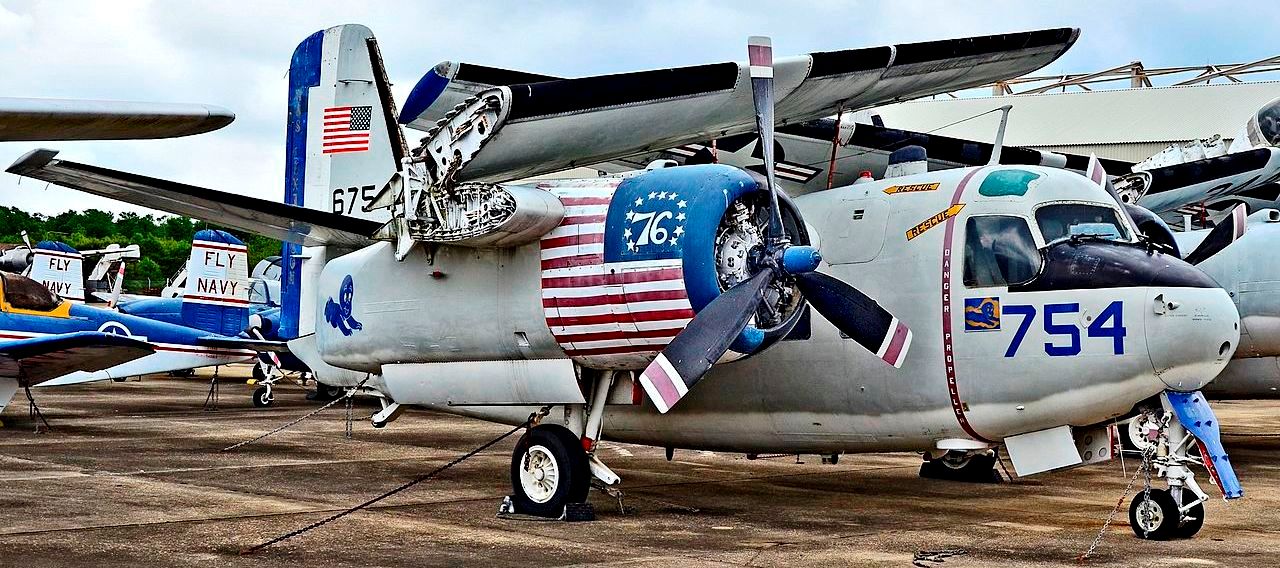
(Tomás Del Coro Photo)
Grumman C-1A/TF Trader (BuNo. 136754). It is painted in a bi-cenntenial paint scheme from 1976, the last year of its active service.
Grumman S-2E Tracker (BuNo. 151647), c/n 180C, AW-344.
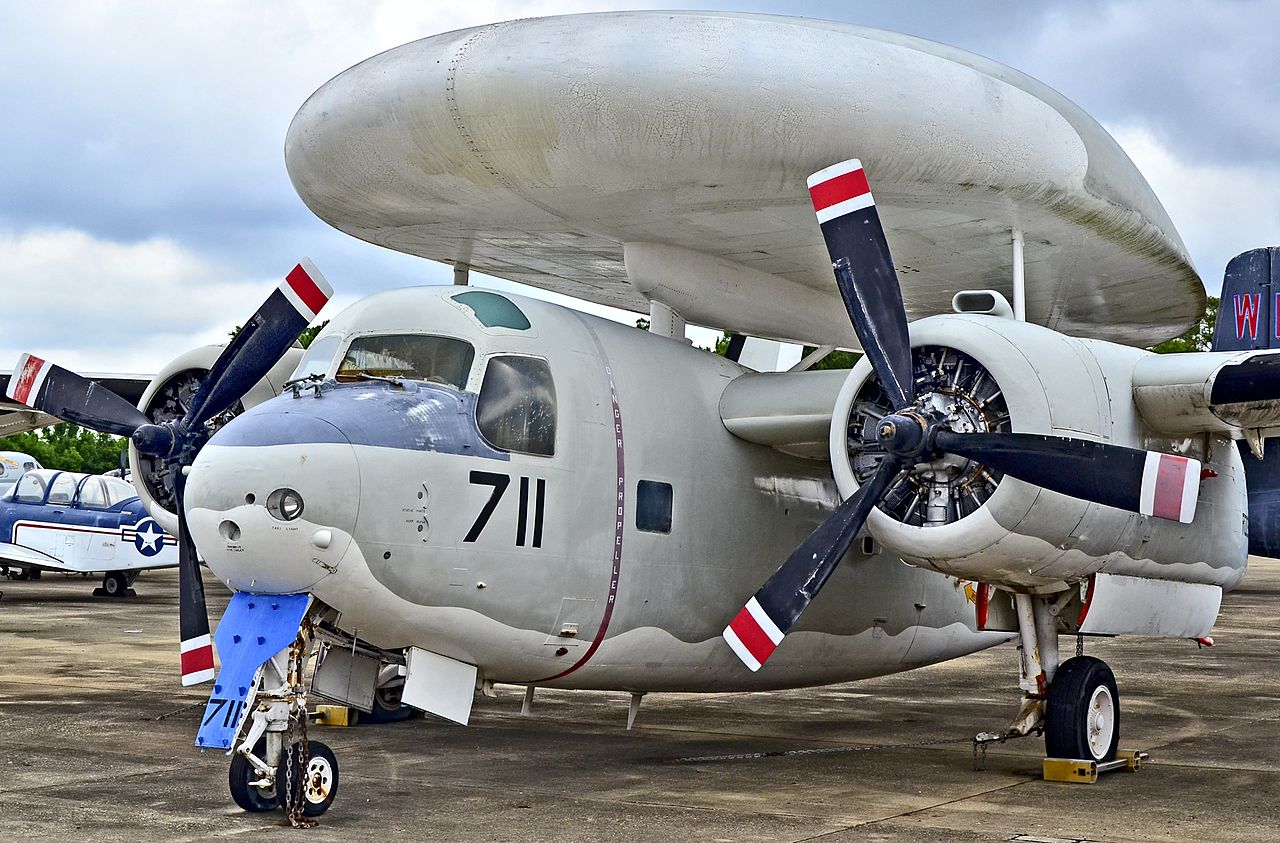
(Tomas Del Coro Photo)
Grumman E-1B/WF Tracer (BuNo. 148146), c/n 64, AE-711
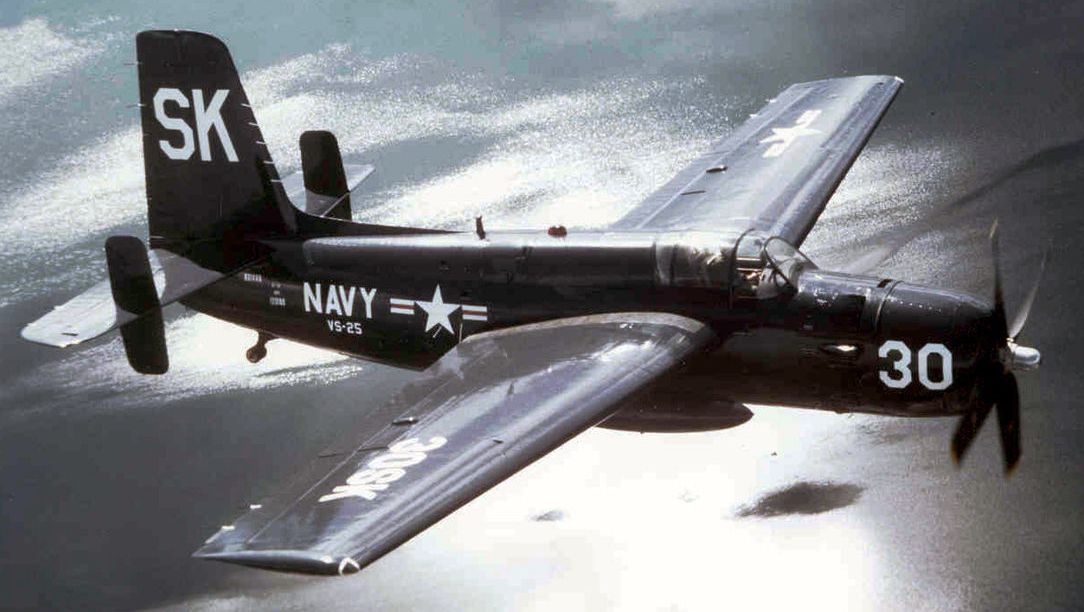
(NMNA Photo)
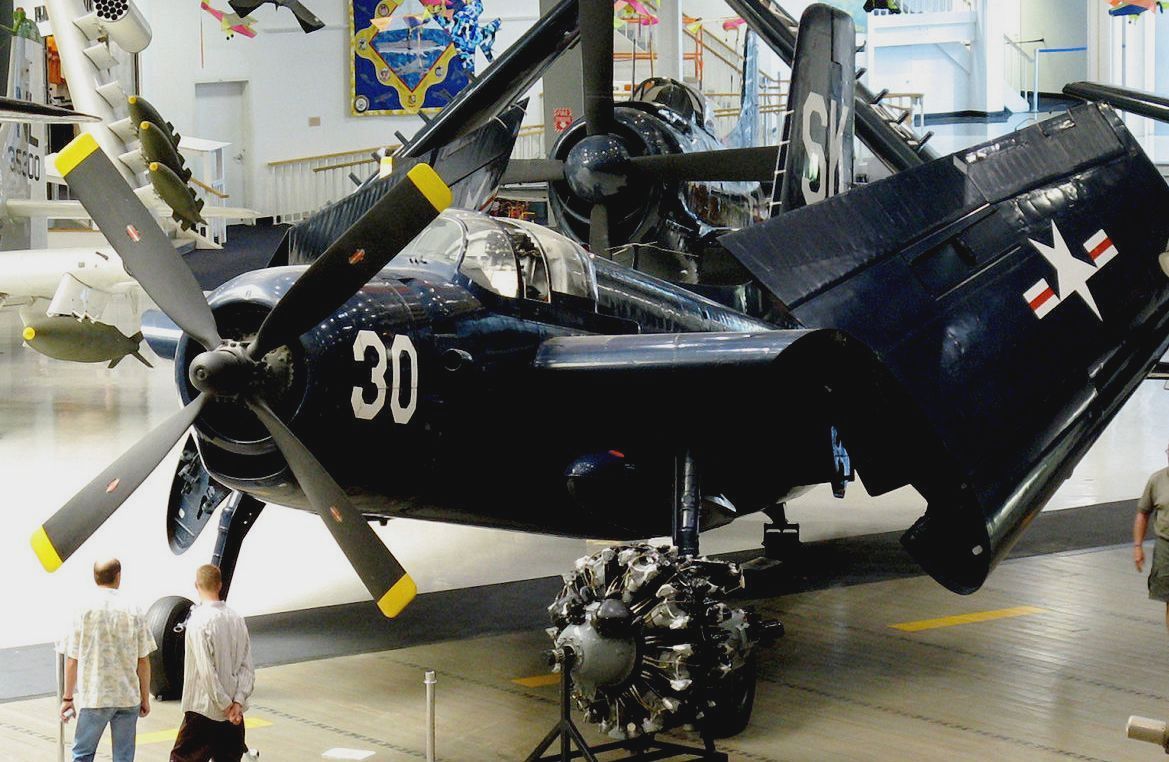
(Greg Goebel Photo)
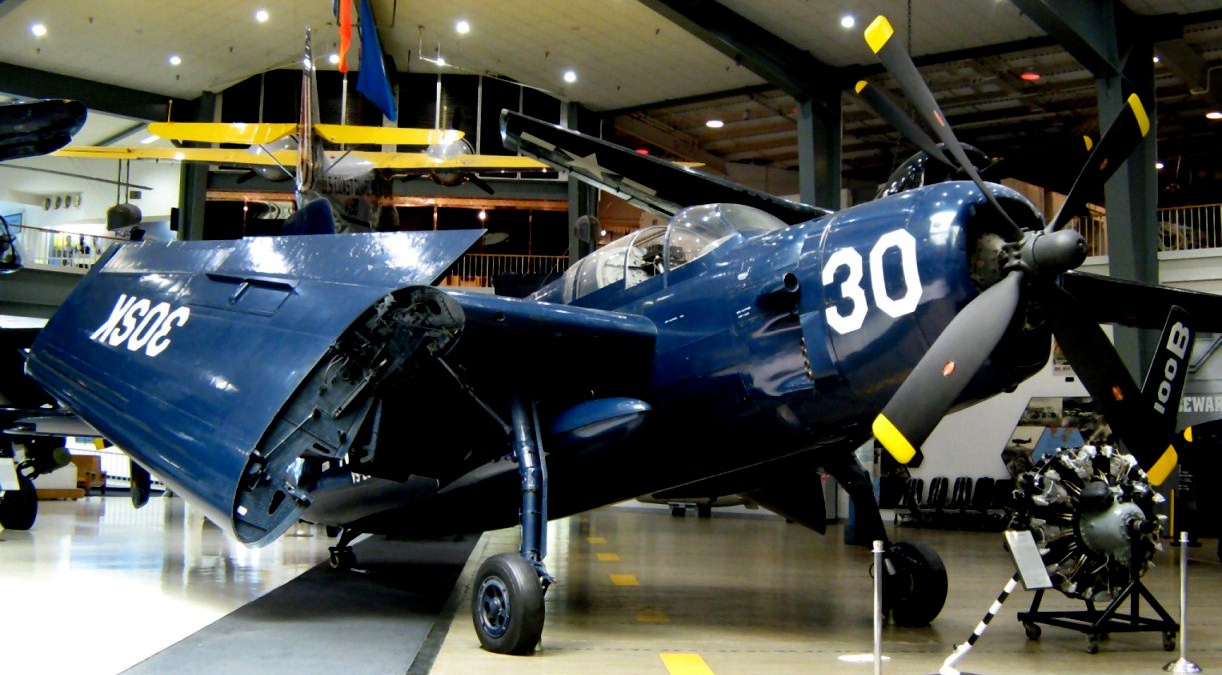
Grumman AF-2S/2W Guardian (BuNo. 123100).The Museum of Naval Aviation’s Guardian was accepted by the U.S. Navy on 6 July 1950, the museum’s AF-2S entered squadron service with the Experimental and Development Squadron (VX) 1 at Naval Air Station (NAS) Key West, Florida, where it served as a flight test aircraft until February 1952. Between 1952 and 1956, it flew with various Naval Air Reserve Units at NAS Jacksonville, Florida, NAS Willow Grove, Pennsylvania, and NAS South Weymouth, Massachusetts. Stricken from the Navy inventory at the naval storage facility at Litchfield Park, Arizona, on 17 Dec 1956, the aircraft was eventually sold in 1958 to Clayton Curtis of Frontier Airways. At the time of sale, it had accumulated 1469 hours of flight time. Subsequently acquired by Aero Union Corporation of Reading, California, in 1962, the aircraft served as an aerial tanker fighting forest fires until 1978, at which time it began flying on the exhibition circuit. Fully restored, it was acquired by the museum in 1980. As the seventh AF-2S version of the Guardian built by Grumman, the aircraft was one of the earliest in service and, at the time of its acquisition, it was the only flying example of its kind. Painted in the markings of Antisubmarine Squadron (VS) 25, one of the first squadrons to operate the AF, the aircraft resides in the west wing of the museum. The “30” painted on the cowling is not historically accurate but instead stems from the aircraft’s days as a fire fighter. At that it had the radio call sign “Red 30“.
(Tomas Del Toro Photo)
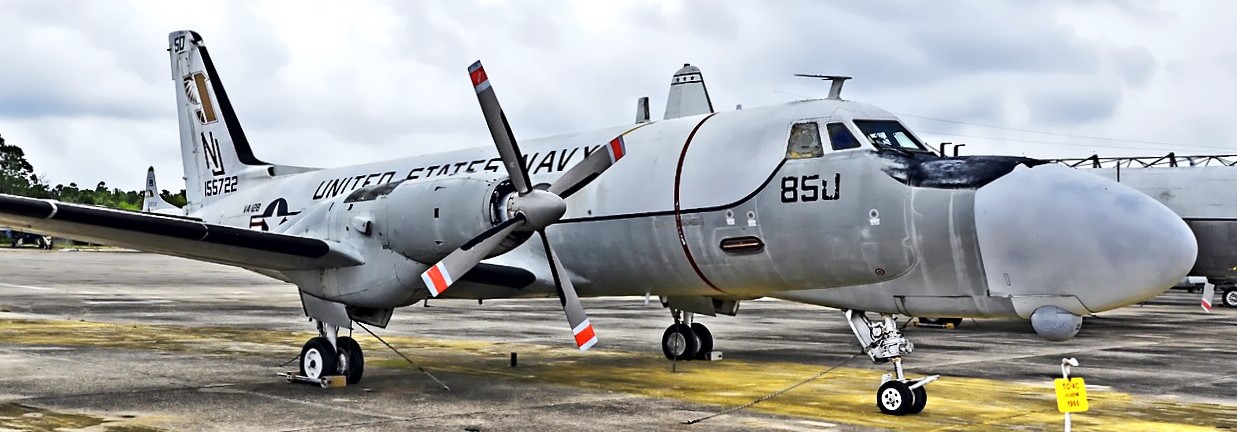
Grumman TC-4C Academe (BuNo. 155722).
(Pierre5018 Photo)
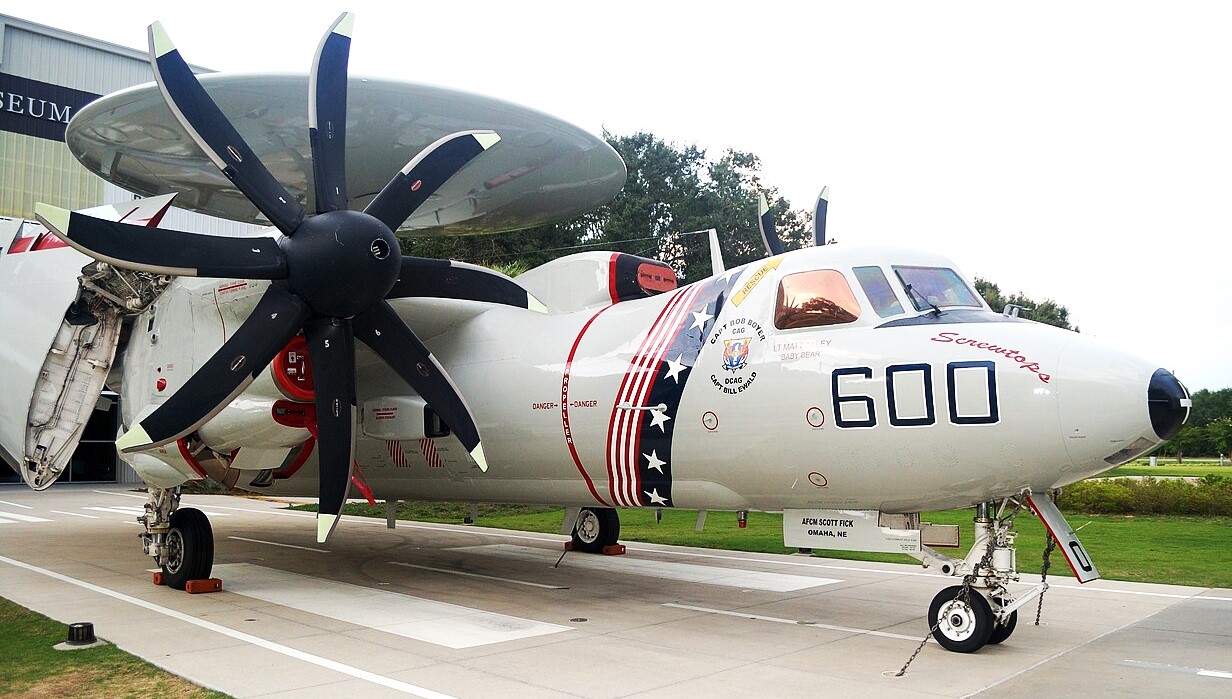
Grumman E-2C Hawkeye (BuNo. —600) of the Carrier Airborne Early Warning Squadron 123 (VAW-123) (also known as Screwtops) of the US Navy.
All comments are subject to our Comment Policy. You must be at least 18 years old to comment.
See a comment that violates our guidelines? Report it here.