
Miles M.398 Libellula
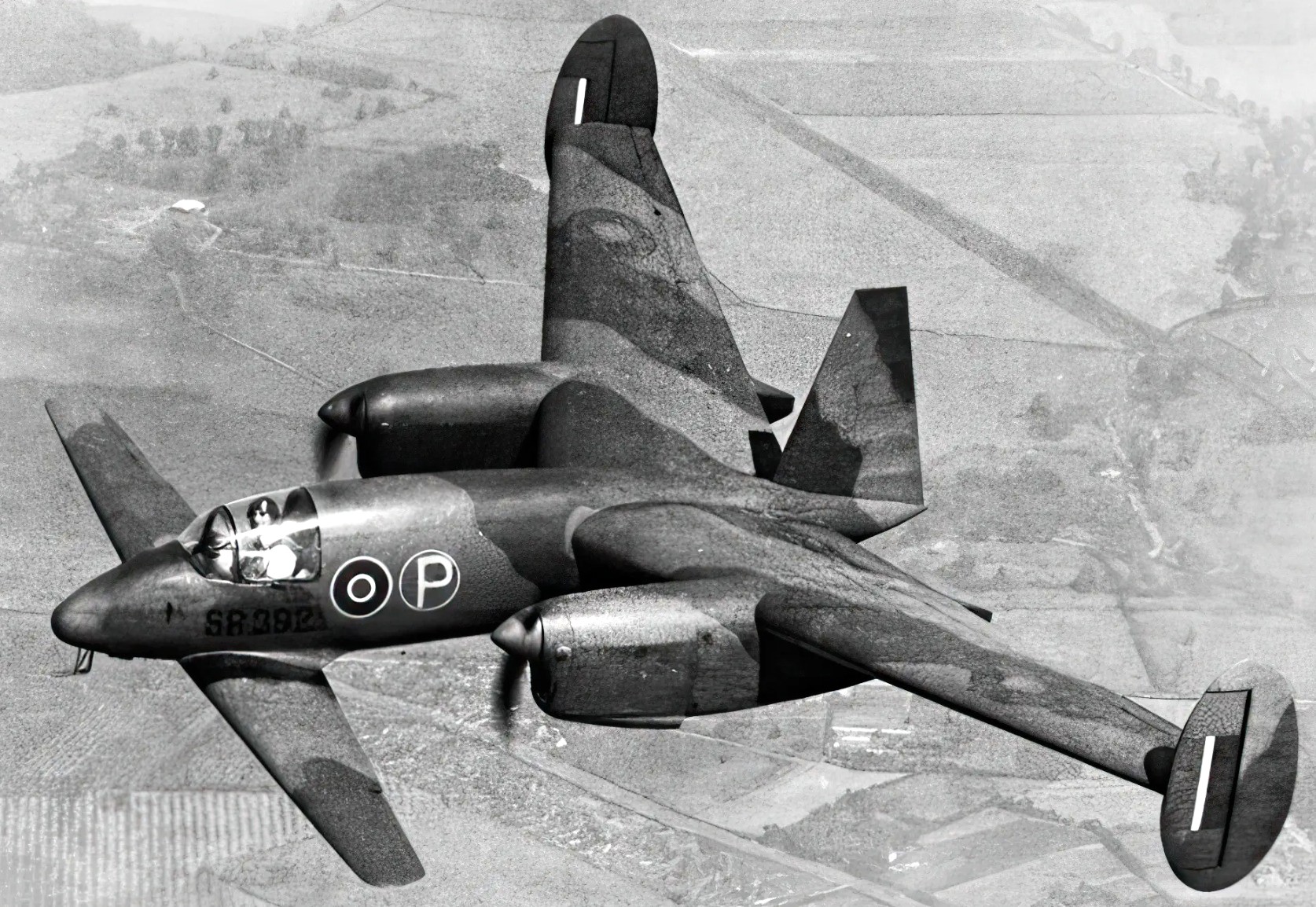
(RAF Photo)
The brainchild of British aviation engineer and designer Frederick George Miles, the Libellula was conceived as a carrier-based fighter and bomber, capable of assisting the Royal Navy Fleet Air Arm.
The Miles M.39B Libellula (from Libellulidae, a taxonomic family of dragonflies) was a Second World War tandem wing experimental aircraft built by Miles Aircraft, designed to give the pilot the best view possible for landing on aircraft carriers. A scale version of the M.39 design was proposed by Miles to meet Air Ministry specification B.11/41 for a fast bomber.[1] The M.39B was used by Miles to generate data from which the M.39 design was improved, but the M.39 project was cancelled and the M.39B broken up. (Wikepedia)
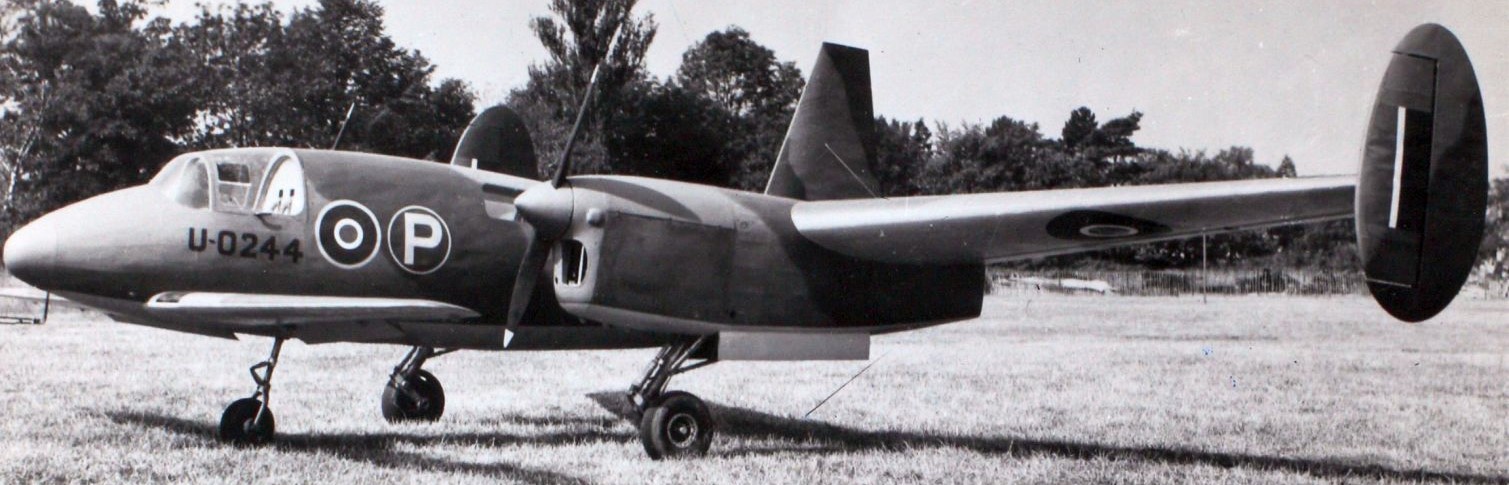
(SDASM Photo)
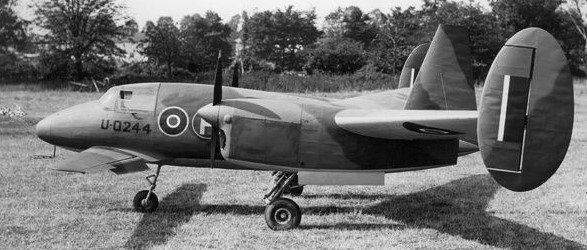
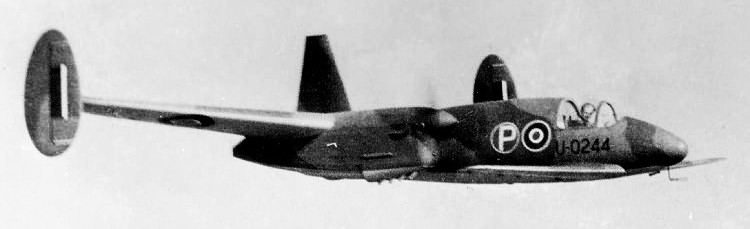
Miles M.39B Libellula. With an unconventional tandem-wing design, the Libellula featured a smaller front wing and a larger rear wing, both fitted with ailerons for optimal control. The twin-fuselage structure provided a spacious bomb bay, and the central nacelle housed the pilot, engines, and fuel tanks. The Libellula’s unique appearance earned its name, derived from the Latin term for dragonfly.
(RAF Photo)
While the Libellula was praised for its stability, it fell short in other areas. With a top speed of just 216 mph, the M.39B was considerably slower than other fighters of the time. Additionally, the aircraft exhibited underpowered performance, limiting its potential as a carrier-based fighter. Furthermore, the tandem-wing design proved to be less efficient than anticipated, generating increased drag and resulting in reduced maneuverability.
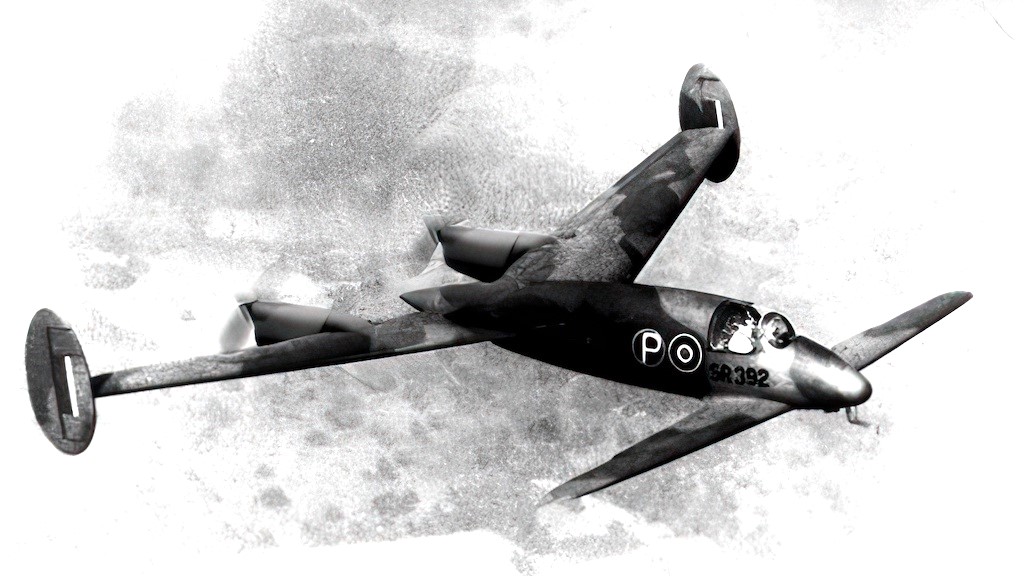
(RAF Photo)
Miles M.39C Libellula III.
All comments are subject to our Comment Policy. You must be at least 18 years old to comment.
See a comment that violates our guidelines? Report it here.