
Merchant Aircraft Carriers (MAC-Ships)
Oil or grain bulk cargo carriers with superstructures removed and flight decks added. Manned by Merchant Navy crews,with Fleet Air Arm (FAA) personnel to maintain and fly the aircraft – mainly A/S Fairey Swordfish and Hawker Sea Hurricanes. The ships flew the Red Ensign, and some aircraft carried ‘Merchant Navy’ instead of ‘Royal Navy’ on their fuselage.
Hundreds of Empire ships were employed by the Government of the United Kingdom. They were acquired from a number of sources: many were built for the government; others obtained from the United States; still others were captured or seized from enemy powers. Empire ships were mostly used during the Second World War by the Ministry of War Transport(MoWT), which owned the ships but contracted out their management to various shipping lines.
Empire-class Grain Carriers, Empire MacAlpine, Empire MacKendrick, Empire MacAndrew, Empire MacDermott, Empire MacRae, Empire MacCallum, 7 ships – 8,000 tons, 12 knots, 4 aircraft, crew not known, launched December 1942-January 1944. Equipped with hangar and lift.
MV Empire MacAlpine
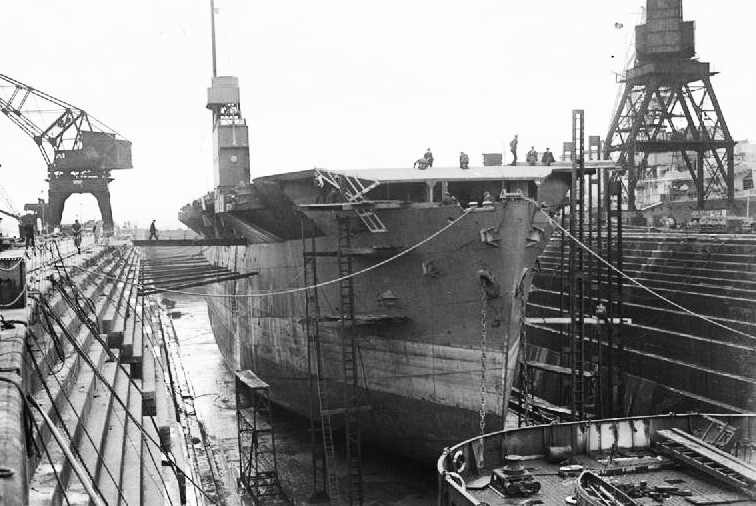
(IWM Photo, A 18012)
MV Empire MacAlpine in dry dock at Messrs Cammel Lairds at Birkenhead.
MV Empire MacAlpine in dry dock at Messrs Cammel Lairds at Birkenhead.MV Empire MacAlpine was a grain ship converted to become the first Merchant Aircraft Carrier (MAC ship).The Burntisland Shipbuilding Company, Fife, Scotland, built her under order from the Ministry of War Transport and was delivered on 14 April 1943. As a MAC ship, only her air crew and the necessary maintenance staff were naval personnel. She was operated by William Thomson & Co (the Ben Line).After the war she was converted to a grain carrier. She was scrapped in Hong Kong in 1970. (Wikipedia)
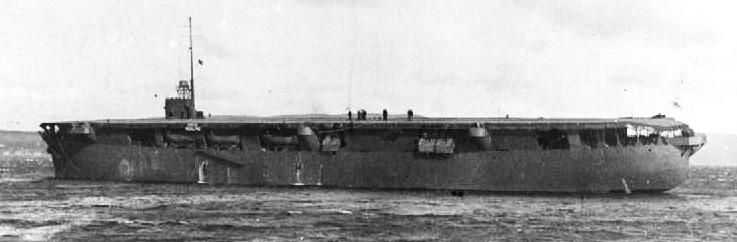
(IWM Photo, A 27324)
MV Empire MacAlpine in coastal waters.
MV Empire MacKendrick
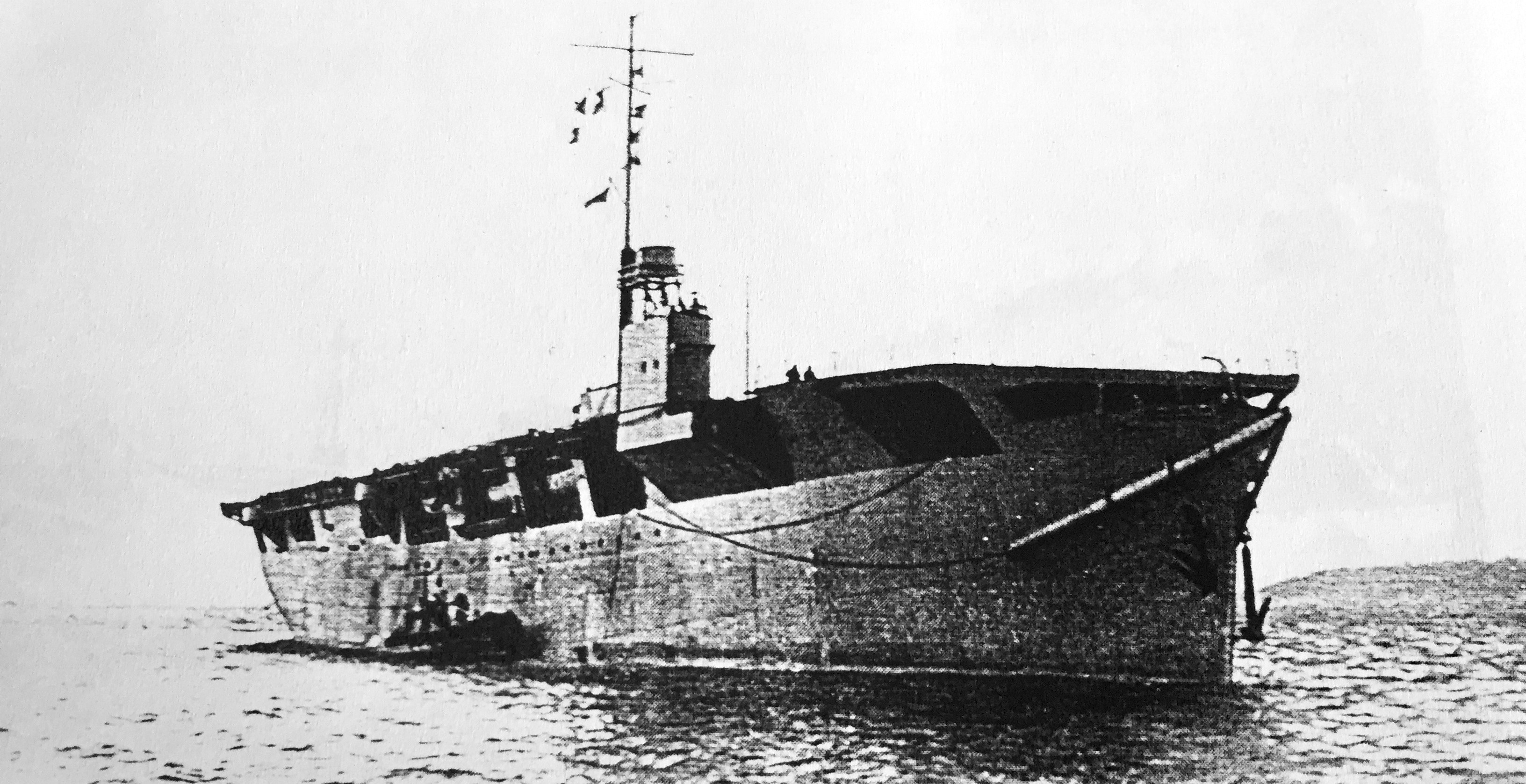
(RN Photo)
The Burntisland Shipbuilding Company Ltd, Fife, Scotland, built her under order from the Ministry of War Transport and was delivered on 12 December 1943. As a MAC ship, only her air crew and the necessary maintenance staff were naval personnel. She was operated by William Thomson & Co (the Ben Line). After the war the ship was converted to a grain carrier. In 1967, while under Bulgarian management, she was trapped in the Suez Canal by the Six-Day War. She was scrapped at Split in 1975. (Wikipedia)
MV Empire MacAndrew
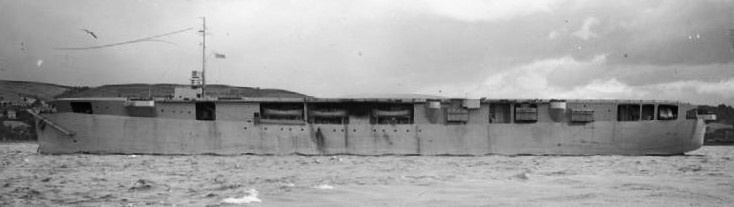
(IWM Photo, A 18027)
MV Empire MacAndrew off Greenock, Scotland, between 1943 and 1945.
MV Empire MacAndrew was a grain ship converted to become a Merchant Aircraft Carrier or MAC ship. MV Empire MacKendrick was built at William Denny and Brothers Dumbarton Scotland under order from the Ministry of War Transport. As a MAC ship, only her air crew and the necessary maintenance staff were naval personne and she was operated by The Hain Steamship Company Ltd, St Ives, Cornwall. After the war, the ship was converted back to a grain carrier, and eventually scrapped in China in 1970. (Wikipedia)
MV Empire MacDermott
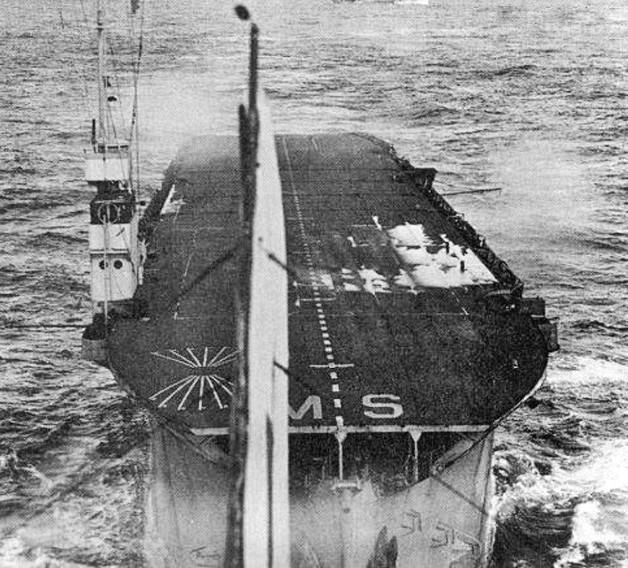
(RN Photo)
MV Empire MacDermott was a bulk grain ship built as a Merchant Aircraft Carrier (MAC ship). She served with the British Merchant Navy during the Second World War, with rudimentary aircraft handling facilities operated by a Fleet Air Arm “air party”. Empire MacDermott was built by William Denny and Brothers, Dumbarton, Scotland. She spent most of her time on the Atlantic convoy routes, providing air cover and transporting desperately needed grain to the UK. After the end of the, she was handed over to Buries Markes Ltd, London in 1947 and returned to merchant service the following year under the name La Cumbre. She was sold on again in 1959, this time to Canero Cia Nav. S. A., Panama. They sailed her as Parnon under the Greek flag until 1969, when they sold her to Southern Shipping & Enterprises, Hong Kong. They renamed her Starlight, and sailed her under the Somalian flag. She was then transferred to the China Ocean Shipping Co, Peking in 1975, and by 1991 she had been deleted from Lloyd’s Register. (Wikipedia)
MV Empire MacRae
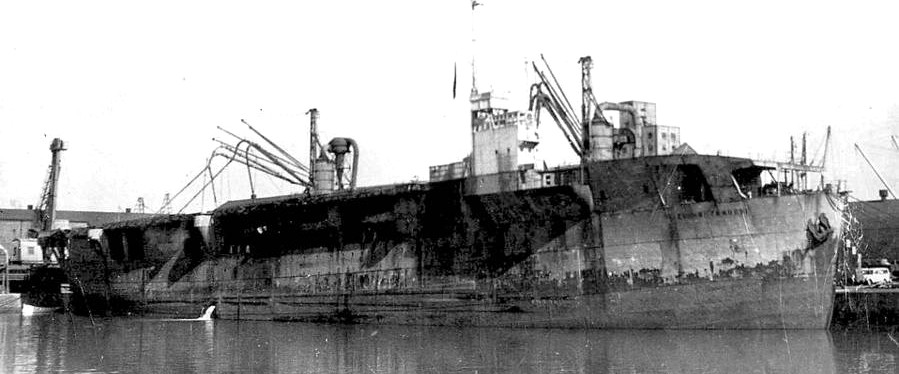
(RN Photo)
MV Empire MacRae was a grain ship converted to become a Merchant Aircraft Carrier or MAC ship during the Second World War. She was built at Lithgows shipyard in Glasgow, Scotland, under order from the Ministry of War Transport. As a MAC ship, only her air crew and the necessary maintenance staff were naval personnel and she was operated by Hain Steam Ship Co Ltd of St Ives.After the war, the ship was converted to a grain carrier and was eventually scrapped at Kaohsiung in 1971. (Wikipedia)
MV Empire MacCallum
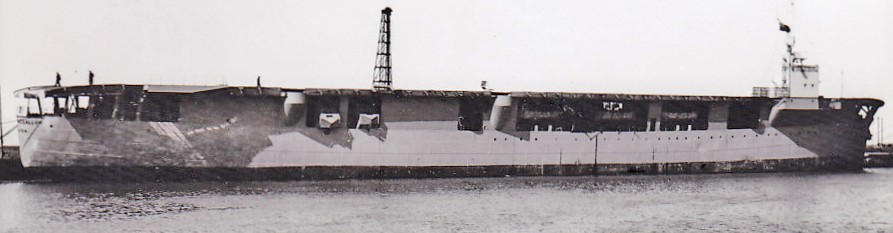
(RN Photo)
MV Empire MacCallum was a grain ship converted to a merchant aircraft carrier or MAC ship. MV Empire MacCallum was built at Lithgows shipyard, Glasgow, Scotland, under order from the Ministry of War Transport. As a MAC ship, only her air crew and the necessary maintenance staff were naval personnel, She was operated by Hain Steam Ship Co Ltd of St Ives. On 7 July 1944, a Fairey Swordfish aircraft mistakenly sank the Free French submarine Perle in the Atlantic Ocean off the coast of Newfoundland. Among the aircraft that served on Empire MacCallum was Fairey Swordfish Mk II (Serial No. LS326) where it became part of ‘K’ flight. The aircraft had previously been on Rapana. In November 2010, it was airworthy with the Royal Navy Historic Flight. After the war, the ship was converted to a grain carrier, and eventually scrapped at Osaka in 1960. (Wikipedia)
Empire-Class Oil Tankers, Empire MacKay, Empire MacColl, Empire MacMahon, Empire MacCabe, 4 ships- 9,000 tons, 12 knots, 3 aircraft, crew not known, launched May-July 1943. No hangar and lift; aircraft stored and maintained on deck.
MV Empire MacKay
MV Empire MacKay was an oil tanker constructed with rudimentary aircraft handling facilities as a merchant aircraft carrier (MAC ship). MV Empire MacKay was built by Harland & Wolff, Govan under order from the Ministry of War Transport. She entered service as a MAC ship in October 1943, however only her air crew and the necessary maintenance staff were naval personnel. She was operated by the British Tanker Company. She returned to merchant service as an oil tanker in 1946 as British Swordfish and she was eventually scrapped in Rotterdam in 1959. (Wikipedia)
MV Empire MacColl
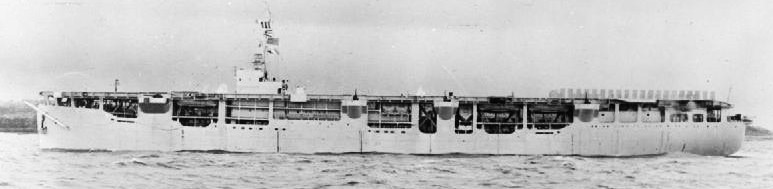
(IWM Photo)
MV Empire MacColl, sometime between 1943 and 1945.
MV Empire MacColl was an oil tanker converted to a merchant aircraft carrier (MAC) ship. MV Empire MacColl was built by Laird, Son & Co., Birkenhead under order from the Ministry of War Transport. She entered service as a MAC ship in November 1943, however only her air crew and the necessary maintenance staff were naval personnel. She was operated by the British Tanker Company. She returned to merchant service as an oil tanker in 1946 and was eventually scrapped in Faslane in 1962. (Wikipedia)
MV Empire MacMahon
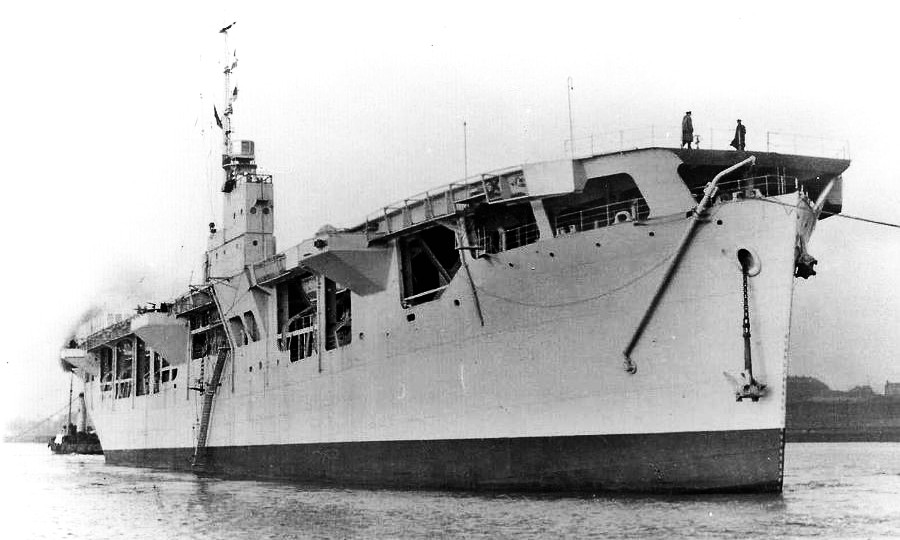
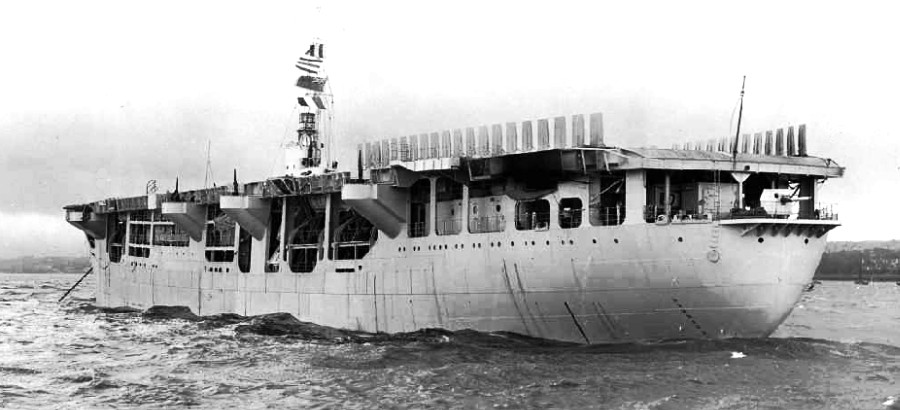
(Photoship Photos)
MV Empire MacMahon was an oil tanker converted to a merchant aircraft carrier or MAC ship. MV Empire MacMahon was built by Swan Hunter, Wallsend under order from the Ministry of War Transport. She entered service as a MAC ship in December 1943; however, only her air crew and the necessary maintenance staff were naval personnel. She was operated by Anglo-Saxon Petroleum Co. She returned to merchant service as an oil tanker in 1946 and renamed Naninia and was eventually scrapped in Hong Kong in 1960. (Wikipedia)
MV Empire MacCabe
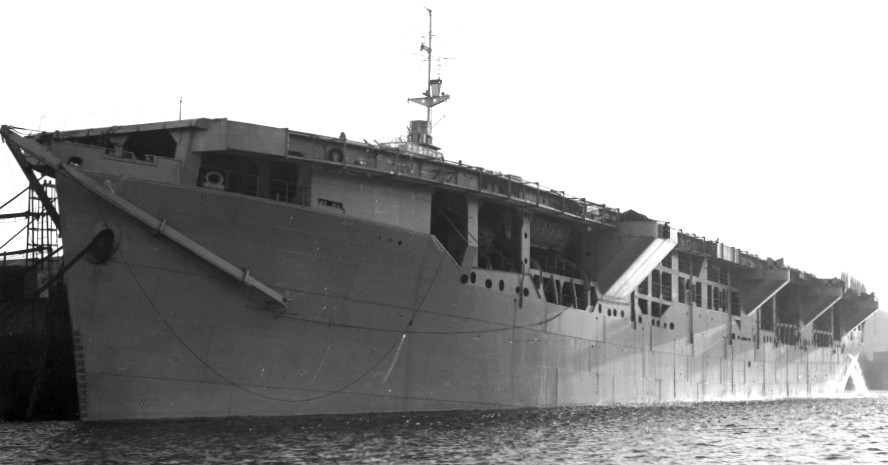
(Kevin Blair Photo)
MV Empire MacCabe was a British oil tanker converted to a merchant aircraft carrier (or MAC ship), during the Second World War. MV Empire MacCabe was built by Swan Hunter, Wallsend under order from the Ministry of War Transport. She entered service as a MAC ship in December 1943, however only her air crew and the necessary maintenance staff were naval personnel. She was operated by the British Tanker Company. She returned to merchant service as an oil tanker in 1946 and was scrapped in Hong Kong in 1962. (Wikipedia)
Rapana-Class Oil Tankers, Acavus, Adula, Alexia, Amastra, Ancylus, Gadila, Macoma, Miralda, Rapana, 9 ships – 12,000 tons, 12 knots, 3 aircraft, crew not known, converted 1942-44. Anglo-Saxon Petroleum Company tankers. ‘Gadila’ and ‘Macoma’ operated under the Dutch ensign. No hangar and lift; aircraft stored and maintained on deck.
MV Acavus
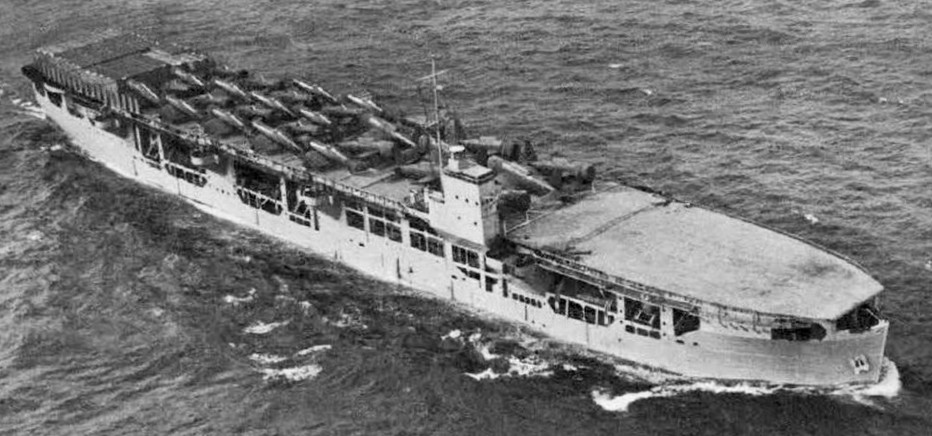
(RN Photo)
MV Acavus, carrying a deck load of Corsairs and Vengeances.
MV Acavus was a motor tanker that was built in 1935, and converted into a merchant aircraft carrier (MAC) in 1943. She was built for Anglo-Saxon Petroleum, which is part of Royal Dutch Shell. In 1952 she was transferred to a French subsidiary of Shell and renamed Iacra. She was scrapped in France in 1963. Acavus was the last ship ever built by Workman, Clark and Company. The company was founded in 1879, and went into receivership in May 1935, about four months after completing Acavus. (Wikipedia)
MV Adula
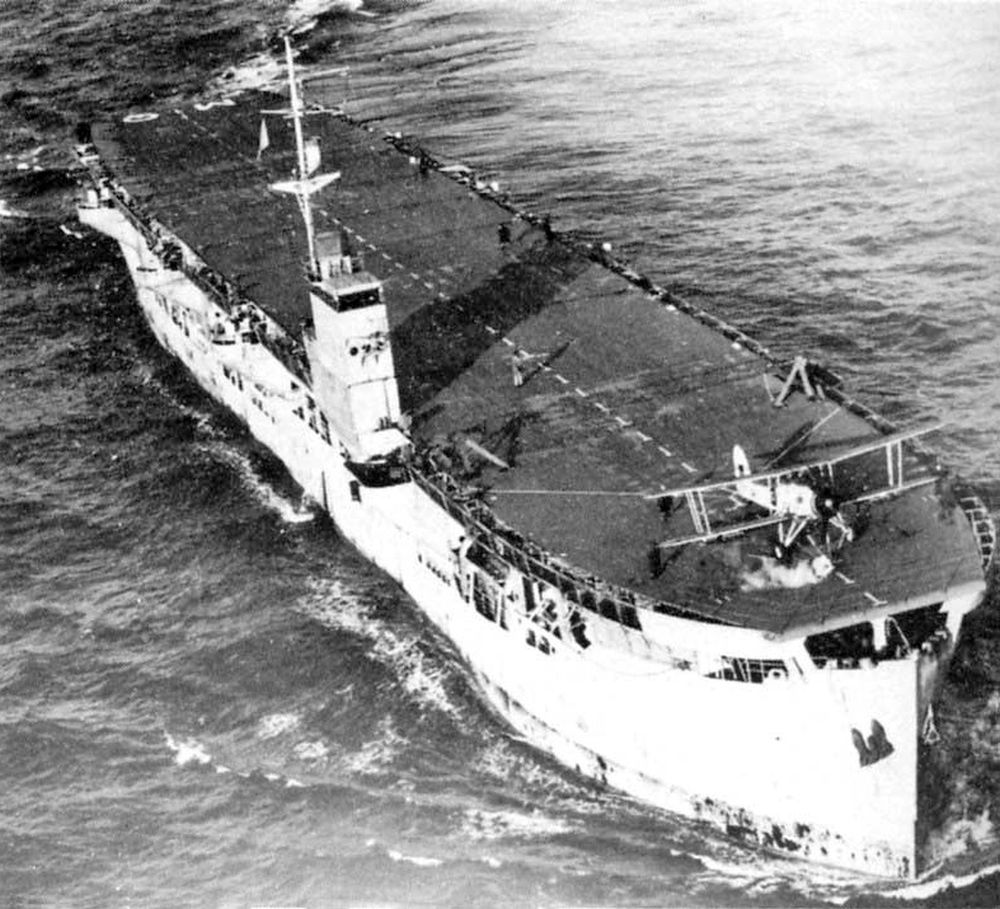
(RN Photo)
MV Adula was one of nine Royal Dutch/Shell oil tankers converted to become a Merchant Aircraft Carrier (MAC ship). The group is collectively known as the Rapana class. MV Adula was built at Blytheswood and completed in March, 1937 as an oil tanker for the Royal Dutch/Shell line. She was converted at Falmouth to a MAC ship, entering service in February 1944. As a MAC ship, she had no aircraft hangar, and continued to carry normal cargoes, although operating under Royal Navy control. Only her air crew and the necessary maintenance staff were naval personnel. At the end of the war, Adula was reconverted to an oil tanker. She served in this capacity until broken up for scrap at Briton Ferry in May 1953. (Wikipedia)
MV Alexia
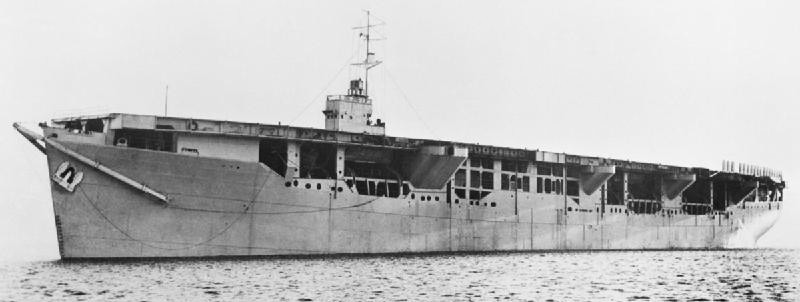
(IWM Photo, A 27325)
MV Alexia was one of nine Royal Dutch/Shell oil tankers converted to become a Merchant Aircraft Carrier (MAC ship). The group is collectively known as the Rapana class. MV Alexia was built at Bremer Vulkan and completed in April, 1935 as an oil tanker for the Anglo-Dutch Royal Dutch/Shell line. She sustained severe damage in two separate U-boat attacks in 1940 and 1942. After the second attack was converted to a MAC ship, entering service in December 1943. As a MAC ship, she had no aircraft hangar, and continued to carry normal cargoes, although operating under Royal Navy control. Only her air crew and the necessary maintenance staff were naval personnel. At the end of the war, Alexia was reconverted to an oil tanker, and renamed Ianthina in 1951. She served in this capacity until broken up for scrap at Blyth in 1954. (Wikipedia)
MV Amastra
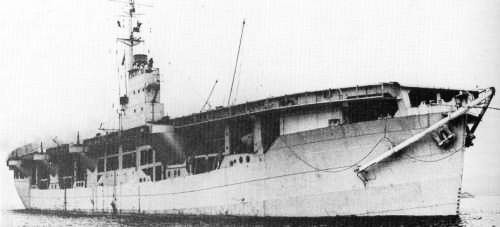
(RN Photo)
MV Amastra was one of nine Anglo-Saxon Royal Dutch/Shell oil tankers converted to become a Merchant Aircraft Carrier (MAC ship). The group is collectively known as the Rapana class. MV Amastra was built at Lithgows and completed in March, 1935 as an oil tanker for the Royal Dutch/Shell line. She was converted at Smiths Dock, North Shields to a MAC ship, entering service in September 1943. As a MAC ship, she had no aircraft hangar, and continued to carry cargo, although operating under Royal Navy control. Only her air crew and the necessary maintenance staff were naval personnel. At the end of the war, Amastra was reconverted to an oil tanker, and in 1951 was renamed Idas. She served in this capacity until broken up for scrap at La Spezia in June 1955. (Wikipedia)
MV Ancylus
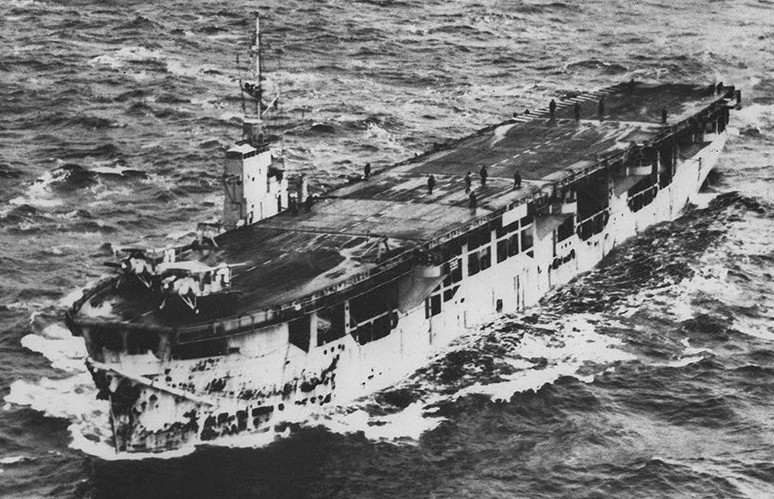
(IWM Photo)
MV Ancylus was one of nine Anglo Saxon Royal Dutch/Shell oil tankers converted to become a Merchant Aircraft Carrier (MAC ship). The group is collectively known as the Rapana class. MV Ancylus was built at Swan Hunter and completed in January, 1935 as an oil tanker for the Anglo Saxon Royal Dutch/Shell line. She was converted to a MAC ship, entering service in October, 1943. As a MAC ship, she had no aircraft hangar, and continued to carry normal cargoes, although operating under Royal Navy control. Only her air crew and the necessary maintenance staff were naval personnel. At the end of the war, Ancylus was reconverted to an oil tanker, being renamed Imbricaria in 1952. She served in this capacity until broken up for scrap at La Spezia in December 1954. (Wikipedia)
MV Gadila
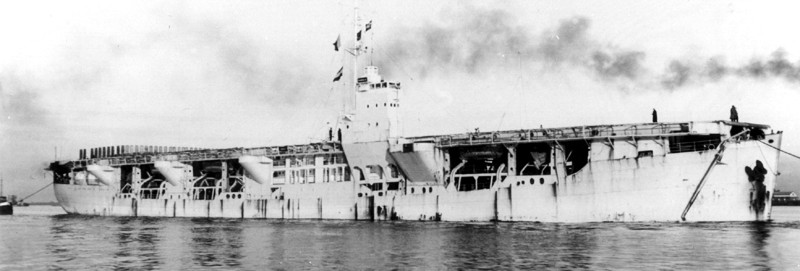
(Ministry of Defence, Netherlands Photo)
MV Gadila was one of nine Anglo Saxon Royal Dutch/Shell oil tankers converted to become a Merchant Aircraft Carrier (MAC ship). The group is sometimes collectively known as the Rapana class. MV Gadila was built at the Howaldtswerke, Kiel, Germany and completed 11 April 1935 as an oil tanker for the Royal Dutch/Shell line. She was converted at Smith’s Dock, North Shields between April 1943 and 1 February 1944. She entered service as a MAC ship in March 1944, and operated under the Netherlands Mercantile Marine flag. As a MAC ship, she had no aircraft hangar, and continued to carry normal cargoes with a mercantile ship’s crew, although operating under British Royal Navy control. Only her air crew and the aviation support staff were Naval personnel. In the case of the Gadila, these were provided by the Royal Netherlands Navy and served as elements of Fleet Air Arm 860 (Dutch) Naval Air Squadron. The Gadila and her sister MV Macoma were the first aircraft carrying vessels with a flight deck to be operated under the flag of the Netherlands. At the end of the war, Gadila was reconverted to an entirely mercantile oil tanker and served in this capacity until broken up for scrap in Hong Kong in 1958. (Wikipedia)
MV Macoma
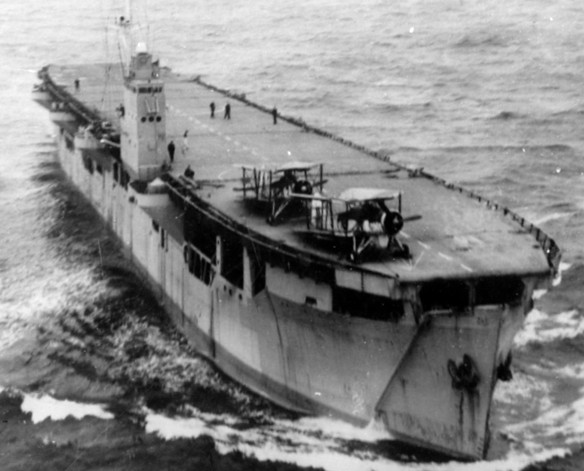
(Ministry of Defence, Netherlands Photo)
MV Macoma was one of nine Anglo Saxon Royal Dutch/Shell oil tankers converted to become a Merchant Aircraft Carrier (MAC ship). The group is sometimes collectively known as the Rapana Class. Macoma was launched on 31 December 1935 at Nederlandse Scheepsbouw Mij, Amsterdam as an oil tanker and entered service the following year. She was converted to a MAC ship from late 1943 to April 1944, and commissioned 1 April 1944. As a MAC ship, she had no aircraft hangar, and continued to carry normal cargoes, although operating under Royal Navy control. Only her air crew and aviation support staff were naval personnel.[2] In the case of the Macoma, these were provided by the Royal Netherlands Navy including the Dutch Fleet Air Arm 860 and 861 squadrons. The Macoma and her sister MV Gadila were the first aircraft carrying vessels with a flight deck to be operated under the flag of the Netherlands. After the war, MV Macoma was reconverted and returned to merchant service as an oil tanker and served in that role until scrapped in Hong Kong in 1959. (Wikipedia)
MV Miralda
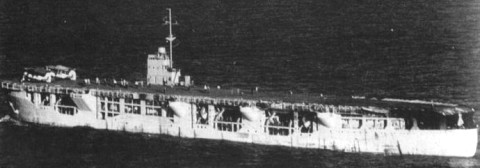
(RN Photo)
MV Miralda was one of nine Anglo Saxon Royal Dutch/Shell oil tankers converted to become a Merchant Aircraft Carrier (MAC ship). The group is collectively known as the Rapana class. Macoma was launched in July 1936 at Nederlandse Scheepsbouw Mij, Amsterdam as an oil tanker. Her conversion to a MAC ship was completed in January 1944. As a MAC ship, she had no aircraft hangar, and continued to carry normal cargoes, although operating under Royal Navy control. Only her air crew and the necessary maintenance staff were naval personnel. The British Ship Adoption Society, a Maritime Charity, was formed in the early part of the Second World War, with a large number of schools taking part in the scheme, amassing comforts for a particular ship and in return the children would receive letters of thanks and news from various ports around the world to which it would sail. the M.V Miralda was adopted by Styal Cottage Homes, a home colony and school for orphaned and destitute children of Manchester. After the war, Miralda was reconverted and returned to merchant service as an oil tanker and served in that role until scrapped in Hong Kong in 1960. She was renamed Marisa in 1950. (Wikipedia)
MV Rapana
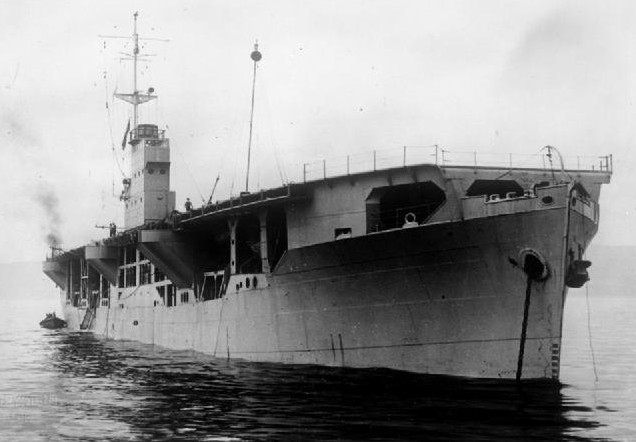
(IWM Photo, FL 18159)
MV Rapana was a Dutch-built oil tanker converted to a Merchant Aircraft Carrier (MAC ship) during the Second World War. She was the first tanker to be converted to a MAC ship, and was the lead ship of her class of conversions. Rapana was launched as a tanker in April 1935, and served as a merchant vessel until July 1943, when she was converted into a MAC ship. After the end of the Second World War, the ship was converted back into a tanker and returned to civilian service. In 1950 she was sold and renamed Rotula. She was scrapped in Osaka in January 1958. MV Rapana was built as a “Triple Twelve” oil tanker,[1] with an overall length of 482 feet (146.9 m), a beam of 59 feet (18.0 m), and a draft of 27 feet 6 inches (8.4 m). She had a gross registered tonnage of 8000 tons, and 16000 tons under full load. Her Sulzer diesel engine provided 4000 bhp driving a single shaft, giving her a maximum speed of 12.5kts. After her conversion, Rapana had a 462 feet (140.8 m) long and 62 feet (18.9 m) wide flight deck. Due to being converted from a tanker, she did not have a hangar and all aircraft were parked on deck. A safety barrier and windbreak were installed on the flight deck to allow for this. These modifications gave her the capacity to operate 3 Swordfish torpedo bombers in anti-submarine duties. A small island was installed on her starboard side, including the bridge, wheelhouse, and flying control position. Her armament included a single 4 inch (102 mm) QF MK IV, as well as 2 single 40mm Bofors guns and 6 single Oerlikon 20 mm cannons. Because the ship was still considered a merchant vessel, her crew of 118 was a mix of merchantmen as well as Royal Navy men, with the latter taking care of aircraft maintenance and operations.(Wikipedia)
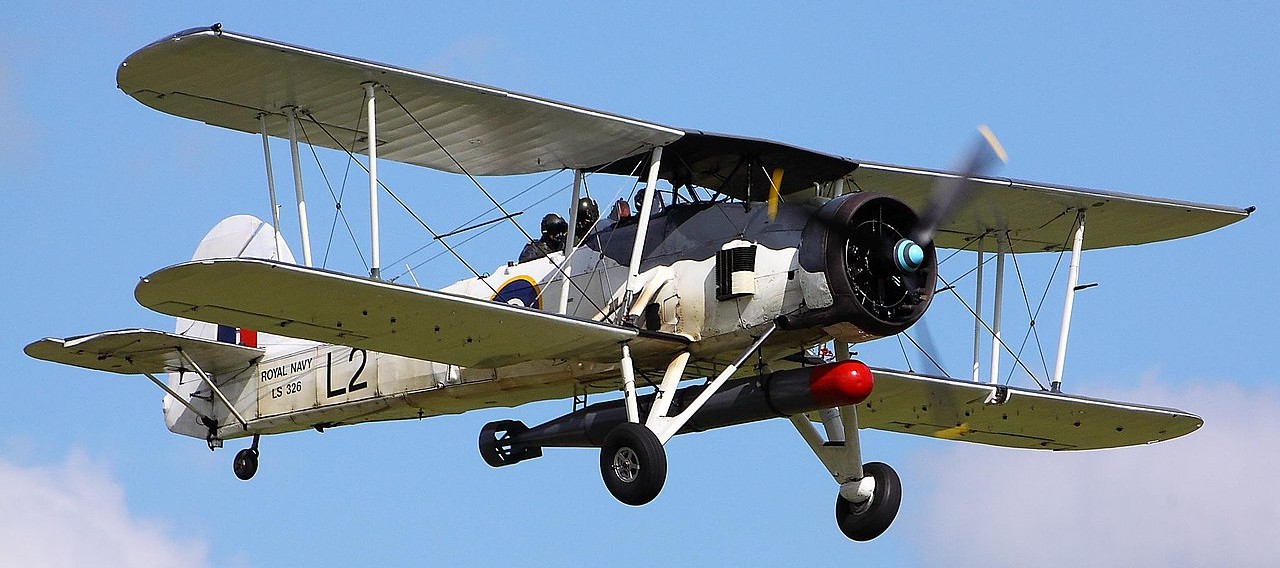
(Tim Felce, Airwolfhound Photo)
Fairey Swordfish (Serial No. LS326) served aboard her during the war before its transfer to MV Empire MacCallum. From 1960 until its disbandment in March 2019, it was part of the Royal Navy Historic Flight. (Wikipedia)
All comments are subject to our Comment Policy. You must be at least 18 years old to comment.
See a comment that violates our guidelines? Report it here.