Royal Canadian Navy (RCN) Destroyers (V class): HMCS Algonquin (R17) (224), HMCS Sioux (R64) (225)
The V and W class was an amalgam of six similar classes of destroyer built for the Royal Navy under the 9th, 10th, 13th and 14th of fourteen War Emergency Programmes during the First World War and generally treated as one class. For their time they were among the most powerful and advanced ships of their type in the world, and set the trend for future British designs. They arrived in time to see service in the First World War. During the interwar period these ships formed the backbone of the Royal Navy’s destroyer flotillas until gradually replaced by new construction; by the mid-1930s most had been displaced to the reserve fleet. Most ships survived to make an extensive contribution to the Second World War effort, in the vital role of convoy escort, freeing up more modern ships for fleet action.
HMCS Algonquin (R17) (224)
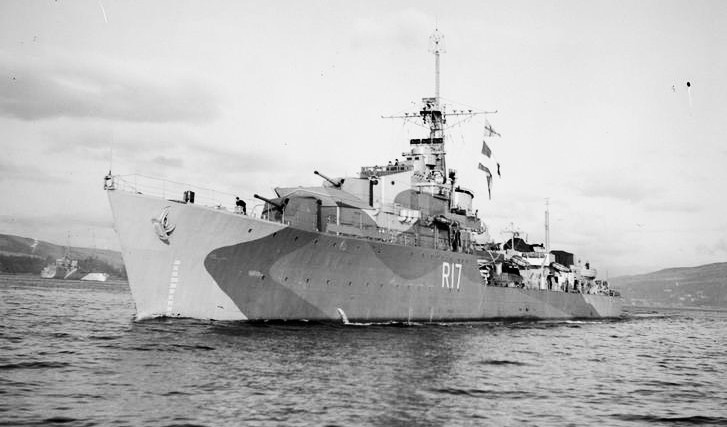
(IWM Photo, A 21924)
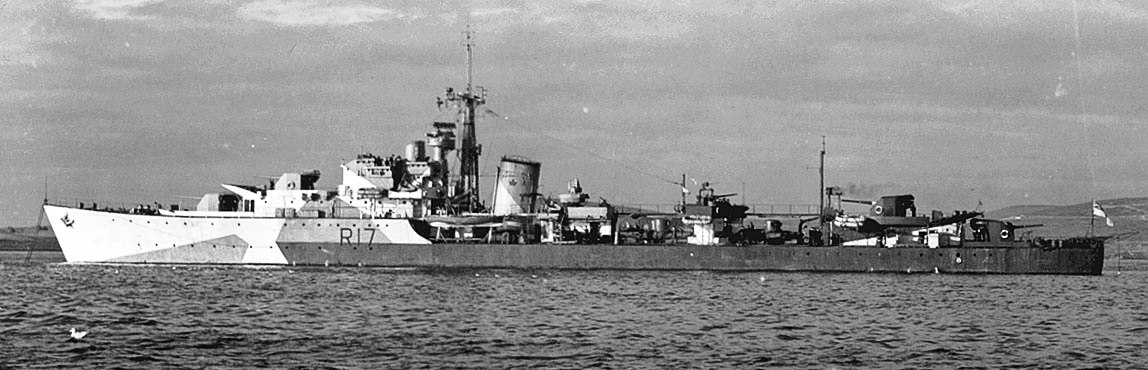
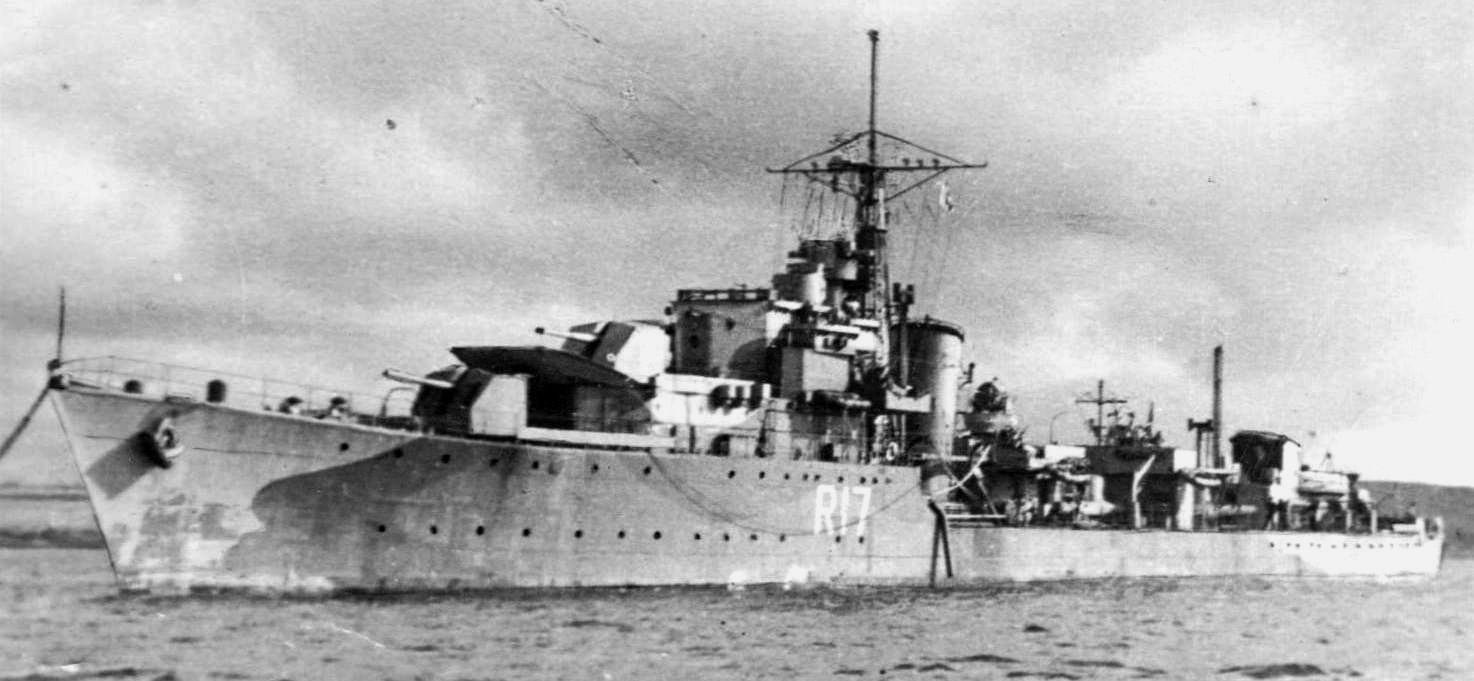
HMCS Algonquin (R17). Not a “Tribal” despite her name, she was laid down as HMS Valentine but commissioned on 17 Feb 1944, at Glasgow as HMCS Algonquin. Assigned to the 26th Destroyer Flotilla of the British Home Fleet, she left Scapa Flow with HMCS Sioux on 31 Mar 1944 to help escort the carrier attack on the Tirpitz. In Apr 1944 she escorted a similar attack on German shipping off the Lofoten Island, Norway, and on 28 May 1944 left Scapa, from whence she carried out attacks on German convoys off Norway. Taking part in D-Day operations she bombarded shore targets on the Normandy coast. On 22 Aug 1944, she took off 203 of HMS Nabob‘s ship’s company when the latter was torpedoed in the Barents Sea. In November 1944, HMCS Algonquin was part of an attack on a German convoy that sank or destroyed seven vessels. During their layover in northern Russia along with HMCS Sioux, after Convoy JW.63 arrived at Kola Inlet, HMCS Algonquin‘s CO, Desmond Piers, organized a Canada Russia hockey game. HMCS Algonquin was short handed and Trygve Hansen from the Norwegian Navy (HNoMS Stord) played for HMCS Algonquin‘s team. HMCS Algonquin beat HMCS Sioux, but was later trounced by reps from the Port of Murmansk with a final game being played with Russian equipment and under Russian rules.
She returned to Halifax in Feb 1945, for refit, leaving on 12 Aug 1945 via Malta to join the British Pacific Fleet, but was recalled on VJ-Day and left Alexandria for Esquimalt on 03 Nov 1945. There she was paid off into reserve on 6 Feb 1946, but was re-commissioned (224) on 25 Feb 1953, after very extensive modernization, and sailed for the east coast that summer. In Dec 1959, during a 6-week deployment that included a NATO Exercise, HMCS Bonaventure, in company with HMCS Algonquin, HMCS Iroquois, HMCS Sioux and, HMCS Athabaskan encountered a major storm that battered the squadron. In Apr 1963, 12 RCN ships, HMCS Algonquin, Micmac, Cayuga, St. Croix, Terra Nova, Kootenay, Swansea, La Hulloise, Buckingham, Cape Scott, CNAV Bluethroat and CNAV St. Charles, took part in NATO Exercise New Broom Eleven, an exercise designed to test convoy protection tactics. In Oct 1963, HMCS Bonaventure, Algonquin, Cayuga, Micmac and Saskatchewan took part in a NATO exercise in which all participating ships were battered by a severe North Atlantic storm. After fourteen years’ service with the Atlantic Command, she returned to the west coast in Mar 1967, and was paid off for the last time on 1 Apr 1970, to be broken up in Taiwan in 1971.
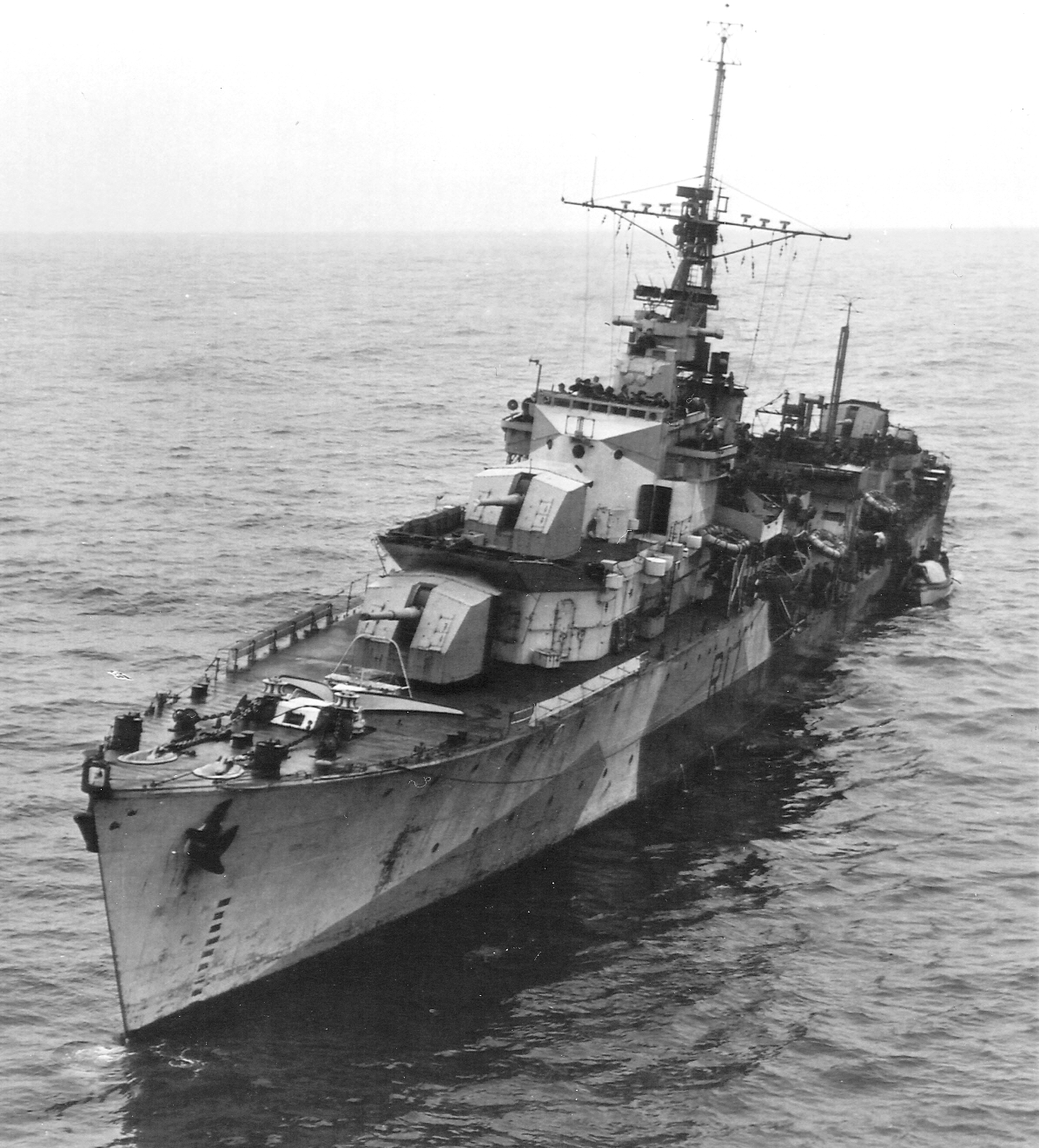
(Nicky Love Photo)
HMCS Algonquin (R17).
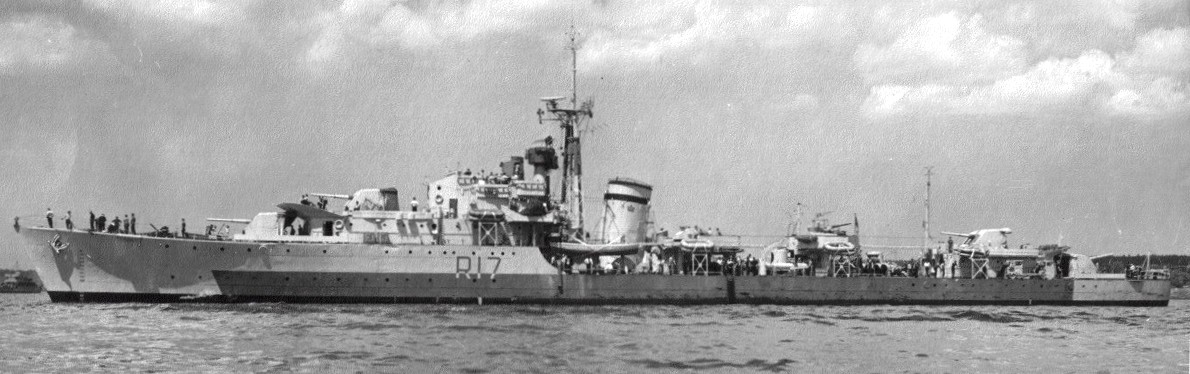
(Ruth (Brooks) DeYoung Photo)
HMCS Algonquin (R17), in the Mediterranean Aug/Sep 1945. In Aug 1945, HMCS Algonquin departed Halifax for the Pacific via the Suez Canal to join the RN Pacific Fleet. This was called off after VJ day and she sailed for Esquimalt.
(DND Photo)
HMCS Algonquin (R17).
(Library and Archives Canada Photo, MIKAN No. 4821021)
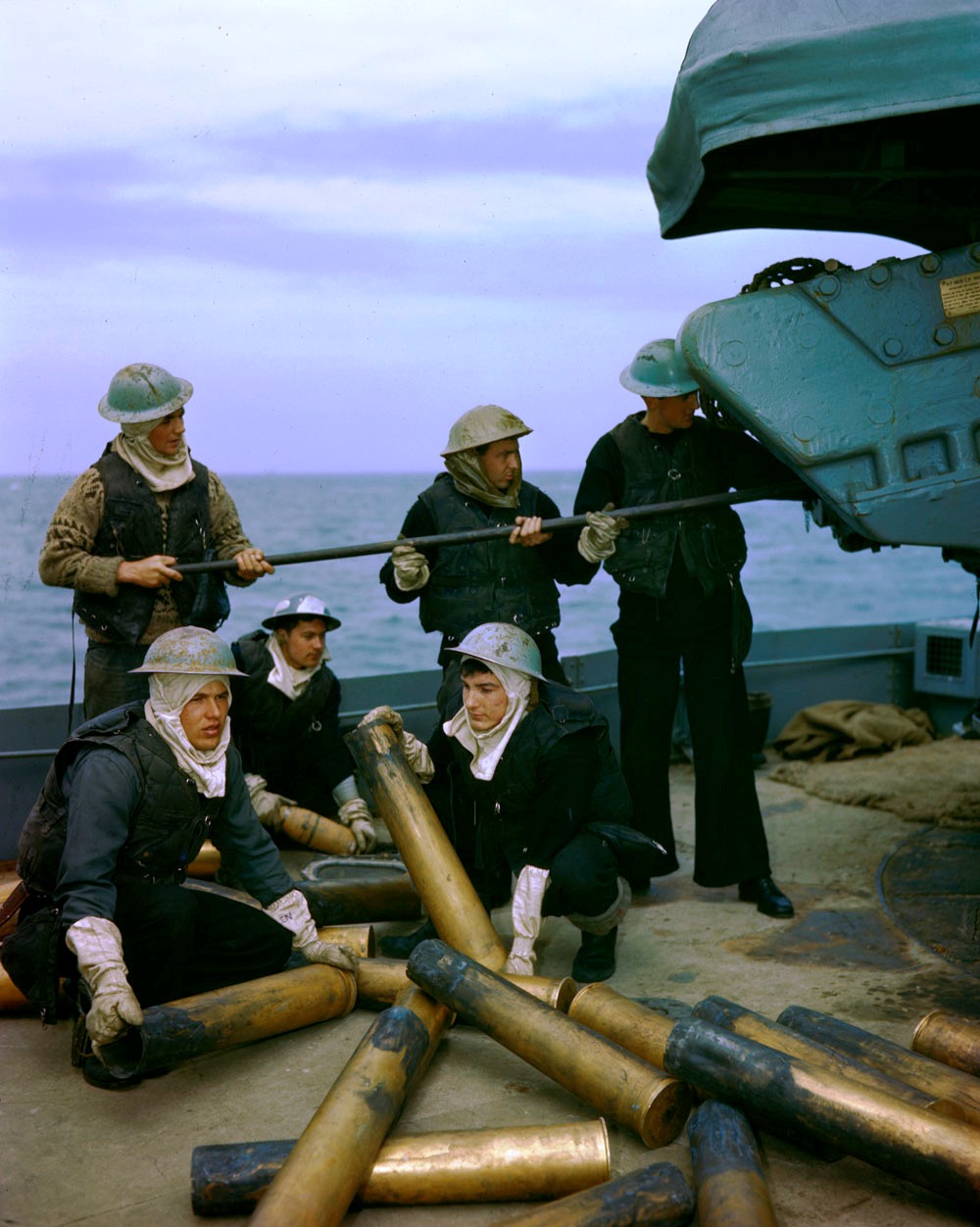
HMCS Algonquin (R17), 4.7-inch gun crew after shelling Normandy beachhead, 6 June 1944. She took part in escorting the aircraft carriers that bombed the German warship Tirpitz in March 1944, prior to providing naval gunfire support in Operation Neptune, the naval participation in the D-Day landings.
(Library and Archives Canada Photo, MIKAN No. 3223884)
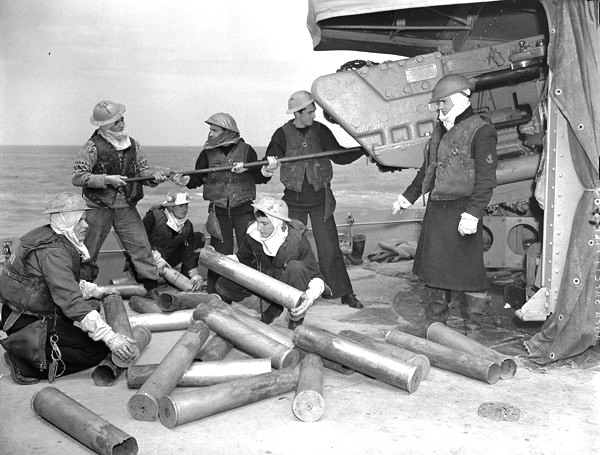
HMCS Algonquin (R17), 4.7-inch gun crew after shelling Normandy beachhead, 6 June 1944.
(Library and Archives Canada Photo, MIKAN No. 4820934)
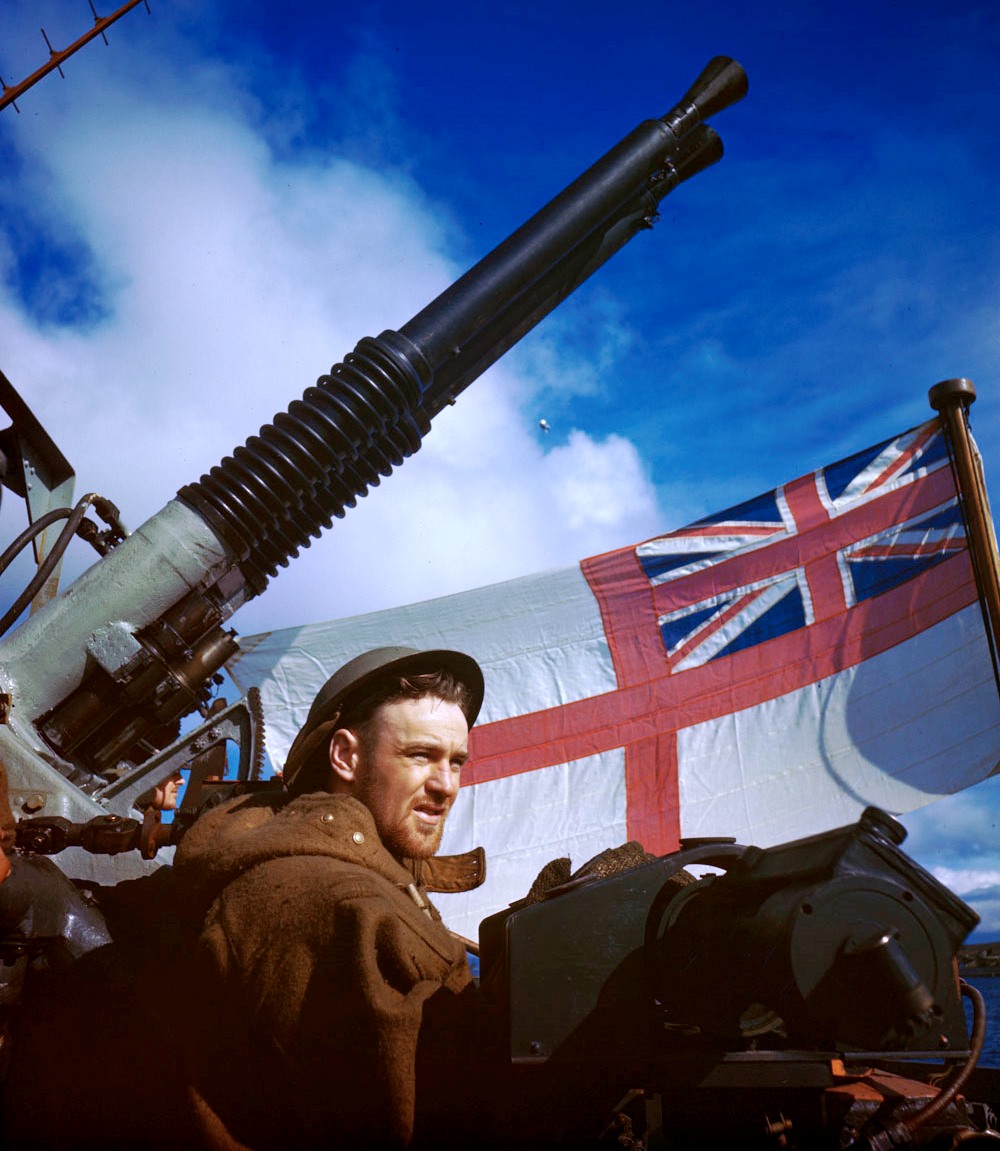
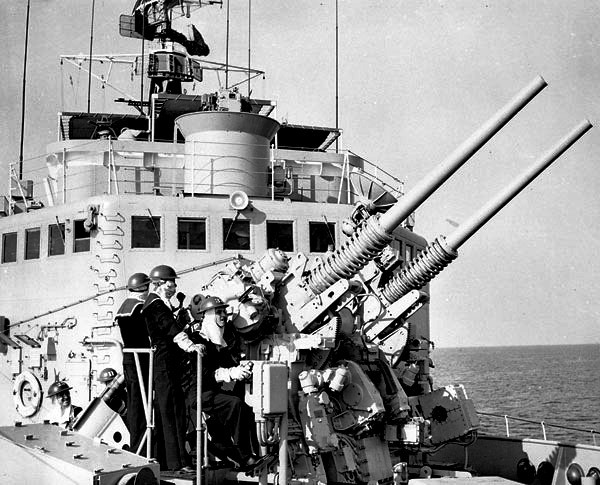
HMCS Algonquin (R17), Ordnance QF 40-mm Bofors Twin AA gun with RCN ensign, 1944.
(Library and Archives Canada Photo, MIKAN No. 4233946)
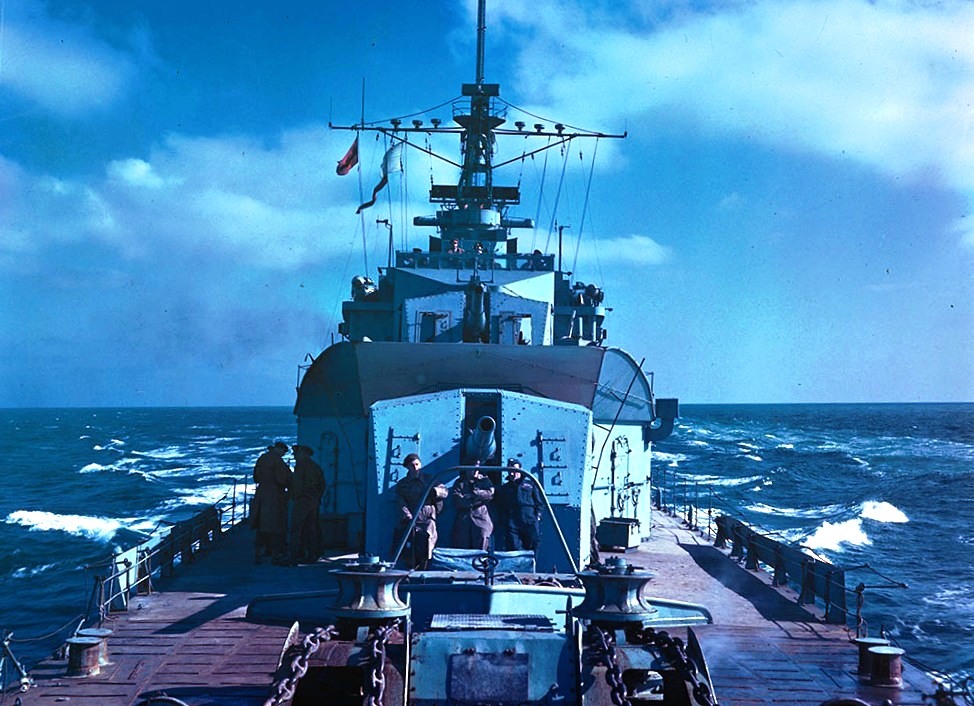
HMCS Algonquin (R17) (V class destroyer), enroute to France, 18 June 1944.
(Library and Archives Canada Photo, MIKAN No. 3348210)
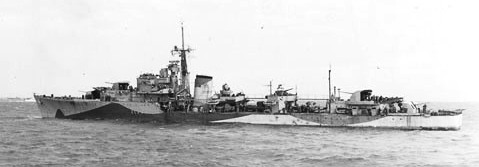
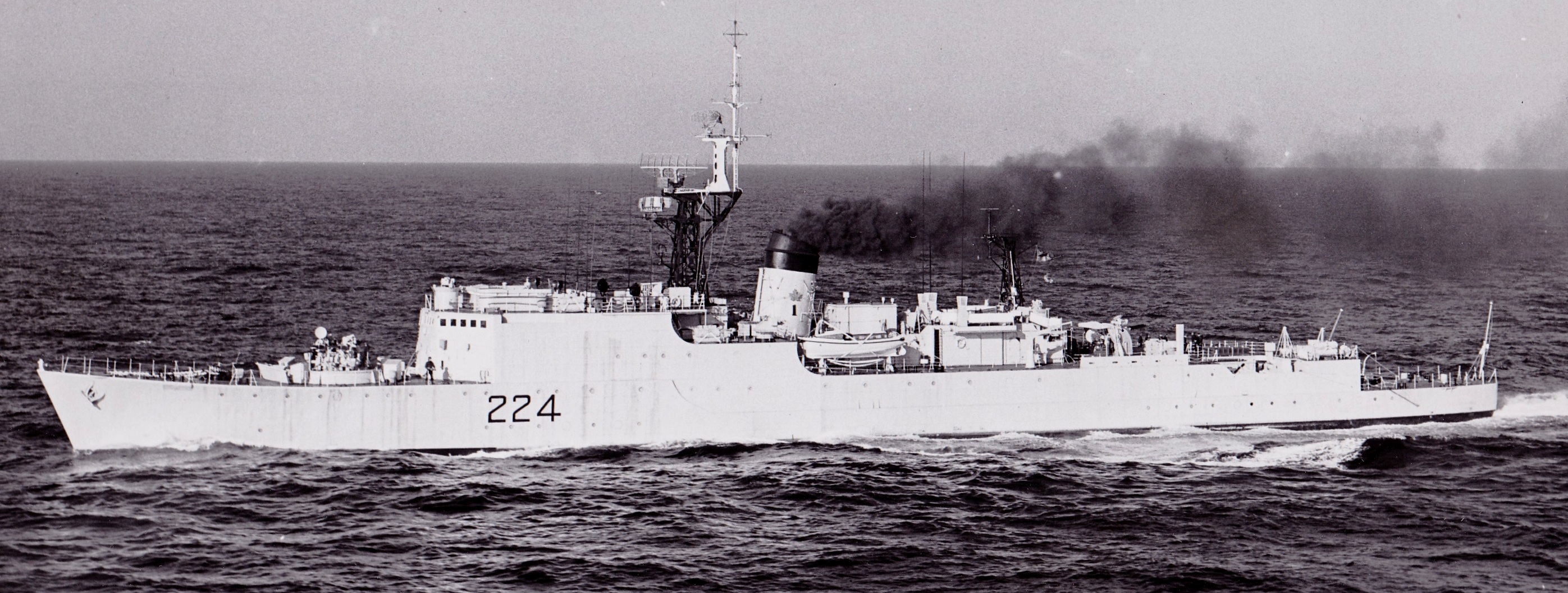
HMCS Algonquin (DDE 224) Type 16 anti-submarine fast Frigate, with twin 3-inch/50 gun mount, 21 January 1955. The wartime ex-RN DD R17, was later renumbered and reconstructed by th3 RCN as a type 15 a/s fast frigate DDE224 during the 1950s and 60s. The 3rd DDH283, HMCS Algonquin was a new ship constructed in 1973. It was scrapped after being in a collision with another ship in 2015.
(Library and Archives Canada Photo, MIKAN No. 3577106)
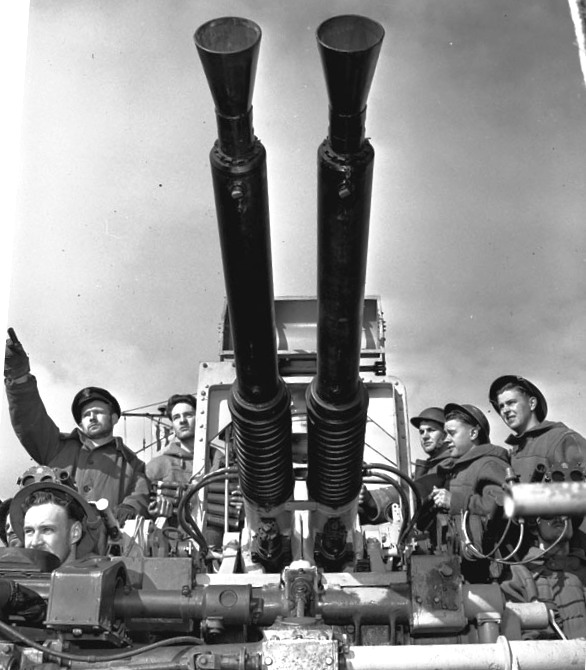
HMCS Algonquin (R17), Ordnance QF 40-mm Bofors Twin AA gun crew.
(Library and Archives Canada Photo, MIKAN No. 3921885)
HMCS Algonquin (R17), (V class destroyer).
(Abbie Gourgon Photo)
HMCS Algonquin (R17) (V class destroyer).
(Dennis McGillivray Photo)
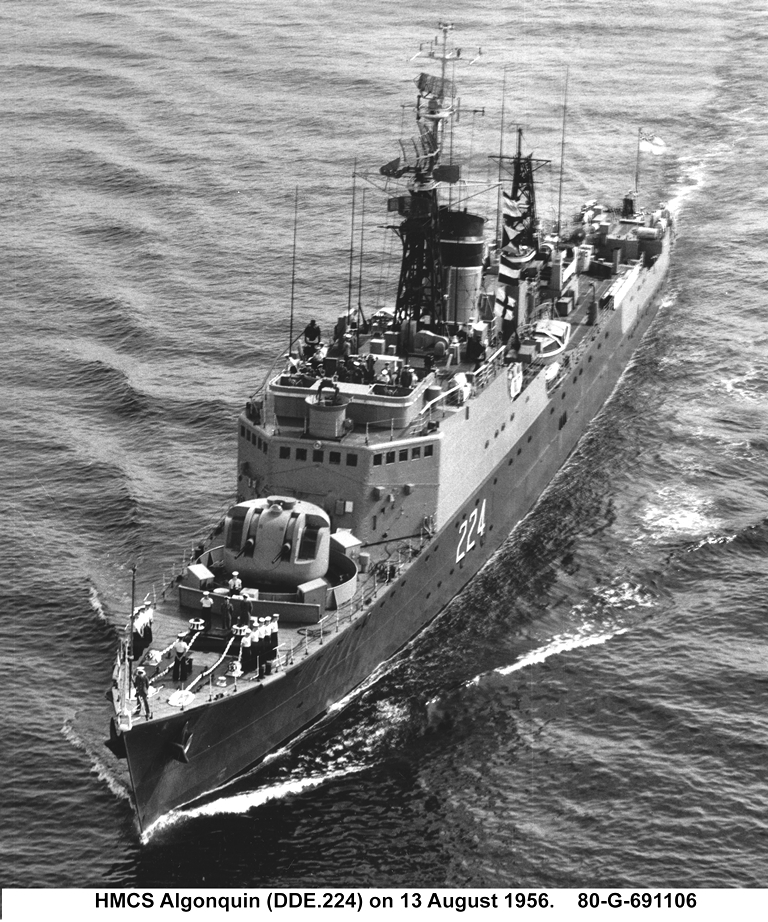
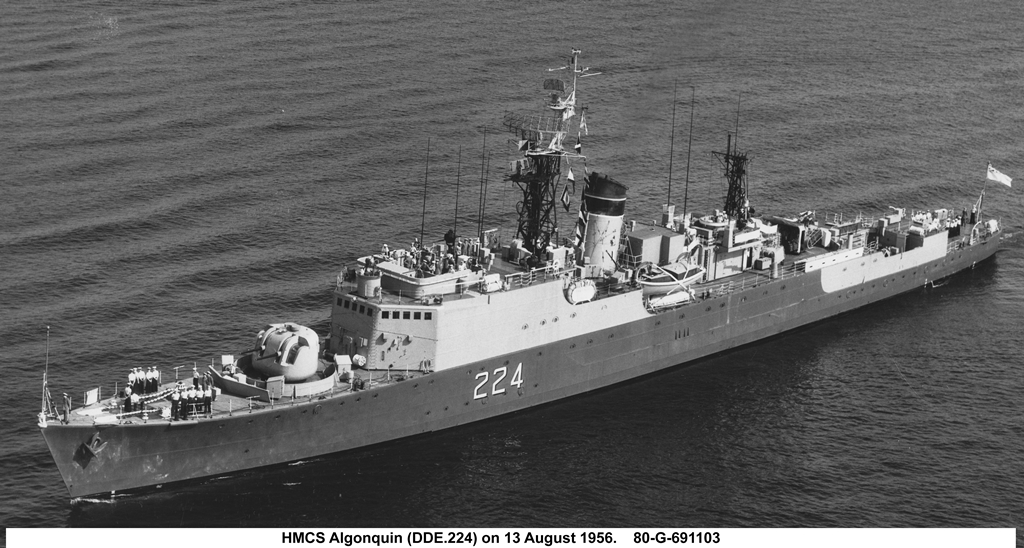
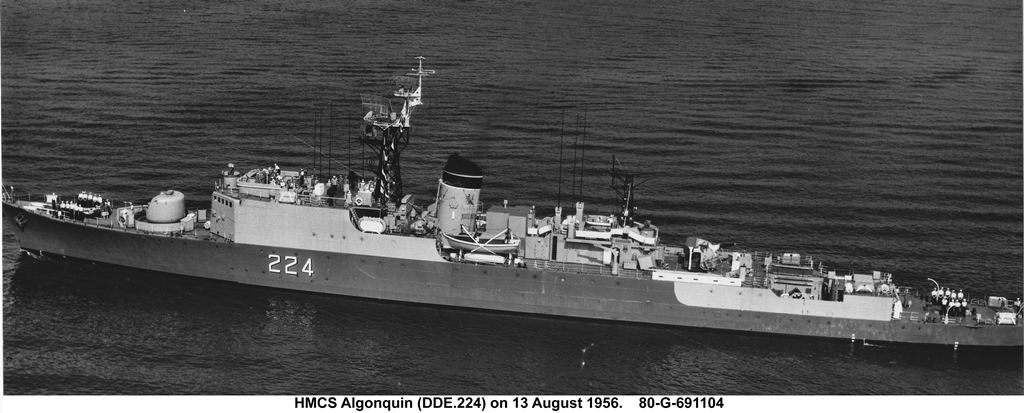
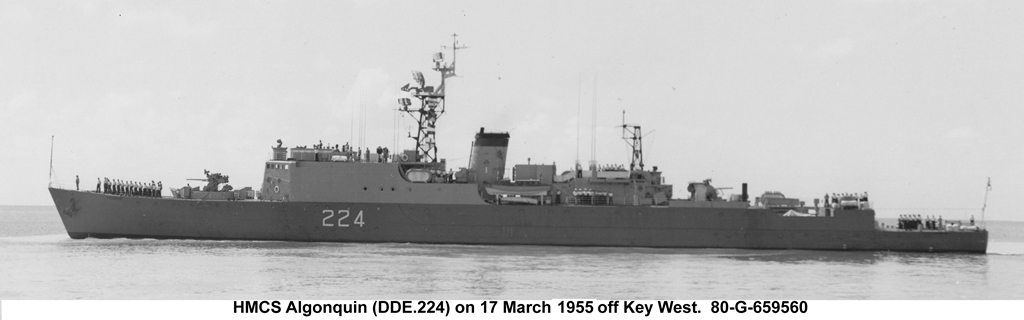
HMCS Algonquin (224), in RCN service 25 Feb 1953-1 Apr 1970.
(Gerry Curry Photo)
HMCS Algonquin (224), in RCN service 25 Feb 1953-1 Apr 1970.
(Mark MacKenzie Photo)
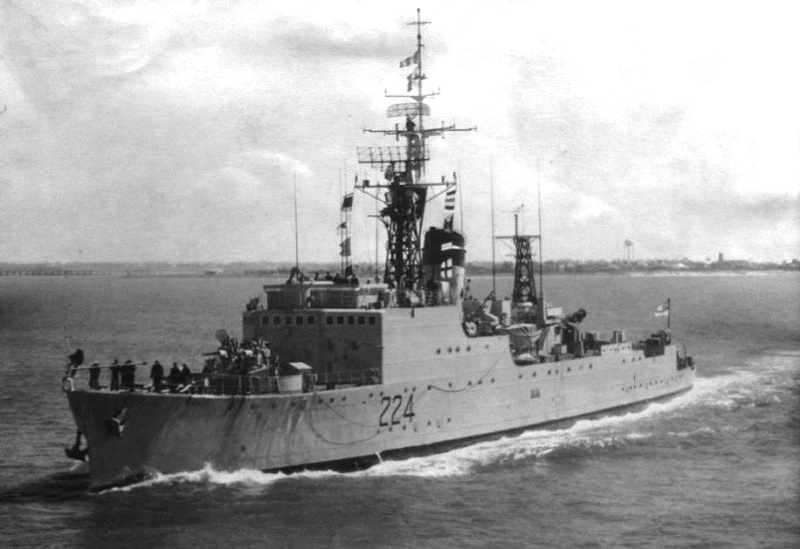
HMCS Algonquin (224), in RCN service 25 Feb 1953-1 Apr 1970.
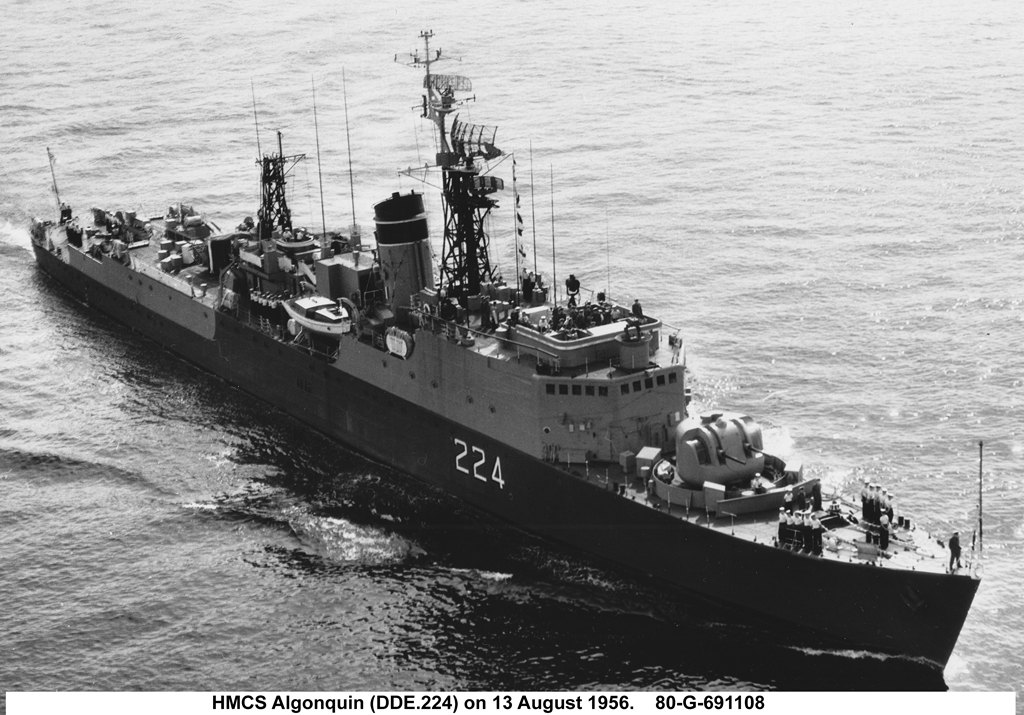
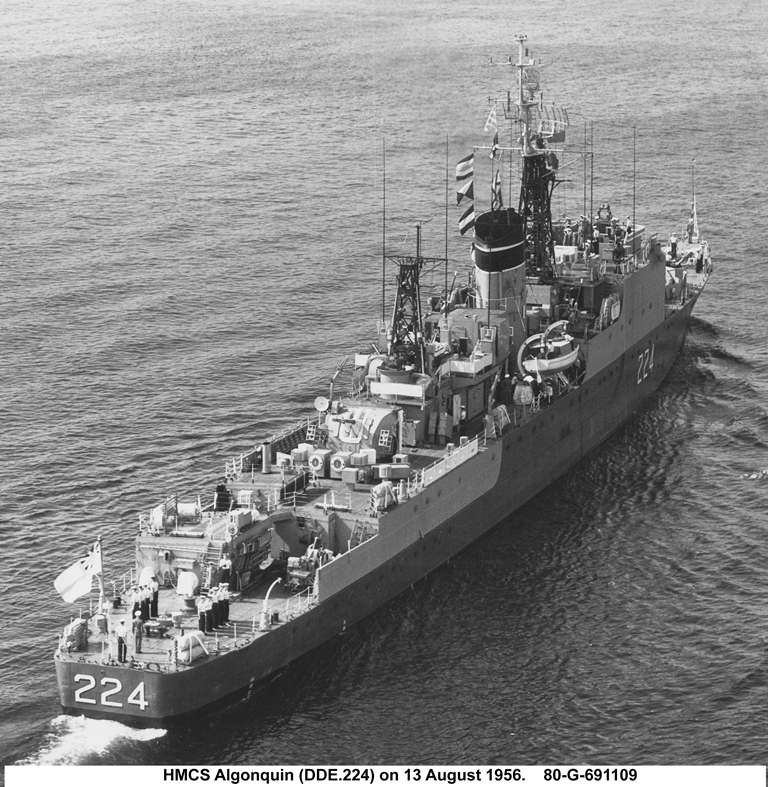
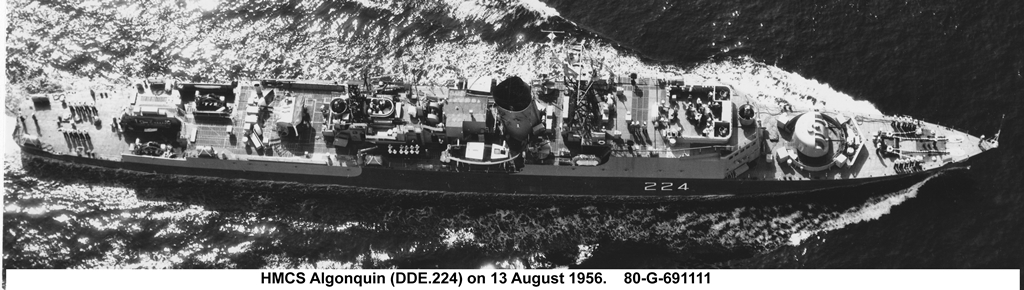
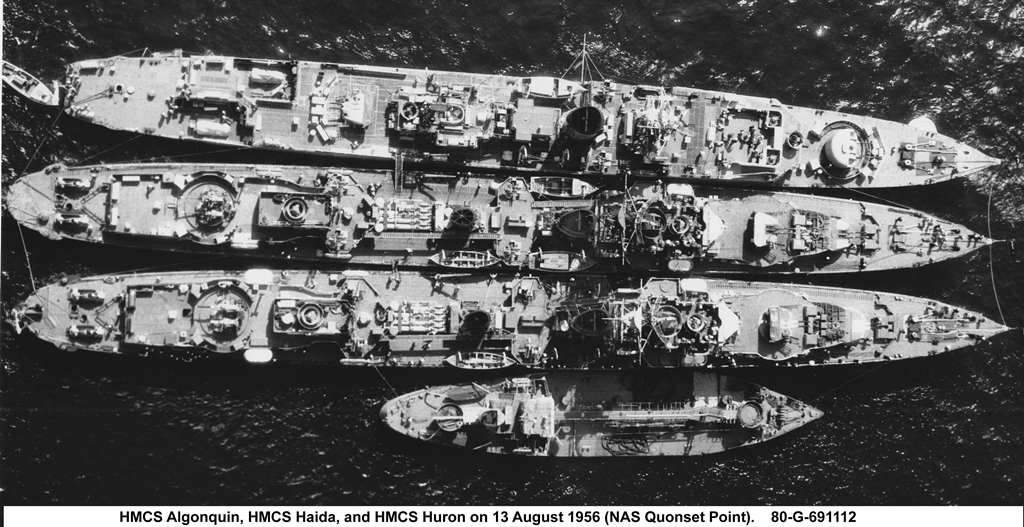
(USN Official Naval Archives Photos)
HMCS Algonquin (224), in RCN service 25 Feb 1953-1 Apr 1970.
HMCS Sioux (R64) (225)
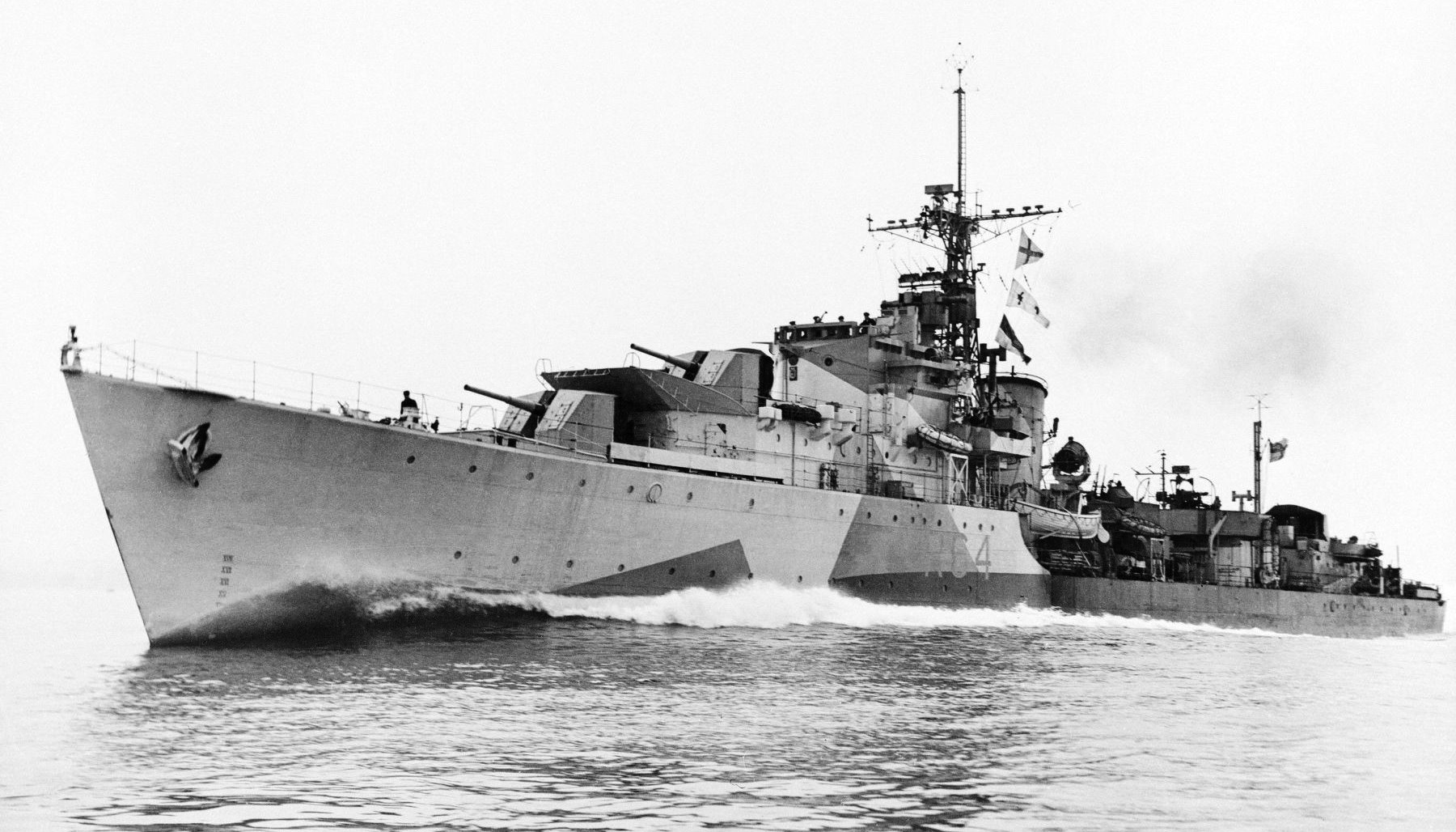
(RCN Photo)
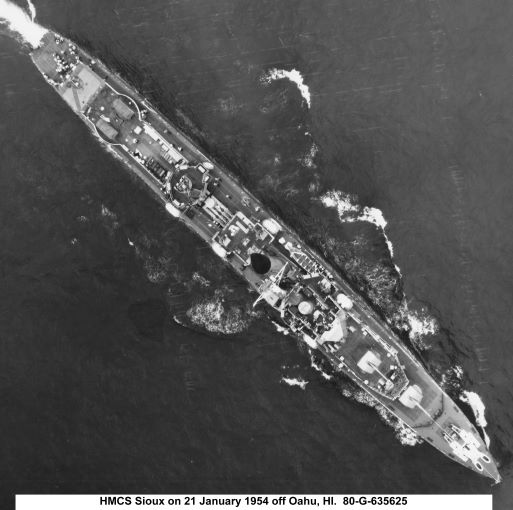
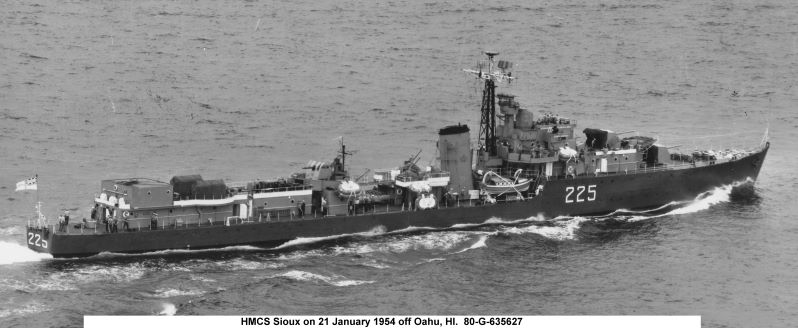
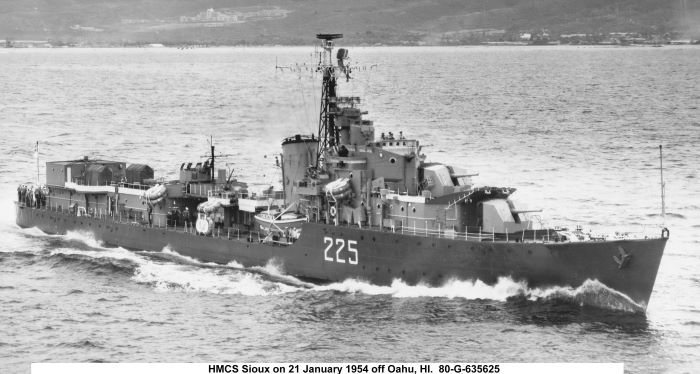
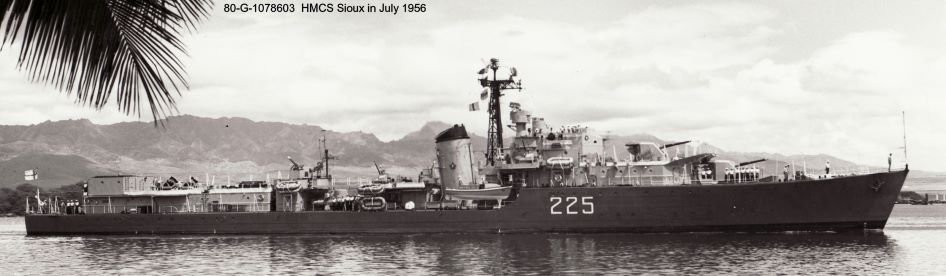
HMCS Sioux (R64) (V-class). Laid down as HMS Vixen, she was commissioned HMCS Sioux at Cowes, Isle of Wight, on 21 Feb 1944, and assigned to the 26th Flotilla of the British Home Fleet. She took part in escorting carrier attacks against the Tirpitz and against German shipping off Norway, and on 28 May 1944 left Scapa for Portsmouth for D-Day duties, bombarding shore targets on the Normandy coast. Returning to Scapa Flow in Jul 1944, she resumed her previous occupation and also escorted four convoys each way to and from Murmansk.
She left the UK on 6 Apr 1945, for her first trip to Canada and, upon arrival underwent a major refit at Halifax. In Nov 1945 Sioux was transferred to Esquimalt, where she was paid off into reserve on 27 Feb 1946. After some modernization she was re-commissioned (225) in 1950, and did three tours of duty in Korean waters, from 1951 to 1955. Following her Korean tours, she returned to her training role.
In Dec 1959, during a 6-week deployment that included a NATO Exercise, HMCS Bonaventure, in company with HMCS Algonquin, HMCS Iroquois, HMCS Sioux and, HMCS Athabaskan encountered a major storm that battered the squadron. During this deployment, while alongside in Antwerp, HMCS Sioux lost a crew member who fell overboard in harbour and drowned while coming off duty at midnight. On 30 Jul 1962, the RCN sent the 3rd Destroyer Escort Squadron (Atlantic) under Capt. Gordon Edwards, on a good will/work up tour. The squadron consisted of HMCS Sioux 225, HMCS Huron 216 and HMCS Iroquois 217 (as flagship). The ships sailed from Halifax NS to Bermuda and then on to Jamaica, arriving on the 5 Aug 1962. The squadron joined a large fleet of naval vessels already assembled, as all Royal Navies and the United States Navy, had sent “good will” ships of various classes to Jamaica. In essence, it served to form one of the largest allied fleets to be assembled since the Second World War, and spent six days in Jamaica celebrating their independence from Briton which occurred on the 6 Aug 1962. The squadron then sailed back to Bermuda before heading to Prince Edward Island to partake in their official Lobster Festival. From PEI the squadron returned to Halifax for fuel and provisions, and again departed for Bermuda. From Bermuda it was onto Trinidad & Tobago to take part in their independence celebrations. From 12 Sep to 17 Sep 1962, the 3rd Destroyer Escort Squadron paid a visit to Newfoundland.
Sioux was paid off at Halifax on 13 Oct 1963. She was broken up in 1965 at La Spezia, Italy.
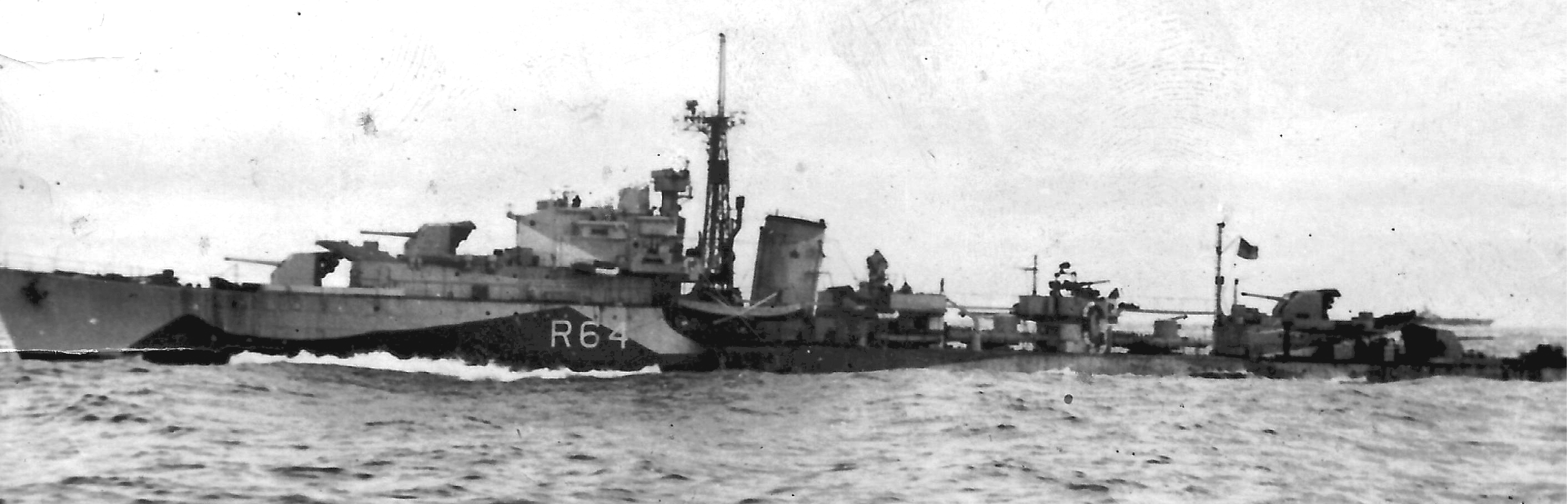
(Jay Ford Photo)
HMCS Sioux (R64) (V-class).
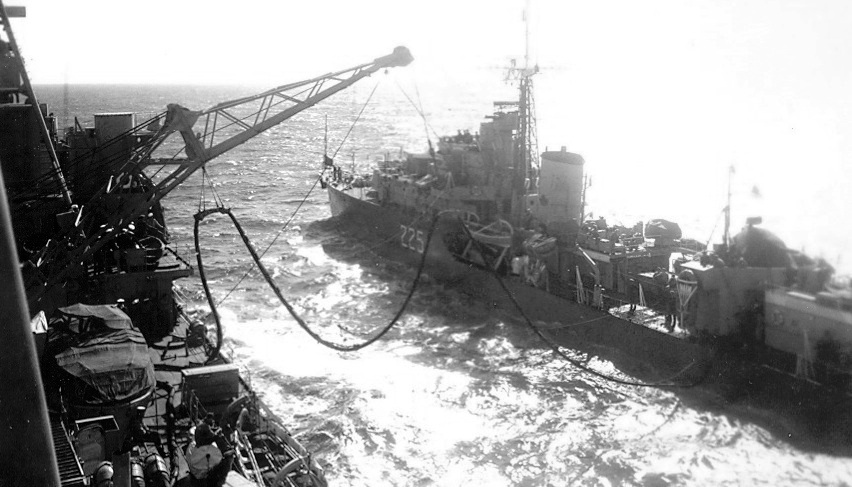
(Cathy Robinson Photo)
HMCS Sioux (225).
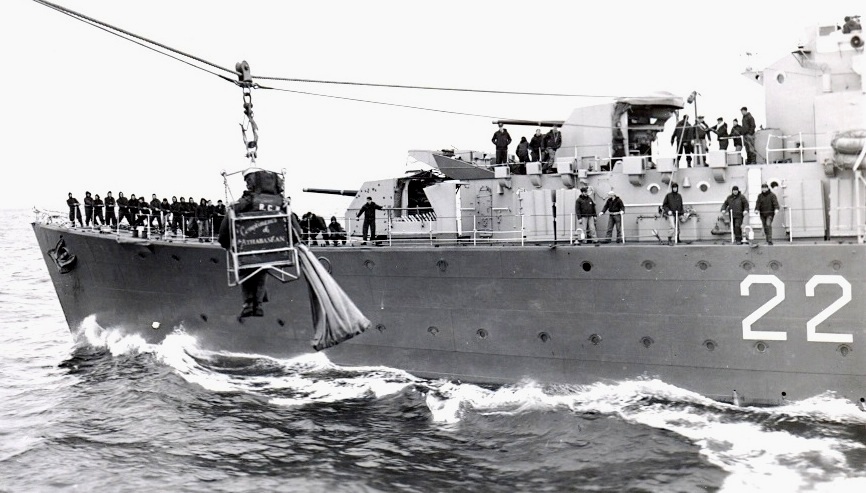
(Cathy Robinson Photo)
HMCS Sioux (225).
(Library and Archives Canada Photo, MIKAN No. 4950996)
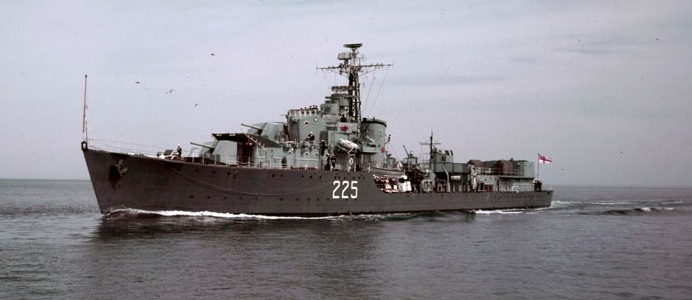
HMCS Sioux (225) (V-class), ca 1954.
(Claus Mathes Phto)
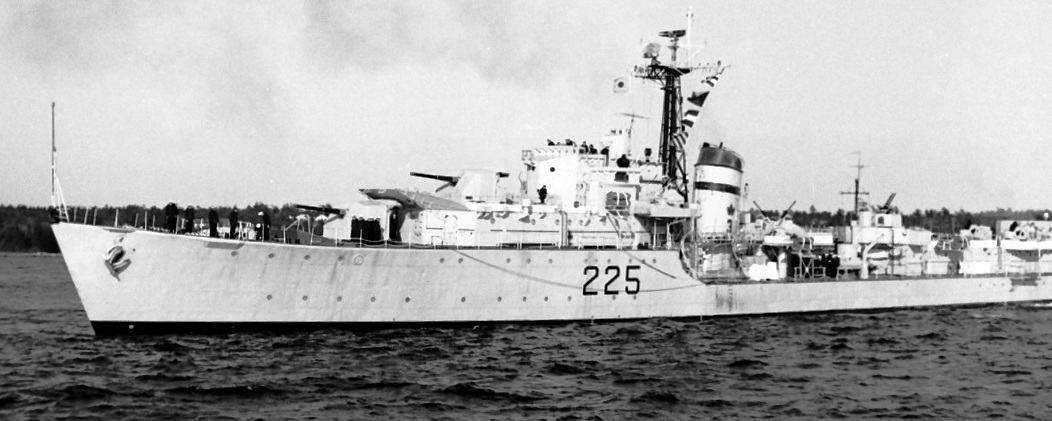
HMCS Sioux (225).
(Library and Archives Canada Photo, MIKAN No. 4949817)
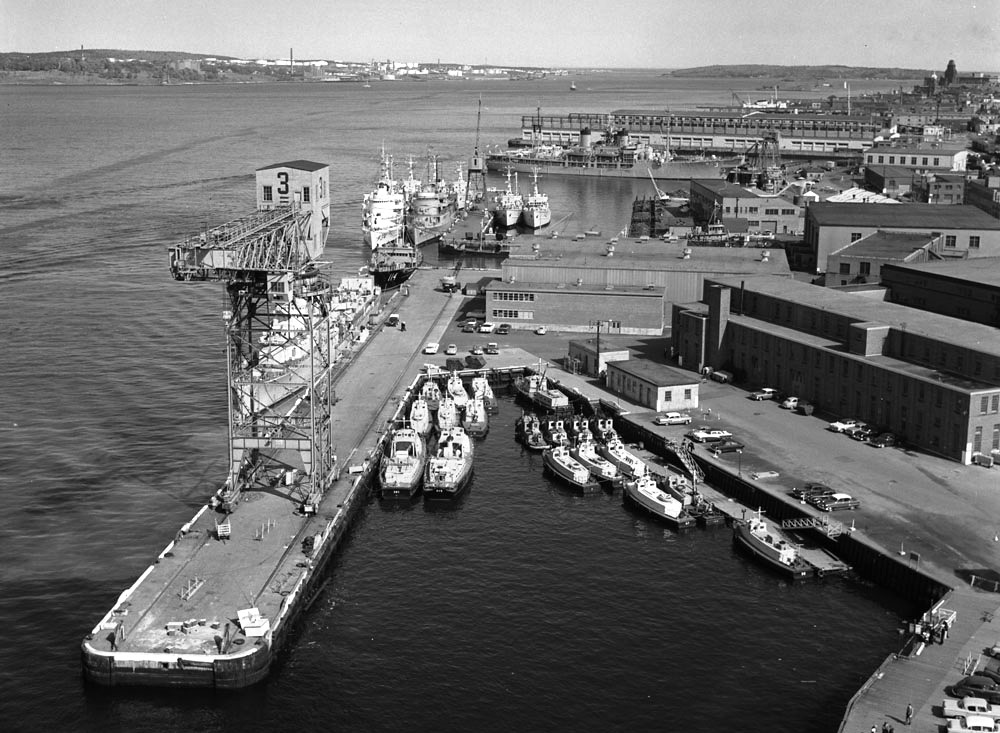
Halifax dockyard, 1959. HMCS Sioux (225) at Jetty No. 3, with CNAV Bluethroat aft, 5 RCN Bay Class Minesweepers aft of a pair of USN, USCG Barnegat Class cutters. USS Aeolus, a cable repair ship, is at Jetty One.
 \
\
(USN Naval History and Heritage Photos)
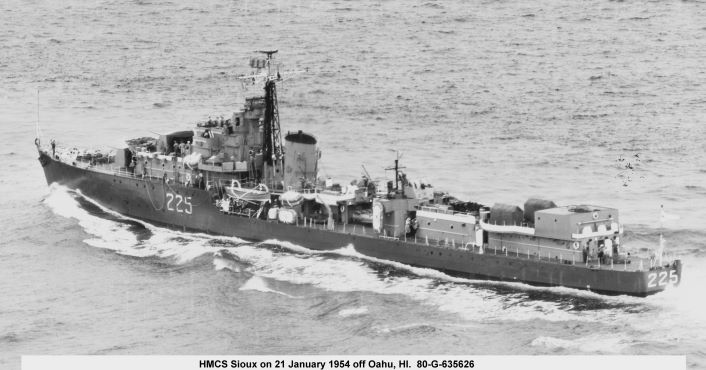
HMCS Sioux (225).
All comments are subject to our Comment Policy. You must be at least 18 years old to comment.
See a comment that violates our guidelines? Report it here.