
Arizona Warplanes, Tucson, Pima Air & Space Museum, 6000 E. Valencia Road, 85706.
Aircraft by manufacturer, A to W
(Andrew Rollinger Photo)
(Frank Kovalchek Photo)
(Eric Salard Photo)
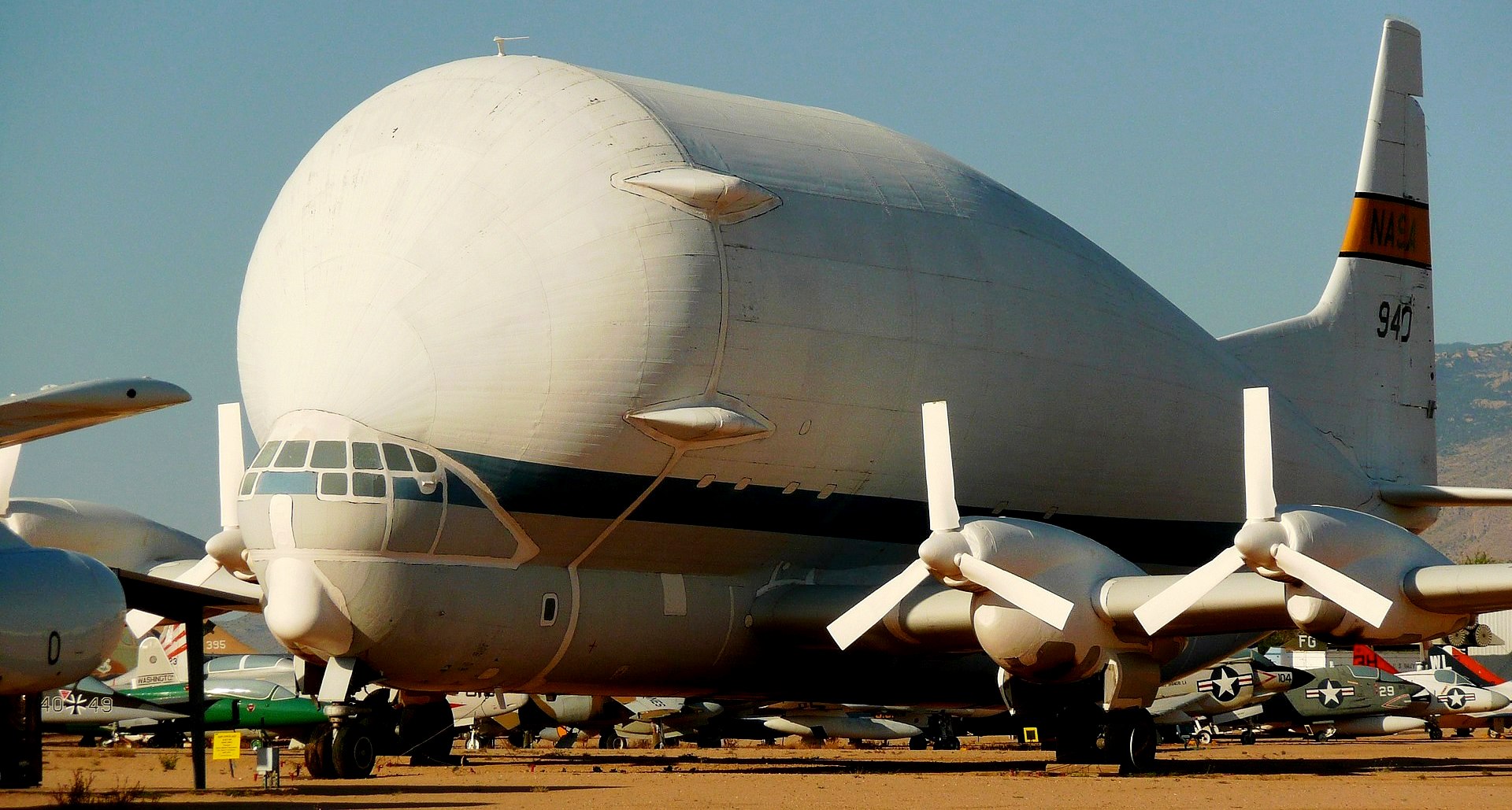
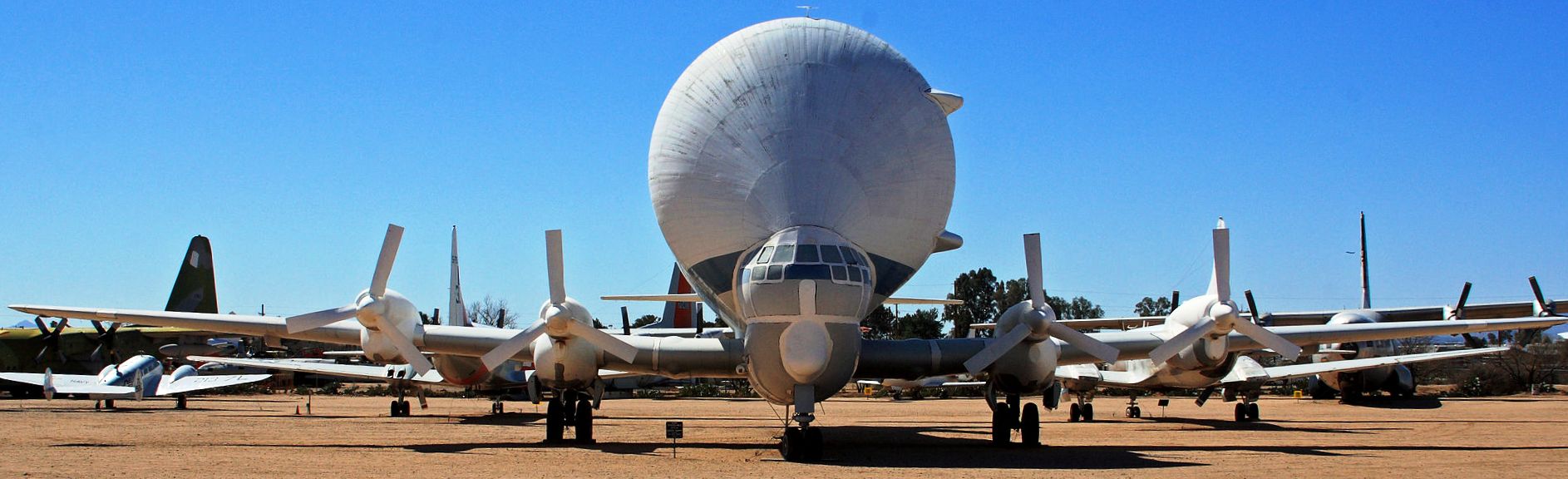
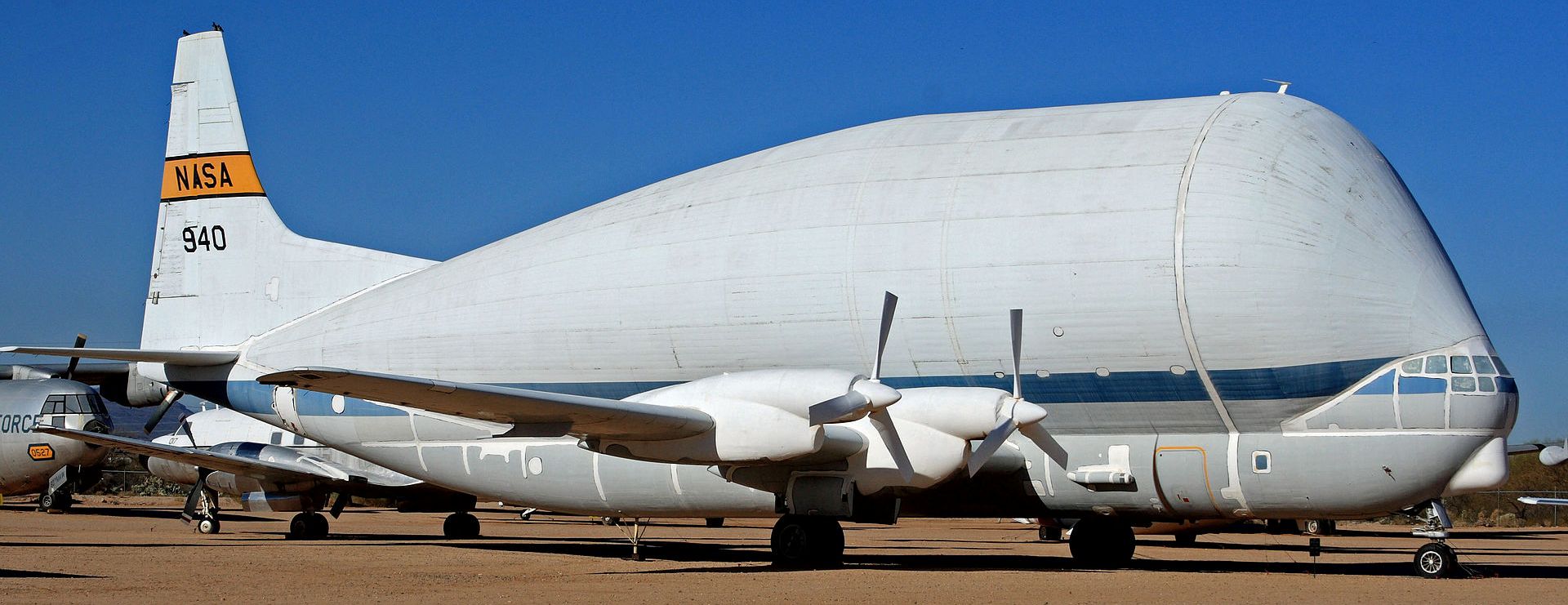
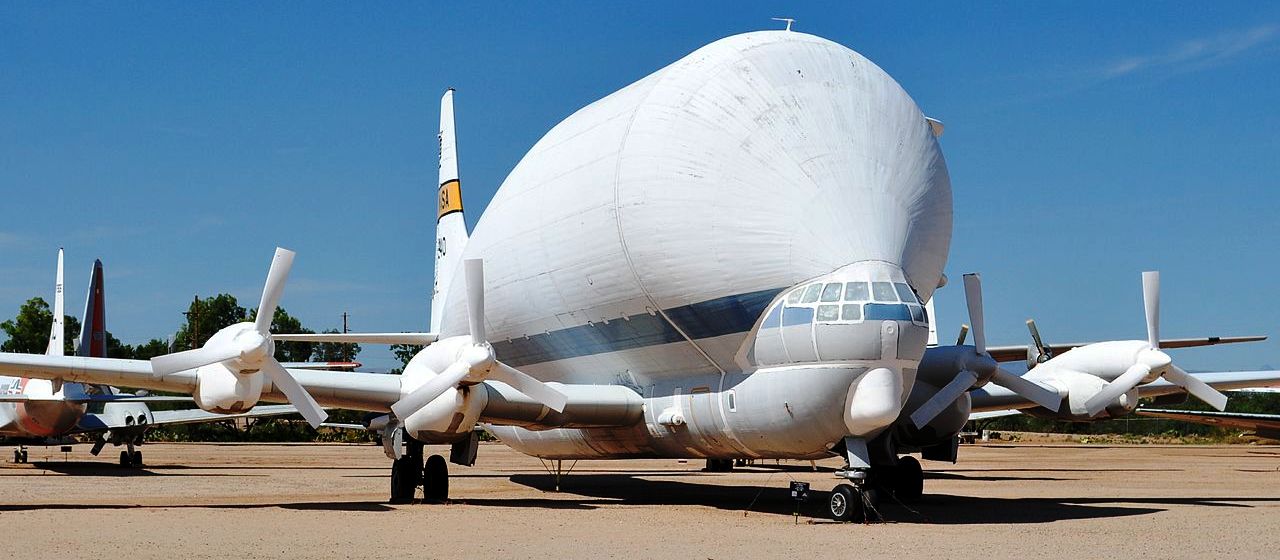
Aerospace Lines 377SG Super Guppy 201 (Serial No. 52-2693), Reg. No. N940NS.
Aerospatiale Gazelle helicopter (Serial No. AH.1XX384).
Aeronca L-3B Grasshopper (Serial No. 43-27206), Reg. No. N46067.
(aeroprints.com Photo)
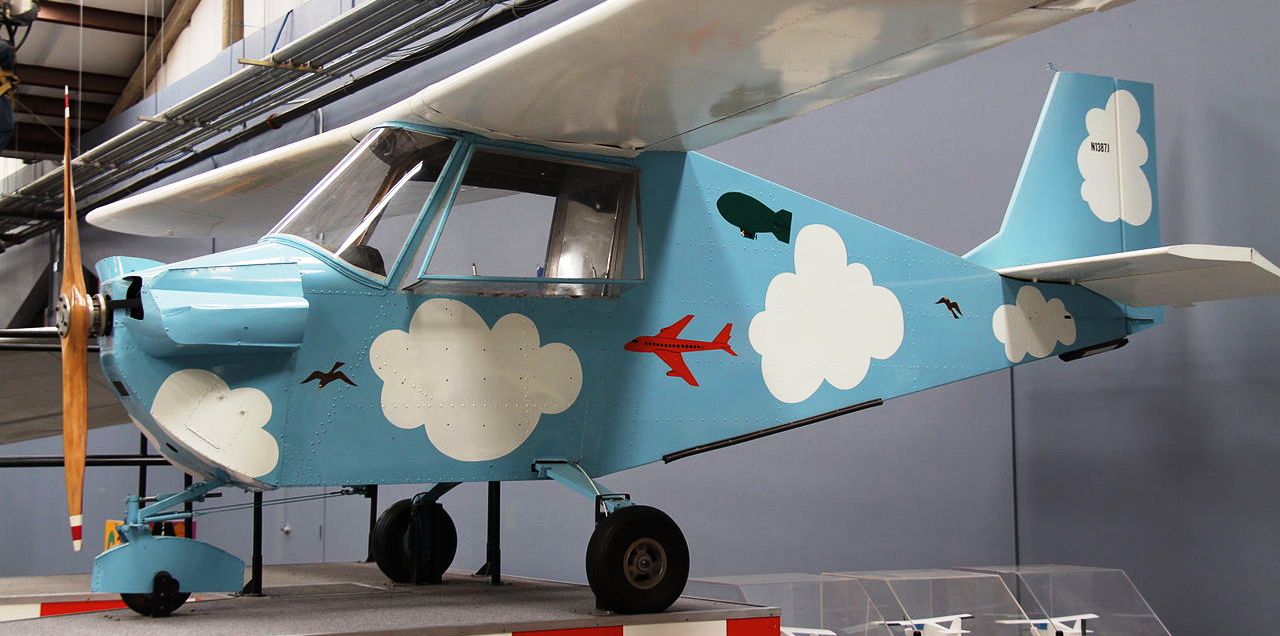
Aerosport Quail (Serial No. 54716941), Reg. No. N13871.
Albatross D.Va replica.
American A-101 Eagle (Serial No. 538).
Avian Falcon II (Serial No. 12), Reg. No. N4369Z, N3AV.
(2nd Lt. Mary Pekas, USAF Photo, 15 Dec 2007)
(Eric Salard Photo)
(Mike Freer – Touchdown-aviation Photo)
(Author Photos)
(aceebee Photo)
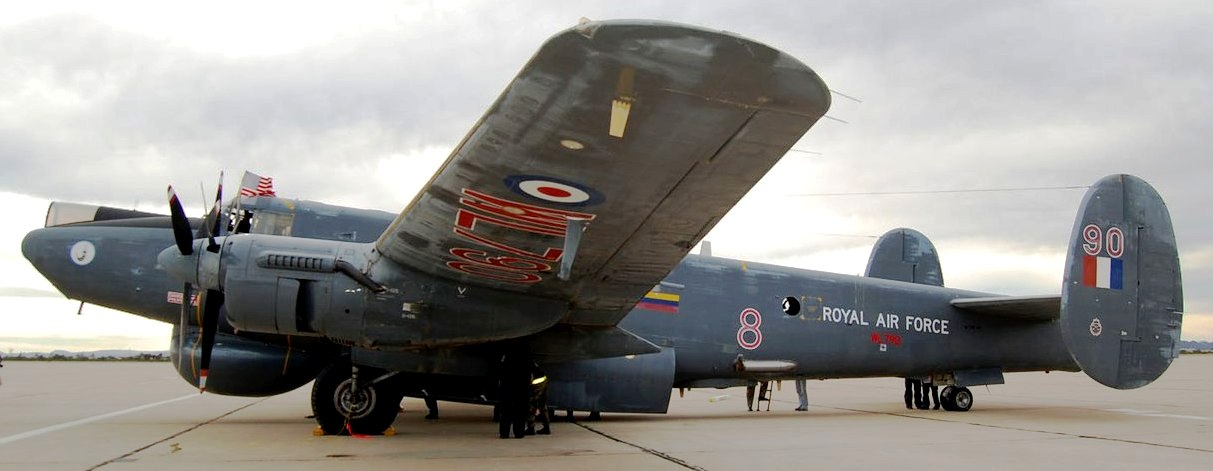
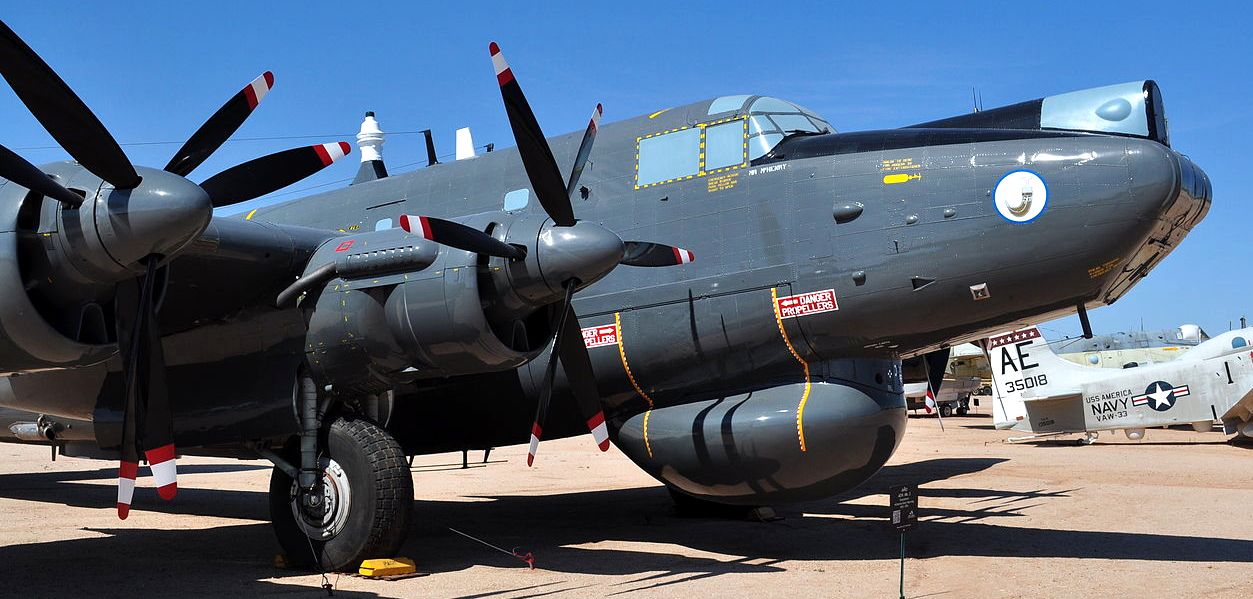
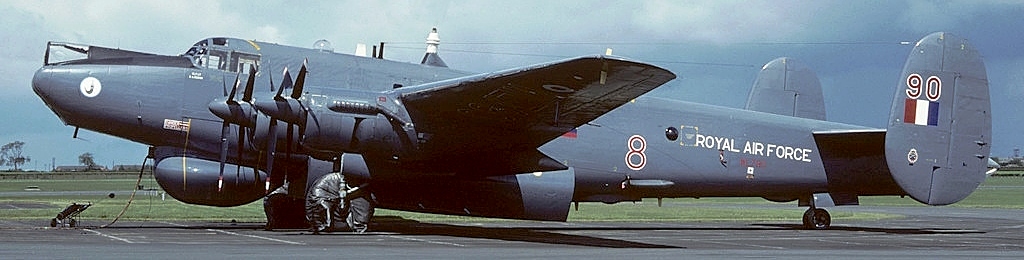
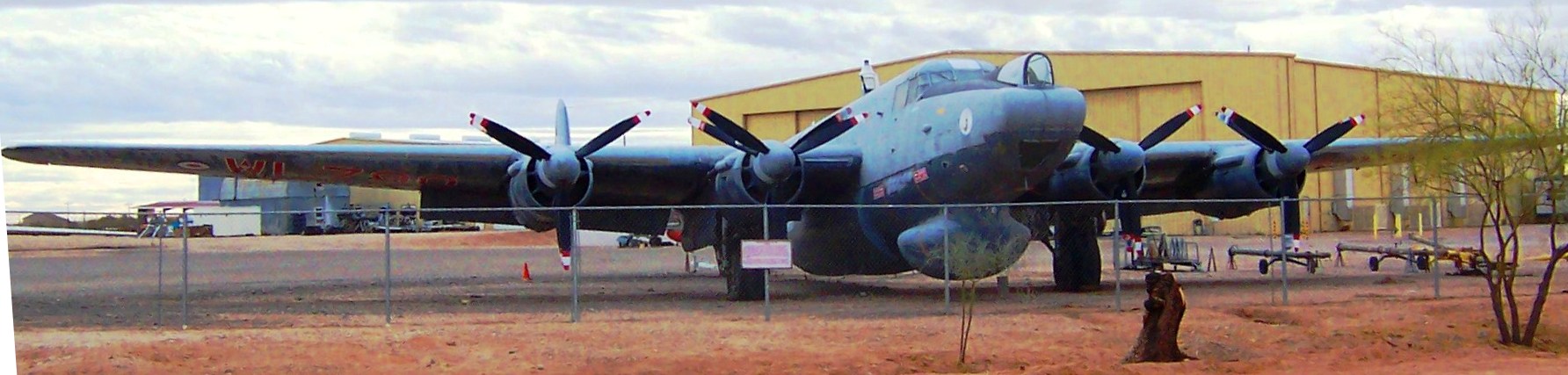
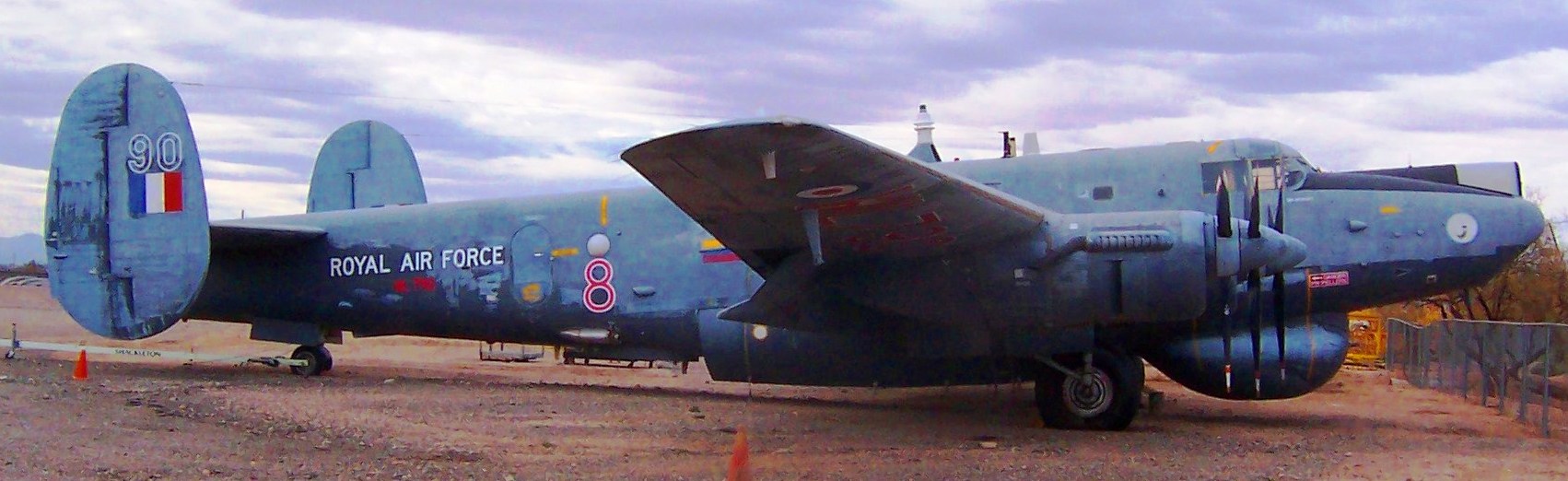
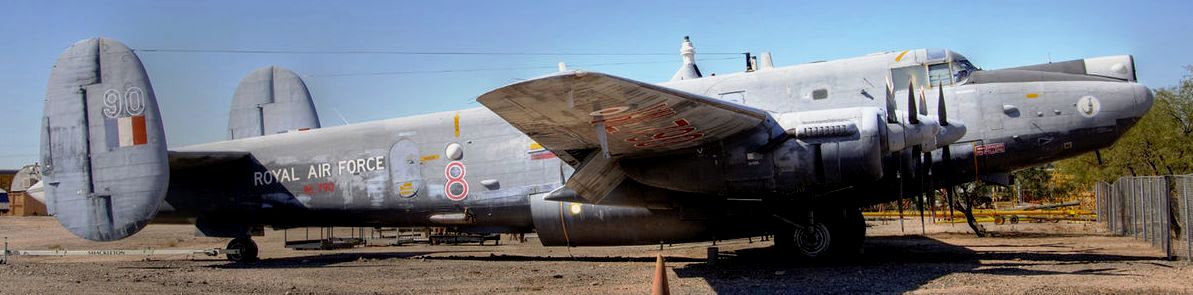
Avro AEW.2 Shackleton (Serial No. WL790), Reg. No. N790WL.
Balloon Works Firefly 7 (Serial No.), Reg. No. N4065D.
Bede BD-4 (Serial No.), Reg. No. N42EE.
Bede BD-5J Microjet (Serial No.), Reg. No. N505MR.
(Aaron Headly Photo)
(Frank Kovalchek Photo)
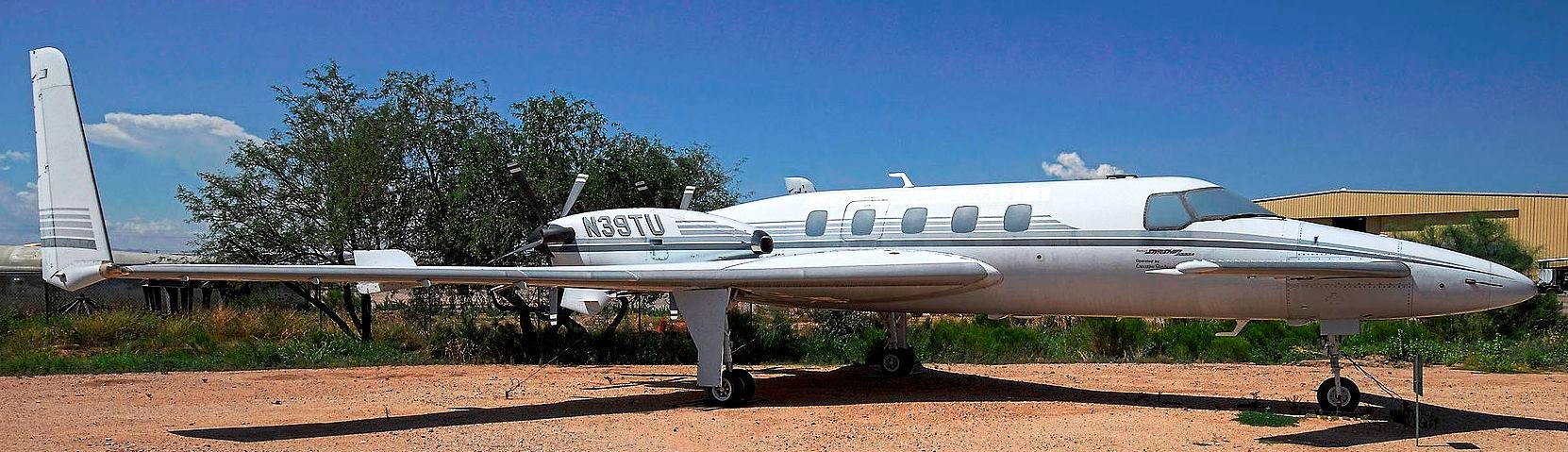
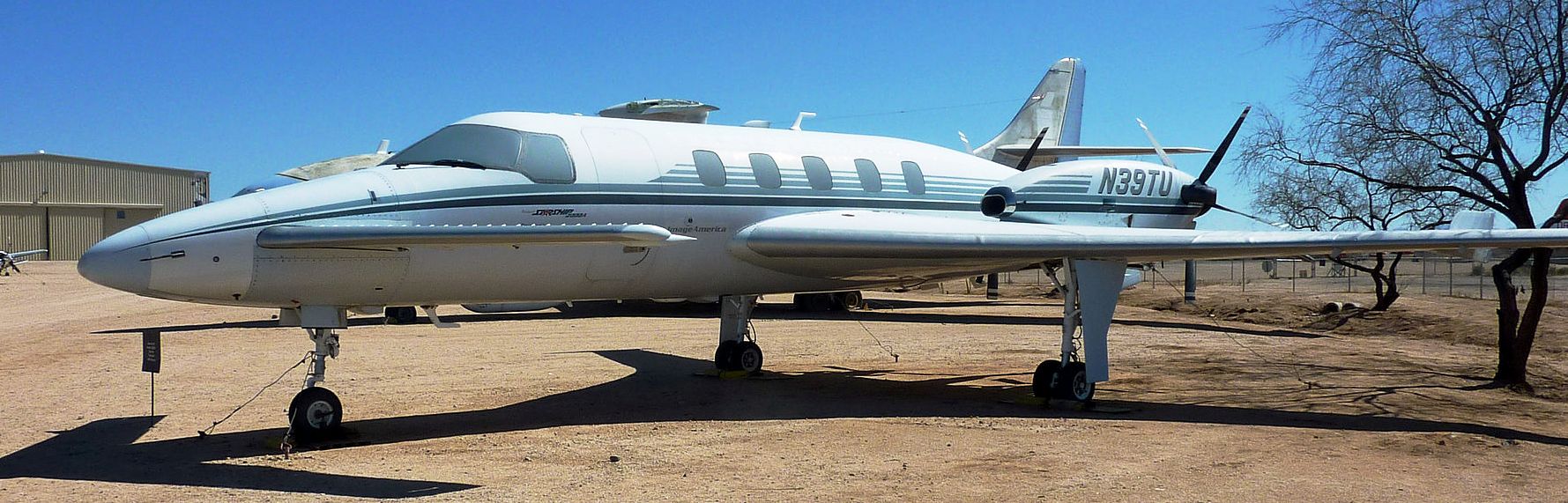
Beechcraft 2000A Starship (Serial No. NC23), Reg. No. N39TU.
(Author Photo)
(aeroprints.com Photo)
(Mike Freer – Touchdown-aviation Photo)
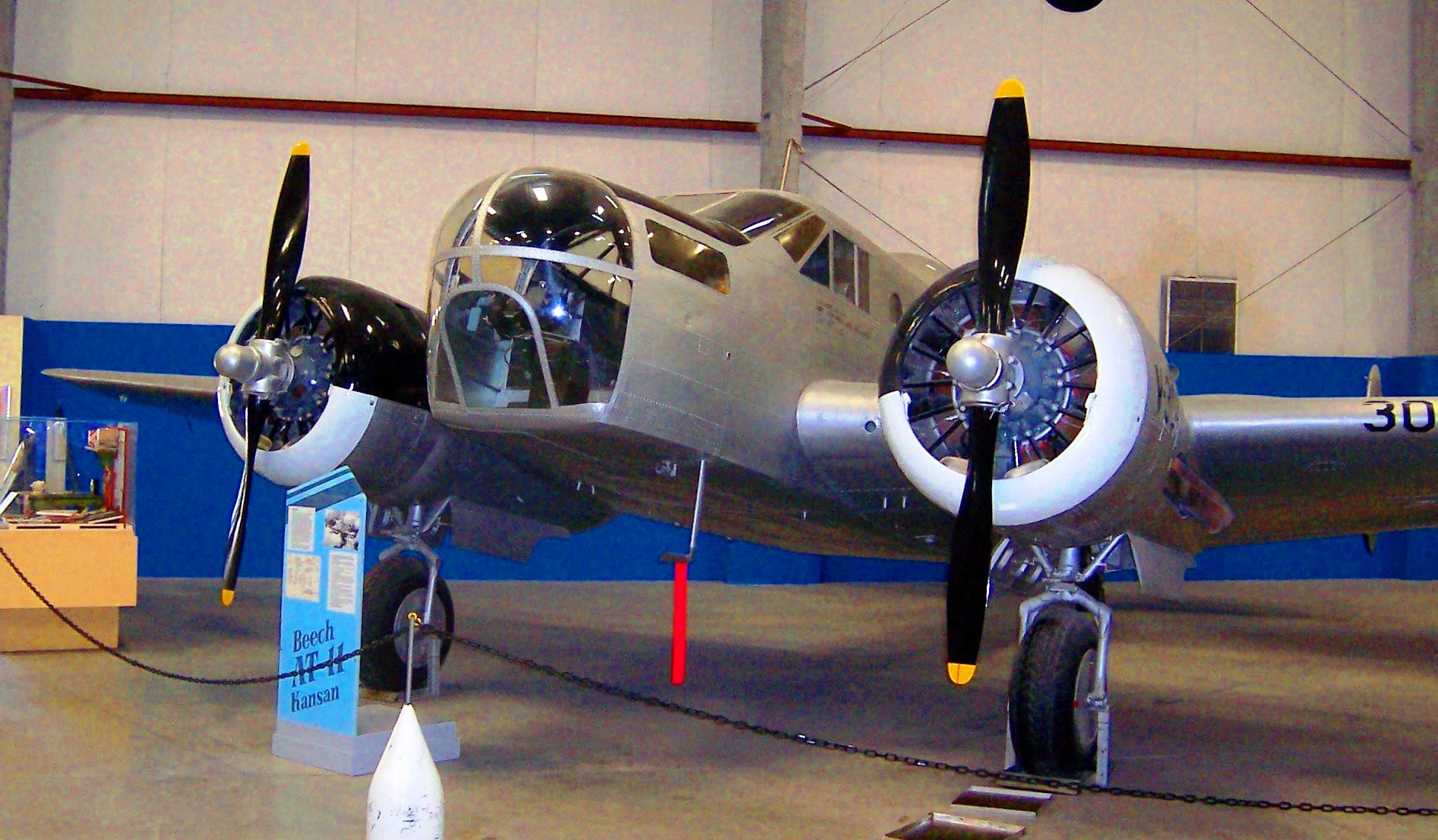
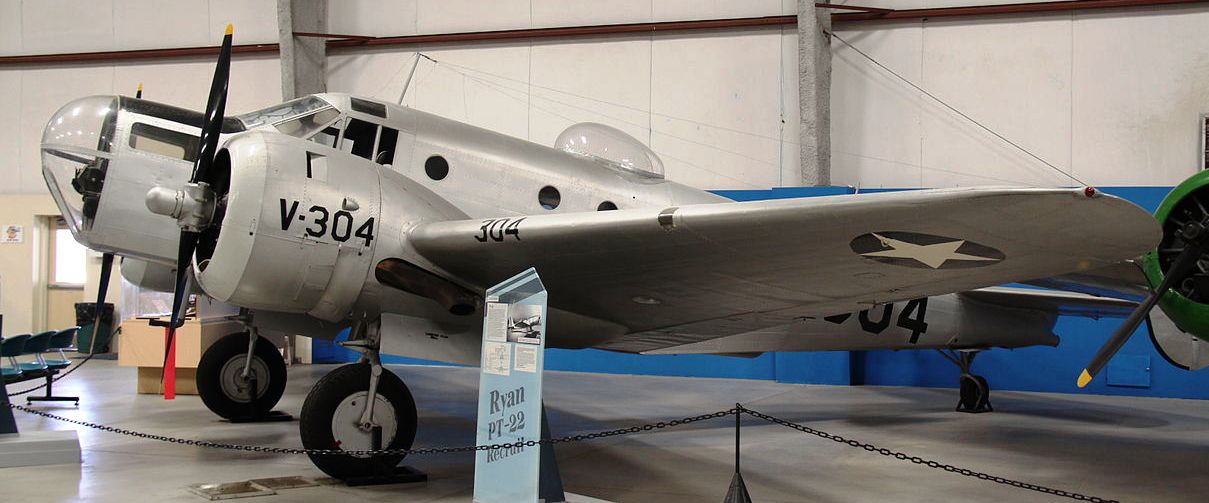
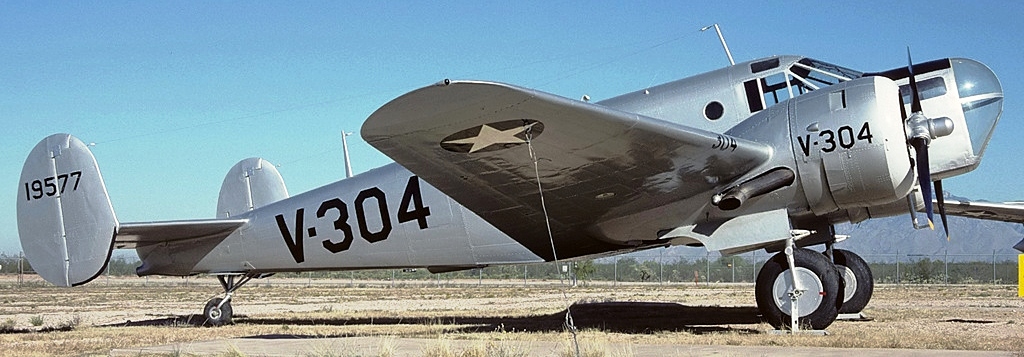
Beechcraft AT-11 Kansan (Serial No. 41-9577), Reg. No. N6953C.
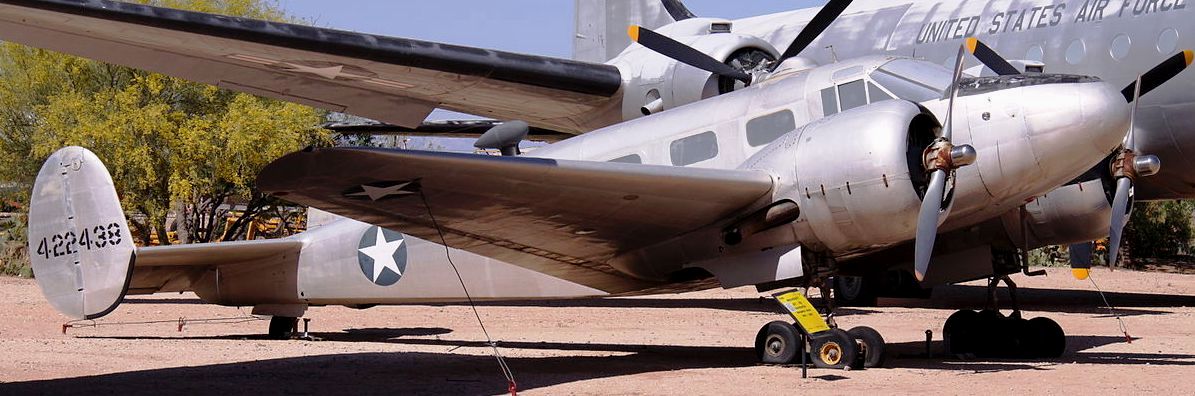
(aeroprints.com Photo)
Beechcraft AT-7 Navigator (Serial No. 42-02438), Reg. No. N8073H.
(aeroprints.com Photo)
Beechcraft N-35 Bonanza (Serial No. D-6668), Reg. No. N9493Y.
(Eric Salard Photo)
(aeroprints.com Photo)
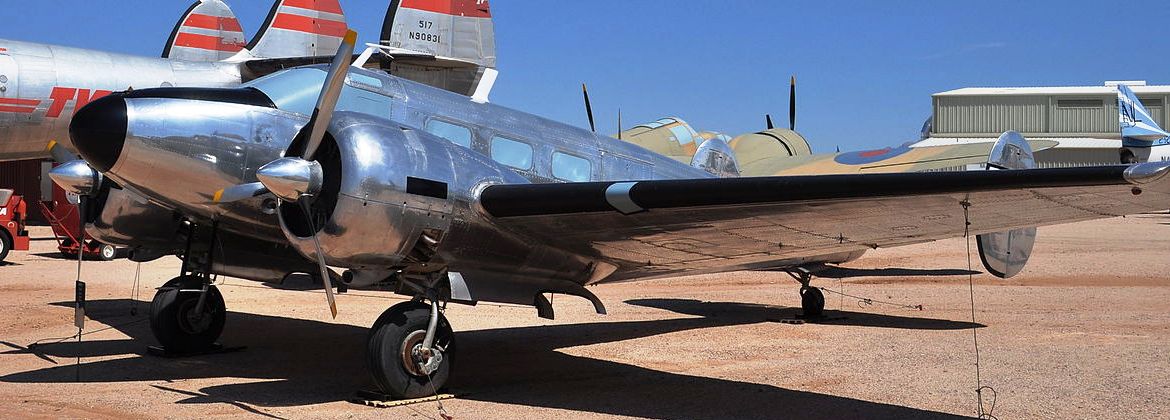
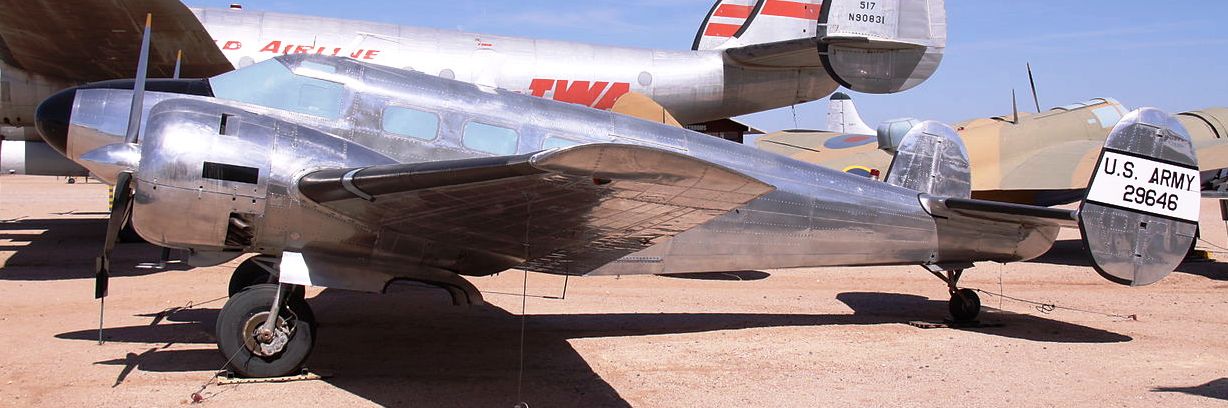
Beechcraft C18S, US Army (Serial No. 29646).
Beechcraft S18D Twin Beech (Serial No. 177), Reg. No. N55681.
(aeroprints.com Photo)
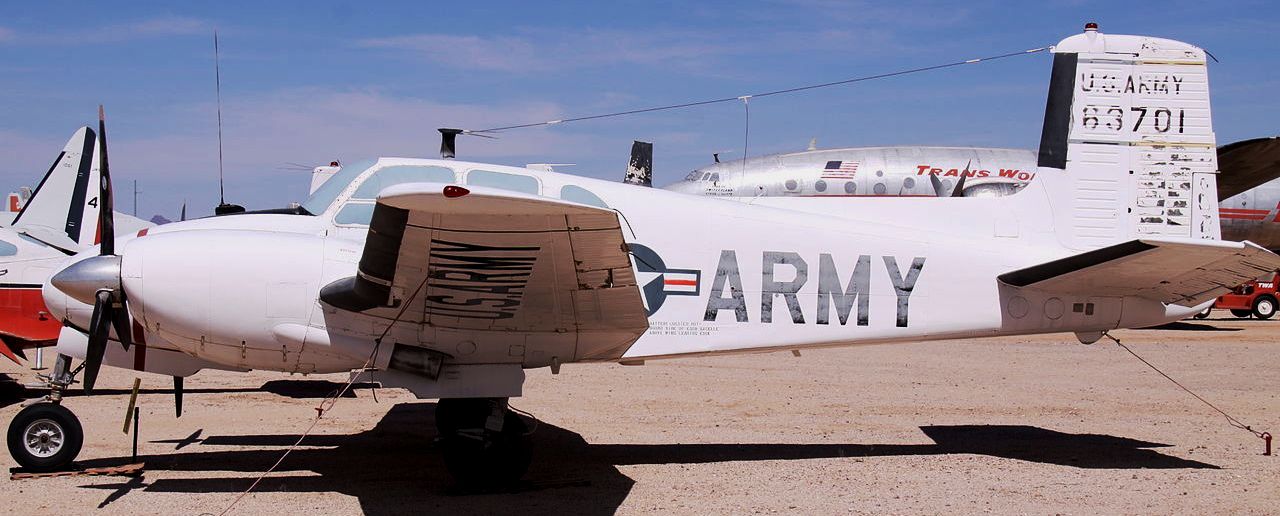
Beechcraft U-8D Seminole (Serial No. 56-3701).
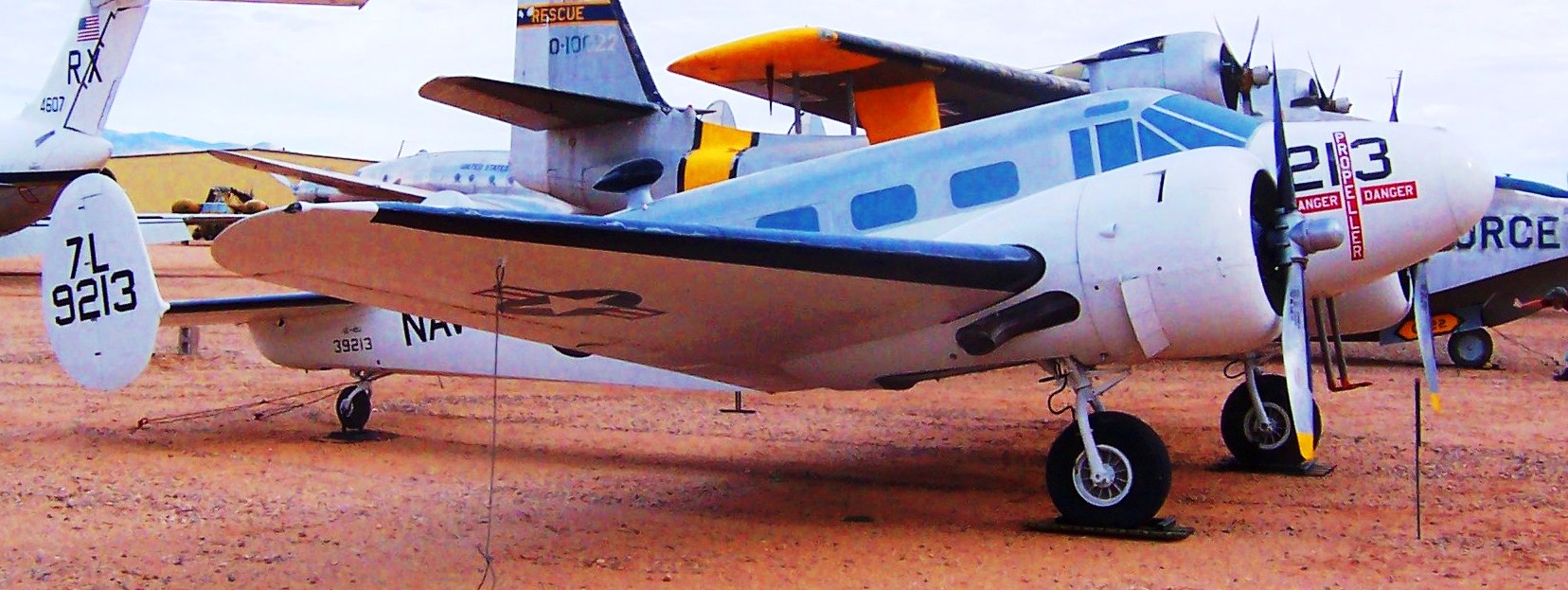
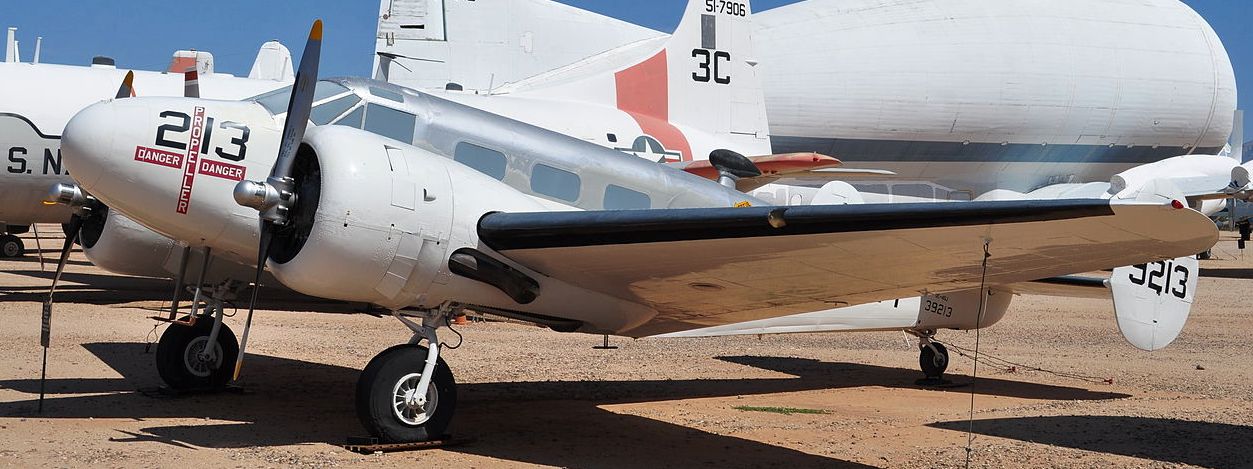
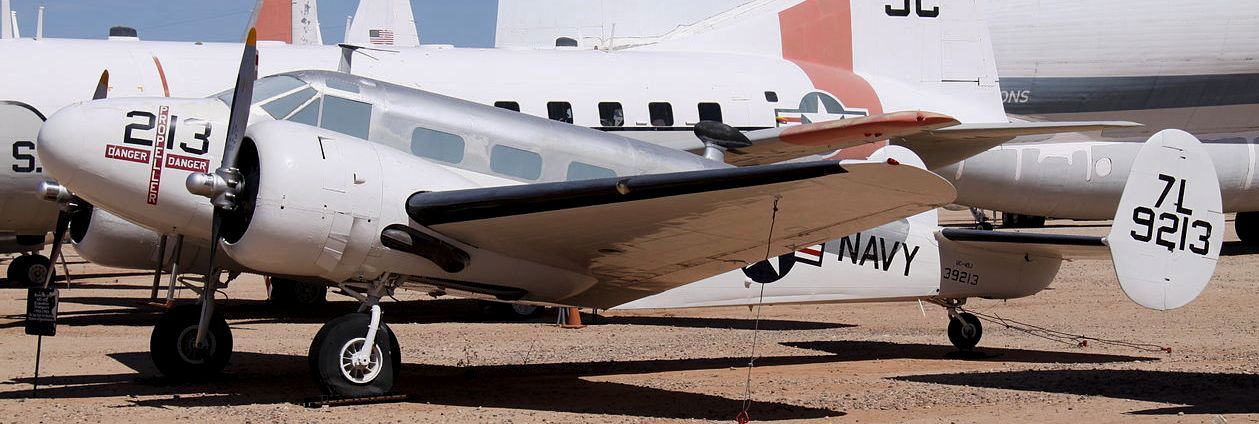
Beechcraft UC-45J Expeditor (Serial No. 43-50222), Reg. No. N1082.
(Author Photo)
(Eric Salard Photo
(aeroprints.com Photo)
Beechcraft UC-45J Expeditor BuNo. 39213), Reg. No. N75018.
Bell helicopters and aircraft preserved in the Pima Air & Space Museum are listed on a separate page on this web site.
(aeroprints.com Photo)
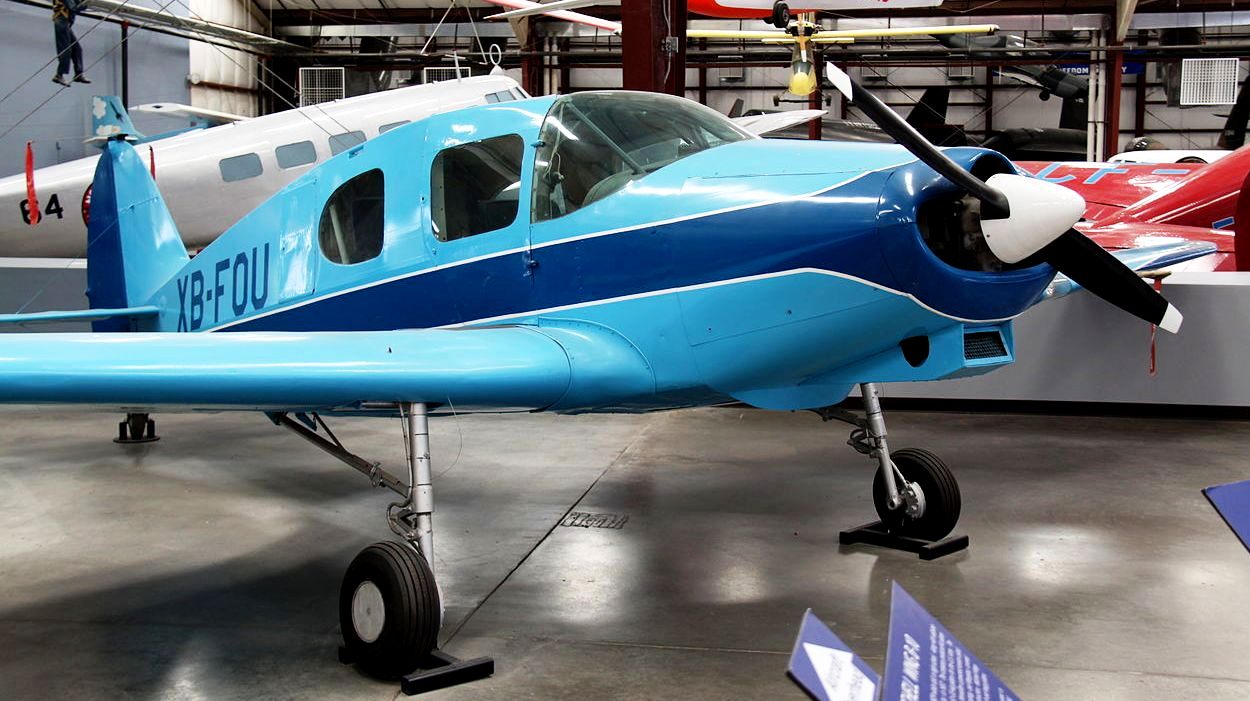
Bellanca 14-13-2 Cruisair (Serial No. 1551), Reg. No. XB-FOU.
Boeing aircraft preserved in the Pima Air & Space Museum are listed on a separate page on this web site.
Bowers Flybaby 1-A (Serial No.), Reg. No. N49992.
Brewster Bermuda (Serial No.), project.
(Author Photos)
(Gillfoto Photos)
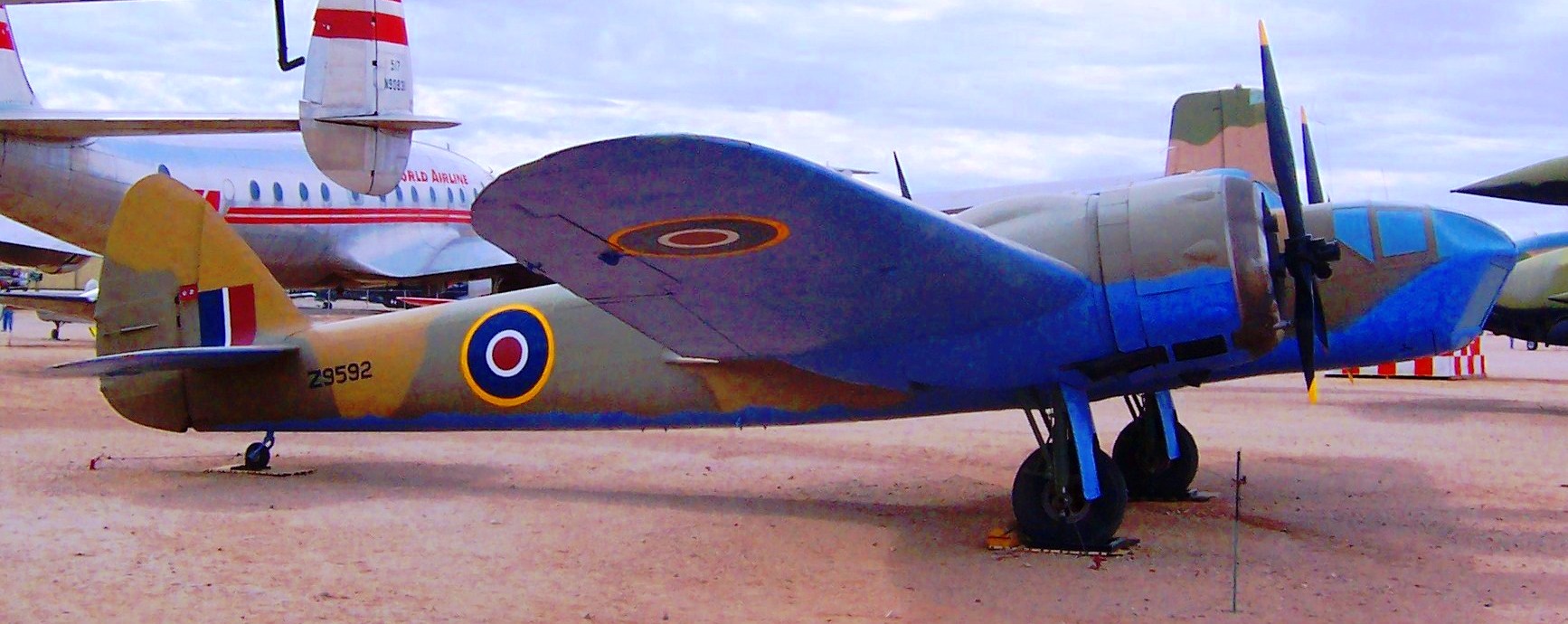
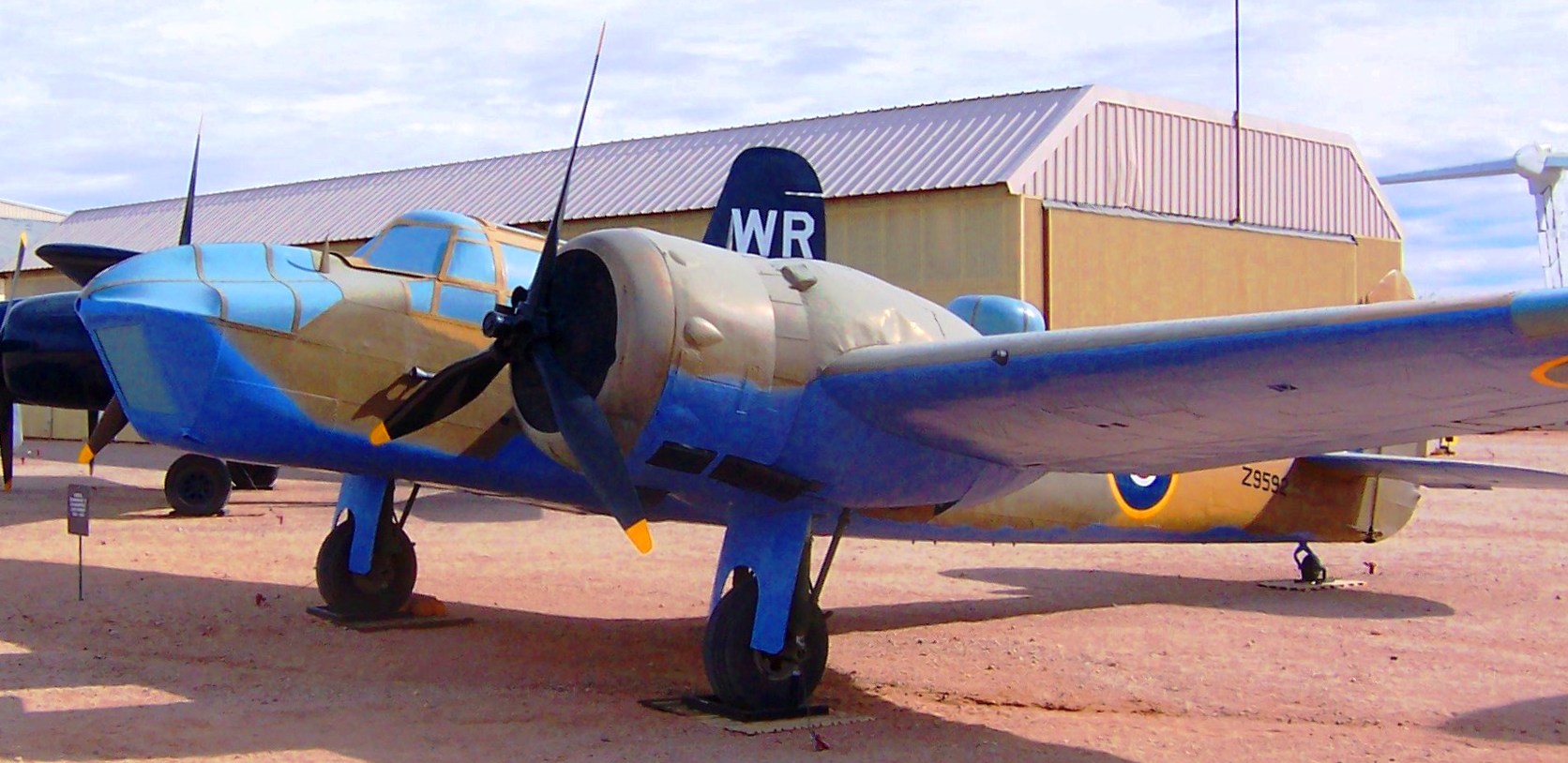
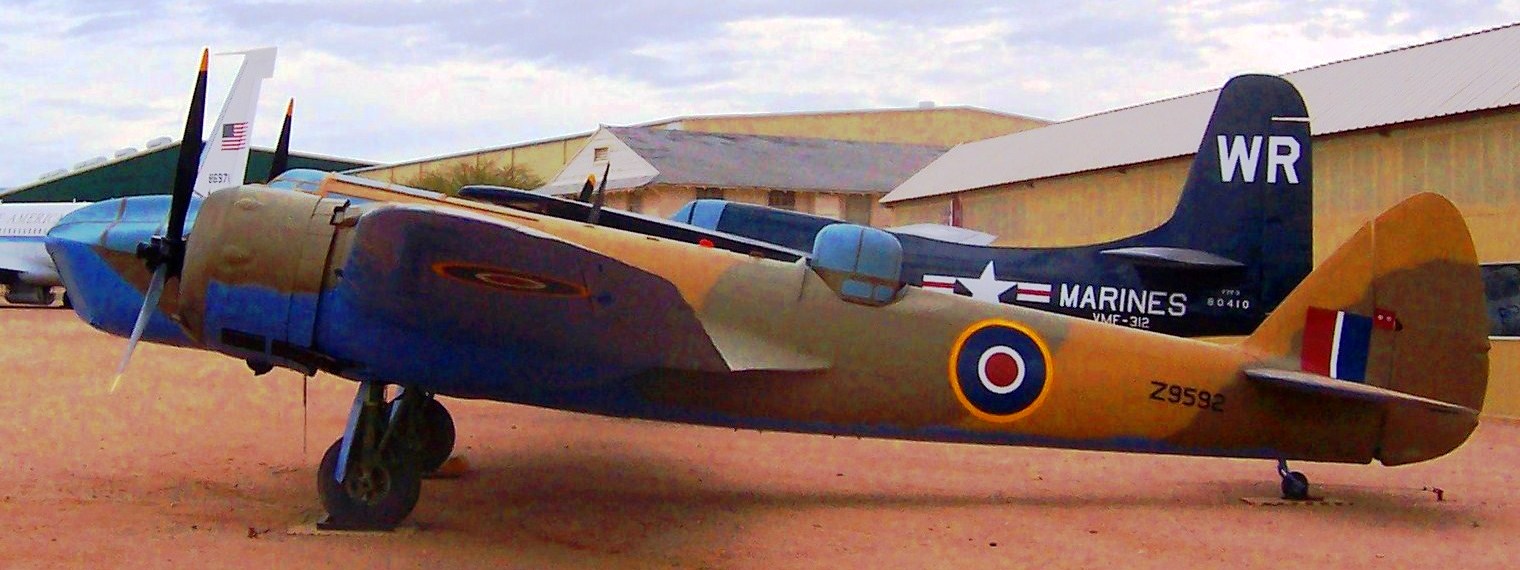
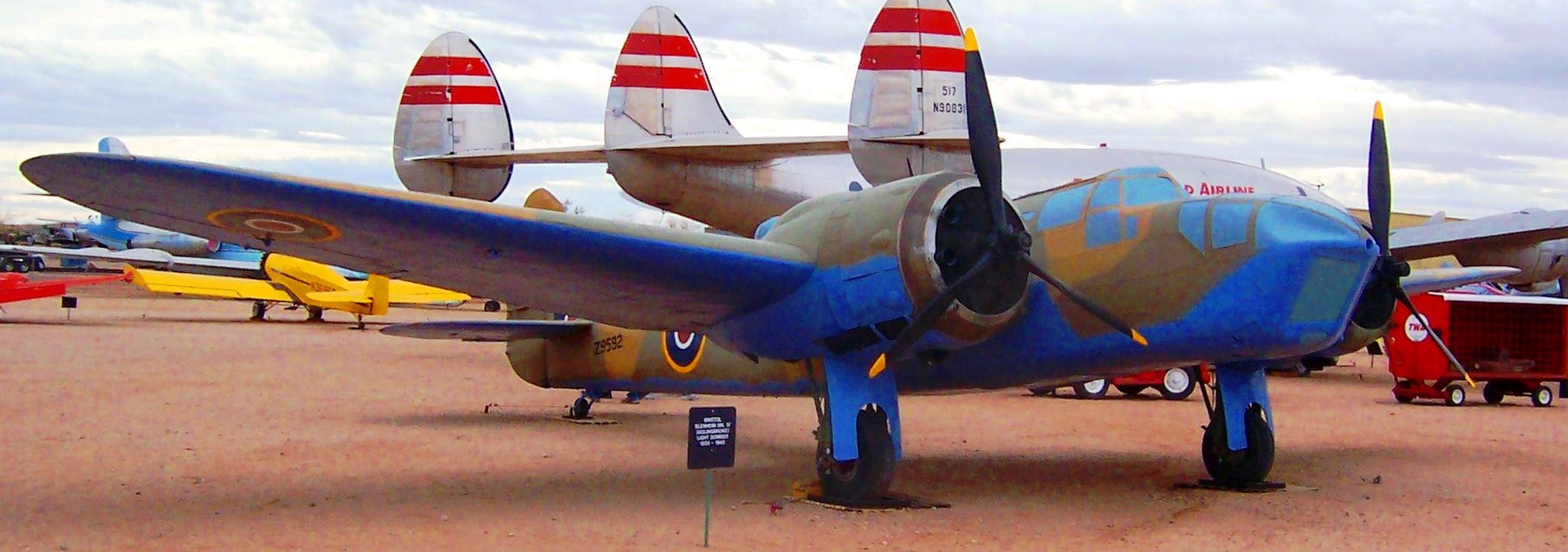
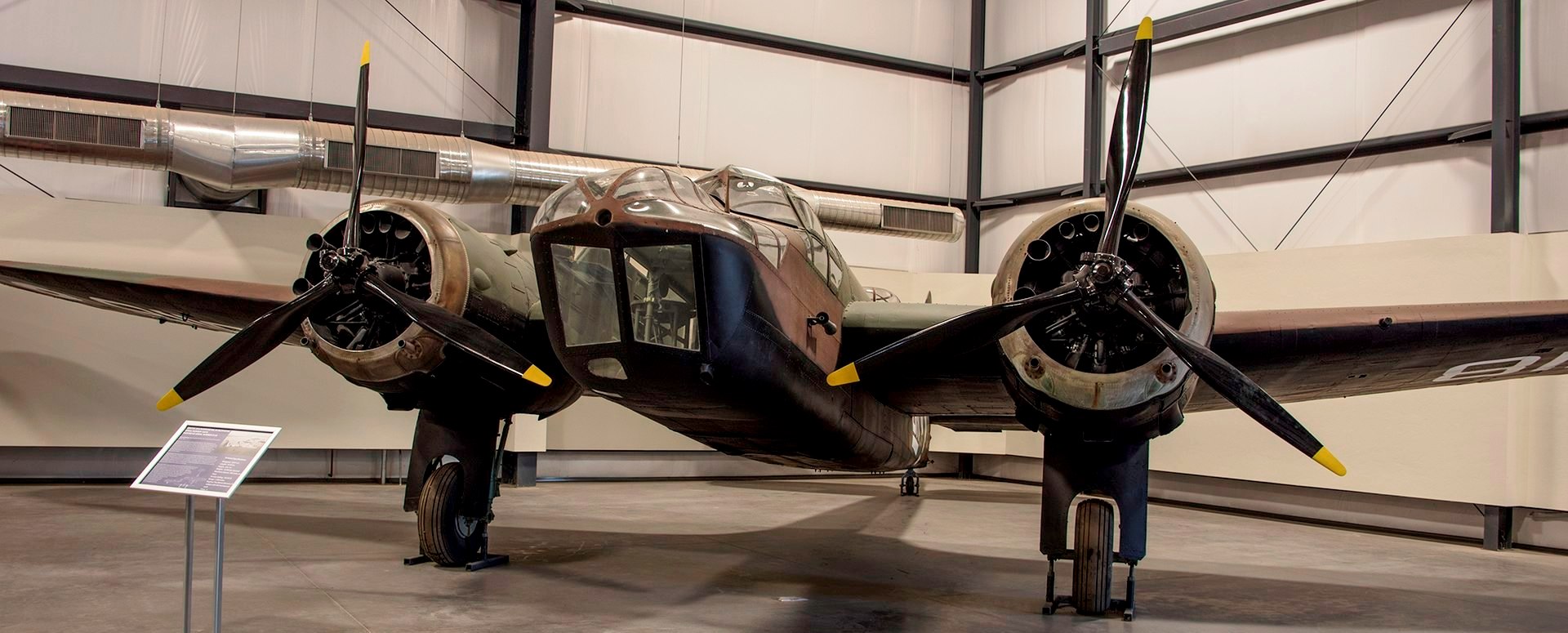
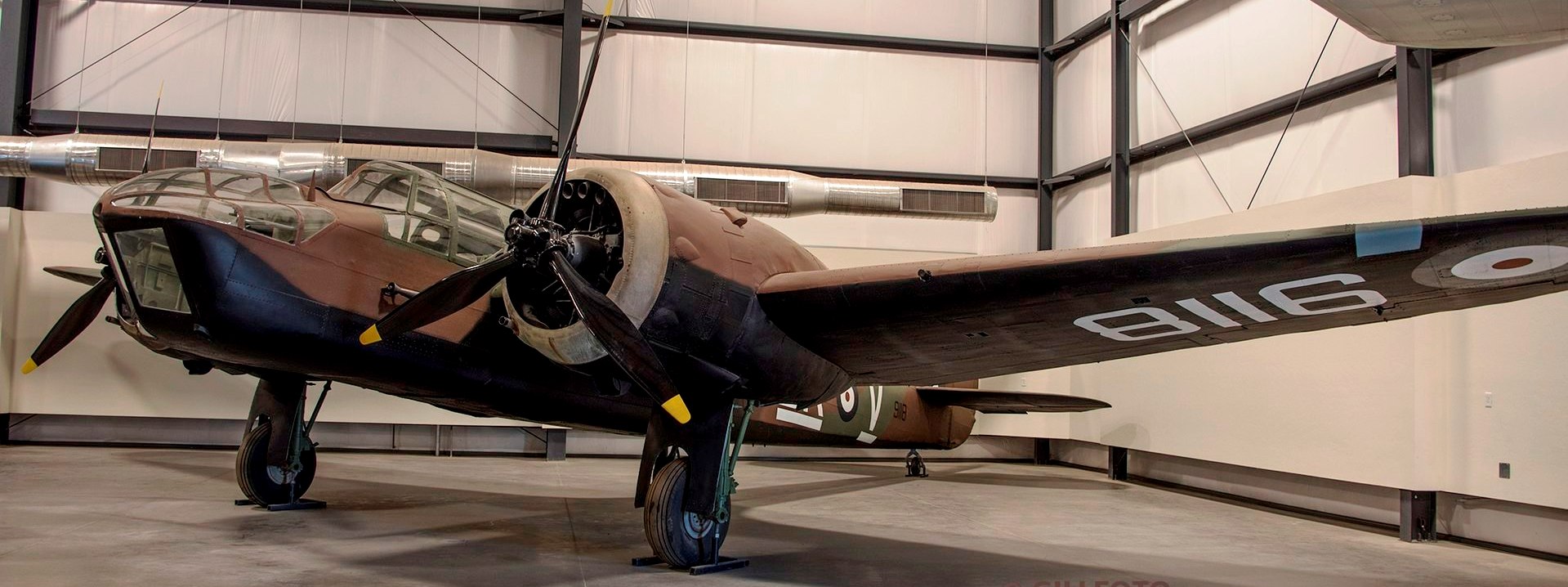
Bristol (Fairchild) Bolingbroke Mk. IVT, RCAF (Serial No. 10076), previously painted as (Serial No. Z9592), currently painted as (Serial No. 9118). This Canadian-built aircraft had an RAF North Africa paint scheme. It has been repainted in the colours of BK-V, an aircraft that flew with RCAF No. 115 Squadron, based at Patricia Bay, British Columbia during the war.
Hawker Siddely XV-6A Kestrel, USAF (Serial No. 64-18264).
British Aerospace BAe GR.3 Harrier, RAF (Serial No. XV804).
(aeroprints.com Photo)
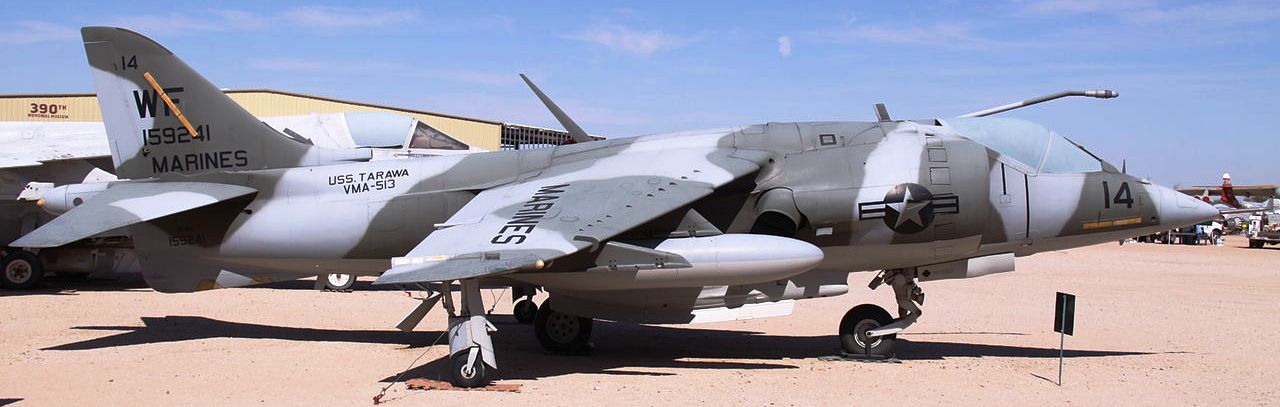
McDonnell Douglas AV-8C Harrier, USMC (BuNo. 159241).
McDonnell Douglas TAV-8A Harrier, USMC (BuNo. 159382).
British Aerospace BAe FA.2 Sea Harrier (Serial No. ZH810). This Harrier was one of the last to be produced at Dunsfold in Surrey, UK and entered Royal Navy Fleet Air Arm in 1999. It was based in Somerset with No. 899 Squadron and flew until the Sea Harrier fleet was withdrawn in 2006. It was transferred to Piman in 2018.
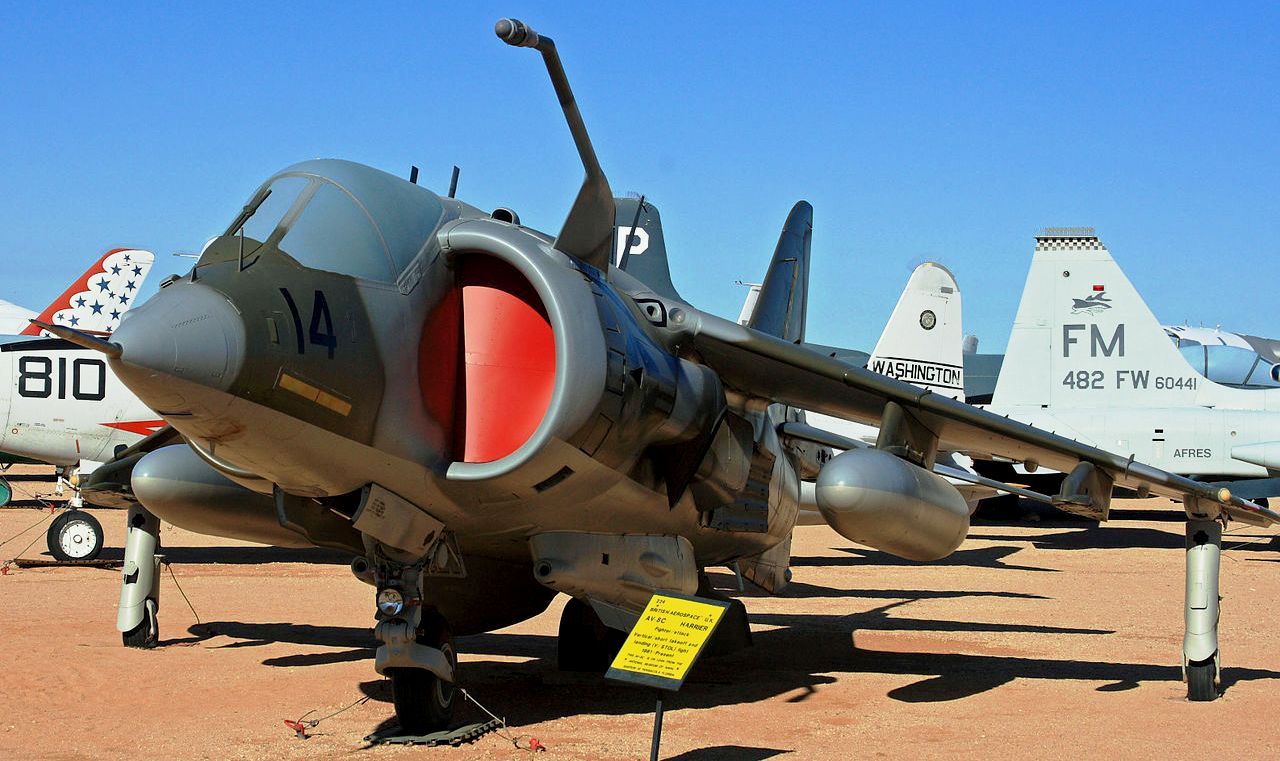
(Frank Kovalchek Photo)
British Aerospace BAe GR.5 Harrier, RAF (Serial No. ZD353). This Harrier served with RAF No. 233 Operational Conversion Unit. It came to Pima in 2017.
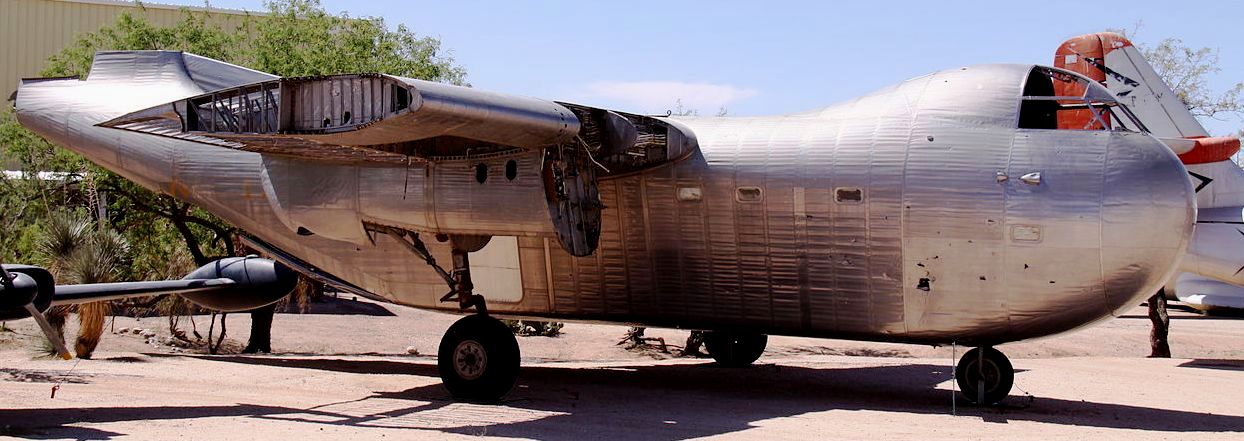
(aeroprints.com Photo)
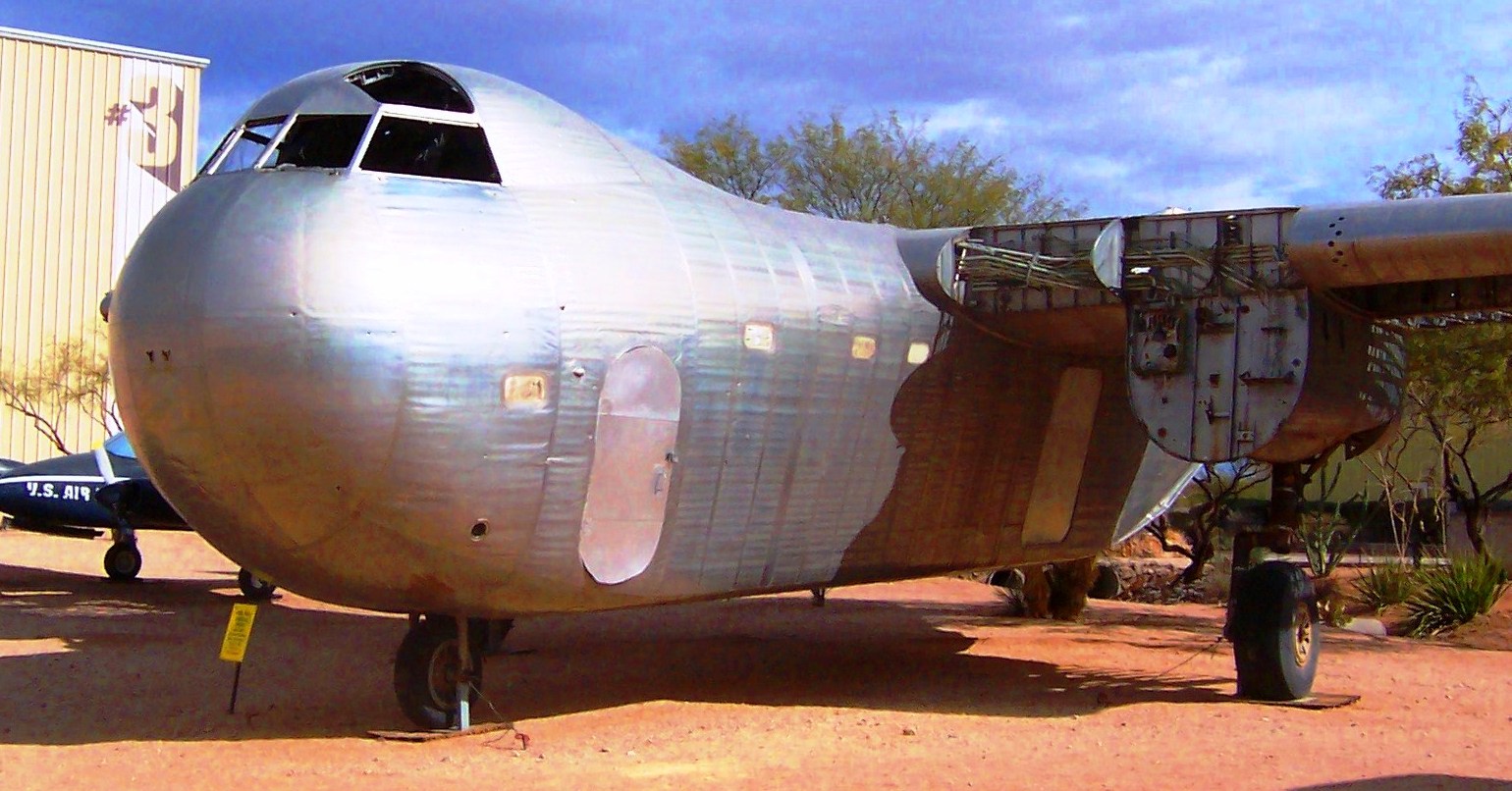
(Author Photo)
Budd RB-1 Conestoga (Serial No. 39307), Reg. No. XB-DUZ.
Bushby MMII Midget Mustang (Serial No. 581), Reg. No. N53RM.
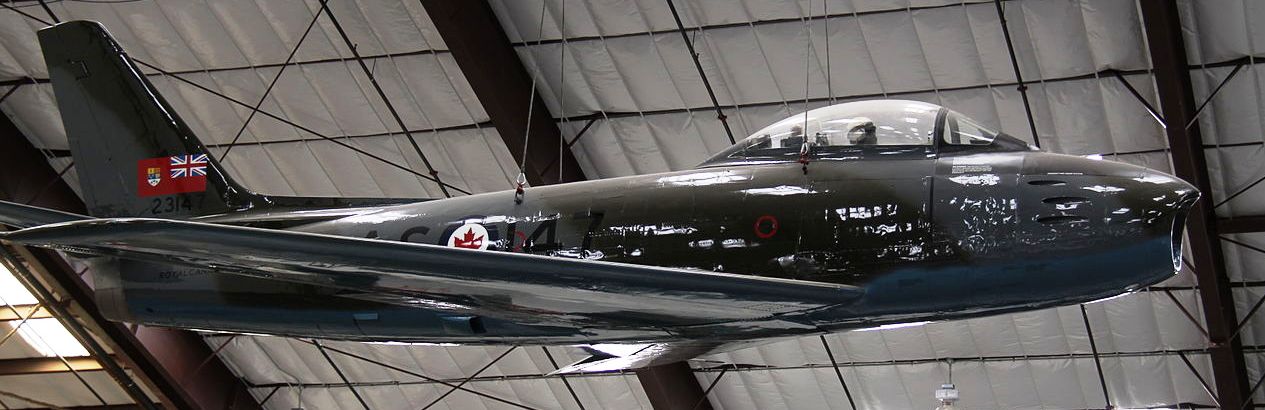
(aeroprints.com Photo)
Canadair CL-13A Sabre Mk. IV (Serial No. 23147), wearing RCAF colours, suspended from the museum ceiling.
(aeroprints.com Photo)
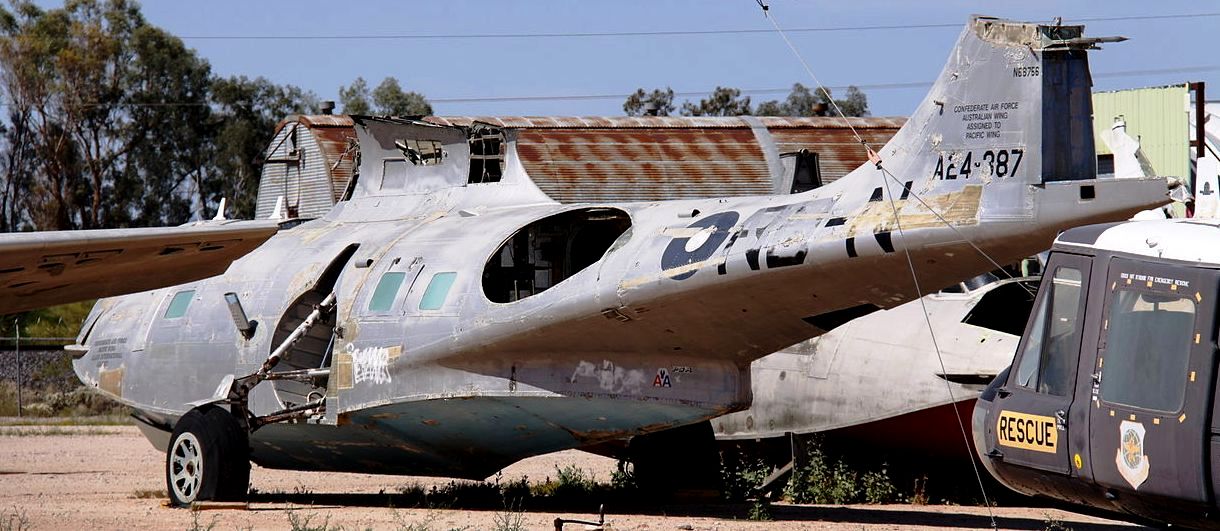
Canadian Vickers OA-10A Canso (Serial No. A24-387), ex-RAAF, project.
(aeroprints.com Photo)
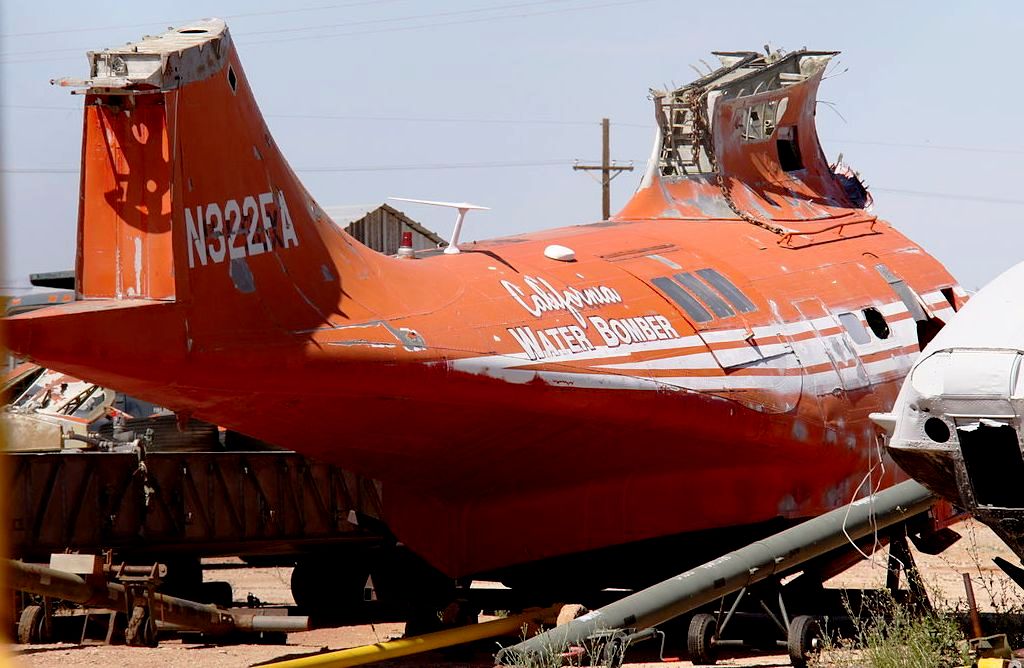
Canadian Vickers OA-10A Canso (Serial No. 44-34049), Reg. No. N322FA, project.
(aeroprints.com Photo)
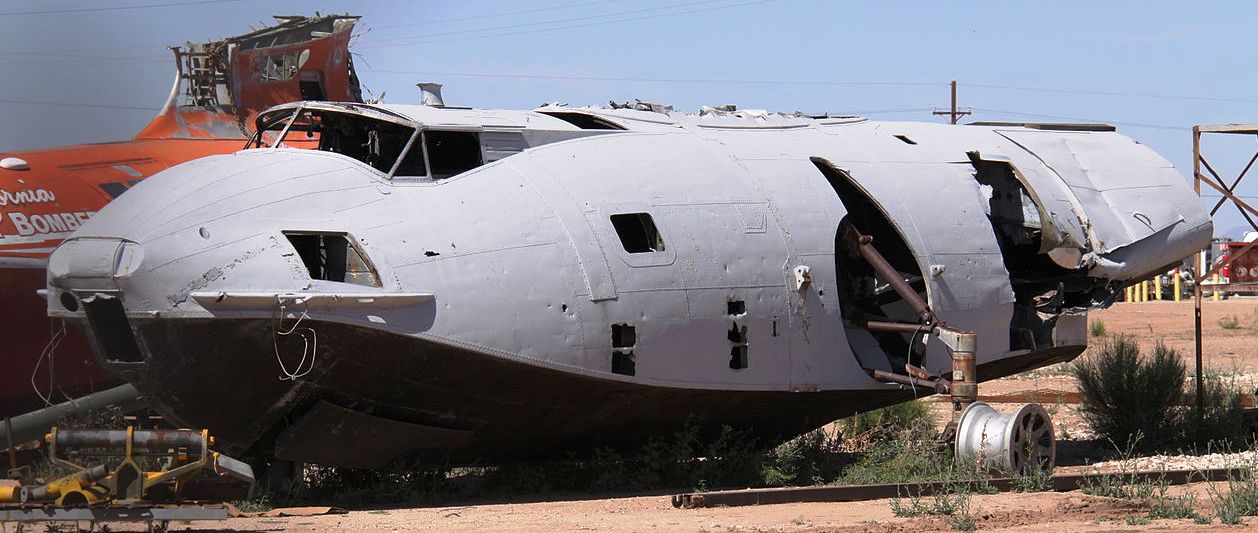
Canadian Vickers OA-10A Canso (Serial No.), project.
Cassutt Pylon Racer (Serial No.).
Cessna 120 (Serial No. 13662), Reg. No. NC4191N.
Cessna 150L Commuter (Serial No.15073966), Reg. No. N18588.
Cessna 310C (Serial No. 35909), Reg. No. N182Z.
(aeroprints.com Photo)
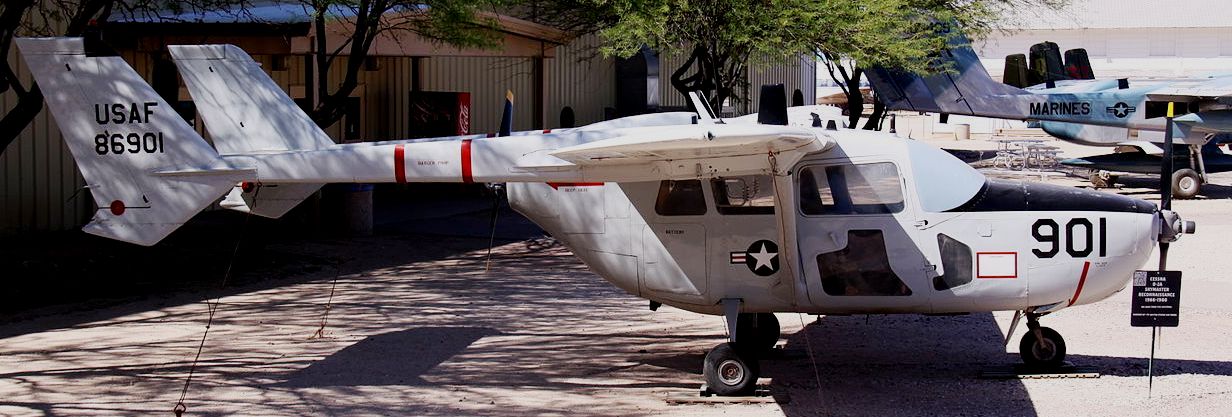
Cessna O-2A Skymaster (Serial No. 68-6901), Reg. No. N37581.
(Eric Salard Photo)
(Greg Goebel Photo)
(aeroprints.com Photo)
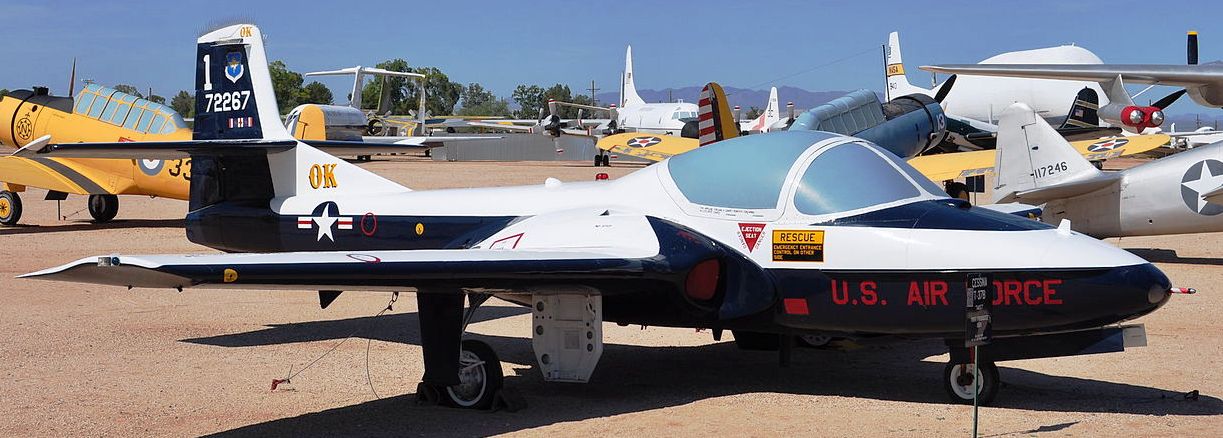
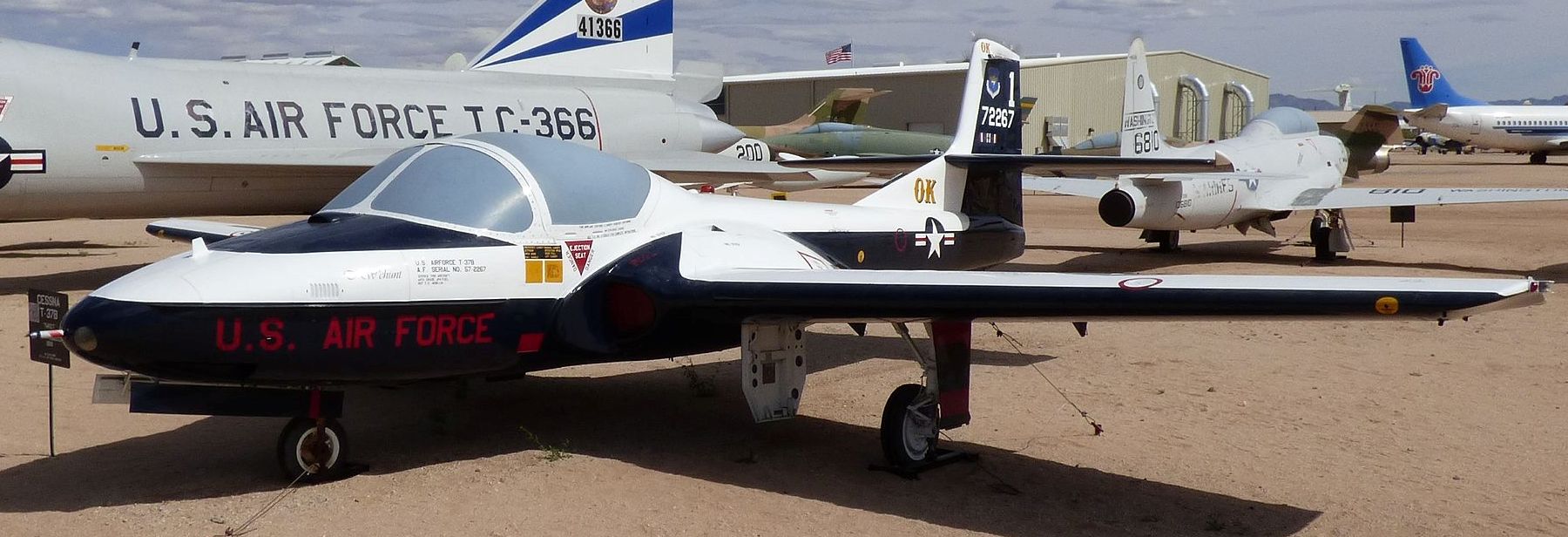
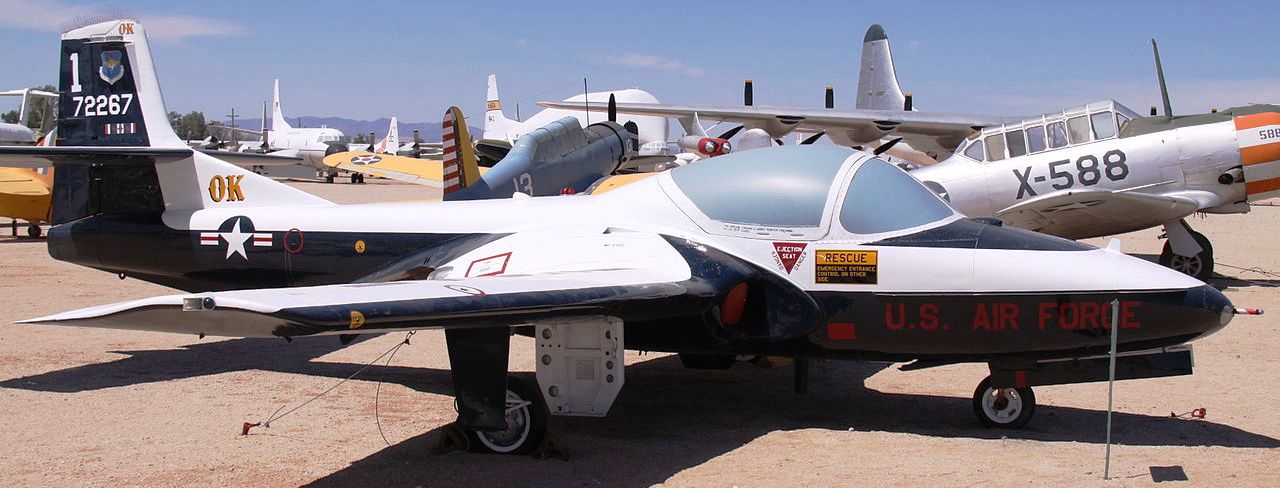
Cessna T-37B Tweet (Serial No. 57-2267).
(YSSYguy Photo)
(aeroprints.com Photo)
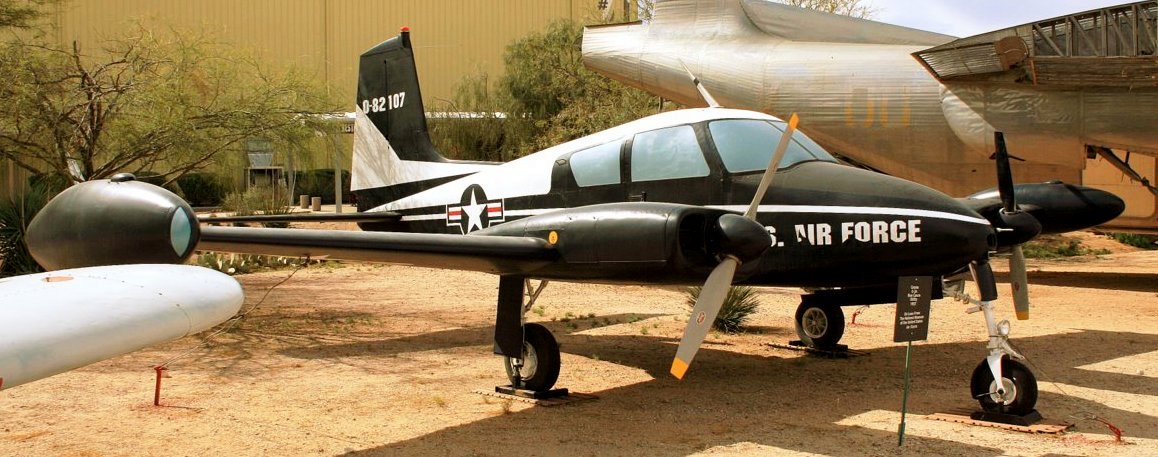
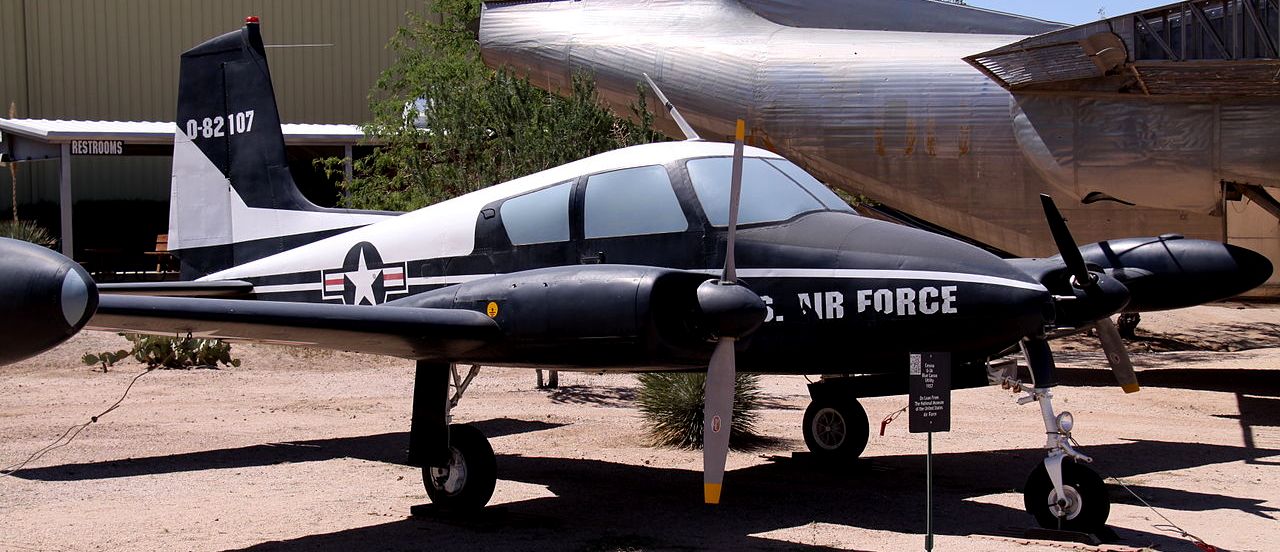
Cessna Model U-3A Blue Canoe (Serial No. 58-2107).
(aeroprints.com Photo)
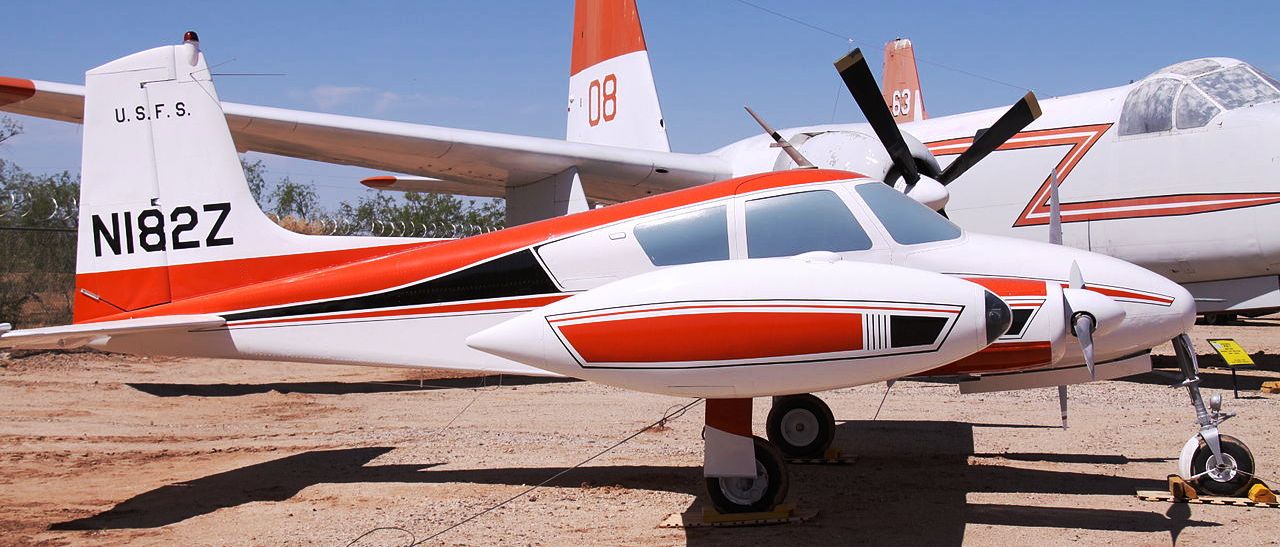
Cessna Model U-3A Blue Canoe (Serial No.), USFS, Reg. No. N1822.
(aeroprints.com Photo)
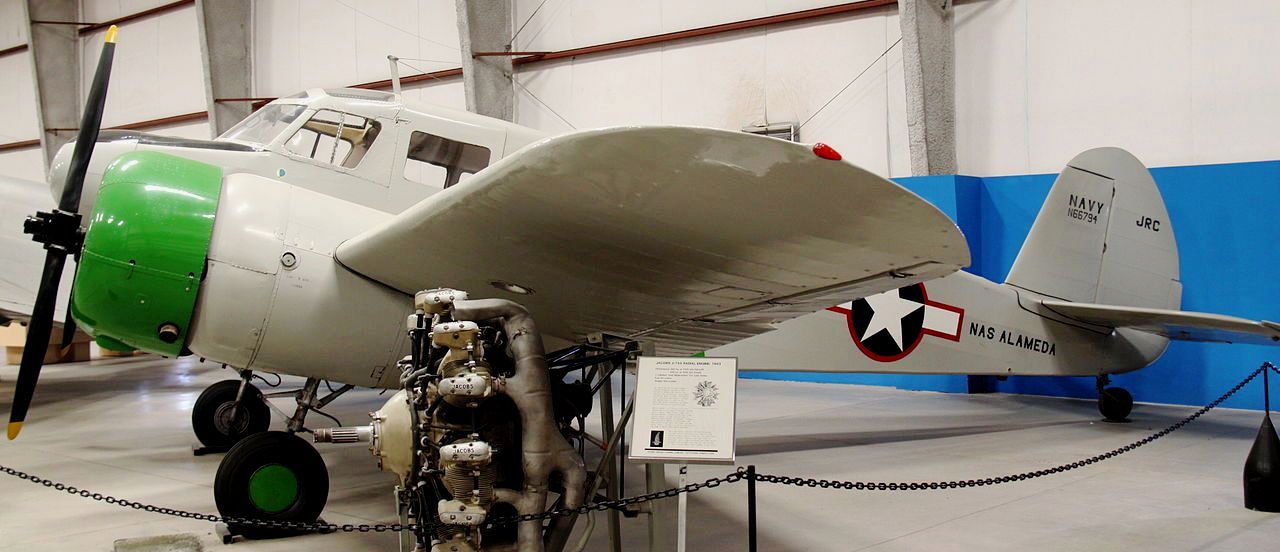
Cessna UC-78B Bobcat (Serial No. 42-39162), Reg. No. N66794. USN JRC-1.
(Frank Kovalchek Photo)
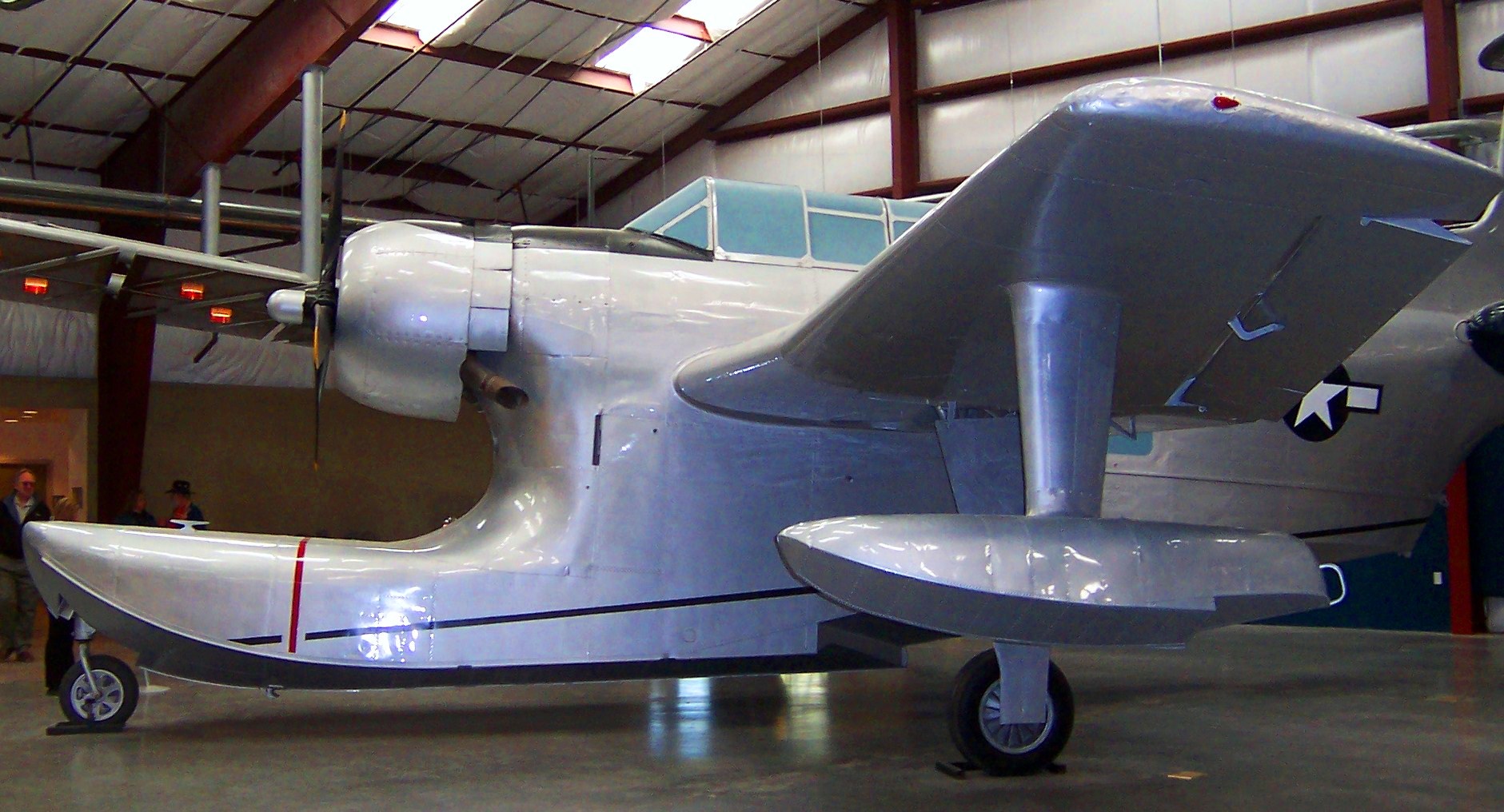
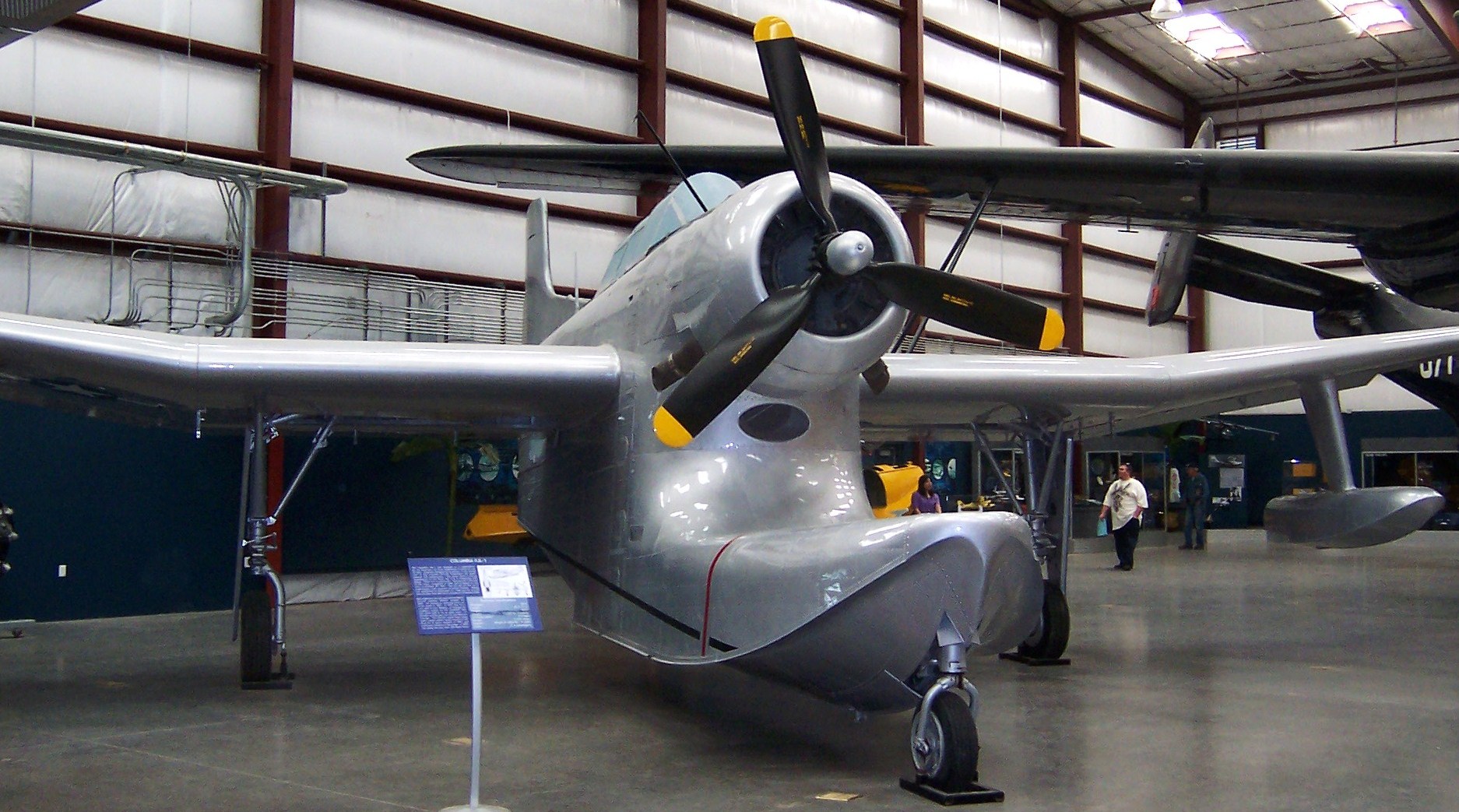
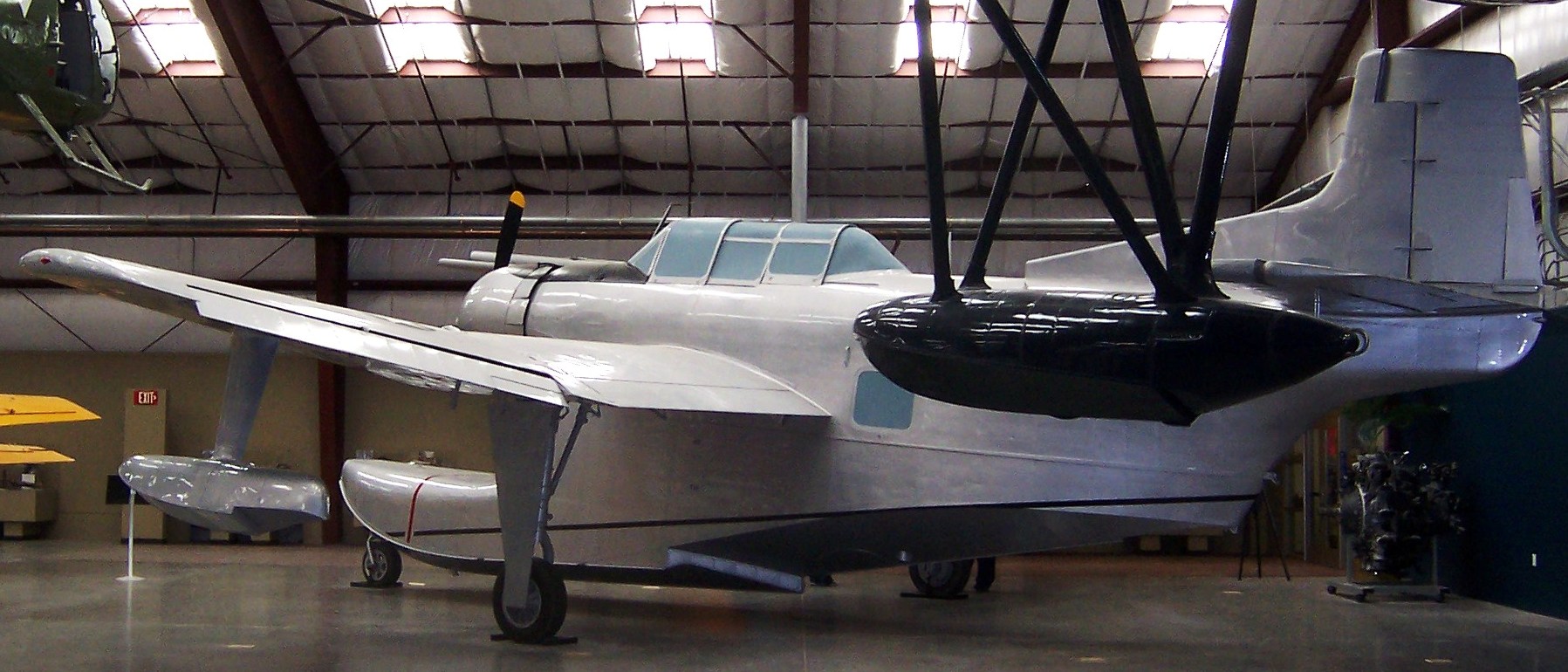
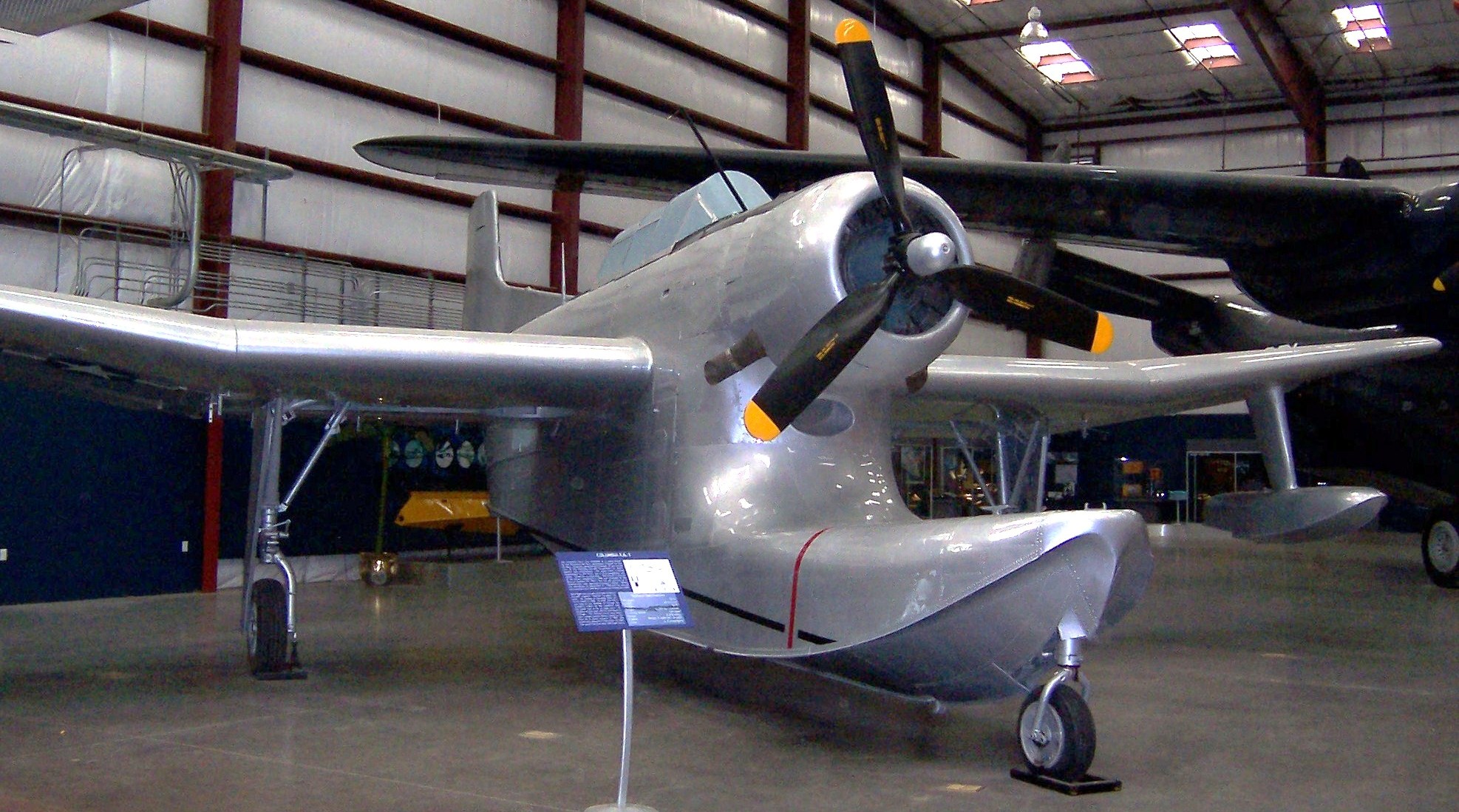
(Author Photos)
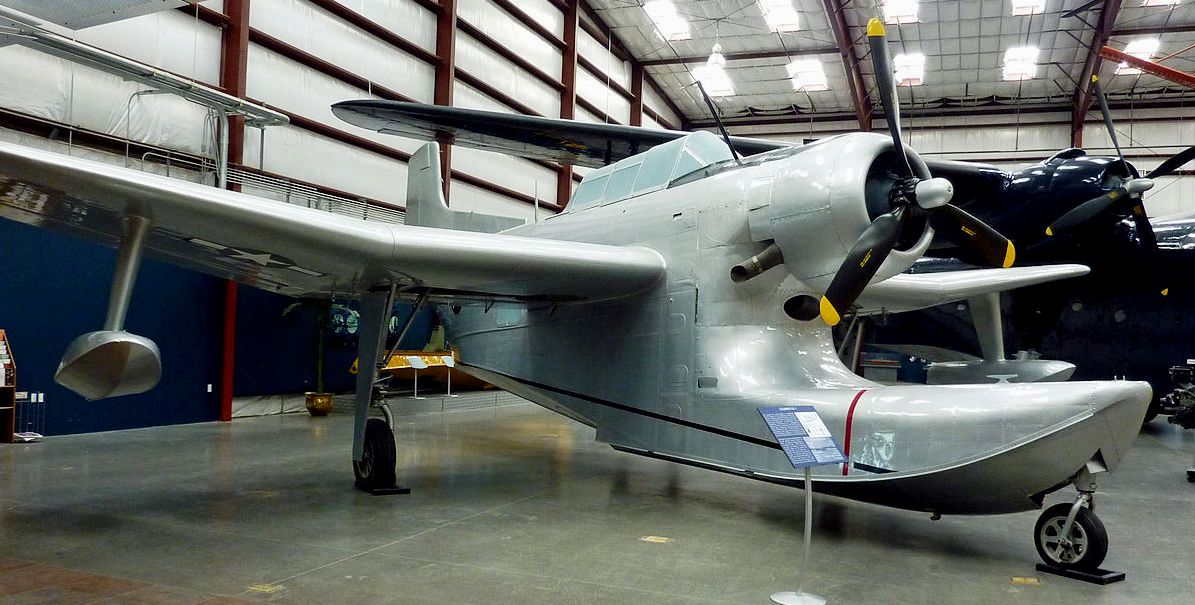
Columbia XJL-1 (BuNo. 31400), Reg. No. N54205.
Consolidated PBY-5A Catalina, ex-RCAF (Serial No. 9742), X, C/N 407, Reg. No. N68740. This aircraft was previously on display at the Lone Star Flight Museum in Galveston, Texas. It has been repainted in its original RCAF colour scheme.
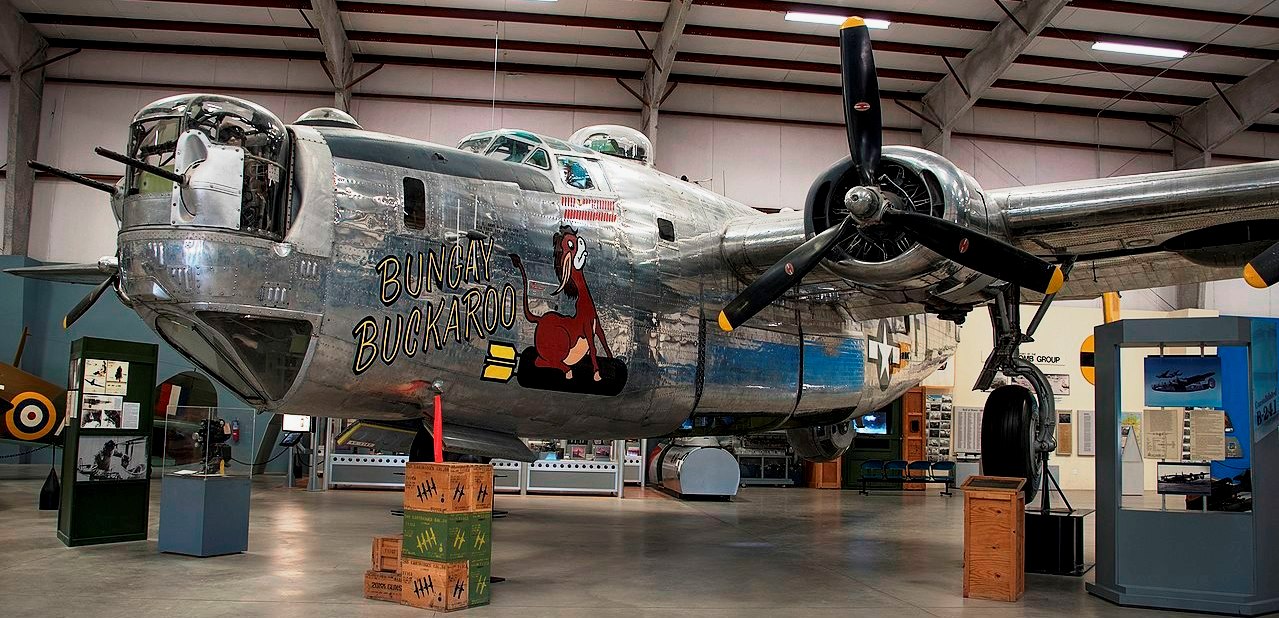
(Gillfoto Photo)
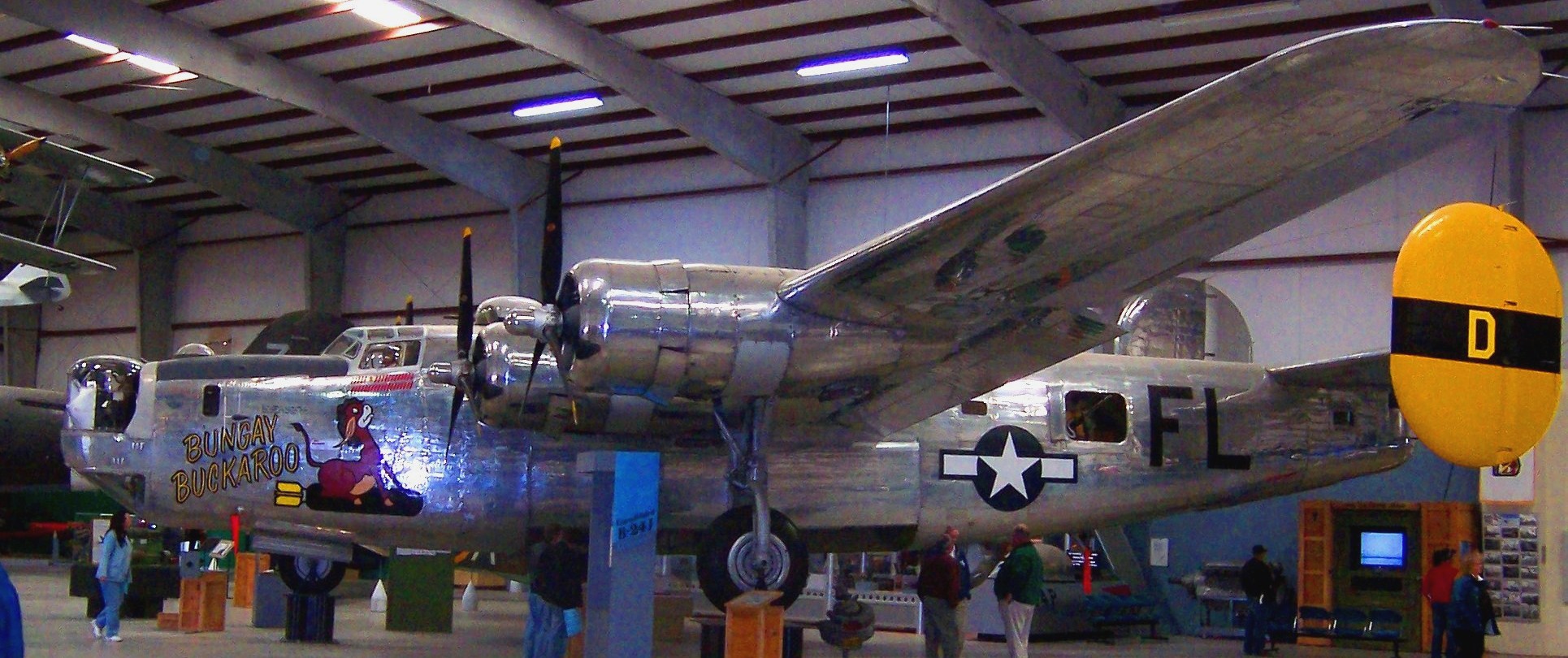
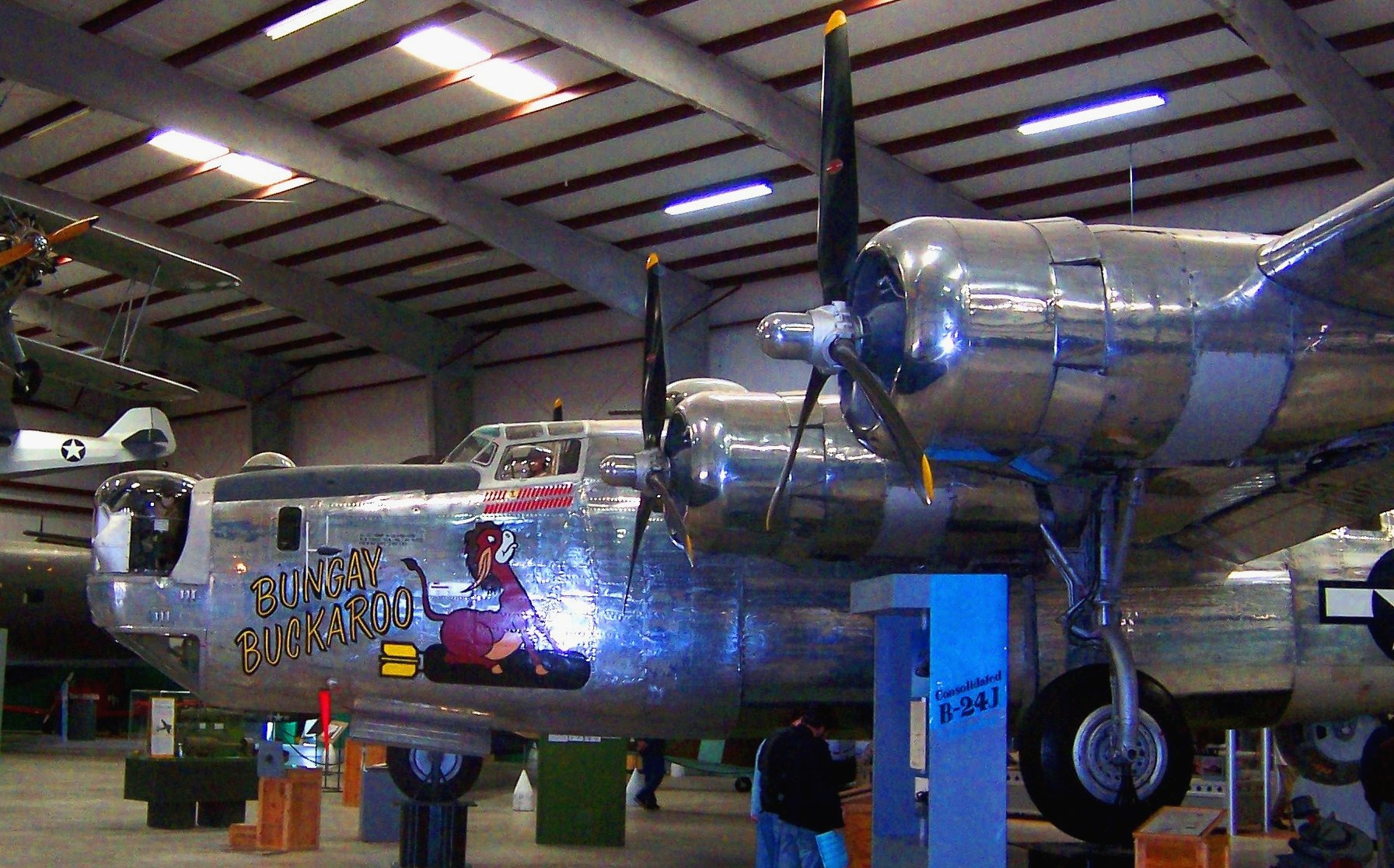
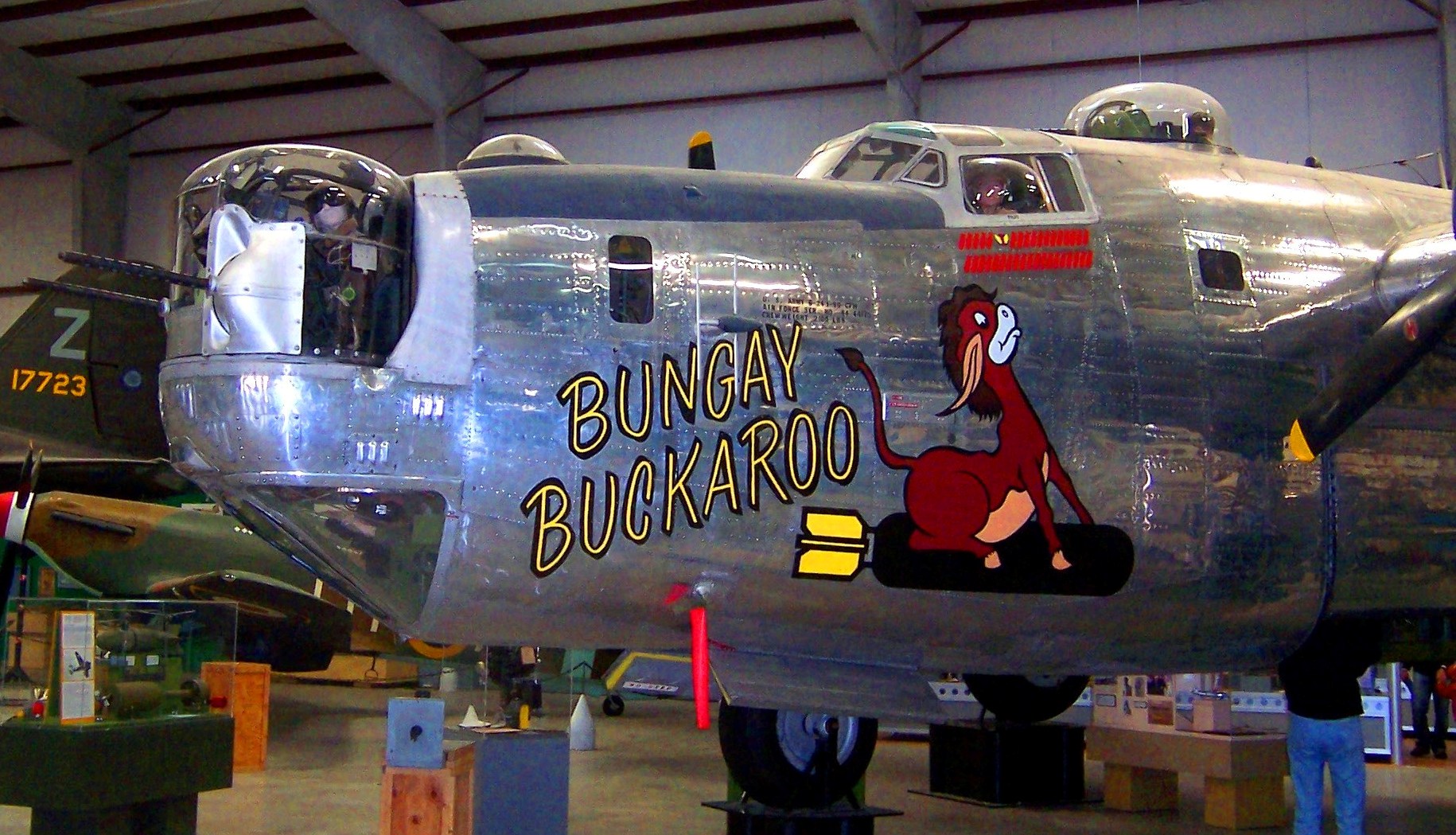
(Author Photos)
(aeroprints.com Photos)
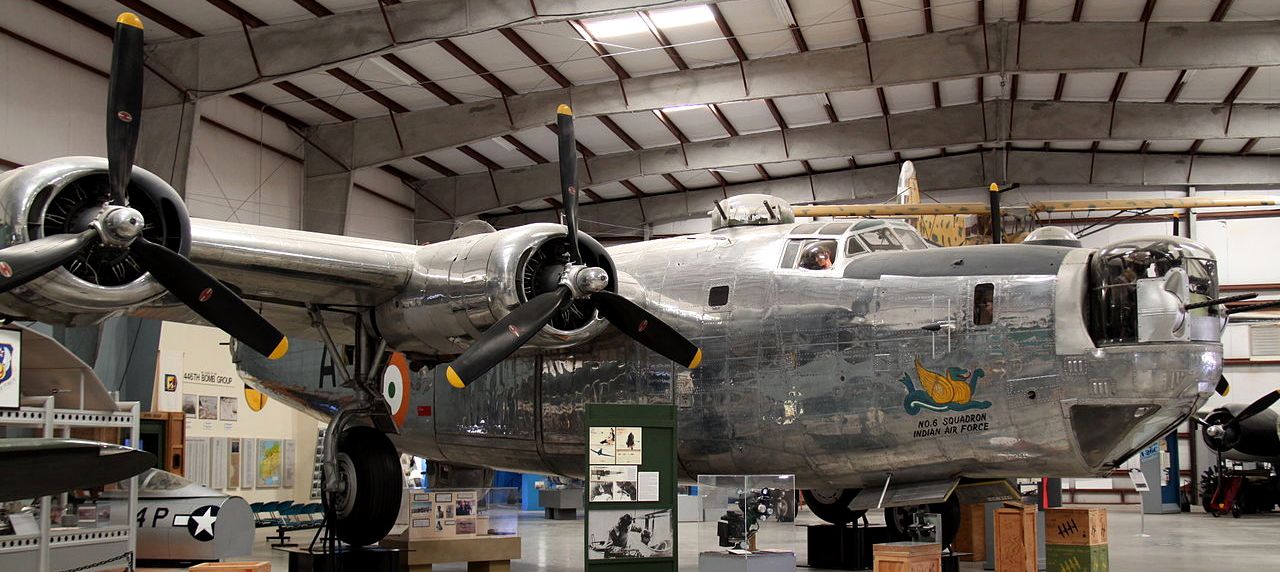
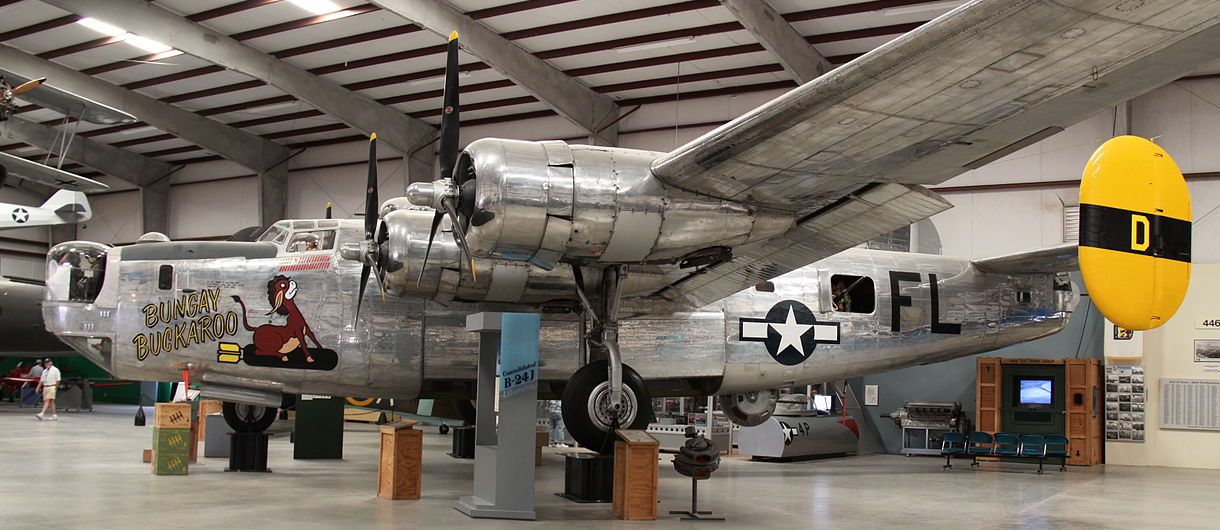
Consolidated B-24J Liberator, USAAC (Serial No. 44-44175), RAF (Serial No. KH304), âBungay Buckarooâ, Reg. No. N7866, KH304.
(Mike Freer – Touchdown-aviation Photo)
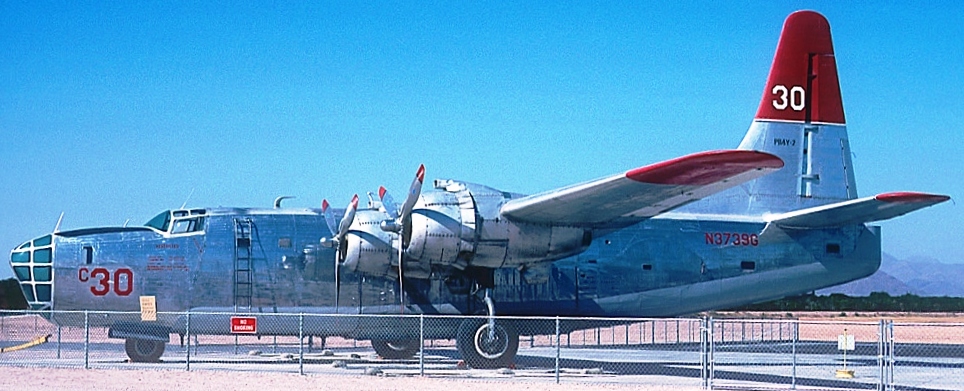
Consolidated PB4Y-2 Privateer (BuNo. 59819), Reg. No. N3739G. Previously a fire-bomber with T&G Aviation based at Chandler, Arizona, then sold to the Lone Star Flight Museum in Galveston Texas, and then sold to the museum in Pima in the fall of 2015.
Convair aircraft preserved in the Pima Air & Space Museum are listed on a separate page on this web site.
(aeroprints.com Photo)
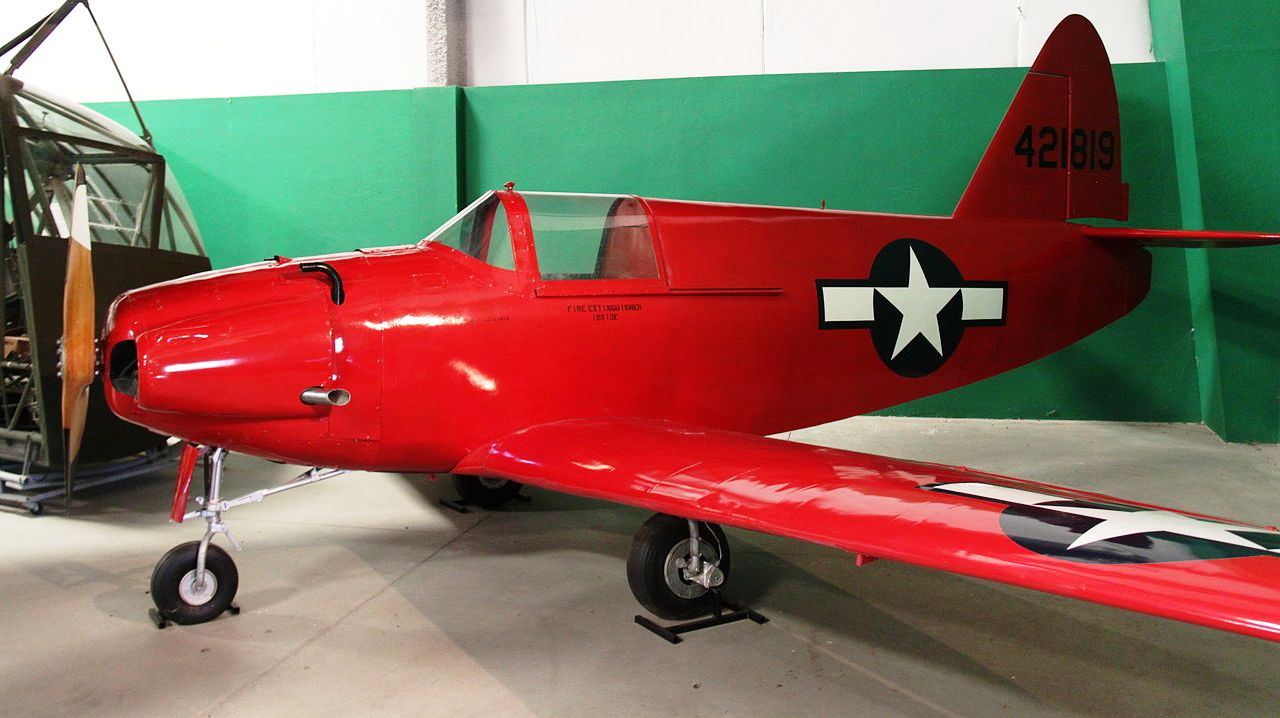
Culver PQ-14B Cadet (Serial No. 44-21819), Reg. No. N1063M.
(Mike Freer – Touchdown-aviation Photo)
(Author Photo)
(Gillfoto Photo)
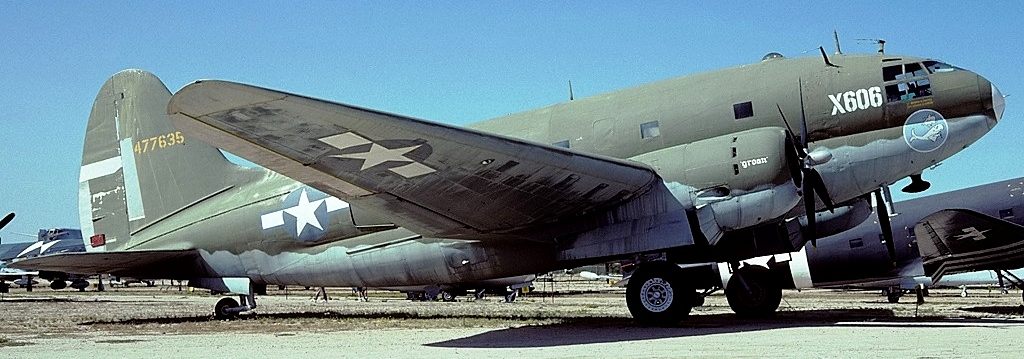
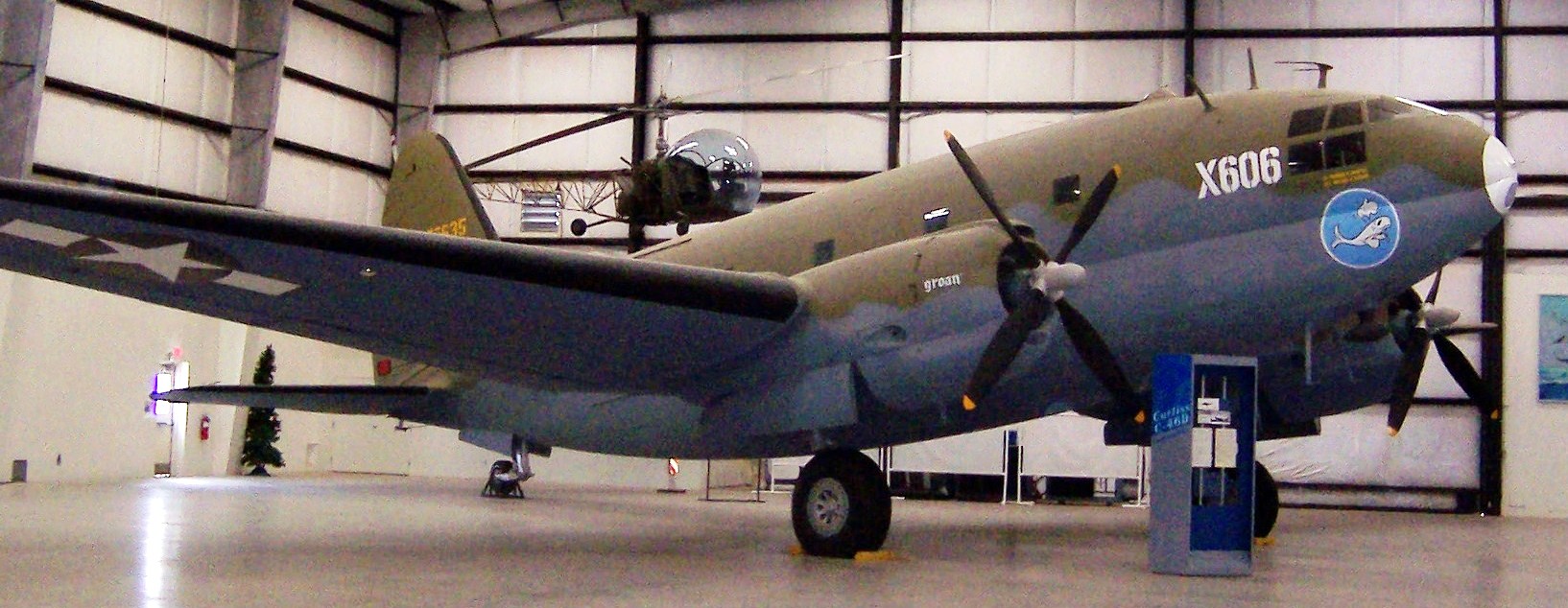
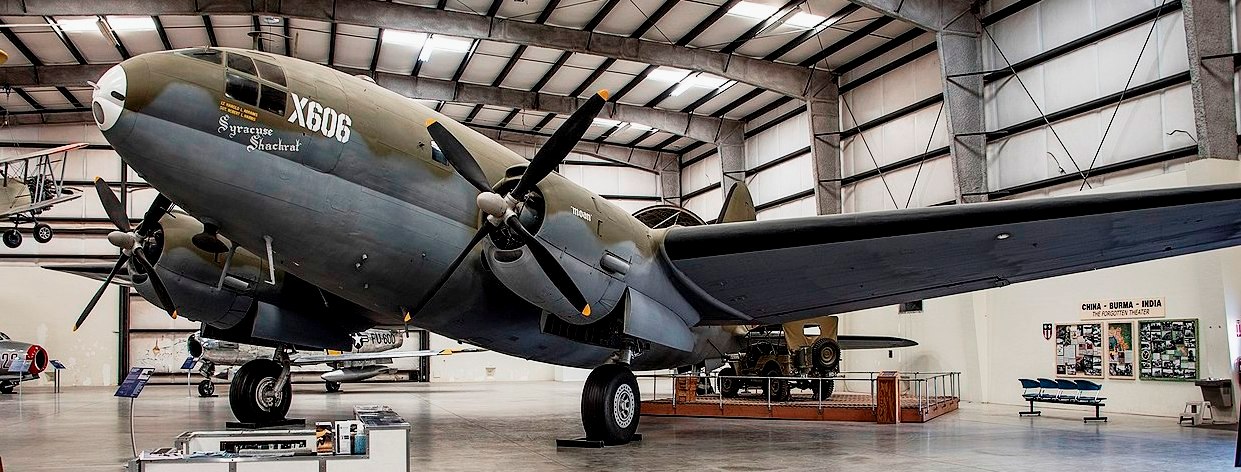
Curtiss-Wright C-46D Commando (Serial No. 44-77635), in the markings of the 2nd Combat Cargo Group, 5th Combat Cargo Squadron while based at Townsville, Australia in 1944.
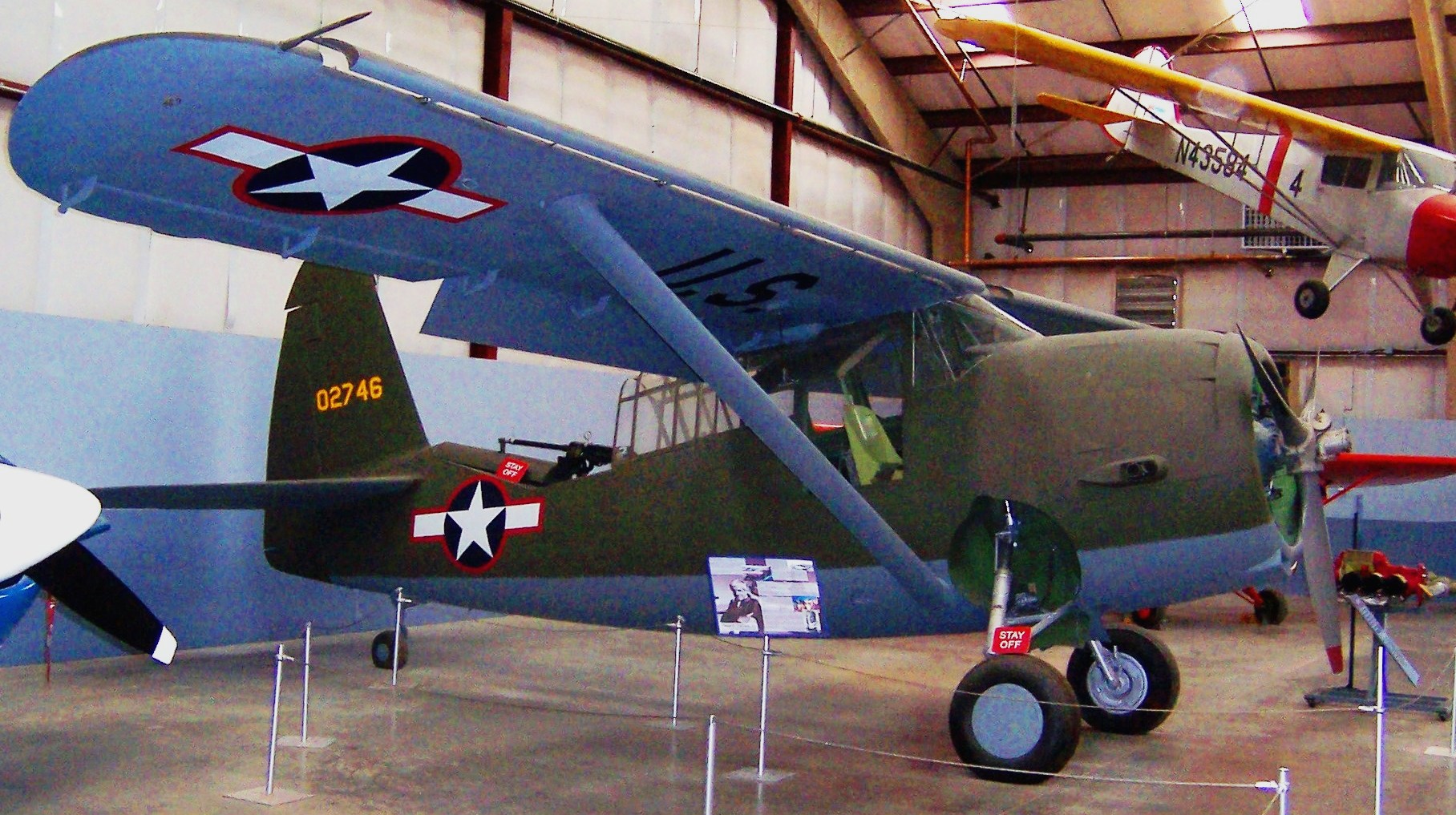
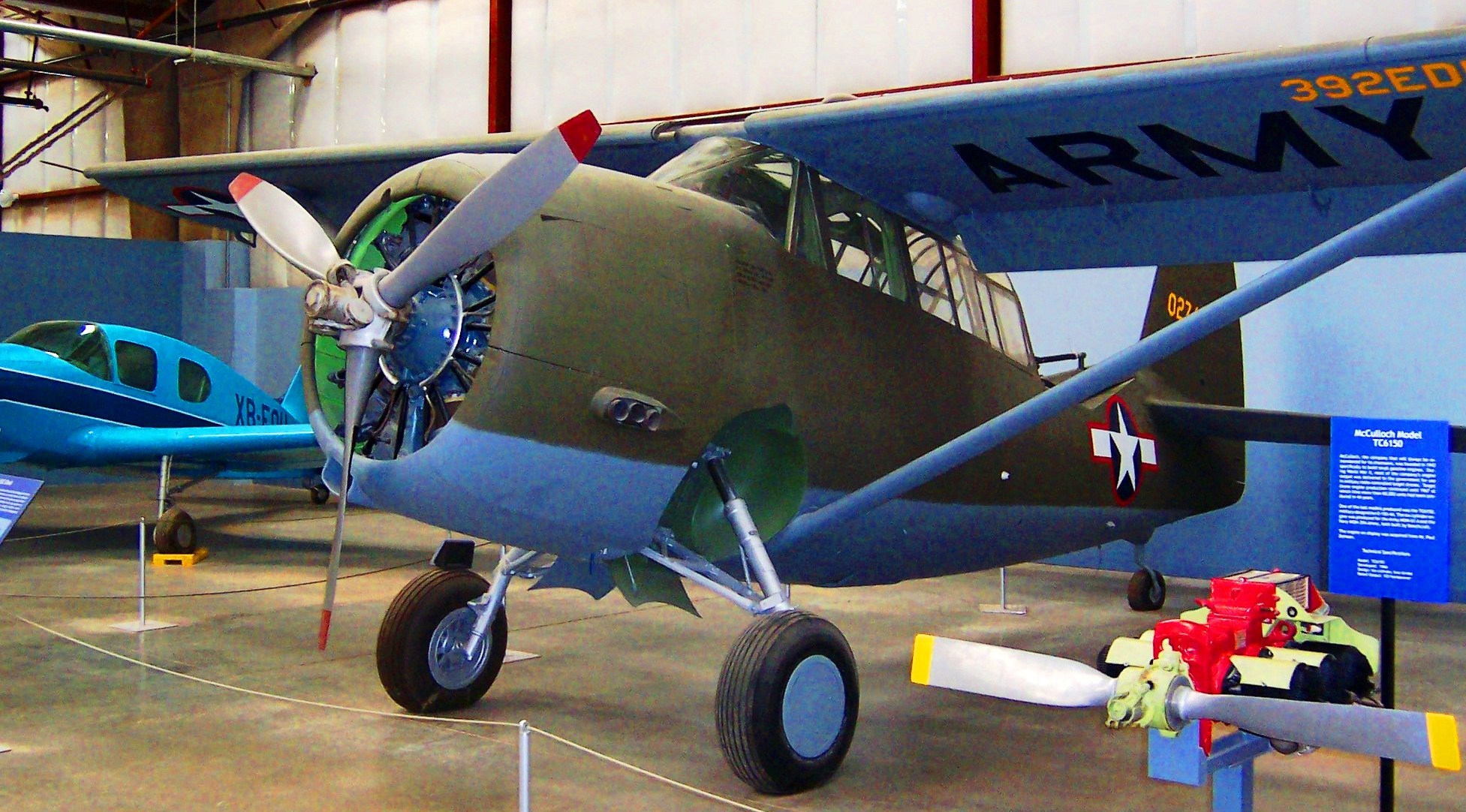
(Author Photos)
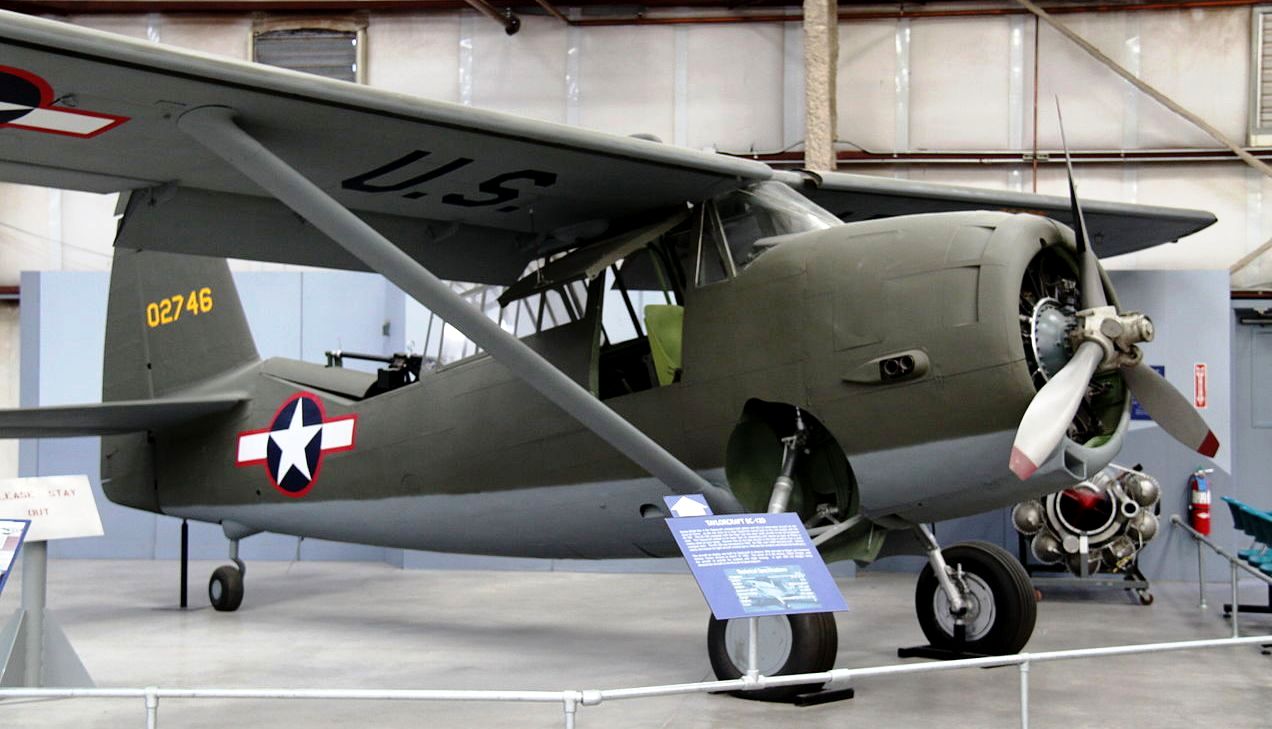
(aeroprints.com Photo)
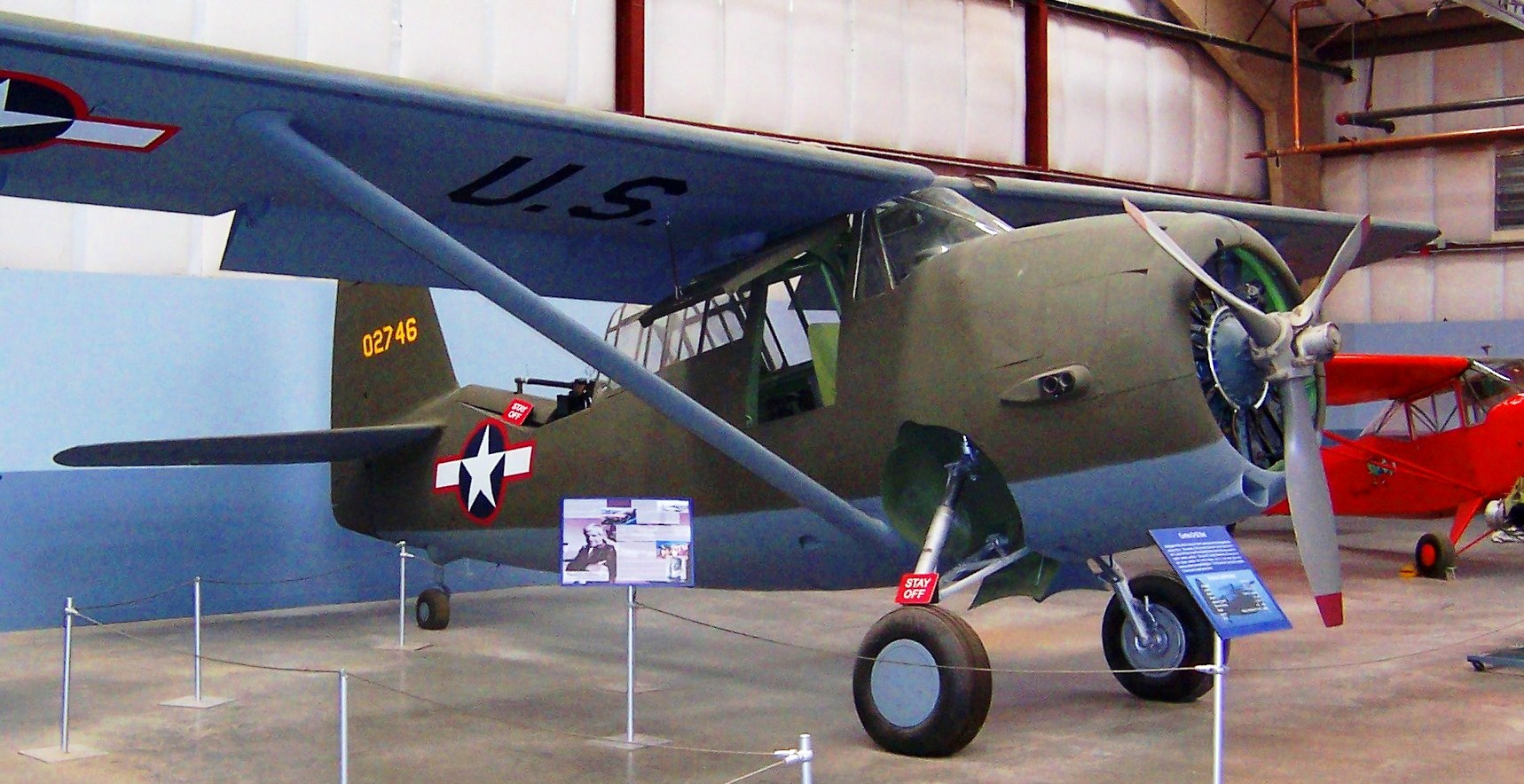
Curtiss O-52 Owl (Serial No. 40-2746). 22nd Observation Sqn.
Curtiss P-40K Kittyhawk (Serial No. 42-45984). Project. This aircraft crashed in 1942 in New Guinea. It was recovered in 2000 and donated to the Pima Air & Space Museum in 2002.
Curtiss P-40N Kittyhawk (Serial No. 42-104961). Project. This aircraft crashed in 1943 in New Guinea. It was recovered in 1974 by the Military Aircraft Restoration Corporation and loaned to the Pima Air & Space Museum in 2004.
Curtiss/Wright AT-9A Fledgling Jeep (Serial No. 42-56882).
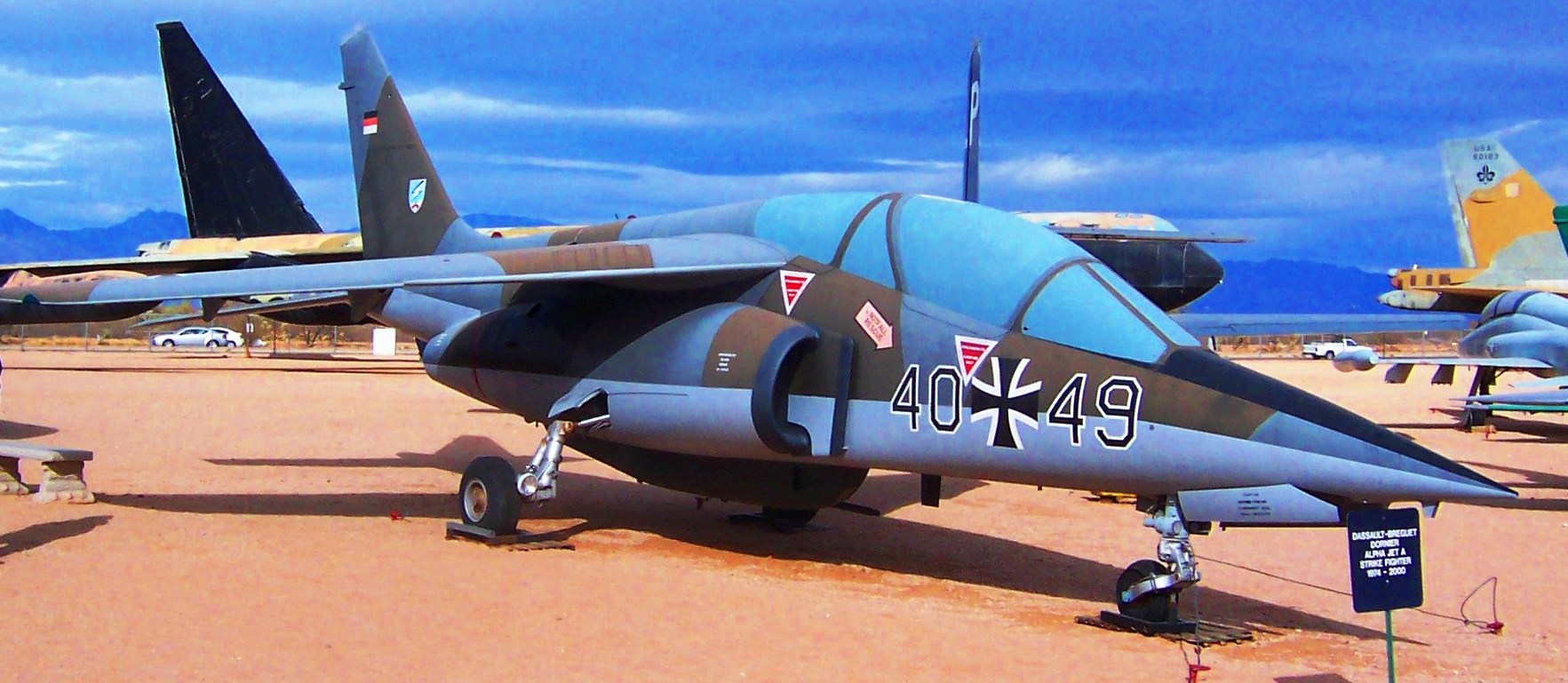
(Author Photo)
(Schedezz Photo)
(Frank Kovalchek Photo)
(aeroprints.com Photo)
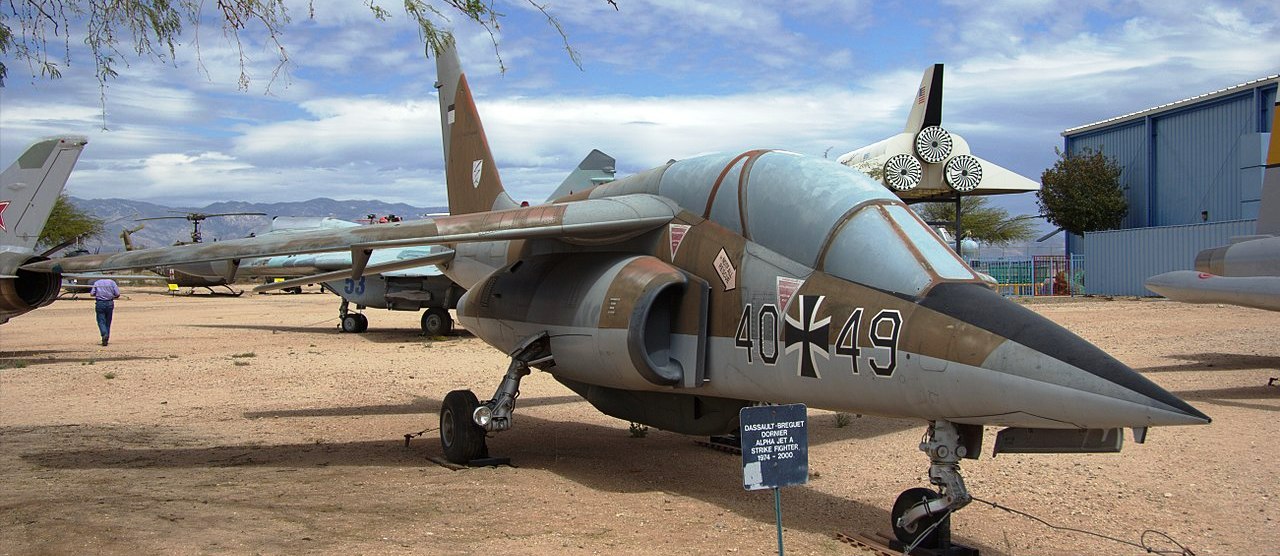
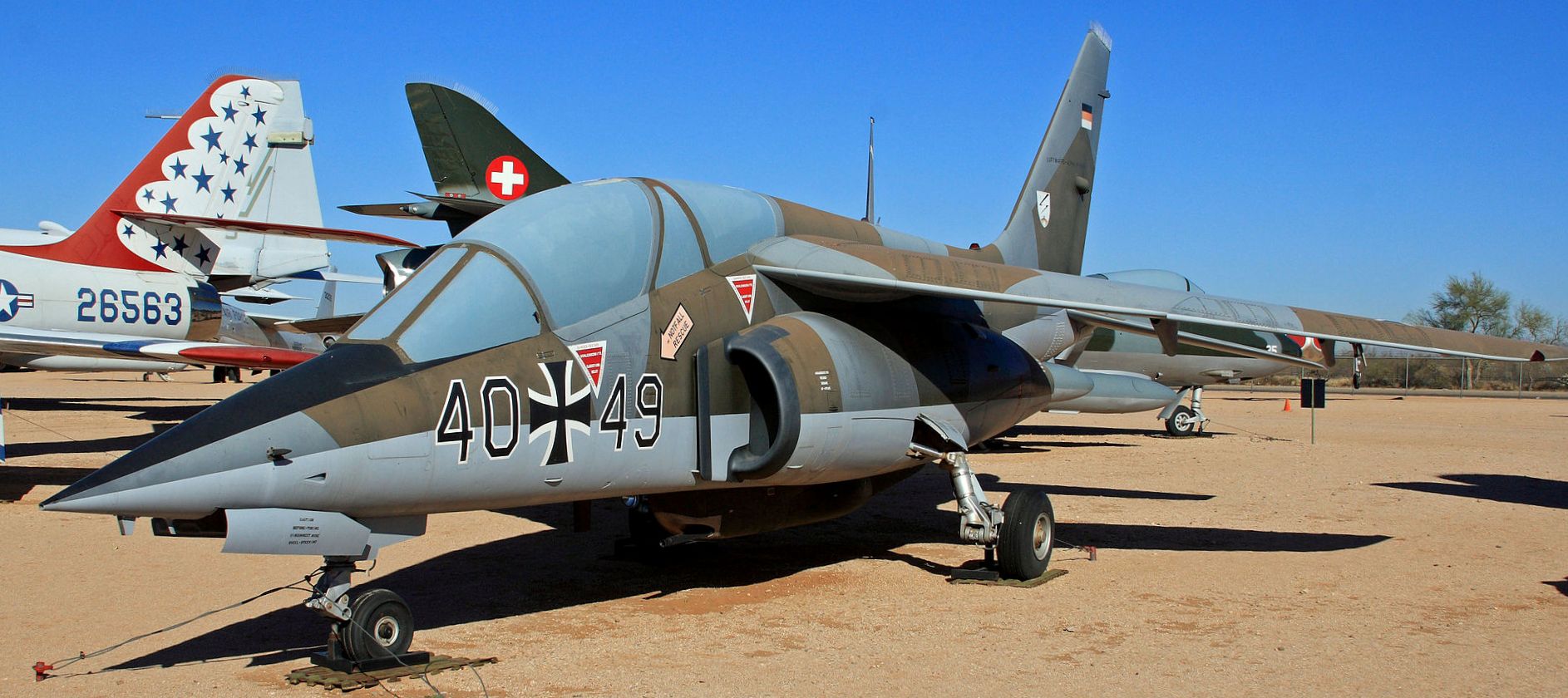
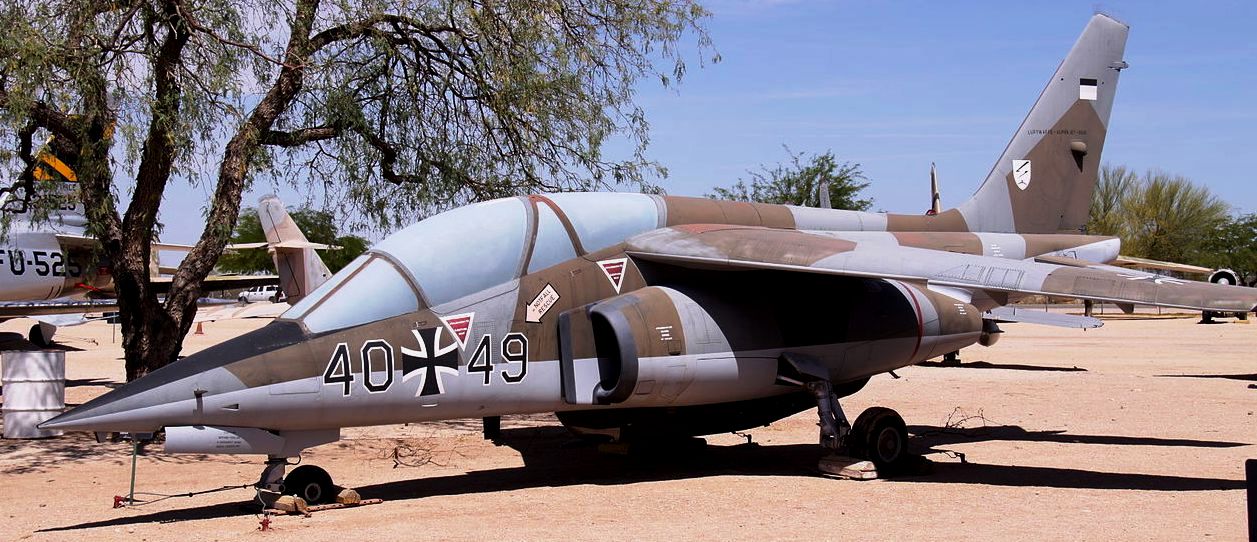
Dassault-Breguet/Dornier Alpha Jet A, Luftwaffe (Serial No. 40+49).
Douglas aircraft preserved in the Pima Air & Space Museum are listed on a separate page on this web site.
(aeroprints.com Photo)
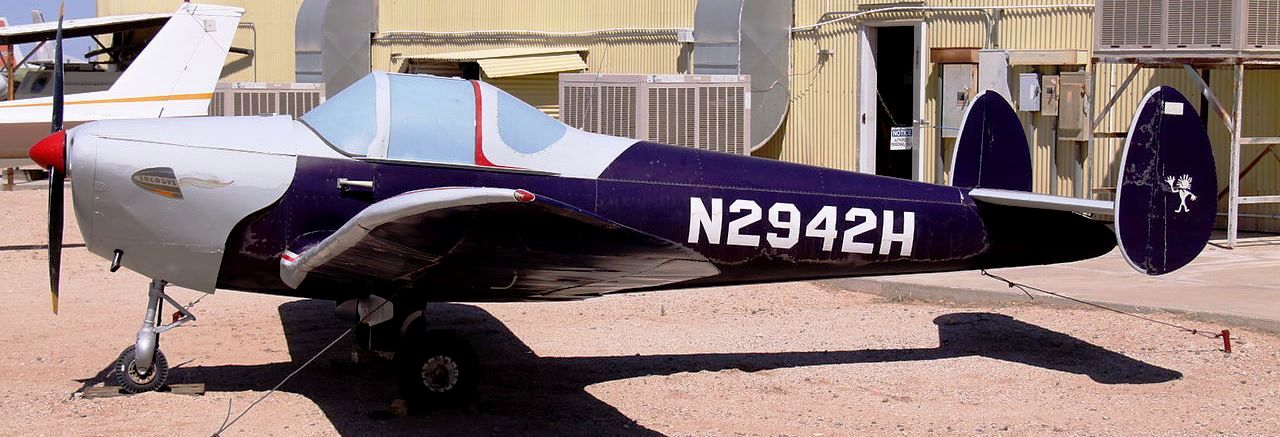
Erco 415C Ercoupe (Serial No.), Reg. No. N2942H.
Erco 415C Ercoupe (Serial No. 1188), Reg. No. N78X.
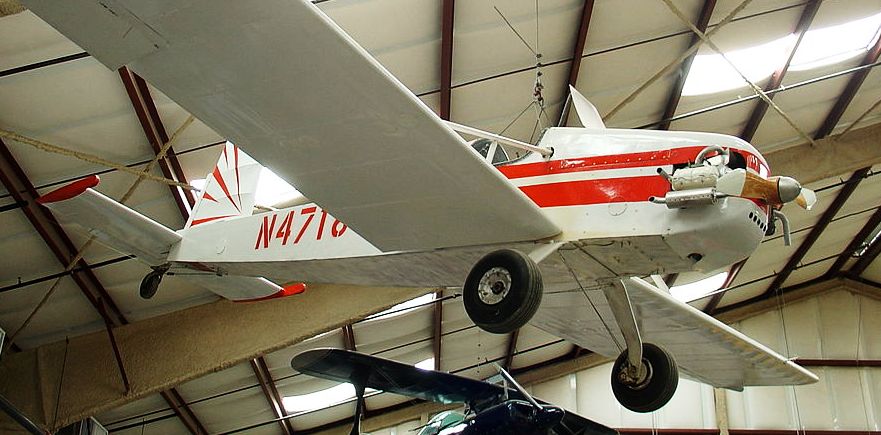
(Jeff Keyser Photo)
Evans VP-1 Volksplane (Serial No.), Reg. No. N47188.
Fairchild aircraft preserved in the Pima Air & Space Museum are listed on a separate page on this web site.
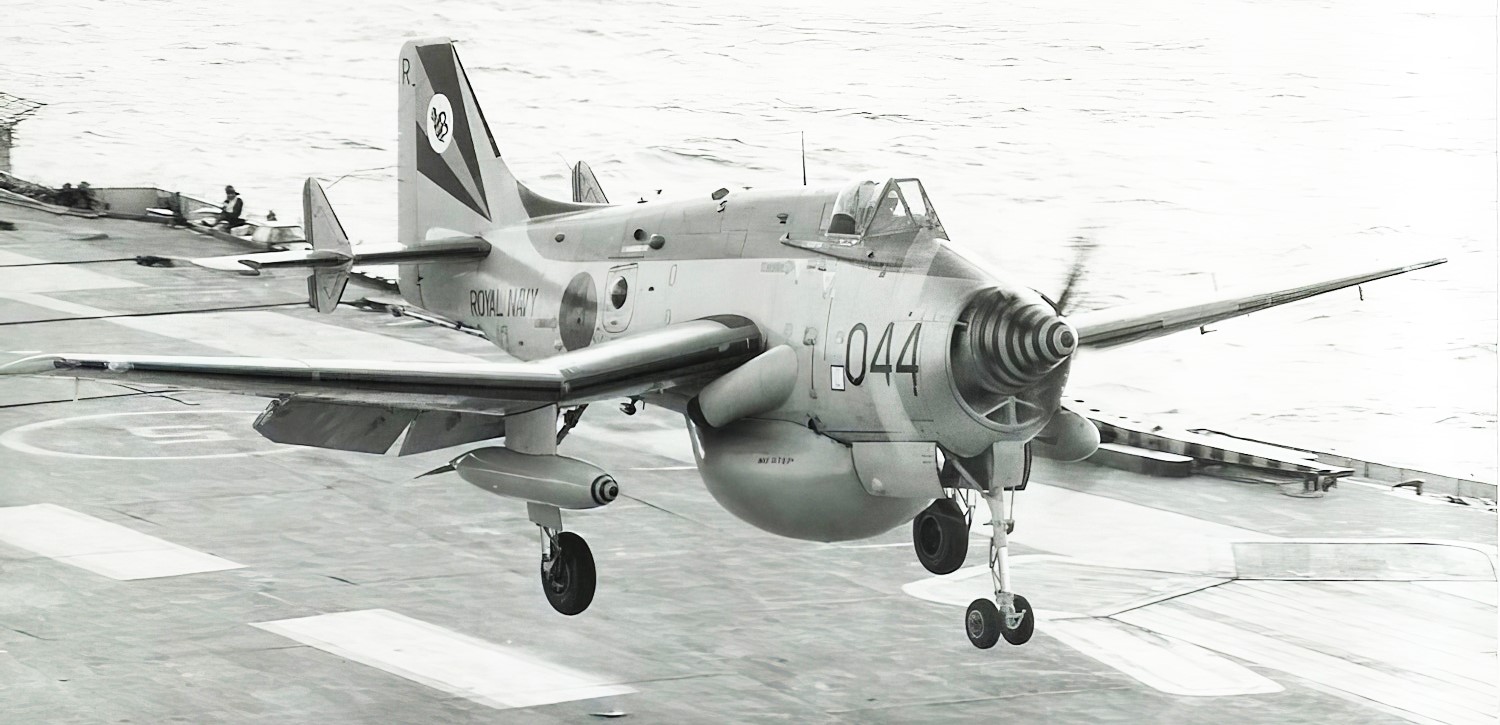
(Royal Navy Photo)
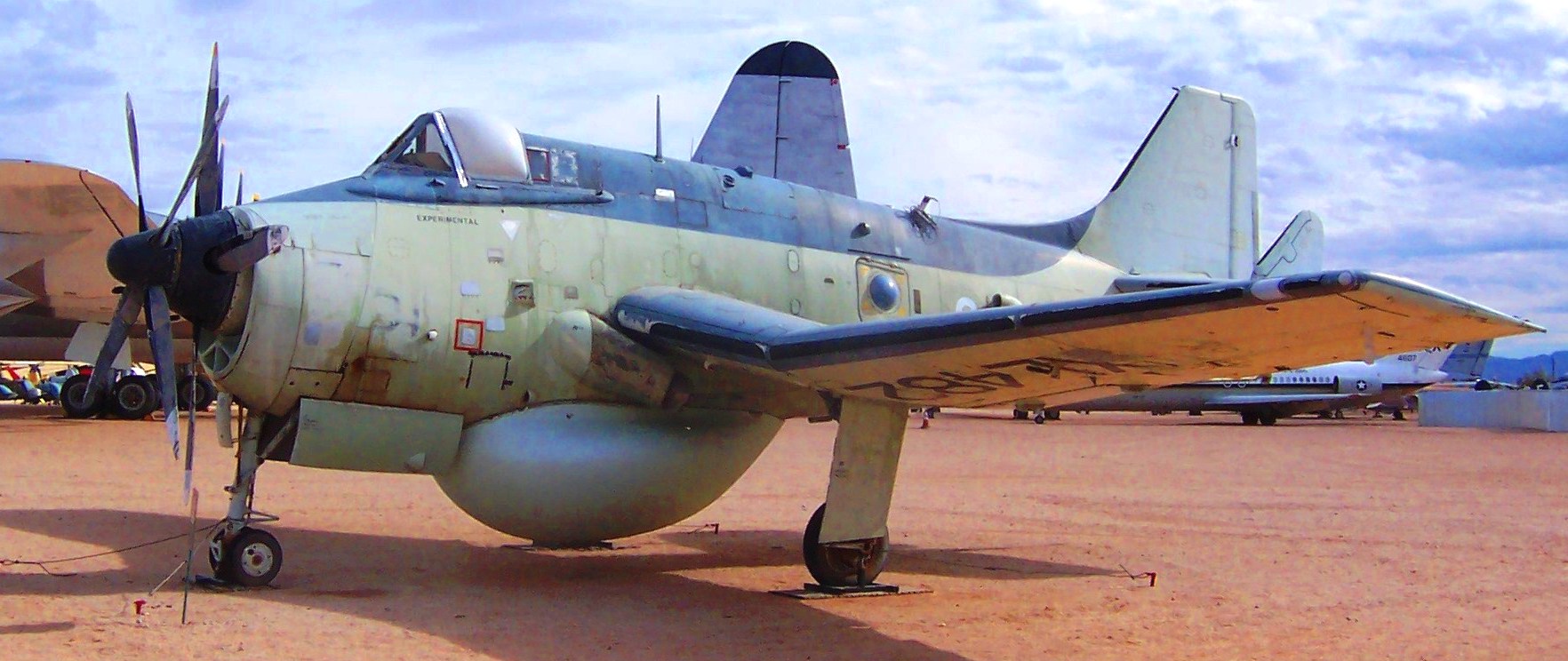
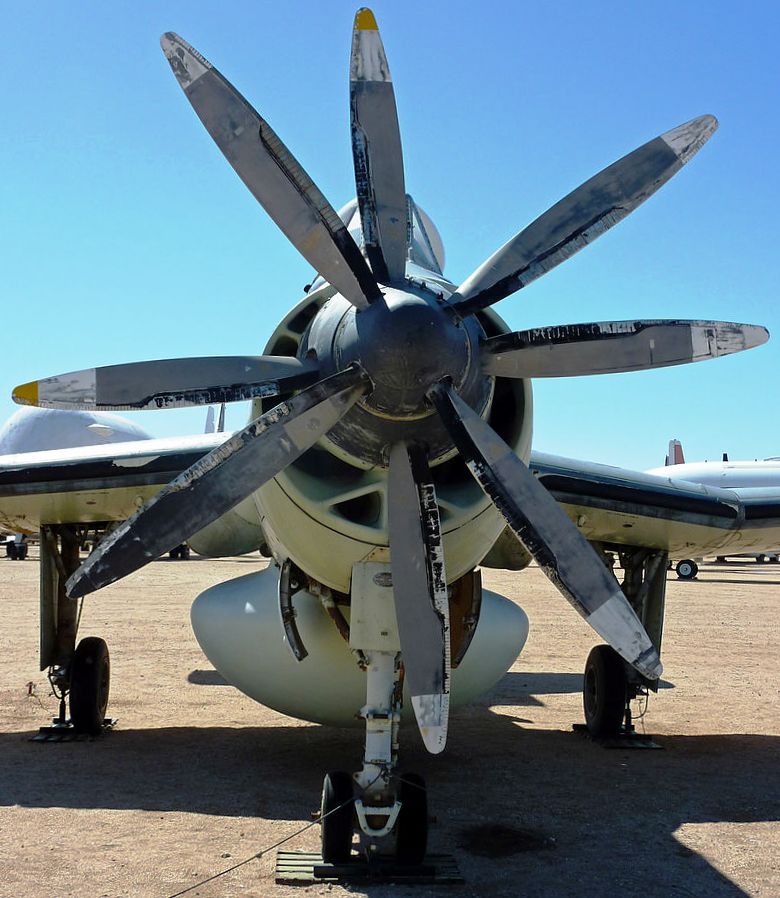
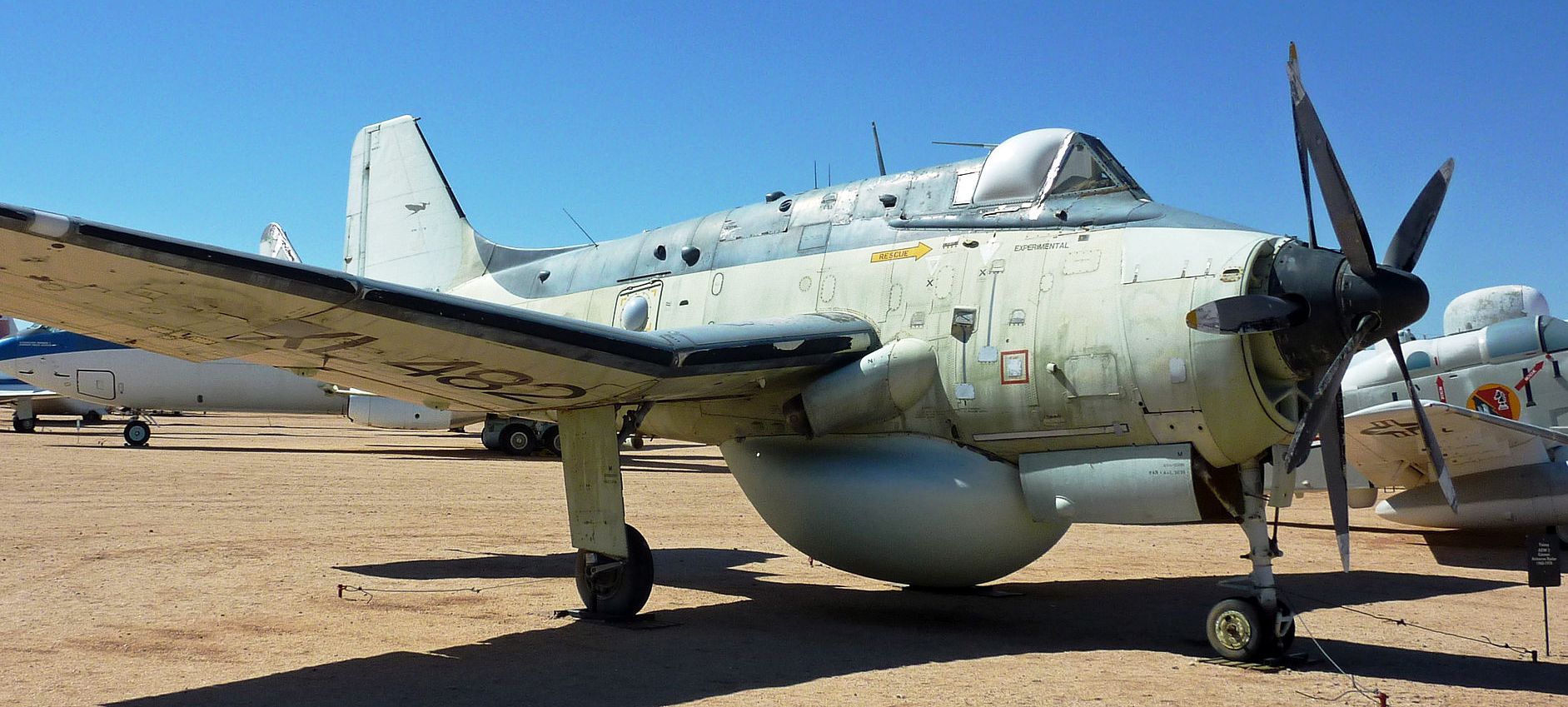
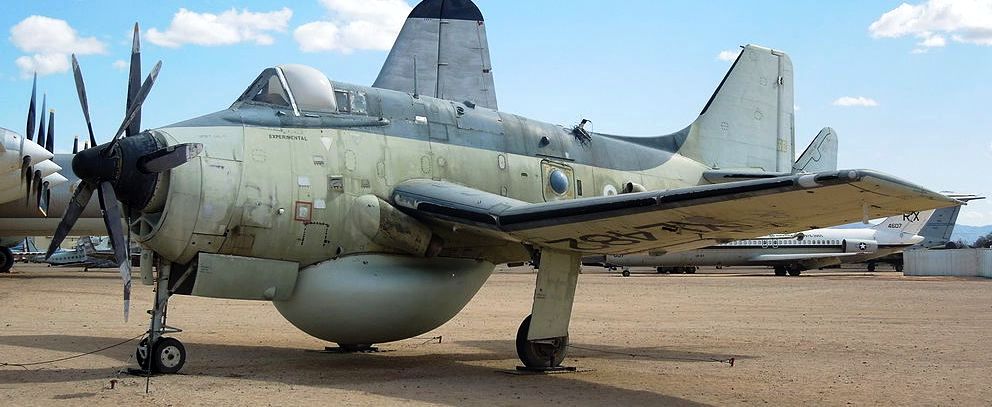
Fairey Gannet. Initially conceived to fulfill the demands of the Second World War, the Gannet was tailored for a dual-purpose role in anti-submarine warfare (ASW) and strike missions, catering to the needs of the Fleet Air Arm (FAA). Sporting a distinctive design, it featured a mid-wing monoplane configuration, complemented by a tricycle undercarriage and accommodations for a crew of three. Propulsion was provided by a double turboprop engine, propelling two contra-rotating propellers. Taking to the skies for the first time on 19 September 1949, the prototype Gannet showcased its capabilities. Just four years later, it entered active service with the FAA, solidifying its place in aviation history.
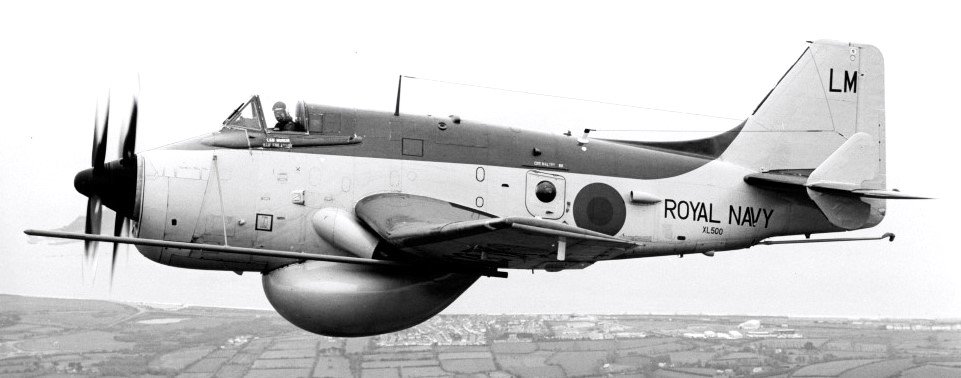
(Royal Navy Photo)
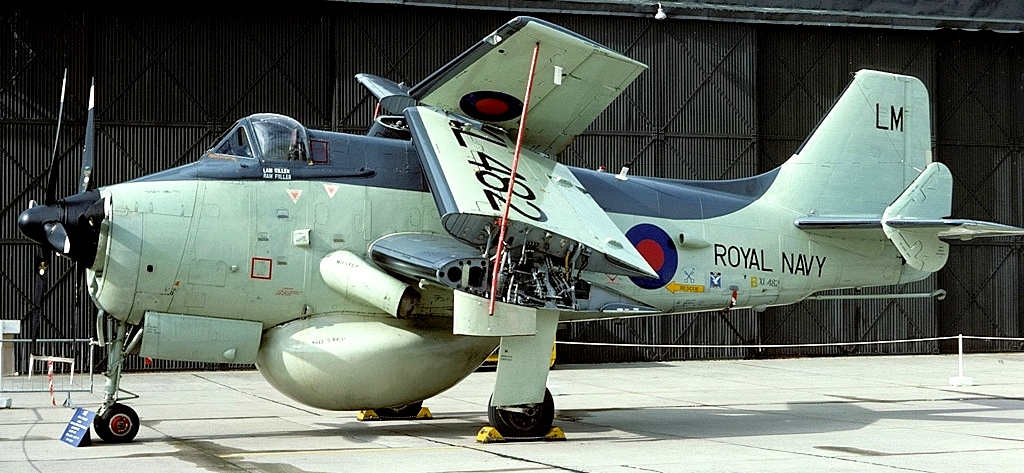
(Mike Freer – Touchdown-aviation Photo)
(Author Photo)
(Frank Kovalchek Photos)
(Simeon87 Photo)
Fairey Gannet, RN (Serial No. XL482)
(Author Photos)
(Josh Hallett Photo)
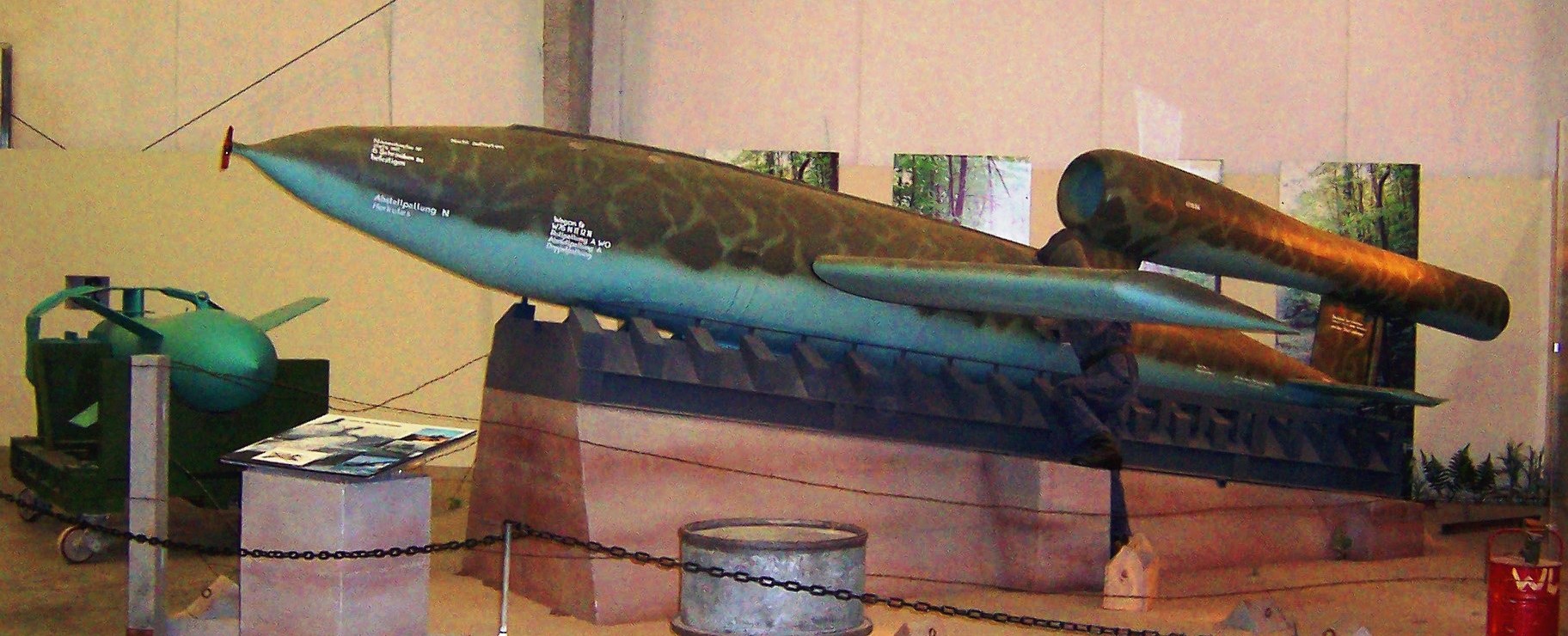
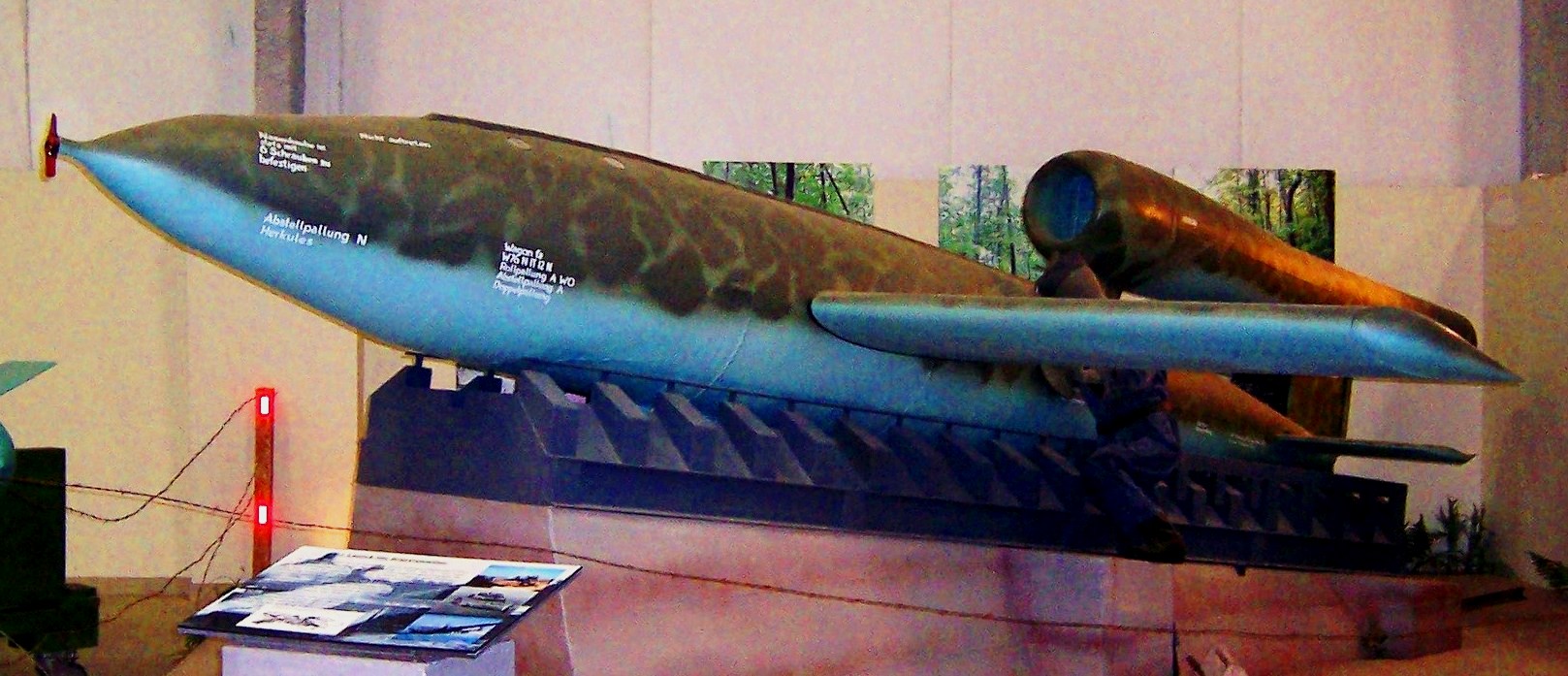
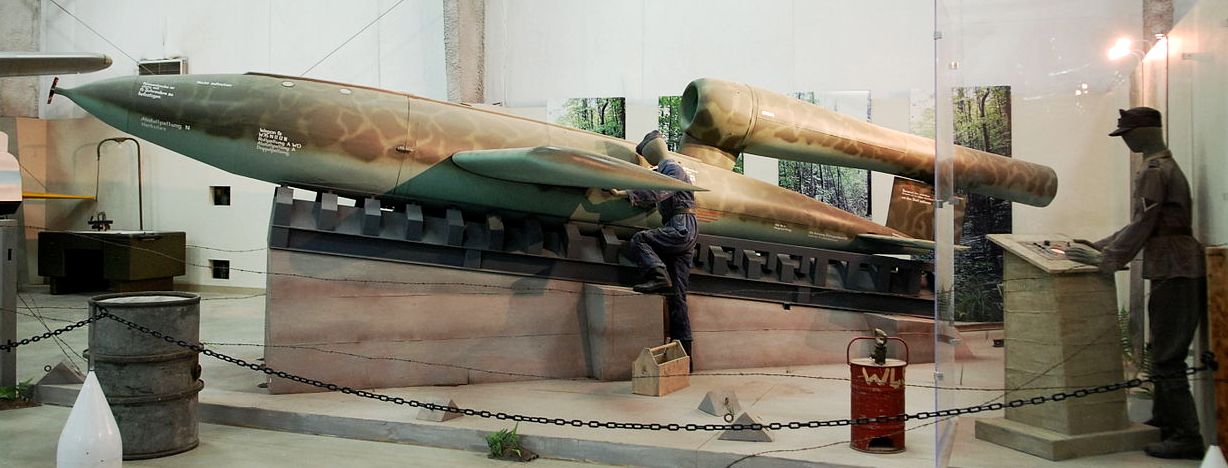
Fieseler Fi 103 (V1) Flying Bomb (Serial No. 121536).
(aeroprints.com Photo)
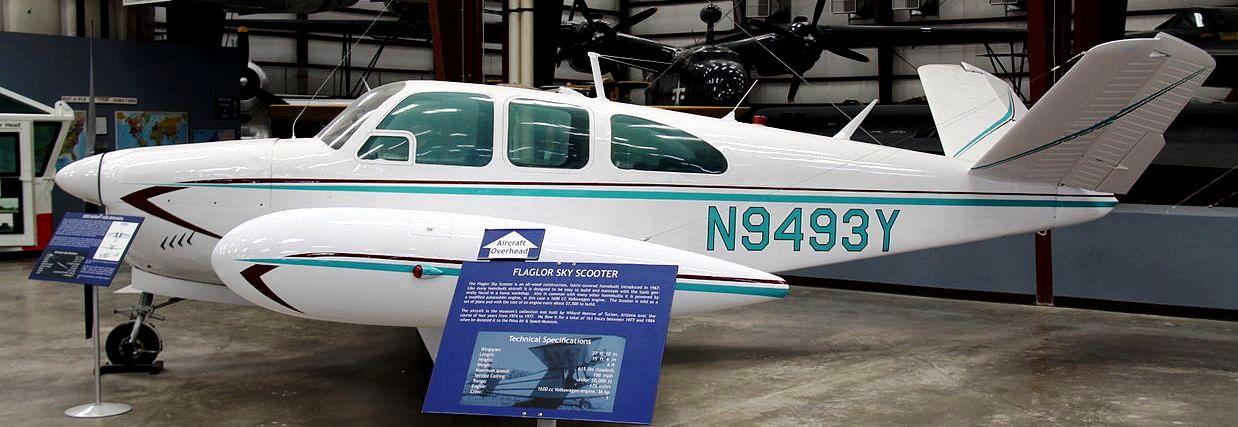
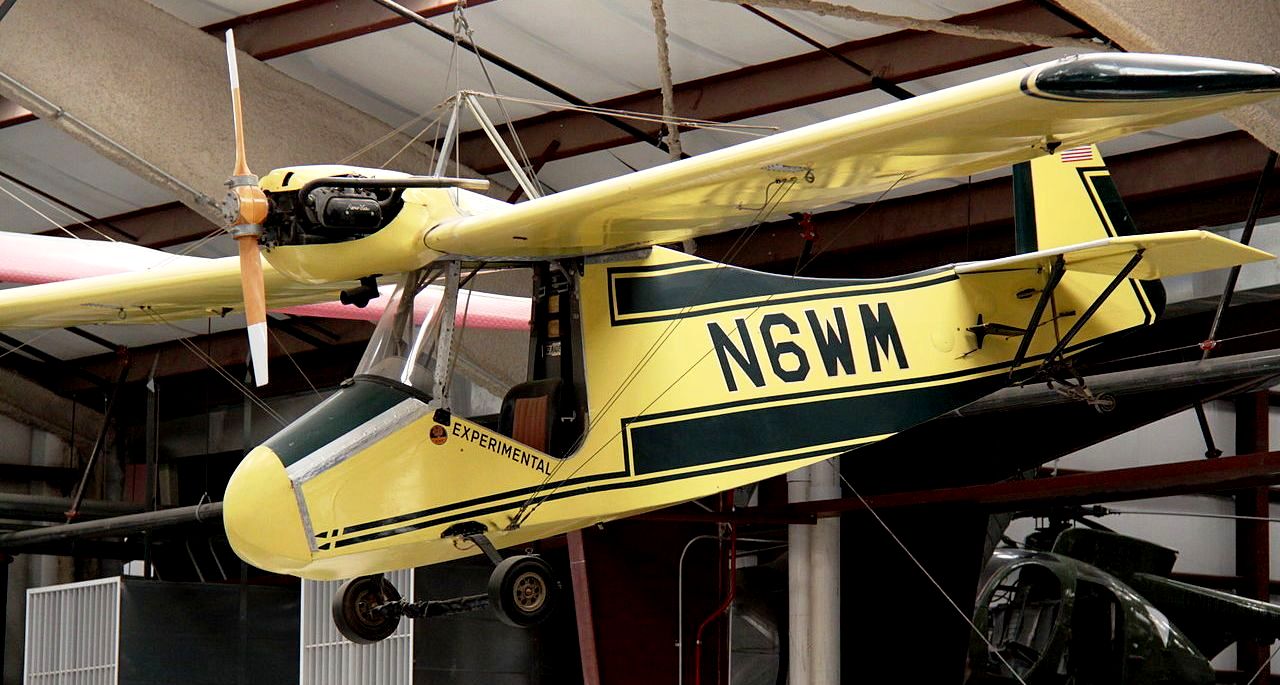
Flaglor Sky Scooter (Serial No. 1000), Reg. No. N6WM.
Fleet Model 2 Finch (Serial No. 181), Reg. No. N605M.
(Author Photo)
(aeroprints.com Photo)
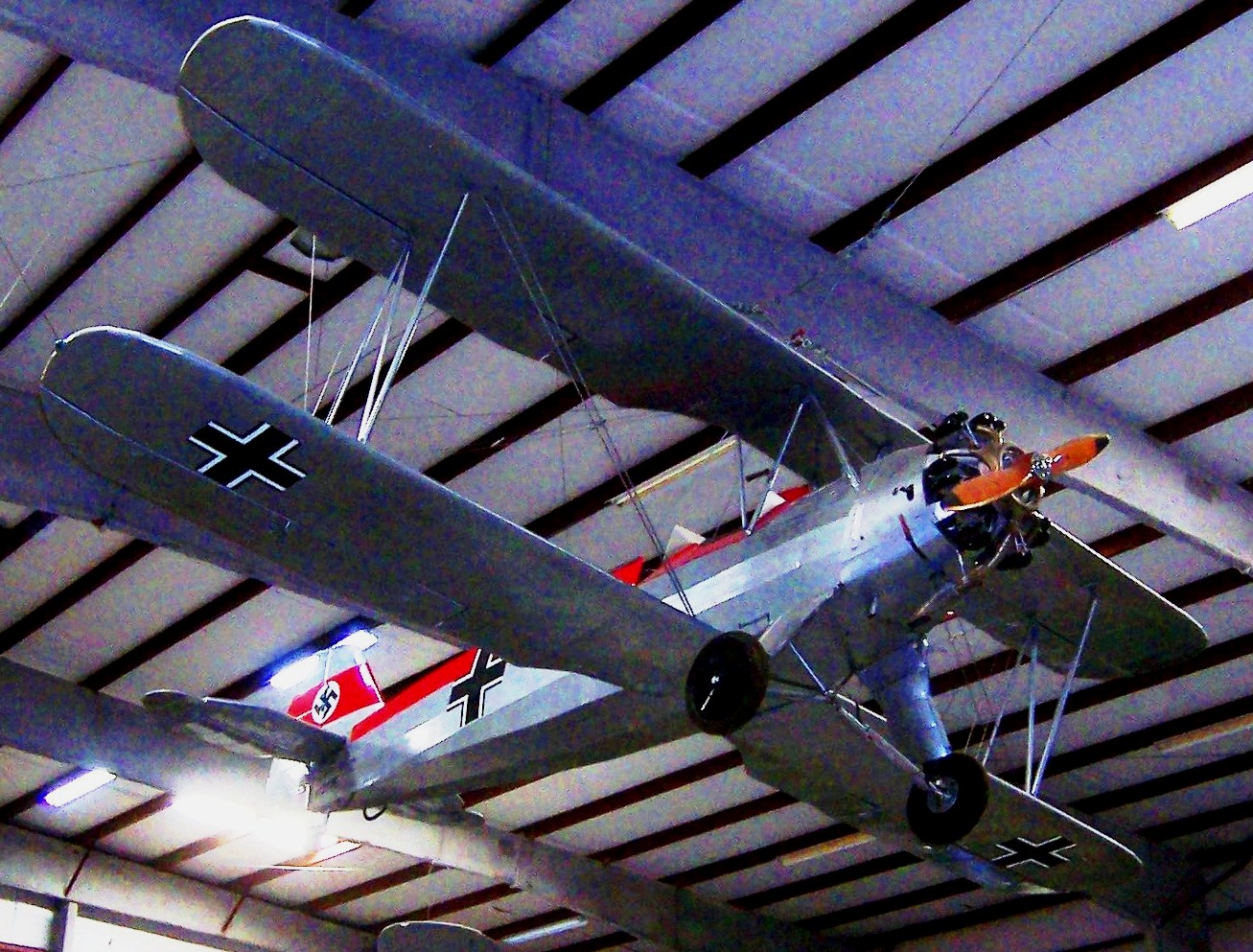
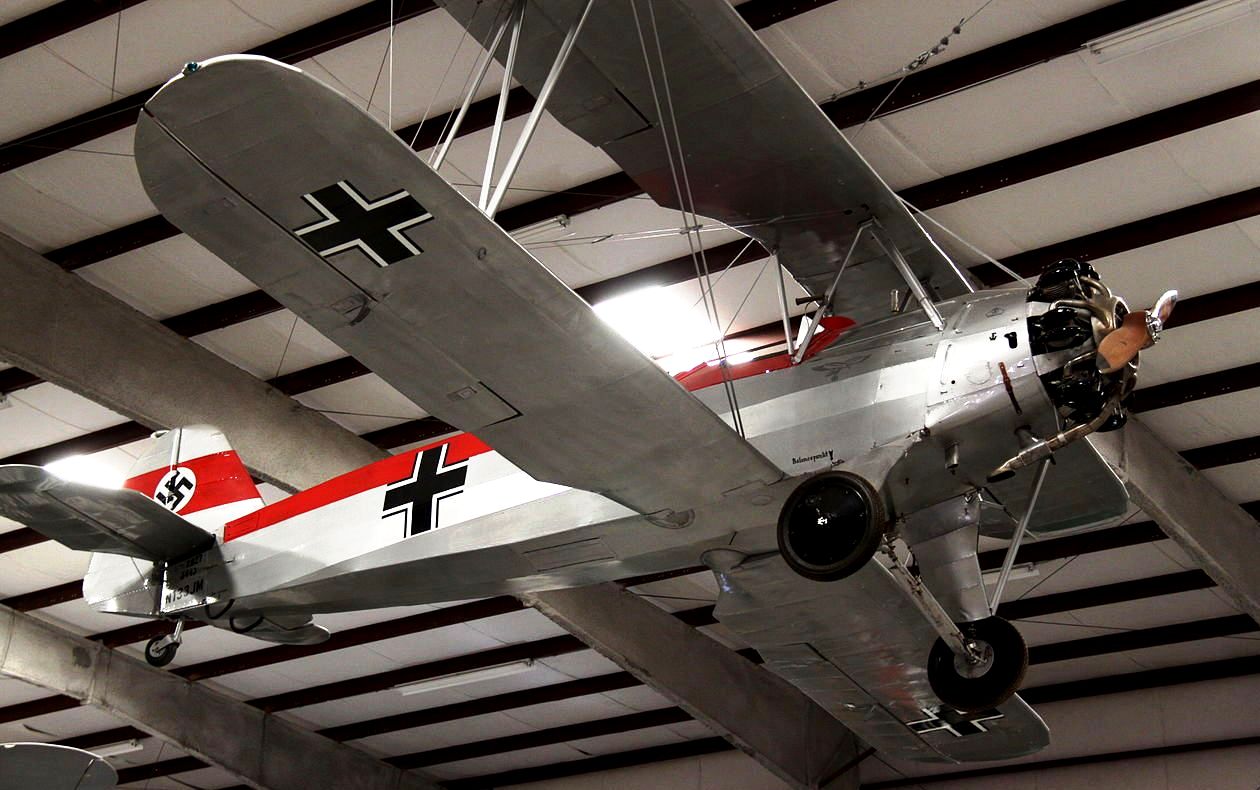
Focke-Wulf Fw 44J Stieglitz (Serial No. 2827), Reg. No. N133JM.
(Eric Salard Photo)
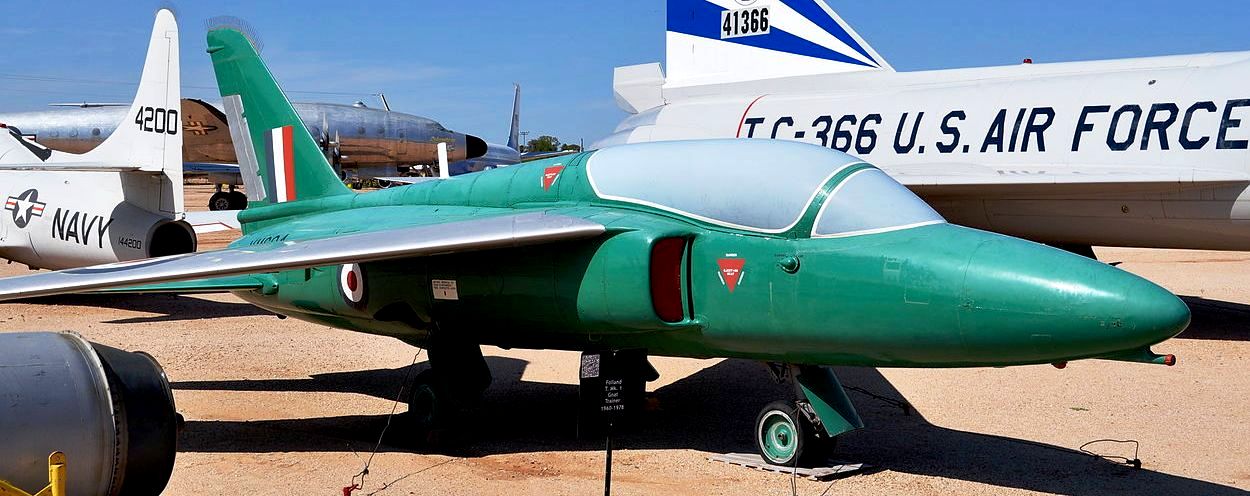
Folland T185 Gnat (Serial No. XM694), Reg. No. N694XM).
(Greg Goebel Photo)
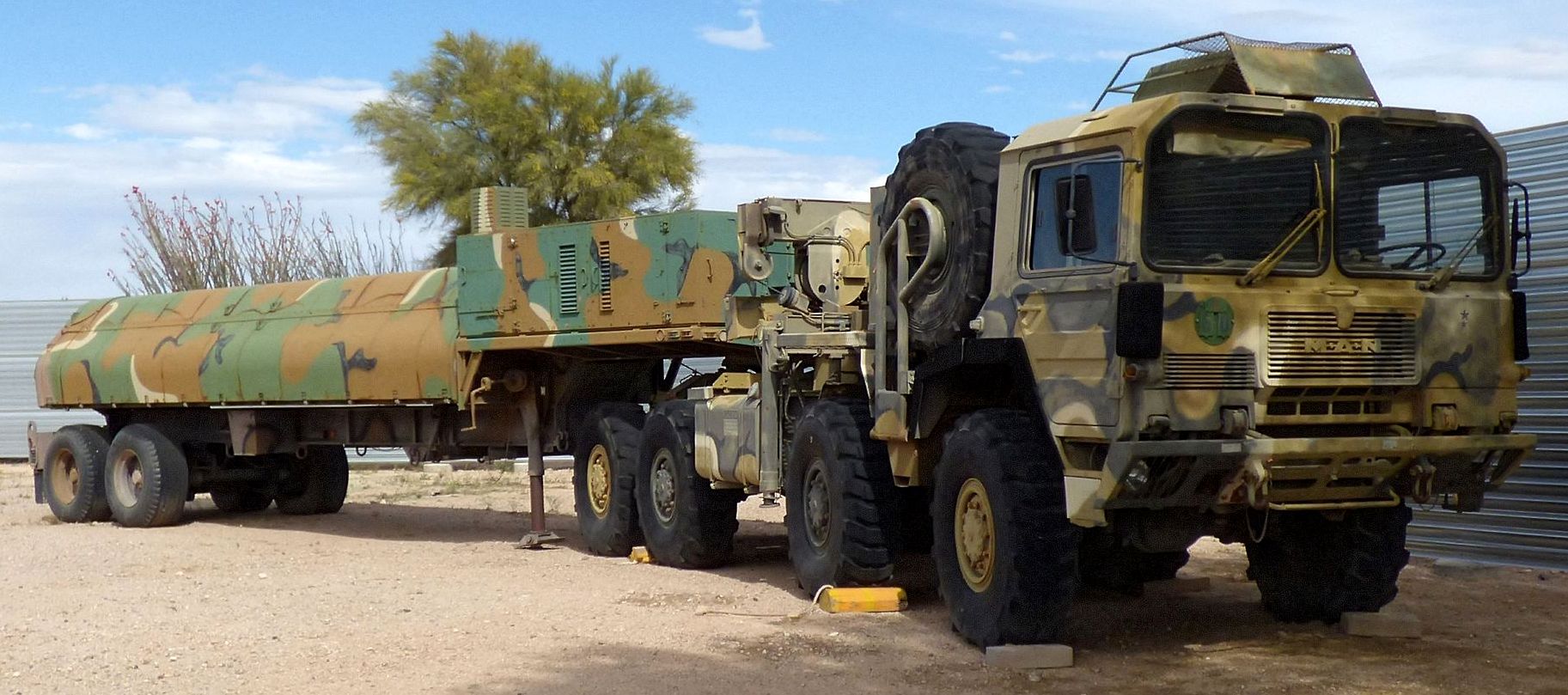
General Dynamics BGM 109G Ground Launched Cruise Missile (GLCM) (Serial No. 12436C0001).
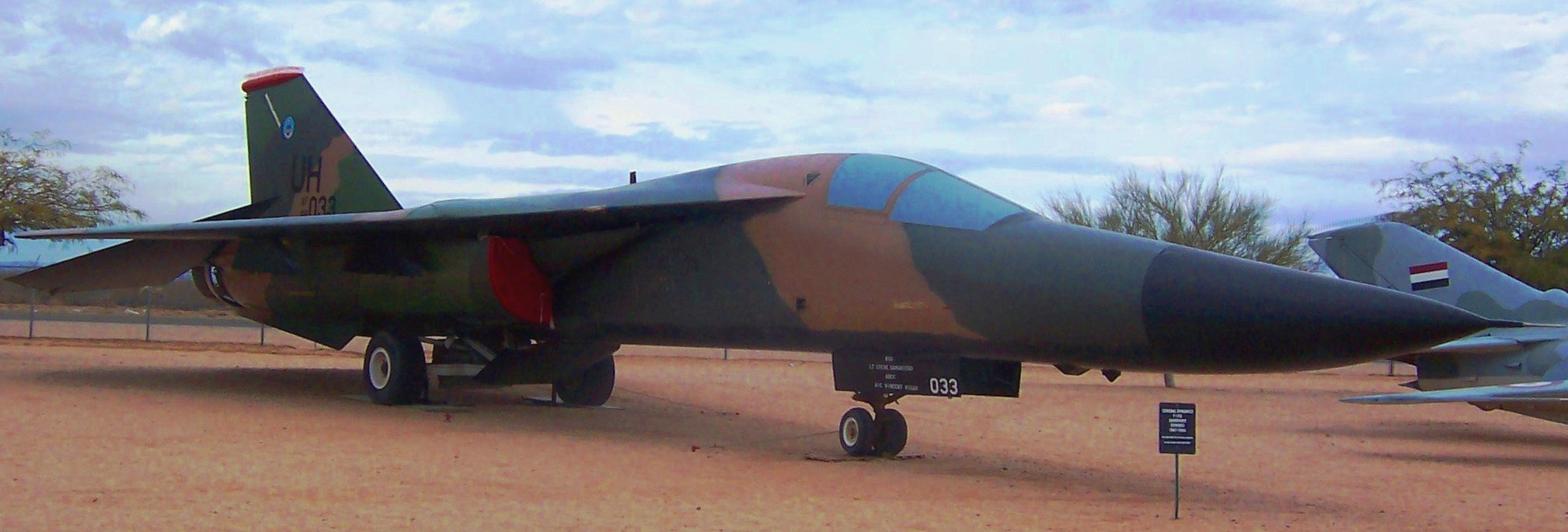
(Author Photo)
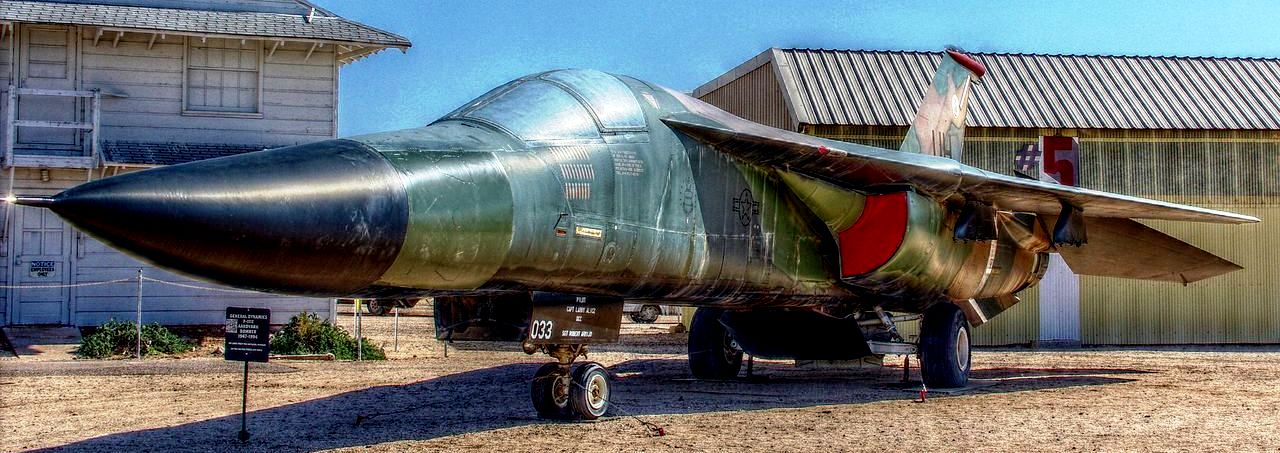
(Clemens Vasters Photo)
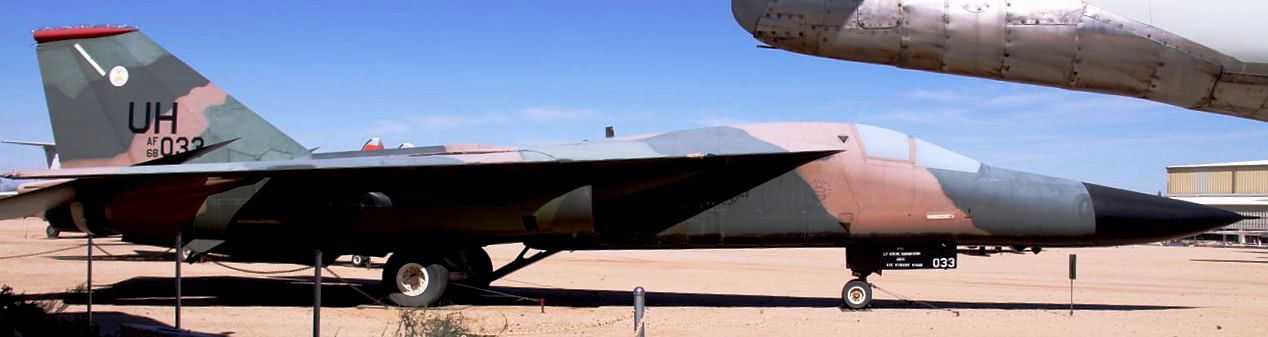
(aeroprints.com Photo)
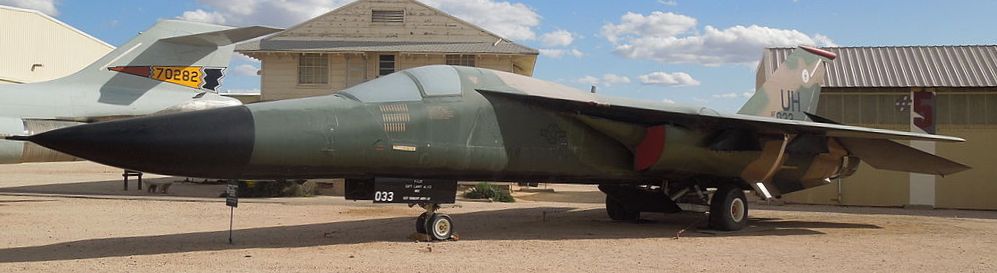
(Simeon87 Photo)
General Dynamics F-111E Aardvark (Serial No. 63-0033).
(Simeon87 Photo)
(Author Photo)
(Andrew Thomas Photo)
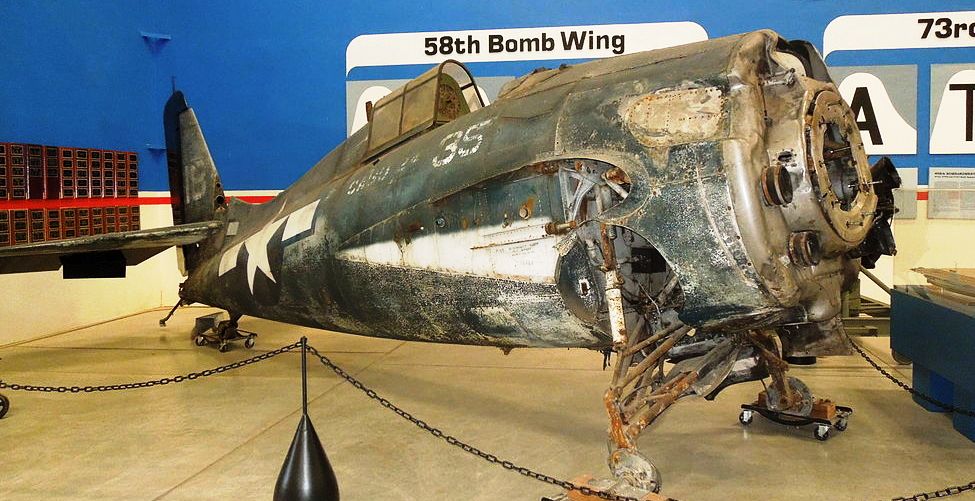
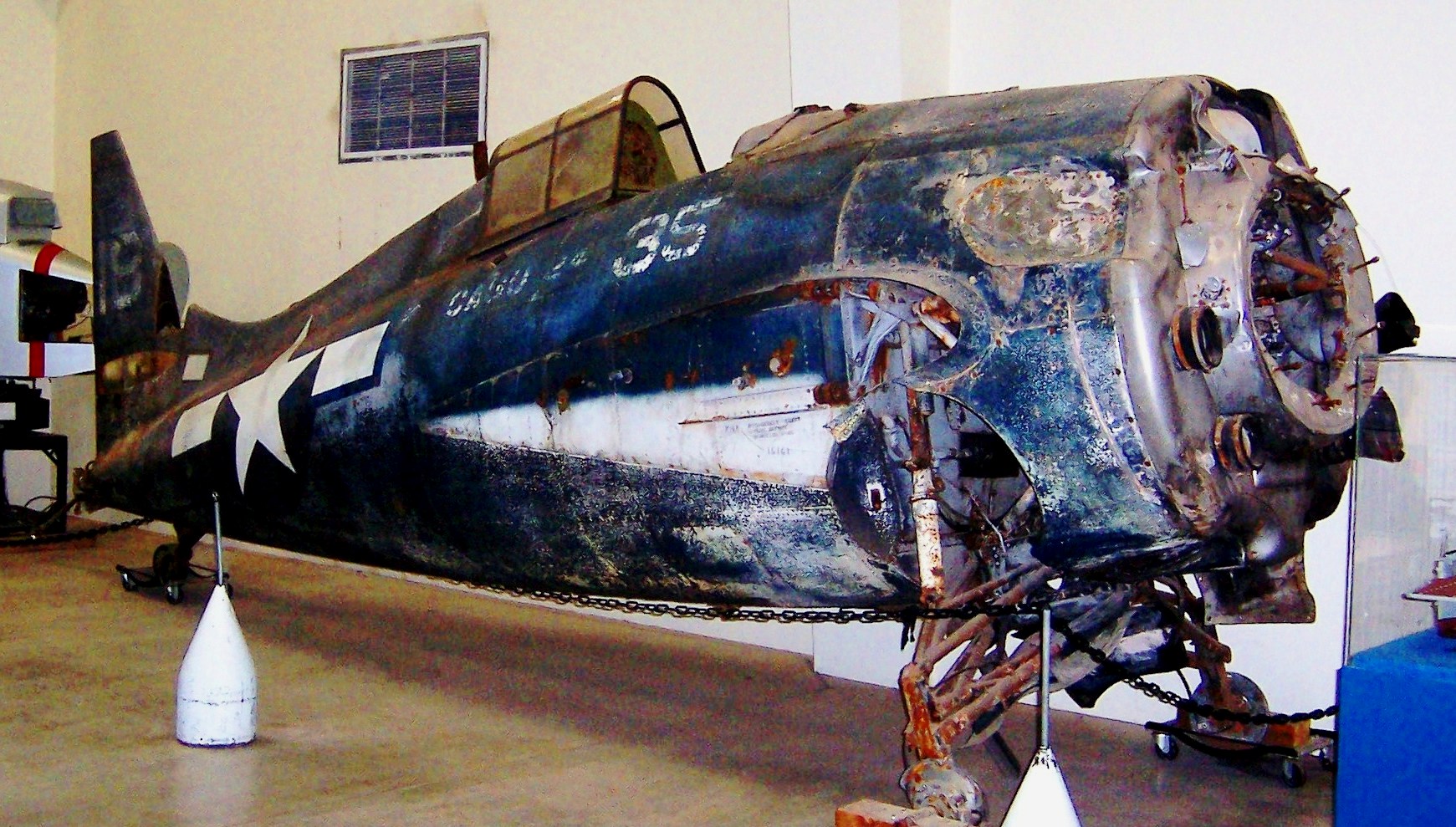
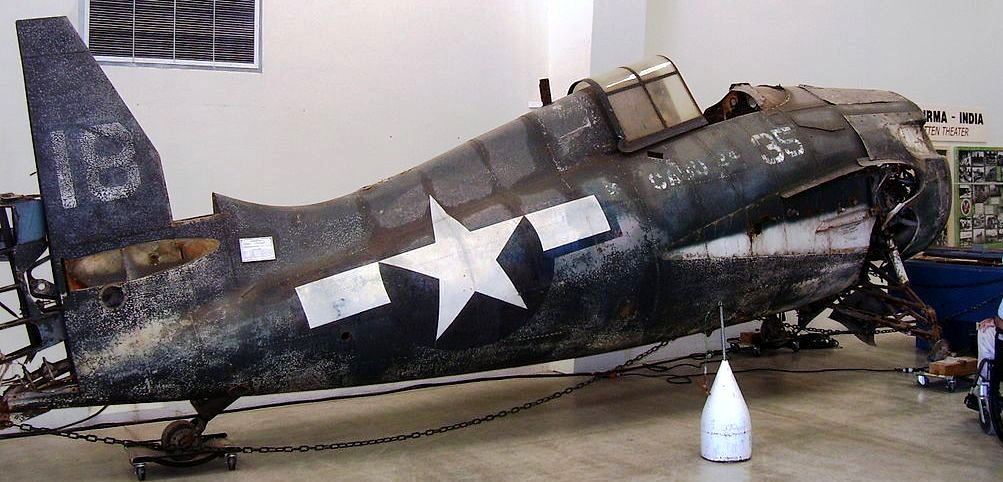
General Motors FM-2 Wildcat (BuNo. 16161). Project.
(Author Photo)
(Frank Kovalchek Photo)
(aeroprints.com Photo)
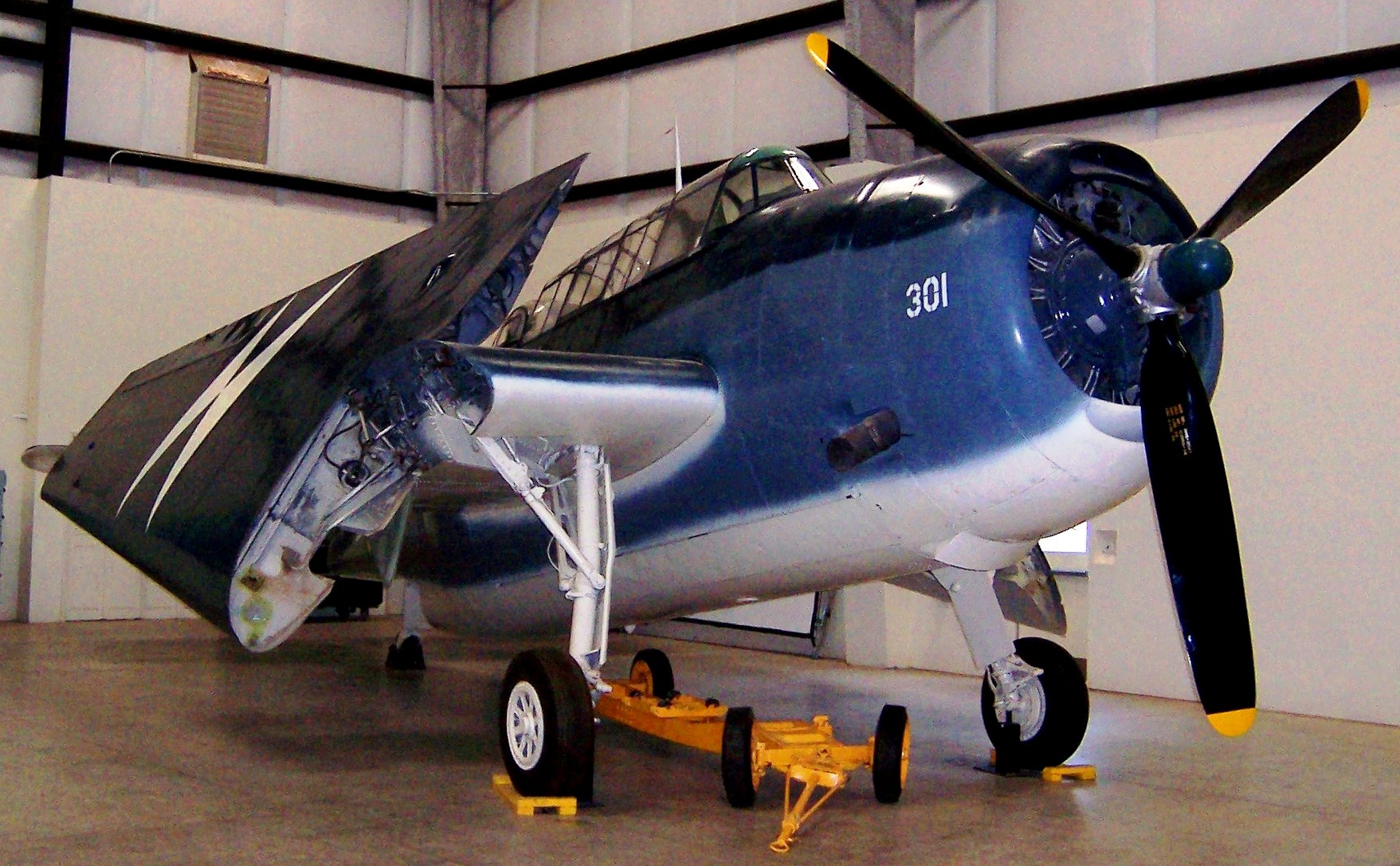
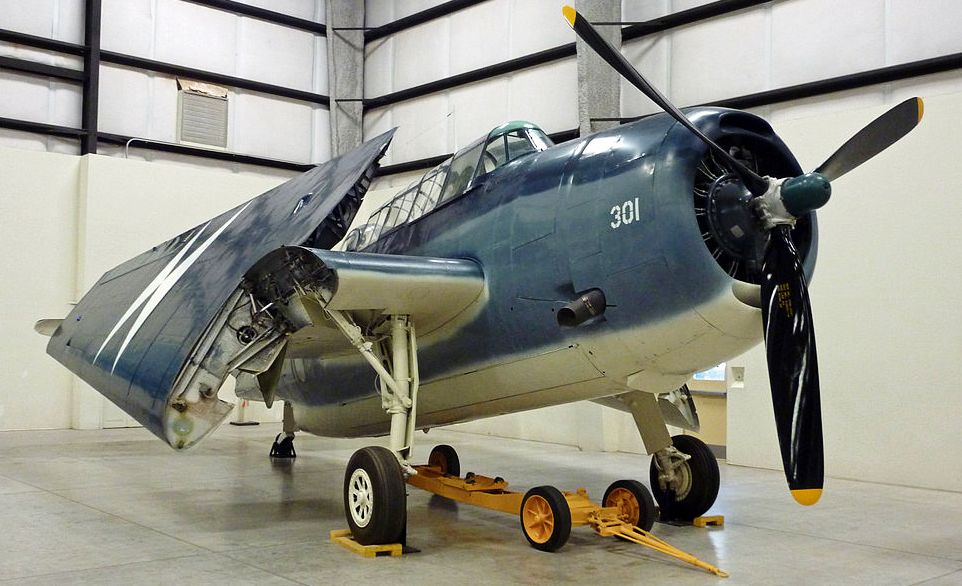
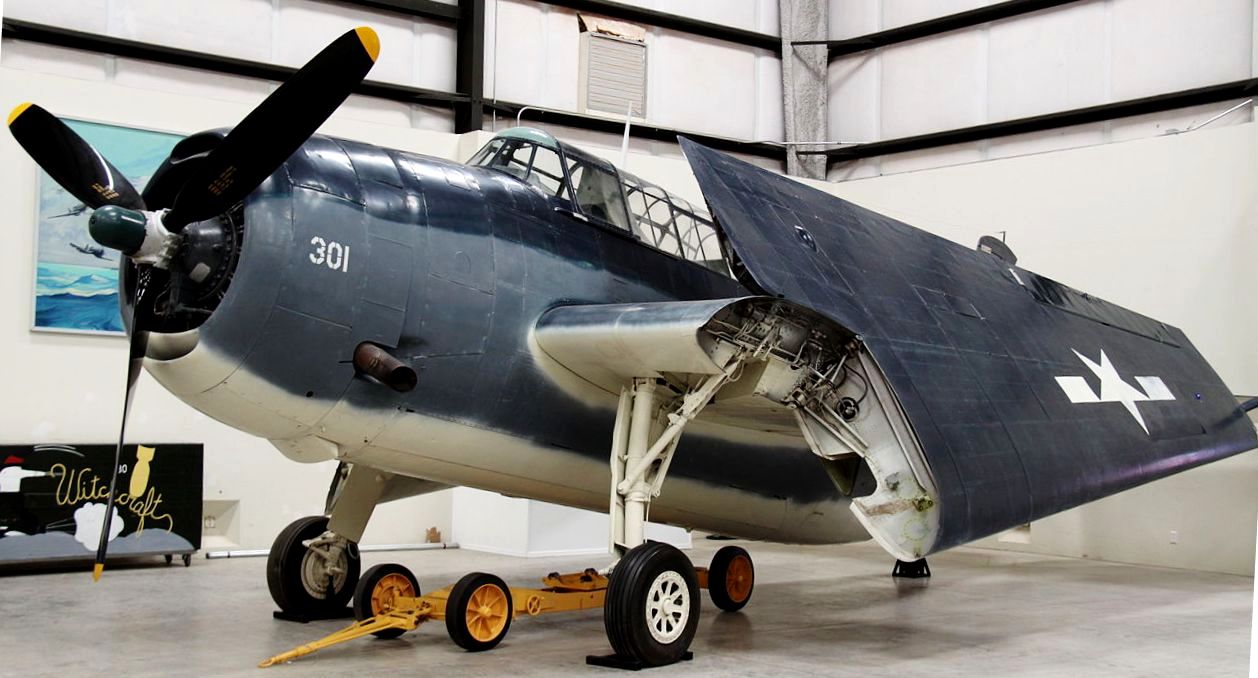
General Motors TBM-3E Avenger (BuNo. 069472), Reg. No. N9593C.
(Greg Goebel Photo)
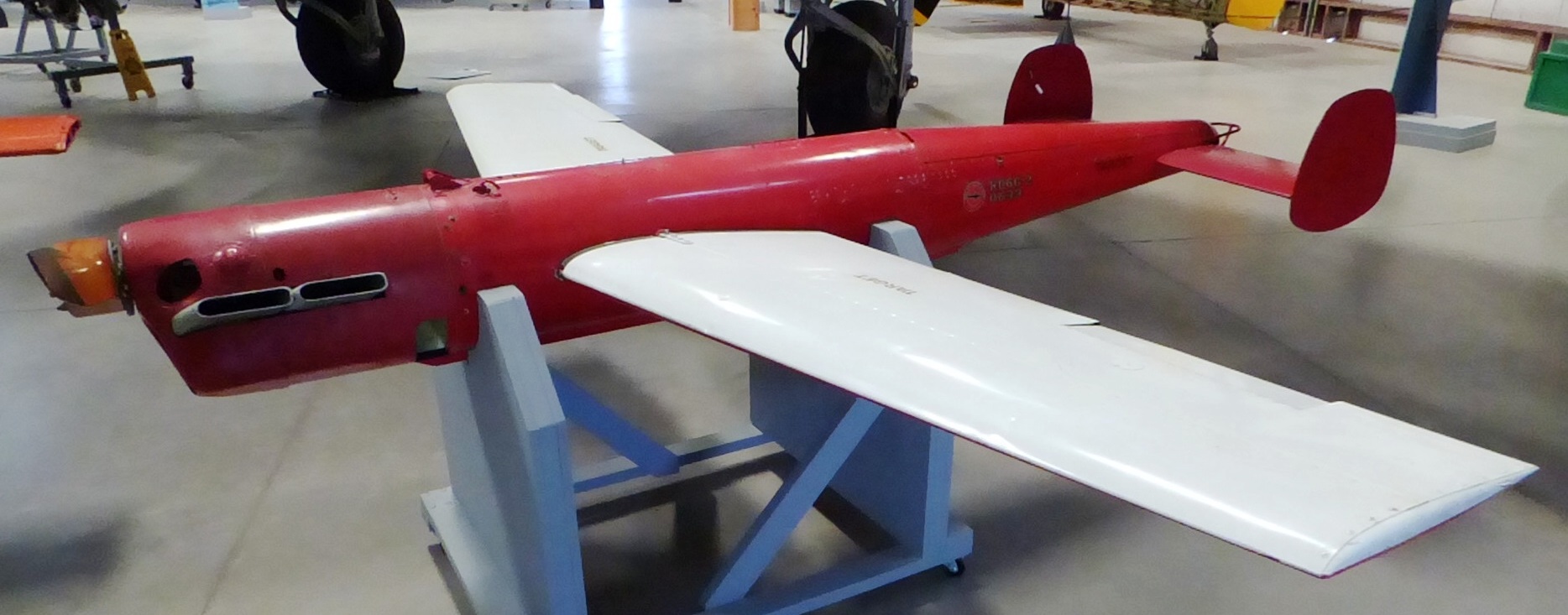
Globe KD6G-2 Drone (Serial No. 633).
(aeroprints.com Photos)
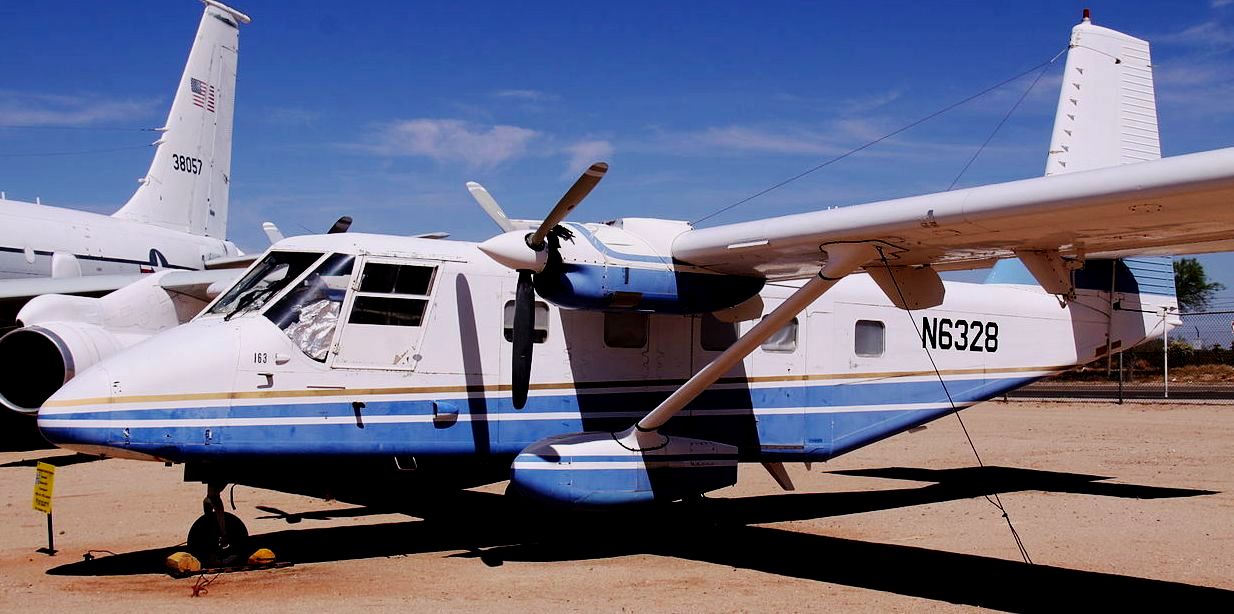
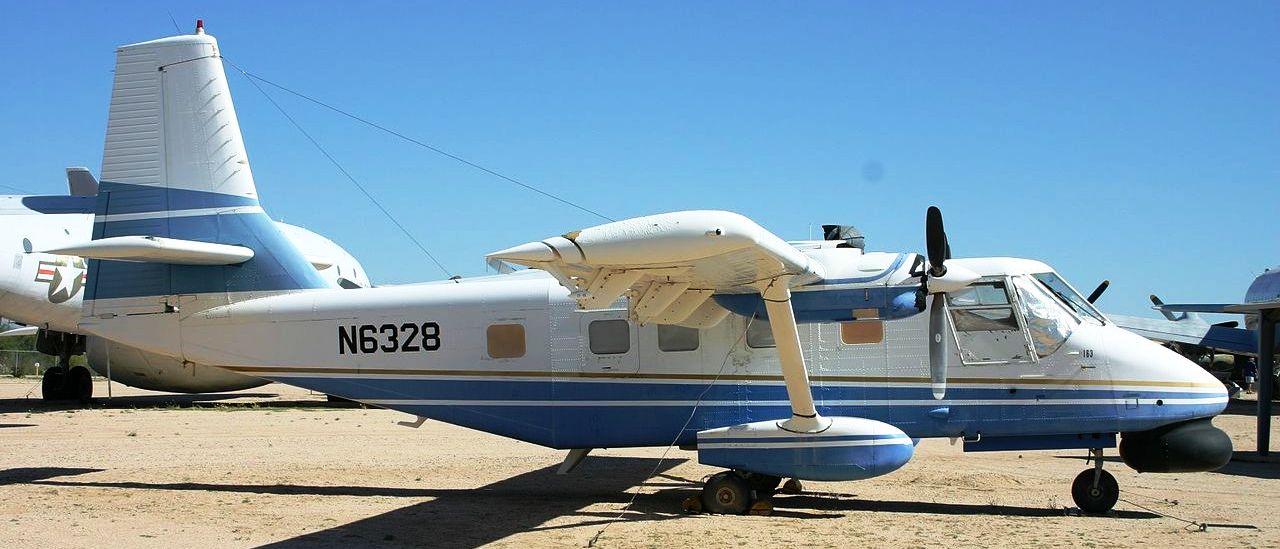
Government Aircraft Factories (GAF) N22S Nomad (Serial No. F163), Australia, Reg. No. N6328, VH-HVZ, Searchmaster.
Grumman aircraft preserved in the Pima Air & Space Museum are listed on a separate page on this web site.
(aeroprints.com Photo)
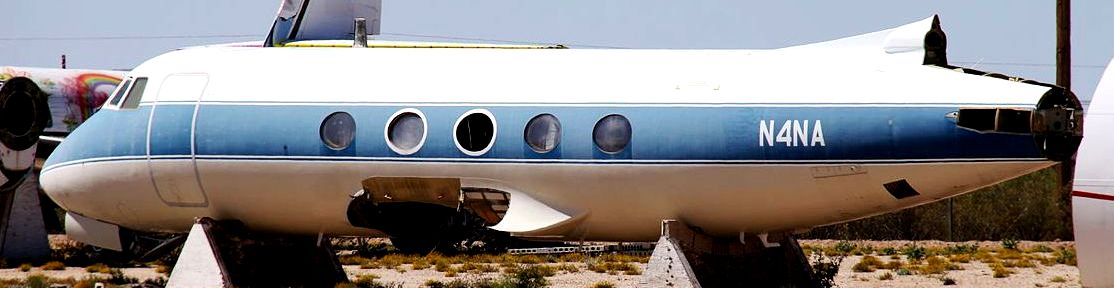
Gulfstream G-159 G-1 (Serial No.), Reg. No. N4NA.
(Eric Salard Photo)
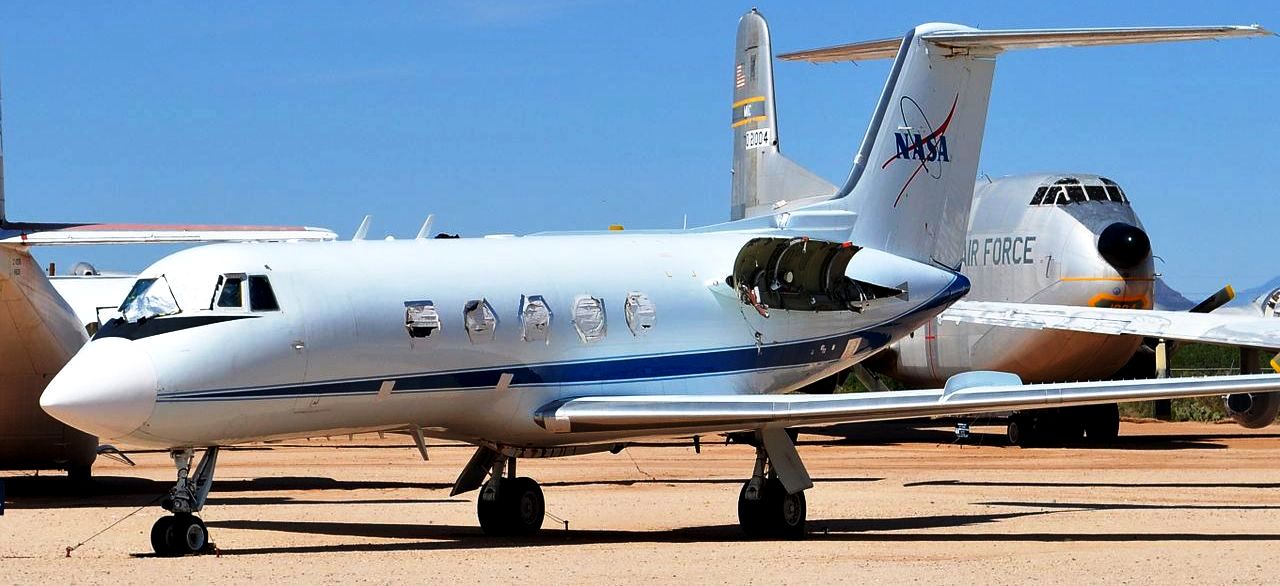
Gulfstream G-1159 G-II (Serial No.), Reg. No. N948NA.
(Greg Goebel Photo)
(Author Photo)
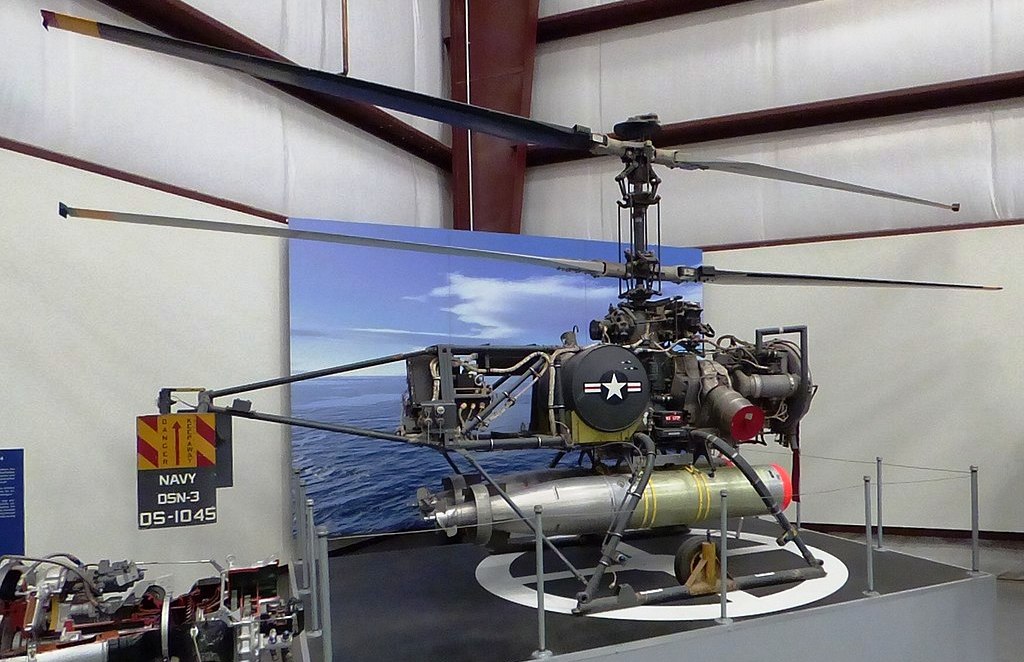
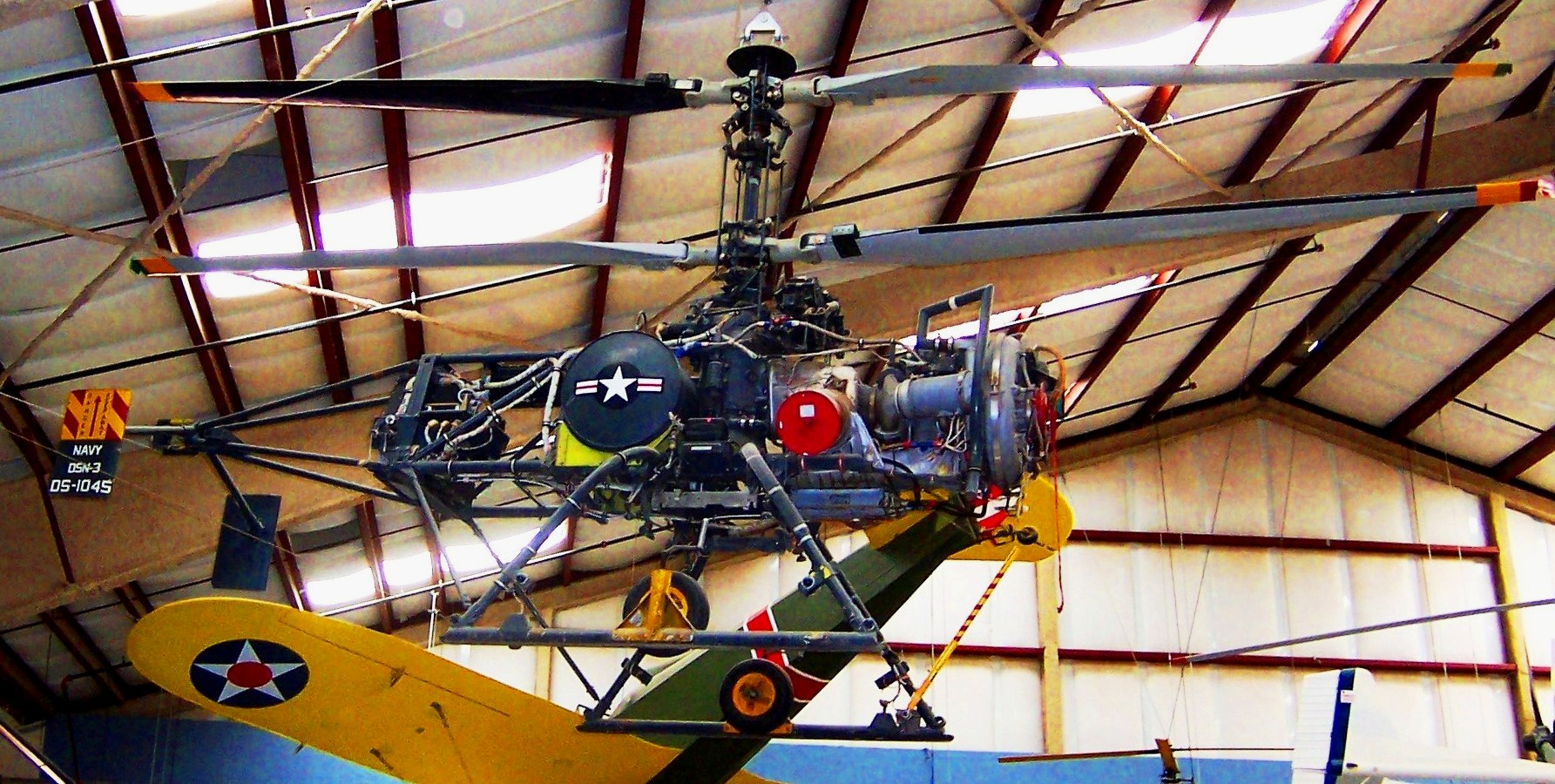
Gyrodyne QH-50C Dash Drone (Serial DS-1045).
(Author Photos)
(Frank Kovalchek Photo)
(aeroprints.com Photo)
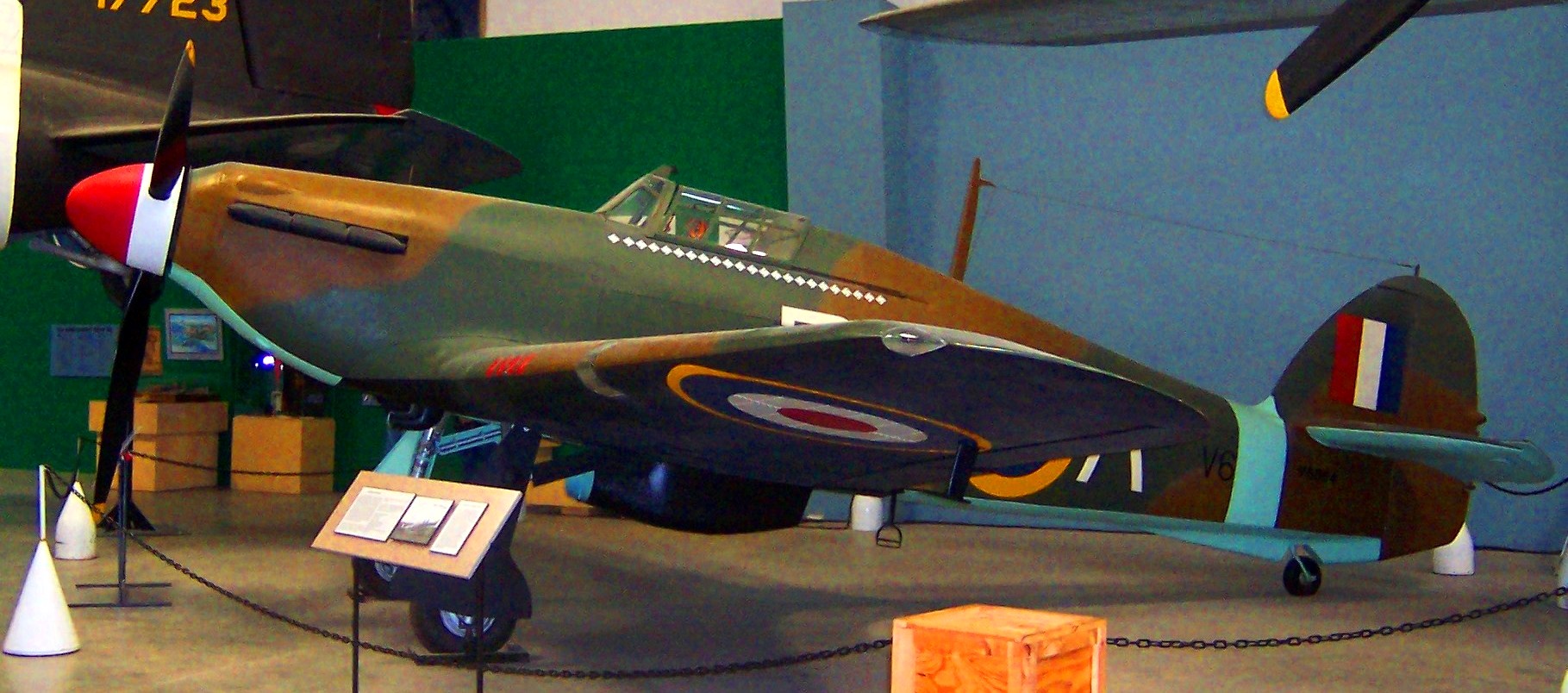
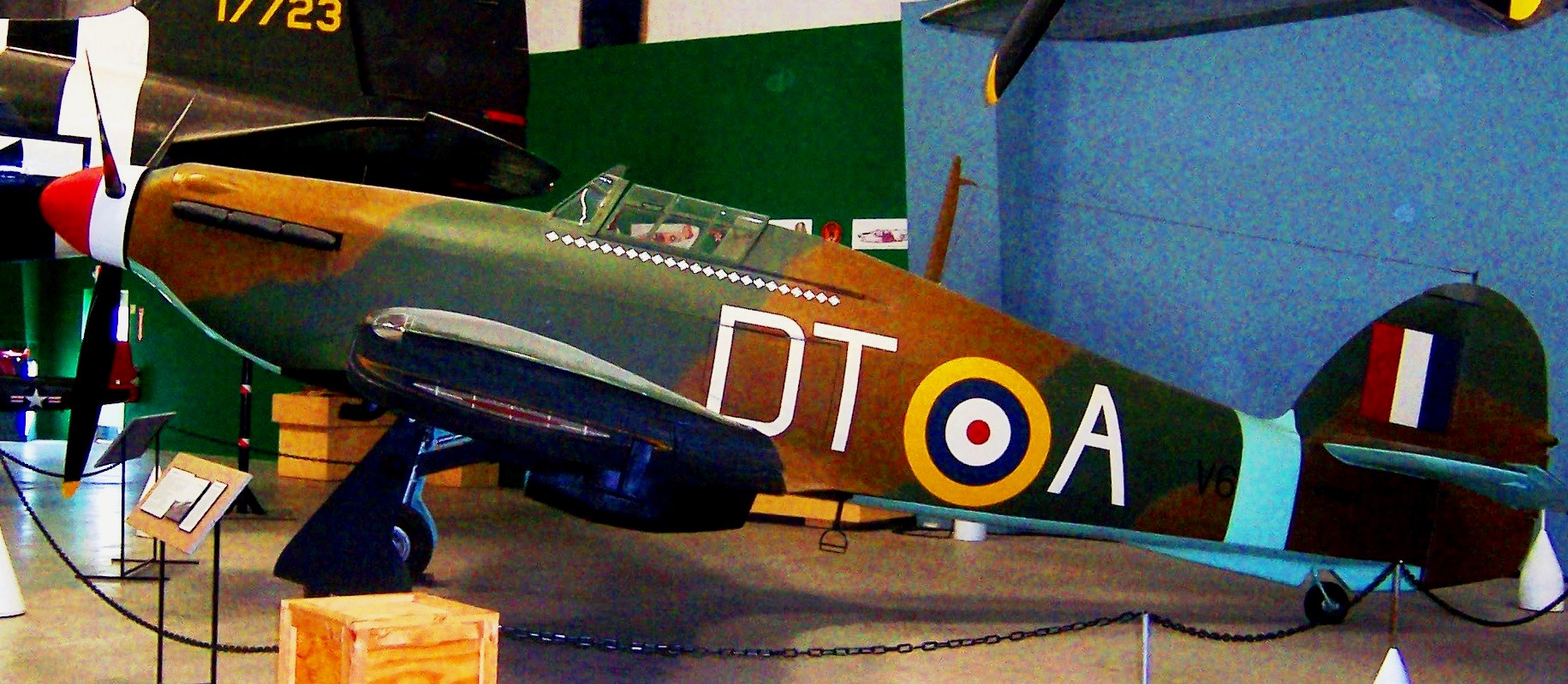
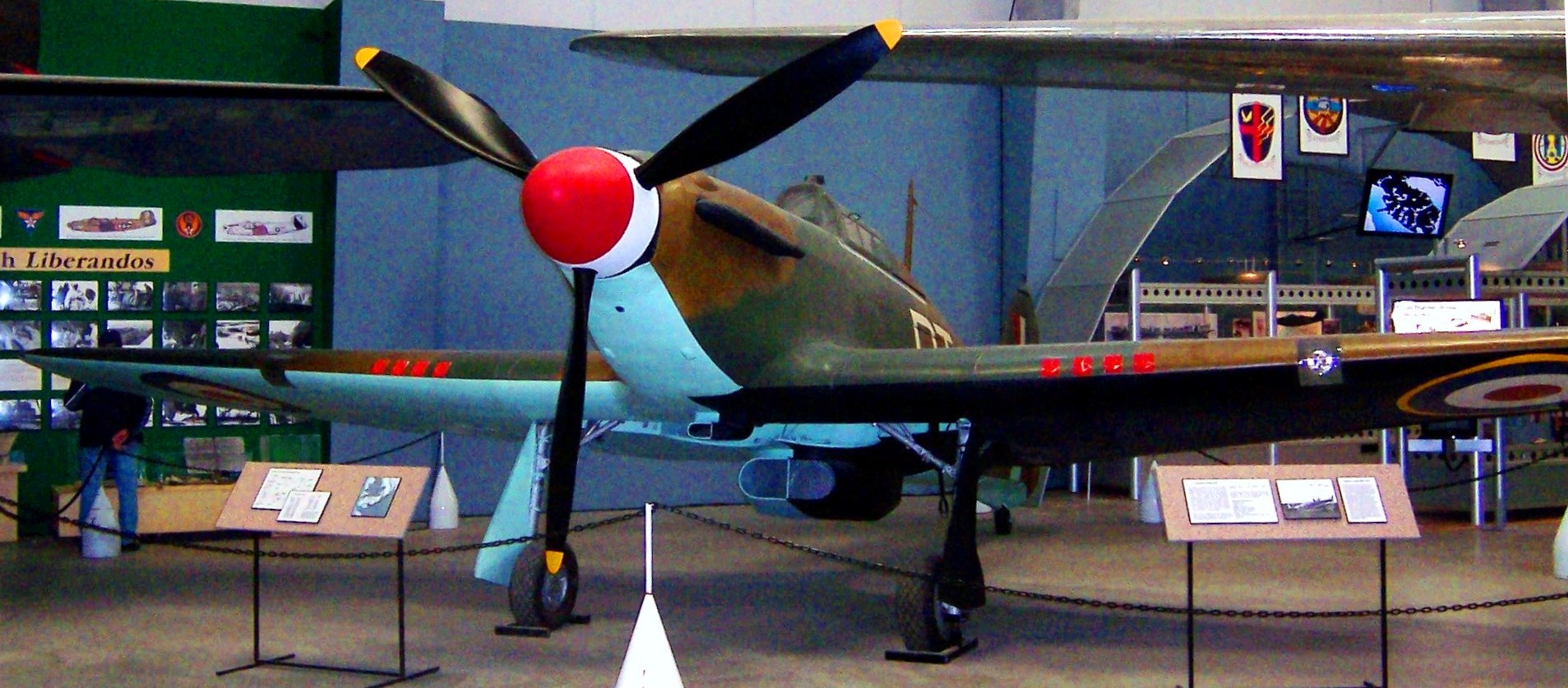
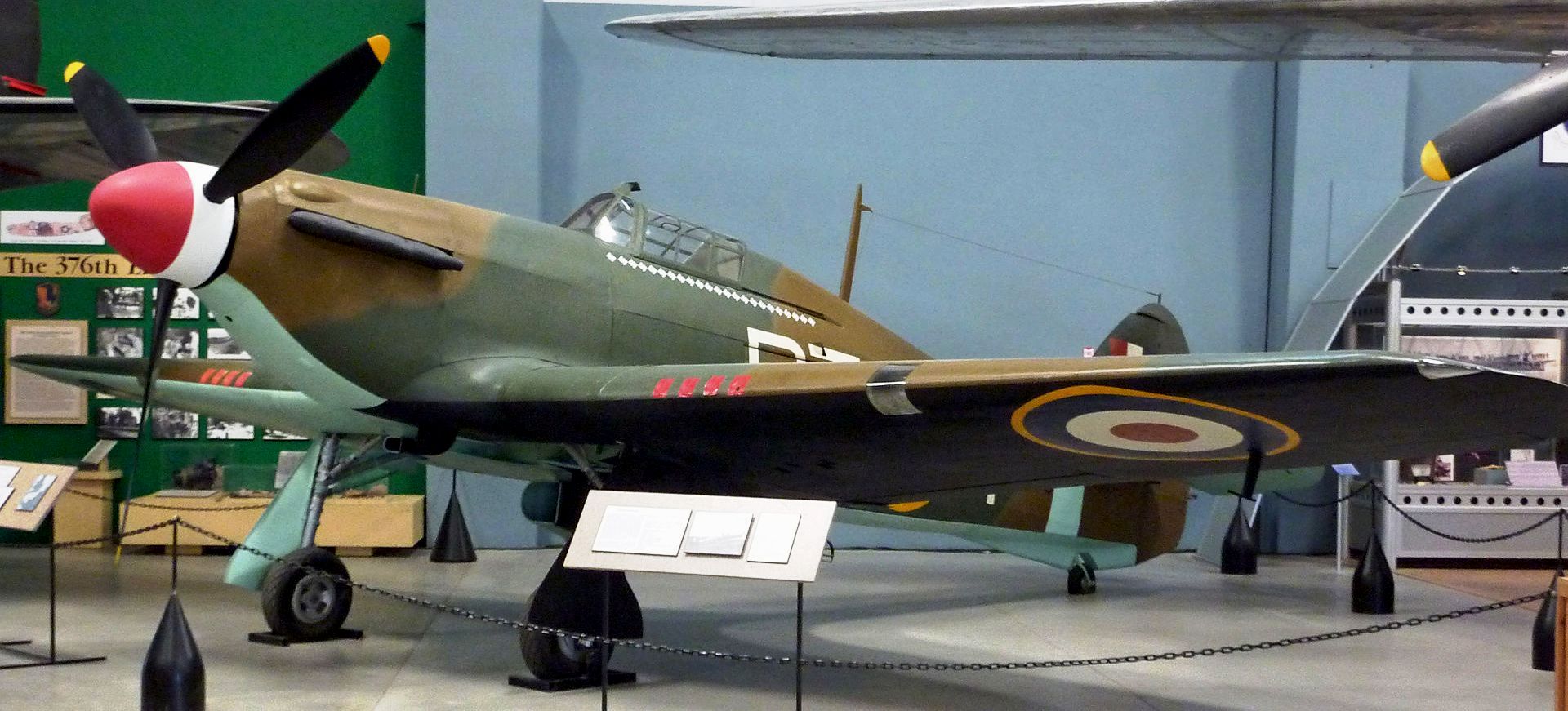
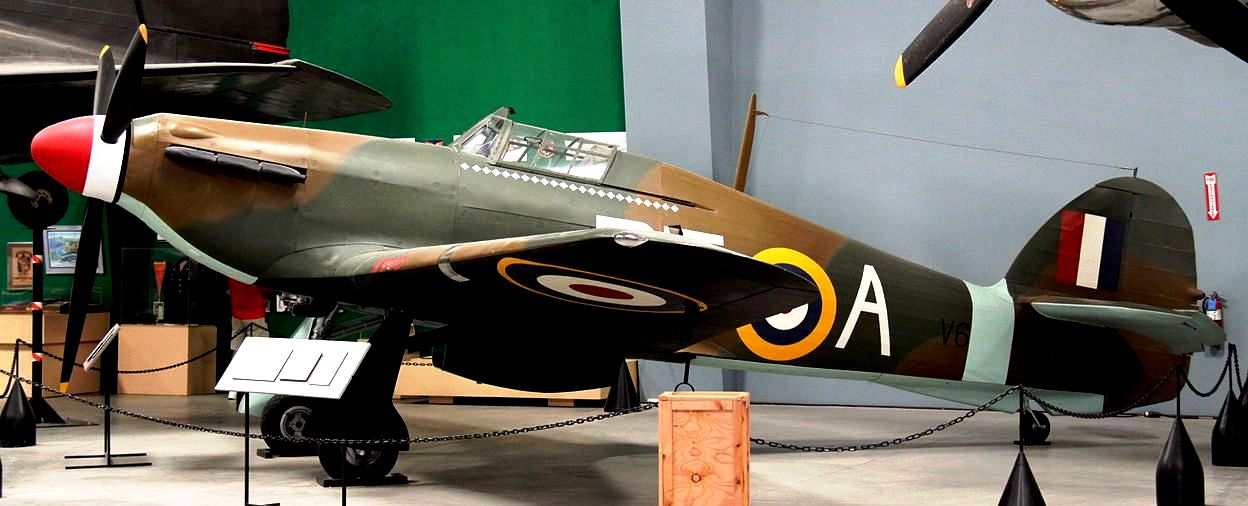
Hawker Hurricane Mk. II (Serial No. V6864). Ex-RCAF, parts from 5 aircraft. This fighter was constructed with parts from five Hurricanes, the majority of which were sourced from a Canadian-built aircraft. The aircraft has been modified to represent a Mk. IIb Trop (Serial No. BG974), a fighter flown by US-born pilot Wing Commander L.C. Lance Wade. He had learned to fly in Tucson, and volunteered for service with the RAF, flying BG974 in North Africa with No. 33 Squadron, RAF in 1942. He is credited with shooting down 23 aircraft before his death in 1944. This Hurricane was previously painted in the markings of Robert Stanford Tuck, RAF No. 257 Squadron, summer 1940.
(Author Photos)
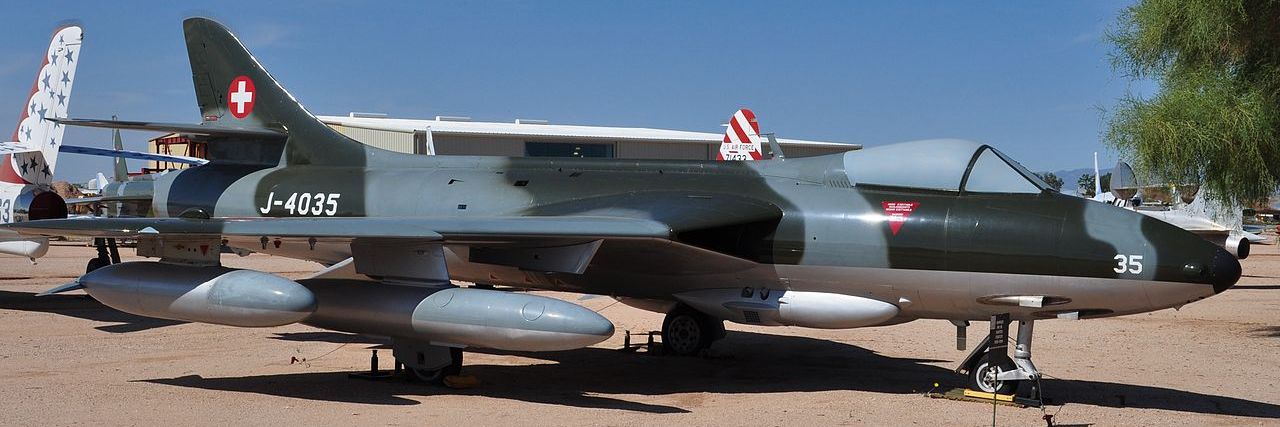
(Eric Salard Photo)
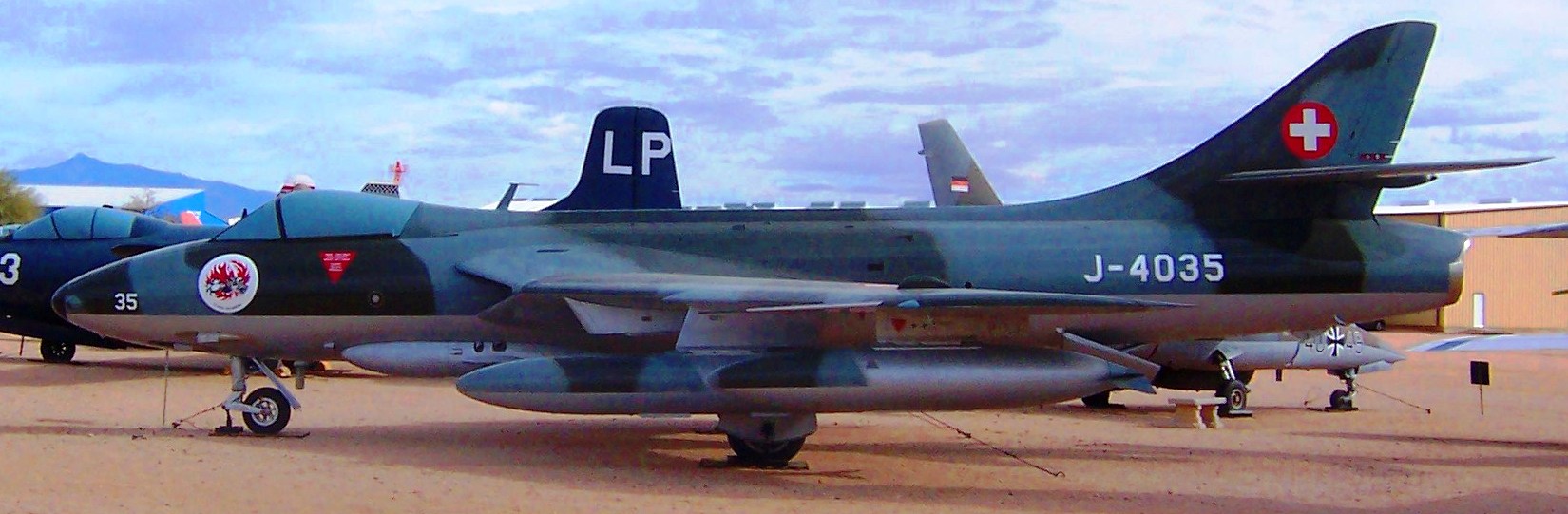
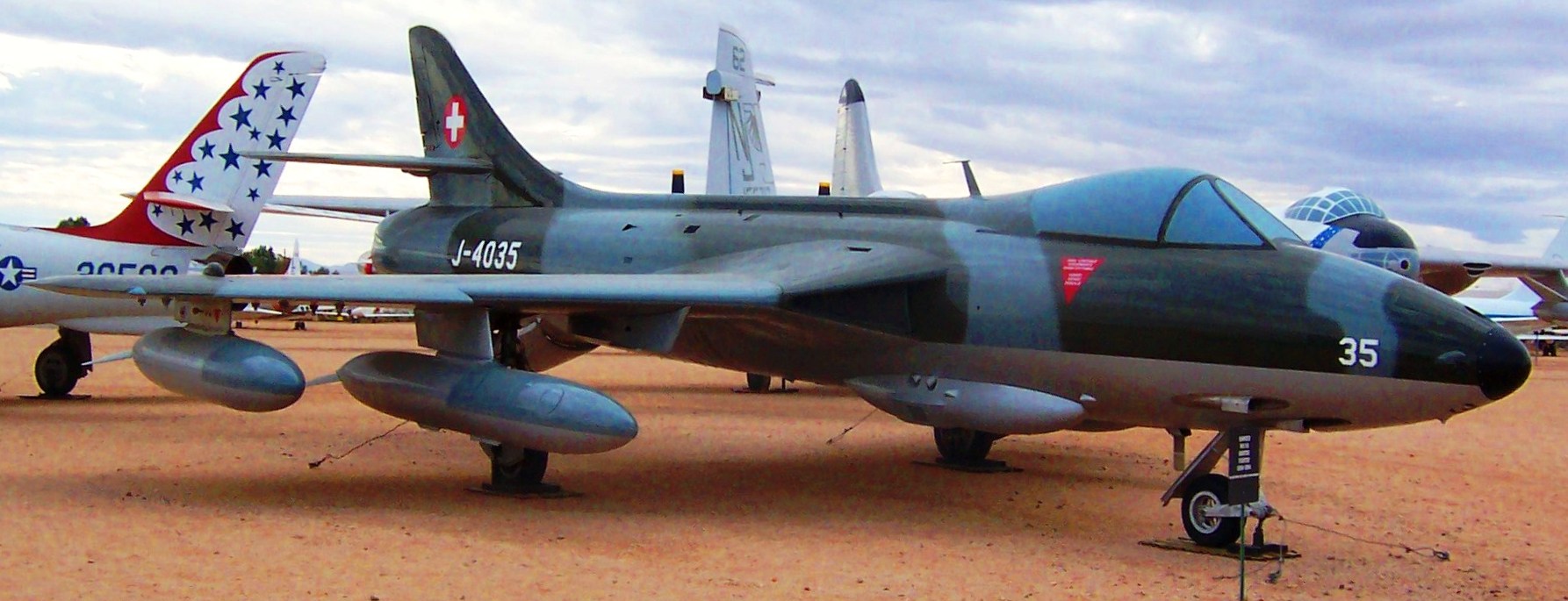
Hawker F-58 Hunter (Serial No. J-4035) Reg. No. N159AM. Swiss Air Force.
Helton Lark 95 (Serial No. 9512), Reg. No. N1512H.
Hiller helicopters preserved in the Pima Air & Space Museum are listed on a separate page on this web site.
Hughes AIM-4 Falcon (Serial No. AF3660021263).
Hughes helicopters preserved in the Pima Air & Space Museum are listed on a separate page on this web site.
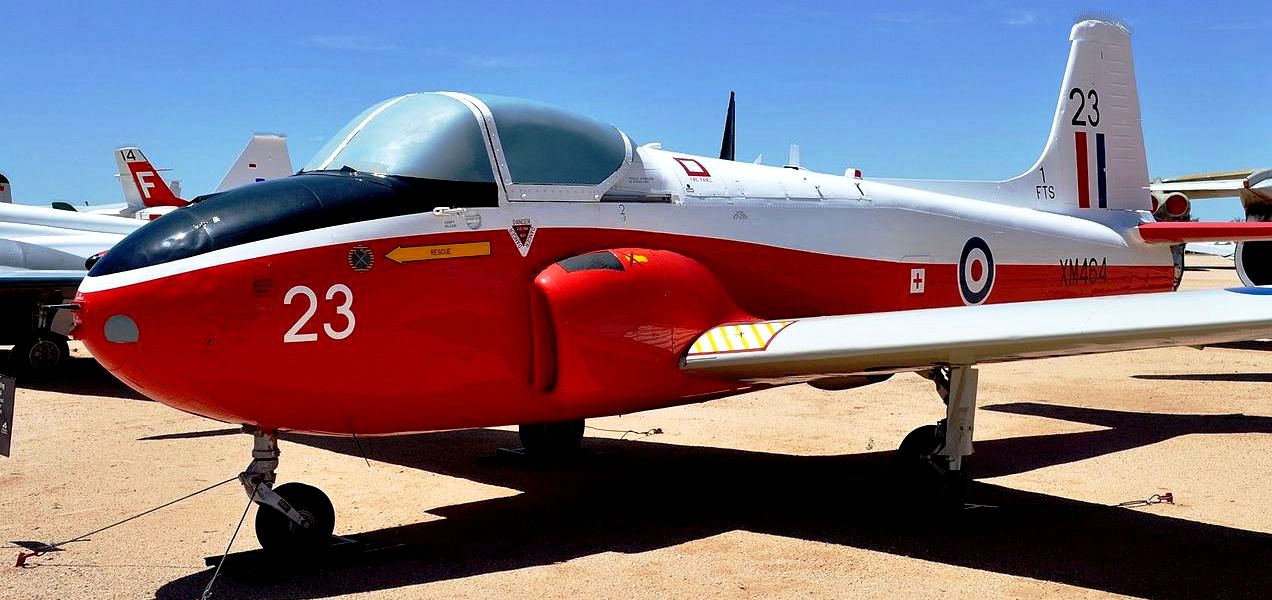
(Eric Salard Photo)
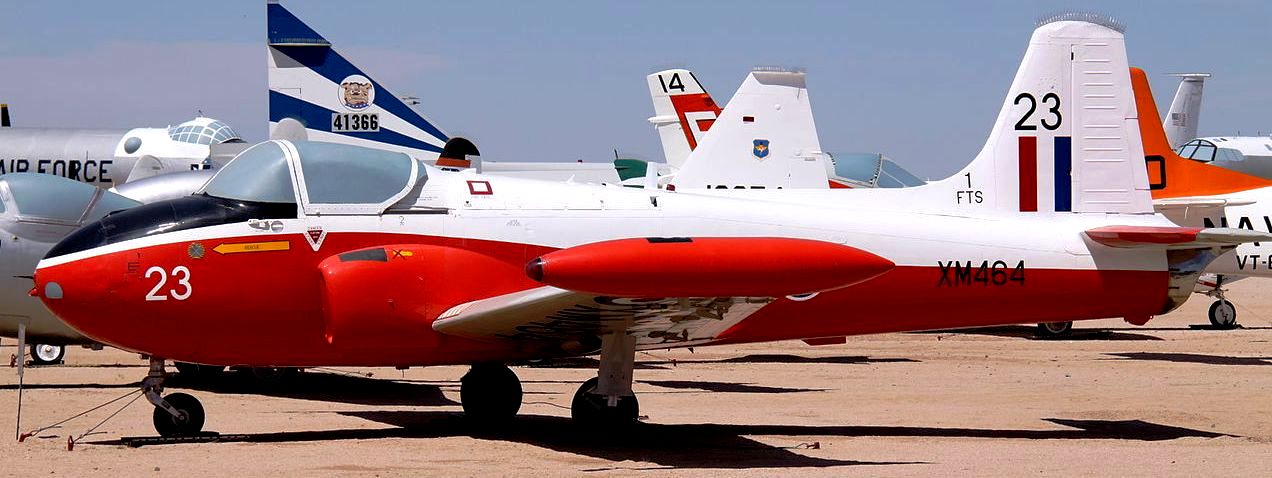
(aeroprints.com Photo)
Hunting Jet Provost T.3A (Serial No. XM464).
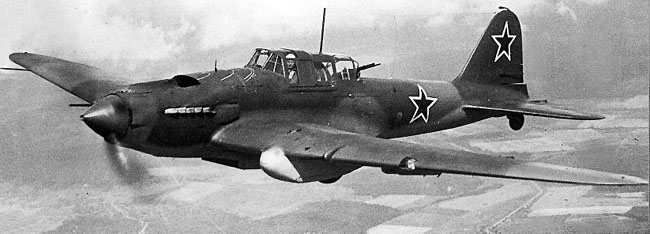
(Soviet Air Force Photo)
Ilyushin IL-2M3 Sturmovik (Serial No. 5612). This aircraft served with the 7th Guards Assault Aviation Regiment of the Red Banner Baltic Fleet. It was in service near Leningrad in 1943 and 1944 before being shot down. It was recovered from a Russian Lake in 1992 and deliverred to the Museum in 2002.
Kaman helicopters preserved in the Pima Air & Space Museum are listed on a separate page on this web site.
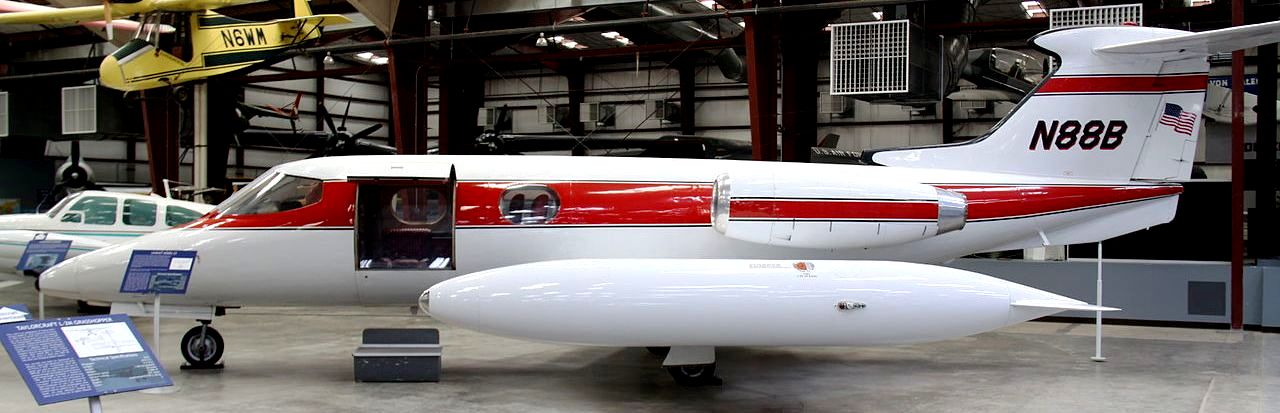
(aeroprints.com Photo)
Learjet Model 23 (Serial No. 23-015), Reg. No. N88B.
Lockheed aircraft preserved in the Pima Air & Space Museum are listed on a separate page on this web site.
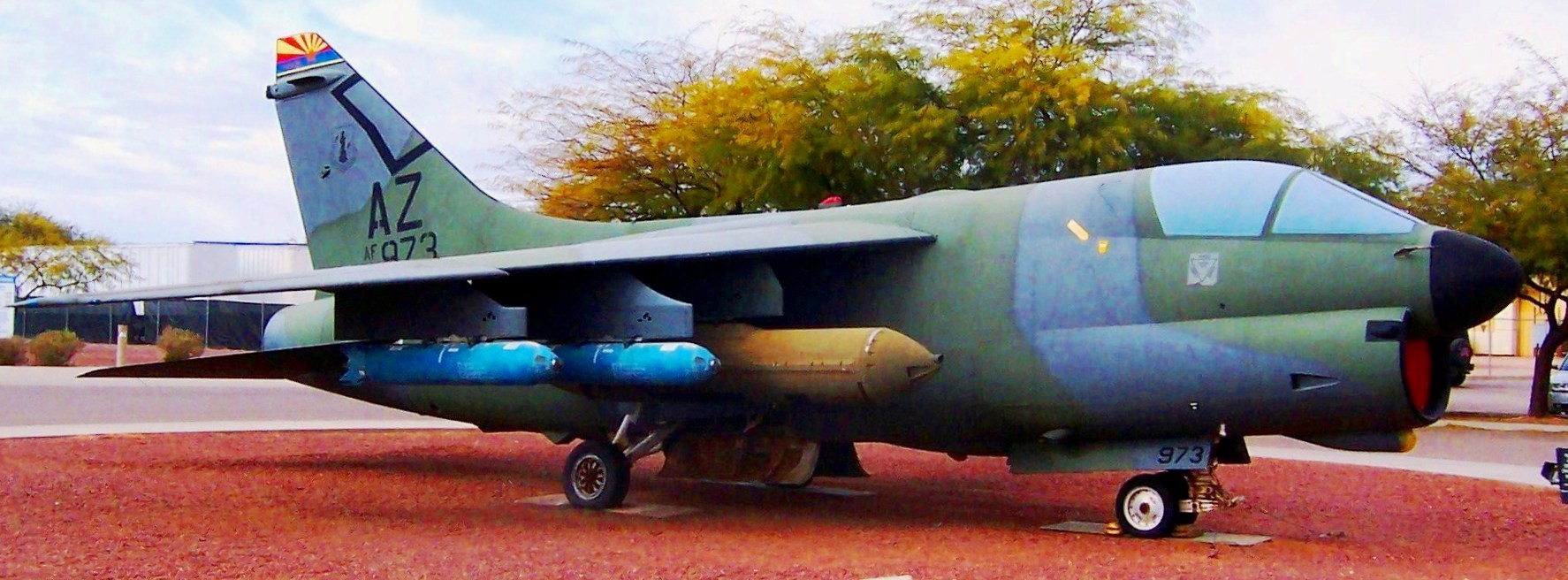
(Author Photo)
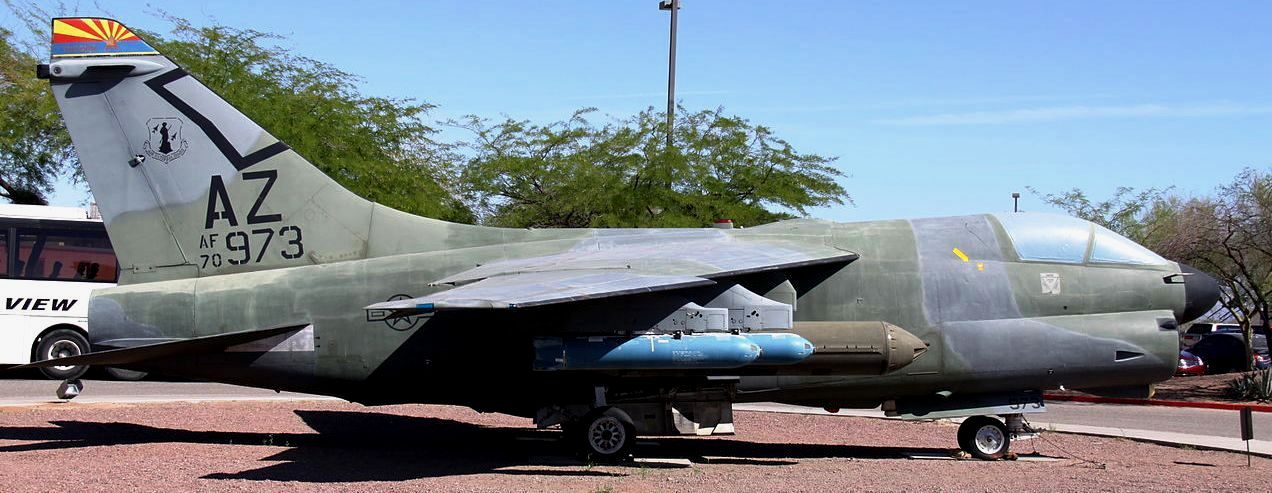
(aeroprints.com Photo)
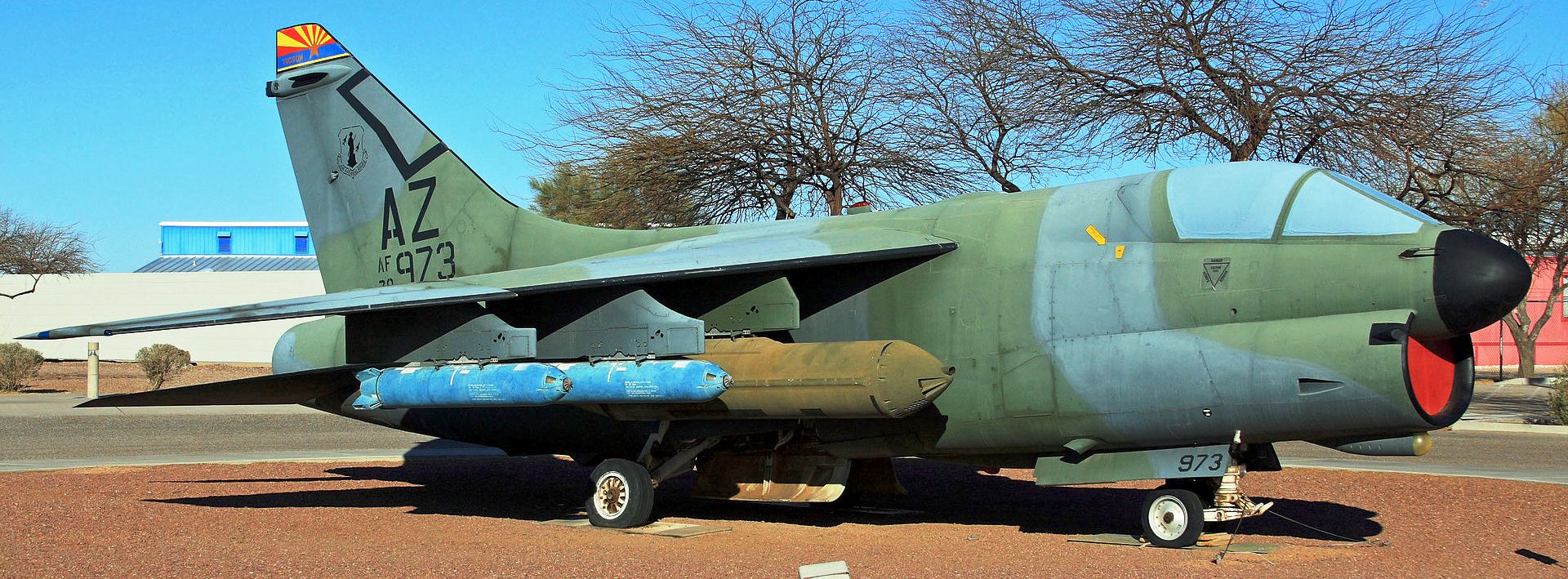
(Frank Kovalchek Photo)
LTV A-7D Corsair II (Serial No. 70-0973), âBig Dâ.
(Author Photo)
(aeroprints.com Photo)
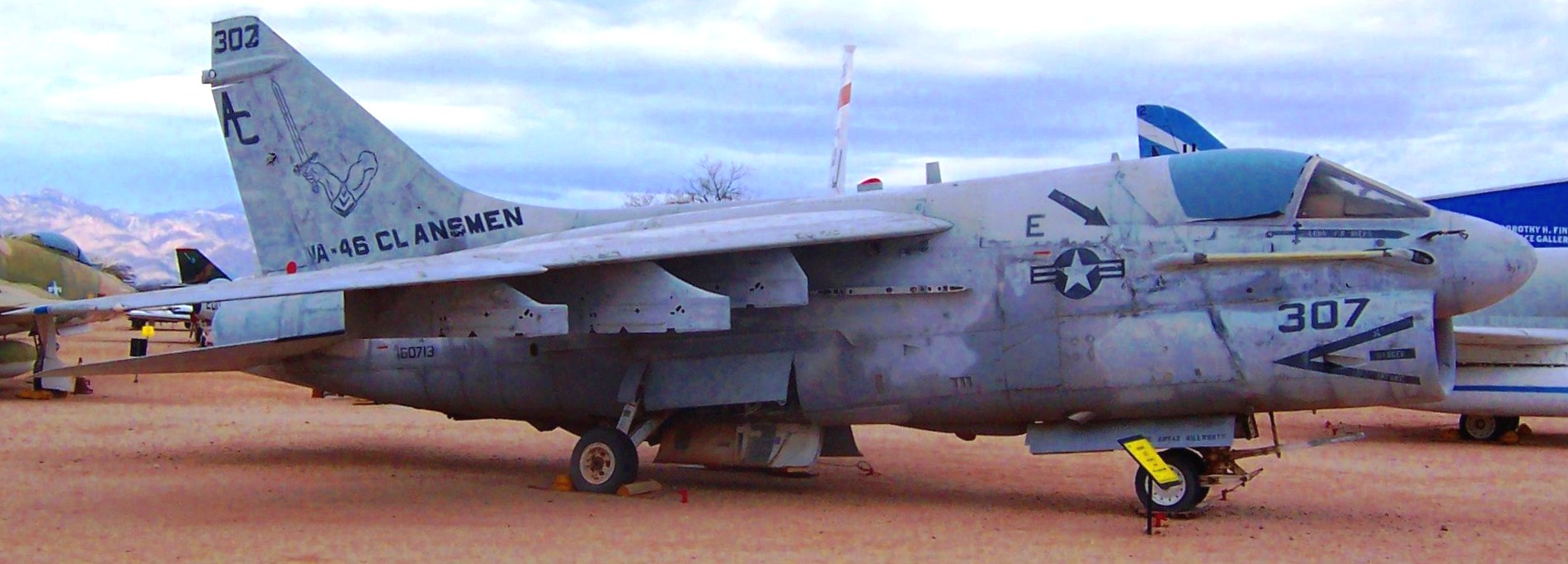
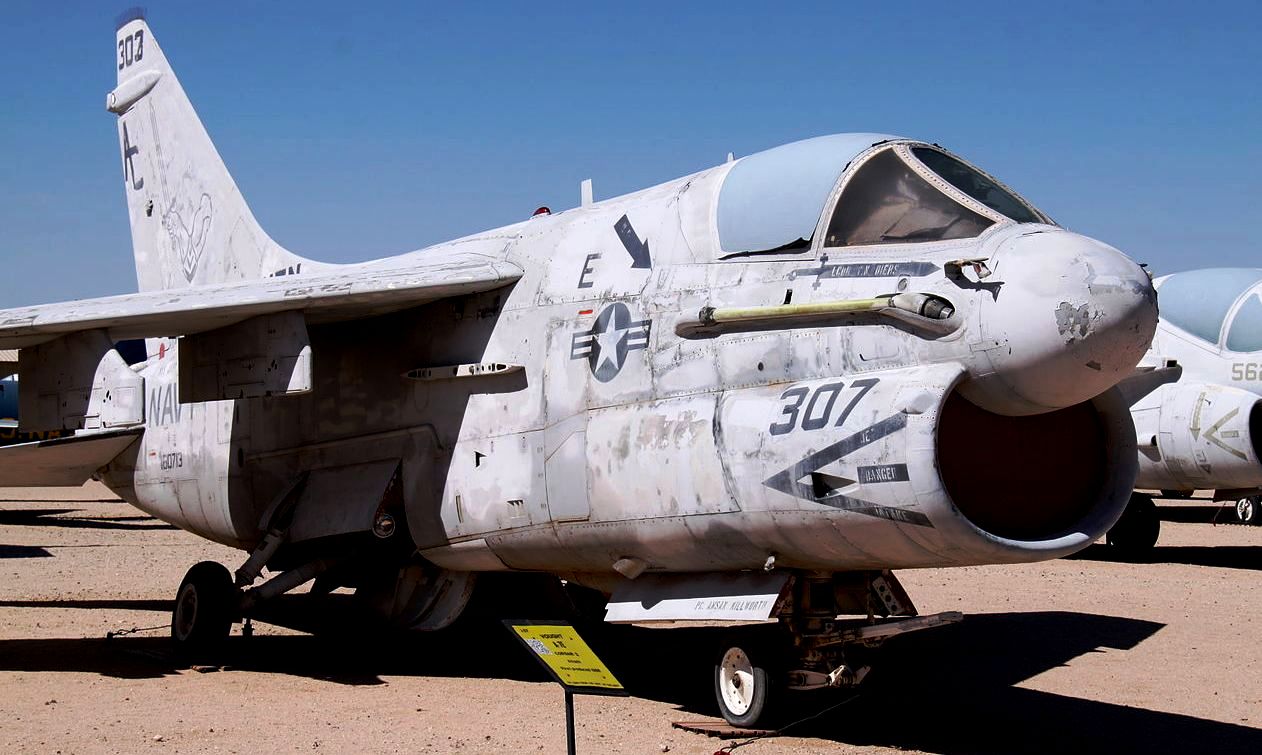
LTV A-7E Corsair II (BuNo. 160713).
Martin B-26B Marauder (Serial No. 40-1501). Project.
(aeroprints.com Photo)
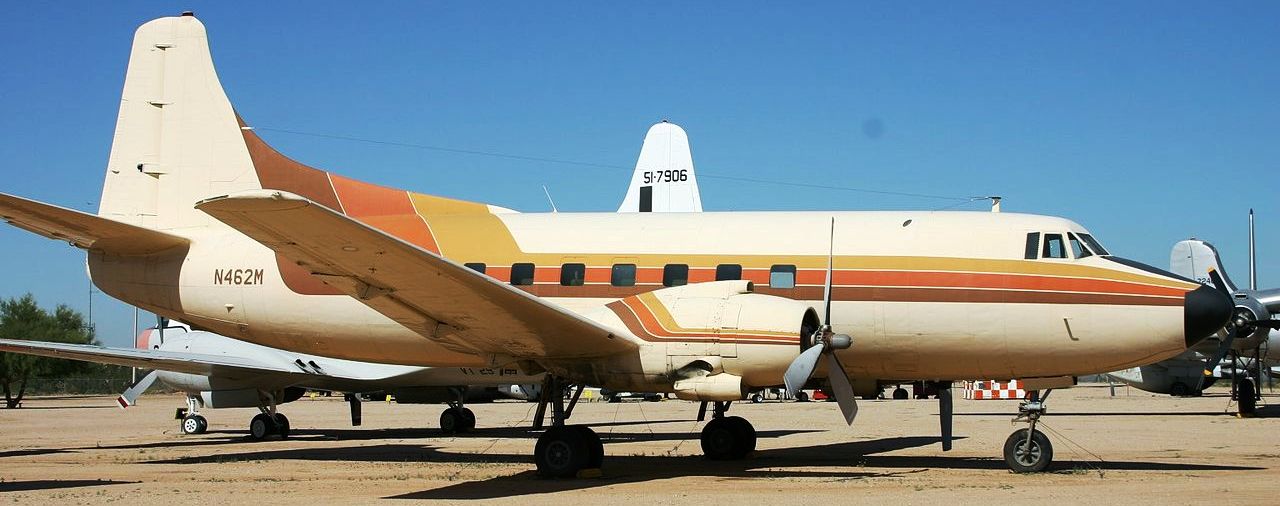
Martin 404 Martinliner (Serial No. 14153), Reg. No. N462M.
(Greg Goebel Photo)
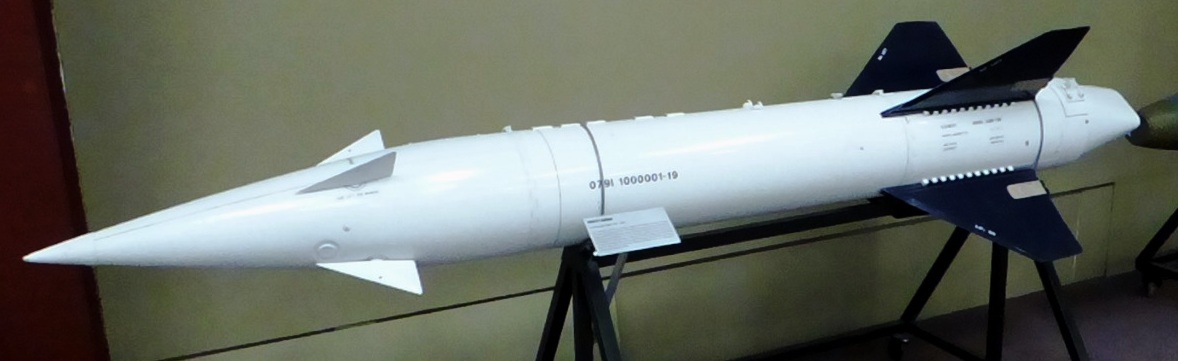
Martin AGM-12A Bullpup air-to-surface missile (Serial No. D79).
(Author Photo)
(aeroprints.com Photo)
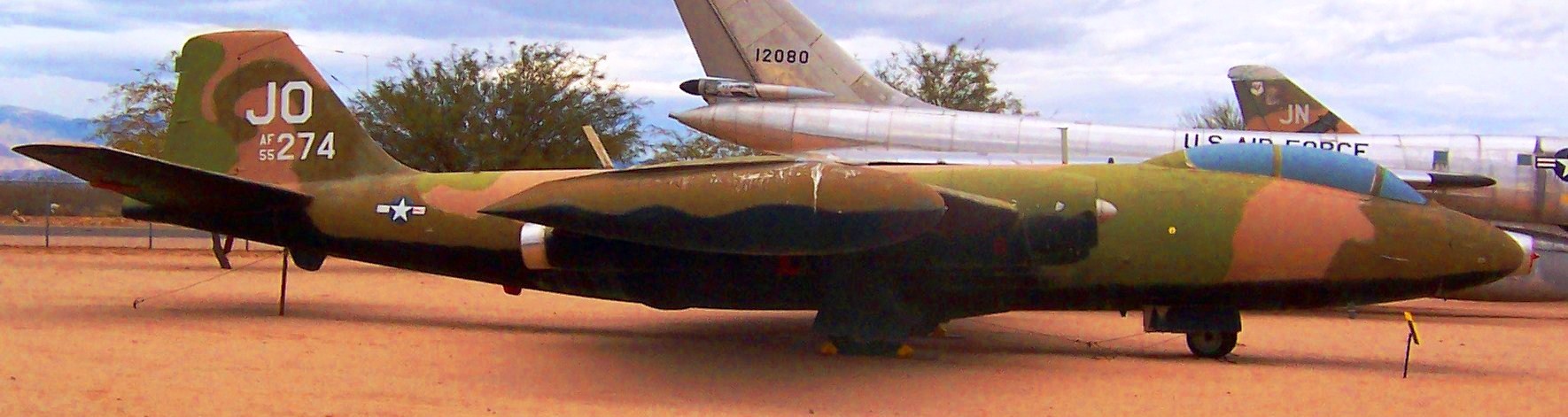
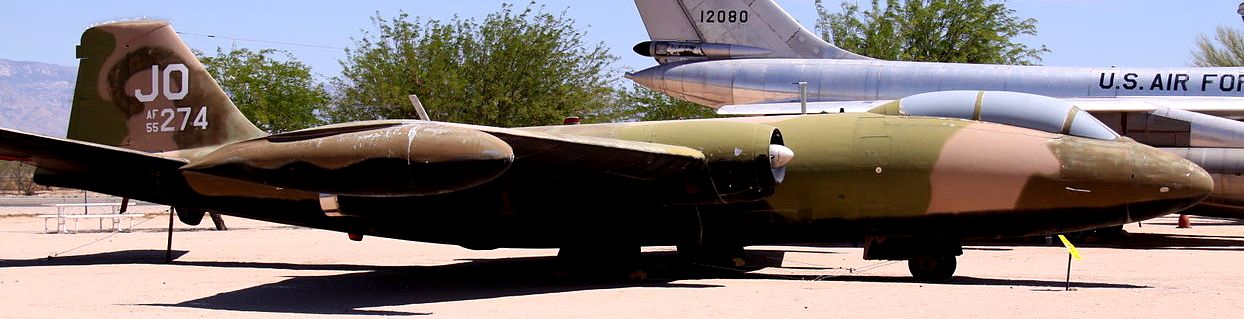
Martin B-57E Canberra (Serial No. 55-4274).
English Electric Canberra TT.18 (Serial No. WK142).
English Electric Canberra TT.18 (Serial No. WJ614).
(Bill Abbott Photo)
(aceebee Photo)
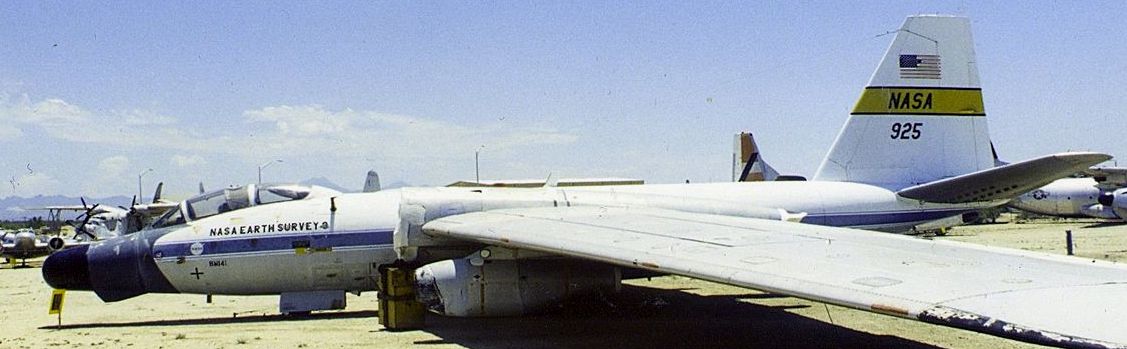
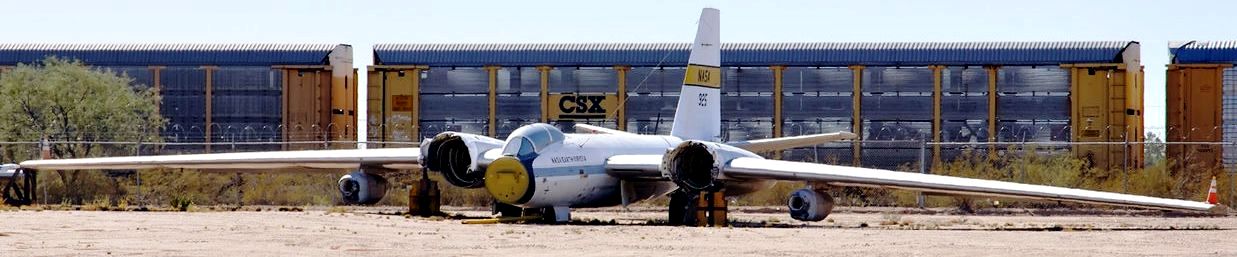
Martin WB-57F Canberra (Serial No. 63-13501), Reg. No. N925NA.
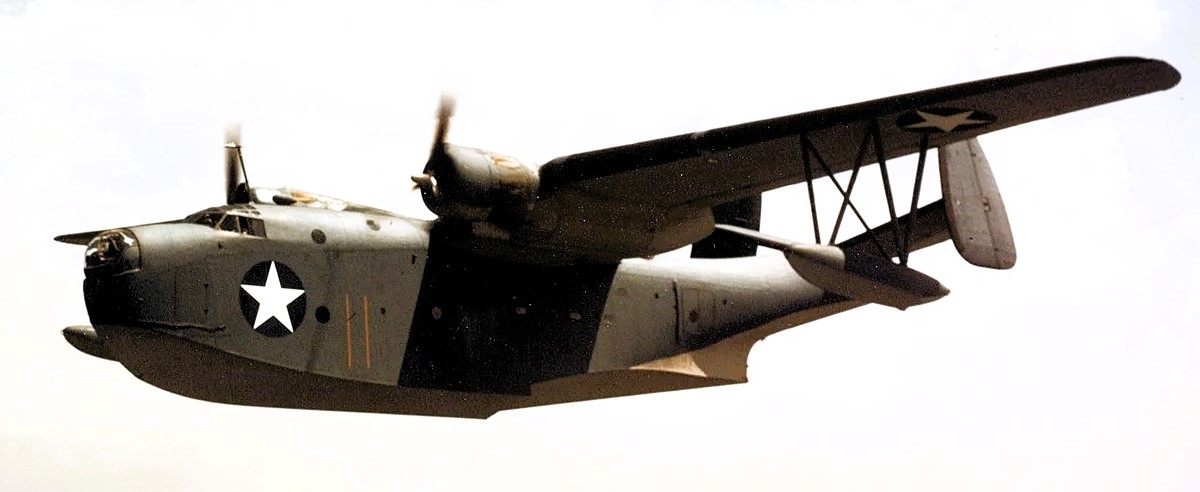
(USN Photo)
Martin PBM-5A Mariner.
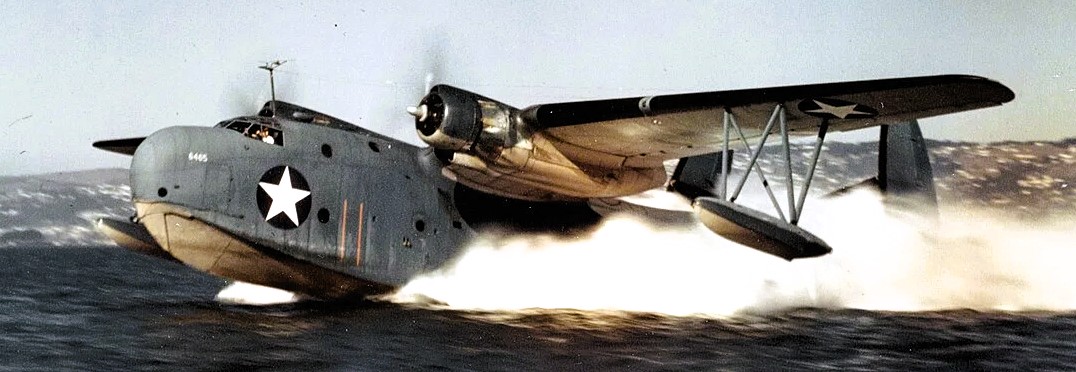
(USN Photo)
Martin PBM-5A Mariner.
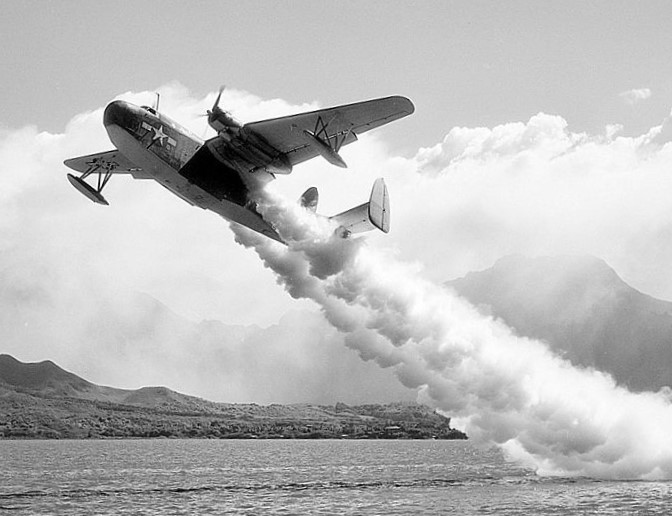
(USN Photo)
Martin PBM-5A Mariner performing a rocket-assisted take off (RATO).
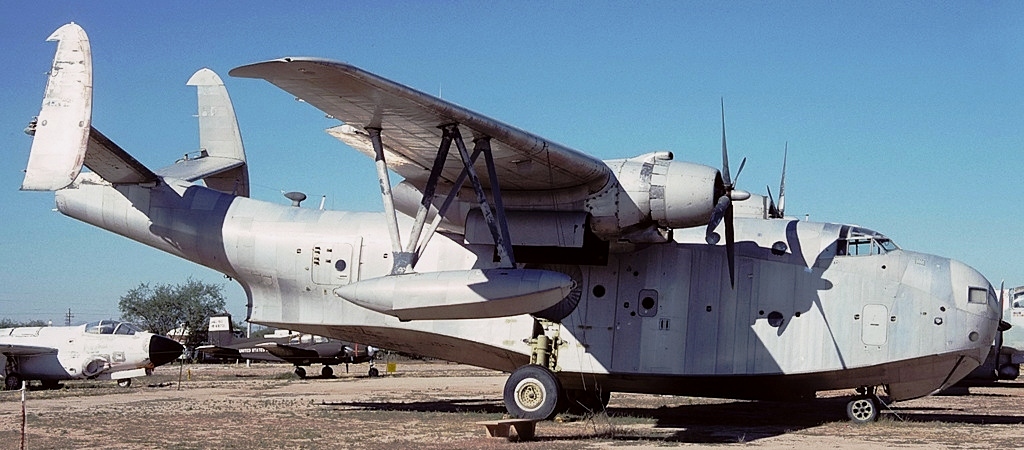
(Mike Freer – Touchdown-aviation Photo)
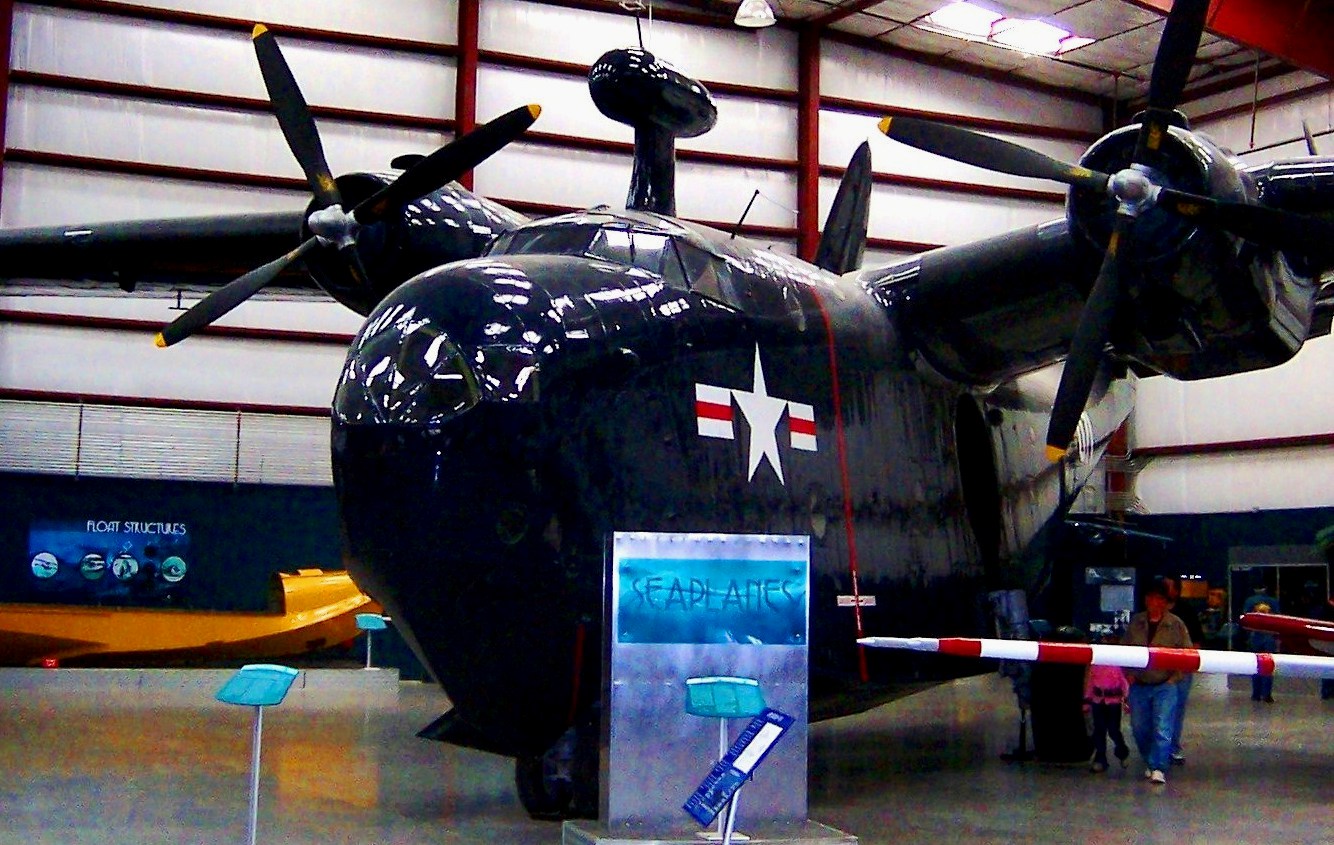
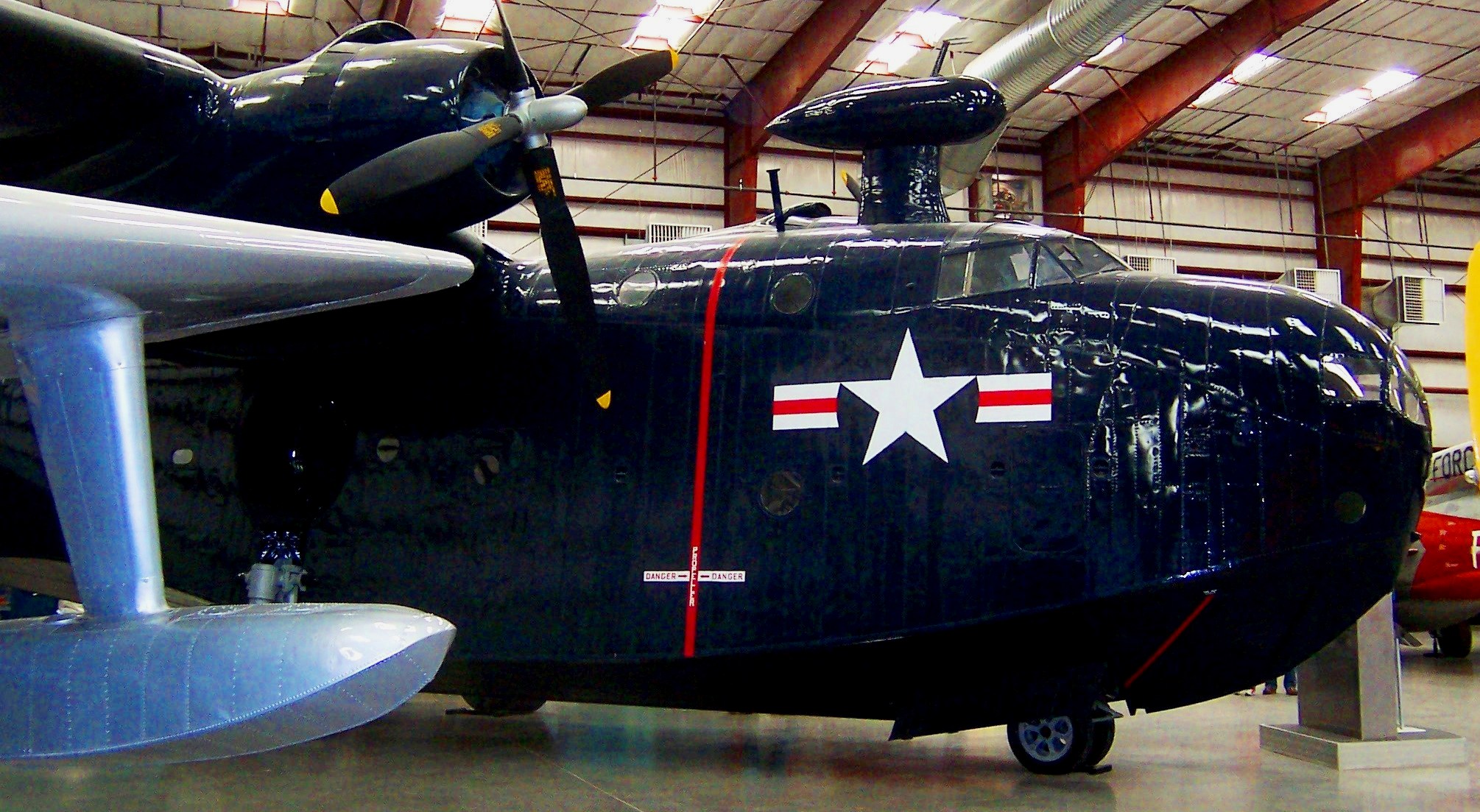
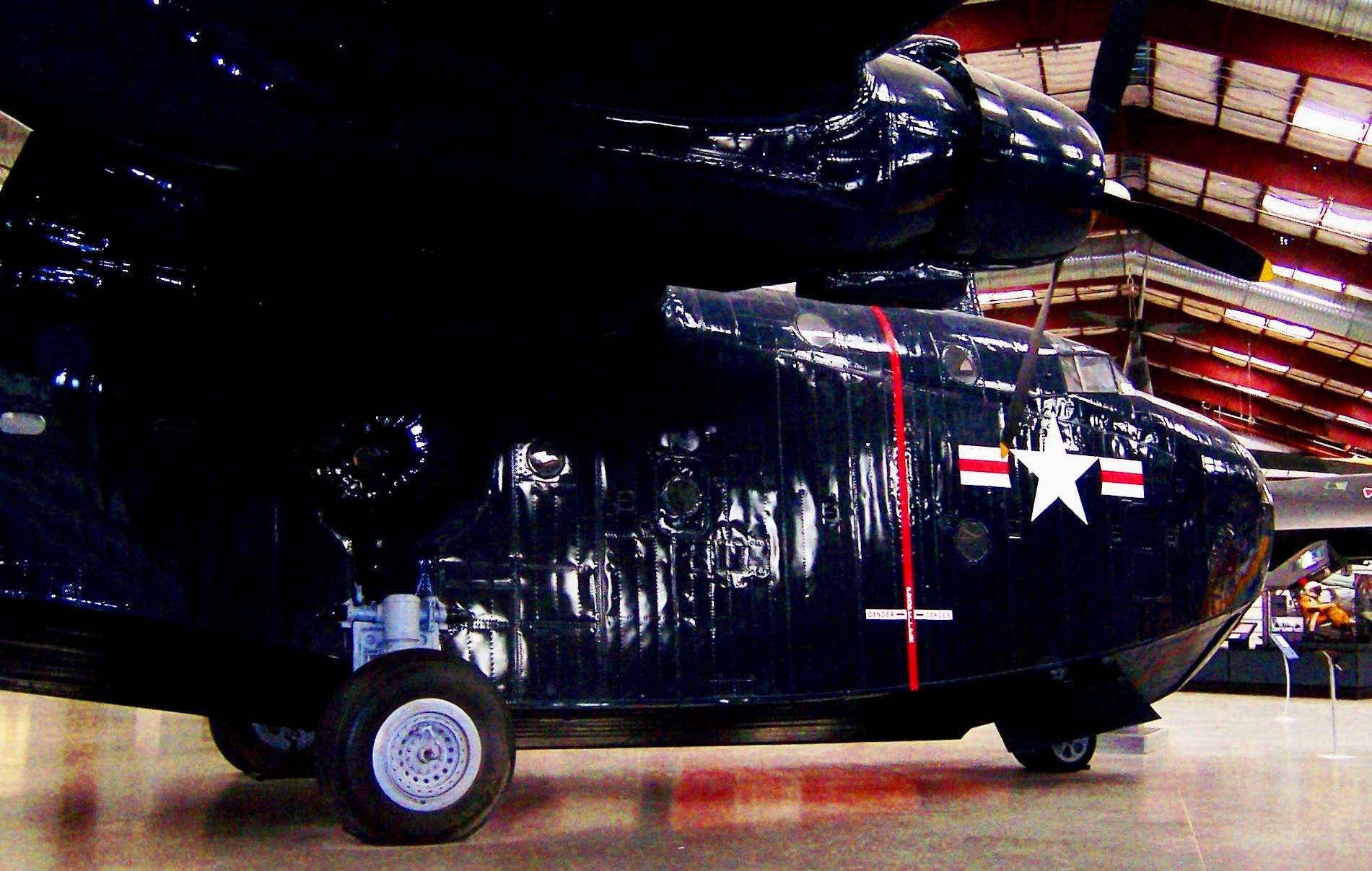
(Author Photos)
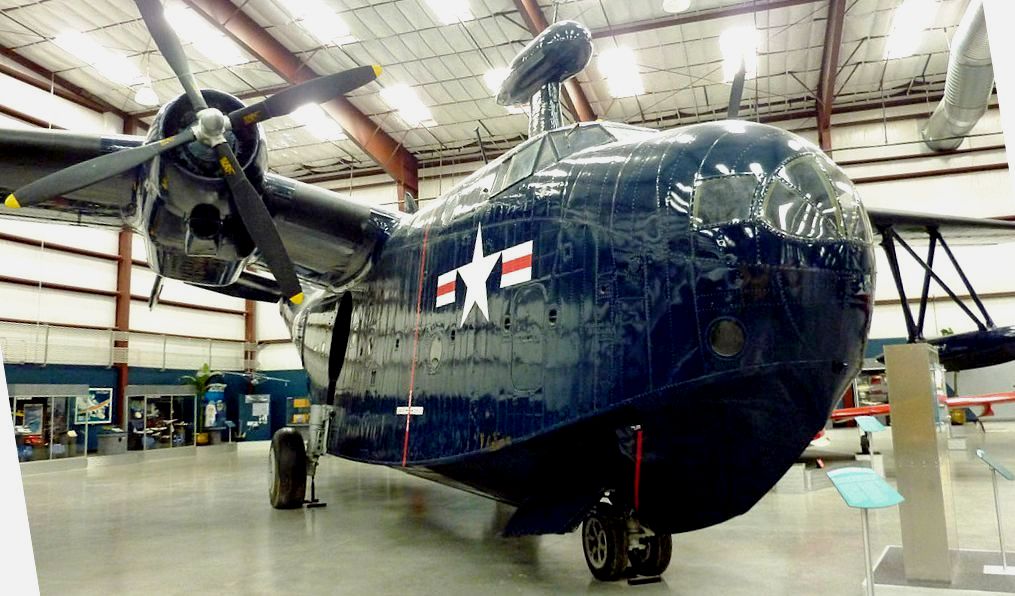
(Frank Kovalchek Photo)
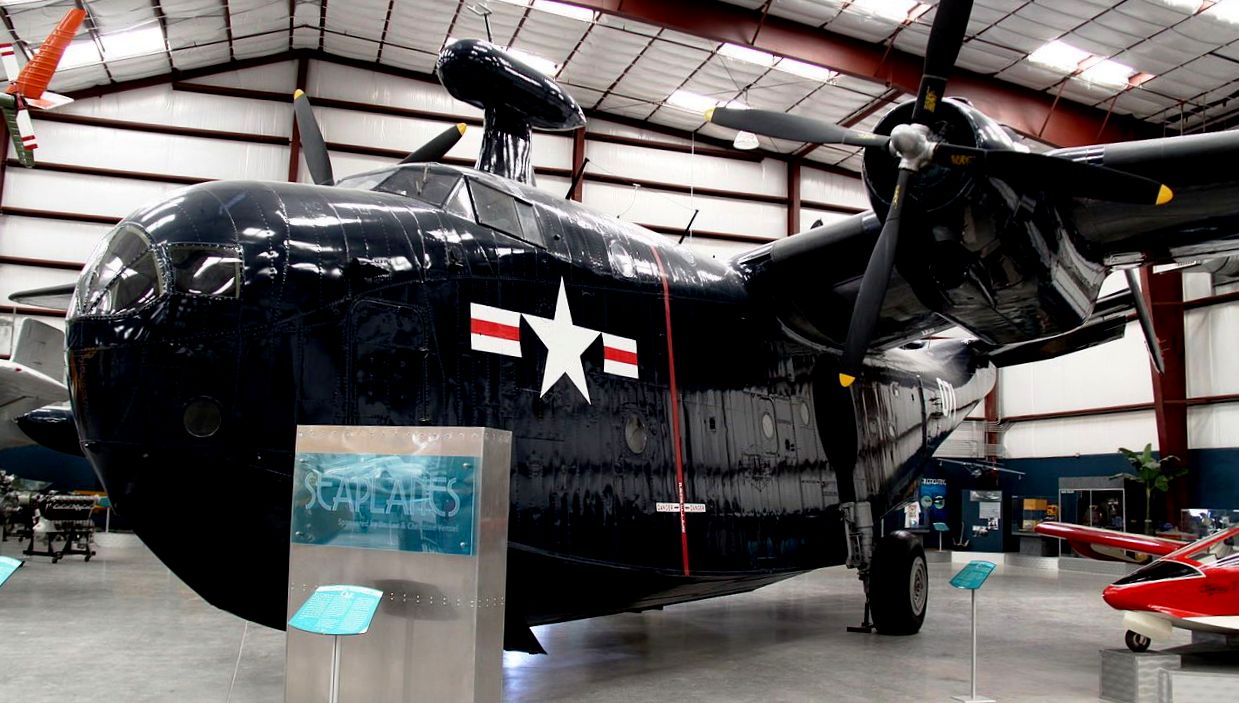
(aeroprints.com Photo)
Martin PBM-5A Mariner (BuNo. 122071), Reg. No. N3190G.
Martin-Marietta LGM-25C Titan II Missile (Serial No. 60-8817).
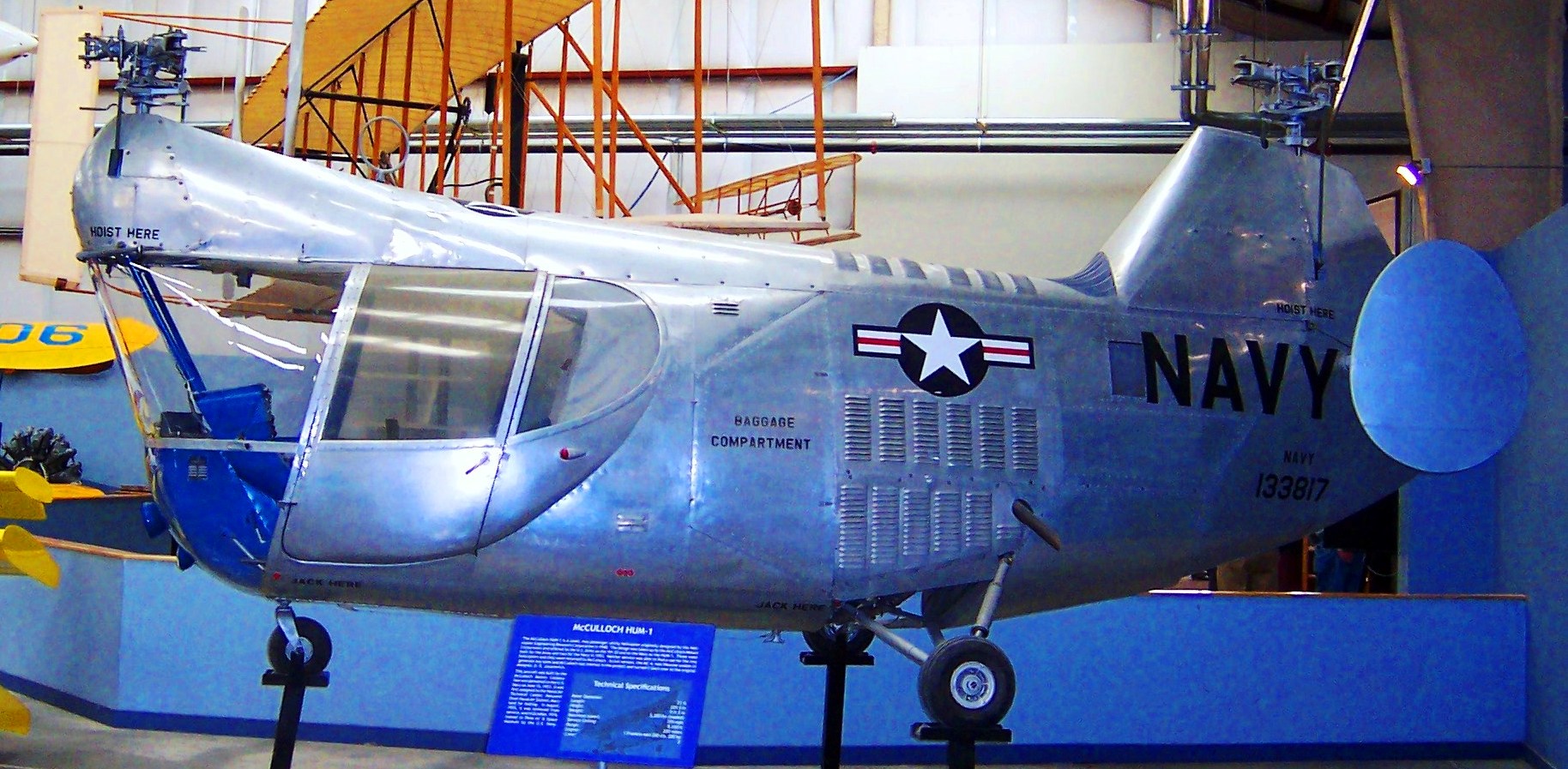
(Author Photo)
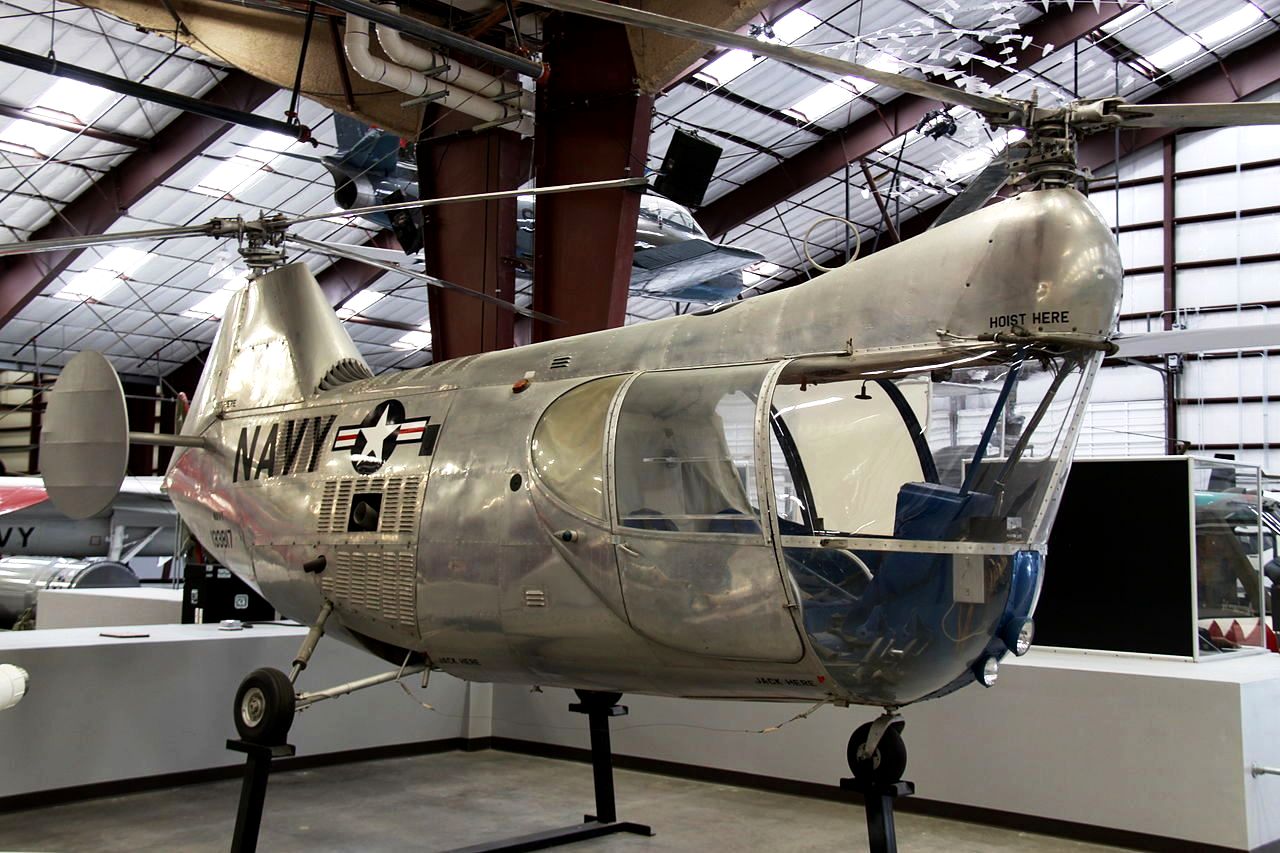
(aeroprints.com Photo)
McCulloch HUM-1 (Serial No. 133817), Reg. No. N4072K.
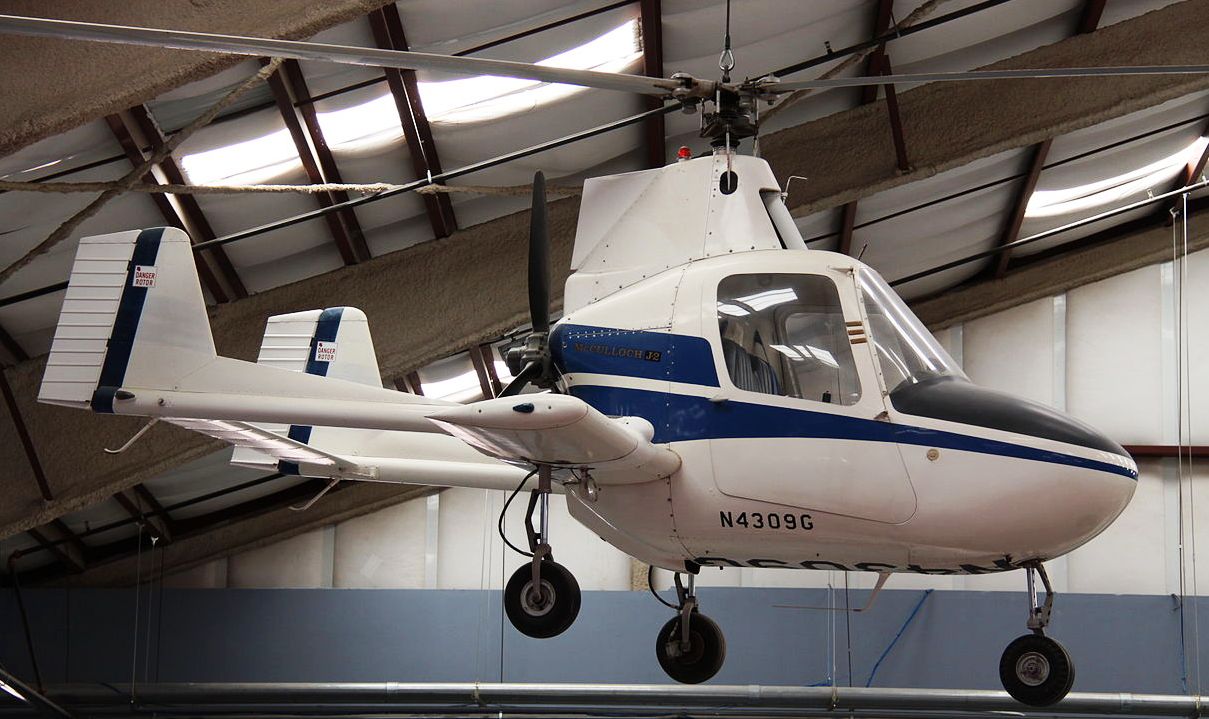
(aeroprints.com Photo)
McCulloch Super J-2 Gyrocopter (Serial No. 019), Reg. No. N4309.
McDonnell Aircraft preserved in the Pima Air & Space Museum are listed on a separate page on this web site.
Messerschmitt Bf 109F-4 (Wk. Nr. 13045), built in Austra ca 1941, assigned to JG 5 at Petsamo, Finland, crashed on 22 Oct 1942. Wreckage recovered in the 1990s, to be restored to its appearance the day it crashed.
Mikoyan-Gurevich aircraft preserved in the Pima Air & Space Museum are listed on a separate page on this web site.
Mitchell/Warr B-10 Mitchell Wing (Serial No. 285), Reg. No. N4232A.
(Author Photo)
(aeroprints.com Photo)
Moraine-Saulnier MS-500 Cricquet (Serial No. 724).
(Eric Salard Photo)
(aeroprints.com Photo)
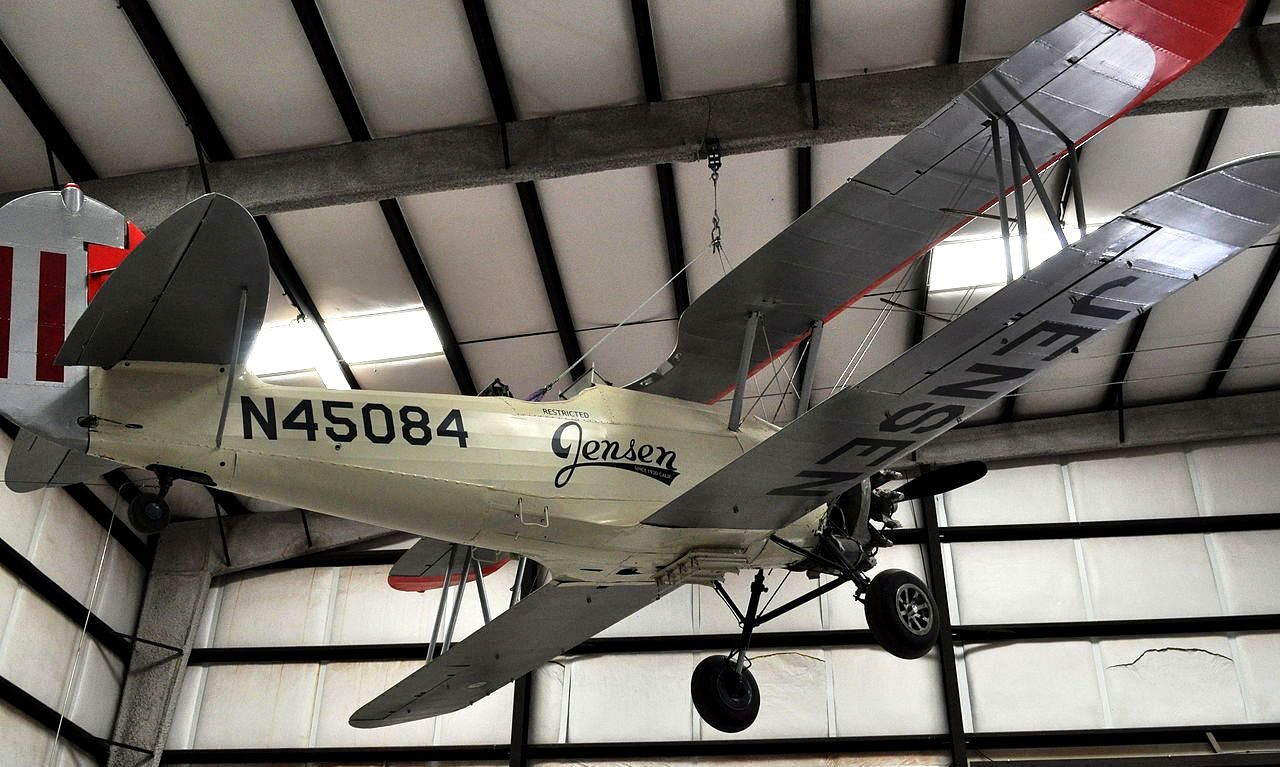
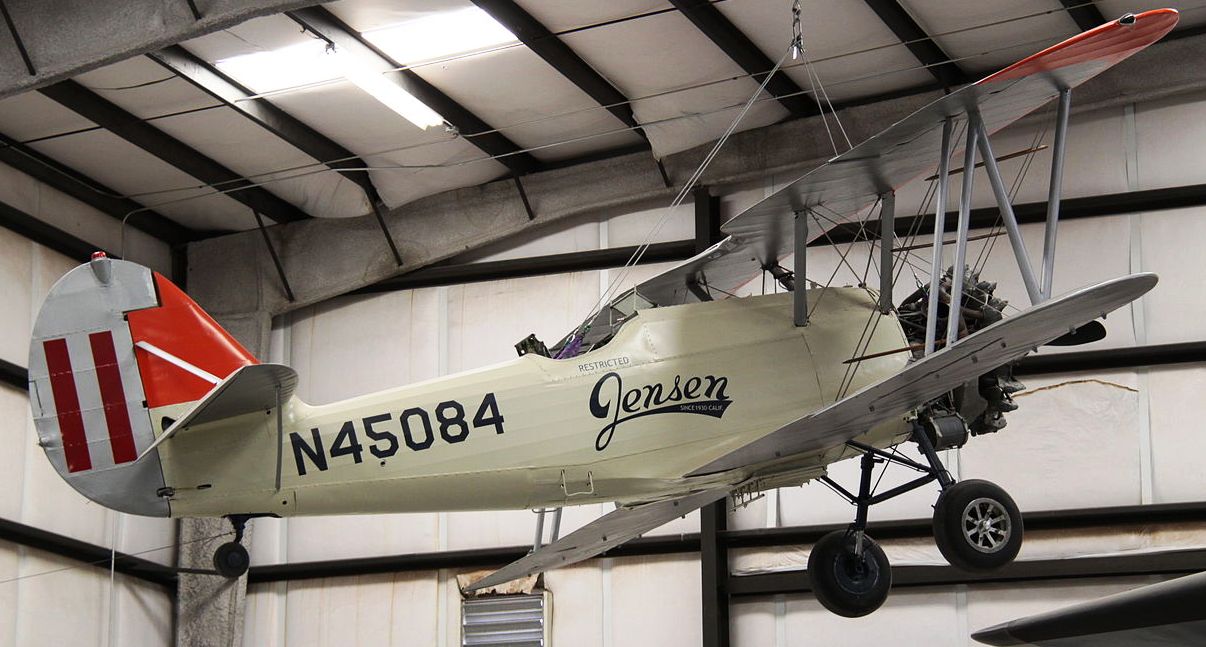
Naval Aircraft Factory N3N Yellow Peril (BuNo. 4497), Reg. No. N45084.
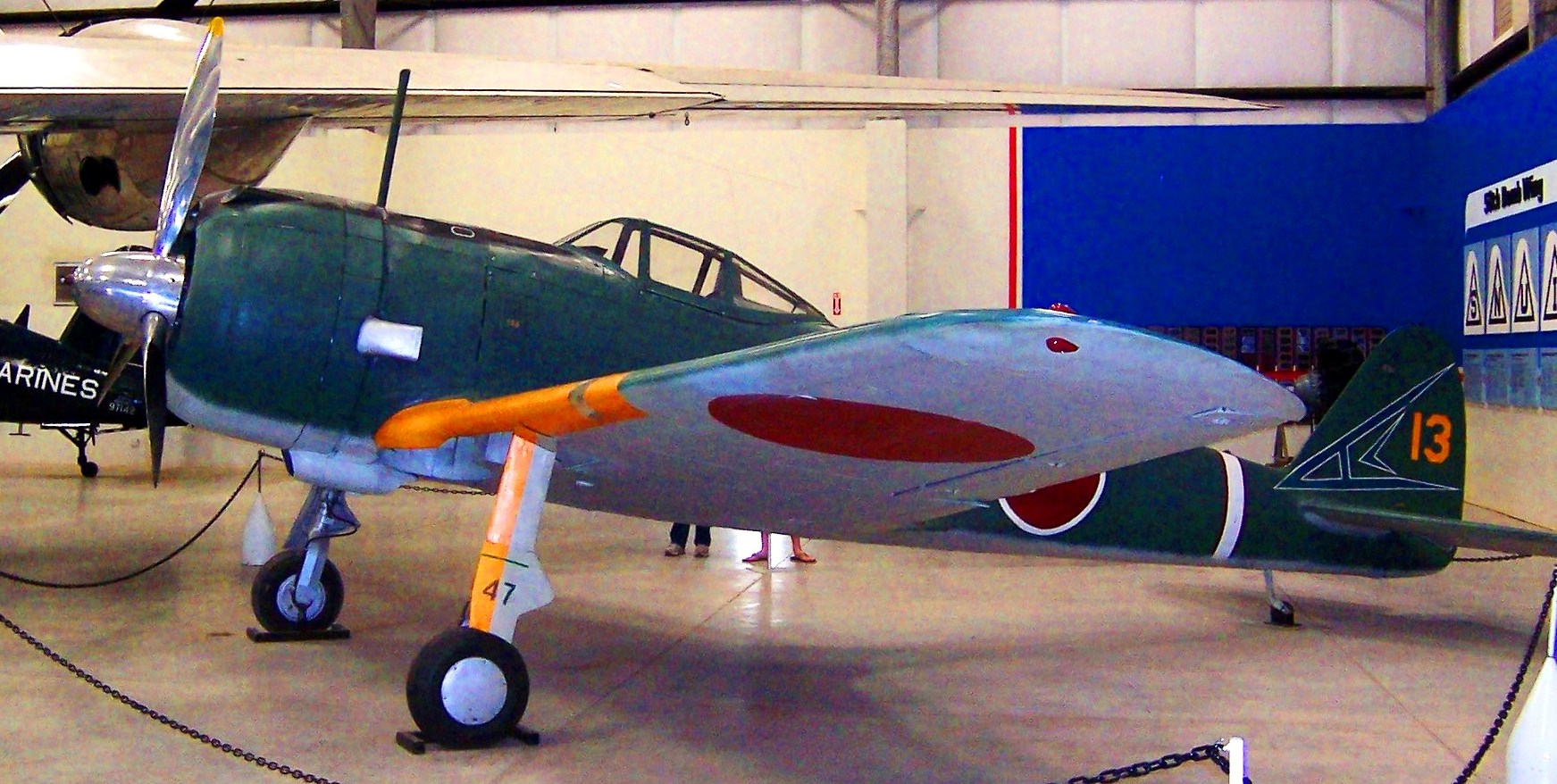
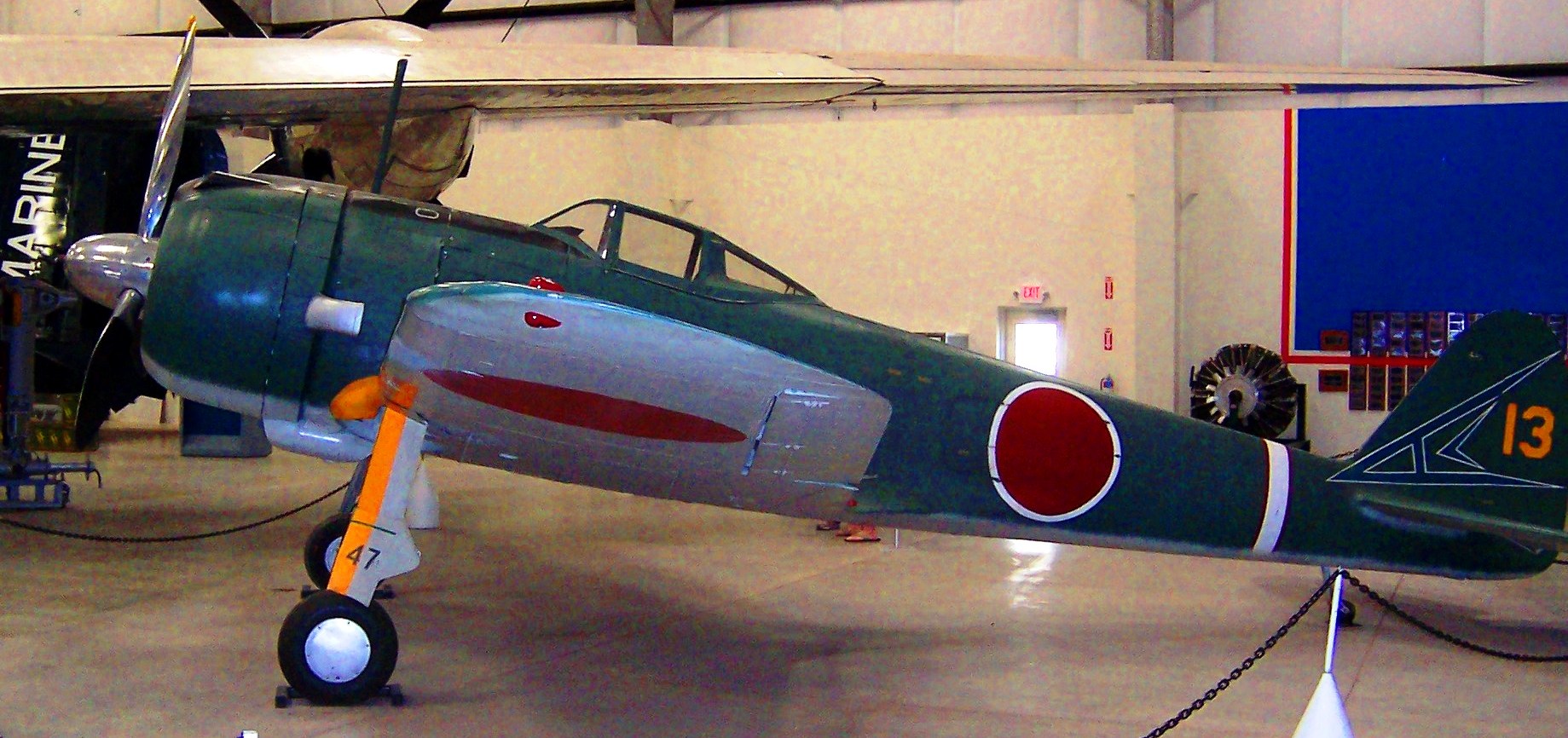
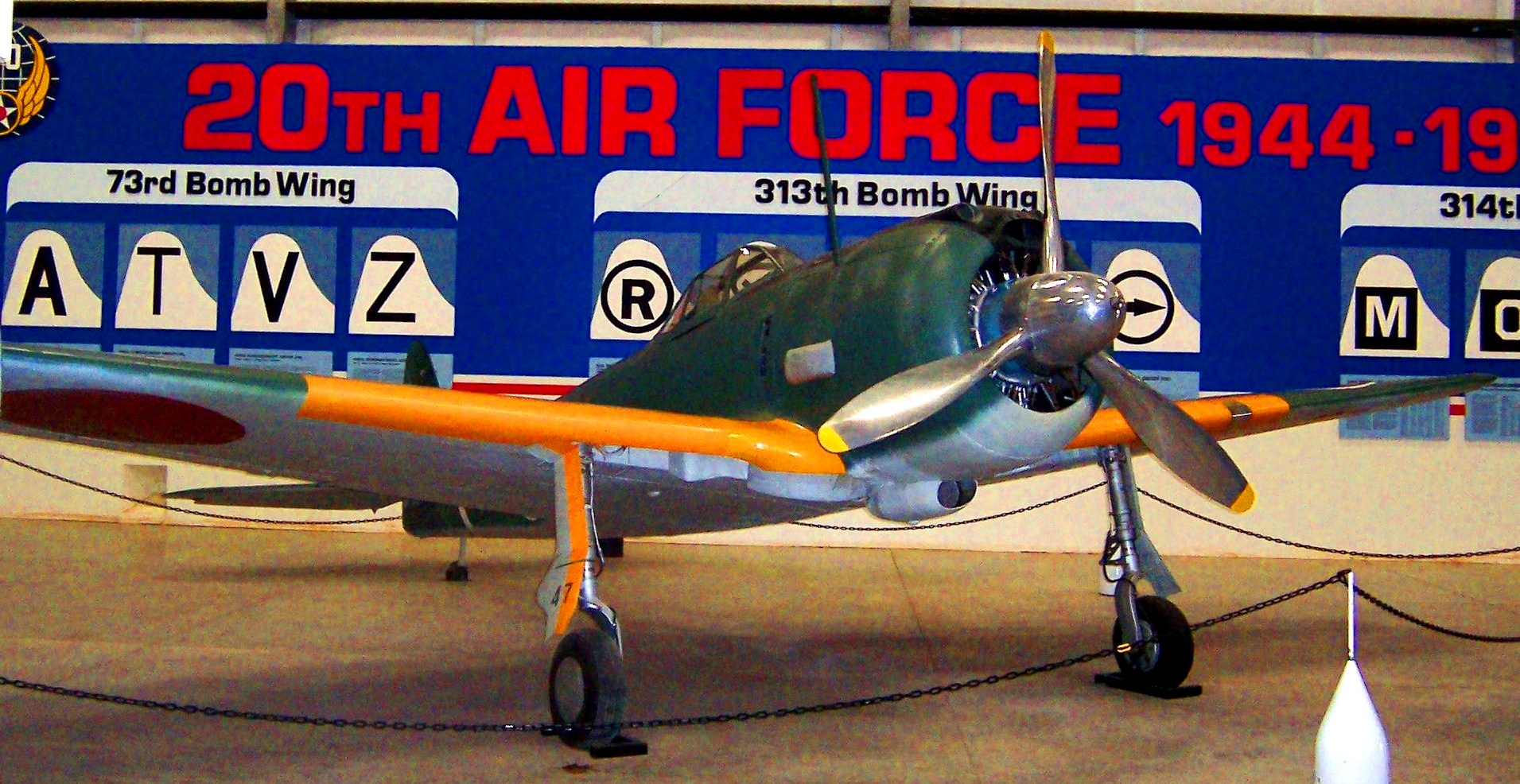
(Author Photos)
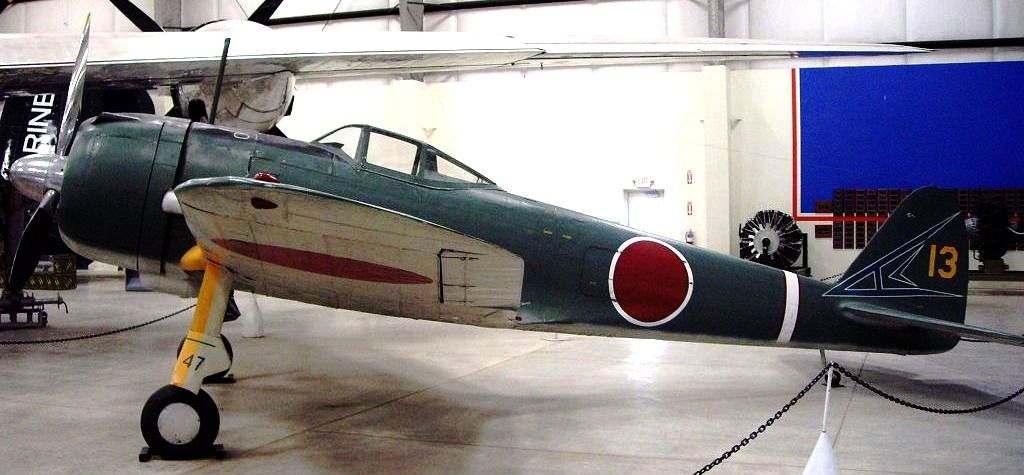
(Stumanusa Photo)
(aeroprints.com Photo)
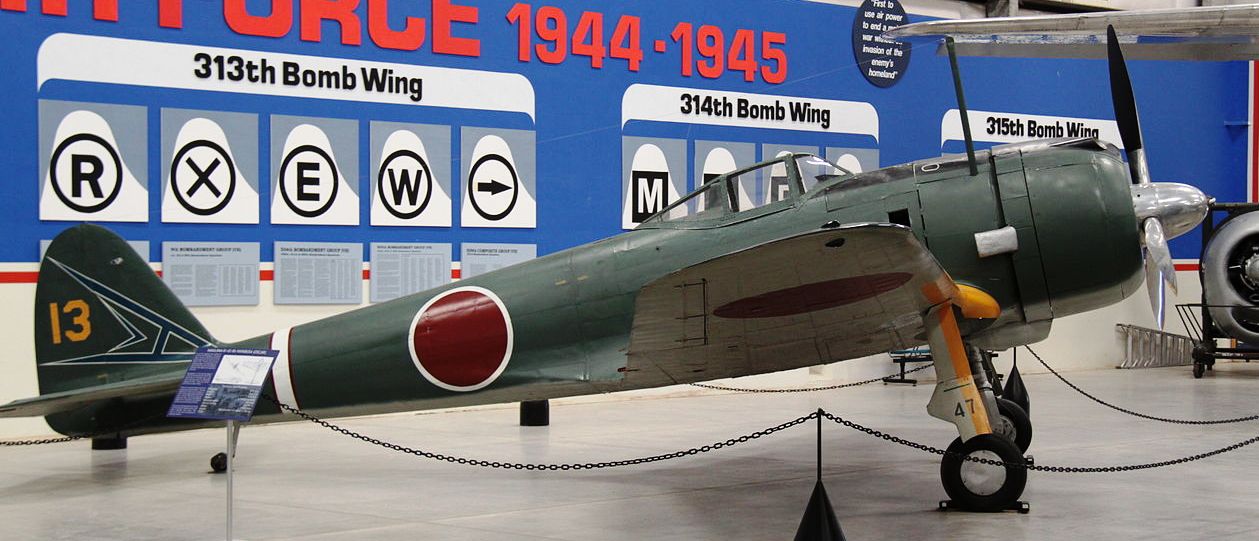
Nakajima Ki-43-IIB Hayabusa (Oscar) (Serial No. 6430).
North American aircraft preserved in the Pima Air & Space Museum are listed on a separate page on this web site.
Northrop aircraft preserved in the Pima Air & Space Museum are listed on a separate page on this web site.
(Author Photos)
(aeroprints.com Photo)
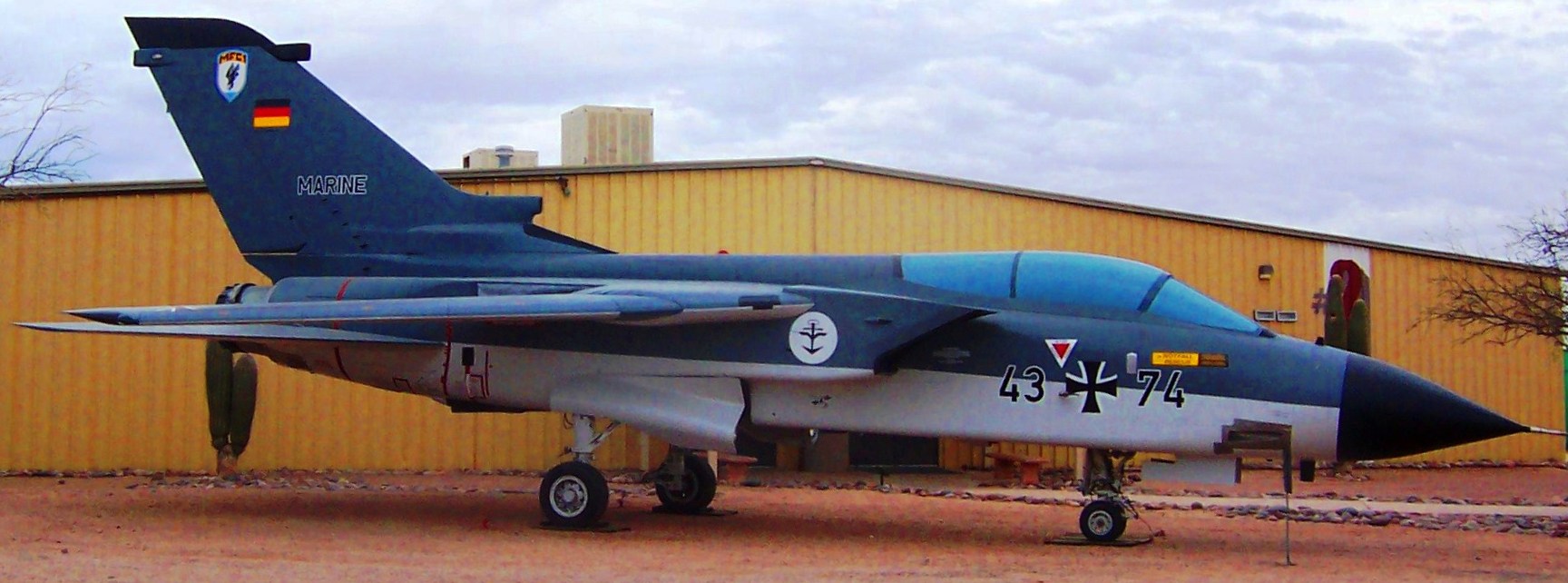
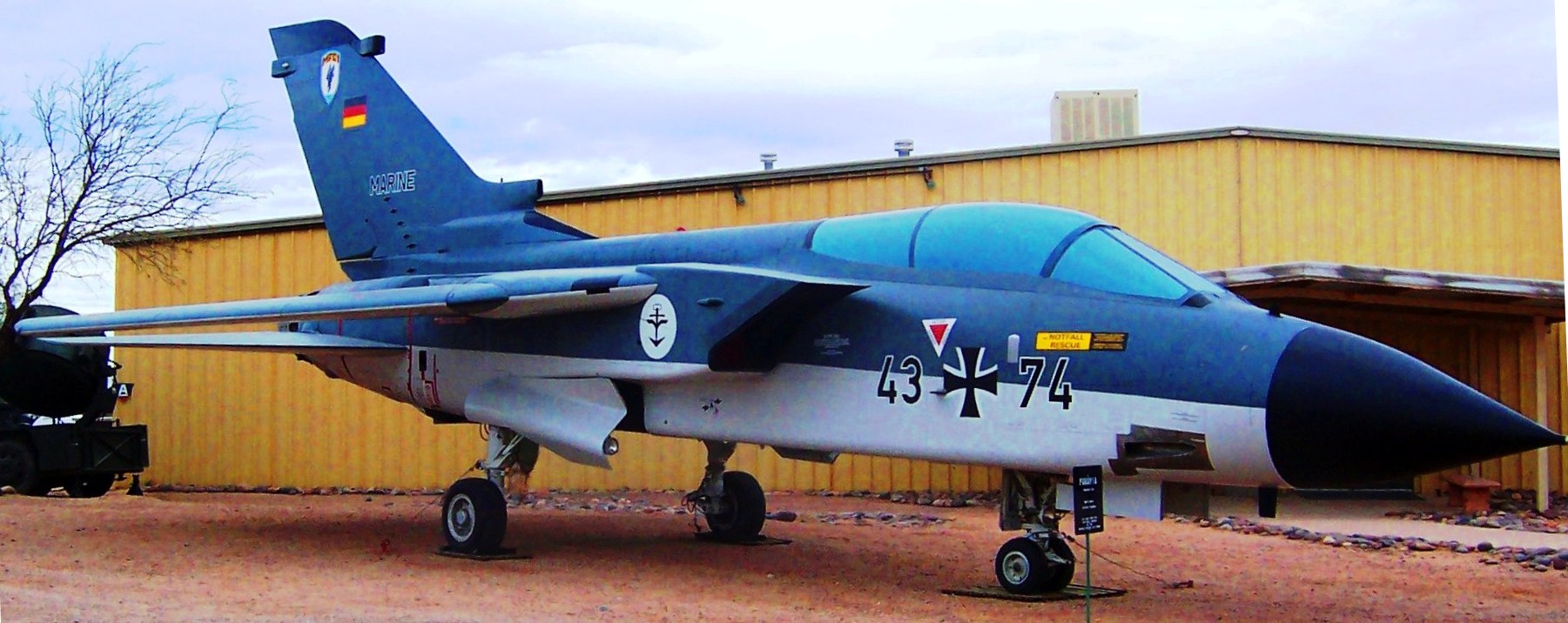
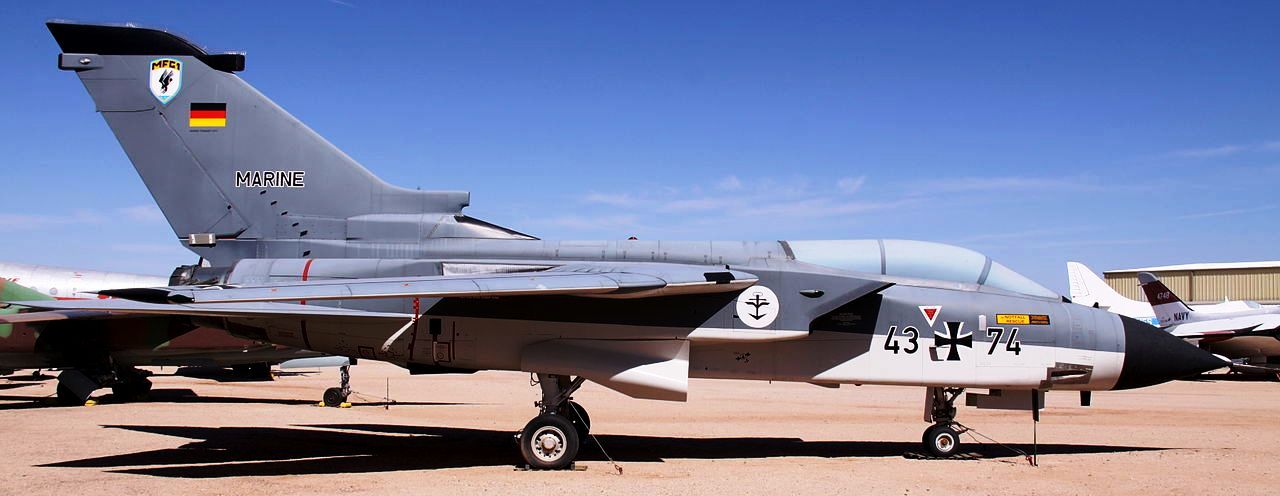
Panavia IDS Tornado (Serial No. 43+74).
Pacific Airwave Model 89 KISS (Serial No. KM92514), hang-glider
(Hayden747 Photo)
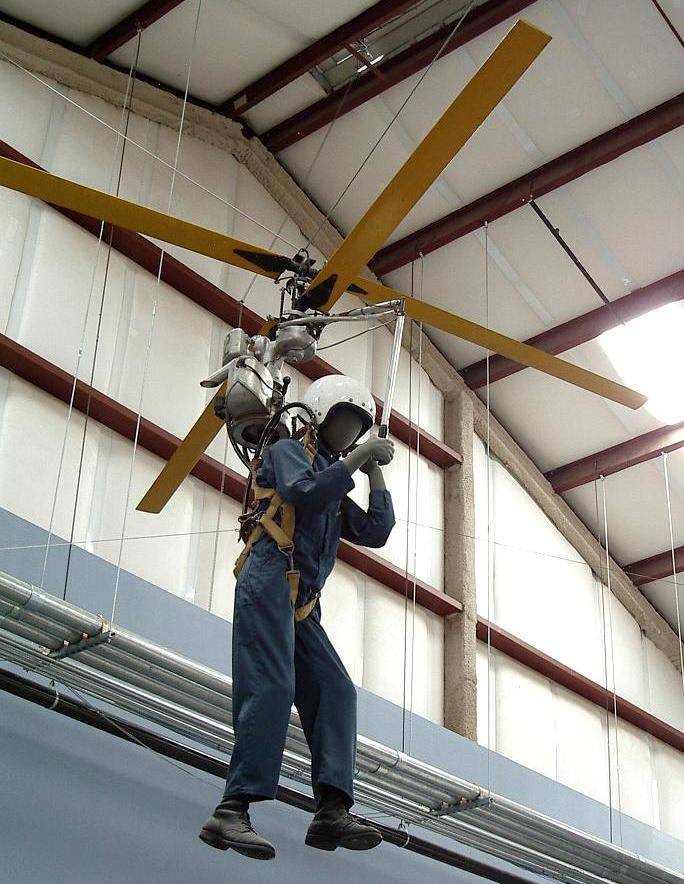
Pentecost E III Hoppicopter (Serial No. 269), back-pack helicopter.
(aeroprints.com Photo)
(Greg Goebel Photo)
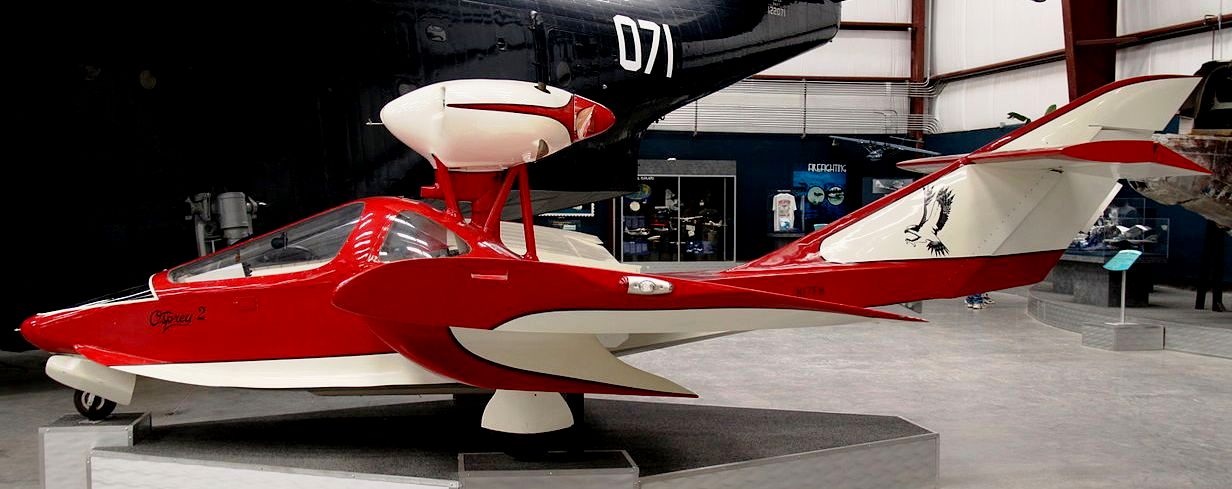
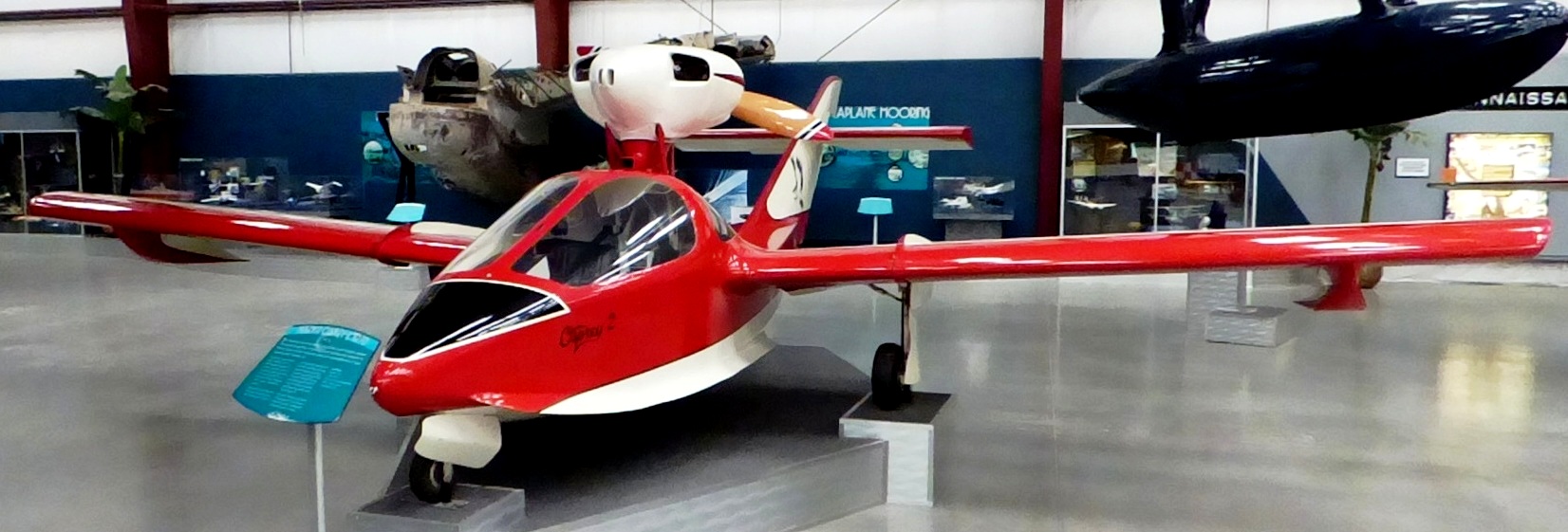
Pereira/Hummel Model 2 Osprey 2 (Serial No. 105A), Reg. No. N17EH.
Piasecki helicopters preserved in the Pima Air & Space Museum are listed on a separate page on this web site.
Piper J-4A Cub Coupe (Serial No. 4-469), Reg. No. NC22783.
(YSSYguy Photo)
(aeroprints.com Photo)
(Eric Salard Photo)
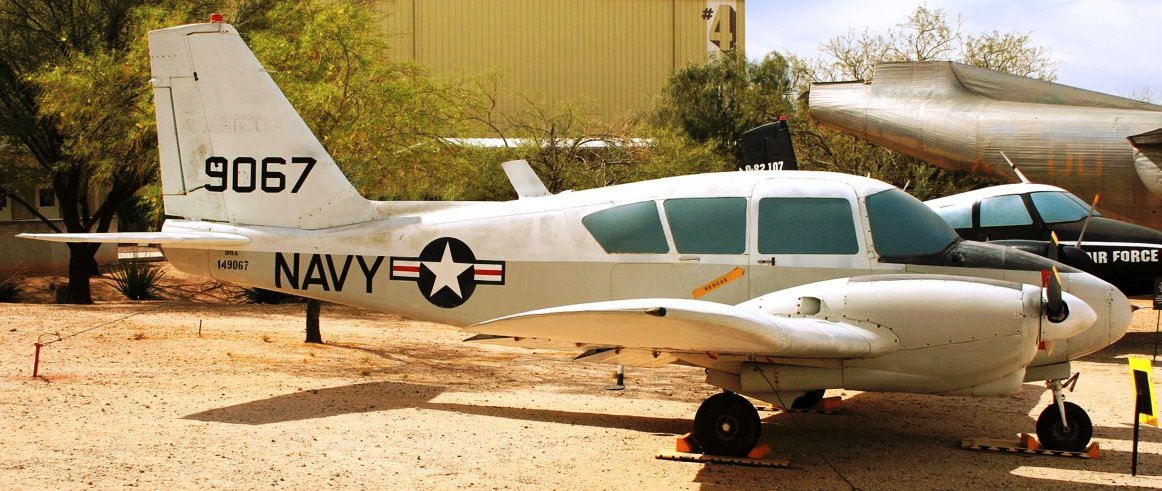
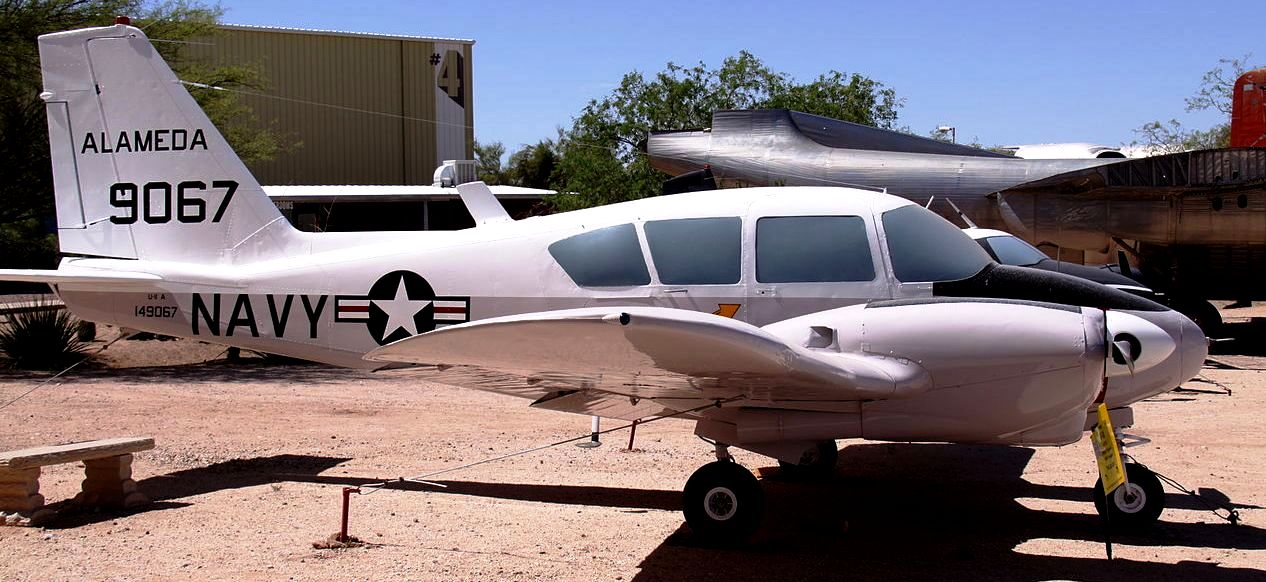
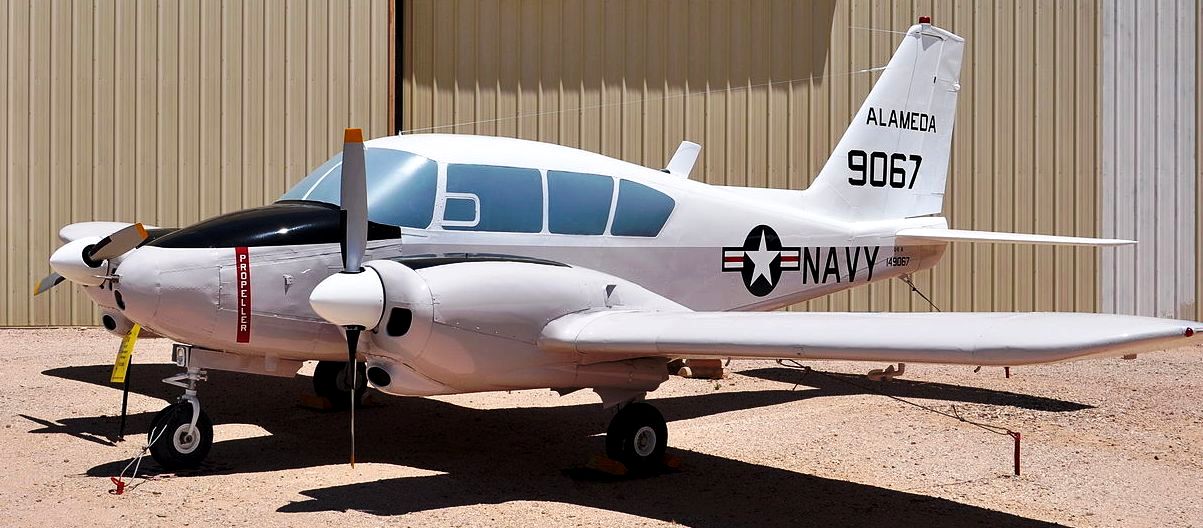
Piper U-11A Aztec (Serial No. 149067).
(aeroprints.com Photo)
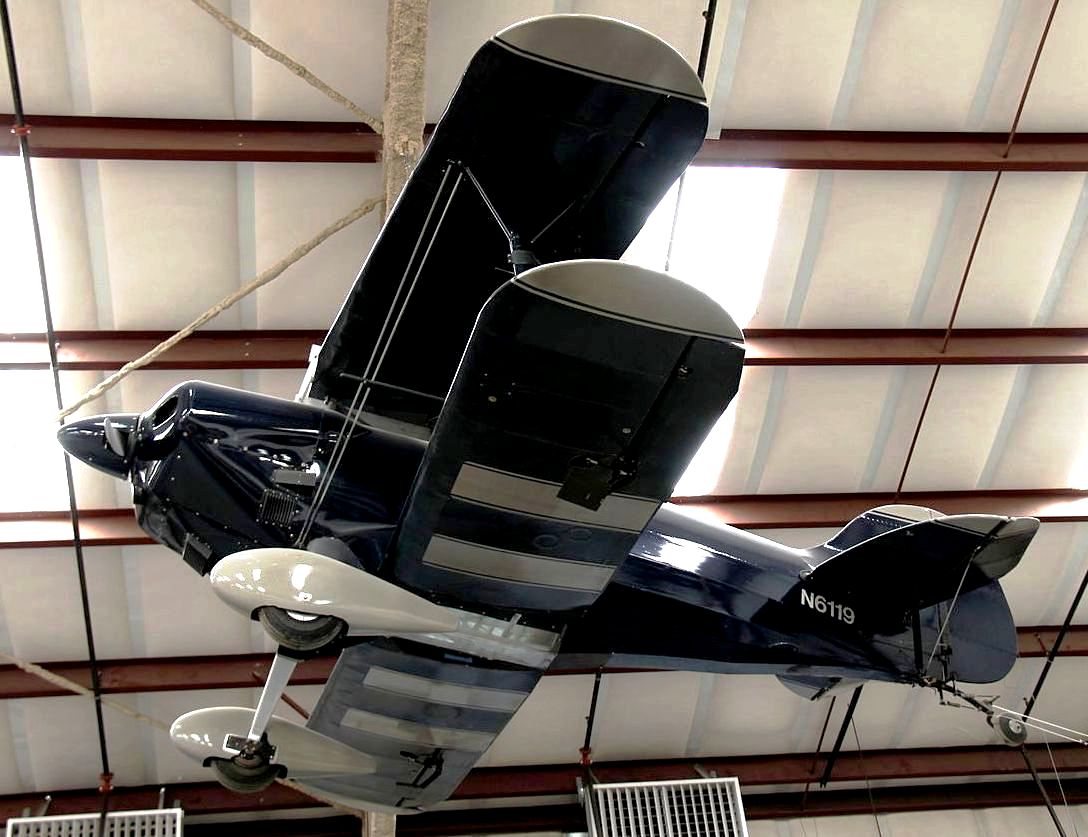
Pitts S-1C Special (Serial No. DC-1), Reg. No. N6119.
Radioplane OQ-19 Drone.
Radioplane OQ-3 Drone.
Republic aircraft preserved in the Pima Air & Space Museum are listed on a separate page on this web site.
Rutan Long Eze (Serial No. 442), Reg. No. N82ST.
Rutan Quickie (Serial No. 297), Reg. No. N80EB.
(Author Photo)
(aeroprints.com Photo)
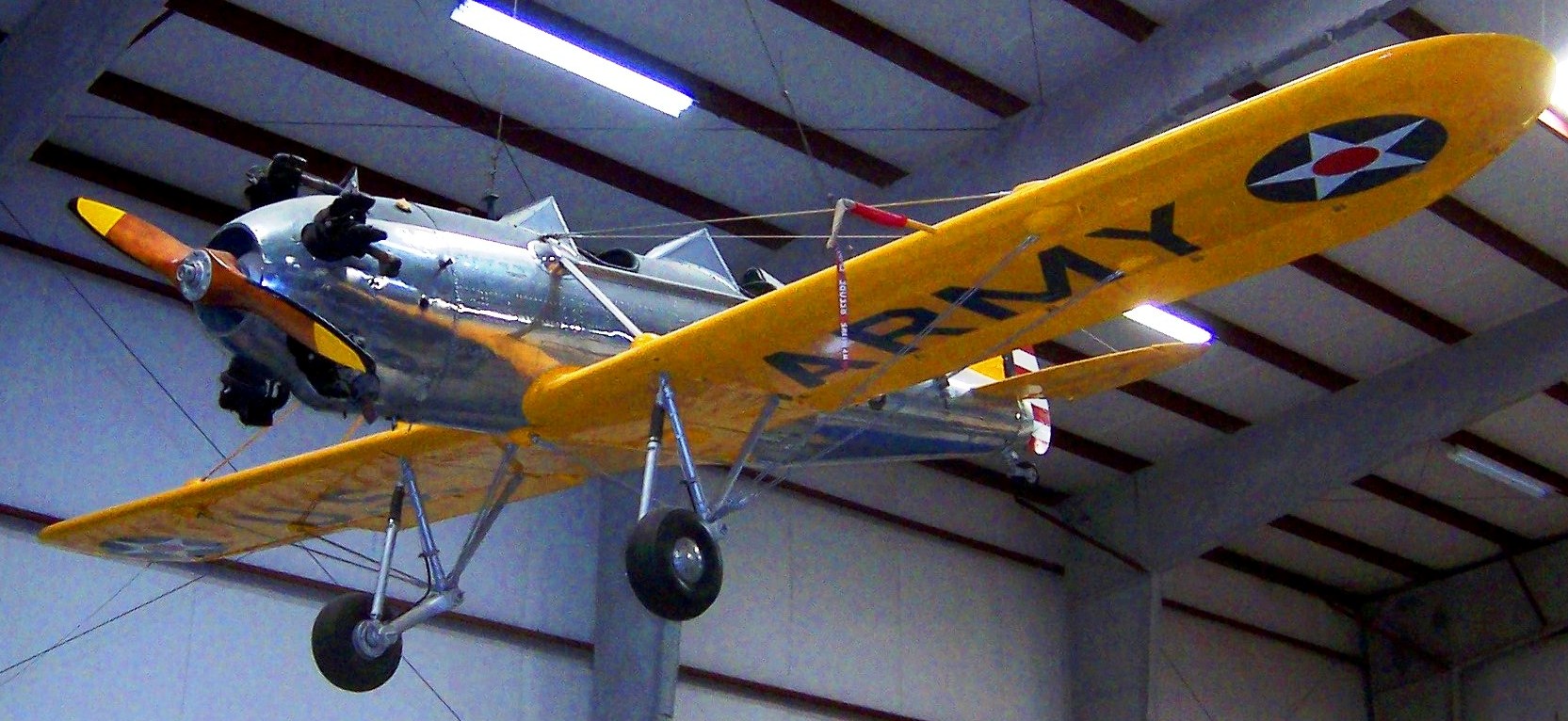
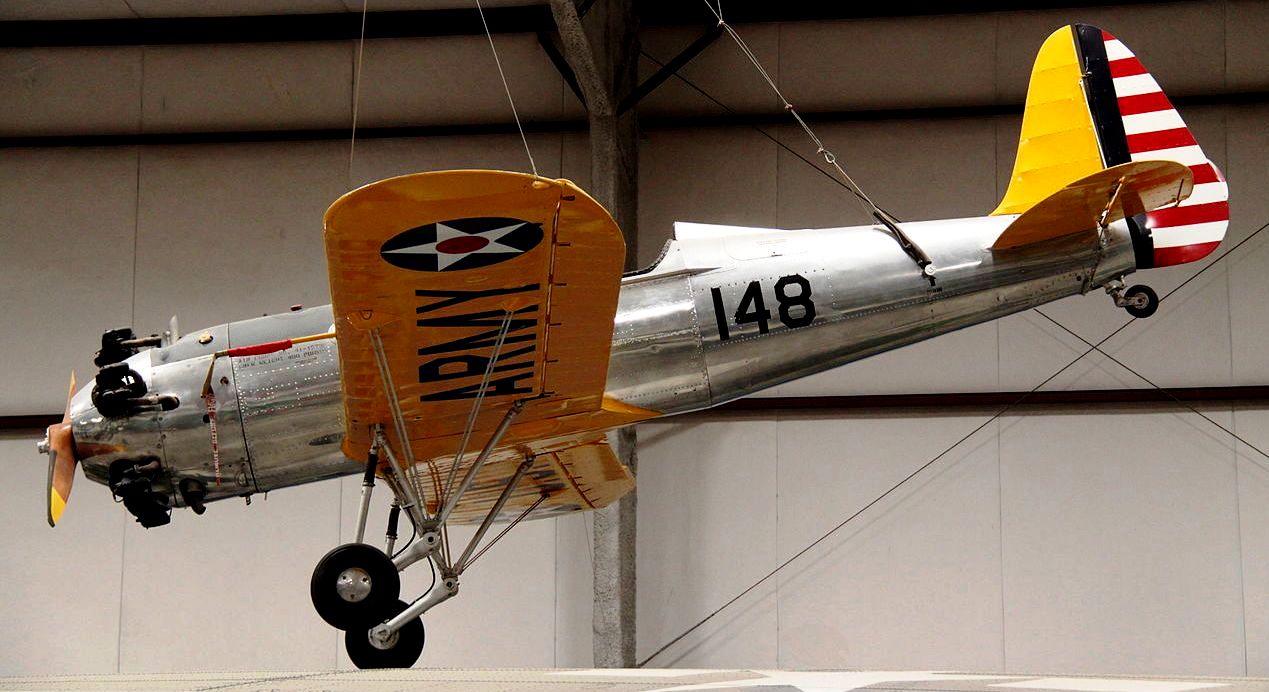
Ryan PT-22 Recruit (Serial No. 41-15736), Reg. No. N1180C.
(aeroprints.com Photo)
(Eric Salard Photo)
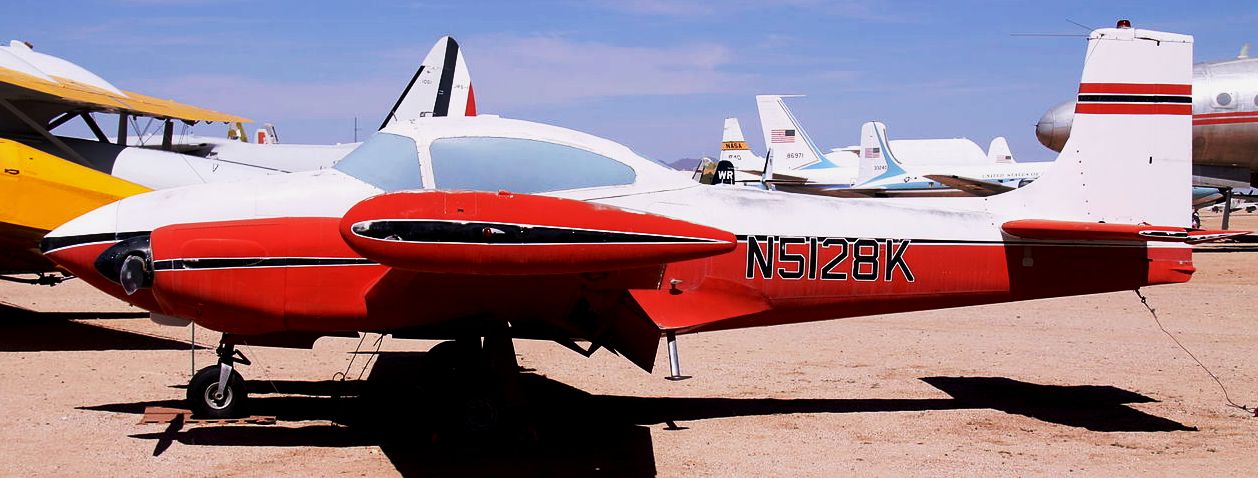
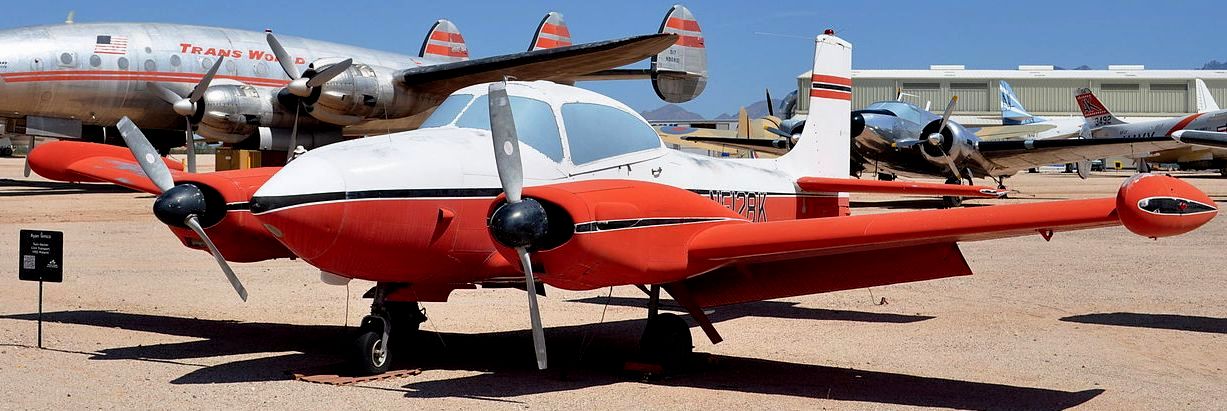
Ryan-Temco D-16 Twin Navion (Serial No. NAV-4-2028B), Reg. No. N128K.
(Josh Hallett Photo)
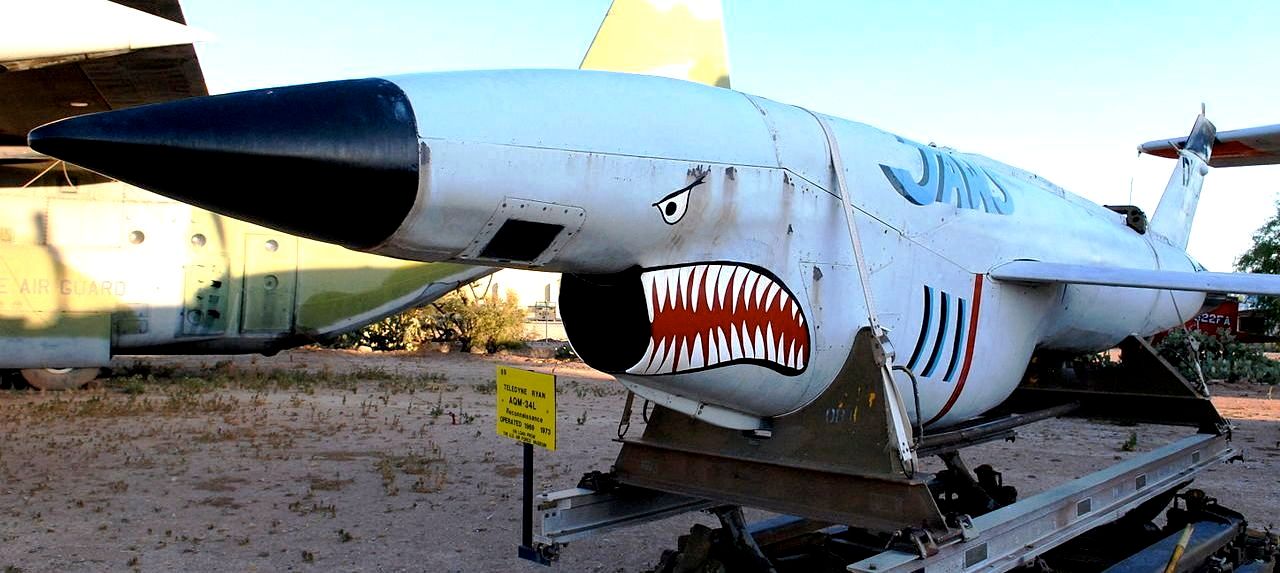
Ryan Firebee jet propelled target drone.
(YSSYguy Photo)
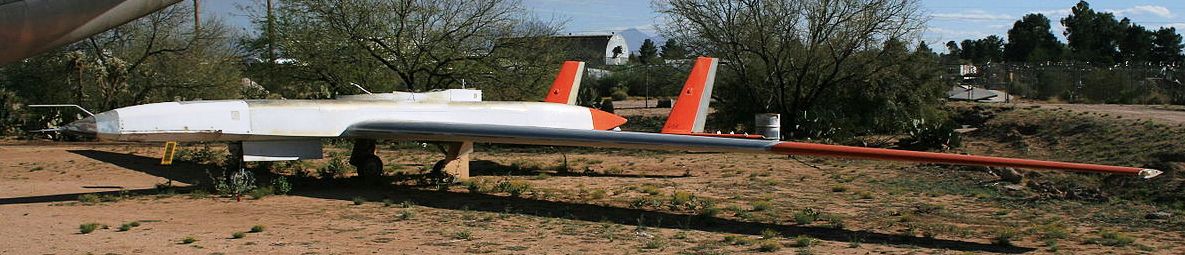
Ryan YQM-98A Compass Cope drone (Serial No. 72-1872).
(aeroprints.com Photo)
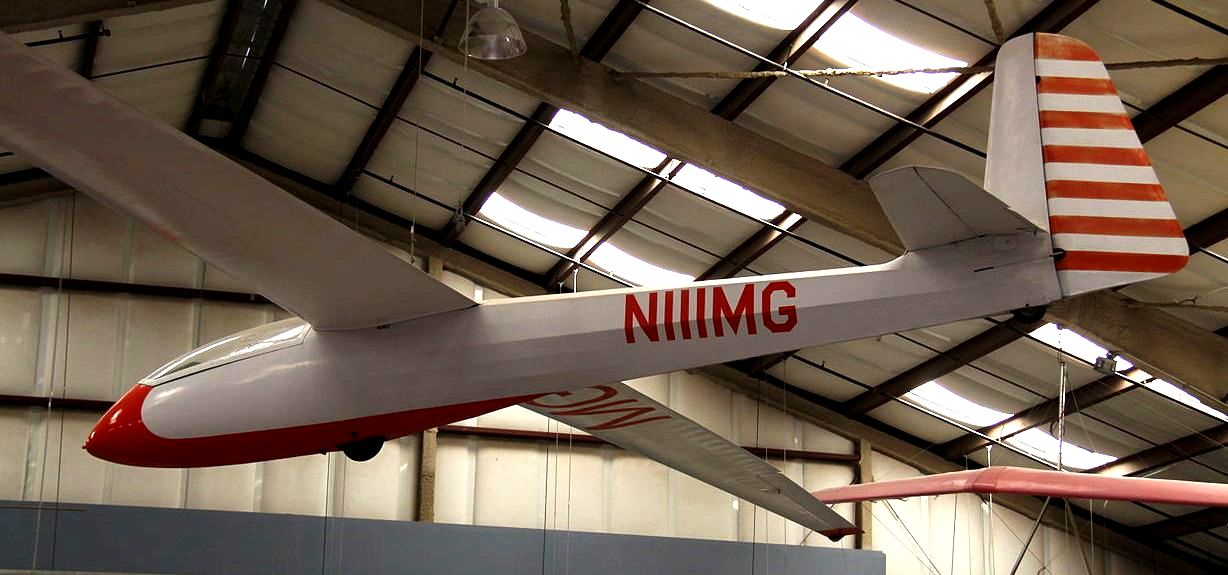
Scheibe Zugvogel III-B Glider (Serial No.), Reg. No. N11MG.
Schemmp-Hirth SHK-1 (Serial No. 13), Reg. No. N7732G.
(aeroprints.com Photo)
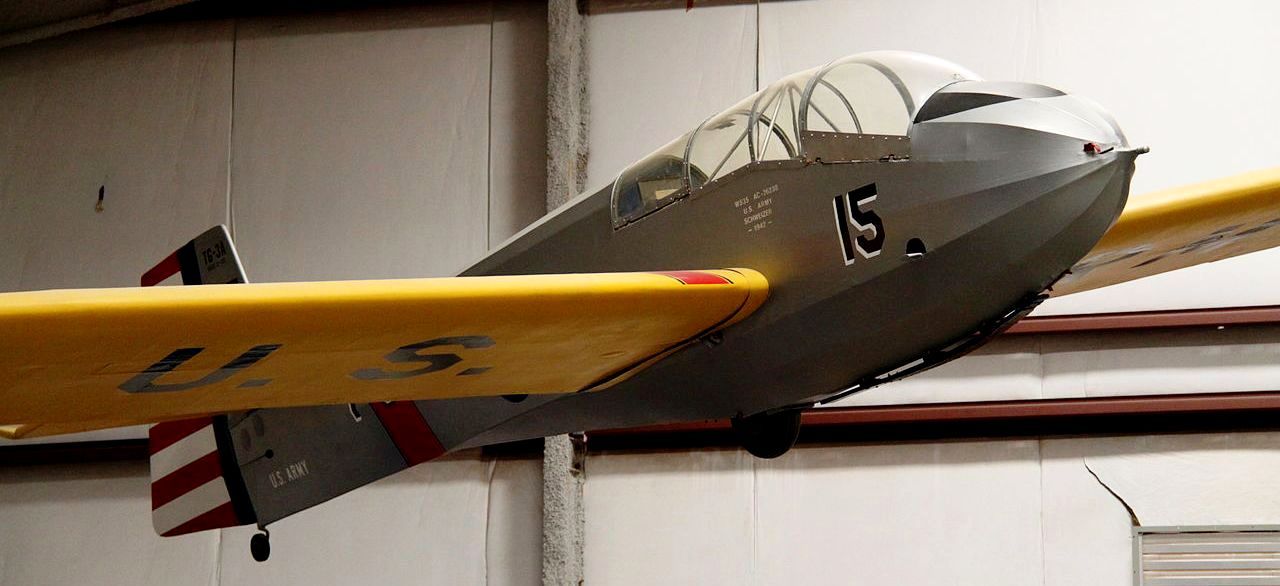
Schweizer TG-3A (Schweizer SGS 2-12) Glider, (Serial No. 15), Reg. No. N69064).
(Author Photos)
(Eric Salard Photo)
(aeroprints.com Photo)
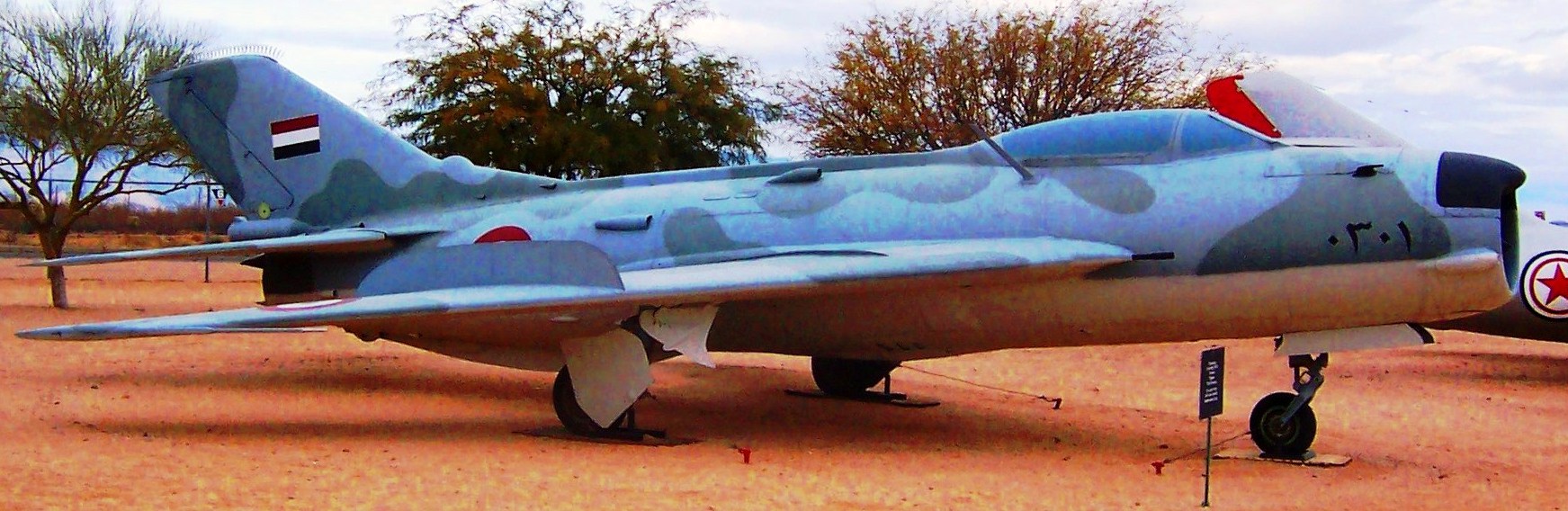
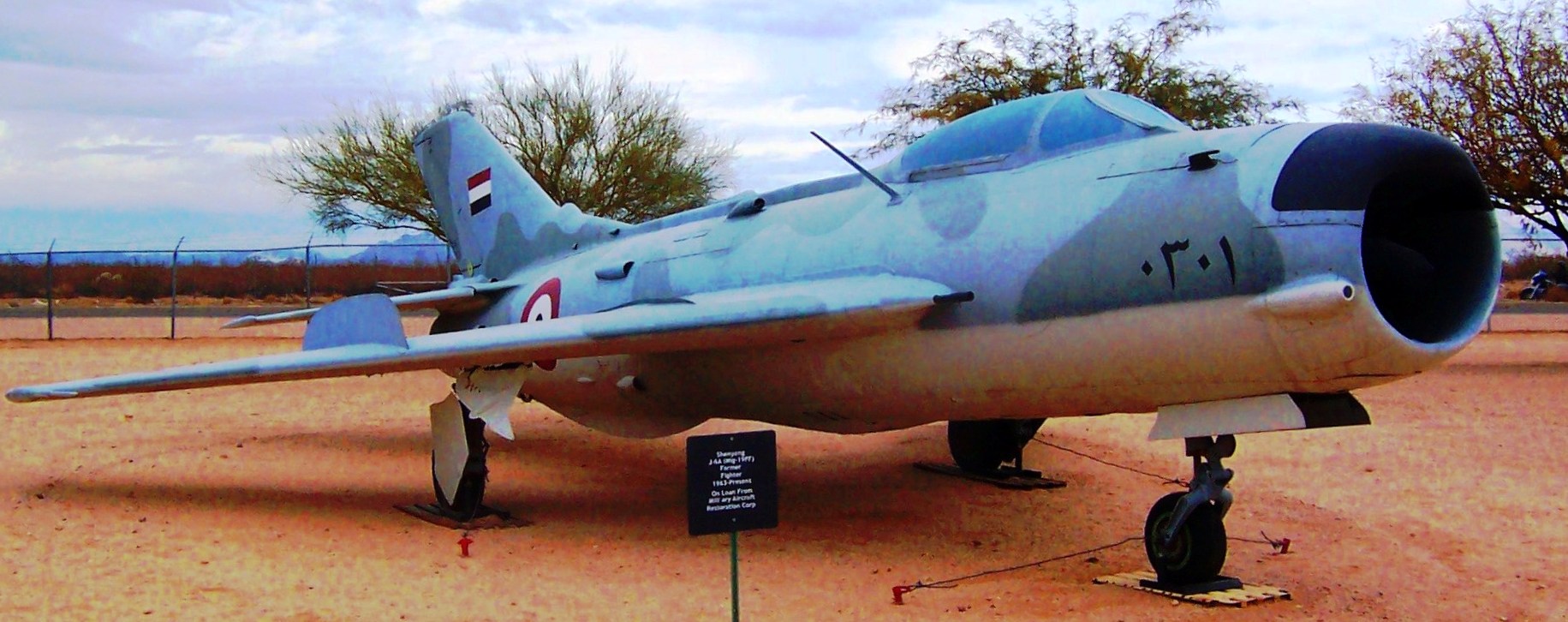
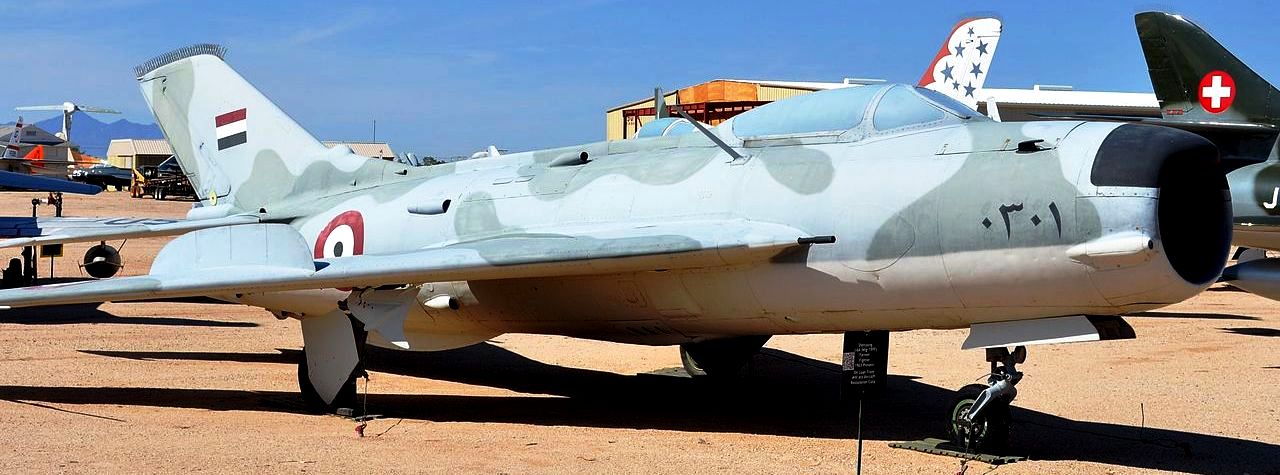
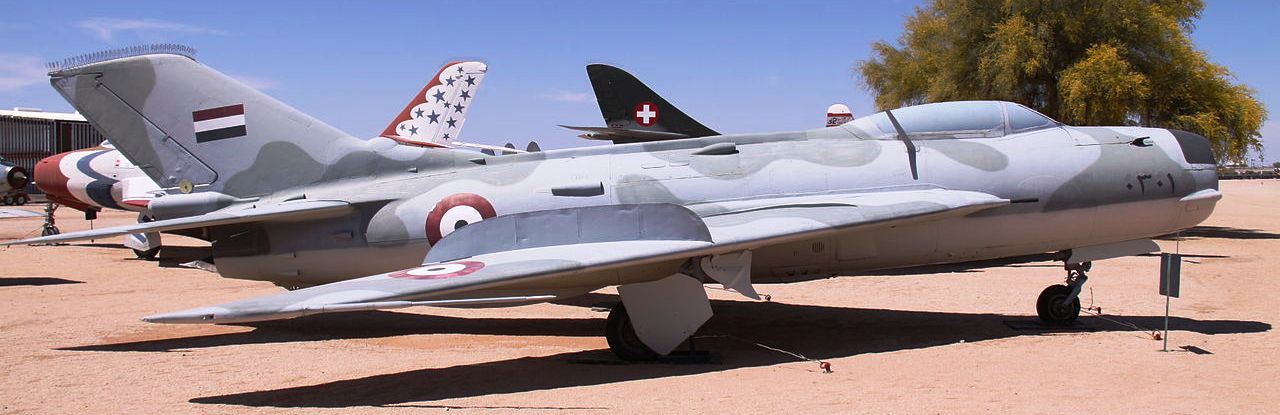
Shenyang J-6A Farmer (Serial No. 301), Egyptian Air Force markings.
Sikorsky helicopters preserved in the Pima Air & Space Museum are listed on a separate page on this web site.
Squadron Aviation SPAD XIII Replica.
(Nubifer Photo)
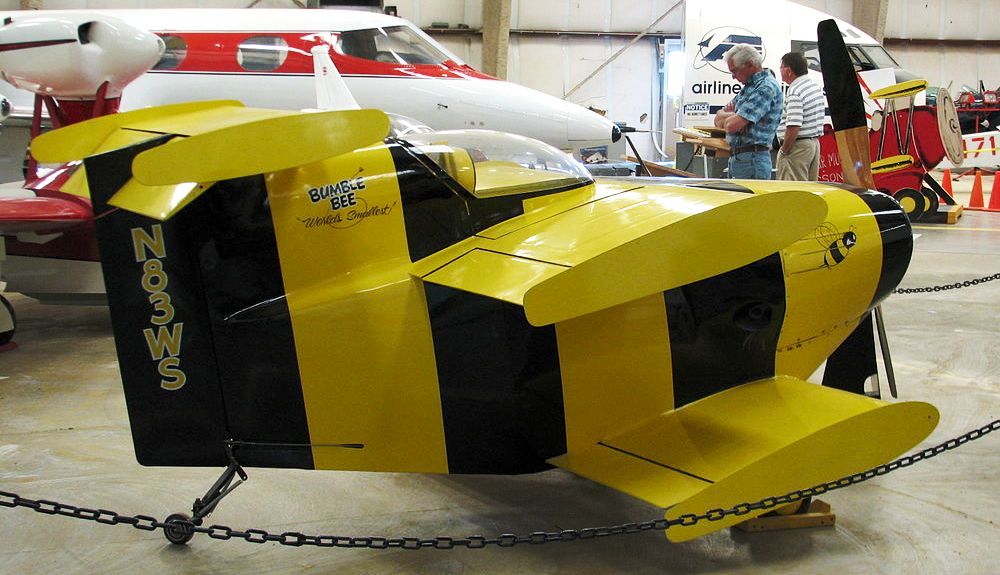
Star Bumble Bee (Serial No.), Reg. No. N83WS, Worldâs smallest aircraft.
Stinson L-5B Sentinel (Serial No. 44-16907), Reg. No. N4981V.
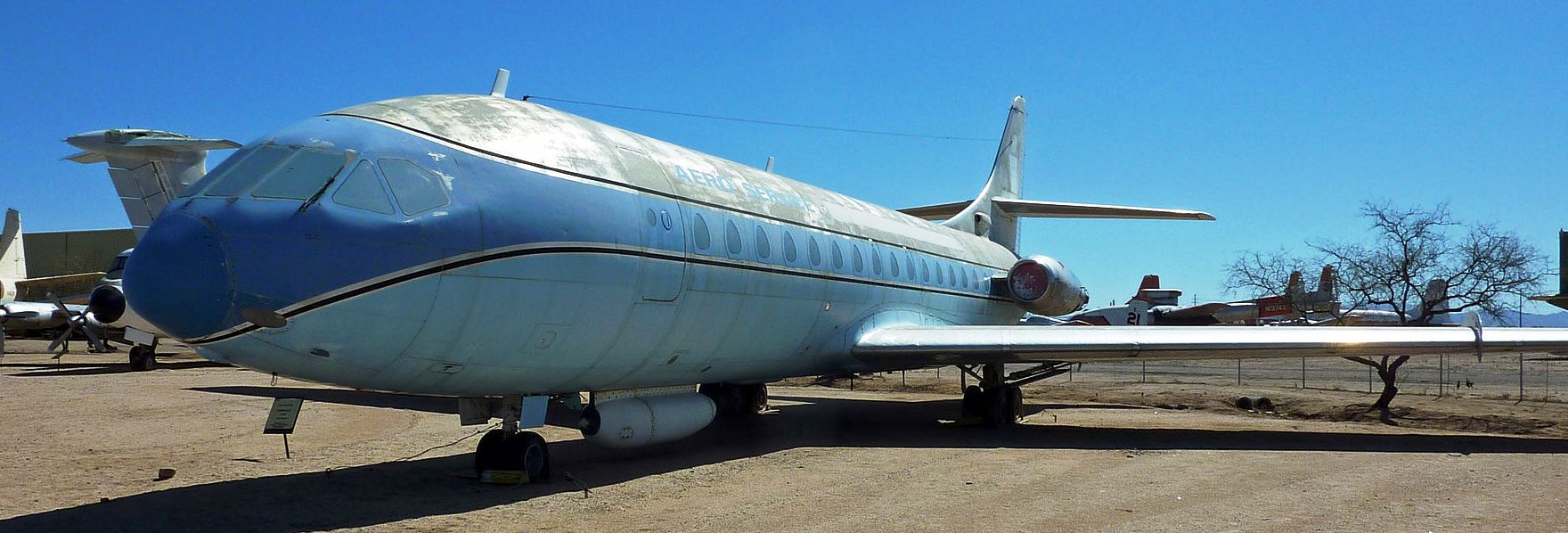
(Frank Kovalchek Photo)
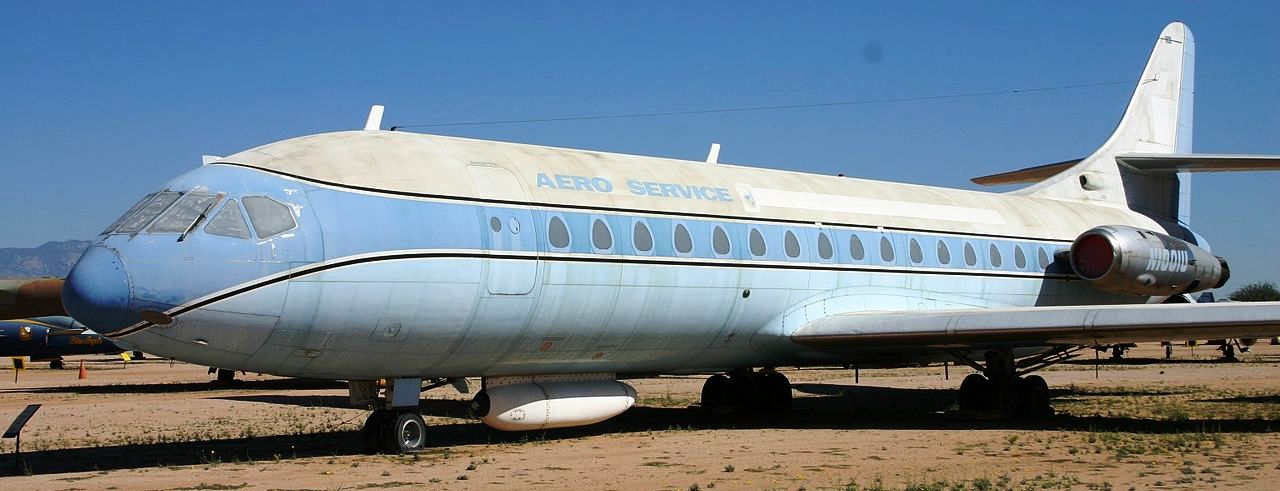
(aeroprints.com Photo)
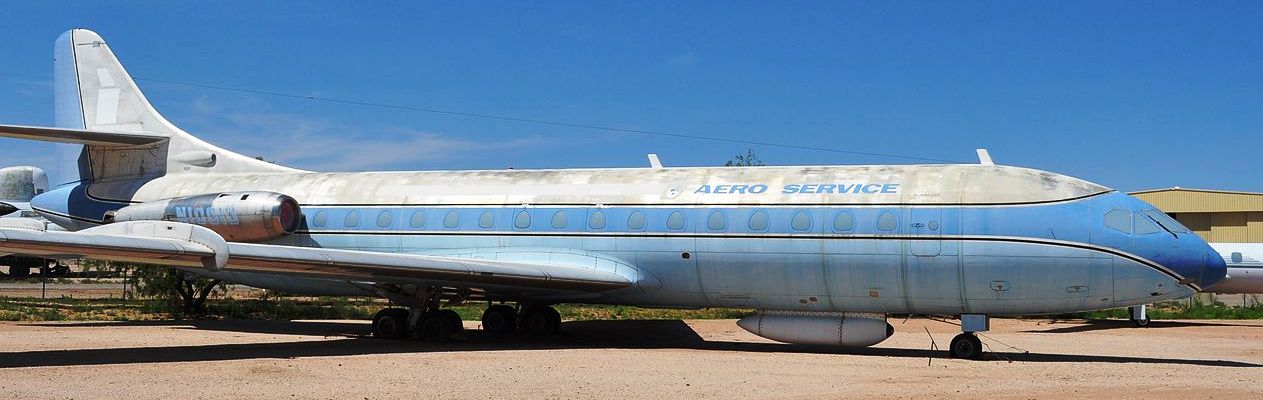
(Eric Salard Photo)
Sud Aviation SE-210 Caravelle (Serial No. 86), Reg. No. N1001U.
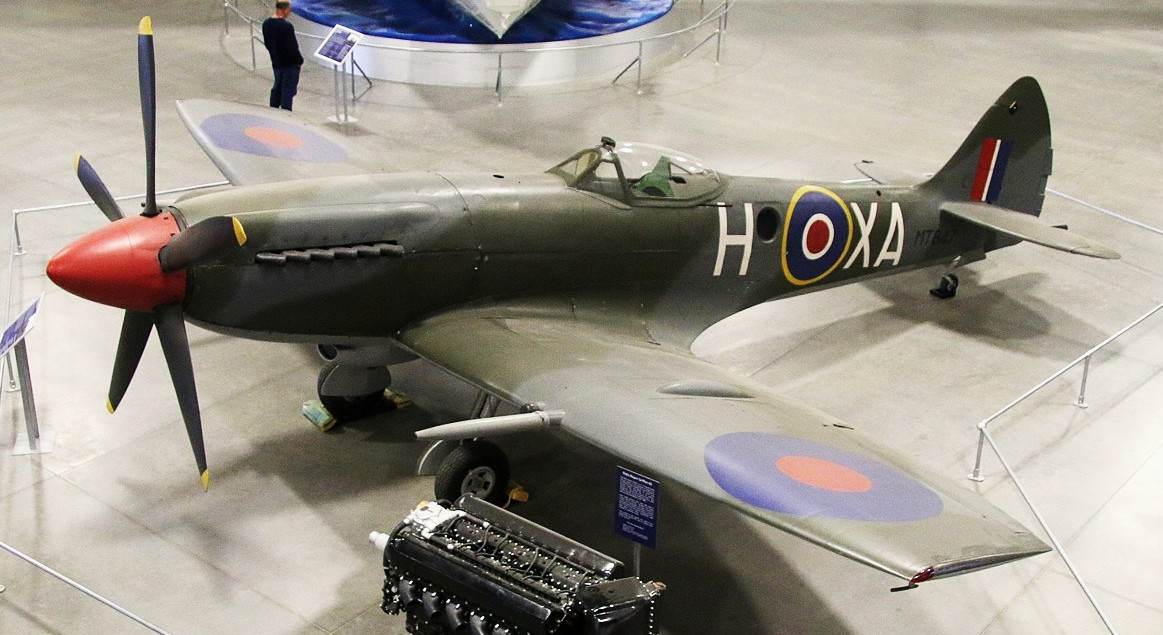
(kitmasterbloke)
(gillfoto Photo)
(Alan Wilson Photo)
(PASM Photo)
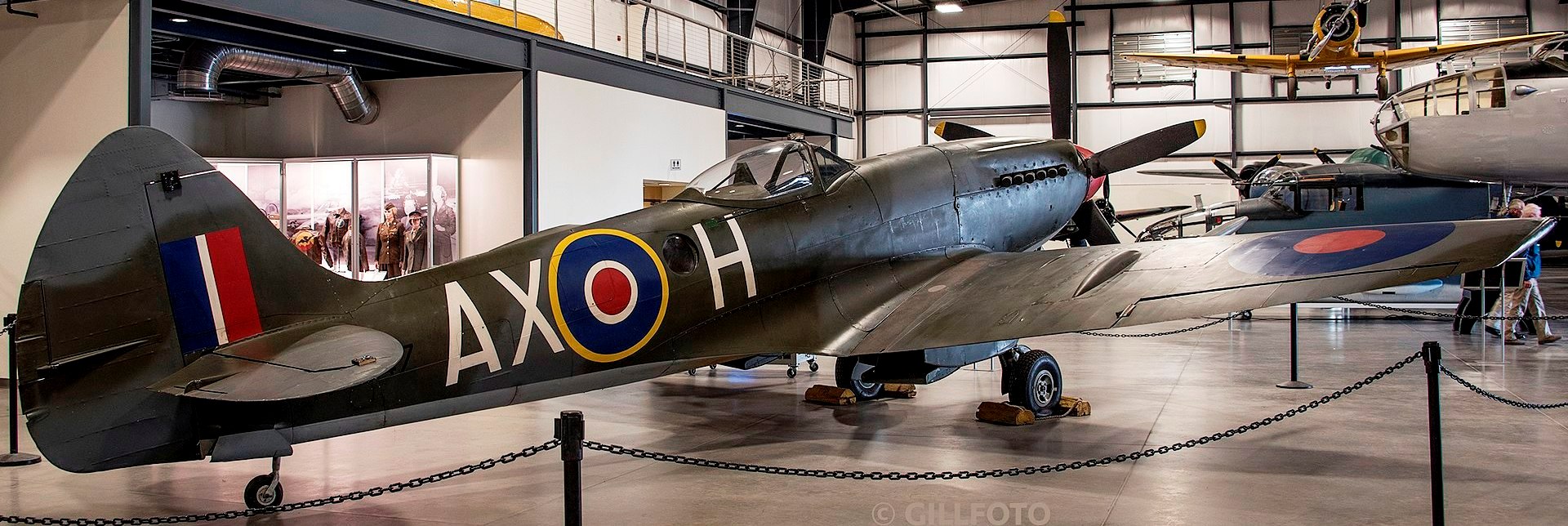
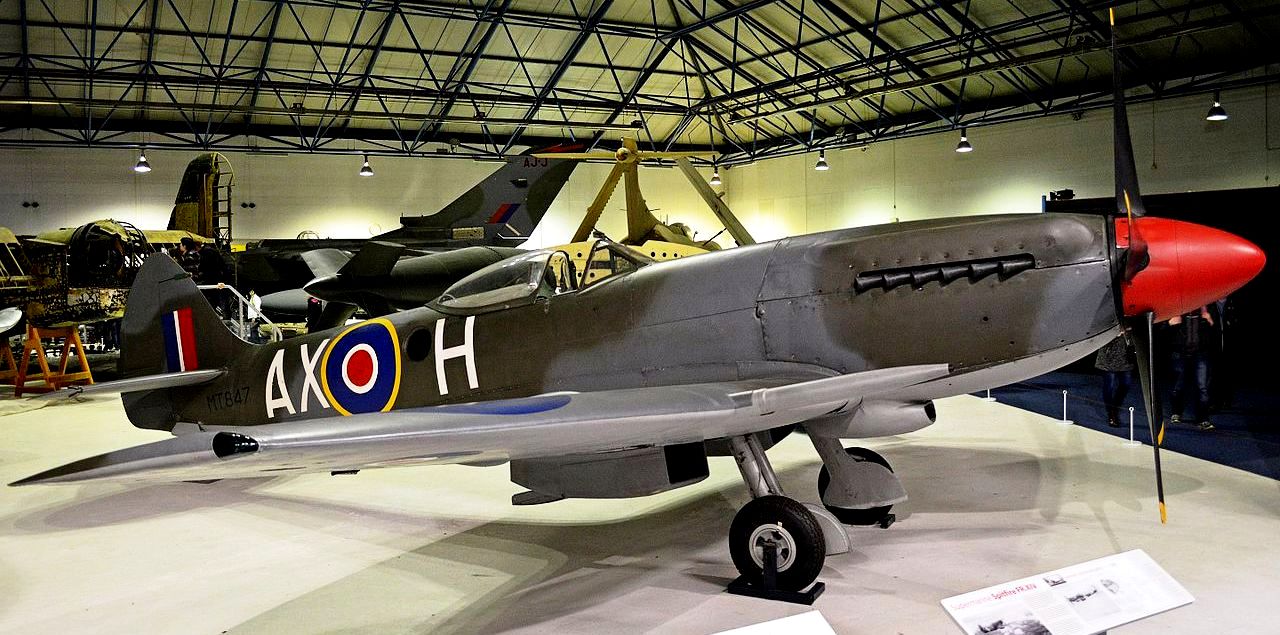
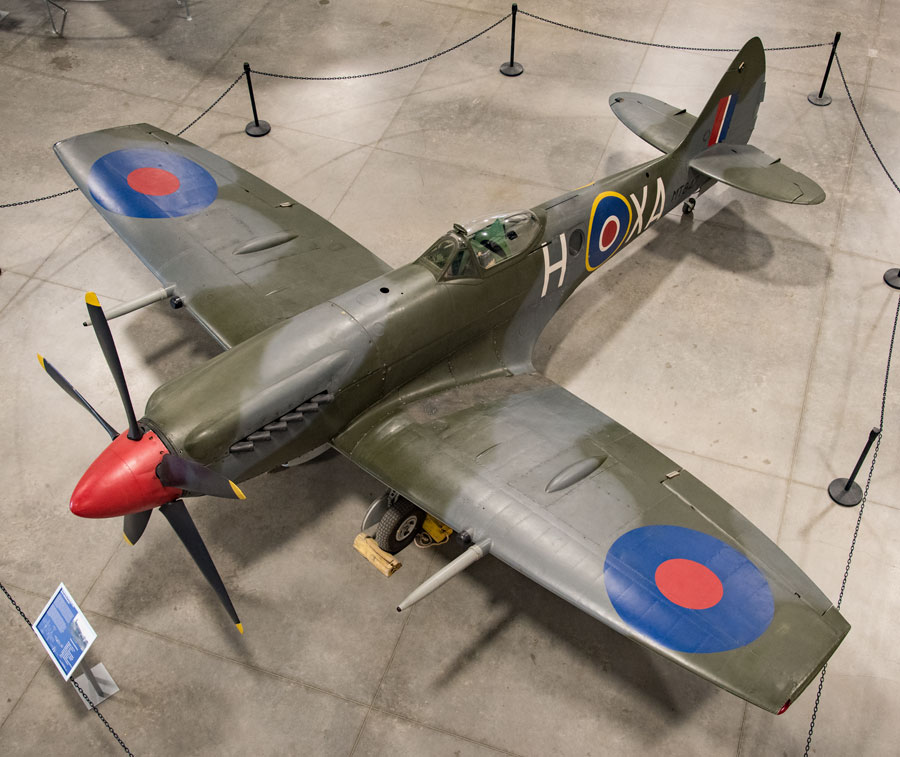
Supermarine Spitfire FR Mk. XIVe (Serial No. MT847), coded AX-H, previously on display in the Manchester Museum of Science and Industry from 1995 to 2014. The Mark XIV included many changes to the original Spitfire design. Most notable are the change from the Rolls Royce Merlin engine to the larger and more powerful Rolls Royce Griffon engine, which required a redesign of the aircraft’s nose, and the use of a five-bladed propeller. The fuselage was further redesigned to incorporate a bubble type canopy that gave much greater visibility for the pilot. The “FR” or fighter-reconnaissance version also added a fuselage mounted camera located behind the cockpit that could be pointed out a window on either side of the plane. Finally, the famous elliptical wing was redesigned with the wing tips shortened and squared off to improve the aircraft’s performance at lower altitudes. (PASM)
Swallow Airplane Co. Swallow Model A.
(aeroprints.com Photo)
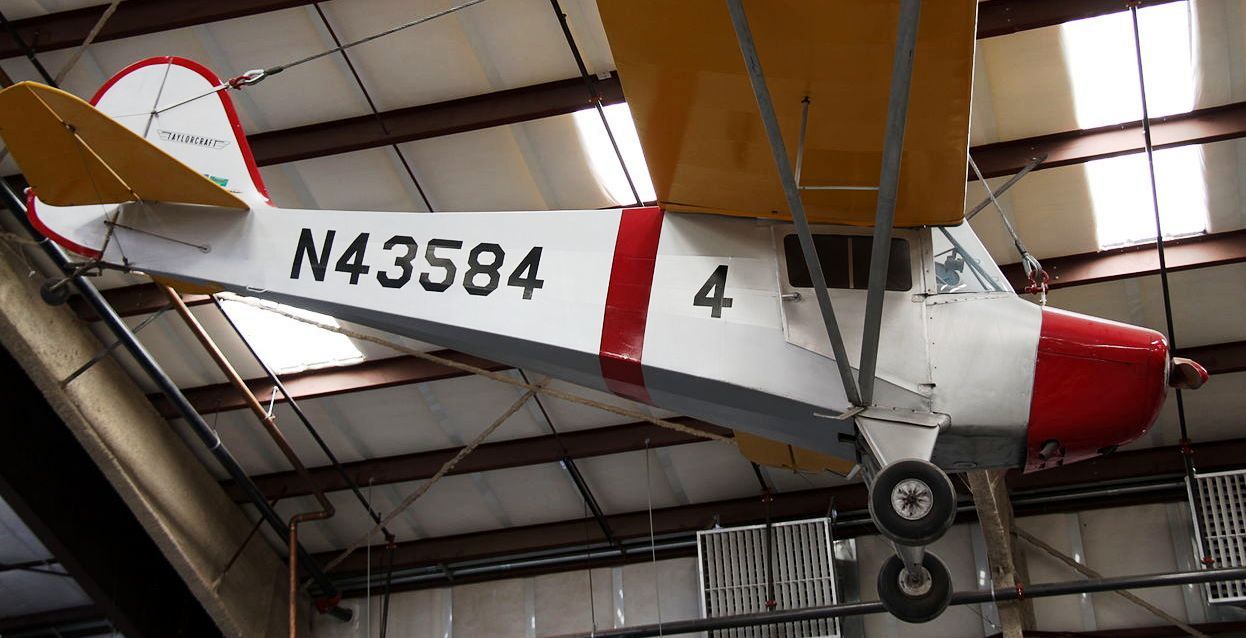
Taylorcraft BC-12D (Serial No. 7243), Reg. No. N43584.
(aeroprints.com Photo)
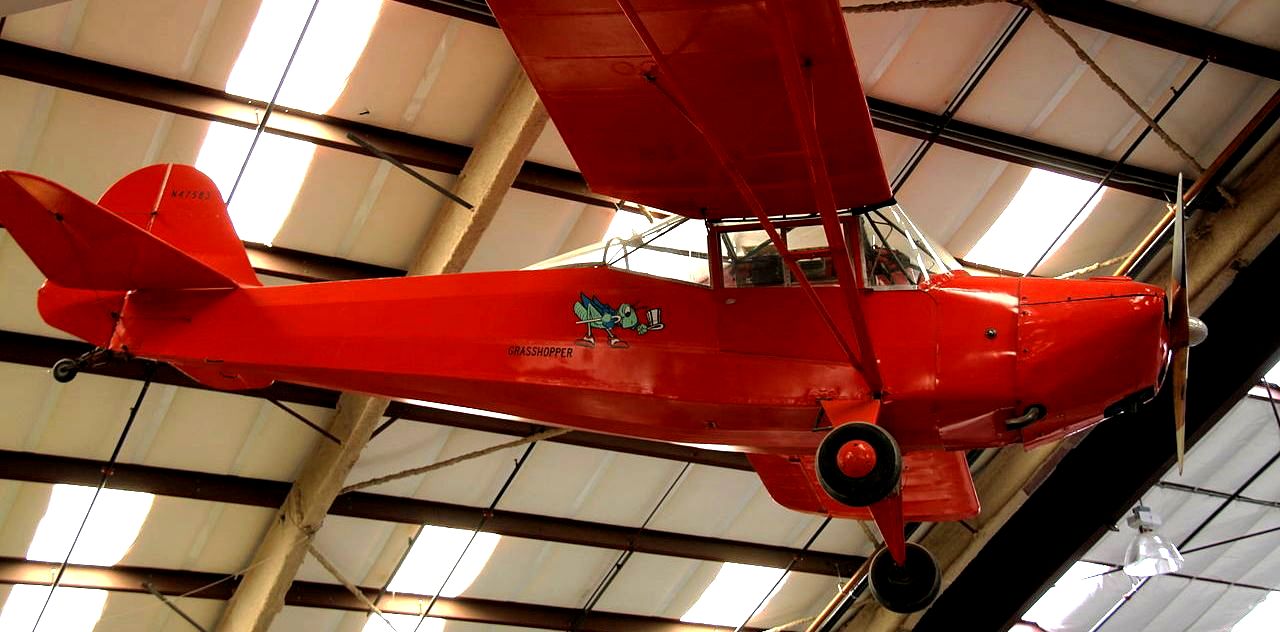
Taylorcraft L-2M Grasshopper (Serial No. 43-26110), Reg. No. N47583.
(aeroprints.com Photo)
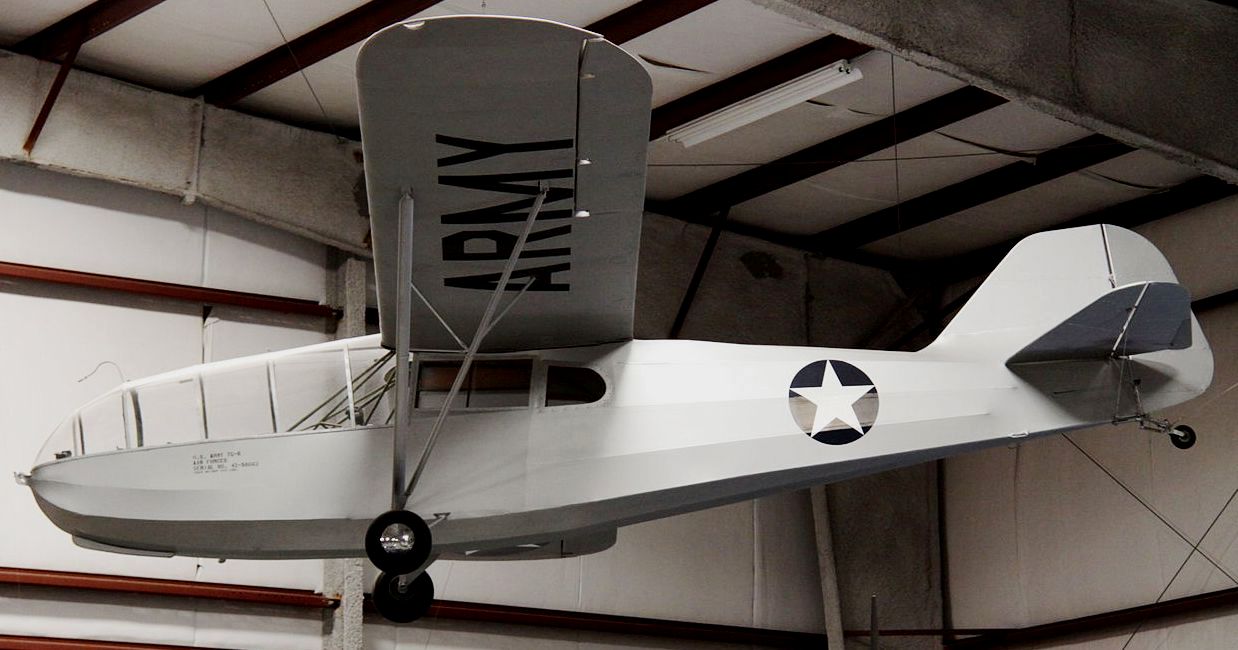
Taylorcraft TG-6 Glider (Serial No. 42-58662), Reg. No. N59134.
(Author Photo)
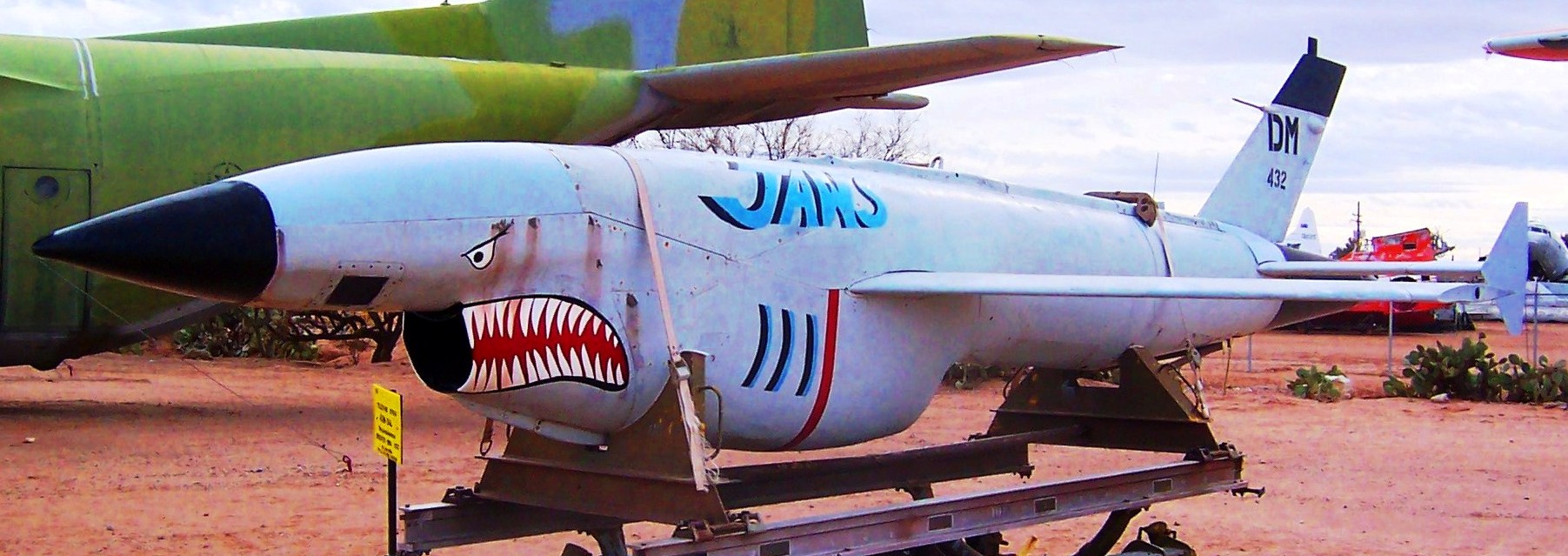
Teledyne-Ryan AQM-34L Compass Bin (Serial No. 69-0432).
(Frank Kovalchek Photo)
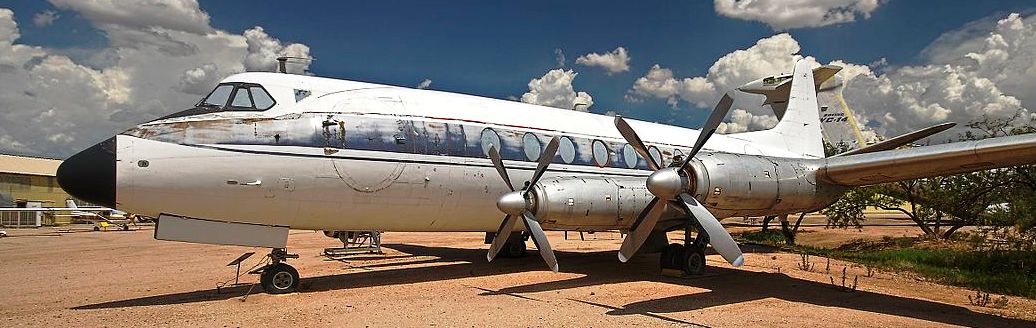
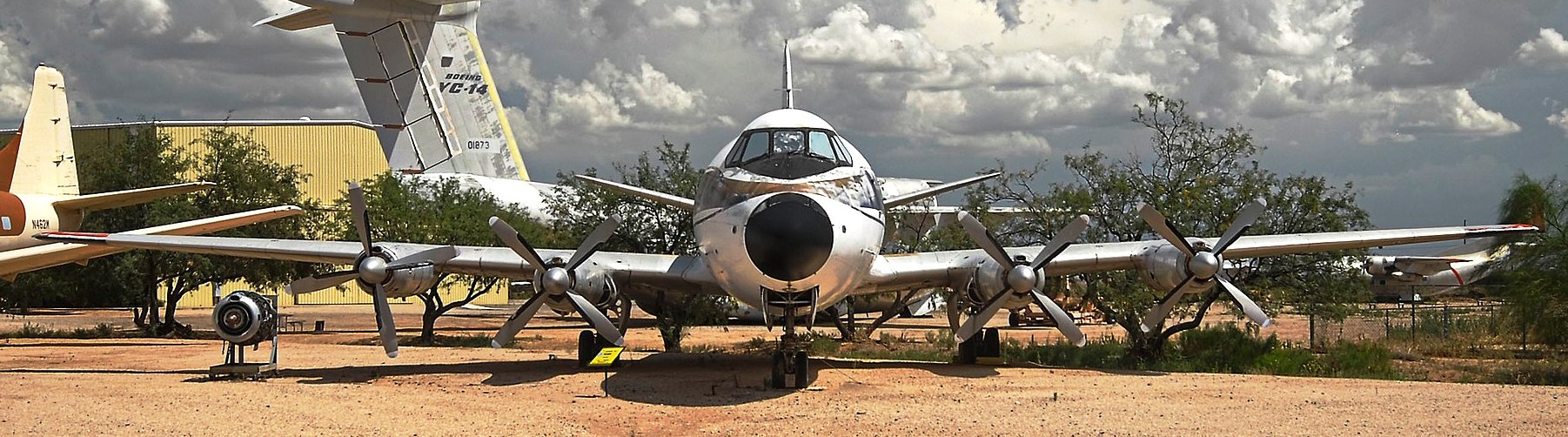
(Aaron Headly Photos)
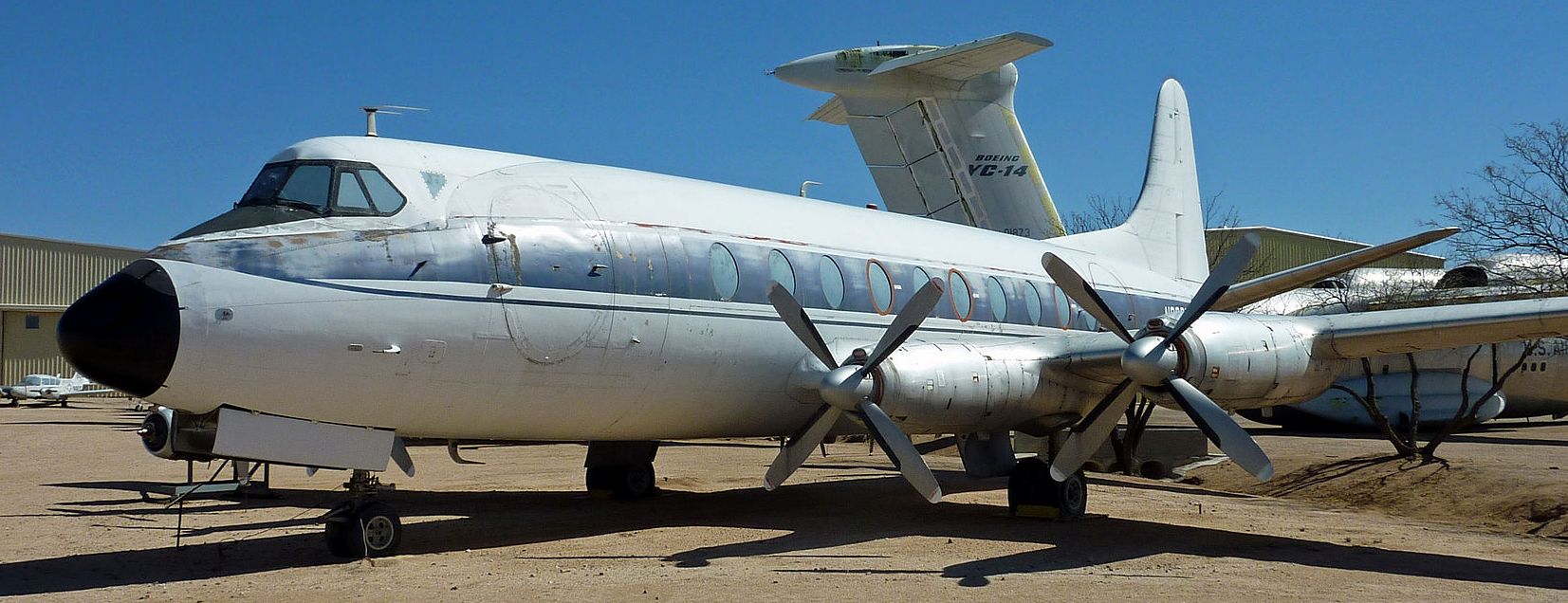
Vickers Viscount Type 724, Reg No. N22SN, c/n 40, in Viscount Air Services Inc. colours. The Vickers Viscount is the world’s first propeller-turbine (turboprop) airliner. Designed and built by Vickers-Armstrong Ltd. of Great Britain, the first prototype rolled off the assembly line in July 1948. The first production aircraft entered commercial service with British European Airways on 20 Aug 1952. A total of 445 were built with the last delivered to China in 1964. The last known commercial Viscount flights occurred in Africa in 2008. (PASM)
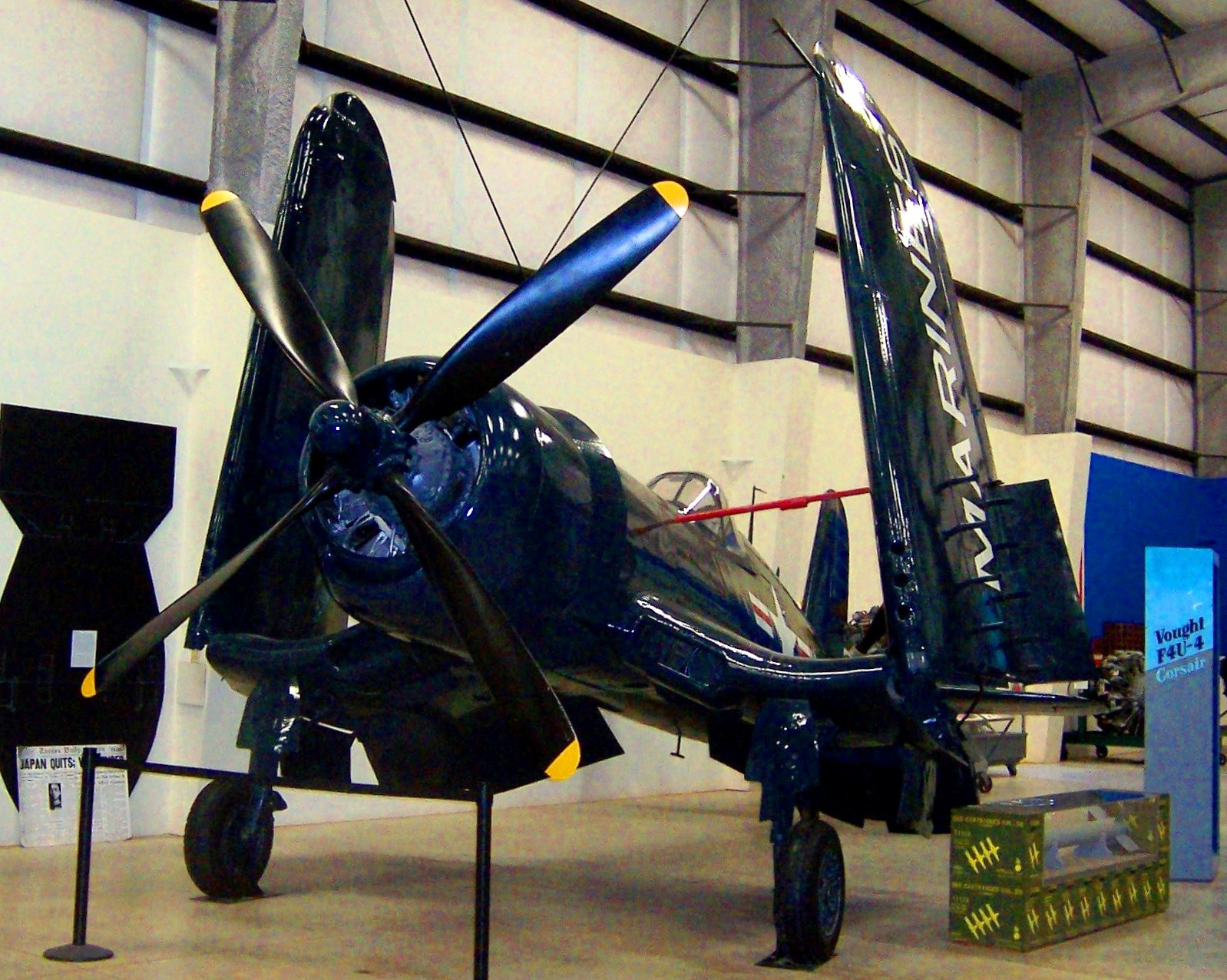
(Author Photo)
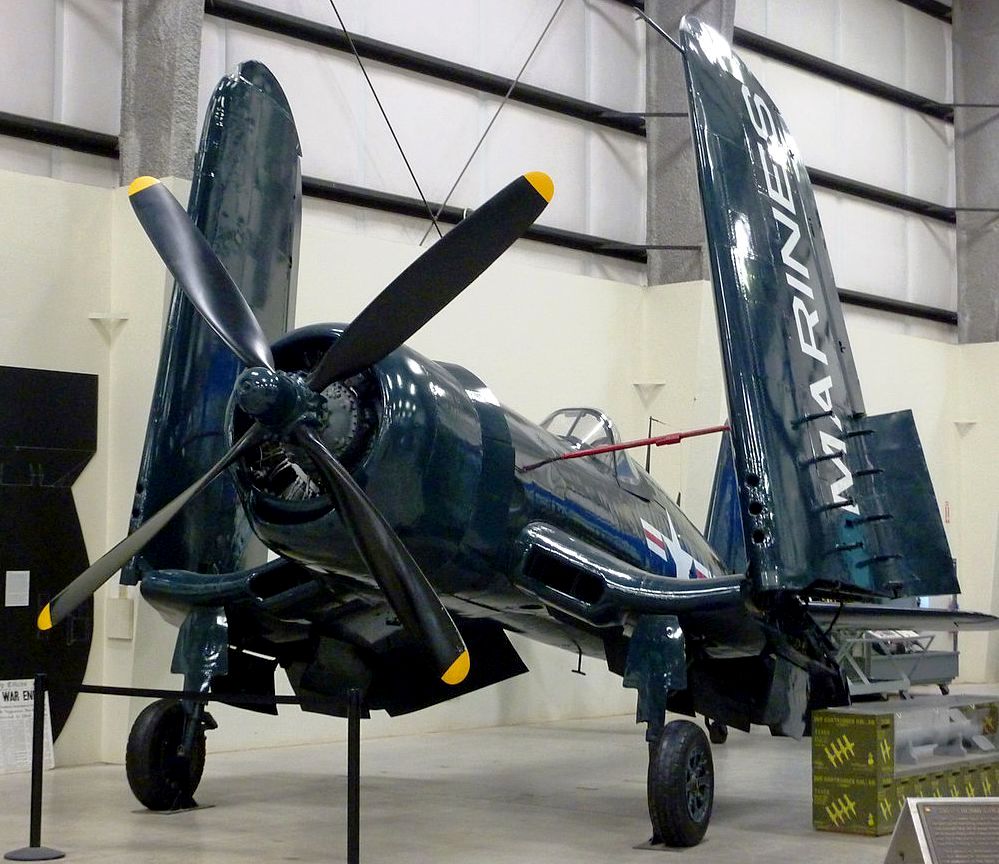
(Frank Kovalchek Photo)
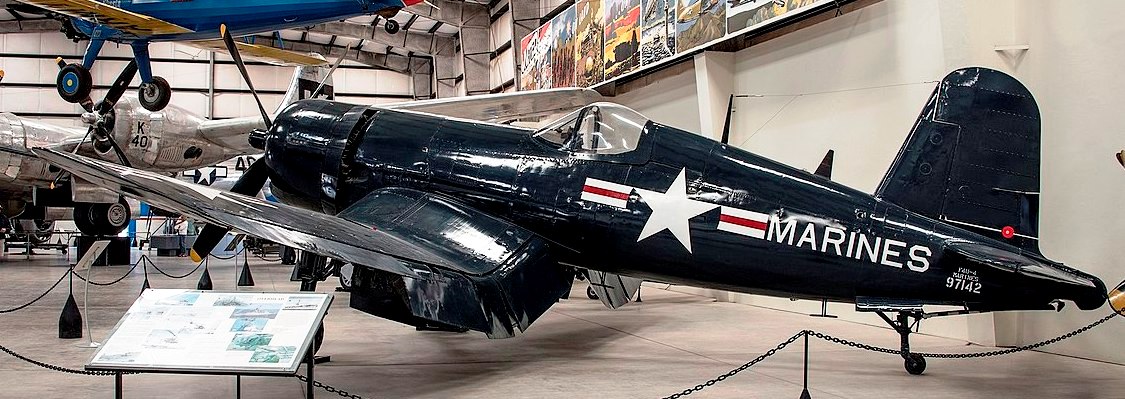
(Gillfoto Photo)
Vought F4U-4 Corsair (BuNo. 97142), USMC. This aircraft is on loan from the National Museum of the USMC, Quantico, Virginia. The Vought F4U Corsair is perhaps the best-known American naval fighter of World War II. Work on the Corsair began in 1938 in response to a Navy requirement for a new carrier-based fighter, and the prototype made its first flight in May 1940. By the end of that year, the Corsair had been flown at speeds of over 400 miles per hour, faster than any American fighter up to that time. The first production Corsairs were ordered in June 1941 and deliveries began in October 1942. The Corsair would eventually be in production for longer than any other American World War II fighter with the last being delivered in 1952. The F4U-4 was introduced in April 1944 and featured a more powerful engine that raised its top speed to 446 miles per hour. The –4 version of the Corsair saw limited service in World War II but was the mainstay of Marine ground attack squadrons during the Korean War. (PASM)
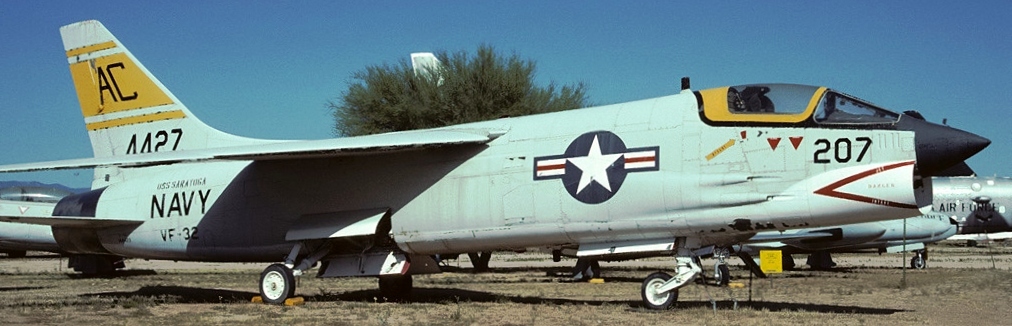
(Mike Freer – Touchdown-aviation Photo)
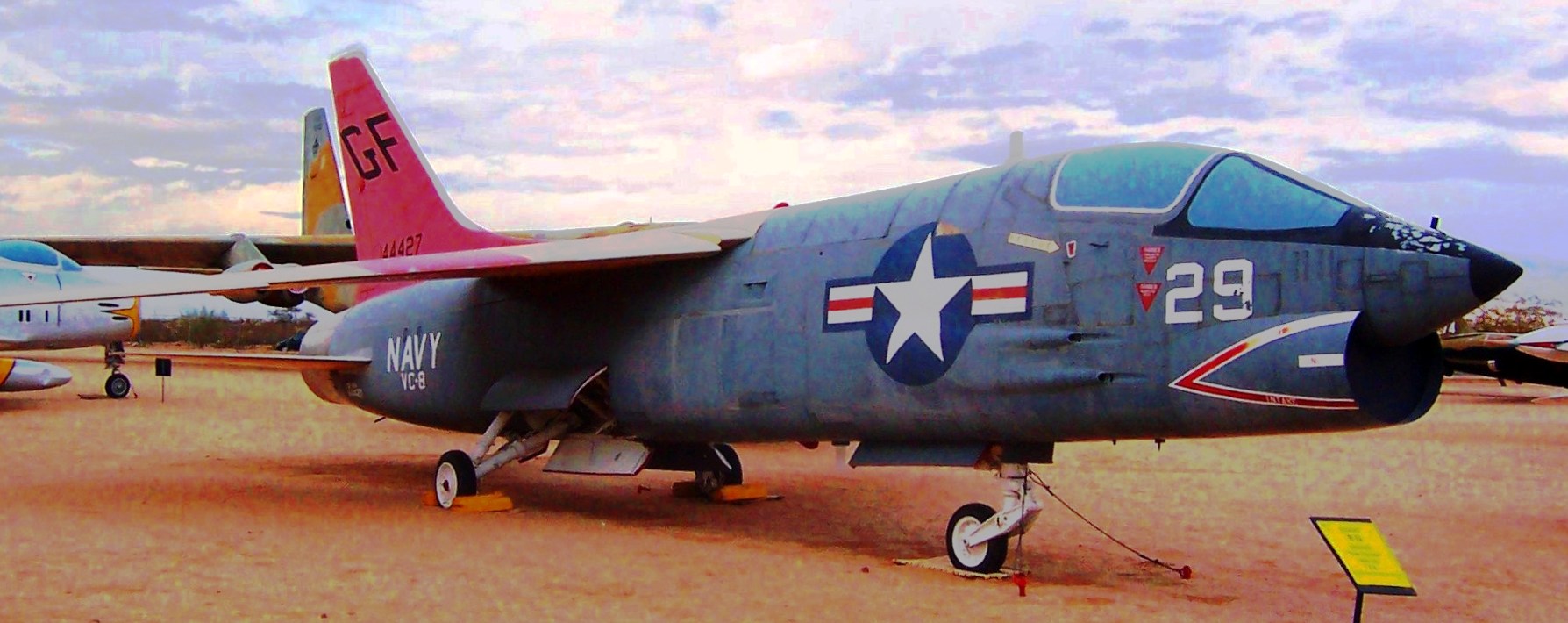
(Author Photo)
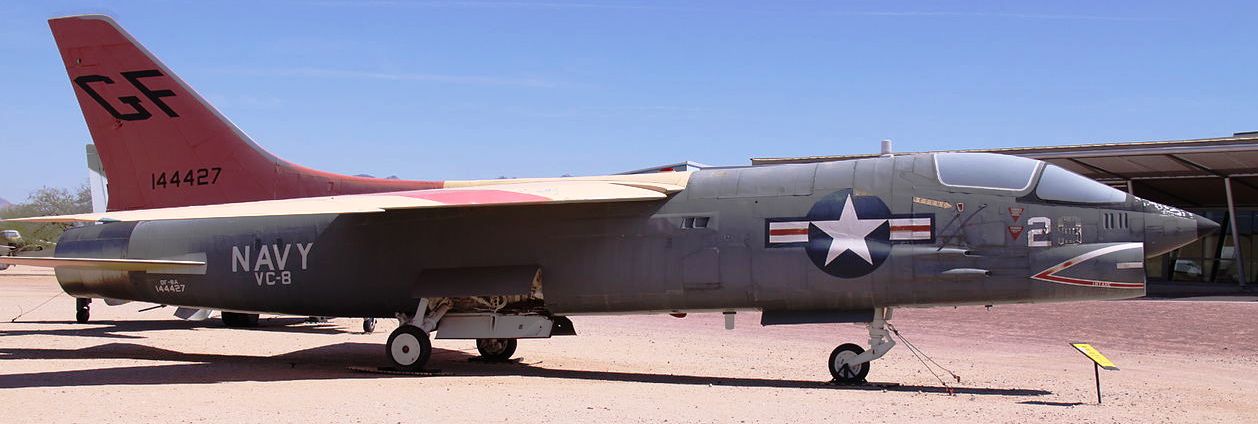
(aeroprints.com Photo)
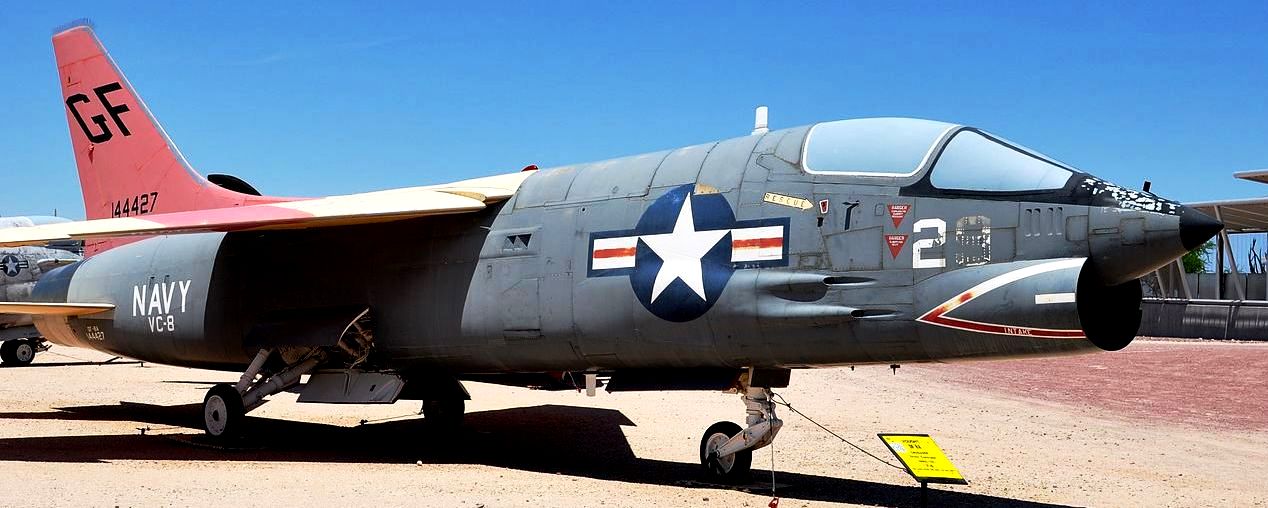
(Eric Salard Photo)
Vought F8U-1 (F-8A) DF-8F Crusader (BuNo. 144427), AC 207, VF-32. The Crusader is often called the “Last of the Gunfighters” since it was the last Navy fighter to rely on guns for its primary armament. Design work began in 1953 and the first of the prototype aircraft flew in March 1955. The most notable feature of the aircraft’s design is the ability to raise the wing’s leading edge in flight. This changes the angle at which the wing cuts the air and allows the aircraft to fly slow enough to land on a carrier while keeping the nose down and improving the pilot’s forward view. The Crusader first went to sea on the USS Forrestal in 1957. In the early 1960s, a dozen F-8As were converted to DF-8F drone controllers for use on the Navy’s various target ranges. The last of the Crusaders left navy service in 1987. (PASM)
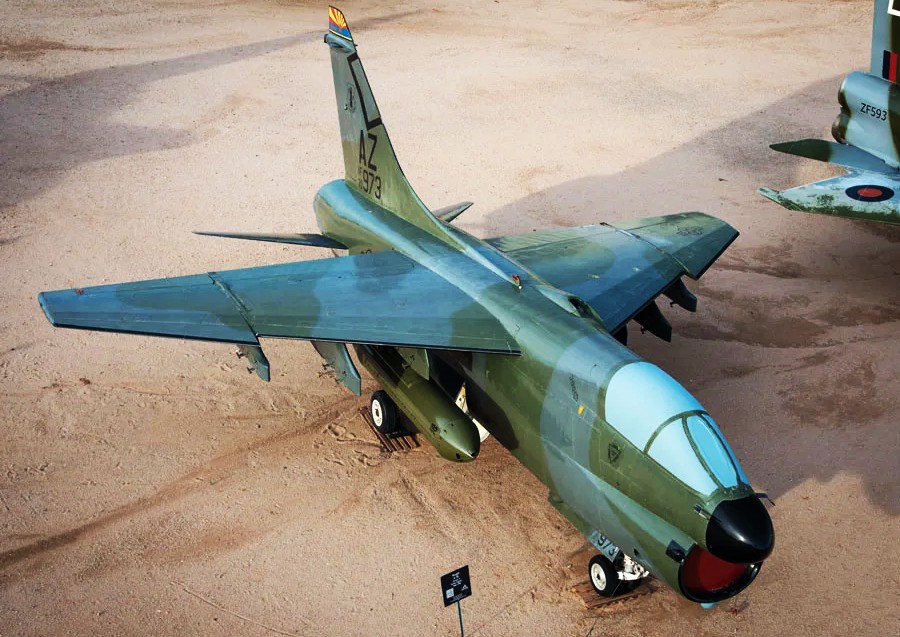
(PASM Photo)
Vought A-7D Corsair II (Serial No. 70-973). 162nd Tactical Fighter Training Wing, Arizona Air National Guard, Tucson International Airport, 1990.
The A-7 Corsair II was initially developed in response to a 1963 U.S. Navy requirement for an aircraft to replace the Douglas A-4 Skyhawk. Since the Navy wanted the aircraft to be in service by 1967, the speed of development was essential. The Vought company based their contract-winning design on their F-8 Crusader which was already in Navy service. The prototype flew in 1965 and the first A-7 squadron entered combat in Vietnam in December 1967. The plane proved to be wildly successful as a close air support and strike aircraft. The U.S. Air Force was so impressed that for the second time in a decade they chose to adopt a Navy design for their own use. The A-7D differed from the Navy version in several ways. It used the Air Force boom refueling system instead of the Navy probe and drogue system and had a significantly more powerful engine. In addition, it was equipped with an internal gun that had been lacking in the earlier versions of the aircraft. The A-7D joined the F-4 Phantom II in the Air Force inventory in 1968 and entered combat in 1972. Most of the Air Force’s A-7s found their way into the Air National Guard and remained in service until the early 1990s.
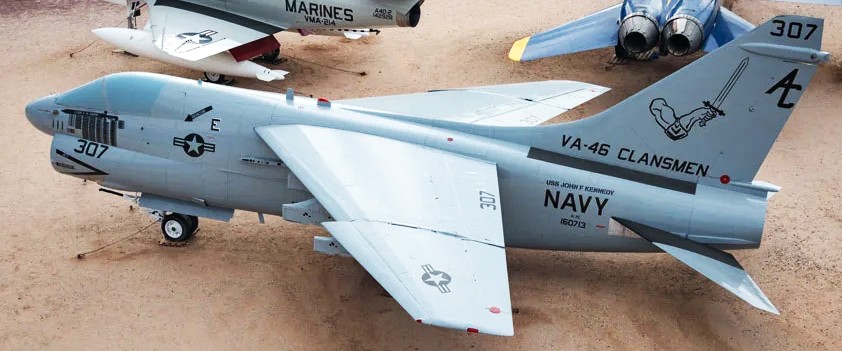
(PASM Photo)
Vought A-7E Corsair II (BuNo. 160713), VA-46 (Navy Attack Squadron 46) USS John F. Kennedy, 1991. Markings below the cockpit of the aircraft indicate the actual number of bombs dropped by this aircraft rather than the number of missions flown.
The A-7 Corsair II was initially developed in response to a 1963 U.S. Navy requirement for an aircraft to replace the Douglas A-4 Skyhawk. Since the Navy wanted the aircraft to be in service by 1967, the speed of development was essential. The Vought company based their contract-winning design on their F-8 Crusader which was already in Navy service. The prototype flew in 1965 and the first A-7 squadron entered combat in Vietnam in December 1967. The plane proved to be wildly successful as a close air support and strike aircraft. In 1968, the A-7D version of the Corsair II went into production for the U. S. Air Force. Changes included a more powerful engine, improved avionics, and an internal gun. The Navy was impressed with the improved performance of the new version and it was adopted for Navy use as the A-7E. They entered service in 1970 and remained in front line use until 1991 where they saw combat for the last time over Iraq and Kuwait. (PASM)
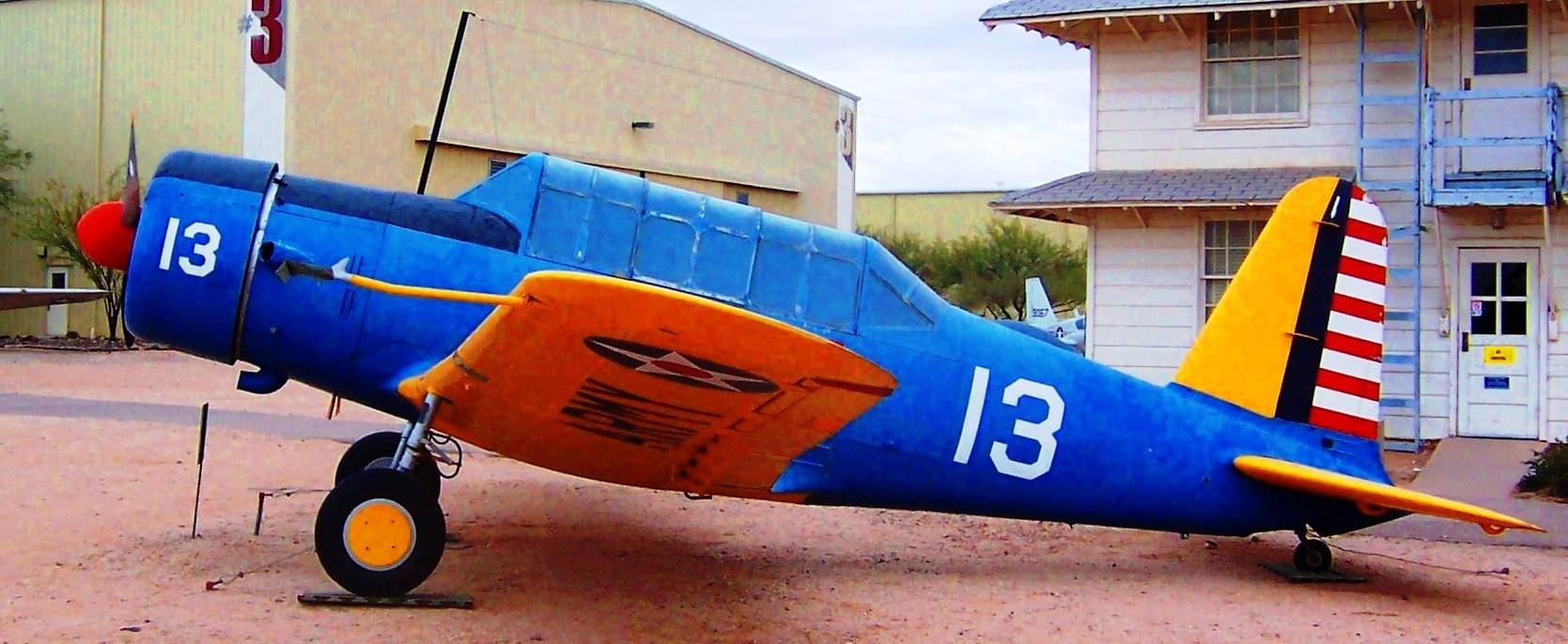
(Author Photo)
(aeroprints.com Photo)
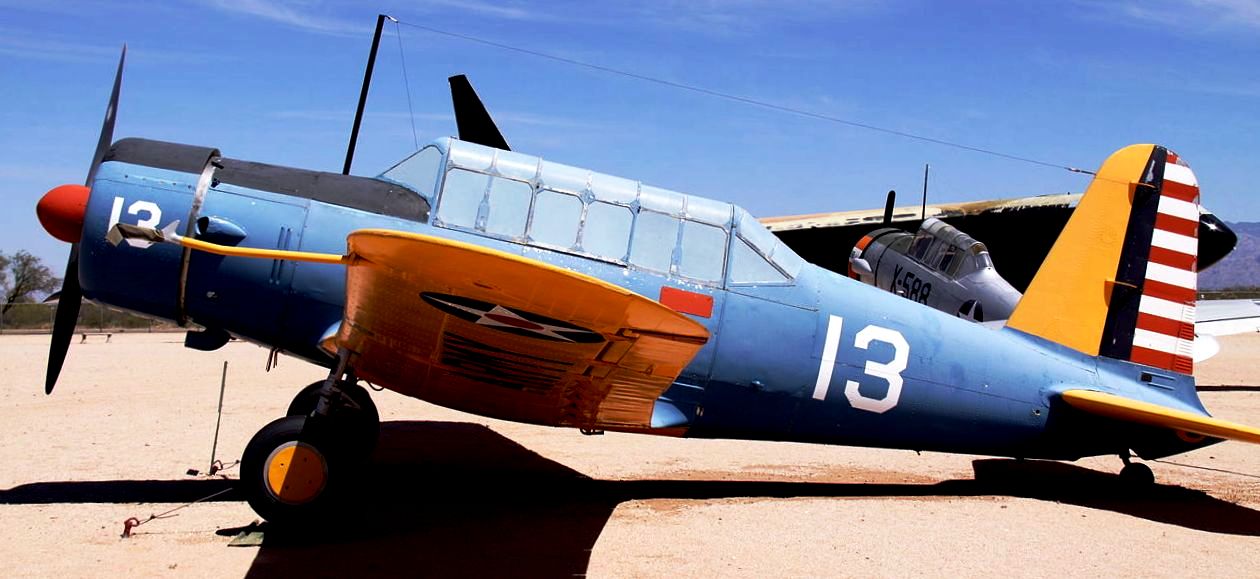
Vultee BT-13A Valiant (Serial No. 42-42353).
(aeroprints.com Photo)
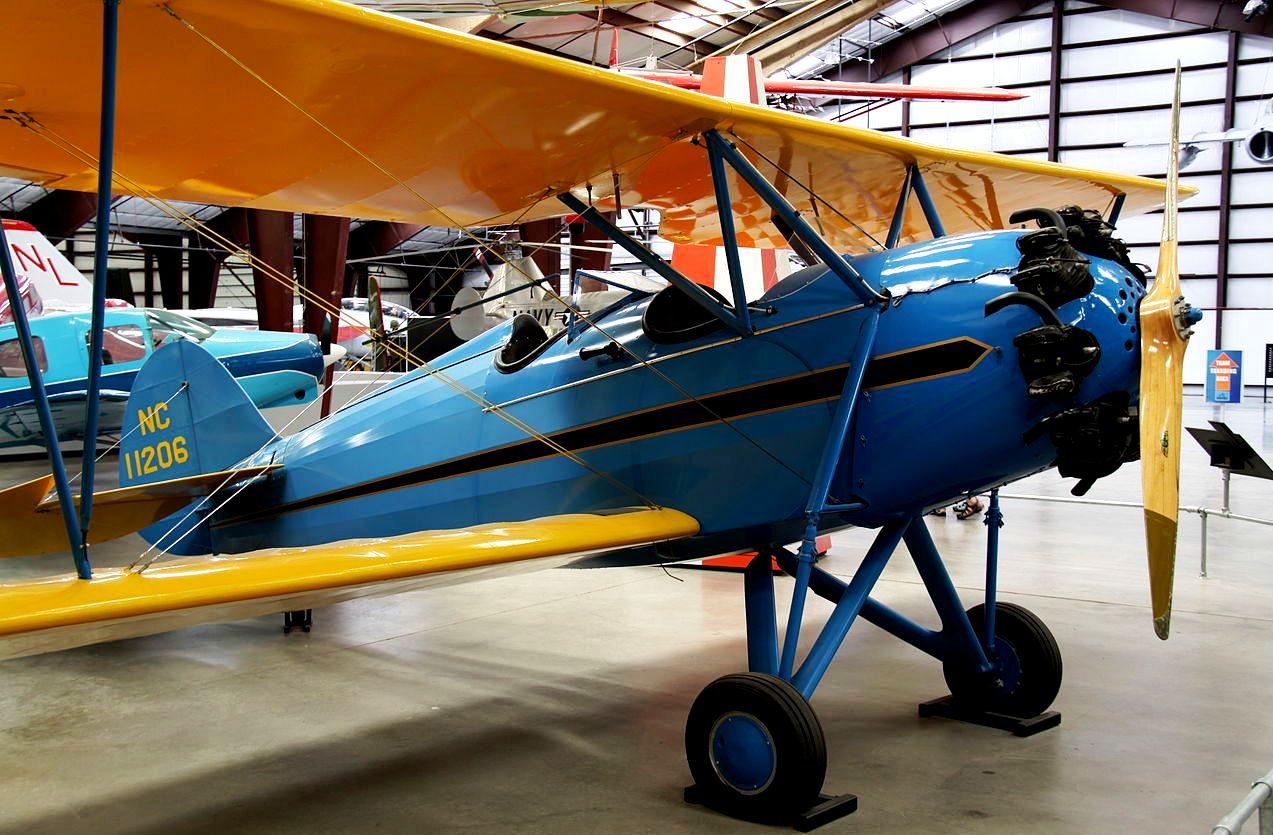
WACO RNF (Serial No. 3392).
(aeroprints.com Photo)
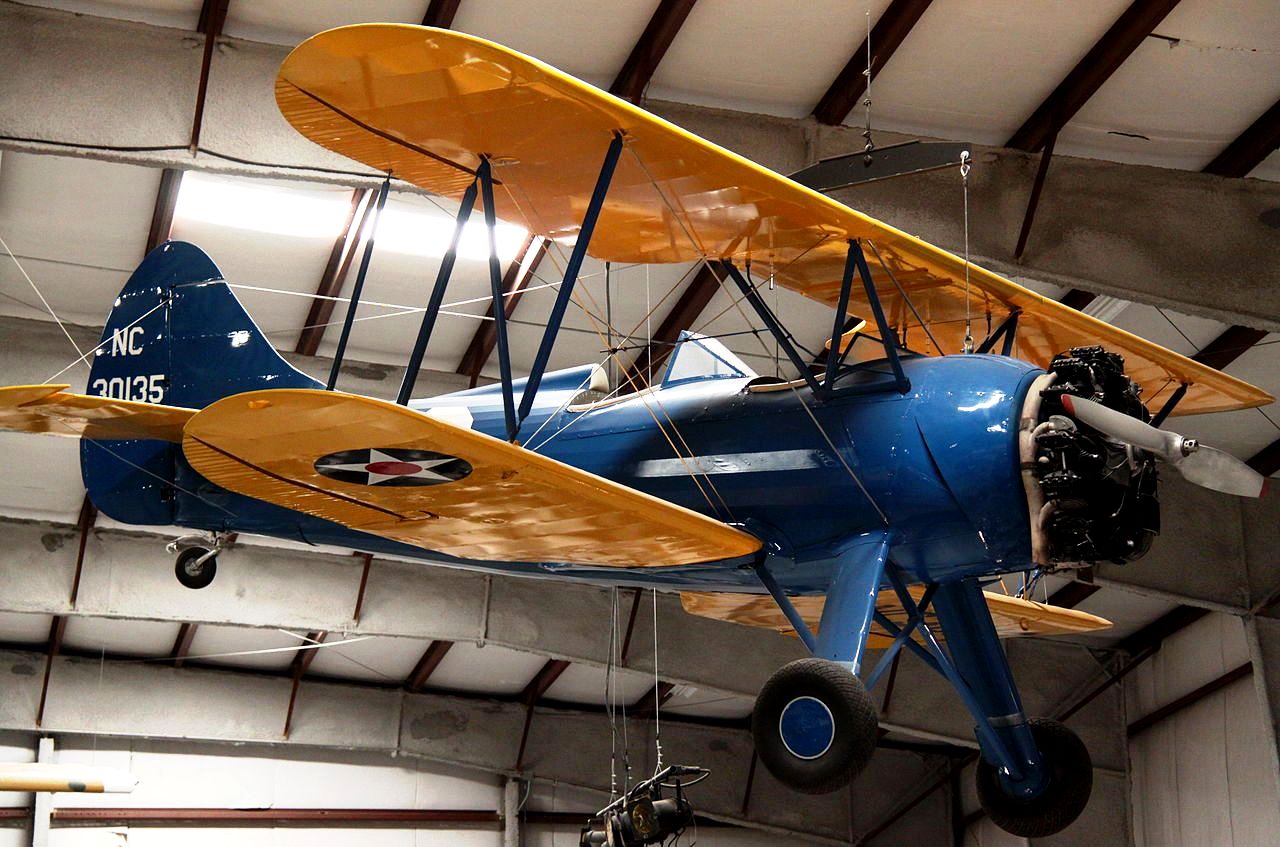
WACO UPF-7 (Serial No. 5532), Reg. No. N30135. The UPF-7 introduced in 1937 was the seventh and last model in WACO’s popular F-series of bi-planes. In 1940, the company undertook a program to redesign the UPF-7 to meet the requirements of the U.S. Government’s Civilian Pilot Training Program (CPTP). This program trained civilian pilots at government expense in anticipation of the need for many pilots when the U.S. was inevitably drawn into World War II. Modifications were relatively simple; controls in the front seat, a wider landing gear, and improved access to the front cockpit were the main differences. WACO produced more UPF-7s than of any of their previous models in the F series. (PASM)
(Author Photo)
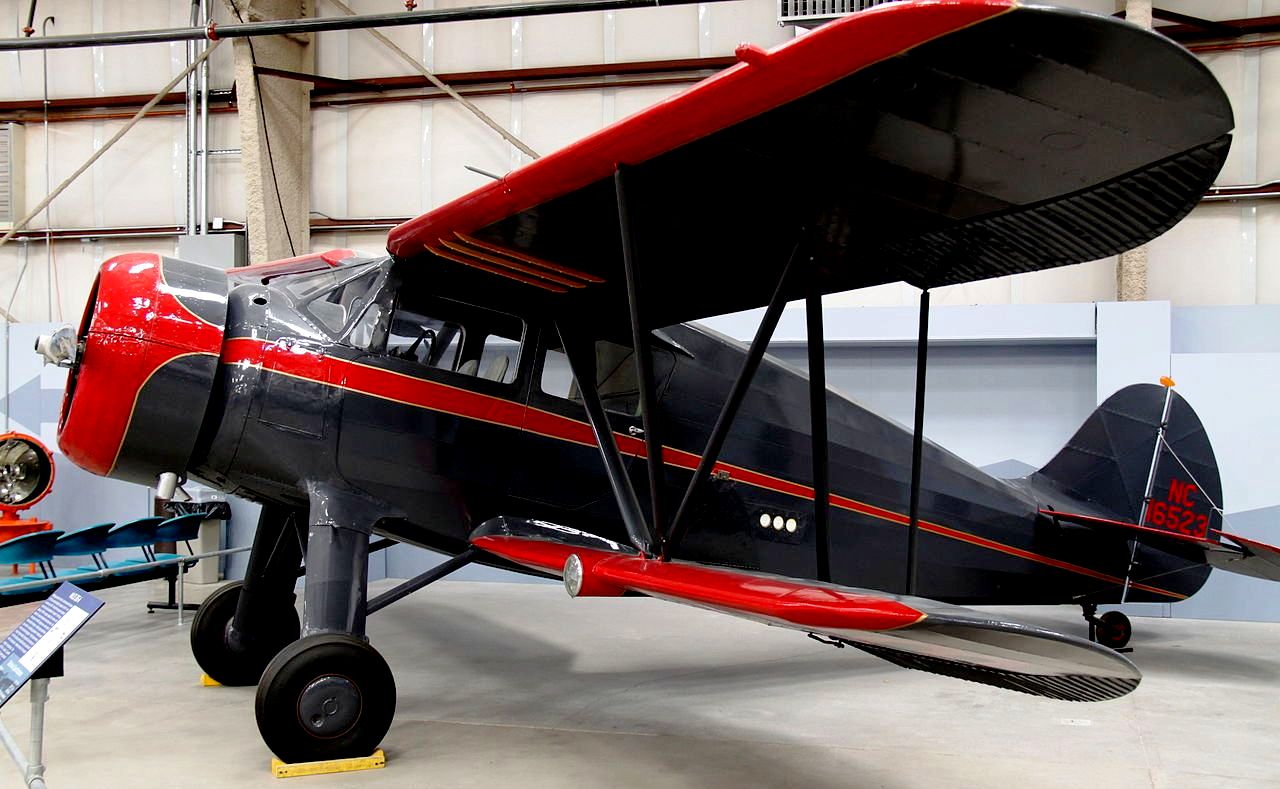
(aeroprints.com Photo)
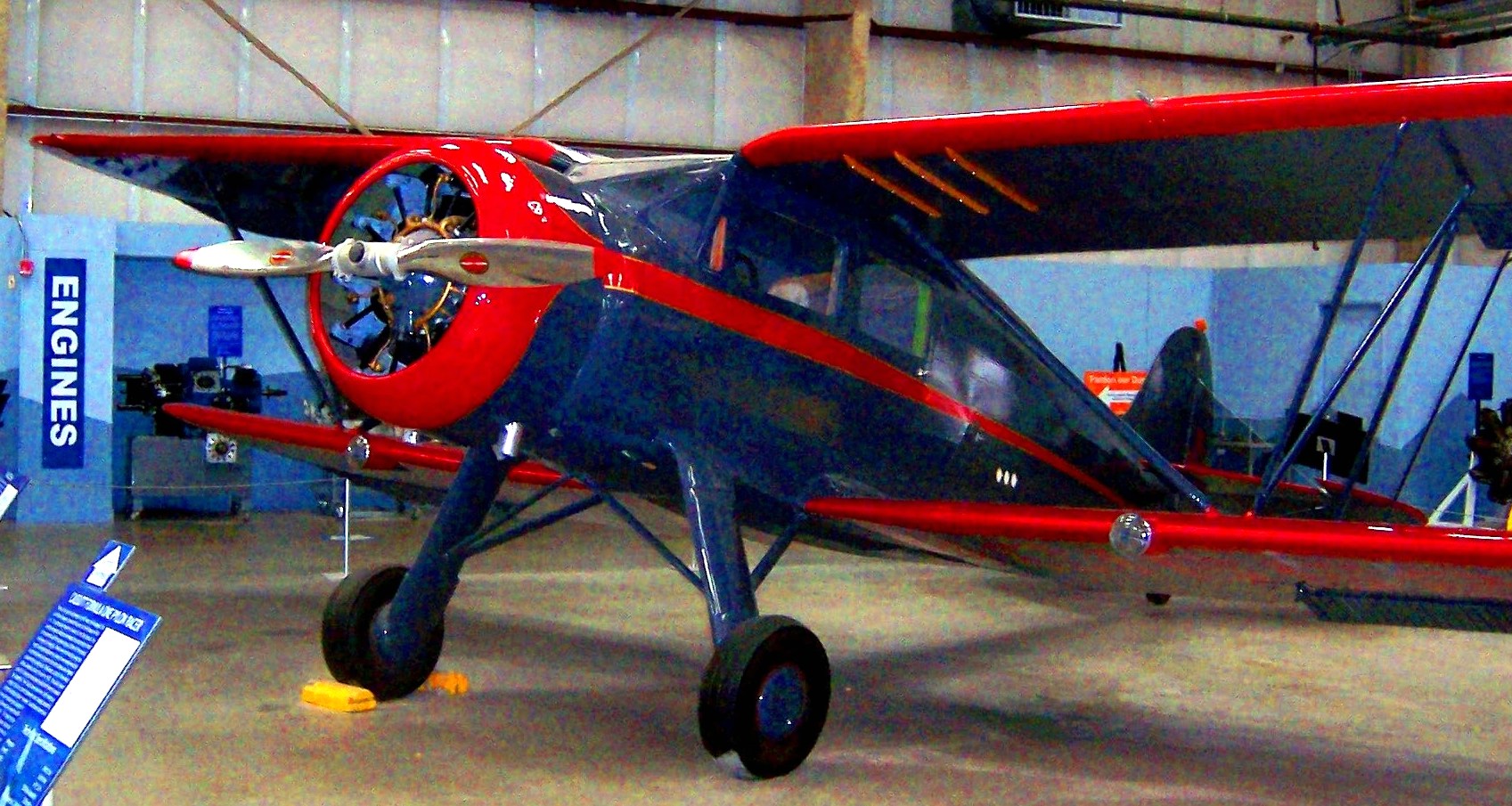
Waco ZKS-6 (Serial No. 4512), Reg. No. N16523. The first letter refers to the type of engine installed, the second is the reference letter of the set of plans used to build the aircraft, and the third letter is the model series. Numbers referred to the number of designs in the model series. Thus, the ZKS-6 is a Jacobs L-5 powered Standard cabin bi-plane of type K and is the sixth model in the series. (PASM)
WACO CG-4A Hadrian Glider (Serial No. 45-14647), nose section.
Westland Lysander Mk. III, being restored, not on display. The Westland Lysander was designed in 1934 as an Army cooperation plane. Its primary duties were tactical reconnaissance and artillery spotting. The aircraft features a high parasol wing and very good short take-off and landing performance. The first aircraft flew in 1936 and they entered service with the Royal Air Force in 1938. Frontline operations against the Germans proved highly dangerous for the Lysander crews even when the planes were escorted by fighters, and the Lysanders were quickly withdrawn to rear area duties. The exception were aircraft specially equipped for delivering intelligence agents and rescuing downed Allied aircrew. These black-painted aircraft flew in occupied France until the 1944 Allied invasion. In Canada, Lysanders served as army cooperation aircraft, target tugs for anti-aircraft gunnery training, and as trainers. By 1944, all the Canadian aircraft had been retired. (PASM)
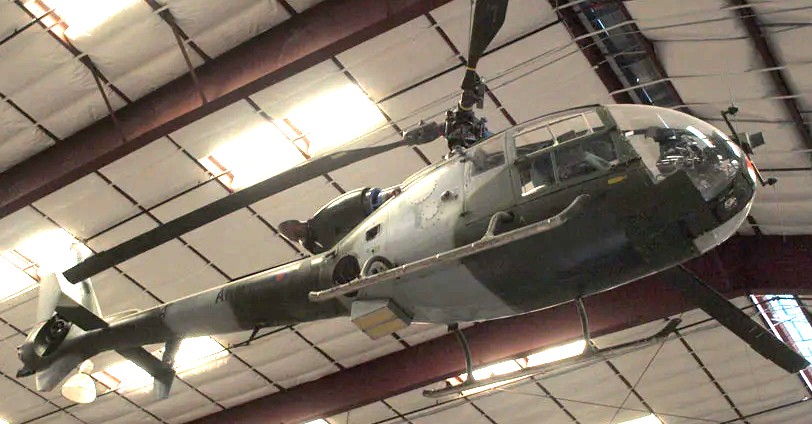
(PASM Photo)
Westland Gazelle AH.1. The Gazelle is a five-seat light transport, scout and attack helicopter originally developed by Sud Aviation for the French Army. The helicopter first flew in 1967 with a conventional tail rotor. The distinctive shrouded tail rotor system was introduced on the second prototype. This tail rotor is quieter than a conventional rotor and provides protection to both the rotor and ground crews. Otherwise it operates identically to a conventional helicopter tail rotor. (PASM)
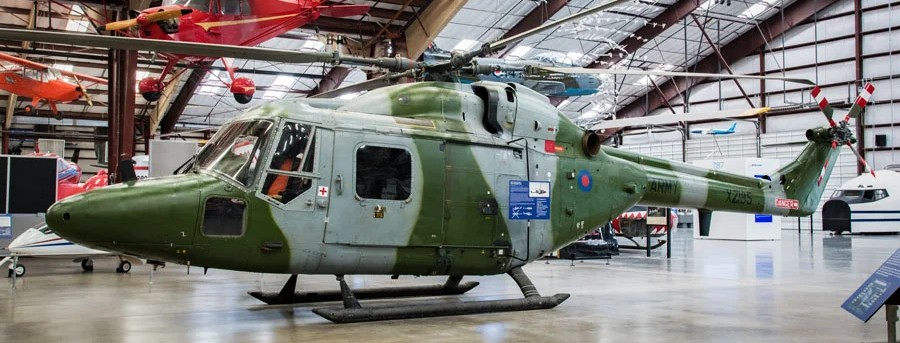
(PASM Photo)
Westland Lynx AH.7. The Westland Lynx is a British-designed multipurpose military helicopter. The design for the Lynx started in the mid-1960s as a replacement for both the Westland Scout and Wasp helicopters. The first prototype flew in 1971 and became the first fully-aerobatic helicopter. A modified Lynx also set a speed record in 1986 as the world’s fastest helicopter, a record that it still holds today. The Westland Lynx AH.7 was an upgraded land based Lynx design for the British Army Air Corps. It has updated engines, gearbox, a bigger tail rotor, and upgraded antitank abilities. The AH.7 can carry up to nine troops or passengers. (PASM)
(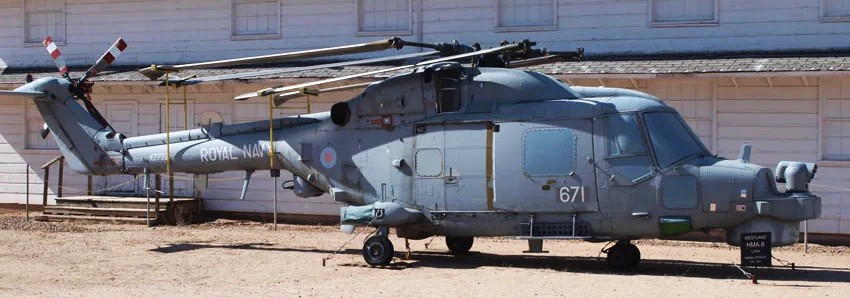
(PASM Photo)
Westland Lynx HMA.8. The Westland Lynx is a British-designed multipurpose military helicopter. The design for the Lynx started in the mid-1960s as a replacement for both the Westland Scout and Wasp helicopters. The first prototype flew in 1971 and became the first fully aerobatic helicopter. A modified Lynx also set a speed record in 1986 as the world’s fastest helicopter, a record that it still holds today.
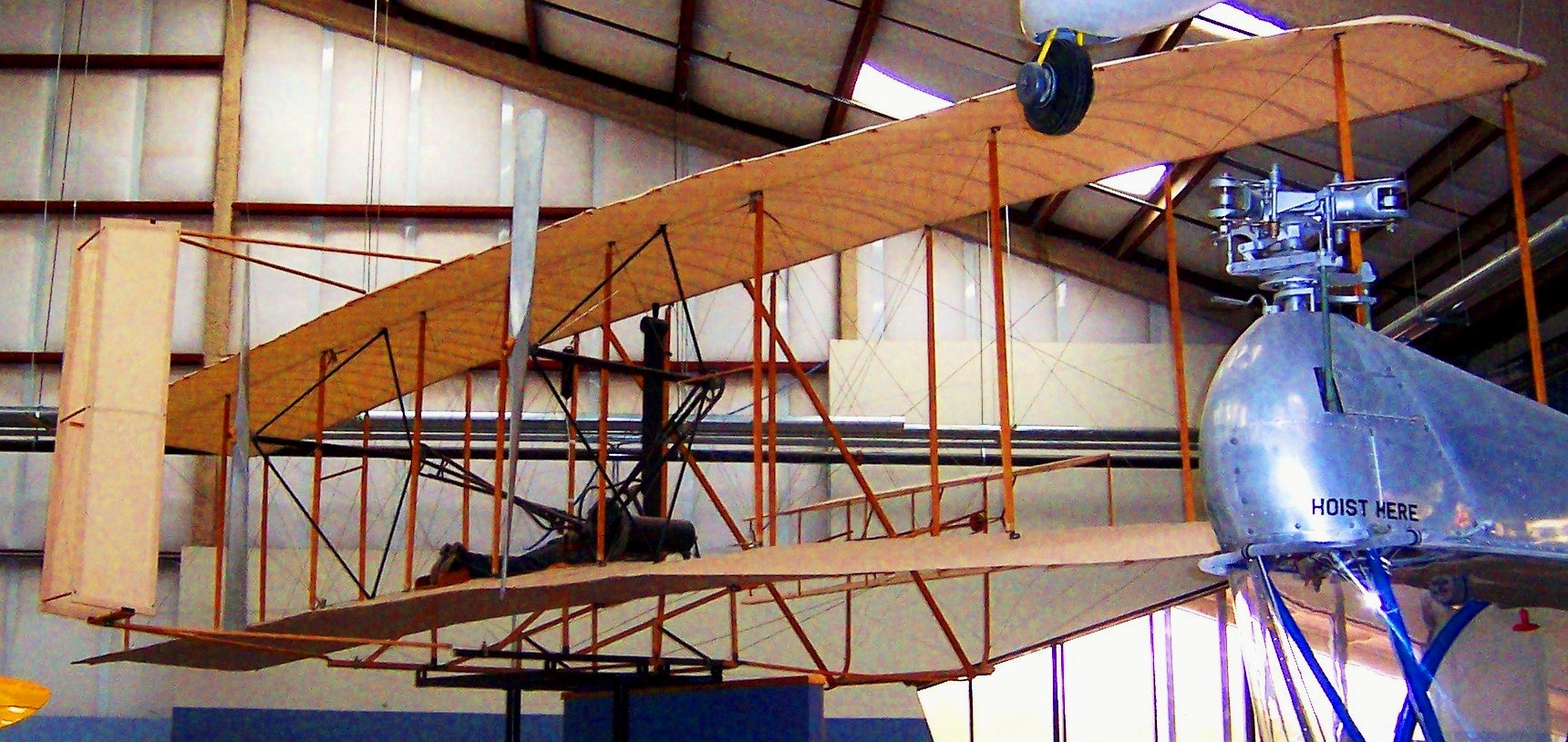
(Author Photo)
Wright 1903 Flyer replica. Orville and Wilbur Wright were probably not the first people to fly a powered heavier-than-air aircraft. They were, however, the first to successfully fly an aircraft that was controllable in all three axes of movement and to do so repeatedly. The Wright brothers flew it four times on 17 Dec 1903, about 6 kilometers south of Kitty Hawk, North Carolina. Its top speed was 30 mph. They took the dream of flight and made it a reality.
At the turn of the 20th Century, there were numerous people working on the problems of powered heavier-than-air flight besides the Wright brothers. The Wrights took the work of other pioneers and combined it with their own extensive experimentation to develop a practical solution to the problem. Their most valuable contributions to flight were the wing-warping technique that allowed controlled turns, a lightweight gasoline engine, and highly efficient propellers. The testing procedures they developed, particularly the use of models in a wind tunnel to examine the behavior of their design, would remain the primary testing methods used in the design of aircraft for the next 90 years.
The replica of the Wright brothers’ first airplane on display is full size and has been constructed of the same materials as the original. It was built by Lester Klean of Sun City, Arizona and was acquired by the museum in 1986. (PASM)
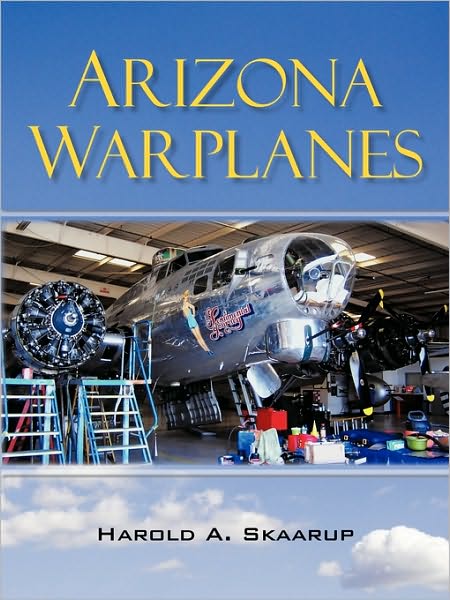
This aviation handbook is designed to be used as a quick reference to the classic military heritage aircraft that have been restored and preserved in the state of Arizona. The aircraft include those flown by members of the United States Air Force, the United States Navy, the United States Army, the United States Marine Corps, the United States Coast Guard, the Air and Army National Guard, and by various NATO and allied nations as well as a number previously operated by opposition forces in peace and war. The interested reader will find useful information and a few technical details on most of the military aircraft that have been in service with active flying squadrons both at home and overseas. 100 selected photographs have been included to illustrate a few of the major examples in addition to the serial numbers assigned to American military aircraft . For those who like to actually see the aircraft concerned, aviation museum locations, addresses and contact phone numbers have been included, along with a list of aircraft held in each museum’s current inventory or on display as gate guardians throughout the State of Arizona. The aircraft presented in this edition are listed alphabetically by manufacturer, number and type. Although many of Arizona’s heritage warplanes have completely disappeared, a few have been carefully collected, restored and preserved, and some have even been restored to flying condition. This guide-book should help you to find and view Arizona’s Warplane survivors.
Order Book: http://bookstore.iuniverse.com/Products/SKU-000177584/Arizona-Warplanes.aspx.
Order E-Book: http://bookstore.iuniverse.com/Products/SKU-000177584/Arizona-Warplanes.aspx.
Order book in Canada:http://www.chapters.indigo.ca/books/Arizona-Warplanes-Updated-Edition-Harold-A-Skaarup/9781450220538-item.html?ikwid=harold+skaarup&ikwsec=Books
â
All comments are subject to our Comment Policy. You must be at least 18 years old to comment.
See a comment that violates our guidelines? Report it here.