
Canadian Warplanes in Newfoundland and Labrador
The aim of this website is to locate, identify and document every historical Warplane preserved in Canada. Many contributors have assisted in the hunt for these aircraft to provide and update the data on this website. Photos are by the author unless otherwise credited. Any errors found here are by the author, and any additions, corrections or amendments to this list of Warplanes in Canada would be most welcome and may be e-mailed to the author at hskaarup@rogers.com.
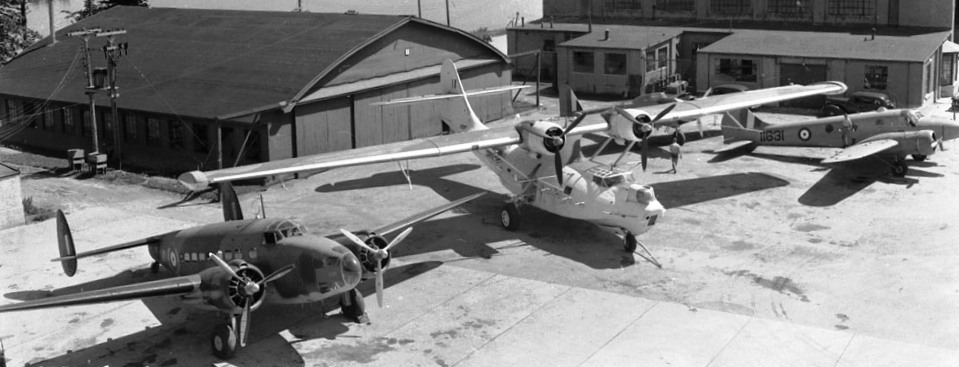
(Library and Archives Canada Photo, MIKAN No. 3589727)
Lockheed Hudson, Canadian Vickers Canso A and Avro Anson, 30 June 1943.
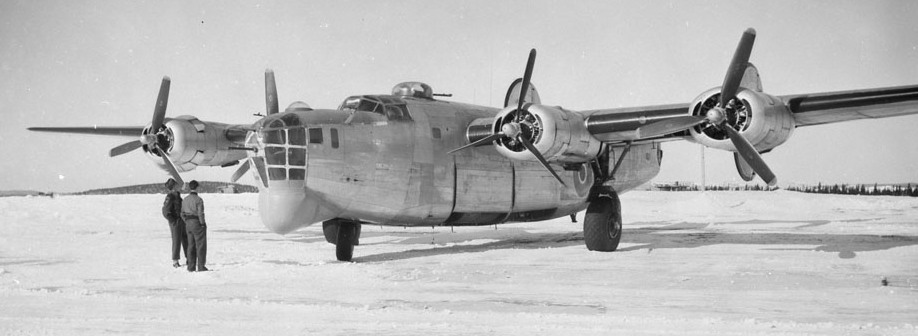
(Library and Archives Canada Photo, MIKAN No. 3650460)
Consolidated B-24 Liberator G.R. Mk. V, Gander, Newfoundland, 1945.
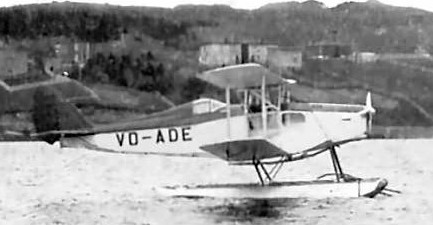
(Gary Hebbard Photo)
“In 1934 Imperial Airways of London, England, bought two D.H.83s equipped with floats to operate the Newfoundland Government Air Service. Manufactured by the de Havilland Aircraft Company Ltd. at Stag Lane, Edgware, Middlesex, England, the aircraft were registered in the Dominion of Newfoundland as VO-ABC (c/n 4093) and VO-ADE in September 1934. Both aircraft arrived by ship and VO-ADE was first flown from Quidi Vidi Lake, near St. John’s, on November 09, 1934. Both aircraft were damaged on September 25, 1935, while anchored they became entangled in a log boom during a windstorm. VO-ABC was damaged beyond repair, VO-ADE needed extensive repairs. Flown by the well-known Captain Douglas Cowan Fraser and equipped with snow skies, VO-ADE made the inauguration flight to Newfoundland Airport (now known as Gander International) on 11 January 1938. The last official Newfoundland Government Air Service flight was made on February 24, 1941, from St. John’s to Gander. The aircraft was handed over to the RCAF and received the marking A.135. It was damaged beyond repair at Gander Bay on 22 February 1944.” (Johan Visschedijk)
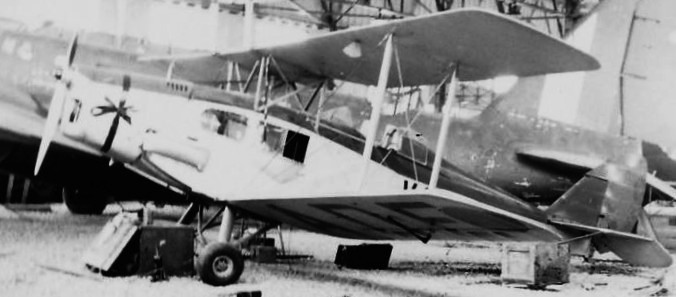
(Barrie Historical Archive Photo)
de Havilland DH.83C Fox Moth, Newfoundland Reg. No. VO-ADE, likely photographed at Gander c1941/42. Note the painted bow on the engine cowling. This a/c was purchased by the Newfoundland government and delivered in 1934 for an internal air service, managed by Imperial Airways. One of the service’s pilots was pioneer Newfoundland aviator Capt Douglas Fraser. The air service was shut down early in 1941 and the Moth was loaned to the RCAF at Gander. A none too happy Fraser painted the black bow in mourning for the Newfoundland Air Service and Imperial Airways. The RCAF used the Moth until late 1942 when it was transferred to the RAF Ferry Command unit at Gander. VO-ADE has the distinction of being the first plane to land at Gander airport. (Darrell Hillier) A Douglas Digby stands behind the Fox Moth. Digbys first arrived at Gander in June 1940 (a detachment from 10 (BR) Squadron.
The Fox Moth was a biplane designed in the UK in 1932, as a light, compact, economic and reliable passenger aircraft. After the Second World War, Canadian Fox Moths were built with either skis or floats, for use as bush planes.
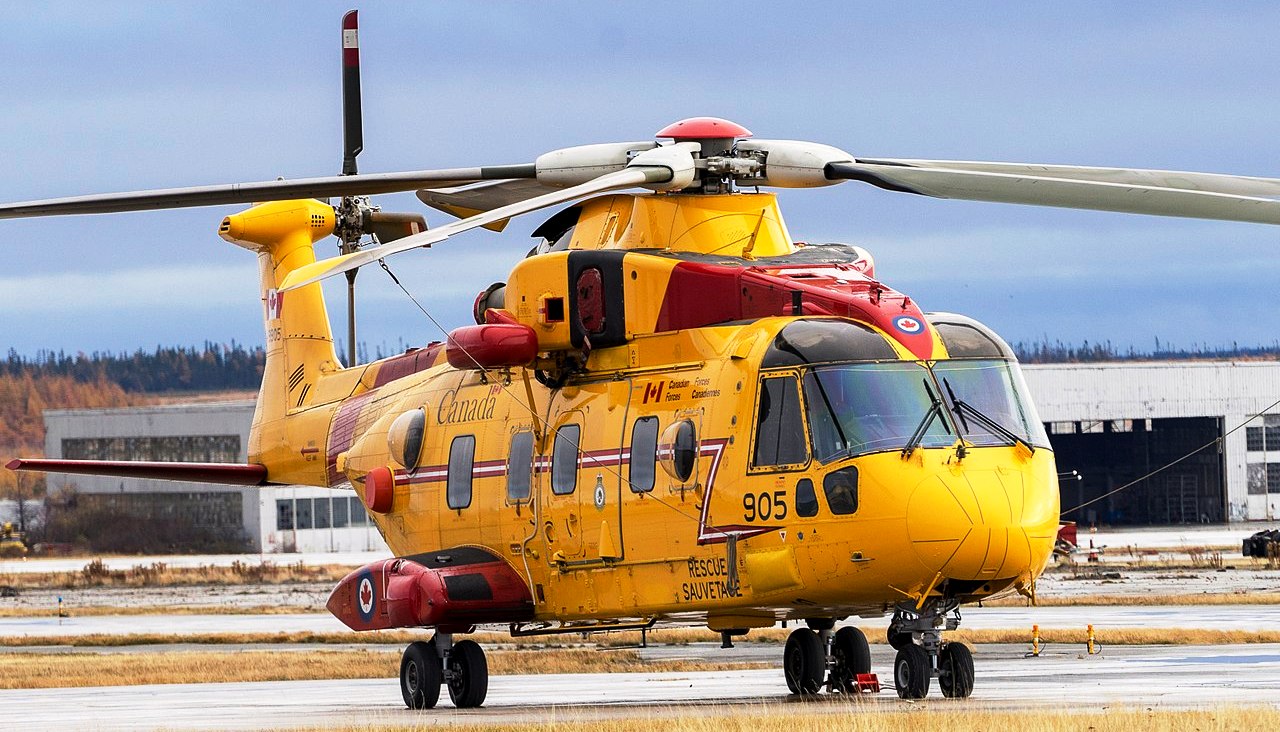
(Shhewitt Photo)
AgustaWestland CH-149 Cormorant (149905), one of three helicopters operated by 103 Search and Rescue Squadron, based at 9 Wing, Gander. The squadron is responsible for a large area covering the offshore waters of Canada.
Newfoundland and Labrador
Argentia
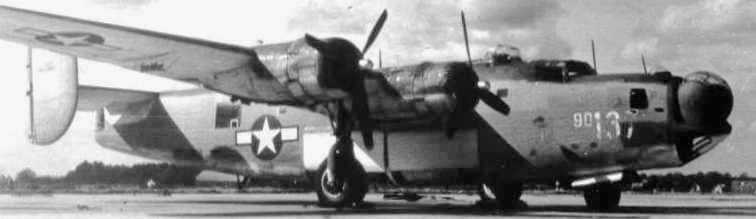
(USCG Photo)
Consolidated PB4Y-1 Liberator used by the US Coast Guard’s International Ice Patrol at Argentia in the spring and fall of 1946.
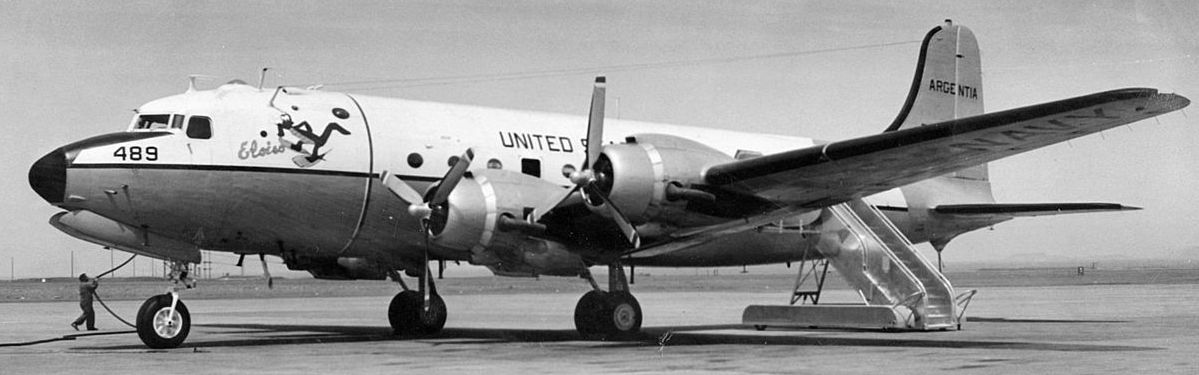
(NMUSAF Photo)
Douglas R5D-3 (C-54Q) Skymaster, US Navy (BuNo 56489), c/n 10592, ex-USAAF (Serial No. 42-72487) assigned to Naval Air Station Argentia, Newfoundland, prior to its closing in 1994.
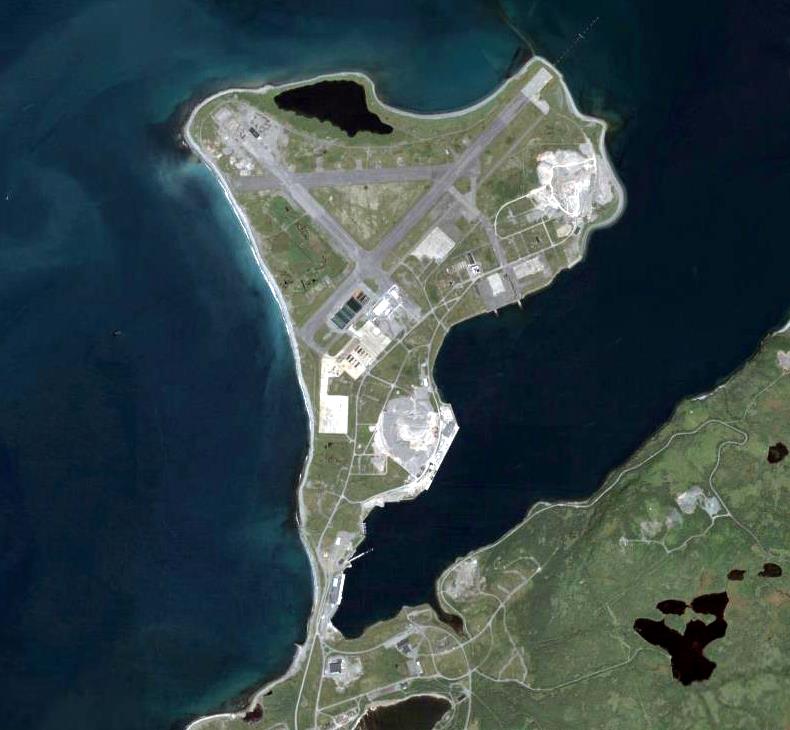
(NASA Photo)
Naval Station Argentia, 2007.
Argentia was selected in 1940 to be the location of the US Navy’s Naval Air Station Argentia due to its proximity to Europe, the relatively ice free nature of Placentia Bay, the safe navigational access channel, the sheltered harbour with secure deepwater anchorages nearby at Fox Harbour and Ship Harbour, as well as the local topography for an airfield and the existing railway line. The base was urgently needed as part of the trans-Atlantic supply line which joined North America to Britain, in order to provide anti-submarine patrols to protect shipping from the German U-boat fleet.
Botwood Flying Boat Museum.
Botwood Heritage Society web site: https://www.bombercommandmuseum.ca/
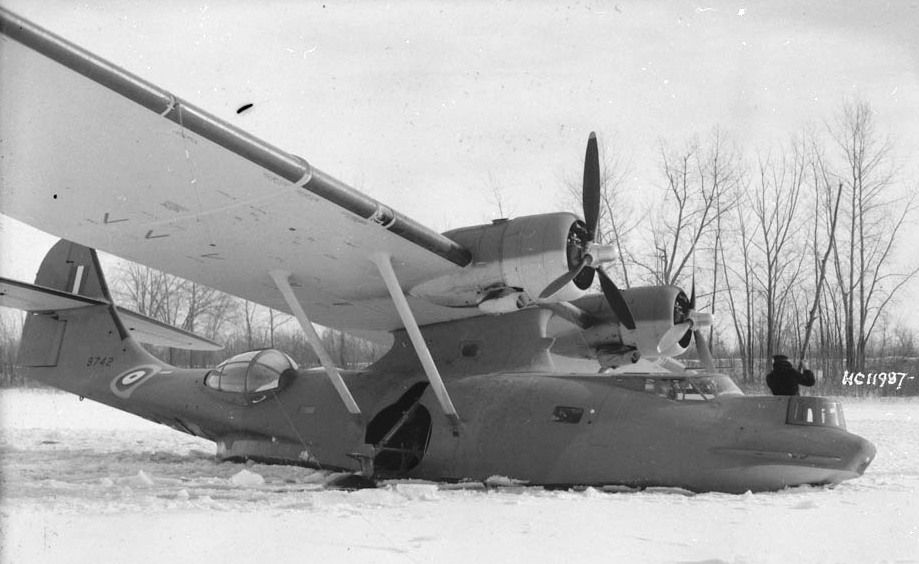
(Library and Archives Canada Photo, MIKAN No. 3582015)
Consolidated Model 28-5AMC Canso A, RCAF (Serial No. 9742), later coded X, with No. 5 Squadron. The aircraft made a forced landing on Soulies Lake, Newfoundland at 15:00 hours on 31 Jan 1943. The ailerons were torn off during a normal diving turn prior to delivery during a practice bombing sortie by the ten-man crew. As a result, the accident investigation board recommended in a letter to the aircraft manufacturer, that an aileron structure modification be made.
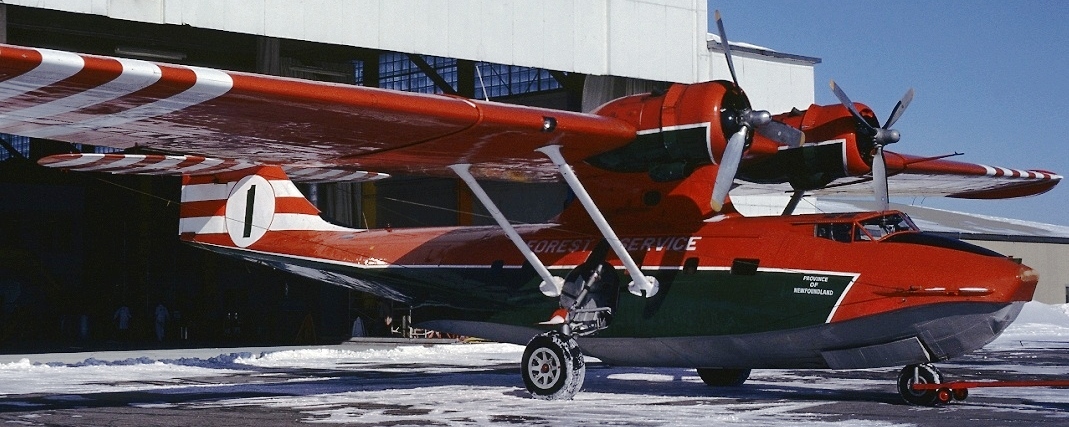
(Alain Rioux Photo)
Canadian Vickers Canso A, USAAF (Serial No. 44-34094), USN (BuNo. 68058), c/n CV-605, RCAF (Serial No. E1497), Reg. No. C-FDFB.
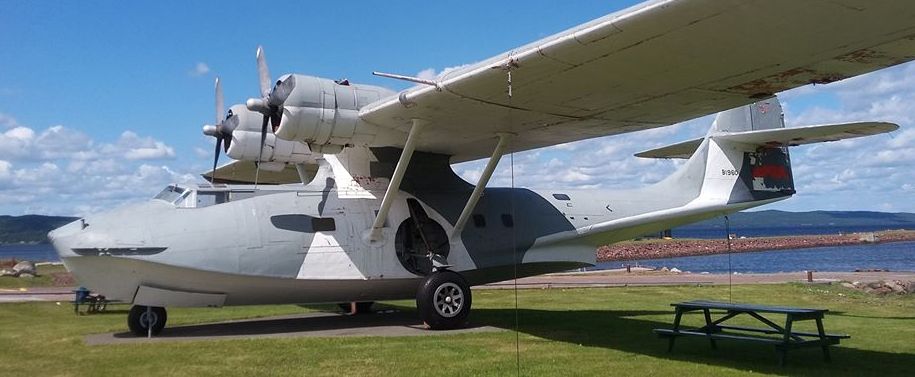
(Chris Charland Photo)
Canadian Vickers Canso A, USAAF (Serial No. 44-34094), USN (BuNo. 68058), c/n CV-605, RCAF (Serial No. E1497), Reg. No. C-FDFB, Reg. No. E1960.
Botwood was home to No. 116 (Bomber Reconnaissance) Squadron. It started operations with the Consolidated Catalina Mk. I and Mk. IB and later converted to the Canadian-built Canso A. The peeling paint on this former RCAF aircraft hints at its previous operator, the Government of Newfoundland. They used it as a water bomber until it was replaced by the Canadair CL-215.
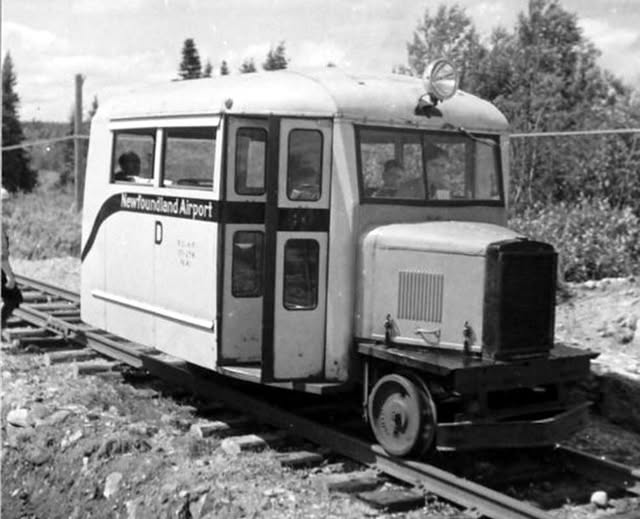
(Botwood Heritage Photo)
1945, Rail Bus or ‘Yellow Bug’ (R.C.A.F. 17-278) used to transport personnel from the Flying Boat Base in Botwood to Gander Airfield as there were no direct roads at that time.
Gander, North Atlantic Aviation Museum (NAAM).
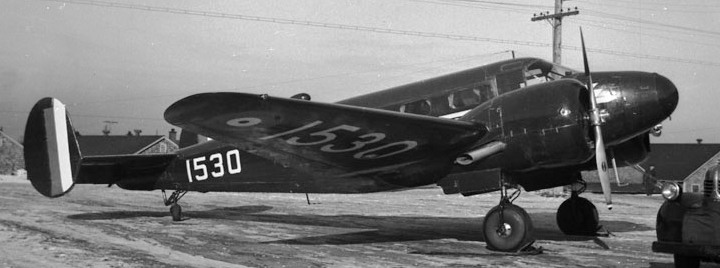
(Library and Archives Canada Photo, MIKAN No. 3650351)
Beechcraft C-45 Expeditor Mk. 3NM, RCAF 1530, 1943.
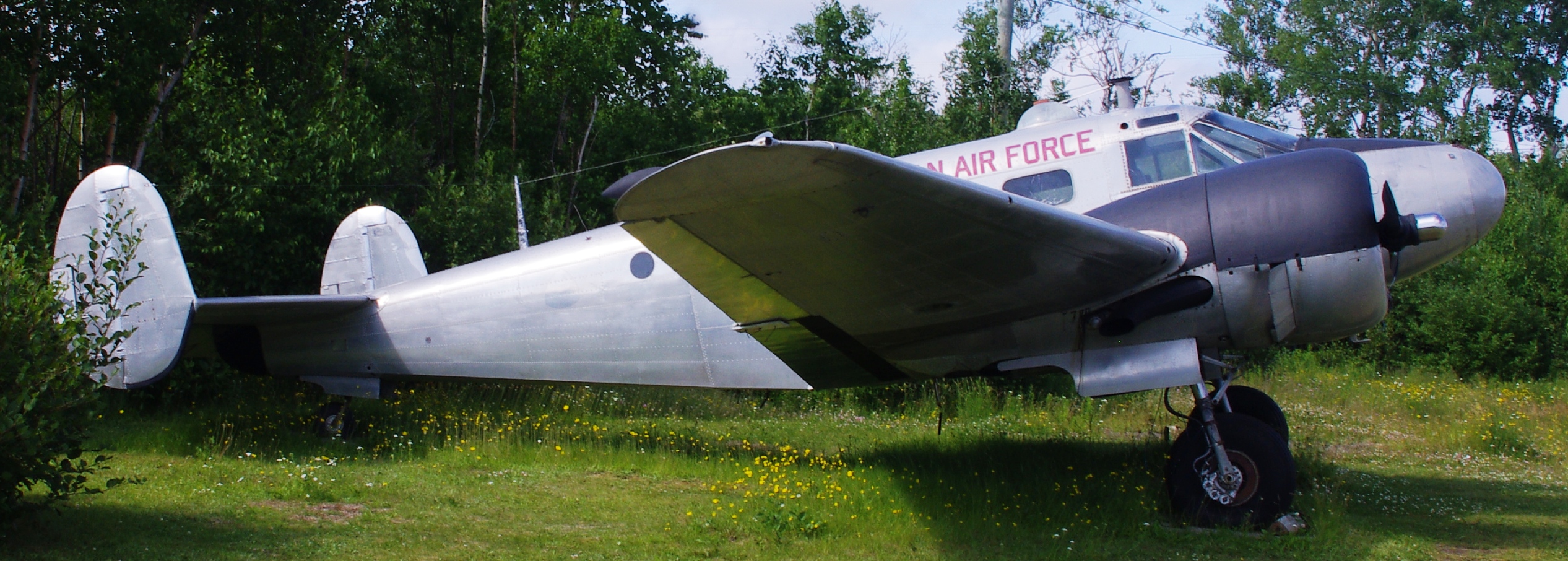
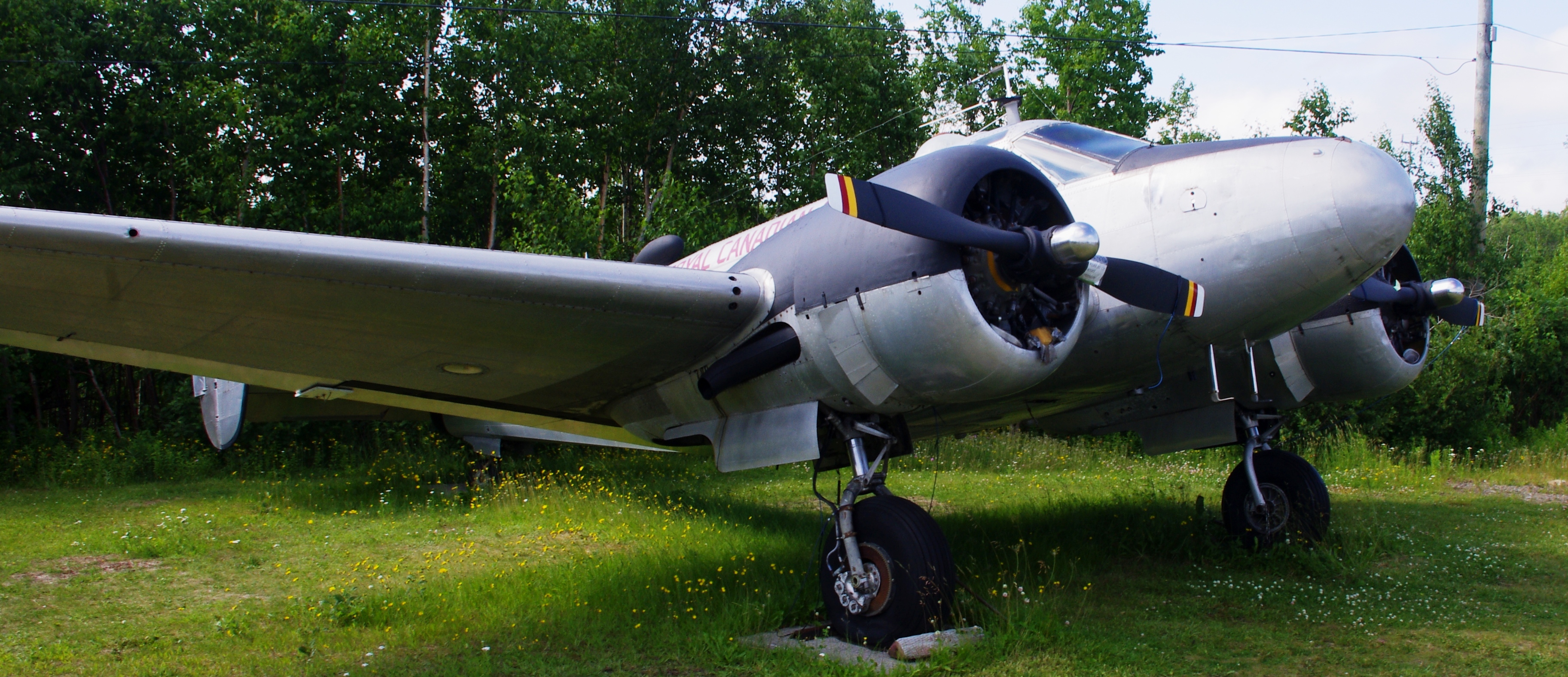
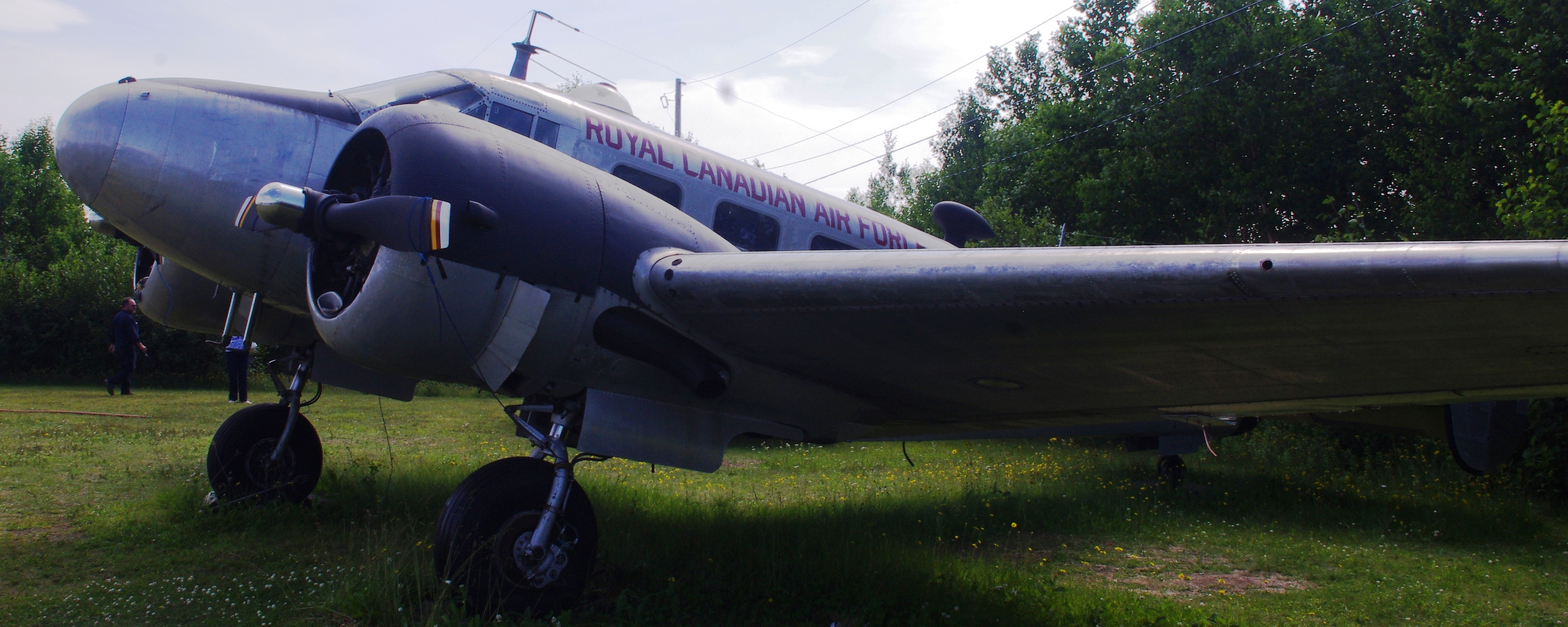
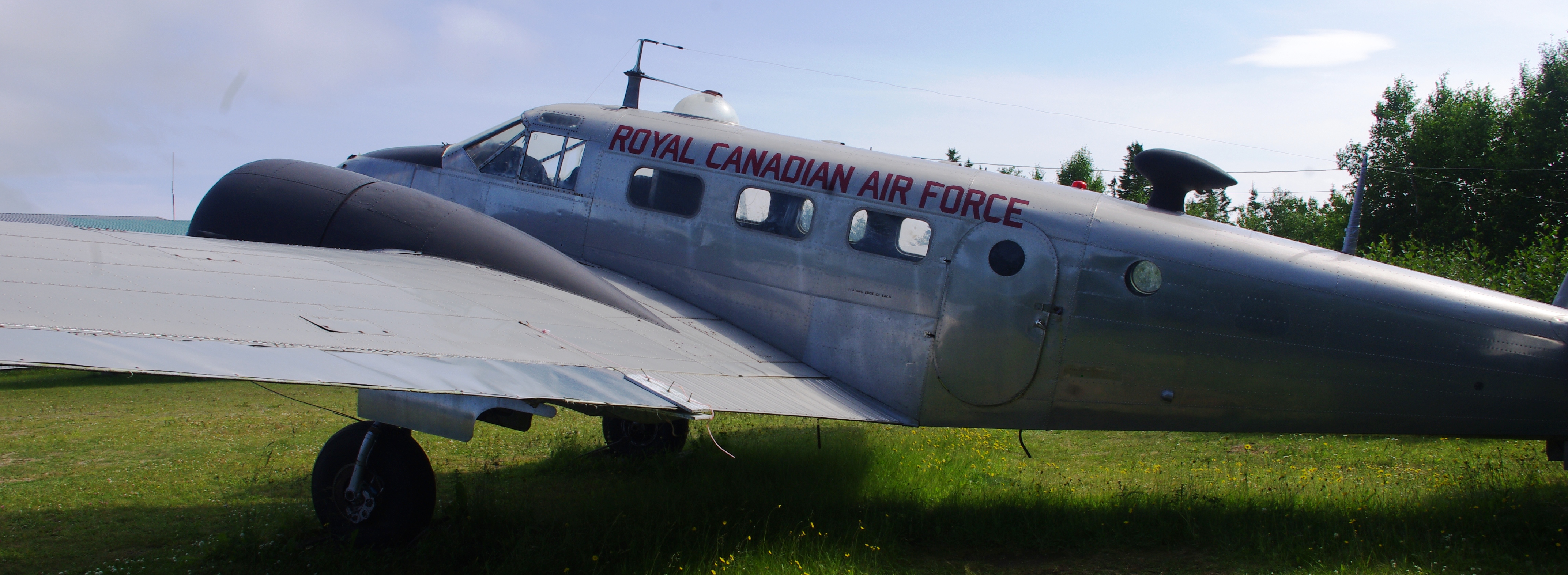
(Maxwell J. Toms Photos)
Beechcraft D-18S/C-45H Expeditor Mk. 3NM (Serial No. CA110), (MAA Plate No. 195440), CF-VPK, Ex RCN.
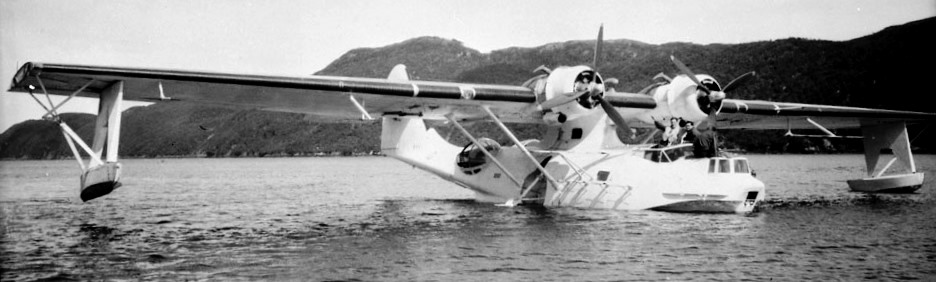
(Library and Archives Canada Photo, MIKAN No. 3388270)
Boeing Canada Canso A, RCAF (Serial No. 9798), No. 116 Squadron, Gander, Newfoundland, 13 Oct 1944.
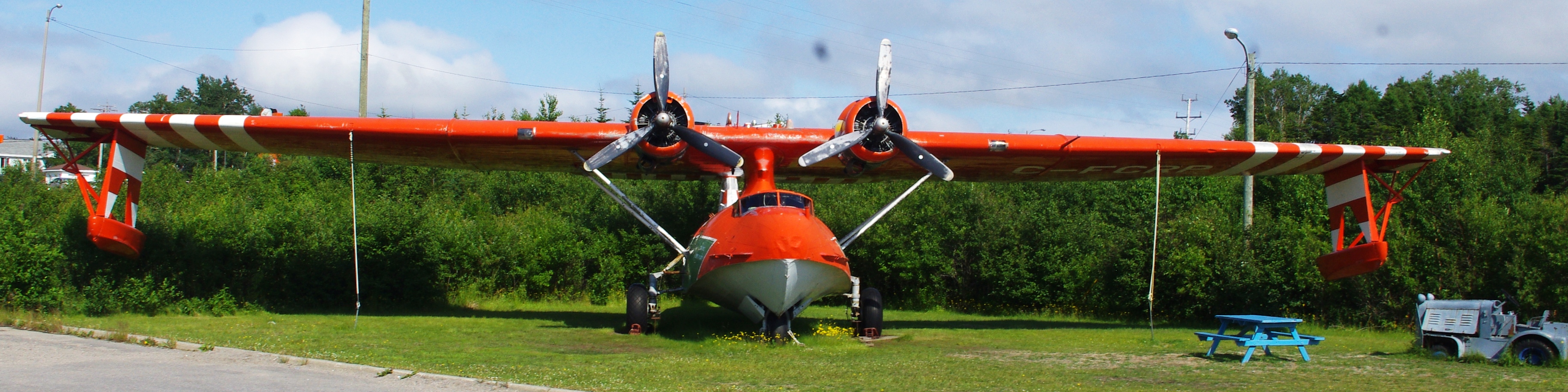
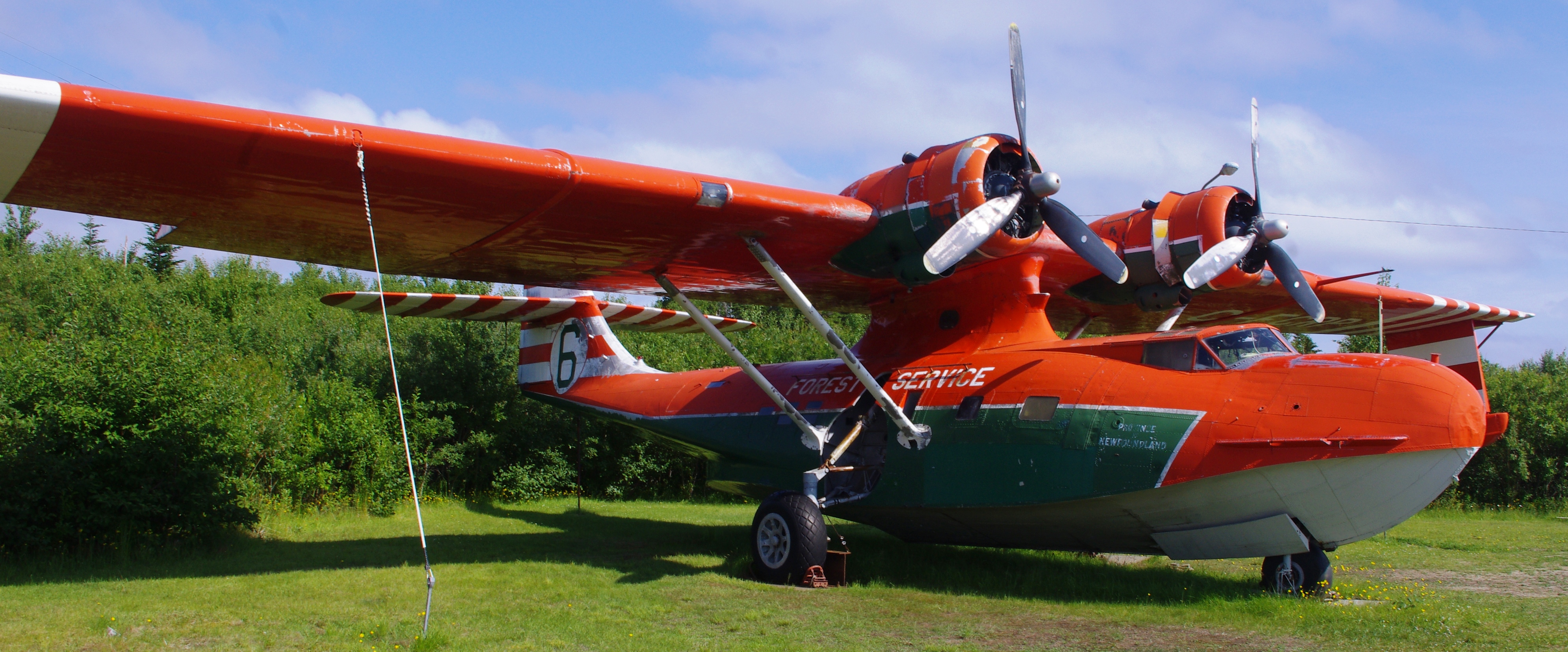
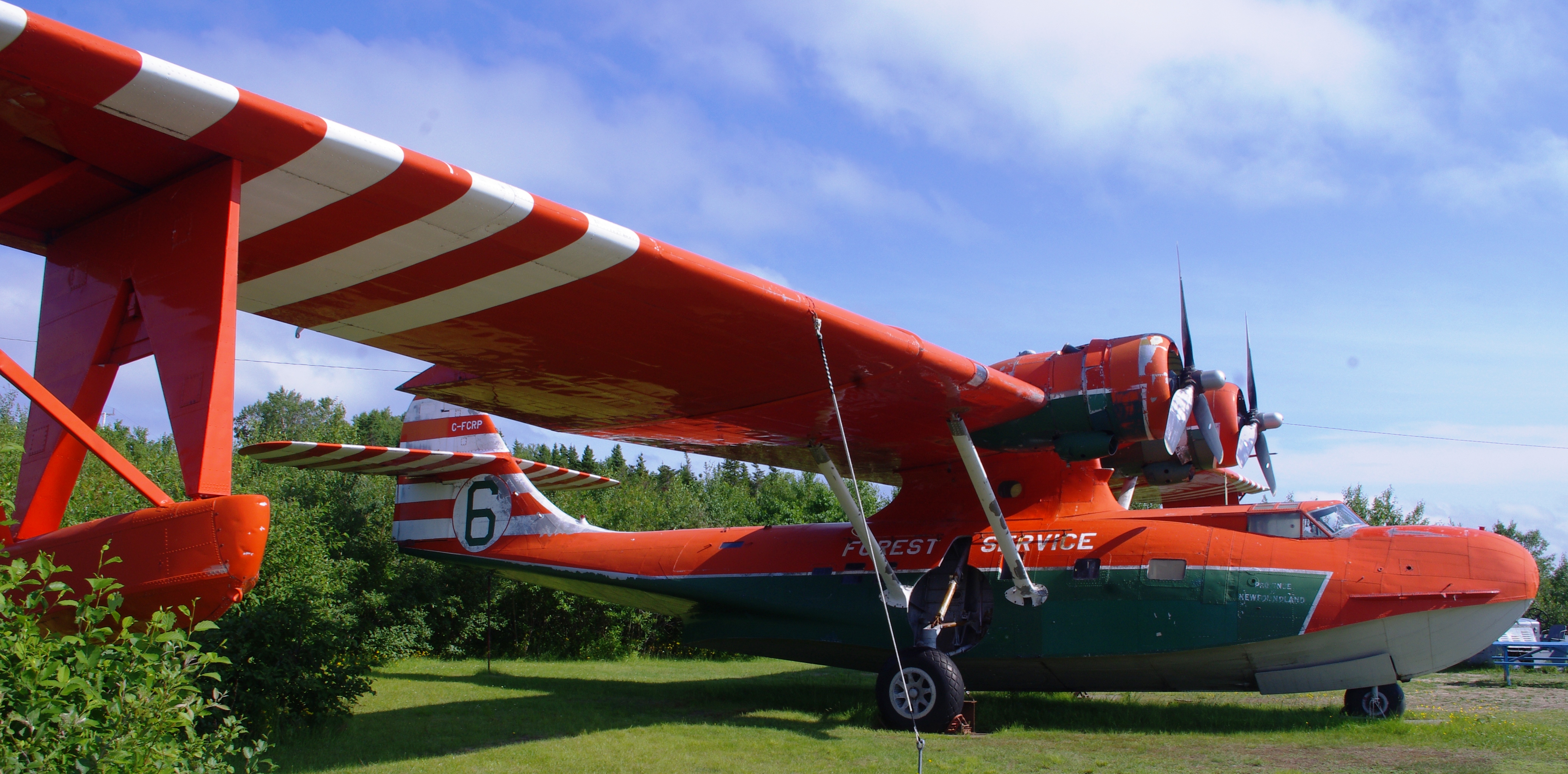
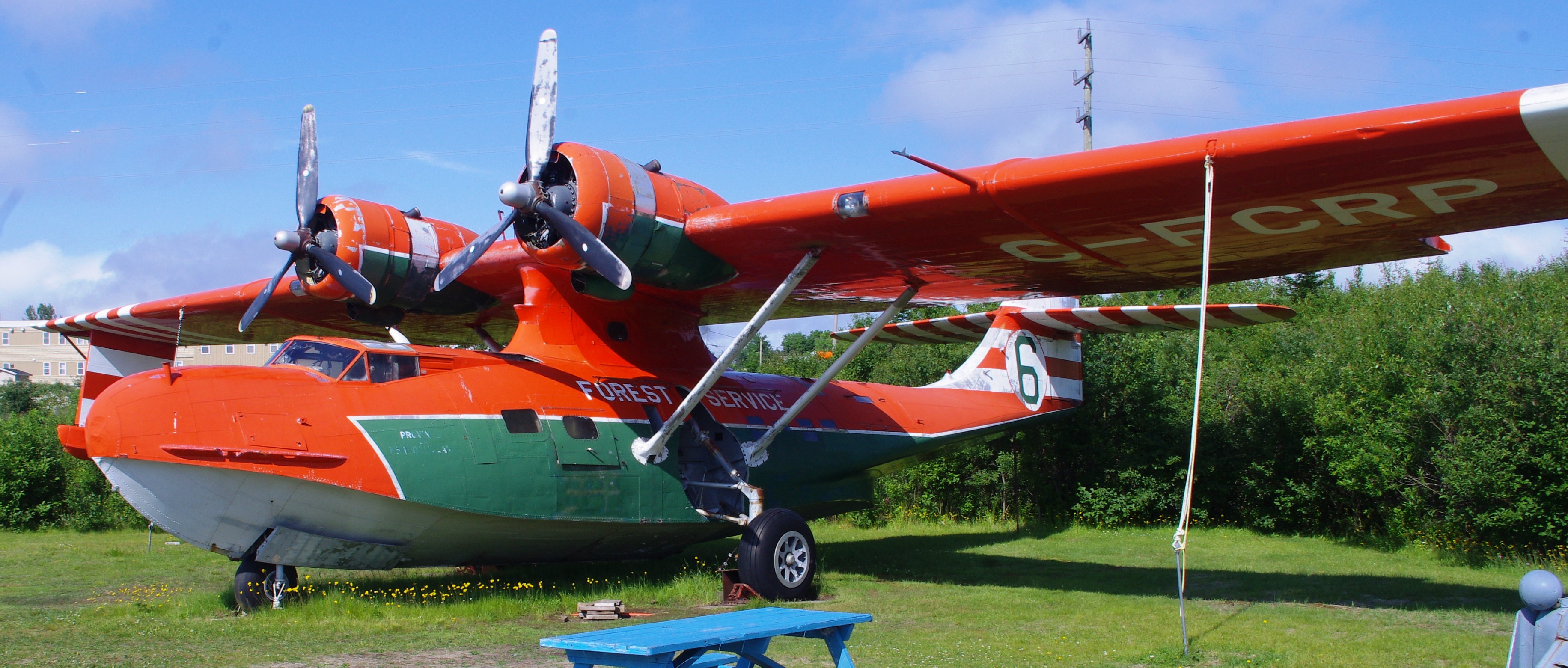
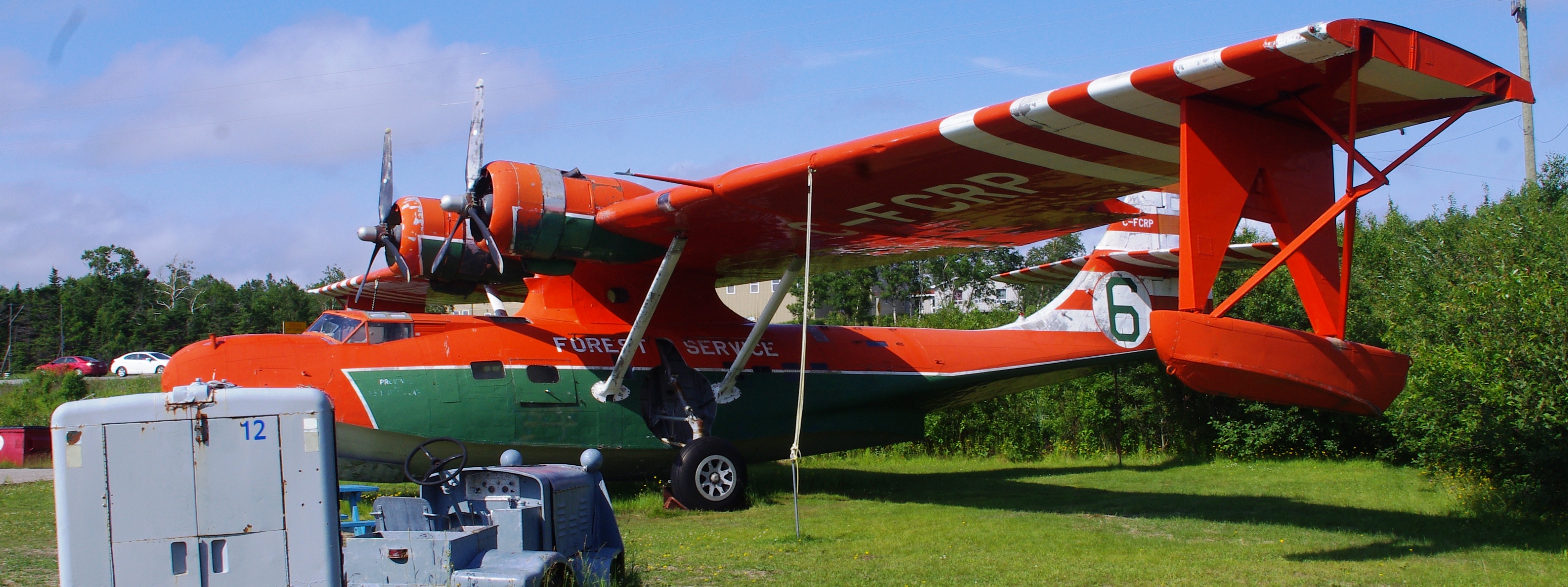
(Maxwell J. Toms Photos)
Canadian Vickers PBV-1A Canso A, RCAF (Serial No. 9837), c/n CV-271, Reg. No. C-FCRP.
(Library and Archives Canada Photo, MIKAN No. 3650711)
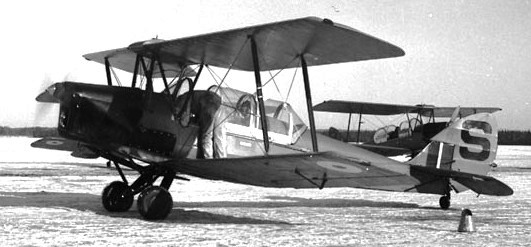
de Havilland Tiger Moth, No. 17 Elementary FTS, RCAF.
de Havilland DH.82A Tiger Moth, CF-GPE, Ex VO-ADE.
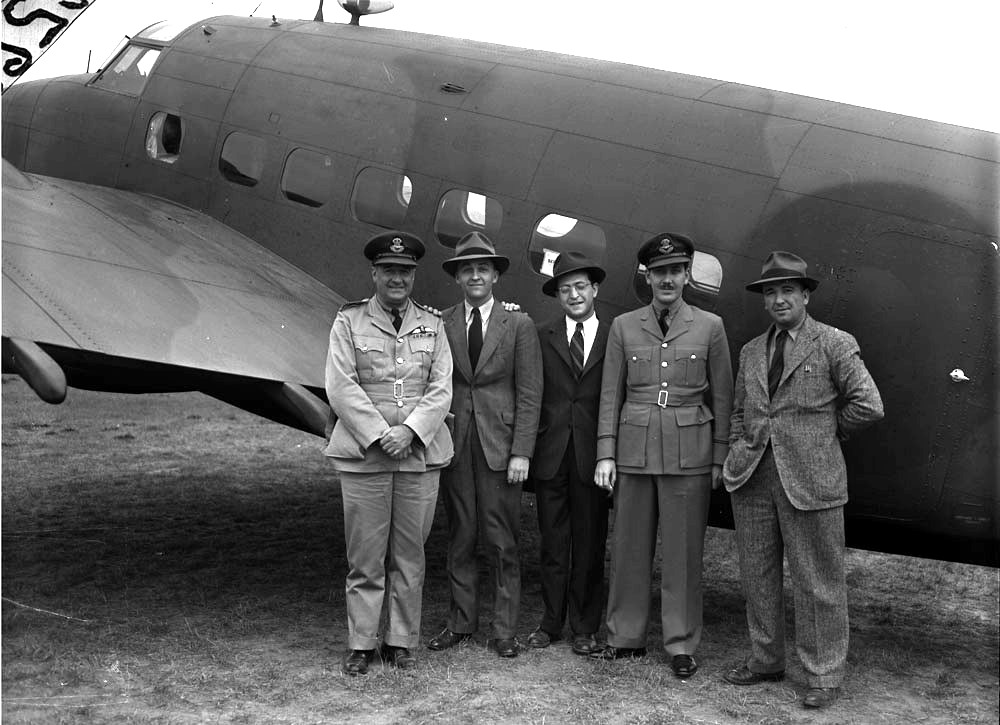
(Library and Archives Canada Photo, MIKAN No. 4327613)
Lockheed Hudson, 31 Aug 1940. Squadron Leader H.M. Berry first from the left.
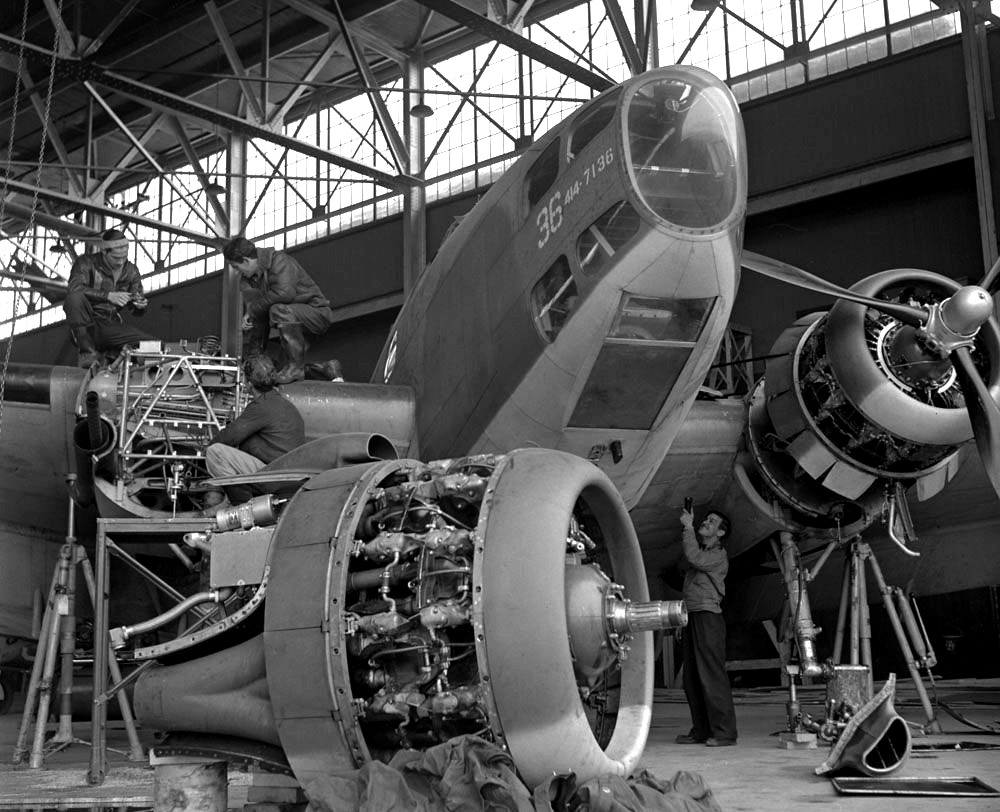
(Library and Archives Canada Photo, MIKAN No. 3613291)
Lockheed Hudson, Goose Bay, Labrador, ca 1944.
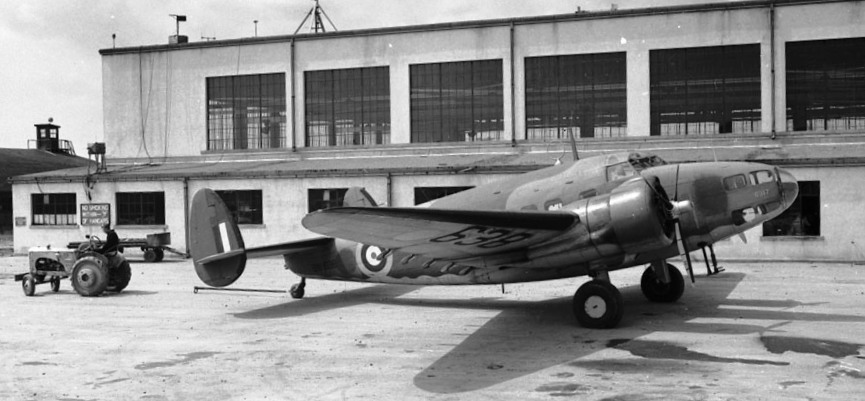
(Library and Archives Canada Photo, MIKAN No. 3589741)
Lockheed Hudson, RCAF 638, 21 June 1943.
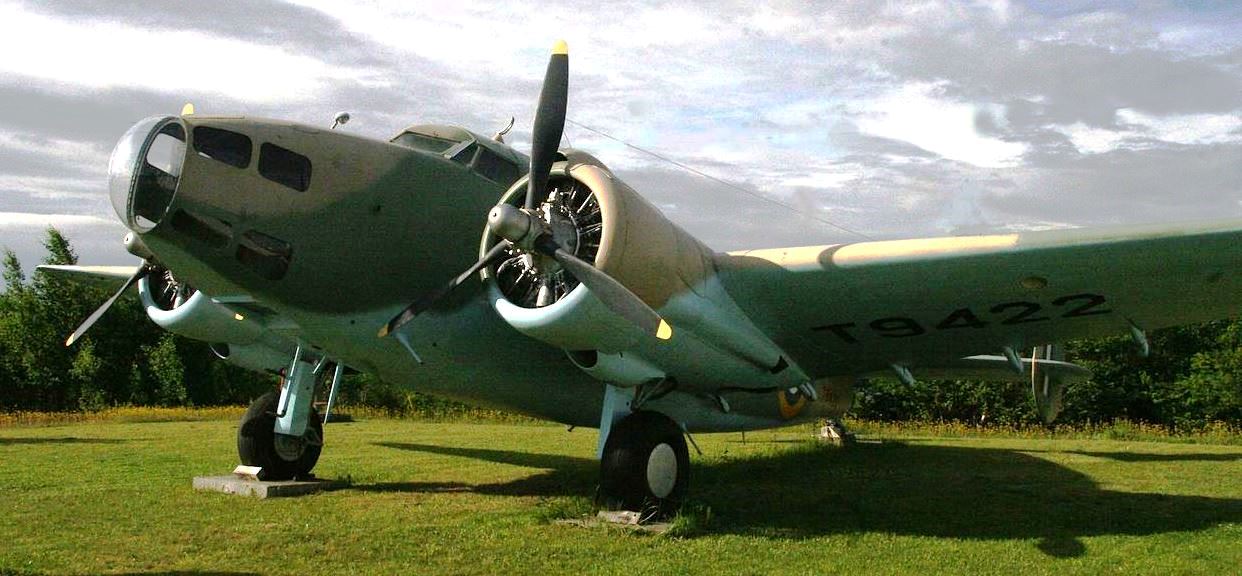
(Bzuk Photo)
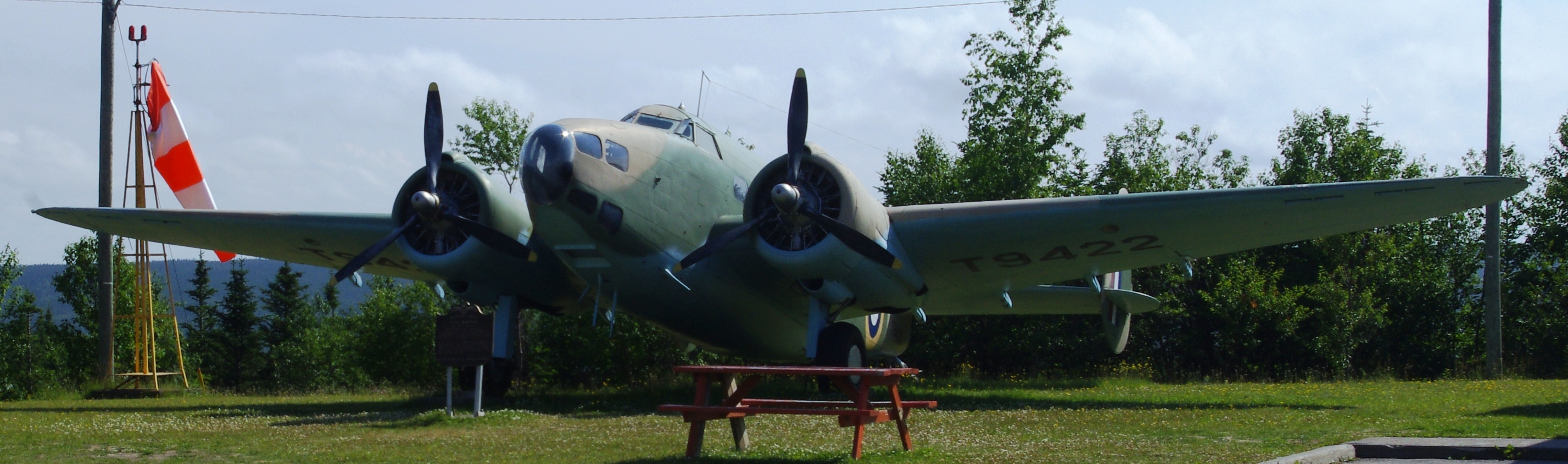
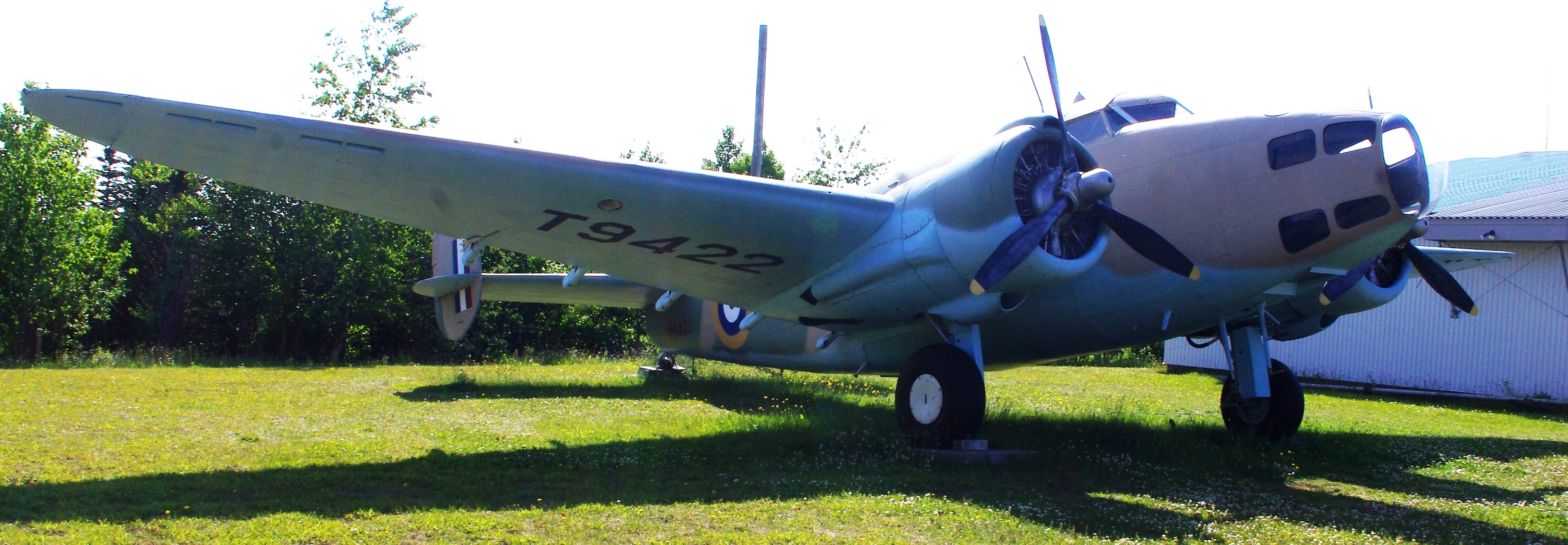
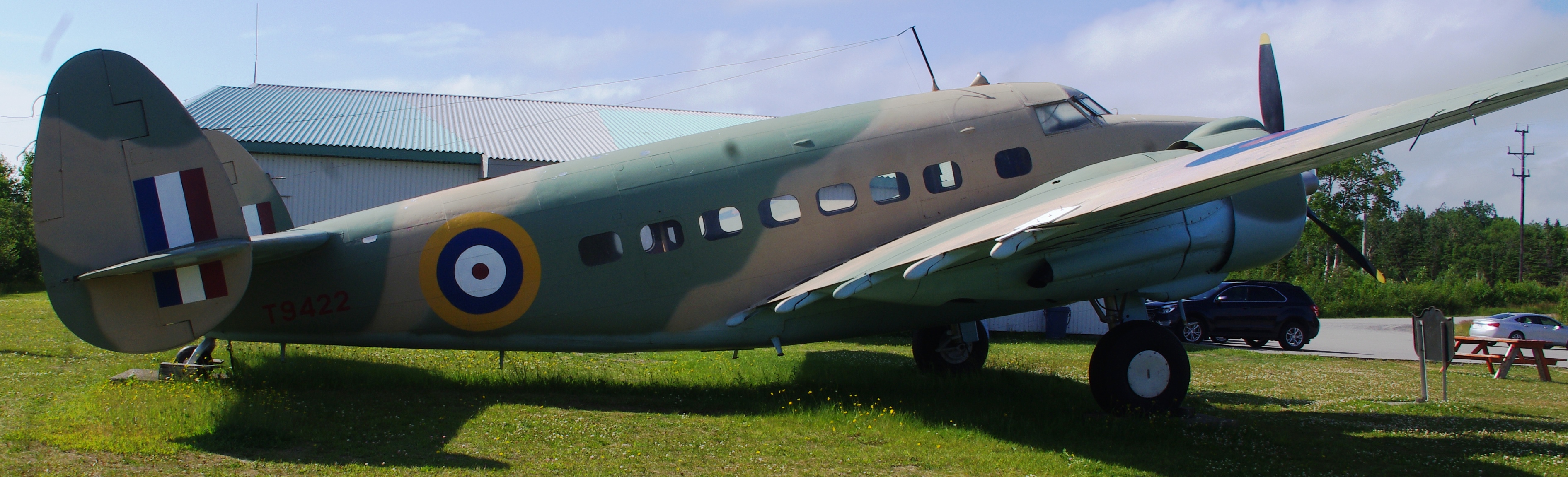
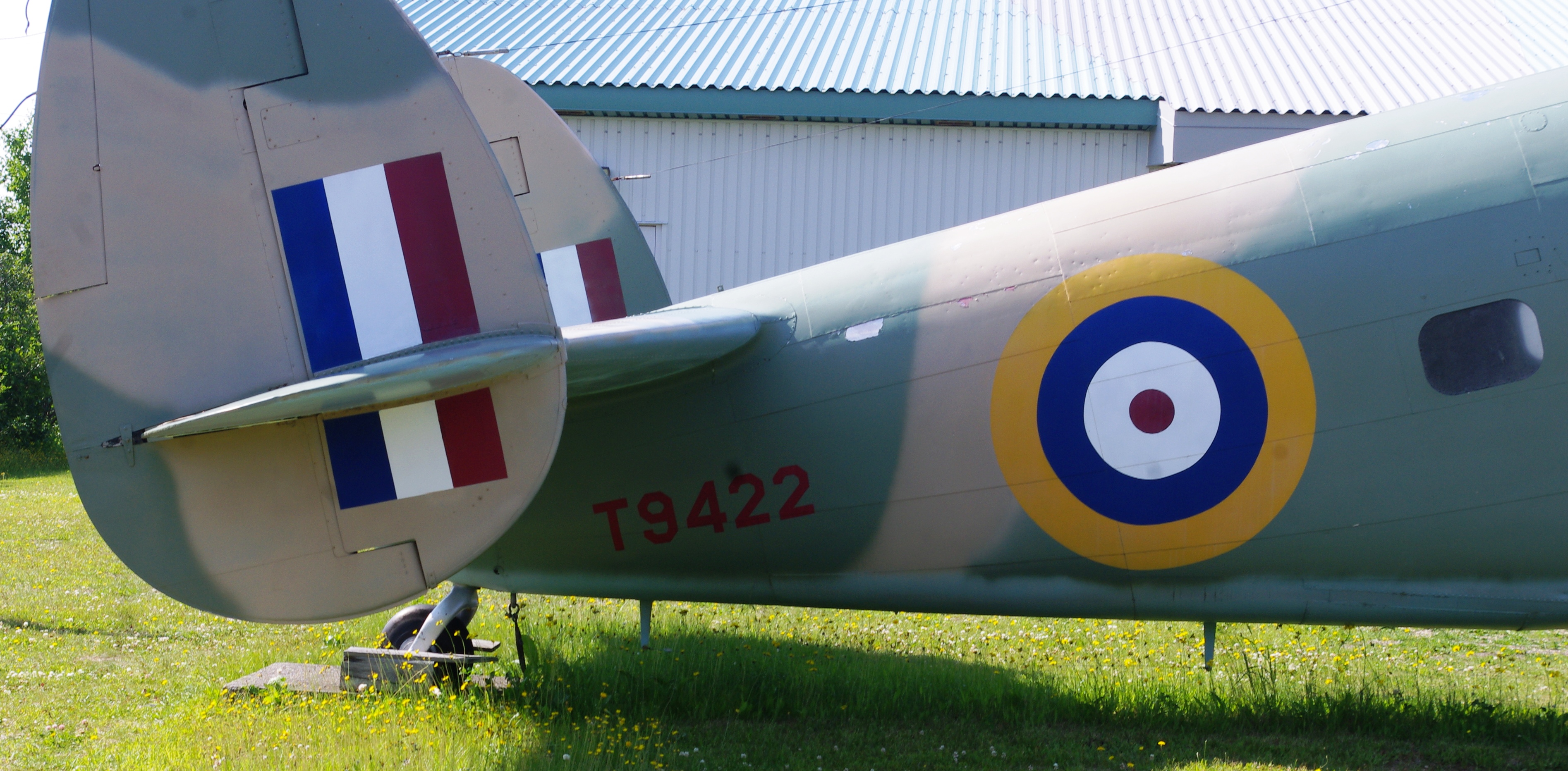
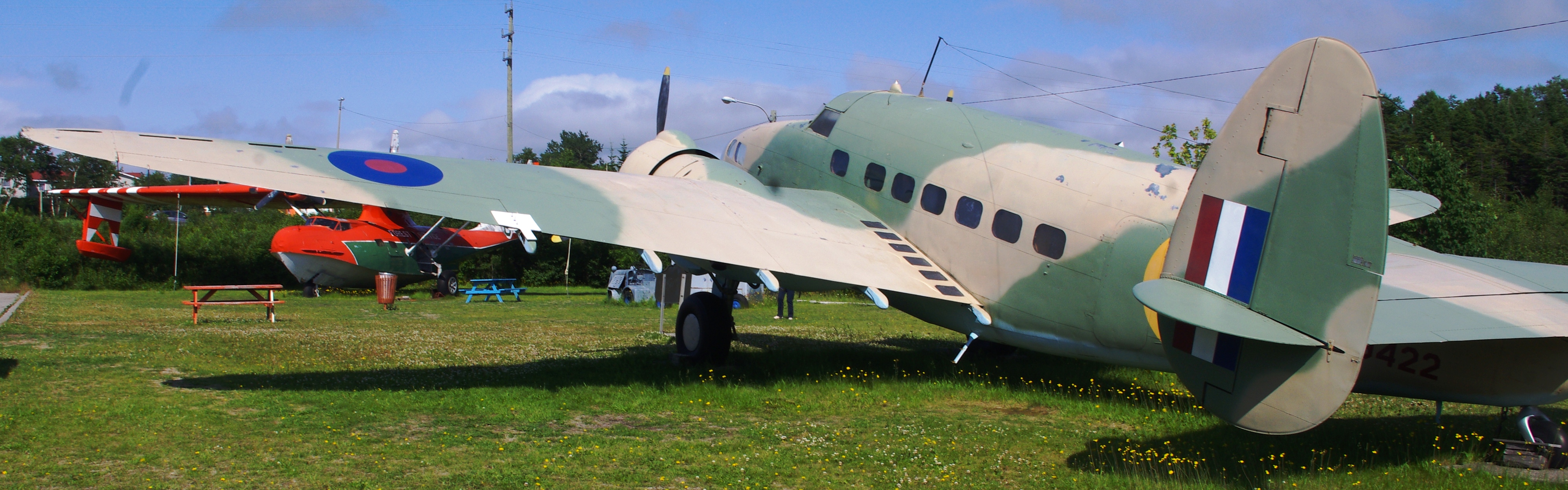
(Maxwell J. Toms Photo)
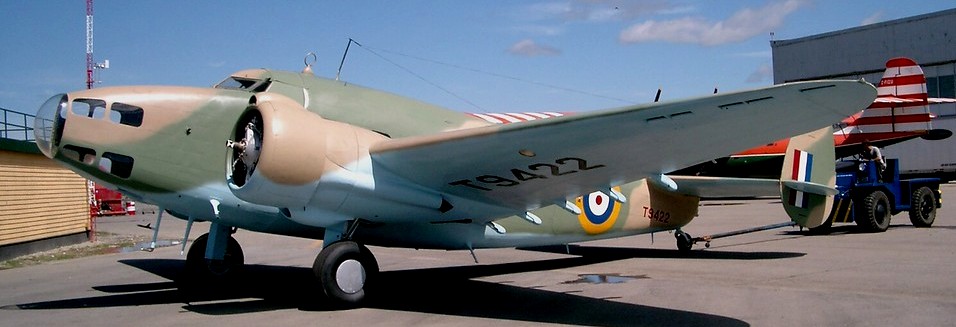
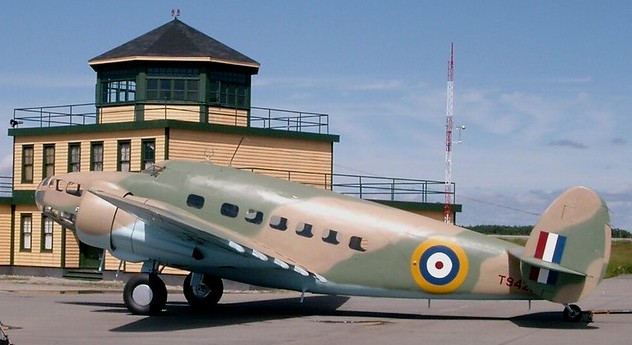
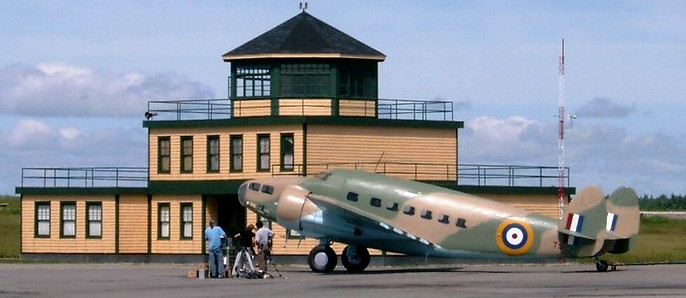
(Paul Mitcheltree Photos)
Lockheed 414 Hudson Mk. IIIA, (A-29-LO), (Serial No. 41-23631), ex-USAF (Serial No. BW769), now painted as RAF (Serial No. T9422), C/N 414-6448.
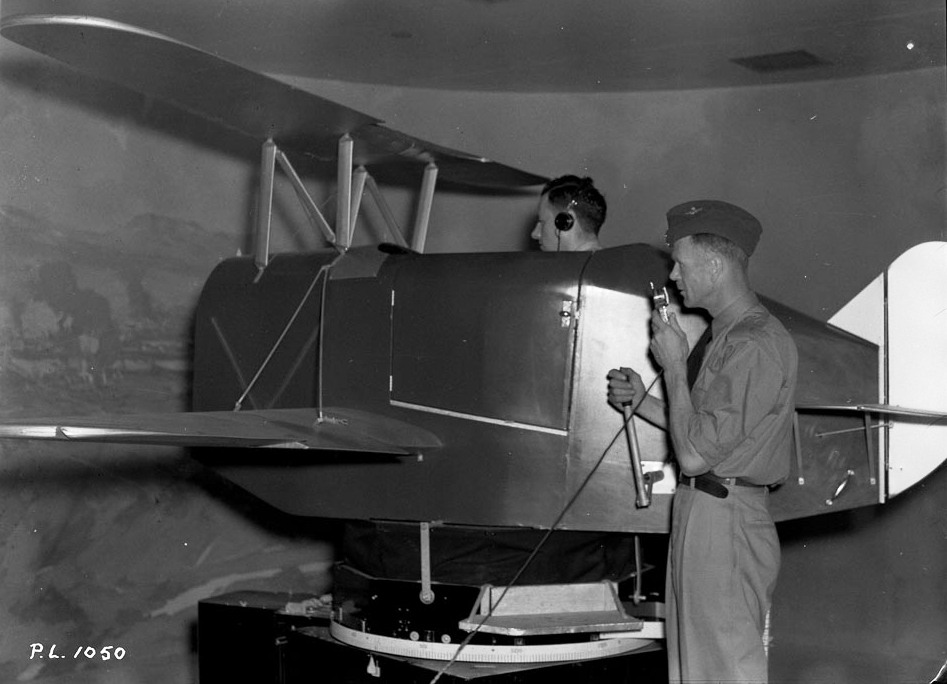
(Library and Archives Canada Photo, MIKAN No. 4327232)
Link Trainer (Serial No. 11242). The photo shows Flying Officer A.E. Jarvis instructs students on a Link Trainer at Initial Training School, Toronto, 25 July 1940.
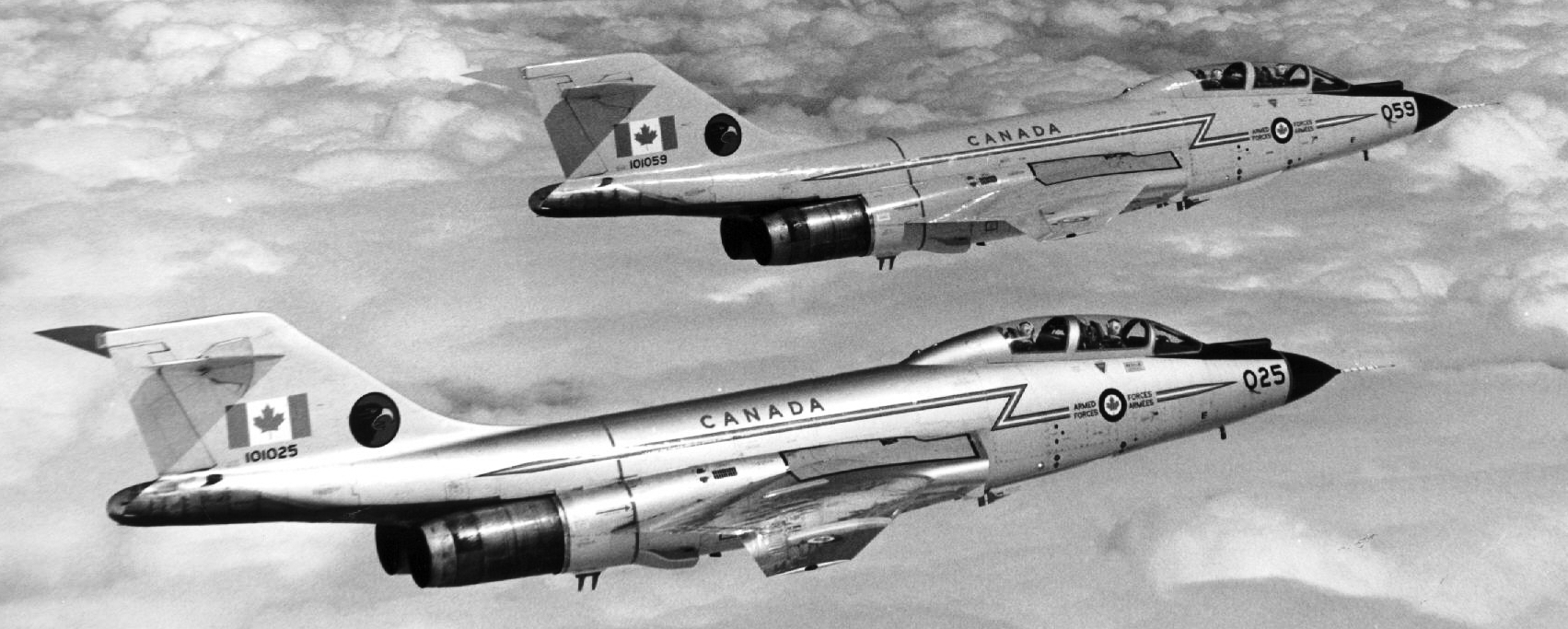
(USN Photo)
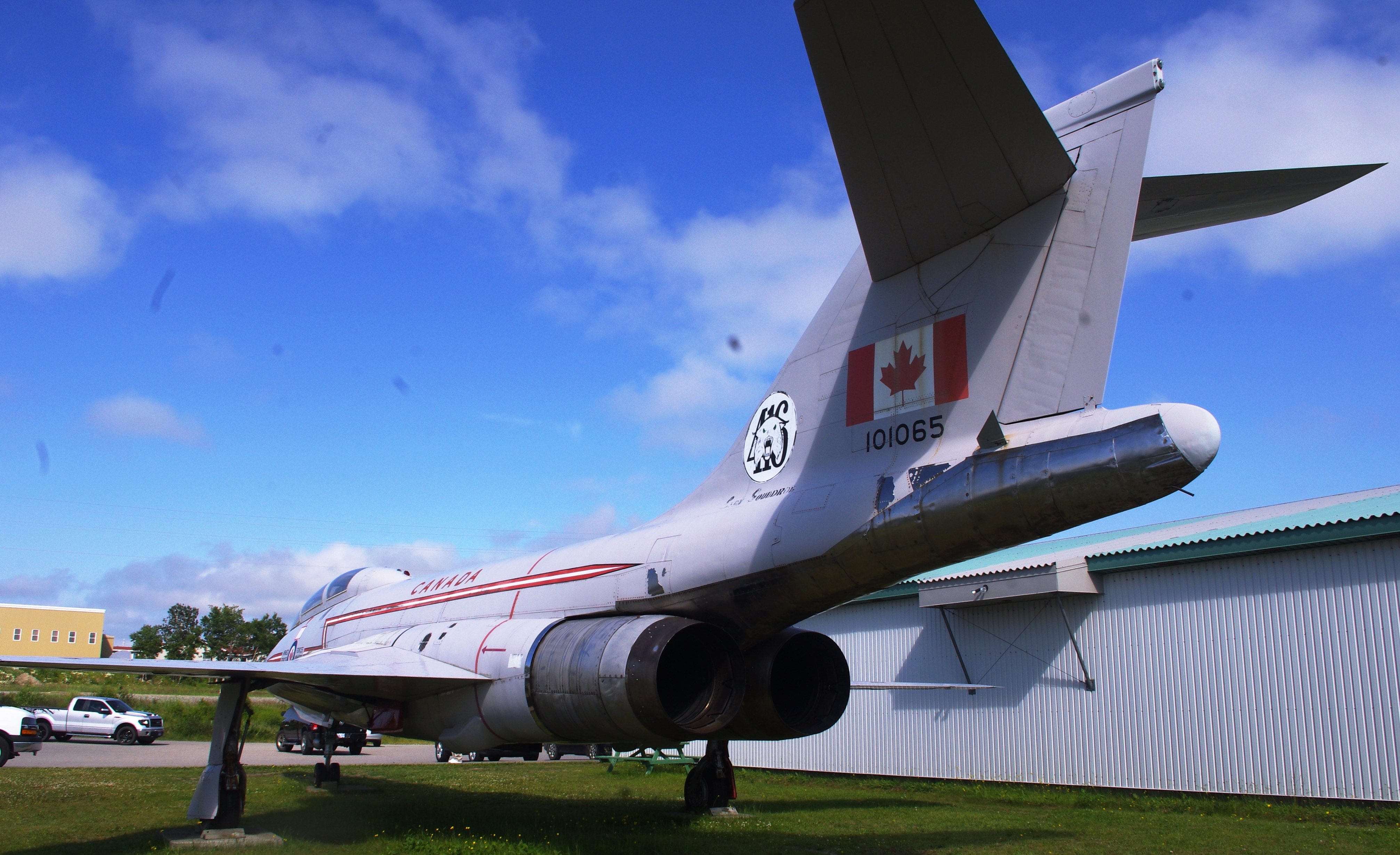
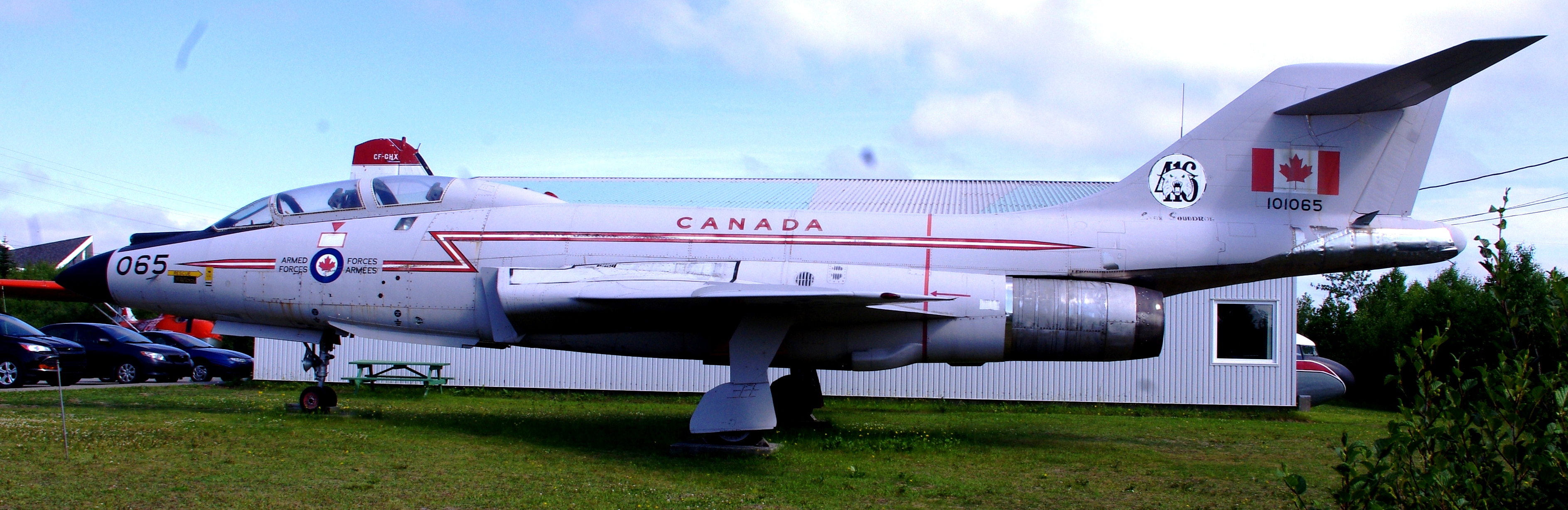
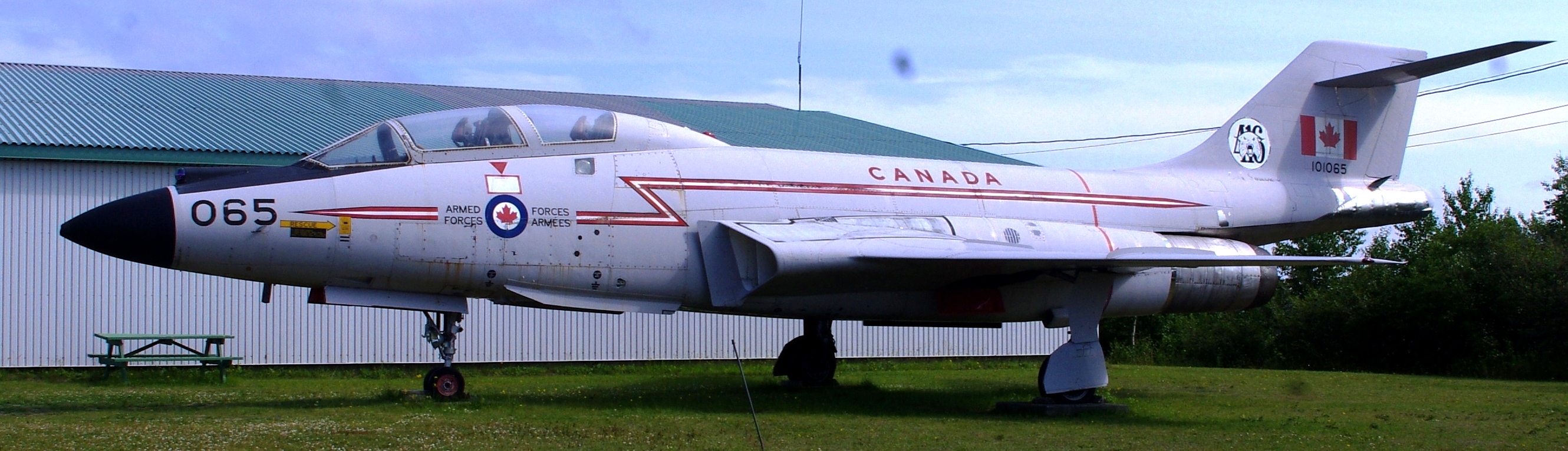
McDonnell CF-101B Voodoo (Serial Nos. 101026 & 101059) 409 Nighthawk Squadron.
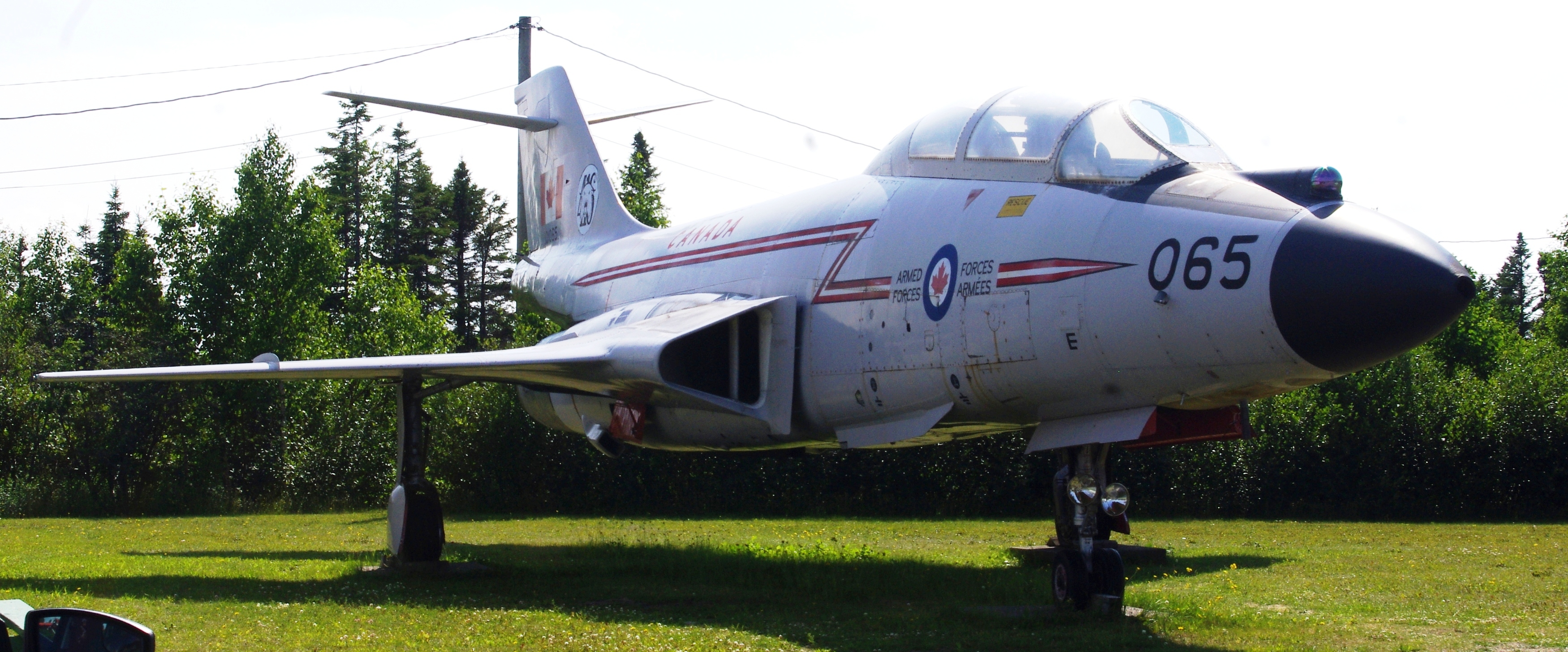
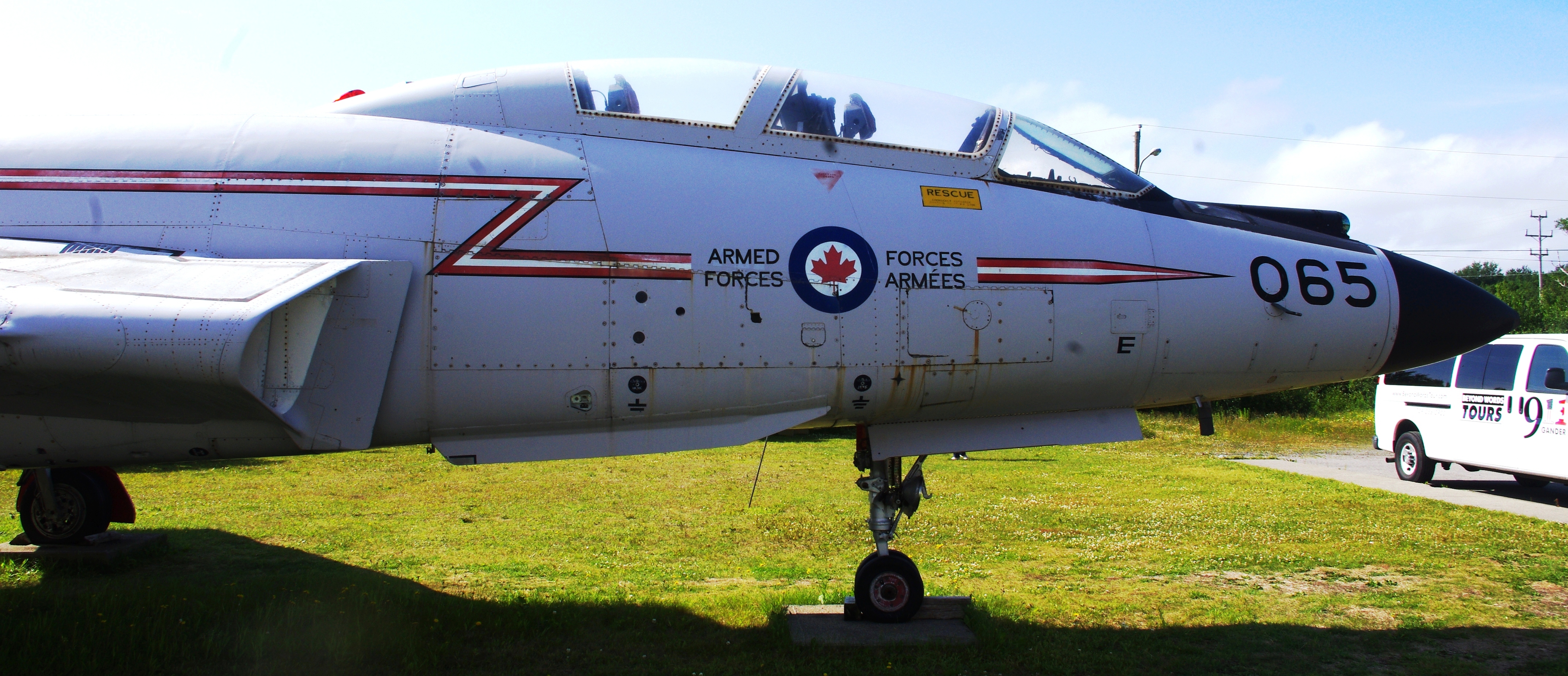
(Maxwell J. Toms Photos)
McDonnell CF-101B Voodoo (Serial No. 101065), USAF (Serial No. 57-0444), 416 Squadron.
Rutan Quickie.
Goose Bay, CFB Goose Bay, Labrador Military Museum (LMM).
(Andy Marks-ManxAirPix Photo)
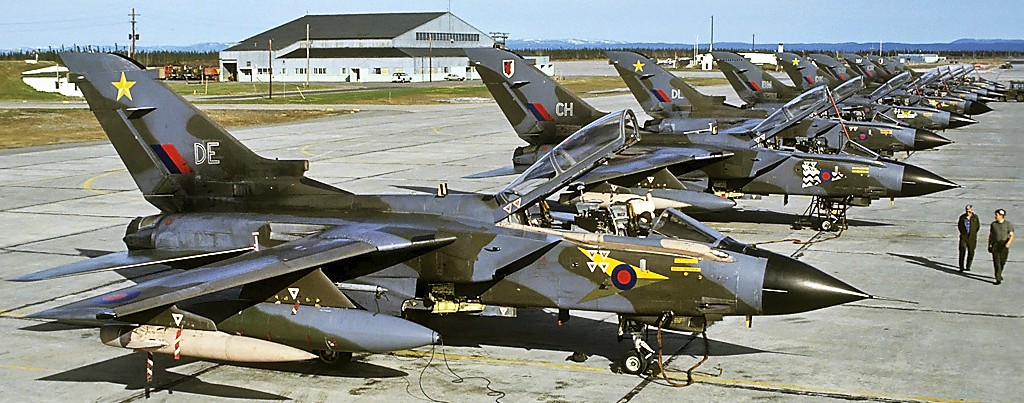
RAF Panavia Tornado fighters on the runway at CFB Goose Bay, Labrador, June 1992. The aircraft were drawn from several units.
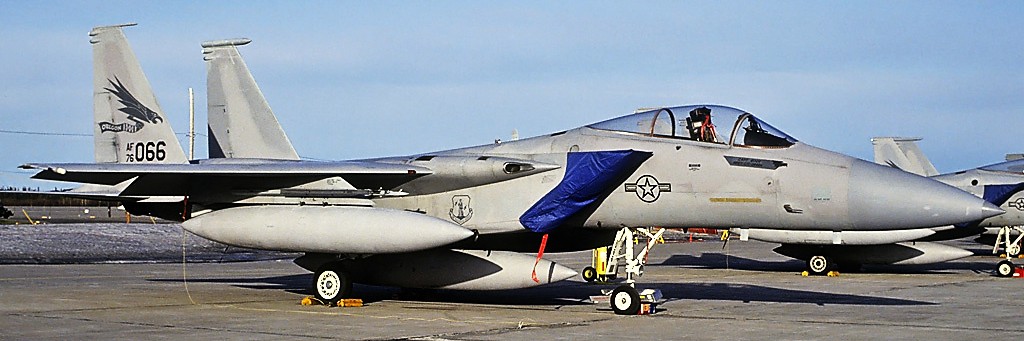
(Andy Marks-ManxAirPix Photo)
USAF McDonnell Douglas F-15A Eagle at CFB Goose Bay, June 1992.
USAF Goose Air Force Base was the site of the first US nuclear weapons in Canada, when in 1950 the United States Air Force Strategic Air Command (SAC) stationed 11 model 1561 Fat Man and Mark 4 atomic bombs at the base in the summer, and flew them out in December. While returning to Davis–Monthan Air Force Base with one of the bombs on board, a USAF B-50 heavy bomber encountered engine trouble, had to drop, and conventionally (non-nuclear) detonate, the bomb over the St. Lawrence, contaminating the river with uranium-238. (Wikipedia)
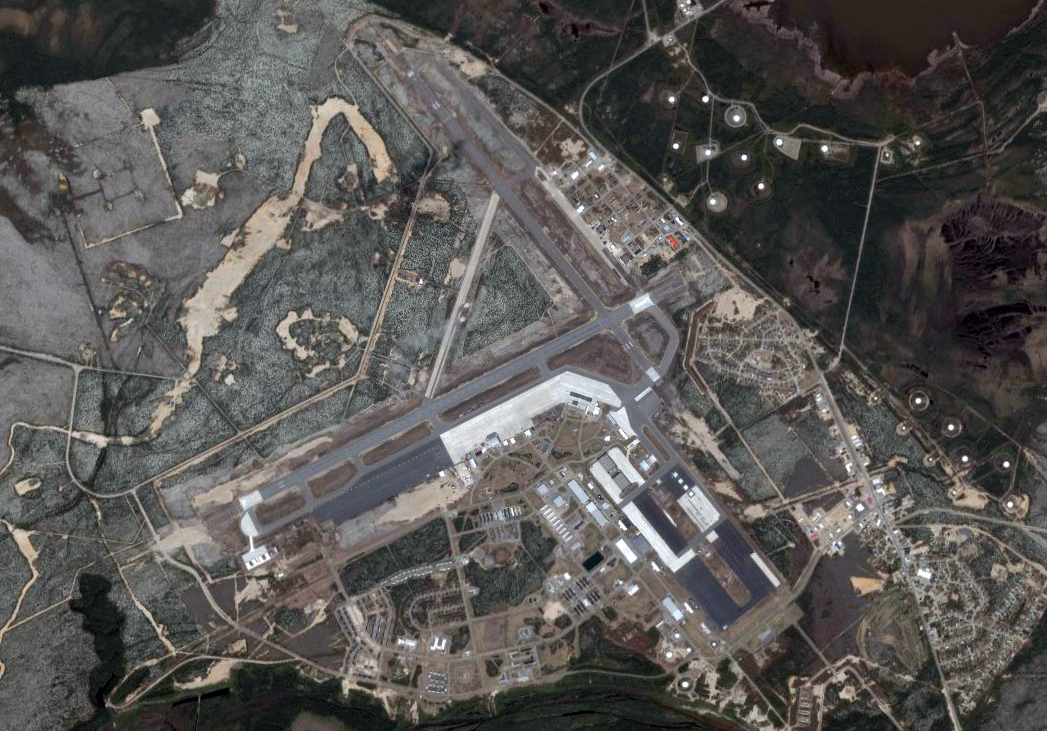
(NASA Photo)
Canadian Forces Base Goose Bay.
Canadian Forces Base Goose Bay (IATA: YYR, ICAO: CYYR), commonly referred to as CFB Goose Bay, is a Canadian Forces Base located in the municipality of Happy Valley-Goose Bay in the province of Newfoundland and Labrador. It is operated as an air force base by the Royal Canadian Air Force (RCAF). Its primary RCAF lodger unit is 5 Wing, commonly referred to as 5 Wing Goose Bay.
The airfield at CFB Goose Bay is also used by civilian aircraft, with civilian operations at the base referring to the facility as Goose Bay Airport. The airport is classified as an airport of entry by Nav Canada and is staffed by the Canada Border Services Agency (CBSA). CBSA officers at this airport can handle general aviation aircraft only, with no more than 15 passengers.
The mission of 5 Wing is to support the defence of North American airspace, as well as to support the RCAF and allied air forces in training.[1] Two units compose 5 Wing: 444 Combat Support Squadron (flying the CH-146 Griffon) and 5 Wing Air Reserve Flight. CFB Goose Bay also serves as a forward operating location for RCAF CF-18 Hornet aircraft and the base and surrounding area is occasionally used to support units of the Canadian Army during training exercises. (DND)
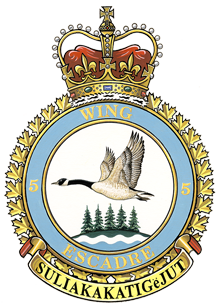
The Canada Goose refers to the fact that 5 Wing is located at Happy Valley-Goose Bay, Newfoundland and Labrador. The badge includes five spruce trees along with symbols for land and sea recalling the Labrador coast.
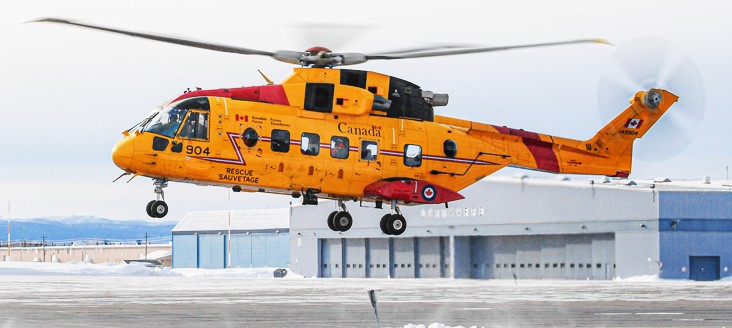
(RCAF Photo)
Flight Crew from 103 Search and Rescue Squadron prepare a CH-149 Cormorant for a flight from 5 Wing Goose Bay to Canadian Forces Station Alert during NORAD Exercise AMALGAM DART 21-2 on March 18, 2021.
5 Wing is located at Canadian Forces Base (CFB) Goose Bay in Happy Valley-Goose Bay, Newfoundland and Labrador. It is under the operational command of 1 Canadian Air Division. The Commander of 5 Wing is also Commander of CFB Goose Bay and is responsible for all base administrative, operational, and logistical support. The location of 5 Wing/CFB Goose Bay in northeastern Canada helps the CAF and NORAD protect North American airspace. It’s unique location and effective training facilities are regularly used to train CAF members and international partners in support of NATO and NORAD.
History of 5 Wing Goose Bay
1941 Creation of 5 Wing Goose Bay. Canada and the United States build an airfield on the present site for anti-submarine patrol aircraft and staging aircraft to Britain. The site was selected because of the excellent flying weather, ease of construction, accessibility by sea during the summer months and its strategic location.
1942 to 1945 During the Second World War, a total of 22,500 Canadian- and American-built fighters and bombers stage through Goose Bay on their way to Europe.
1950 Low-level flying training starts over Labrador with the Royal Air Force. Goose Bay was a very attractive training facility for Allied air forces in light of the high population concentration in their countries and numerous laws preventing low-level flying. Many of the ranges surrounding 5 Wing Goose Bay were larger than some European countries.
1950s With the start of the Cold War, a line of radar sites is built from Newfoundland along the Labrador coast to join the Mid-Canada line. The site’s responsibilities were surveillance, identification and interceptor control for the Labrador area. This was accomplished by the outlying radar sites reporting to the United States Air Force manned Melville Manual NORAD Control Centre, located near the wing, where the overall command was exercised. The United States Air Force increased its strategic presence by deploying KC-97 Stratofreighter tankers in support of B-47 Stratojet bombers. Air Defense Command stationed a full squadron of F-106 Delta Dart interceptors and by the early 60s, KC-135 Stratotankers were operating from Goose Bay in support of B-52 Stratofortress bombers.
1951 to 1965 The United States Air Force builds infrastructure capable of supporting 12,000 service personnel and dependents.
1970s The Canadian Armed Forces reduces its presence in Goose Bay and the station’s principal reason for being is solely to support the Melville Radar Site.
1971 The Canadian Forces takes control of the Melville Manual NORAD Control Centre after it has been maintained and manned by the United States Air Force through many organizational changes within NORAD.
1975 The Melville Manual NORAD Control Centre becomes a limited Long Range Radar in that the radar inputs are automatically passed to a control centre in North Bay, Ontario. The station became the Melville Data Maintenance Control Center and was responsible for the quality of radar inputs and for the projection of control of interceptor aircraft whenever assigned.
1976 All Strategic Air Command units are withdrawn and the United States Air Force operation is reduced to a Military Airlift Command detachment committed to transient servicing of C-5 Galaxy, C-141 Starlifter and C-130 Hercules transport aircraft.
1981 The German Air Force starts low-level flying training over Labrador.
1985 The Royal Netherlands Air Force starts low-level flying training over Labrador.
1988 The closure of the Melville Data Maintenance Control Center is announced, and on July 1, 1988, it ceases operations.
2001 The Italian Air Force starts low-level flying training over Labrador.
2005 All of the Allies withdraw their contingents from 5 Wing Goose Bay and jet aircraft low-level flying operations cease over Labrador.
2015 to the present day. The role of 5 Wing Goose Bay has changed dramatically in the past few years, moving from a small station supporting a Long Range Radar site to a medium-sized base sustaining multinational flying operations and hosting a wide array of many international guests, both military and civilian. 5 Wing’s operational mandate is currently in transition.
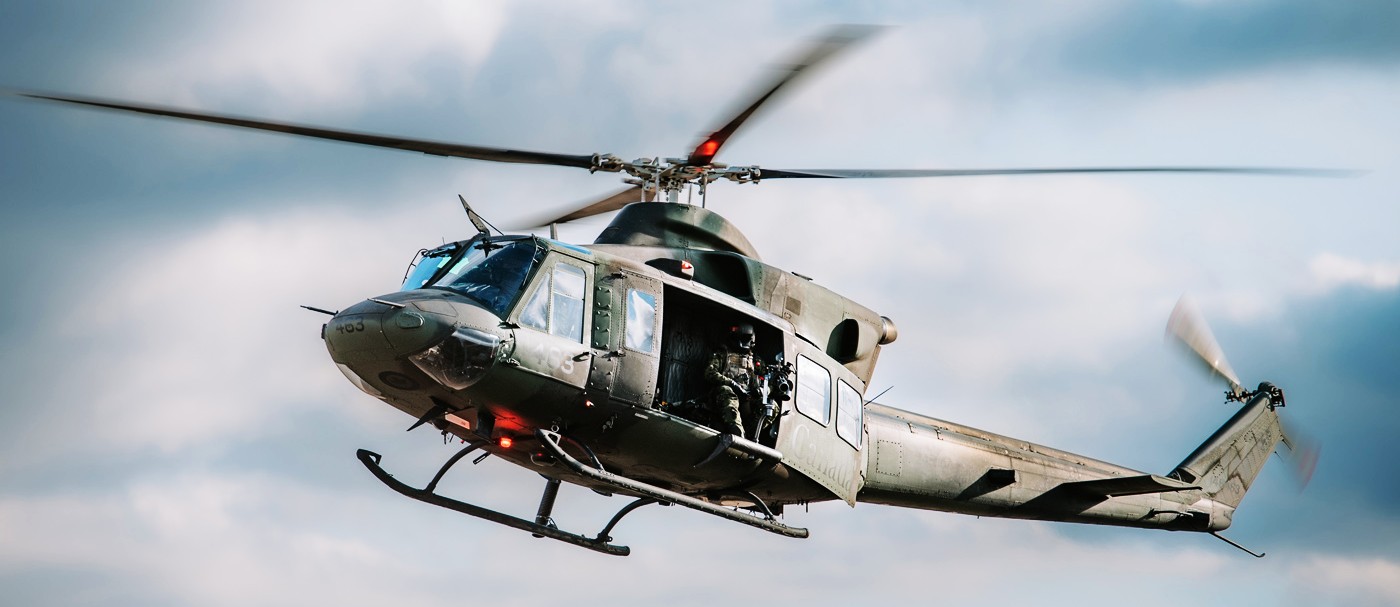
(RCAF Photo)
The CH-146 Griffon utility tactical-transport helicopter supports the tactical transportation of troops and materiel as well as search and rescue operations, surveillance and reconnaissance, training, casualty evacuations and counter-drug operations. The Griffon features Global Positioning System (GPS)-satellite and Doppler navigation systems. It can also be fitted with a variety of equipment, including self-defence weapons, a powerful searchlight, and a hoist to extract people and cargo from almost any terrain. (DND)
(Ahunt Photo)
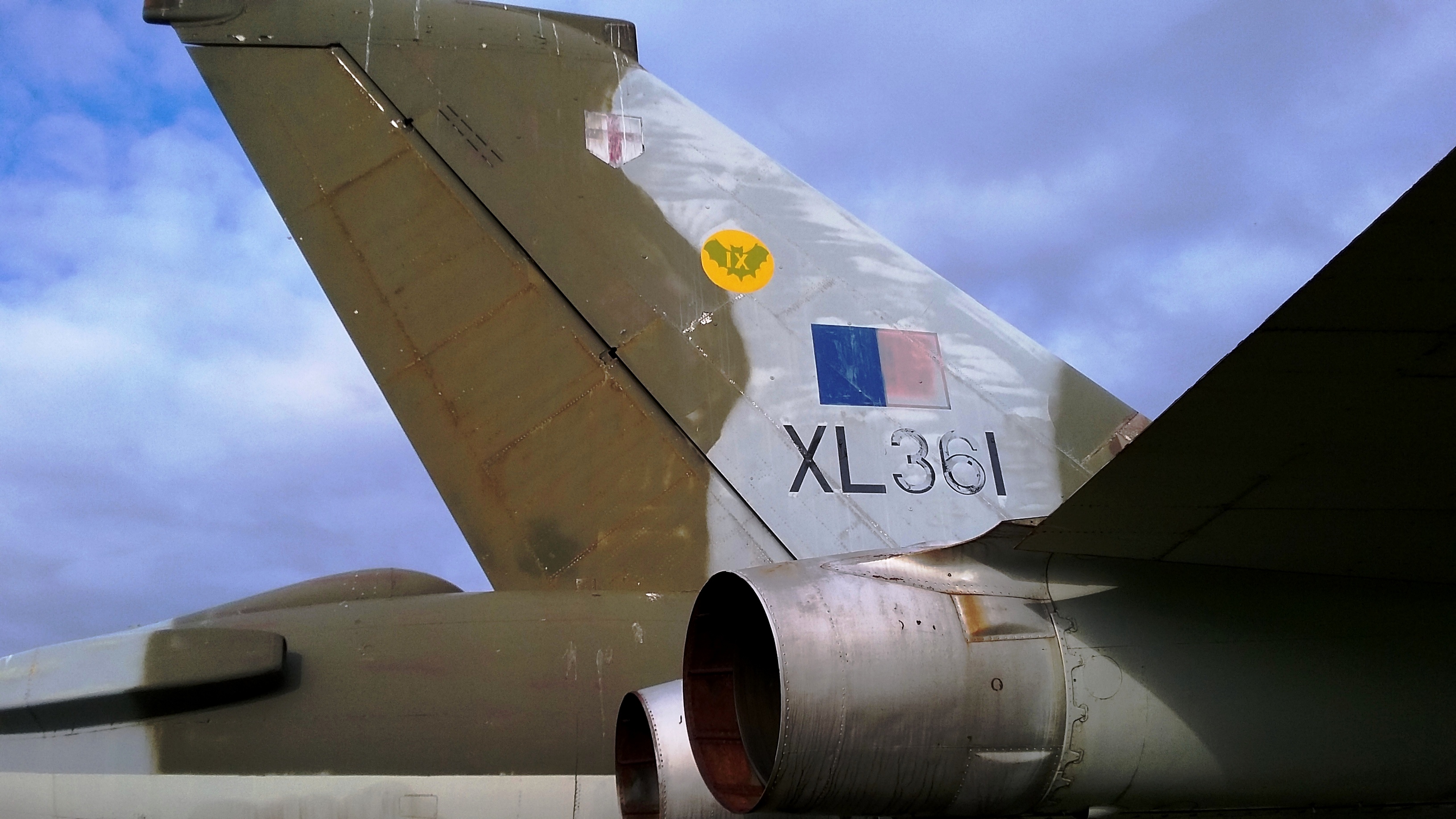
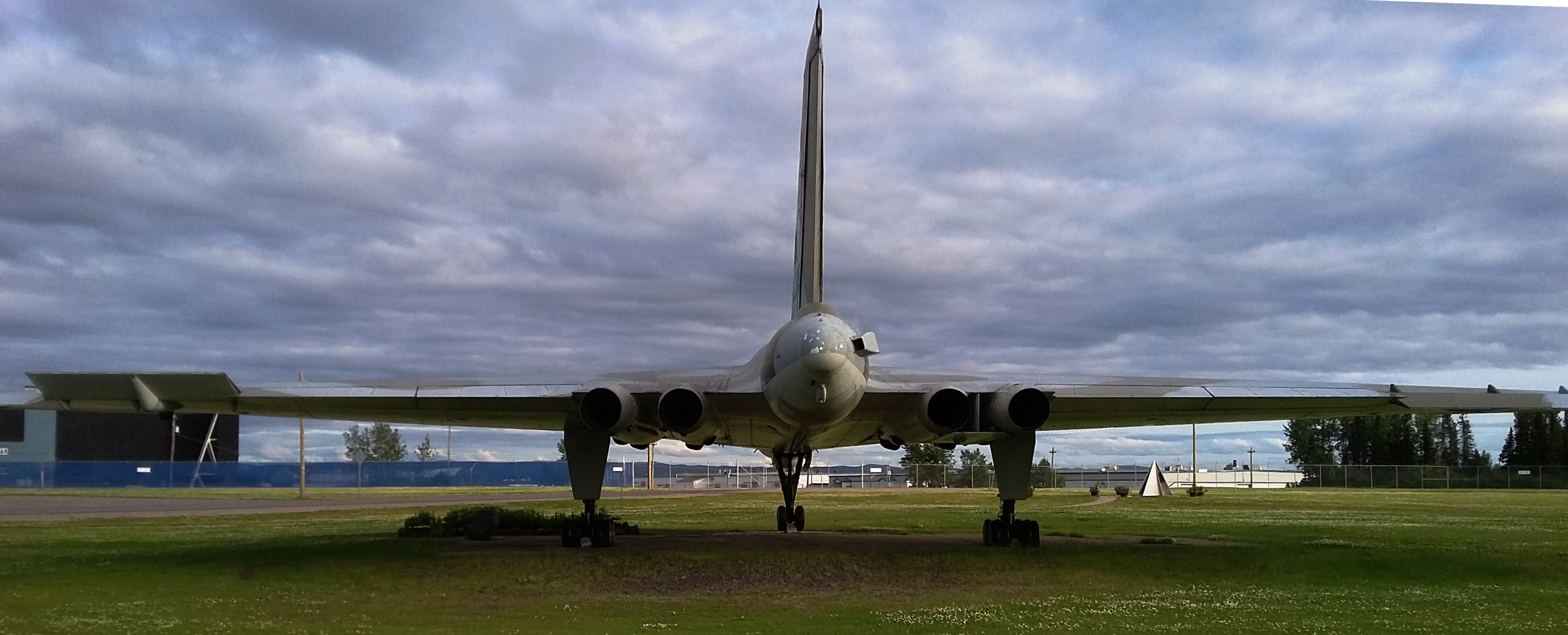
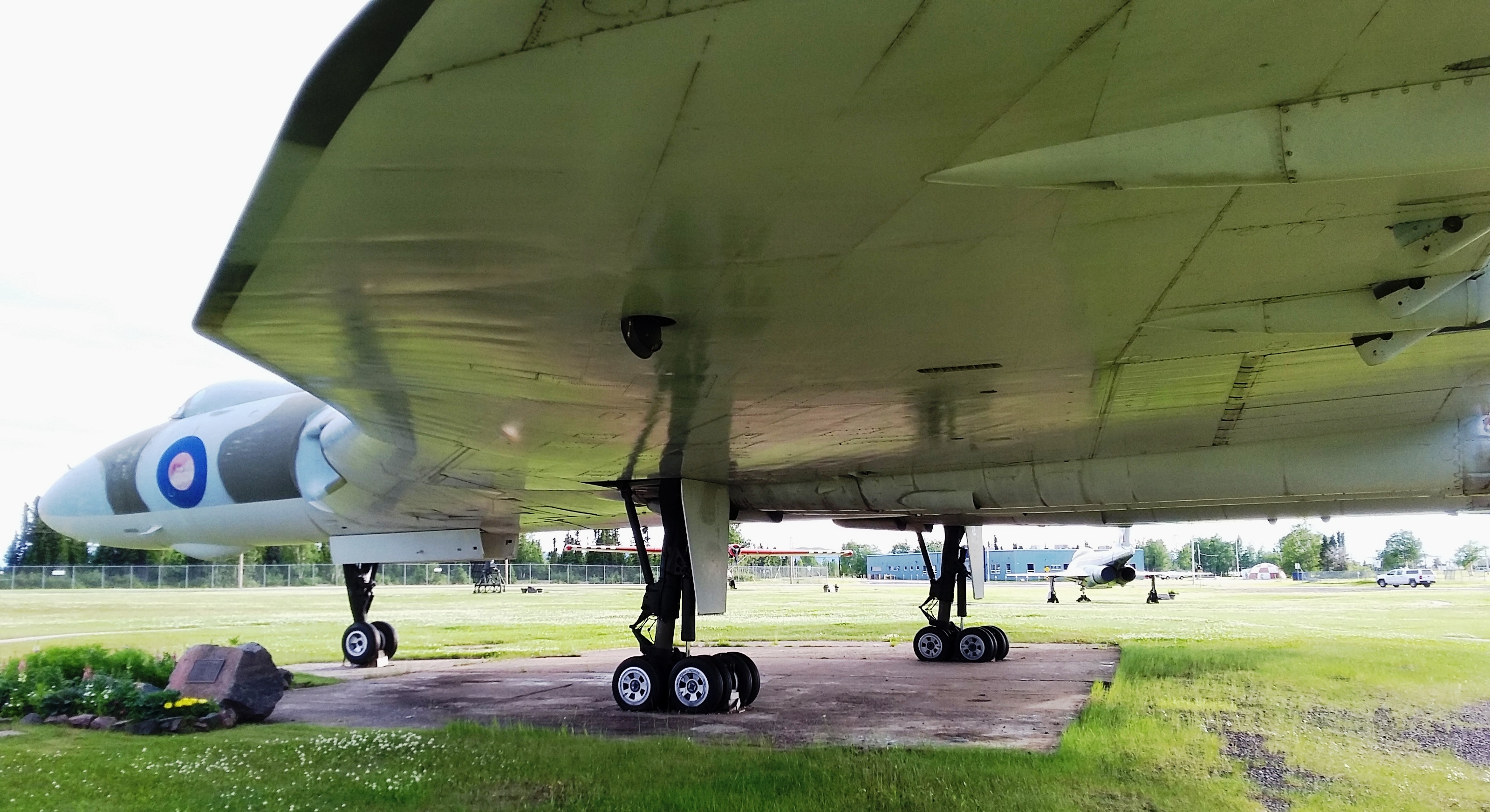
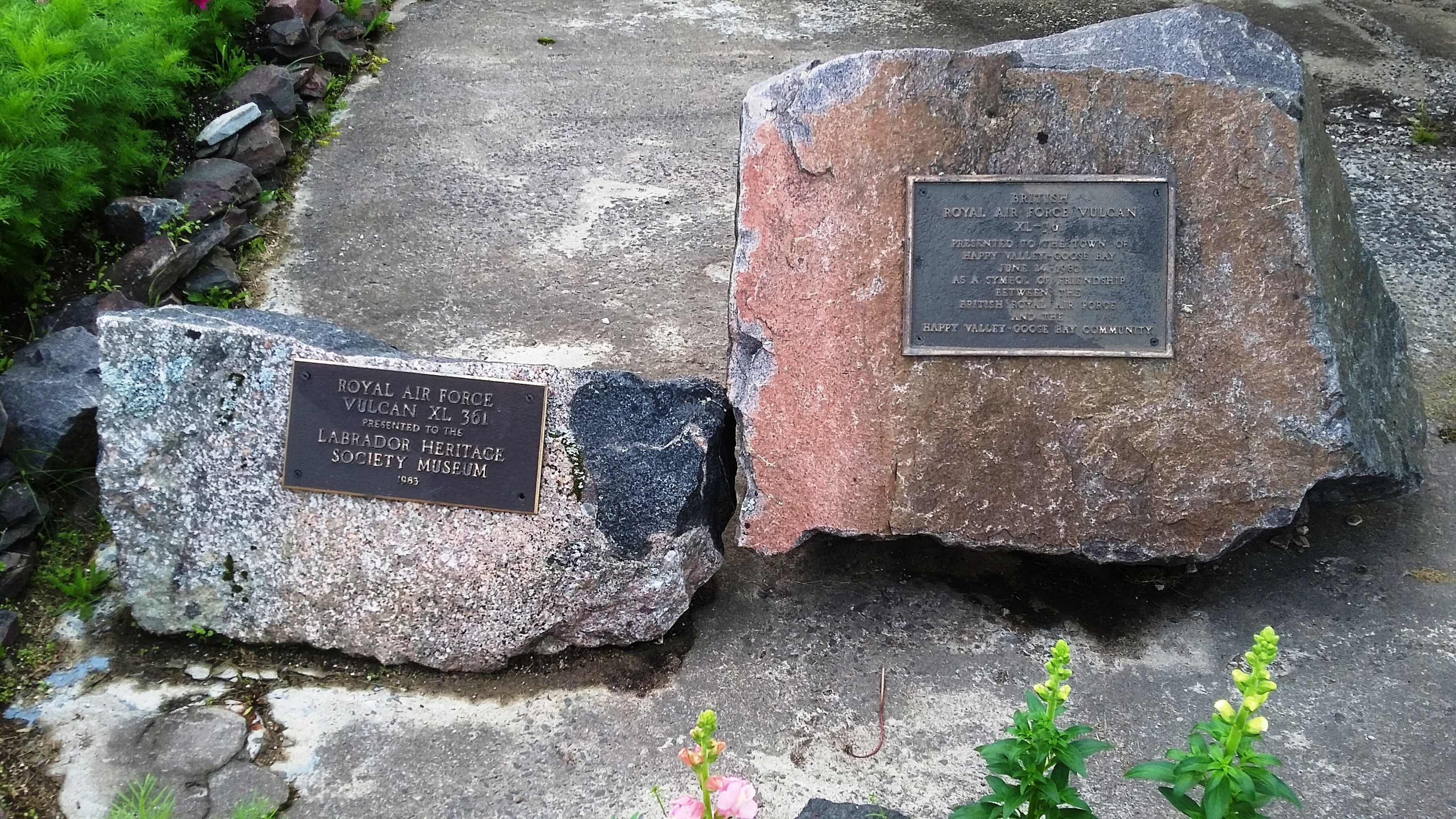
(Chris Charland Photos)
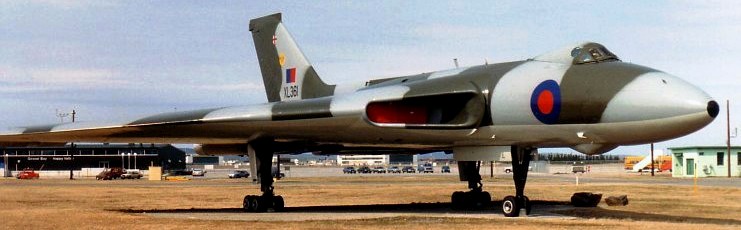
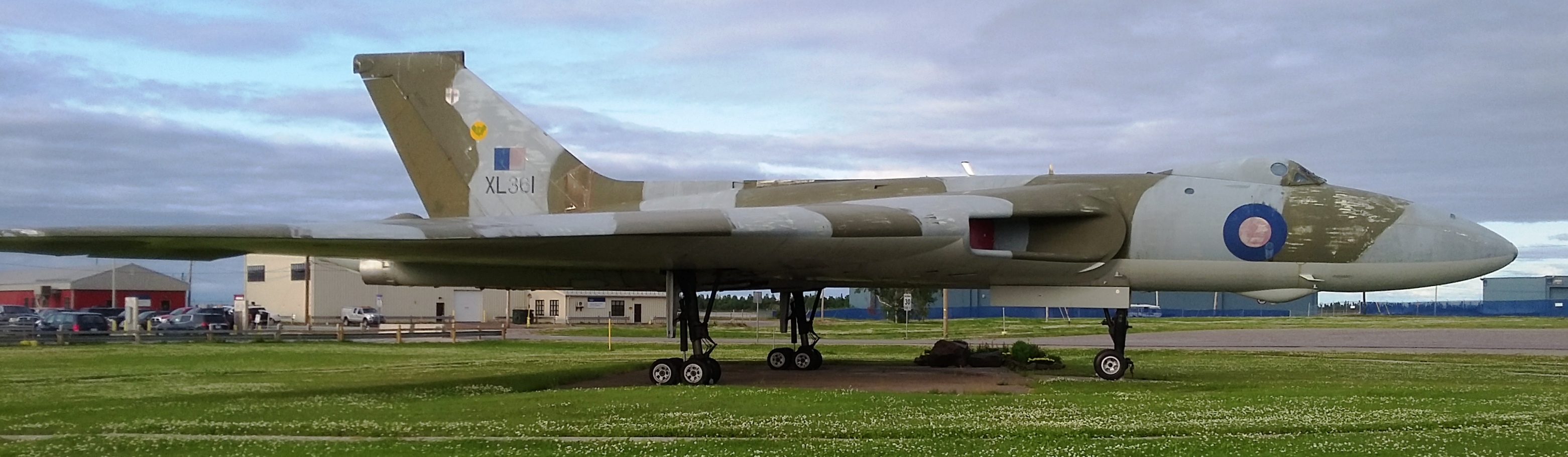
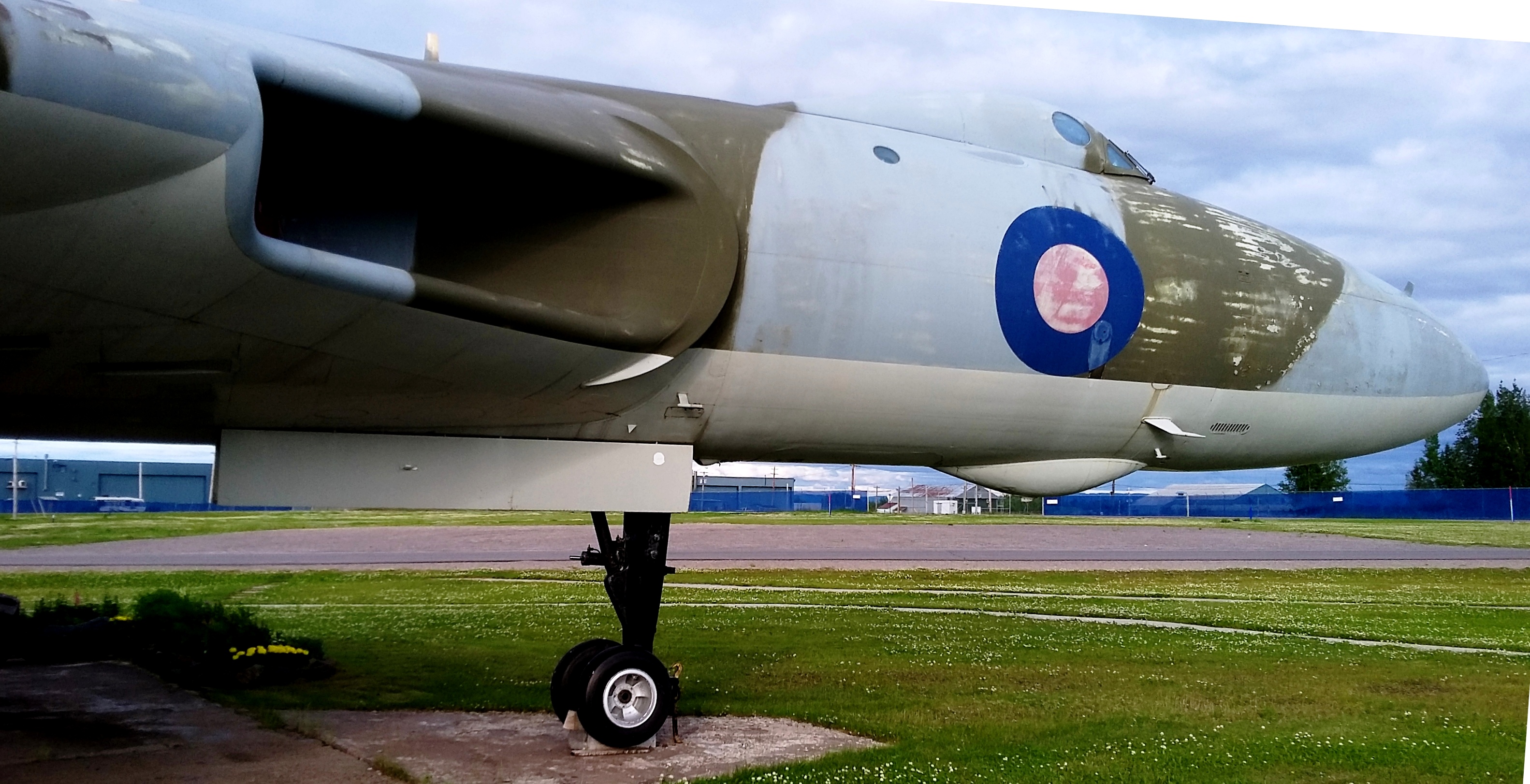
Avro B.2 Vulcan (Serial No. XL 361). Avro B.2 Vulcan (Serial No. XL 361), CFB Goose Bay. Completed 14 March 1962, being delivered to 617 Squadron the next day. Latterly with 9 Squadron, due to a fire in the fuselage during a trans-Atlantic flight from Woodford to Offutt AFB in Nebraska, XL361 had to make an emergency landing at CFB Goose Bay on 13 November 1981, site of an RAF unit and used regularly as a Vulcan exercise base. With the fleet being retired, it was not repaired, instead being positioned as the RAF unit’s gate guardian. At the request of the mayor of the adjacent town of Happy Valley, the RAF gifted it to the community on 14 June 1982, on condition it was displayed within the locality in a dignified manner in RAF colours, with any future changes in its status to be agreed with the British government. Presented to the Labrador Heritage Society Museum in 1983 but remaining at the airbase, which doubles as a civilian airport, it is still displayed in the open air.
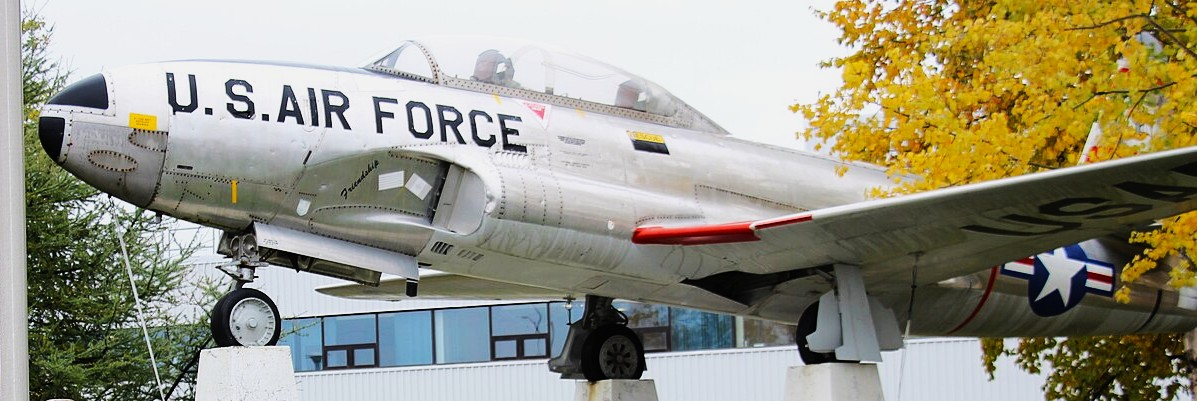
(US Embassy Canada Photo)
Lockheed T-33A Shooting Star, USAF (Serial No. 53-5413), silver, mounted on concrete pylons in Happy Valley.
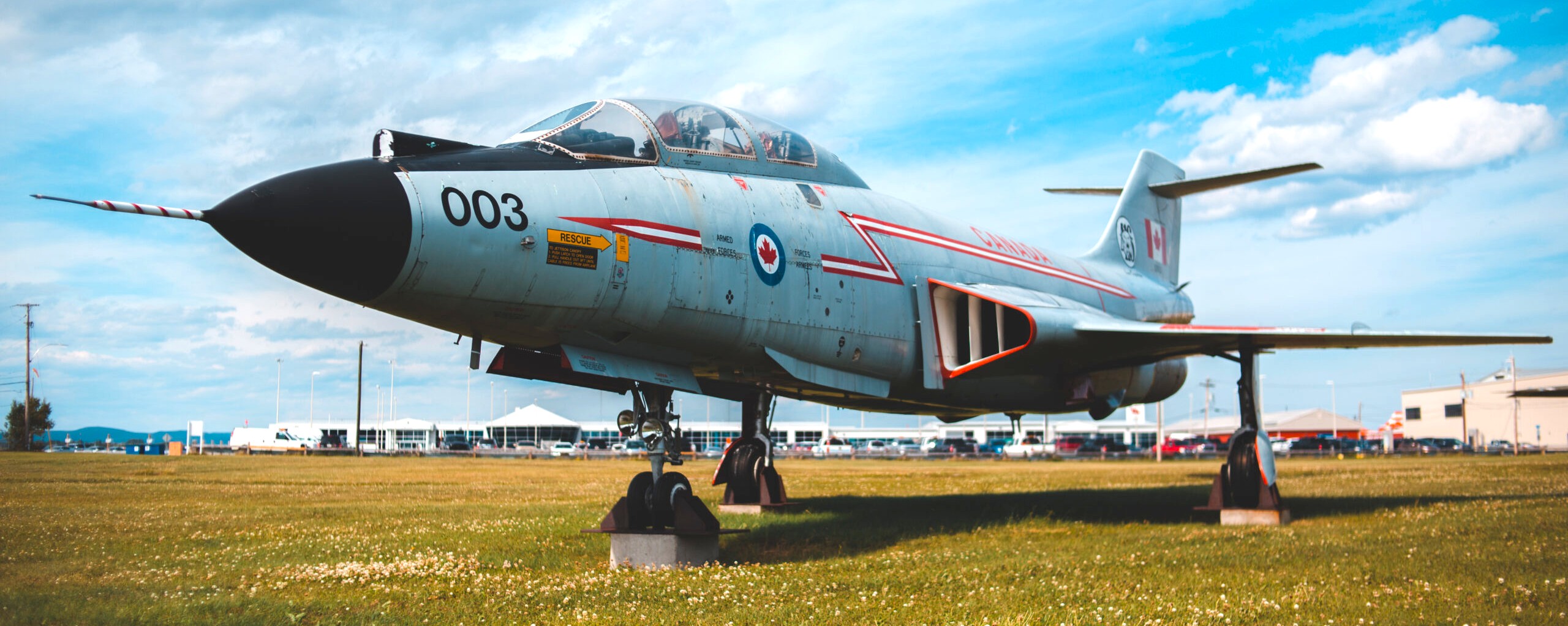
(5 Wing RCAF Photo)
McDonnell CF-101F Voodoo (Serial No. 101003), USAF (Serial No. 56-0262).
Harbour Grace
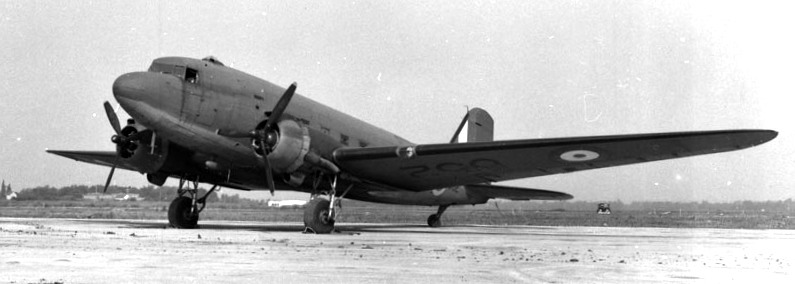
(Library and Archives Canada Photo, MIKAN No. 3583024)
Douglas Dakota Mk. 1 (Serial No. 652) from No. 164 (T) Squadron in RCAF service as a medevac aircraft. This Dakota had a long post-war service with the RCAF and later Canadian Armed Forces. It became CAF (Serial No. 12936) in 1970. It last served with No. 429 Squadron in Winnipeg, Manitoba.
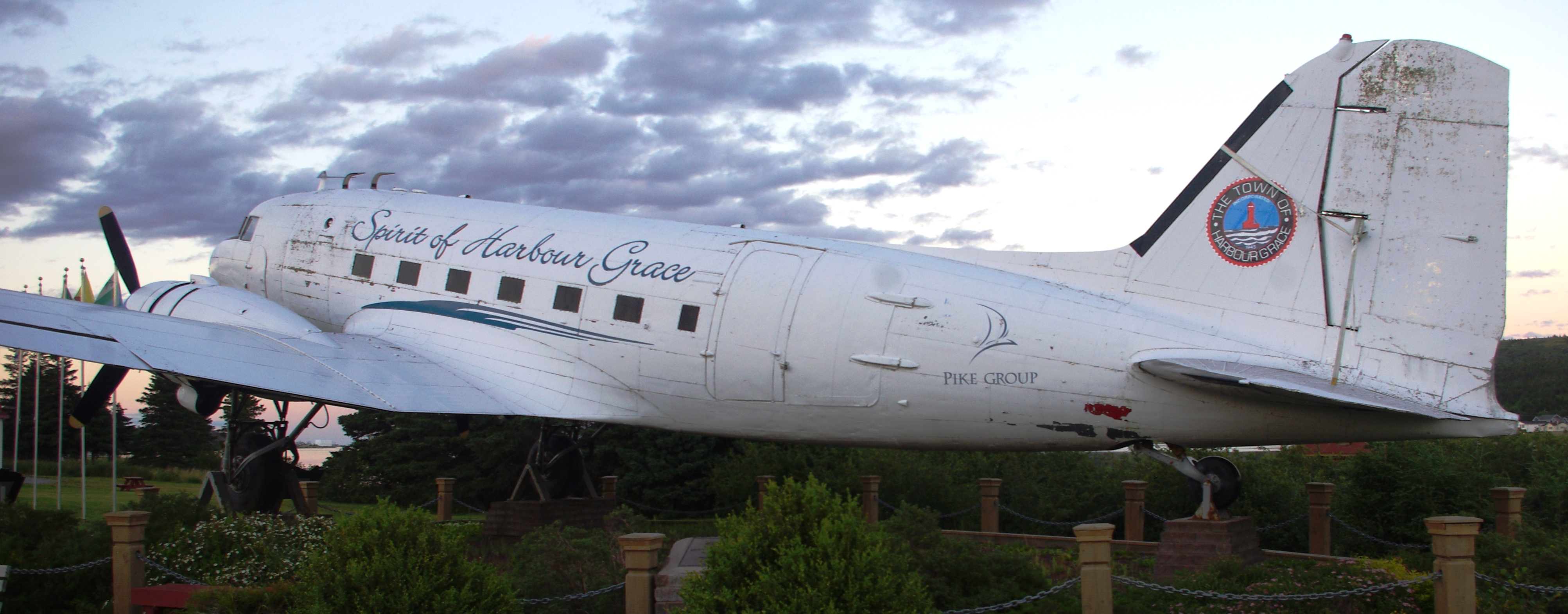
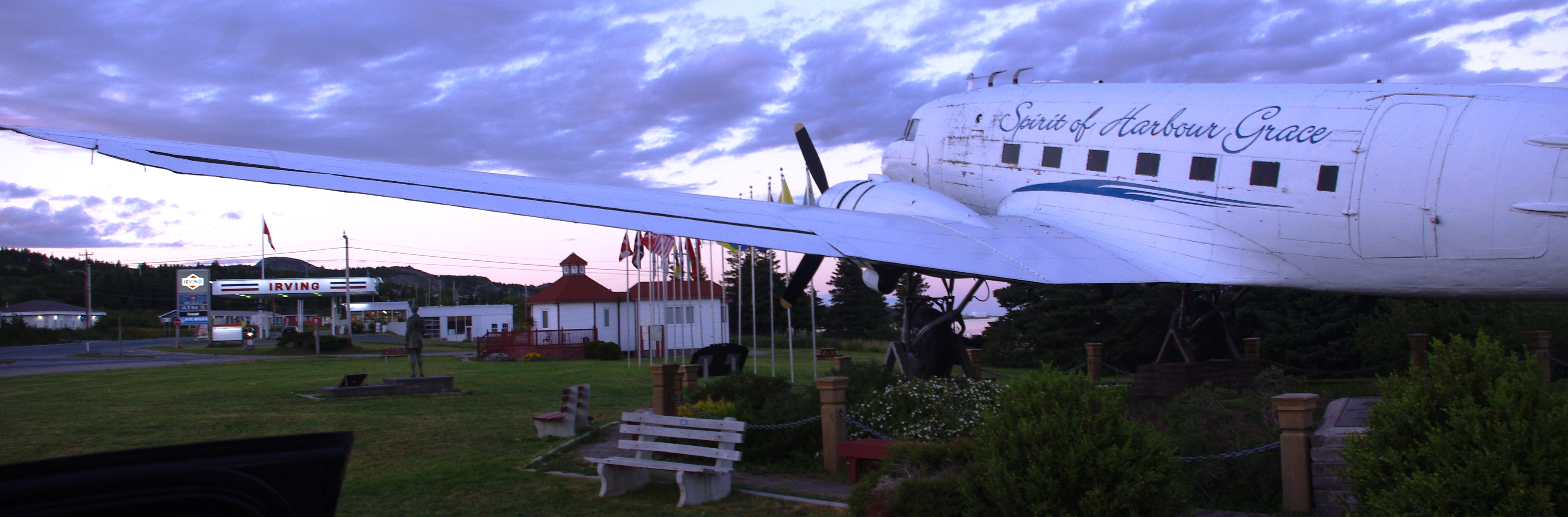
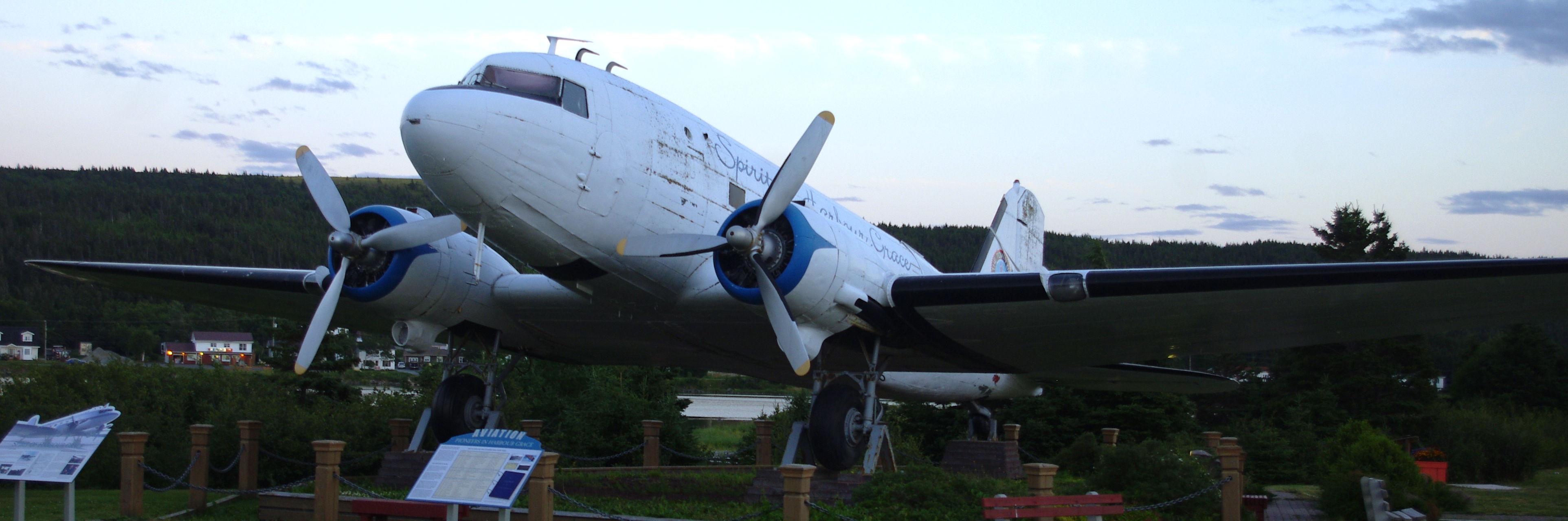
(Maxwell J. Toms Photos)
Douglas DC-3, CF-QBI, ex-Labair, “Spirit of Harbour Grace“, mounted on a pylon.
Stephenville International Airport
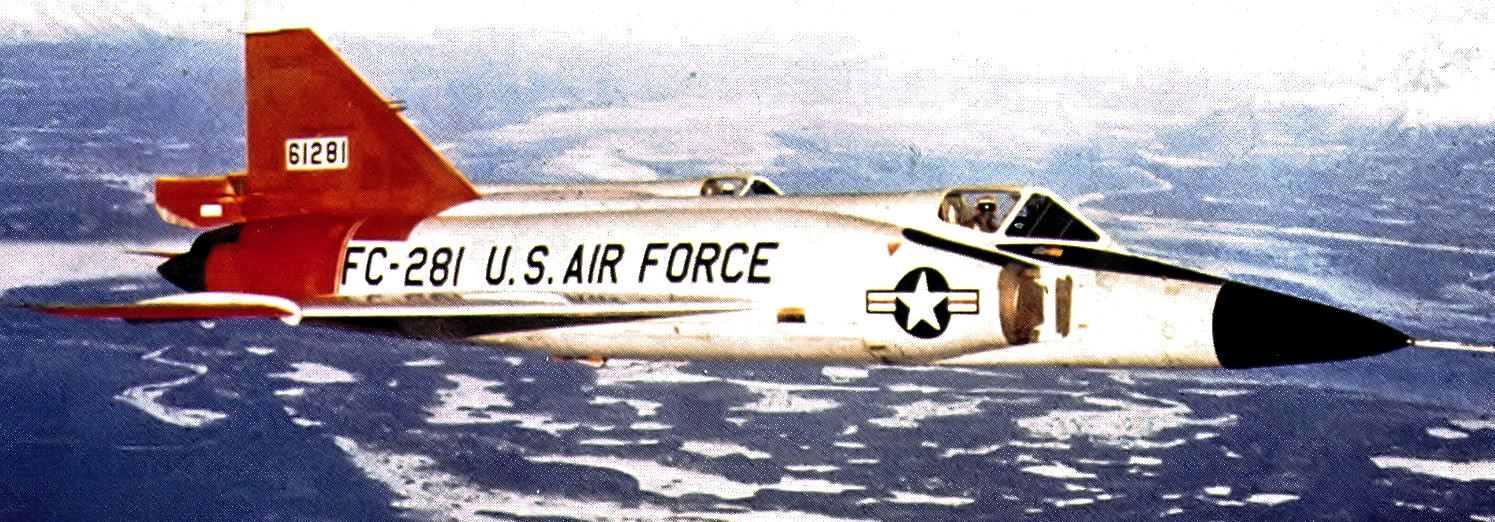
(USAF Photo)
Convair F-102A-75-CO Delta Dagger (Serial No. 56-1281).
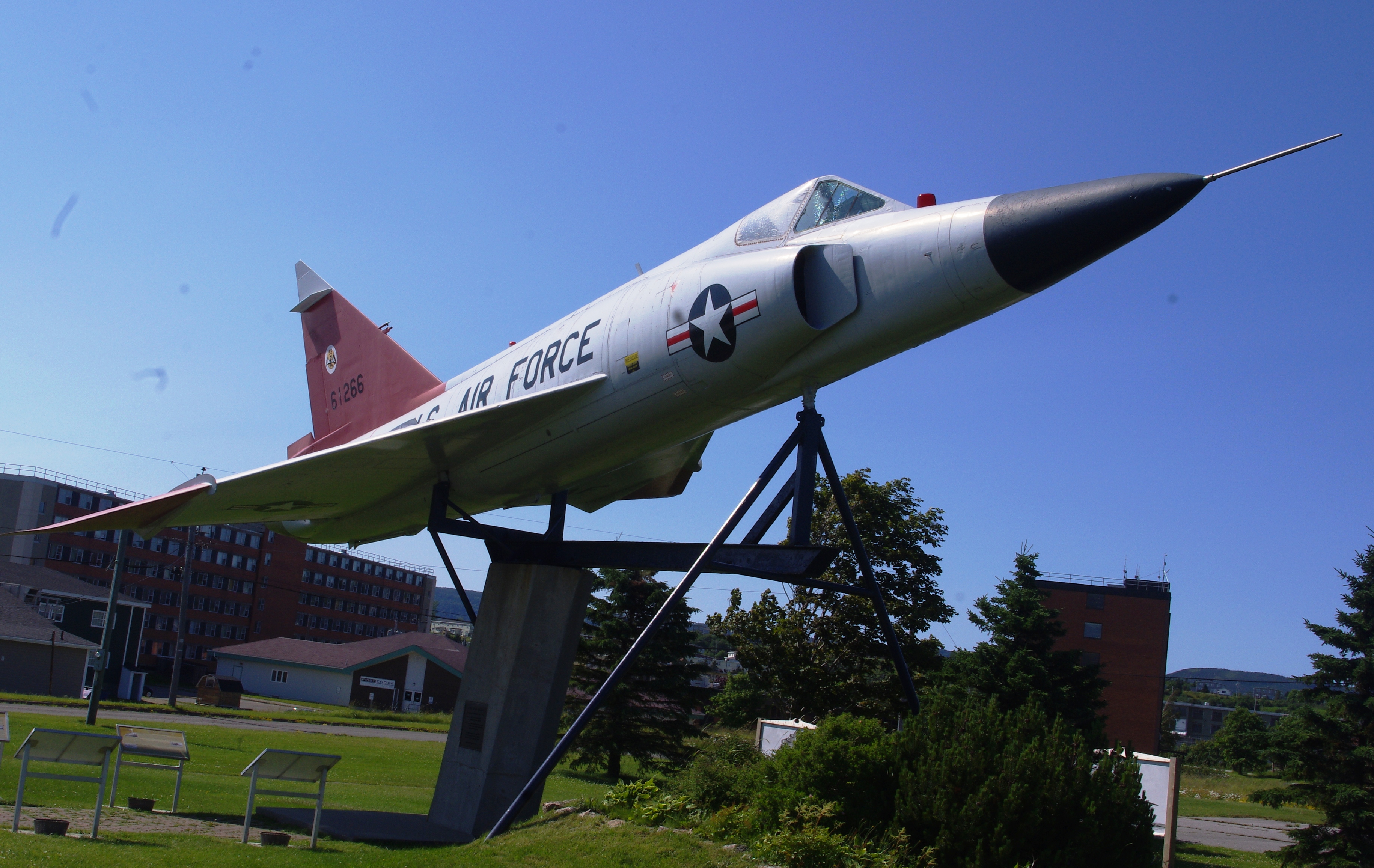
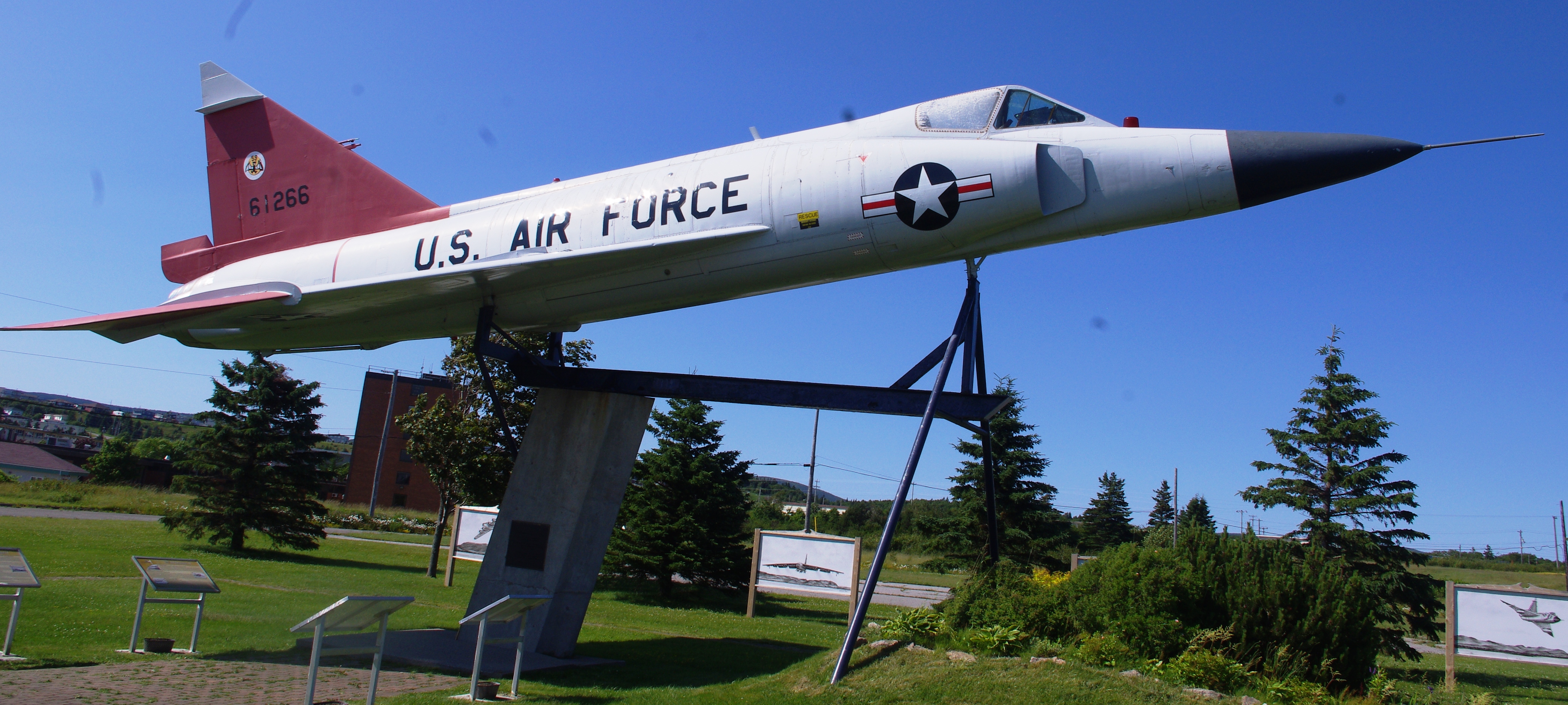
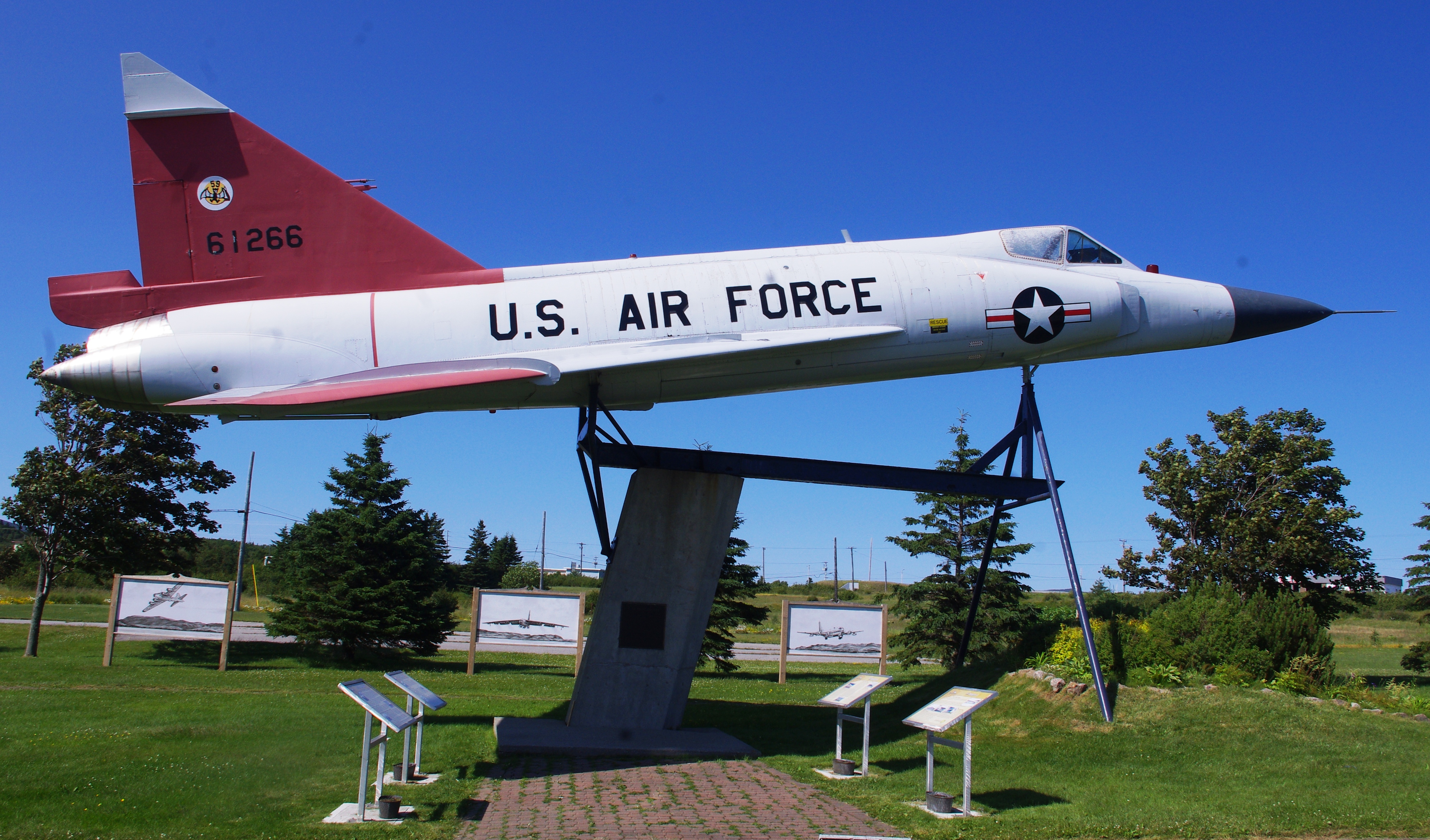
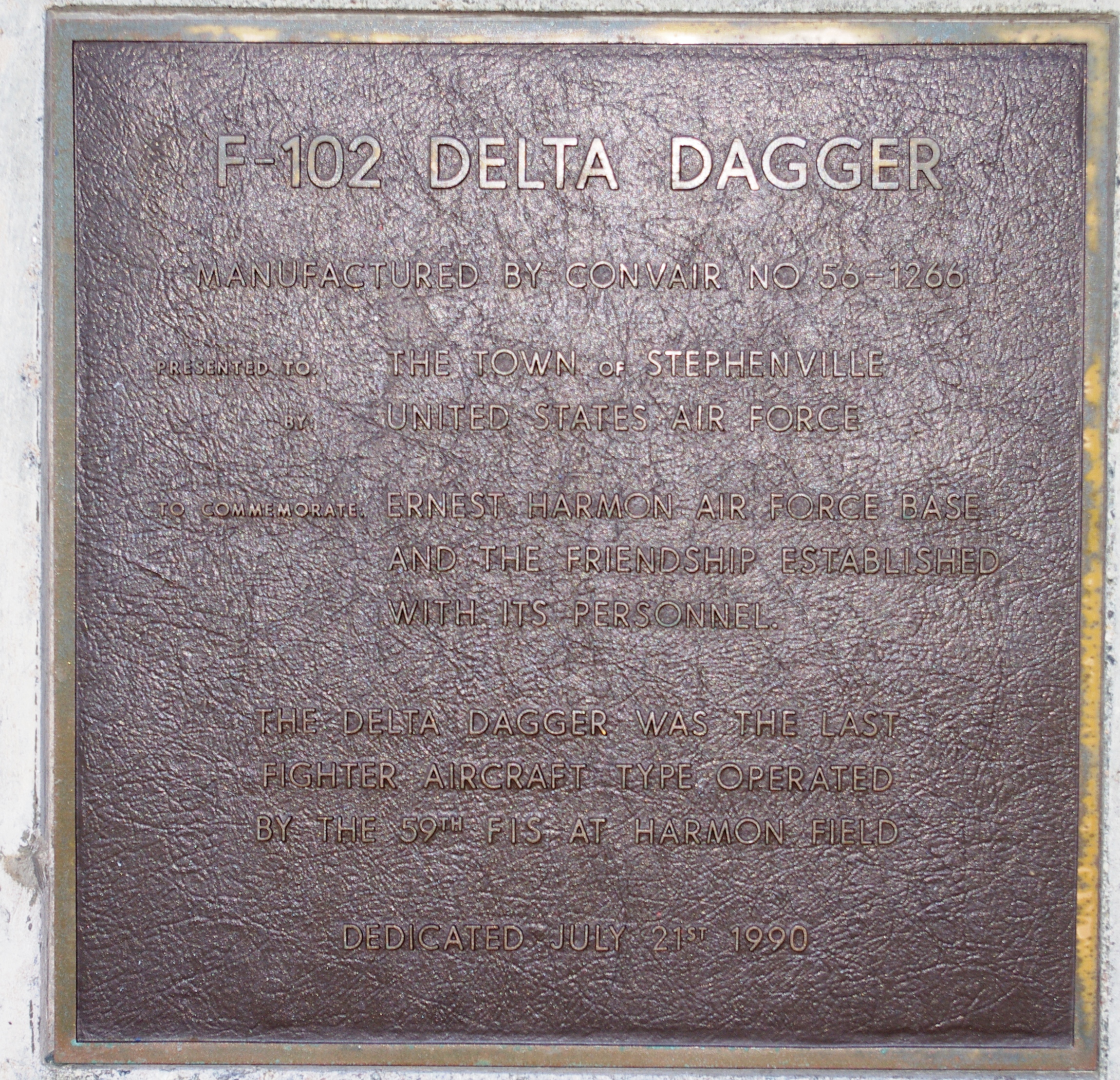
(Maxwell J. Toms Photos)
Convair F-102A Delta Dagger.
Convair F-102A Delta Dagger (Serial No. 56-1266), USAF colours, mounted at the former Ernest Harmon US Air Force Base, Newfoundland, now Stephenville International Airport. Stephenville Air Base was renamed “Ernest Harmon Air Force Base” on 23 June 1948, in honor of Captain Ernest Emery Harmon. Capt Harmon was a US Army Air Corps pilot who was killed in an air crash in 1933.
The USAF 323d Fighter-Interceptor Squadron was assigned to Air Defense Command duties at Ernest Harmon Air Force Base on 15 Oct 1957, where it was inactivated on 1 July 1960. Its mission became air defense of the Newfoundland Straits and the Great Circle polar route from the Soviet Union over Greenland to Canada and the United States. In 1960 it was assigned directly to the Goose Air Defense Sector, but was inactivated later that year due to the emerging threat of missiles rather than manned aircraft.
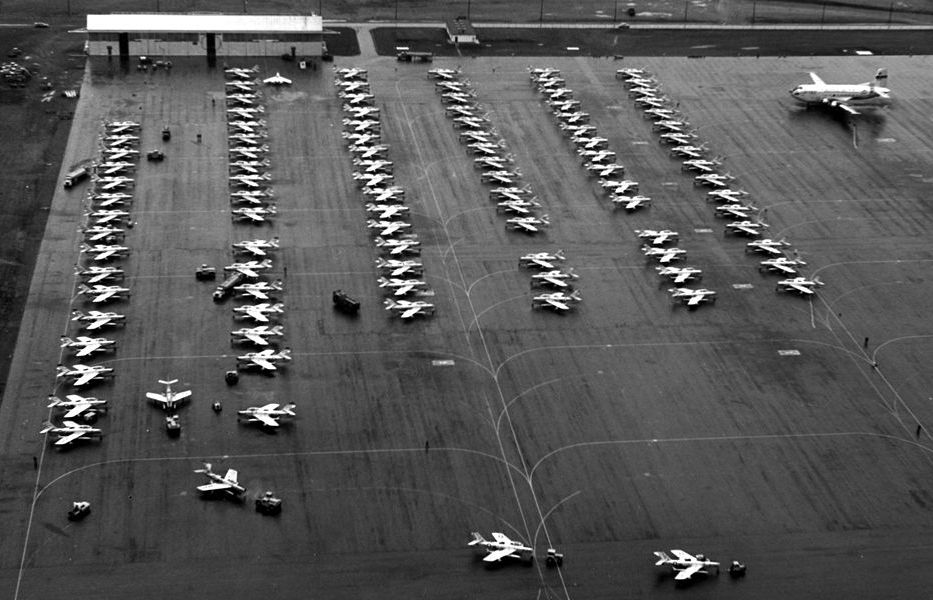
(NMUSAF Photo)
101 Republic F-84F Thunderstreak fighters of the U.S. Air National Guard and a single Douglas C-124 Globemaster II at Ernest Harmon Air Force Base, near Stephenville, Newfoundland, Nov 1961, prior to flying the Atlantic to Europe in response to the Berlin Crisis. Because of the long over-water distance to the next airfield in the Azores, the planes were towed to the end of the runway prior to takeoff to conserve fuel. During this Operation Stair Step deployment of more than 200 fighter aircraft (the largest overseas movement of a fighter force since the Second World War), not a single aircraft was lost.
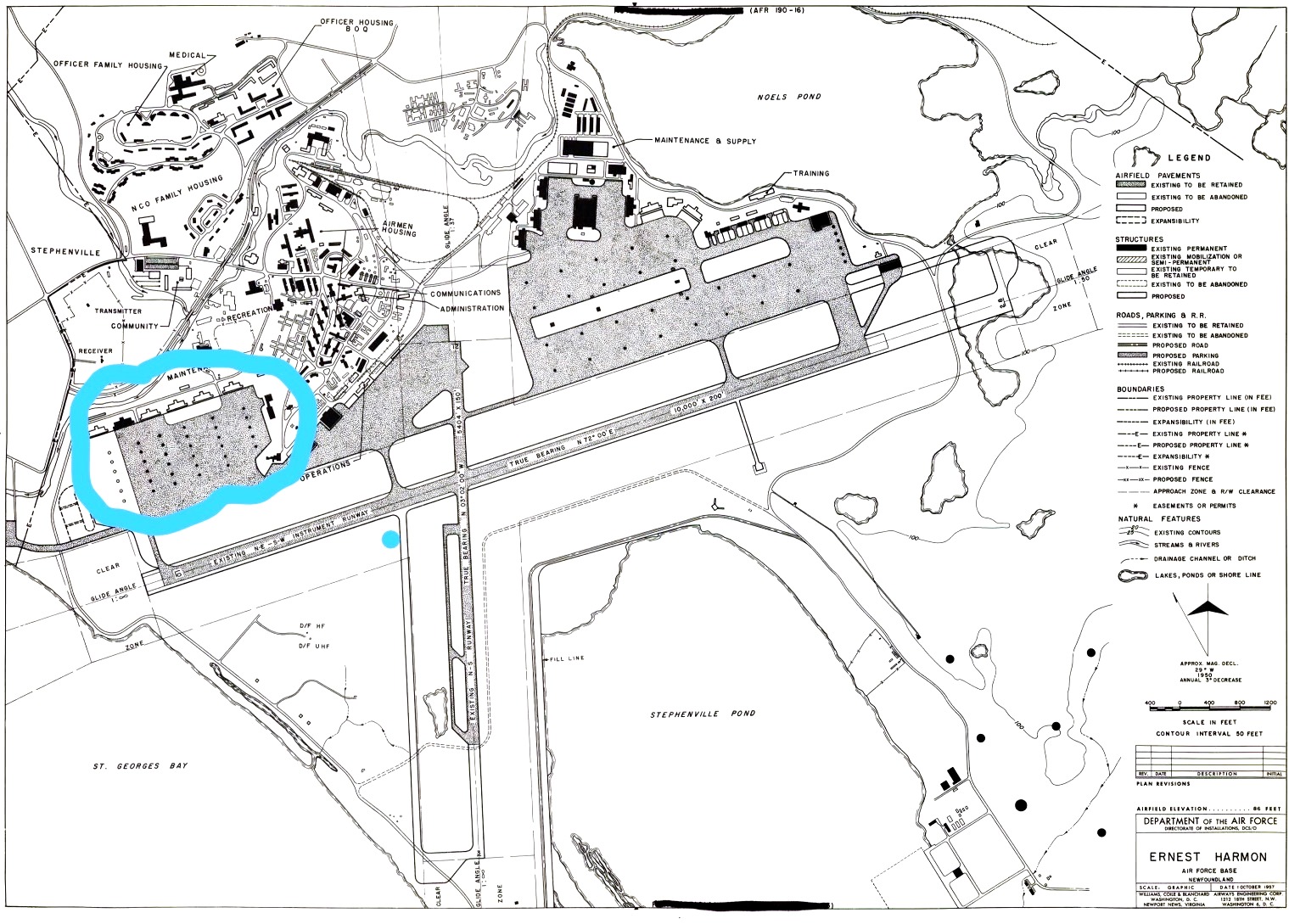
Ernest Harmon Air Force Base, Newfoundland, Master Plan, 1957, courtesy of Mark White.
Ernest Harmon Air Force Base is a former United States Air Force base located in Stephenville. The base was built by the USAAF in 1941 under the Destoyers for Bases Agreemen with Britain. From its establishment in 1941 until 31 March 1949, the base was located in the Dominion of Newfoundland. When the Dominion of Newfoundland was admitted to the Canadian Confederation on that date, it became the 10th province of Canada. The agreement enabling the base’s existence, from 1941 until closure in 1966, enabled it to function as a de facto enclave of United States territory within, first the Dominion of Newfoundland and later Canada, making US military personnel stationed at the base subject to the Uniform Cod of Military Justice.
Following its closure in 1966, the base property was relinquished by the Government of the USA to the Government of Canada, under the terms of the original deal. The Government of Canada subsequently transferred the base property to the Government of Newfoundland and Labrador, which established the Harmon Corporation to oversee the disposition and use of the base property and facilities.
The airfield is now operated as Stephenville International Airport while many of the base’s support buildings and housing have been incorporated into the town of Stephenville.
St John’s
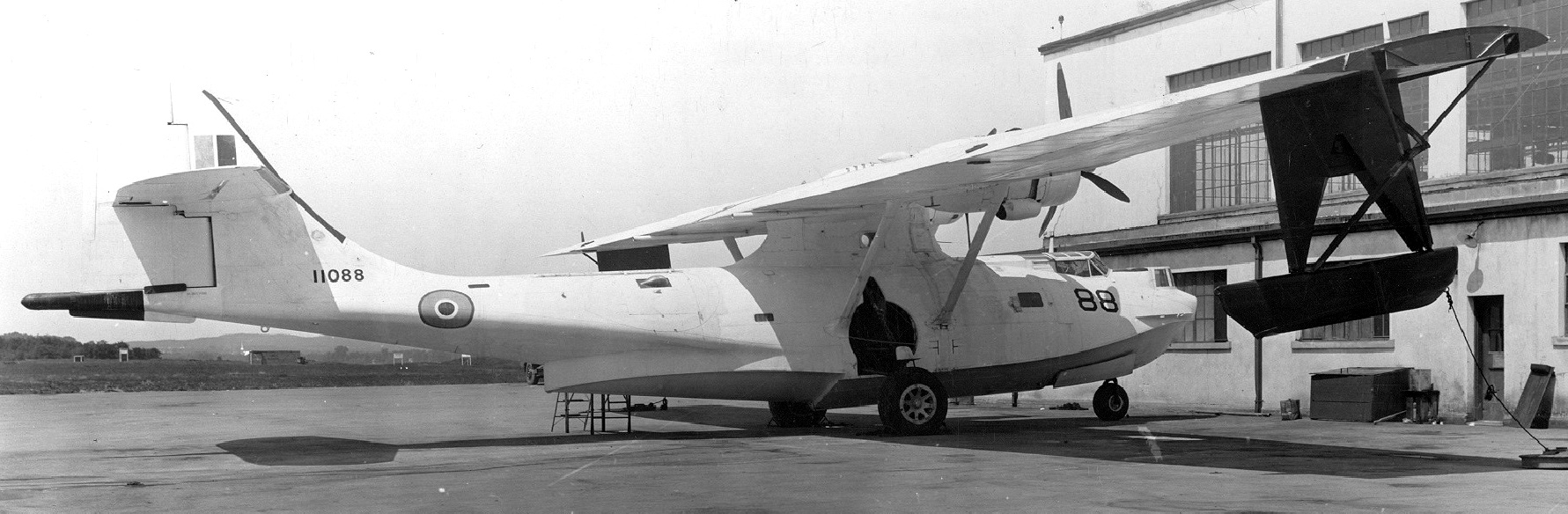
(Natural Resources Canada Photo)
Canadian Vickers Canso 2F, RCAF (Serial No. 11088), with magnetometer installed in the tail boom. This aircraft was on indefinite loan to the Federal Department of Mines from 1949 to 1958, Reg. No. CF-GMS. 11088 was taken on strength on 5 Jun 1944. Delivered new to storage. First issued to a unit on 8 Jul 1944. Operated by No. 160 (BR) Squadron from RCAF Station Torbay, Newfoundland, Aug to Sep 1944. Scheduled for transfer to No. 162 (BR) Squadron, but instead went to No. 116 (BR) Squadron at RCAF Station Sydney, Nova Scotia on 2 Oct 1944. To stored reserve on 10 Jul 1945. Stored post war at Mount Pleasant, Prince Edward Island, with 463:25 airframe time. To Fairchild Aircraft in Longueil, Quebec 26 May to 15 Jul 1947, for conversion to Mk. 2F freighter. To Canada Car and Foundry 11 Aug to 4 Sep 1947 for re-conditioning, issued to North West Air Command when completed. Used by K Flight out of RCAF Station Edmonton, Alberta for Operation Beetle, construction of LORAN sites in the Canadian Arctic. Reported on 1 Dec 1947 as “time since new 581:40, condition good, fitment VIP, on loan for Operation Beetle”. Reported with No. 123 (CR) Flight at Sea Island in 1948, not confirmed. To National Research Council at Arnprior, Ontario in Apr 1948, probably for MAD trials. To de Havilland Canada on 10 Feb 1949 for fuel tank repairs. Loaned to federal Department of Mines on 13 Jun 1949, with MAD gear installed. Returned to RCAF at No. 6 Repair Depot on 28 Jul 1958. Available for disposal from 16 Aug 1960. Sold to Quebec Department of Lands and Forests. To civil register as CF-PQM. Used by Quebec as a fire bomber until 1993. Later with Buffalo Airways. By 2006 owned by Patrick Whyte, as C-FPQM, who intends to use the aircraft in 2007 to re-enact the first commercial trans-Atlantic flight from Botwood, Newfoundland to Ireland. R.W.R. Walker.
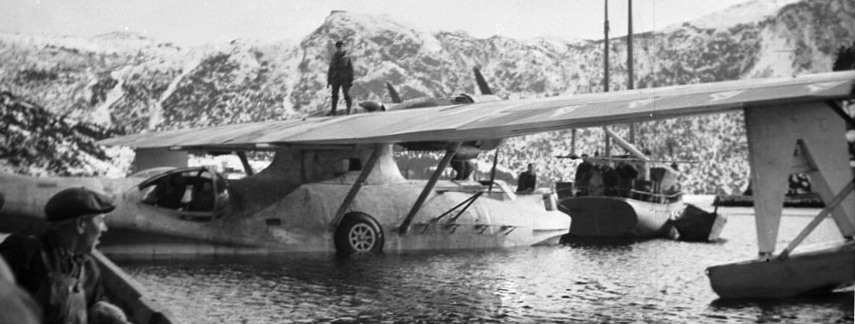
(Library and Archives Canada Photo, MIKAN No. 3388269)
Boeing Canada Canso A, RCAF (Serial No. unknown), No. 116 (BR) Squadron, Newfoundland, 13 Oct 1944.
No. 116 (BR) Squadron was originally formed as a Coast Artillery Co-operation squadron until it was disbanded in 1939, and then reformed at Dartmouth, Nova Scotia on 28 Jun 1941, equipped with nine Catalina Mk. 1s and serving as a Bomber Reconnaissance squadron. It was primarily used in an anti-submarine role and was based at Dartmouth and Sydney, Nova Scotia and Gander, Newfoundland, flying the Catalina and later, the Canadian-built Boeing Canada Canso A, before disbanding on 20 Jun 1945. During its operational service the squadron operated out of Botwood, Newfoundland, Shelbourne, Nova Scotia, Gander, Newfoundland, and Sydney, Nova Scotia.
Canadian Vickers PBV-1A Canso A, C-FNJC, CV-430).
St. Anthony
Consolidated PBY-6A Canso, USN (BuNo. 46655), c/n 2019, C-FIZU. This Canso variant had a taller vertical tail, increased wing strength for greater carrying capacity, new electrical system, a standardized “eyeball” turret, and a radome over the cockpit for radar.
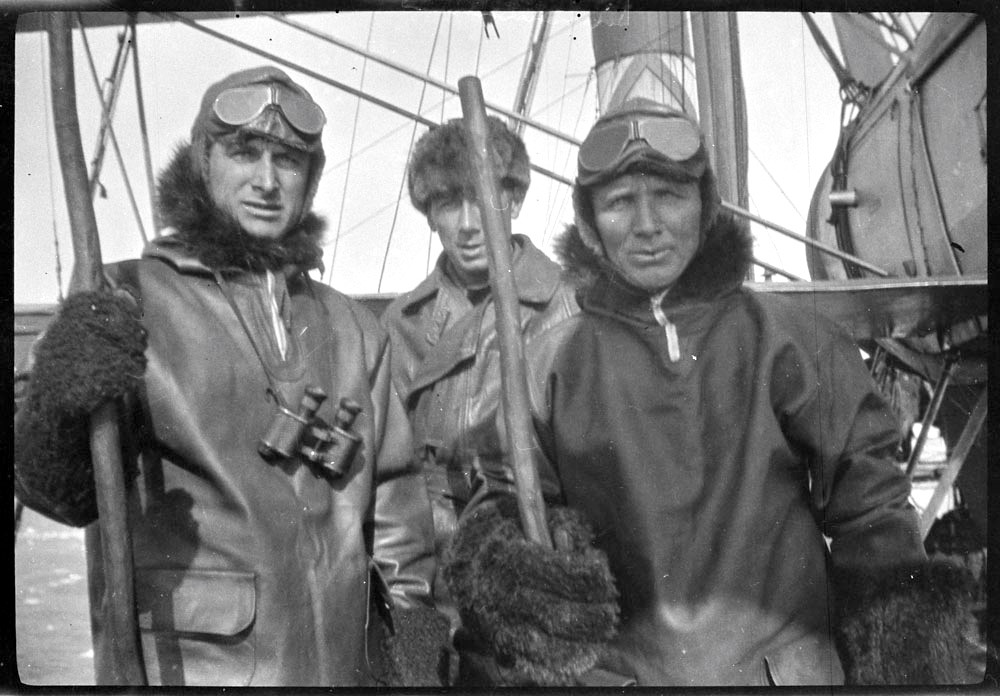
(Library and Archives Canada Photo, MIKAN No. 3598242)
Aircrew with Baby Avro seaplane aboard S.S. EAGLE of Bowring Bros. Ltd., 1924. The man on the left is Roy Grandy, ex-RFC, CAF, RCAF, later Group Captain Grandy, C/O in Gander, NL. Born in Newfoundland.
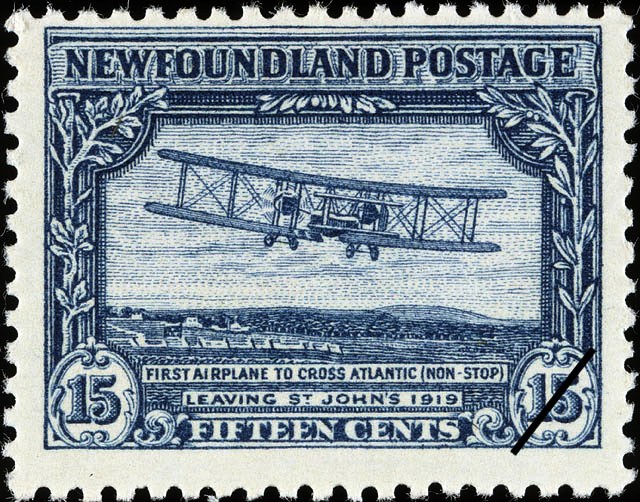
(Library and Archives Canada Photo, MIKAN No. 2255921)
Newfoundland 15 cent stamp, 1930, commemorating the Vickers Vimy flight across the Atlantic in 1919 by Alcock and Brown.
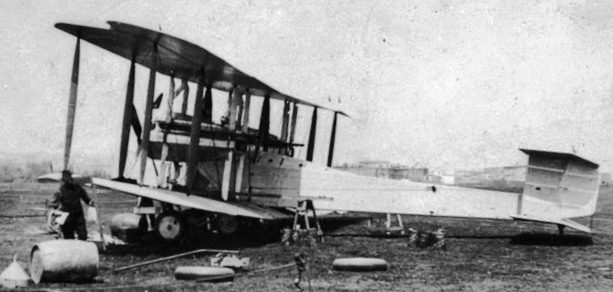
(Library and Archives Canada Photo, MIKAN No. 3194177)
Vickers Vimy, Capt John Alcock & Lt Arthur Whitten Brown, Lester’s Field, June 1919.
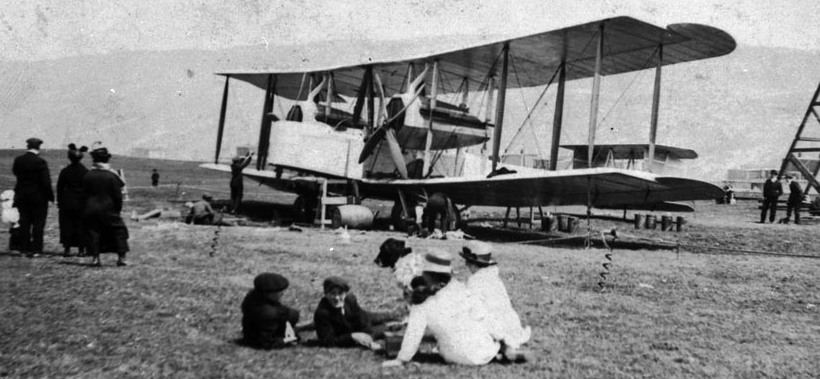
(Library and Archives Canada Photo, MIKAN No. 3194178)
Vickers Vimy, Capt John Alcock & Lt Arthur Whitten Brown, Lester’s Field, June 1919.
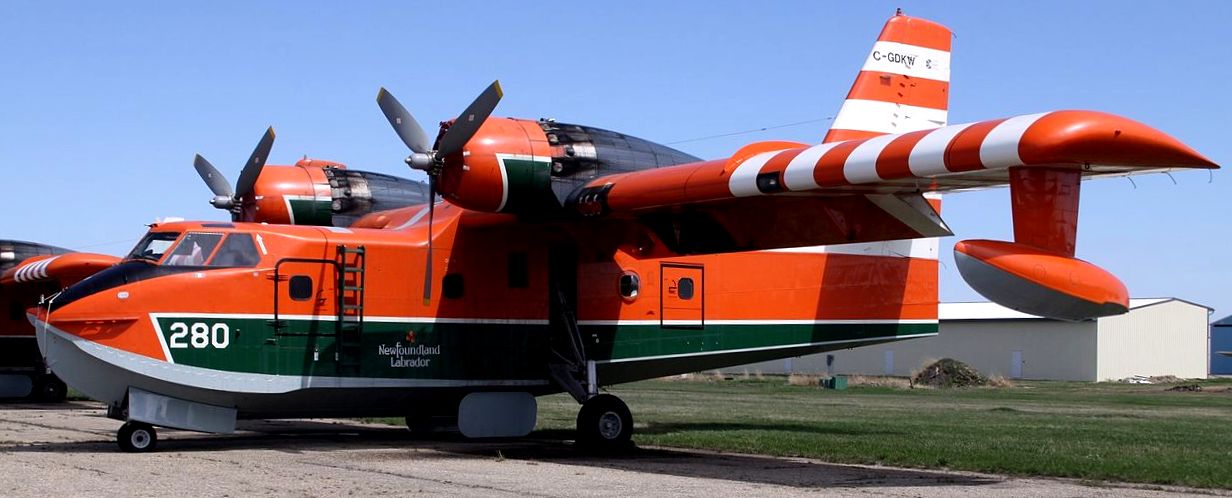
(aerorpints.com)
Canadair CL-215 (Scooper) C-GDKW, operated by the Government of Newfoundland and Labrador. The CL-215 is firefighting water bomber built by Canadair and later Bombardier. The twin engined CL-215 is designed to operate well at low speeds and in high gust-loading environments like as those found in forest fires.
(Quintin Soloviev Photo)
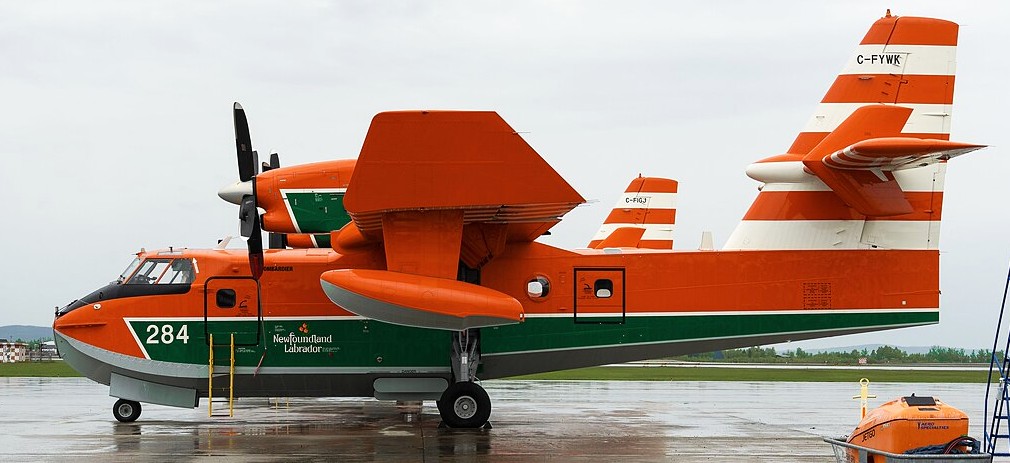
Government of Newfoundland and Labrador Canadair CL-415 (C-FYWK) water bomber 284, at CFB Goose Bay in Happy Valley-Goose Bay, Labrador.
(Bob Laura Photo)
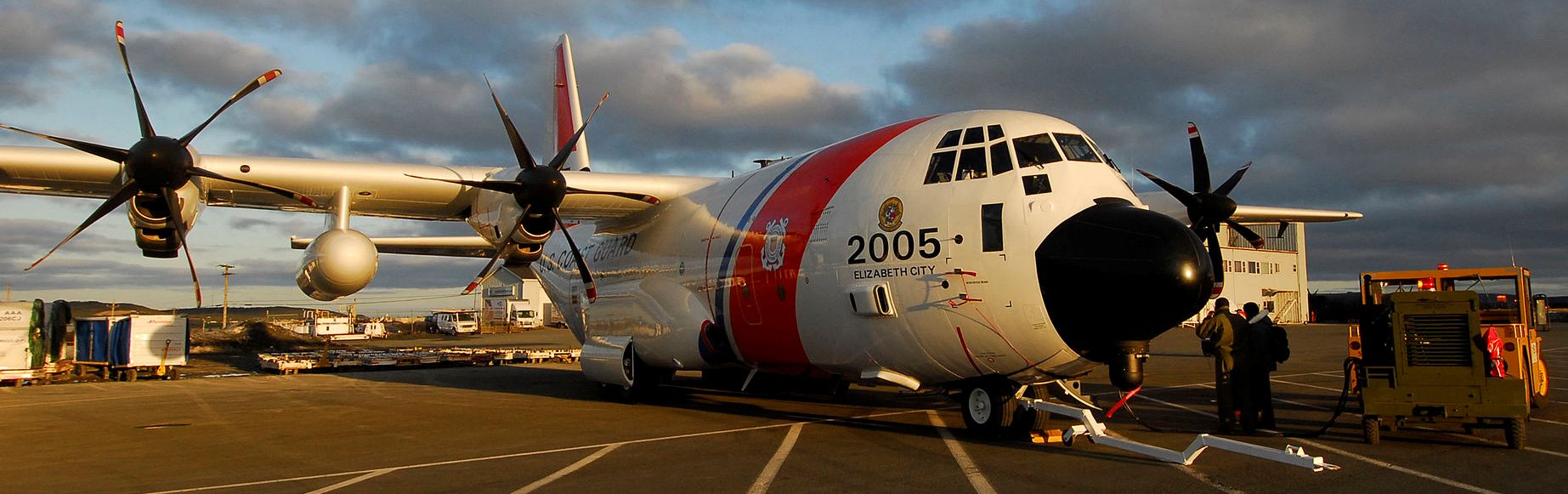
Lockheed C-130J Hercules from U.S. Coast Guard Air Station Elizabeth City, North Carolina, visiting St. John’s. The crewmembers are conducting routine safety checks on the aircraft in preparation for a mission supporting the International Ice Patrol as they search the North Atlantic for icebergs, 30 Mar 2012. The air crew was deployed to St. John’s on an aerial reconnaissance mission supporting the International Ice Patrol as it gathers data on ice conditions, icebergs and their movements in the North Atlantic. The headquarters of the International Ice Patrol is in New London, Connecticut. (Chief Petty Officer Bob Laura Photo, US Coast Guard)
Aviation visitors to Newfoundland
(Library and Archives Canada Photo, MIKAN No. 3390221)
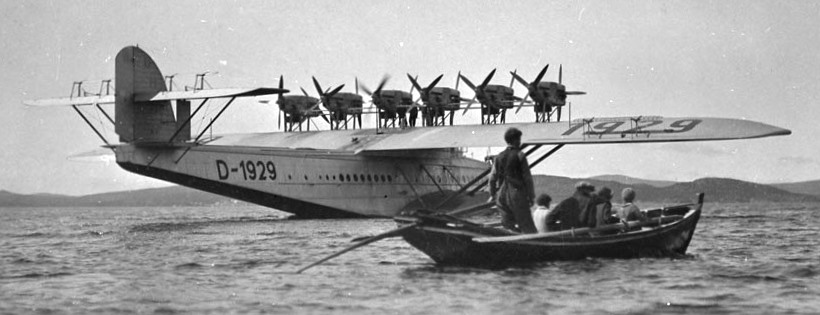
German Dornier DO-X flying boat (Serial No. D-1929) off the coast of Dildo, Newfoundland, May 1932.
2024, Canadian Warplanes II.
All comments are subject to our Comment Policy. You must be at least 18 years old to comment.
See a comment that violates our guidelines? Report it here.