
Canadian Sexton SP 25-pounder self-propelled guns preserved overseas
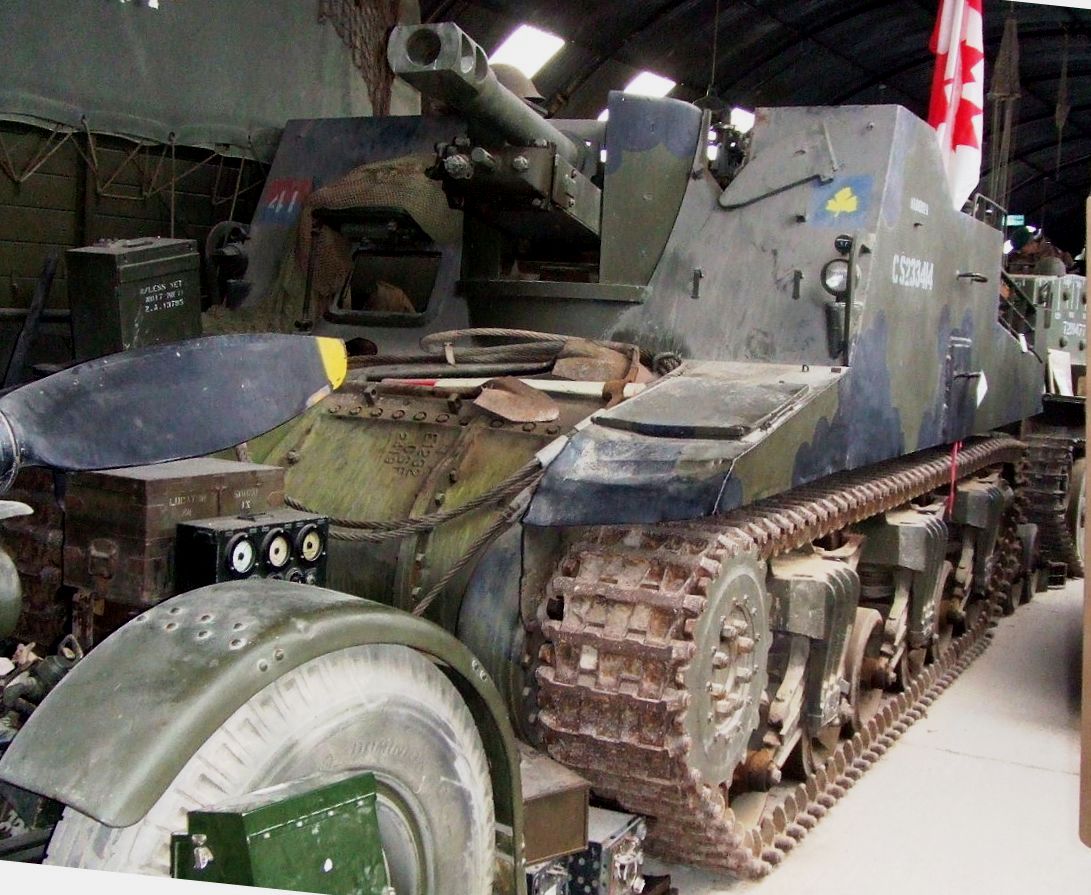
(Hugh Llewelyn Photo)
Sexton SP Gun, CS233414, The Cobbaton Tank Museum, Cobbaton, Chittlehampton, Umberleigh, UK.
Sexton SP 25-pounder self-propelled gun
The 25-pounder SP, tracked, Sexton was a self-propelled artillery vehicle of Second World War, based on an American tank hull design, built by Canada for the British Army, and associated Commonwealth forces, and some of the other Allies. It was developed to give the British Army a mobile artillery gun using their Ordnance QF 25-pounder gun-howitzer. From 1943 it replaced the US built M7 Priest (US 105-mm guns on a M3 Lee tank chassis); these had replaced the British Bishop (25-pounder on a Valentine tank chassis) which had been a temporary solution in 1942. Wikipedia.
The British government ordered 300 Sextons in the summer of 1943; however, these Sextons were to be built on Grizzly tank hulls (Canadian-built M4A1 Sherman tanks) instead of Ram tank hulls. The Ram-based Sexton was designated as the Sexton Mark I and the Grizzly-based Sexton was designated the Sexton Mark II. British orders for the Sexton II eventually totalled 2,026 vehicles.
Between 1943 and 1945, the Montreal Locomotive Works manufactured a total of 2,150 Sextons for the use of both Canadian and British forces. The vehicle entered service in September 1943. The vehicles were first used in combat in Italy by the 8th Army. Latter Sextons took an active part in the invasion of France and subsequent Battle of Normandy and the campaign in north-western Europe. During the D-day landings a number of Sextons were ordered to fire from their landing craft as they approached the beaches although the fire did not prove to be very accurate. In spite of its confused origins, the Sexton was a combination of proven parts and proved to be a successful design and remained in British service until 1956.
Unlike Germany, which often used its self-propelled guns in a front line direct fire role, Britain and Canada only used the Sexton for indirect supporting fire. They kept the Sextons well back from the front line and used forward observers to direct overwhelming fire on a target. Wikipedia.
A Canadian 24-gun Sexton artillery regiment was commanded by a LCol and organized into three batteries of eight guns. Each battery was divided into two troops of four guns each, which could be further divided into two 2-gun sections. Battery commanders were normally mounted in a tank and accompanied the commanders of the armoured regiment they were supporting. Troop commanders used an OP tank and acted as forward observers.
The Canadian Army Overseas had three SP field artillery regiments: 8th Field, 19th Field and 23rd Field. One was assigned to each Canadian armoured division, and the third was part of the Army Group Royal Artillery (AGRA) under command of Corps Headquarters. Doug Knight, The Sexton SP Gun in Canadian Service, (Ottawa, Service Publications, 2006), p. 17.
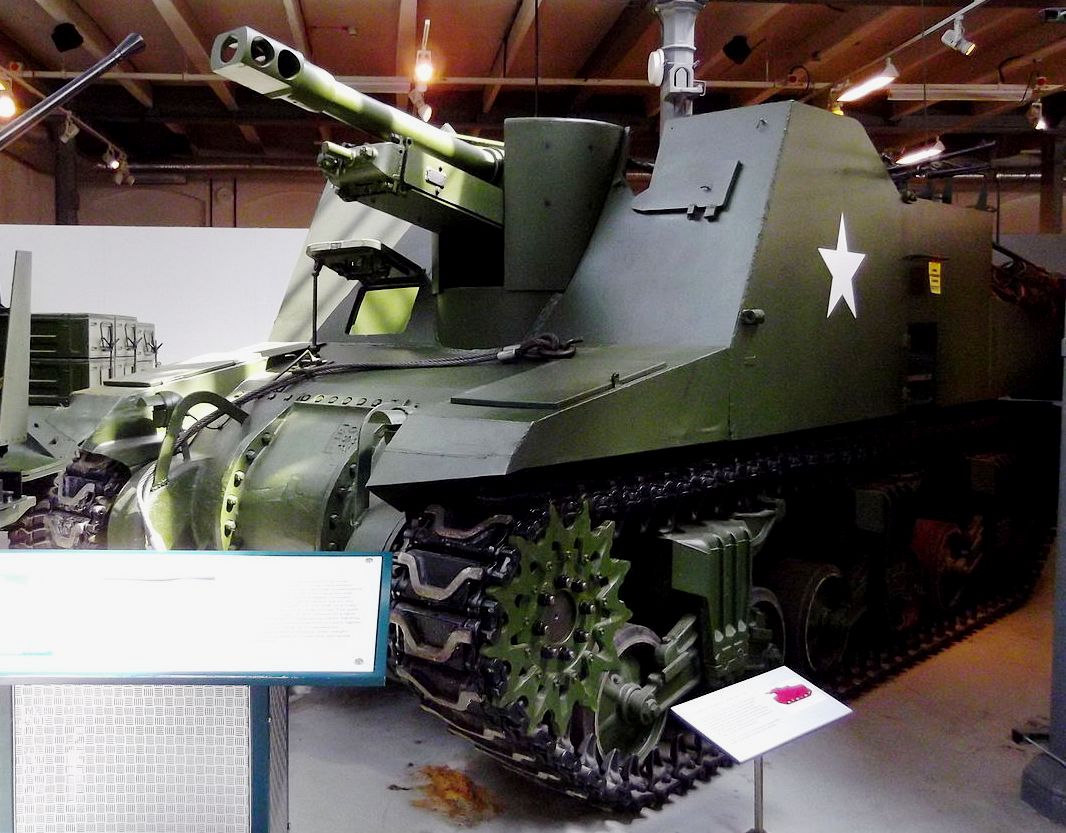
(David Holt Photo)
Sexton SP Gun, Royal Artillery Museum, Woolrich, London, UK.
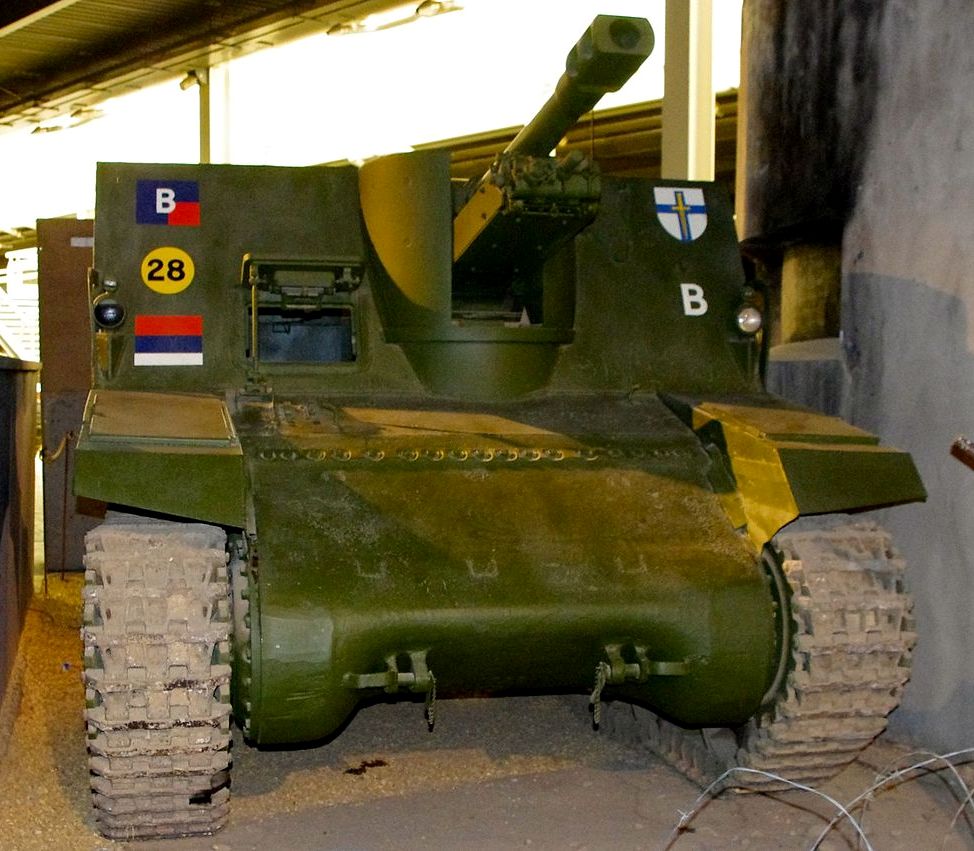
(David Merrett Photo)
Sexton SP Gun, Serial No. 1775, Imperial War Museum, Duxford, UK.
Sexton SP Gun, Military Museum, Aldershot, UK.
Sexton SP Gun “Beau Brummel”, Royal Armouries, Fort Nelson, Portsmouth, UK.
Sexton SP Gun, “Alligator”, Muckleburgh Collection, Norfolk, UK.
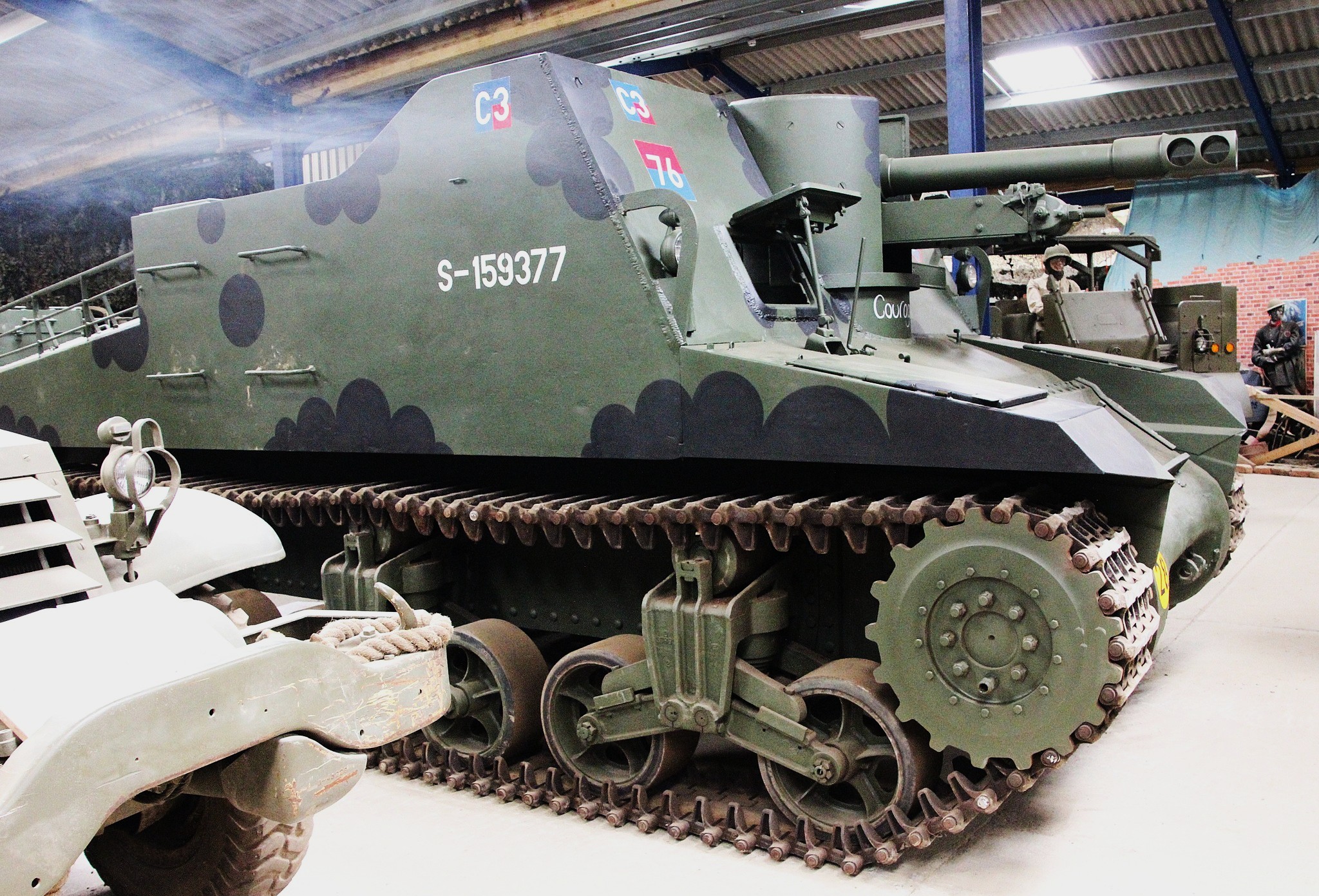
(Tony Vickers Photos)
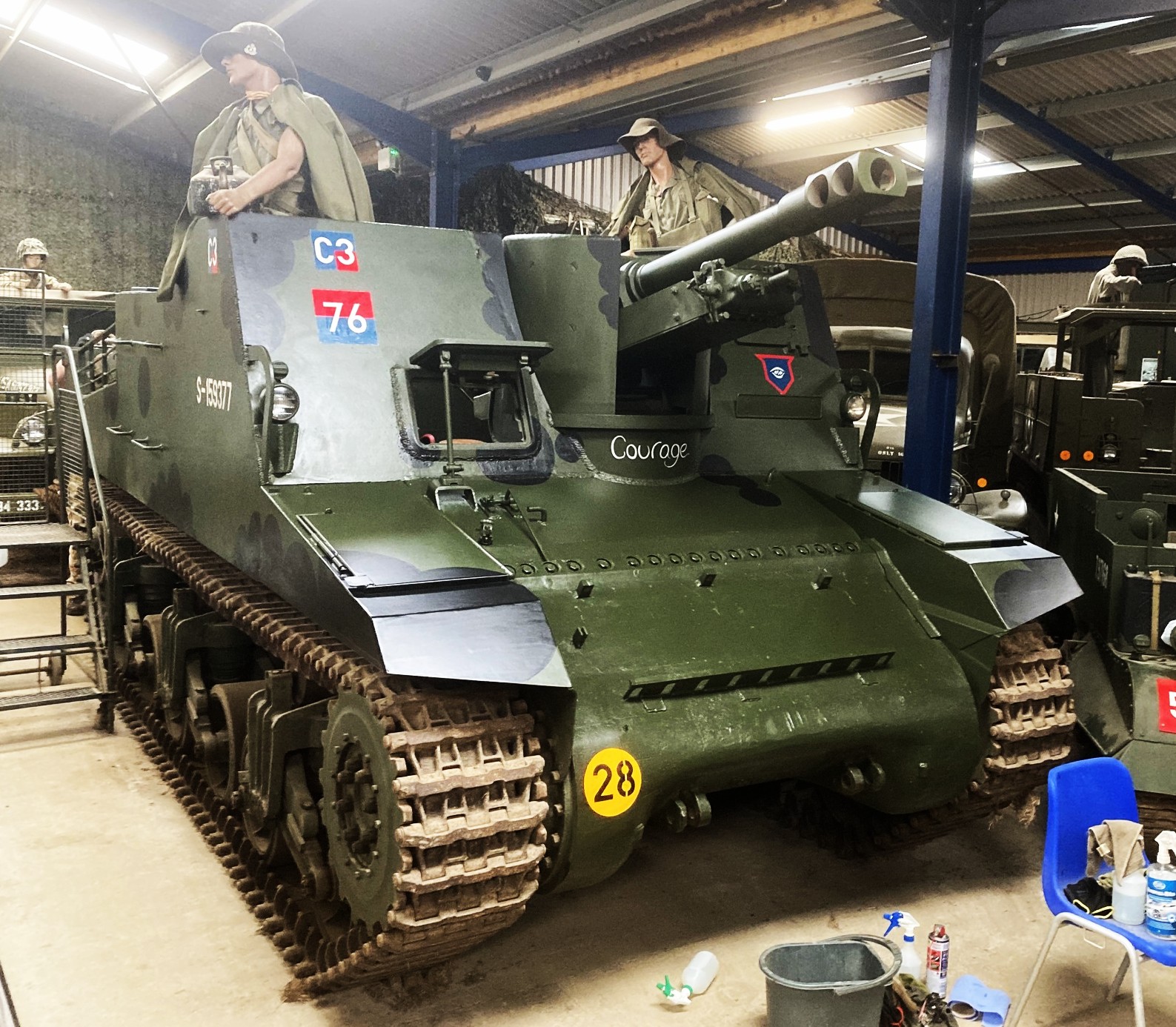
Sexton SP Gun, “Courage”, Armourgeddon Museum, Husbands, Bosworth, UK.
Sexton SP Gun, “Growler”, Brian Boys Collection, UK.
Sexton GPO (Gun Position Officer), Rex & Rod Cadman Collection, UK.
Sexton SP Gun, Military Museum, Dhaka, Bangladesh.
Sexton GPO (Gun Position Officer), Military Museum, Dhaka, Bangladesh.
Sexton SP Gun, Heintz Barracks, Bastogne, Belgium.


(Alf van Beem Photos)
Sexton SP Gun, Musée des Blindés, Saumur Tank Museum, Saumer, France.
(Supercarwaar Photo)
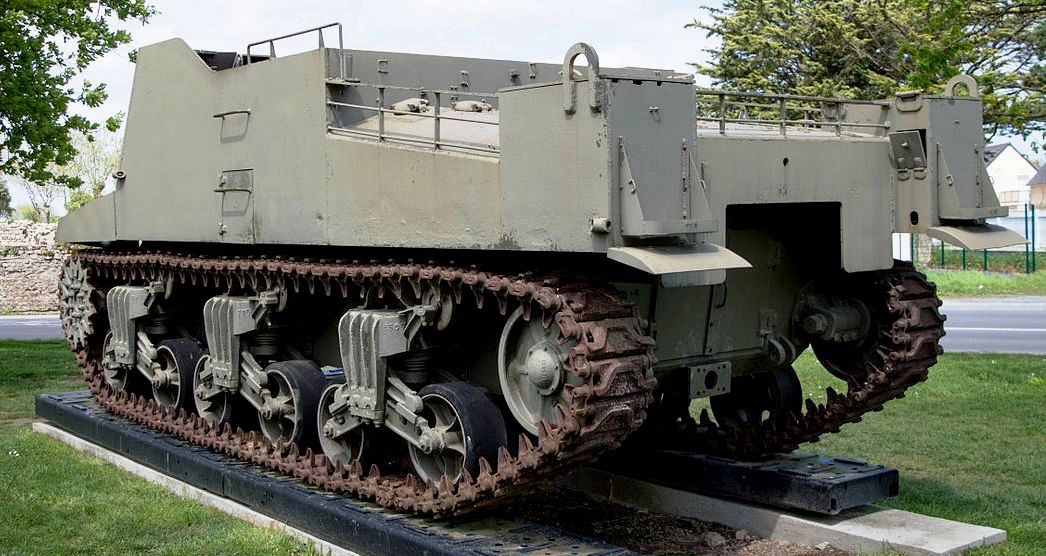
Sexton SP Gun, Omaha Overlord Museum, Colleville-sur-Mer, France.
(A. Carty Photo)
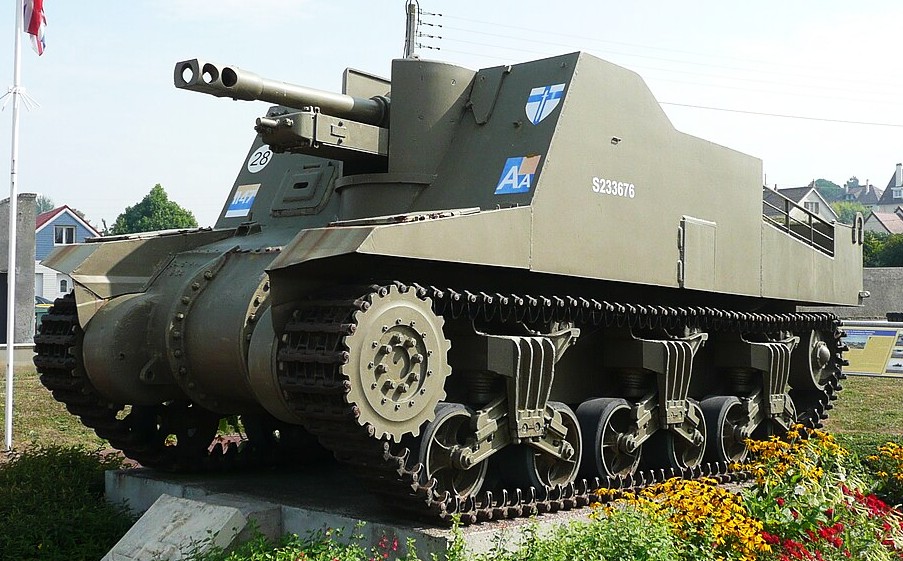
Sexton SP Gun, S233676, Ver-sur-Mer, near Gold Beach, Normandy, France.
Sexton SP Gun, “Racawice”, S233841, Battle of Normandy Museum, Bayeux Musée-Mémorial de la Bataille de Normandie, France.
Sexton SP Gun, Association de Sauvegarde du Patrimoine Historique et Militaire (ASPHM), La Wantzenau, France.
(Alf van Beem Photos)
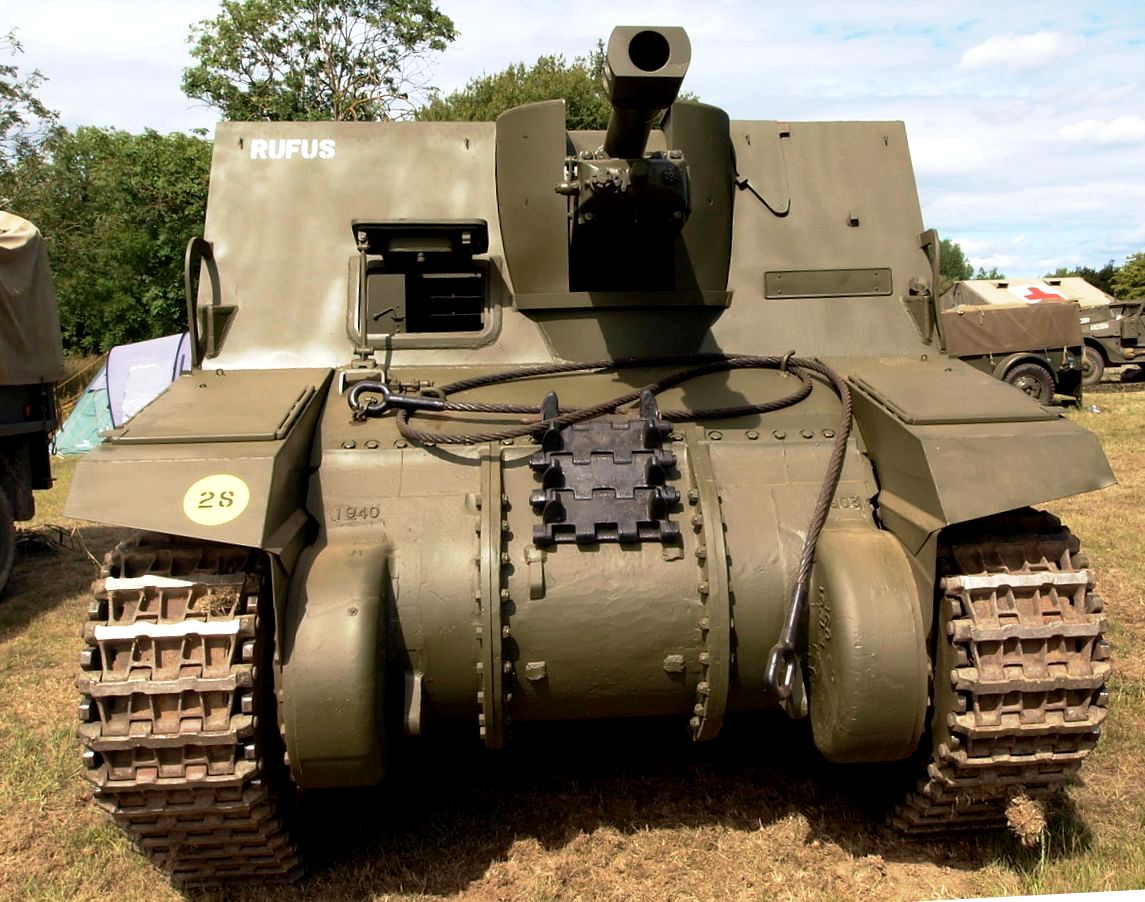
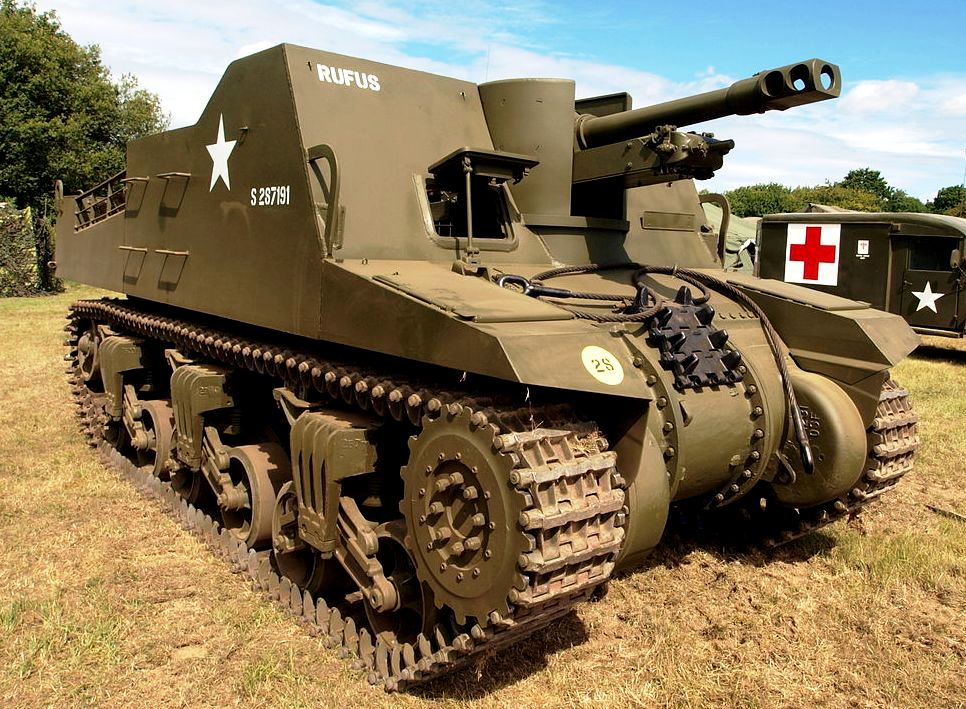
Sexton SP Gun, “Rufus”, Alexis Salomé Collection, France.
Sexton SP Gun, Artillery School, Idar Oberstein, Germany.
Sexton SP Gun, (gun missing), Armoured Corps Museum, Ahmednagar, Maharashtra, India.
Sexton SP Gun, Serial No. 2111, Museo della Motorizzazione Militare della Cecchignola, Rome, Italy.
Sexton SP Gun, Caserma “Babini”, Bellinzago Novarese, Italy.
Sexton SP Gun, Caserma “Santa Barbara”, Milano, Italy.
Sexton SP Gun, Museo Storico di Voghera, Voghera, Italy.
Sexton SP Gun, Museo della Fanteria di Voghera, Voghera, Italy.
Sexton SP Gun, Tempio della Fraternità, Cella, Italy.
Sexton SP Gun, Caserma “2 Novembre”, Vacile, Italy.
Sexton SP Gun, Serial No. 1126, Piana delle Orme Museum, Italy.
Sexton SP Gun, Training area, Caserma “Pisano”, Teulada, Cagliari, Italy.
Sexton SP Gun, Caserma “Pisano”, Teulada, Italy.

(Alf van Beem Photos)
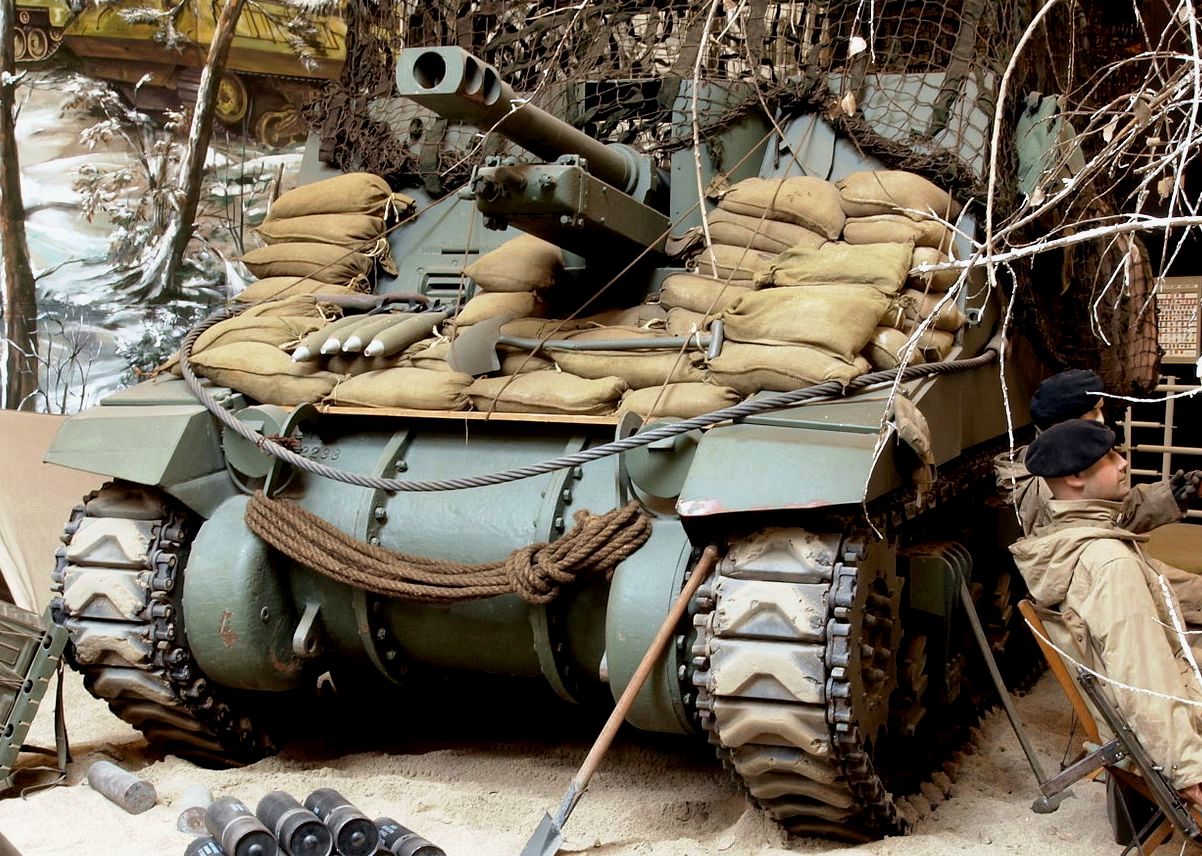
Sexton SP Gun, Marshallmuseum, Liberty Park, Oorlogsmuseum Overloon, The Netherlands. (National War and Resistance Museum).
(Tony Vickers Photos)
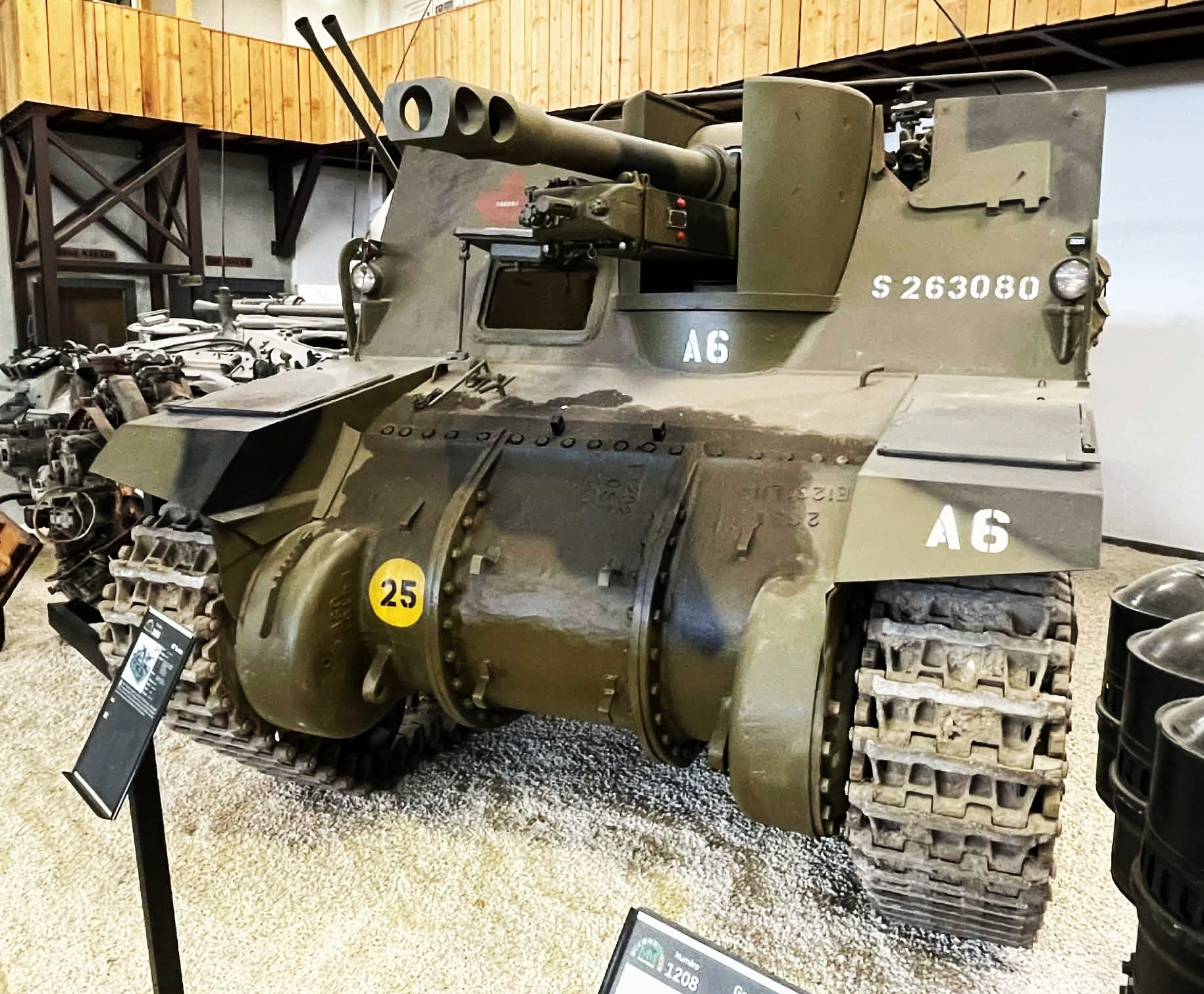
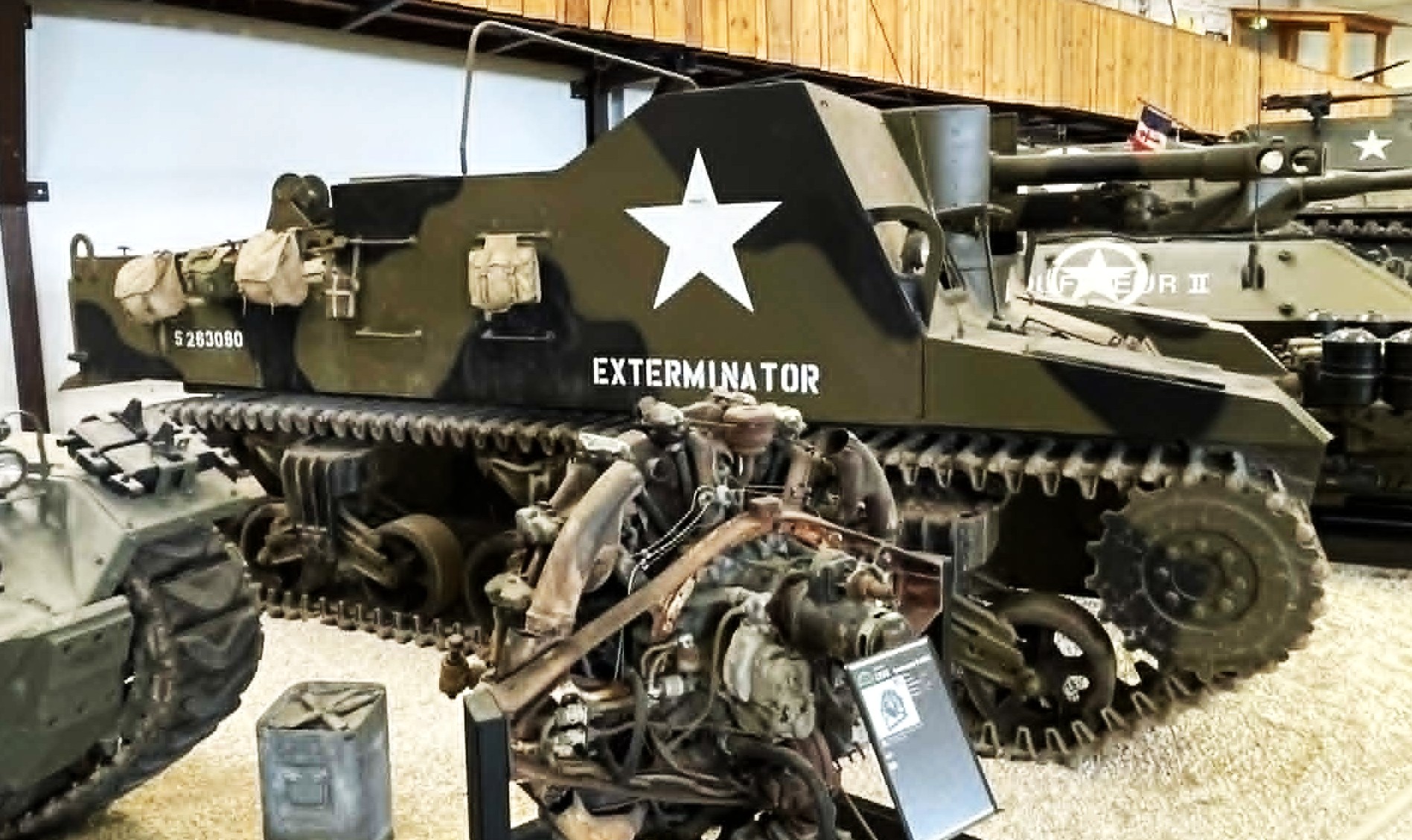
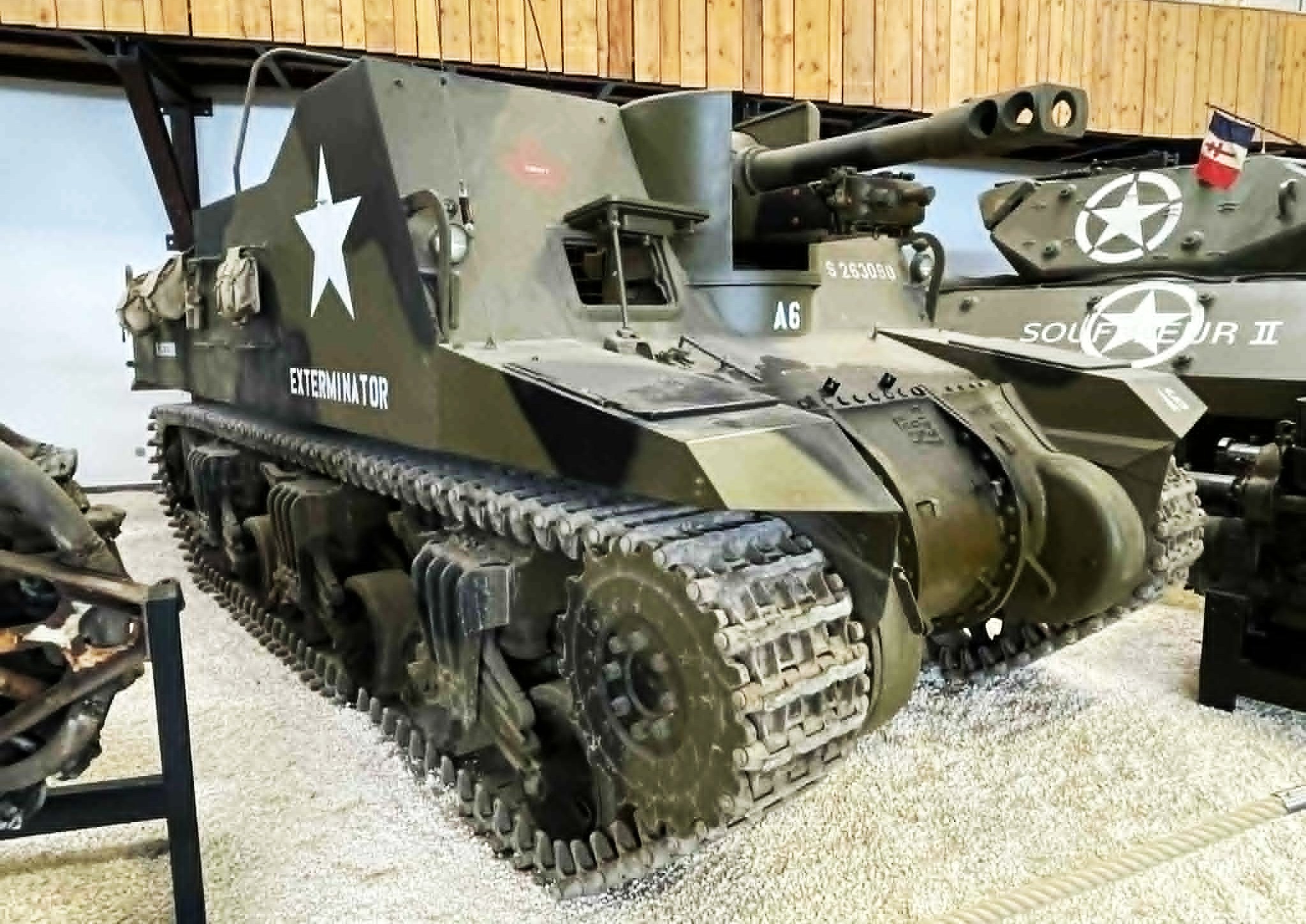
Sexton SP Gun, S 263080, “Exterminator”, Dutch Army Museum, Delft, Netherlands.
Sexton SP Gun, BAIV trading, Maarheeze, Netherlands.
Sexton SP Gun, Stichting History Revives, t’Harde, Netherlands.
Sexton SP Gun, Staman Trading, Nijverdal, Netherlands.
(Alf van Beem Photos)
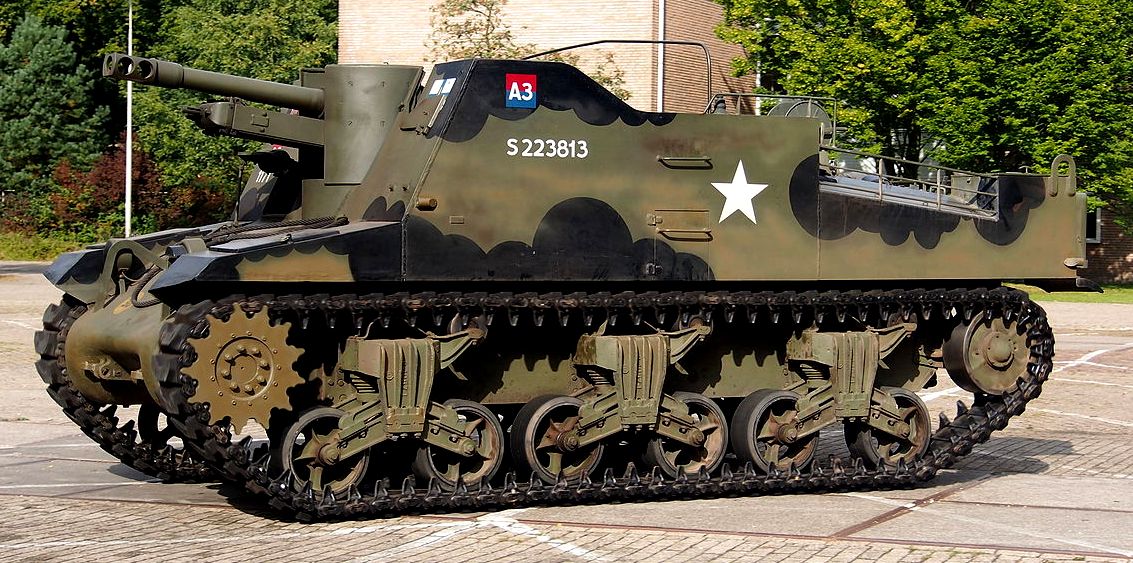
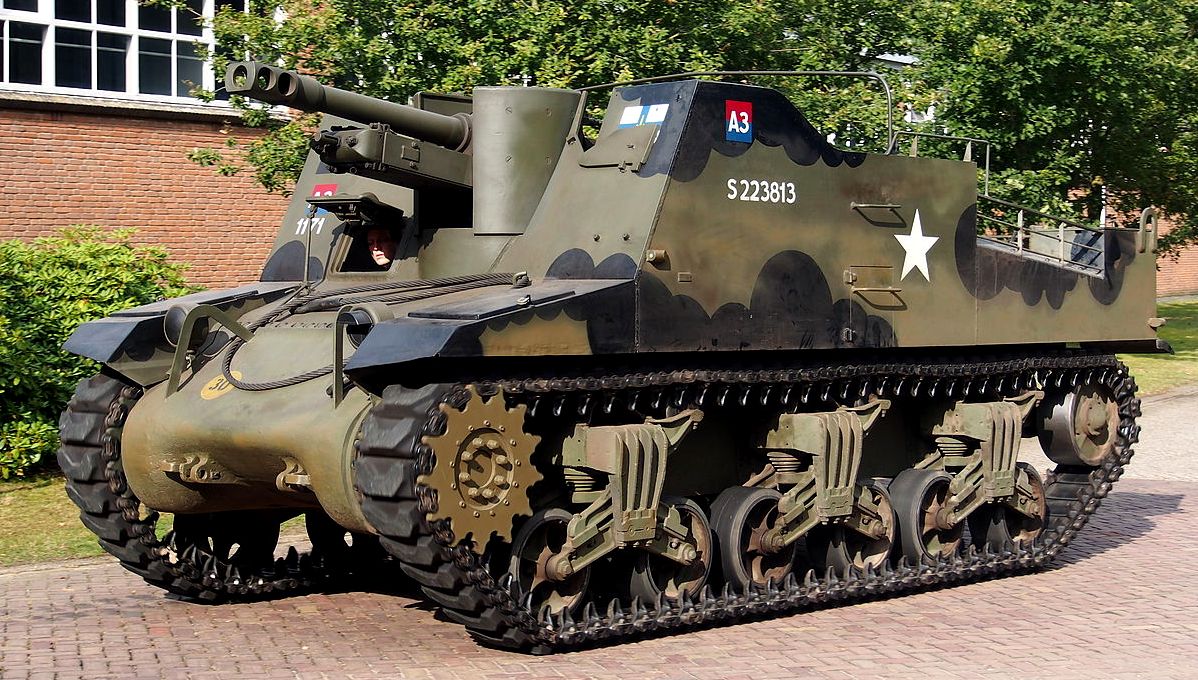
Sexton SP Gun, S223813, A3, Dutch Cavelerie Museum, Amersfoort, Netherlands.
Sexton SP Gun, Pakistan Army Museum, Rawalpindi, Pakistan.
Sexton SP Gun, Ayub National Park, Rawalpindi, Pakistan.
Sexton SP Gun, Artillery Museum, Nashik, Pakistan.
Sexton GPO (Gun Position Officer, Ayub National Park, Rawalpindi, Pakistan. No. 1 of 2.
Sexton GPO (Gun Position Officer, Ayub National Park, Rawalpindi, Pakistan. No. 2 of 2.
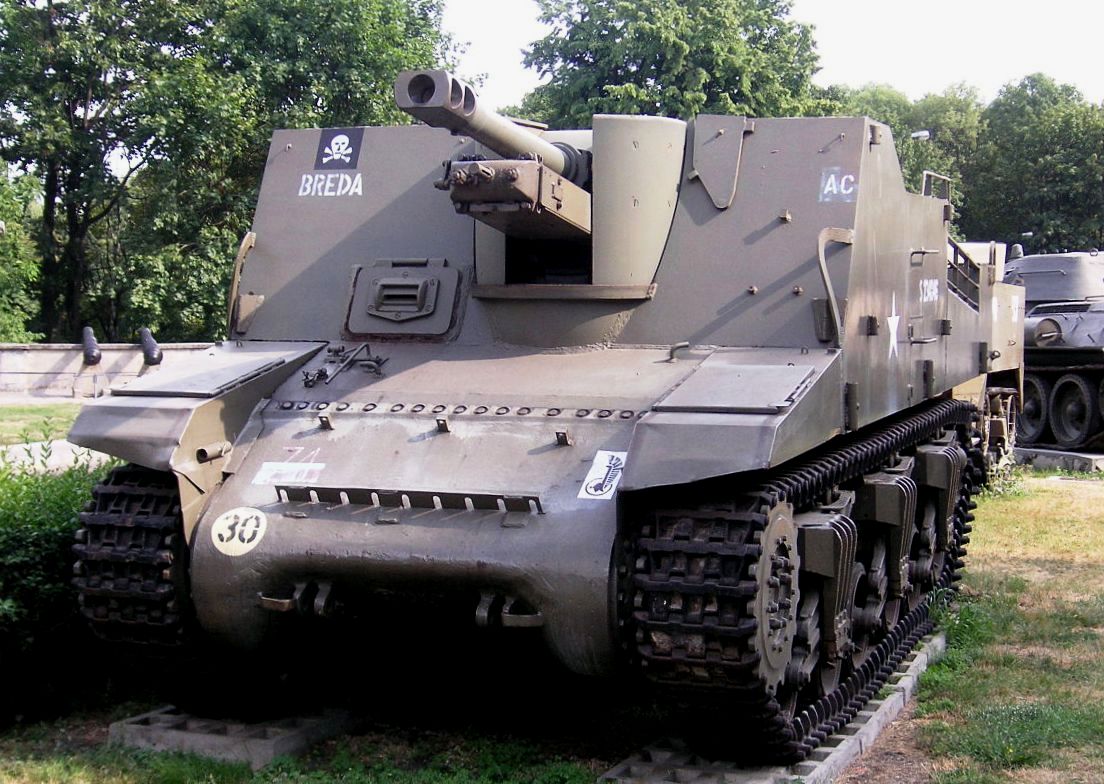
(Halibutt Photos)
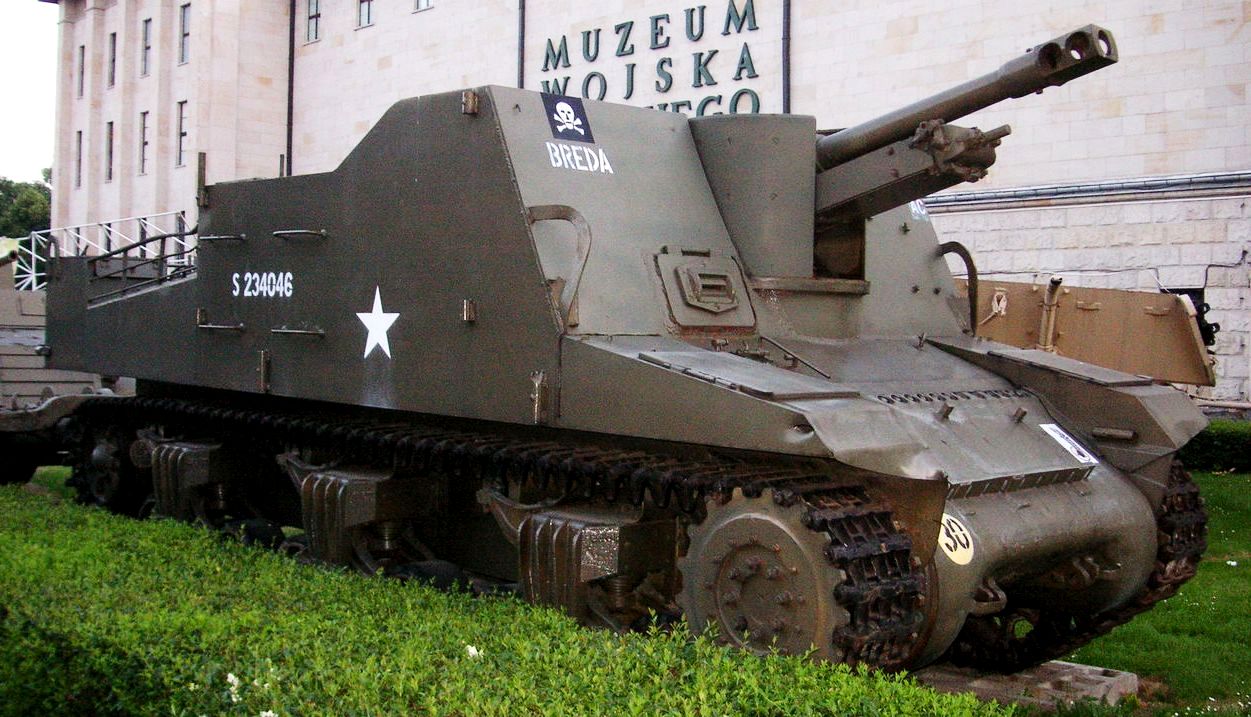
Sexton SP Gun, “Breda”, Serial No. 1384, Polish Army Museum, Warsaw, Poland.
Sexton SP Gun, Military Museum, Porto, Portugal.
Sexton SP Gun, Quartel do Artilhara , Campo Militar de Santa Margarida (CMSM) Santa Margarida da Coutada, Portugal. No. 1 of 3.
Sexton SP Gun, Quartel do Artilhara , Campo Militar de Santa Margarida (CMSM) Santa Margarida da Coutada, Portugal. No. 2 of 3.
Sexton SP Gun, Quartel do Artilhara , Campo Militar de Santa Margarida (CMSM) Santa Margarida da Coutada, Portugal. No. 3 of 3.
Sexton SP Gun, Museu Militar, Atalaia, Montijo, Portugal.
Sexton SP Gun, Museo Militar de Elvas, Elvas, Portugal.
Sexton SP Gun, Marián Simeon Collection, Slovakia.
Sexton SP Gun, National Museum of Military History, Johannesburg, Republic of South Africa.
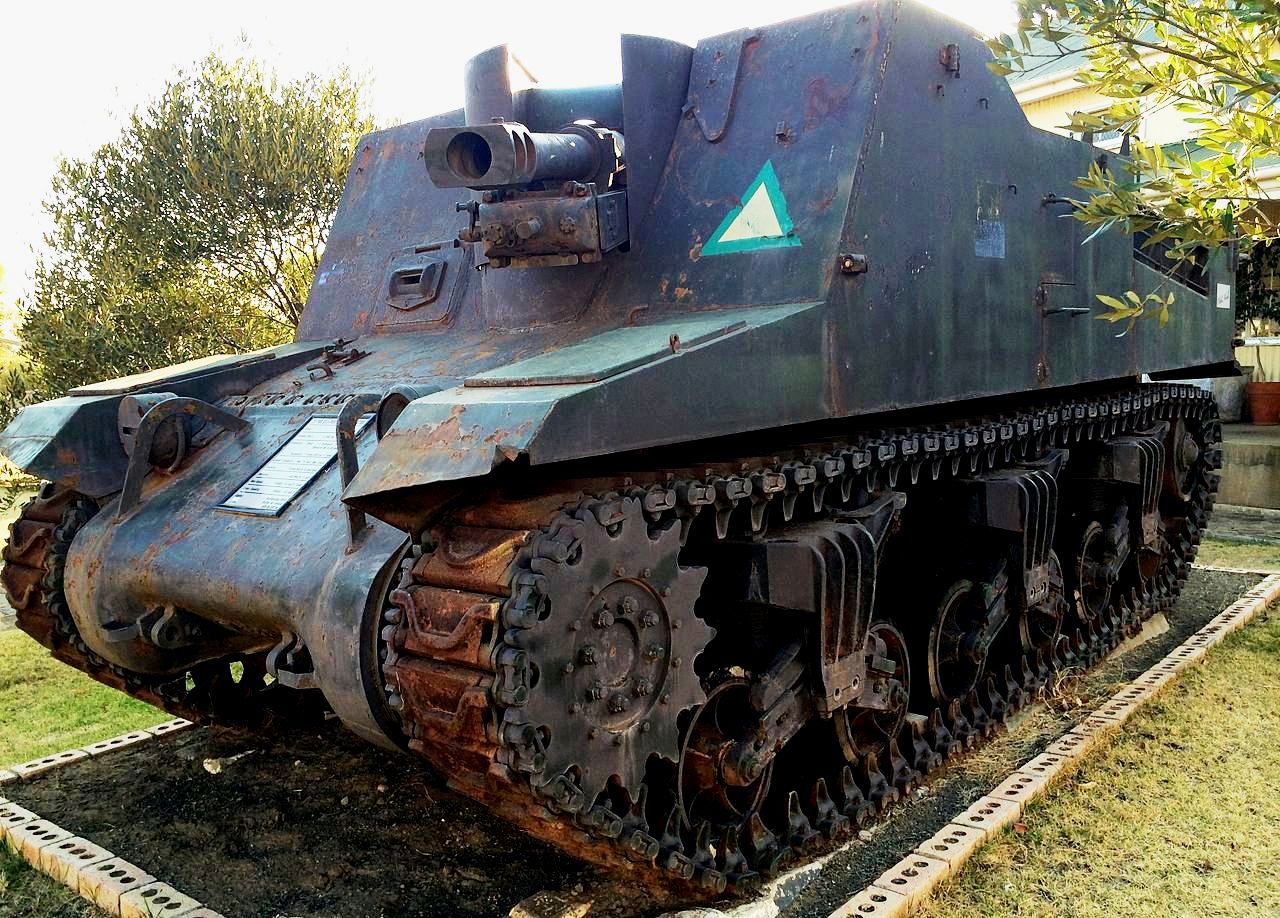
(Katangais Photo)
Sexton SP Gun, School of Armour Museum, Tempe Bloemfontein, Republic of South Africa.
Sexton SP Gun, Special Service Forces Museum, Tempe Bloemfontein, Republic of South Africa.
Sexton SP Gun, Military History Museum, Queen’s Fort, Bloemfontein, Republic of South Africa.
Sexton SP Gun, Pretoria Regiment Base (on Magasyn Road), Salvokop, Pretoria, Republic of South Africa.
Sexton SP Gun, Museum of military equipment “Battle Glory of the Urals”, Verkhnyaya Pyshma, Sverdlovsk Oblast, Russia.
Sexton SP Gun, American Armoured Foundation, Tank Museum, Danville, Virginia, USA.
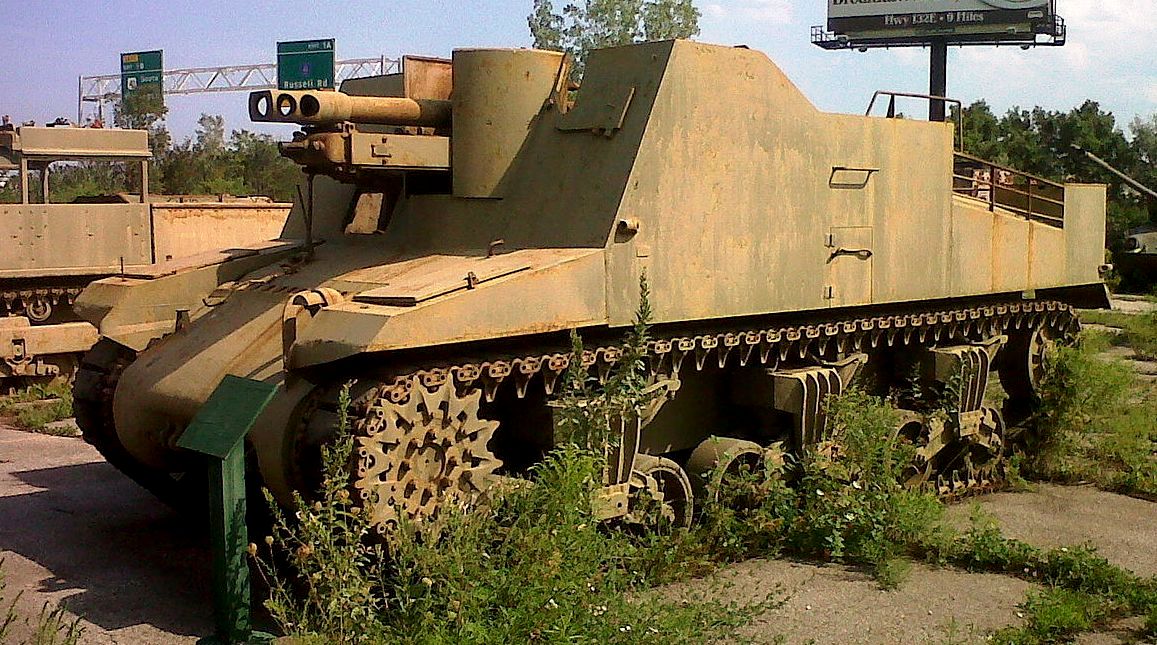
(Amendola90 Photo)
Sexton SP Gun, Russell Military Museum, Russell, Ilinois, USA.
Sexton SP Gun, Indiana Military History Museum, Vincennes, Inidana, USA.
Sexton SP Gun, American Museum of Military Vehicles, Crown Point, Indiana, USA.
Sexton SP Gun, S287183, Jesse Browning Collection, Indiana, USA.
Sexton SP Gun, Battlefield Vegas, Las Vegas, Nevada.
All comments are subject to our Comment Policy. You must be at least 18 years old to comment.
See a comment that violates our guidelines? Report it here.