Canadian Ram Tanks and Kangaroo Armoured Personnel Carriers preserved overseas
The data and photos found on this page has been compiled by the author, unless otherwise credited. Any additions, corrections or amendments to the lists of Armoured Fighting Vehicles in Canada found on these pages would be most welcome and may be e-mailed to the author at hskaarup@rogers.com.
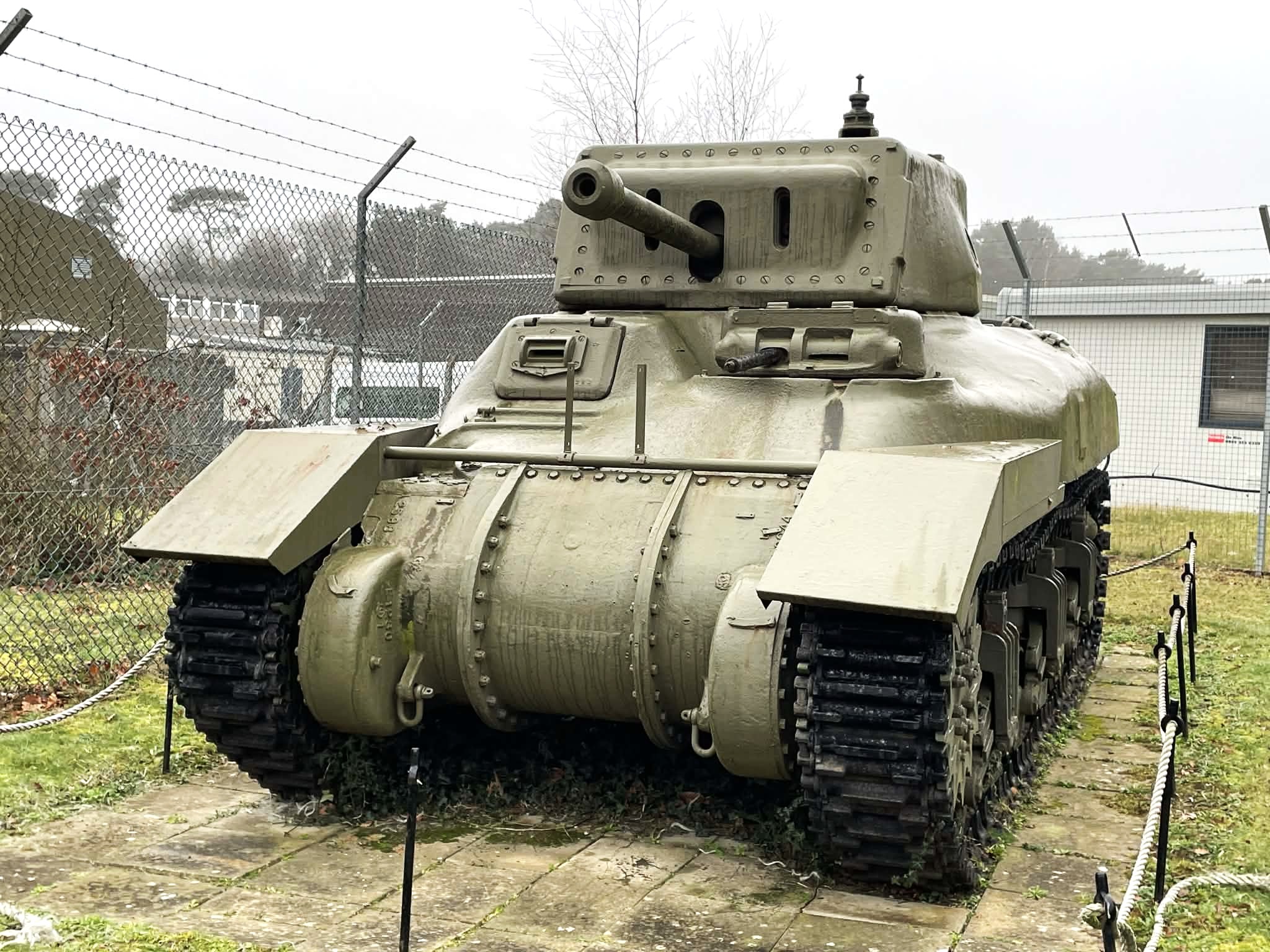
(Tony Vickers Photo)
Ram II on Napier Way, Bovington, between the Tank Factory and the Army Test Unit HQ, UK.
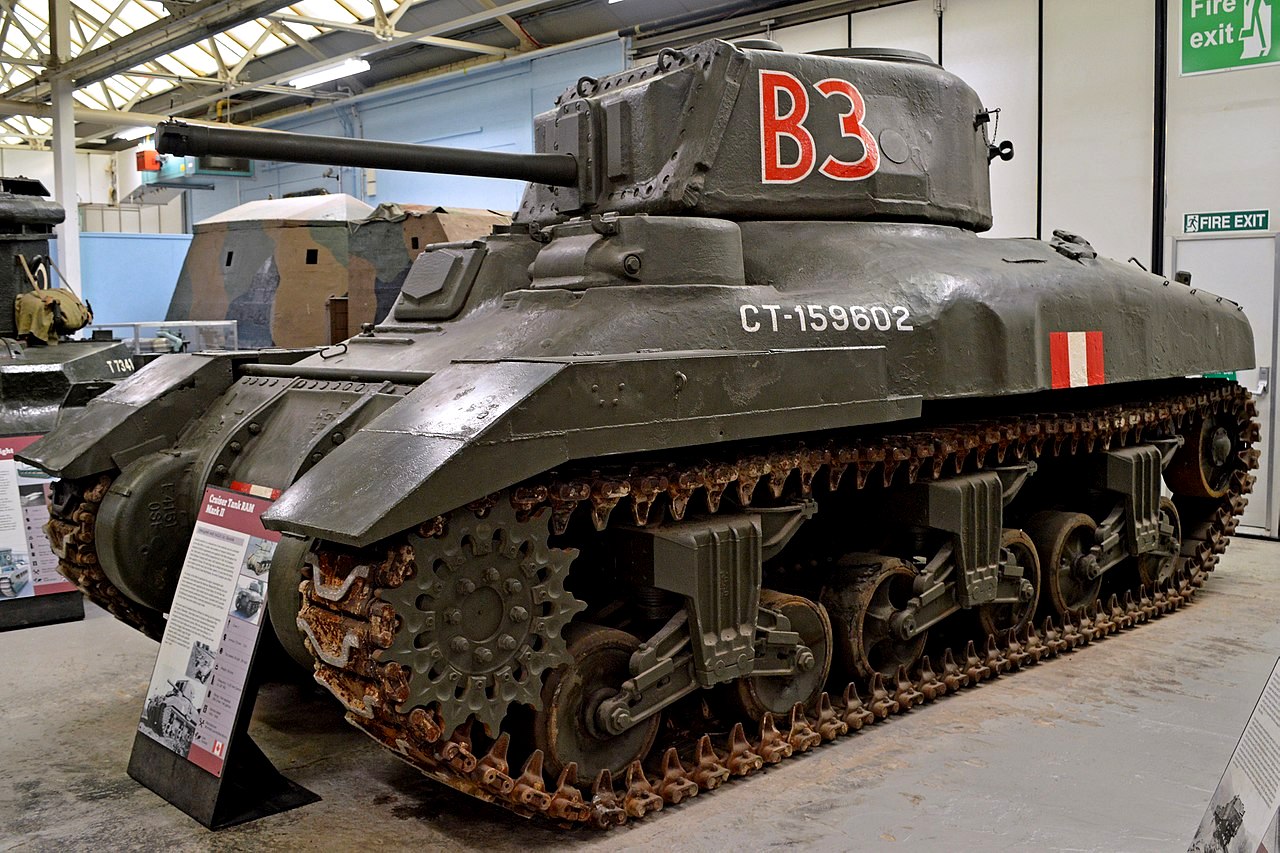
(Alan Wilson Photo)
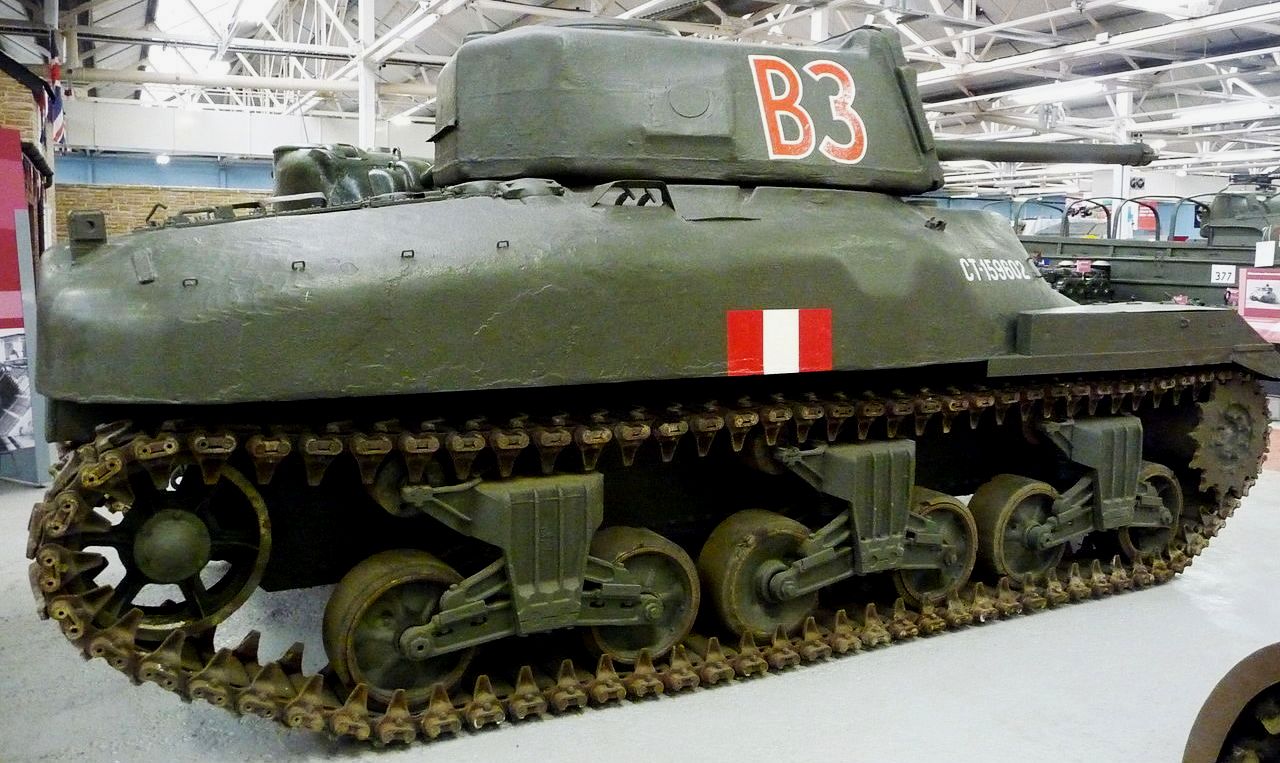
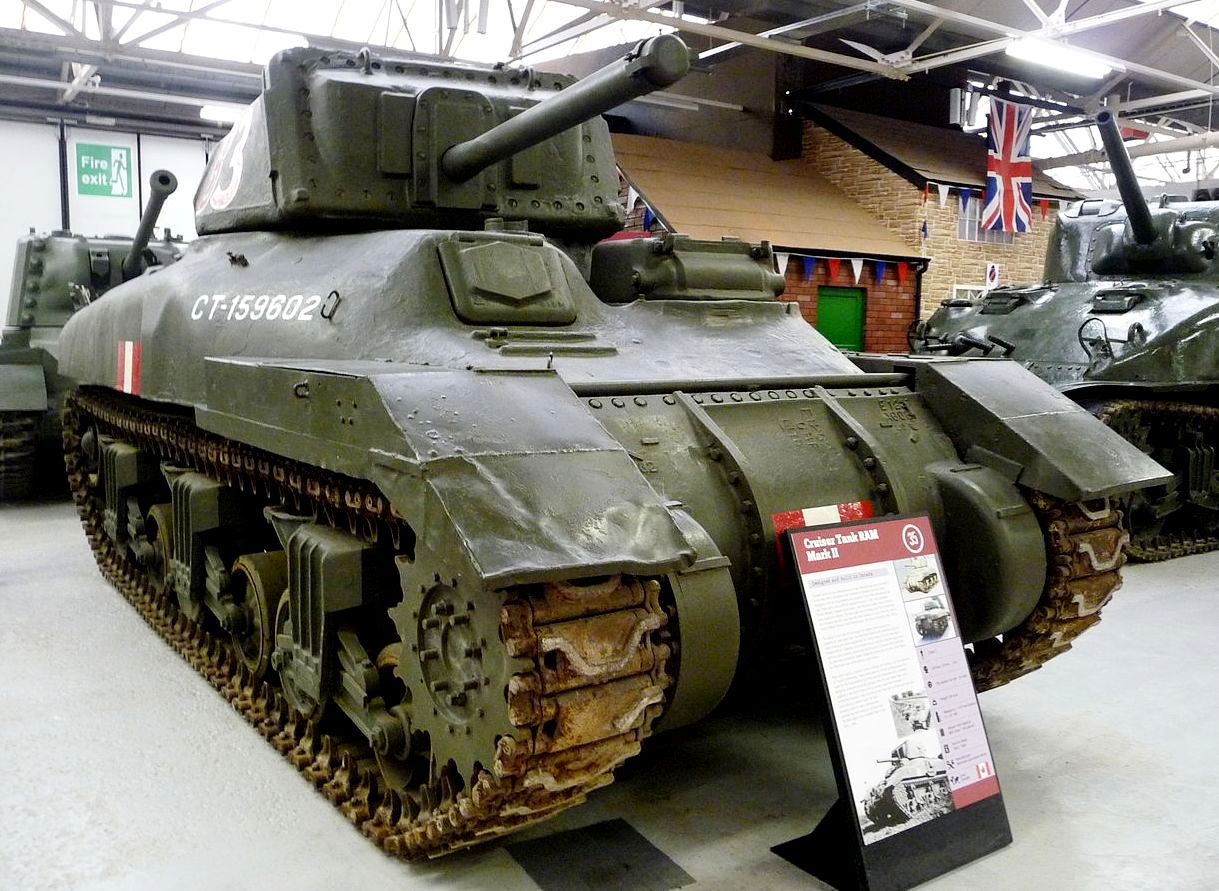
(Simon Q Photos)
Ram II Cruiser Tank, CT-159602, (Serial No. 159418). Chassis No. 1174, Bovington Tank Museum.
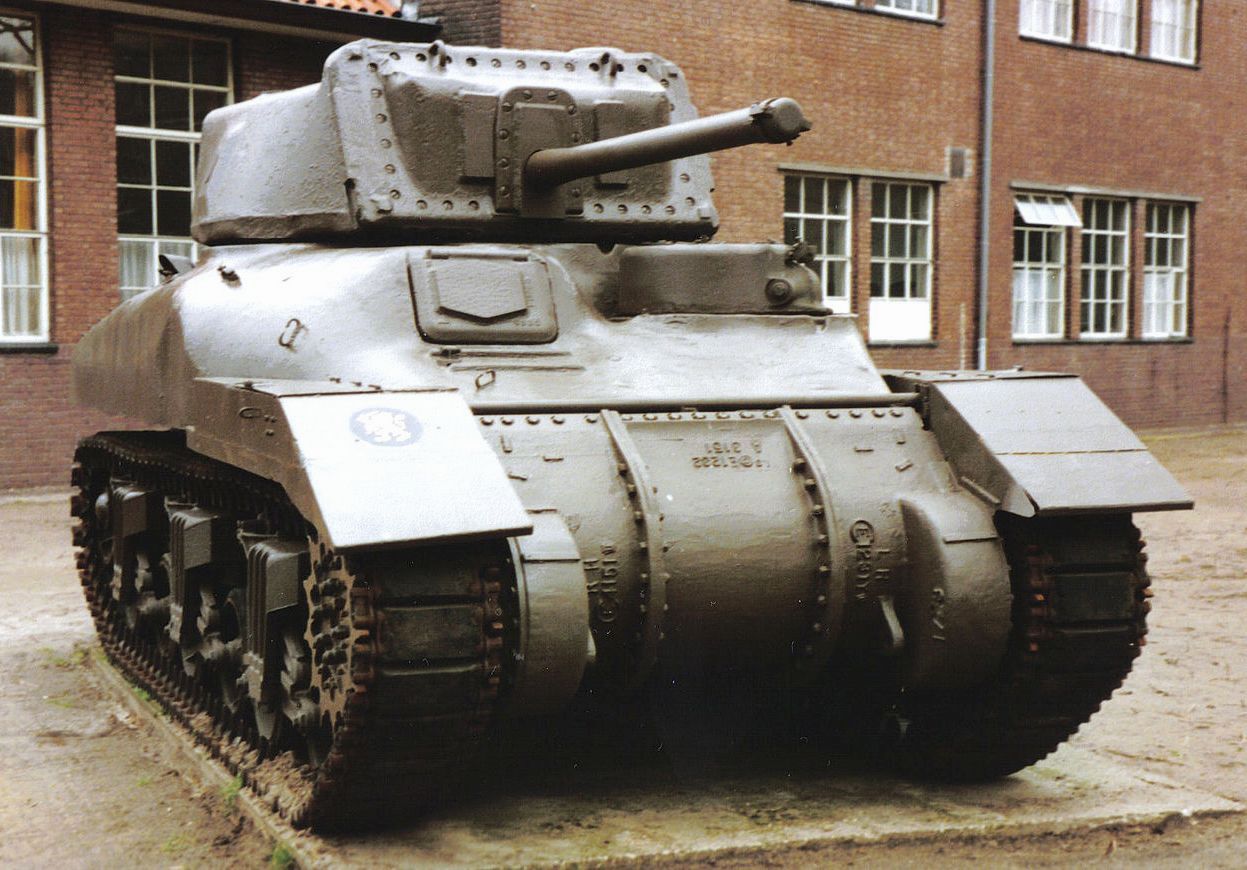
(MWAK Photo)
Ram II Cruiser OP/Command Tank, Dutch Cavelerie Museum, Amersfoort, Netherlands.
Ram Cruiser Tank
The Ram Cruiser Tank was designed and built by Canada during the Second World War. It was based on the U.S. M3 Medium tank chassis. Due to standardization on the American Sherman tank for frontline units, it was used exclusively for training purposes and was never used in combat as a gun tank. The chassis was used for several other combat roles however, such as a flamethrower tank, observation post, and as the Kangaroo armoured personnel carrier.
As built, the Ram was never used in combat as a tank, but was used for crew training in Great Britain up to mid 1944. The observation post vehicles and Armoured Personnel Carrier, gun tractor, and munitions carrier versions of the Ram saw considerable active service in North West Europe. These tanks were mainly rebuilt by Canadian Army workshops in the United Kingdom. Conversions of Ram tanks with the Wasp II flamethrower gear were used by the 5th Canadian Armoured Brigade in the Netherlands in 1945.
In 1945 the Royal Netherlands Army got permission from the Canadian government to take free possession of all Ram tanks in army dumps on Dutch territory. Those not already converted into Kangaroos were used to equip the 1st and 2nd Tank Battalion (1e en 2e Bataljon Vechtwagens), the very first Dutch tank units. These had a nominal organic strength of 53 each. However it proved to be impossible to ready enough tanks to attain this strength because the vehicles were in a very poor state of maintenance. In 1947 the UK provided 44 Ram tanks from its stocks, that were in a better condition. Forty of these had been rebuilt with the British 75-mm gun; four were OP/Command vehicles with a dummy gun. This brought the operational total for that year to just 73, including two Mk. Is. In 1950 only fifty of these were listed as present. The Ram tanks (together with the Sherman tanks of the three other tank battalions, were replaced by Centurion tanks leased by the U.S. Government in 1952.
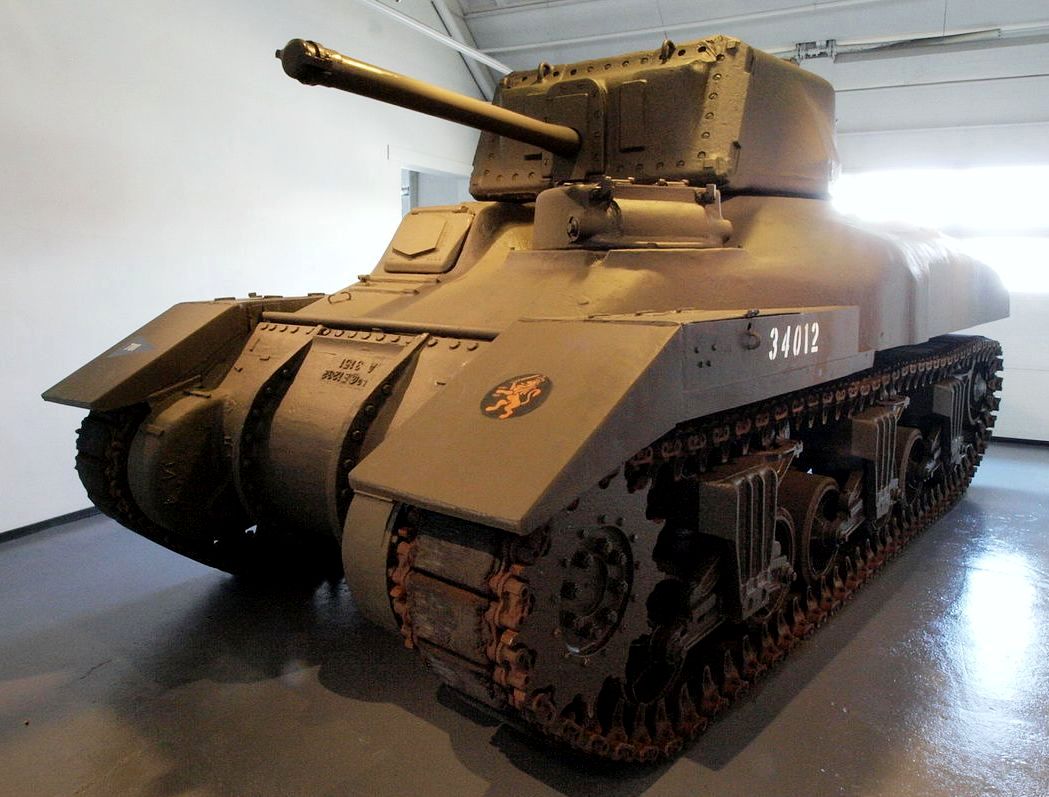
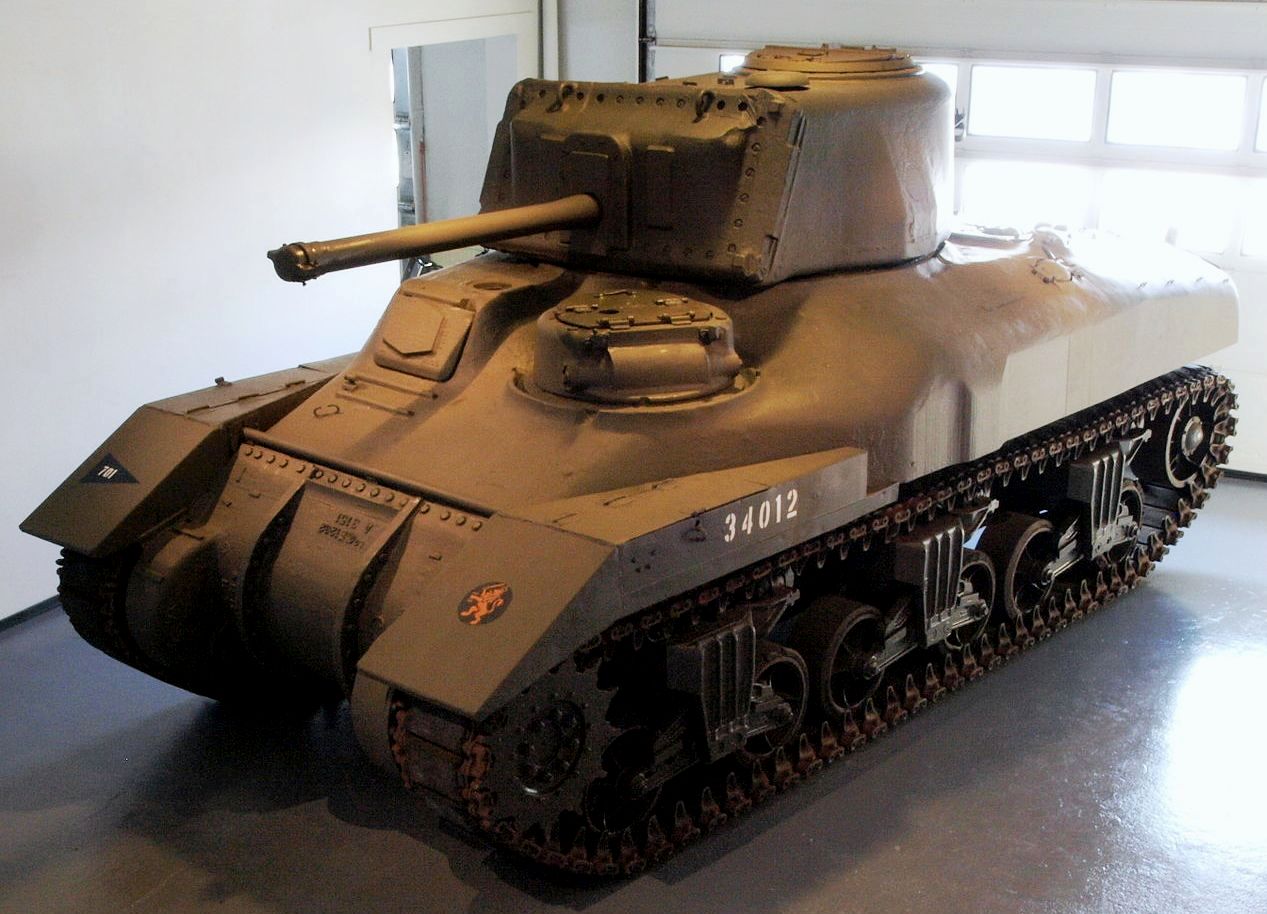
(AlfvanBeem Photos)
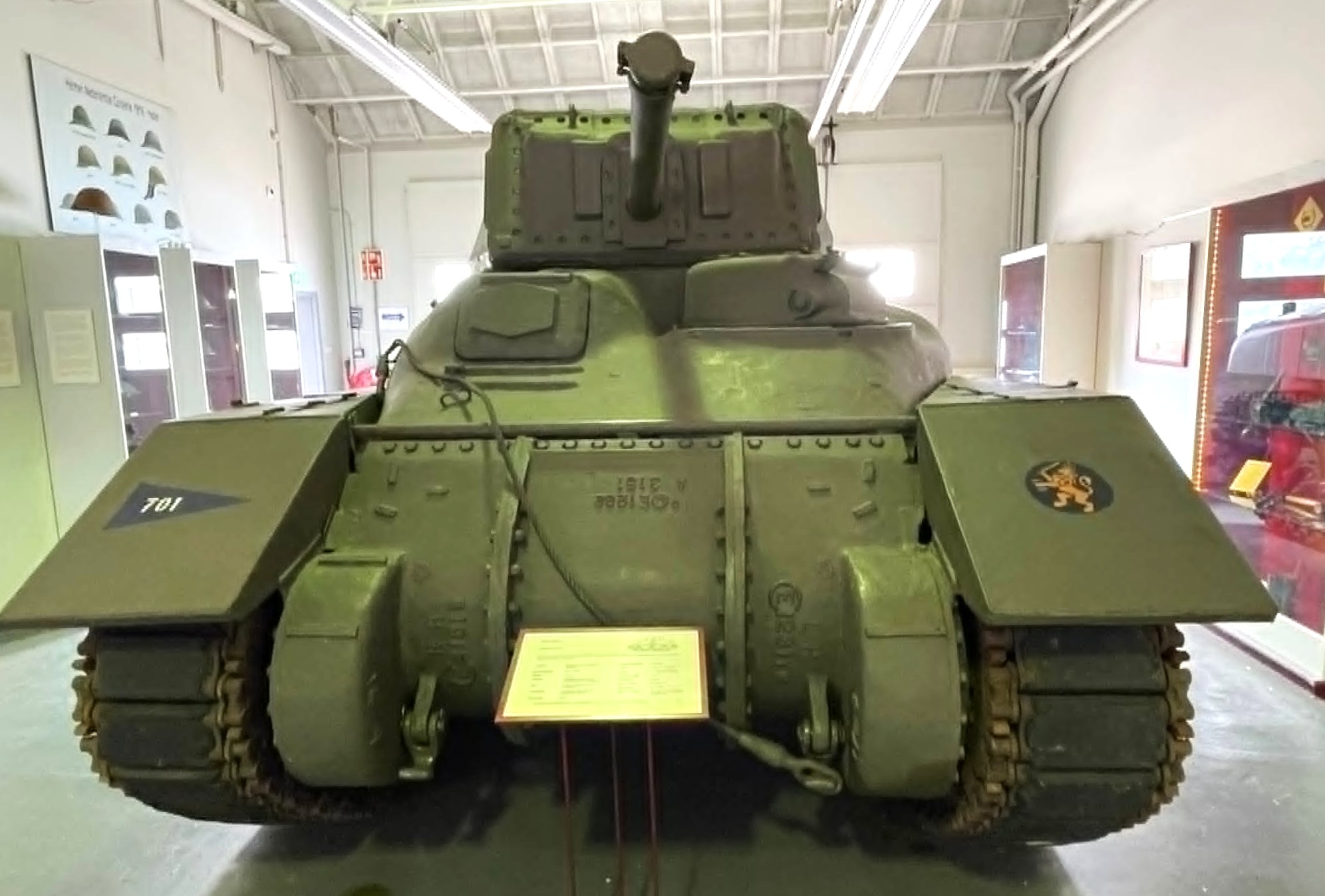
(Tony Vickers Photo)
Ram II Cruiser OP/Command Tank, 34012, Dutch Cavelerie Museum, Amersfoort, Netherlands.
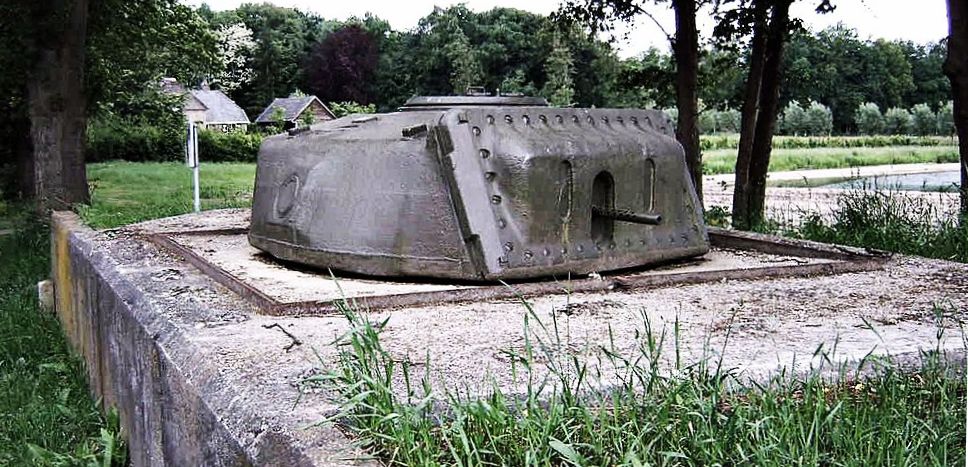
(Martin van DalenPhoto)
Some Ram tanks were used by the Netherlands in the 1950s as static pillboxes in the Ijssel Line, their hulls dug in and embedded within two feet of concrete.
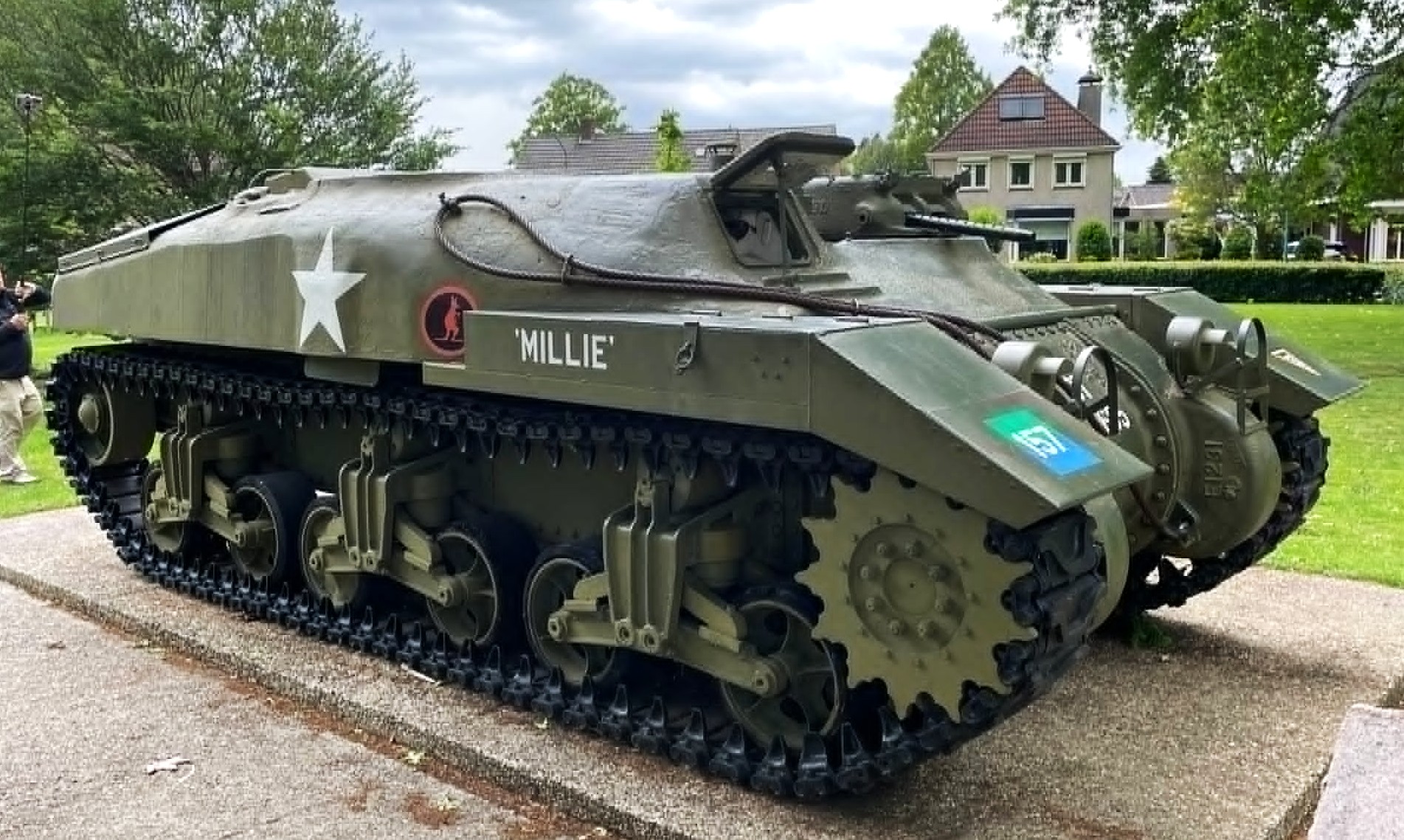
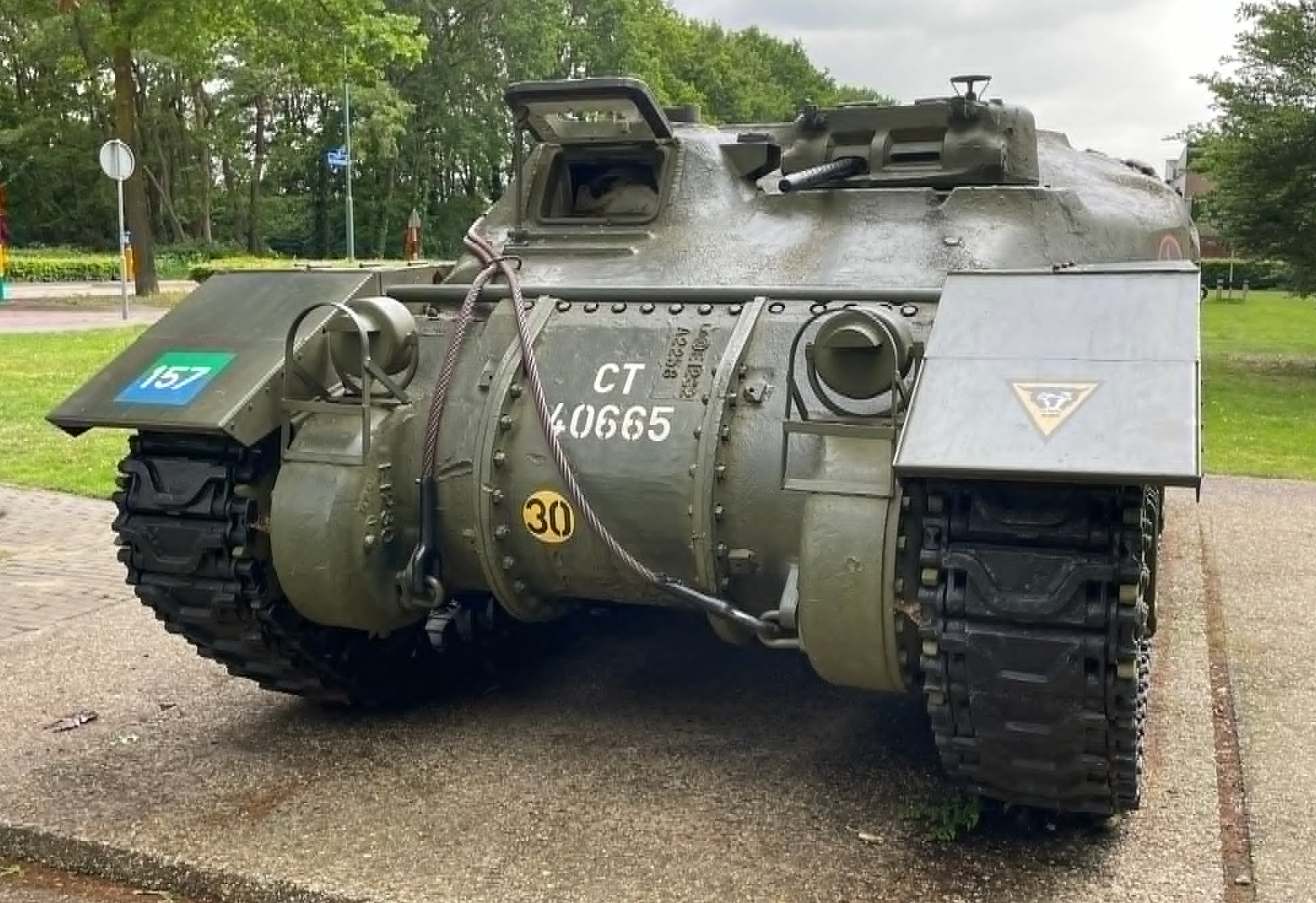
(Tony Vickers Photos)
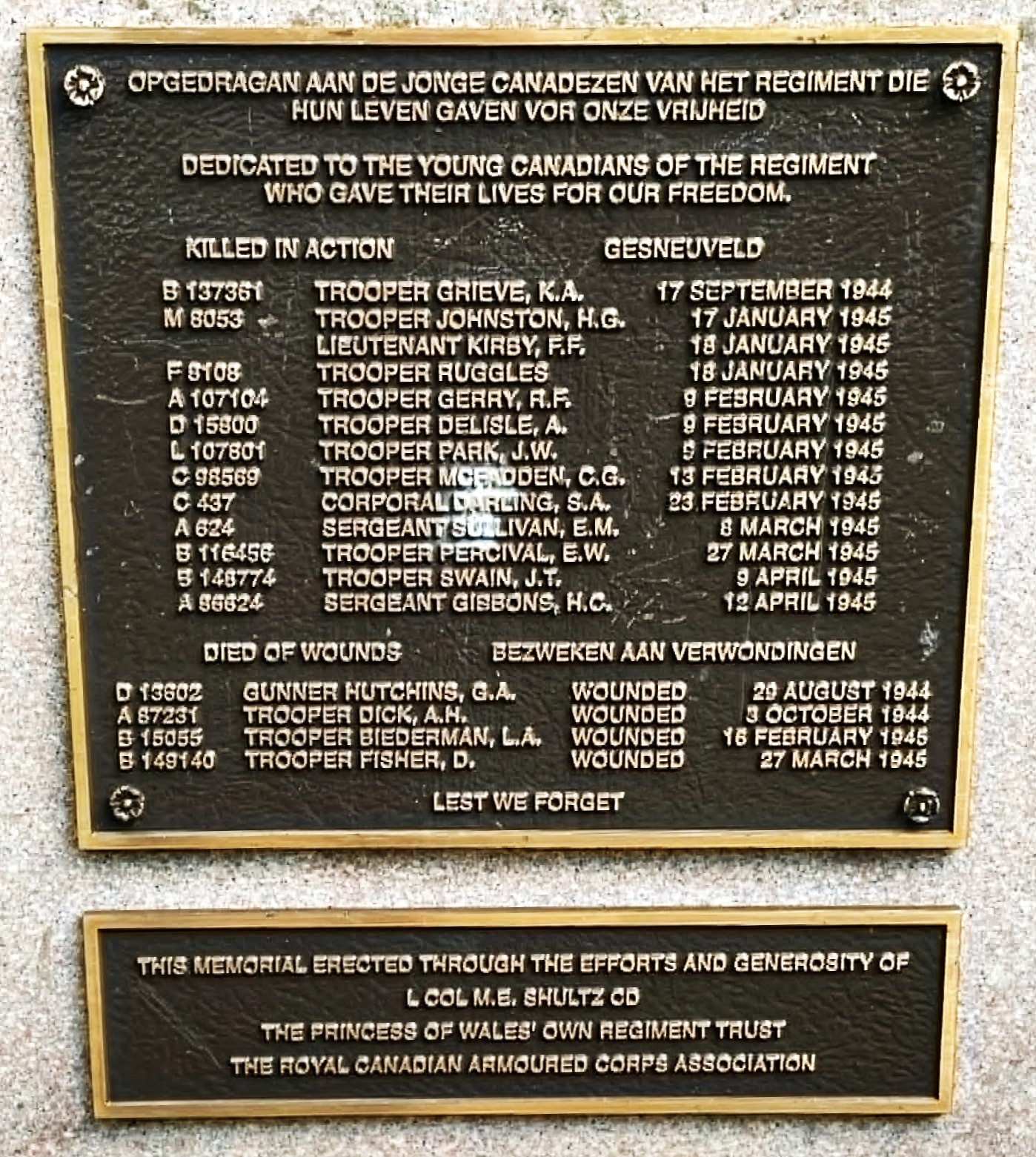
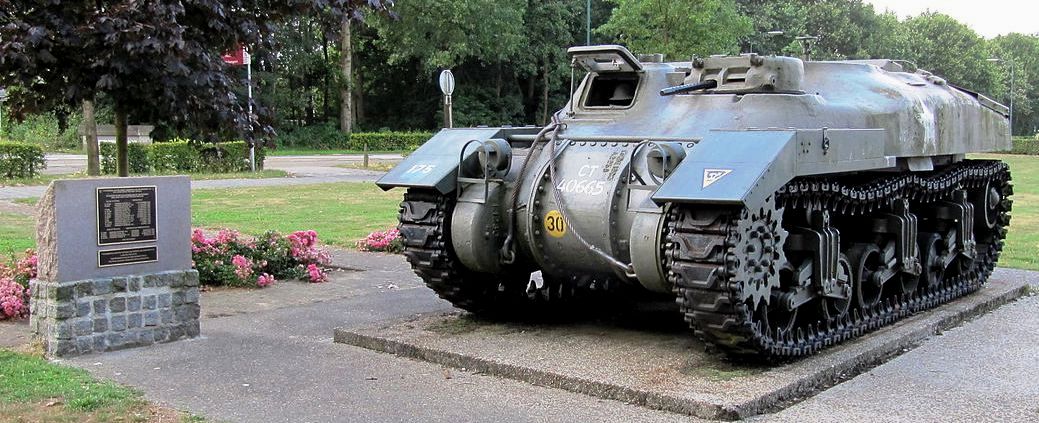
Ram Kangaroo Armoured Personnel Carrier, CT 40665, “Millie”, on display as a Memorial “Kangoeroemonument” for the young Canadians that were killed in Mill during the Second World War, at the Langenboomseweg in Mill, The Netherlands.
(Tony Vickers Photo)
Other Canadian AFVs are on display a Ede, Hoogerheide, Canada Park Doetinchem, National Cavalry Museum, National Military Museum, Overloon and Mill.
(Willemnabuurs Photo)
Ram Kangaroo Armoured Personnel Carrier, CT 40665, “Millie”, on display as a Memorial “Kangoeroemonument” for the young Canadians that were killed in Mill during the Second World War, at the Langenboomseweg in Mill, The Netherlands.
Kangaroo APC
The Ram Kangaroo was a Canadian armoured personnel carrier (APC) used during the Second World War, created by removing the turret from a Ram tank chassis and converting it to a troop carrier. In addition to the entire turret being removed, ammunition storage was removed, bench seats were fitted in the turret ring area, and the driver’s compartment was separated. Hull machine guns were retained, and new machine guns were sometimes fitted to the turret ring. Kangaroos in general were supposed to carry 8 to 12 soldiers, though similar to the practice of troops riding ontanks, it was more common to simply cram as many as possible as could fit without being at risk of falling off. Kangaroos were immediately used in the battles in Normandy, and were so successful that they were soon being used by British and Commonwealth forces. Their ability to manoeuvre in the field with the tanks was a major advantage over earlier designs, and led to the dedicated APC designs that were introduced by almost all armies immediately after the war.
In July 1944, Lieutenant-General Harry Crerar’s First Canadian Army was concerned by manpower shortages and Lieutenant-General Guy Simonds, commander of II Canadian Corps, devised Kangaroos as a way of reducing infantry losses. who were involved in the initial assault on 6 June 1944. (Self propelled artillery were known as ‘Priests’ in British service, because of the pulpit-like appearance of the artillery-spotter’s position. When converted to the carrier role were referred to as “unfrocked” or “defrocked” Priests, but the term ‘Kangaroo’ was applied to any conversion of any previously gun-armed vehicle to that of a troop or general-purpose carrier.) The Priests were “defrocked” by removing their 105-mm guns and ammunition stowage, and separating the driver’s compartment from the rest of the vehicle. Priests with machine gun turrets retained them, and some that did not have organic mounts for machine guns had improvised ones fitted. When the 3rd Canadian Infantry Division was re-equipped with towed 25-pounder in late July, the rest of their self-propelled tracked vehicles were stripped of their 105-mm guns and converted to Kangaroos. Later Kangaroos were based on Sherman, Churchill, and obsolete Canadian Ram tanks.
The Priest Kangaroos were first used on 8 August 1944 south of Caen during Operation Totalize, to supplement the half-tracks already available. When re-converted Kangaroos were returned to U.S. custody, other vehicles were pressed into service, the vast majority (some 500) being Rams, which were standing idle after being used as training vehicles when Canadian armoured formations re-equipped with Shermans. The Ram gun tanks were shipped to France and duly converted, deploying piecemeal as they arrived. Ram Mk. II versions, which were fitted with auxiliary machine-gun turrets, retained these features for self-defence and close support. Later Sherman-based versions also retaining the hull machine gun.
While ‘debussing’ – climbing out of the hull and jumping down, potentially under fire – was challenging the obvious difficulty of getting into a vehicle designed to prevent enemy soldiers climbing onto it was quickly appreciated. Accordingly, climbing rungs were quickly added as a field modification that also simplified loading the carrying compartment with ammunition, food and other supplies to troops under fire. The Ram Kangaroo entered service piecemeal with the Canadians in September 1944 but in December these minor units were combined to form the 1st Armoured Carrier Regiment, joining the British 79th Armoured Division (whose specialized vehicles were called “Hobart’s Funnies””)
The first operation for the Ram Kangaroo was the assault on Le Havre, the last the 7th Infantry Division’s march into Hamburg on 3 May 1945. In Italy Sherman III tanks and some Priests were converted for use by the British Eight Army. Removing the turret of the Sherman and out internal fittings gave room to carry up to 10 troops. From 1943, Stuart tanks (both M3 and M5) had their turrets removed and seating fitted to carry infantry troops attached to British armoured brigades.
(Hohum Photo)
(Andrew Skudder Photo)
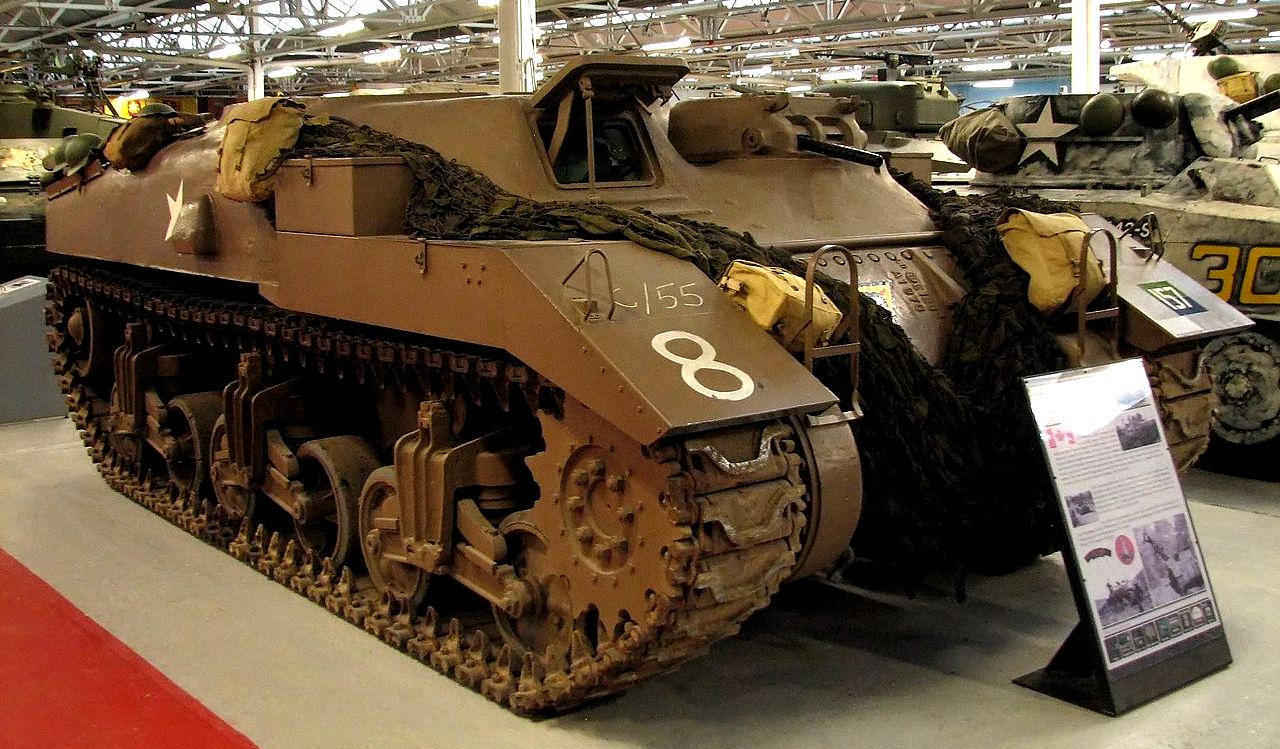
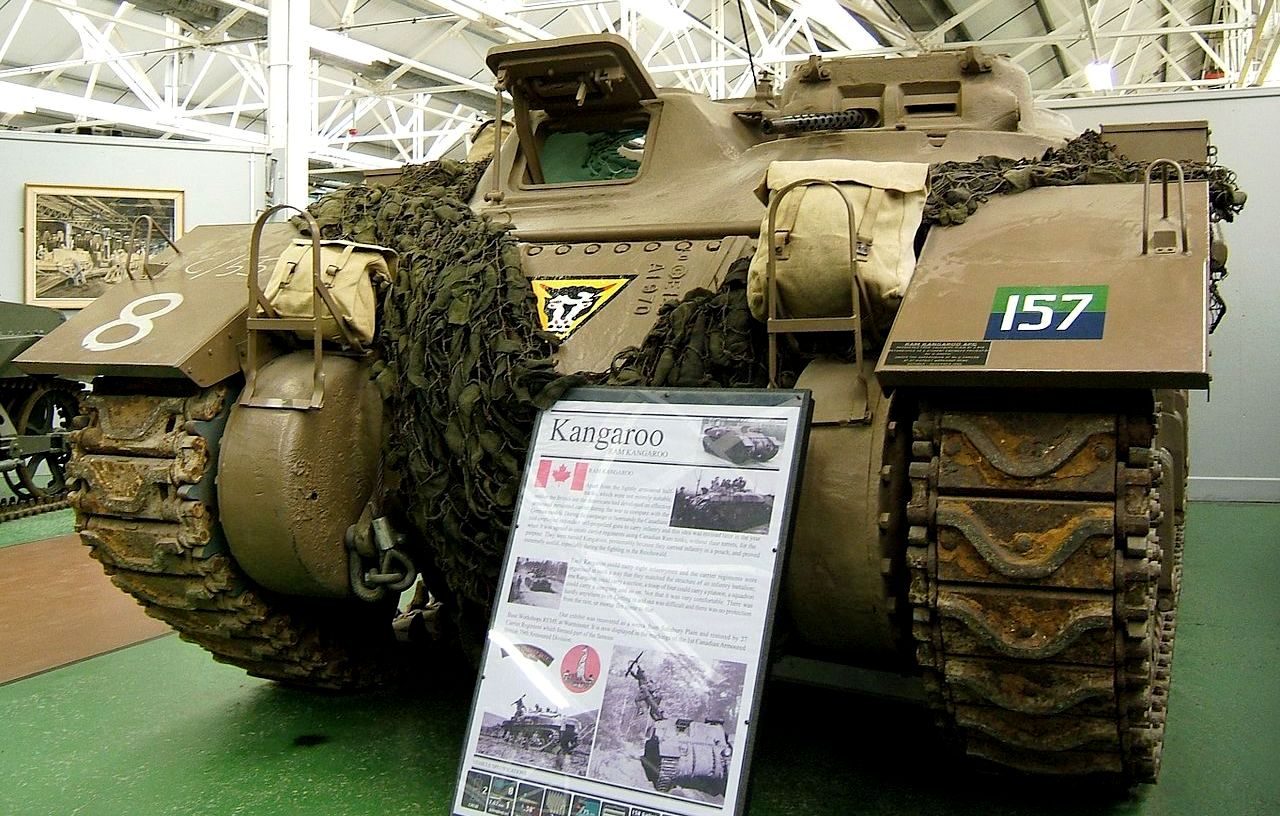
Ram Kangaroo Armoured Personnel Carrier, Bovington Tank Museum, UK.
All comments are subject to our Comment Policy. You must be at least 18 years old to comment.
See a comment that violates our guidelines? Report it here.