
Canada Aviation and Space Museum
Musée de l’Aviation et de l’Espace du Canada
(Avro to Bristol)
The Canada Aviation and Space Museum is located at 11 Aviation Parkway, Ottawa, Ontario.
The aim of this website is to locate, identify and document every historical Warplane preserved in Canada. Many contributors have assisted in the hunt for these aircraft to provide and update the data on this website. Photos are by the author unless otherwise credited. Any errors found here are by the author, and any additions, corrections or amendments to this list of Warplanes in Canada would be most welcome and may be e-mailed to the author at hskaarup@rogers.com.
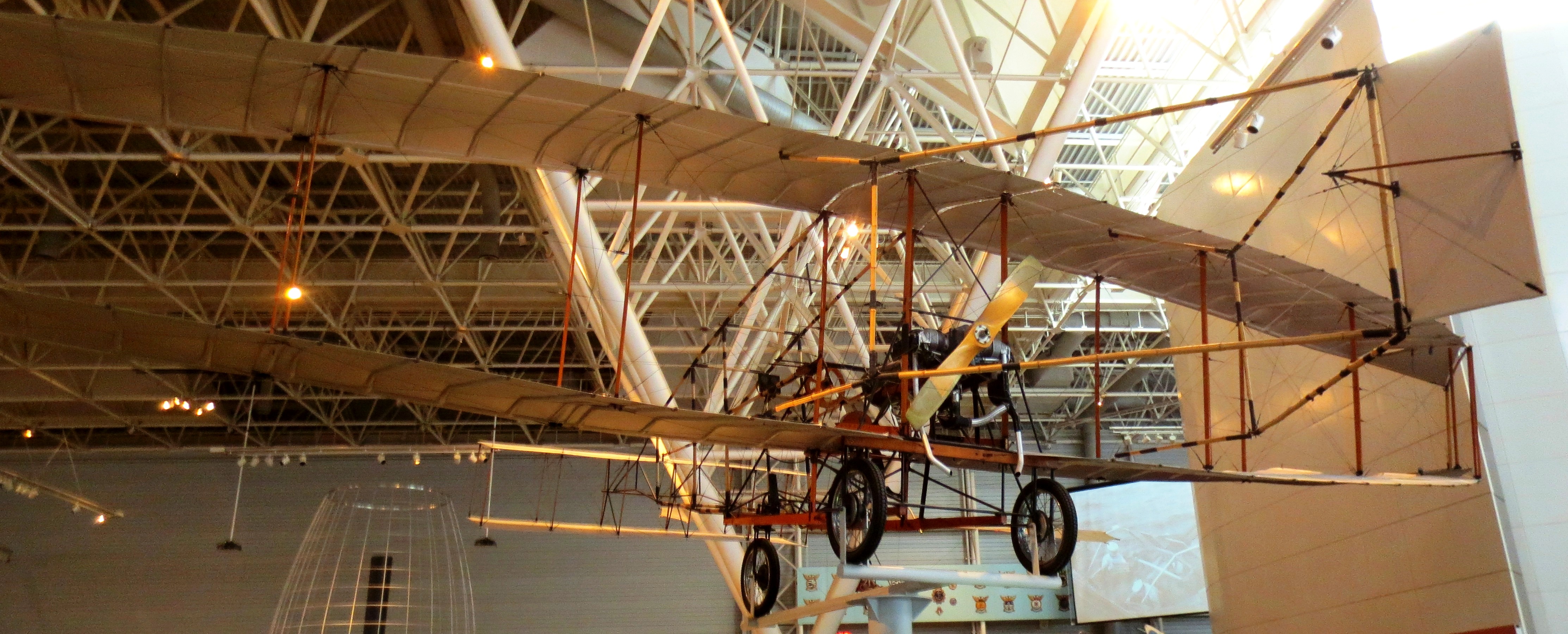
The original Silver Dart (or Aerodrome #4) was a derivative of an early aircraft built by a Canadian/U.S. team, which after many successful flights in Hammondsport, New York, earlier in 1908, was dismantled and shipped to Baddeck, Nova Scotia. It was flown from the ice of Baddeck Bay, a sub-basin of Bras d’Or Lake, on 23 February 1909, making it the first controlled powered flight in Canada. The aircraft was piloted by one of its designers, Douglas McCurdy. The original Silver Dart was designed and built by the Aerial Experiment Association (AEA), which had been formed under the guidance of Dr. Alexander Graham Bell.
From 1891, Bell had begun experiments at Baddeck and Hammondsport to develop motor-powered heavier-than-air aircraft. By 1908, the success of the AEA was seen in a series of ground-breaking designs, culminating in the Silver Dart. By the time the Silver Dart was constructed in late 1908, it was the Aerial Experiment Association’s fourth flying machine. One of its precursors, the June Bug, had already broken records. It won the Scientific American Trophy for making the first official one mile (1609 m) flight in North America.
The frame and structure of the Silver Dart were made of steel tube, bamboo, friction tape, wire and wood. The wings were covered with rubberized, silvery balloon cloth provided by Capt. Thomas Scott Baldwin of Hammondsport; hence the name the “Silver Dart”. Its Kirkham engine, supplied by Glenn Curtiss, was a reliable V-8 that developed 50 horsepower (37 kW) at 1,000 RPM. The propeller was carved from a solid block of wood. The aircraft had what is now called a canard or an “elevator in front” design. Like most aircraft of its day the Silver Dart had poor control characteristics; likewise, it had no brakes.
When the Silver Dart lifted off on 23 February 1909, it flew only half a mile (800 m) at an elevation from three to nine meters, and a speed of roughly 65 kilometres per hour (40 mph). The aircraft was the first powered, heavier-than-air machine to fly in Canada.[2] Other records were soon to fall; on 10 March 1909, the Silver Dart flown again by McCurdy completed a circular course over a distance of more than 35 kilometres (22 mi). The first passenger flight in Canada was made in the Silver Dart on 2 August 1909.
The Canadian Army was unimpressed at the headway made by the group. The general impression of the time was that aircraft would never amount to much in actual warfare. Despite official scepticism, the Association was finally invited to the military base at Camp Petawawa to demonstrate the aircraft. The sandy terrain made a poor runway for an aircraft with landing wheels about 2 inches (50 mm) wide. The Silver Dart had great difficulty taking off. On its fifth flight on 2 August 1909, McCurdy wrecked the craft when one wheel struck a rise in the ground while landing. The Silver Dart never flew again.
Although a significant aircraft in Canada, the location of the initial design and construction of the Silver Dart made it an American design. Following the disbanding of the AEA, founding members, McCurdy and F.W. (“Casey”) Baldwin obtained the Canadian patent rights for Aerodrome No. 4 (The Silver Dart), for the express purpose of producing a Canadian-made version. Subsequently, the Baddeck No. 1 and Baddeck No. 2 were built by the Canadian Aerodrome Company, the newly formed company that Baldwin and McCurdy established in 1909.
(Green, H. Gordon (1959). The Silver Dart: The Authentic Story of the Hon. J.A.D. McCurdy, Canada’s First Pilot. Fredericton, New Brunswick: Atlantic Advocate Book. Milberry, Larry (2008). Aviation in Canada: The Pioneer Decades. Vol. 1. Toronto: CANAV Books)
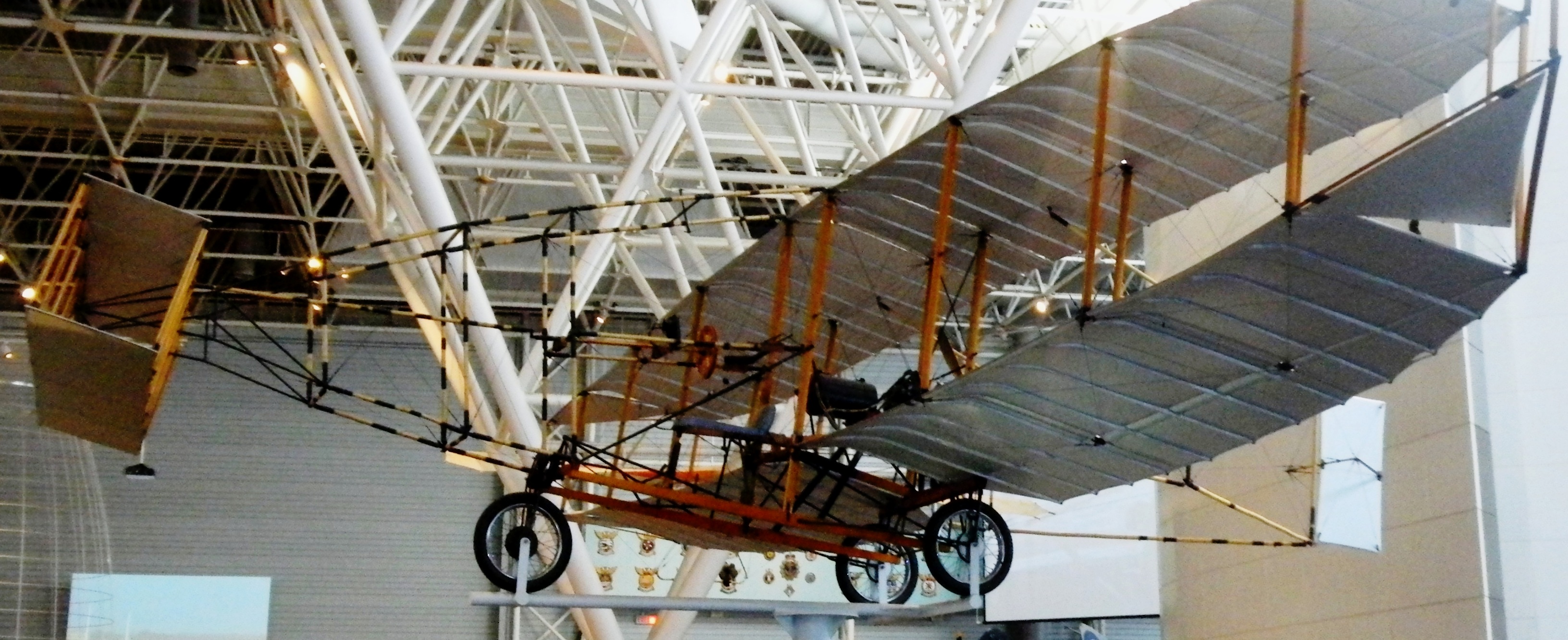
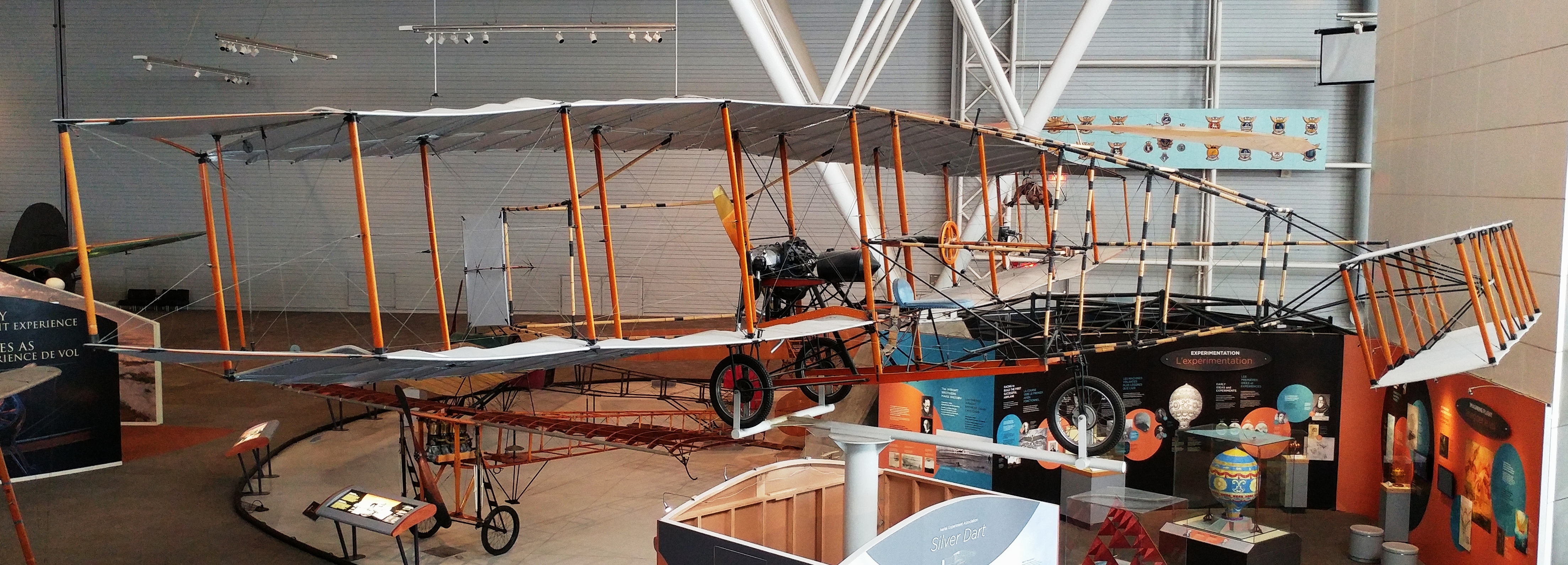
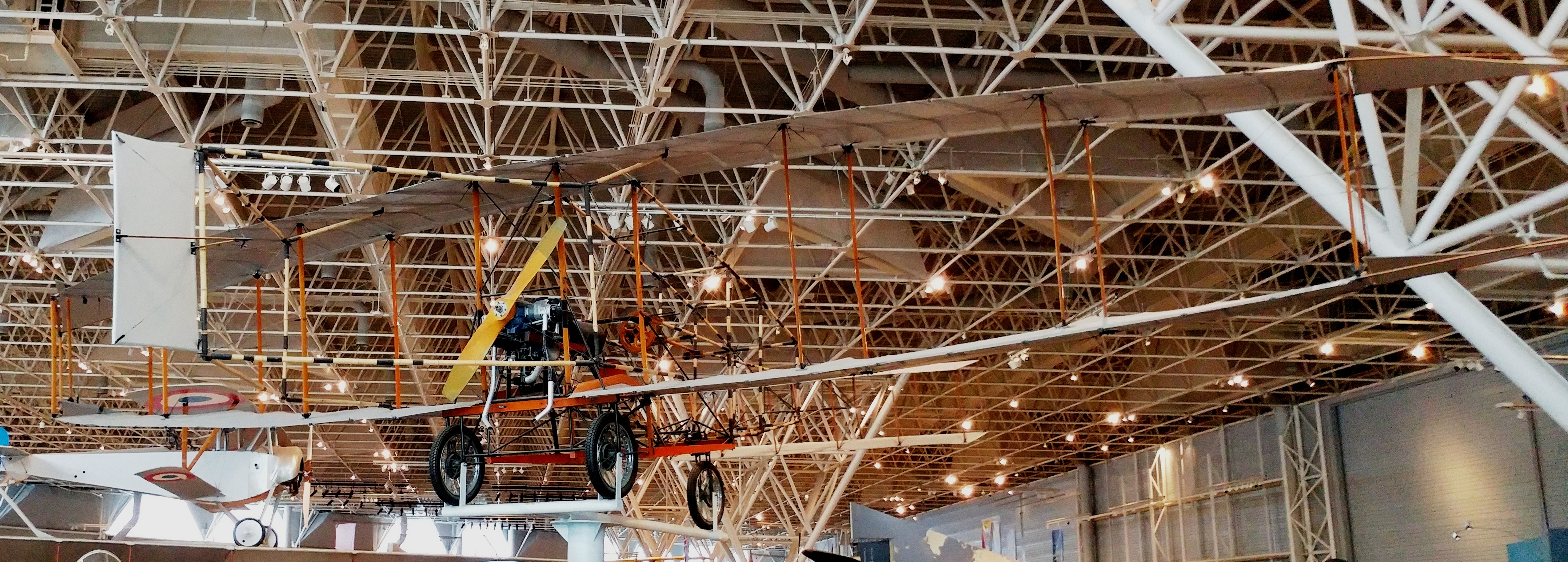
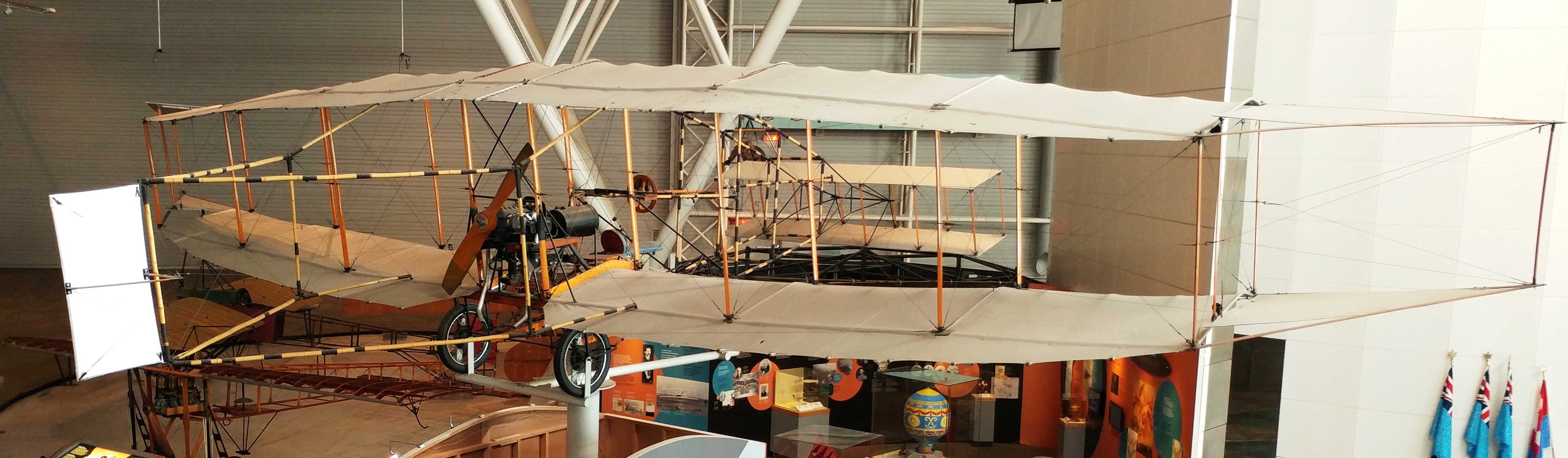
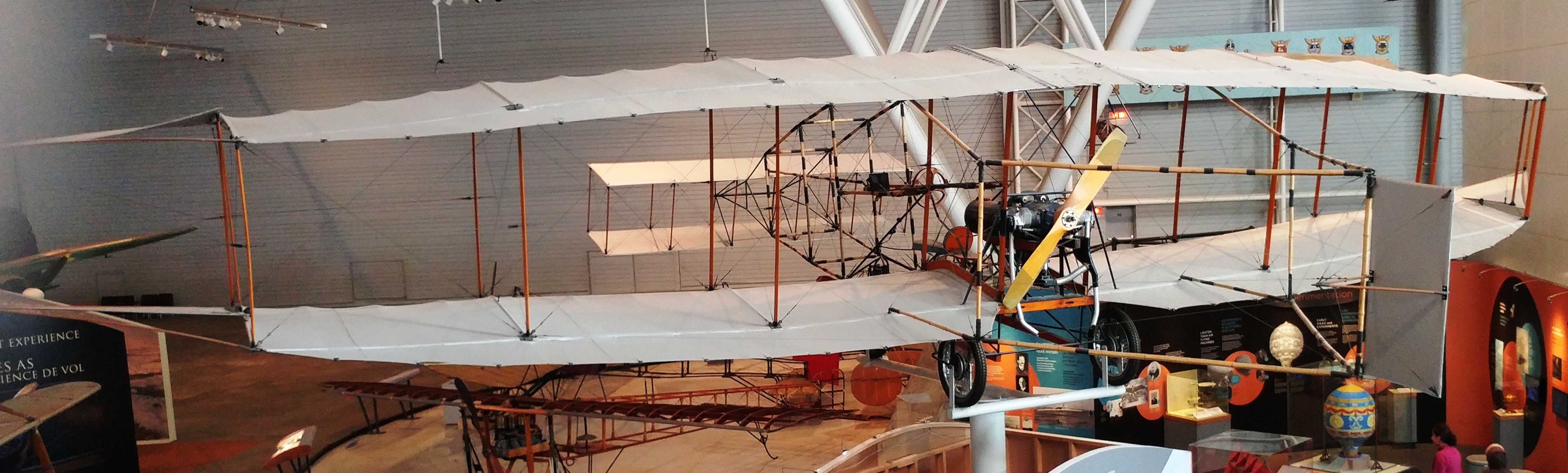
AEA Silver Dart replica No. 1 (Serial No. 2).
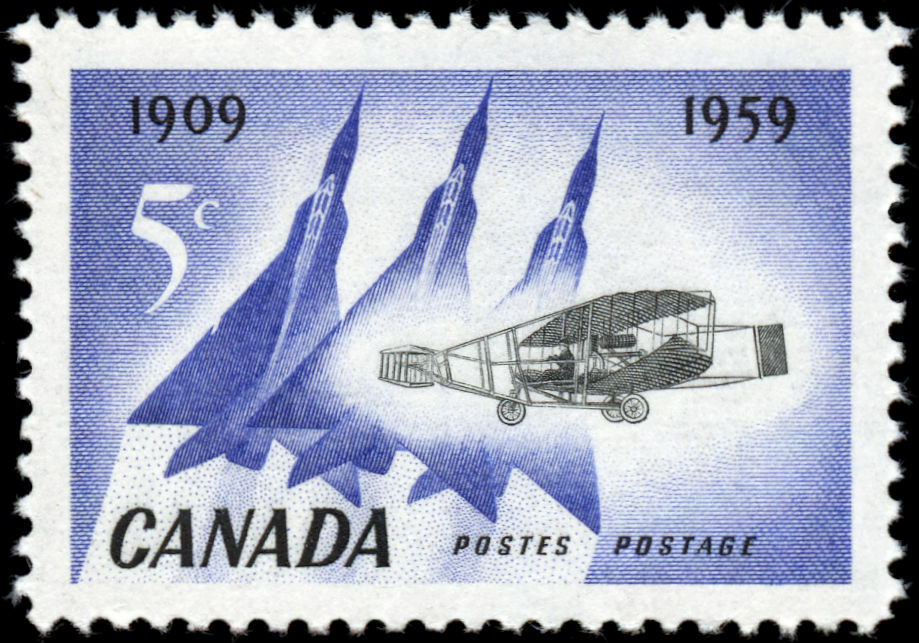
On the 50th anniversary of its first flight, Canada Post issued a Canadian Silver Dart stamp on 23 February 1959.
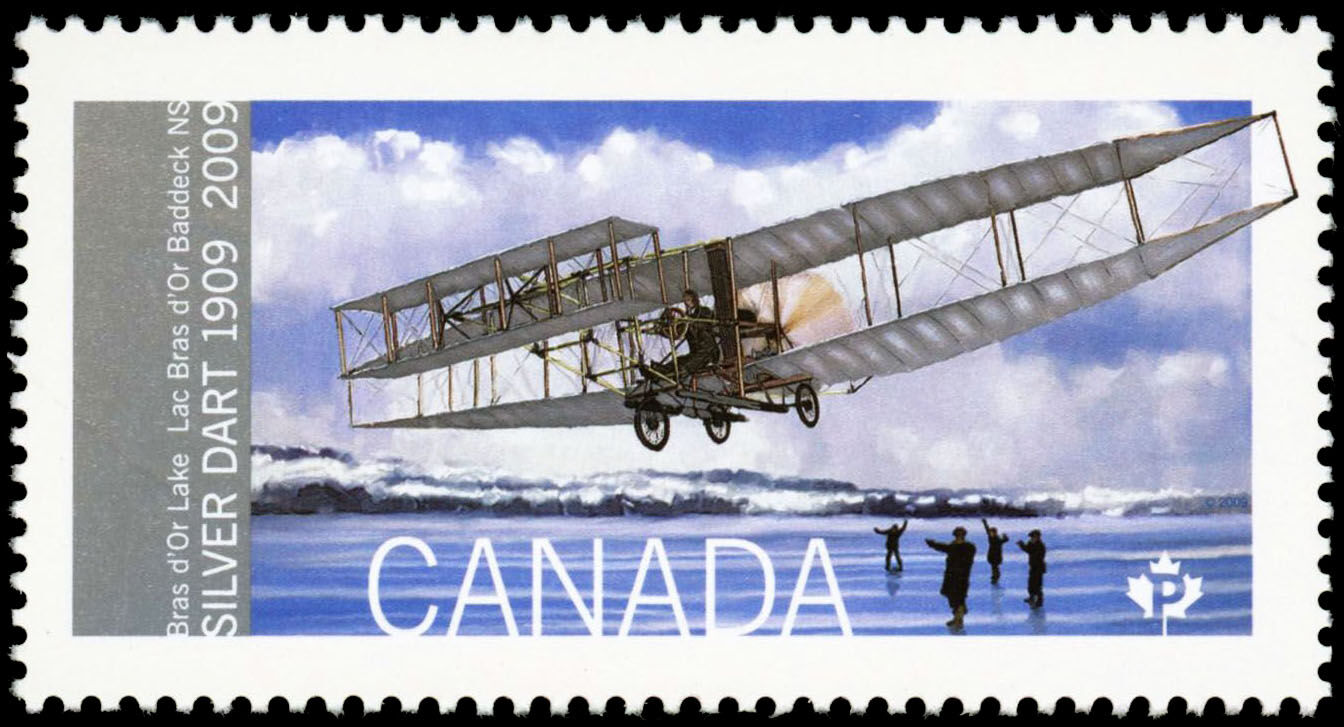
(Library and Archives Canada Photo, MIKAN No. 3922995)
During the Canadian Centenary of Flight, Canada Post honored the Silver Dart – and the first flight in Canada – with a Canadian postage stamp released on 23 February 2009.
All comments are subject to our Comment Policy. You must be at least 18 years old to comment.
See a comment that violates our guidelines? Report it here.