
Japanese artillery in the RCA Museum
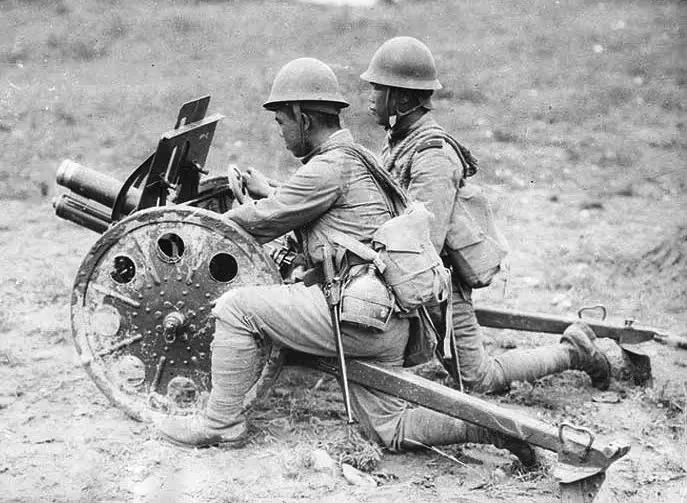
(historicalfirearms Photo)
Japanese 70-mm Type 92 Battalion Gun, a light howitzer introduced in 1932 (2592 in the Japanese imperial year, from where it takes its type “92”). Since every infantry battalion was equipped with two Type 92 guns, it was designated as Battalion Artillery (Daitaih?). An Imperial Japanese Army Division was equipped with eighteen Type 92 guns. One, Serial No. 2561, is on display in the NBMHM.
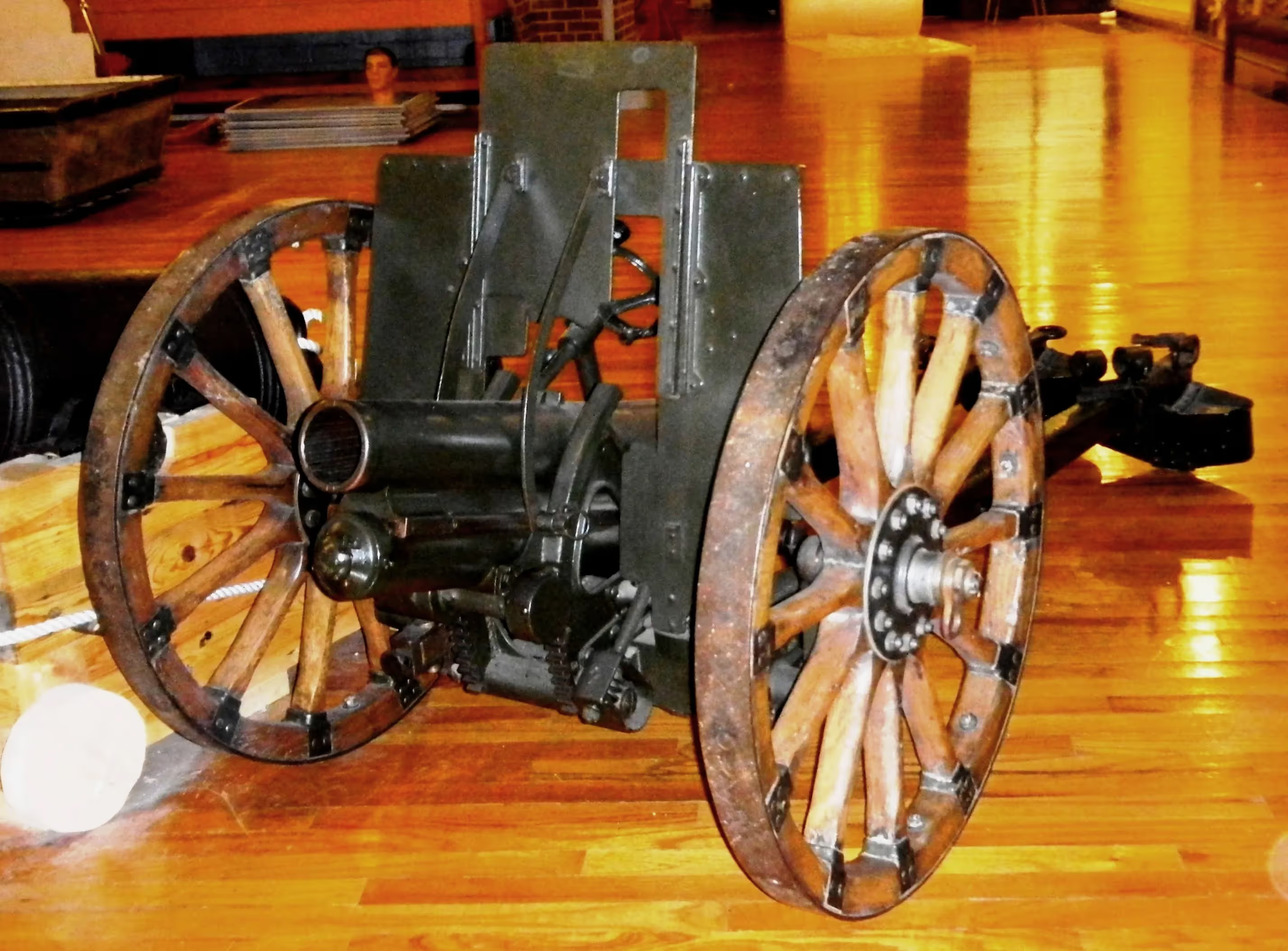
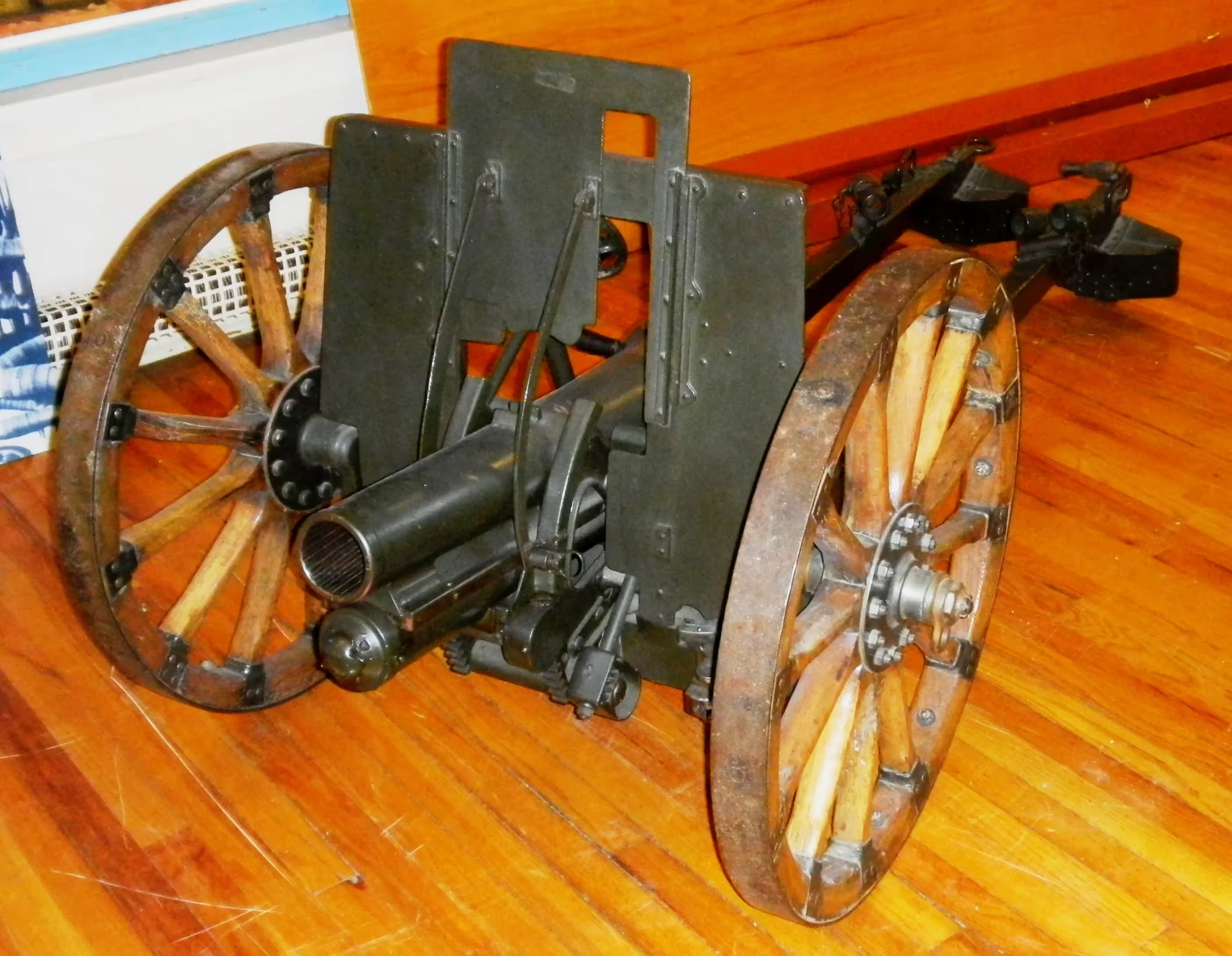
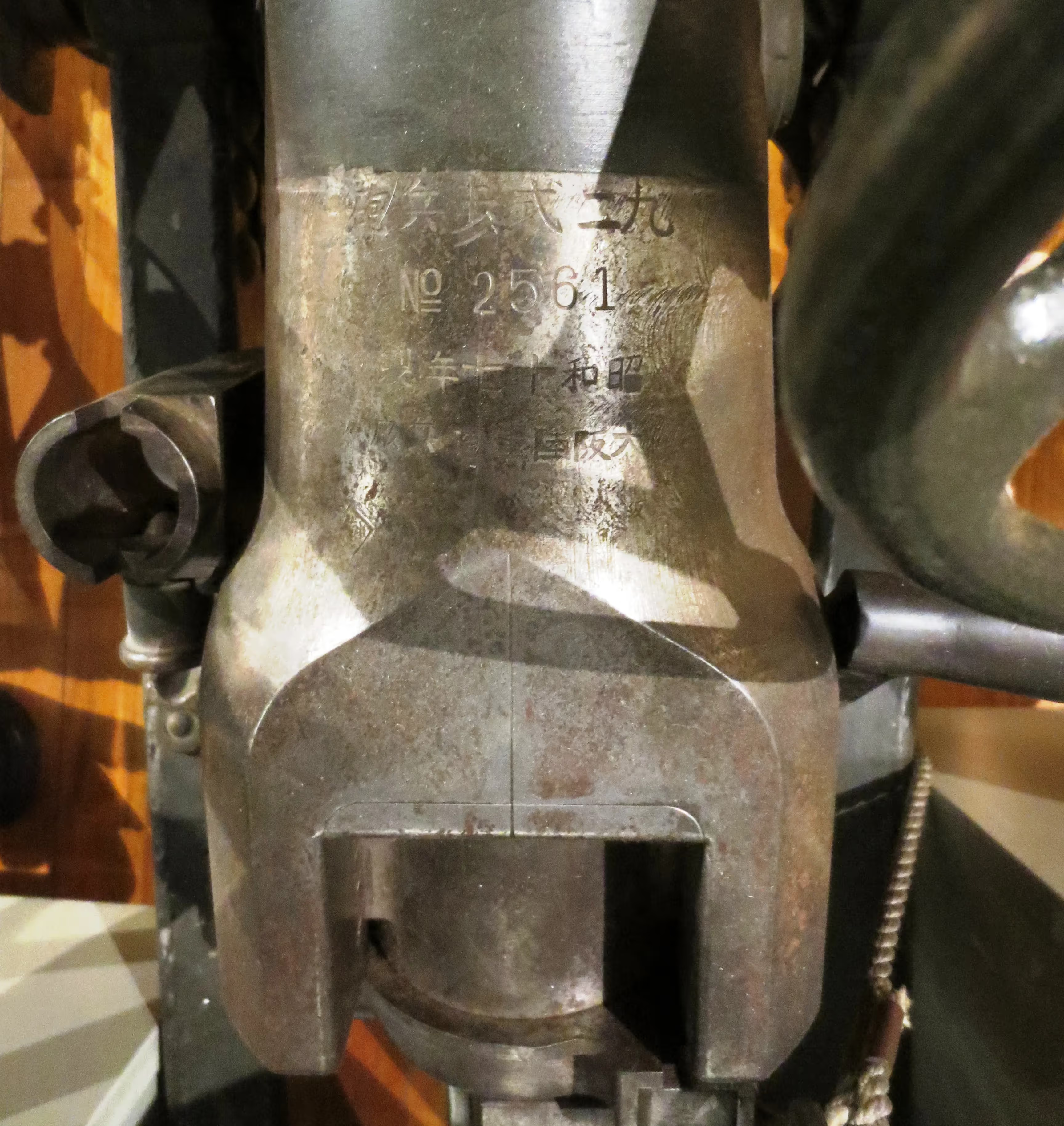
(Author Photos)
Japanese 70-mm Type 92 Battalion Gun
Japanese 70-mm Type 92 Battalion Gun (Serial No. 2561), currently on loan to the New Brunswick Military History Museum at 5 Canadian Division Support Base Gagetown, New Brunswick.
The Type 92 Battalion Gun was a light howitzer used by the Imperial Japanese Army during the Second Sino-Japanese War and the Second World War. The Type 92 number was designated for the year the gun was accepted, 2592 in the Japanese imperial year calendar, or 1932 in the Gregorian calendar. Each infantry battalion included two Type 92 guns; therefore, the Type 92 was referred to as Battalion Artillery.
This gun was captured by members of the Royal Canadian Engineers during the assault on the Japanese positions in Alaska in 1943. It was briefly held in British Columbia before going to the Royal Canadian Artillery Museum at Camp Shilo, Manitoba. The RCA Museum loaned this gun to 2 RCHA, which was based at Camp Gagetown until July 1970, when it moved to Camp Petawawa, Ontario. The Type 92 Battalion Gun remained at Gagetown, where it is currently on display inside the NBMHM.
During the Second World War, a small Japanese force occupied the Alaskan islands of Attu and Kiska. The islands’ strategic value was their ability to control Pacific transportation routes. The Japanese reasoned that control of the Aleutians would prevent a possible U.S. attack across the Northern Pacific. Similarly, the U.S. feared that the islands would be used as bases from which to carry out a full-scale aerial attack on the U.S. West Coast cities. In spite of the remoteness of the islands and the challenges of weather and terrain, a combined American and Canadian force carried out an attack on Attu on 11 May 1943. The operation was completed following a final Japanese banzai charge on 29 May 1943.
Another invasion force consisting of 34,426 troops including 5,300 Canadians (mostly from the 13th Canadian Infantry Brigade of the 6th Canadian Infantry Division), and 2,000 soldiers with the 1st Special Service Force, landed on Kiska in the wake of a sustained three-week barrage, on 15 August 1943. Although the Japanese had withdrawn from the island on 19 July, 17 American and 4 Canadian soldiers were killed by booby traps left behind by the Japanese.
Royal Canadian Air Force (RCAF) No. 111 Squadron and No. 14 Squadron saw active service in the Aleutian skies and scored at least one aerial kill on a Japanese aircraft. Additionally, three Canadian armed merchant cruisers and two corvettes served in the Aleutian campaign but did not encounter enemy forces.
Japanese Type 41 75-mm Mountain Gun
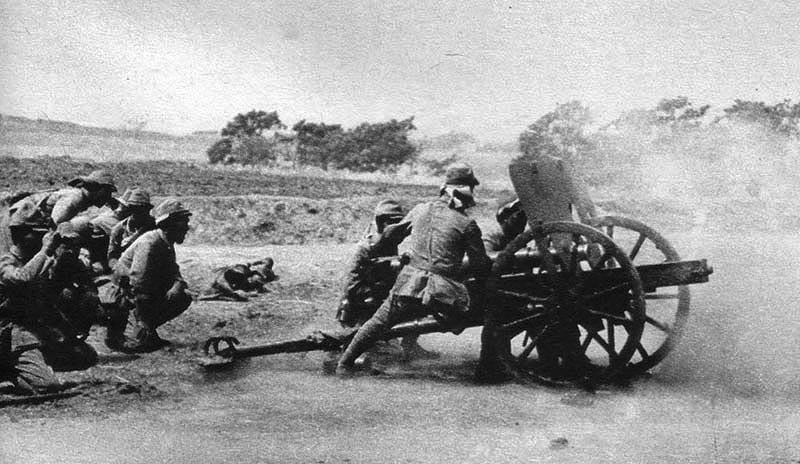
(Imperial Japanese Army Photo)
A Type 41 75-mm-Mountain Gun of the Imperial Japanese Army in action, c1940s.

(Max Smith Photo)
A Japanese Type 41 75mm Mountain Gun at the Yasukuni Shrine, Japan.
The Type 41 75 mm mountain gun is a Japanese license-built copy of the recoiling Krupp M1908 mountain gun. The gun was introduced in 1908 and was in service until the end of the Second World War. (Wikipedia)
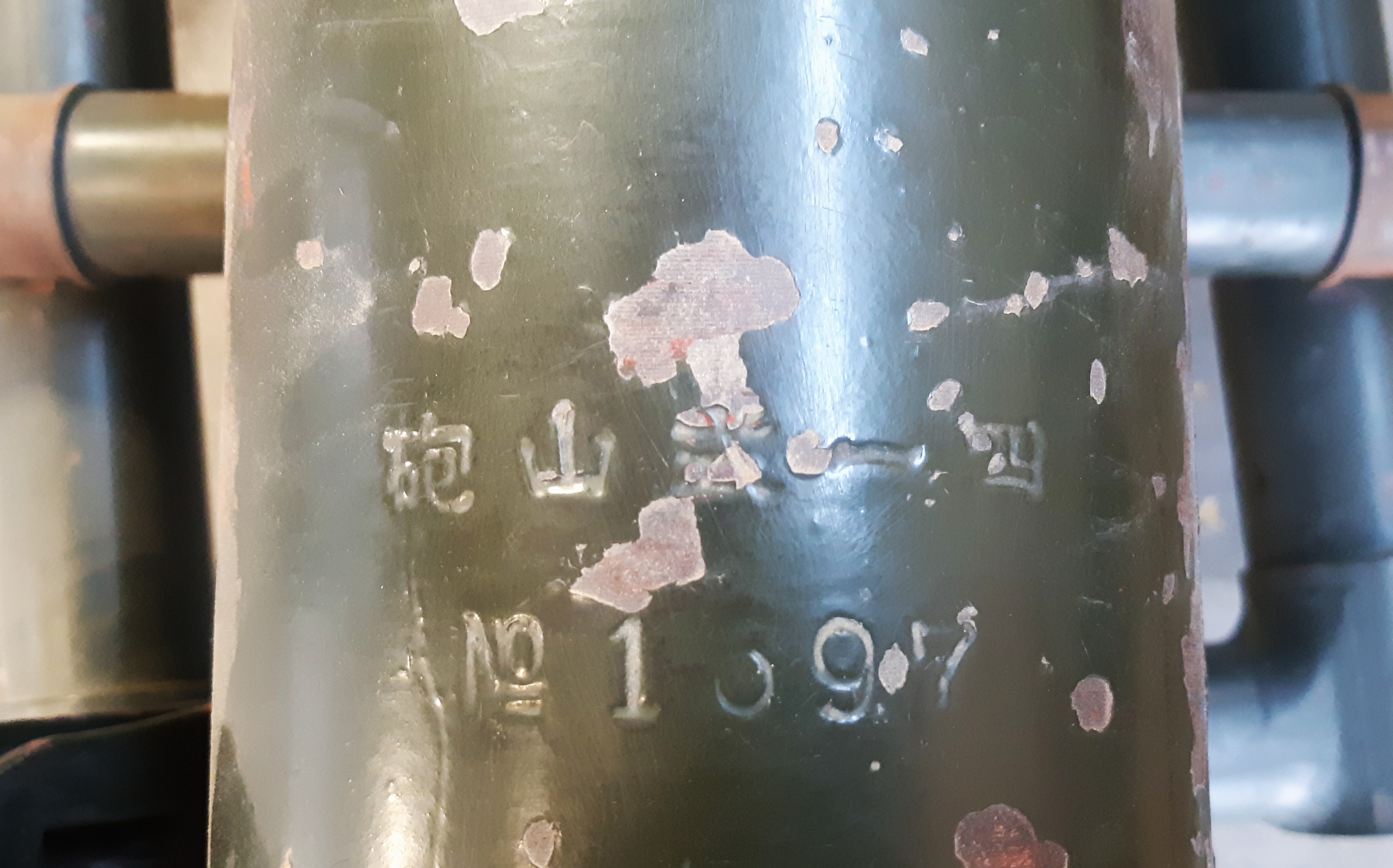
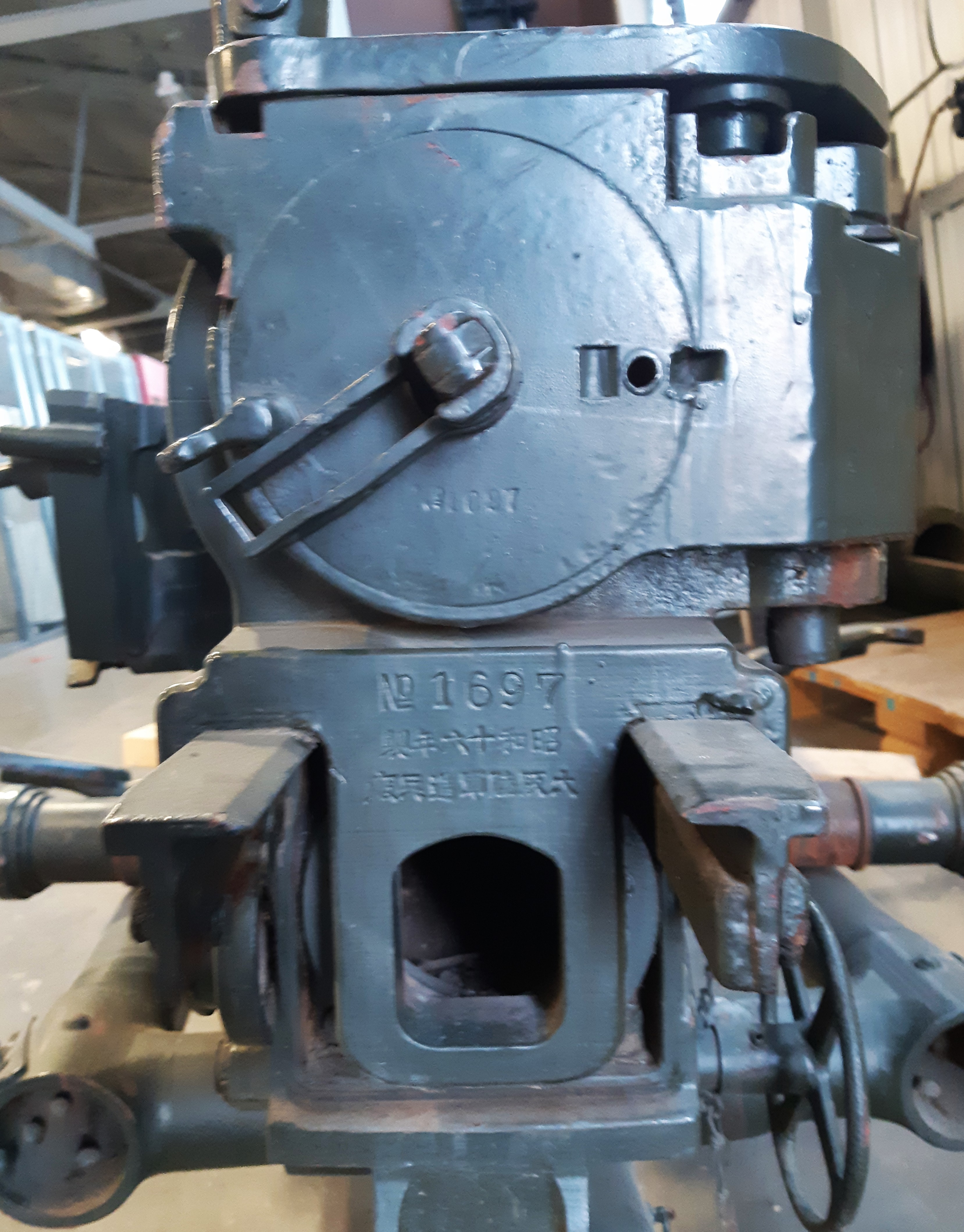
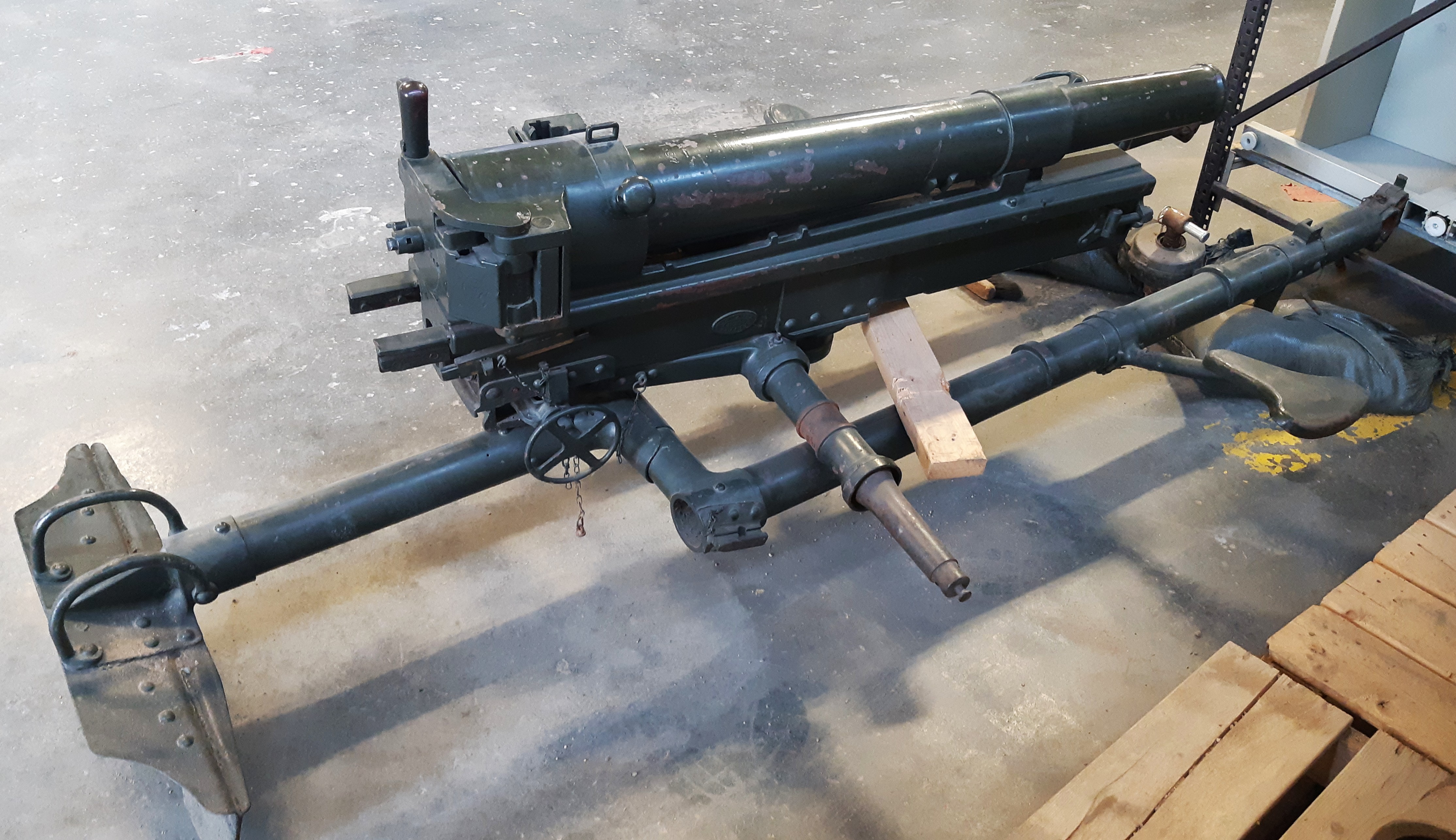
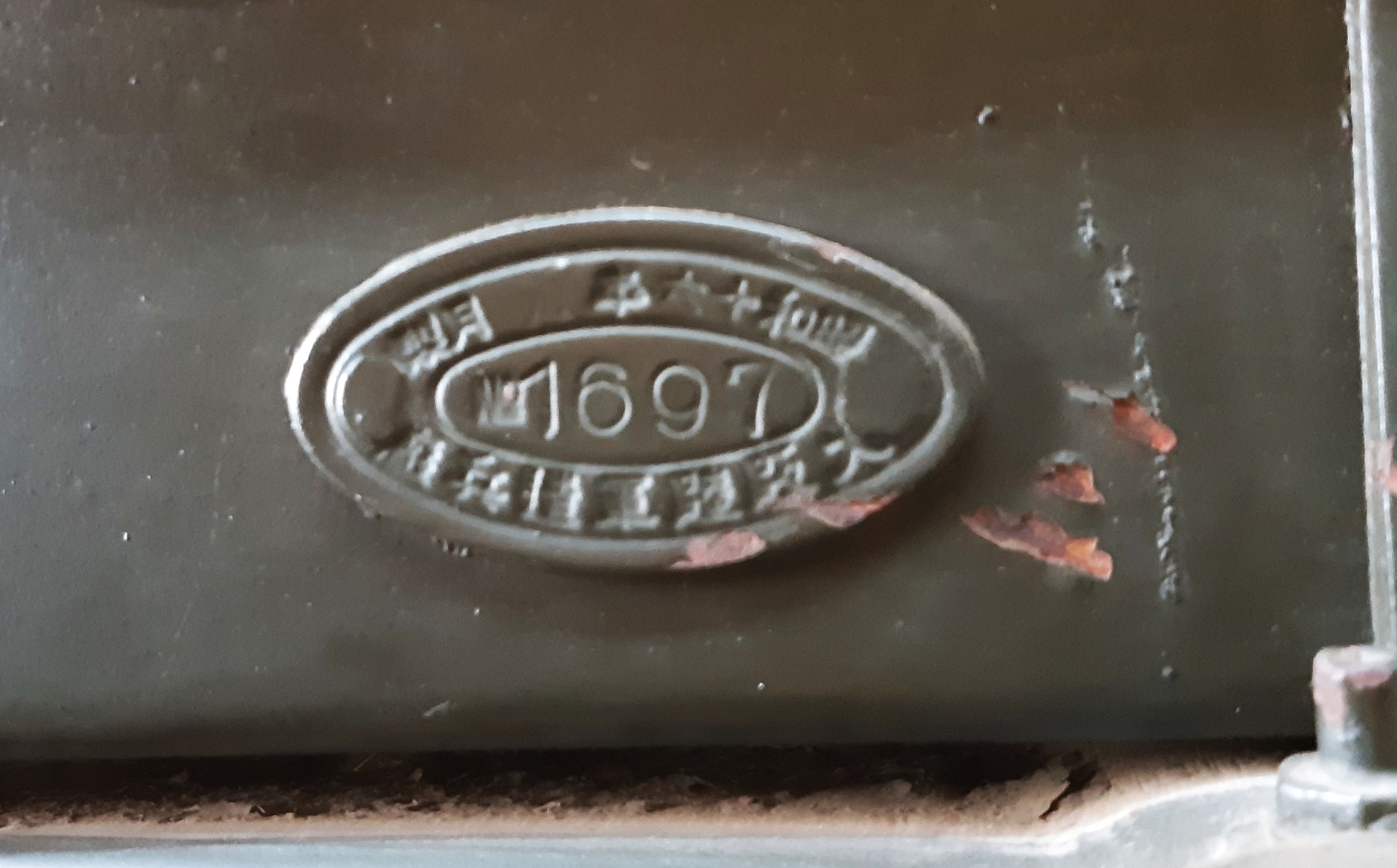
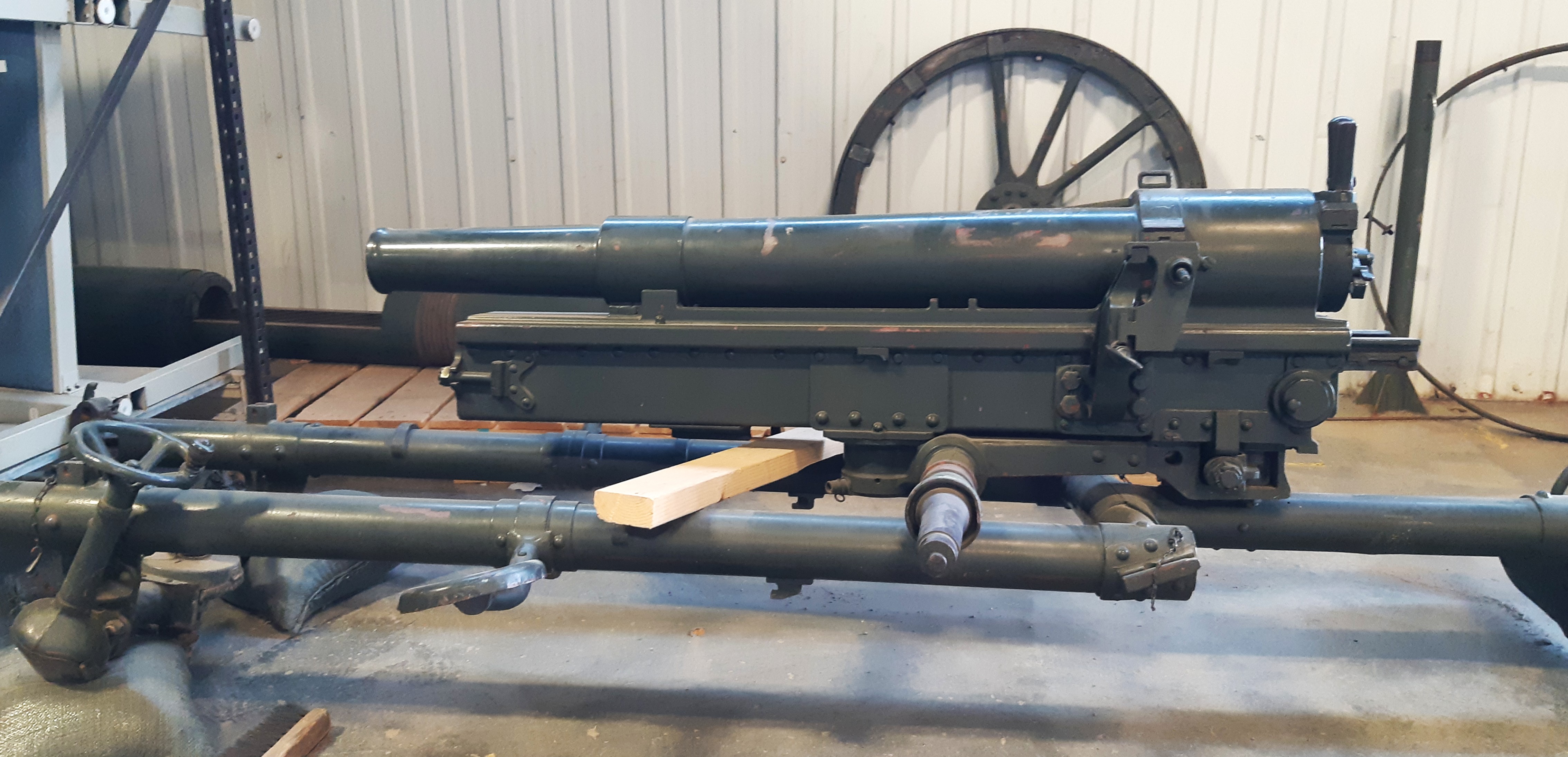
(Author Photos)
Japanese Type 41 75mm Mountain Gun (Serial No. 1697). Stored at the RRCAS until Oct 2025, currently on loan to the New Brunswick Military History Museum at 5 Canadian Division Support Base Gagetwon, New Brunswick.
The Japanese Army obtained the license rights to build a copy of the recoiling Krupp M1908 mountain gun. It entered serve in 1908. The number 41 was designated based on the year the gun was accepted, the 41st year of Emperor Meiji’s reign, equivalent to 1908 in the Gregorian calendar after the conclusion of the Russo-Japanese War. Originally it was the standard pack artillery weapon. It was superseded by the Type 94 75 mm mountain gun. Thereafter, it was used as an infantry “regimental” gun with four deployed to each infantry regiment, and referred to as “rentai ho” (regimental artillery). Two gun shields were produced for the weapon: an early type which folded into thirds, and a late type which folded in half. It could be manually carried or disassembled and carried by horse, making it convenient for use in mountainous regions and areas with rugged terrain.
In service, the gun was operated by a thirteen-man crew consisting of twelve gunners and a squad leader. When the weapon was in service there would be an aimer, a loader, a firer, a person to swing the guns aim left or right, a person inserting the fuses into rounds and handing them to the loader, two gunners lying in reserve to the left and right of the gun, and the squad leader sitting a slight distance to the rear of the weapon. The remaining five men would ferry ammunition in relays from the ammunition squad, which would typically be in cover a few hundred meters behind the gun’s position.
The weapon could be transported in complete by its thirteen-man squad or broken down into parts and carried on six packhorses using special harnesses, with a seventh horse carrying the ammunition. Two types of impact fuse were available for the Type 97’s 75 mm high explosive round: one with a delay of 0.05 seconds and another with a delay of 1 second. U.S. Army testing of the weapon at a range of 3,200 yards (2,900 m) resulted in 75 percent of the rounds falling in a rectangle measuring 20 by 30 yards (18 by 27 m). At its maximum range of 7,100 m or 7,800 yards, 75 percent of the rounds fell within a rectangle measuring 100 by 200 yards (90 by 180 m).
Before and after the First World War, the Japanese exported some guns to various warlords in China. The Chinese also manufactured copies of the Type 41 (usually without the gun shield). A small number of Japanese guns were captured and used during the Second Sino-Japanese War. A dozen guns seized from the Japanese forces in 1945 were reported to be in service with the People’s Army of Vietnam during the battle of Dien Bien Phu, where they were used to provide short-range direct fire support against the French, which led the latter to mistakenly believe they were being struck by recoilless rifles. (Wikipedia)
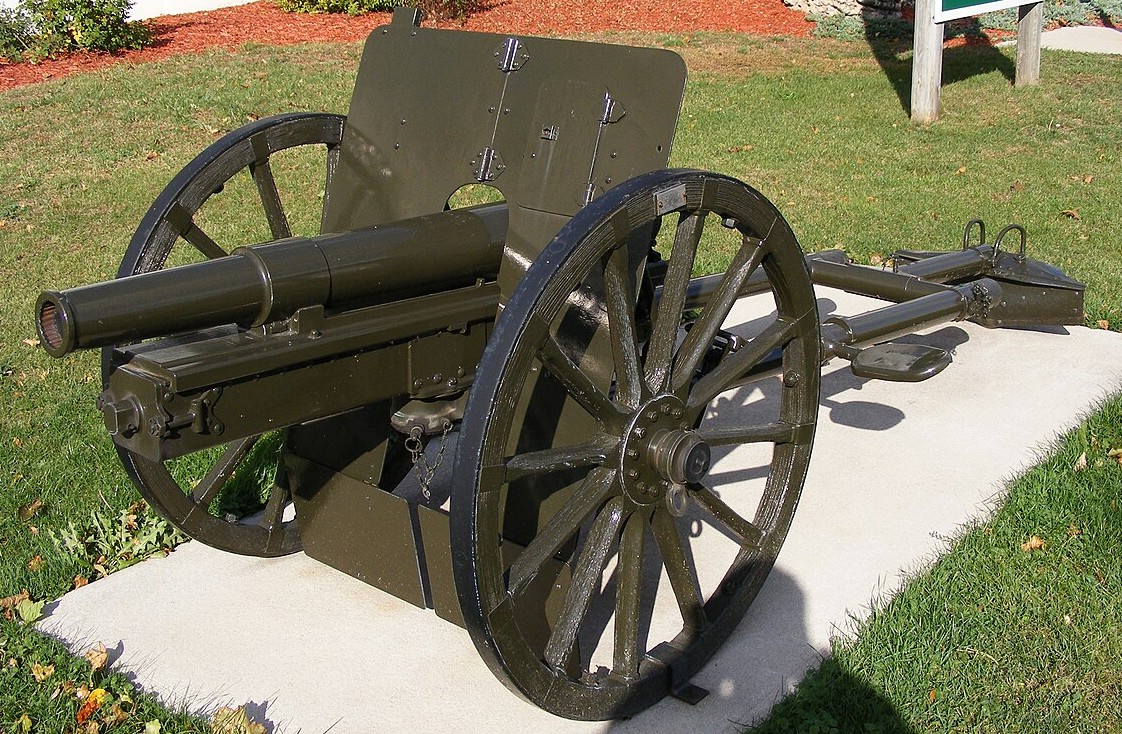
(Balcer Photo)
Japanese Type 41 75mm Mountain Gun, the Royal Canadian Regiment Military Museum in London, Ontario
All comments are subject to our Comment Policy. You must be at least 18 years old to comment.
See a comment that violates our guidelines? Report it here.