
RCA Museum Aircraft
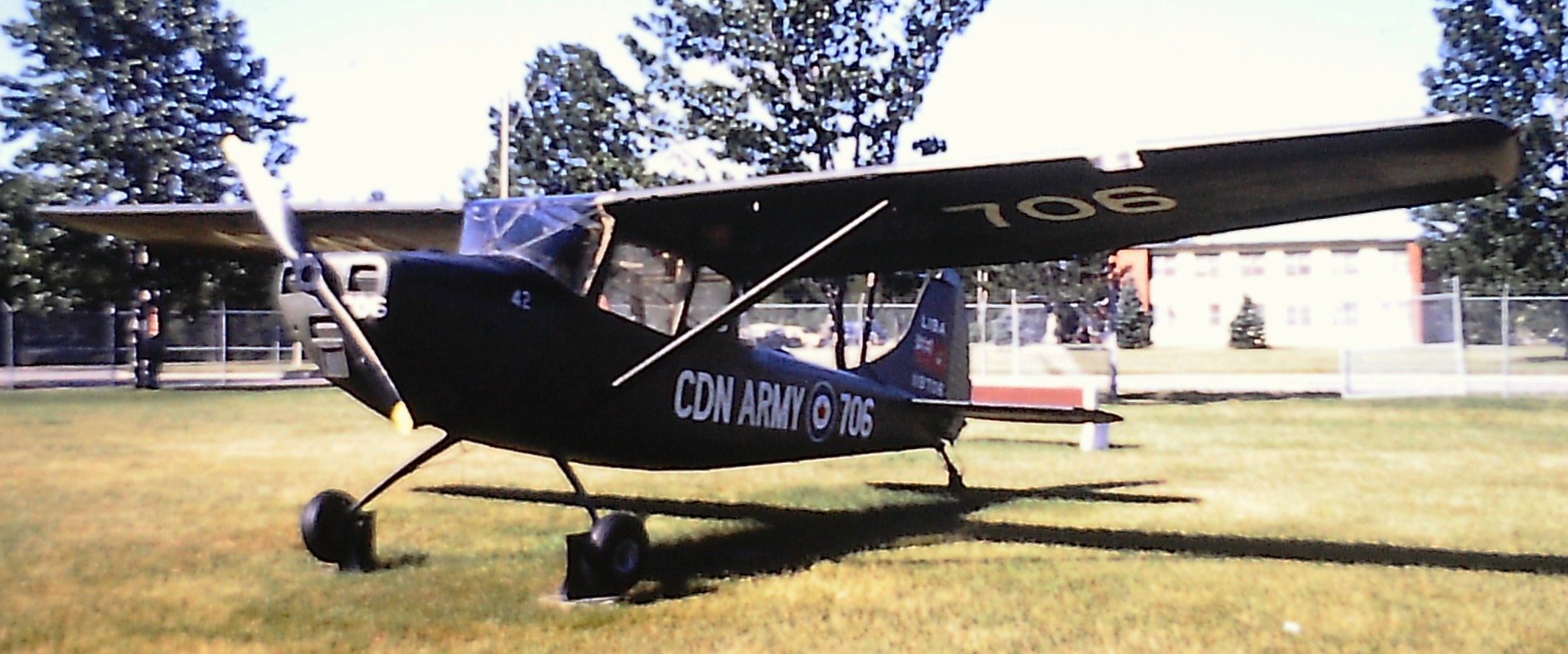
(Author Photo)
Cessna L-19 Bird Dog (Serial No. 16706), shown here at CFB Petawawa, Ontario, ca 1977.
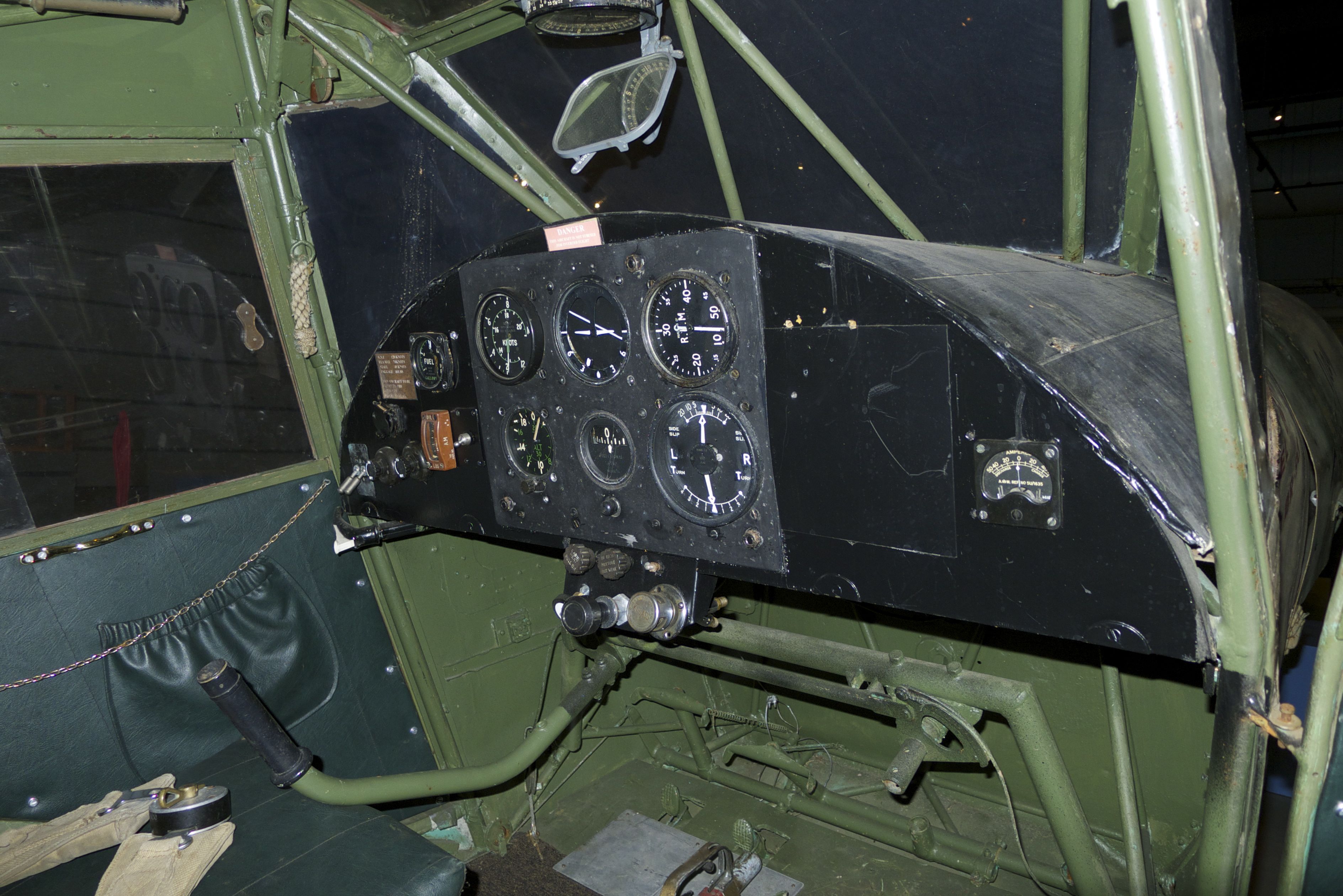
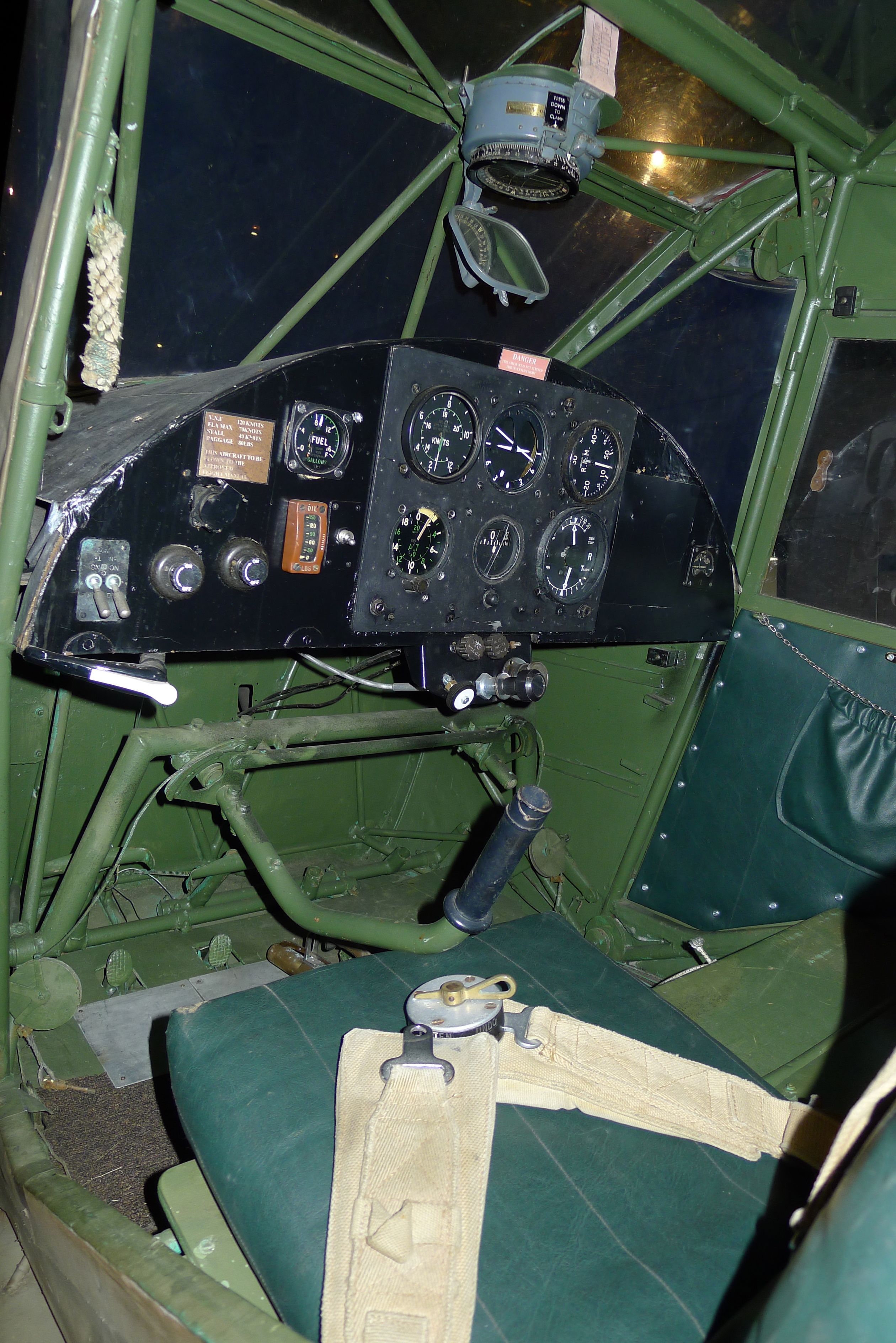
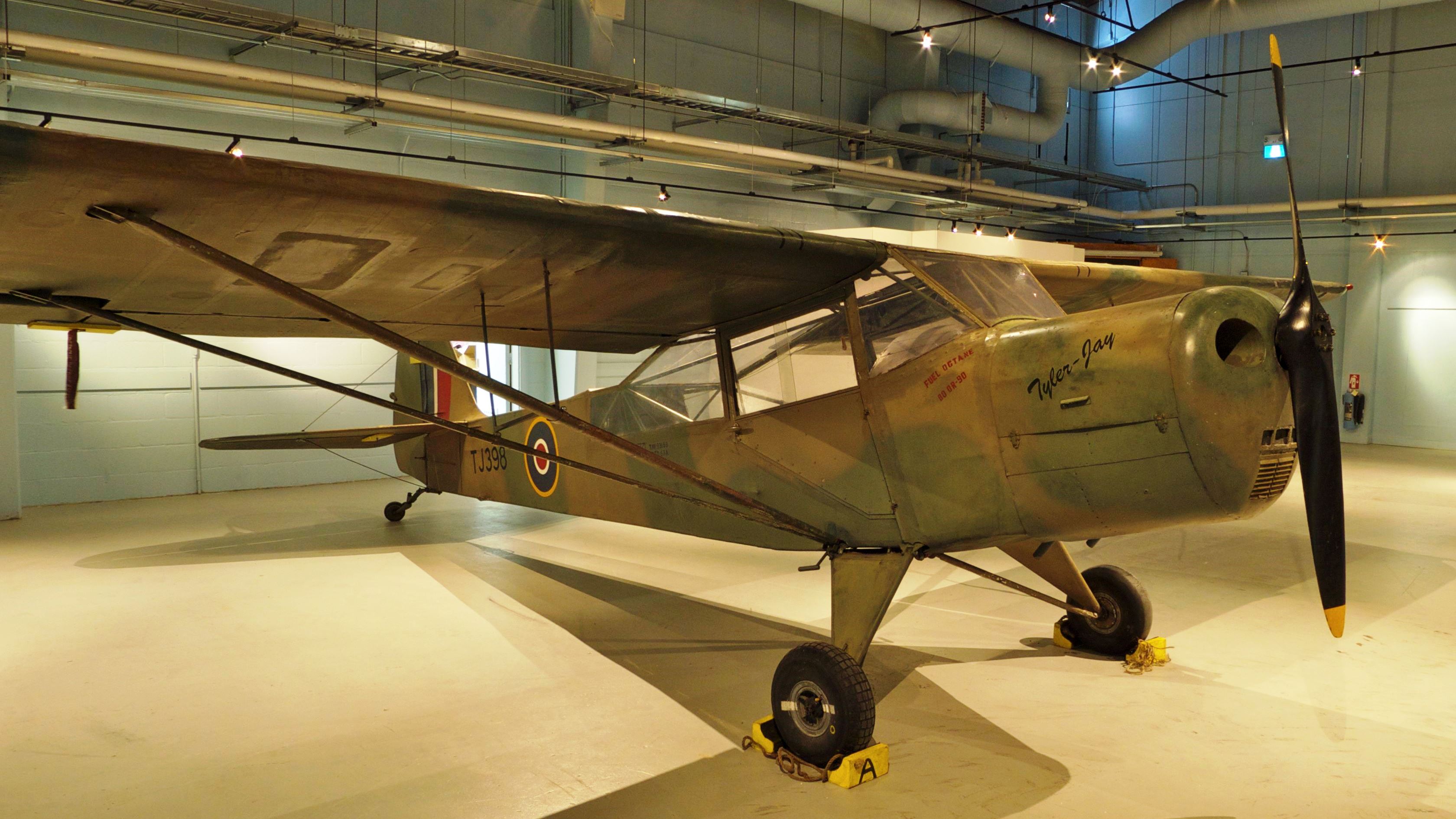
(Clive Prothero-Brooks Photos)
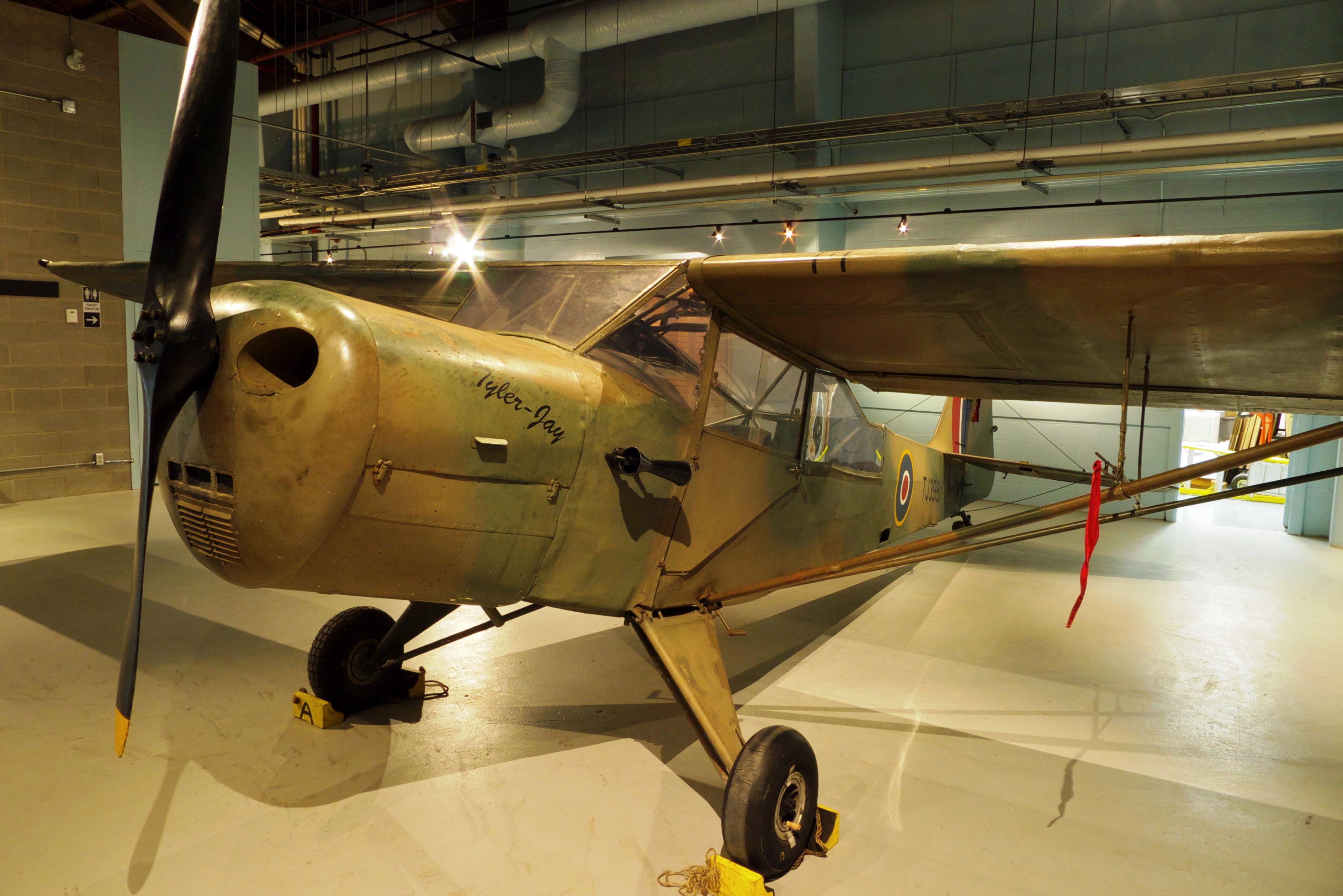
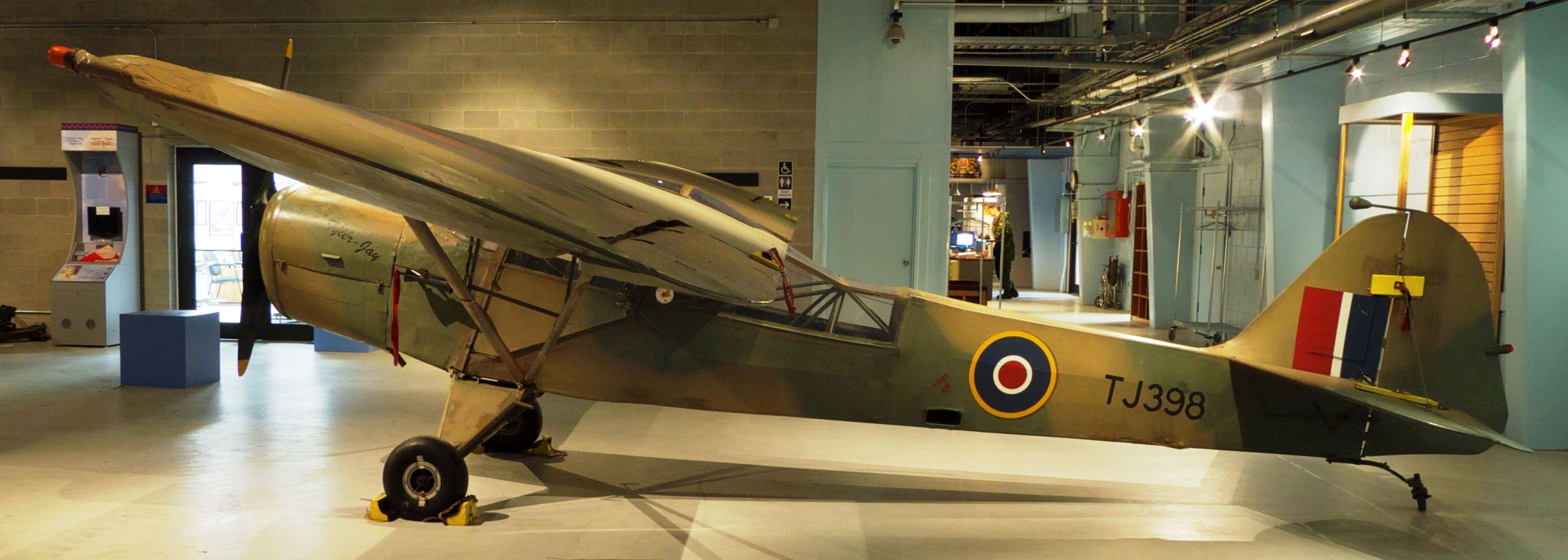
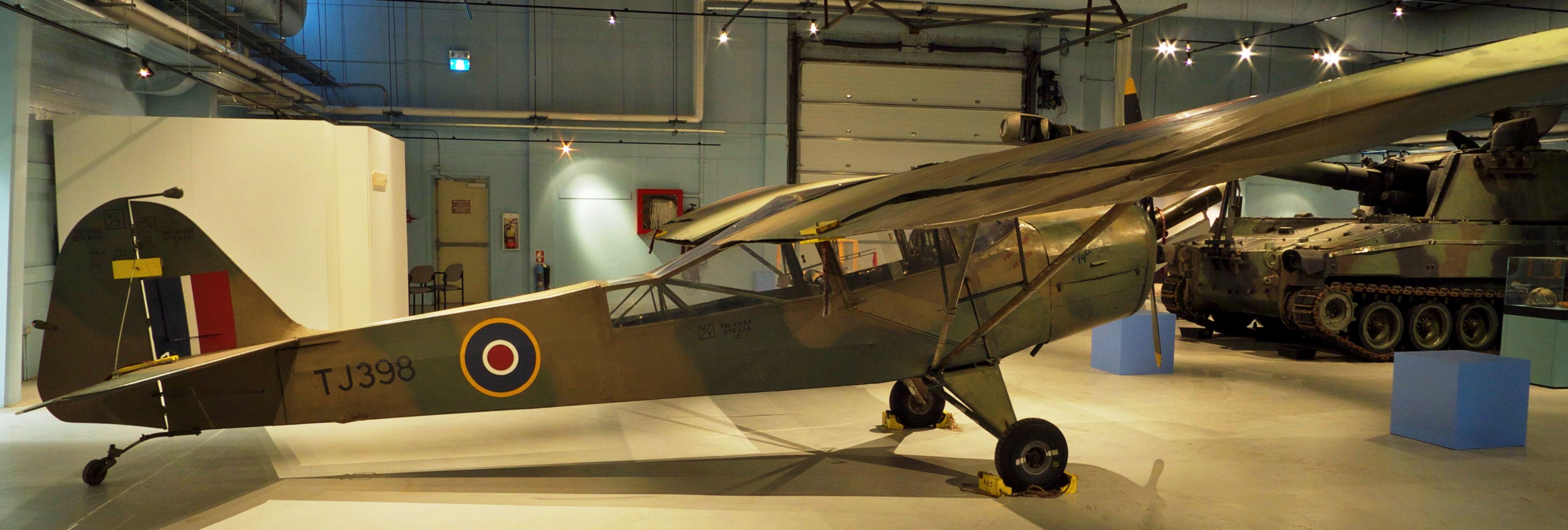
Auster AOP Mk. V (Serial No. TJ398). Recently acquired for the RCAM and flown to the museum in an RCAF Lockheed CC-130 Hercules transport from the UK. It is painted to represent a Canadian Army artillery spotting aircraft operating in Italy during the Second World War.
No. 651 to No. 663 Squadrons of the RAF were Air Observation Post units working closely with army units in artillery spotting and liaison. Three additional squadrons were Canadian, and approved on the RCAF list in the late summer of 1944: No. 664 Squadron RCAF, No. 665 Squadron RCAF, and No. 666 Squadron RCAF. The Canadian pilots were officers recruited from the Royal Canadian Artillery and trained to fly at No. 22 Elementary Flying Training School, RAF Cambridge, and further trained for operational flying at No. 43 Operational Training Unit RAF, at RAF Andover.
The squadron was formed at RAF Andover, England, on 5 Mar1945, the third Air Observation Post squadron consisting of Canadian personnel to be formed at RAF Andover, after a 1944 parliamentary debate in Ottawa, Ontario, resulted in the approval of three AOP squadrons to be added to the RCAF list, in support of the First Canadian Army. The squadron operated under the overall command of No. 70 Group, RAF Fighter Command.
RCA Major Dave Ely initially took command of each of the three squadrons, and was assisted by two RCAF Flight Lieutenants, D. Dougall (Acting Squadron Adjutant) and A.R. Woodhouse (Squadron Equipment officer). Major Ely was also assisted by nine AOP trained Royal Artillery Officers, who began training the squadron’s other ranks.
In the last week of March 1945, 666 Squadron’s aircraft – sixteen Auster Mk. Vs – began to arrive, along with the squadron’s ground transport. On 7 May 1945, ten qualified Canadian AOP pilots were posted to the squadron, and from their ranks, Captain A.B. Stewart was elevated to Squadron Captain. In April, No. 666 Squadron began a succession of moves: on 17 April, to Alfriston Aerodrome; on 28 May, to Gilze-Rijen, the Netherlands, on 6 June, to be headquartered at Hilversum, from where the squadron’s three subordinate Flights were dispersed to Dordrecht, Alkmaar, and Ede.
On 12 June, Major Ely left No. 666 Squadron after being reassigned to Canadian Far East Force (CFEF), and was replaced by Major A.B. Stewart as Officer Commanding. Through the summer of 1945, the squadron was tasked with ‘air taxi’ duties in support of 1st Canadian Infantry Division, 3rd Canadian Infantry Division, and No. 1 Canadian Army Groups Royal Artillery (AGR). On 25 Jun, No. 666 Squadron moved from Hilversum to Apeldoorn, the Netherlands, joining No. 664 Squadron and No. 665 Squadron in that location, then under the overall command of the First Canadian Army.
With the disbanding of No. 665 (AOP) Squadron, on 10 Jul 1945, many of the remaining personnel from that squadron were transferred to No. 666 Squadron. Tasking thereafter included VIP, Courier, and Communications Flight duties in support of the Canadian Army Occupation Force (CAOF). No. 666 Squadron RCAF in its turn was disbanded at Apeldoorn, the Netherlands, on 31 Oct 1945. The squadron had no motto or heraldic badge assigned to it. (Fromow, Lt-Col. D.L. Canada’s Flying Gunners: A History of the Air Observation Post of the Royal Regiment of Canadian Artillery. Ottawa, Ontario, Canada: Air Observation Post Pilots Association, 2002; and, Knight, Darrell. Artillery Flyers at War: A History of the 664, 665, and 666 ‘Air Observation Post’ Squadrons of the Royal Canadian Air Force. Bennington, Vermont, USA: Merriam Press, 2010; and Samuel Kostenuk and John Griffin, RCAF Squadron Histories and Aircraft 1924-1968, Samuel Stevens Hakkert & Company, Toronto & Sarasota, 1977, p. 143)
(Library and Archives Canada Photo, MIKAN No. 3524504)
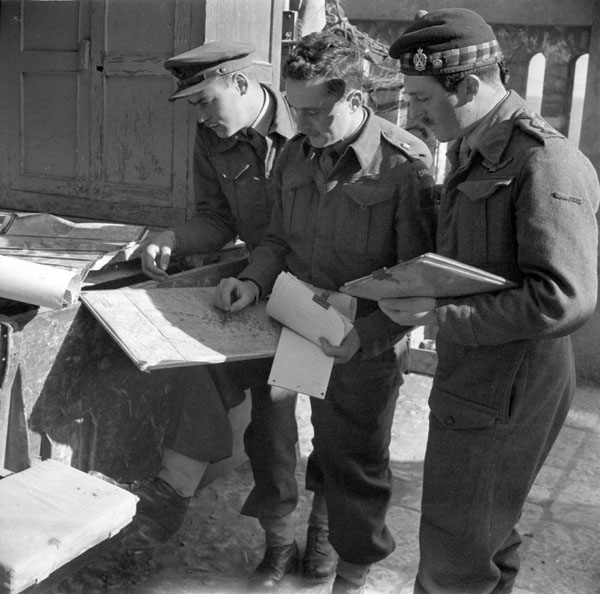
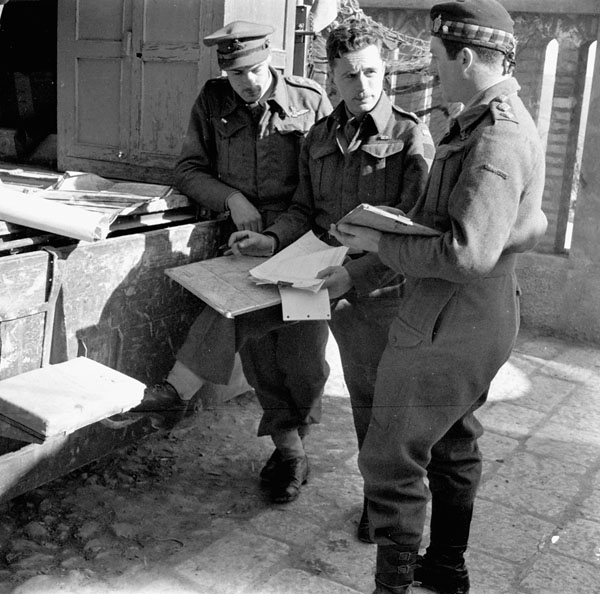
Briefing of air observation pilots operating in support of regiments of the Royal Canadian Artillery. (Left to right): Capts. Pat Henderson, N.H. Chase, Maj. Ted Mcnaughton. Castel Frentano, Italy, 10 Feb 1944.
(Library and Archives Canada Photo MIKAN No. 3524505)
Briefing of air observation pilots operating in support of regiments of the Royal Canadian Artillery. (Left to right): Capts. Pat Henderson, N.H. Chase, Maj. Ted Mcnaughton. Castel Frentano, Italy, 10 Feb 1944.
The Flewin Field Cairn, CFB Shilo Artillery Park. The Flewin Field Cairn in the CFB Shilo Artillery Park was dedicated on 5 June 1970 by the Officers and Men of CFB Shilo to the memory of Captain G.I. Ross Flewin, CD, RCA, who served at Shilo as an AOP pilot with 2 AOP Flight in 1956 and as an Instructor Gunnery with RCSA in 1959. On 17 January 1964 Captain Ross Flewin was killed while piloting a light aircraft on a routine training flight.
All comments are subject to our Comment Policy. You must be at least 18 years old to comment.
See a comment that violates our guidelines? Report it here.